Boston and the Brexit Blues

Political comment is normally outside the scope and objectives of this blog.

But the EU Referendum impacted on, and overshadowed, our return to the USA in a way that no other political event has. We’ve been here in the run-up to two Presidential Elections, in 2004 and 2008; we were here when Scotland decided to remain part of the United Kingdom (for then anyway) and we were here when, against expectations, the Tories were returned to power in May 2015.

On both of the two latter occasions we followed the news from home as best we could, with only intermittent access to the internet, feeling slightly dislocated from things and missing the immediacy and familiarity of  Radio 4’s Six o’clock news and the Today Programme.

The EU Referendum was something completely different.

We flew out on Thursday 23rd June, already aware that it was going to be close, but with a misplaced complacency that it would be alright on the night. Perhaps the woman  sitting opposite me in the departure lounge at Newcastle Airport, with her copy of The Sun, its headline screaming ‘Independence Day’ superimposed on a brilliant sun rising over Britain, was a portent, but I didn’t recognise her as one.

It wasn’t until we landed at Logan Airport, Boston, at 2am BST, and the lady at Customs said ‘Say, did your Bill get passed?’ that we had any inkling of the dramatic night we had missed. After we had established that she meant the Referendum, and that we had voted to Remain, she shook her head sympathetically. ‘I heard it’s real close. I’m so sorry for you guys.’

When we got to our hotel , our first actions were not to put the kettle on or start unpacking, or even ‘use the bathroom’, but frantically to tap the wifi code into the laptop to see what was going on.  Brexit had 51% and Remain had 49%, but with only 140 councils still to declare, it was clear that Remain were unlikely to make up the deficiency. An hour later it was all over and we went to bed dismayed, shocked and disbelieving, and fearful of the consequences of half the nation’s desire to ‘take their country back’.

There were one or two lighter moments. The US Border Force chaps will have their little joke, and after the usual pleasantries – purpose of visit, length of stay, where we lived in England, where our family lived in the US, names and ages of grandchildren, name and type of boat, where the boat had been stored, reason(s), if any, for naming the boat Carina – had been dealt with, it was down to business.

‘Ma’am, place the four fingers of your right hand on the pad.’

‘Now your right thumb.’

As the finger pad was almost at shoulder height, placing one’s thumb down vertically on it was comparable to a moderately difficult Pilates movement. I wondered how shorter people managed.

‘And now place the four fingers of your left hand on the pad.’

‘Now your left thumb.’

‘Now your right toes.’

This apparently was a cunning trick, to elicit a smile for the camera.


The next day, we dragged ourselves away from the depressing news feeds and ventured into the city. As John Oliver pointed out, the Brexiteers’ exultation at gaining ‘independence’ was puzzling, given that not only was Britain already an independent country, but many countries celebrated their independence  from Britain. That we should be starting this trip in Boston,  the cradle of America’s independence from Britain , had a striking irony.


We did what everyone does in Boston, which was to follow the Freedom Trail from Boston Common, leading through the old streets past numerous historic buildings, over the Charles River to the Bunker Hill monument. The man who sold us the Guide to the Freedom Trail , on correctly identifying our accents, expressed his condolences too about Brexit.

Massachusetts State House

Massachusetts State House, built in 1795
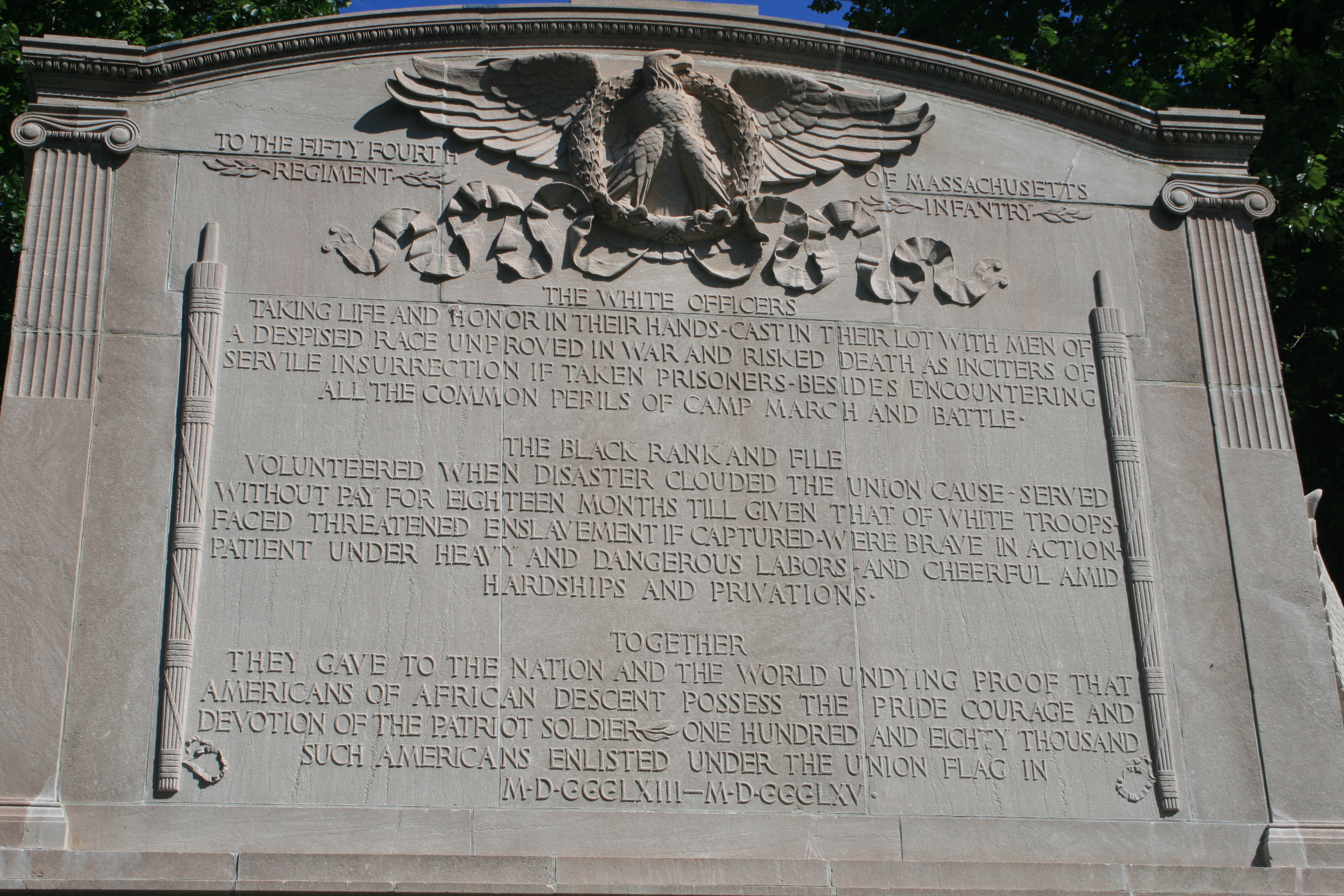
 

IMG_0027Shaw54thRegiment memorial

The Shaw /54th Regiment Memorial

The 54th Regiment, led by Col Robert Gould Shaw, was the first in the US Army to allow blacks to enlist, to fight in the Civil War. They ran a particular risk if captured by Confederates, as did the white officers who led them, as they would be seen as traitors to their race.

IMG_0030Franklin Cenotaph

The Franklin Cenotaph in the Granary Burying Ground.

The monument commemorates the parents of Benjamin Franklin. Also buried here are many other Patriots of the Revolution – Paul Revere, James Otis, Samuel Adams, and the victims of the Boston Massacre of March 15, 1770.
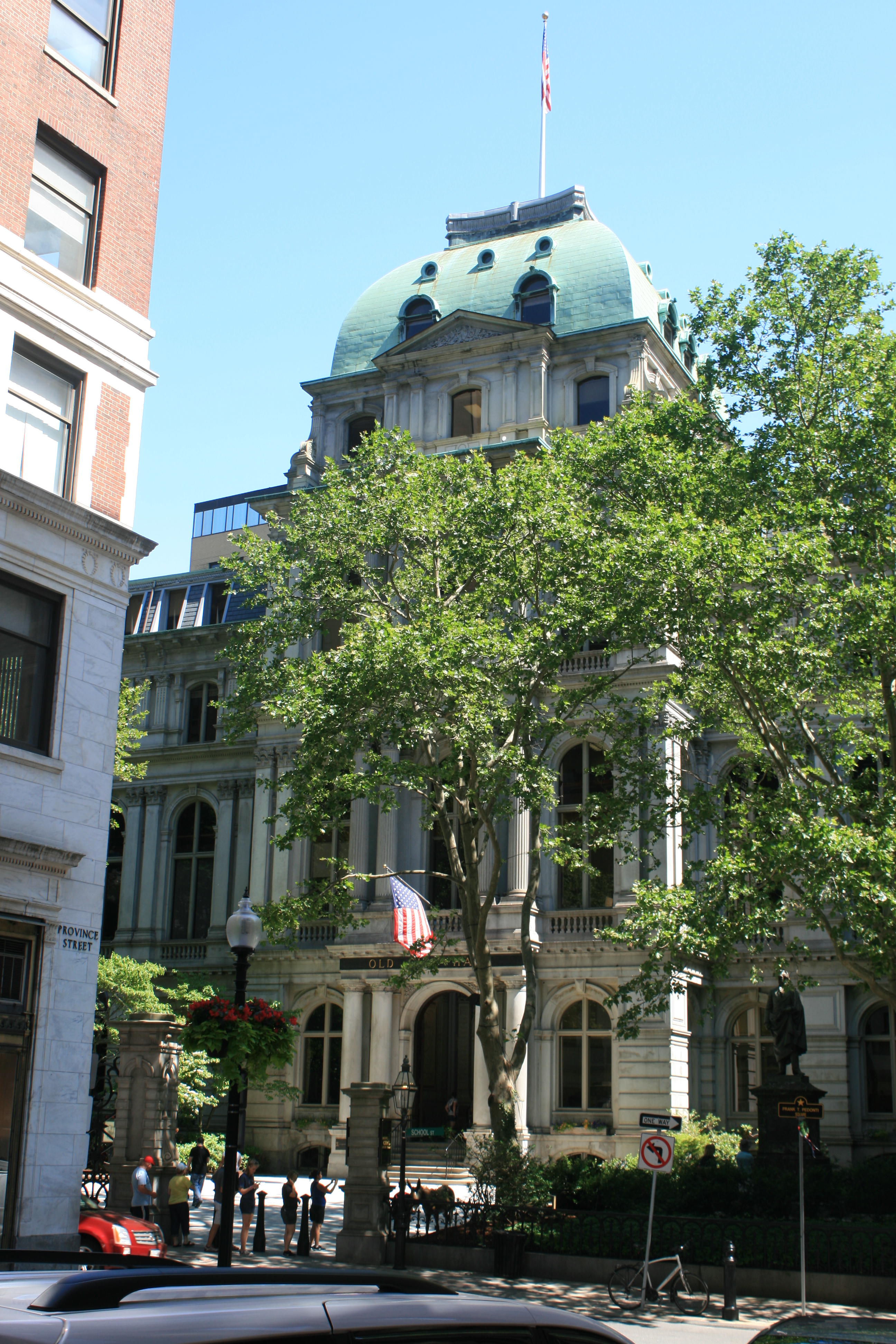
Old City Hall

Old City Hall

Duck Tour Bus

Duck Tour Bus

One of the famous Duck Tour buses –  a W.W.II style amphibious landing vehicle.
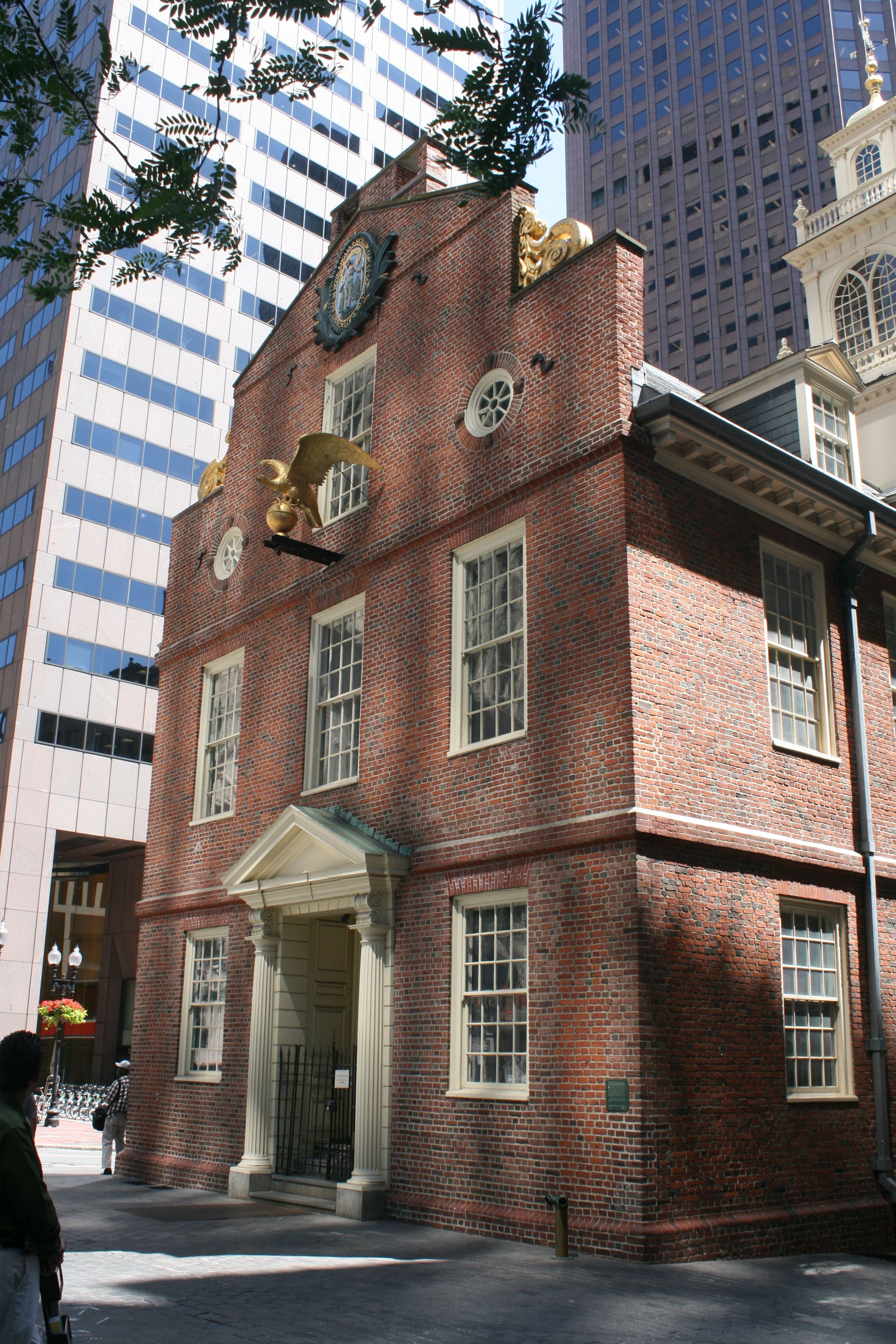
The Old State House

The Old State House

The oldest public building in the eastern United States, and the scene of confrontations between the royalist British Authorities and the freely elected Massachusetts Assembly. James Otis’ speech here in 1761 set the seeds of opposition to colonial rule by the British.

IMG_0033Irish Famine Statue

One of the statues commemorating the many victims of the Irish famine, who made the journey to a new life in America in the 1850s.
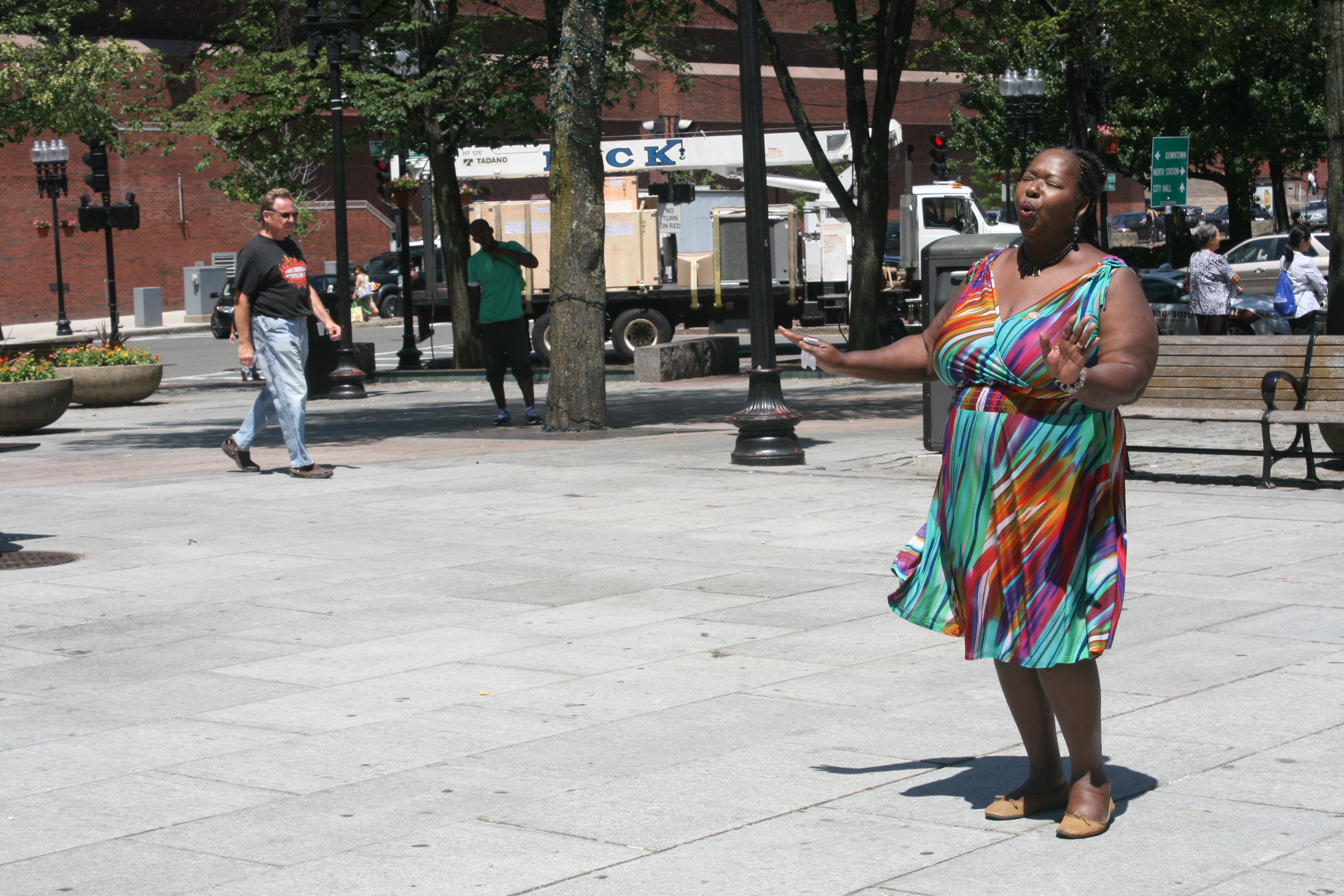
IMG_0039

This lady had an amazing voice and was singing Gospel songs outside the Faneuil Hall.
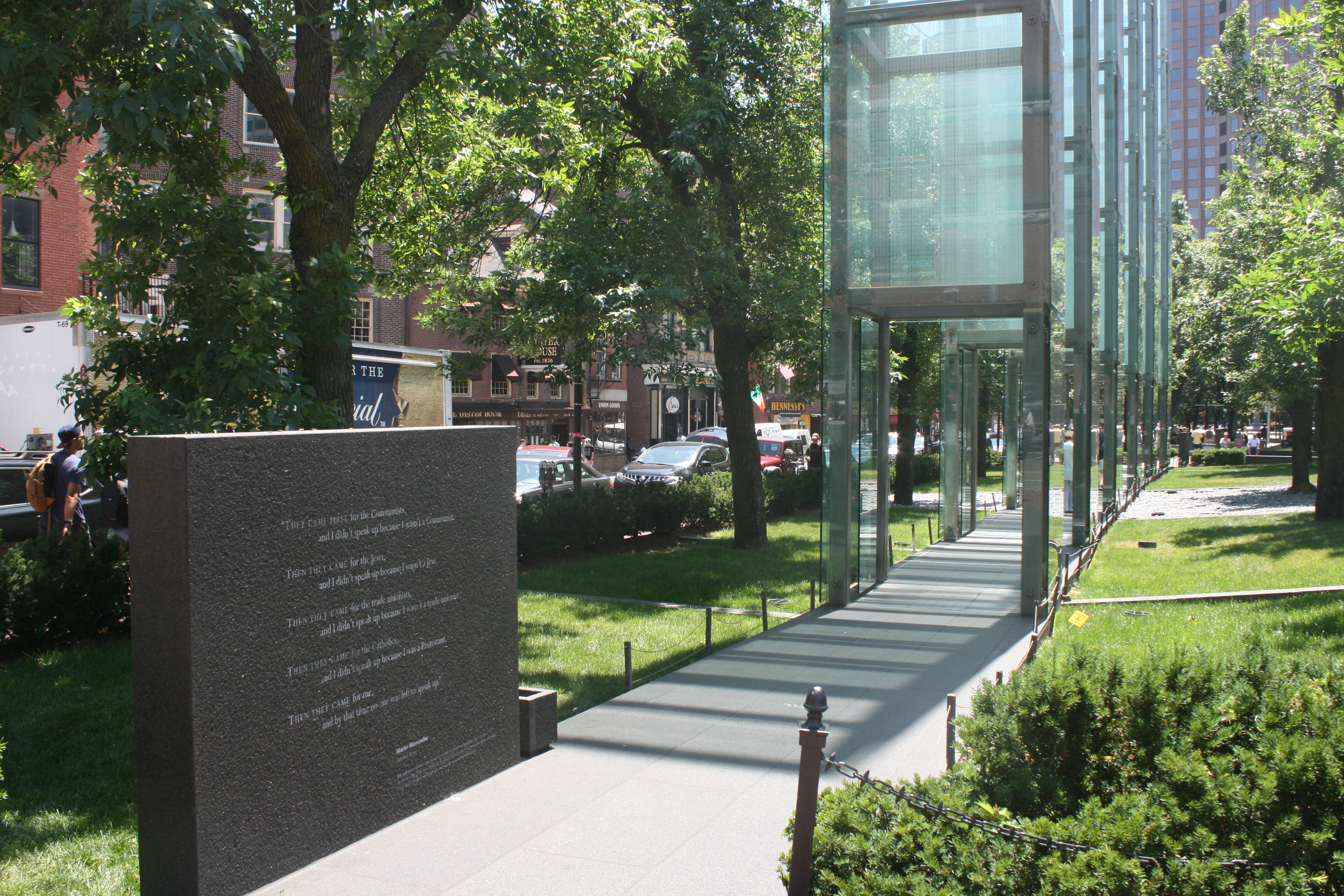
Holocaust Memorial

Holocaust Memorial

Six glass towers commemorate the six extermination camps, and the glass towers are engraved with numbers representing the six million people killed.
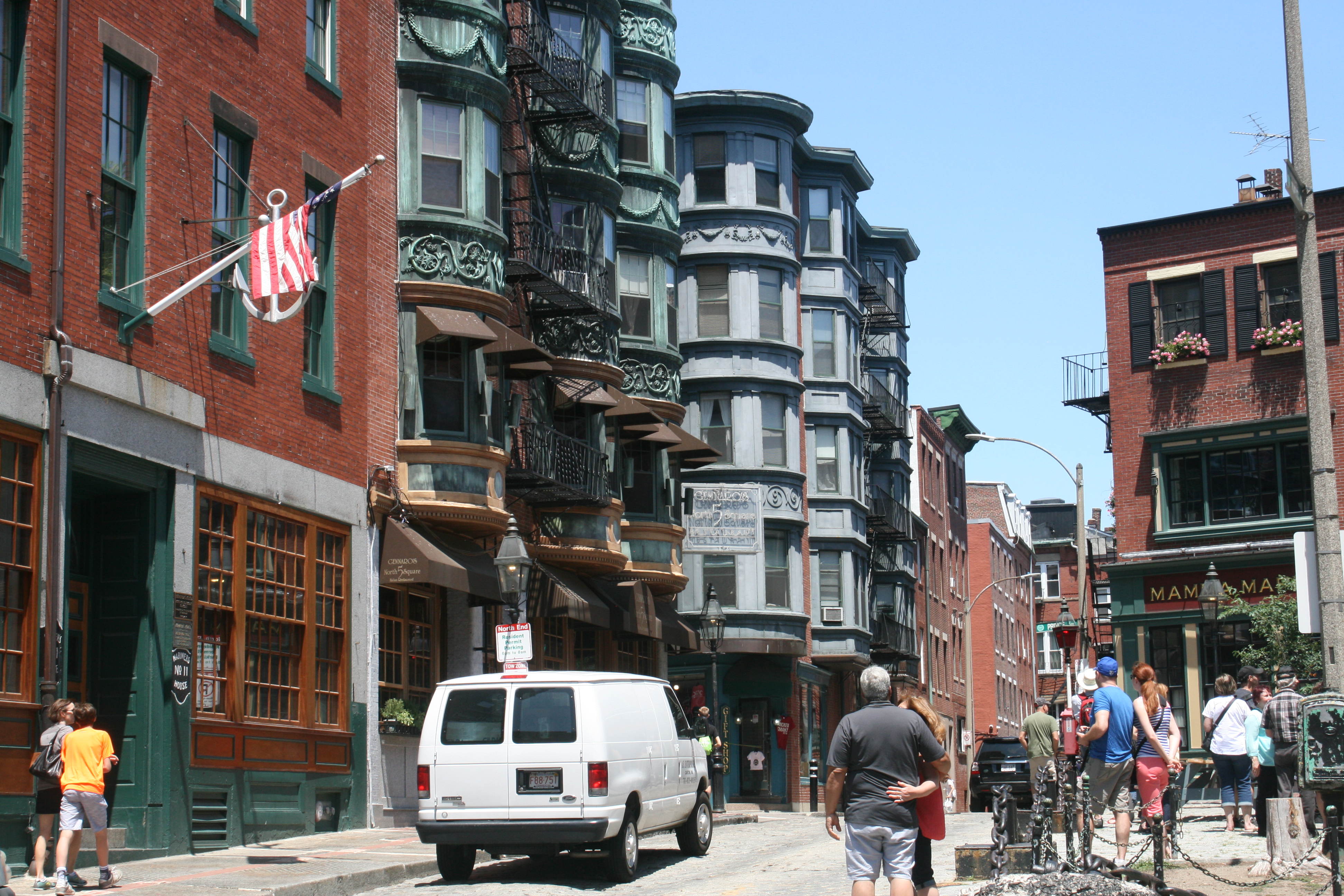
North Square
North Square

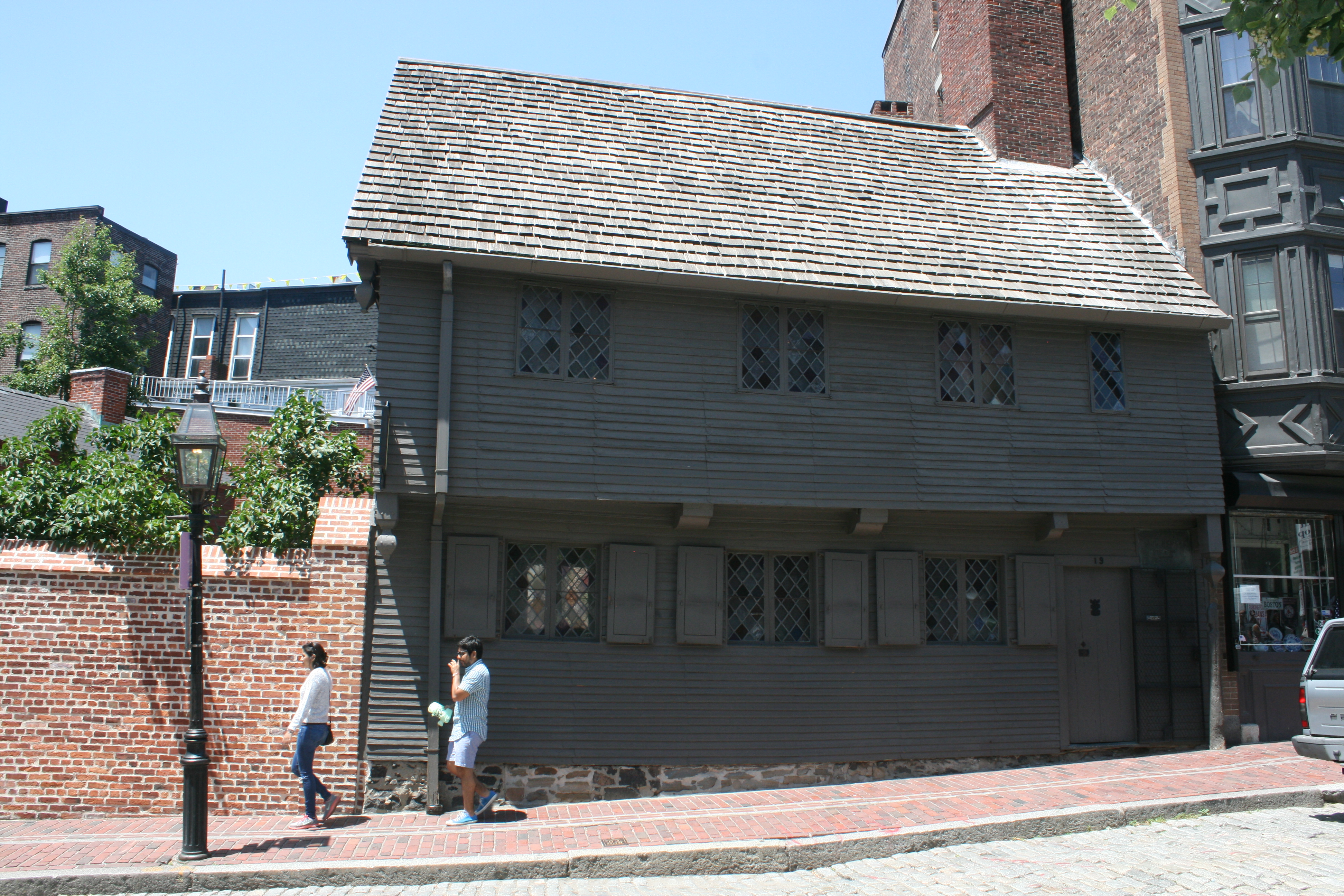
Paul Revere House

Paul Revere House

Just below North Square, this was the home of Paul Revere. Paul Revere’s midnight ride to Lexington on the evening of April 18, 1775,  to warn his fellow patriots Samuel Adams and John Hancock that British troops were marching to arrest them, was commemorated in a poem by Henry Wadsworth Longfellow.
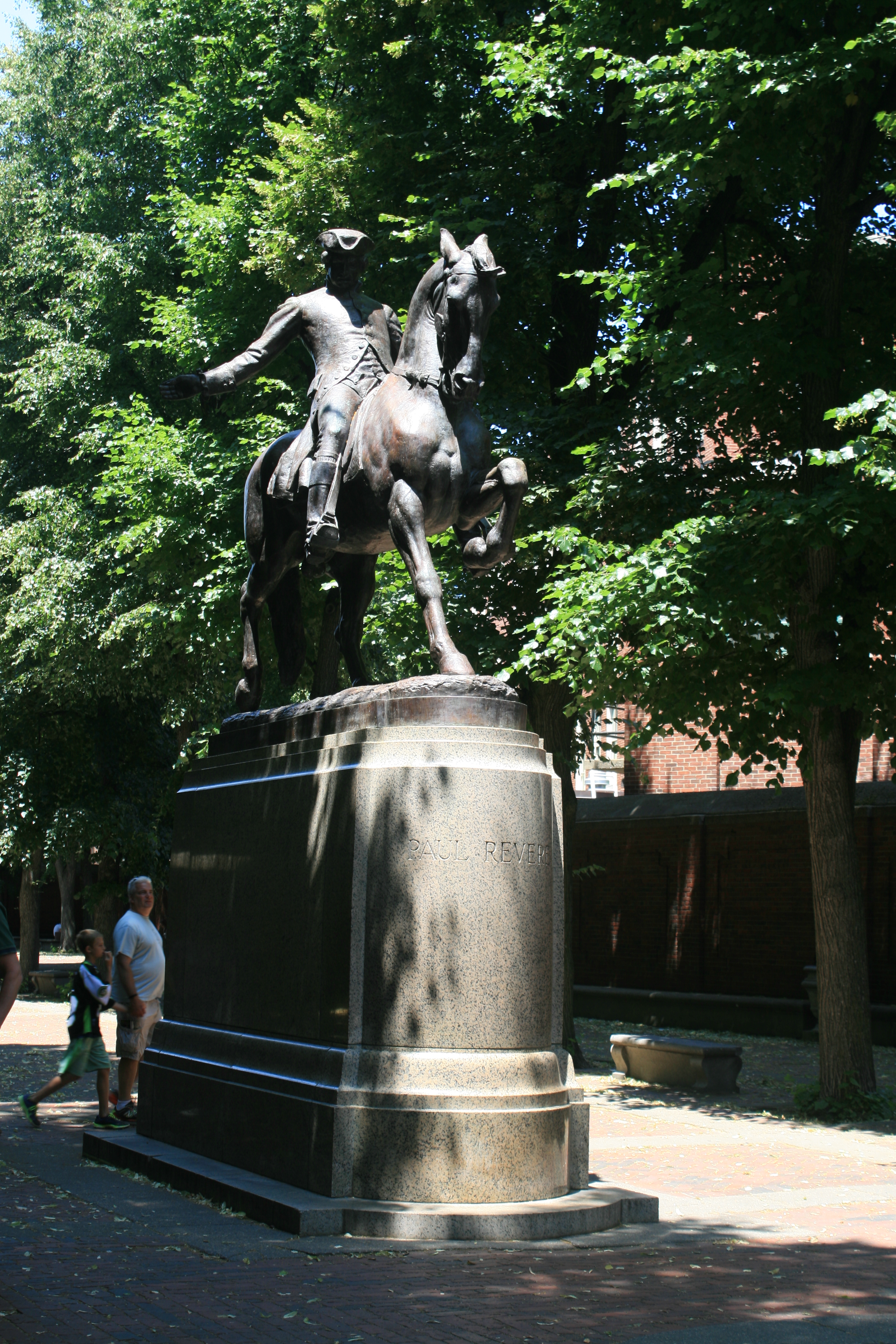
Paul Revere statue
Paul Revere statue

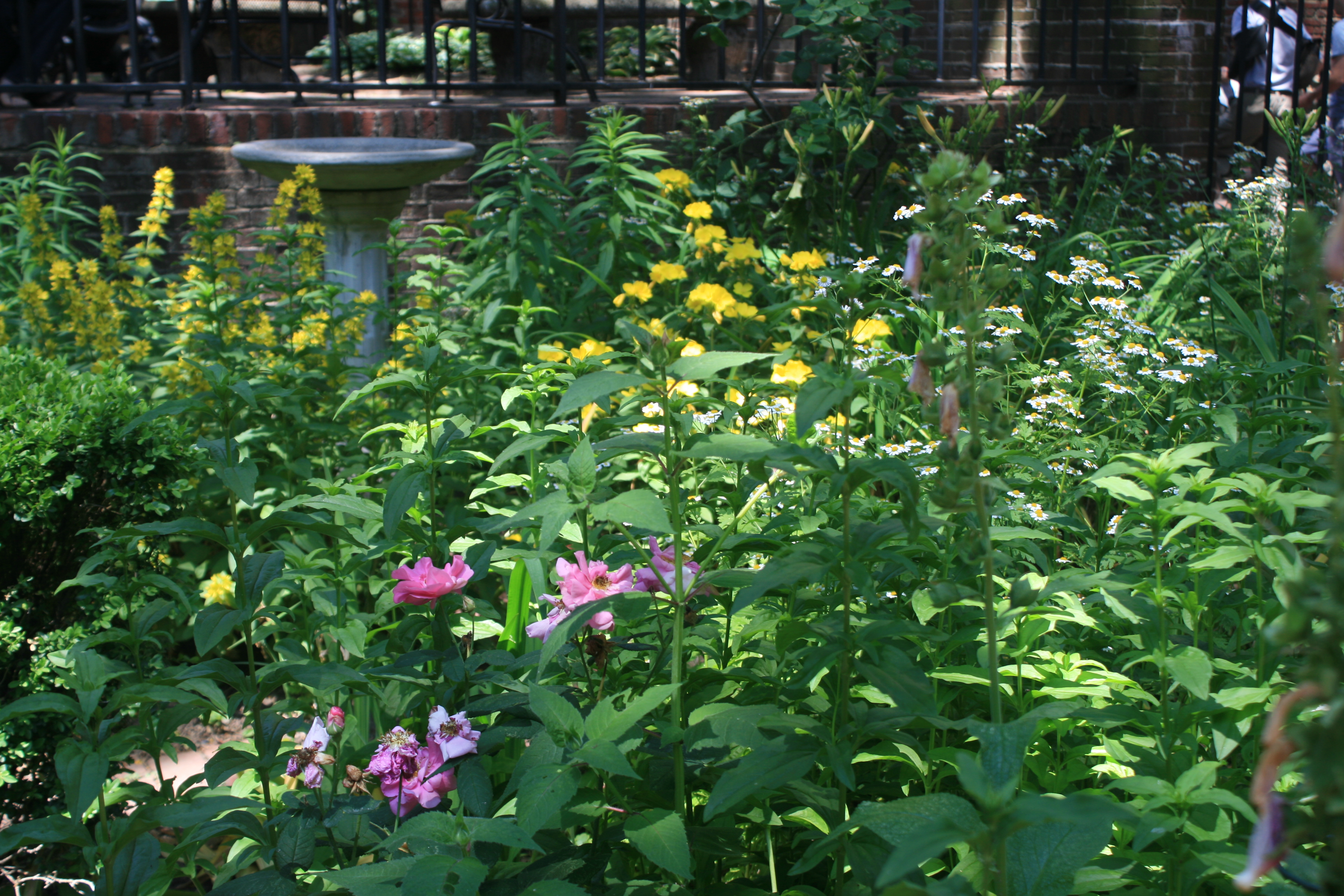
Garden of Old North Church

Garden of Old North Church (Christ Church)

It was from this church that Paul Revere arranged to have a lantern signal shone to warn the patriots of the British troops’ march – ‘One if by land, Two if by sea’.

Tobin Bridge

Tobin Bridge

Another cable-stayed bridge, over the Charles River
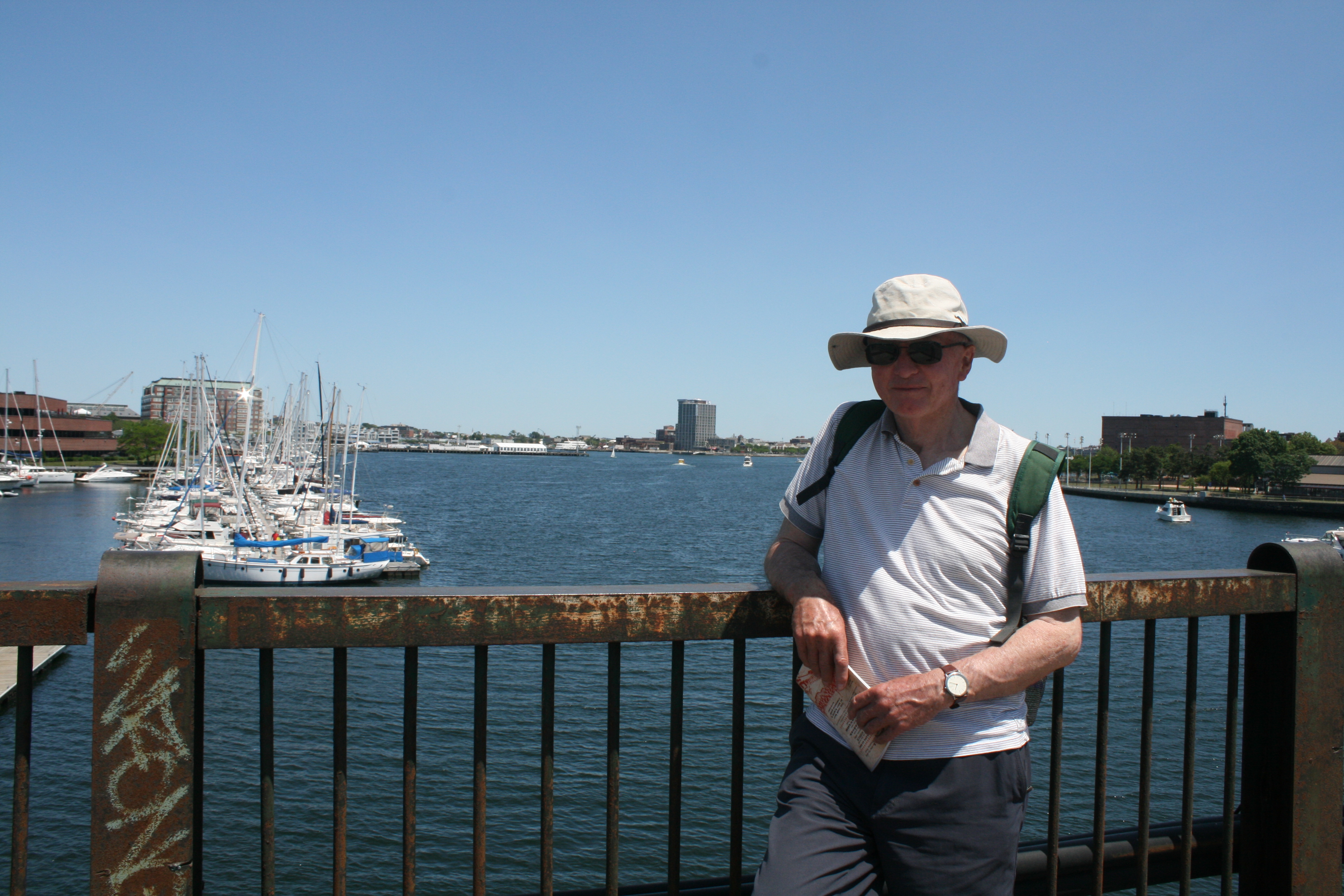
Charles River

Charles River

Bunker Hill Monument

Bunker Hill Monument

The site of the first battle of the Revolutionary War.
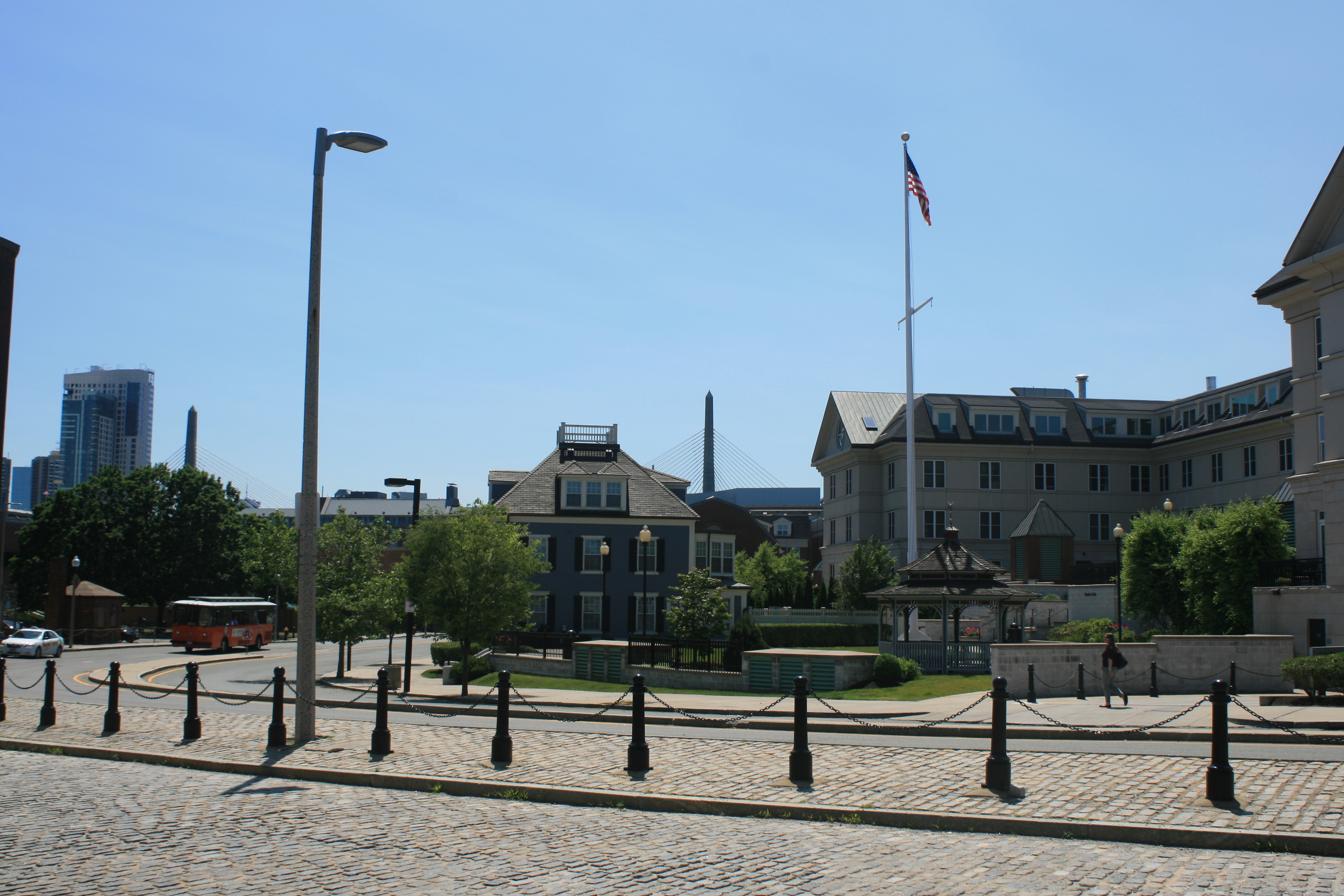
Near the Navy Yard

Near the Navy Yard


We finished up at the Navy dock where Old Ironsides, USS Constitution, America’s oldest battleship, is on display. She is undergoing repairs and refurbishment, so we missed seeing her in her glory.

The ferry took us back to the city, with some fabulous views.

From the ferry stop
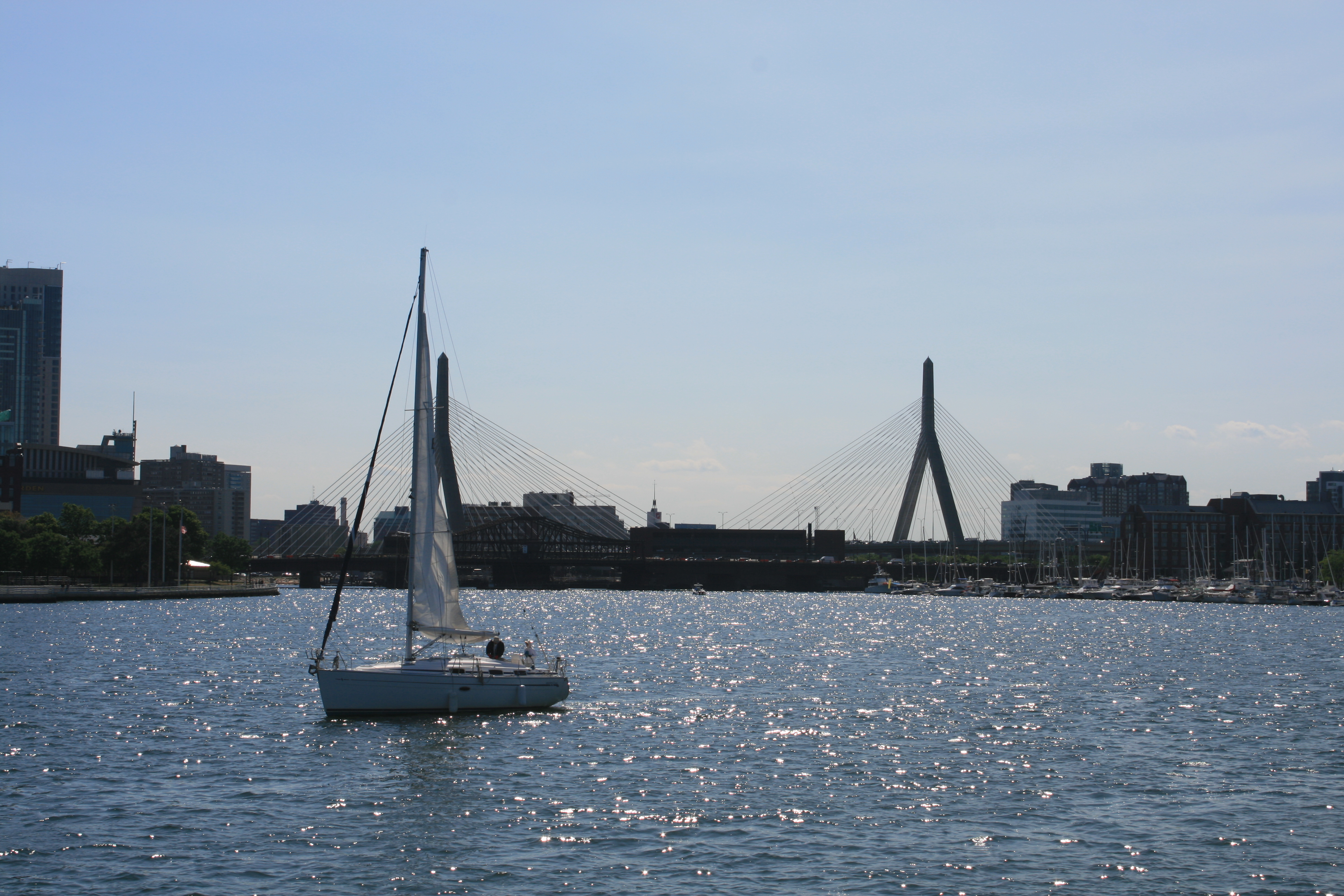
From the ferry stop

Tobin Bridge from the ferry

Tobin Bridge from the ferry

IMG_0063


My attention had been drawn via Facebook  and our friend Jasmine, to Boston Swing Central. It transpired that not only did they have Swing dancing on Friday nights, but the dance was preceded by a group lesson. No previous experience necessary. I managed to convince Ian that this was an opportunity not to be missed, so in spite of our tiredness after the sight-seeing, we grabbed an early dinner at Olive Garden and set off from the hotel in South Boston, via the T (metro), and the no 78 bus,  and found our way to  Extreme Dancesport, 26 New St, Cambridge, the home of Boston Swing Central. The welcome was warm and the lesson unlike any other dancing lesson in our experience. But the enthusiasm of the teachers, the friendliness of the other dancers and the similarity of the Eastern Swing to some dances that we already knew, outweighed the panic felt at having to move  on round the circle and dance with other people you didn’t actually know.

Waiting at the bus stop on the way back, we became a bit concerned that we might have missed the last bus back. It seemed very quiet, but then a young man appeared and sat down in the bus shelter. Ian asked him if a bus was due, and he obligingly consulted his smartphone. He told us that he was an asset manager and he too was concerned about the impact of Brexit. He commiserated with us all the way to Park St on the T, where he was going to an open air concert and dance, along with most of the other young occupants of the train.

We drove out the following day to Gloucester on Massachusetts Bay, near the site of the first Puritan colony and had a good lunch at the Topside Grill, which had the cosy ambience of a British pub.

Gloucester Harbour
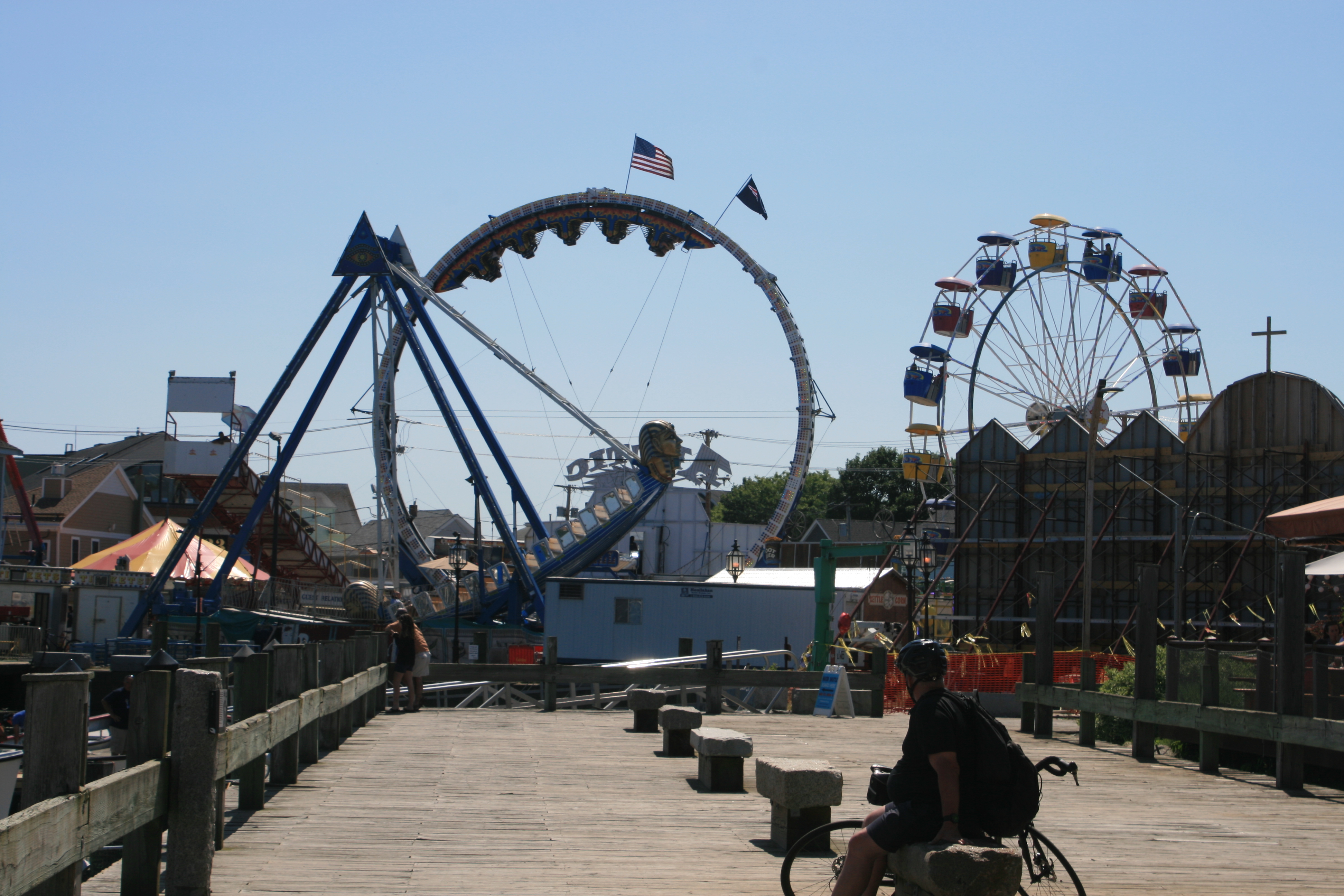
Gloucester Harbour

IMG_0070

Funfair

It was a fiesta weekend, and bloodcurdling screams emanated from the various terrifying rides.

IMG_0072

On the beach, Massachusetts Bay

Looking back across the bay to Gloucester

Looking back across the bay to Gloucester

In the evening, we  decided to be good Europeans and walk from the hotel to a nearby restaurant, the Cafe Polonia. It was simply furnished and served delicious, homely food, and  the young Polish girls who served us were far too polite to mention the B-word.


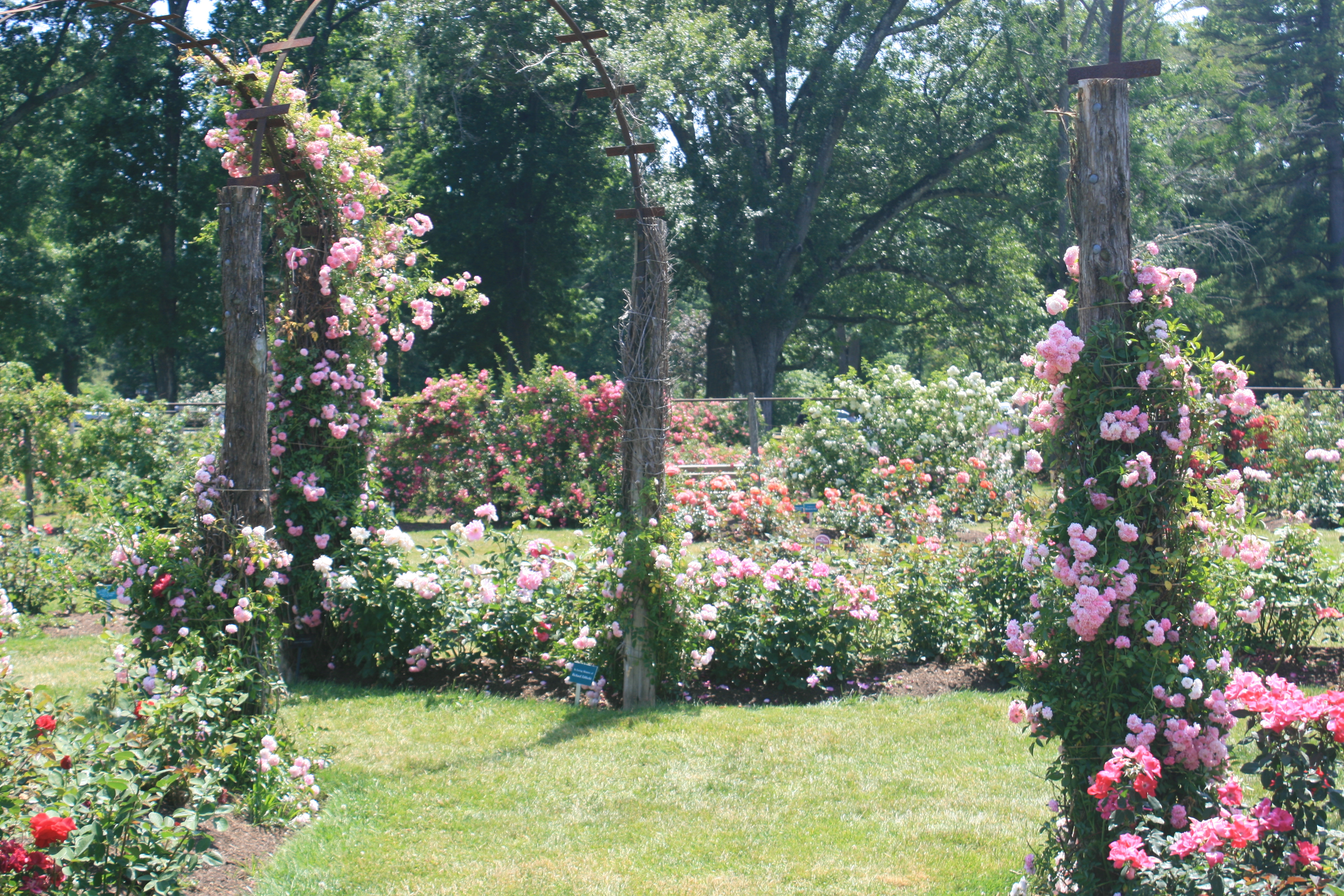
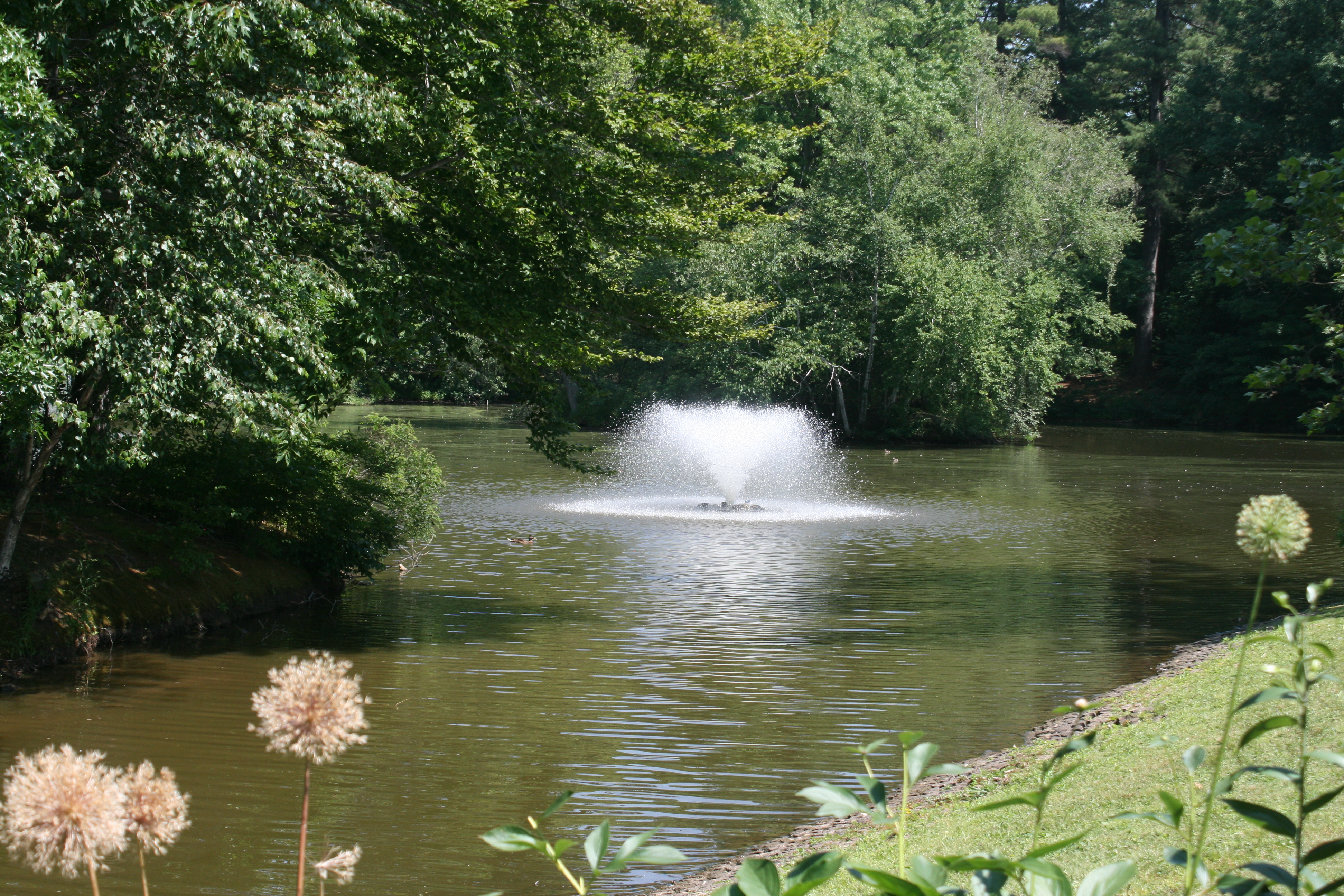
On the Sunday we drove to Albany via Hartford, Connecticut, and stopped to visit Elizabeth Park, which contains the oldest municipal Rose Garden in the USA. It was started in 1903  and has over 15,000 rose bushes and 800 varieties of old and new roses.

IMG_0001

Beautiful ramblers forming a high hedge
IMG_0003

IMG_0010

Blues and purples in the herbaceous beds
IMG_0016


The following day, Monday 27th June, we drove to Coeymans Landing Marina, where Carina had been stored over the winter. The marina and workshop staff had done a  great job of looking after her and we began the tasks necessary before getting her on the water again.

Halfway through the morning, we got a text alerting us to the safe arrival of our new grandson, Finn Wyatt Ainsworth. And not even Brexit could overshadow the joy, excitement and thankfulness of that moment.

2016-07-03 Finn


Catskill to Coeyman’s Landing

A marina owned and operated by a retired civil engineer had obvious attractions for Ian, which is how we found ourselves staying for three nights at Sue Berry’s dock, a quarter of a mile downstream on the Catskill Creek from  Catskill itself.

We set ourselves a modest target for the end of this year’s trip, finishing at Coeymans Landing, about ten miles south of Albany. This meant we had plenty of time to explore the mid and upper Hudson Valleys, and it turned out to be a good call as the area is so beautiful and different from where we’ve been so far.

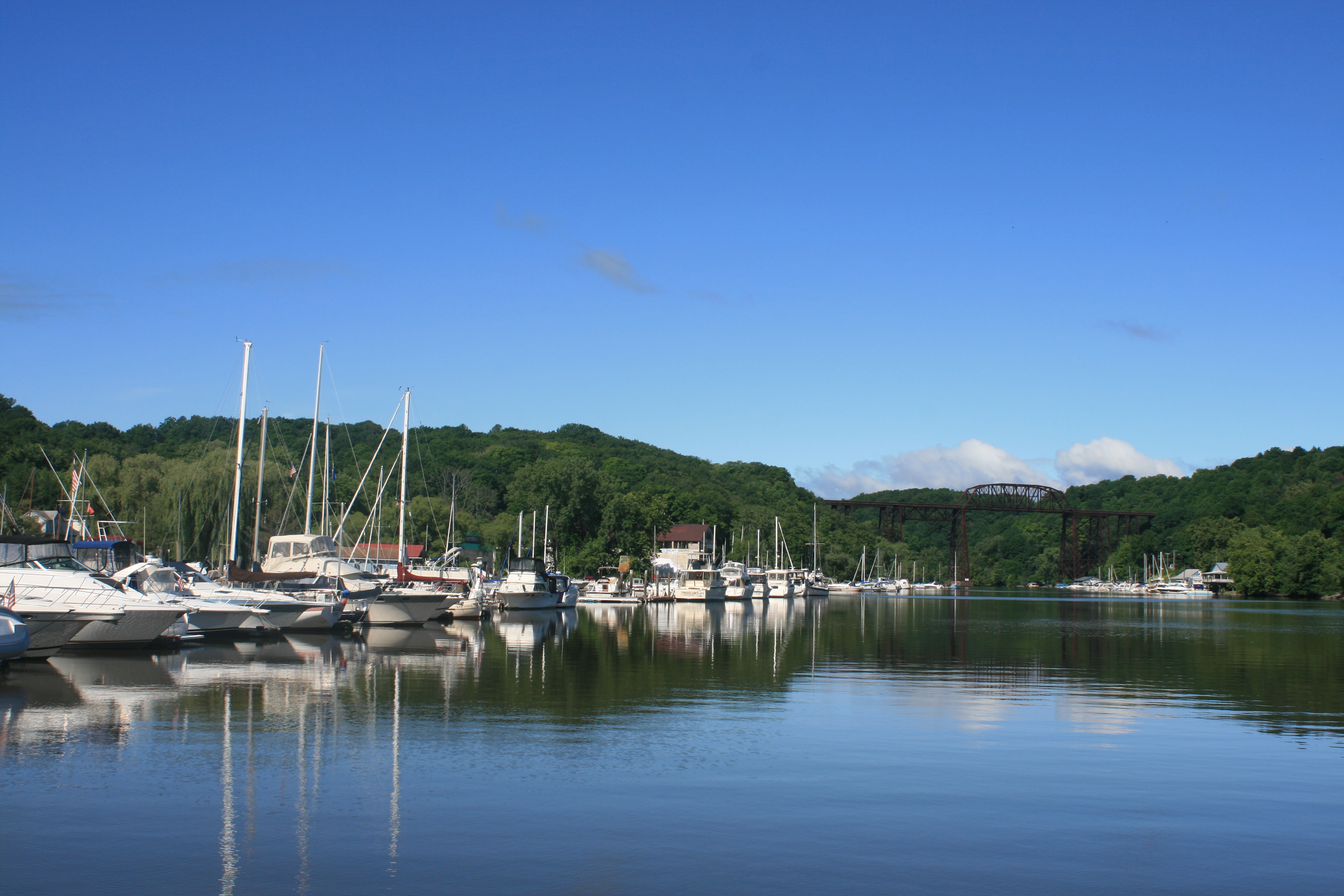
Rondout to Coeymans Landing

Rondout to Coeymans Landing

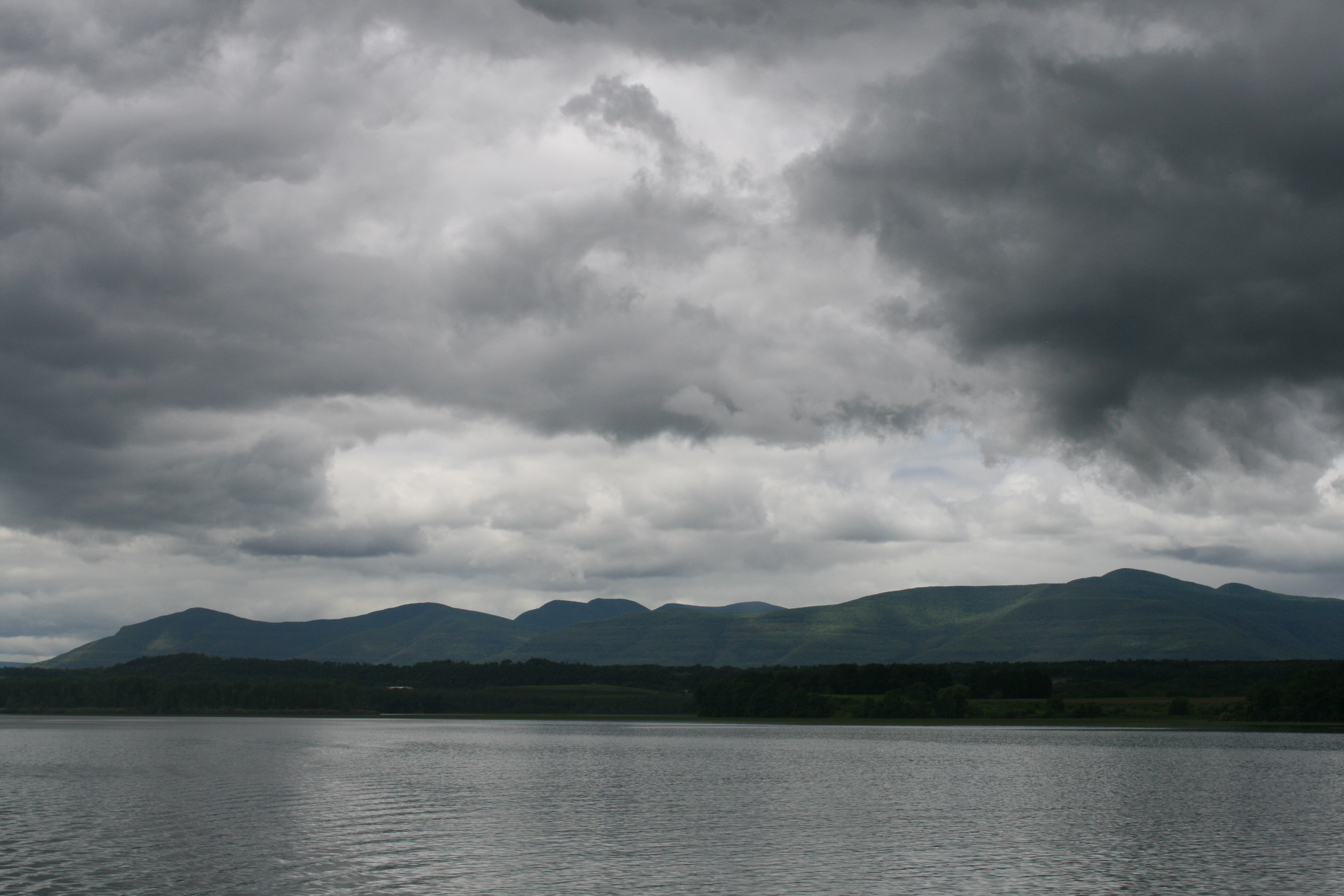
We’d left Rondout in glorious sunshine, but storm clouds quickly built up, making  the mountains to the west appear even more dramatic. Unsurprisingly, our first night at Catskill was broken by brilliant flashes of lightning and crashing thunder.

Catskills from Annandale

Catskills from Annandale

Sue not only owned, maintained and managed the dock, but had built it herself , and rebuilt it twice, after hurricanes Irene and Sandy. Irene had hit the hardest and Sue showed us videos of the devastation and the fast-flowing, swollen creek with unmanned boats careering crazily through the torrent. Now, though, the dock was a lovely peaceful place, with a little flower garden and barbecue area with tables and chairs for boaters to use.

Catskill Creek

Catskill Creek

Carina at Sue's dock

Carina at Sue’s dock

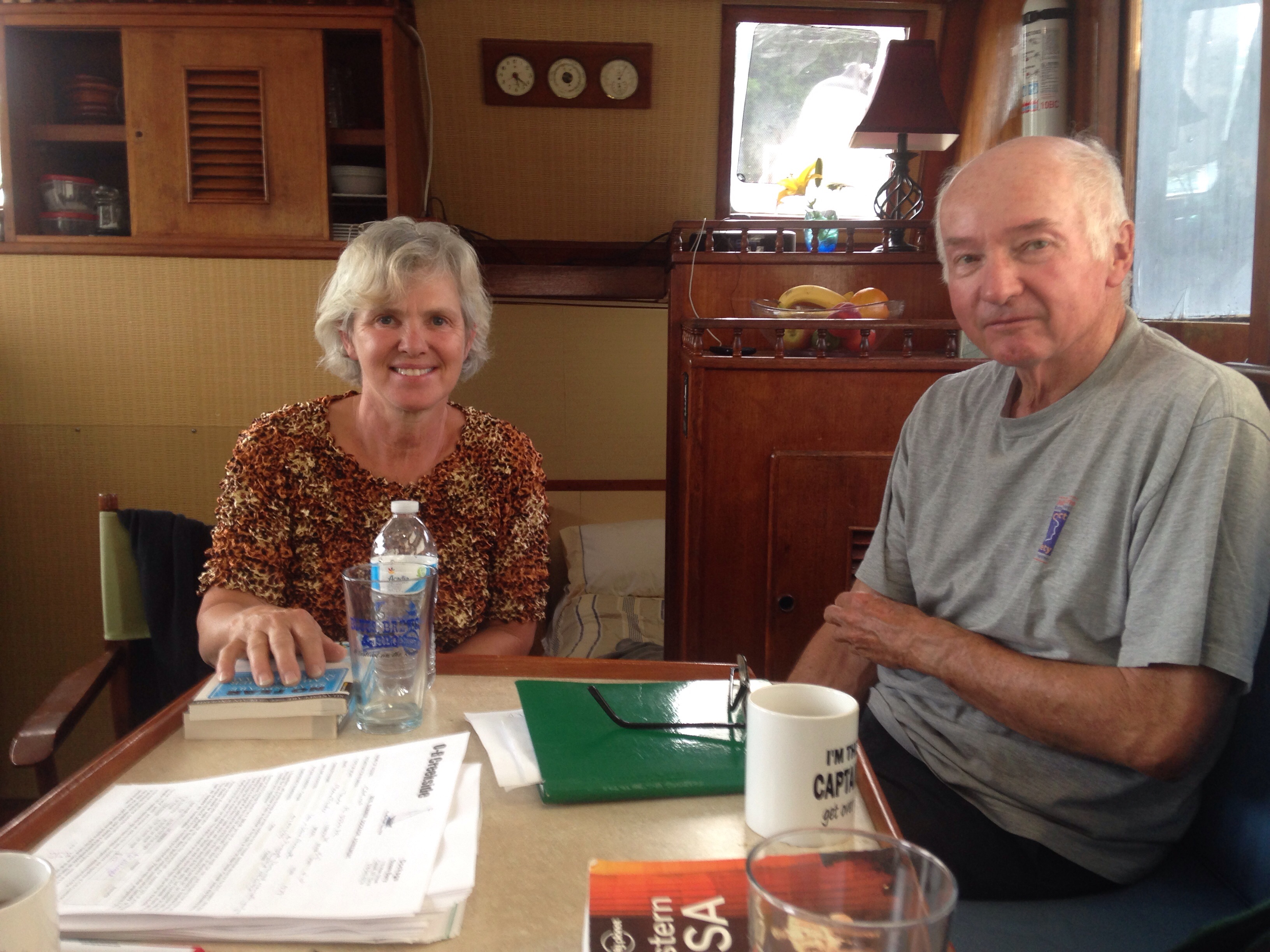
Two retired civ engs enjoying a cuppa

Two retired civ engs enjoying a cuppa

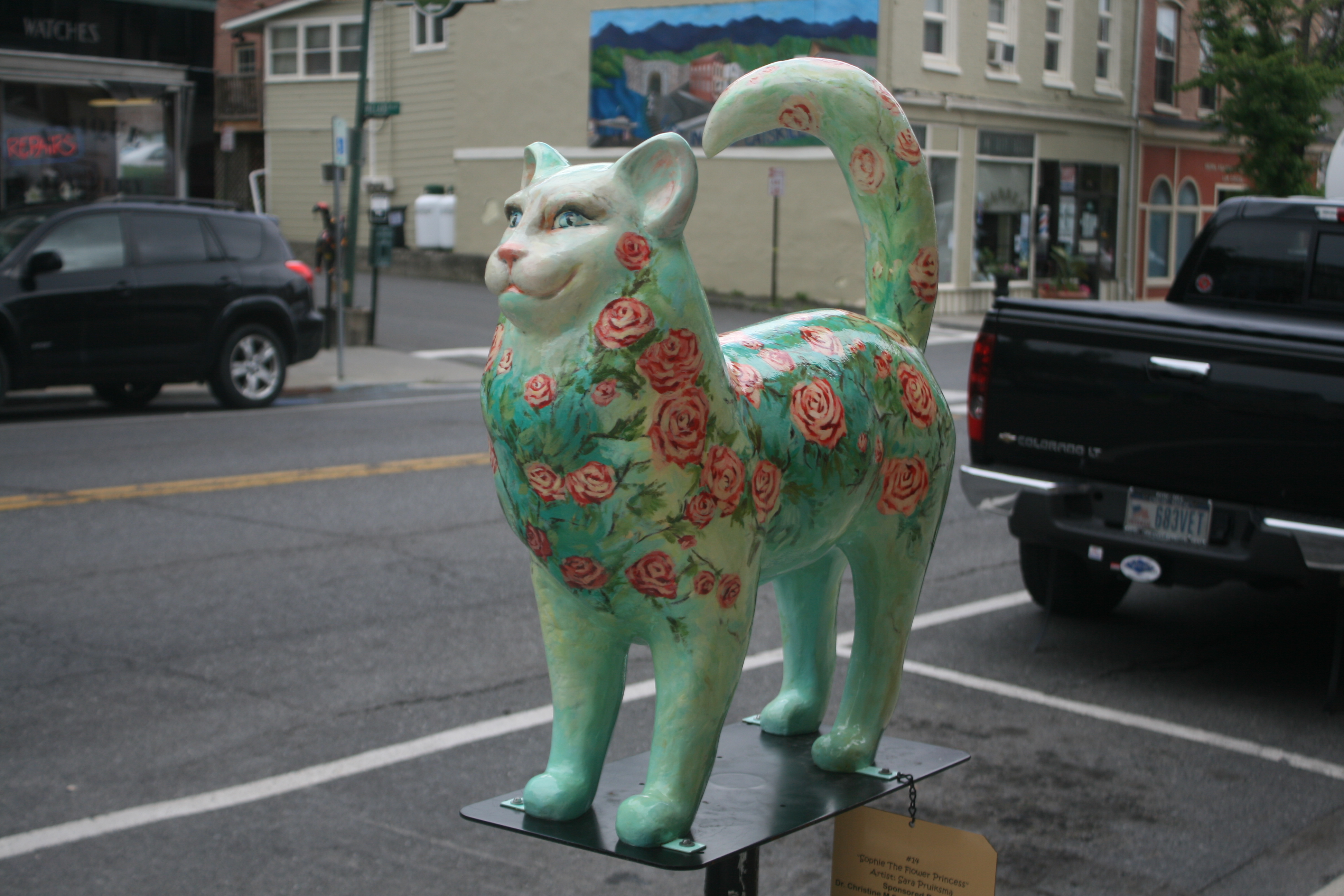
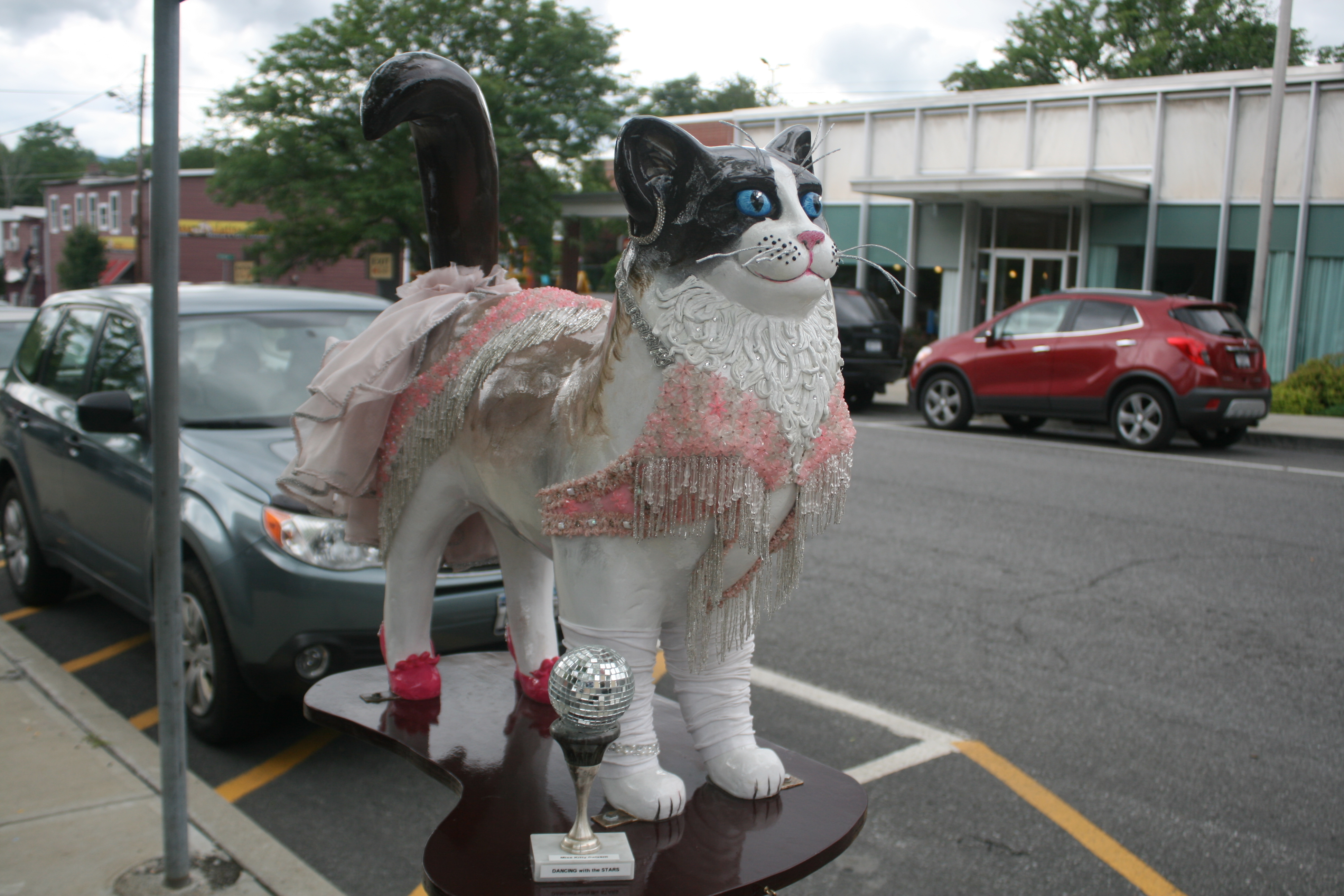
Catskill was the gateway to the Catskill mountains in the early days of tourism in the 19th century, and its steep streets leading off the main street presented quite a challenge when we went out exploring on the bikes. The town was running a Cat competition, rather like the picket fence competition we had seen in Oxford. Local businesses sponsored artists to paint plaster cats about two feet tall which were displayed on posts throughout the town. They will be auctioned later in the year and the proceeds given to charity.

Sophie

Sophie the Flower Princess

Dancing with the Stars

Dancing with the Stars

IMG_9967

BouCAT de Fleurs

To see more, look at the Facebook page Cat-n-Around Catskill!

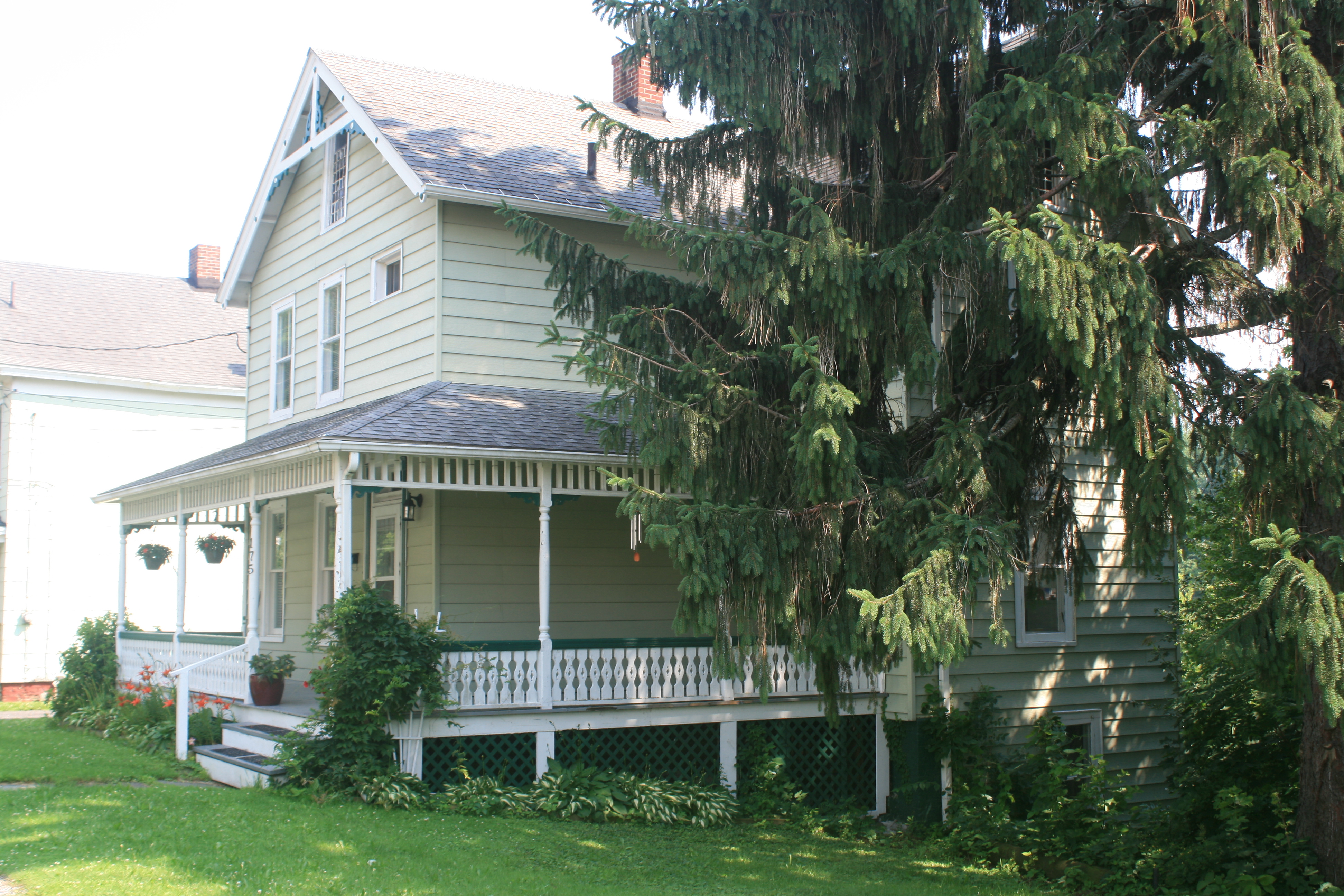
There are lots of lovely old houses in Catskill with unique porches and Sue took us on a guided tour one evening, after she had given us a lift to the Creekside Restaurant at the Hop-o-Nose Marina on the opposite bank of the creek. The food there was excellent, and they gave Ian another glass of merlot free of charge after he had tipped his all over the table.

House with wraparound porch

House with wraparound porch

House on Main St, Catskill

House on Main St, Catskill

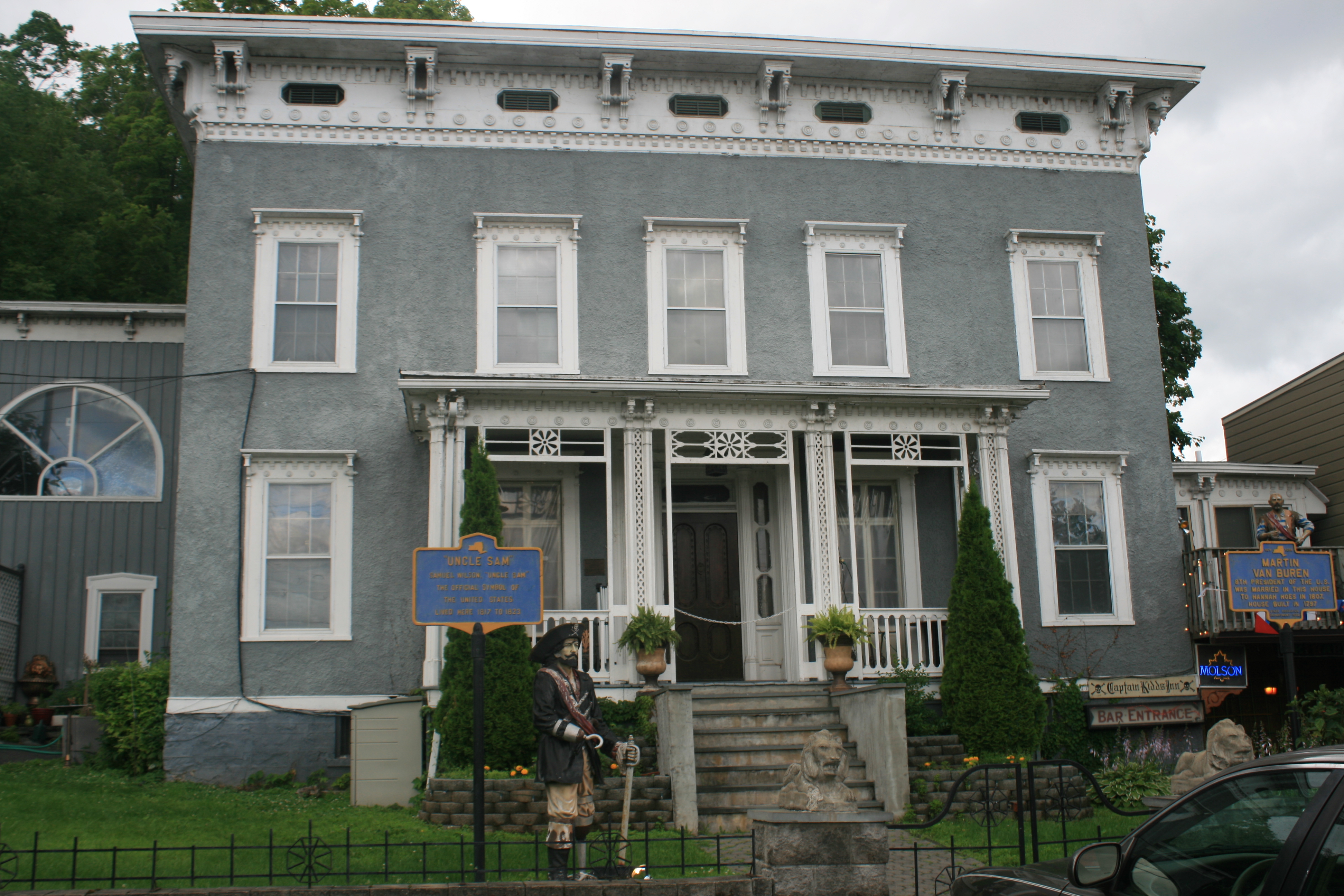
Cantine House in Catskill where Uncle Sam (Samuel Wilson) lived

Cantine House in Catskill where Uncle Sam (Samuel Wilson) lived

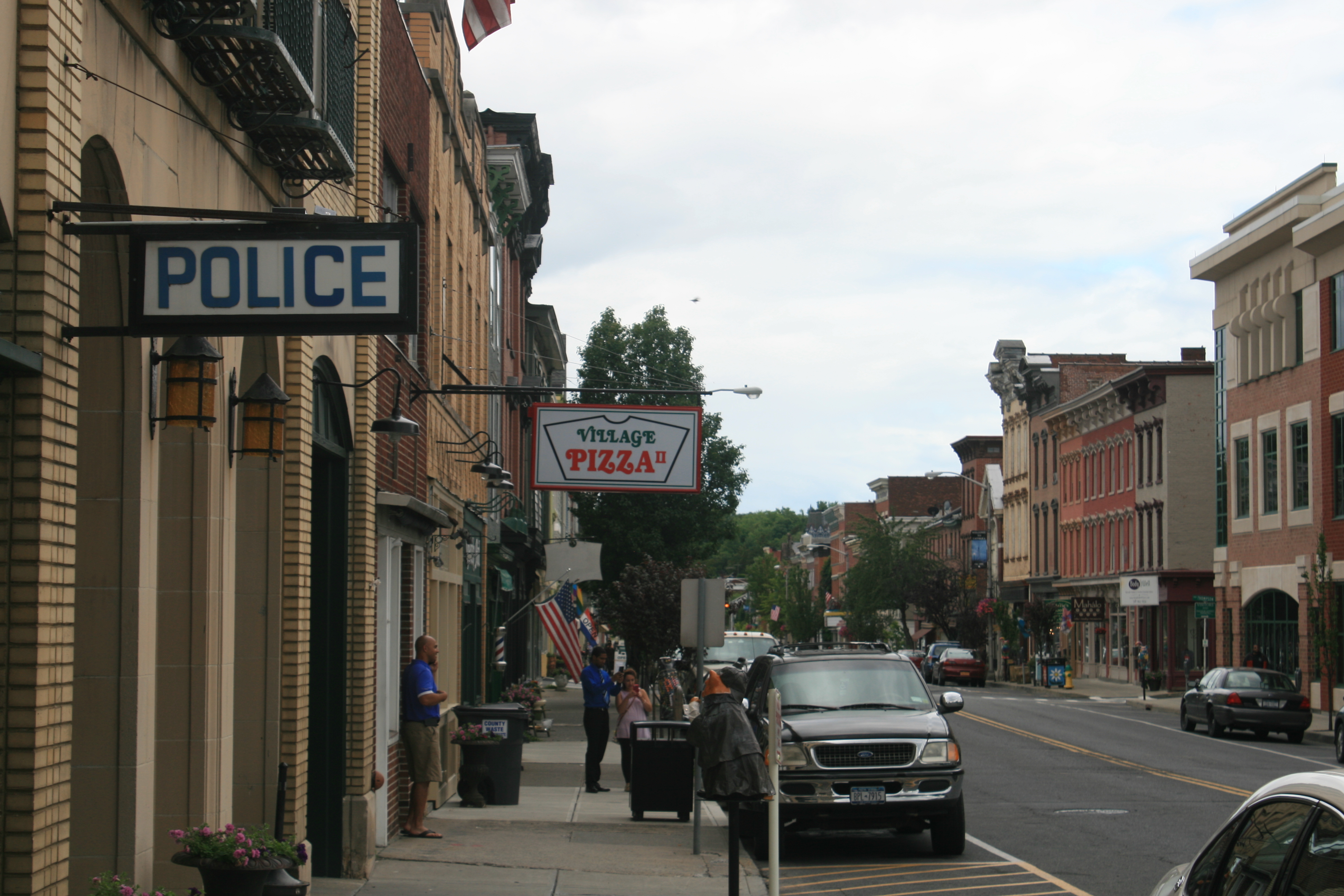
Main Street, Catskill

Main Street, Catskill

Main St, Catskill

Main St, Catskill

There were several small gardens off the main street.

Catskill Garden Club garden -sculpture is Winter Flower by Alex Kveton

Catskill Garden Club garden -sculpture is Winter Flower by Alex Kveton

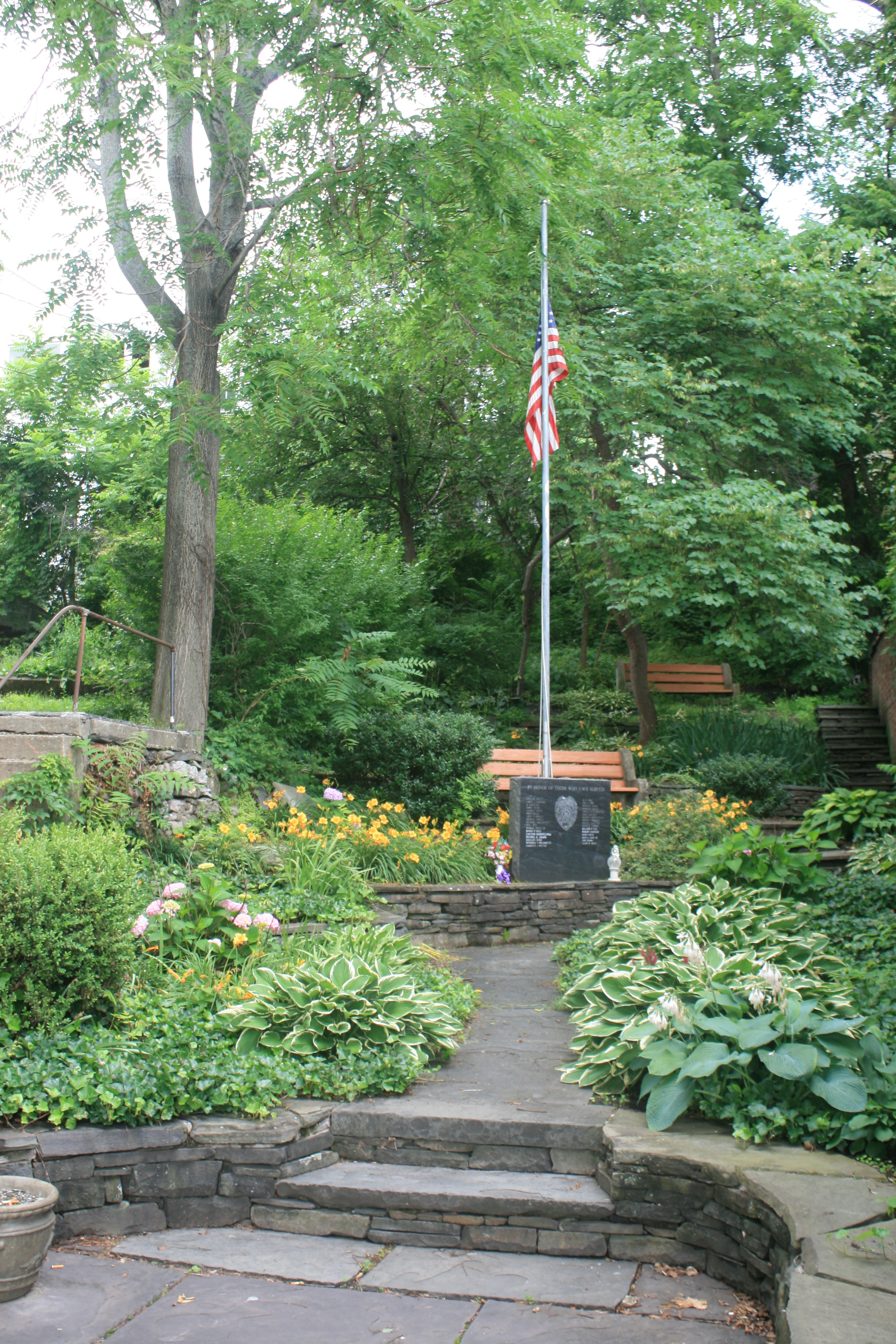
War Memorial Garden

War Memorial Garden

This building was on a street above Main Street, looking towards the mountains. There were no clues to its purpose outside, and we never managed to find out what it was.

IMG_9975

Greene County Bank, Catskill

Greene County Bank, Catskill

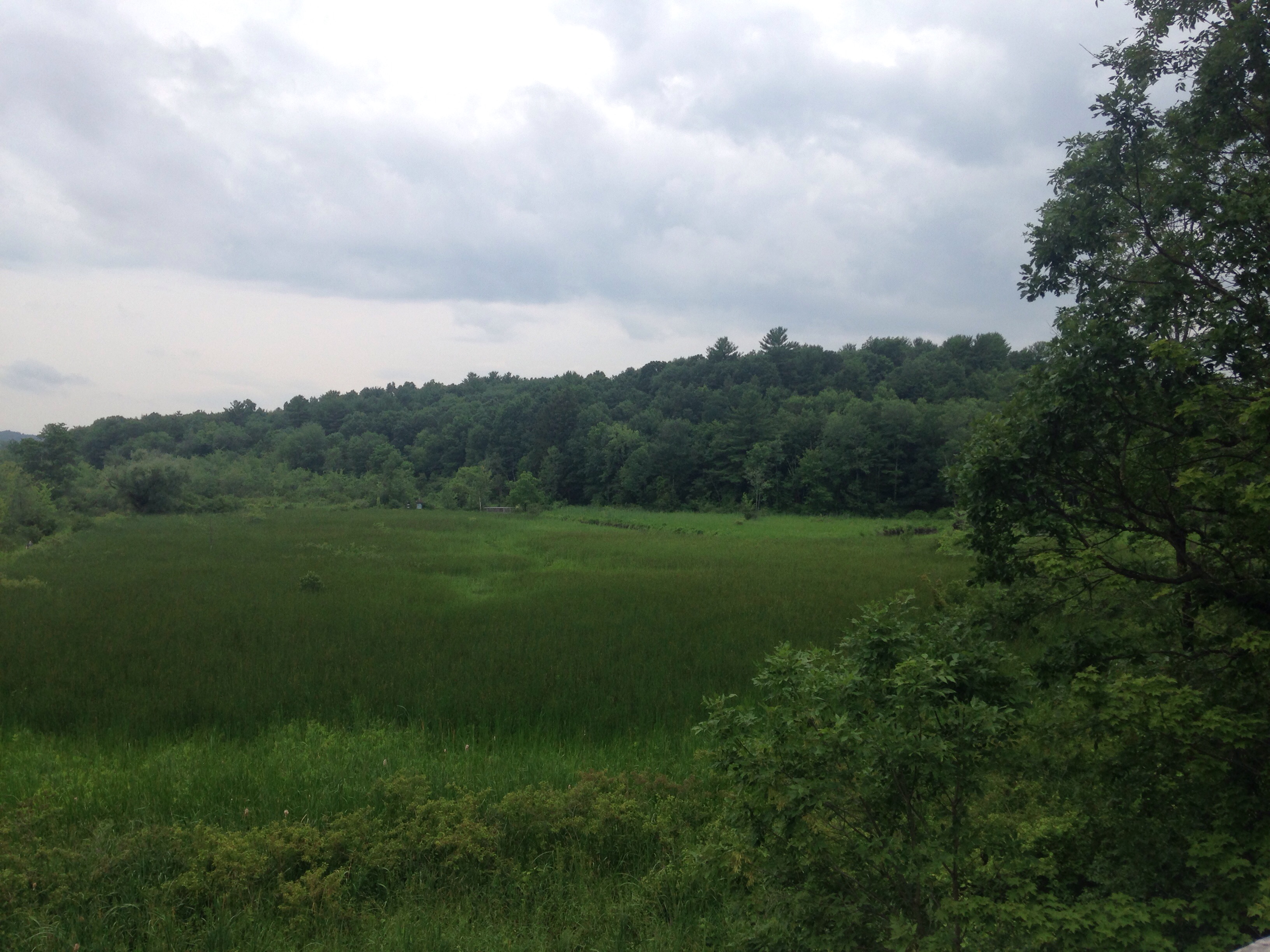
We rode the bikes across the bridge and down to the river bank on the south side of the creek, to the  Ramshorn-Livingston Wildlife Sanctuary, at the point overlooking the Hudson River, and walked to the Observation tower there.

Ramshorn Livingston Sanctuary, overlooking the marsh area

Ramshorn Livingston Sanctuary, overlooking the marsh area

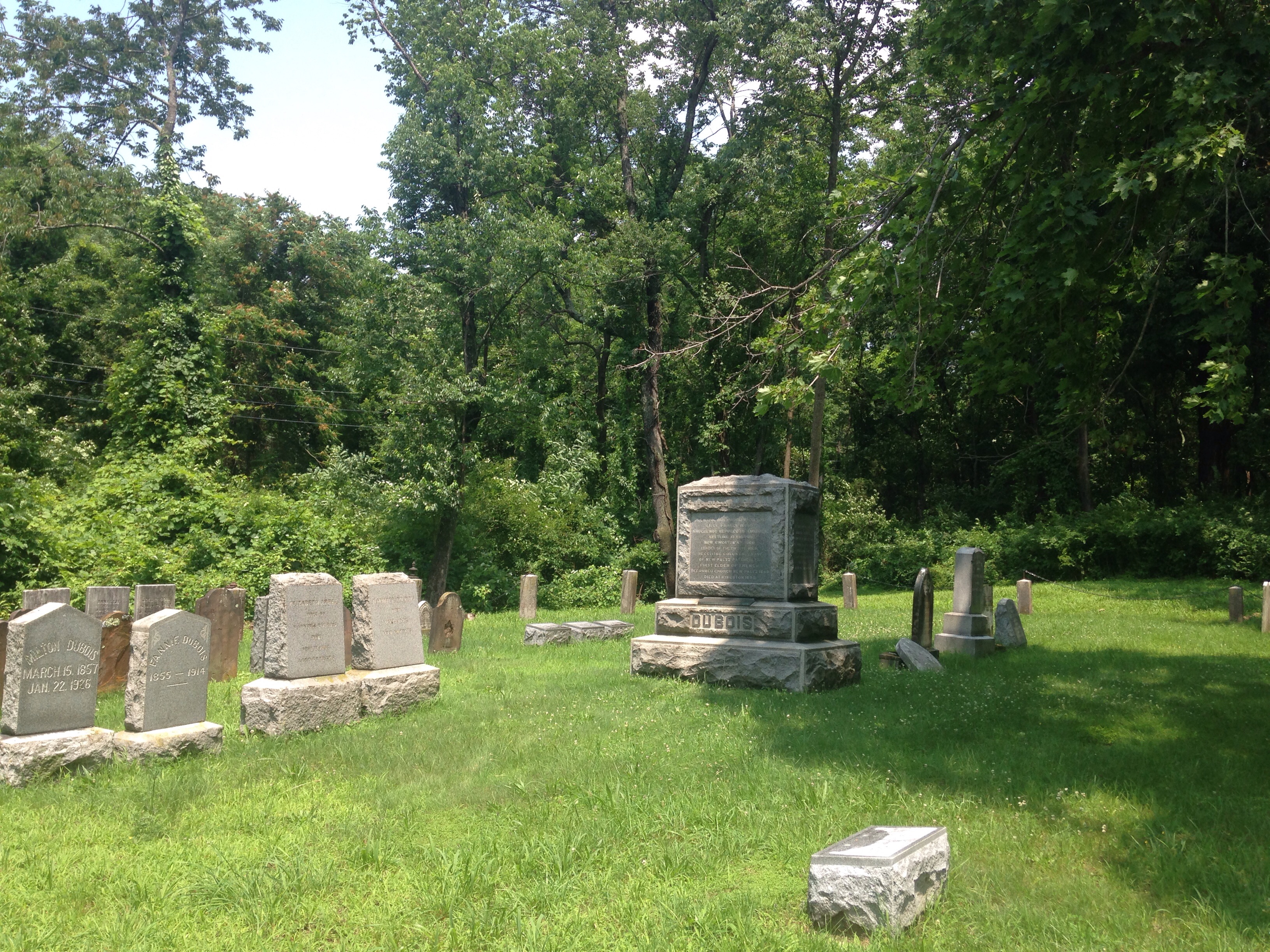
On the way we passed a small family cemetery, for the exclusive use of the descendants of Isaac Dubois, including their husbands and wives. The first interment was that of his wife, in 1793. Isaac himself was descended from Lewis Du Bois (sic) who was born in Lille in 1626. A Huguenot, he fled to America in 1660 and died at Kingston in 1695.

image

Dubois family cemetery, Catskill

Catskill was the home of Thomas Cole, who is regarded as the father of American Landscape painting and founder of the Hudson River School. Born in Bolton, Lancashire, he came to America as a small child and lived first in Ohio and then New York City. After a visit to Catskill he settled there at Cedar Grove, a lovely house high on the eastern side of Catskill Creek, with fine views over to the mountains.

Cedar Grove

Cedar Grove

View from Cedar Grove to the Catskills

View from Cedar Grove to the Catskills

Cedar Grove now exhibits contemporary art as well as a few pieces by Cole and other artists of the Hudson School.

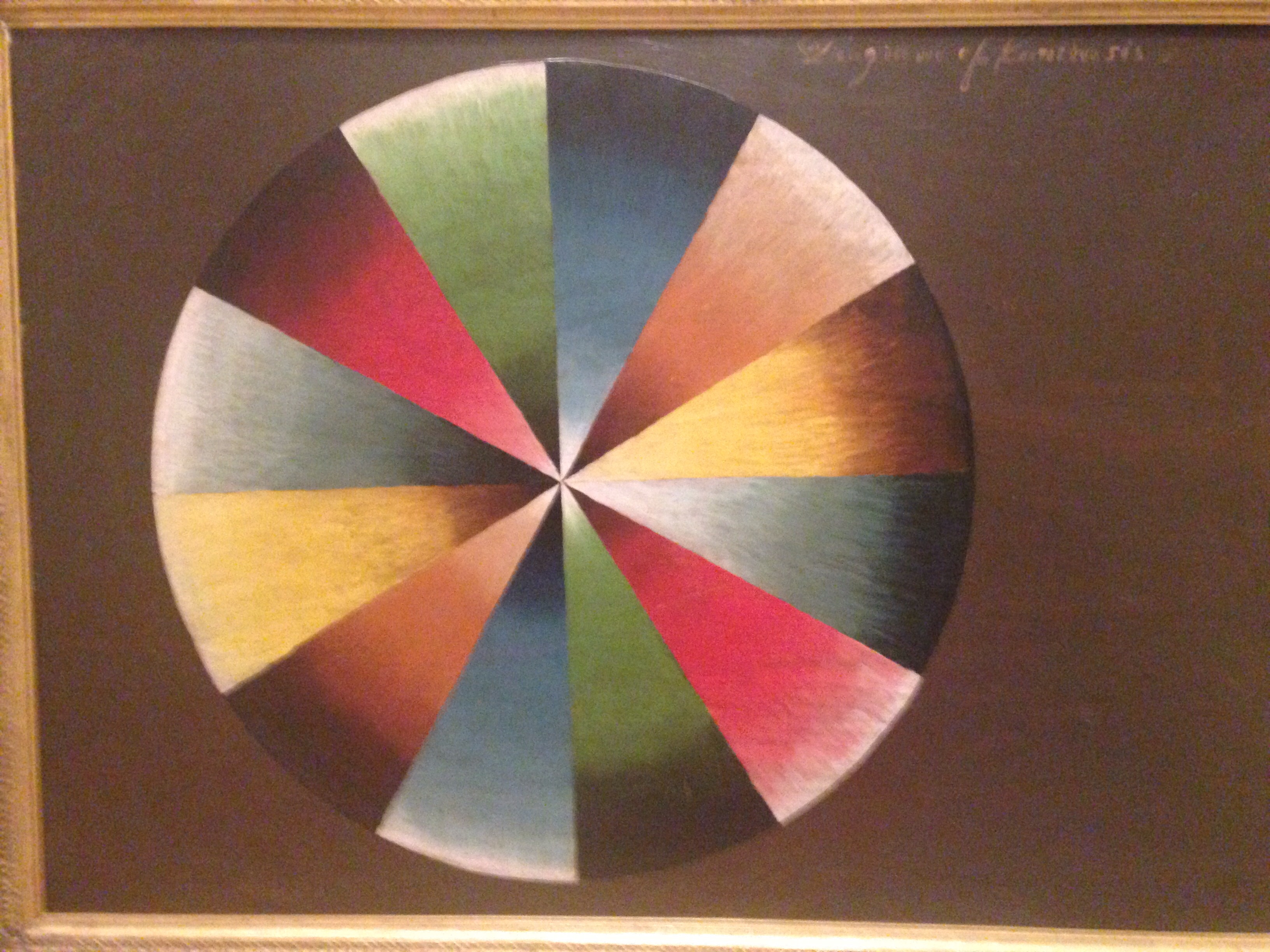
Cole was self-taught and this is one of his works that is exhibited – a colour wheel that demonstrates the difference between hue, value and chroma.

Thomas Cole's colour wheel

Thomas Cole’s colour wheel

Thomas Cole's Studio

Thomas Cole’s Studio

The work of the Hudson River artists awakened interest in the beauty of the landscape and the tourism industry developed in the area as a result. Thomas Cole deplored the depradations of commerce and deforestation on the landscape, and his work prompted the start of the environmental conservation movement. In his 1836 ‘Essay on American Scenery’ Cole wrote:

“Yet I cannot but express my sorrow that the beauty of such landscapes are quickly passing away – the ravages of the axe are daily increasing – the most noble scenes are made desolate and oftentimes with a wantonness and barbarism scarcely credible in a civilized nation.”

Our last stop was Coeymans Landing Marina, 8 miles south of Albany.

Catskills from Athens

Catskills from Athens

Hudson Lighthouse

Hudson Lighthouse

Athens

Athens


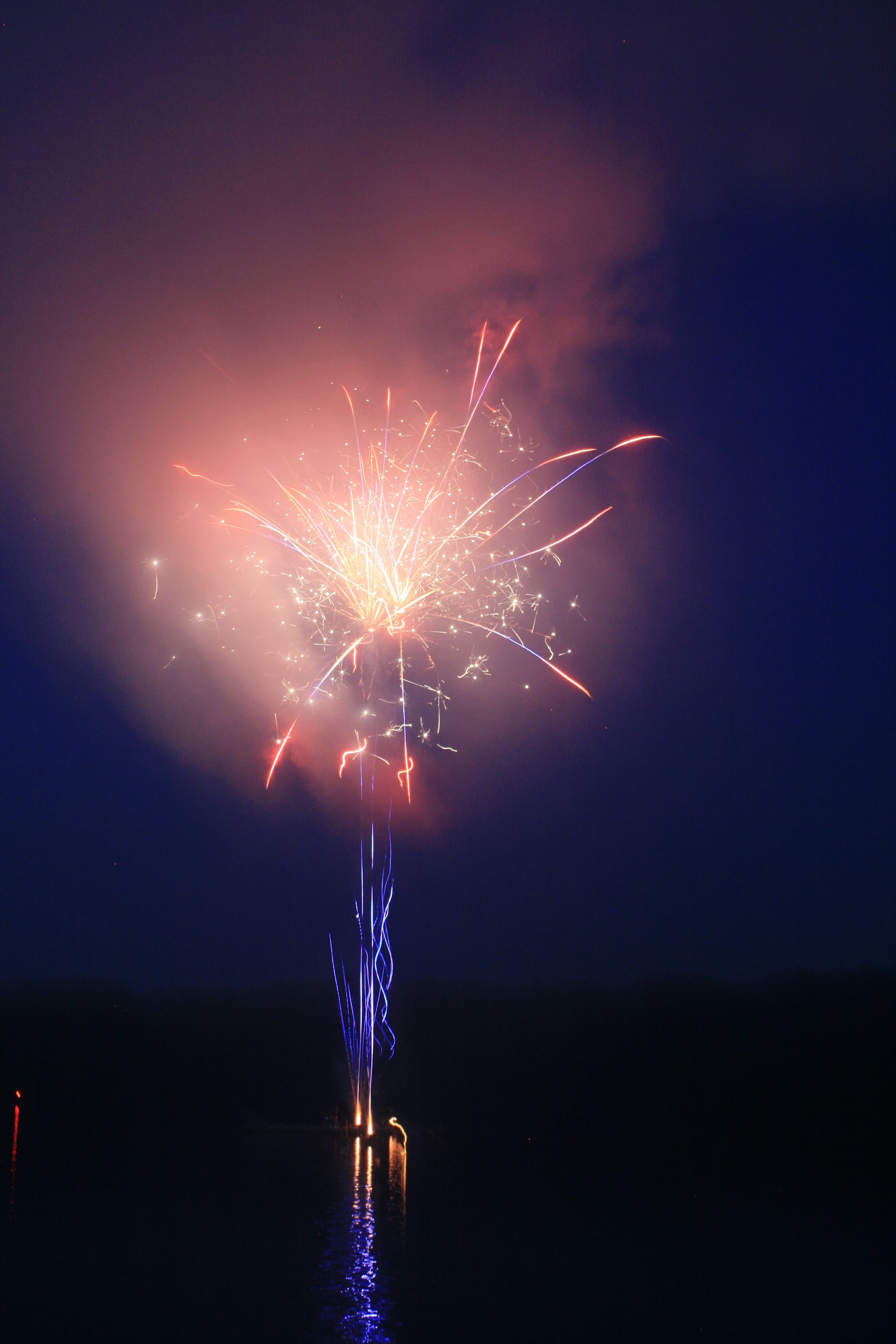
We were moored on the outside dock so had a great view of the 4th July fireworks which were let off from a barge in the middle of the river, with Carina brazenly displaying her Union Jack alongside the American flag. The fireworks were spectacular but it was far from a solemn event, with the marina staff taking a few minutes off from igniting the fireworks every so often, to have another beer.

IMG_9989 IMG_9993


We had a spare day and a hire car, so took a scenic driving tour through the mountains, following in the footsteps of the Hudson River School artists. Above North Lake is the site of the Catskill Mountain House, which in its heyday provided accommodation for artists and tourists who made the journey up from the valley to draw, paint and walk through the hills. After cars replaced horsedrawn vehicles, the hotel declined and was eventually demolished. Now only the foundations remain.

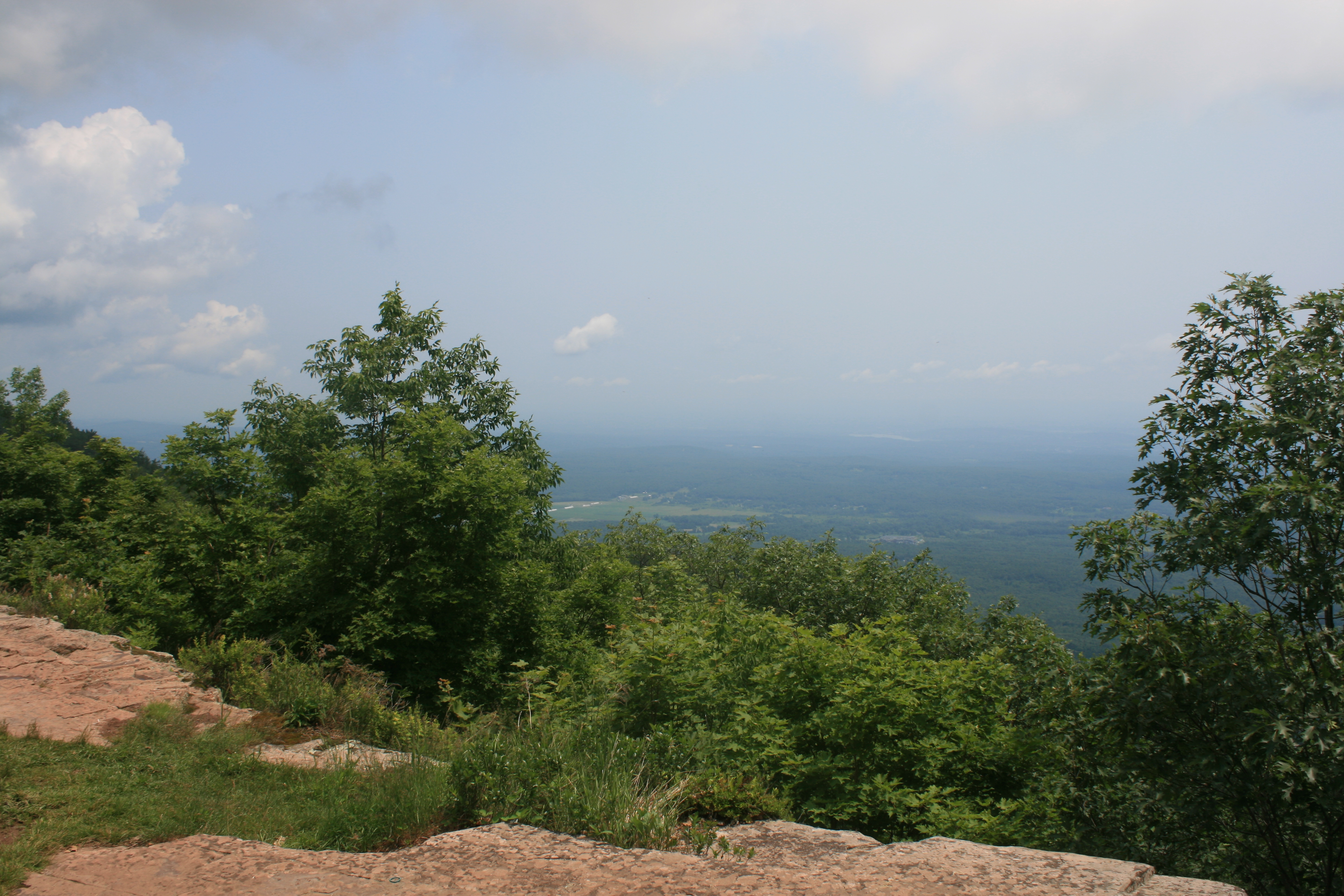
Looking east over the Hudson Valley from the Mountain House

Looking east over the Hudson Valley from the Mountain House

This is the same view which was painted by Frederic Church, Thomas Cole’s pupil.

Above the Clouds at Sunrise, Frederic Church

Above the Clouds at Sunrise, Frederic Church

Forest trail near South Lake

Forest trail near South Lake

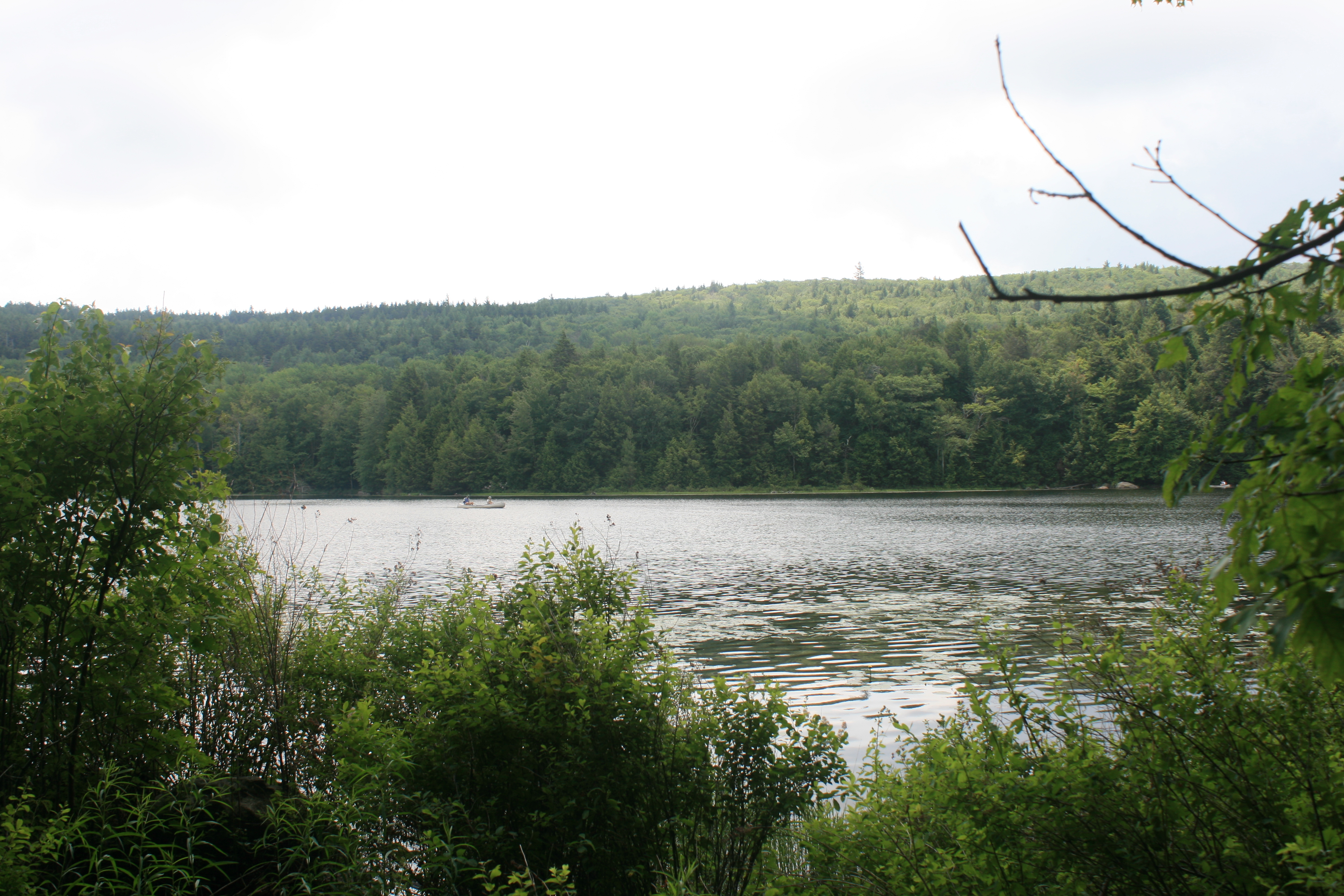
South Lake

South Lake

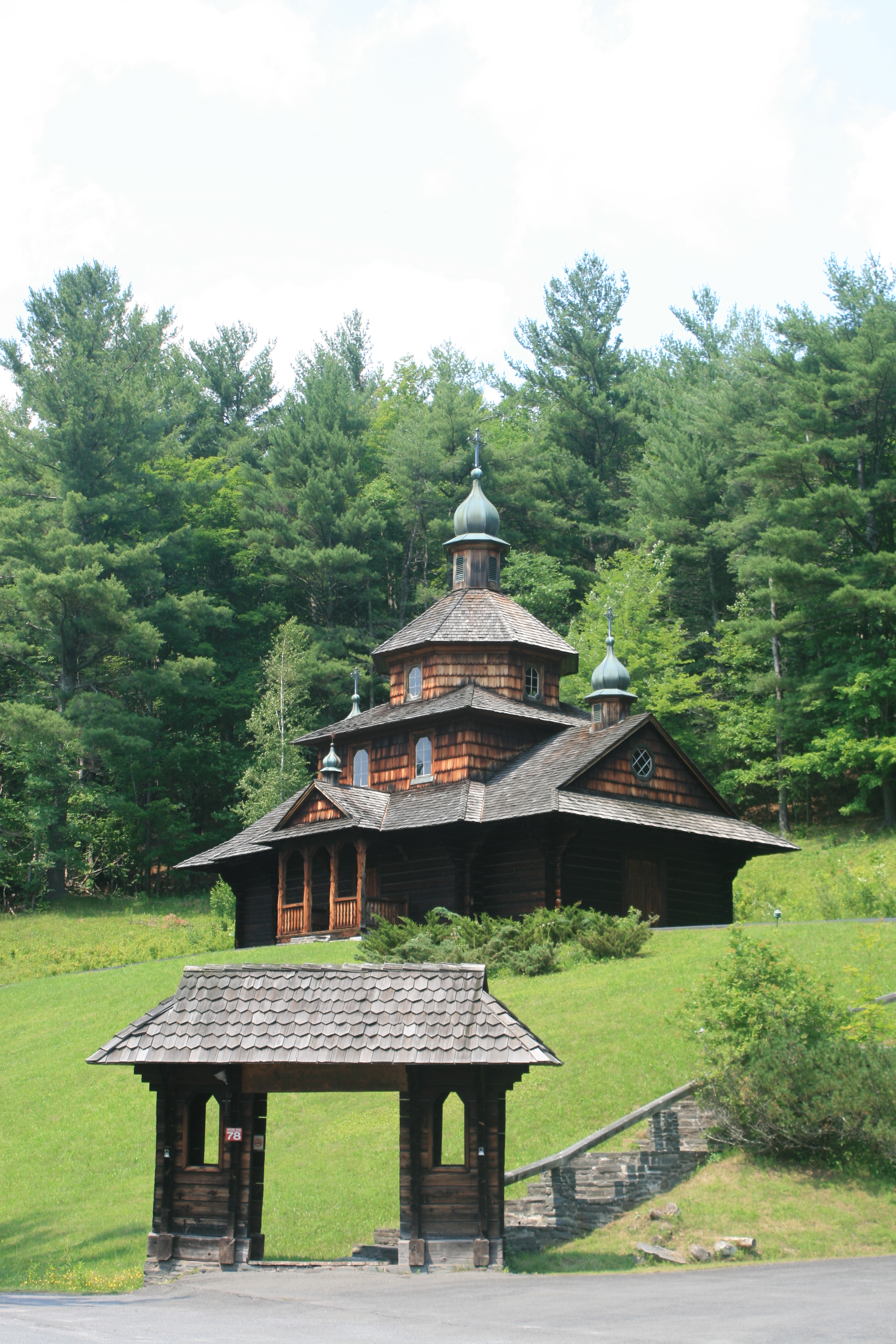
IMG_0007

The Ukrainian Church

Day lilies everywhere

Day lilies everywhere

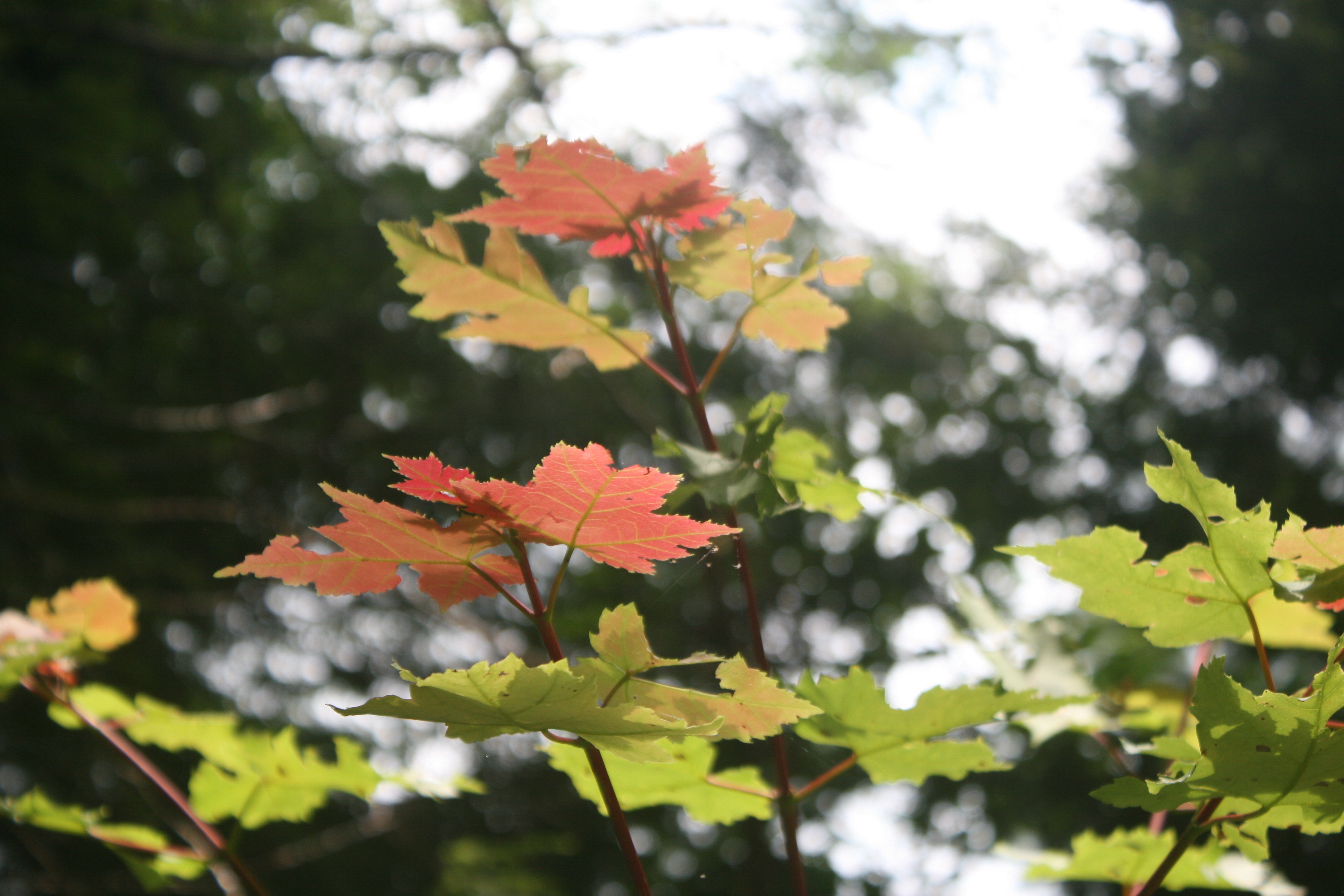
First tints of Fall in a maple sapling

First tints of Fall in a maple sapling

Schoharie Creek

Schoharie Creek

IMG_0015

Schoharie Creek

Schoharie Creek

Near Windham

Near Windham

We’ve left Carina in safe hands for the winter at  Coeymans and are spending a few days with the family before flying home. The next leg takes us into the Great Lakes and beyond, and because it’s so far north, we won’t be back until May 2016. I’m looking forward to seeing the English family and friends of course, and eating a nice piece of Stilton cheese, but we’ll miss Carina and America too.

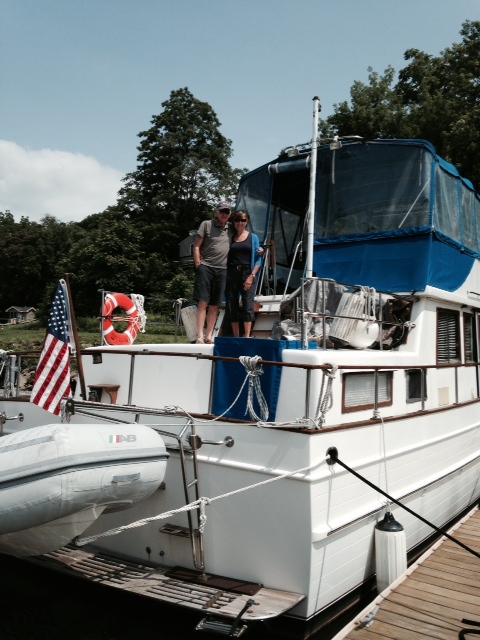
At Sue's marina

At Sue’s marina


Stormy weather and Springwood, the home of a great man


After four days in the marina and a folk festival, it was time to economise with a night or two at anchor, and Ian thought he had identified a peaceful and sheltered anchorage at Cornwall-on-Hudson, about 20 miles north of Half Moon Bay.

Half Moon Bay to Rondout

Half Moon Bay to Rondout

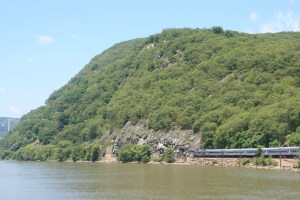
As we headed north  towards Albany, the landscape became more hilly and rugged. Trains run close to the shore on both banks of the river.

Bear Mountain

Bear Mountain

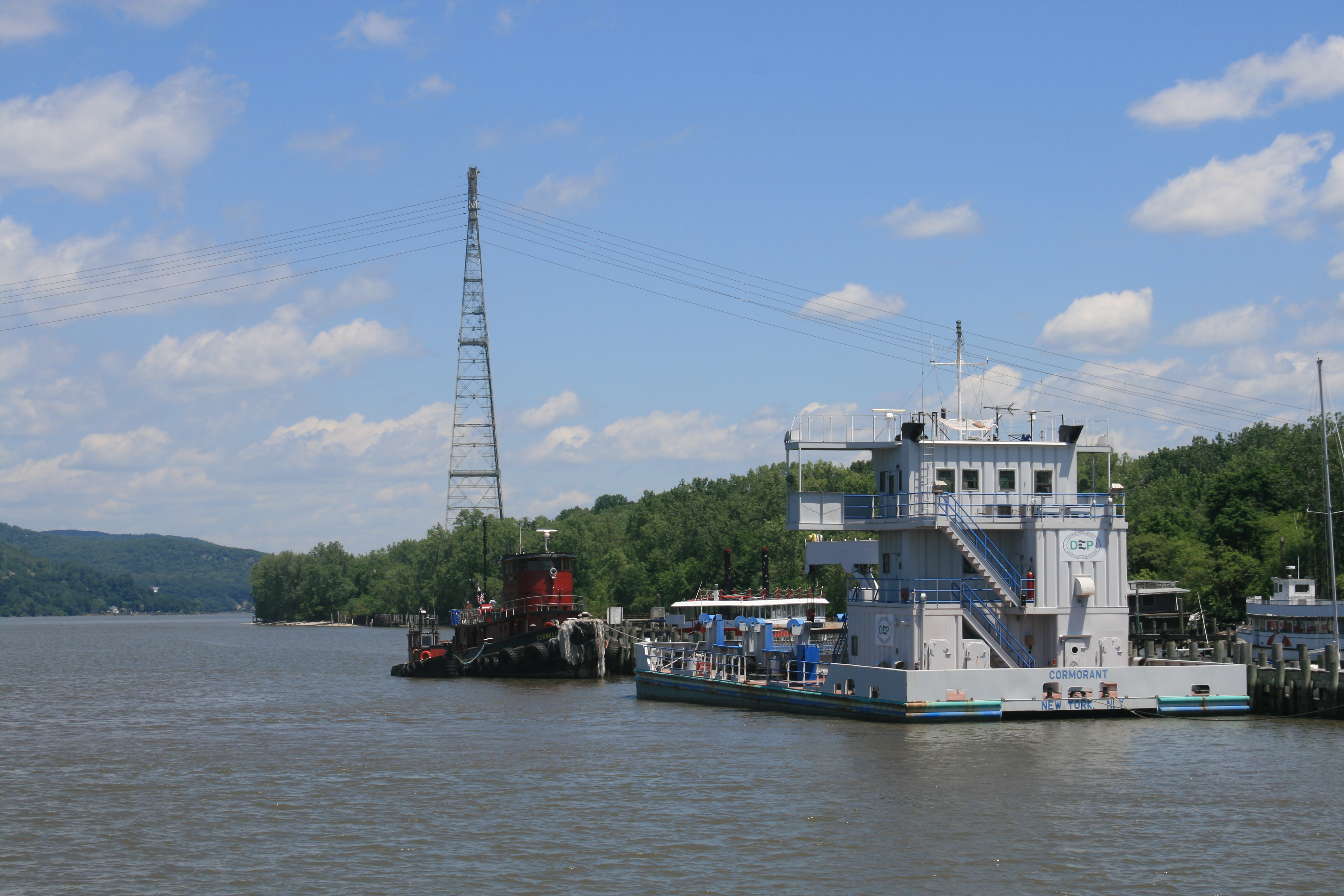
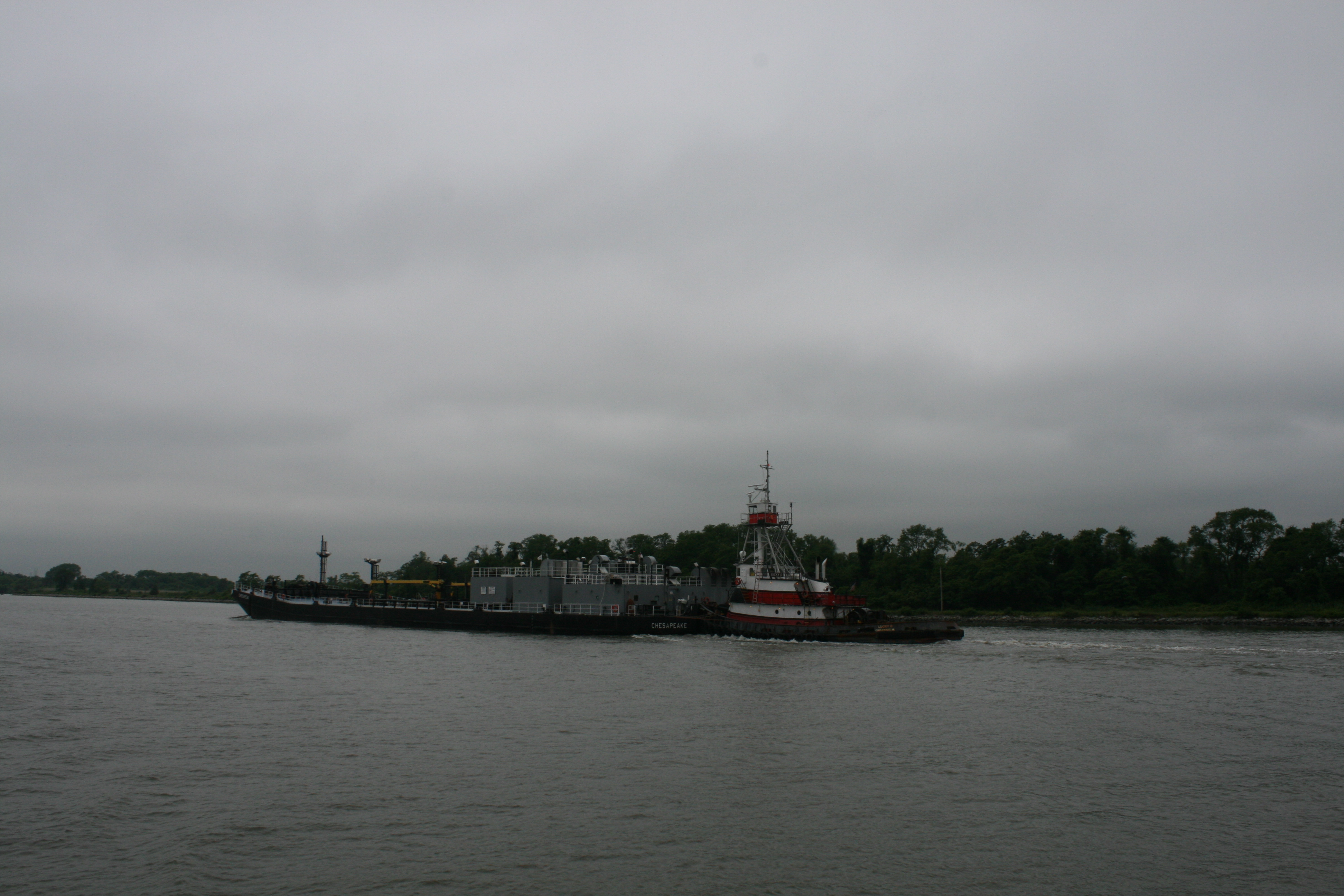
There are still plenty of working boats on the Hudson River.

IMG_9871Verplanck

Near Verplanck


IMG_9878

Near Fort Montgomery

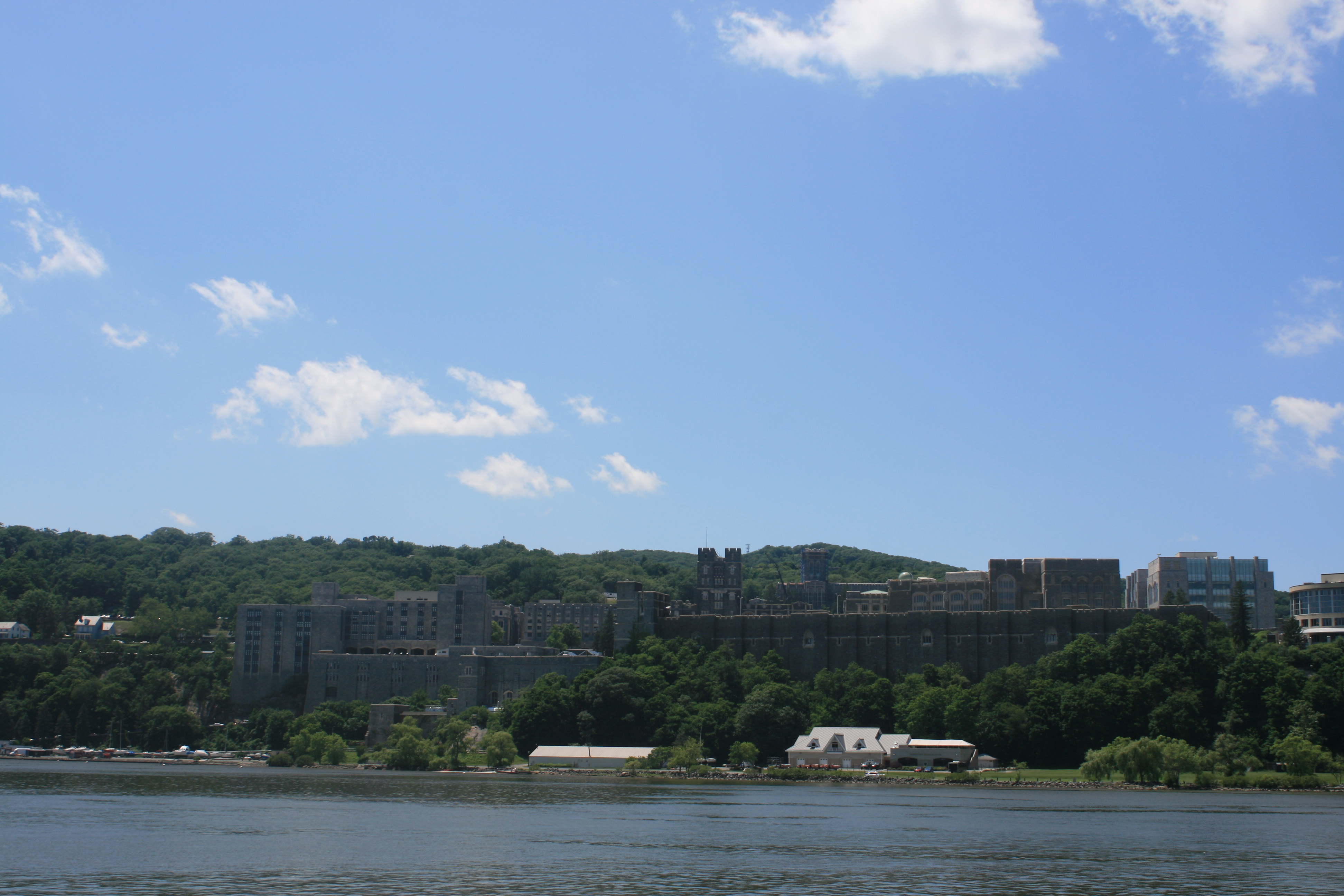
We passed the US Military Academy at West Point, founded by Thomas Jefferson in 1802.

IMG_9888

West Point Military Academy

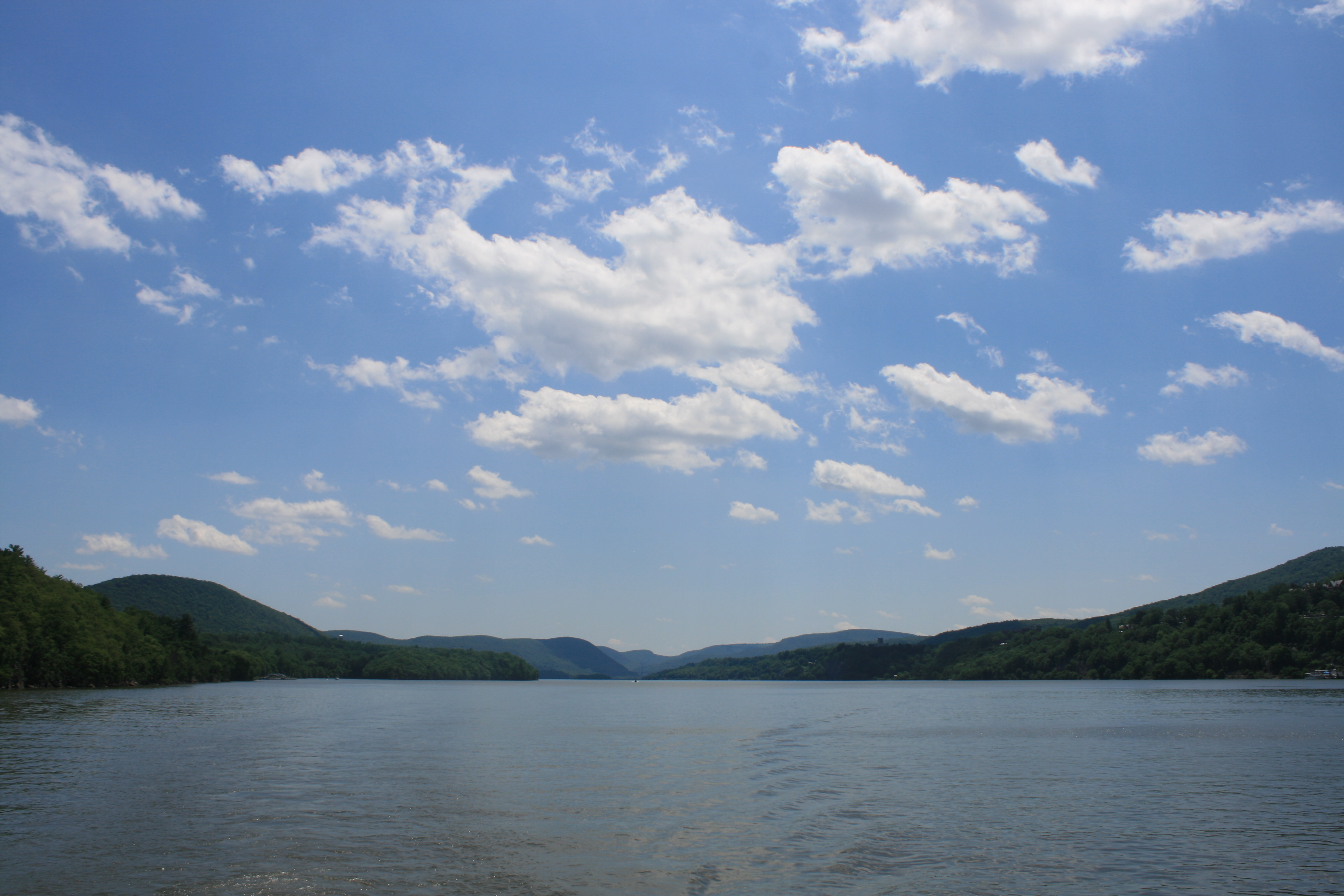
IMG_9889Looking downstream from West Point

Looking downstream from West Point

IMG_9891

Hudson Highlands


Sugar Loaf Hill

Sugar Loaf Hill

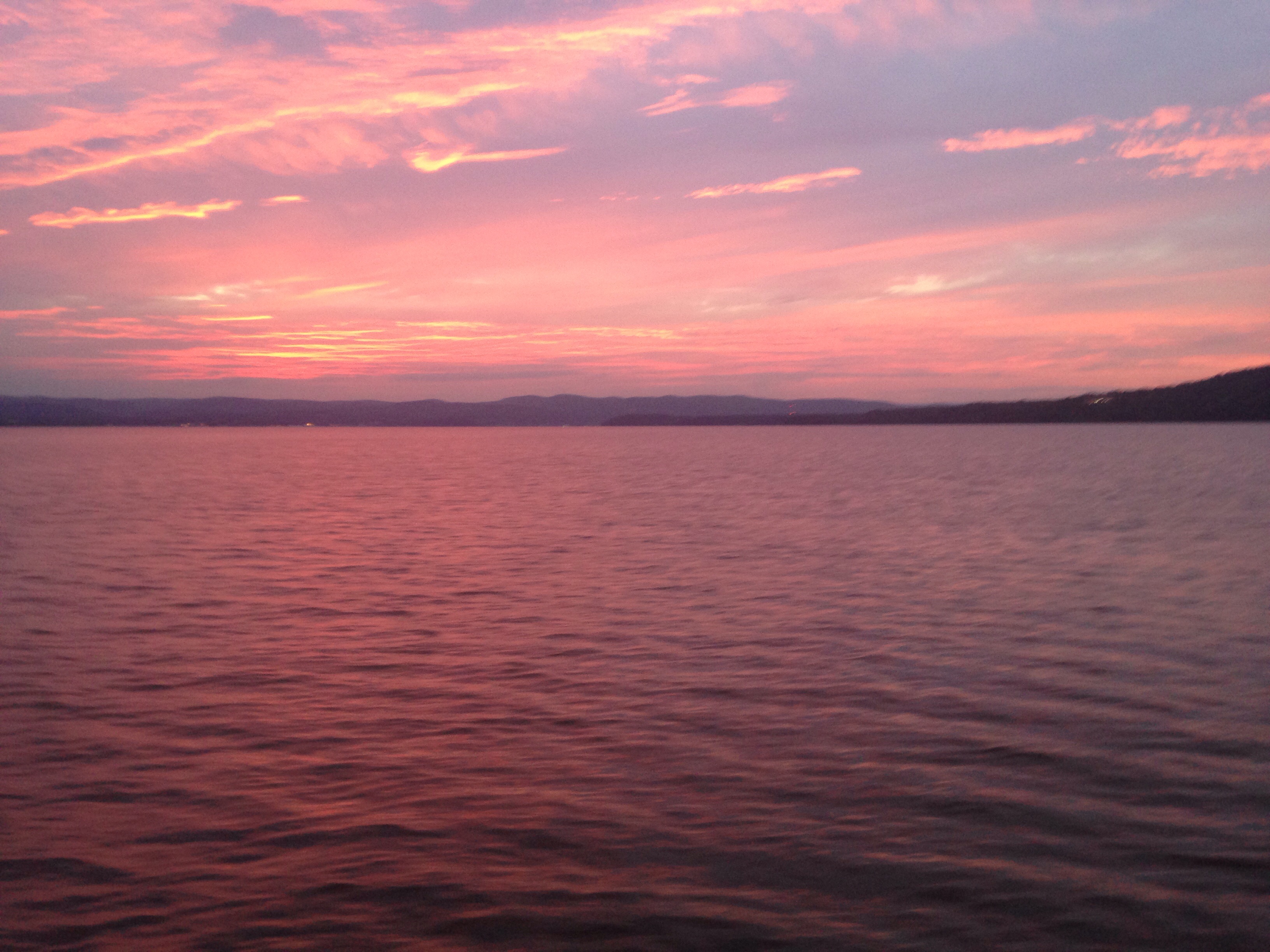
Sunset at Cornwall-on-Hudson

Sunset at Cornwall-on-Hudson

The anchorage turned out to be neither peaceful nor particularly sheltered. Goods trains trundled past at frequent intervals throughout the day and night, hooting for no apparent reason as they went, and in the middle of the night we were woken more than once by Carina rocking quite violently, and could only conclude that a vessel of some size had passed close to us on the river, going at speed.

The next day we stayed on the anchorage waiting out the strong winds and thunderstorms, while many parts of the north-eastern USA suffered tornadoes and violent storms.

By Wednesday things had calmed down sufficiently to move on to Poughkeepsie Yacht Club. The imposing building on the east bank of the river was the Culinary Institute of America, where would-be chefs study their art.

The Culinary Institute of America

The Culinary Institute of America

Chelsea Yacht Club

Chelsea Yacht Club

IMG_9917

Walkway over the Hudson

The Walkway over the Hudson is the world’s longest footbridge and opened in 2009 – it started life as the Poughkeepsie-Highland Railroad Bridge, but was taken out of service after being damaged by fire in 1974.

Poughkeepsie Yacht Club, like our own Tynemouth Sailing Club, is run entirely by volunteers and three of them were very kindly there to help us dock.

Franklin D Roosevelt’s lifelong home, Springwood, is a few miles away and the Presidential Library is on the same site.  You can also visit Val-Kills, the small house to which Eleanor Roosevelt used to retreat from her mother-in-law Sara, who actually owned  Springwood  and lived there with Eleanor and FDR and their five children, until her death in 1941, only four years before FDR himself died at the age of 63.

Springwood

Springwood

The parkland at Springwood

The parkland at Springwood

We saw the study in which Roosevelt, Churchill, and rather surprisingly, King George VI, had conferred in 1939 and hatched a plot to enable America to assist the British and French in the coming, inevitable, war against Germany, without Congress and the rest of isolationist America realising what was going on.

What came through the exhibition in the Presidential Library was not only FDR’s extraordinary courage in overcoming his physical disabilities, and his determination to implement his policies, but also his great humanity.


IMG_9934

“The test of our progress is not whether we add more to the abundance of those who have much; it is whether we provide enough for those who have too little.”

Herbaceous border next to the Rose Garden

Herbaceous border next to the Rose Garden

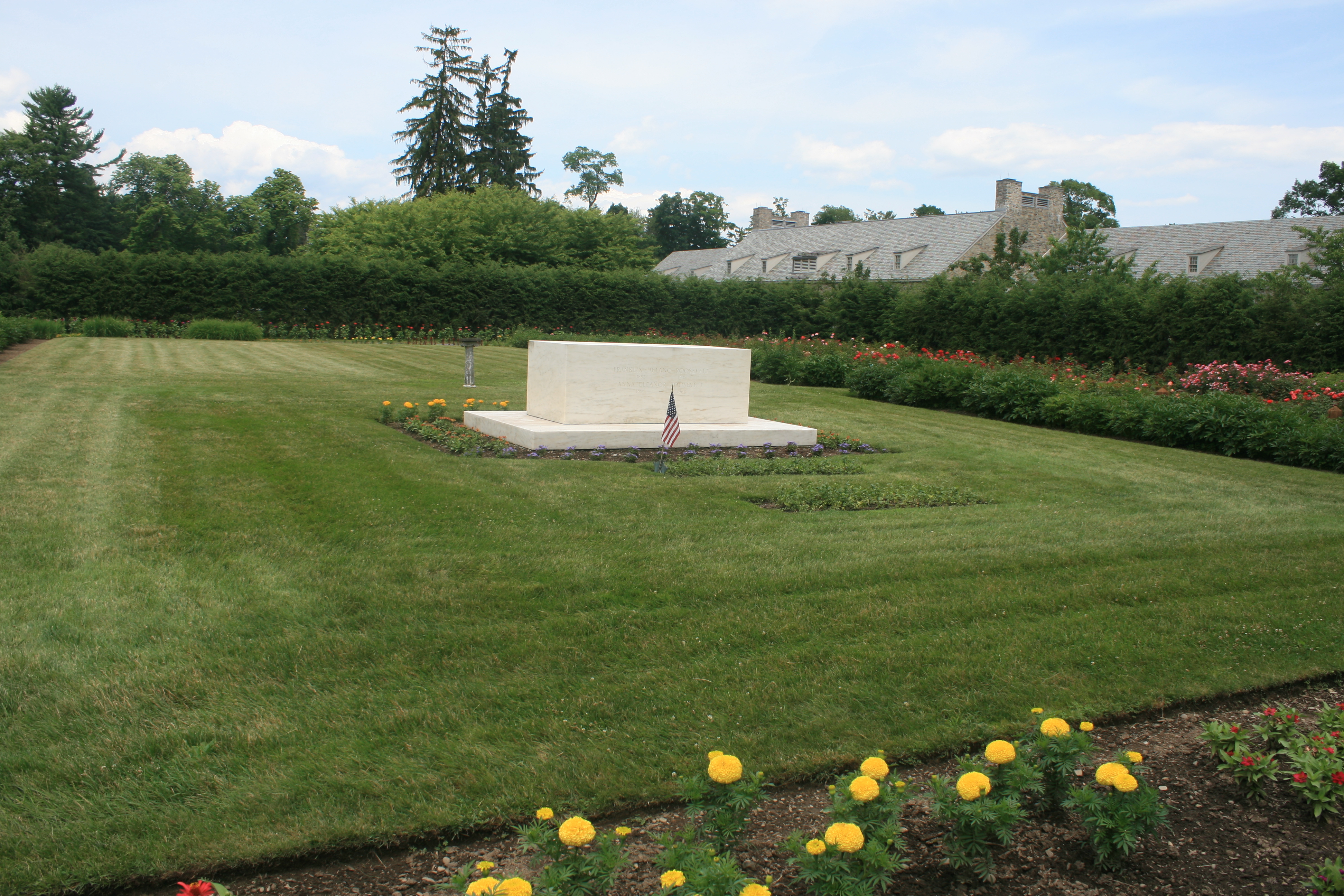
Grave of FDR and Eleanor Roosevelt

Grave of FDR and Eleanor Roosevelt

FDR espoused Four Freedoms – freedom of speech, freedom from want, freedom of worship and freedom from fear.

Towards the end of the war, he and Churchill discussed their vision and hopes of freedom and democracy for the future, hopes that were dashed by the division of Europe and the Iron Curtain, repression embodied in the Berlin Wall in 1961.

Behind the Presidential Library stands Freedom Court. It contains busts of Churchill and FDR, and ‘Breakfree’, a sculpture created from sections of the Berlin Wall by Edwina Sandys, Churchill’s granddaughter.

Freedom Court

Freedom Court

We couldn’t leave the Poughkeepsie area without a visit to the Culinary Institute, which has three different restaurants where the students practise not only their cooking skills but their waiting skills too. The main building has a fantastic view over the river, and is surrounded by landscaped gardens and fountains.

The Culinary Institute of America

The Culinary Institute of America

image

We chose the Italian restaurant, the Catherine d’Medici, which is housed in a separate Italianate building with an authentic interior and a pleasant ambience. Our Chinese waitress seemed a little nervous but managed to explain the menu to us, and the only downside was the presence of some  enthusiastic photographers who clearly had some sort of project to fulfil on a couple of nearby tables, and the almost continuous flash photography was quite disturbing for a time.

In the Catherine d'Medici Restaurant

In the Catherine d’Medici Restaurant

In true British style we didn’t complain, though I did mention it on the feedback form which also explained that the servers shouldn’t be tipped,  because the optional service charge was ploughed back into providing facilities for the students. The food was excellent, which was what we had gone for.

Our next stop was Roundout Yacht Basin – Roundout was the port for the town of Kingston, which was the first state capital of New York. Its celebrity was short-lived however, as six weeks after the Constitution was agreed at the Senate House, the British burnt Kingston to the ground in the Revolutionary War.

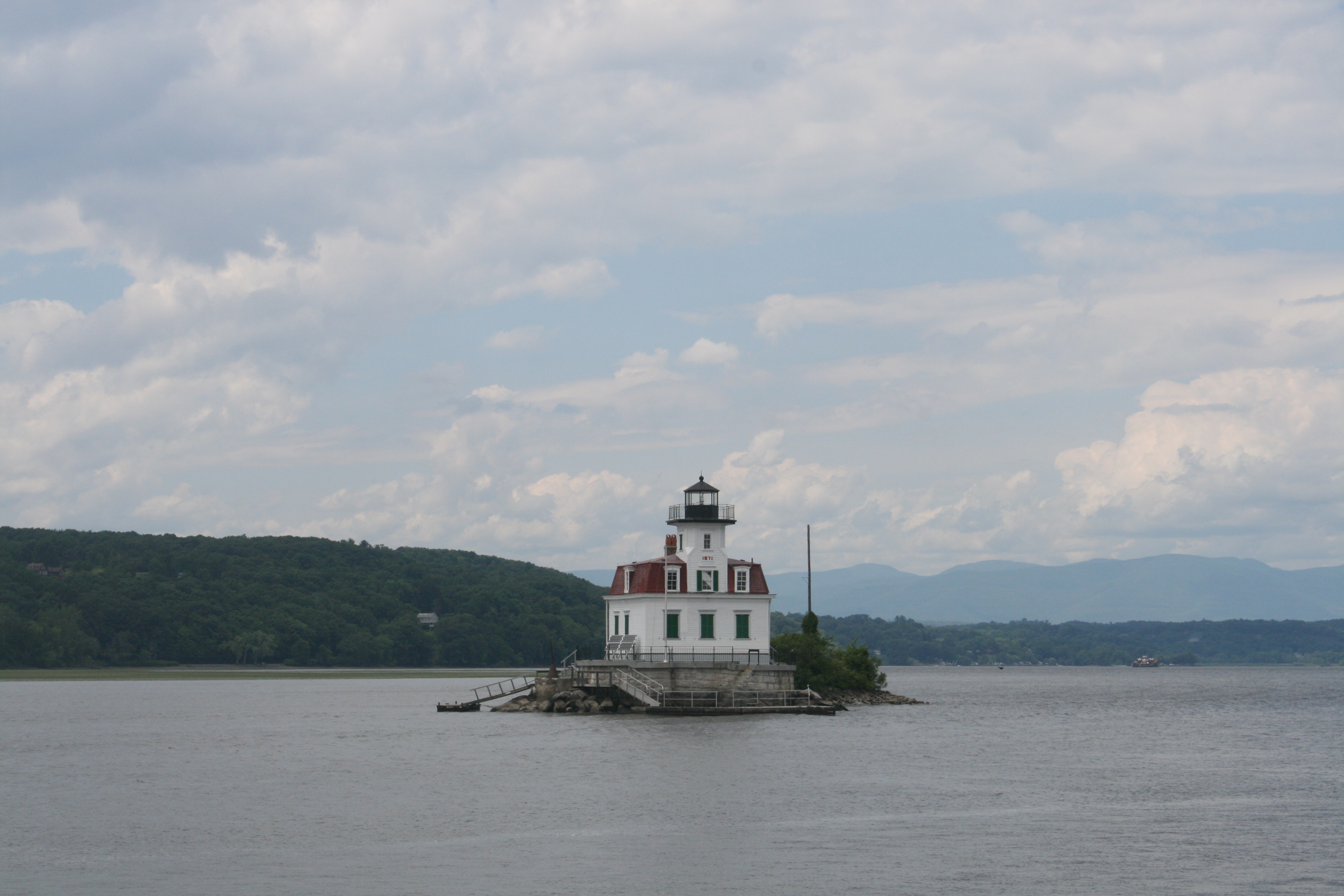
We’ve seen several of the Hudson River Lighthouses, and on the way to Rondout had our first view of the lovely Catskill Mountains.

IMG_9942The Catskills from near Port Ewen

The Catskills from near Port Ewen

Esopus Meadows Lighthouse

Rondout Lighthouse

Rondout Lighthouse

Roundout Lighthouse, at the mouth of the Rondout Creek, was manned for 50 years by Catherine A. Murdock who took over from her husband after he died in 1857.

IMG_9945Hudson River from Roundout Creek

Hudson River from Rondout Creek

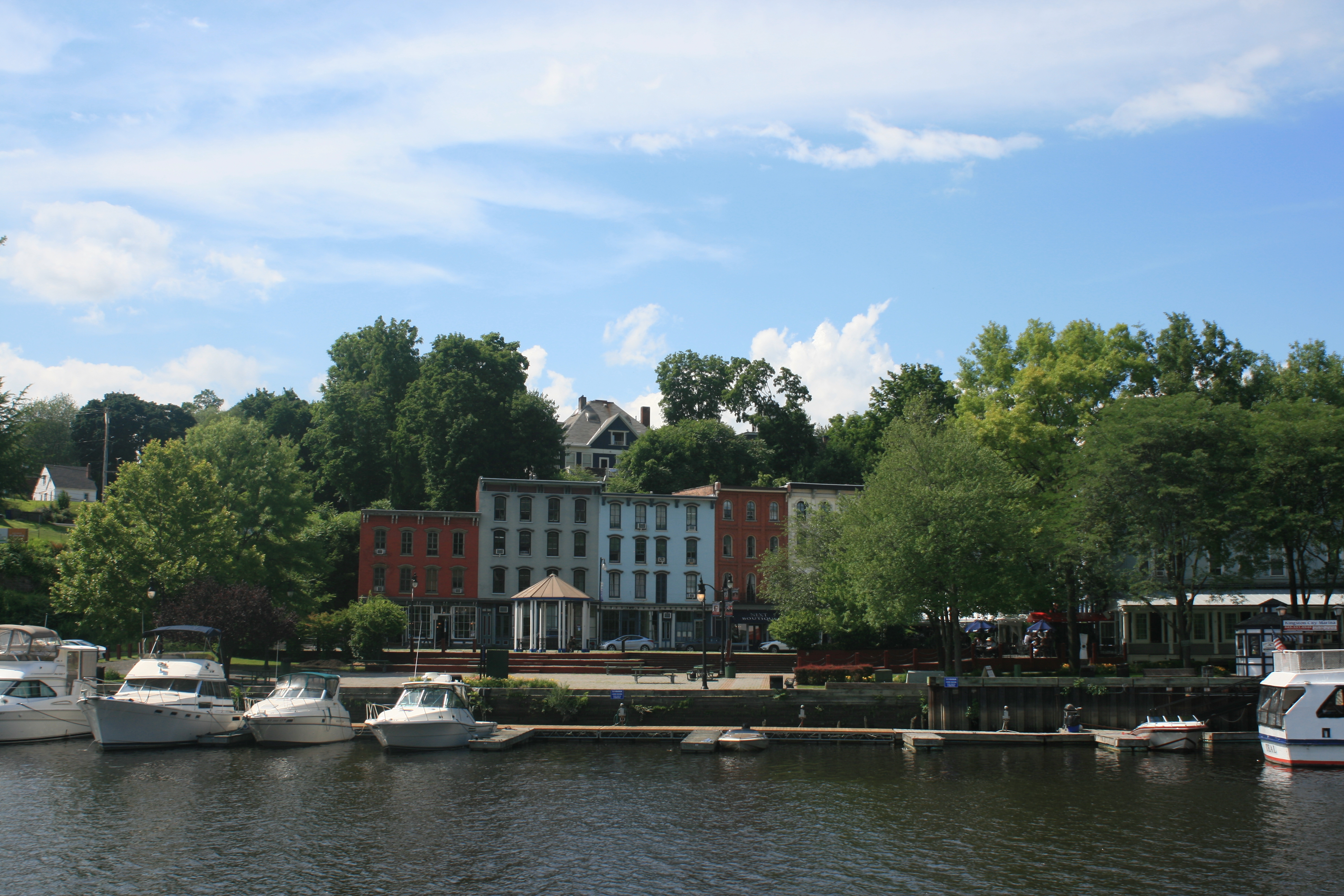
Kingston Waterfront from Rondout Creek

Kingston Waterfront from Rondout Creek

The sloop Clearwater moored at Rondout

The sloop Clearwater moored at Rondout

Rondout Waterfront

Rondout Waterfront

We’re still on a learning curve when it comes to taxis in America. We’ve learned that in many places there just aren’t that many of them, so you might have to wait for an hour for one to come and pick you up, and they tend to underestimate how long they’re going to be too. So we were pleased when we were told we could have one in fifteen minutes to take us to the Senate House in downtown Kingston, and the driver was only ten minutes late.

She already had a passenger in the front seat, who was smartly told to get out and go right in the back of the taxi, so we could sit in the middle row of seats. Limited though our knowledge of the geography was, we soon realised that we weren’t going on a direct route to Kingston, but fortunately Ian had already checked the price of the trip. We zoomed along various  rural roads before coming back into a built up area and stopping outside a block of flats, the driver muttering crossly because whoever we were supposed to be picking up wasn’t there.

Eventually a young woman sautered out, smoking a cigarette which she did have the grace to put out before getting into the car. We then resumed our breakneck journey up the expressway, clearly going nowhere near the Senate House in downtown Kingston. Affecting nonchalance, out of the corner of my eye I could see Ian get his phone out and check where we were on Google maps. Eventually he suggested to the driver, as diplomatically as possible, that  there might have been some confusion about where we wanted to go.

There hadn’t been. It was just that we had to take the young woman to work first, and she was already late. And she had  booked the cab before we had.

Go figure, as they say. I switched off slight-panic mode and eventually we arrived in downtown Kingston, having taken 35 minutes to cover a direct distance of about 3 miles. We didn’t complain, but that wasn’t anything to do with being British.

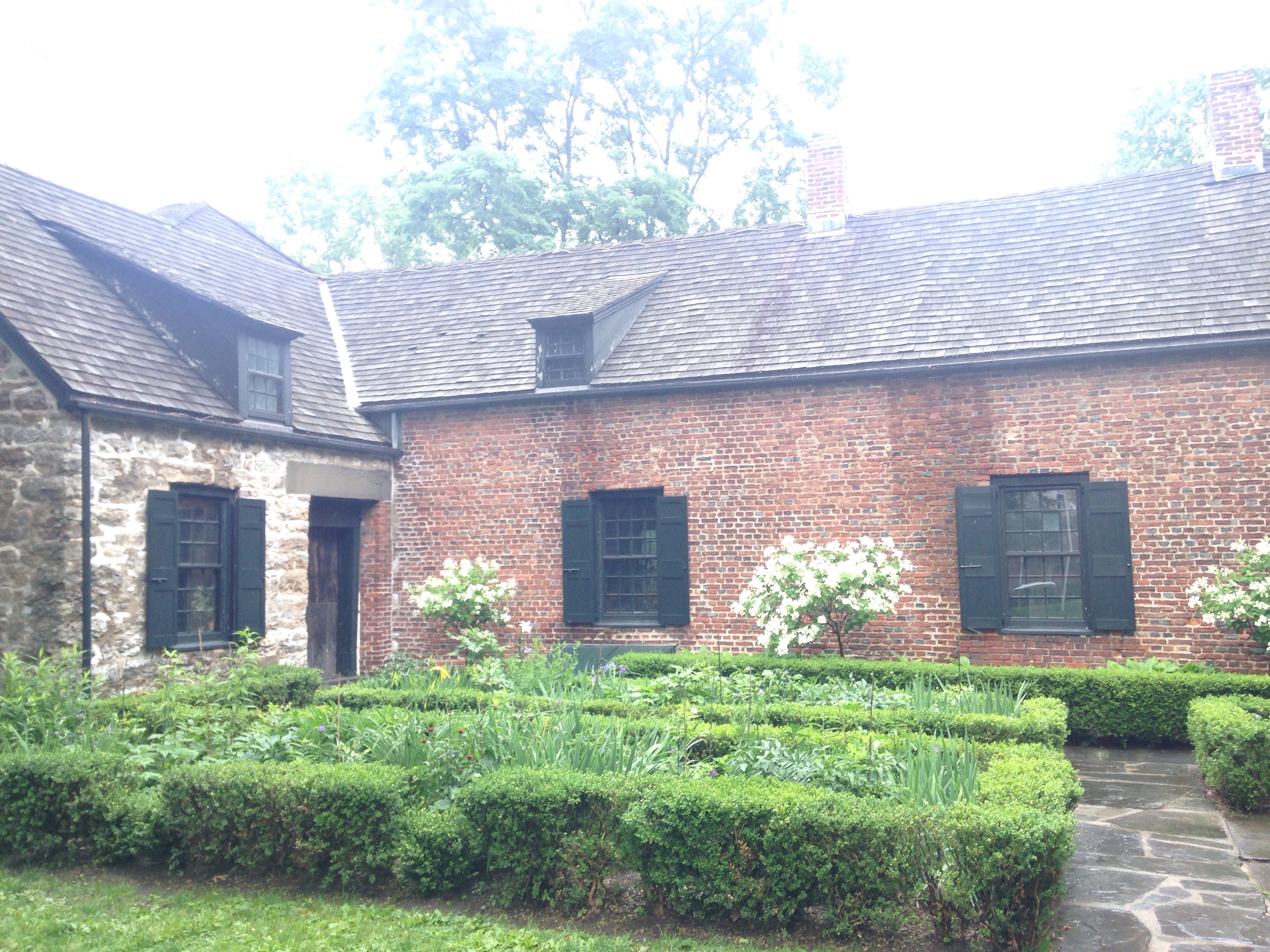
The house now known as the Senate House was originally built  in 1676 by Wessel Ten Broeck, an immigrant from Westphalia. It passed through marriage to the Van Gaasbeek family, being rebuilt after the Revolutionary Wars and having various additions over the decades, and was used as a family home until 1887, when it was acquired by New York State.

The Senate House, Kingston NY

The Senate House, Kingston NY

Interior of the Senate House

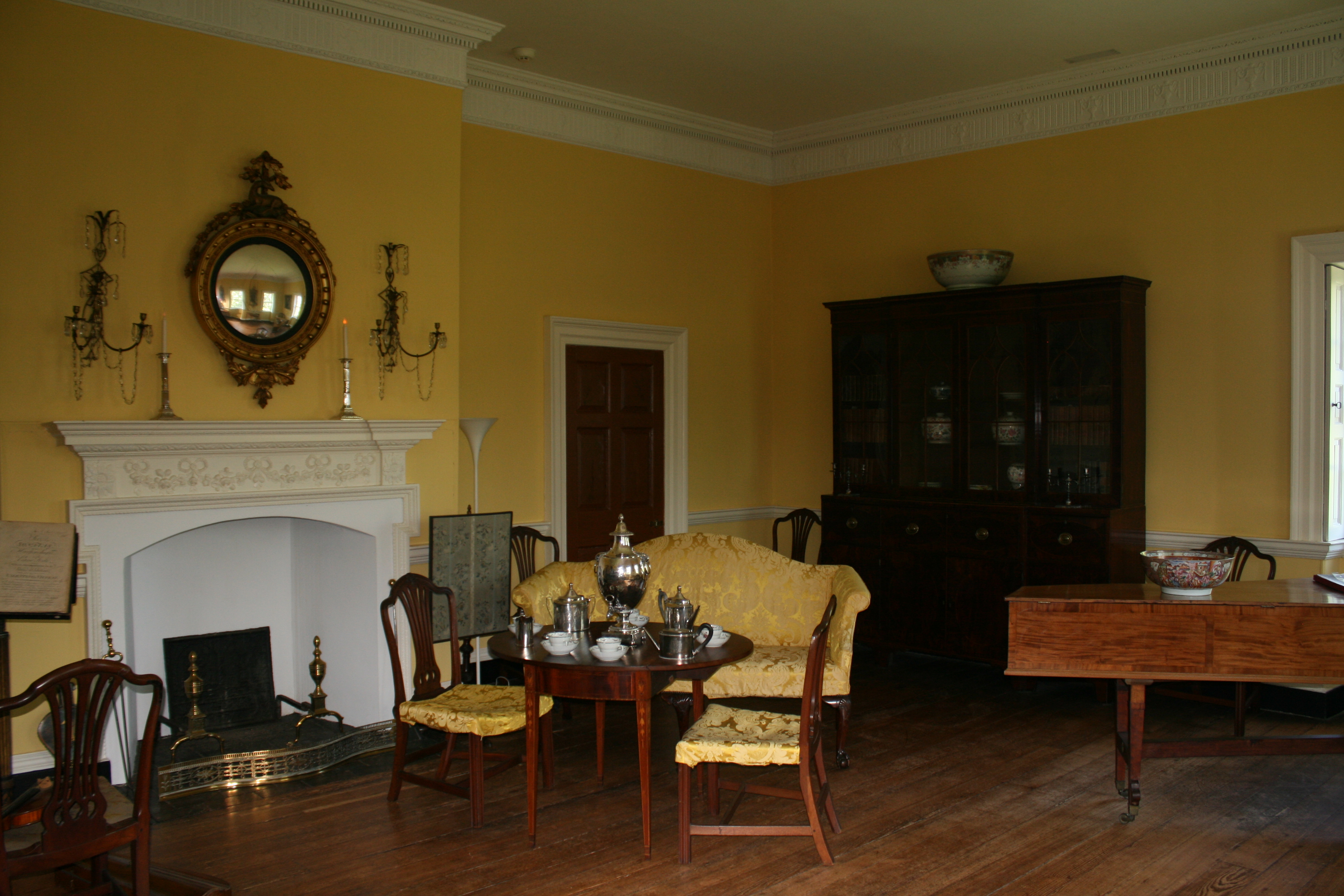
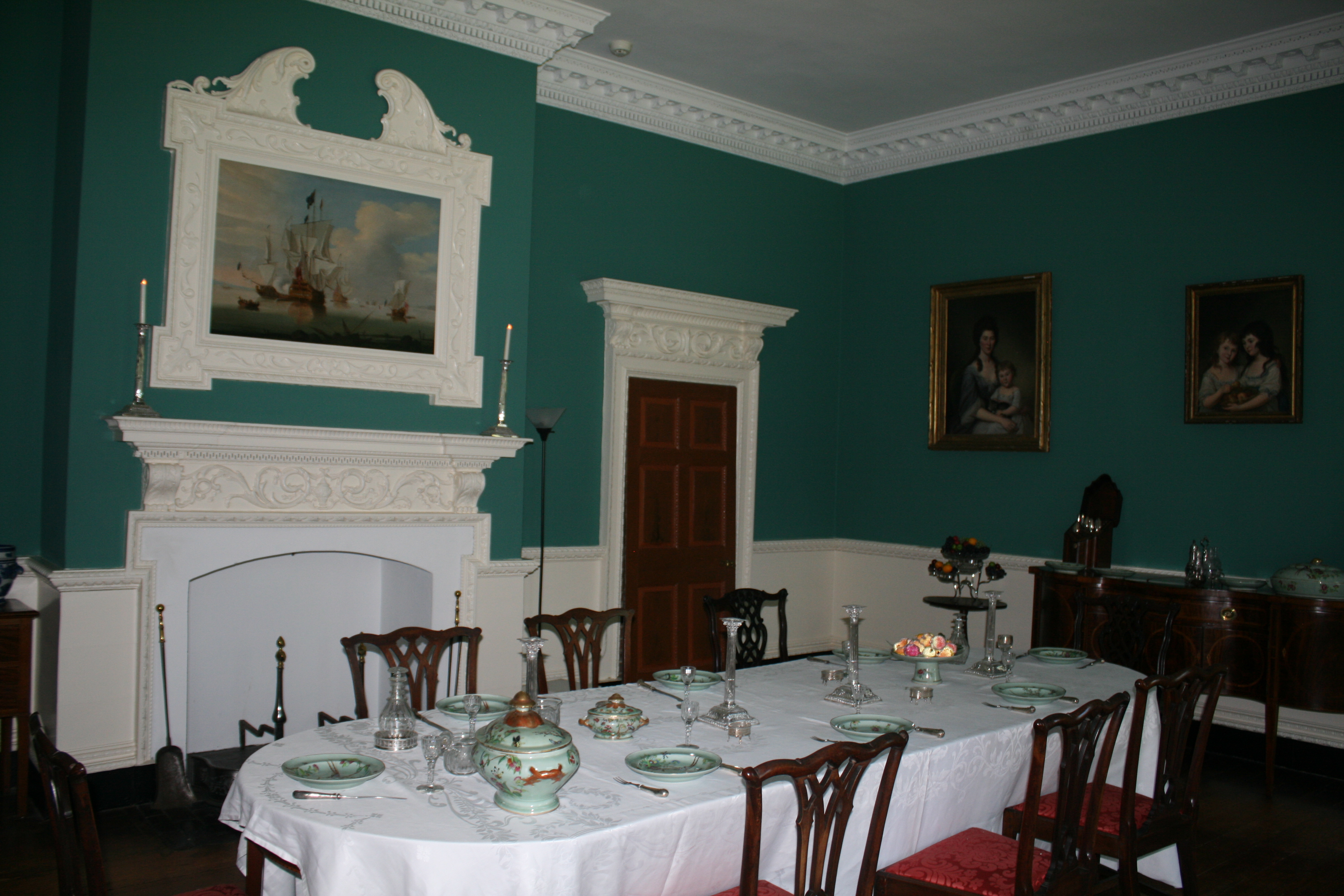
The dining room

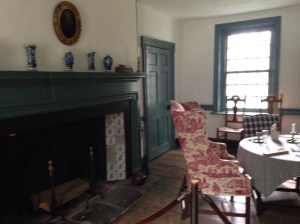
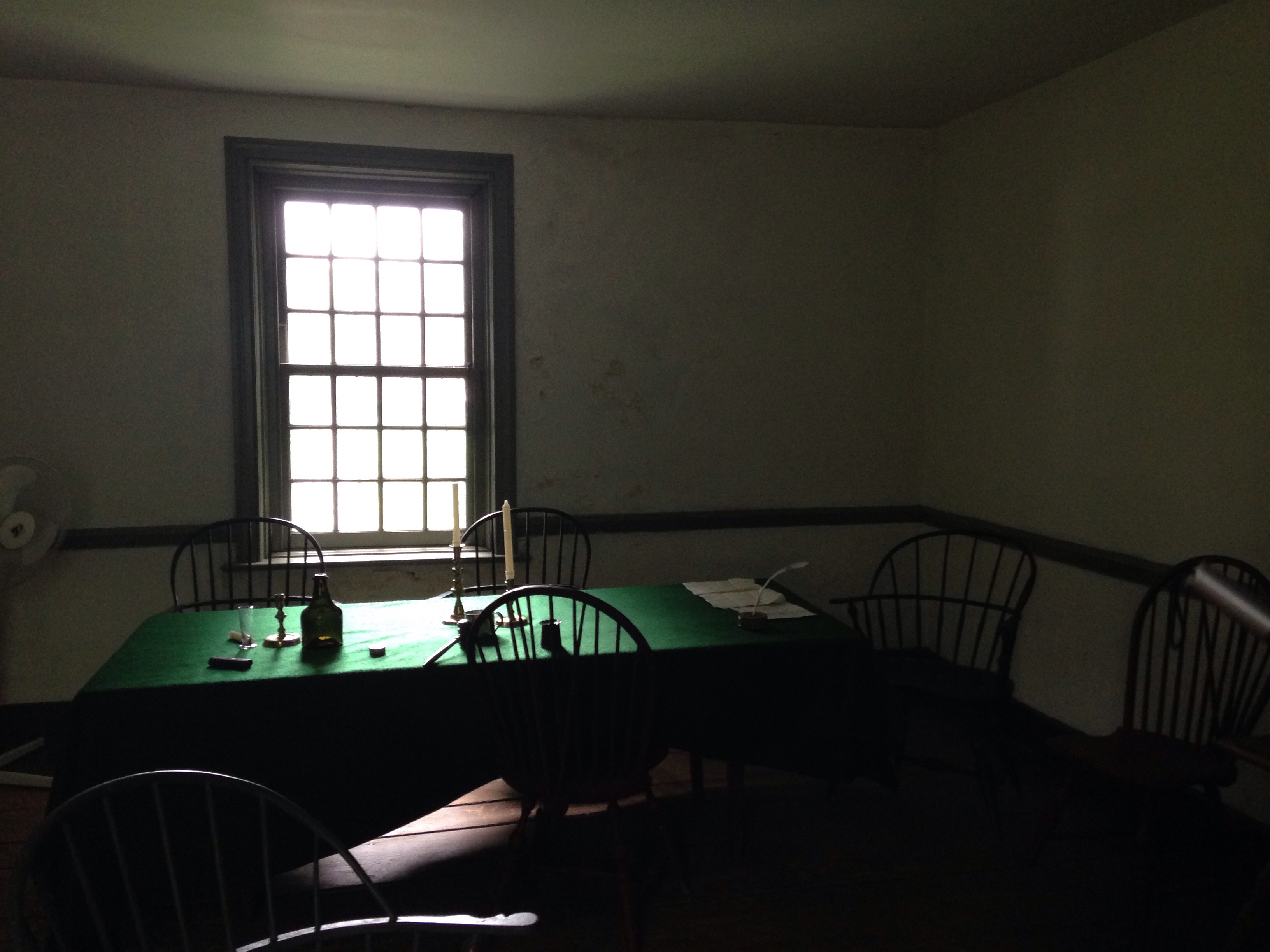
Room in which the Constitution was signed

Room in which the Constitution was signed

After a weekend of miserable weather, we left Rondout on a bright sunny morning for our next stop, Catskill.

Leaving Rondout Yacht Basin

Leaving Rondout Yacht Basin


Two Days in New York and a Trip to Remember up the Hudson River

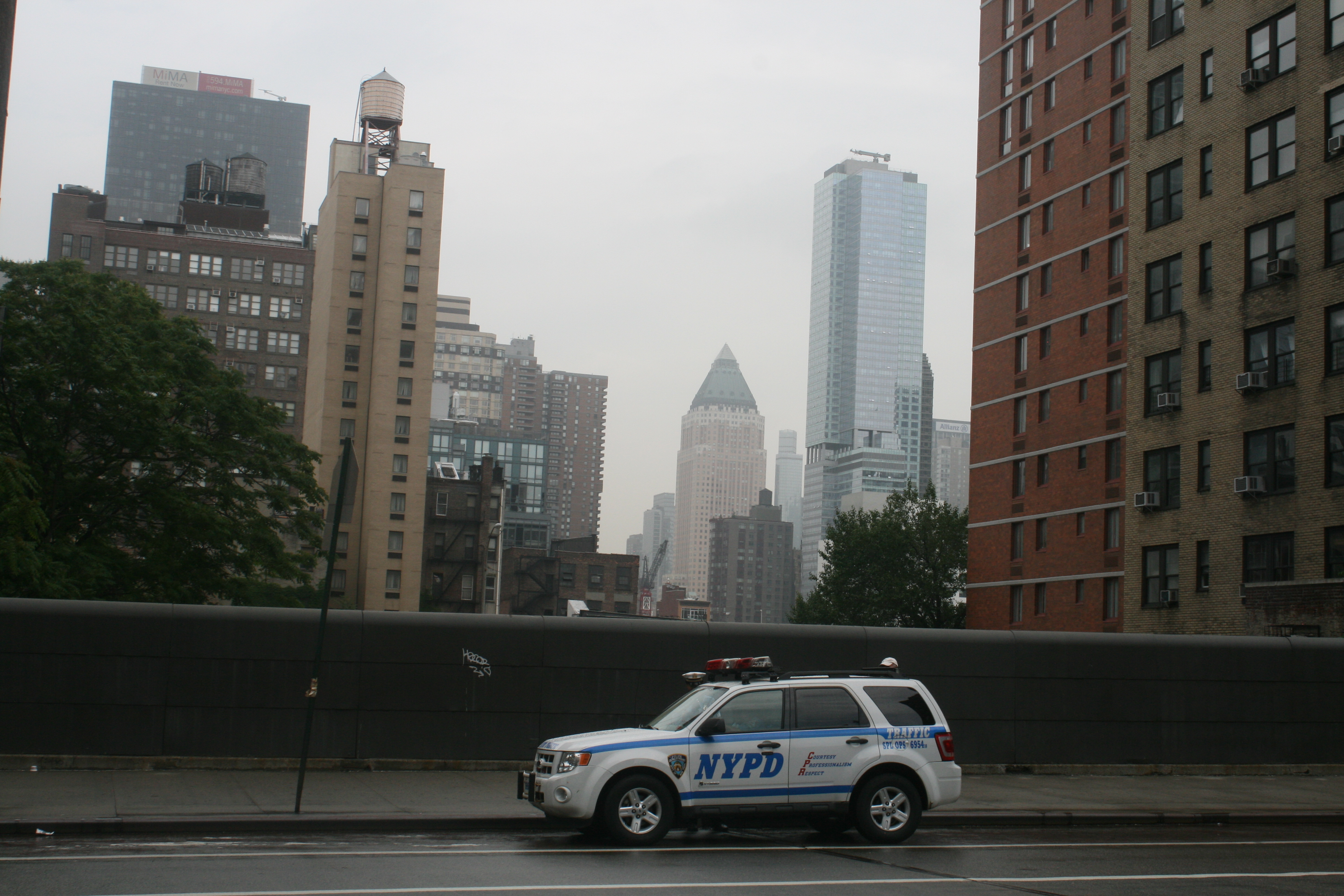
After the glorious day we had travelling up the coast and into New York, it seemed inappropriately English to wake up the next day to drizzle and mist, which lasted the entire two days we were at Great Kills on Staten Island. It would have been disappointing if it hadn’t been our third visit to NYC, but we soldiered on and took the express bus into Manhattan regardless of the miserable weather.

The journey took two hours.

But thanks to Google maps and my iPhone, I knew exactly where we were as we crossed the Verrazano Bridge into Brooklyn, through the tunnel and out into Lower Manhattan, so it felt like a guided tour.

We decided on the Museum of Modern Art, which had been closed for renovation when we came here in 2004, and just about to close for the day in 2012. Quite apart from the building itself, there was so much to see but we concentrated on the Impressionists, Cezanne, Gauguin and Seurat, followed by Picasso, Klimt and Braque.

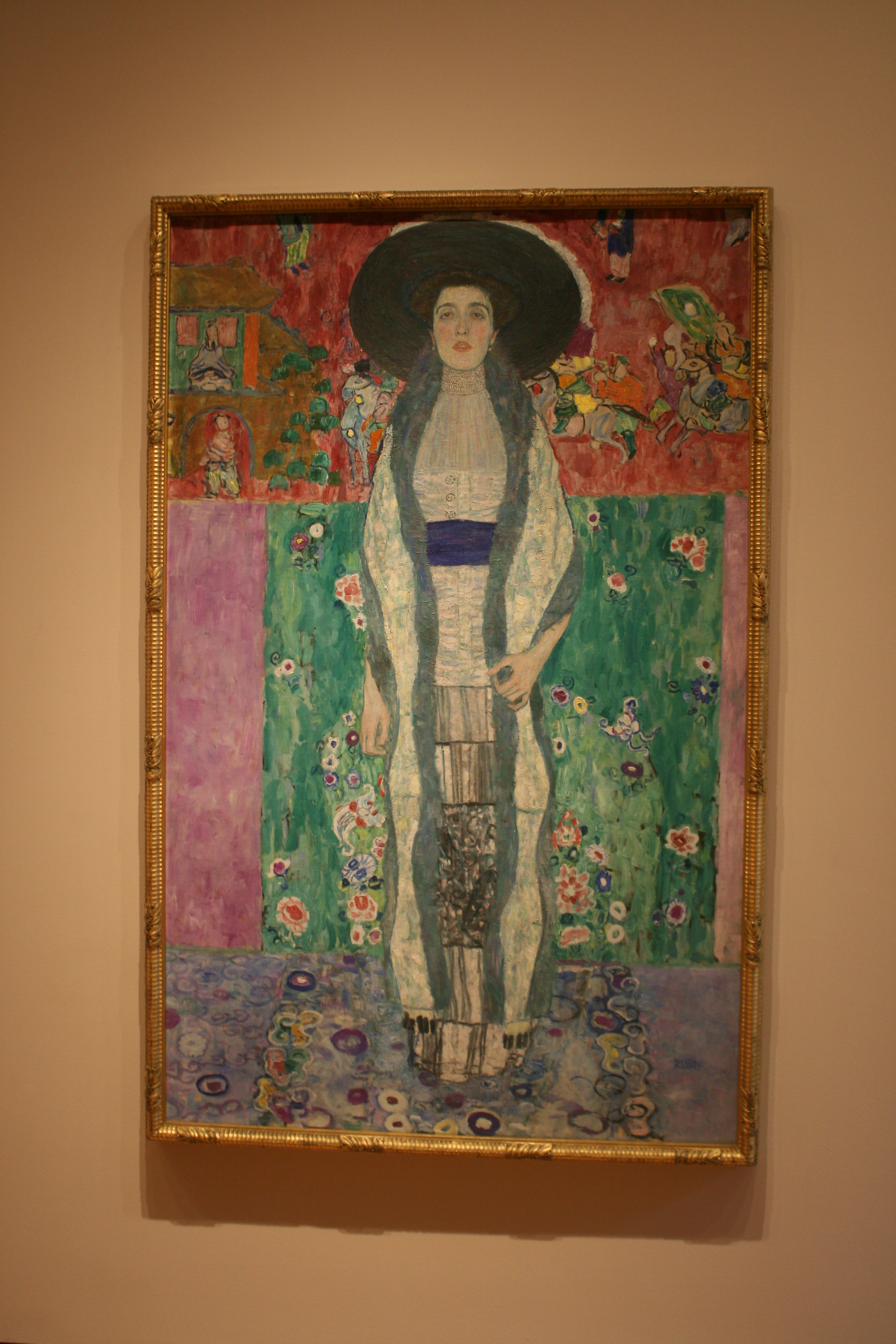
This is Klimt’s portait of Adele Bloch-Bauer, the wife of a prominent Vienna industrialist. The painting was taken by the Nazis in 1938, and only returned to the family heirs in 2006. It is on loan to MoMA from the present owner.

IMG_9732Klimt portrait of Adele Bloch-Bauer

Portrait of Adele Boch-Bauer II


We  liked the exhibition of photographs by Grete Stern and her husband Horacio Coppola, whose photographs of London in the 30’s were interesting and evocative.

There was also an exhibition of The Migration of the Negro by Jacob Lawrence, painted in 1940-41 and chronicling the migration of African Americans from the Southern States to the North, after emancipation at the end of the Civil War, in search of work.

view from MoMA

View from MoMA

On the way back, we managed to get on the wrong bus for Great Kills, but the driver very kindly took us there anyway.

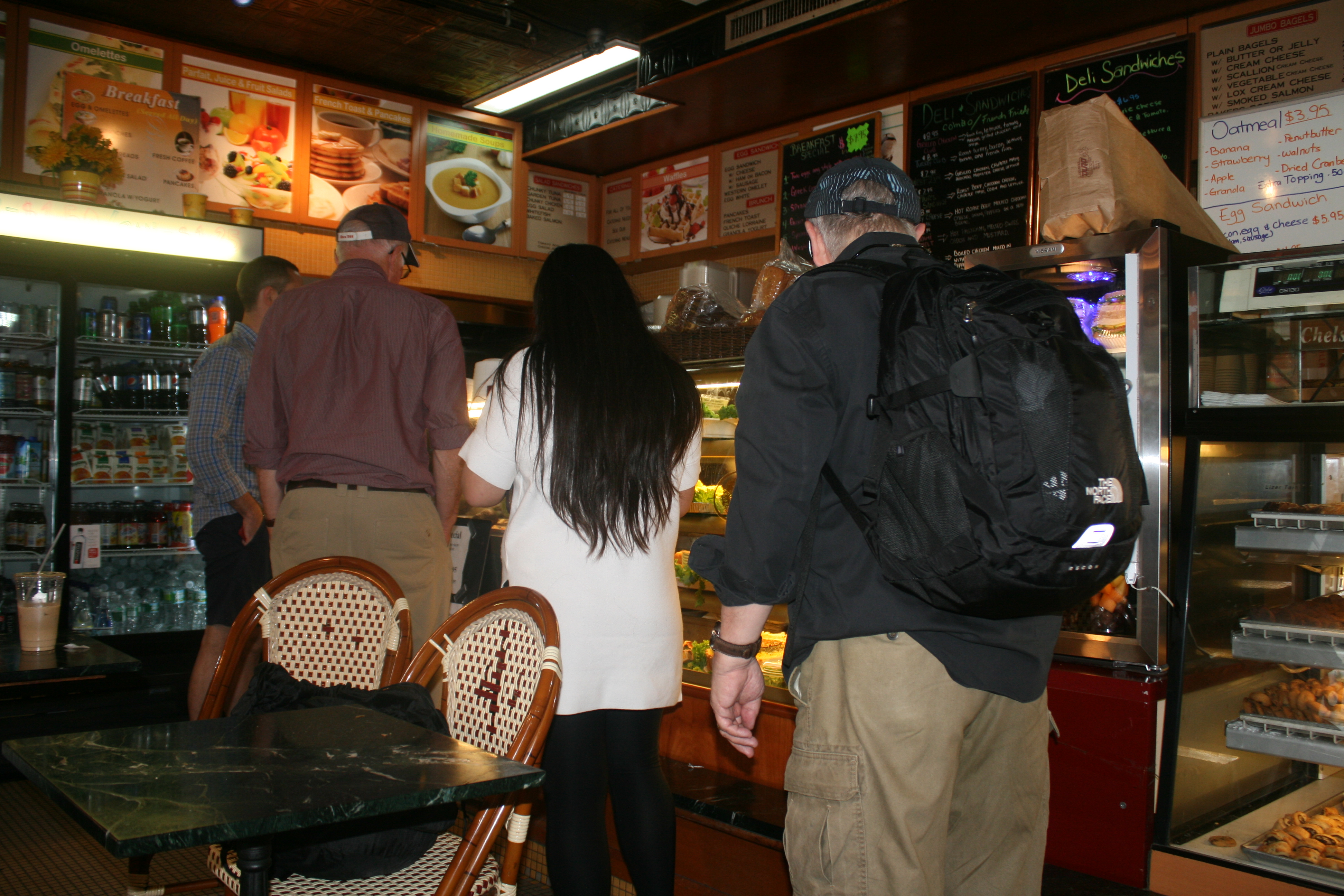
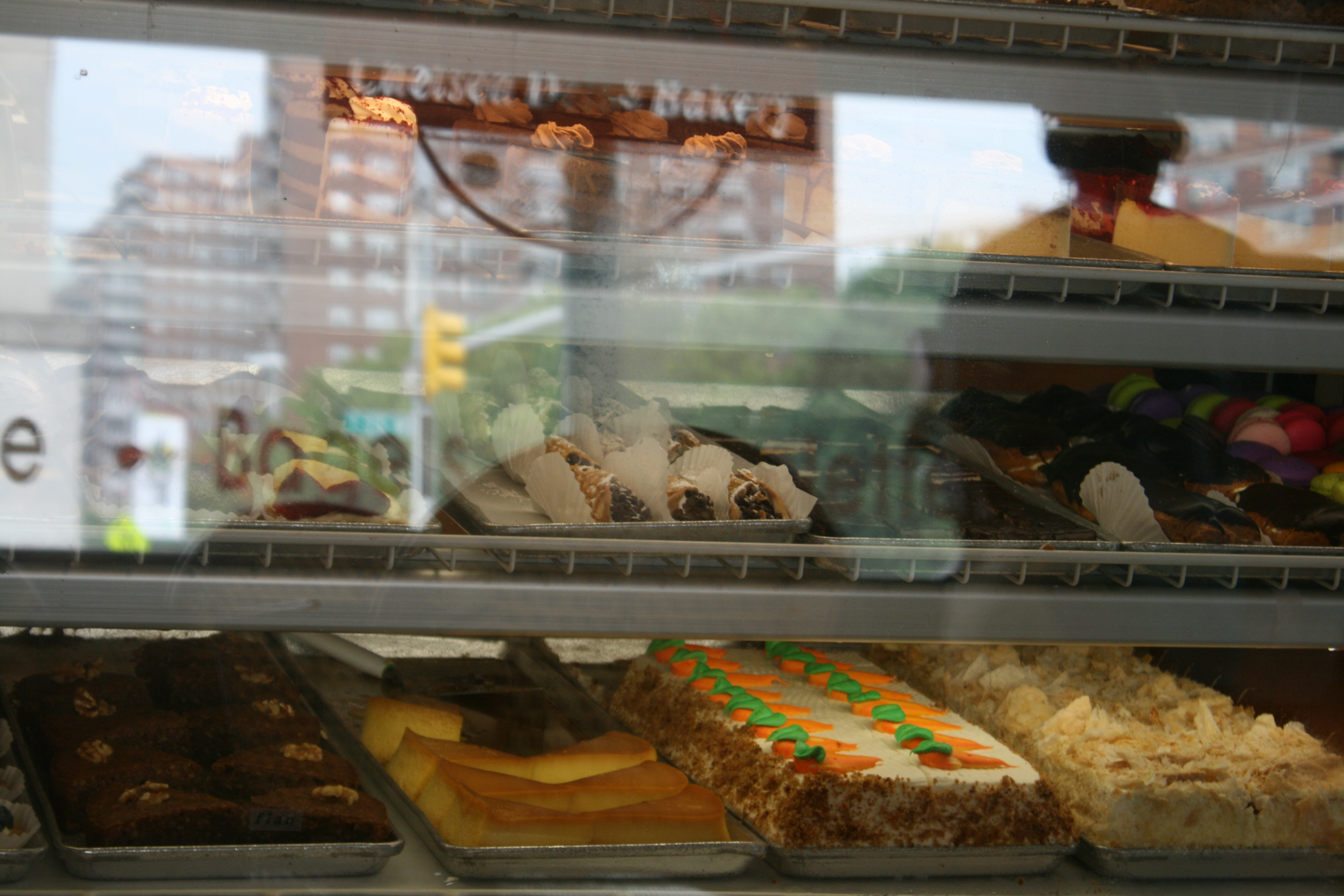
On the second day we started off with lunch at the Chelsea Deli and Bakery on the corner of W23rd St and 8th Avenue.

Ordering lunch in the Chelsea Deli & Bakery

Ordering lunch in the Chelsea Deli & Bakery

The Chelsea Deli & Bakery, 8th Avenue

The Chelsea Deli & Bakery, 8th Avenue

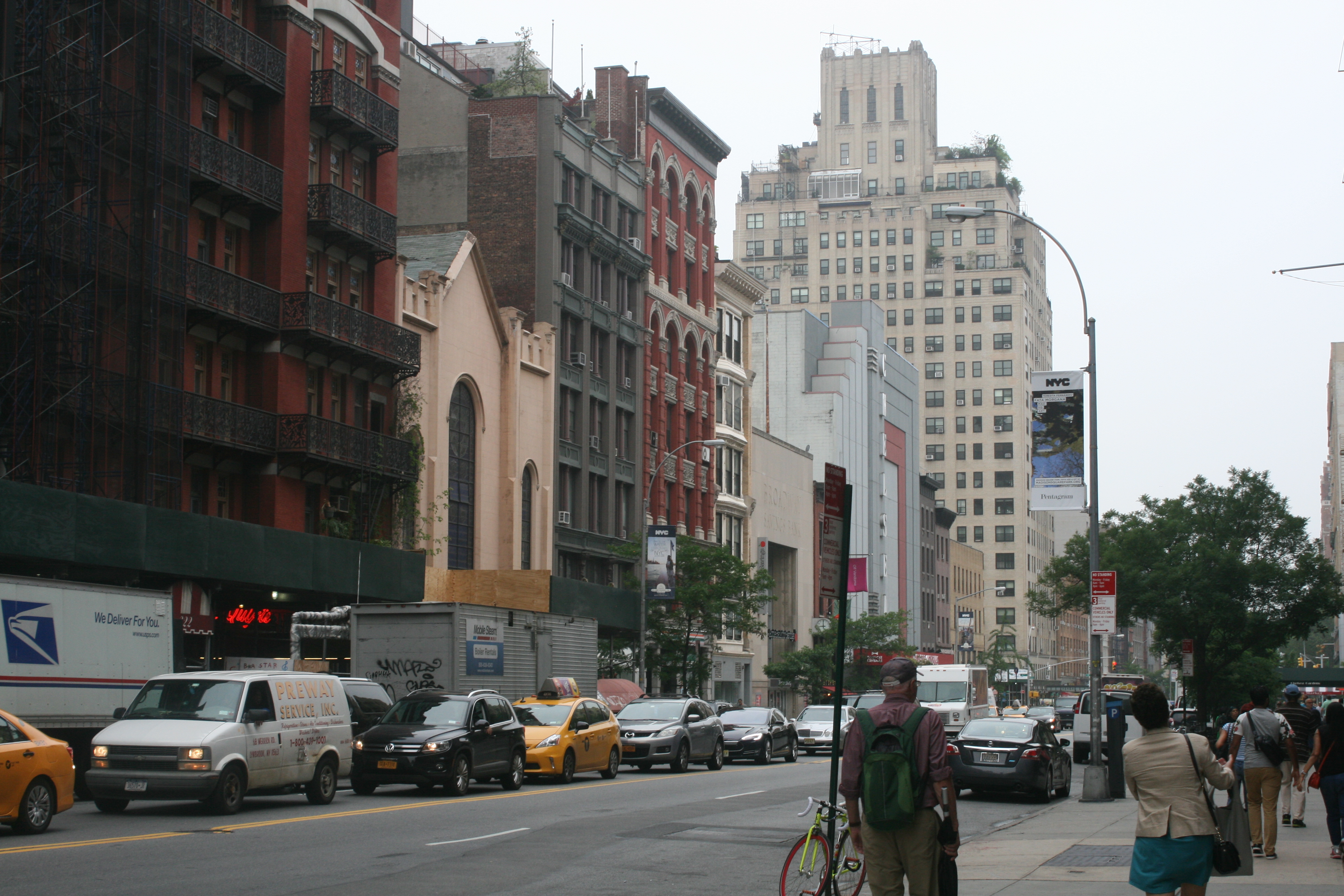
We wandered down W 23rd St towards the High Line, a linear park built along the track of a disused railway.

W23rd St, Manhattan

W23rd St, Manhattan

W 23rd St, Manhattan

W23rd St, Manhattan

IMG_9742W 3rd St

W23rd St

W 23rd St

W 23rd St

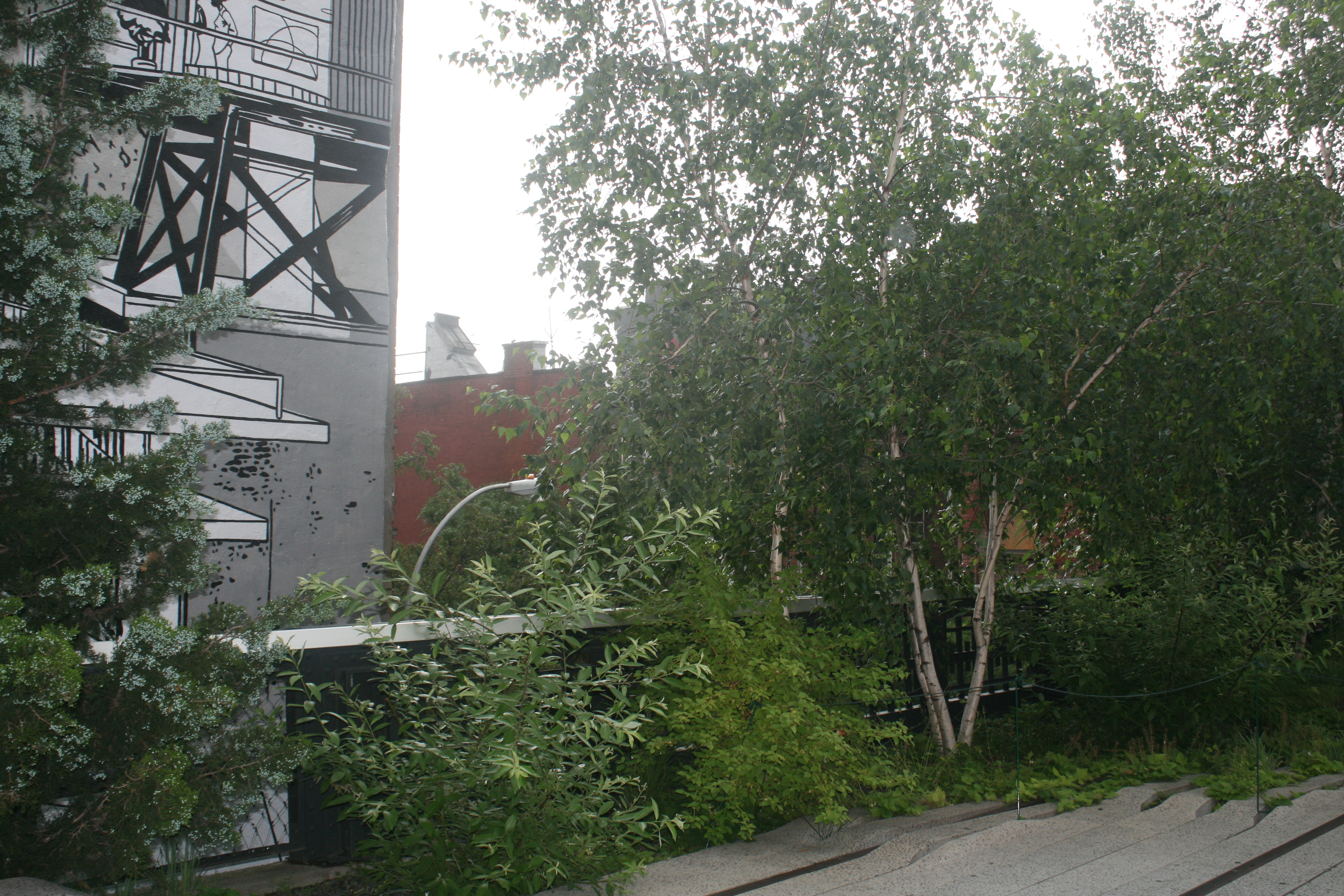
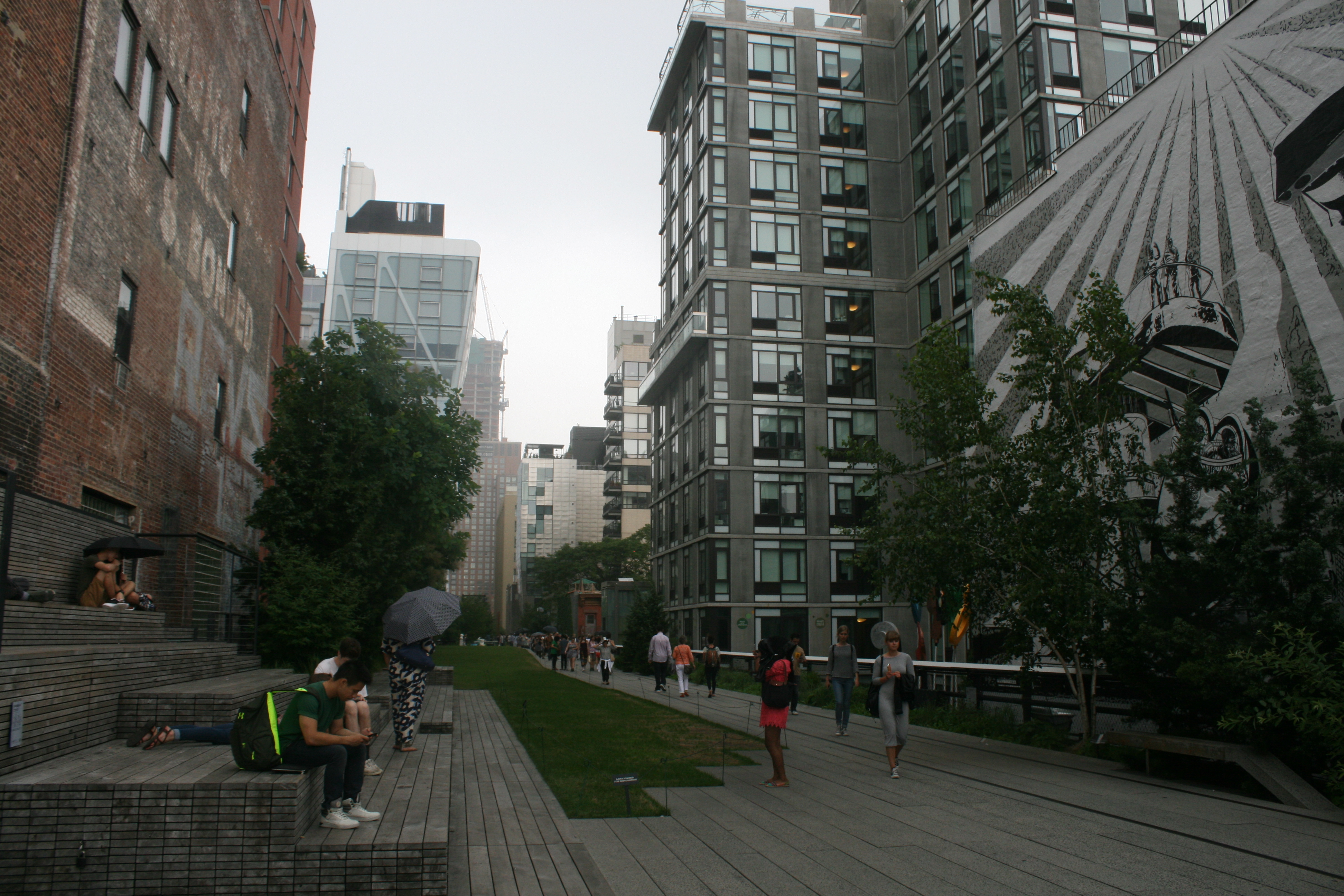
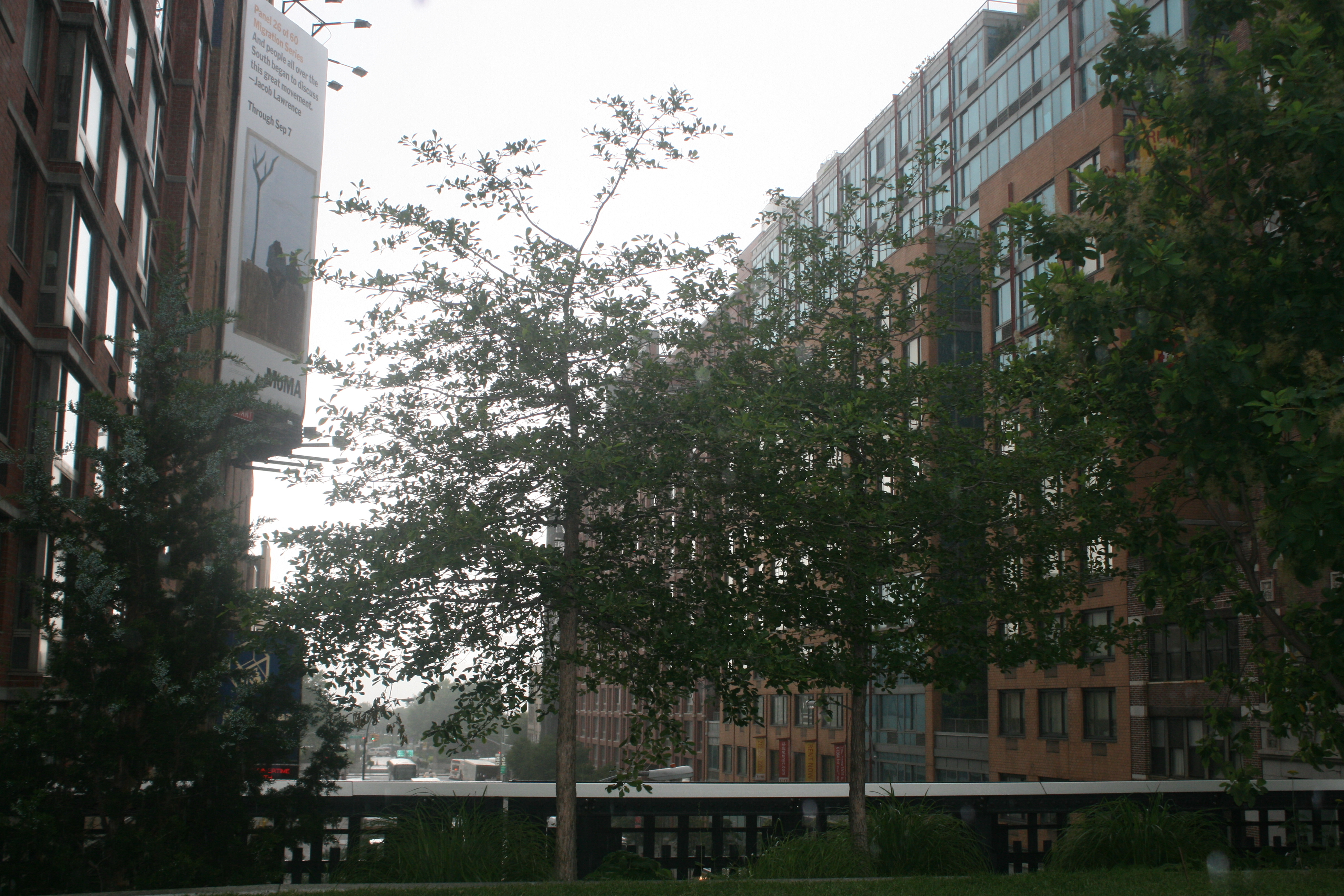
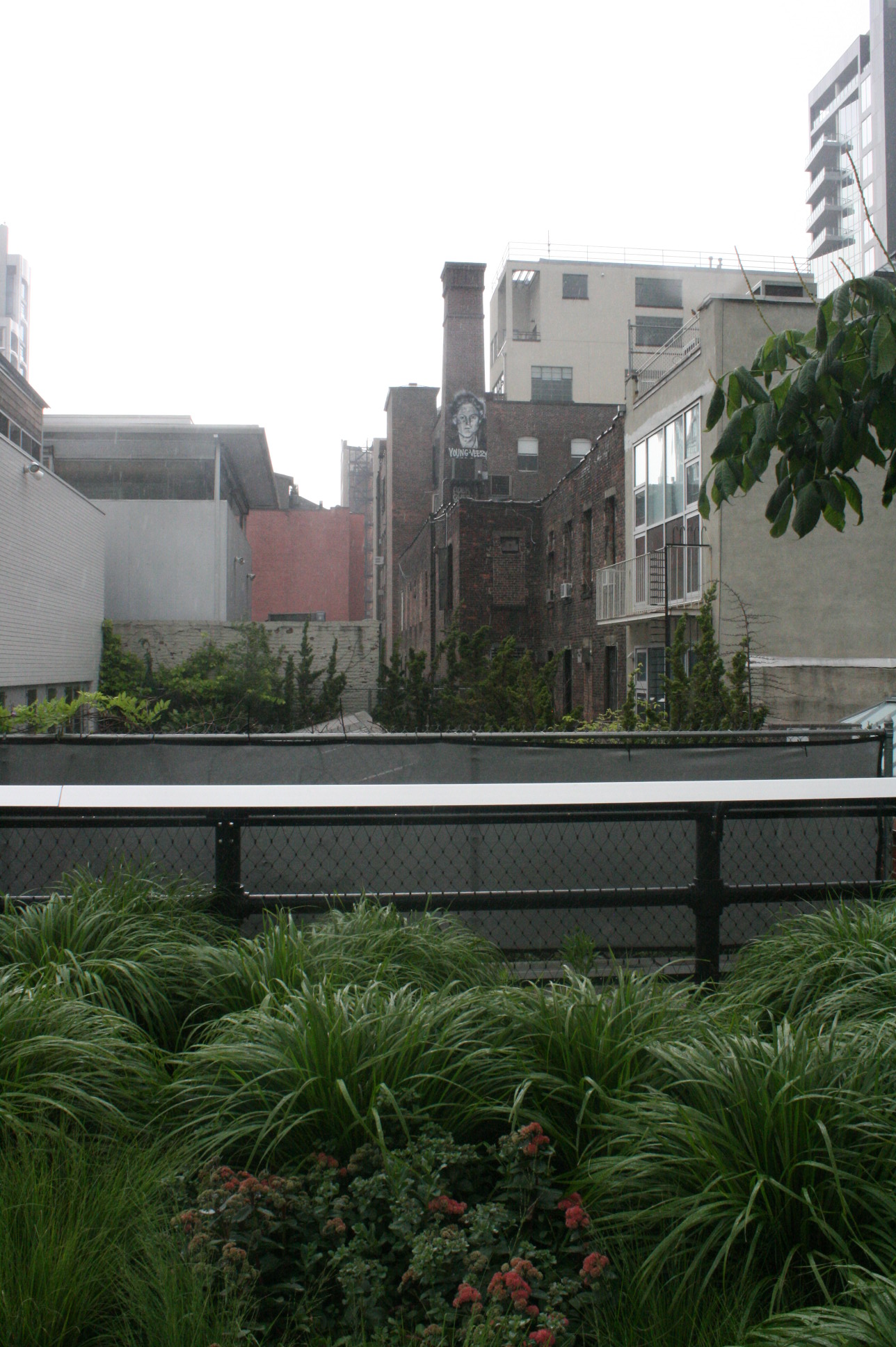
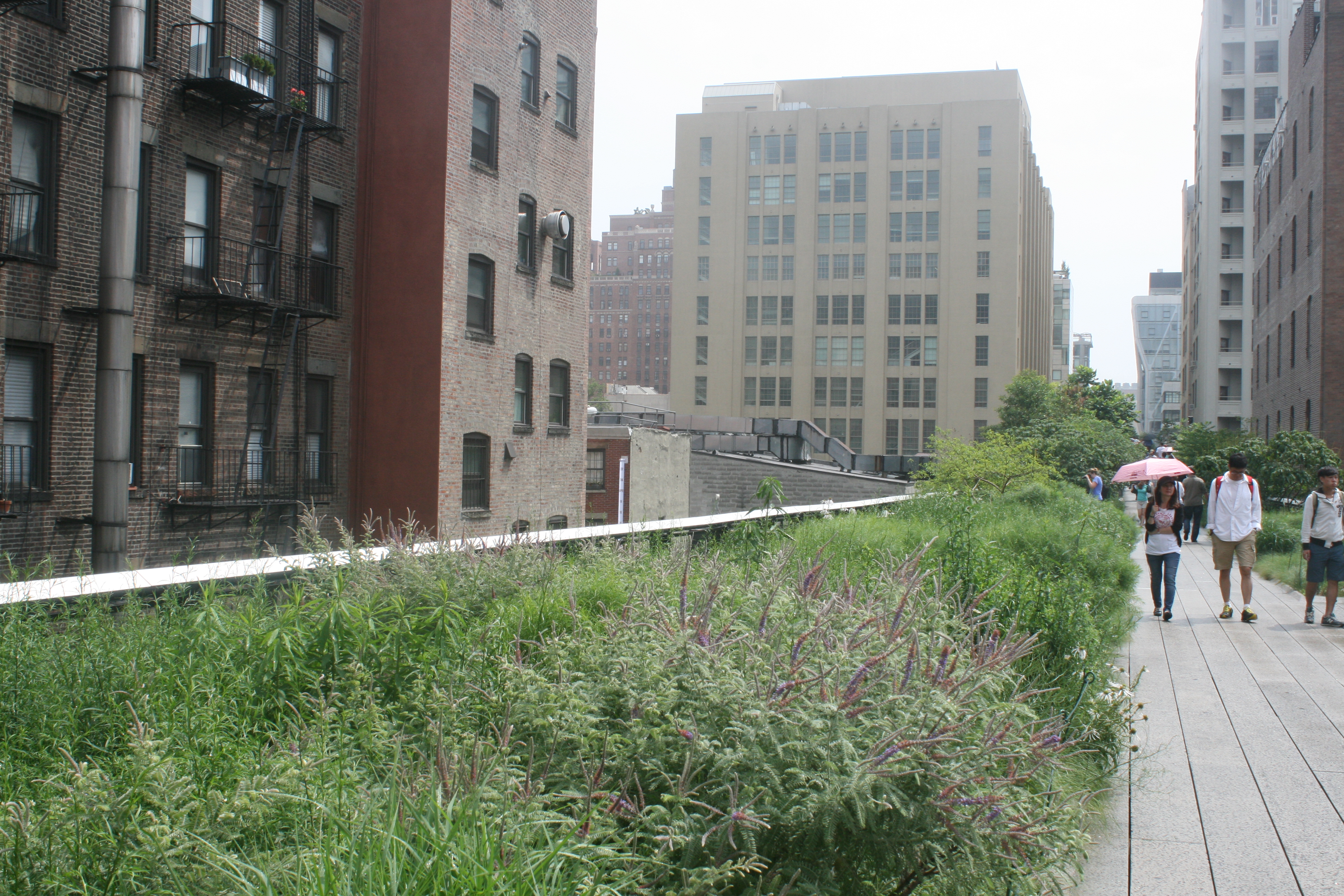
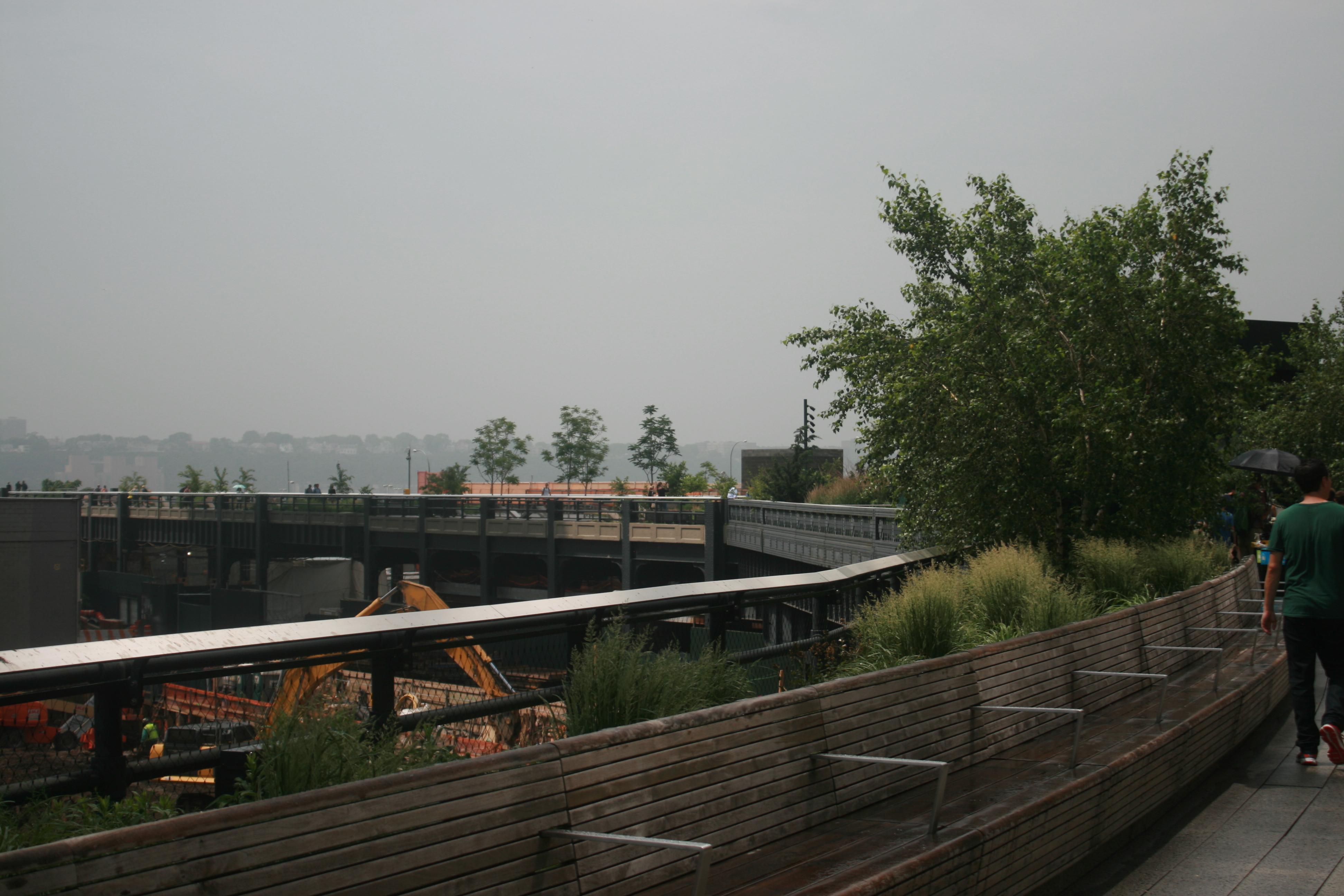
The High Line runs up to W34th St and is an imaginative use of a derelict site, bringing a green space to the crowded city and a new perspective.

W23rd St from the High Line

W23rd St from the High Line

IMG_9751

IMG_9753

IMG_9754

IMG_9755

IMG_9756

IMG_9758

IMG_9762

IMG_9766

The park turning westwards at W34th St

The park turning westwards at W34th St

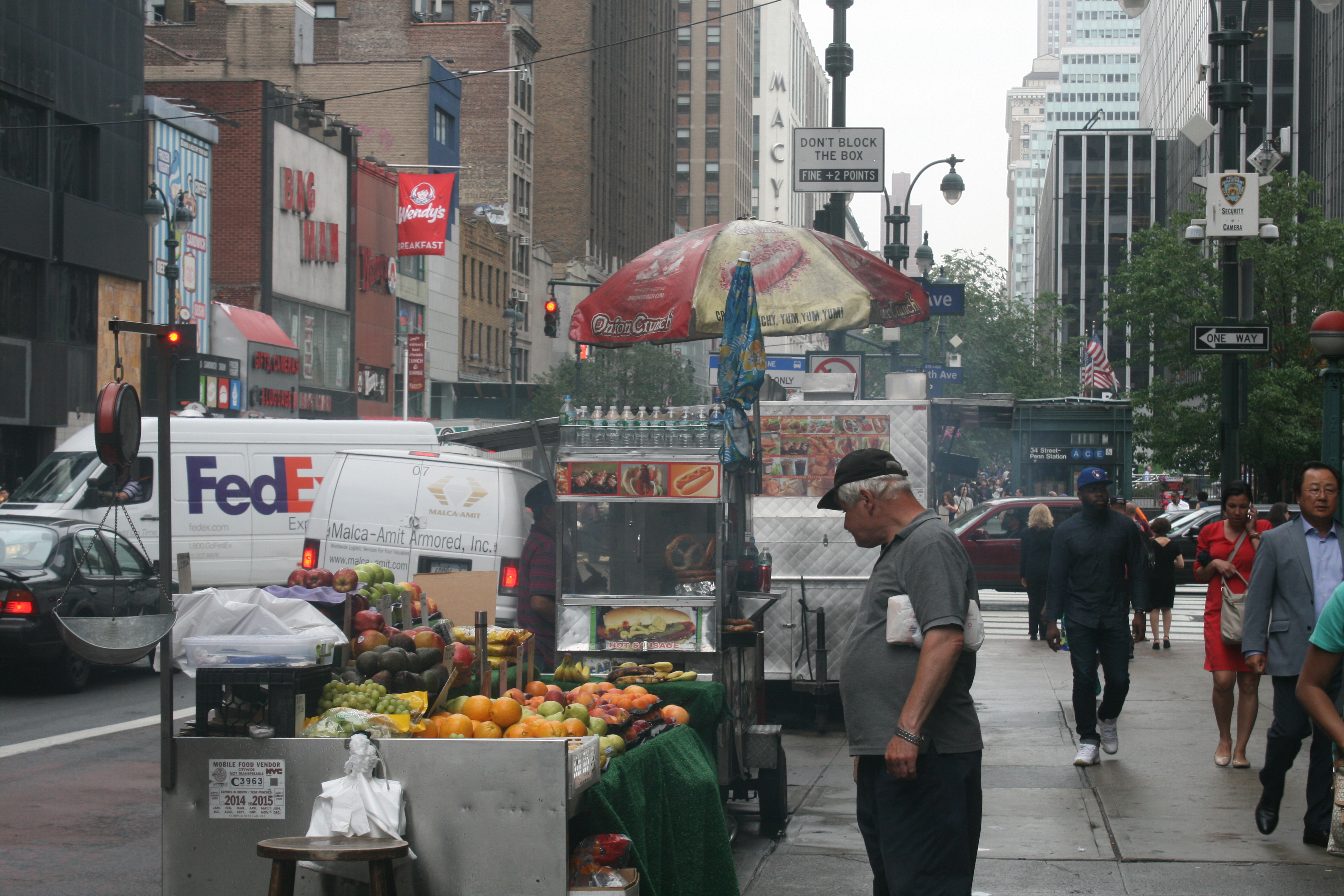
We turned back up W34th St and had a quick visit to Macy’s.

W34th St

W34th St

W 34th St

W 34th St

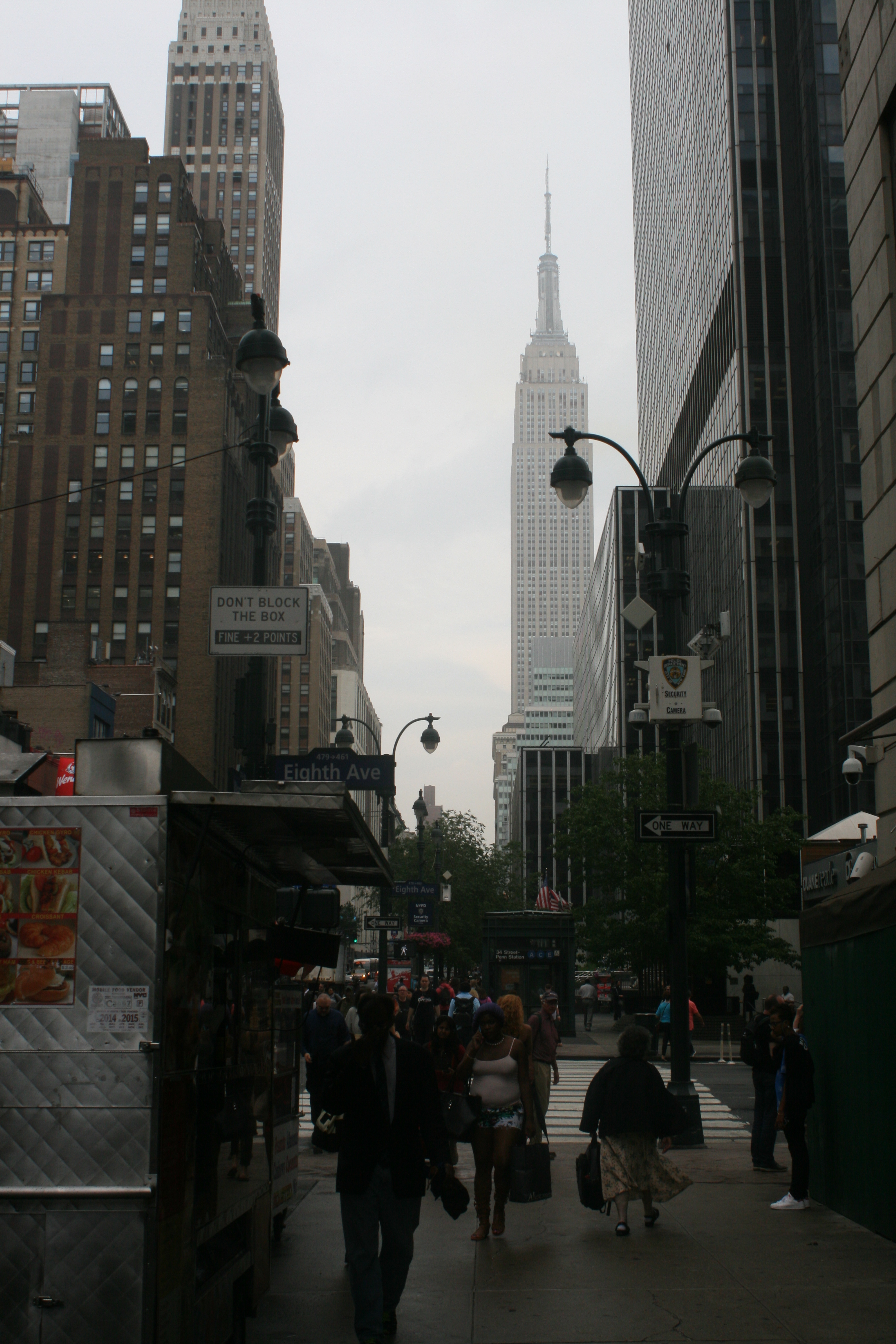
Empire State Building, W34th St

Empire State Building, W34th St

Back in the peaceful evening at Great Kills YC

Back in the peaceful evening at Great Kills YC


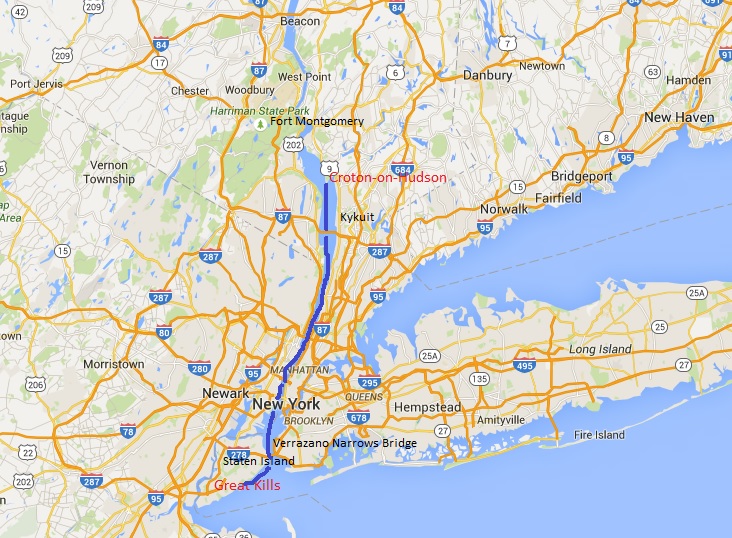
We were feeling quite confident about the journey from Staten Island to Croton-on-Hudson, 20 miles north of New York, on the east bank of the Hudson River. The forecast was waves of  one foot, wind speeds around 10 knots, both well within Carina’s, and our, capabilities.

Staten Island to Croton -on-Hudson

Staten Island to Croton -on-Hudson

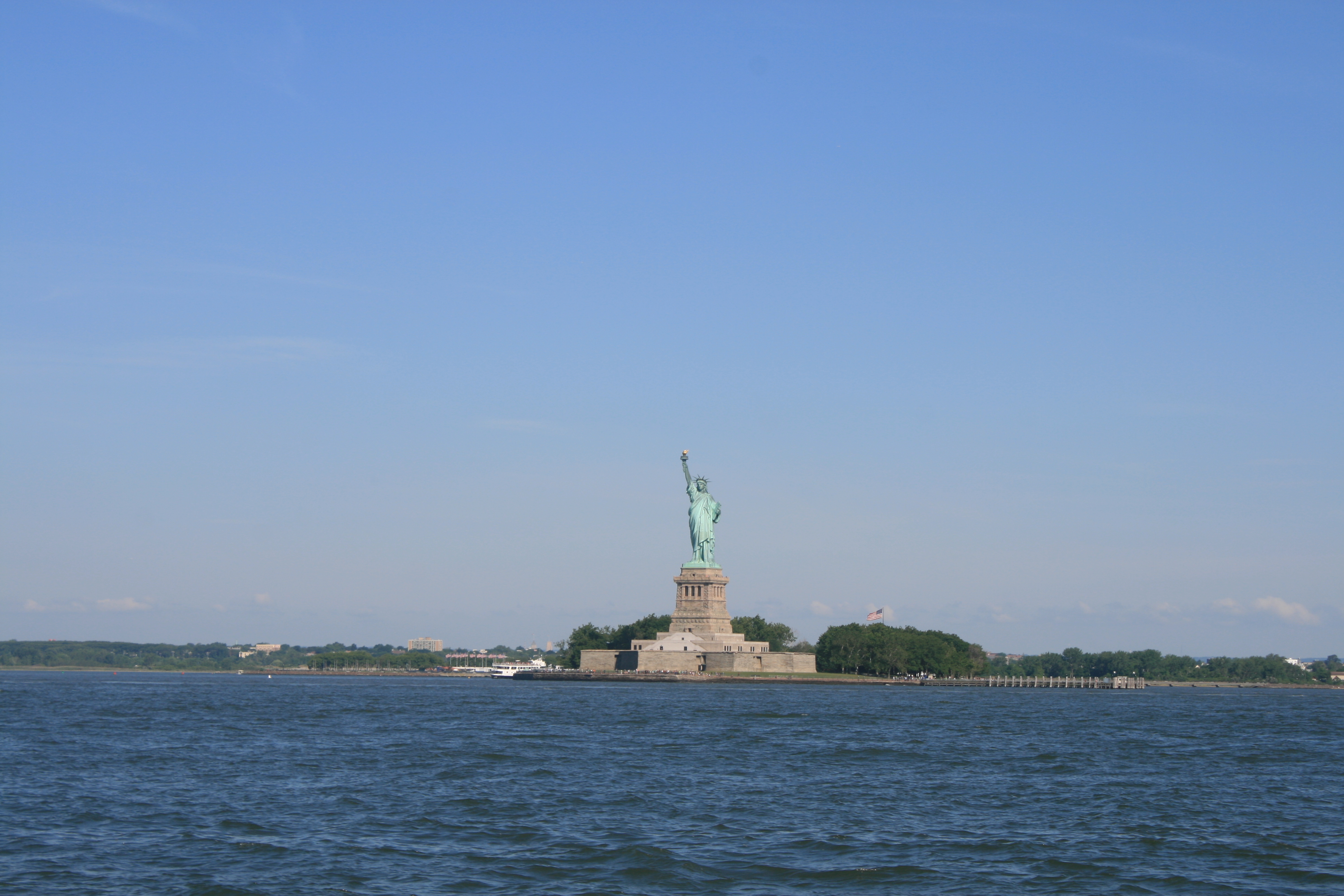
The actualite was rather different. By the time we drew level with the Statue of Liberty, the waves were more like 3 feet, and the wind was gusting 30 knots. There was no turning back.

We weren’t sure whether the weather forecast had been wrong, or it was the local effects of the tides, the wakes caused by the many large and small ferry boats, and  the wind funnelling round the tall buildings. But I had gone down from the bridge to take photographs from the foredeck, and found myself trapped there, hanging on to the anchor post, unable to get back up to the bridge, while Carina pitched and tossed her way past Battery Park.

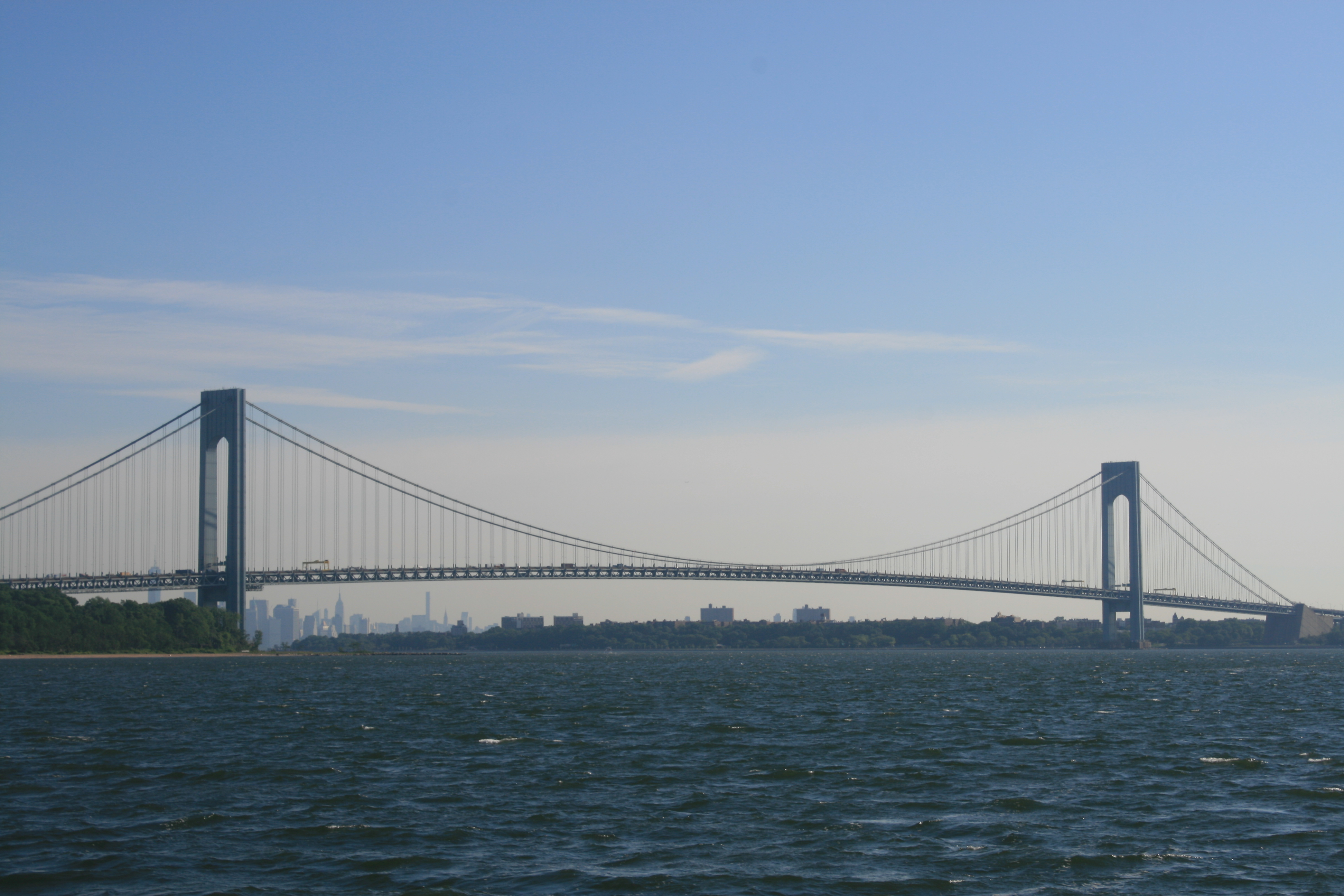
The Verrazano Bridge between Staten Island and Brooklyn

The Verrazano Bridge between Staten Island and Brooklyn

Fort Wadsworth, Staten Island

Fort Wadsworth, Staten Island

Lower Manhattan pink and grey in the early morning

Lower Manhattan all pink and grey in the early morning

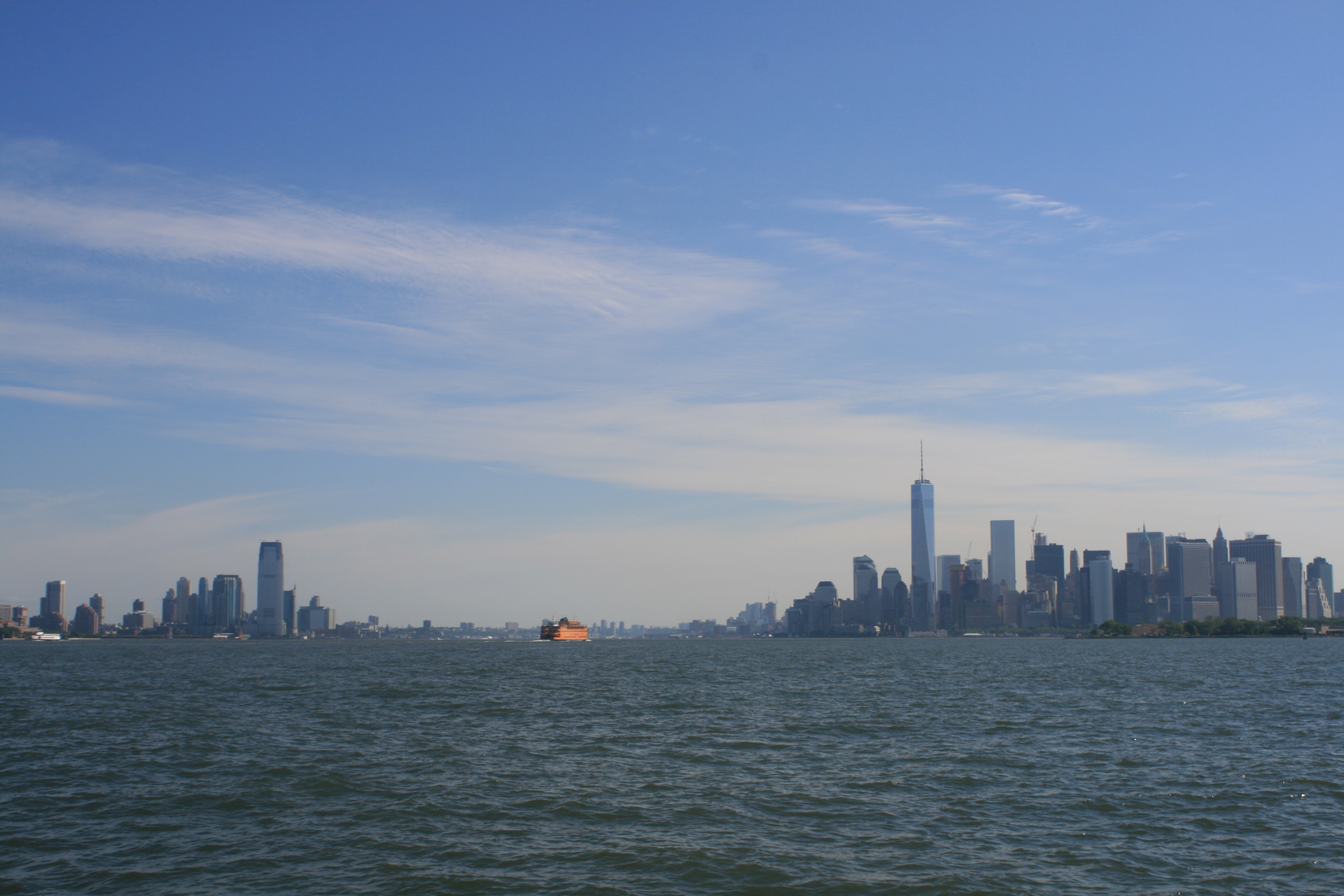
Staten Island Ferry

Staten Island Ferry

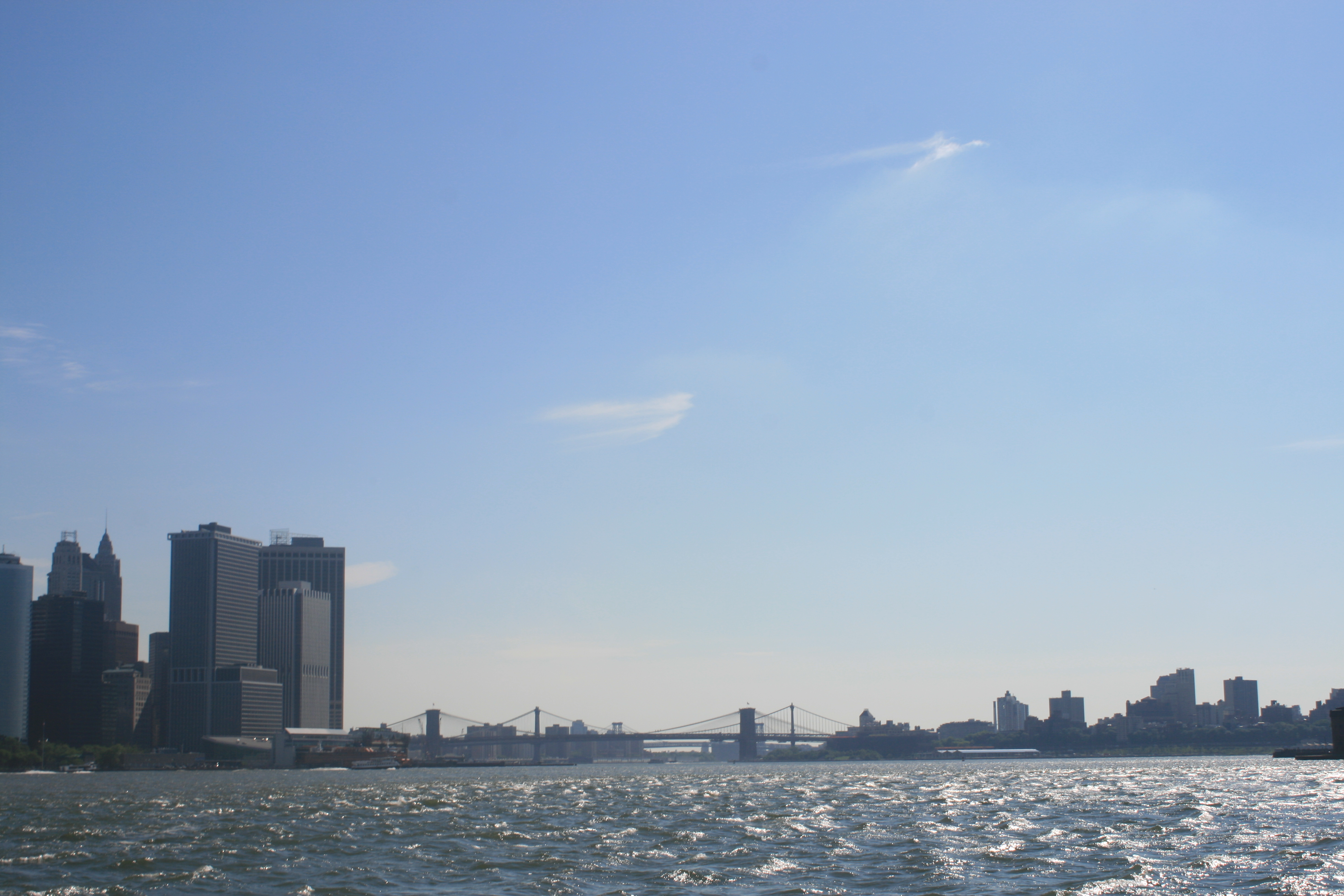
Brooklyn Bridge

Brooklyn Bridge

Statue of Liberty

Statue of Liberty

Ellis Island

Ellis Island

Ellis Island, the gateway to America for millions.

Brooklyn

Brooklyn

Battery Park

Battery Park

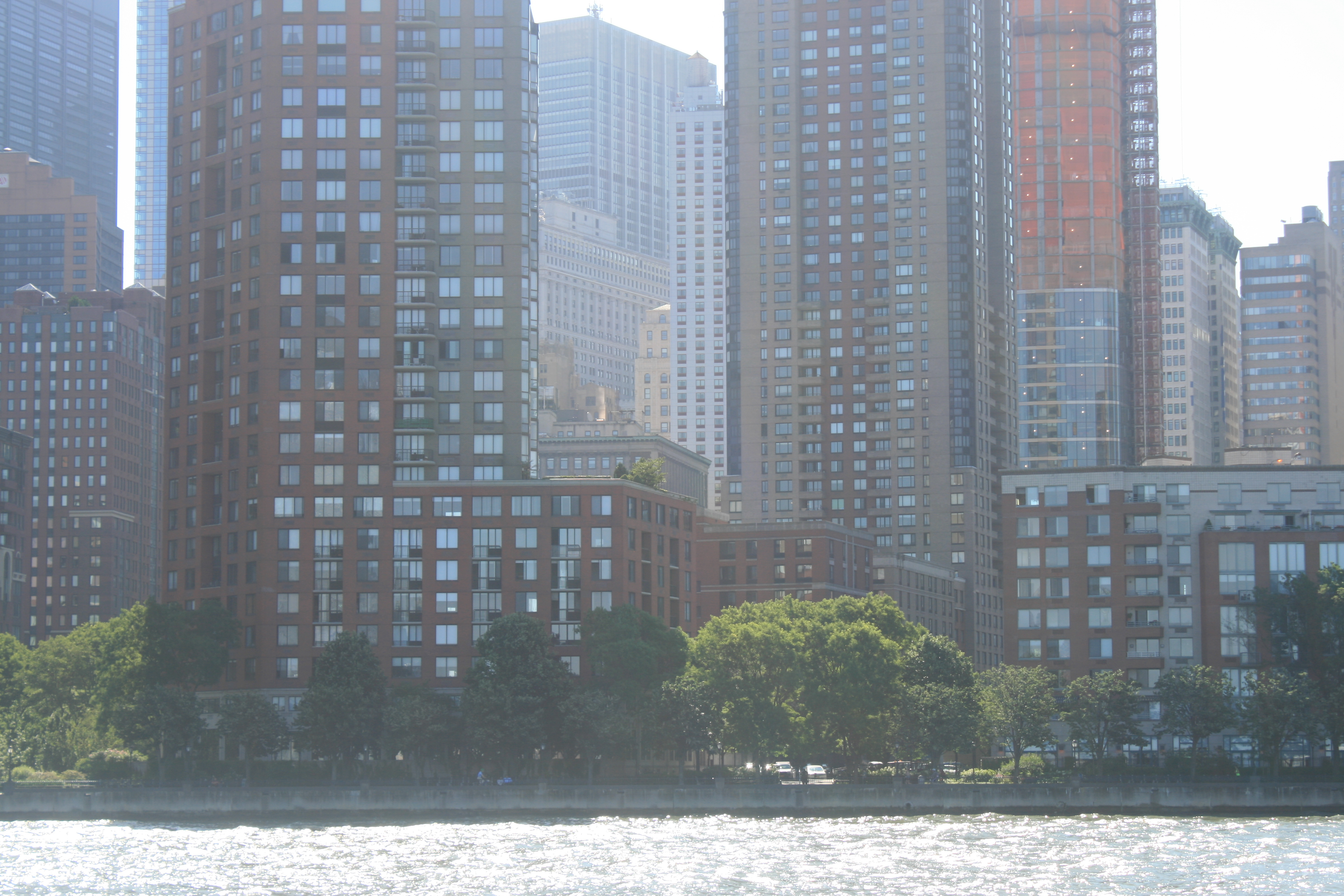
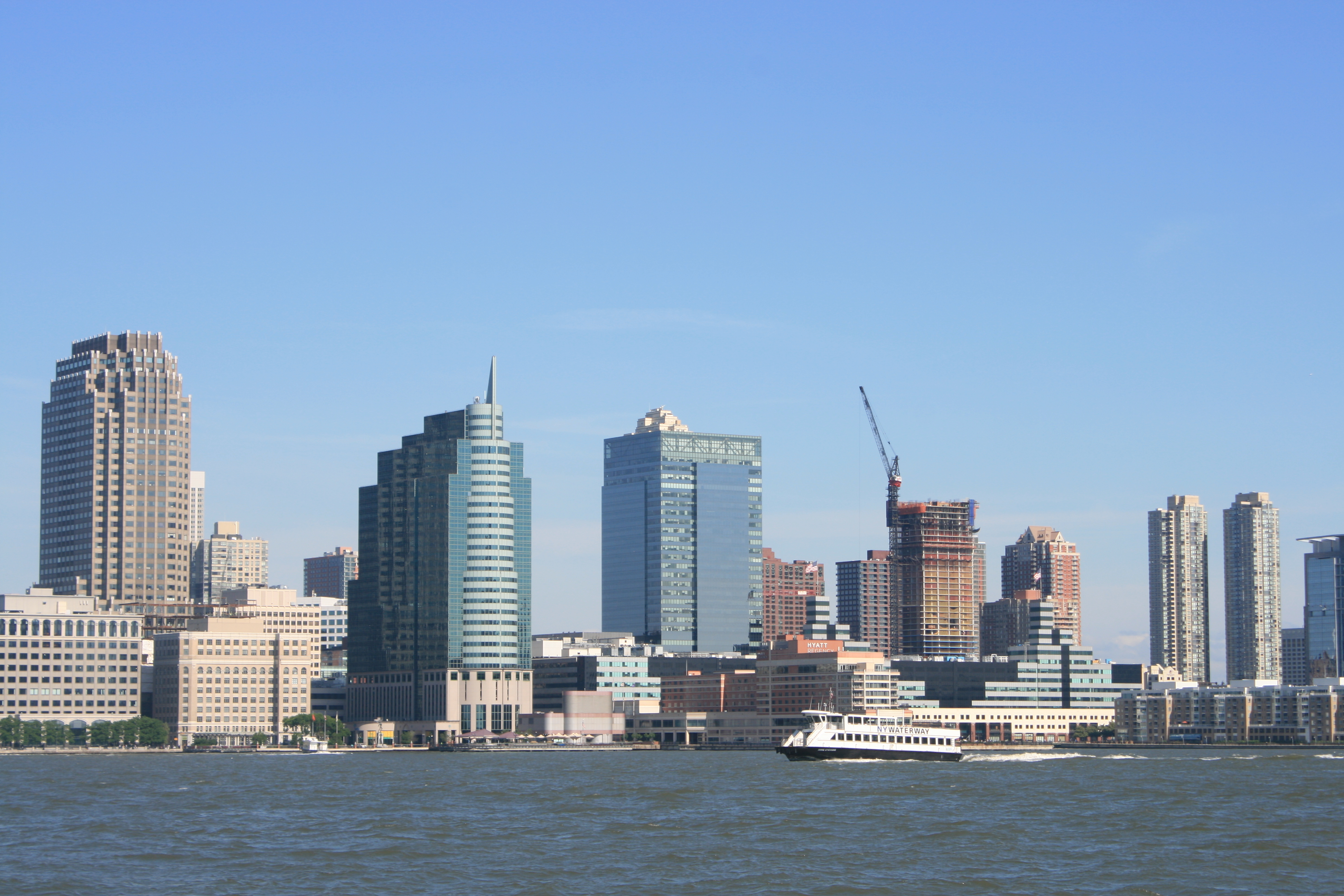
Jersey City from the Hudson River

Jersey City from the Hudson River

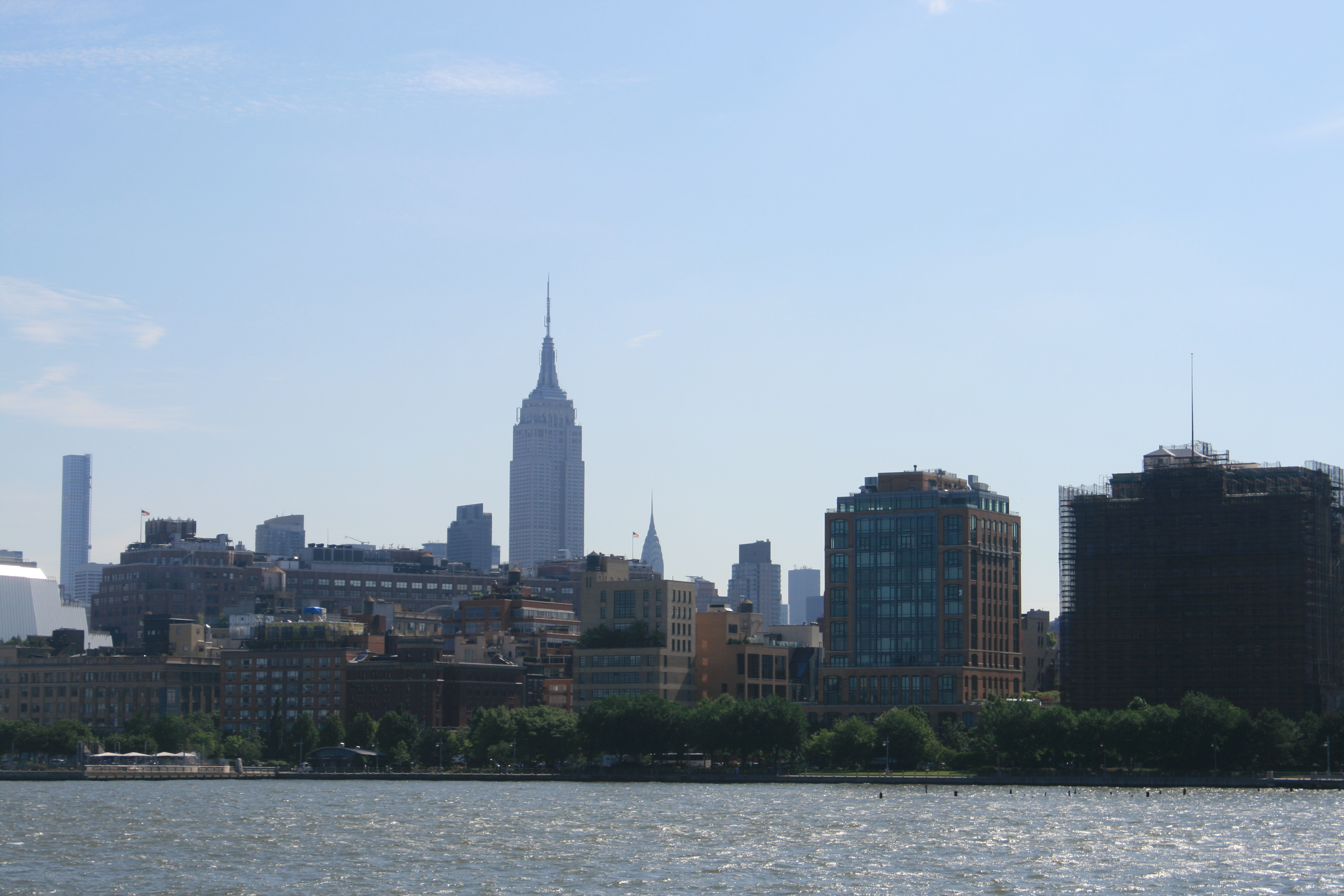
Empire State Building

Empire State Building

Washington Heights

Washington Heights

Once we were properly into the Hudson River, things calmed down and perhaps because the immediate stress and danger was passed, the dramamine I’d taken as a precaution against motion sickness kicked in and I slept for the next two hours, waking up only half an hour before we got to Half Moon Bay Marina, where we were staying at Croton. We were consoled to find some other ‘Loopers’ there who had also made the trip from Great Kills that day, who had found the journey just as surprisingly difficult as we had.

The next day we hired a car to drive over to Bronxville, a lovely small town set in wooded hills just north of New York City, to meet my cousin Pat and her daughter Anne. Pat and I hadn’t seen each other for nearly 60 years, and seeing her again and meeting Anne for the first time was just the best thing.

image

Sunset at Half Moon Bay

Sunset at Half Moon Bay

Steve, the marina manager at Half Moon Bay, told us there was a Folk and Blues Festival on at the weekend, so we decided to extend our stay to four nights.

We kept the car an extra day so we could see a bit more of the surrounding area.

We went to Kykuit, completed in 1913, and home to four generations of the Rockefeller family. Perhaps more interesting than the house itself was the background information about the philosophy, attitudes and values of the first two generations of Rockefellers. They didn’t believe in unnecessary expense, so none of pieces of furniture were genuine antiques, but reproductions. There was no alcohol in the house, no dancing, and no playing cards.

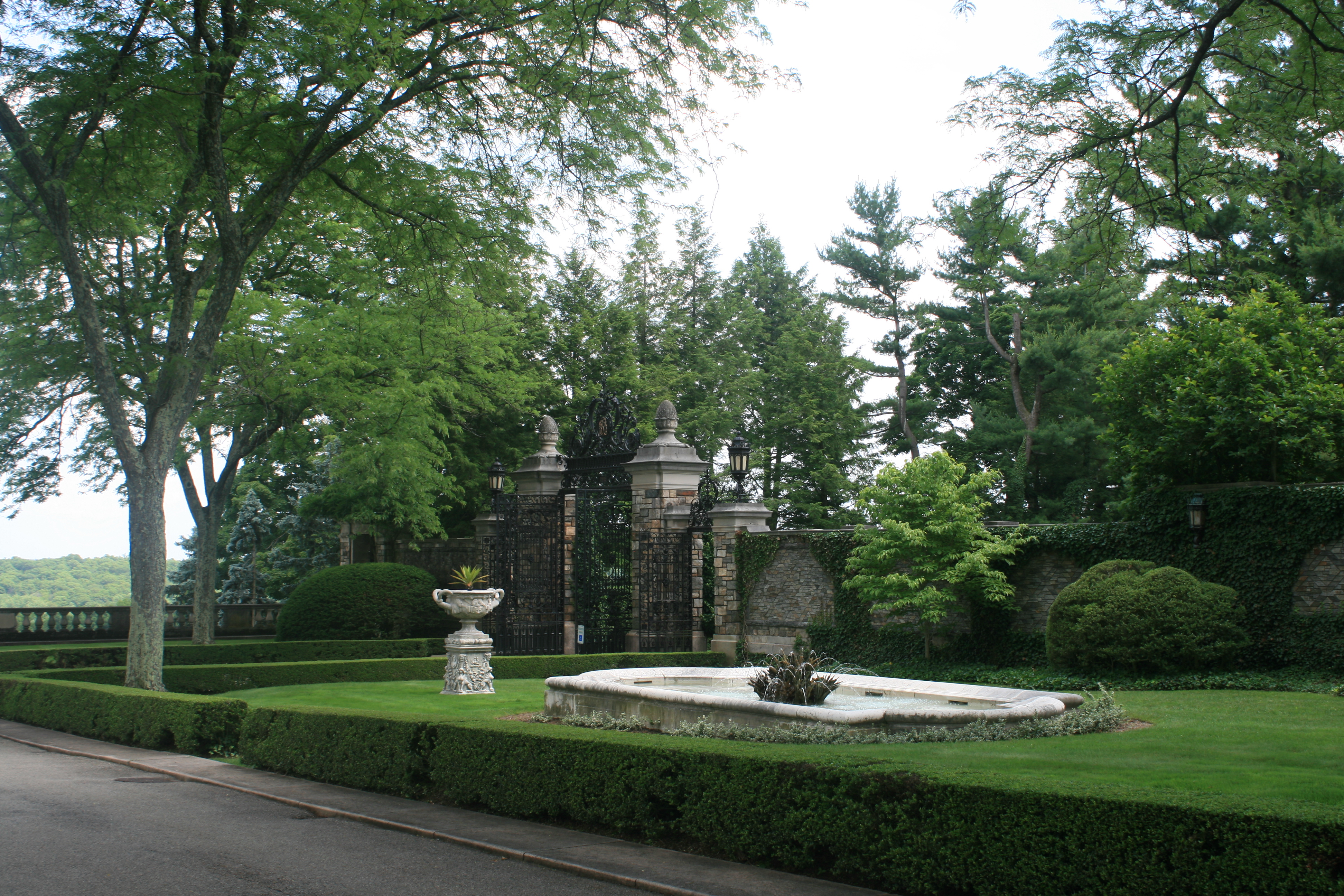
Entrance to Kykuit

Entrance to Kykuit

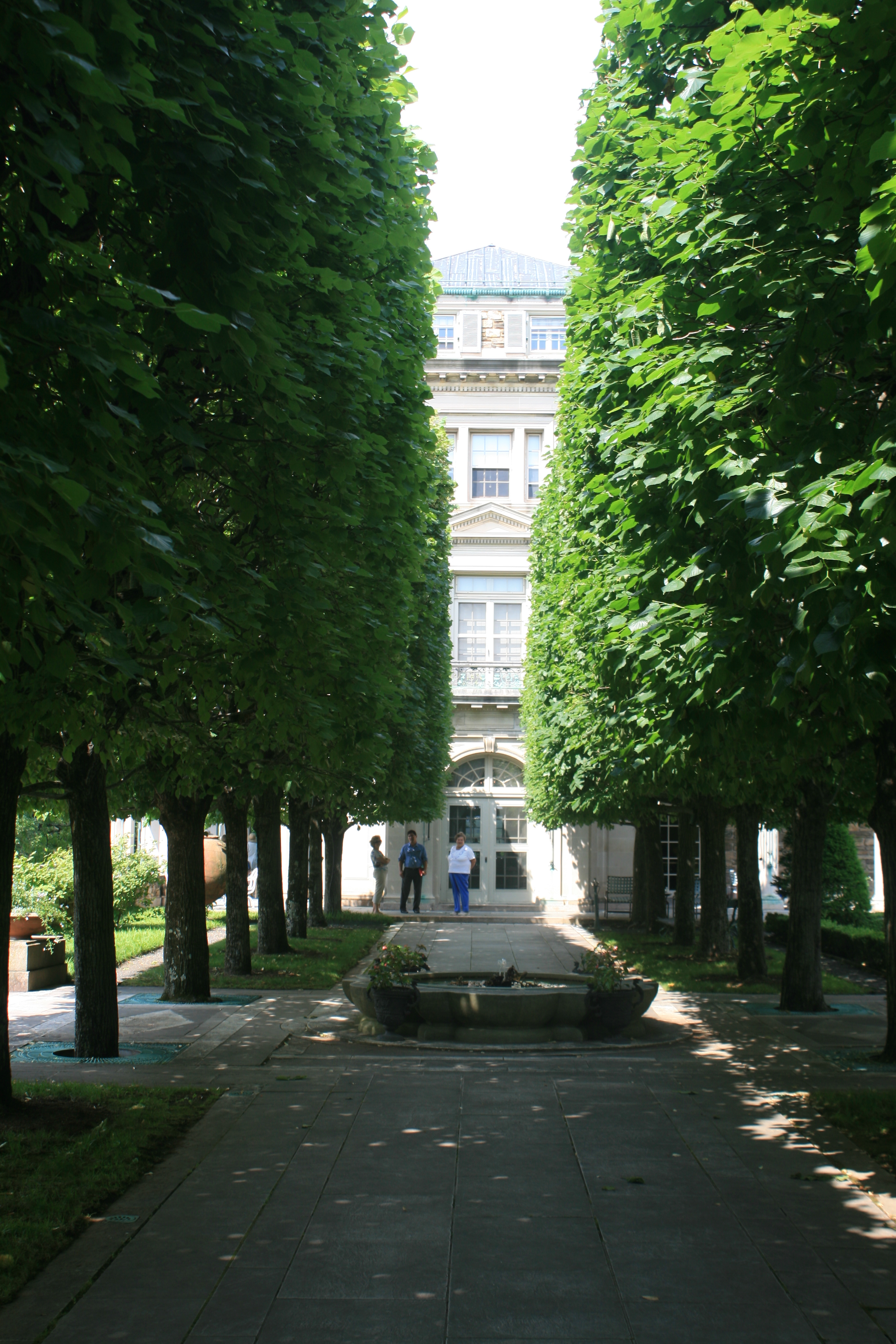
Pleached limes leading up to the house

Pleached limes leading up to the house


This changed over the years, especially after  John D Rockefeller Jr married Abby Aldrich. He didn’t like modern art, so they had to buy a house on W54th St in Manhattan to house her collection, and this was subsequently gifted to the nation and was the basis for MoMA.

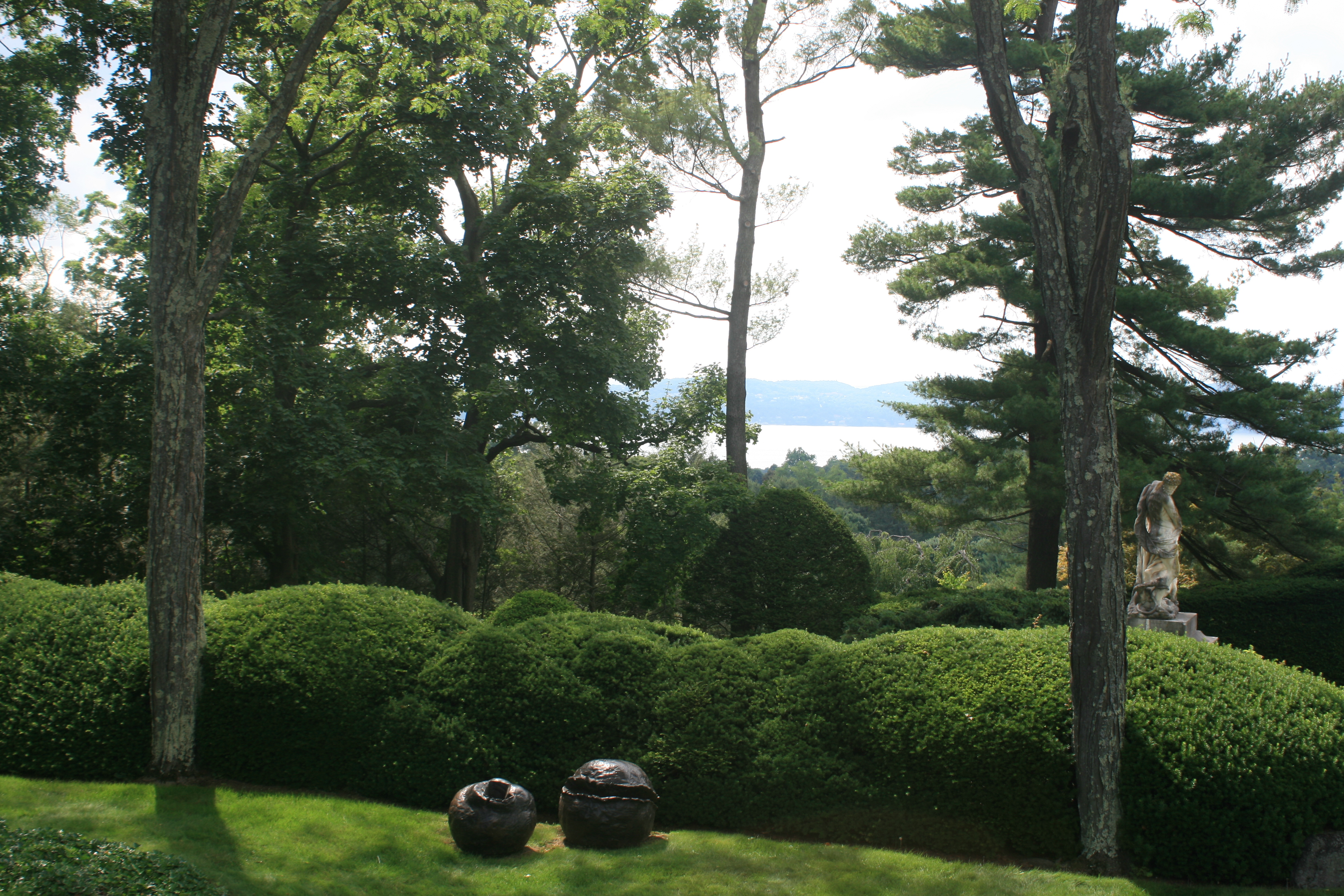
The garden though was splendid. Designed mainly by Frederick Law Olmsted, it takes full advantage of Kykuit’s position 500 feet above sea level and overlooking the Hudson Valley. The garden immediately round the house is divided into a series of ‘rooms’.

Near the main entrance

Near the main entrance

IMG_9849

IMG_9851

IMG_9852

IMG_9853


Japanese Rose Garden

Japanese Rose Garden

The photo below shows the hedges trimmed to a wave form to mirror the natural landscape.

IMG_9856


We had seen a small Olmsted garden on the Jacksonville waterfront, but this was on a grand scale.

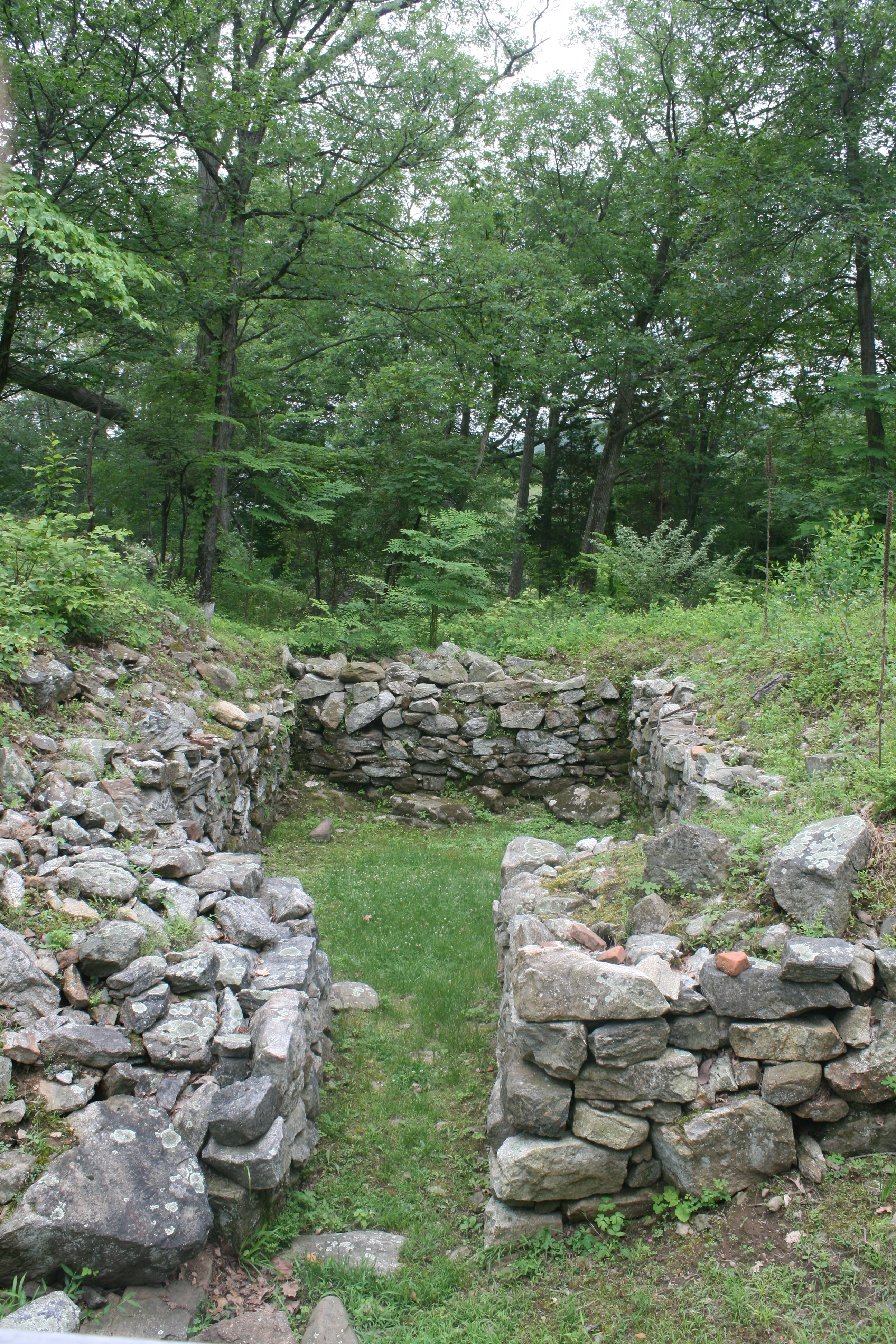
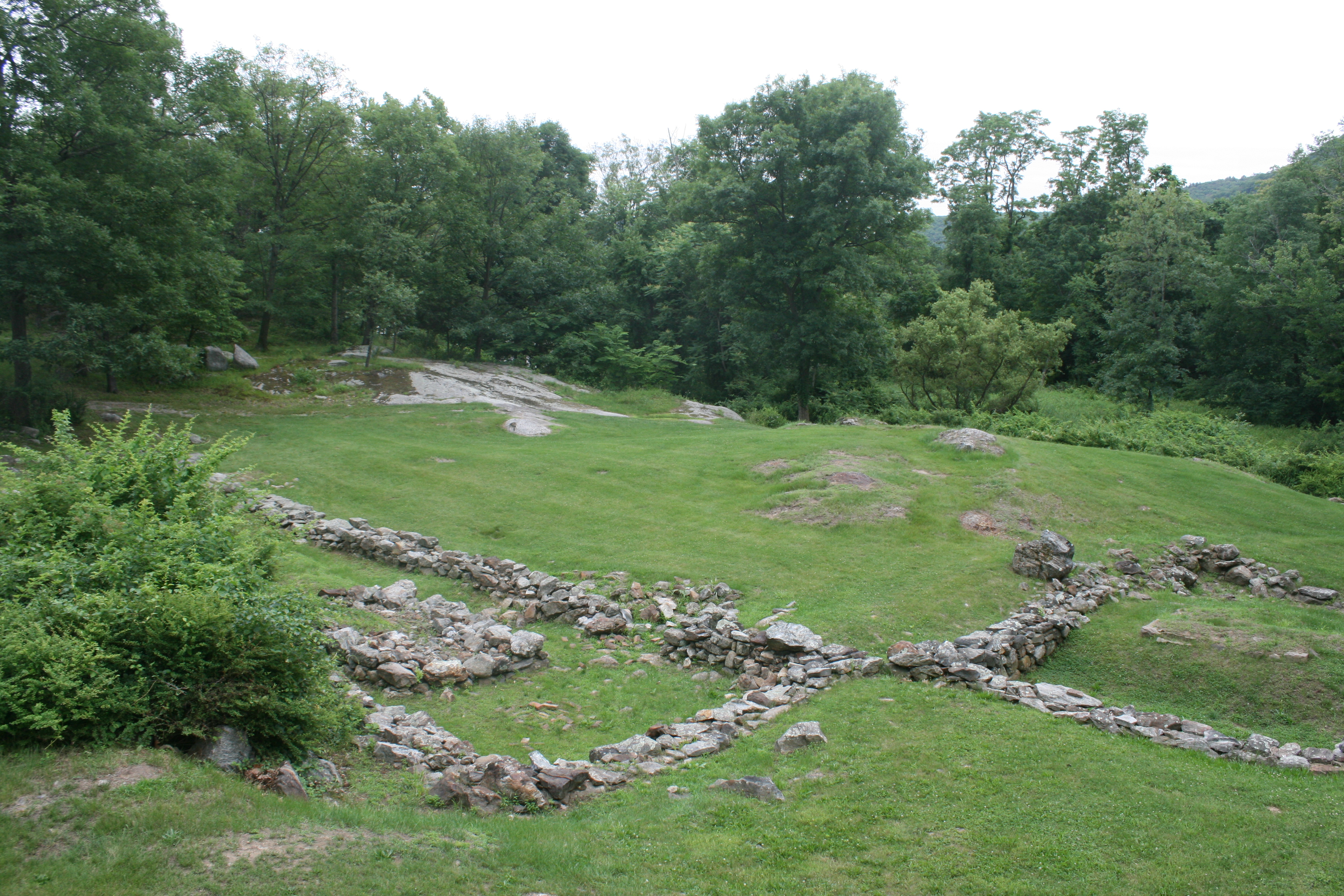
To balance things up a bit, the next day we went to Fort Montgomery, a few miles further north on the west bank of the river. It was the scene of a bloody battle in the Revolutionary War when the attack by the British on Fort Montgomery and the neighbouring Fort Clinton was intended to  divert American forces away from the British General John Burgoyne’s attempts to gain control of the Hudson River. The victory though was too late for Burgoyne, and he surrendered a week later.

Fort Montgomery - The Powder Store

Fort Montgomery – The Powder Store

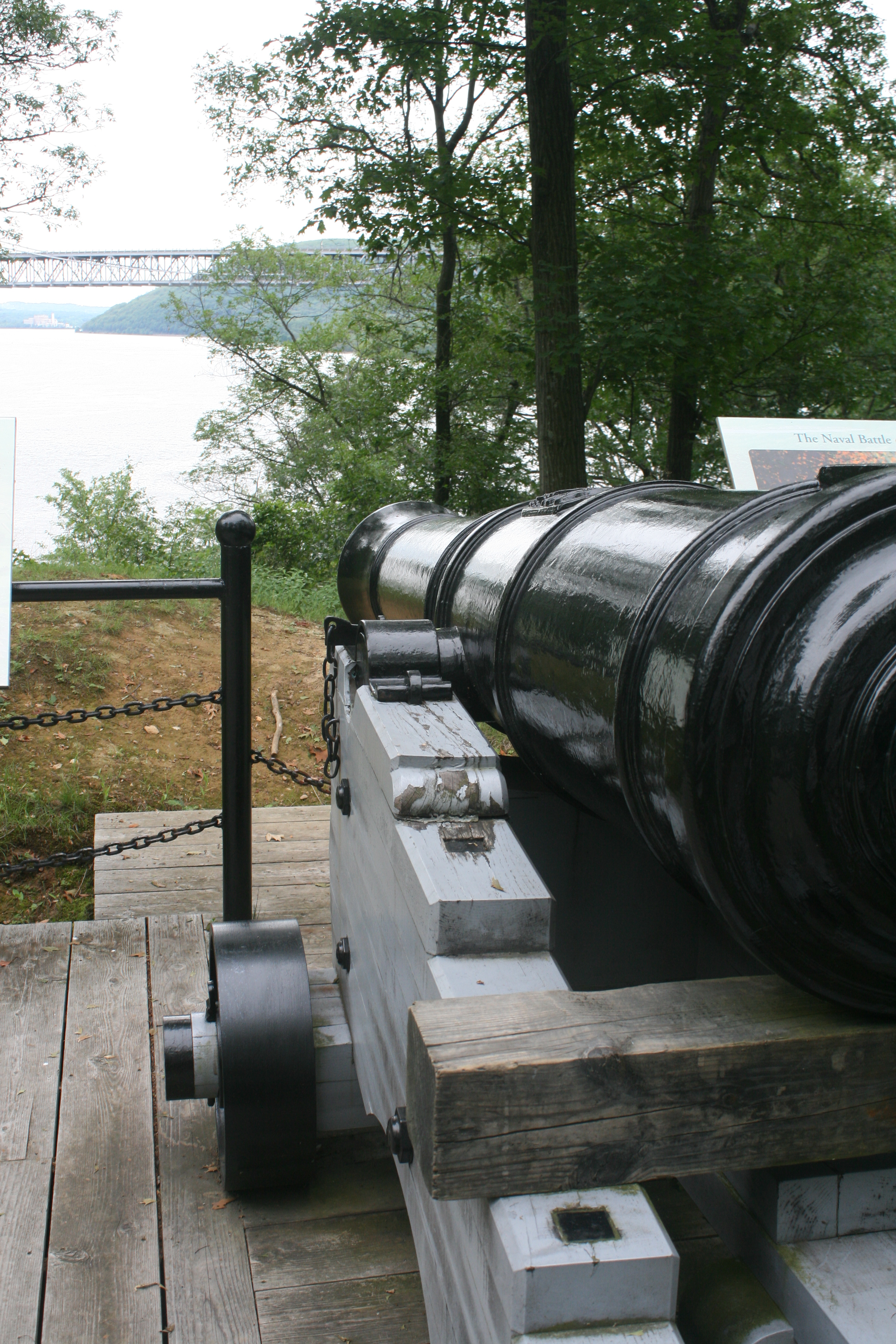
32-pounder overlooking the Hudson River

32-pounder overlooking the Hudson River

Officers' and enlisted men's barracks

Officers’ and enlisted men’s barracks


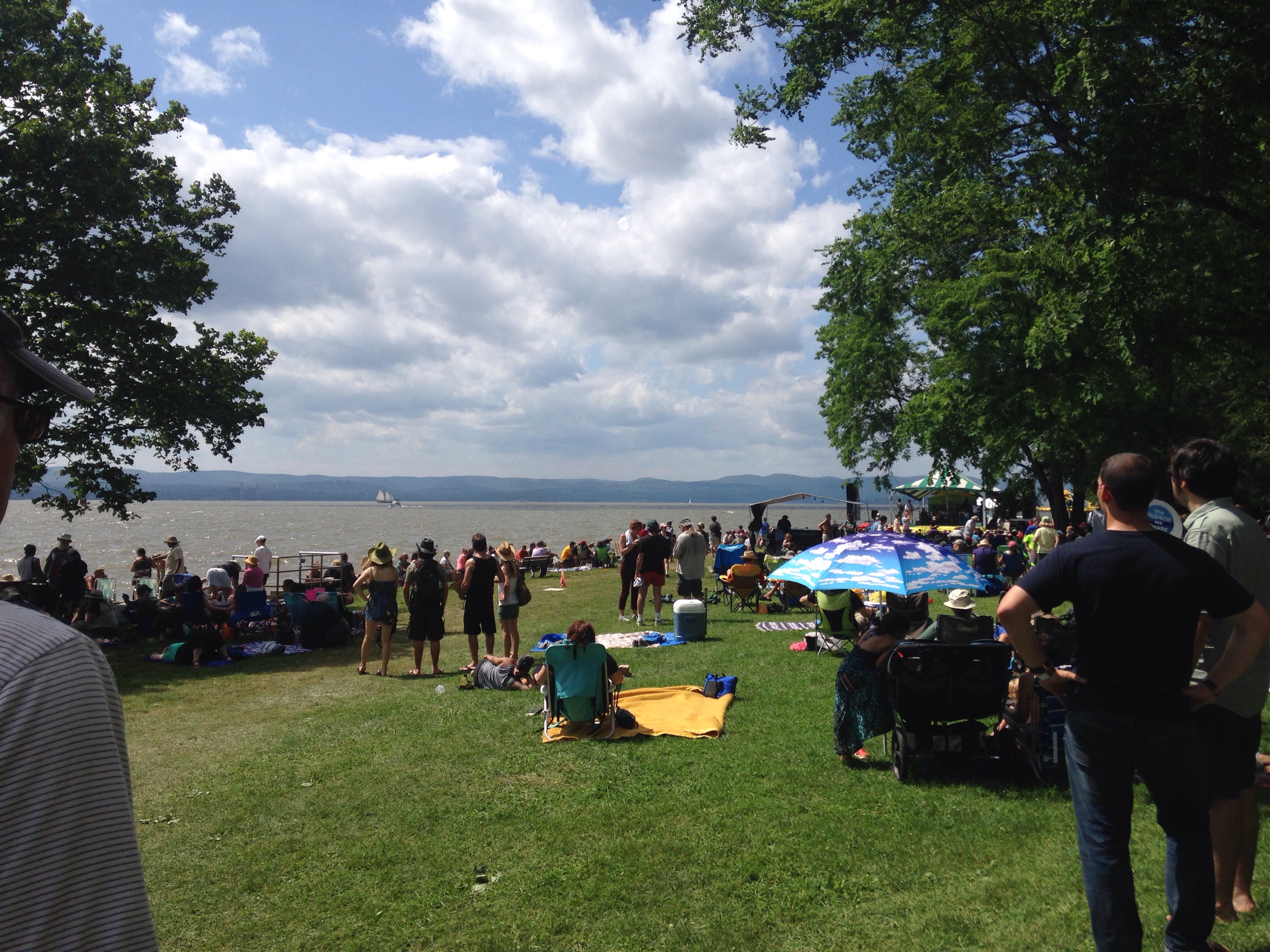
Although thunderstorms had been forecast, Sunday was sunny and hot, and we had a fantastic day at the Clearwater Festival. Clearwater had been started in the 60s by Pete Seeger, with the aim of raising awareness about the pollution and destruction of the Hudson River, and putting pressure on General Electric to reverse the damage done over the decades. This has been effective and the river is now much cleaner.

Their mission now is to ‘preserve and protect the Hudson River and its communities, and to inspire, educate, and activate the next generation of environmental leaders’.

Looking towards the Festival site from the marina

Looking towards the Festival site from the marina

As might be expected, there was a very Green vibe, with all rubbish being put into separate recycling bins, lots of craft stalls, and the food on sale was organic, healthy and delicious.

But best of all of course was the music and we saw a wide range, starting off with Tom Paxton & friends, and then the Blind Boys of Alabama. One of the venues had a dance floor, where we saw Orquestra SCC (Salsa dura), Dustbowl Revival (Americana, Bluegrass, Swing and Gospel), and C.J. Chenier and the Red Hot Louisiana Band (Zydeco), so we managed some dancing too.

Clearwater Festival, Croton Point Park

Clearwater Festival, Croton Point Park

Some of the audience for Toshi Reagon & Big Lovely

Some of the audience for Toshi Reagon & Big Lovely

We left Half Moon Bay the next day. Steve had been a great host, helping us to make a difficult dock when we arrived in windy conditions, supplying lots of useful information, and taking us in his car to the Festival.

IMG_9868

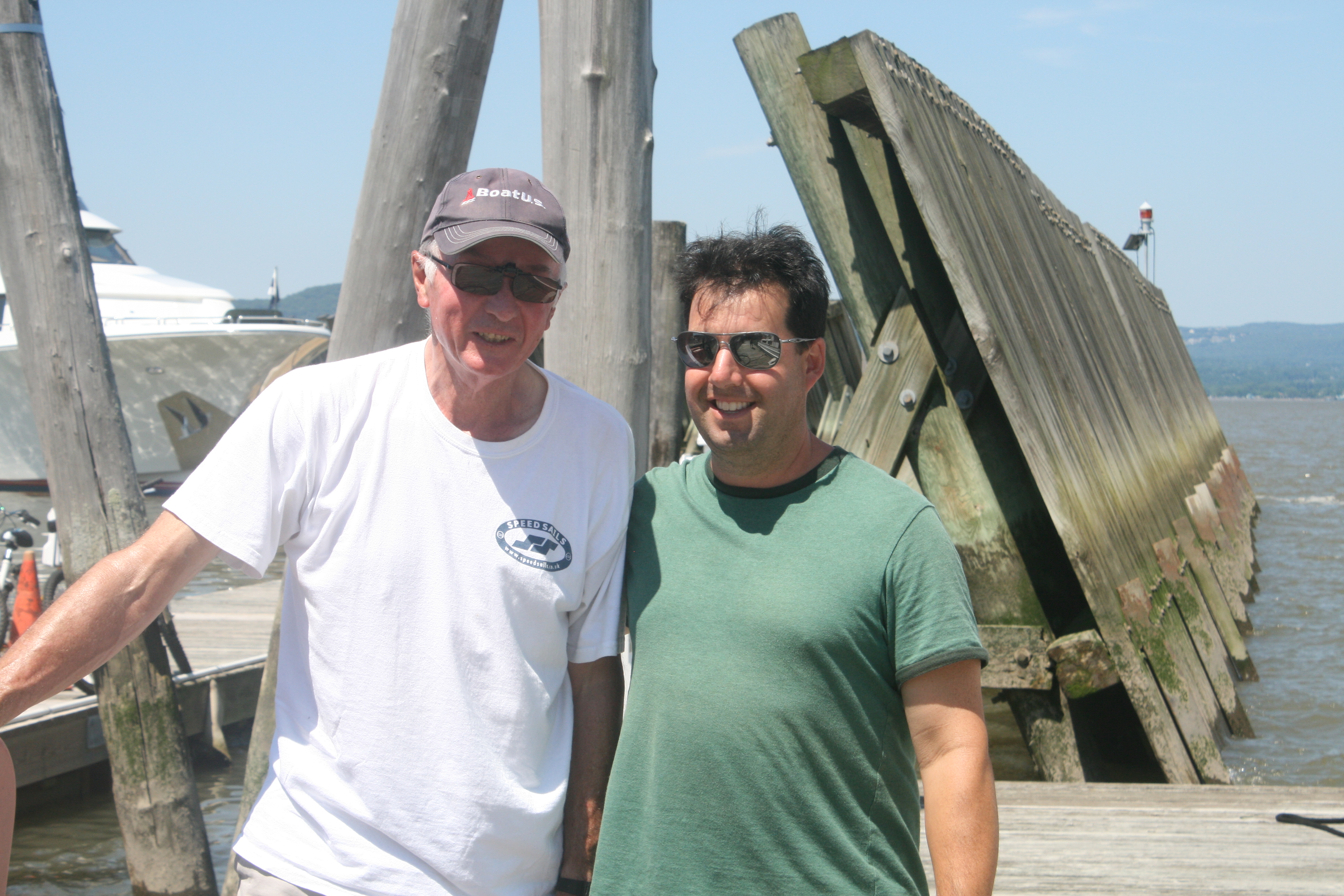
Ian and Steve

Leaving Half Moon Bay

Leaving Half Moon Bay

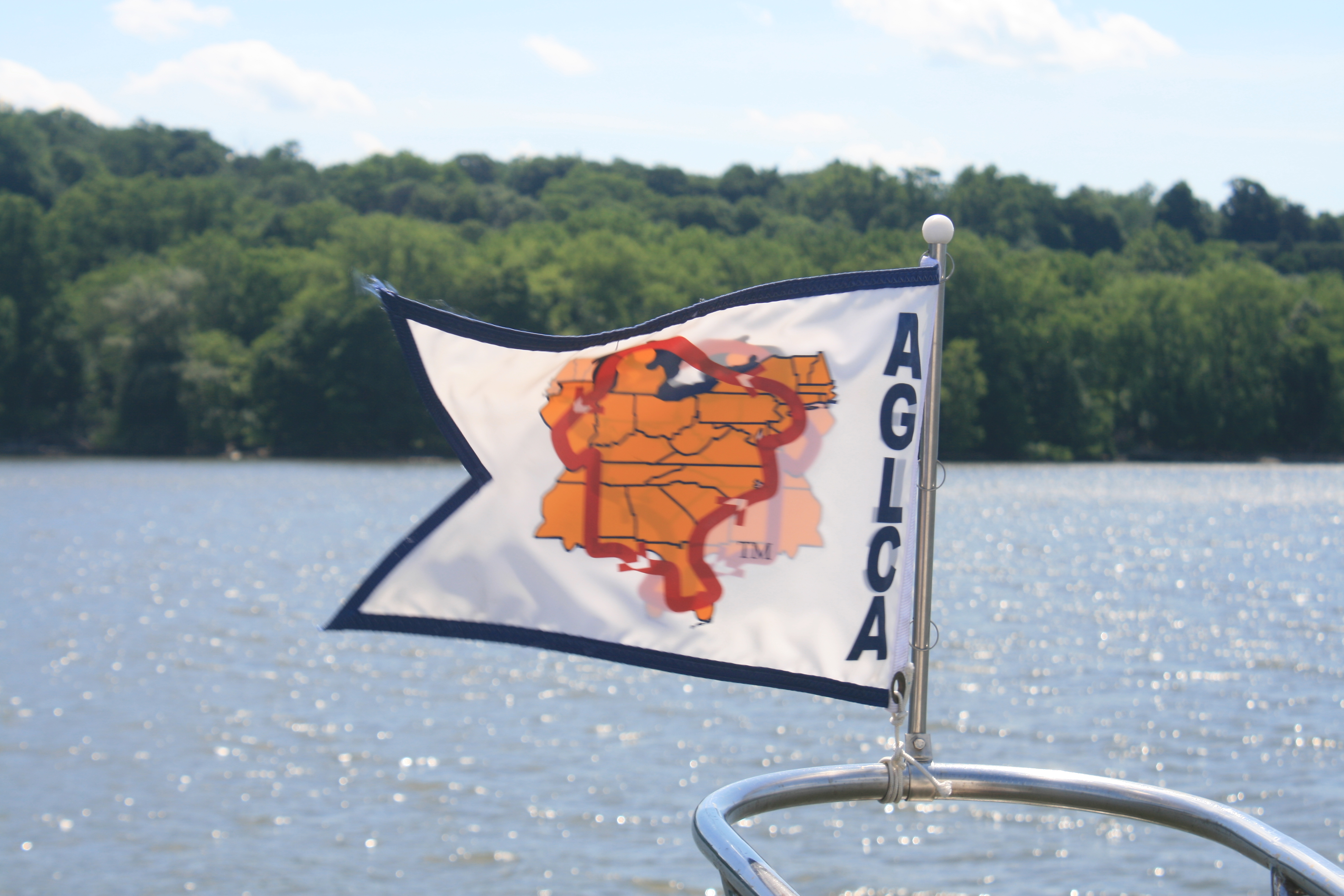
The Captain’s latest acquisition has been a pennant holder for the front of the boat, so we set off up the Hudson River with Carina proudly displaying the flag of the American Great Loop Cruisers’ Association.

IMG_9903


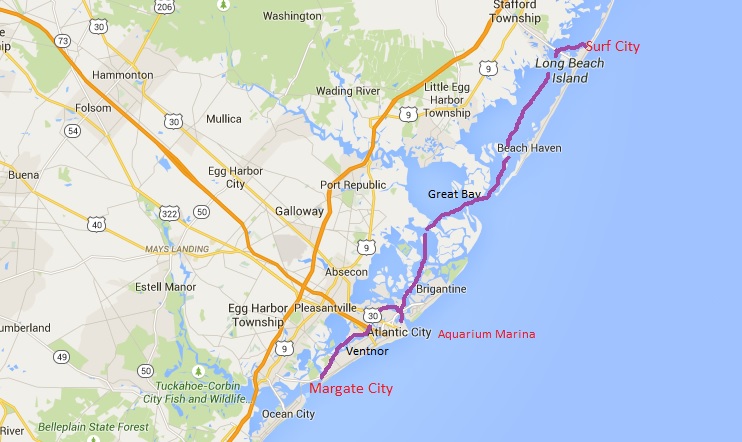
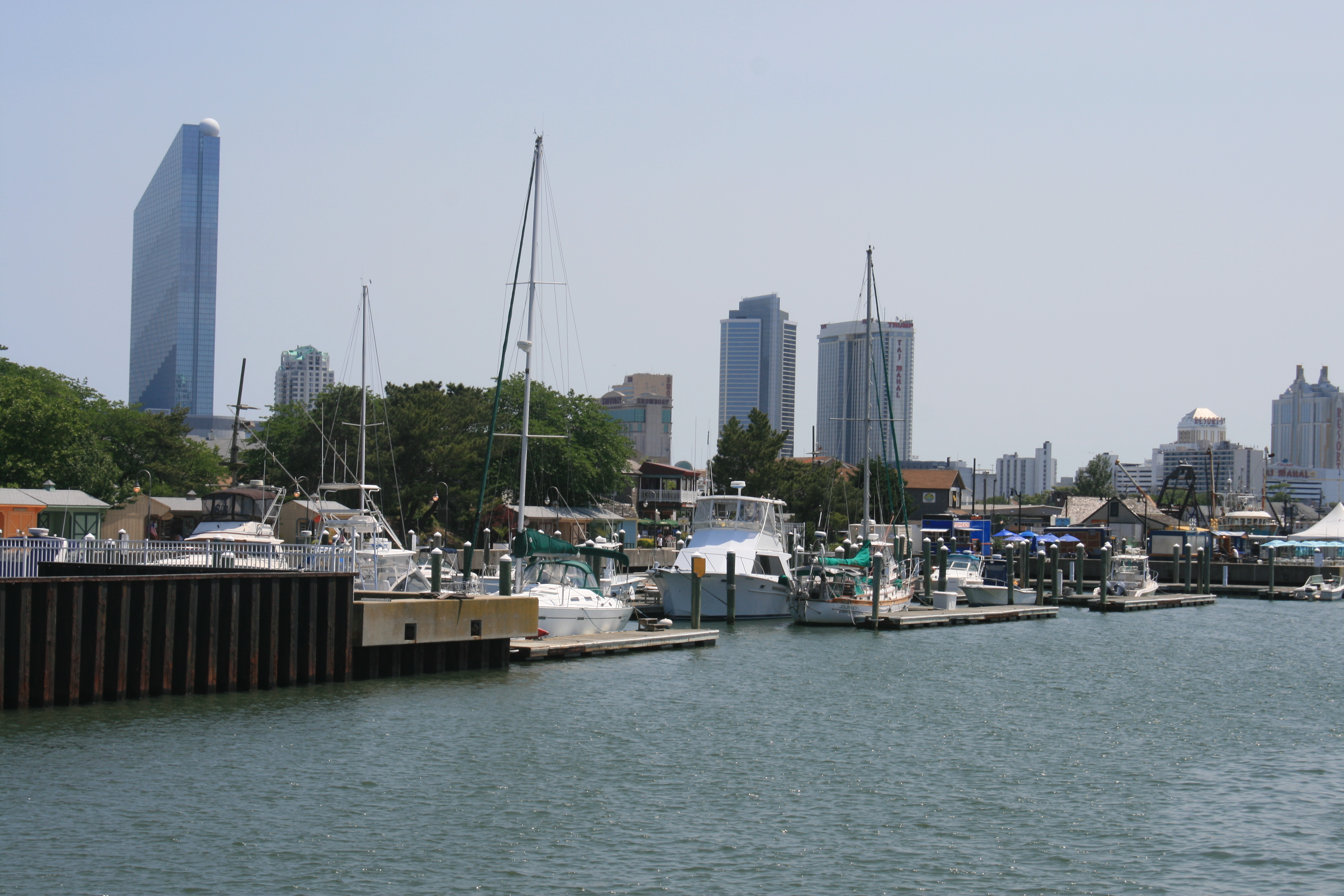
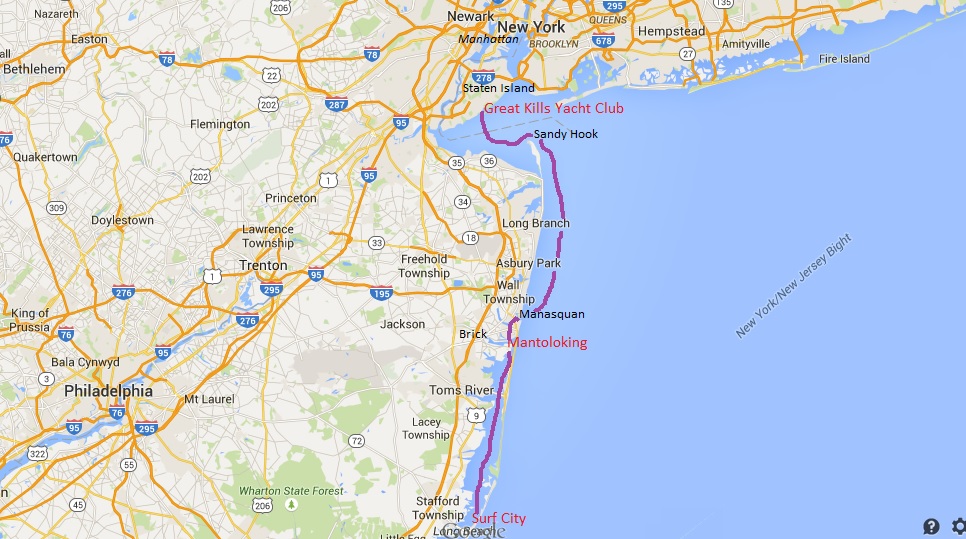
Margate City to New York

Margate City to Surf City

Margate City to Surf City

We were planning a night at anchor, some 30 miles from Margate City, but Carina had other ideas.

Leaving Margate City

Leaving Margate City

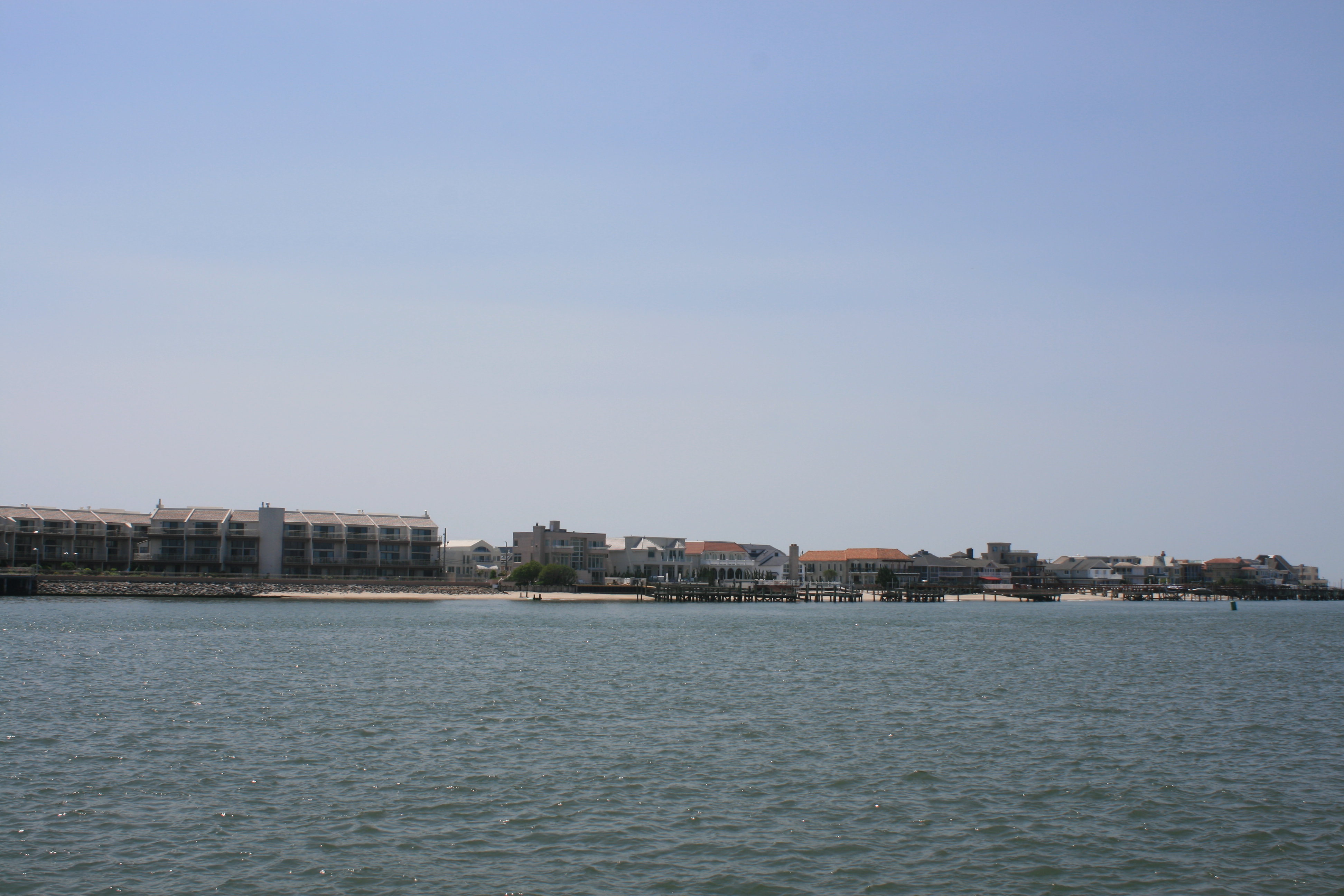
The Barrier Islands of the Jersey Shore are mostly developed, making the wild places we’d seen further south, in North and South Carolina and Georgia, seem all the more special in retrospect.

Margate City

Margate City, showing the junction between fresh and salt water

IMG_9670

The American flag gets everywhere

Ventnor

Ventnor

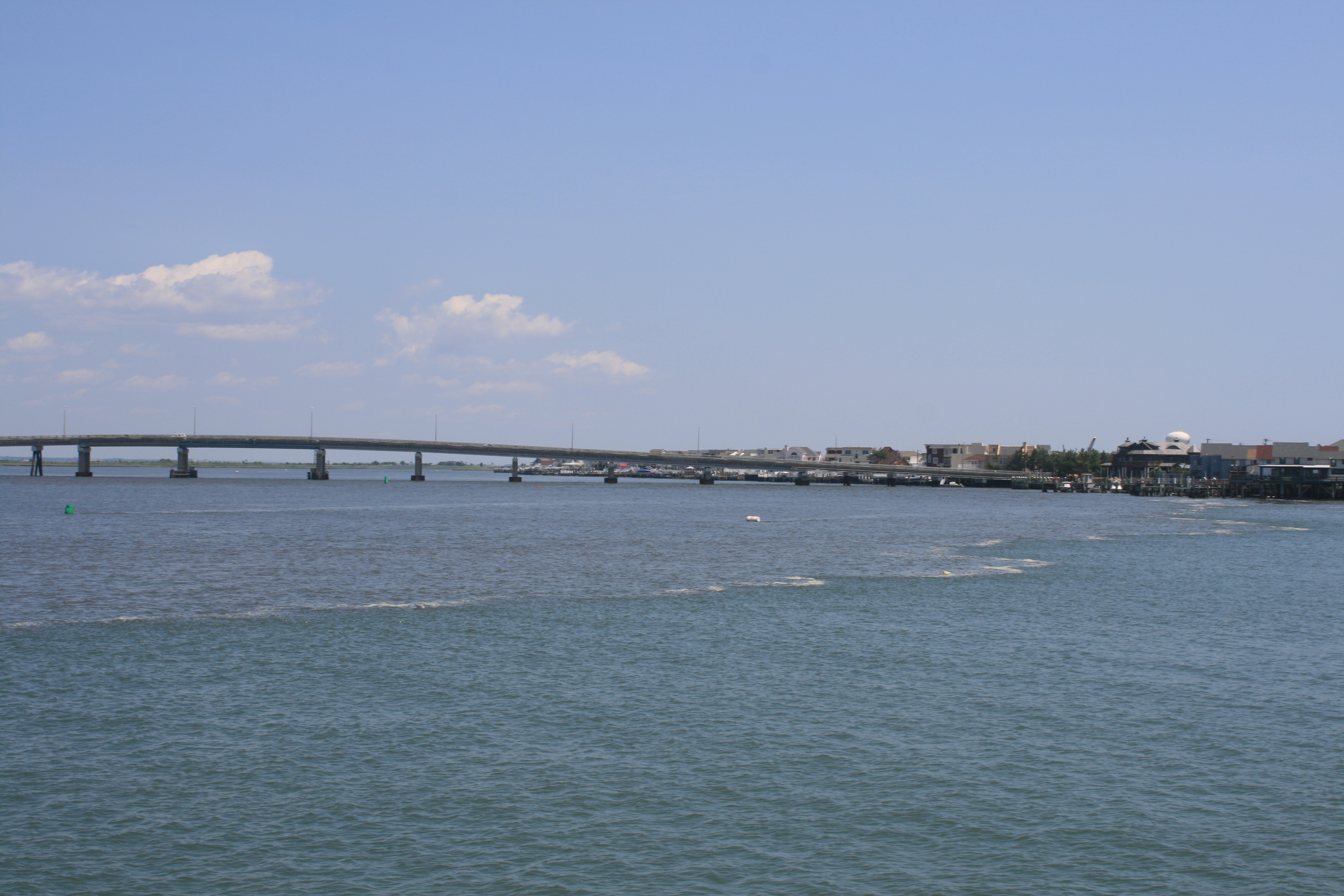
We had to request a bridge opening at Ventnor. Roadworks were being carried out, and the bridgemaster said he’d be able to open it sooner if we could manage with only half the bridge opened. The Captain thought we could, and Carina edged smoothly through, to applause from the assembled workmen and cries of  ‘Nice job! Nice job!’

Dorset Avenue Bridge, Ventnor

Dorset Avenue Bridge, Ventnor

Shortly after passing through Ventnor, we could no longer ignore Carina’s temperature gauge, which  for the past few days had been giving ’cause for concern’, and two hours after leaving Margate, Ian decided he needed professional advice to avert disaster. So we made an unscheduled visit to Atlantic City and stayed at the Aquarium Marina, a not entirely restful stop, in view of the proximity of our mooring to the bar, and a constant stream of reggae music.

Near Atlantic City

Near Atlantic City

Aquarium Marina, Atlantic City

Aquarium Marina, Atlantic City

Ian rang Brian Smith, of American Diesel, who gave him some very useful suggestions of what the problem might be, and possible remedies. Ian did various  mysterious things in the engine room and the next day we took Carina out for a test run.  Fortunately all seemed well, and after a quick trip on the bikes to the Cedar Grocery Store and the nearby Allstar Liquors for the essentials, we moved on to Surf City where we anchored for the night.

But there were still great wide sounds where all the development receded into the far distance, and the land surrounding them preserved from development. The water was very shallow in places, as seen here in Great Bay.

Shoaling in Great Bay

Shoaling in Great Bay

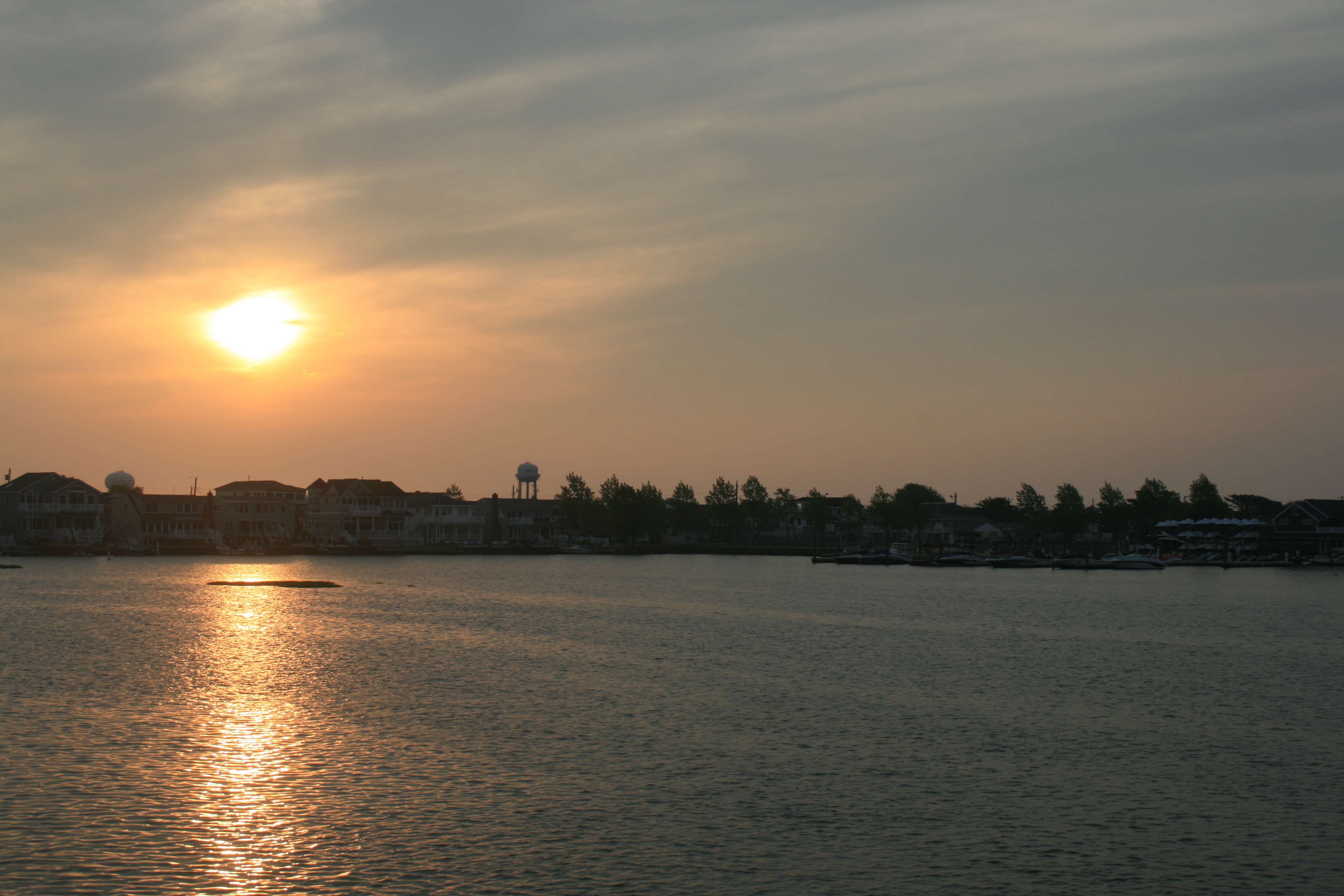
We somehow managed to wake up at 5am the next day so it was another early start, but this time the sunrise made it worth it.

Surf City, 6.06 am

Surf City, 6.06 am

Surf City to Staten Island

Surf City to Staten Island

From Surf City we travelled up the long inlet of Barnegat Bay up to Traders Cove Marina, Mantoloking. We got a warm welcome from the dockmaster there – the area had been devastated  by Hurricane Sandy in 2012, and the marina was part of a new municipal park which had only recently re-opened.

We walked over Mantoloking Bridge to where the sea had broken through the shore and fifty homes had been lost. There were bulldozers on the beach area still working on shoring up the sand, and new houses being built.

Mantoloking from the bridge

Mantoloking from the bridge

The way we came - Barnegat Bay from Mantoloking Bridge

The way we came – Barnegat Bay from Mantoloking Bridge

The beach, Mantoloking

The beach, Mantoloking

Mantoloking Bridge

Mantoloking Bridge

Carina at Traders Cove Marina, Mantoloking

Carina at Traders Cove Marina, Mantoloking

Sunday was the big day – the weather had to be just right for the 30-mile stretch of open water we needed to negotiate from Manasquan to Sandy Hook, the long finger of land that stretches into Raritan Bay and New York Harbour.

It was, and we went.

Metedonk River at the northern end of Barnegat Bay

Metedonk River at the northern end of Barnegat Bay

There was a short waterway, the Point Pleasant canal, linking Barnegat Bay with Manasquan Inlet.

Loveland Town Bridge

Loveland Town Bridge

Point Pleasant Canal

Point Pleasant Canal

Manasquan River

Manasquan River

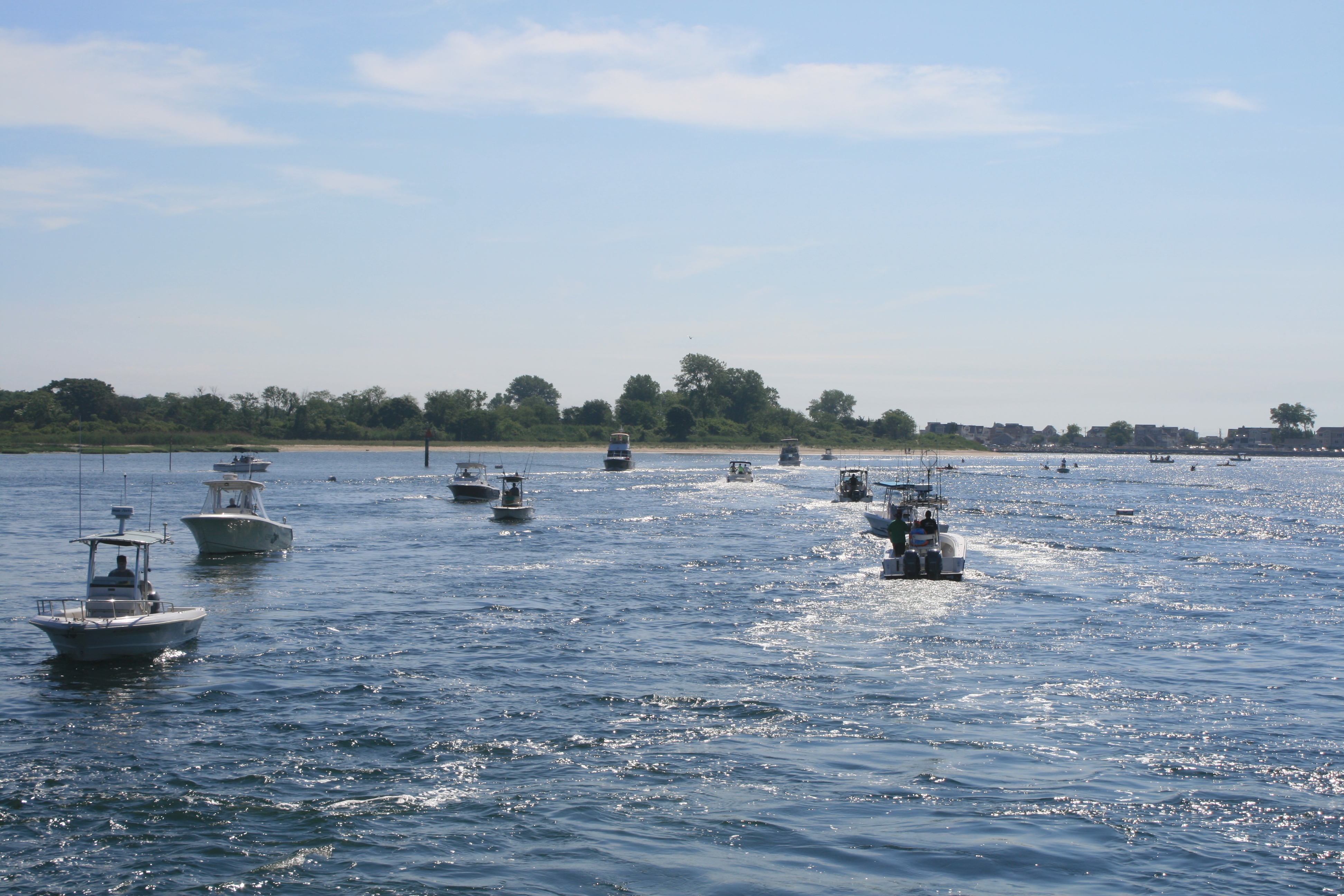
Boats following us out of the canal

Boats following us out of the canal

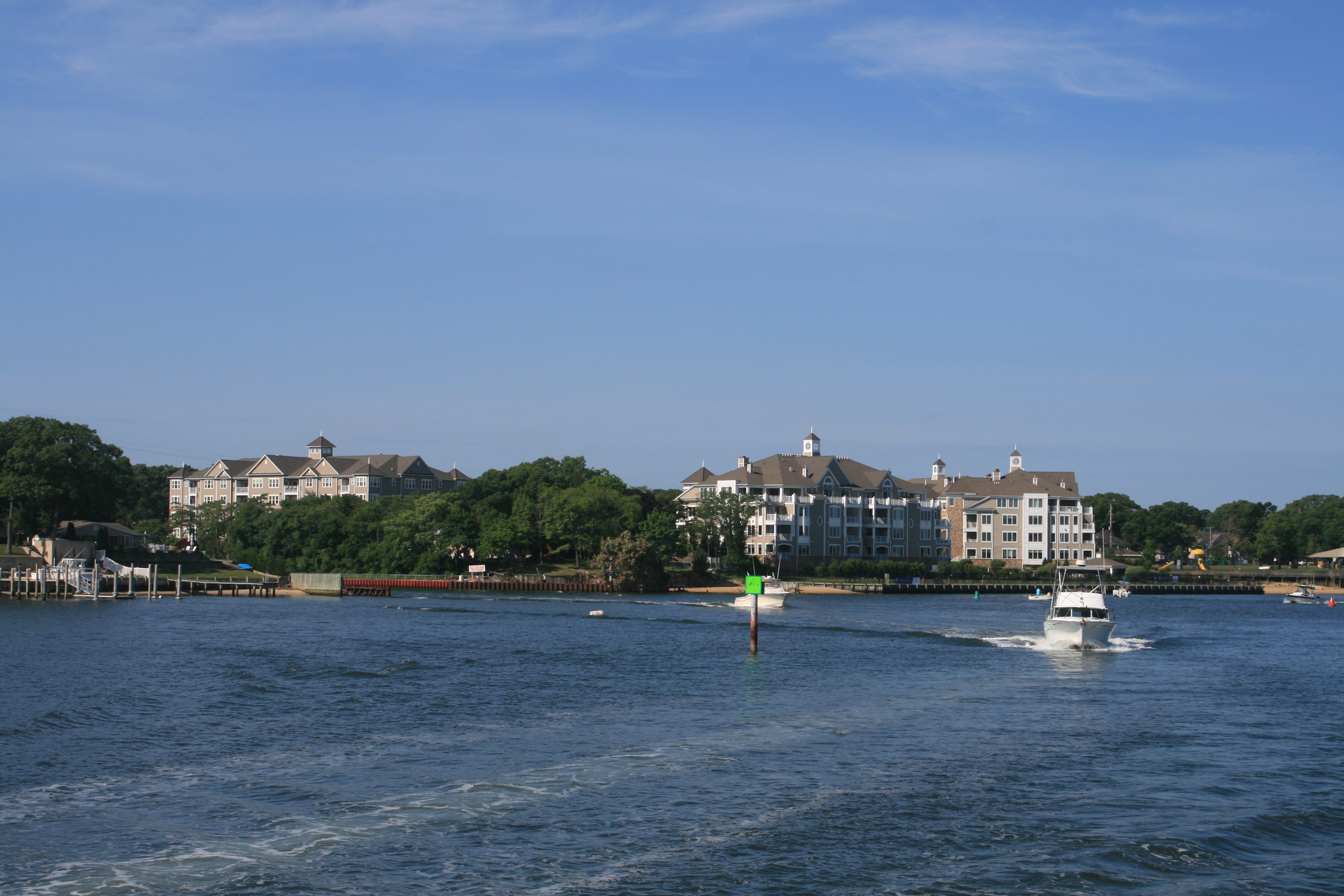
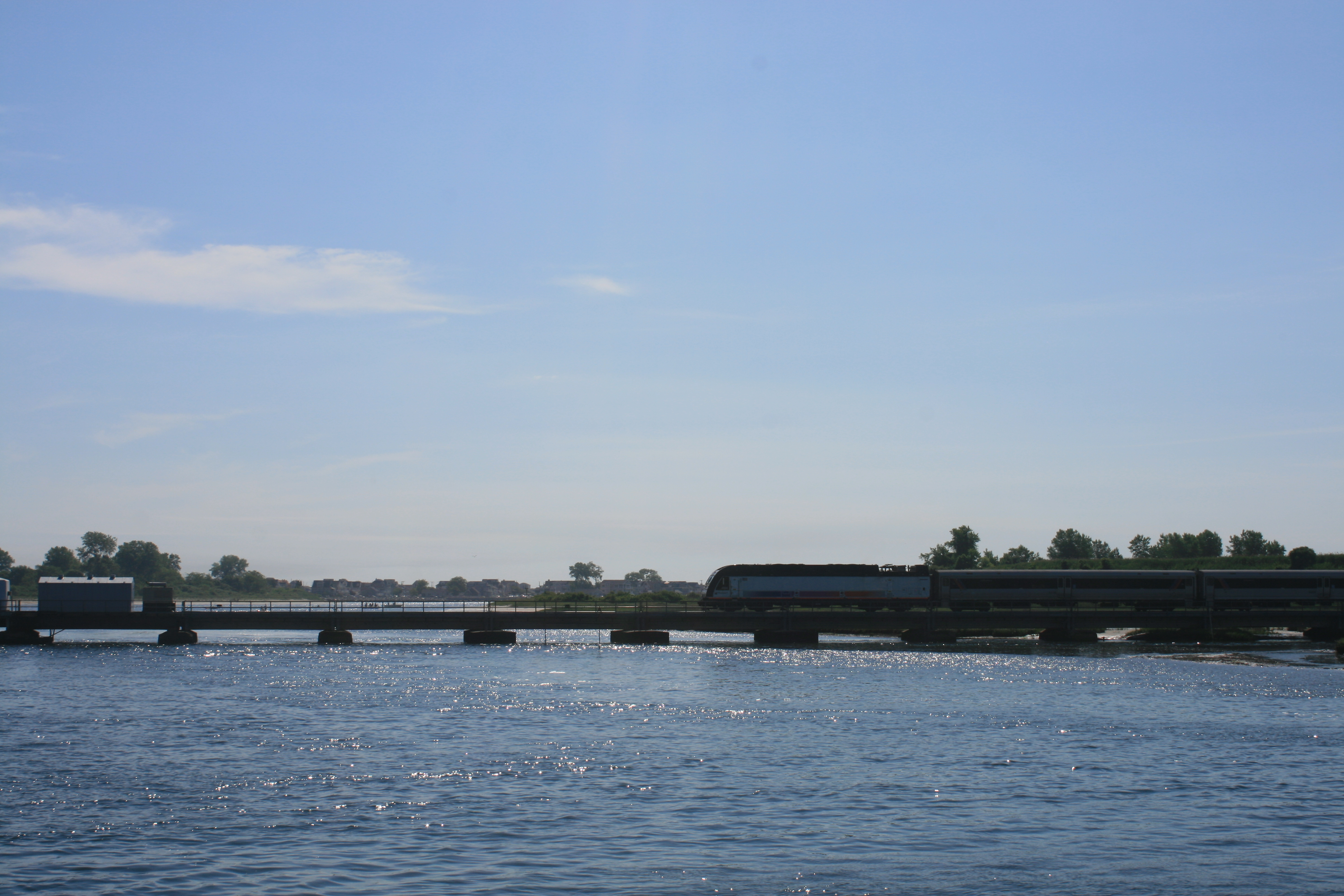
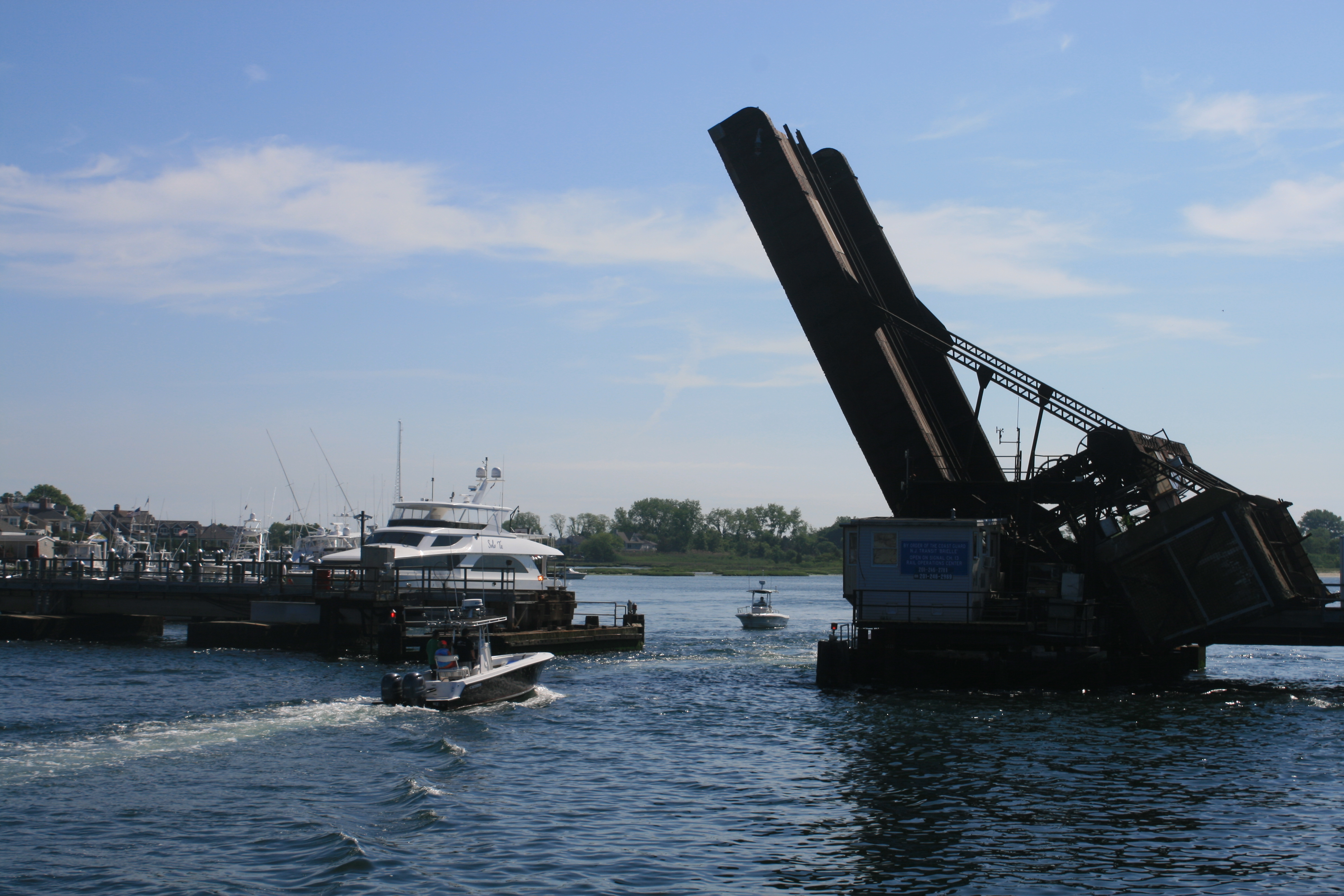
Mansquan Inlet Railroad Bridge

Manasquan Inlet Railroad Bridge

Opening the railroad bridge

Opening the railroad bridge

As it was a Sunday, there was a long queue of boats waiting to come through the bridge.

Waiting to come through the bridge

Waiting to come through the bridge

Manasquan

Manasquan

Manasquan

Fishing boats at Manasquan


At last we could see the ocean ahead of us through the inlet.

Manasquan Inlet

Manasquan Inlet

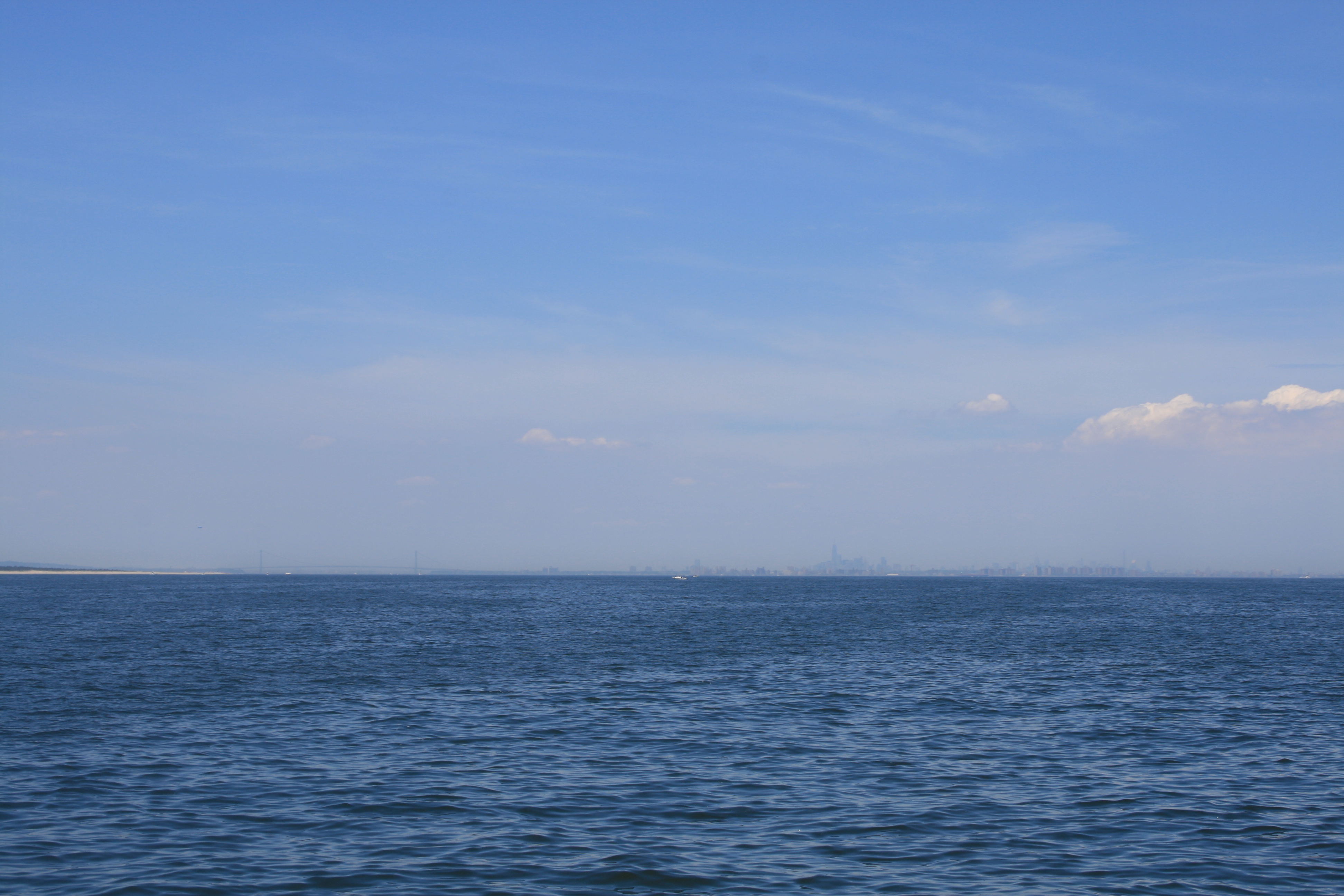
The inlet was actually the worst part, in terms of the waves and the choppiness. Once we were a mile out to sea things calmed down, and we sat back and enjoyed the thirty-mile stretch along the continuous ribbon of white sand of the northern Jersey Shore, and the exciting moment when we realised we could just make out the faint outline of Brooklyn and Manhattan on the horizon.

The beach at Manasquan

The beach at Manasquan

First glimpse of New York City

First glimpse of New York City

Ian had arranged for us to stay at Great Kills Yacht Club on Staten Island, where John Calascibetta is the Harbor Host for the American Great Loop Cruisers’ Association. John made our stay in New York really special and could not have been more helpful, assisting us to dock in the windy conditions, being a mine of information, lending us a Metro Card so we could get into the city easily, and driving us to the supermarket to re-stock.

He recommended the nearby Cole’s Dockside Restaurant, so after our long day we went there for a great meal and gathered our strength for two days in New York City.

Great Kills, Staten Island

Great Kills, Staten Island

Marinas and Yacht Club, Great Kills

Marinas and Yacht Club, Great Kills


The Delaware River and Strolling along the Prom, Cape May

My hopes of a spectacular sunrise as we travelled down the Delaware River were disappointed when the day dawned grey, but at least not cold. We had to get up at the crack of dawn, I had been told, to take advantage of the prevailing tide.

I don’t get out of bed in the morning until I’ve had a cup of tea and saw no reason to vary my rule on this occasion.  The Captain duly put the kettle on at 4.40 am, shortly after we had been woken by his mobile’s tedious tinklings.

It was much too early for breakfast though, or a shower, so we were soon en route, and the Captain’s decision to make an early start was vindicated when the speed gauge showed 9.9 knots, a personal best for Carina.

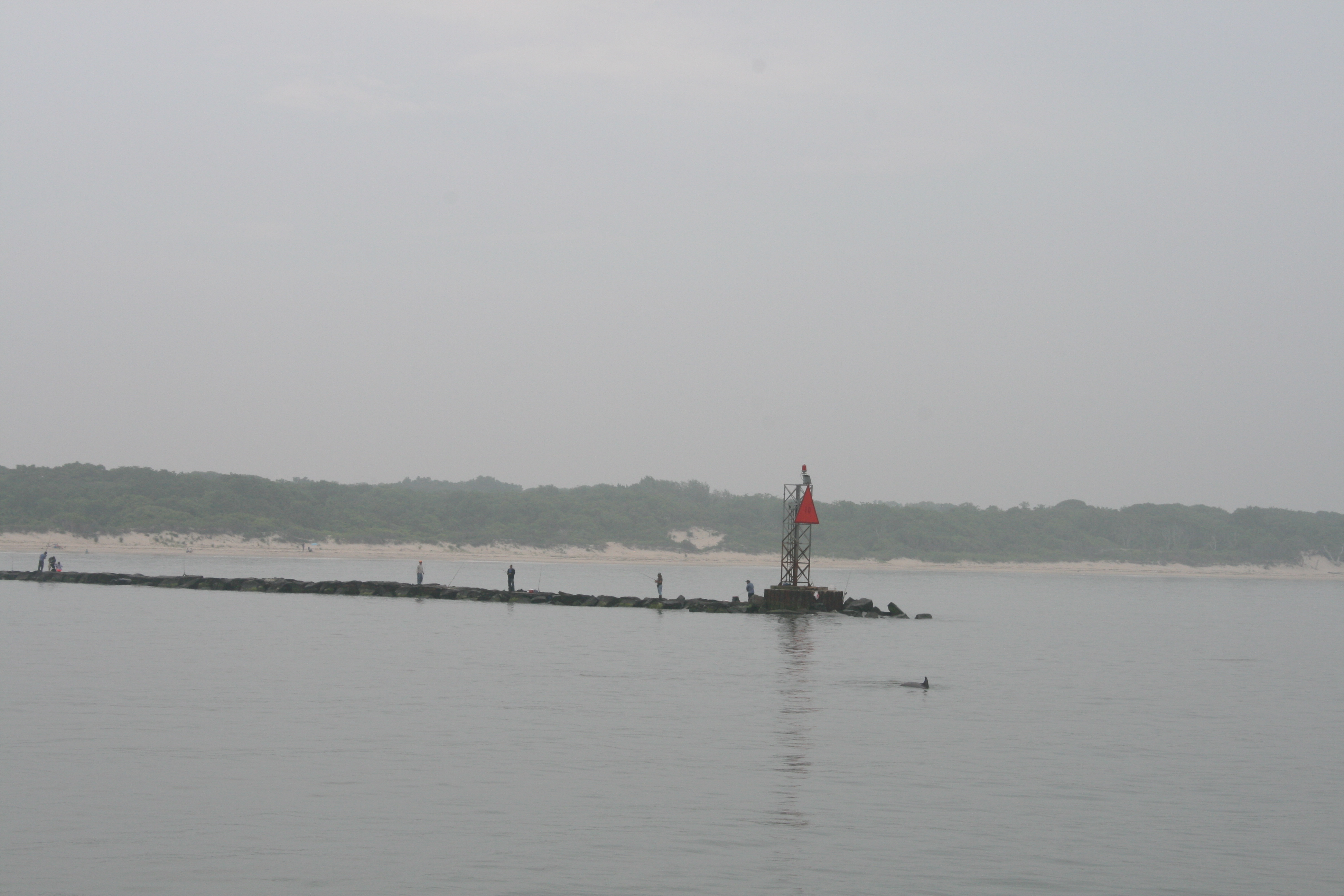
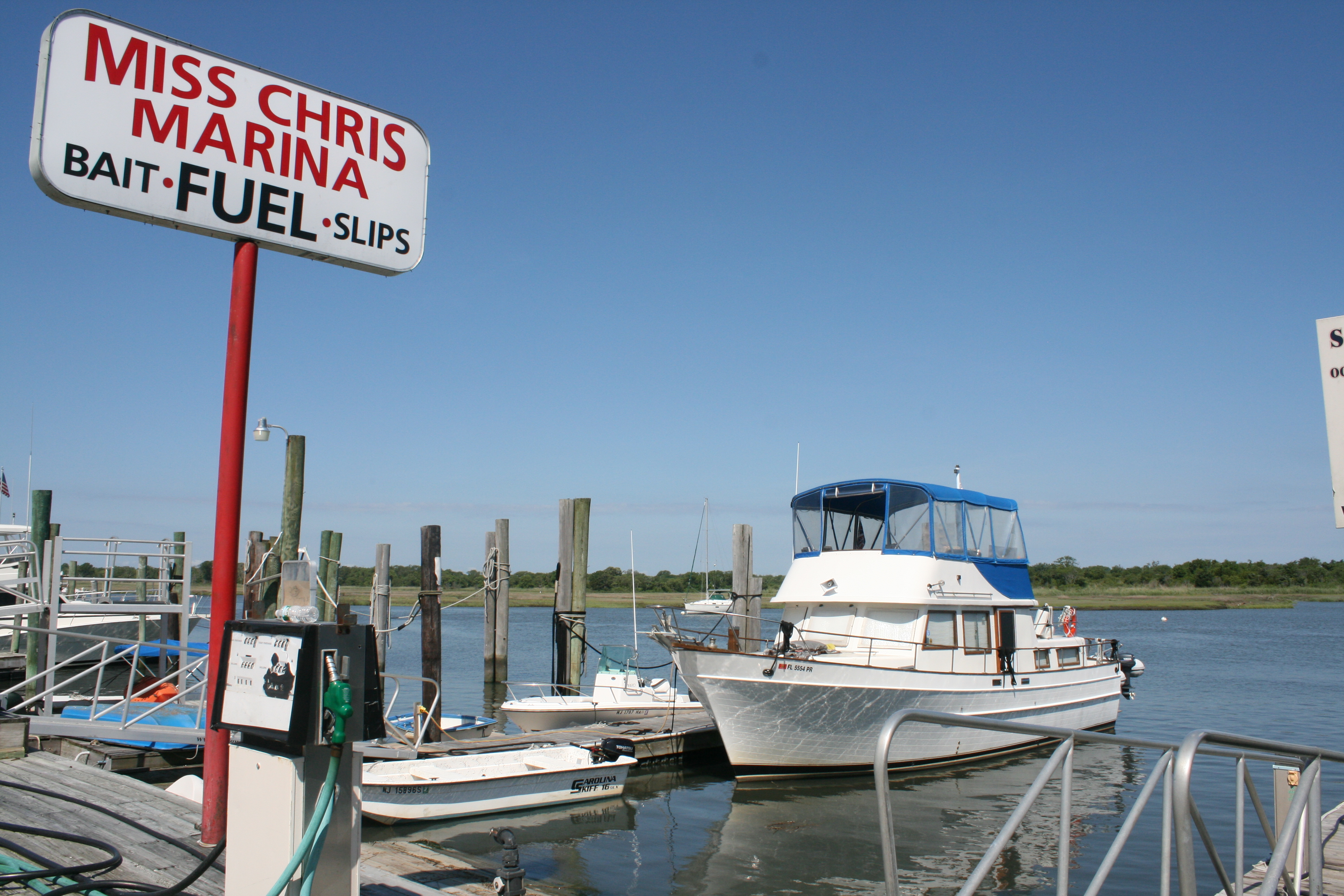
The grey skies didn’t lift and we turned into the canal just north of Cape May in a good North Tyneside-type sea fret, and moored at the Miss Chris marina.

Arriving at Cape May in a sea fret. Note dophin

Arriving at Cape May in a sea fret. Note dophin

Reedy Island to Cape May

Reedy Island to Cape May

The decision to leave very early was further vindicated when twenty minutes after we had arrived and sorted the boat out, there was a torrential storm with brilliant flashes of lightning and crashing thunder, and we spent the afternoon cowering inside Carina, hoping the lightning wouldn’t strike the mast.

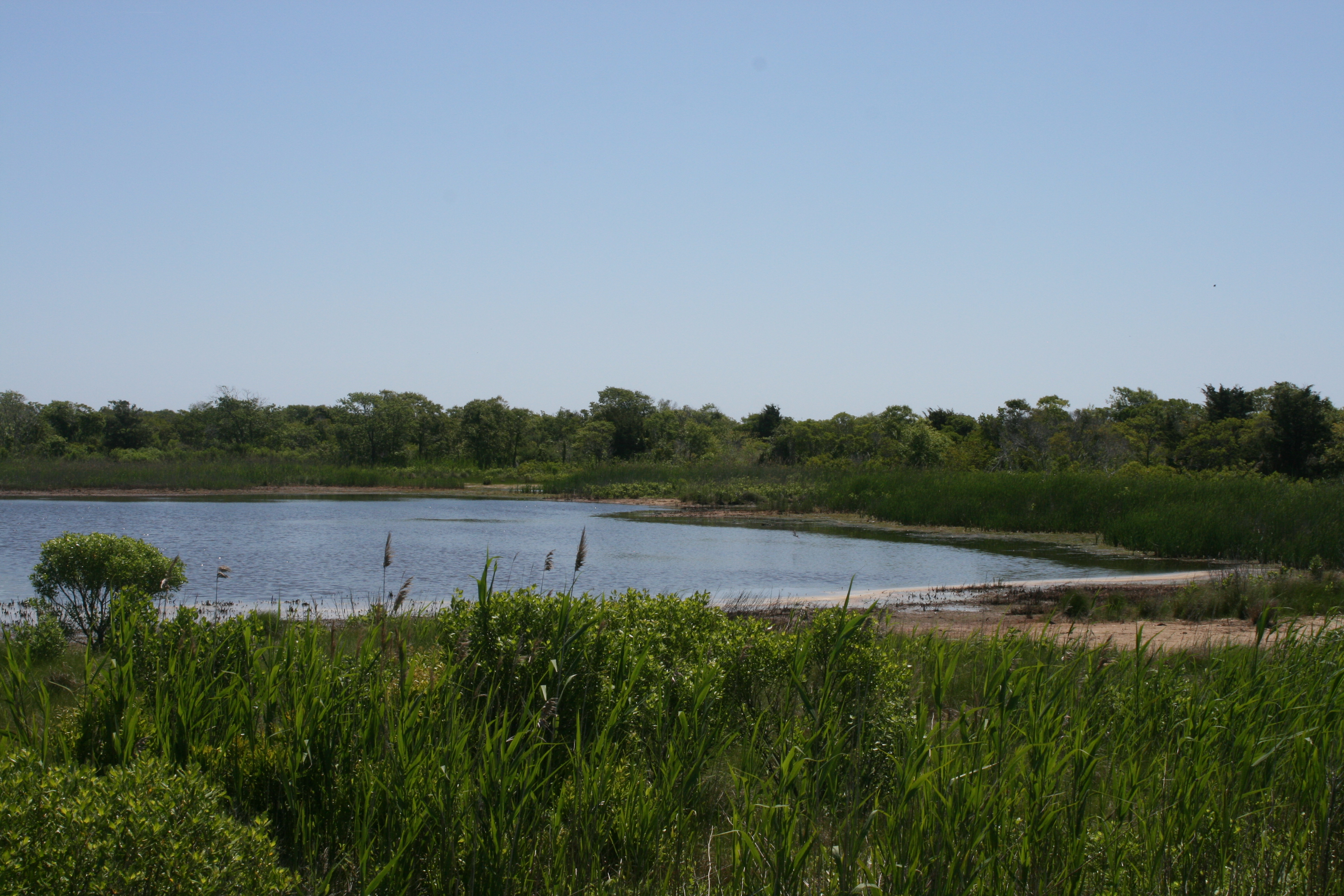
But Sunday was clear and bright and we cycled two miles to Cape May Meadows, which border the beach to the south-west of the town. In the 19th century, South Cape May, where the Meadows are now, was the USA’s first seaside resort.

But the Atlantic storms caused erosion and flooding, and eventually the Victorian houses had to be abandoned to the sea after a particularly violent storm in the 1950s.

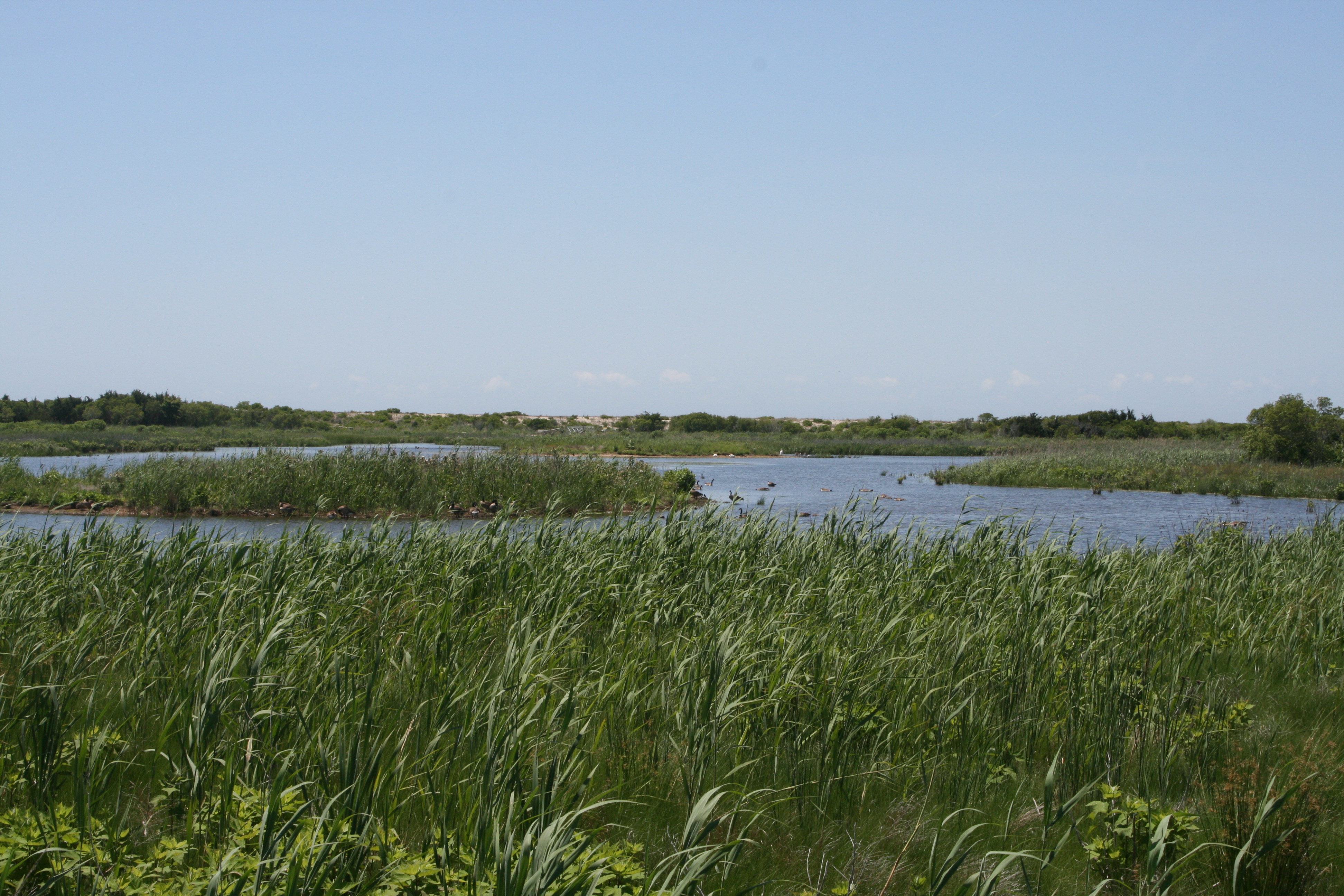
The land is privately owned, but managed by the Nature Conservancy, and in 2004 in partnership with the Army Corps of Engineers and the NJ Department of Environmental Protection, work was started to restore the freshwater wetlands, the dunes and the beach ecosystems. By 2007 the project was complete and has been very successful, with many migratory birds passing through.

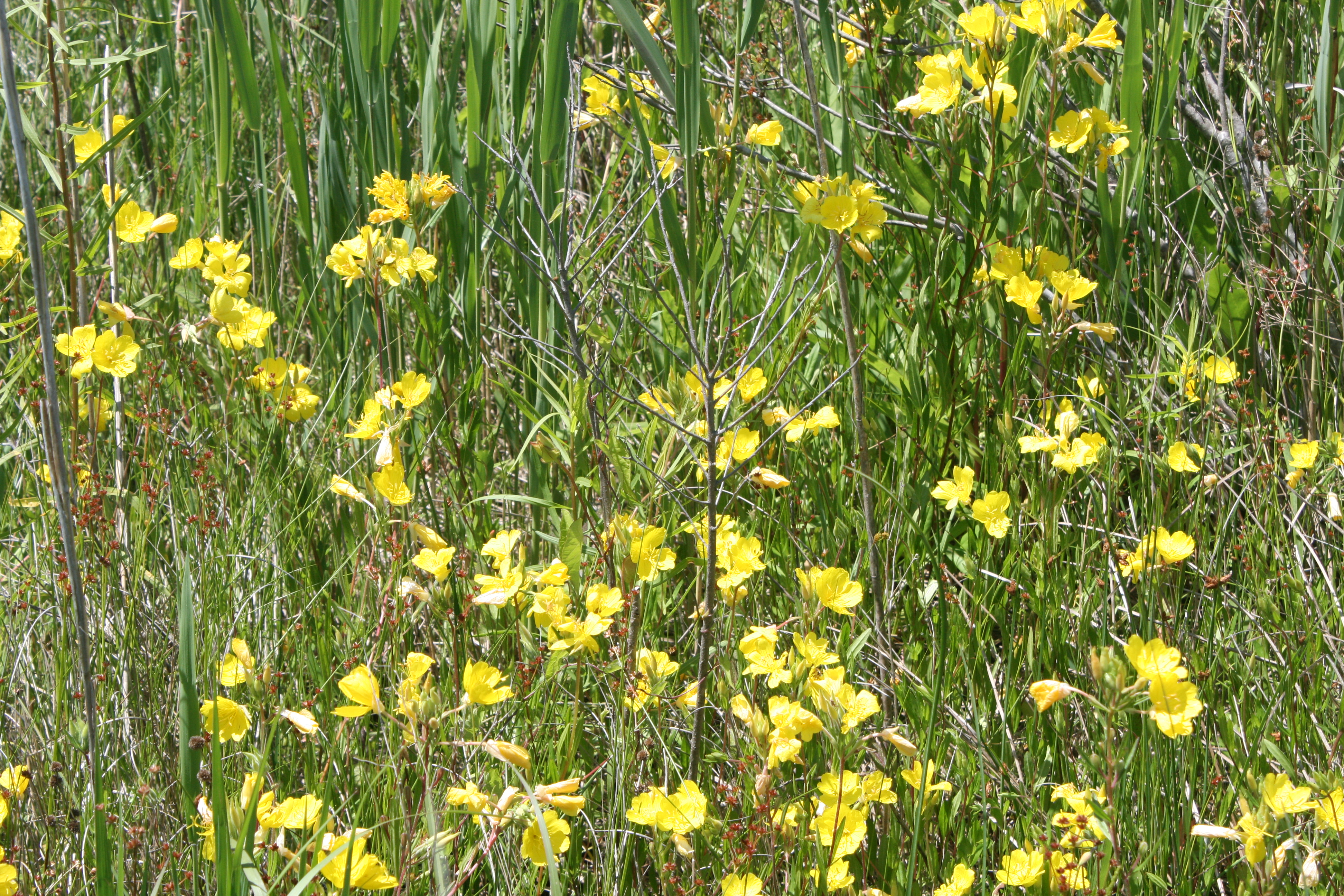
Meadow flowers

Meadow flowers

IMG_9574

IMG_9579

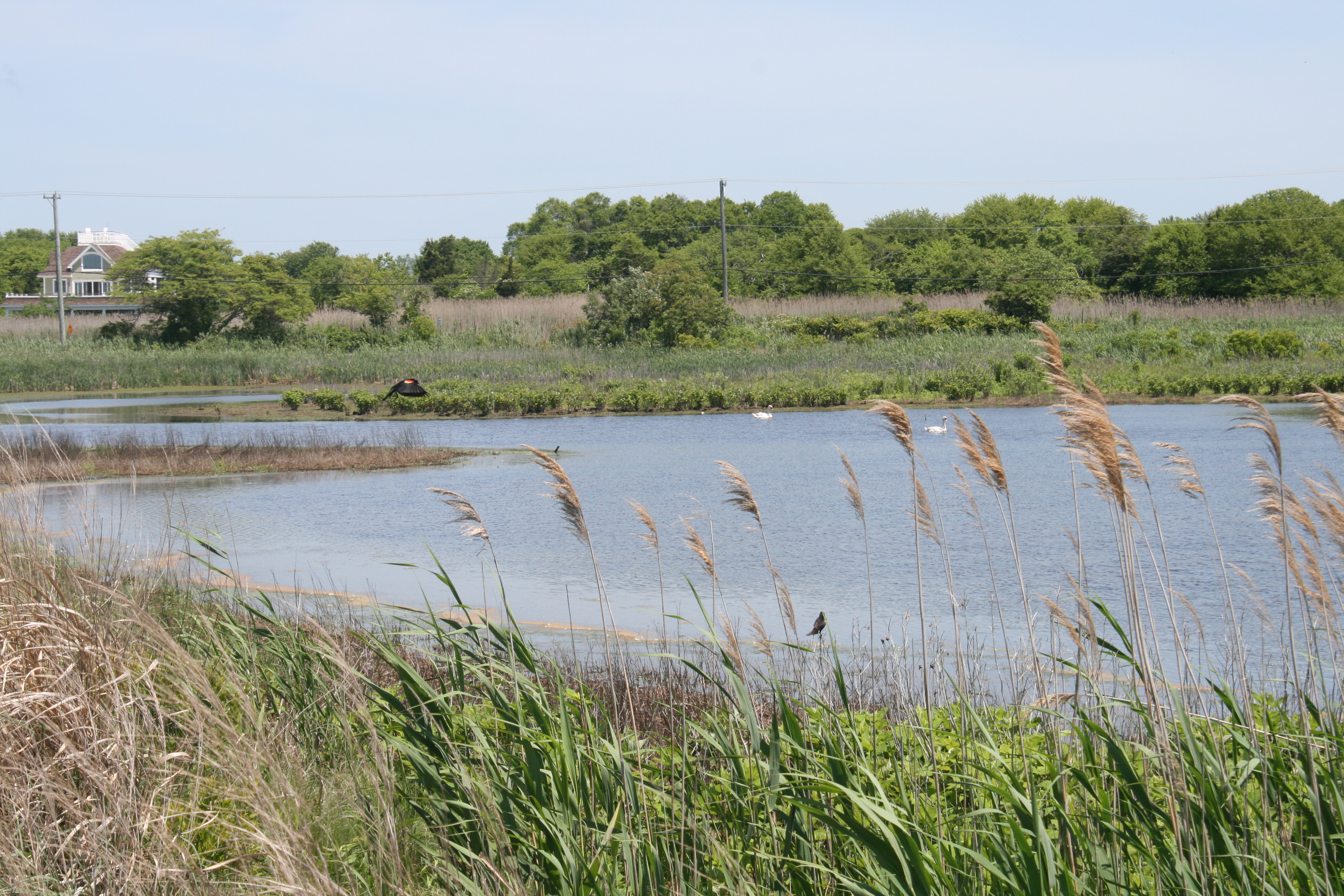
Amongst the swans, ducks, geese and egrets, we were delighted to see some small black birds with exotic red flashes on their wings, and asked a couple of young Nature Conservancy workers what they were.

‘Oh. Those would be the Red-winged blackbirds.’

At least their Latin name, Agelaius phoenicus, has a less prosaic ring.

Cape May Lighthouse

Cape May Lighthouse

South Cape May beach

South Cape May beach

IMG_9590

Ranunculus bulbosus

Ranunculus bulbosus

IMG_9595

IMG_9601

IMG_9615

We had lunch at the tiny Jake’s Pizza and Restaurant Co on Sunset Boulevard. Despite the unprepossessing exterior and definitely-no-frills interior, the ham and cheese stromboli was freshly baked, and with a mixed salad and a can of pop (for the Captain, I never touch the stuff) the bill came to $17.

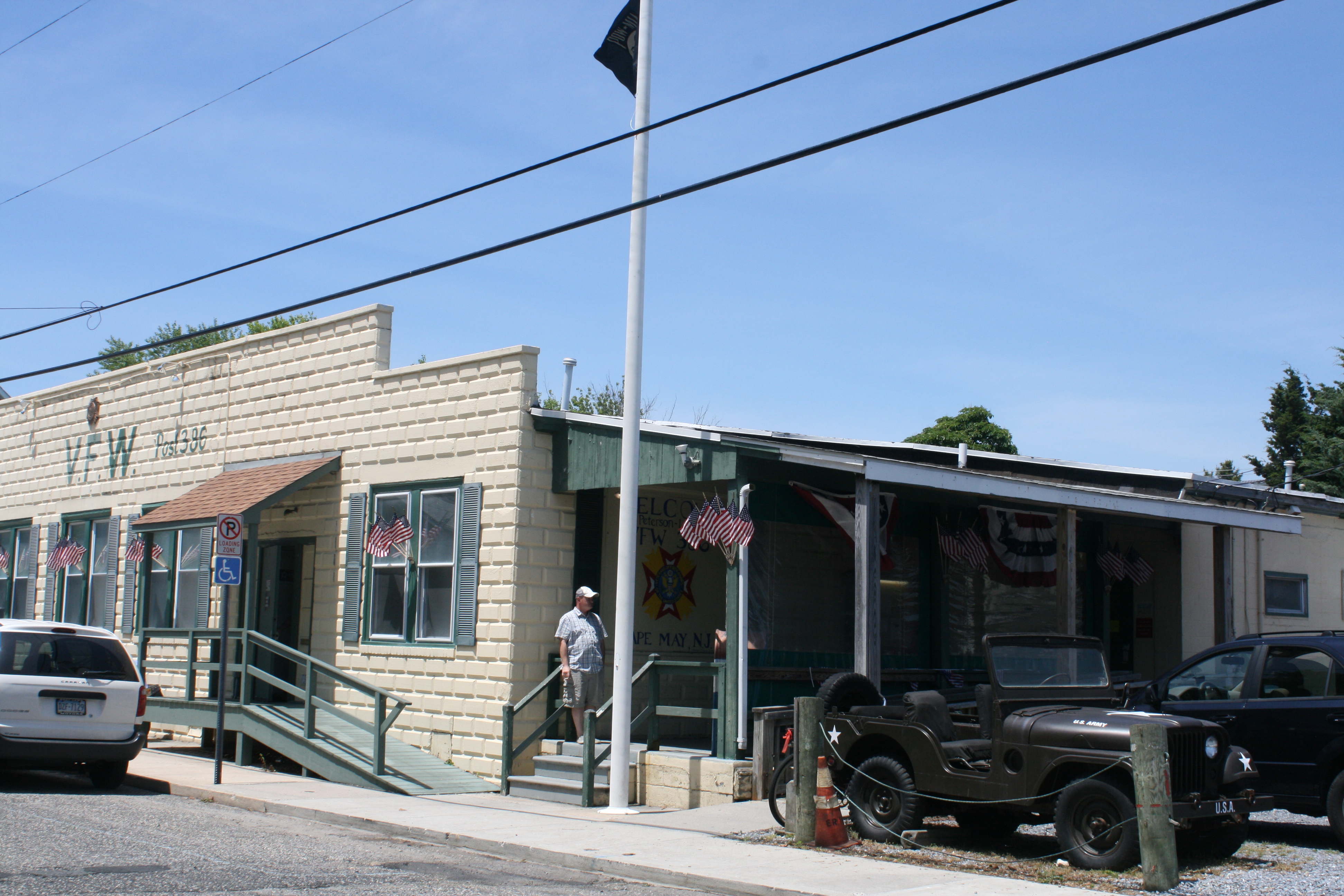
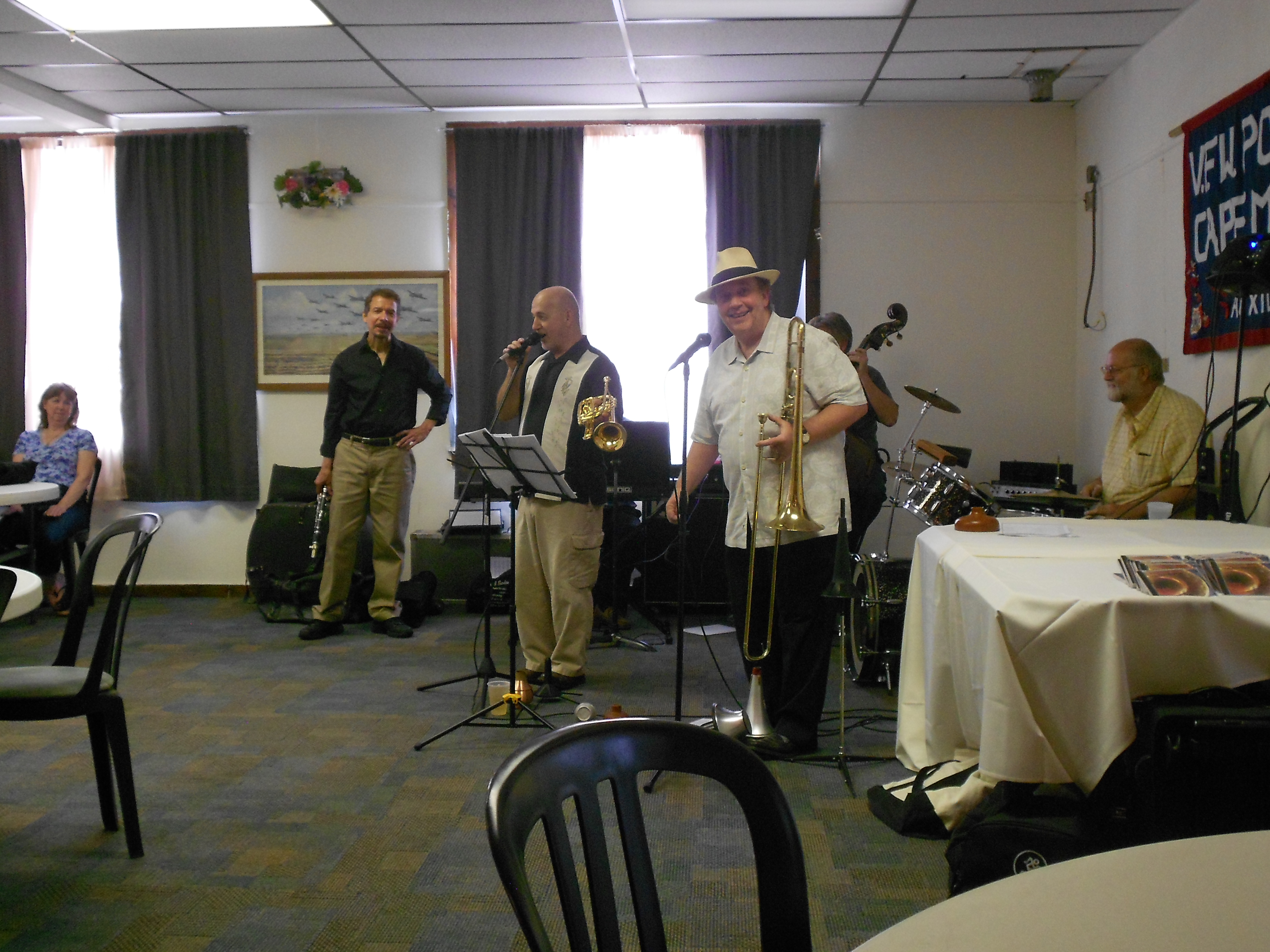
Next stop was the VFW (Veterans of Foreign Wars) Club on nearby Congress St, where there was a fund-raising concert being given by the Ben Mauger Vintage Jazz Band.

VFW Club, Cape May

VFW Club, Cape May

The musicians were excellent, and Ben, the leader, injected his humour and personality into the mix too.

The Ben Mauger Vintage Jazz Band

The Ben Mauger Vintage Jazz Band

The VFW was licensed of course, so I got my fizzy drink in the form of a bottle of Sam Adams.

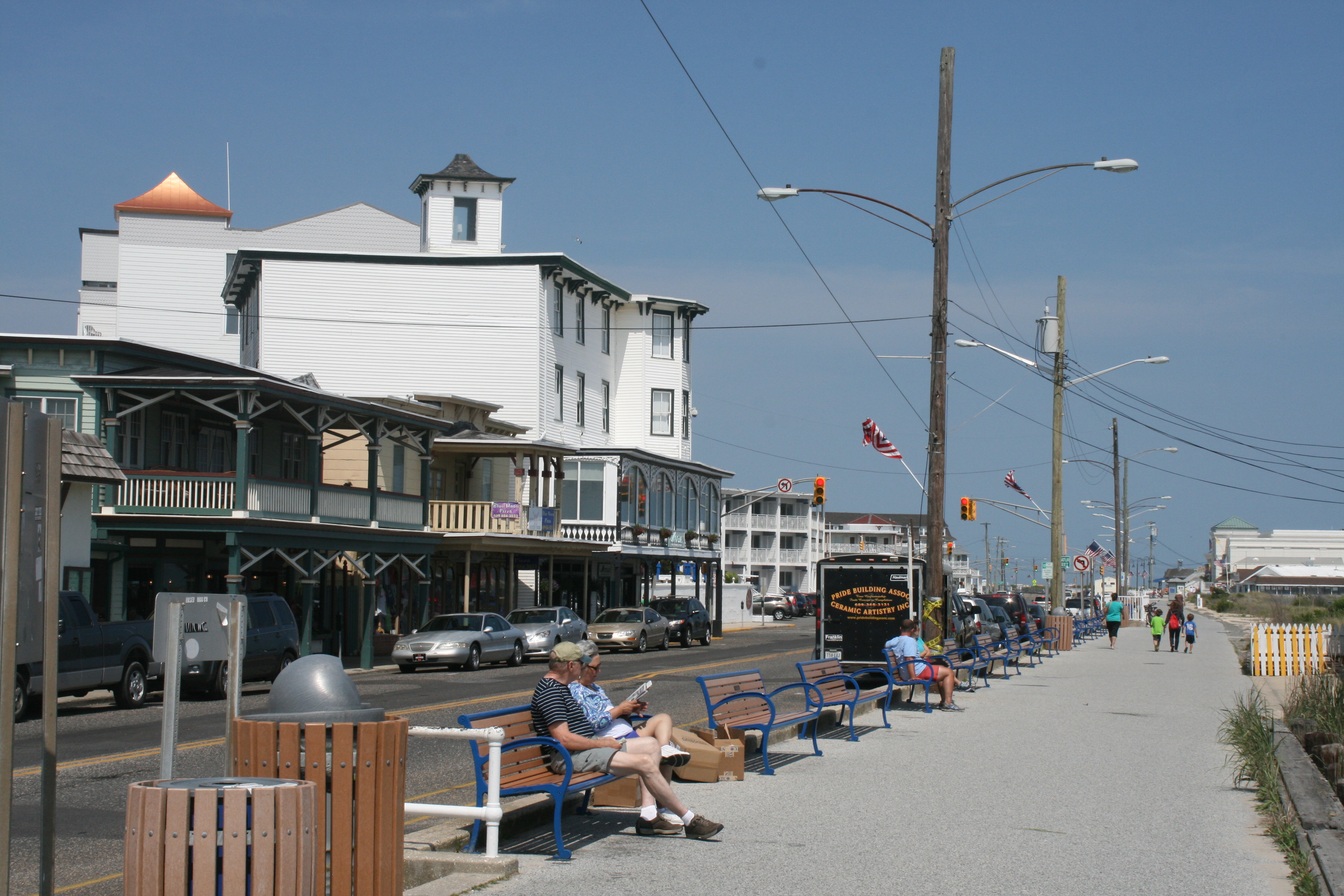
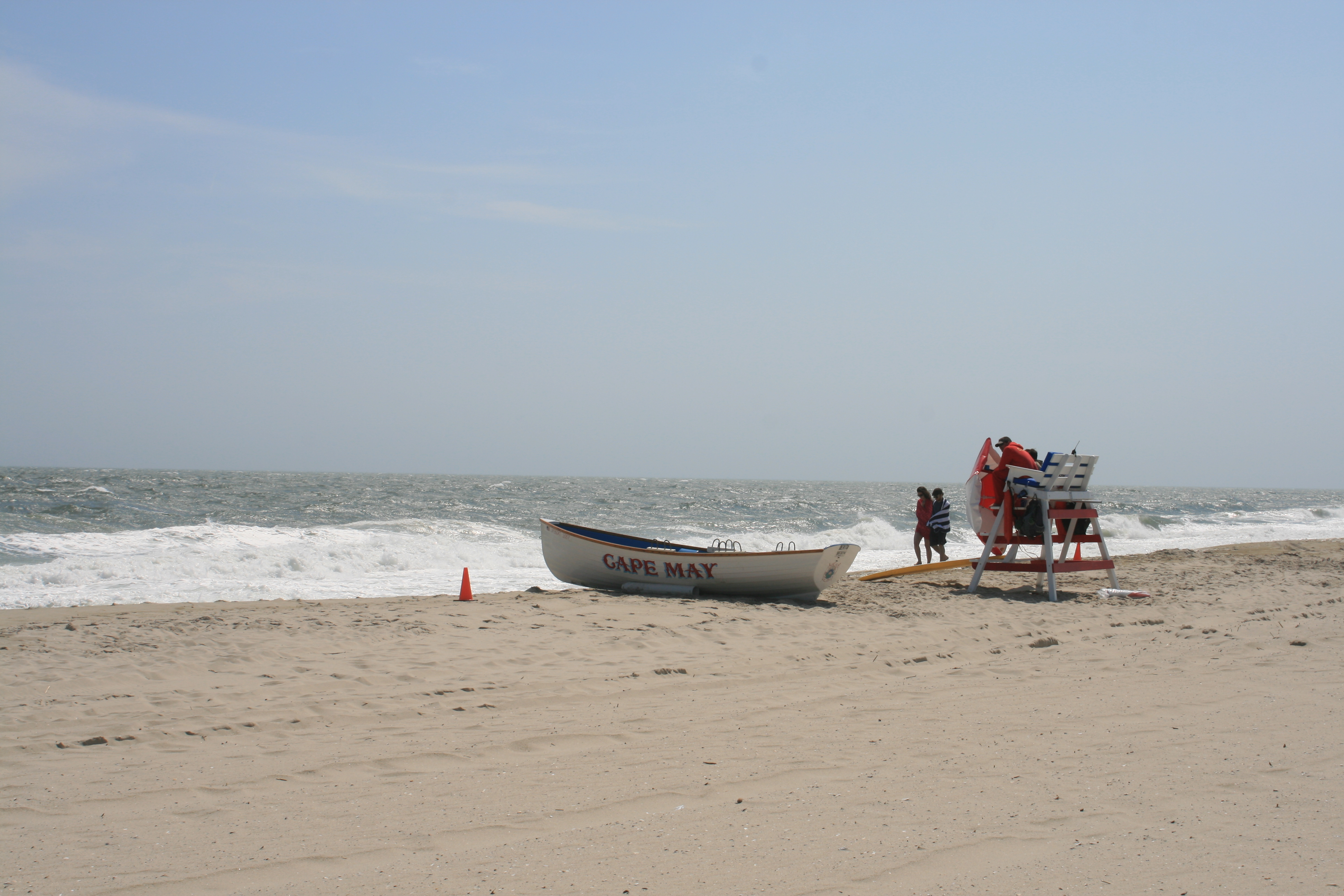
On Monday we explored Cape May City and the main beach. To say it was rather windy would be understatement. Blowing a hooley would be a more accurate meteorological description.

At the beach we were politely intercepted by the Beach Tag Monitor, a pleasant woman in her fifties who asked to see our beach tags.

We said we had no idea what beach tags were.

She explained that they were purchased by the day or week, to allow visitors access to the beach. The money raised paid for lifeguards, litter-pickers and so on. Then she asked us how long we were planning on staying on the beach.

Ian’s beach tolerance threshold is about half an hour at the best of times, and this reduces significantly in biting winds, with grains of sand blowing into one’s face and stinging one’s legs.

Probably about fifteen minutes, we said.

She let us off.

Beach Avenue, Cape May

Beach Avenue, Cape May

Lifeguards huddling in the wind, Cape May

Lifeguards huddling in the wind, Cape May

IMG_9623

We cycled further along the Prom and had an ice-cream (Ian) and hot tea (me) from a little kiosk manned by a pleasant young man who told us that his grandparents lived in Grimsby, and he had cousins in Bristol too. There was also family in Barnsley, ‘But that’s Yorkshire, and they’re a bit like, strange.’

Outside the ice-cream kiosk

Outside the ice-cream kiosk

IMG_9628

IMG_9629

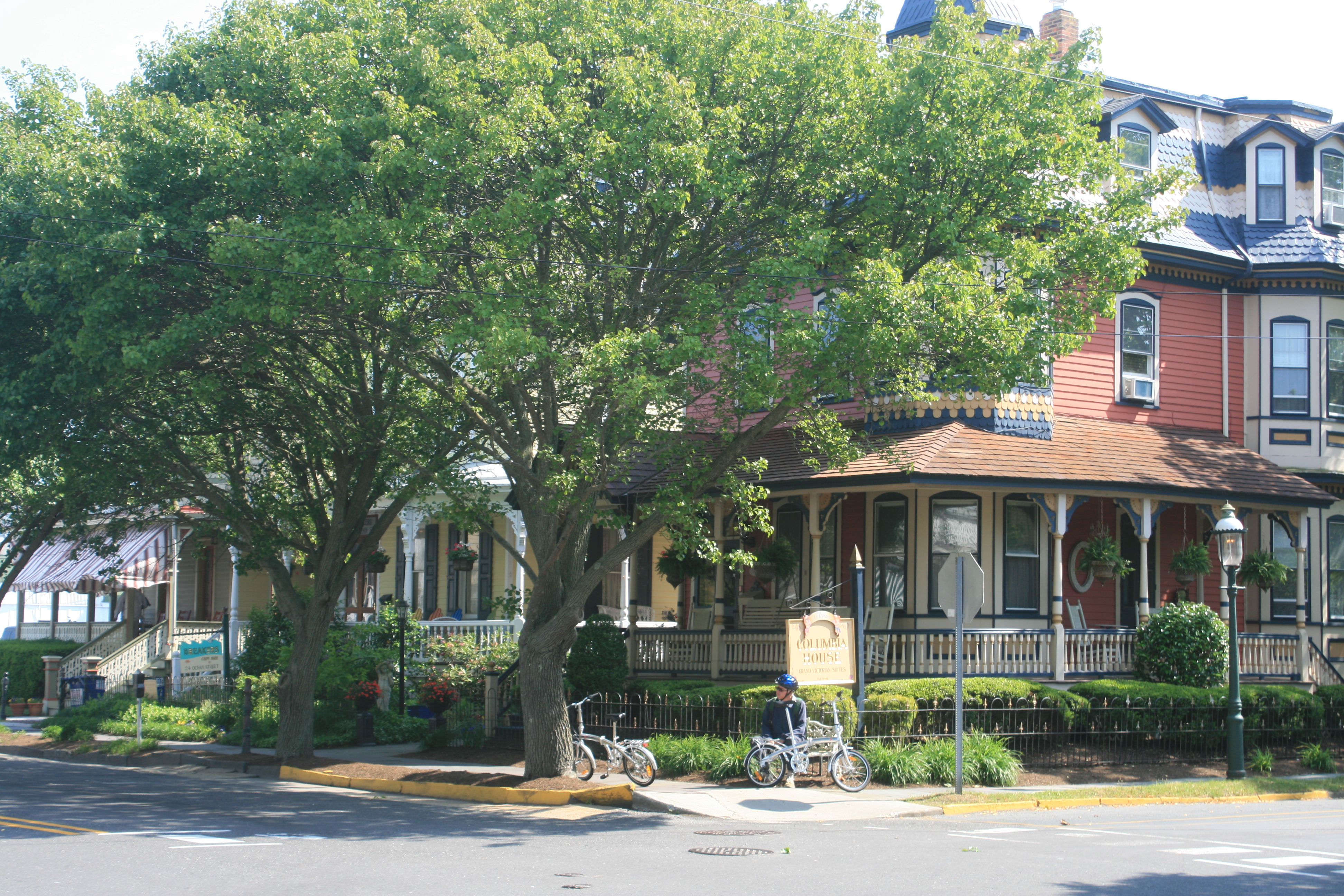
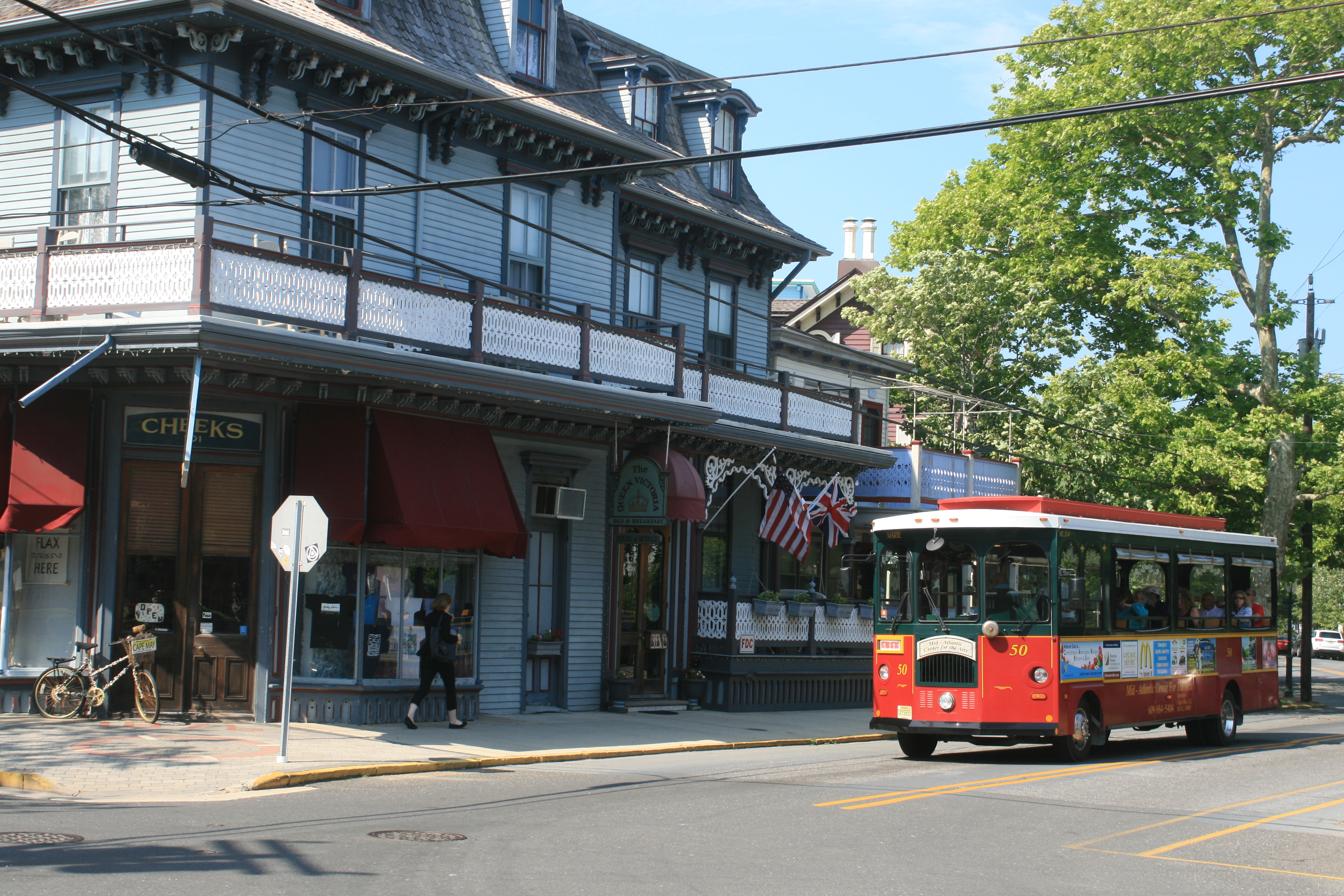
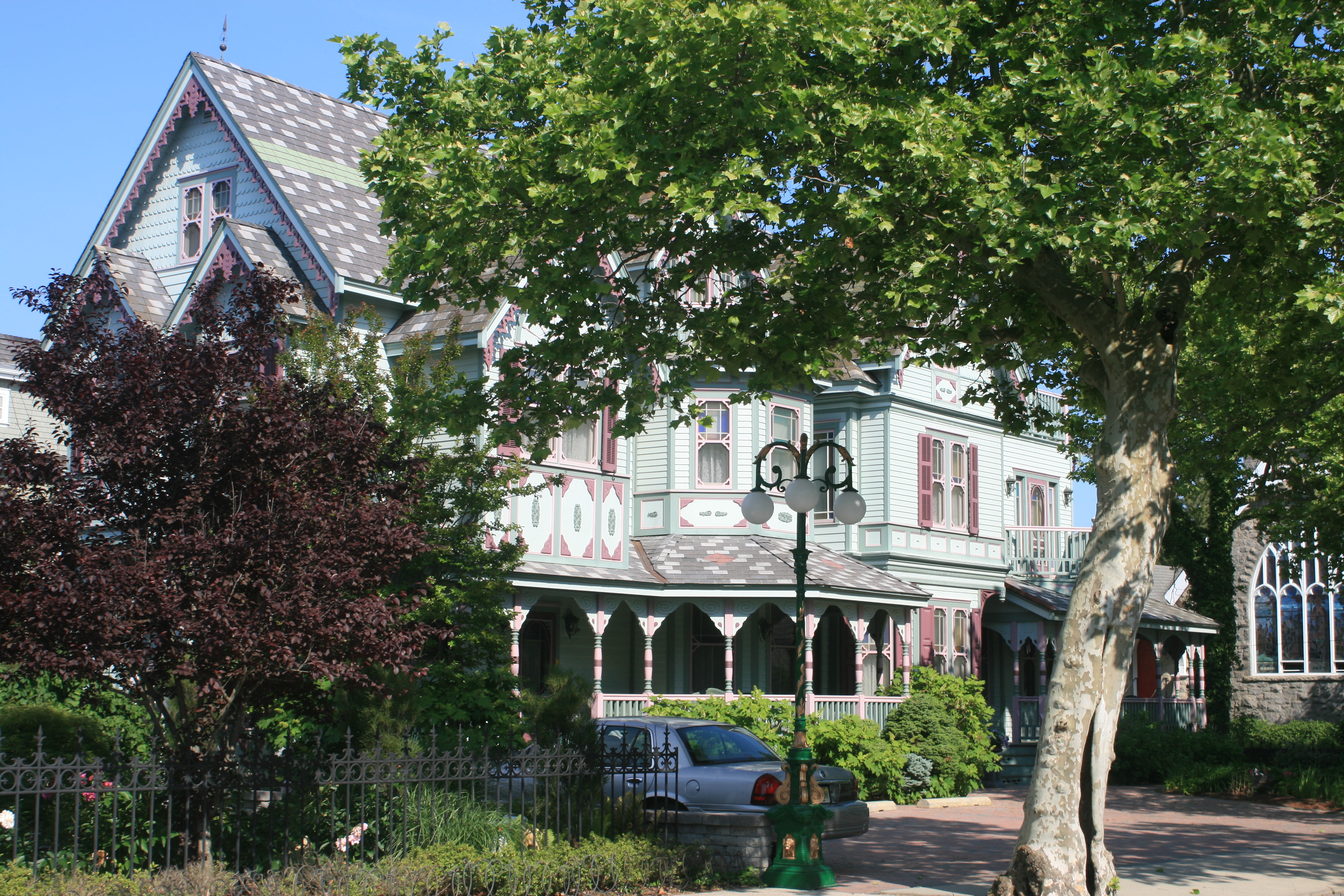
There are lots of lovely Victorian houses in Cape May.

Ocean/Columbia St, Cape May

Ocean/Columbia St, Cape May

This particular small hotel seemed to hark back to a bygone era of gentility, not to say refinement.

IMG_9635

IMG_9636

IMG_9638

IMG_9639Jackson St

Because of the windy weather, we had three nights in the Miss Chris Marina, and never found out who Miss Chris actually was.

Carina at Miss Chris Marina

Carina at Miss Chris Marina

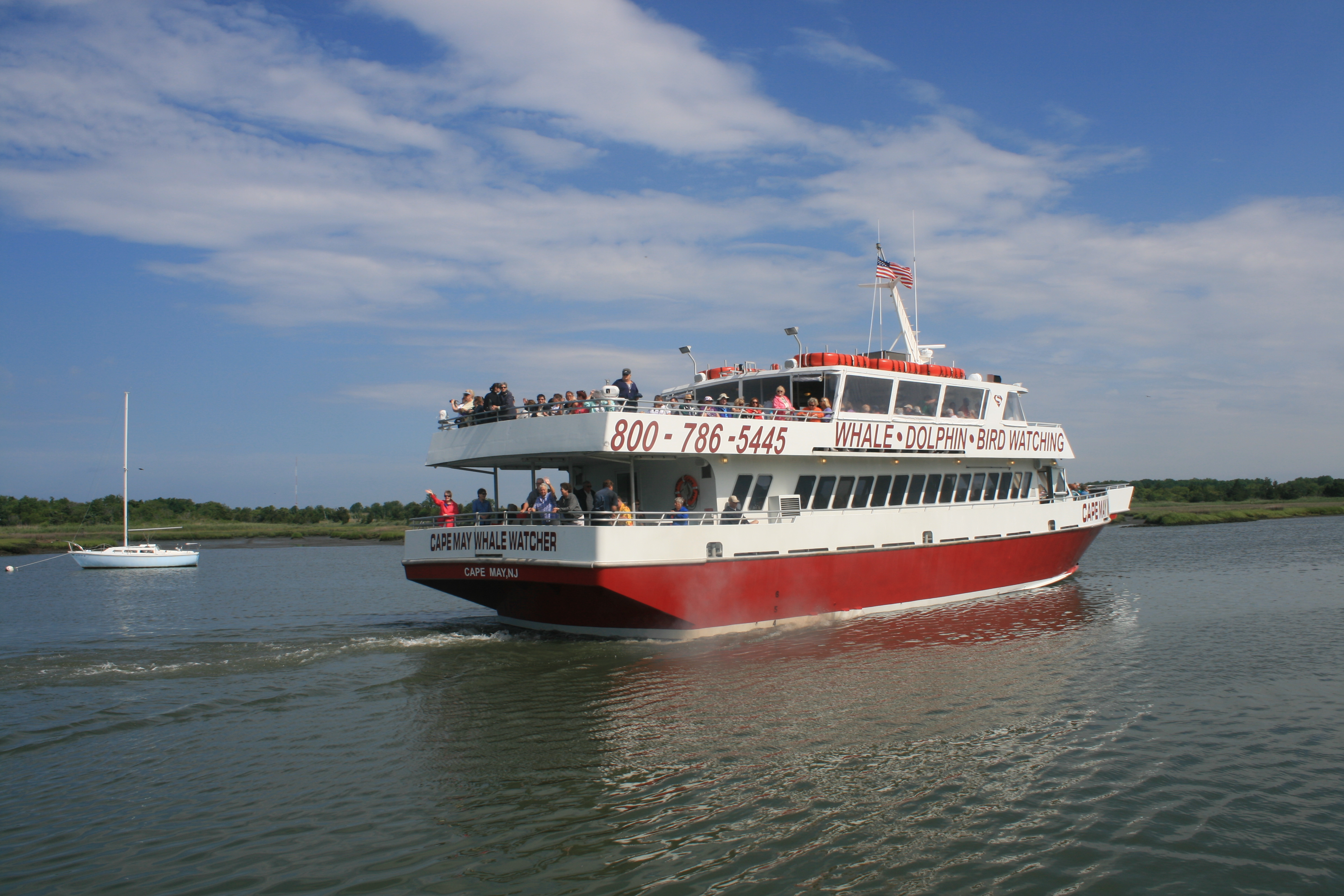
On the marina spectrum, Miss Chris is definitely at the man end. It has fuel, bait, fishing trips, but it has no showers and no laundry. There are whale trips too.

Whale trip leaving from next to Miss Chris Marina

Whale trip leaving from next to Miss Chris Marina

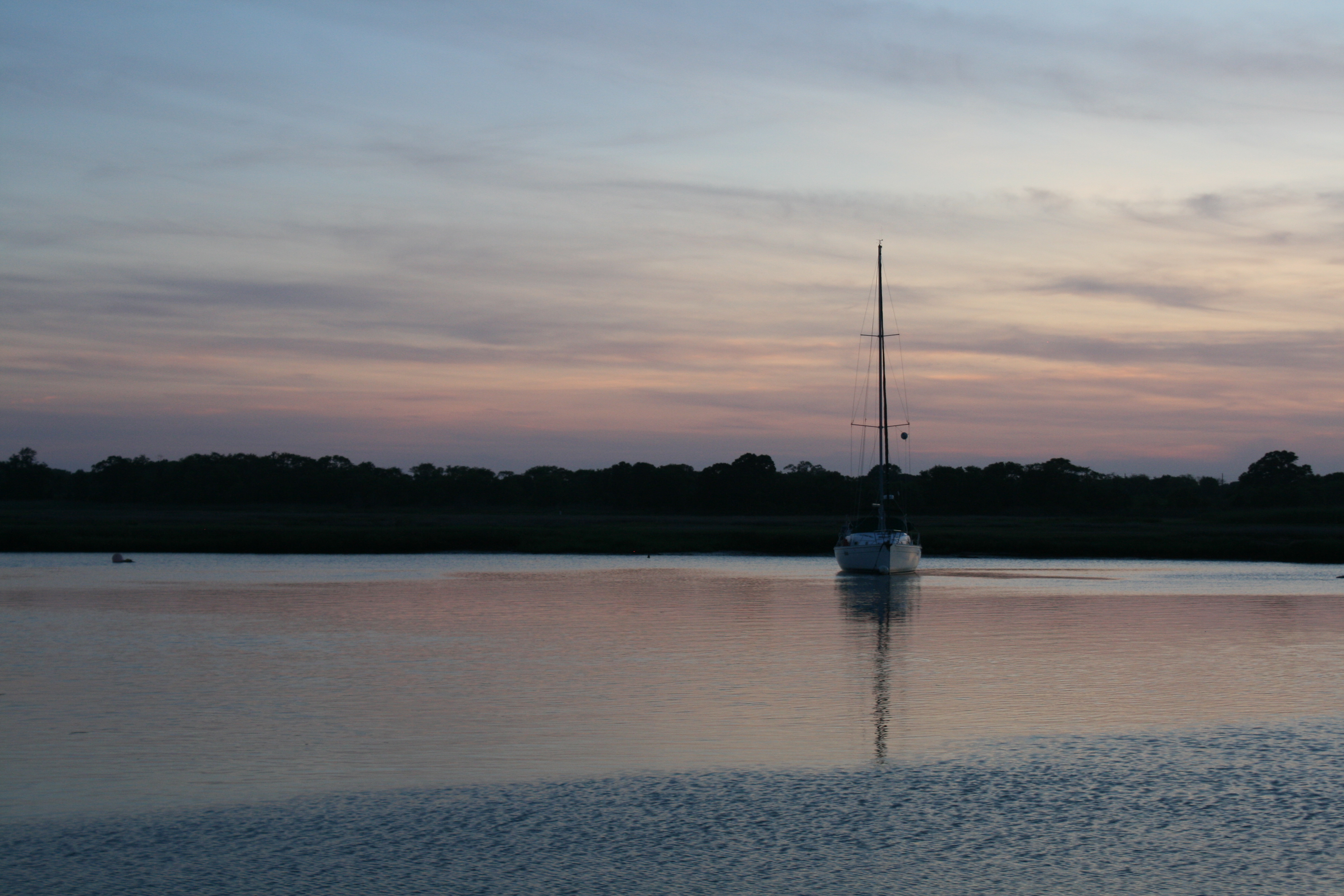
We did see a nice sunset though, and had a very good meal at the nearby Lucky Bones Restaurant. The name of the restaurant was a reference to the charms that the fishermen would take out with them to protect against misfortune when they were at sea.

Sunset at Miss Chris Marina

Sunset at Miss Chris Marina

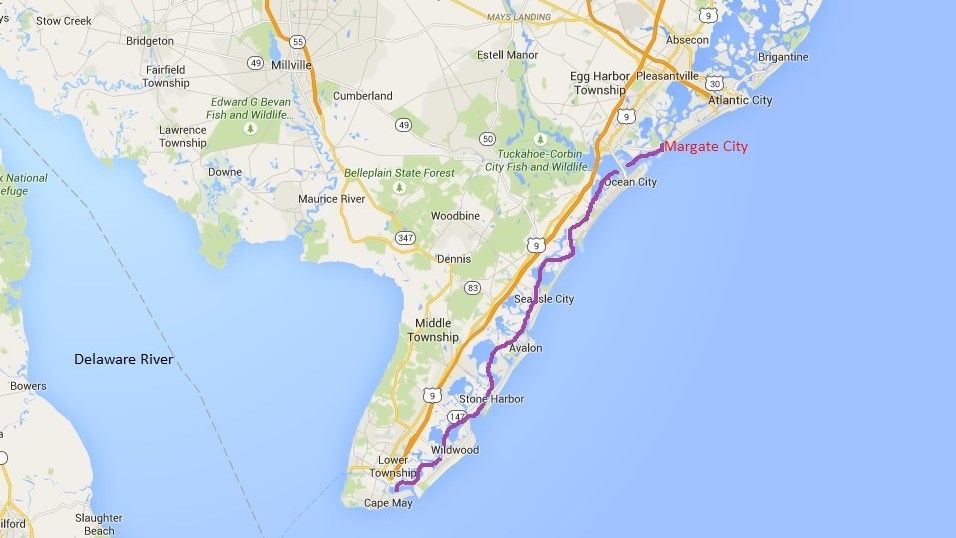
Our journey up the New Jersey coast to Sandy Hook, which is the last stretch before we get to New York, takes us through a maze of barrier islands, sounds and inlets and the Captain was getting quite exercised about the navigational challenges, ie the possibility, and likelihood, of running aground on one of the many shoaling areas.

Cape May to Margate City

Cape May to Margate City

Crossing Richardson Sound

Crossing Richardson Sound

Shoaling near Stone Harbour

Shoaling near Stone Harbour

Townsend's Inlet

Townsend’s Inlet

Sea Isle City

Sea Isle City

But we had a smooth journey to Sea View Harbour Marina near Margate City.

Margate City

Margate City

The wind made docking tricky, but there were pretty flowerbeds, good shower rooms, a swimming pool, and I finally got the laundry done.

Bound for the Jersey Shore

After a fortnight of hot and humid weather, it was almost a relief, after the violent thunderstorms of Monday night, to wake up to cool grey skies, and leave Baltimore in the rain, clad in two fleeces and a pair of leggings under my trousers.

Leaving Baltimore Northwest Harbor

Leaving Baltimore Northwest Harbor

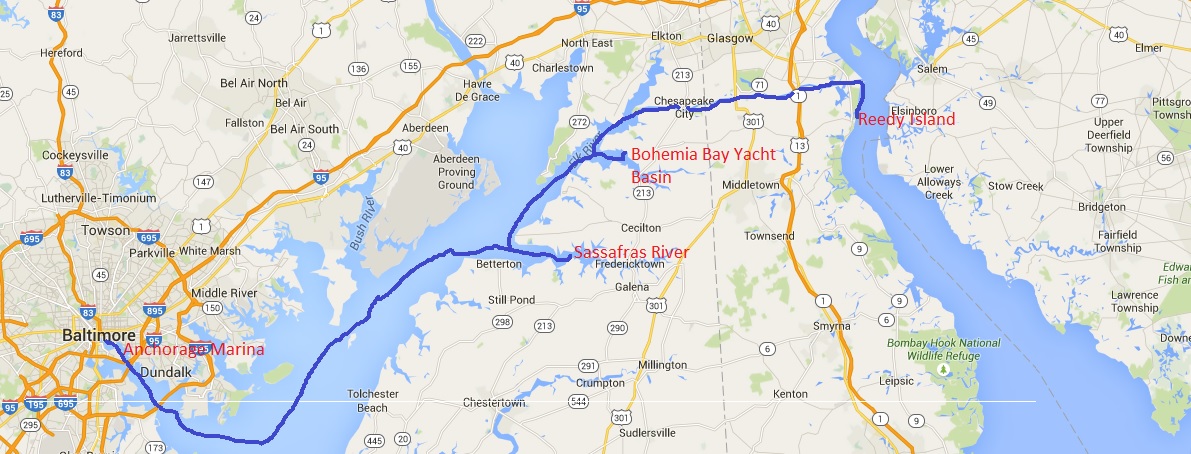
We headed north up the Bay from Baltimore into the Sassafras River and spent two nights at anchor in a quiet creek there, a tranquil contrast to the excitement of Baltimore.

Baltimore to the Delaware River

Baltimore to the Delaware River

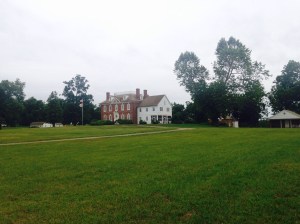
We moored about 300 yards from the jetty of the Mount Harmon Plantation. The house sits on a bluff extending into the Sassafras River, and was built in the 17th Century. At first the plantation produced tobacco, until the crop depleted the soil, and wheat and corn were planted instead.

Mount Harmon House, Back Creek, Sassafras River

Mount Harmon House, Back Creek, Sassafras River

We took the dinghy over and walked up to the house in time for the 11am opening. All seemed strangely quiet, despite a sign on the porch saying ‘tours start here’. We rattled the door, and eventually a young woman appeared, and told us that the house was open only on Thursdays to Sundays. It was Wednesday. But if we were members, we could stroll through the grounds and follow the trails.

We weren’t, but we did anyway, and as we followed the Pond Trail through an uncut meadow, we were rewarded by the sight of several white-tailed deer leaping high out of the grass and bounding away towards the shelter of the woods. There were wild strawberries growing along the path, and the birdsong sounded in the quiet stillness.

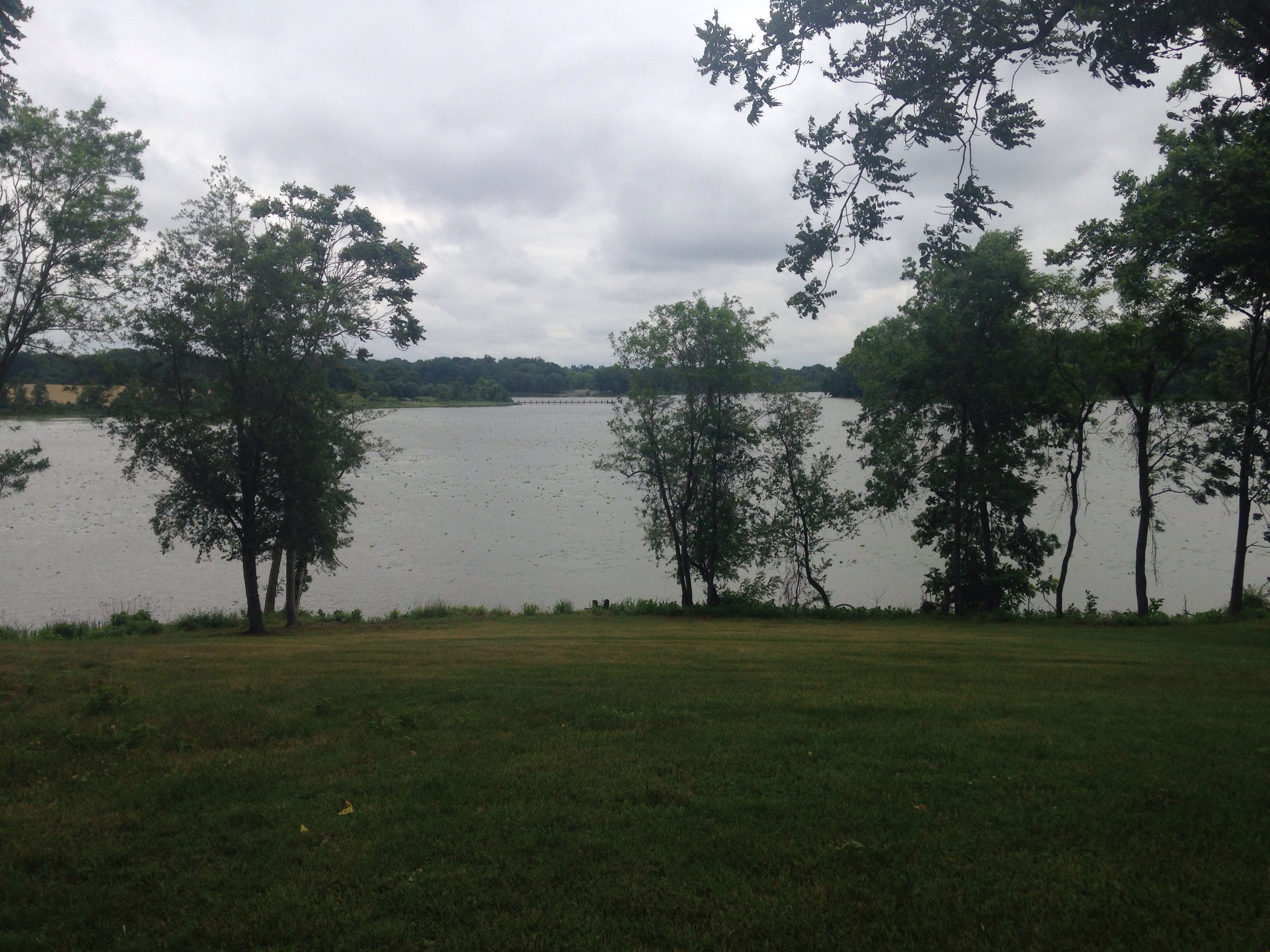
Looking north from Mount Harmon over the Sassafras River

Looking north from Mount Harmon over the Sassafras River

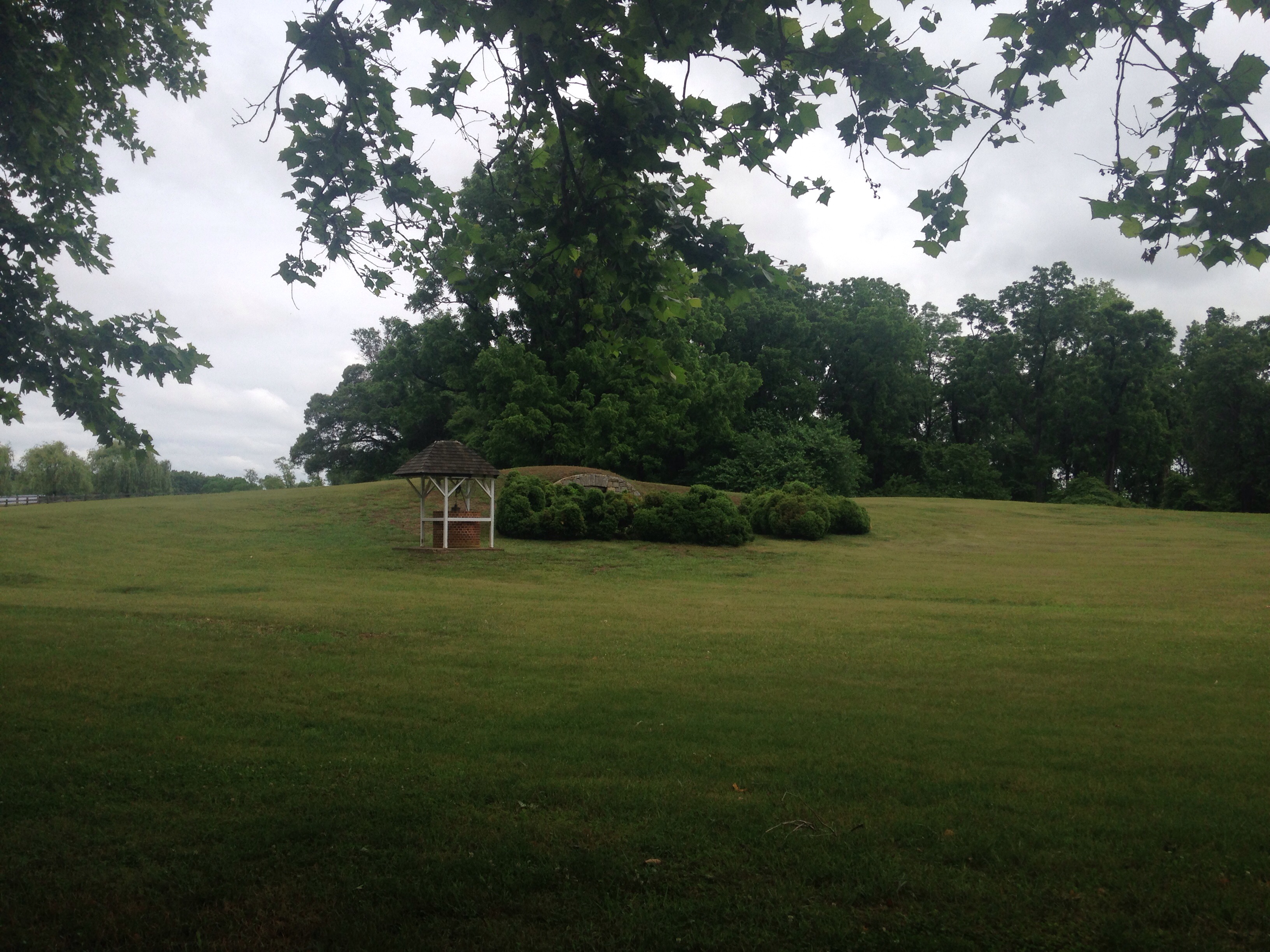
Well and Ice House

Well and Ice House

The old working buildings have been preserved and just above the river was the wooden Prize House, where the tobacco leaves were compressed to half their volume before being transported down Chesapeake Bay and then exported to England.

The Prize House

The Prize House

We followed the Cliff Trail round back to the jetty and had our picnic lunch before going back to Carina.

The Sassafas River from the Cliff Trail, Carina in the background

The Sassafas River from the Cliff Trail, Carina in the background

After several weeks of zig-zagging across the Chesapeake Bay, vaguely feeling that this was all very lovely but we weren’t making much progress and NYC still seemed a long way away and we’ve only got six weeks left and only five if you count the week we’ll spend with the family before we go home, suddenly we’re on our way.

The Sassafras River is nearly at the most northerly tip of the Chesapeake Bay, and after one night at the Bohemia Bay Yacht Basin, we were all set to pass through the Chesapeake-Delaware Canal, spend fifteen minutes cutting through the top end of Delaware, and then we’d be in New Jersey.

Leaving Bohemia Bay Yacht Basin

Leaving Bohemia Bay Yacht Basin

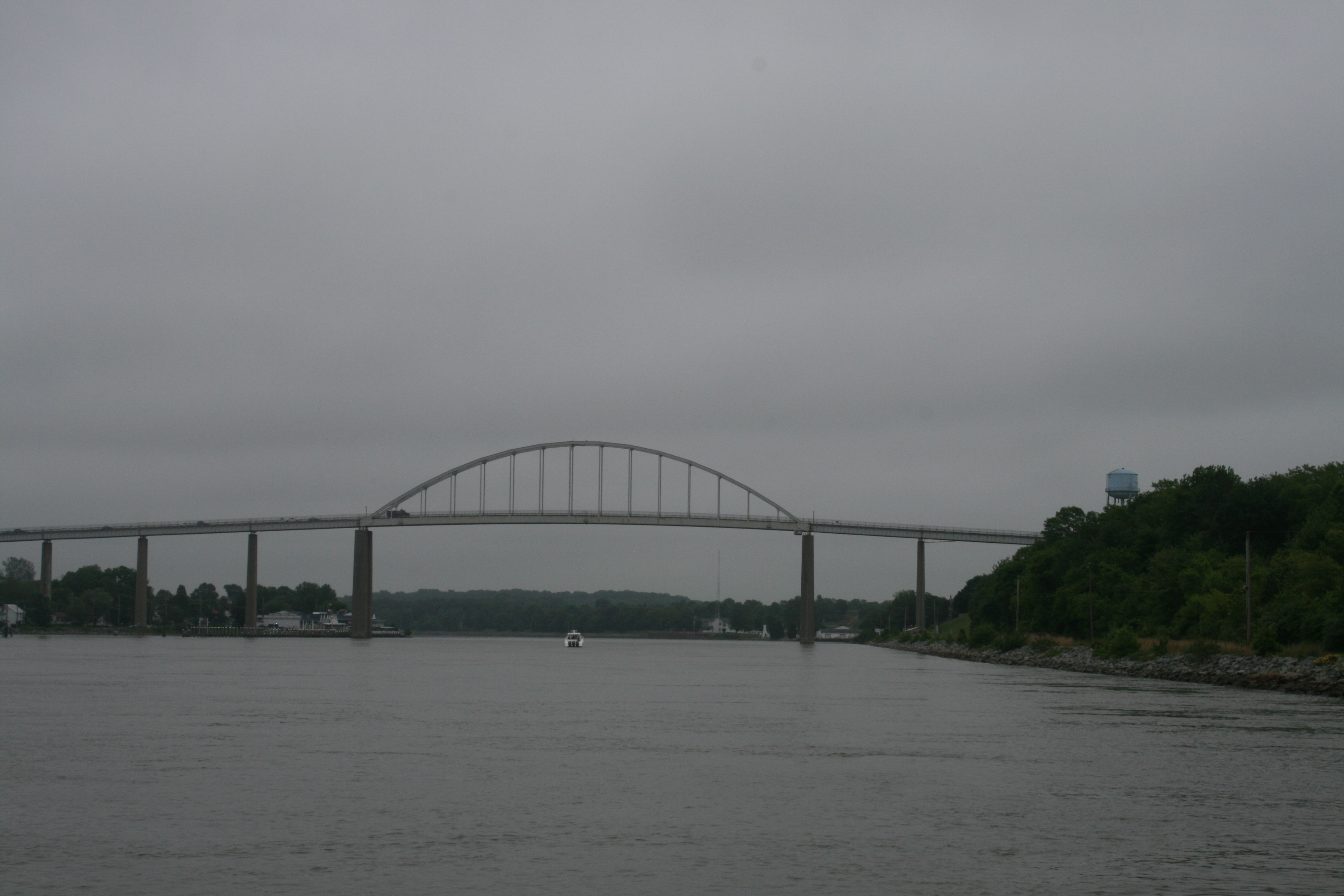
The Chesapeake-Delaware Canal is a big shipping channel, with some nice bridges.

Chesapeake City Fixed Bridge

Chesapeake City Fixed Bridge

St Georges Bridge West

St Georges Bridge West

On the C-D Canal

On the C-D Canal

Two years ago, when the trip was just a twinkle in the Captain’s eye, I stood beside the Delaware River in Philadelphia, wondering how I could possibly cope with being on a small boat in such an expanse of water.

Today we entered the river from the canal, and it really isn’t so bad after all. We moored up at Reedy Island, ten miles downstream, ready for the 48-mile journey tomorrow, down the river to Cape May, NJ. We saw the first patch of blue sky for five days, and a pale sun gradually came out.

The small print came into focus too. I’ve been told I have to get up at ‘first light’ – 5am – to take advantage of the tide, at the beginning of what will be a very long day.

It will be pay-back time for real, and in style, when we finally get to Cape May.

Reedy Island, Delaware River

Reedy Island, Delaware River

IMG_9561

Storm clouds gathering later on

Storm clouds gathering later on

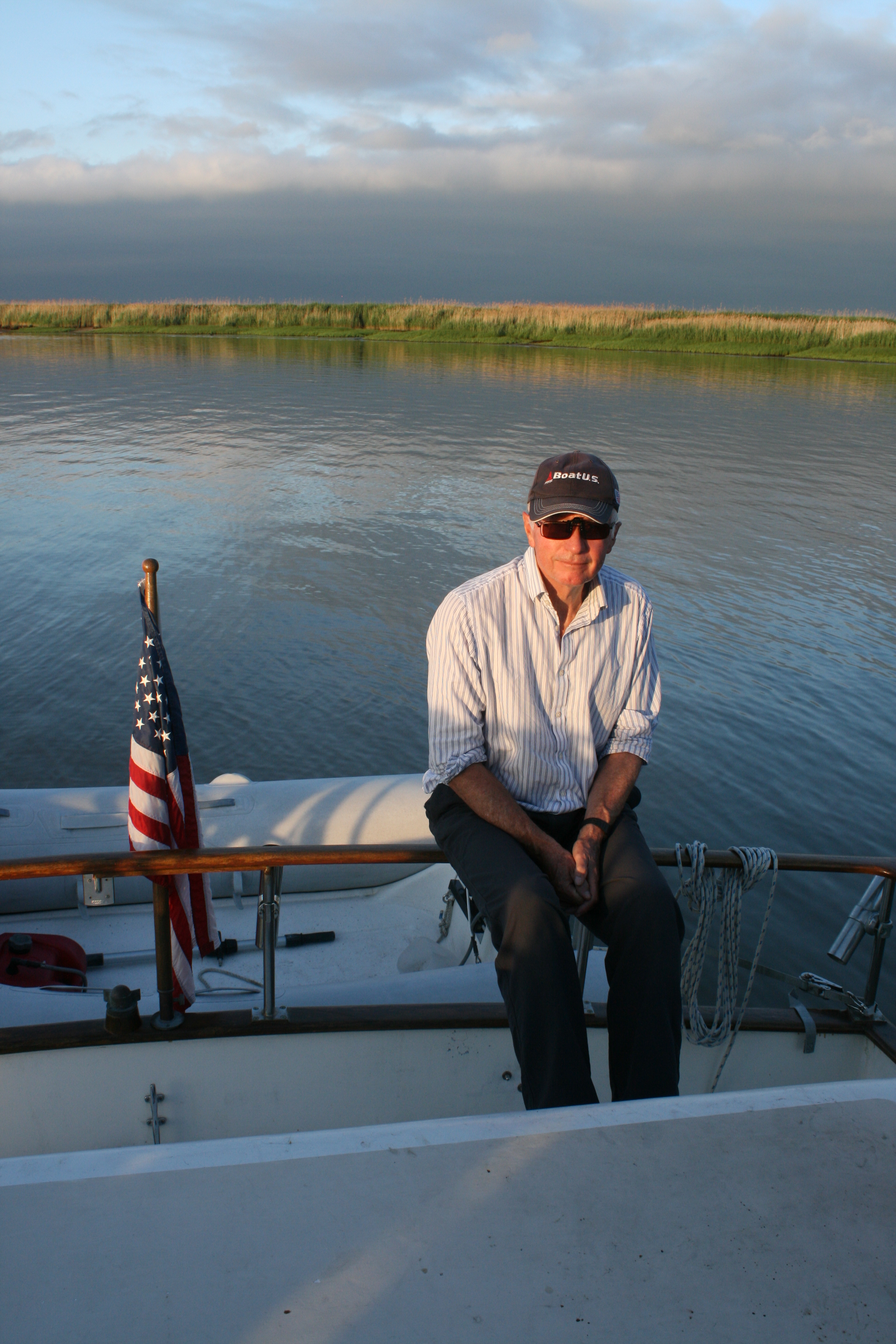
The Captain in relaxed mode

The Captain in relaxed mode


Annapolis and Charm City

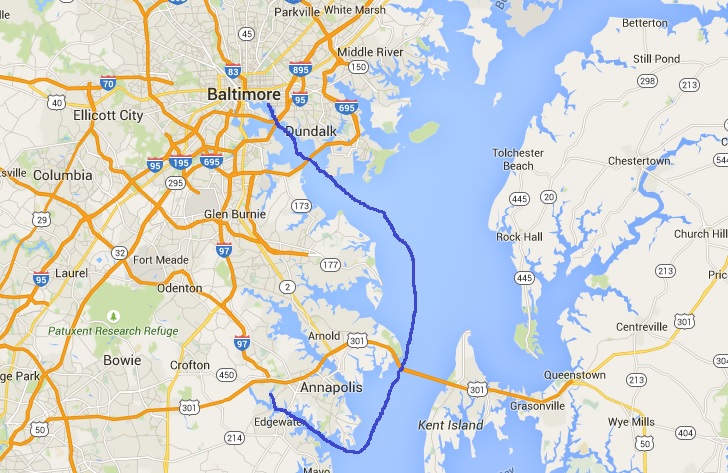
Annapolis to Baltimore

Annapolis to Baltimore

It was pouring with rain when we arrived at the State Capital of Maryland, Annapolis, but the next day the sun shone for the arrival of an excited little VIP who was looking forward to sleeping over on Grandad’s boat.

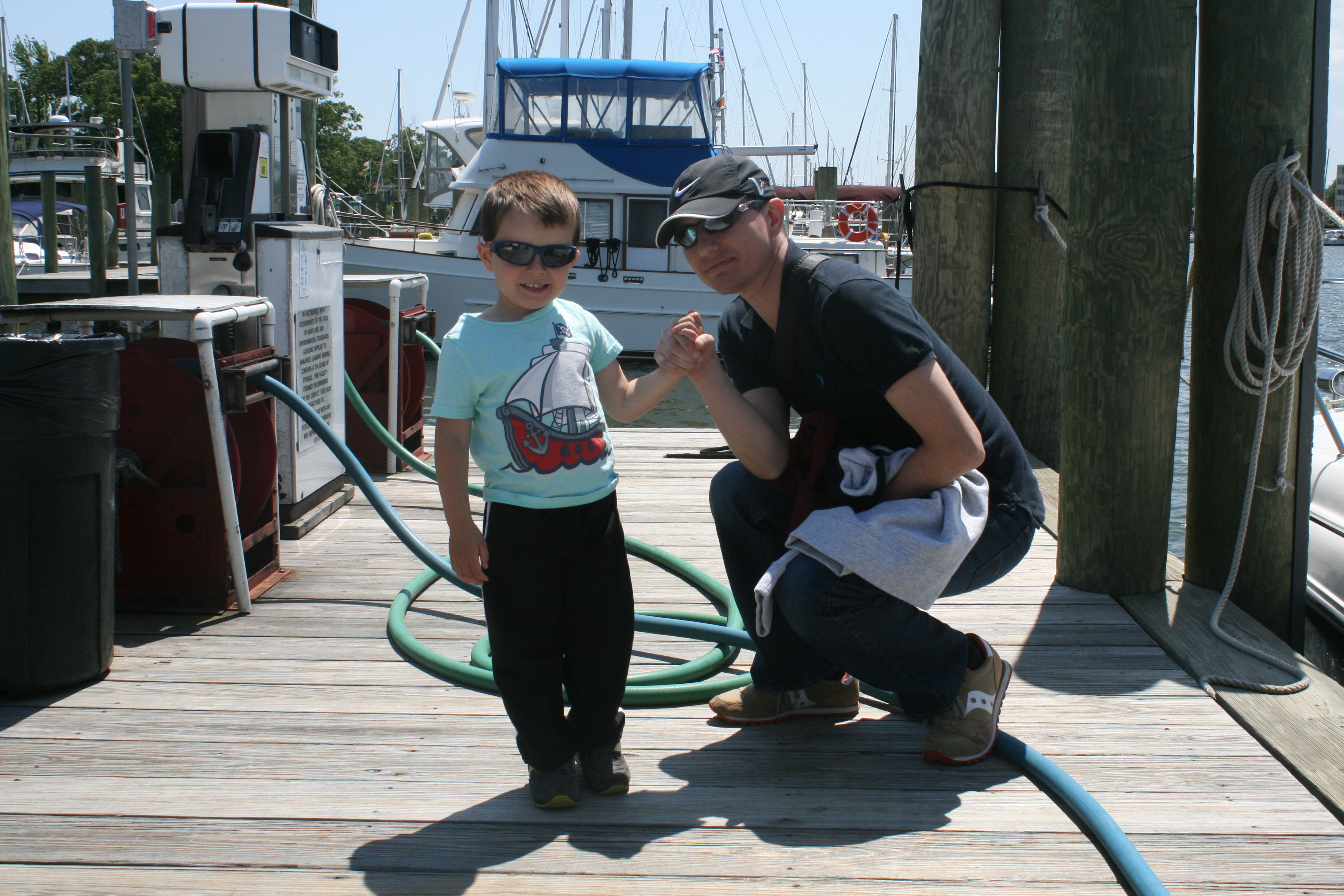
Ewan and Ted arrive at Annapolis Landing Marina

Ewan and Ted arrive at Annapolis Landing Marina

The marina was very pleasant, and Ian got a friendly greeting from Dusty, the Assistant Dockmaster.

‘You need a new hip.’

He was a retired Orthopaedic surgeon .

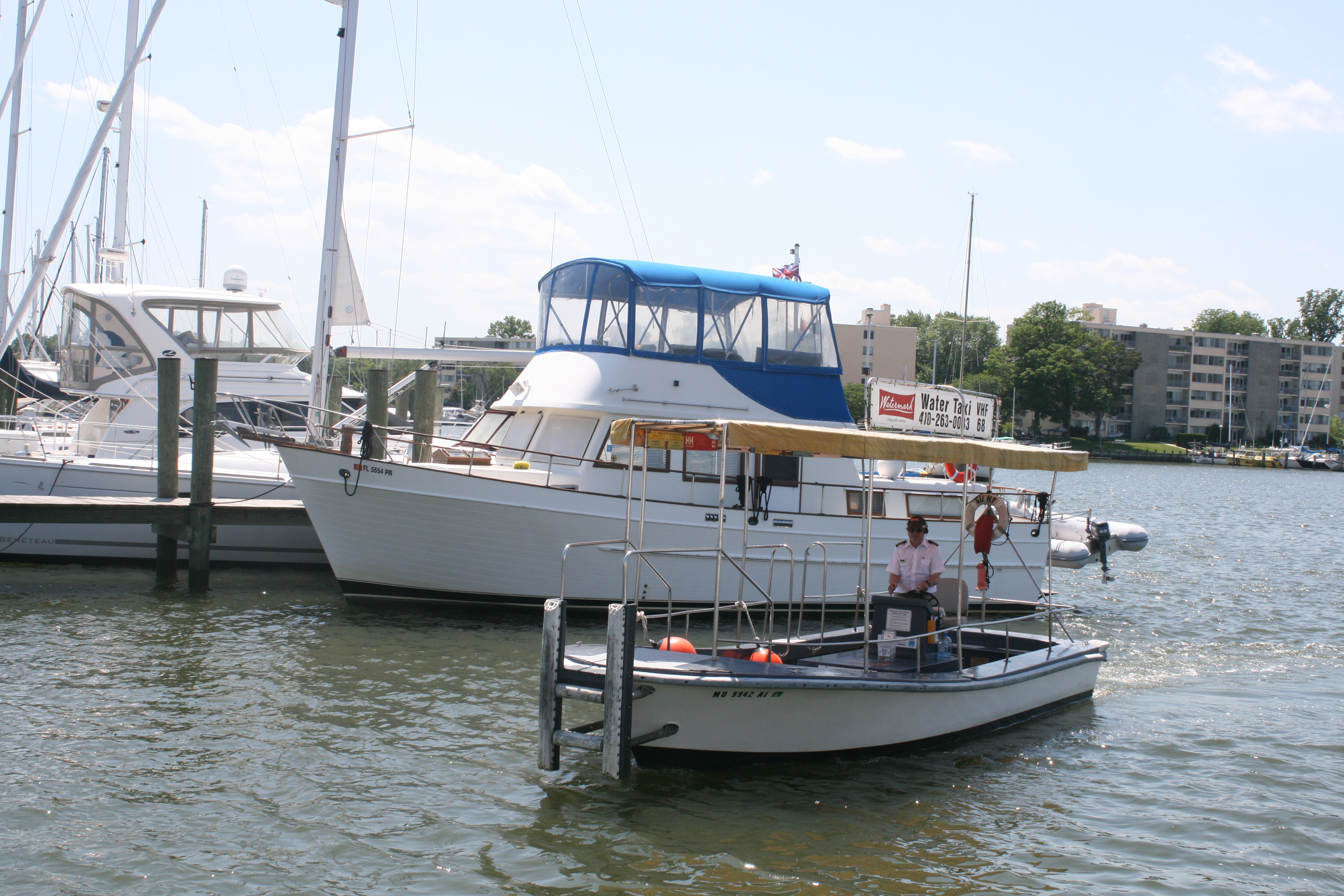
We were a couple of  miles across the water from the City Dock, so we took the water taxi which called at the marina.

The Annapolis Water Taxi with Carina in the background

The Annapolis Water Taxi with Carina in the background

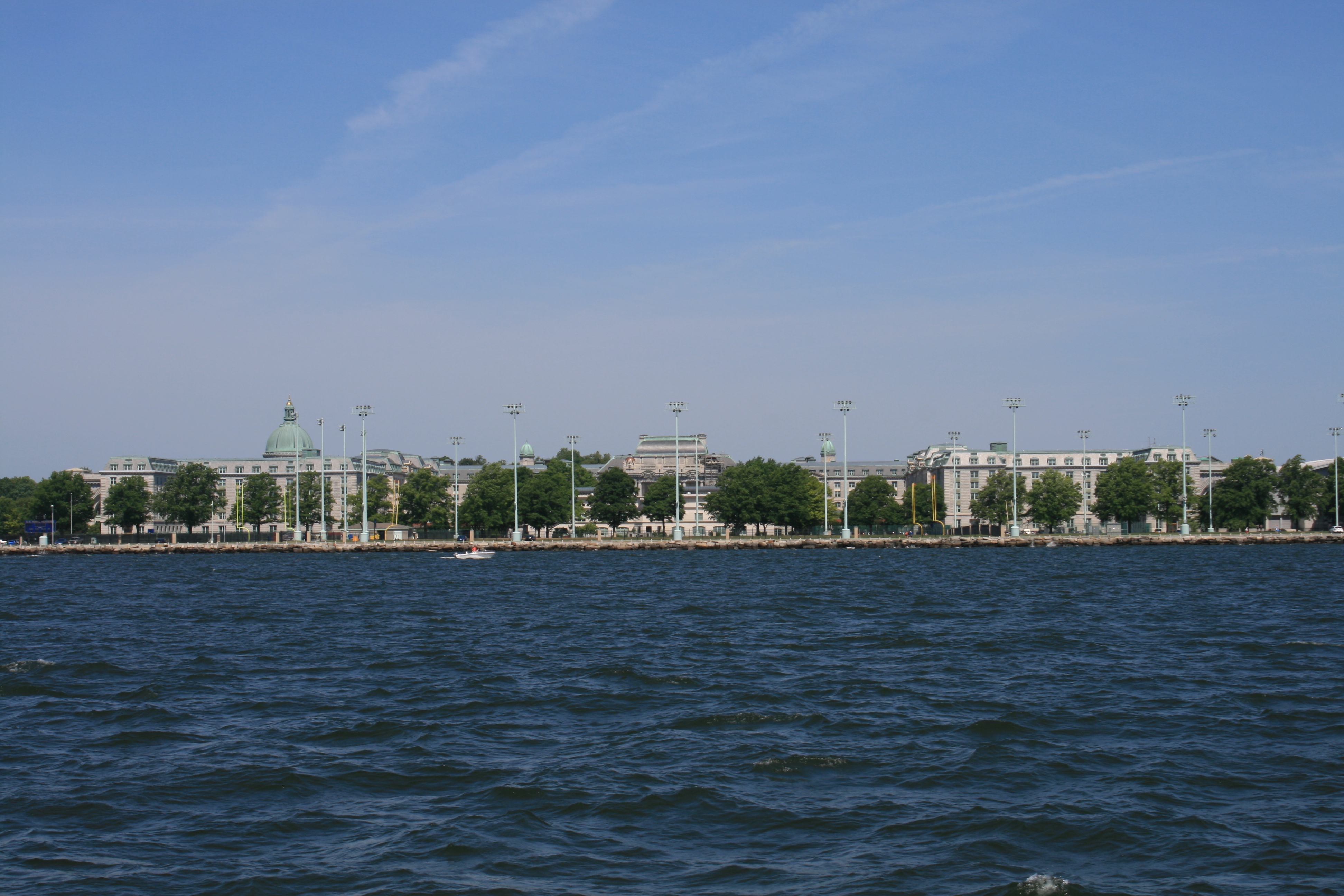
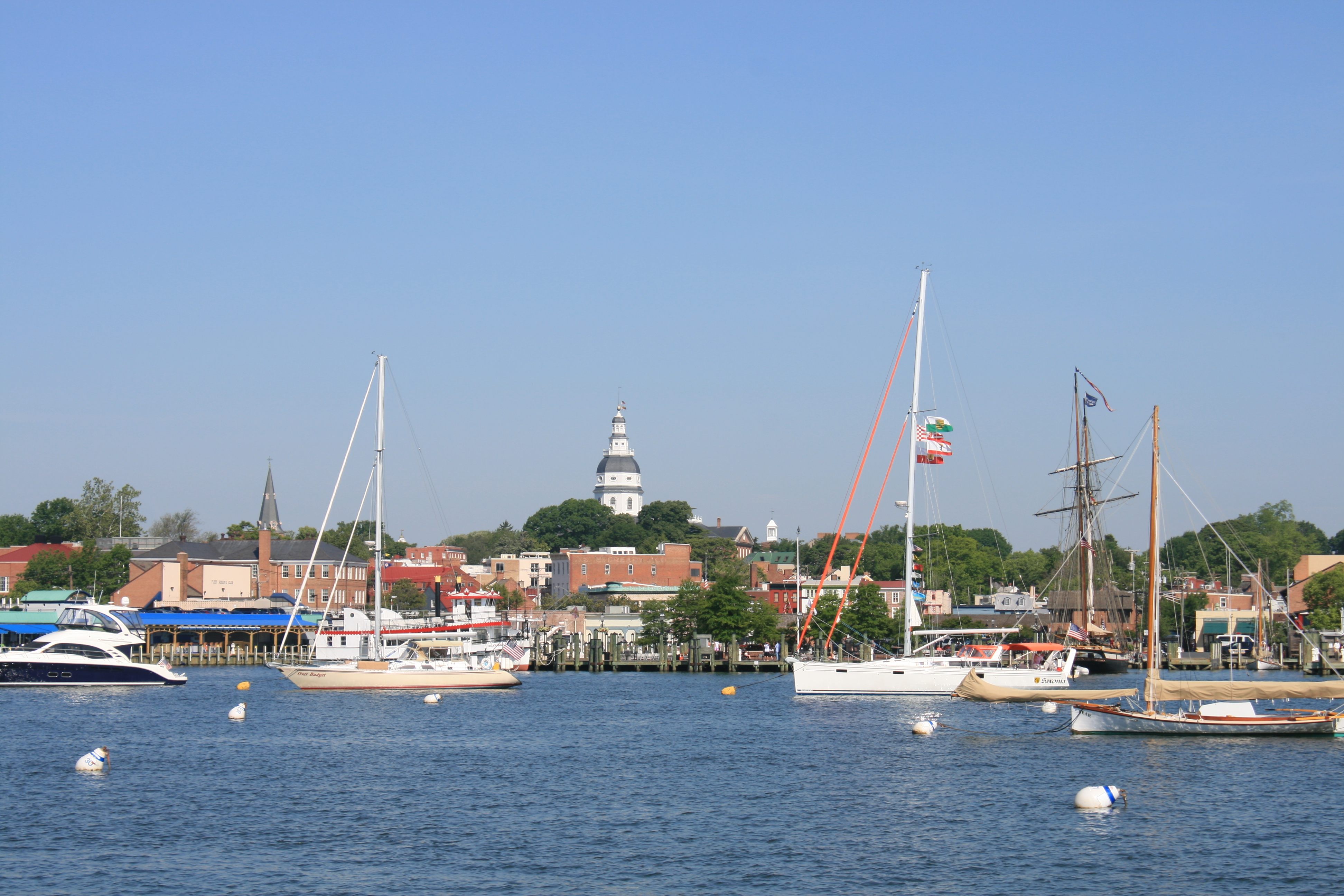
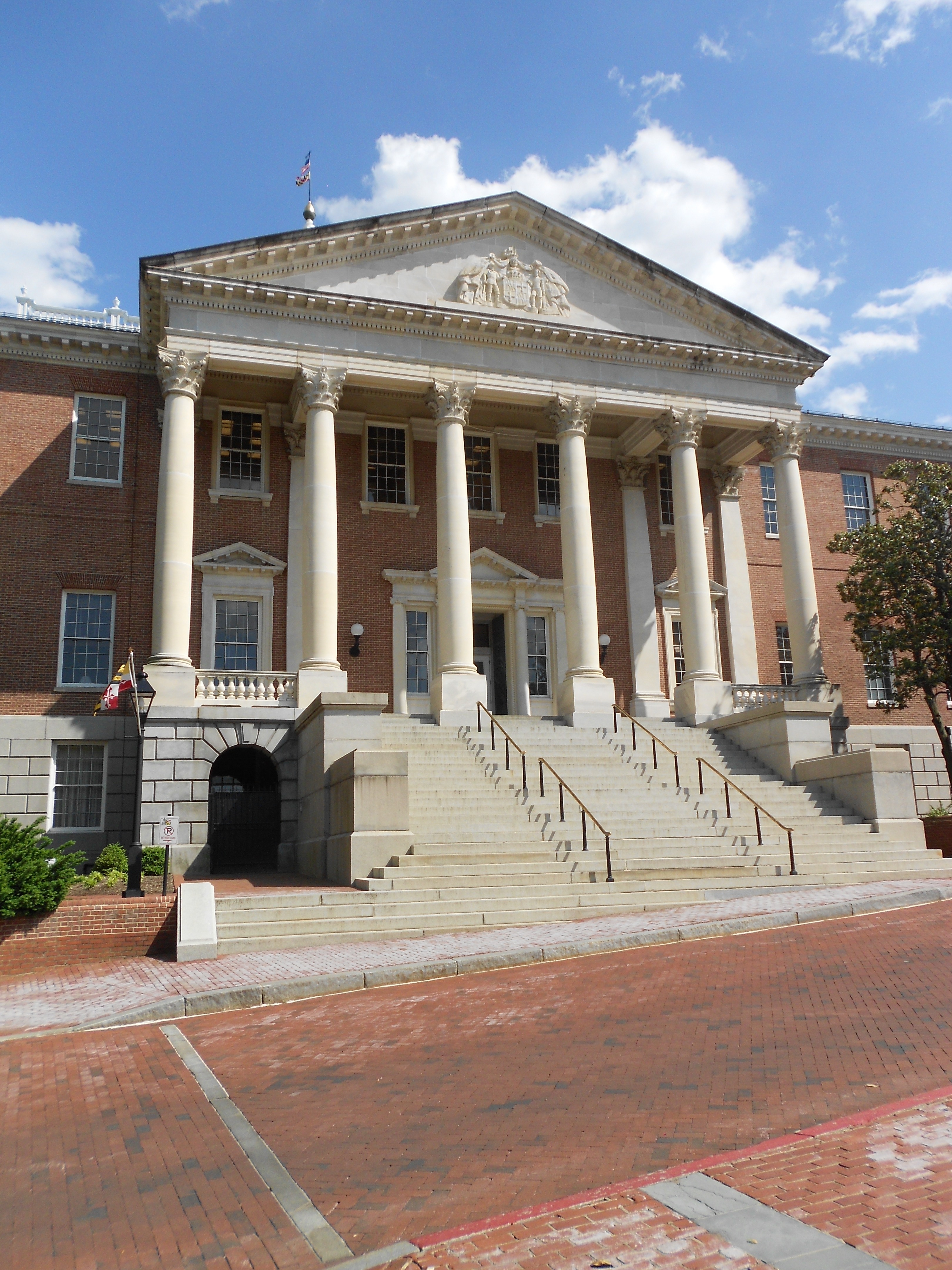
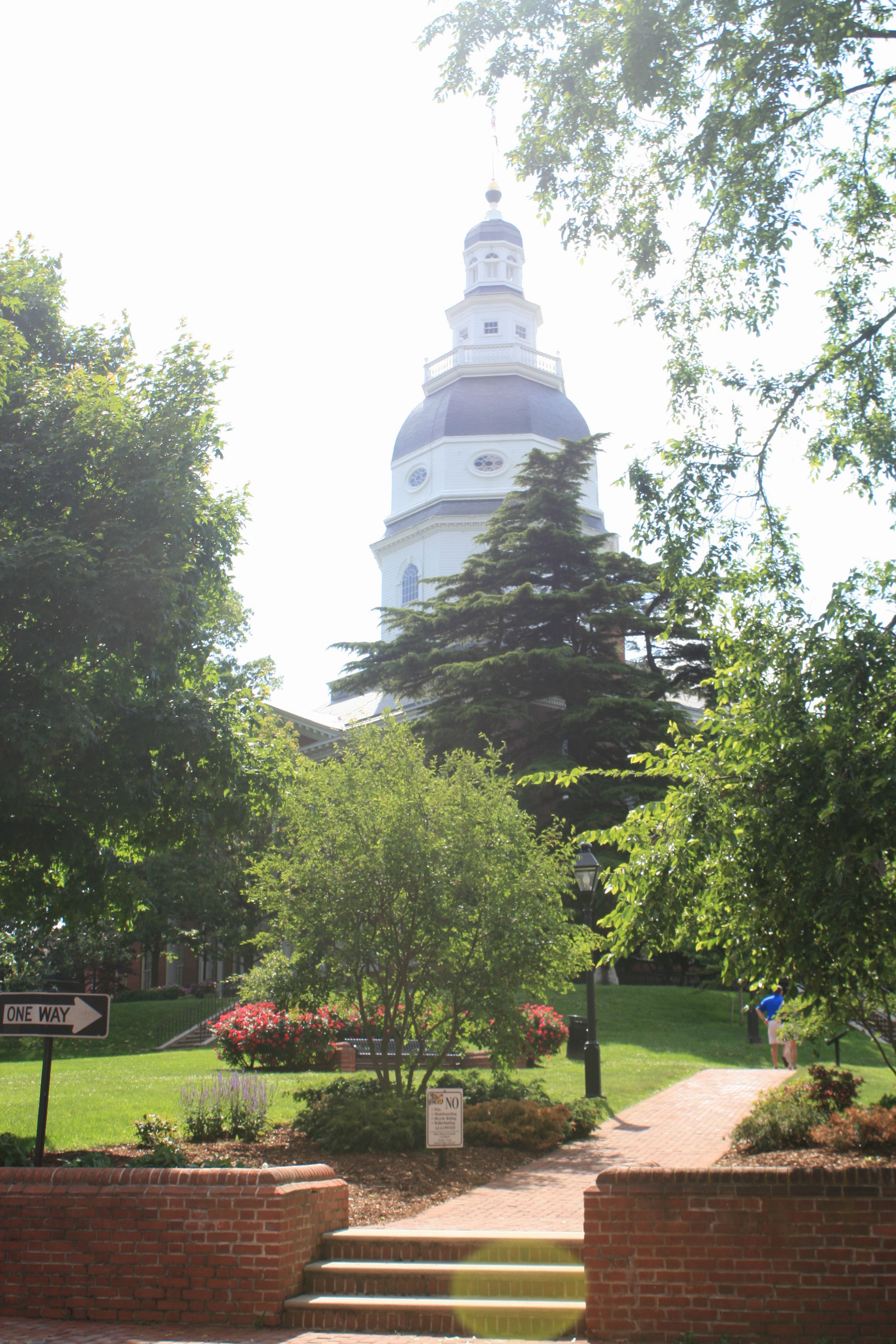
The Annapolis horizon is dominated by the Chapel of the U.S. Naval Academy on the shoreline, and the Maryland State House, which is built on a small hill with the old streets radiating from State Circle, and overlooks the whole city. It’s the oldest Legislative Building still in use in the country.

US Naval Academy, Annapolis

US Naval Academy, Annapolis

The Maryland State House, Annapolis

The Maryland State House, Annapolis

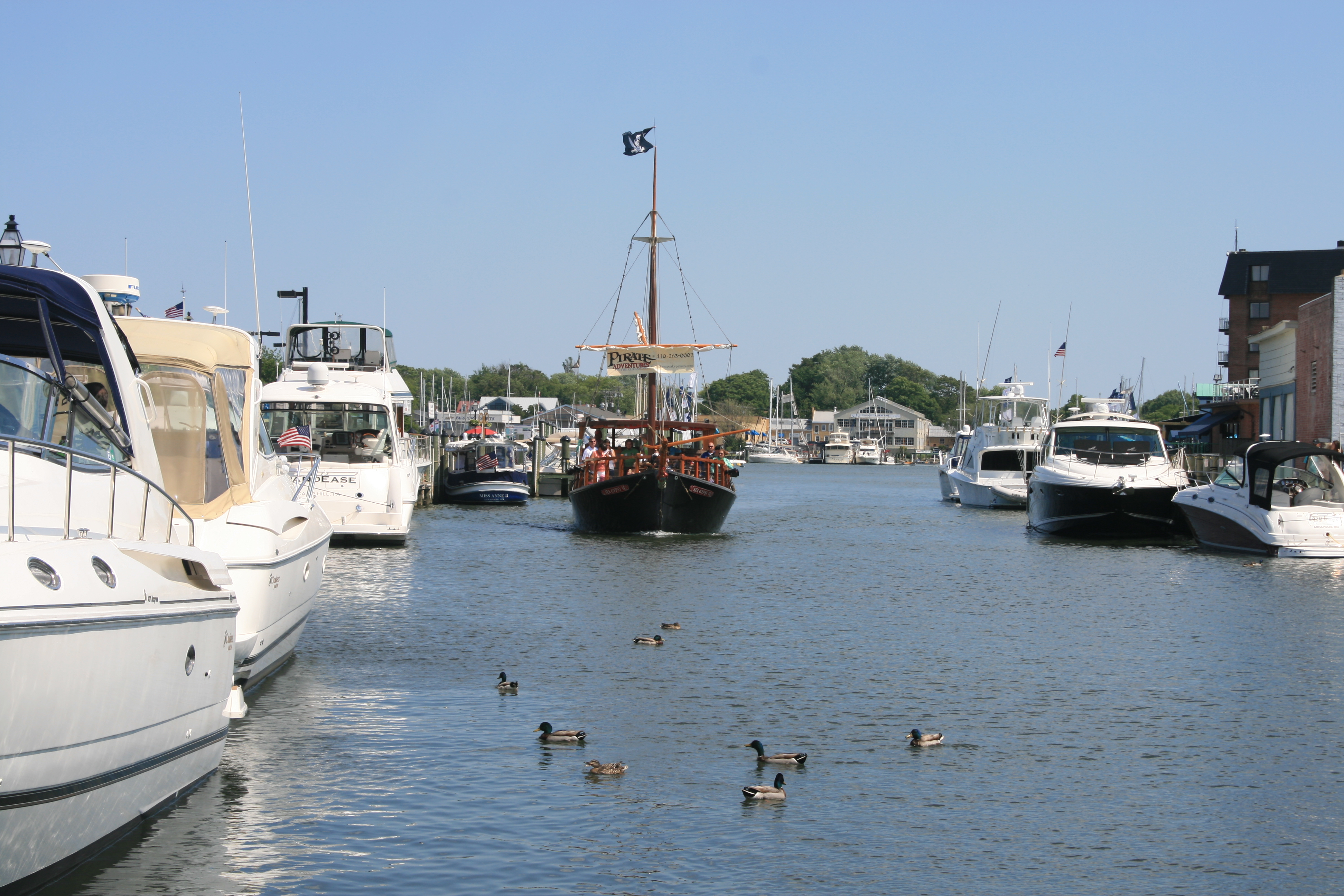
City Dock, Annapolis

City Dock, Annapolis

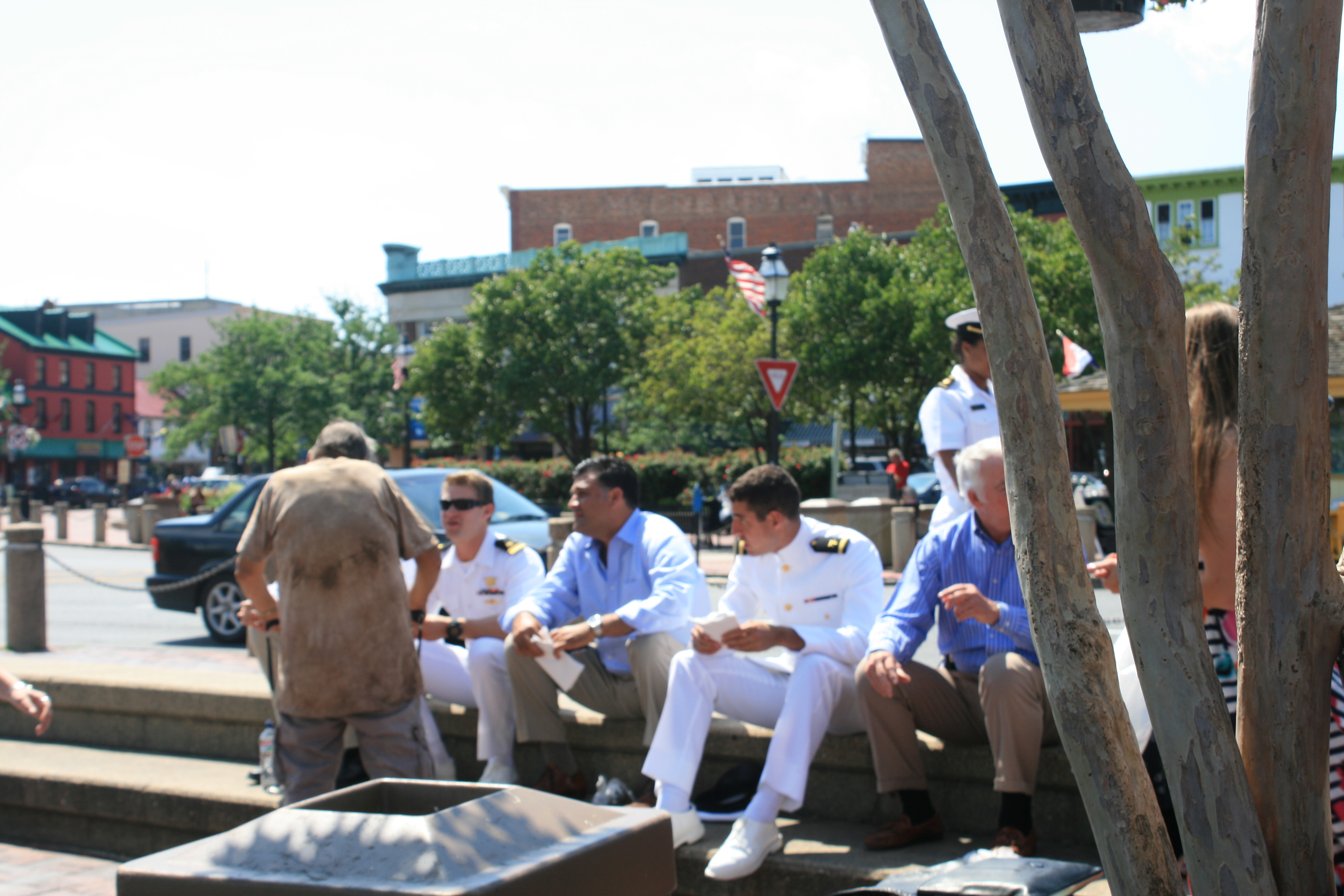
It was Memorial Day weekend, and Graduation Day at the Naval College too, so there was a festive air with lots of flags out and congratulations for the graduating officers.

Enjoying the sunshine

Enjoying the sunshine

After the promised ice-cream, eaten by the City dock with a lot of other people enjoying the sunshine, and a rather tuneless Bob Dylan-wannabe busker, we wandered up the hill to the State House.

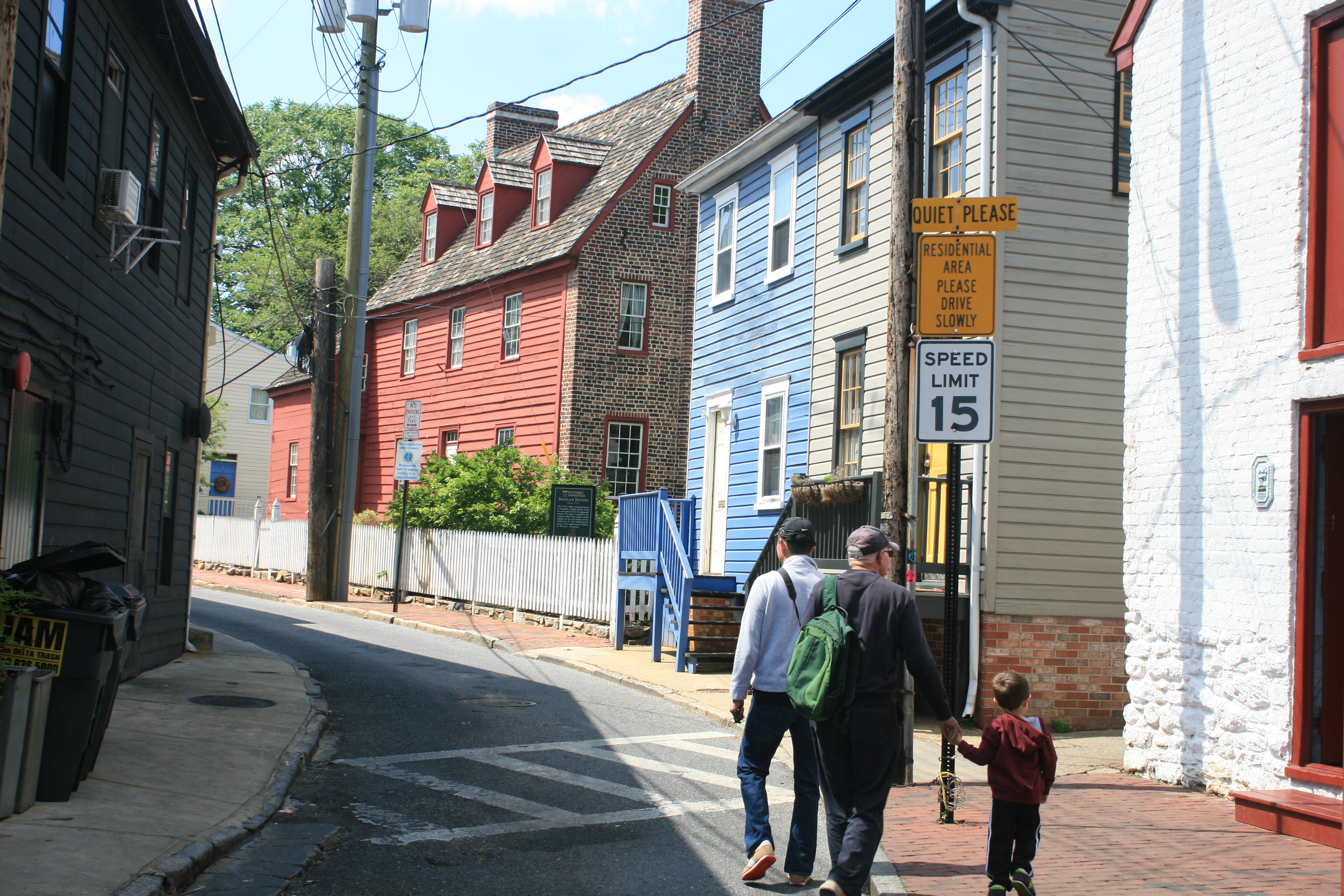
Pinkney Street

Pinkney Street

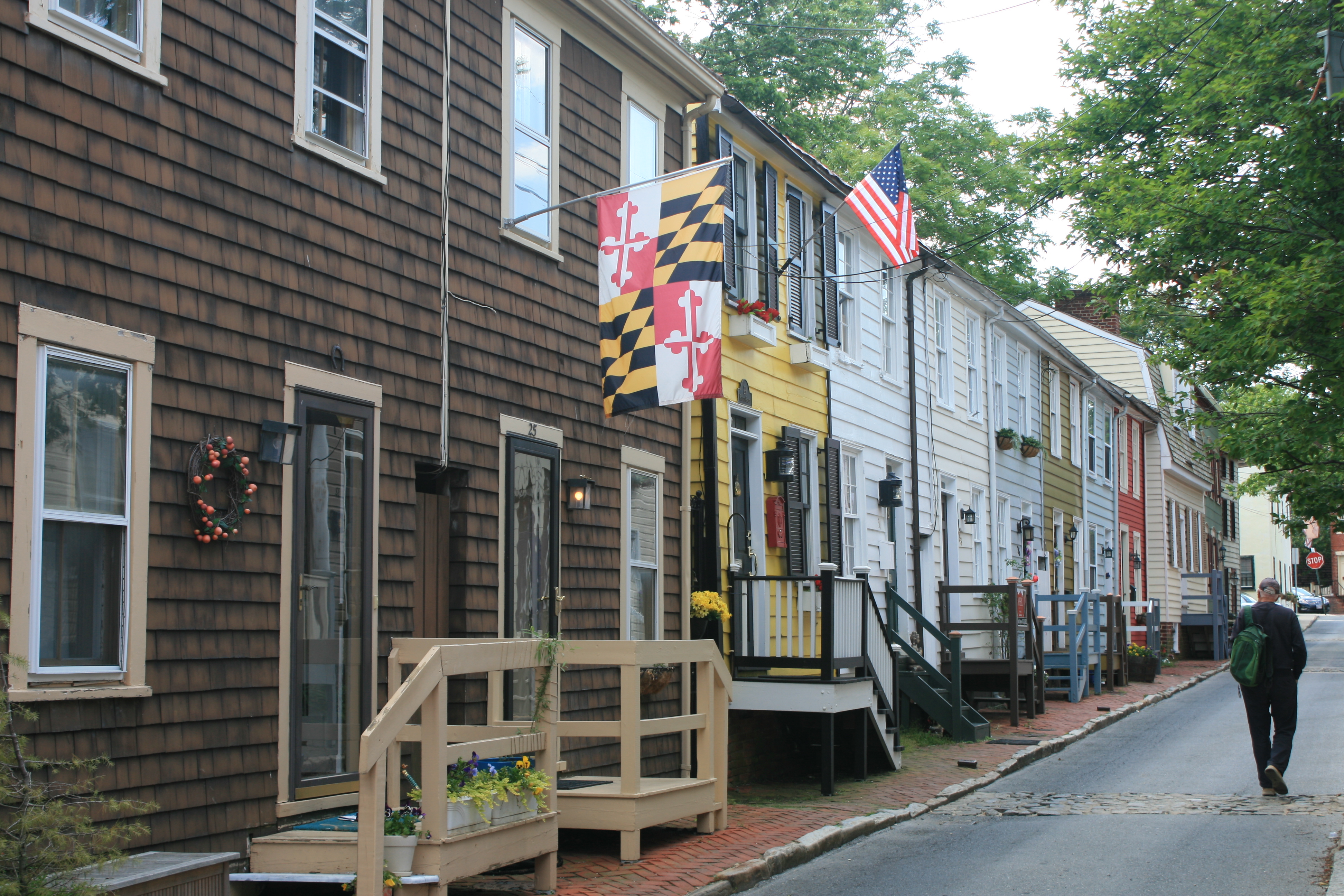
Pinkney St and the Maryland State Flag

Pinkney St and the Maryland State Flag

The Maryland State House

The Maryland State House

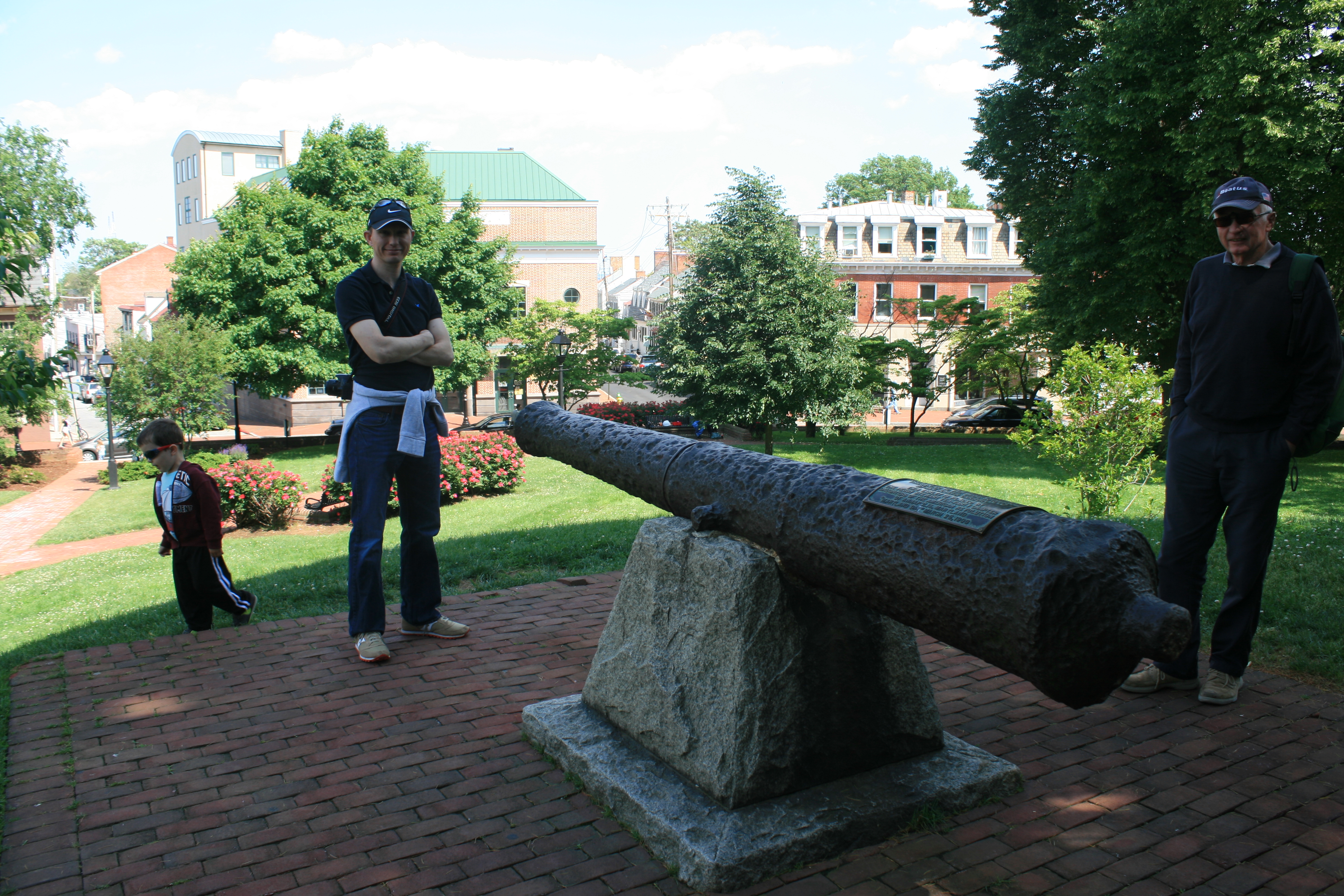
Outside the State House

Outside the State House

IMG_9481

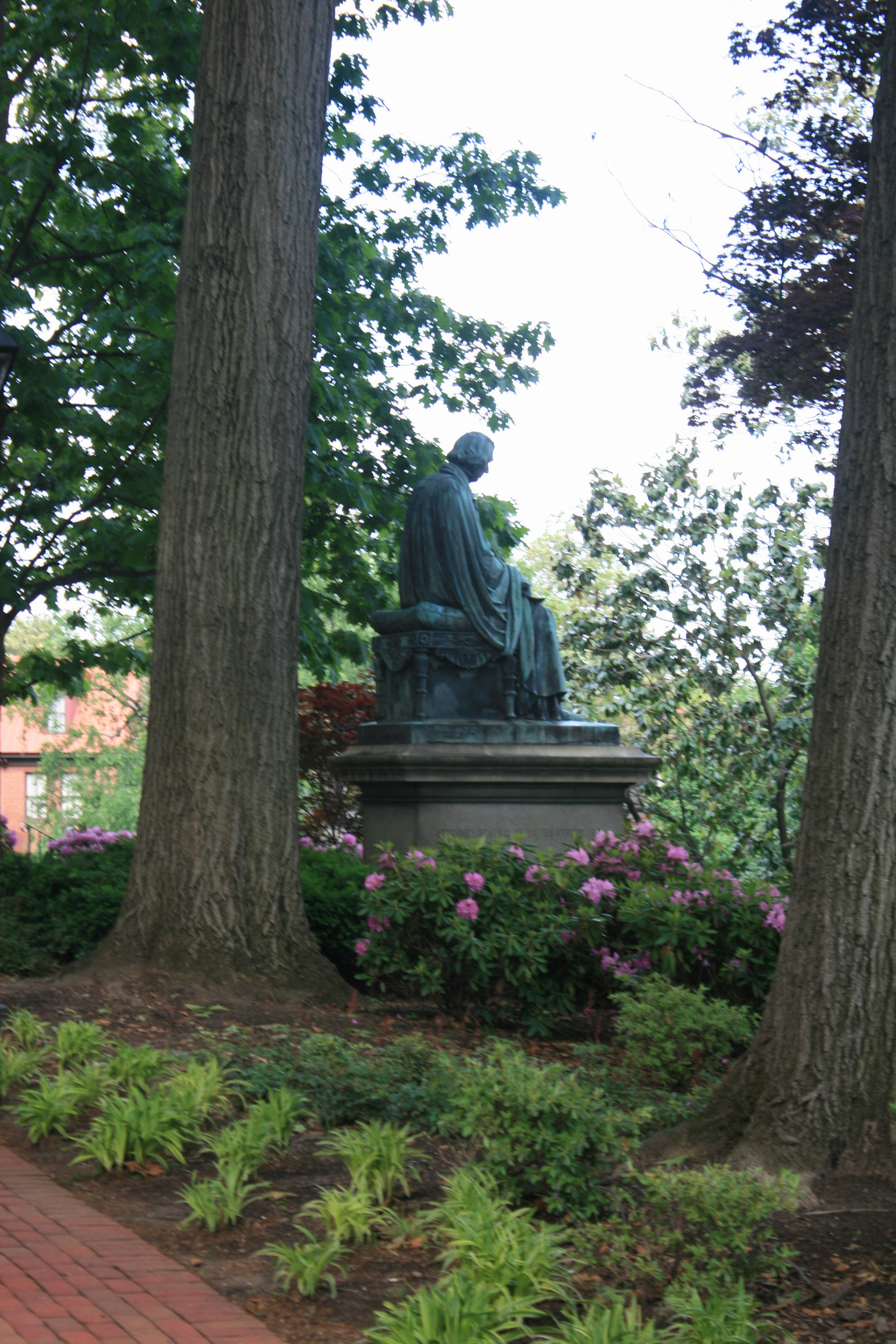
Statue of Roger Brooke Taney outside the State House

Statue of Roger Brooke Taney outside the State House

Maryland State House from State Circle

Maryland State House from State Circle

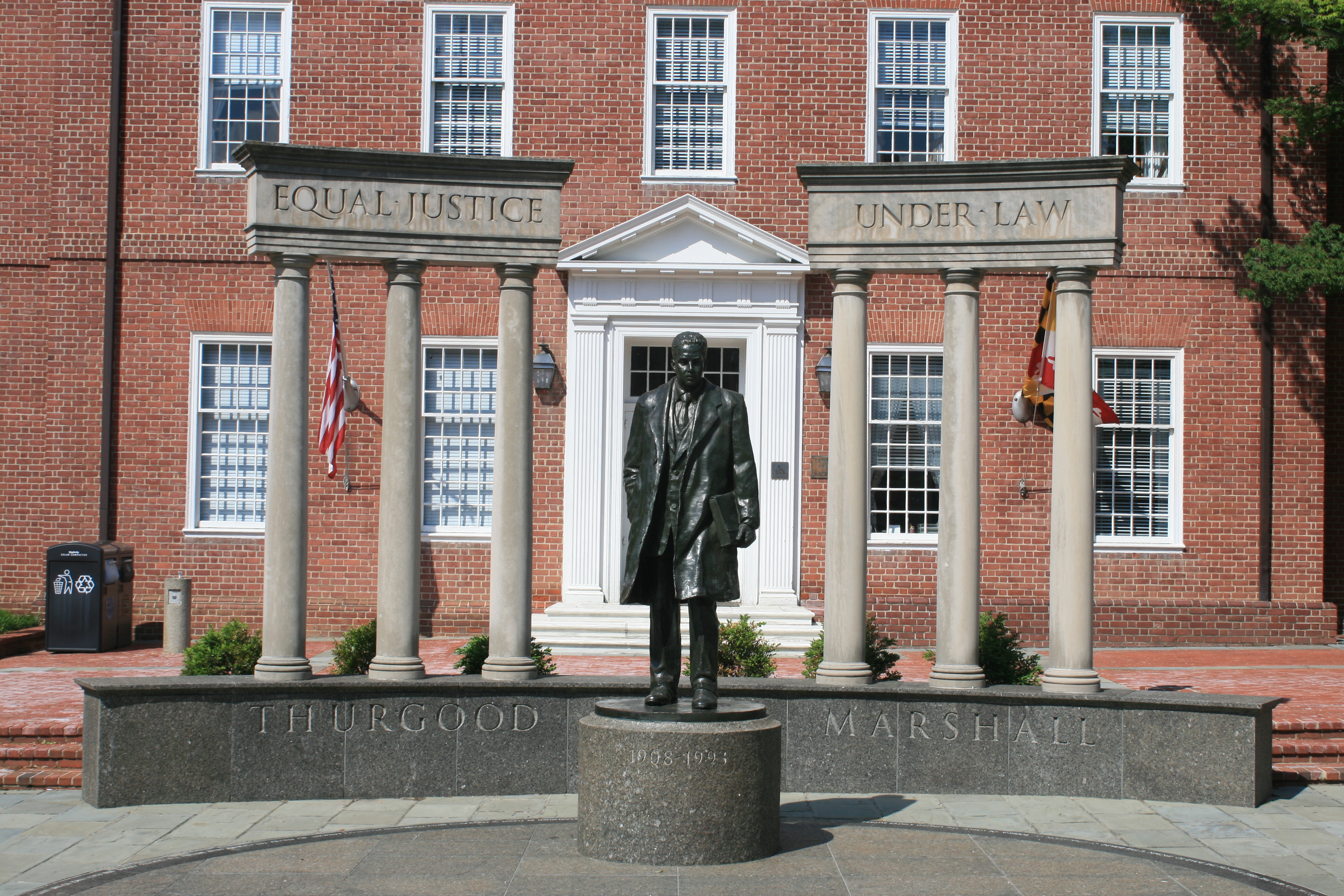
Thurgood Marshall was a son of Baltimore,  an Associate Justice of the U.S. Supreme Court, and its first African American Justice. His statue stands in Lawyers’ Mall, near the State House.

IMG_9488Statue of Thurgood Marshall in the Lawyers' Mall next to the Maryland State House

MainStreet, Annapolis

Main Street, Annapolis

On the Sunday we took Ewan out for a little trip up the creek in the dinghy, and after he and Ted had gone home, crossed over to the City Dock for an inexpensive night on one of the City Harbor buoys, as opposed to a marina.

DSCN0679

Ewan in the dinghy


Unfortunately, a combination of strong winds and wakes from the many other boats plying the waters at speed meant that Carina’s vertical/rotational movements were exceeding the limits of crew acceptability, necessitating a ‘conversation’ with the Captain. It was agreed that he would consult the harbourmaster to see if there were any buoys available elsewhere, so after a pleasant afternoon at the Hammond-Harwood House, followed by tea at the Annapolis Bookstore Cafe, we moved round to a buoy in Spa Creek, where I was able to cook dinner without the pans sliding off the cooker.

Prince George St, Annapolis

Prince George St, Annapolis

The flag outside the house is the Revolutionary Flag, with thirteen stars arranged in a circle.

Hammond Harwood House

Hammond Harwood House

Hammond-Harwood House was built in 1774 for Matthias Hammond, and is regarded as a fine example of Colonial  architecture.

IMG_9506

IMG_9505

Taking tea at the Annapolis Bookstore Cafe

Taking tea at the Annapolis Bookstore Cafe

IMG_9511

Evening at Spa Creek


Next stop Baltimore, aka Charm City.

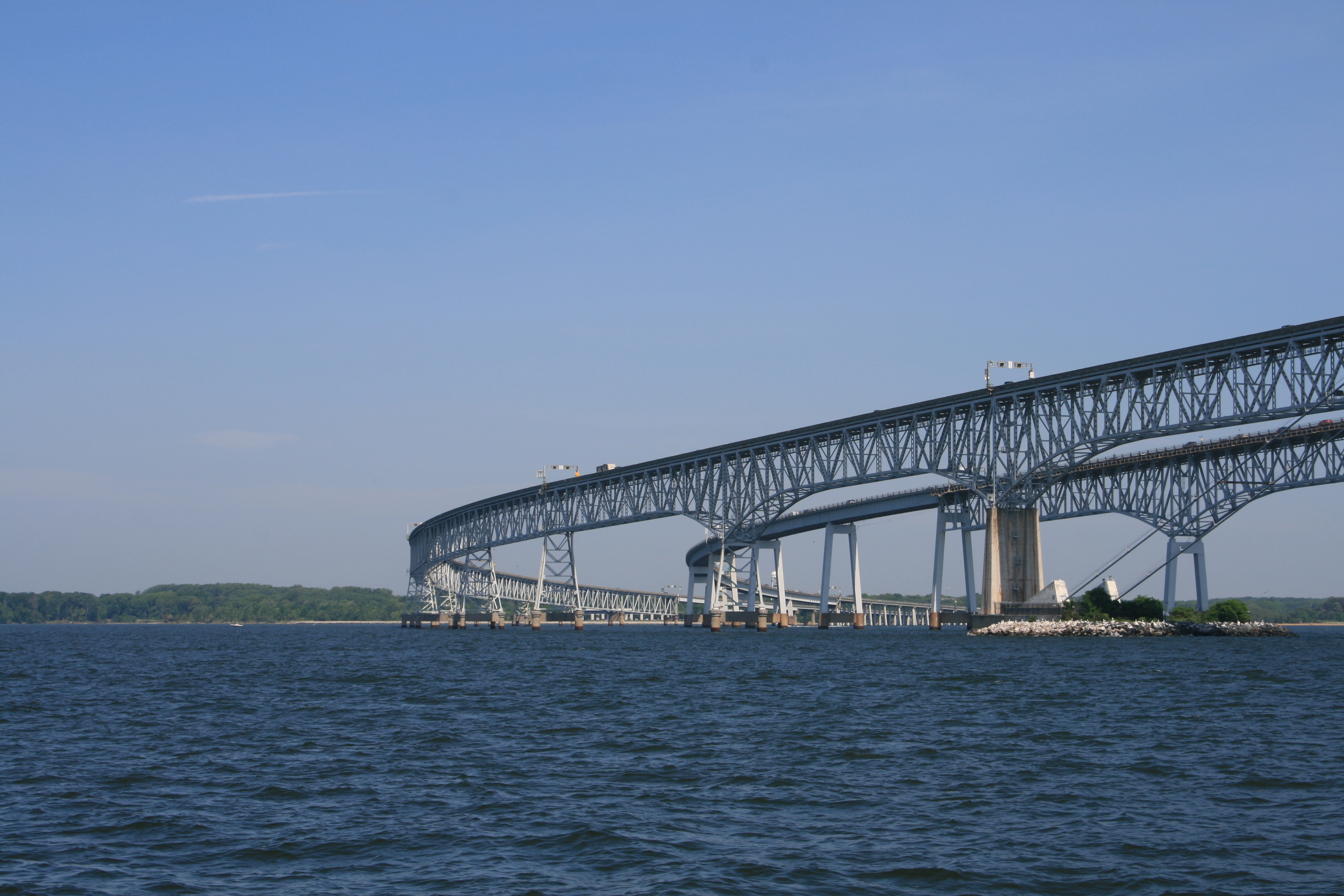
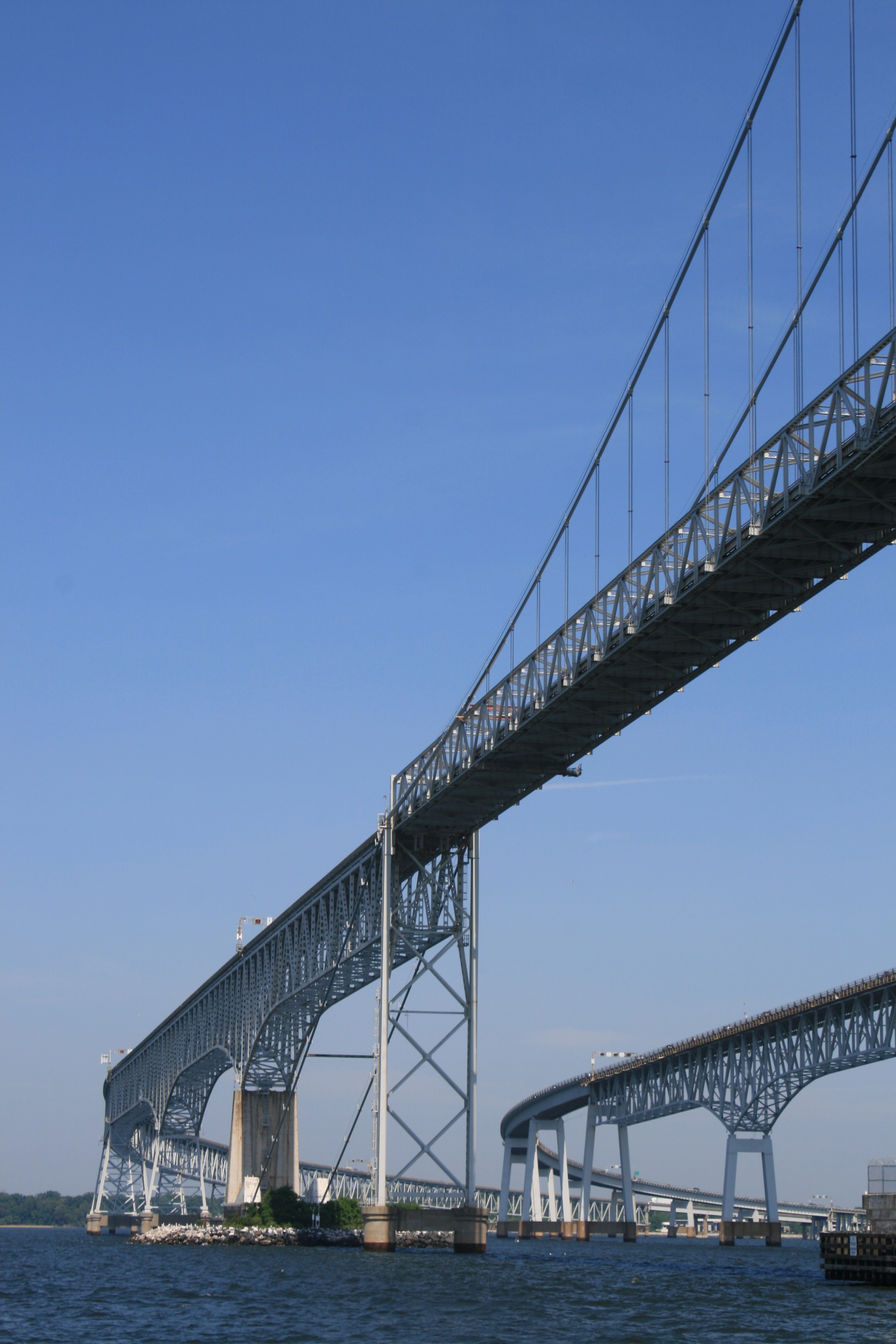
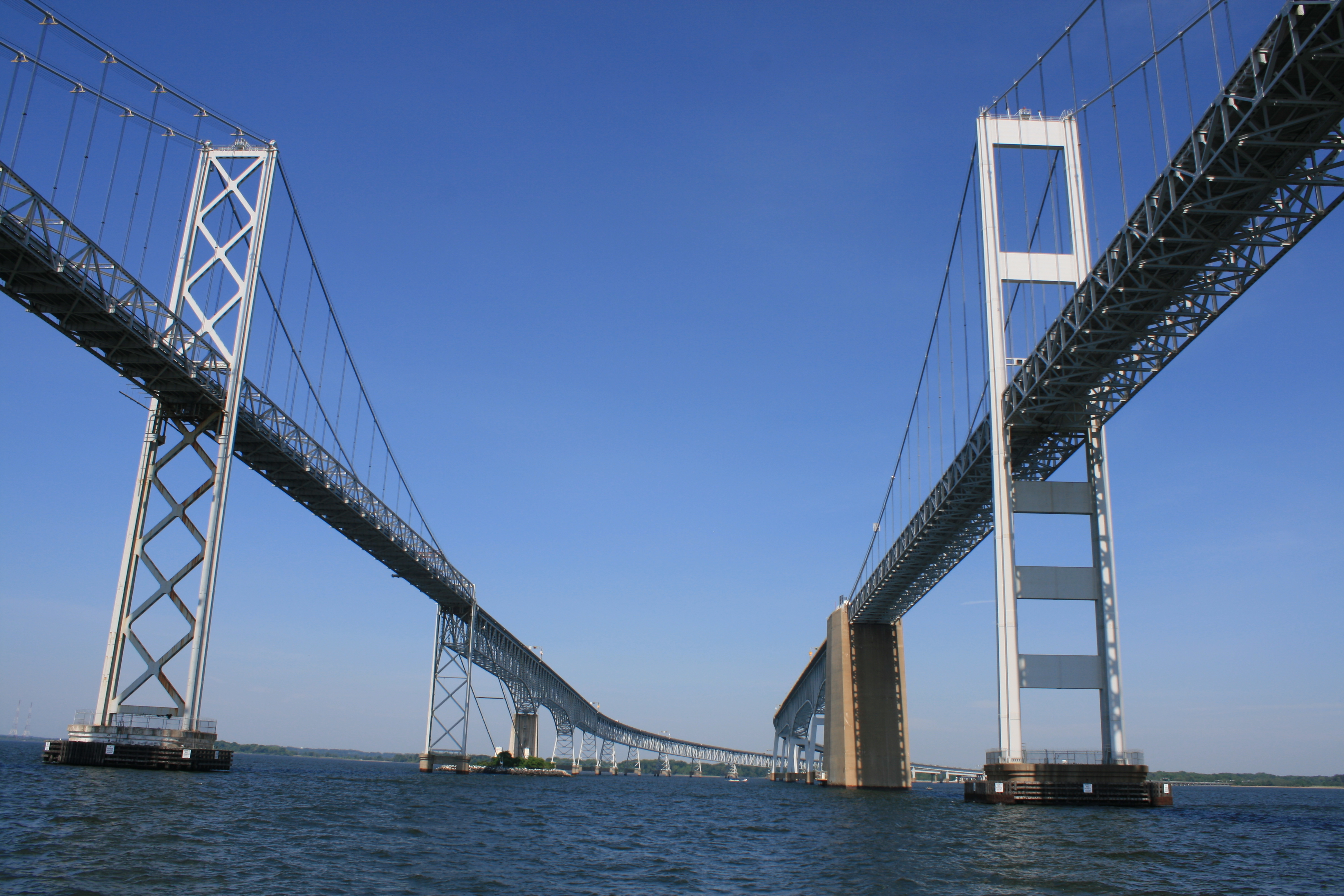
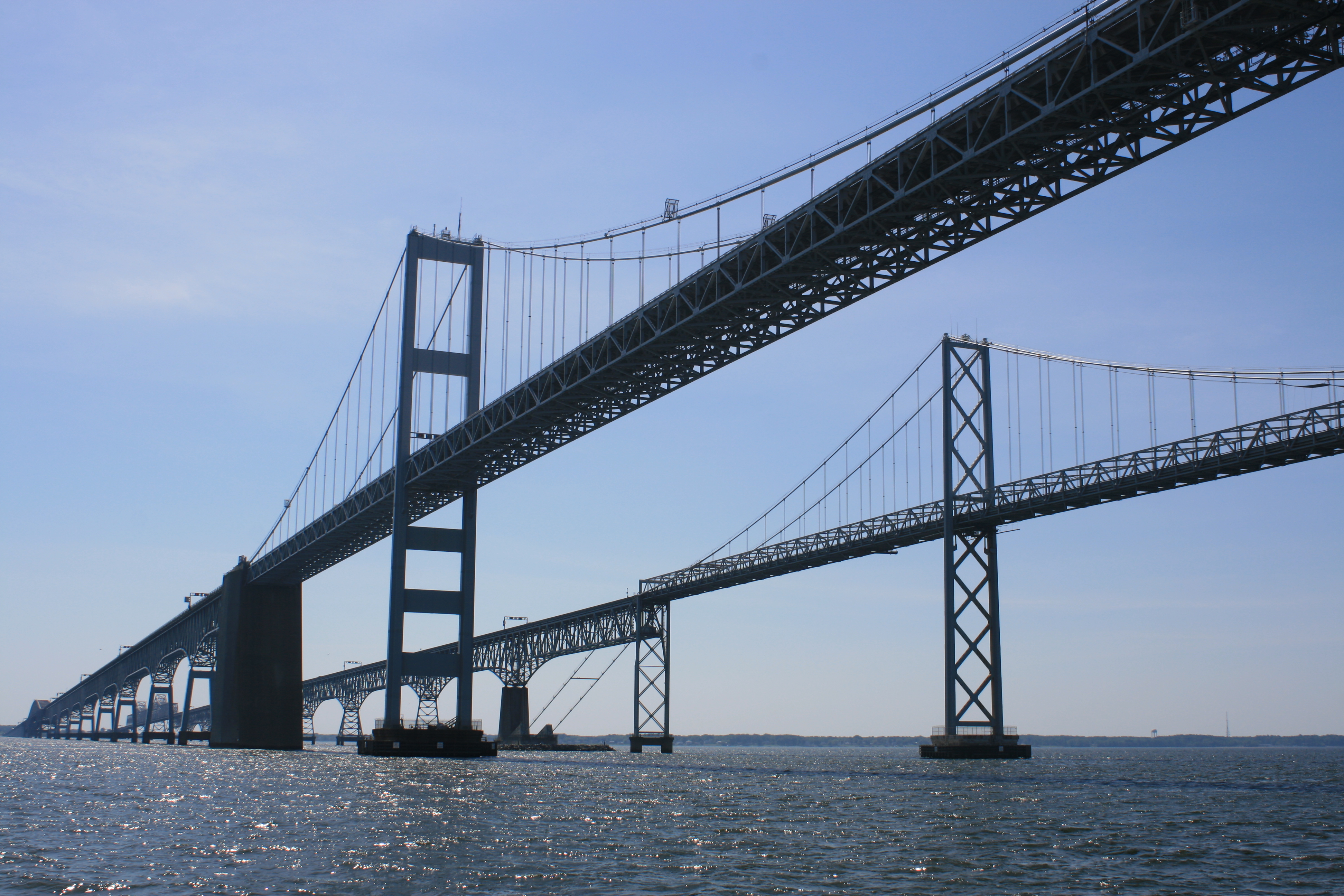
To get there we passed under the amazing Chesapeake Bay Bridge.

IMG_9516Chesapeake Bay Bridge

IMG_9518

IMG_9519

IMG_9521


IMG_9524


I’d wanted to go to Baltimore for a while, having read and enjoyed many of Anne Tyler’s novels, which are set there.

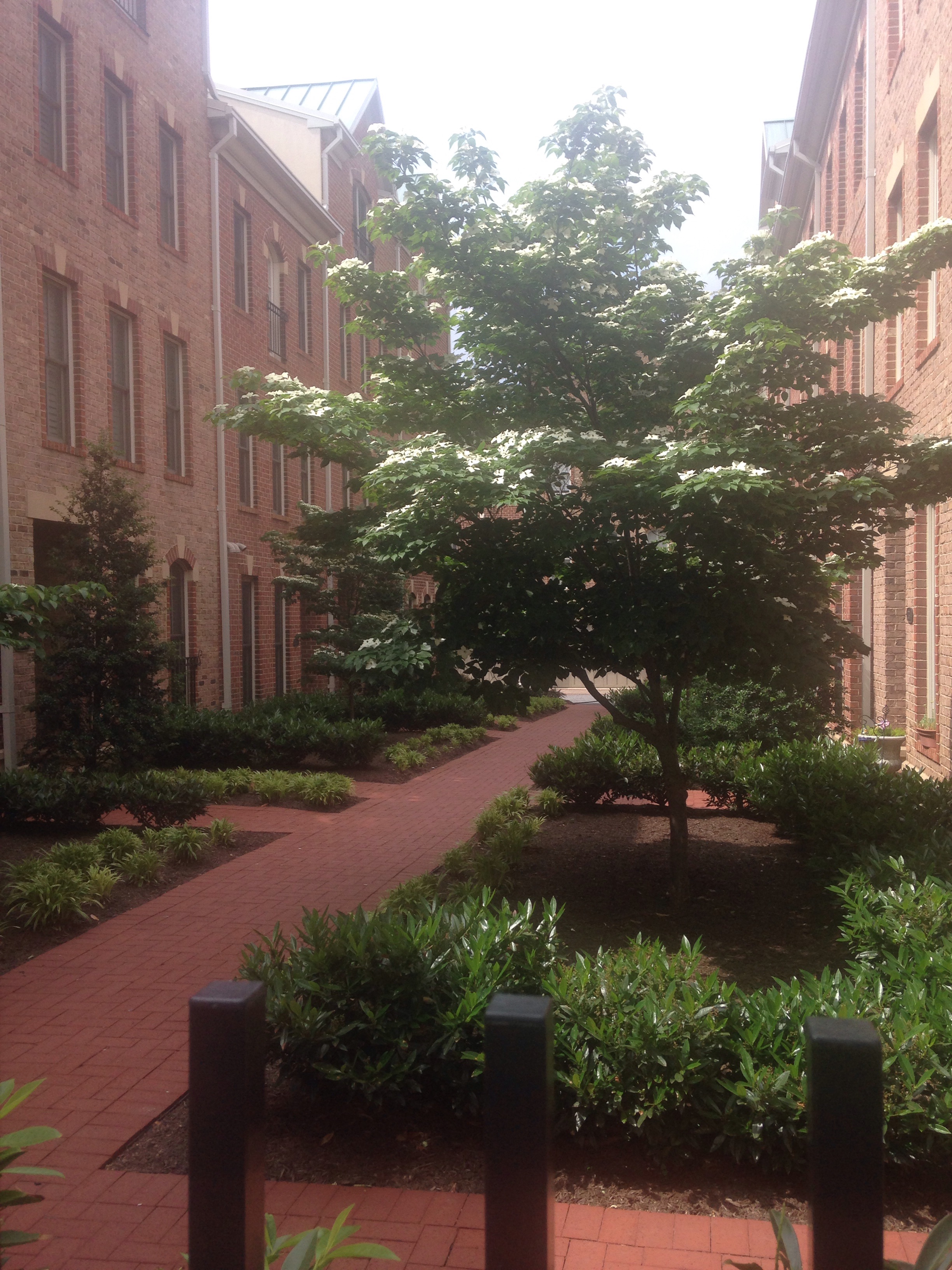
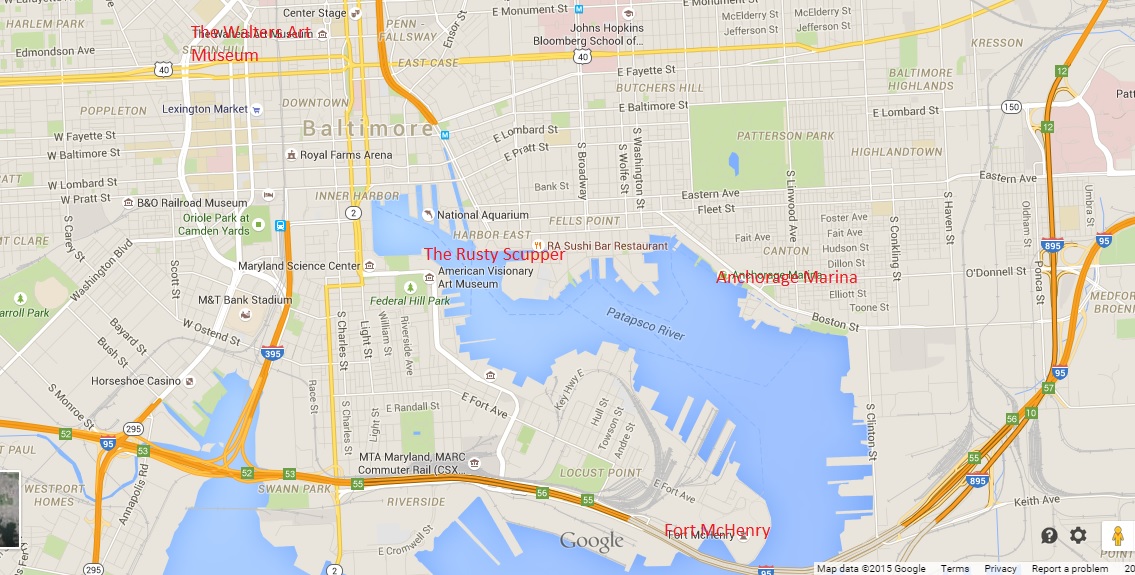
The marinas in the Inner Harbor are prohibitively expensive, i.e. in the don’t-even-think-about-it bracket, so we stayed on the North Shore of the harbour at Canton, which had a more interesting ordinariness about it than the glassy, glitzy inner harbour. It reminded me a little of parts of East London – a combination of old, run-down buildings, old buildings that have been saved and converted into dwellings, and new-build designed to complement the old. Some of the streets have the old cobbles and in places you can see the remnants of the train tracks that used to run down to the docks.

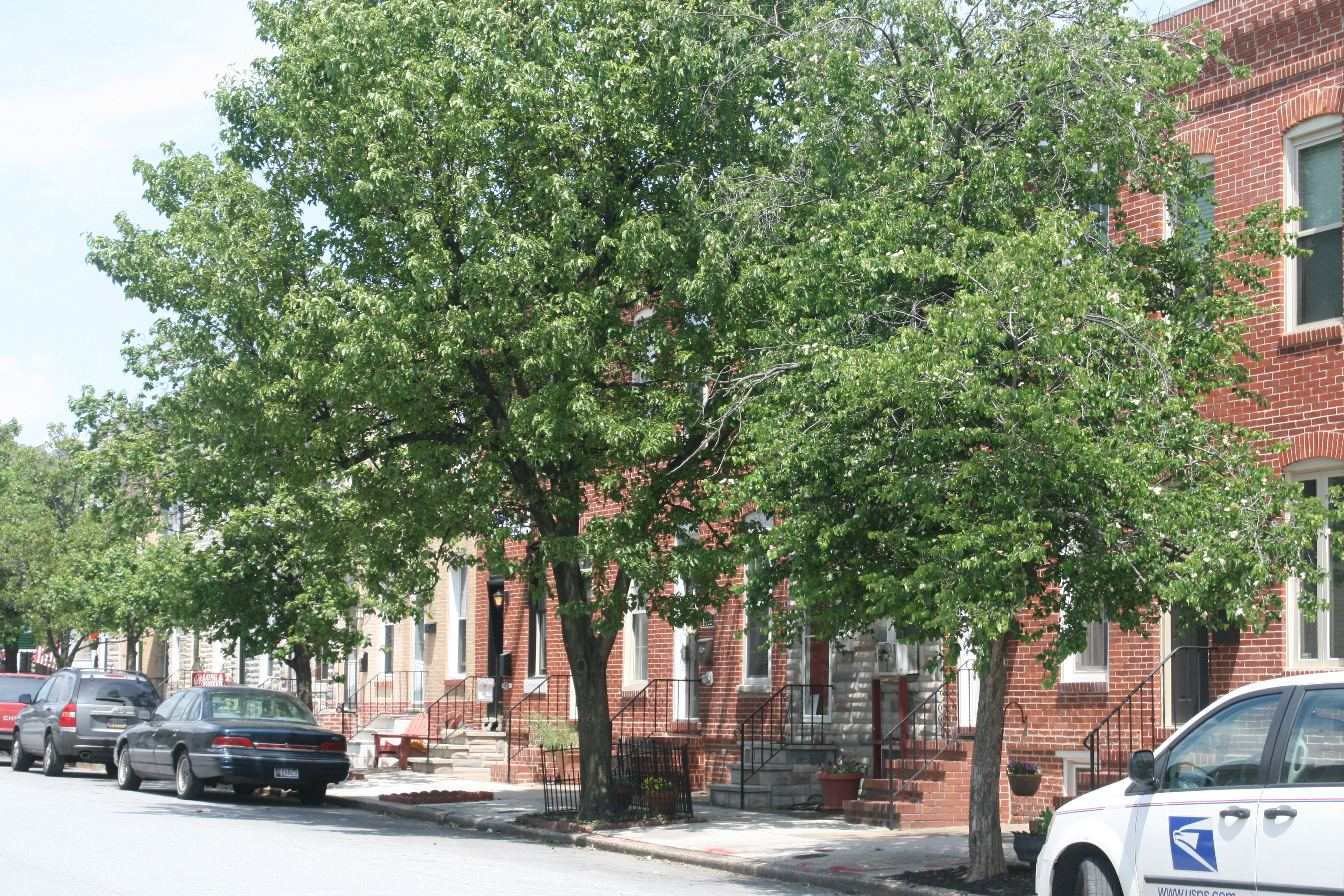
Plantings making all the difference to townhouses off Boston St, Canton

Plantings making all the difference to townhouses off Boston St, Canton

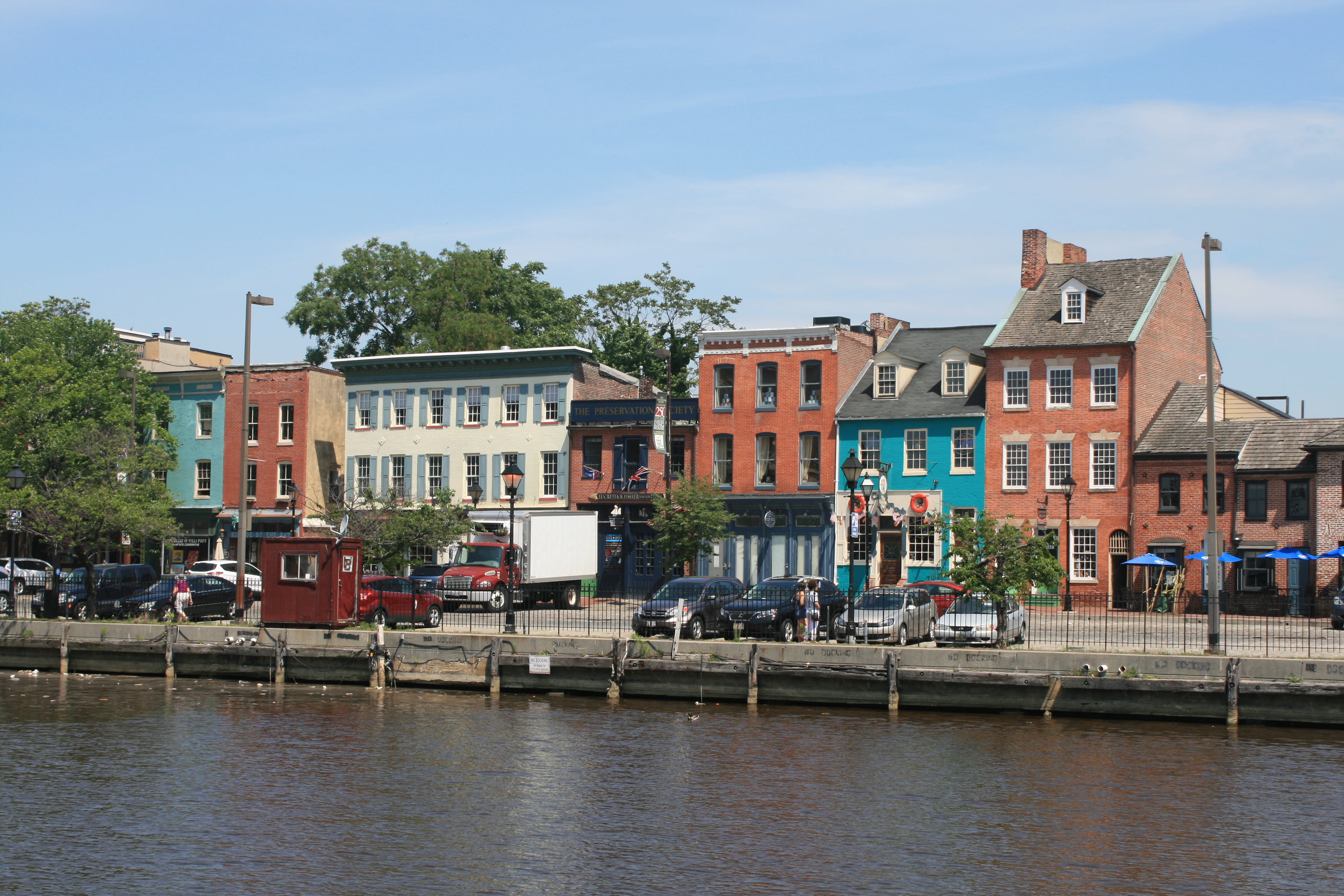
Thames St, Fell's Point, Baltimore

Thames St, Fell’s Point, Baltimore

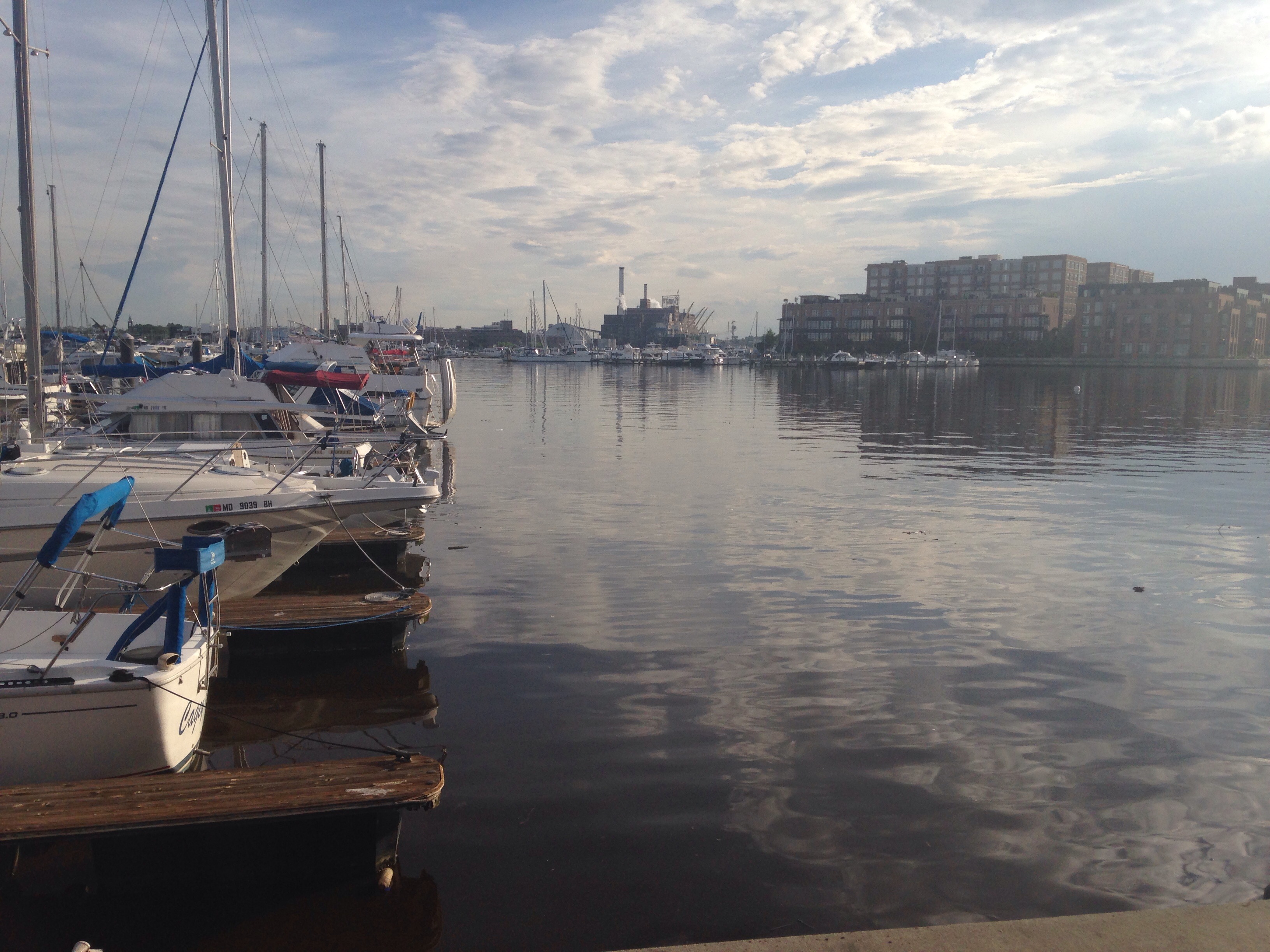
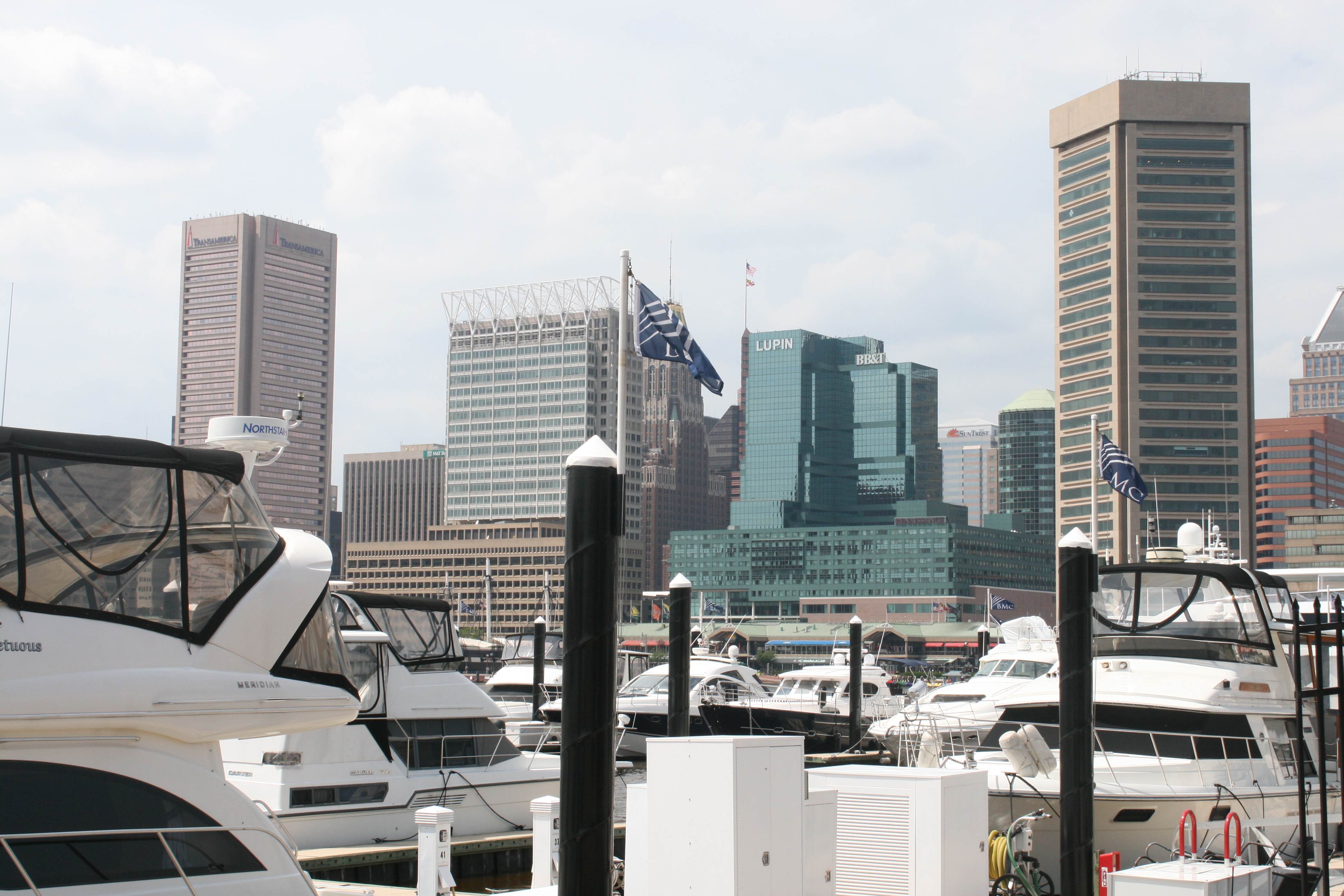
Wiew from Anchorage Marina, Canton, Baltimore

View from Anchorage Marina, Canton, Baltimore

Baltimore

Inner harbour area of Baltimore


We set off on the bikes the next day to go to Fort McHenry, on the far side of the harbour. The day didn’t start well.

I rounded a corner to see Ian in the distance, cycling towards the end of a paved jetty, presumably to photograph the harbour scene. I caught up with him, only to find it was a case of mistaken identity, and the real Ian had apparently vanished.

Working on the principle that when you don’t know what to do, it’s probably best to do nothing, I stood in the sun, trying to look visibly obvious, but without drawing undue and unwanted attention to myself.

He answered at my second attempt at phoning, and a sharp exchange of words duly followed. It was just as well that we hadn’t adopted our usual practice of not bothering to take our phones with us.

Paved jetty looking south across the harbour

Paved jetty looking south across the harbour

But the day improved. We cycled a bit further on to find a water taxi parked at a jetty, and the Captain let us put the bikes on. It took us to a stop just a few hundred yards from the entrance to Fort McHenry, and saved us cycling several miles in the heat.

Chatting to a fellow passenger on the water taxi

Chatting to a fellow passenger on the water taxi

View from Fell's Point

View from Fell’s Point

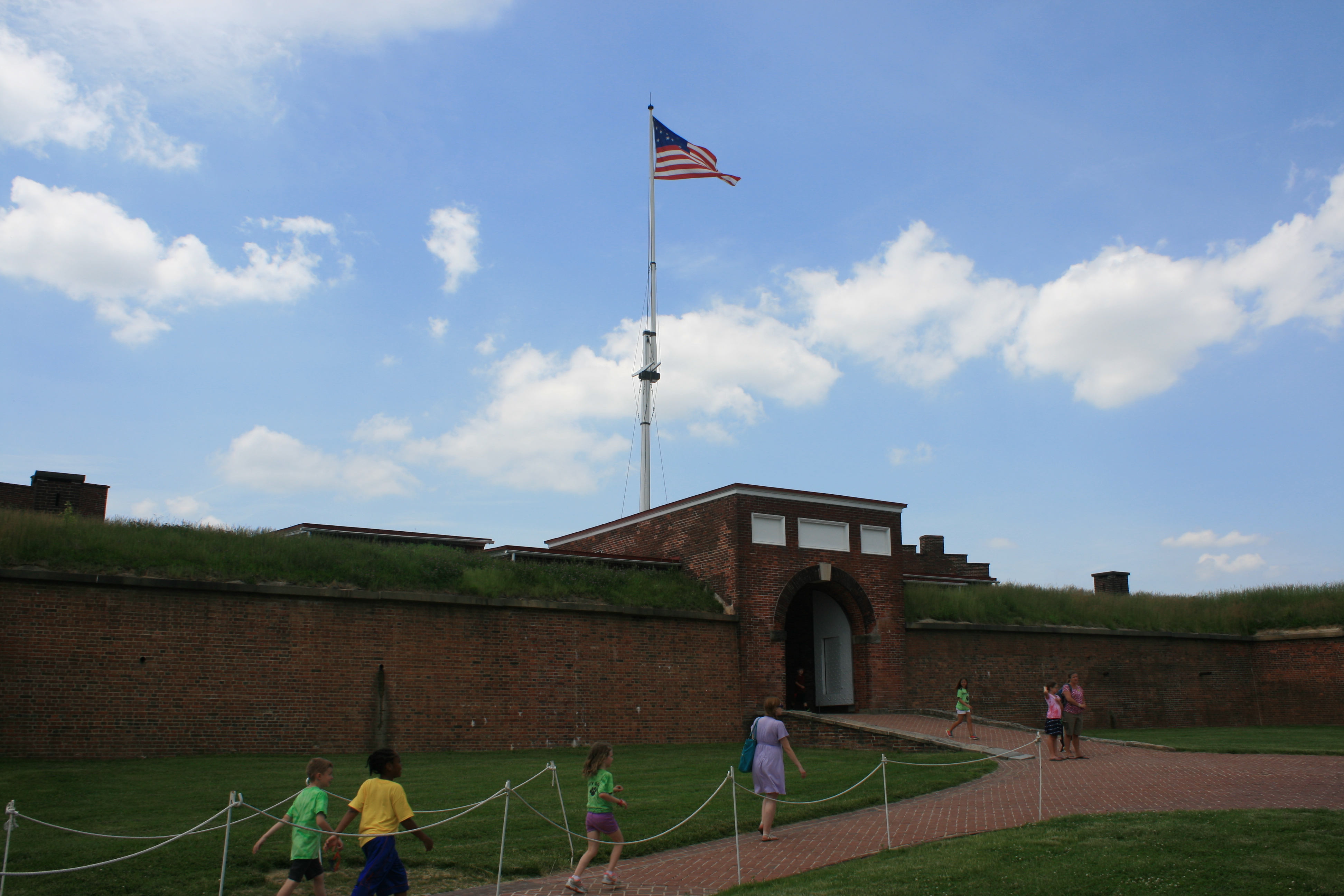
Fort McHenry was where the British were finally vanquished in 1814, so we felt we should pay our respects, so to speak. The young man on the desk gave us a funny look when he heard our accents, but rose to the occasion and explained the history to us. The war of 1812-14 was a complicated matter, compounded by Great Britain’s long war with France, Britain’s vicious trade restrictions on the young nation, and the Americans’ treatment of the Native Americans who were being forced to move from their homelands and territories by the new country’s westward expansion.

The Star Spangled Banner was an oversized American flag which was commissioned by George Armistead, the commander of Fort McHenry. He wanted a flag ‘so large that the British would have no difficulty seeing it from a distance’. It was sewn in Baltimore by Mary Pickersgill and members of her family in Baltimore, and inspired Francis Scott Key to write a poem The Defence of Fort McHenry which more than a hundred years later, became the national anthem.

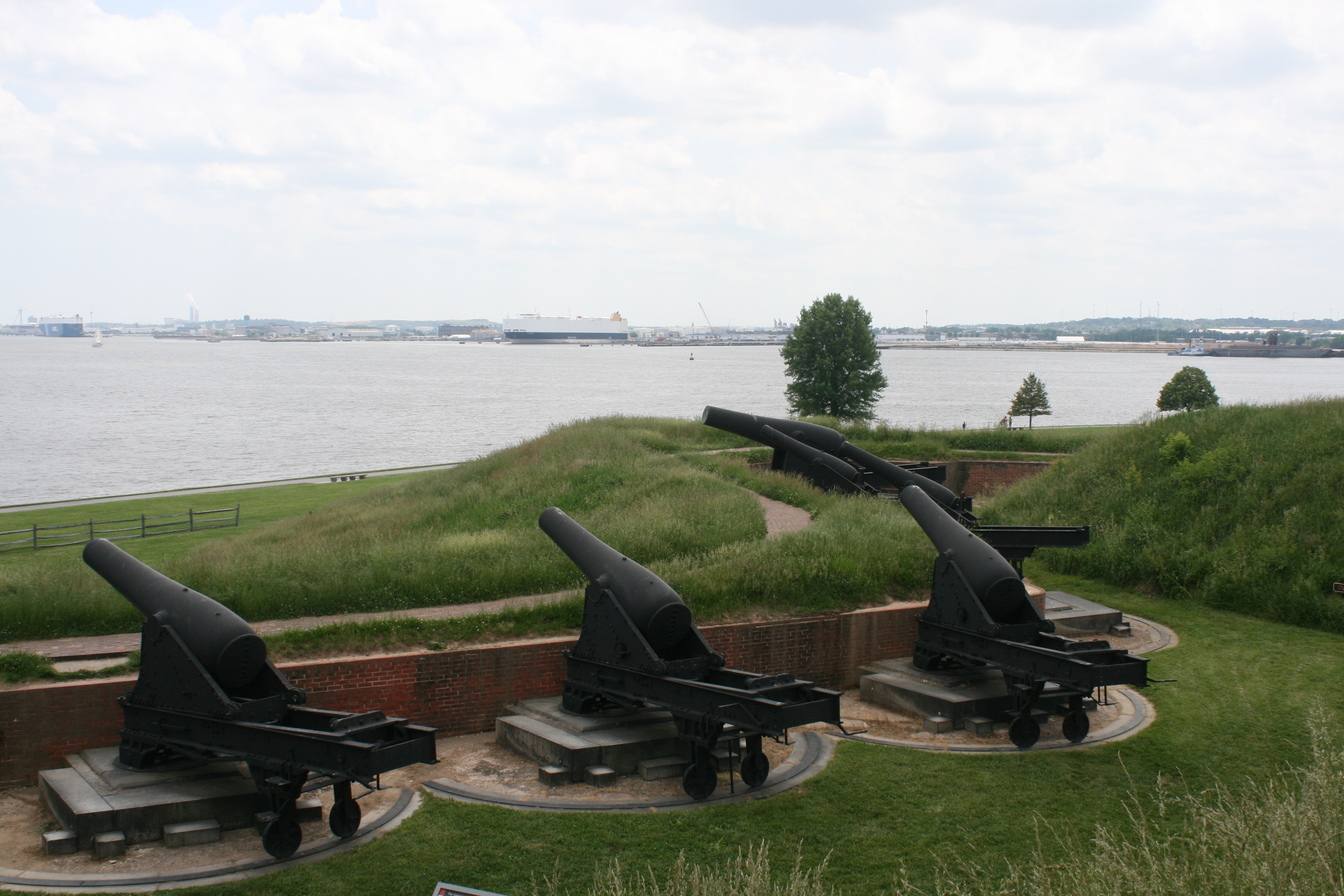
Looking south, Fort McHenry

Looking south, Fort McHenry

Entrance to the fort

Entrance to the fort

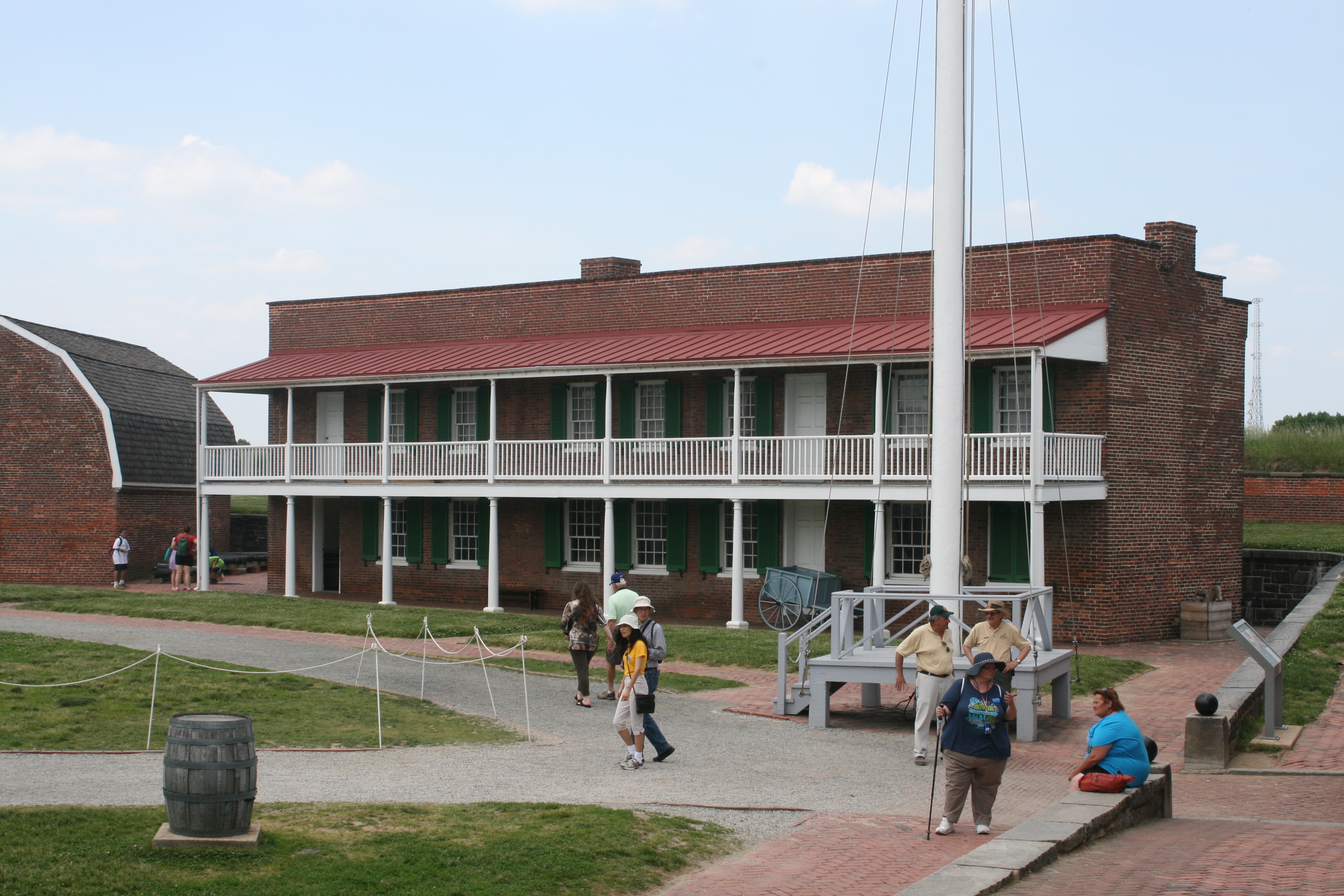
Officers' quarters

Officers’ quarters

IMG_9539

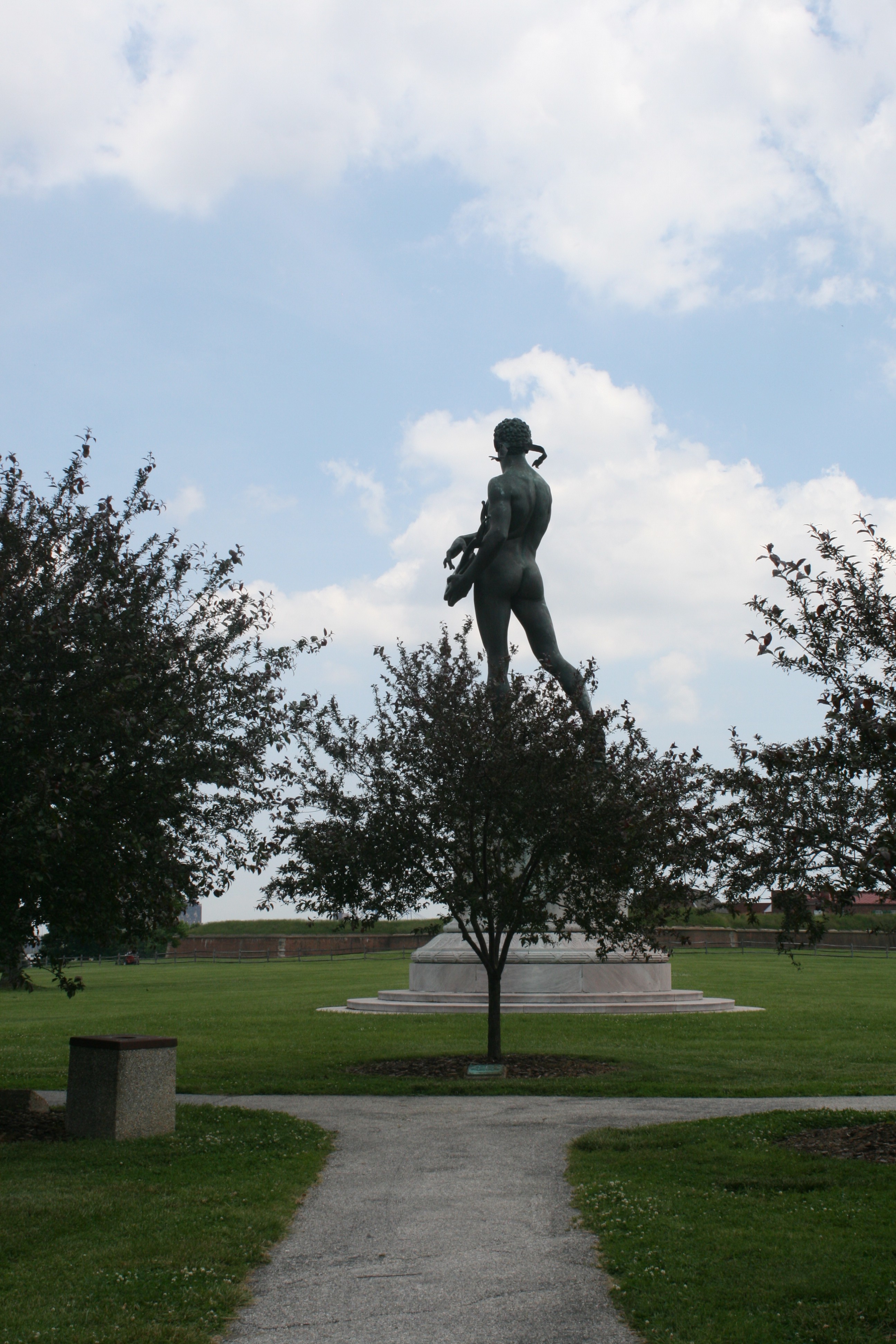
Statue of Orpheus

Statue of Orpheus

The Statue of Orpheus stands in the park behind the fort, surrounded by a grove of flowering crab apple trees. It was commissioned in 1916 to honour Francis Scott Key and those who had defended Baltimore in the 1812 War.

Fort McHenry remained in use by the US Army until 1925, since when it has been preserved as a national monument.

We cycled back through Locust Point towards the Inner Harbor.

Row Houses, Decatur St, Locust Point

Row Houses, Decatur St, Locust Point

It was by now nearly 3 o’clock and we were getting a bit desperate for food. We decided to stop at the first establishment we came to. This turned out to be the Rusty Scupper, which occupies a commanding point on the south side of the Inner Harbor.

My heart sank as, dishevelled and perspiring, we entered the cool, air conditioned lobby. The place was vaguely reminicscent of the Royal Hongkong Yacht Club, the waiters smartly attired in matching ties, long-sleeved shirts and trousers, and the tables laid with white cloths, sparkling glassware and neatly folded napkins.

I was mortified.

But looking down their noses at inappropriately-dressed foreigners seems to be something that Americans don’t do, and we were made very welcome. Lunch was delicious, and very reasonably priced.

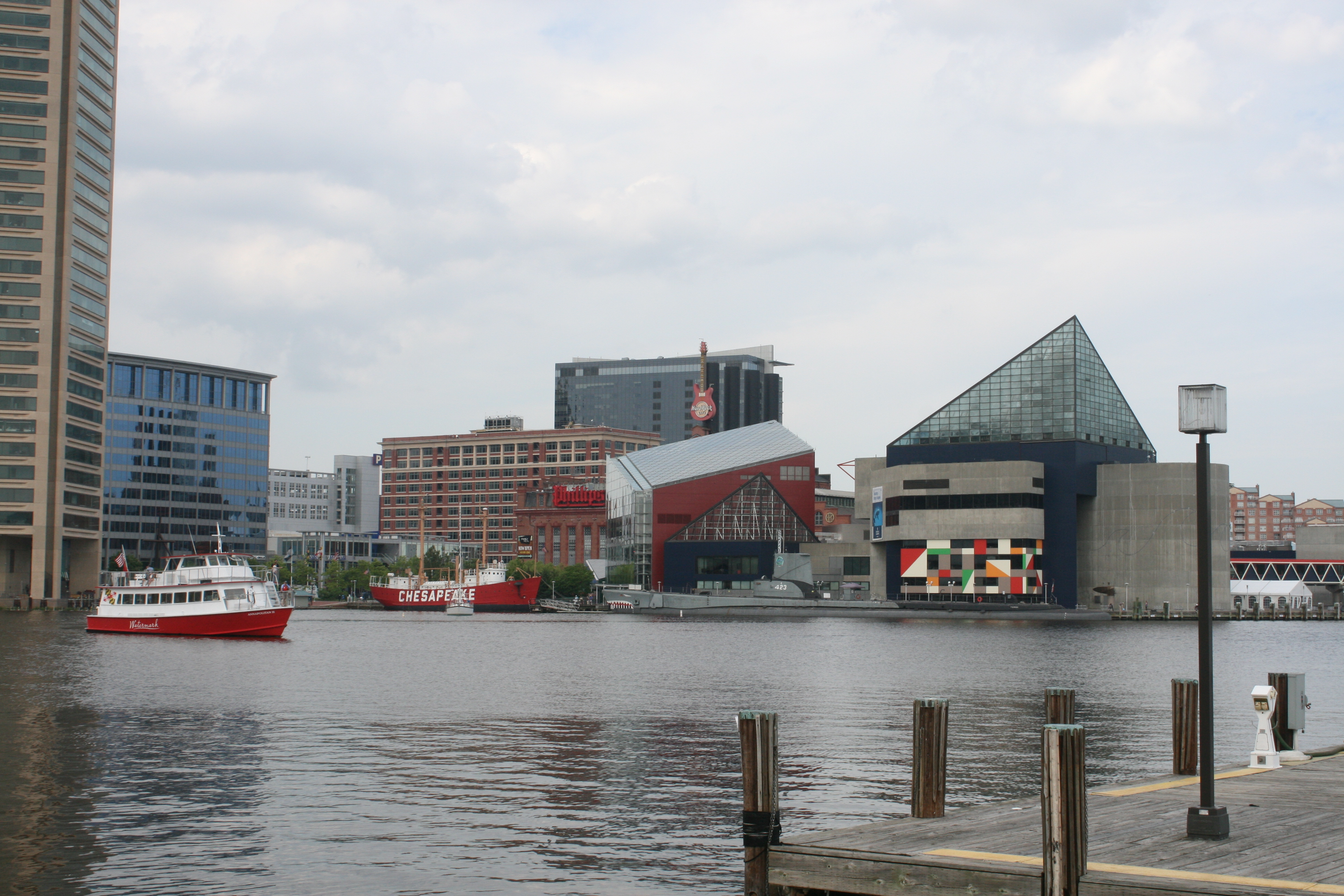
View across the harbour from the Rusty Scupper

View across the harbour from the Rusty Scupper

Inside the Rusty Scupper

Inside the Rusty Scupper

We cycled back to the marina via the Inner Harbor.

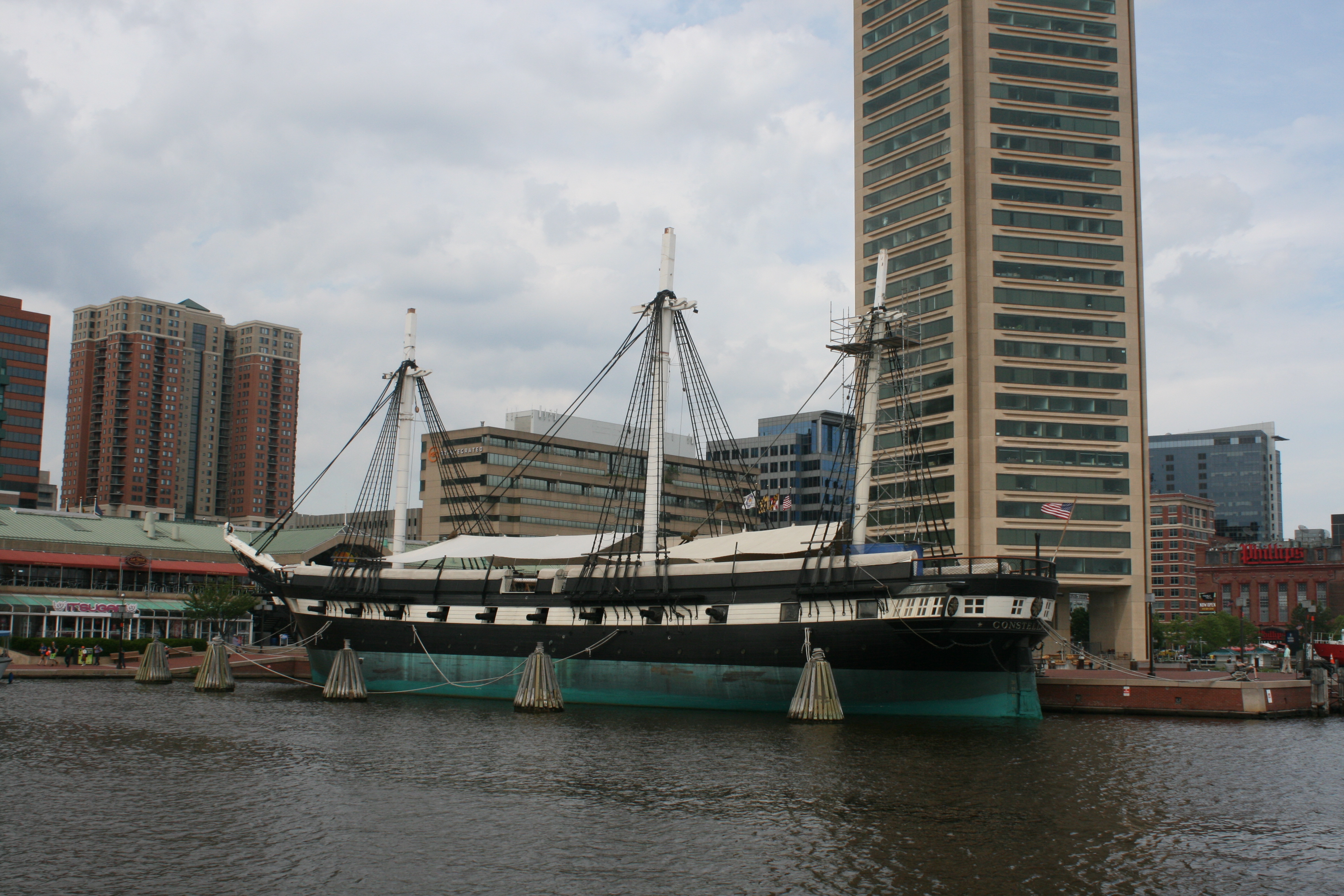
USS Constellation

USS Constellation

IMG_9550Inner Harbor

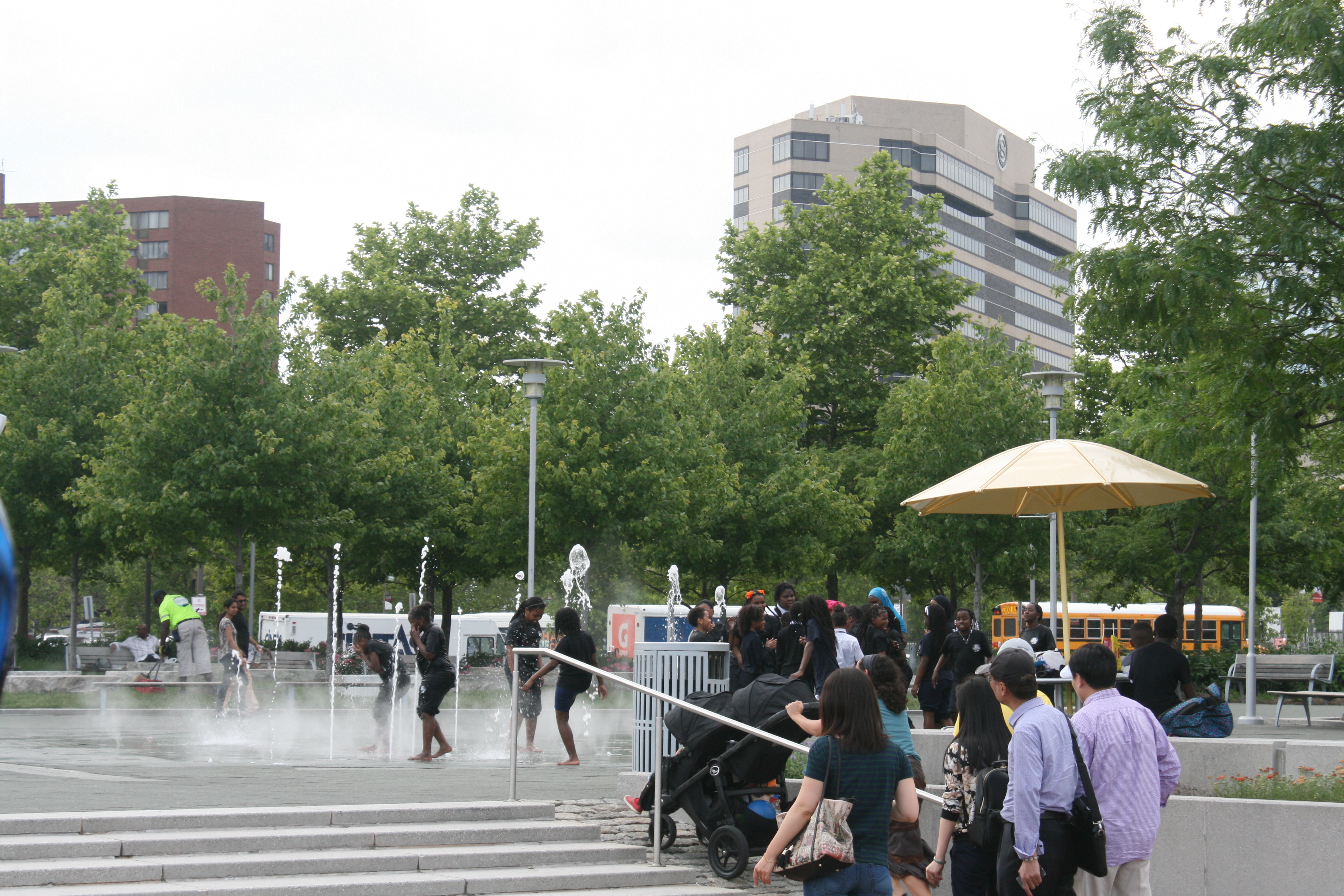
Enjoying the fountains

Enjoying the fountains

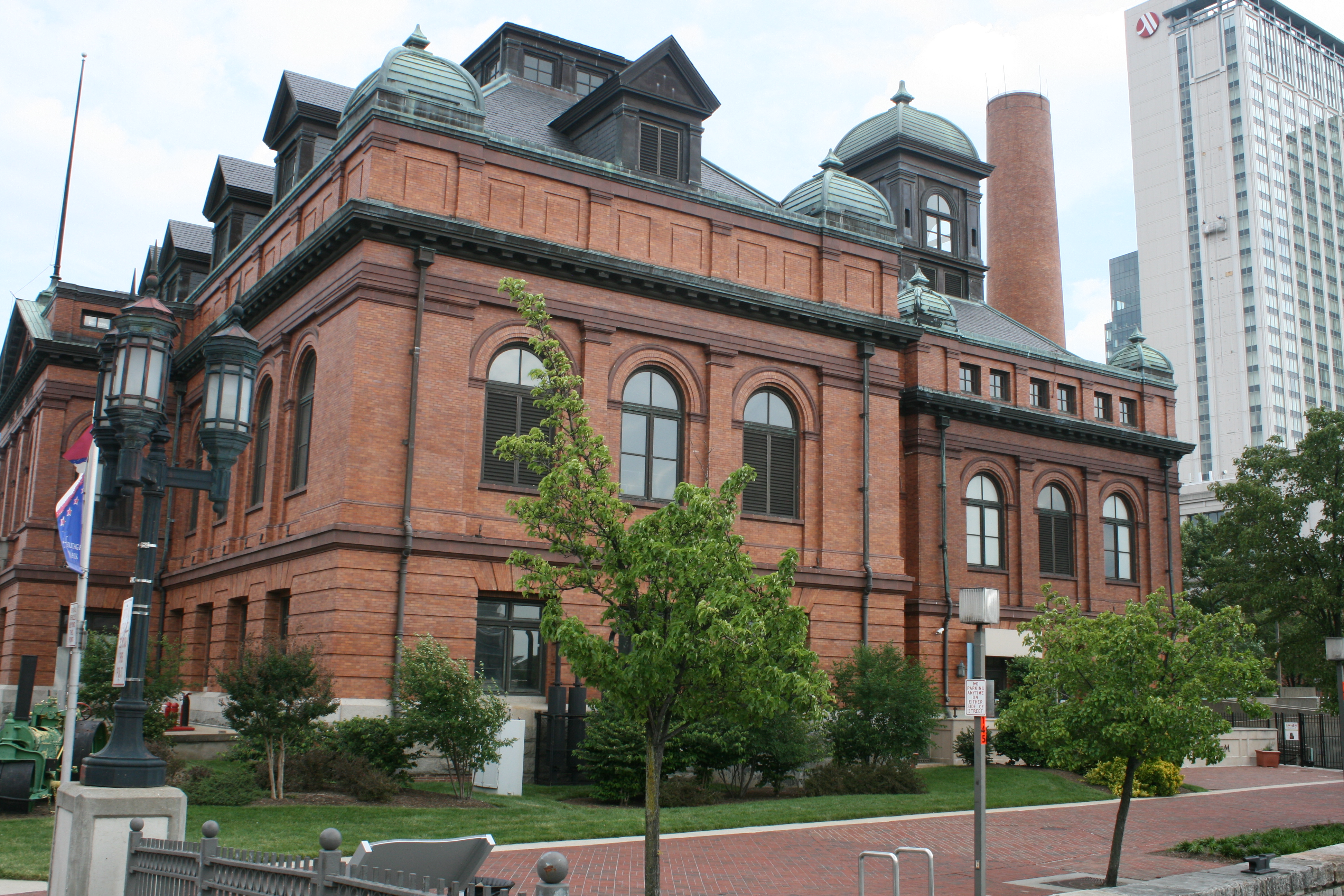
The Public Works Museum, sadly closed through lack of funding

The Public Works Museum, sadly closed through lack of funding

The next day we decided to try out the Charm City Circulator, a free bus service that’s supposed to run every ten minutes. After waiting nearly half an hour, and seeing three pass in the opposite direction, we gave up and took a taxi to the Walters Art Museum in the Mount Vernon District.

The Walters Art Museum, the gift 80 years ago of William T Walters and his son Henry, was world-class, with exhibits ranging from the Ancient World, through Byzantine, Islamic, Romanesque and Gothic to Italian, French and Spanish Art, and European Ceramics of the Renaissance and Baroque eras.

But the most moving was the exhibition of children’s reactions, thoughts and feelings about the Uprising the month before – the riots that had shaken Baltimore after the death in police custody of Freddie Gray. The teachers at Matthew Henson Elementary School, where Freddie Gray had been a pupil, had helped the children express their thoughts, fears and hopes  for the future and composed a song ‘Save Baltimore’.

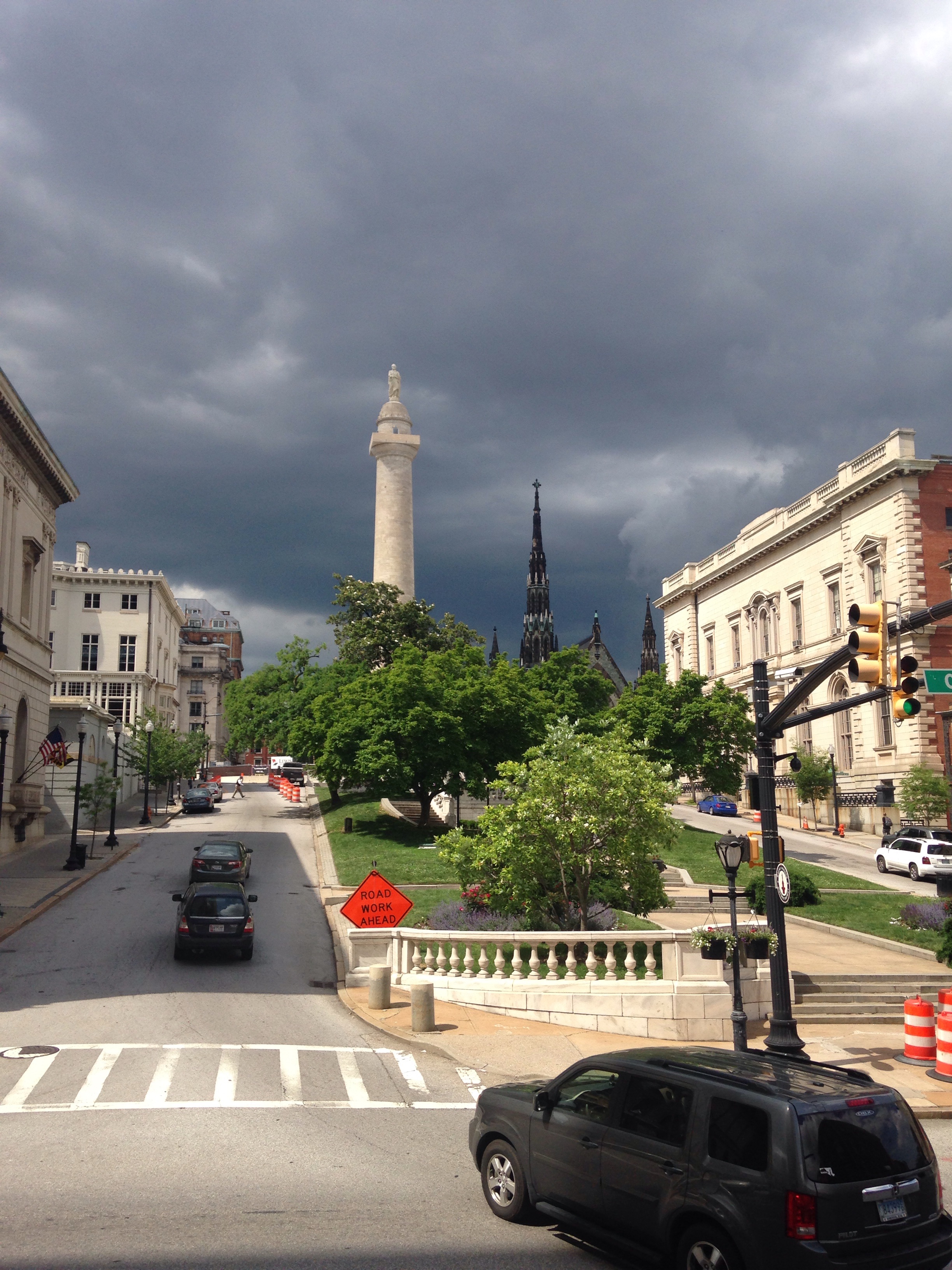
The Washington Monument, near the Walters Art Museum

The Washington Monument, near the Walters Art Museum

We decided to give the Charm City Circulator another go, but after we walked under a large expressway and found ourselves surrounded by parking lots and slightly odd-looking people, it was clear that we were no longer in the part of town to which visitors usually confined themselves, and even, possibly, in what the Lonely Planet Guide termed a ‘crime-ridden area’.

We couldn’t see the Charm City Circulator stop, but a gentleman kindly pointed us in the right direction. We ran gratefully across the road just as the bus appeared, and were soon back in the now-familiar landscape of Fell’s Point.

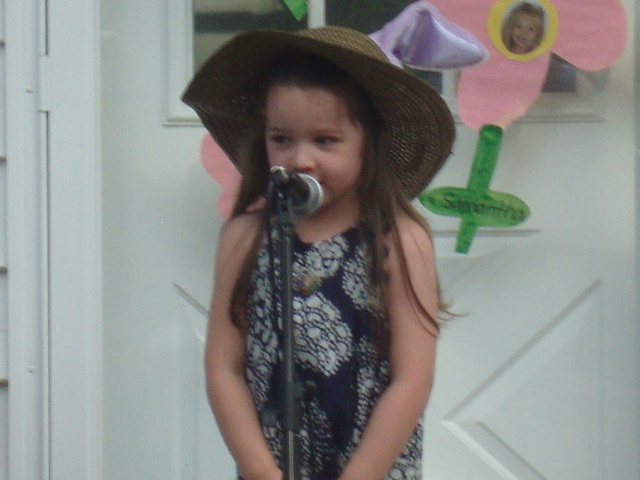
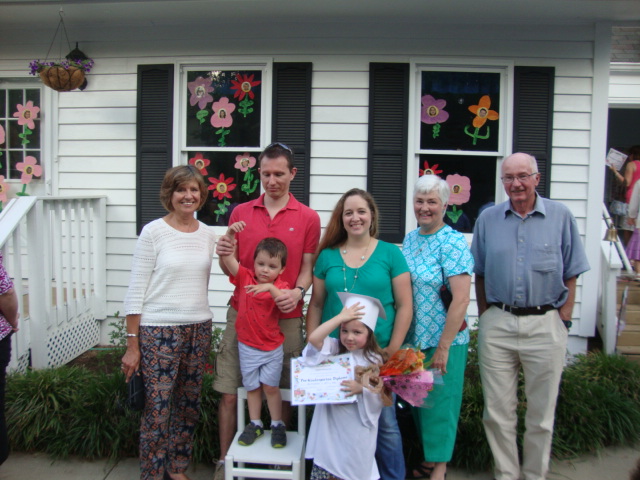
We took a few days’ break from the boat, having been invited to go to Sophie’s graduation from pre-school. There was a performance of Peter Rabbit in which Sophie very competently played the role of Old Mrs Rabbit, as well as some songs and the presentation of certificates.

Sophie as Old Mrs Rabbit

Sophie as Old Mrs Rabbit

At the 4R's Pre-school Graduation

At the 4R’s Pre-school Graduation

There were warnings of thunderstorms when we got back to Baltimore, so we stayed another night.

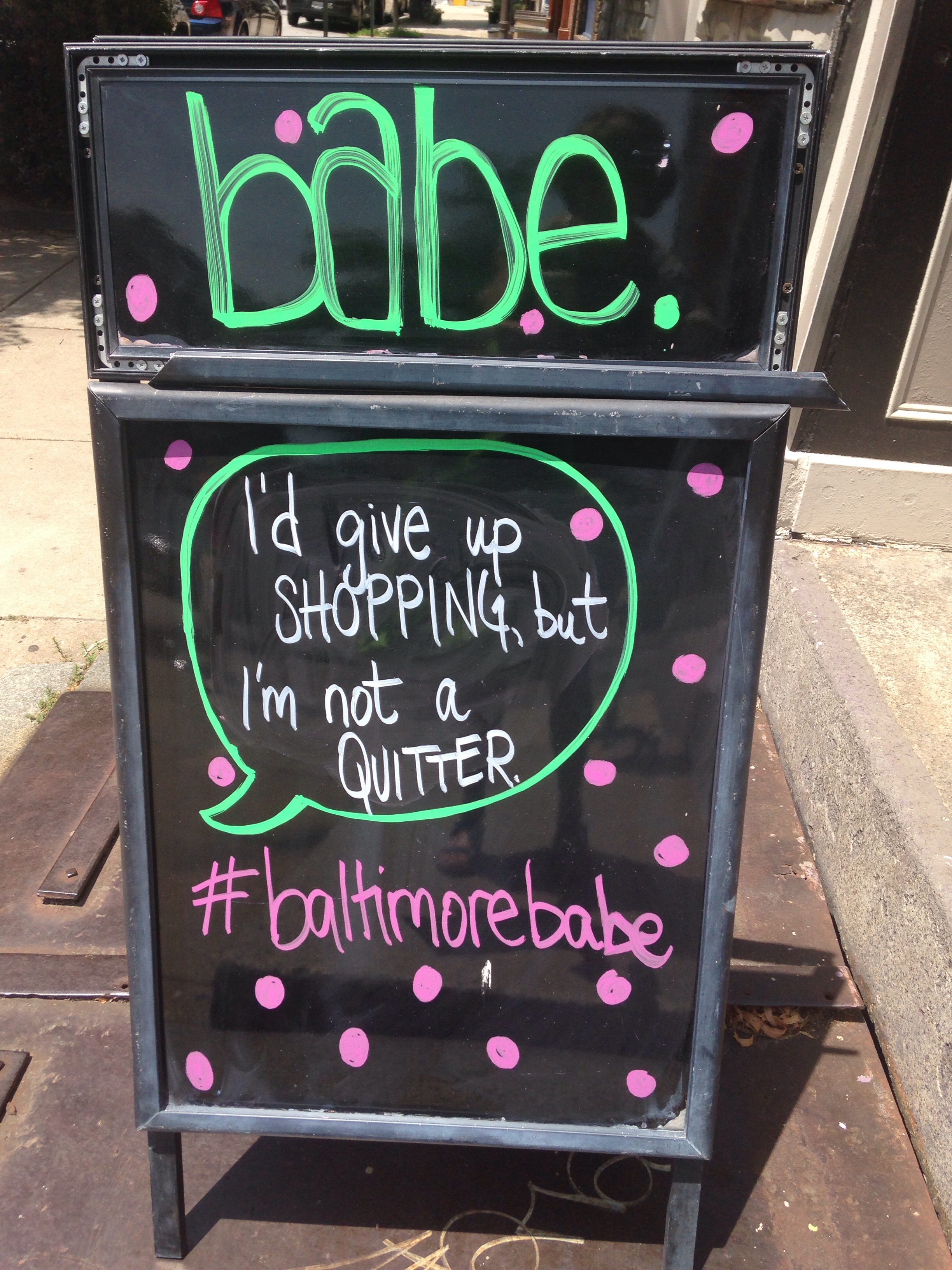
Ian finds walking uncomfortable at the moment, so I am occasionally allowed out by myself. I had a walk down Aliceanna Street in Fell’s Point, where there are quite a few funky little shops and restaurants, to check out a dress I’d noticed in one of the boutiques. It was a successful trip, and the boutique, Babe, had an admirable philosophy.

image

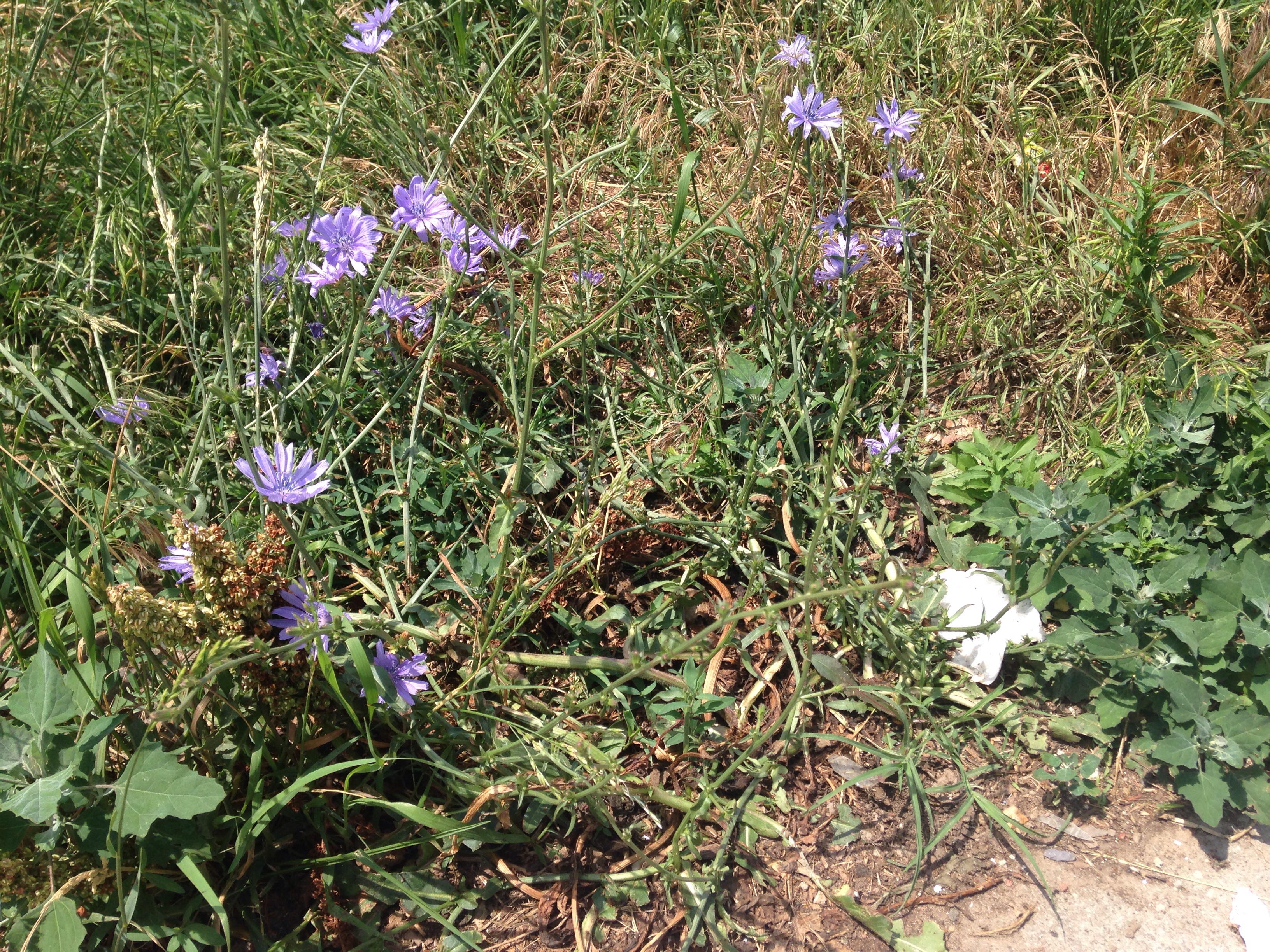
I love finding wild flowers growing in cities. I saw this growing in several places, and thought it was scabious, but it is chicory, Cichorium intybus, and was used by Southern soldiers instead of coffee. Thank you Fred P. for putting me right on that one!

Scabious growing near the waterfront

Cichorium intybus growing near the waterfront


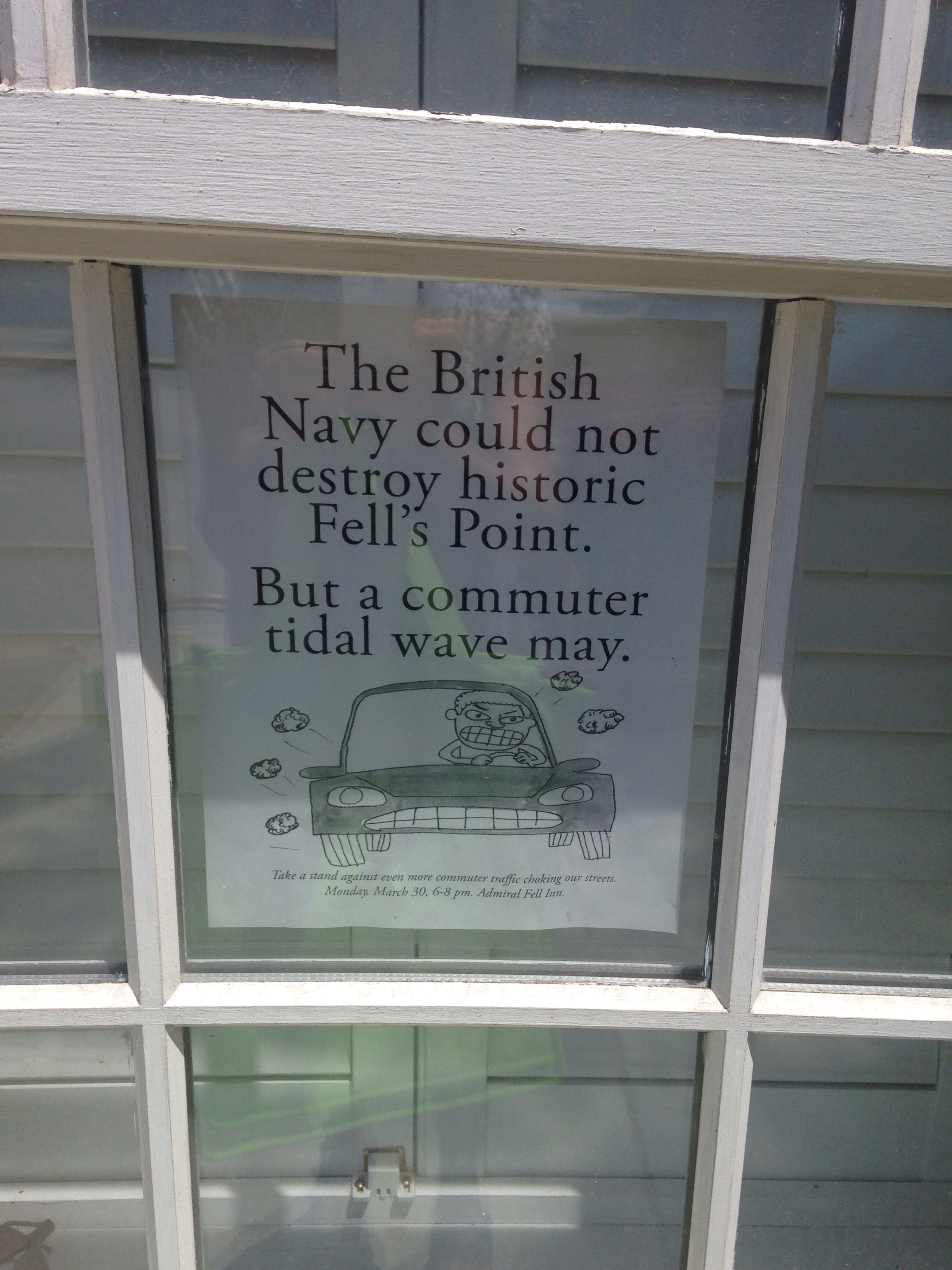
The war of 1812 is etched deep into the consciousness and identity of Baltimoreans, as evidenced by the number of them who refer to it on the numberplates of their cars. It’s even invoked in campaigns against traffic congestion.

image

My morning’s errand was really to stock up on wine and beer. Many supermarkets don’t stock it, and this was the case with the  Safeway near the marina. So I had to go to the Canton Market, a liquor store with a deli. An odd combination, but there you are.

I had just finished paying at the counter for my supplies when an elderly man, with baseball cap, long grey hair and long grey beard appeared beside me.

‘I love your hair,’ he said. ‘As an artist. As a man.’

I thanked him and said he had made my day.

‘You made mine, daughter.’

The promised thunderstorms, now upgraded to a severe weather warning, appeared in the late afternoon and continue as I write. Whether we’ll be able to make the journey north tomorrow, to the Chesapeake and Delaware Canal, remains to be seen.


Maryland’s Eastern Shore Villages – Oxford, St Michaels, Cambridge and Tilghman Island

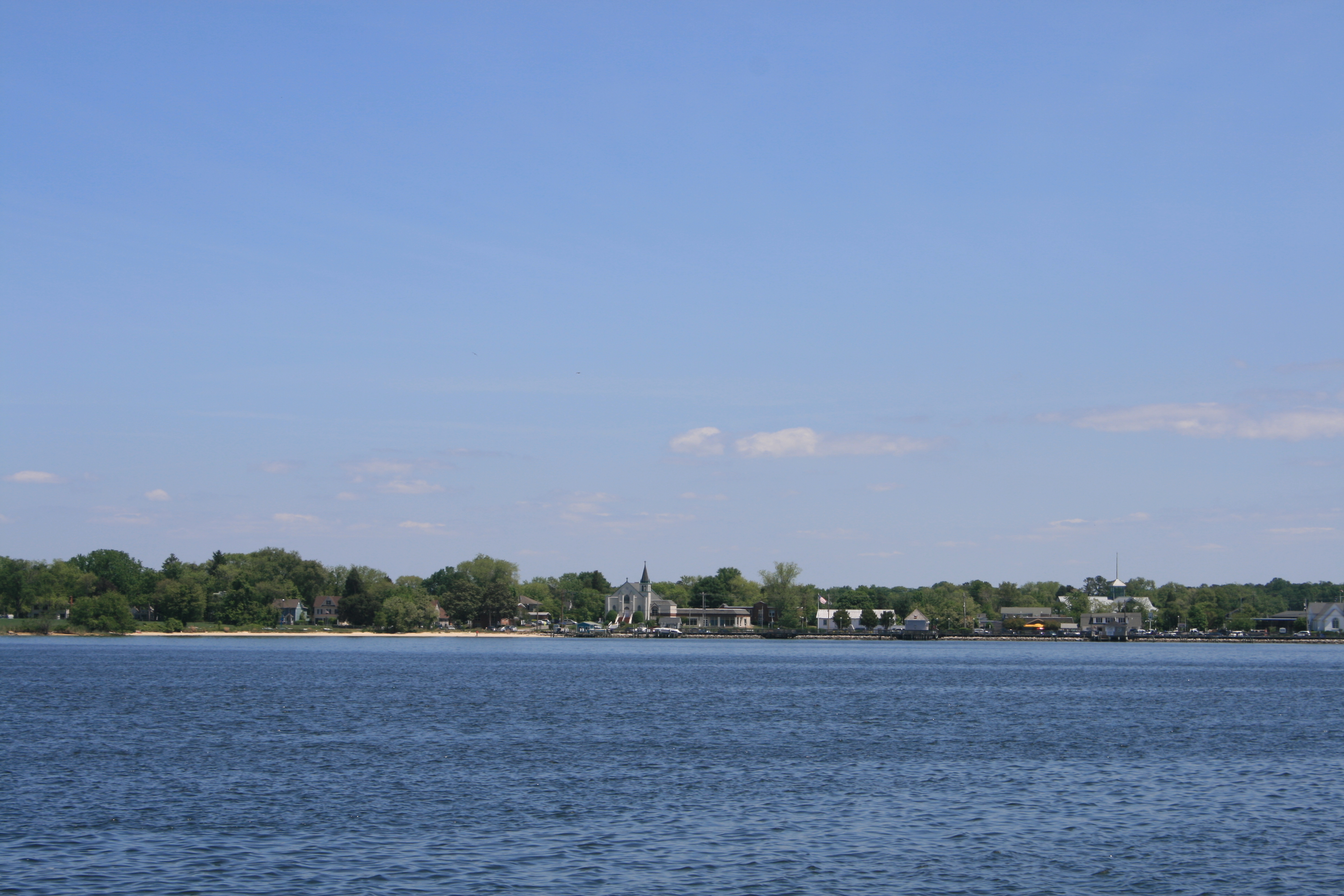
At last the winds died down, and we had some good views of Solomons as we travelled back down the Patuxent River from St Leonard Creek to the Chesapeake Bay.

Solomons from the Patuxent River

Solomons from the Patuxent River

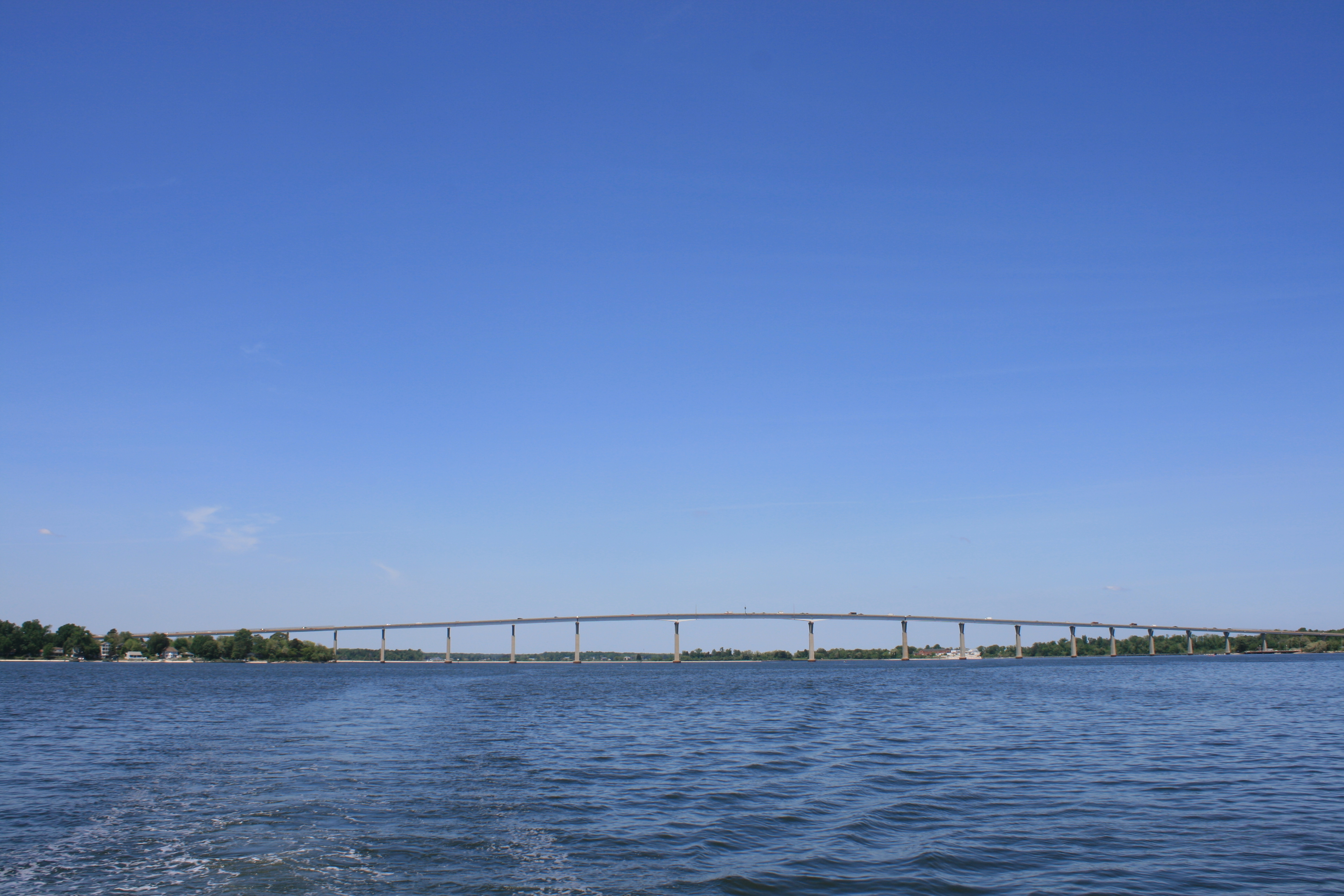
Thomas Johnson Bridge, Solomons

Thomas Johnson Bridge, Solomons

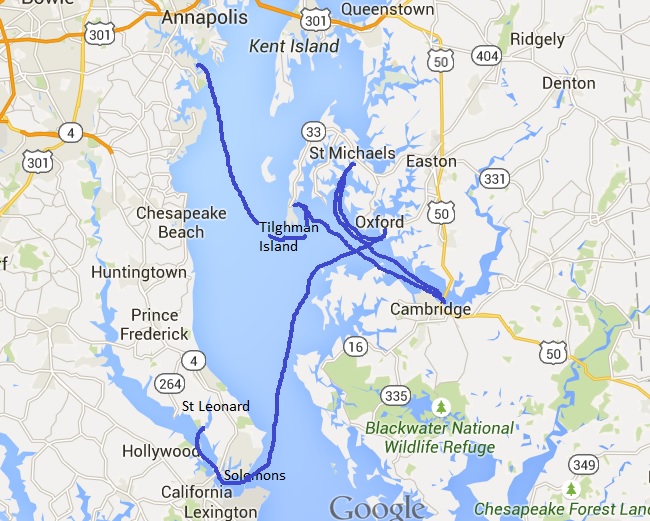
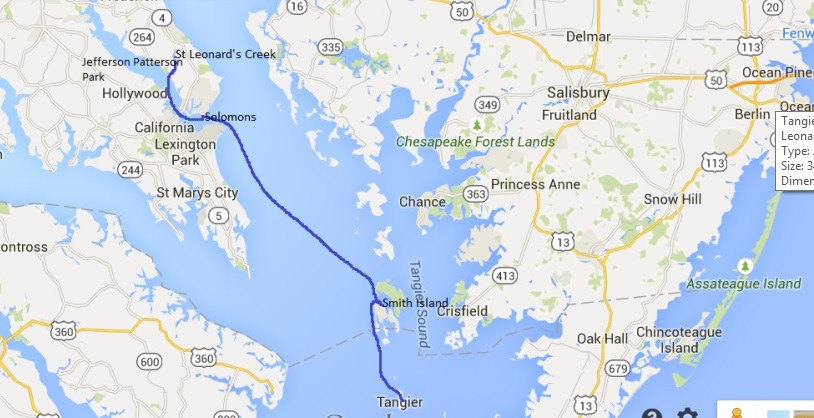
St Leonard Creek-Eastern Shore Islands-Annapolis

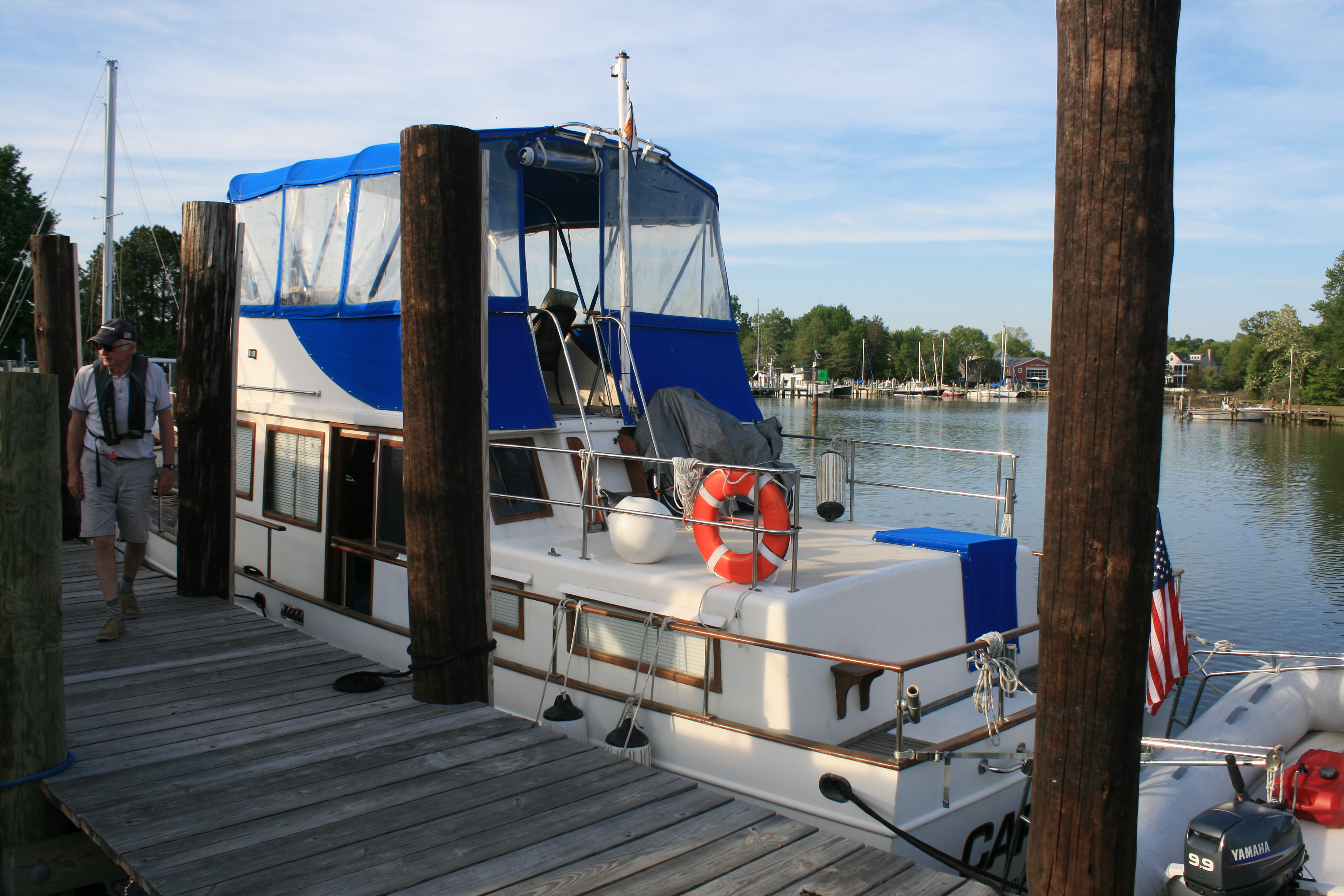
Our arrival at Oxford was even more challenging than our arrival at Smith Island had been. Ian had phoned ahead to the Oxford Yacht Agency, and John, the owner, had confirmed he had space for us. But he was going out, to a party, so we’d have to dock unaided. This might not have presented too many difficulties, had the jetty poles not been about twelve feet high. My days of shooting netball goals are long past, and I made several futile attempts to lasso the poles, while Ian circled around three times, before some lateral thinking suggested that hoying the rope around the post, and grabbing the other end with the boat hook, might be more effective.

A short time later, we were greeted, rather apologetically, by Roger and Ann who were moored in a nearby slip. John had asked them to look out for us and give us a hand, but they hadn’t noticed us coming in. They were Great Loop veterans themselves, and gave us some useful advice about the Mississippi River – best avoided, it seems, as far as possible!

Moored up at Oxford. Note height of poles.

Moored up at Oxford. Note height of poles.

View from the mooring at Oxford - early evening sunshine

View from the mooring at Oxford – early evening sunshine

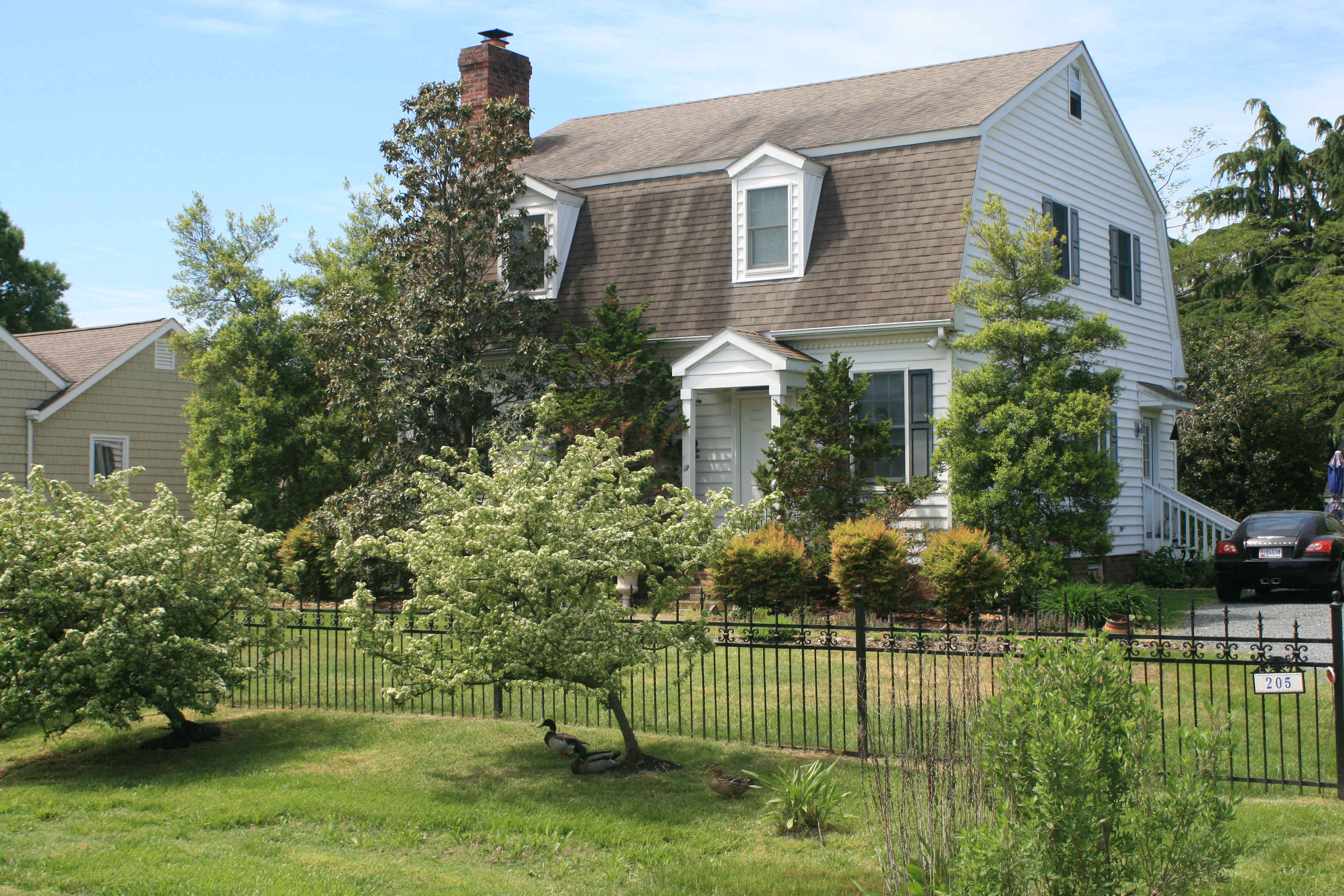
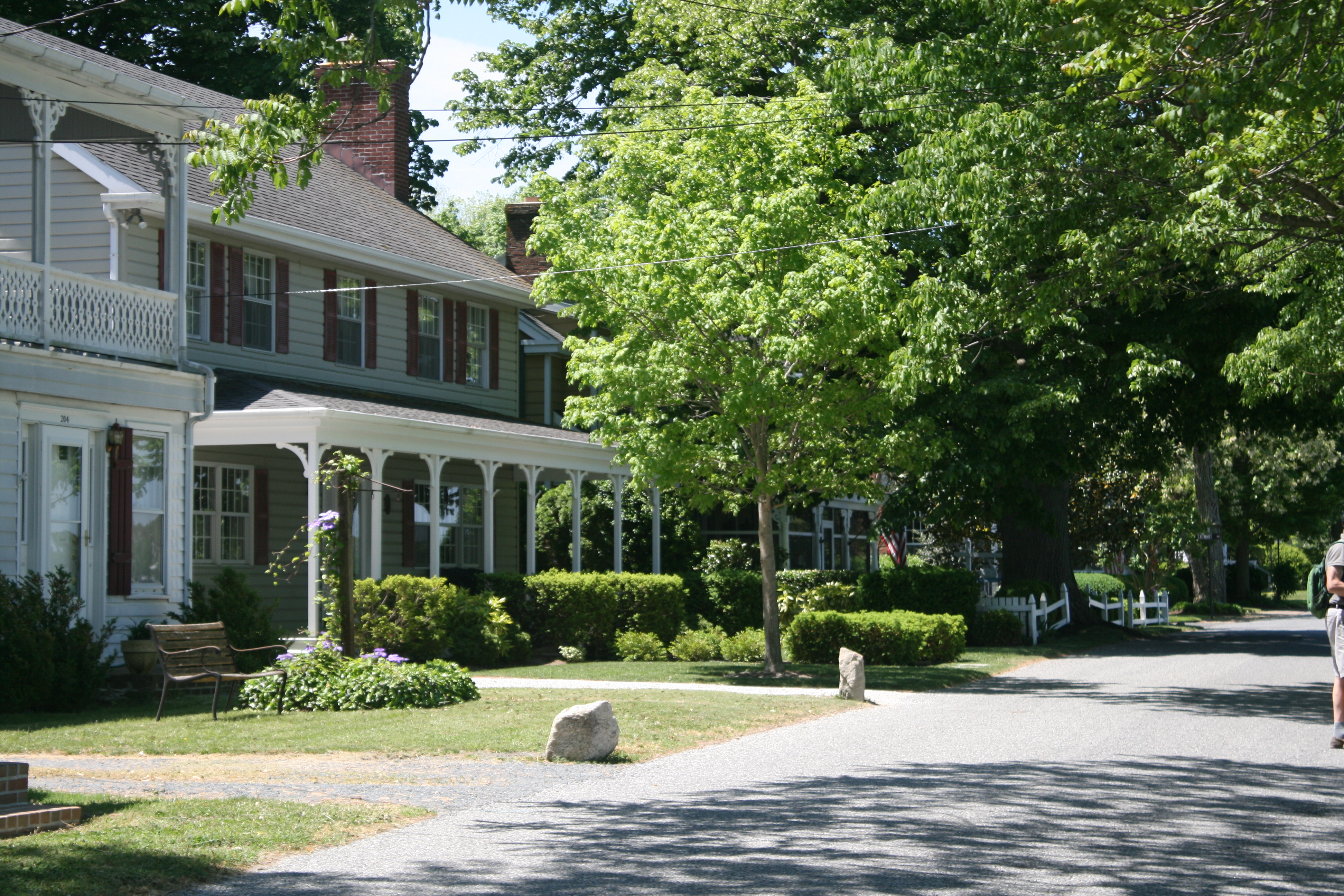
Oxford was a delight.The residents seem to take a keen interest in gardening and we saw some very pretty gardens in front of the gracious Victorian homes. The gentleman who lived next door to this house told us that his wife and her friend were actually at the Chelsea Flower Show at that very moment.

Front gardens, N. Morris St, Oxford

Front gardens, N. Morris St, Oxford

Oxford occupies a small peninsula at the confluence of the Tred Avon and Choptank Rivers. We had a leisurely bike ride round the village, passing by the small beach known as the Strand.

Overlooking the Tred Avon River at the end of the peninsula

Overlooking the Tred Avon River at the end of the peninsula

The Strand, Oxford

The Strand, Oxford

The Strand, Oxford

The Strand, Oxford

At one point we had to stop our bikes in one of the back streets, and a lady had to stop her car, to allow a small family of ducks to waddle across the road. They are just visible in the foreground of the next photo!

IMG_9406Oxford


House on the Strand

House on the Strand

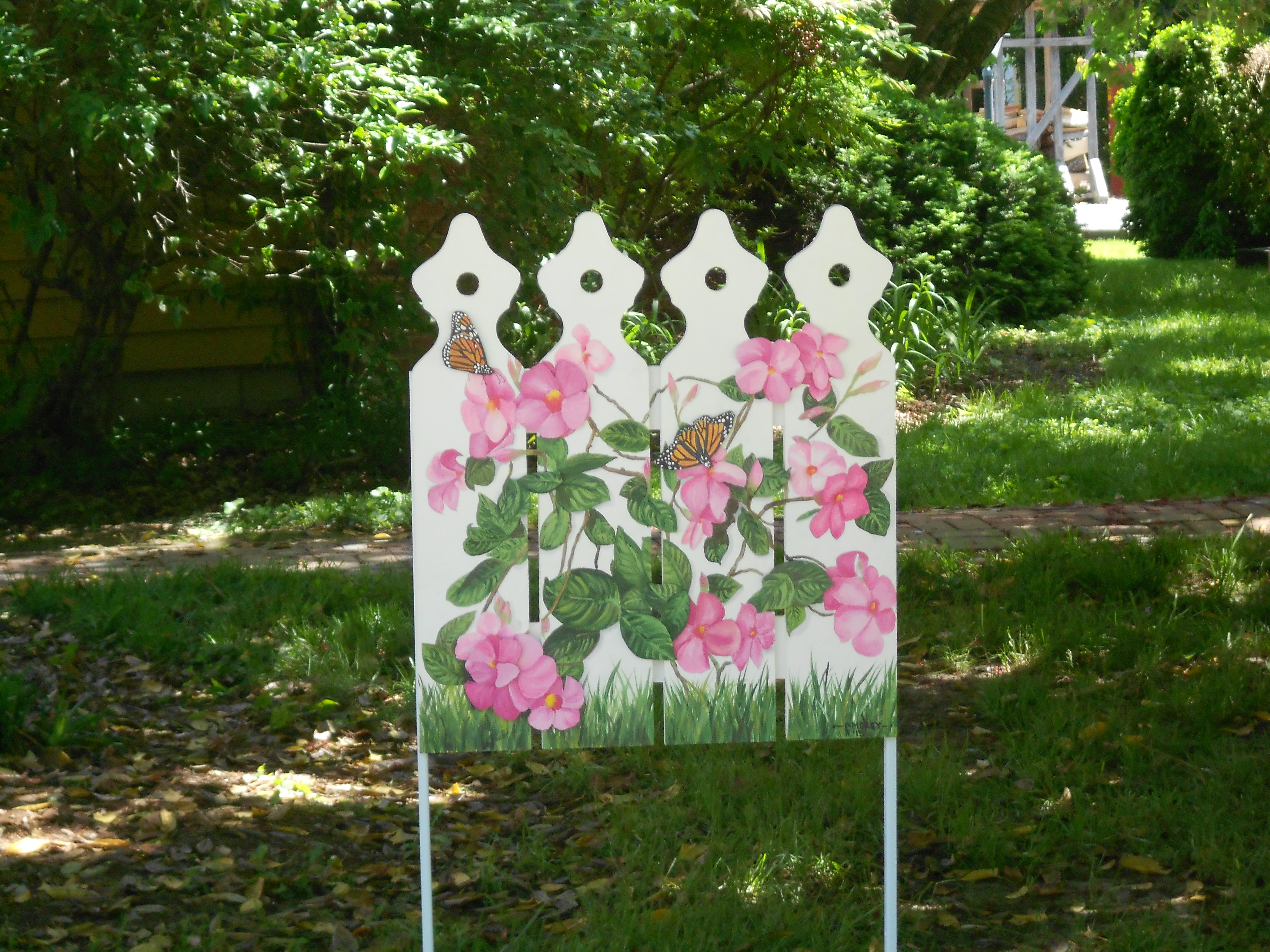
Oxford has an annual auction of decorated picket fences, which might sound a strange concept to British ears. The picket fences are painted by local artists and displayed outside local businesses, until October, when they are auctioned and the proceeds donated to the charity chosen by the artist.

Decorated picket fence

Decorated picket fence – The Root of the Matter

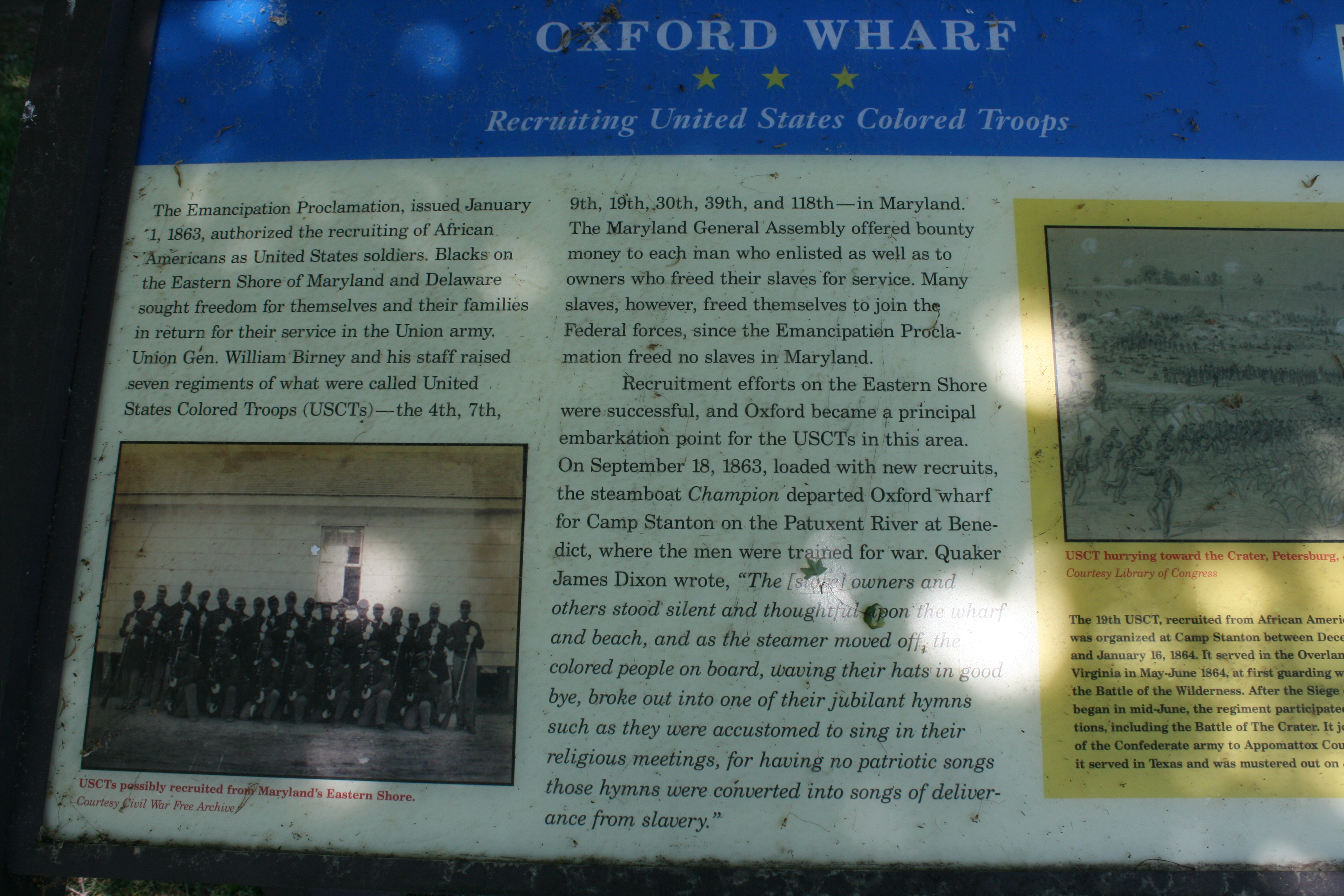
Oxford was an embarkation point in the 1860s for freed slaves who were then recruited into the USCT.

IMG_9413

There’s a small car ferry which goes from Oxford to Belle Vue on the other side of the Tred Avon, and in the afternoon we took the bikes over and cycled through the country lanes. The area had houses dating back to the 17th Century, but nowhere to get any refreshment, so we had to wait till we were back in Oxford to try the delights of the Highland Creamery ice-cream at a small kiosk overlooking the river.

Coming back from Belle Vue on the ferry

Coming back from Belle Vue on the ferry


The following day we cruised to St Michaels, another village on Maryland’s Eastern shore, but with a very different vibe from Oxford. It too has grown up along a peninsula and the marinas were all on the northern side, but there was an anchorage in the sheltered San Domingo Creek just south of the village. We  moored there and took the dinghy across to the public jetty.

As we were walking up from the shore towards the village, we were passed by an elderly couple reversing their truck at speed along the narrow road. There was a loud crash as the truck drove into a stationary Toyota. The couple got out of the truck, surveyed the damage, and the woman burst into tears, wringing her hands and wailing loudly in a way that suggested it might not have been the first time her husband had perpetrated such an incident. We were spared the dilemma of whether to intervene, or offer assistance, by the appearance of the Toyota’s owner who came running down the street, and we left them to it.

In contrast to Oxford, St Michaels had lots of shops and perhaps because it was Saturday, the streets were thronged with people. The presence of a decent supermarket was something of a relief, after nearly a week of no shops except the Oxford Market, which had only the very basics.

We made our way round the harbour, and outside the Maritime Museum was a replica shallop, the sort of small craft Captain John Smith used to explore the rivers of Chesapeake Bay in 1608.

Replica shallop at St Michaels

Replica shallop at St Michaels

Then we had a beer at the Crab Claw Restaurant and watched the boats coming in and out of the busy harbour.

The Crab Claw Restaurant, St Michaels

The Crab Claw Restaurant, St Michaels

S.Talbot St, St Michaels

S.Talbot St, St Michaels

When we got back to San Domingo Creek, I stopped to photograph some fishing boats and Ian started chatting to Johnny and Benny who were sitting in their truck, surveying the view of the creek. Benny was a waterman and gave us the welcome news that as the next day was Sunday, we wouldn’t be woken at four in the morning, as it was the watermen’s day off.

Fishing boats at San Domingo Creek

Fishing boats at San Domingo Creek

Instead, we were woken at intervals by brilliant flashes of lightning, resounding thunderclaps, and heavy rain hammering on Carina’s roof.

On Sunday morning, the creek was still and misty after the storm, and we moved on to Cambridge.

Leaving St Michaels - the San Domingo Creek

Leaving St Michaels – the San Domingo Creek

The sun had come out again by the time we got to Cambridge Municipal Marina.

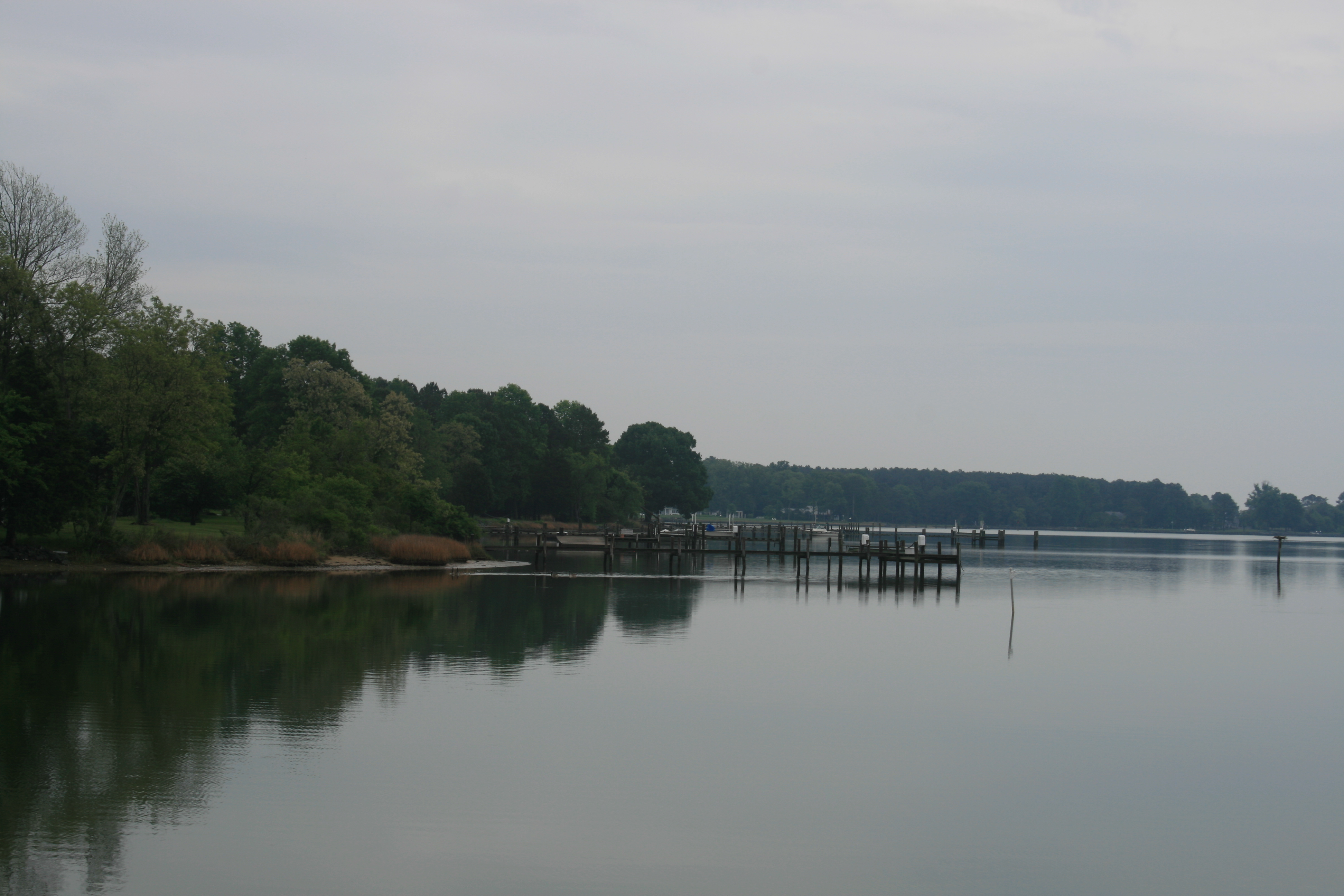
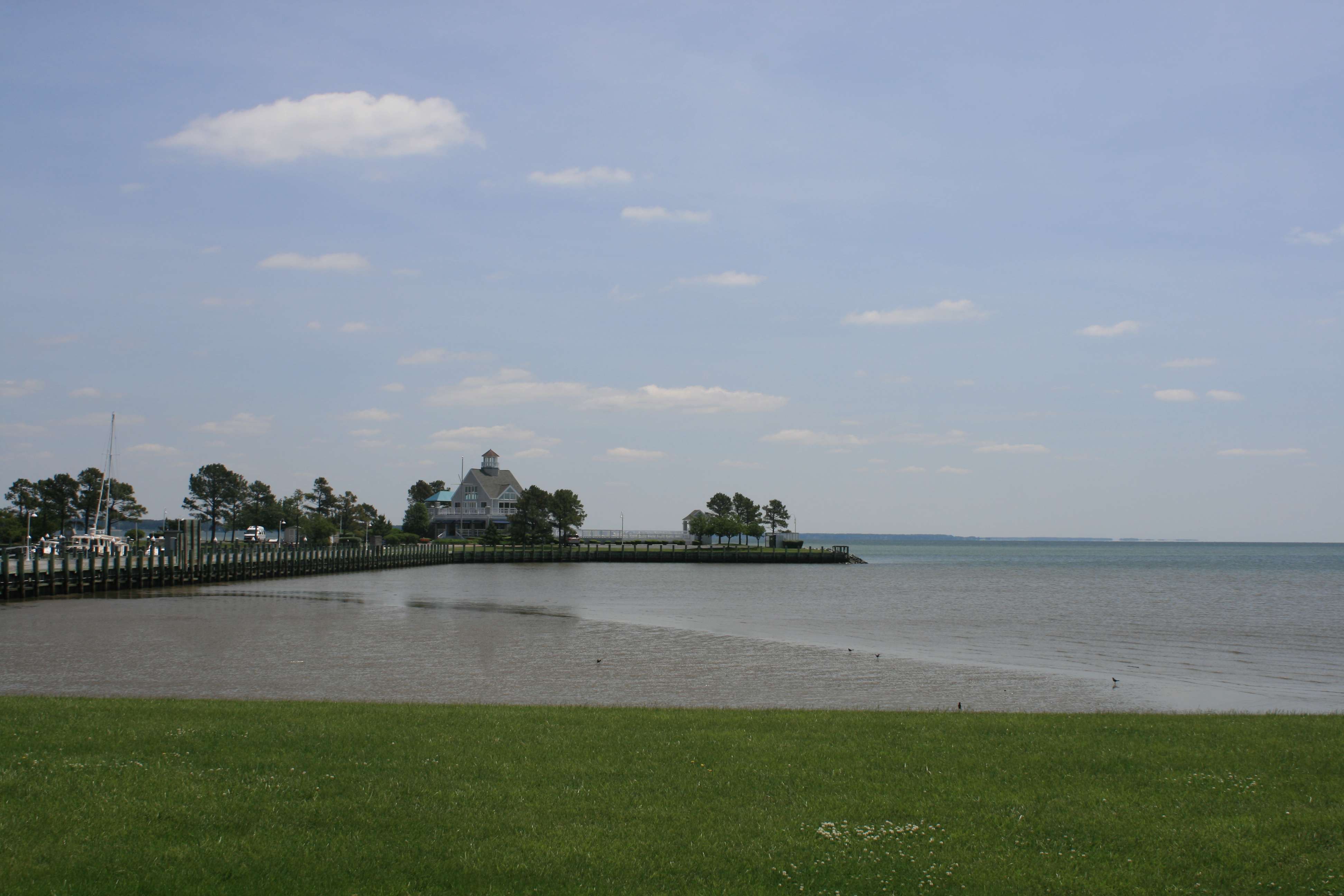
Boats at Cambridge Municipal Marina

Boats at Cambridge Municipal Marina

Cambridge is a town rather than a village, and although it has some pleasant streets and buildings, it has some rather run-down aspects too as we discovered when we cycled three miles in the heat to Walmart, to replenish our wifi stocks. This impression was confirmed the next day when we biked round the downtown area. There are things to see and do in Cambridge, as long as it isn’t Monday. There’s the Harriet Tubman Museum, dedicated to the life of the woman who was born near Cambridge and who helped many thousands of African Americans escape slavery in the 1860s, and there’s the LaGrange Plantation, the base of the Dorchester County Historical Society. Both of these, and the James B. Richardson Maritime Museum, are closed on Mondays.

But towards the end of Race Street, after the smart buildings had ended and the burnt-out shells and abandoned businesses started, we found Center Market. Mr Simmons, the owner, was outside, piling up the fresh fruit and vegetables on display. He told us that the market had been in his family for four generations, since 1937, and in those days, it had been an open market behind the shop premises. Inside the shop, high above the shelves holding canned goods, bottled drinks, paper towels and cleaning materials, were the old weights and cash registers used in the market. He, and the woman on the till inside, were delighted to welcome someone from Cambridge, England, to their store and impressed that Ian’s mum still lives there.

Inside Mr Simmons' store, Center Market

Inside Mr Simmons’ store, Center Market

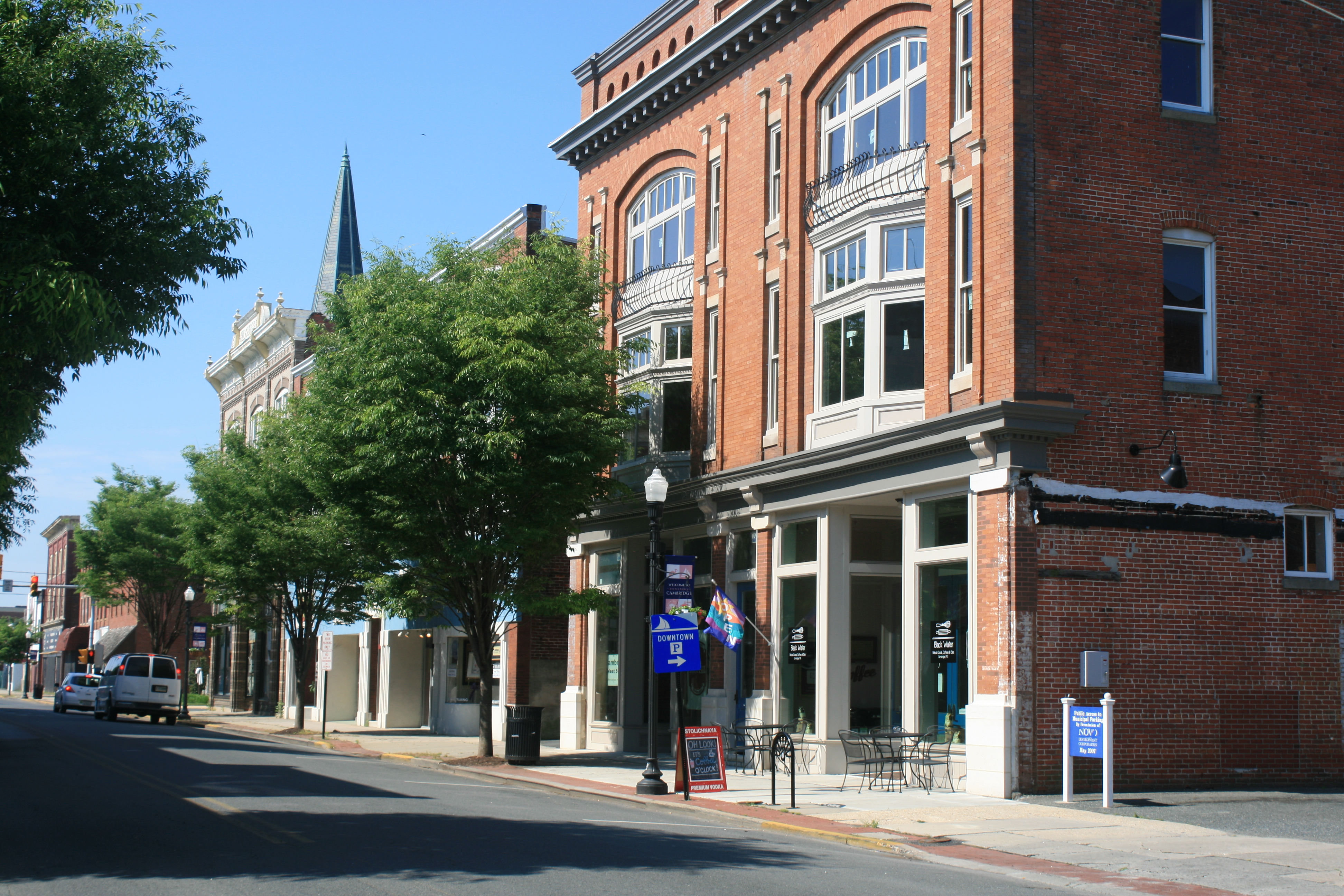
Race St, Cambridge

Race St, Cambridge

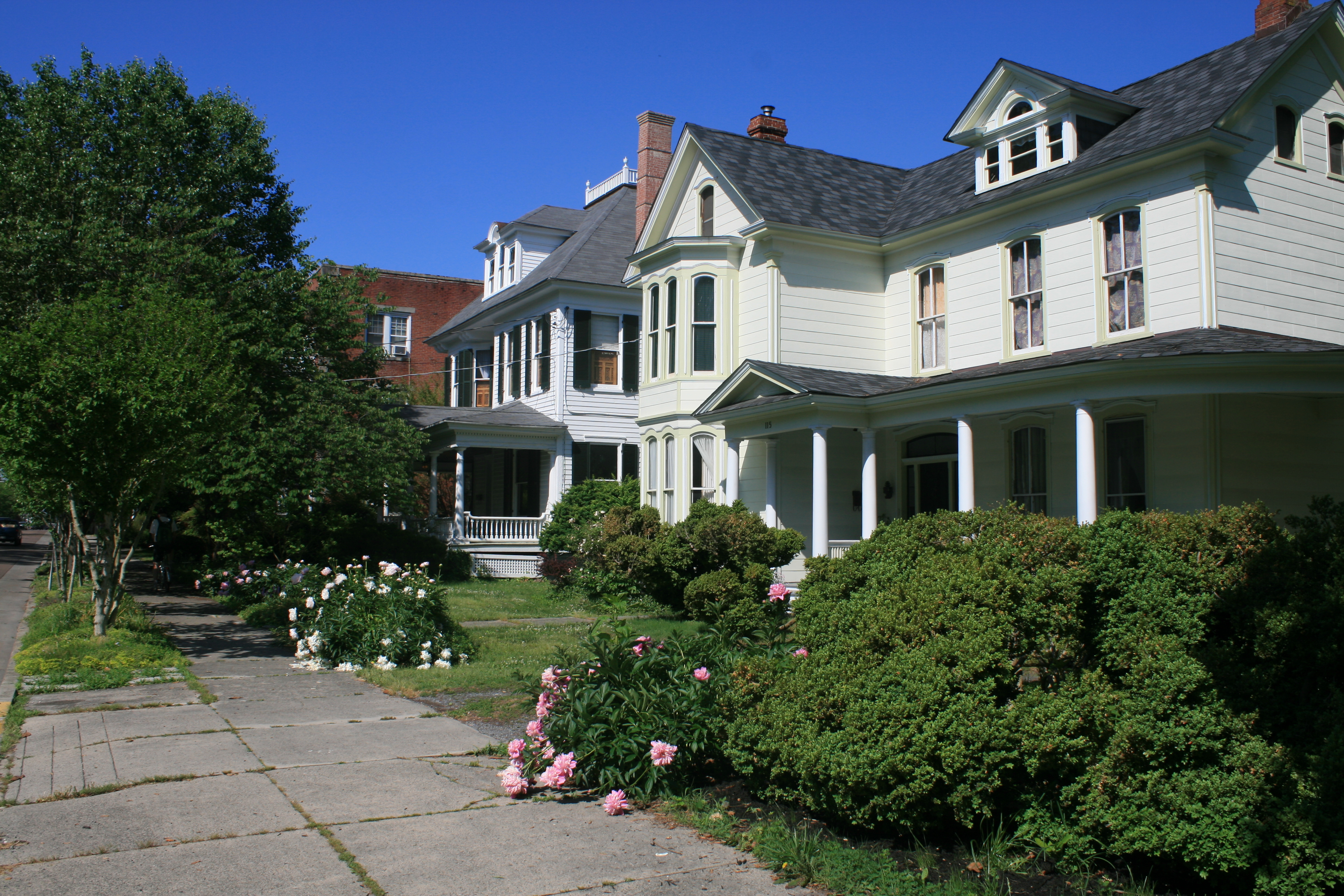
Victorian houses near the marina, Cambridge

Victorian houses near the marina, Cambridge

Cambridge does have its good points. The young marina staff, Scott and Chris, were friendly and helpful, and we had a very good meal at the Highspot Restaurant, on High Street.

Our last stop on the Eastern Shore was Tilghman Island, so named after it was bequeathed to Matthew Tilghman in 1752. We had two nights at Tilghman on Chesapeake Marina, beautifully situated with views out over the bay.

View from the marina

View from the marina

Low tide at Tilghman on Chesapeake

Low tide at Tilghman on Chesapeake

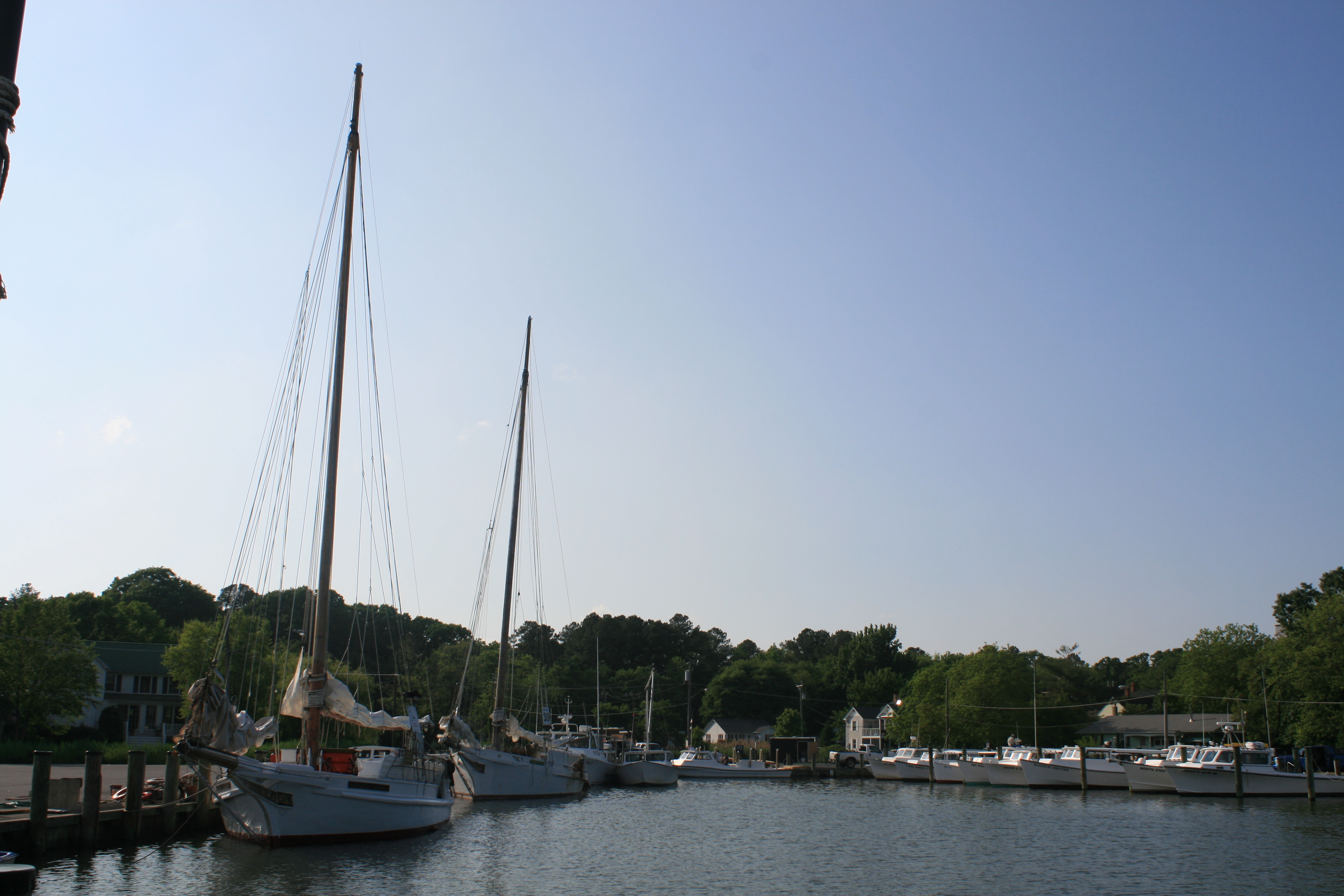
Tilghman has the largest working fishing fleet in Chesapeake Bay, and in recent years there has been investment to improve the natural harbour at Dogwood Cove. There are still two traditional skipjacks there, which harvest oysters in the dredging season and take visitors out at other times.

Skipjacks in Dogwood Harbor, Tilghman Island

Skipjacks in Dogwood Harbor, Tilghman Island

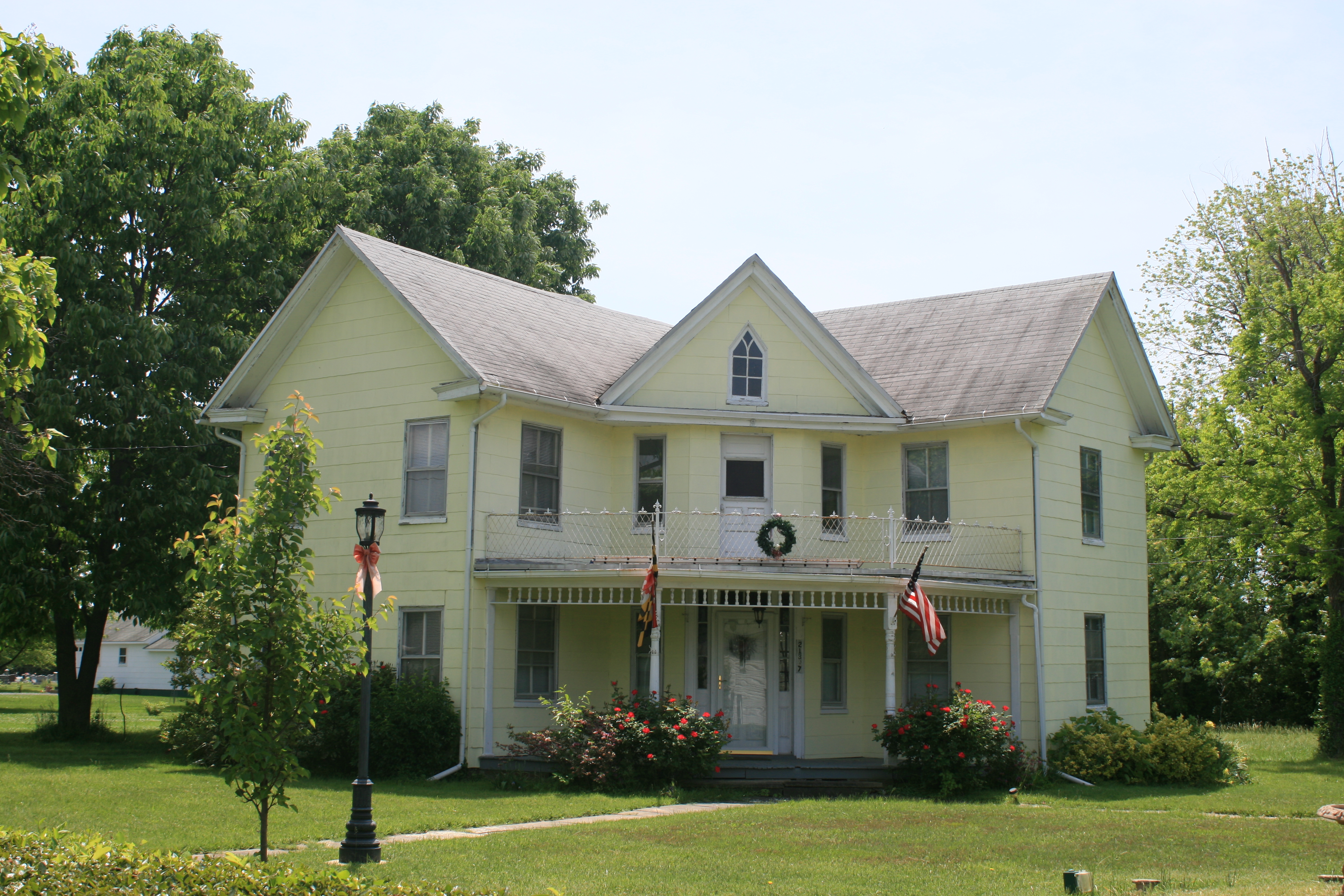
Also of interest are the ‘W’ houses that are unique to Tilghman – twelve of them were built in the early 1900’s, but only five now remain.

W house, Tilghman Island

W house, Tilghman Island

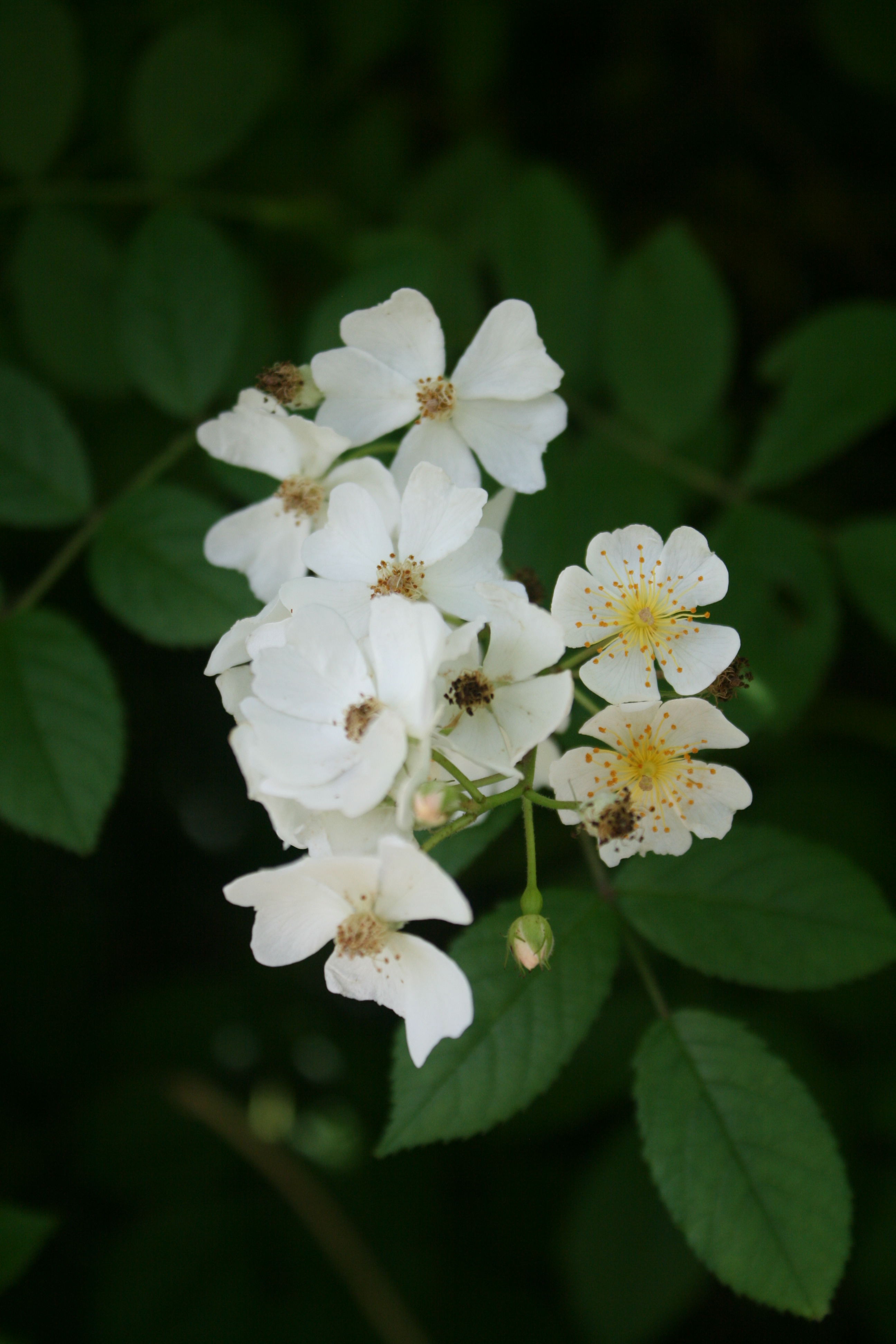
We cycled to Black Walnut Point at the southern tip of the island, and the air was scented with the flowers of Rosa multiflora, which is now so common that, rather sadly, it is regarded as an invasive species.

Rosa multiflora

Rosa multiflora

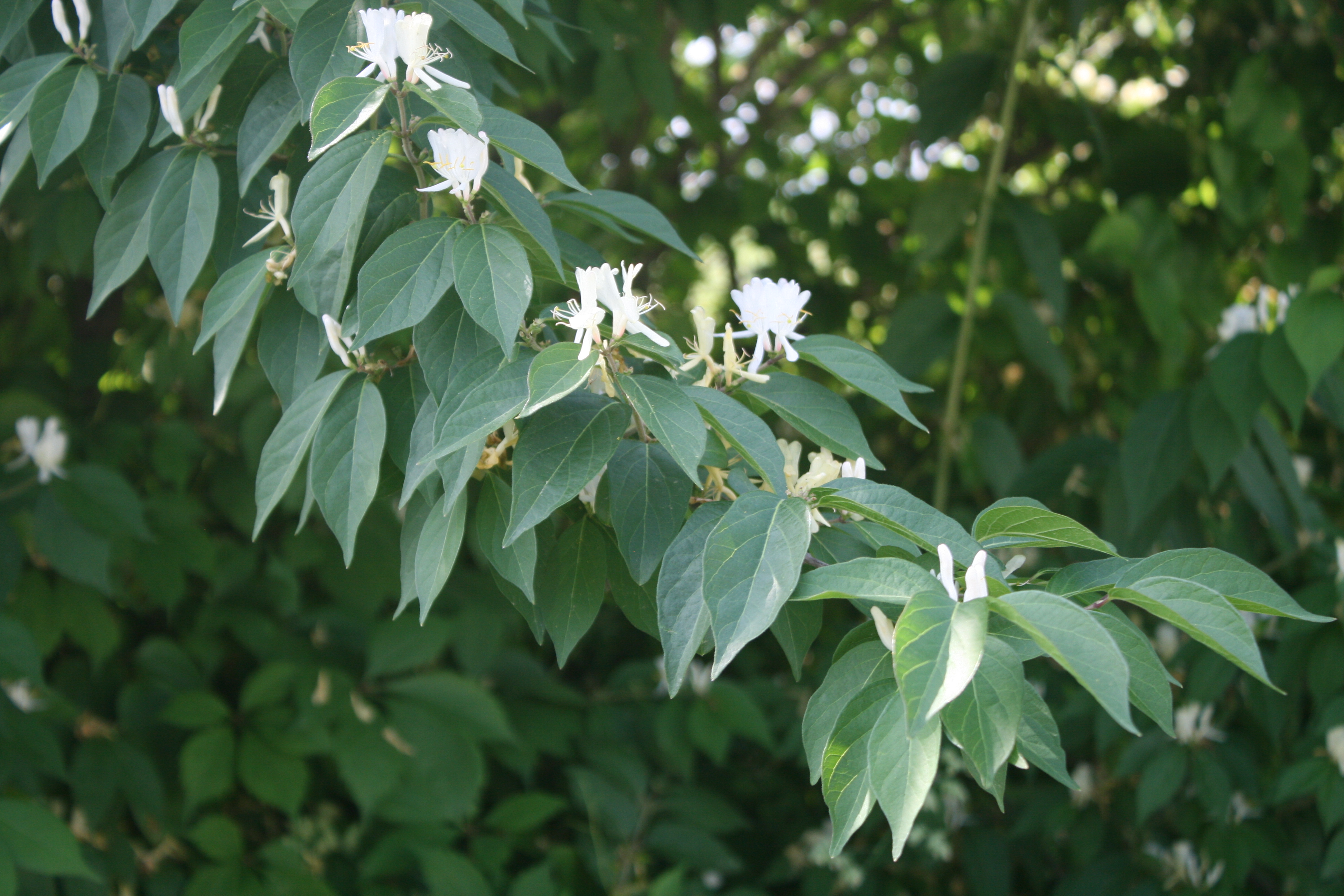
There was honeysuckle too.

Japanese honeysuckle

Japanese honeysuckle

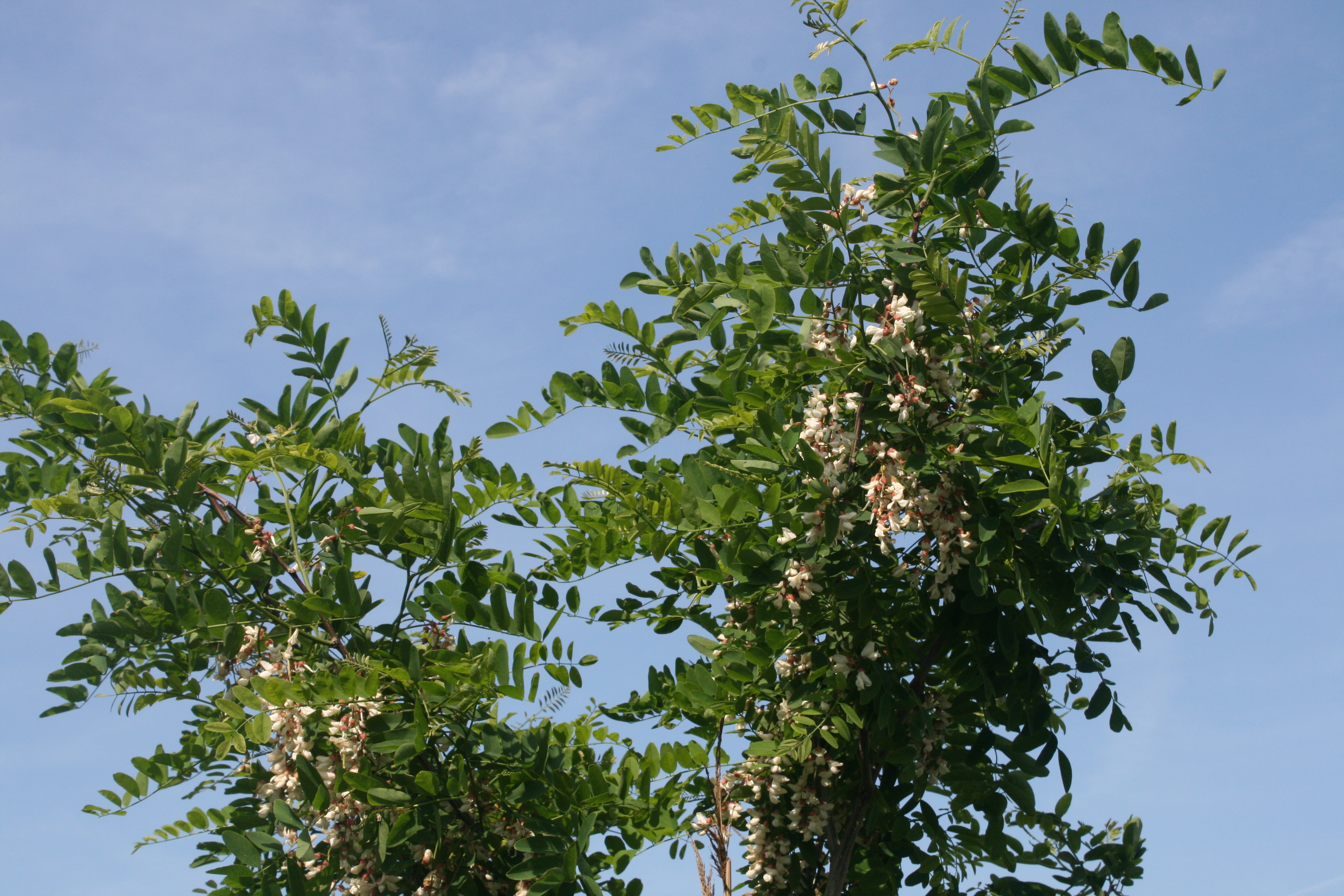
And lots of black locust trees.

Robinia pseudoacacia

Robinia pseudoacacia

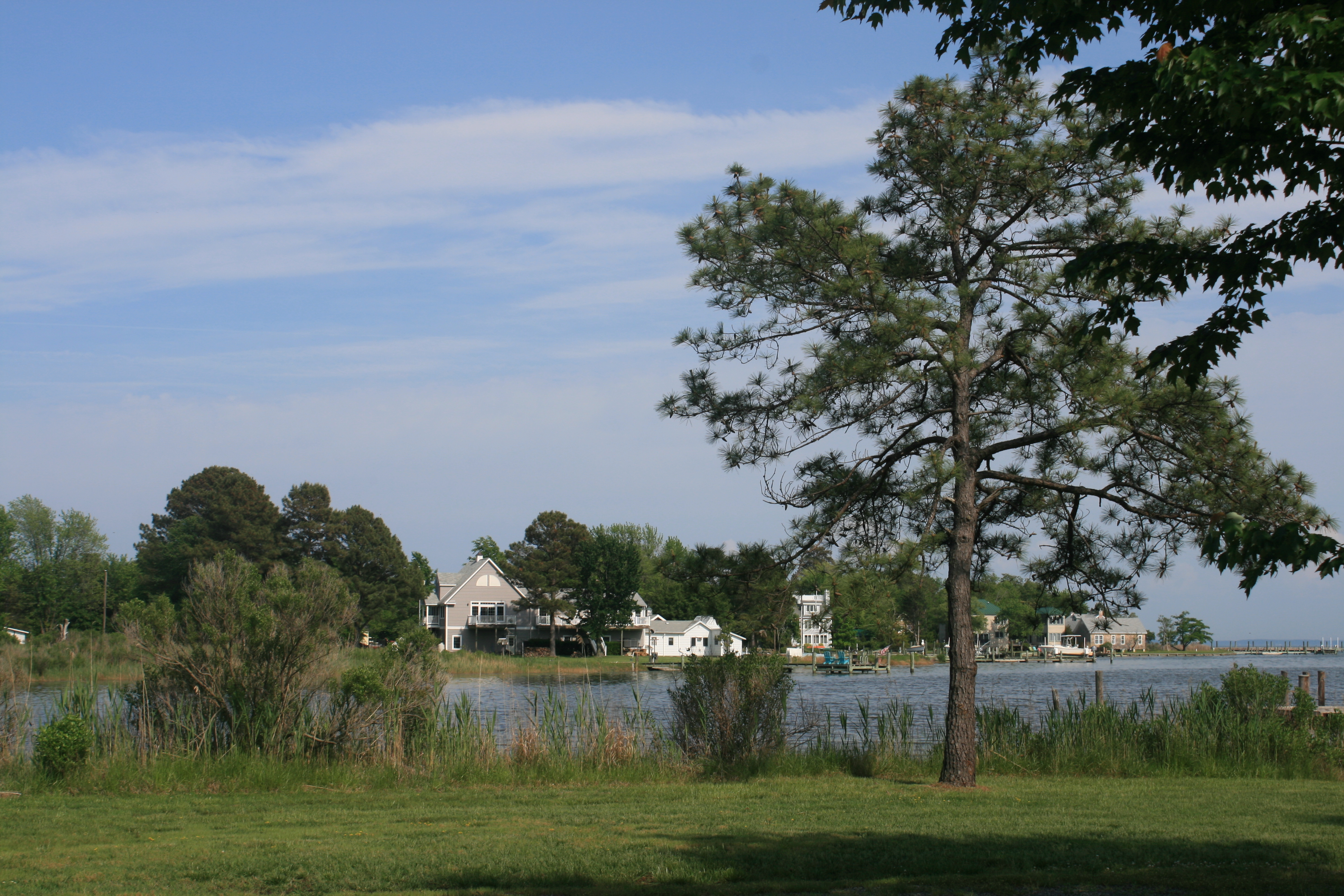
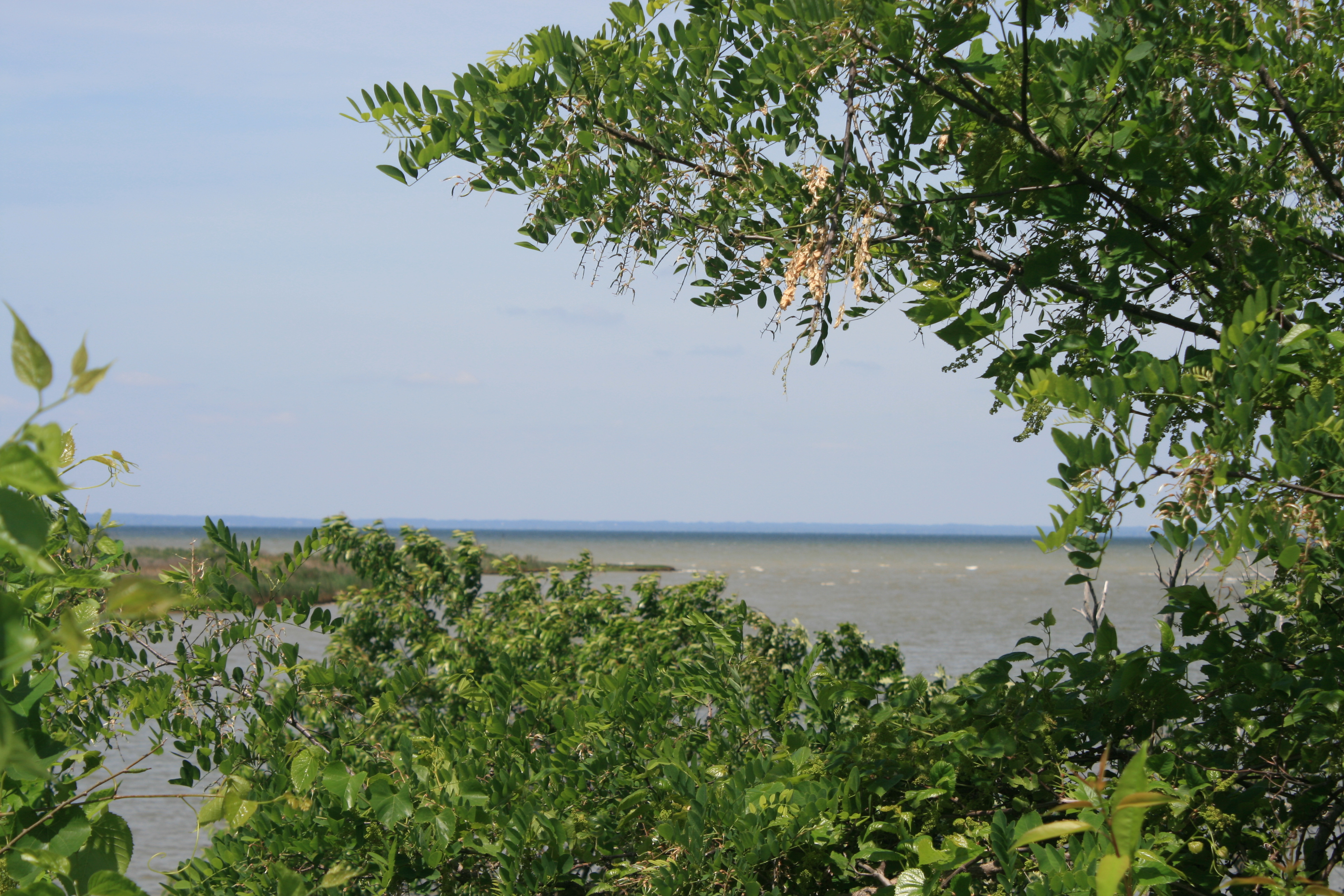
Near Black Walnut Point

Near Black Walnut Point

We were intrigued by the name of the Two If By the Sea Restaurant on the main road. Henry, the chef and owner, had been a head chef with Marriott Hotels and decided to escape to the country. The restaurant premises used to be a grocery and hardware store and the interior looks like a cross between an English tea room, with paintings, bric a brac and fine china on display, and an American bar. We sat at the table with a view of the kitchen garden where Henry’s partner aims to grow all their own produce.

The restaurant is only open for dinner on Friday and Saturday nights, so we went for breakfast and Henry cooked us the best omelette I’ve ever tasted – with asparagus, crab and cheese. The menu said served with ‘fries’. This turned out to be an unassumingly modest description – the potato cubes were lightly sauteed with a mixture of herbs and oil, and were the perfect accompaniment to the omelette.

Tilghman Island is separated from the mainland by a narrow stretch of water known as Knapps Narrows.

Looking north, Knapps Narrows

Looking north, Knapps Narrows

Knapps Narrows

Knapps Narrows

To get back to the Western Shore and our next destination, Annapolis, the quick way was via the Narrows.

But all the advice was against it. The amount of silting would virtually guarantee running aground. So we took the long way round, south of the island, adding another eight miles to the journey round Black Walnut Point. It was windy, and choppy, but we’re getting used to that sort of thing.

Carina in the evening sunshine, Tilghman Island

Carina in the evening sunshine, Tilghman Island


#


Smith Island, Solomons and St Leonards Creek

Tangier Island - Solomons -St Leonards Creek (2)

Ewell Town, Smith Island, MD, looked quite inviting as we approached, with the houses among the trees looking out over the water. But after the friendly and welcoming atmosphere on Tangier Island, Smith Island was almost spookily quiet, and something of a disappointment. I was glad we’d gone to Tangier first.
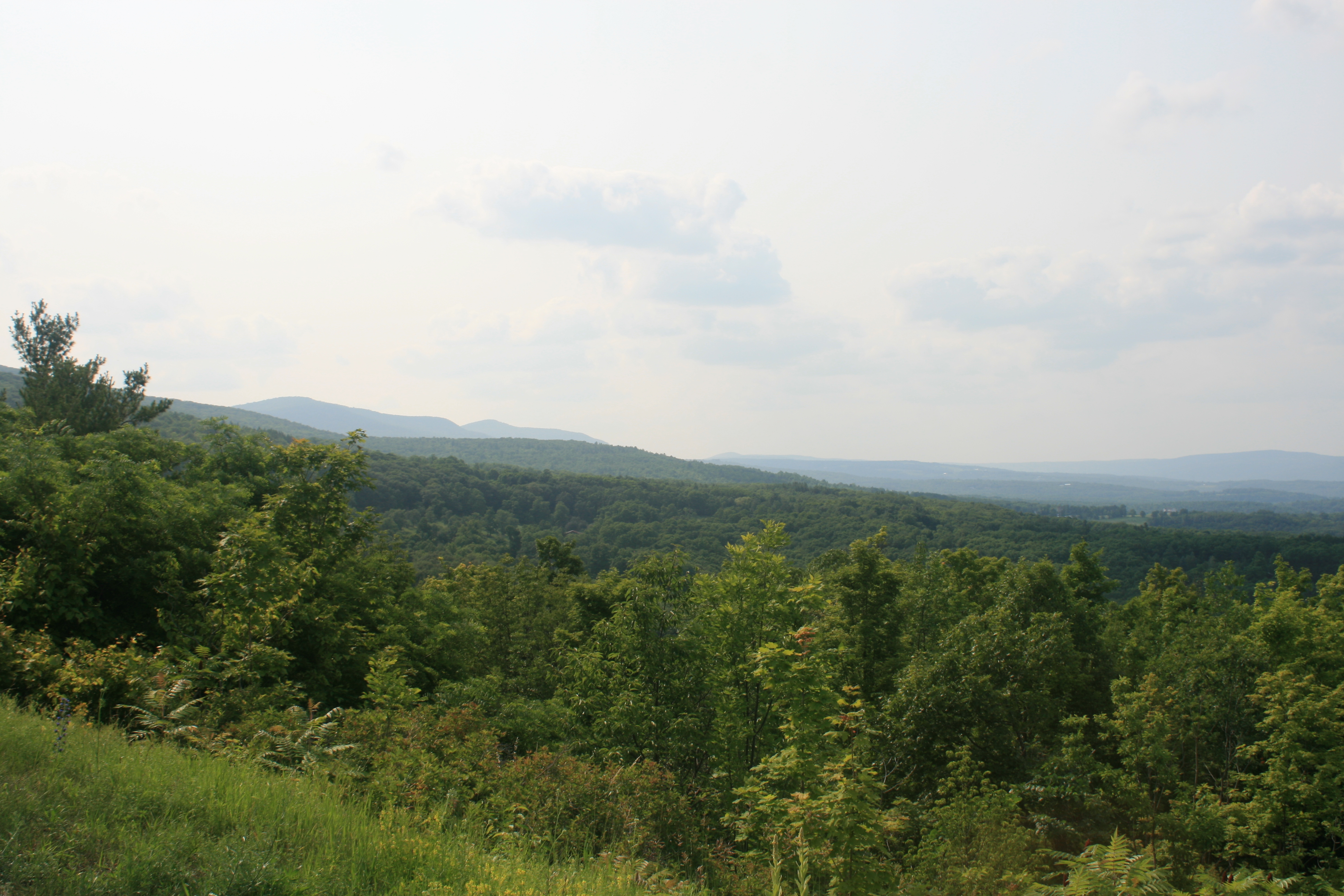
Approaching Ewell, Smith Island

Approaching Ewell, Smith Island

We got a good view of Martin National Wildlife Reserve, just before arriving at Ewell.

Martin National Wildlife Refuge, Smith Island

Martin National Wildlife Refuge, Smith Island

We stopped at the marina at Ewell, on the north shore of the island, but hadn’t been able to contact the dockmaster before we got there.  So there was no-one to greet us, or more importantly, help us to dock the boat.
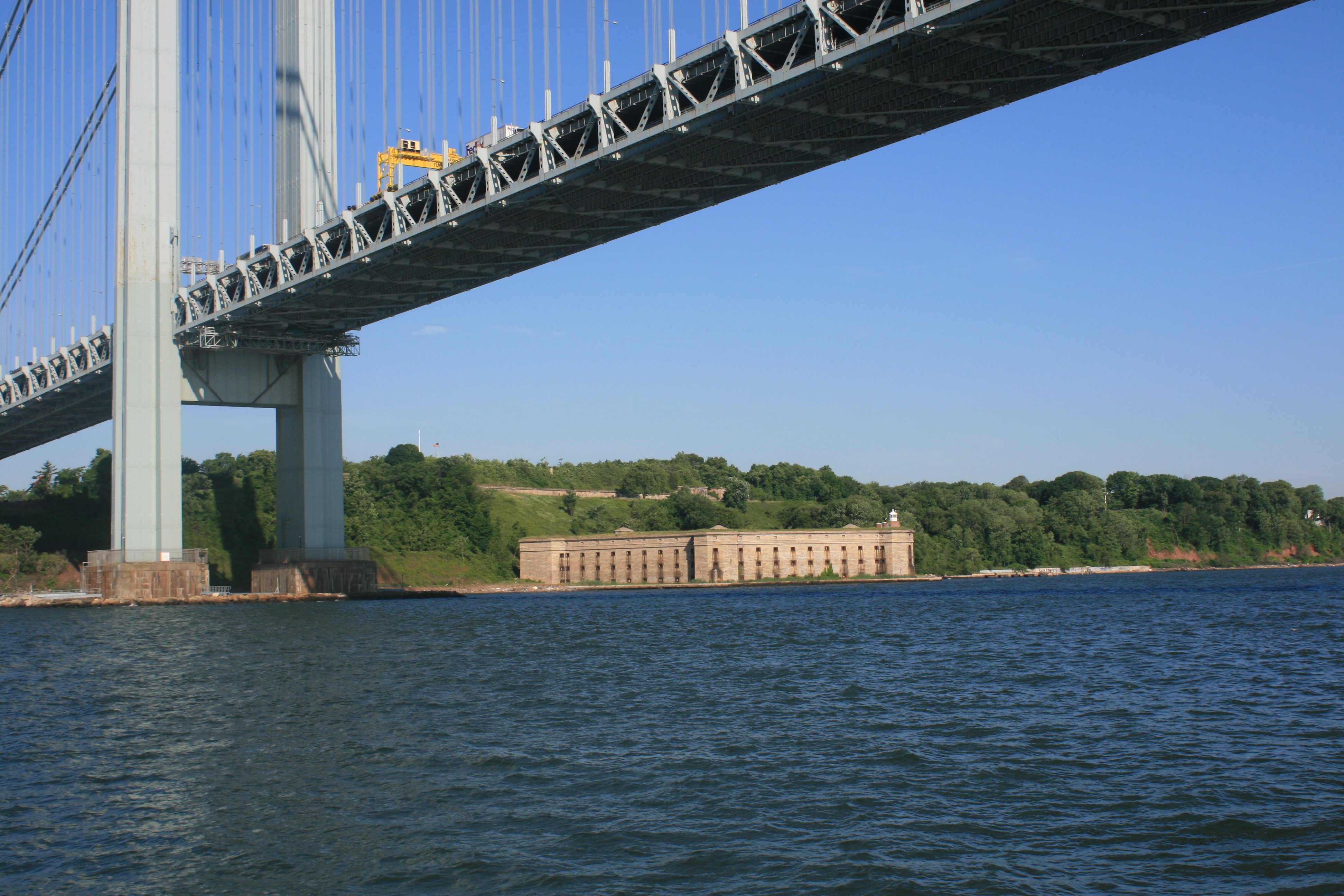
It fell to me, as crew, to lasso one of the large vertical poles at the side of the jetty, and secure the boat. I was a little nervous.
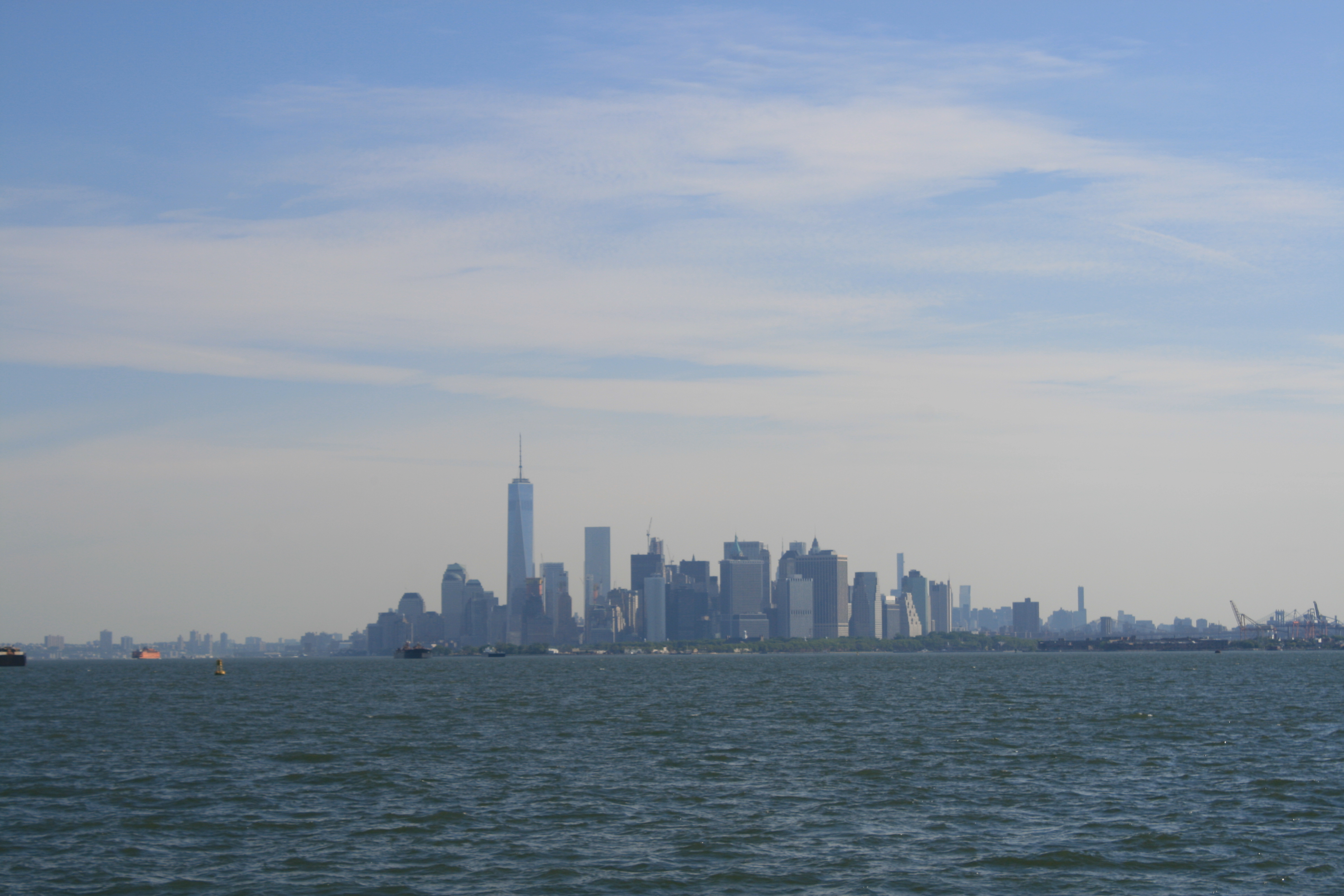
The Captain’s orders were to get everything ready for a starboard tie. I managed to get two fenders in place, and the mooring rope on the starboard side ready to ensnare the post.

We glided smoothly into the dock.

‘Midline on port!’ came the order from above.

‘You said starboard!’

‘I changed my mind!’

I dashed round to the port side, quickly released the port mid-line and, miraculously, managed to throw the rope over the pole and  pull Carina in. Only the Captain heard me swear.

The Guidebook promised two restaurants, a grocery and deli, and the Smith Island Cake Company, the prospect of which had Ian quite excited. Smith Island Cake is Maryland’s State Cake (allegedly) and is a confection of ten layers of sponge cake, sandwiched together with frosting.

But none of these establishments were open, so our plans to eat out had to be shelved. Eating in wasn’t an inviting prospect, either. Carina’s cupboards were relatively bare, but a lady we met in our search for the grocery/deli told us that there was a small store attached to the fuel dock. This turned out to stock a variety of tinned and packaged goods, but nothing fresh. Apparently the locals survive by taking the ferry to Crisfield, 10 miles away, and  do their shopping there.  We bought a can of Bush’s Authentic Baked Beans, and dinner was a humble affair of a plain omelette, Anna potatoes and baked beans, followed by our last remaining orange for dessert.

Exploring Ewell

Exploring Ewell

Fortunately, the next day the weather was favourable enough to cross the bay back to the Western Shore, where we had arranged to meet the family at Solomons. Solomons is a great boating centre and weekend get-away destination for people from Baltimore, Annapolis and DC, so there were plenty of marinas to choose from. We stayed at Solomons Harbor Marina, next to the Holiday Inn, where Ted, Danielle, Sophie and Ewan were due to arrive the next day.

Approaching Solomons

Approaching Solomons

View from our mooring at  Solomons Harbor Marina

View from our mooring at Solomons Harbor Marina

After the rather spare meal of the previous evening, we felt we deserved a treat, so we got the bikes out and pedalled off to Solomons Island, separated from the mainland by a short bridge over a little creek. But before we got there, we came upon the CD Cafe, somewhat surprisingly situated in a modern building which also housed a dentist’s office, a lawyer and a medical therapist.

We’d read favourable reviews of the CD Cafe and had had enough pedalling, so decided to go in. The restaurant was packed and had a great atmosphere, but we got a table and the food was so good that we went back again three nights later, to round off our visit to Solomons in style.

Our visitors arrived promptly the next day and the two smaller ones quickly discovered what fun it was to go out of the starboard cabin door, run round the foredeck, and re-enter the cabin via the port door. Alternatively, you could exit the port door, run round the rear deck, and come back in via the starboard door. And then there were those little flights of stairs leading down to the bedrooms, and up to the top deck, where you were really high up, and  Grandad had his special instruments. It was great to have you on board, little guys!

IMG_9357

IMG_9358

IMG_9362


(And you, Ted and Danielle!)

It was quite choppy in the Patuxent River so we cruised round the calmer waters  of Mill Creek to anchor and have lunch. Although the area is quite developed, the houses are mainly hidden in the dense woodland and so it seems quite unspoiled.

Mill Creek, Patuxent River

Mill Creek, Patuxent River

After dinner at Ruddy Duck’s, which has its own micro-brewery, we went back down to the island for an ice-cream at Coney’s. Lots of other people had the same idea, and the queue was quite long at the kiosk on the promenade next to the little beach. The atmosphere was almost like an English sea-side town, with lots of children playing on the swings and helter-skelter.


We’ve been much more hampered by the weather on this trip than we were on the Intra-coastal Waterway. Because the bay is so vast, wind speed and wave height have to be closely monitored and any small craft warnings duly heeded. So it wasn’t till Tuesday that we left Solomons, and even then the conditions weren’t suitable for crossing the bay or even going north up the western shore. So we contented ourselves with a side trip up the lovely Patuxent River,  then turning north into St Leonard Creek. We passed Vera’s Beach Bar, where until she died at the age of 92 in 2007, Vera  had apparently entertained her clientele by appearing in a variety of Polynesian costumes.

Vera's Beach Bar, St Leonard Creek

Vera’s Beach Bar, St Leonard Creek

The rest of the creek was quiet and deserted, and as the high winds persisted, we had another day there.

View from the mooring at St Leonard Creek

View from the mooring at St Leonard Creek

We ventured down to the mouth of the creek in the RIB to see if we could land at the Jefferson Patterson Park which we had seen on the way in and which had several walking trails. I’d phoned the Park Ranger and she had said there were no jettties we could use, but we thought we might be able to land on one of the small beaches.

The sight of the waves and the white horses on the Patuxent, where the creek flows into the river, confirmed our decision to stay another night up in the creek. We found a delapidated landing stage and tied the dinghy to a post, and waded through the warm, shallow water to the beach. We could see two parked cars a short distance away, so there was obviously a trail nearby. But the beach was separated from it by  fifteen yards of long grass and shrubs, and bearing in mind the dire warnings we’ve had about ticks and other ‘critters’, and the snake we saw in the dock at Solomons, we didn’t risk fighting our way through.

And anyway, the little beach was a lovely place to stand and stare.

Beach at Jefferson Patterson Park

Beach at Jefferson Patterson Park

IMG_9381

IMG_9382

IMG_9383

Carina moored at St Leonard Creek, Maryland

Carina moored at St Leonard Creek, Maryland

The next day we went back down the Patuxent and crossed the bay again, to Oxford, one of Mayland’s Eastern Shore villages.