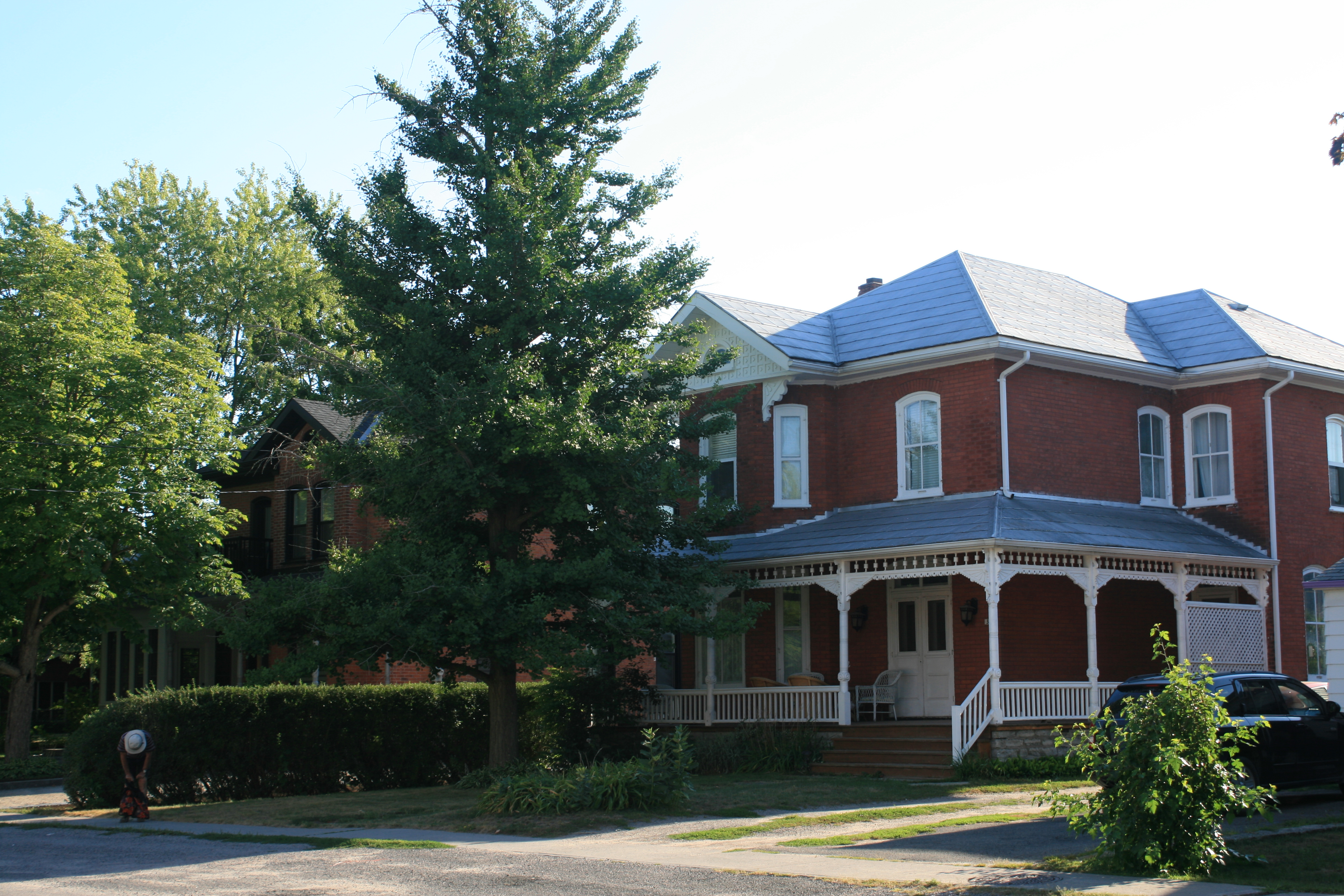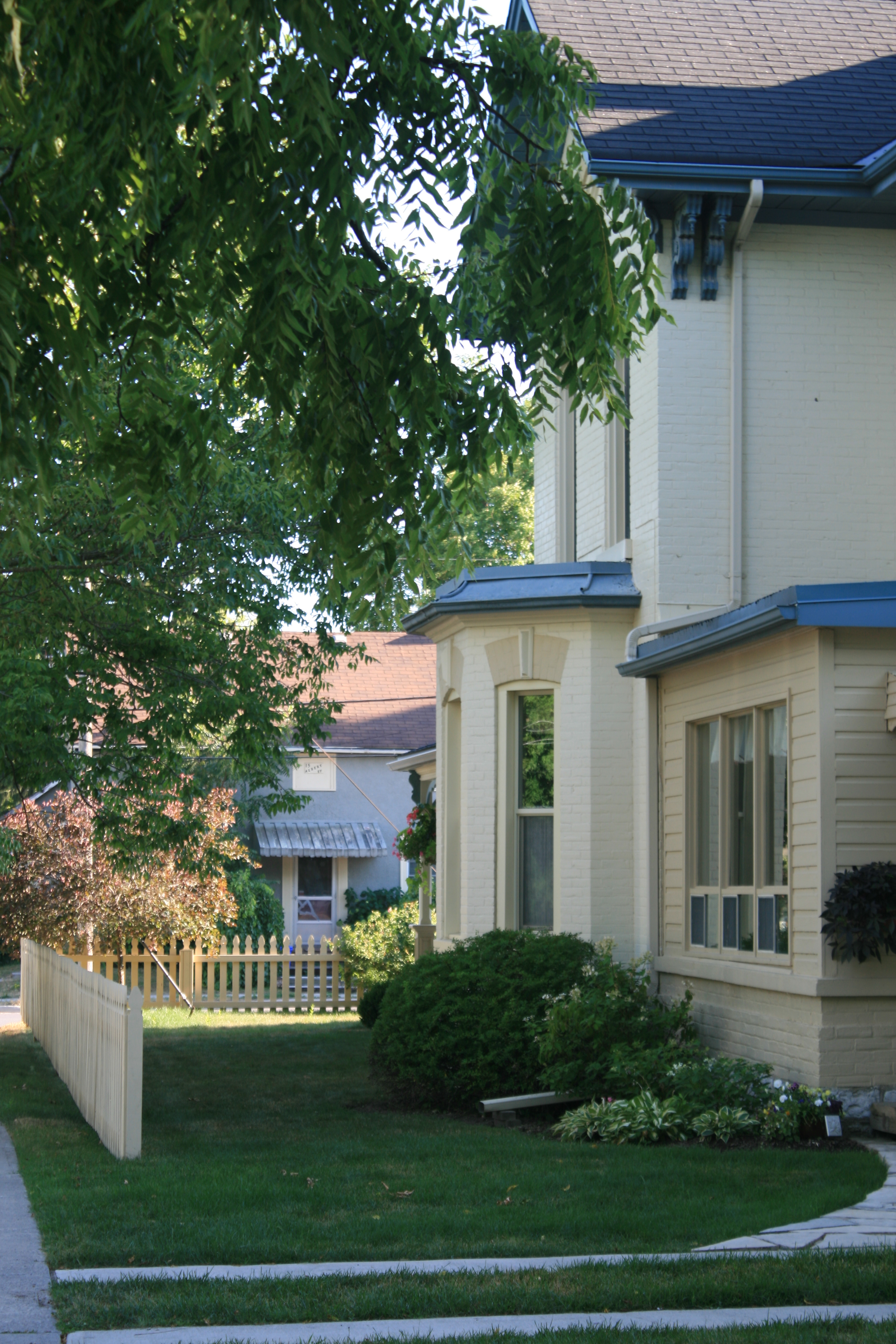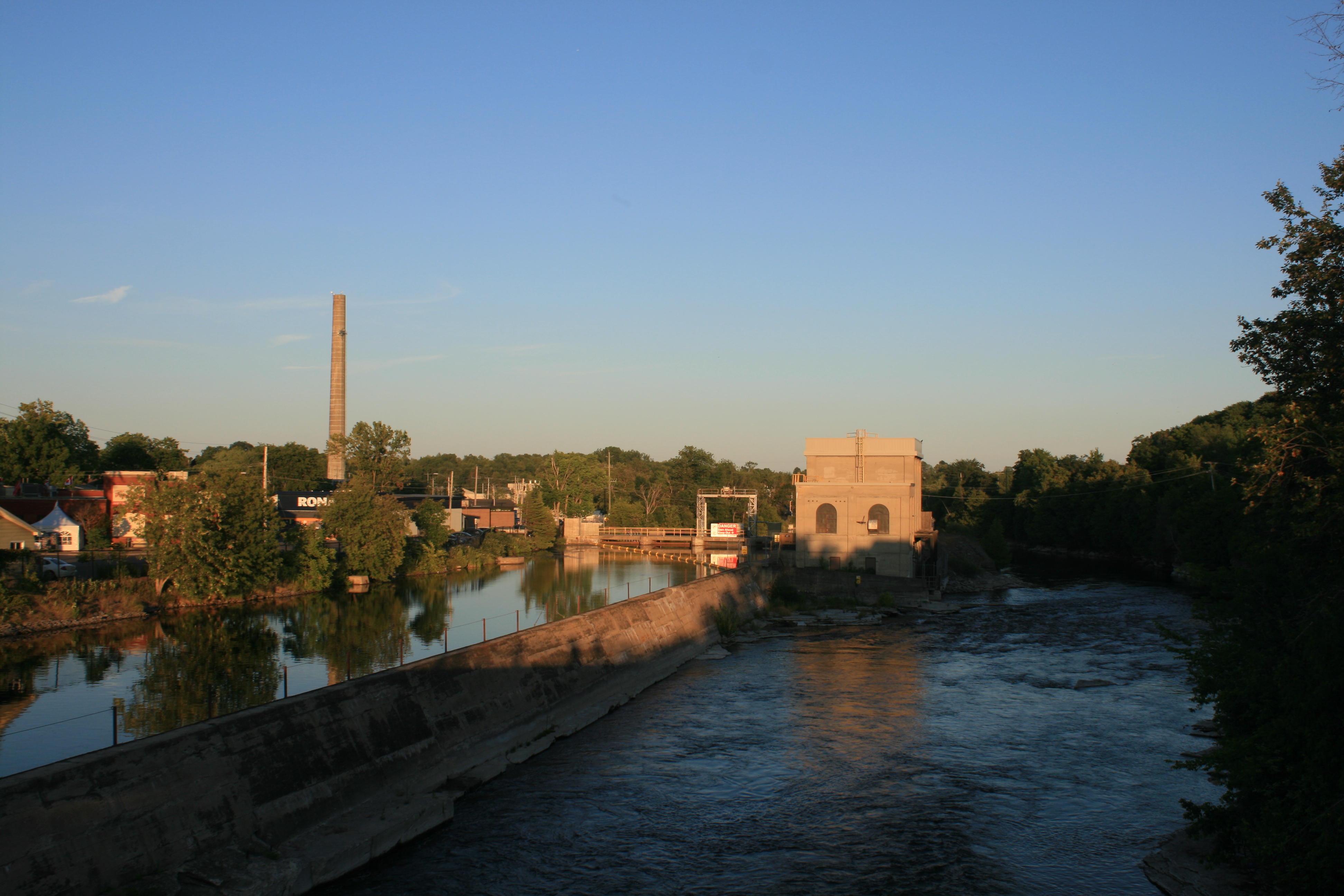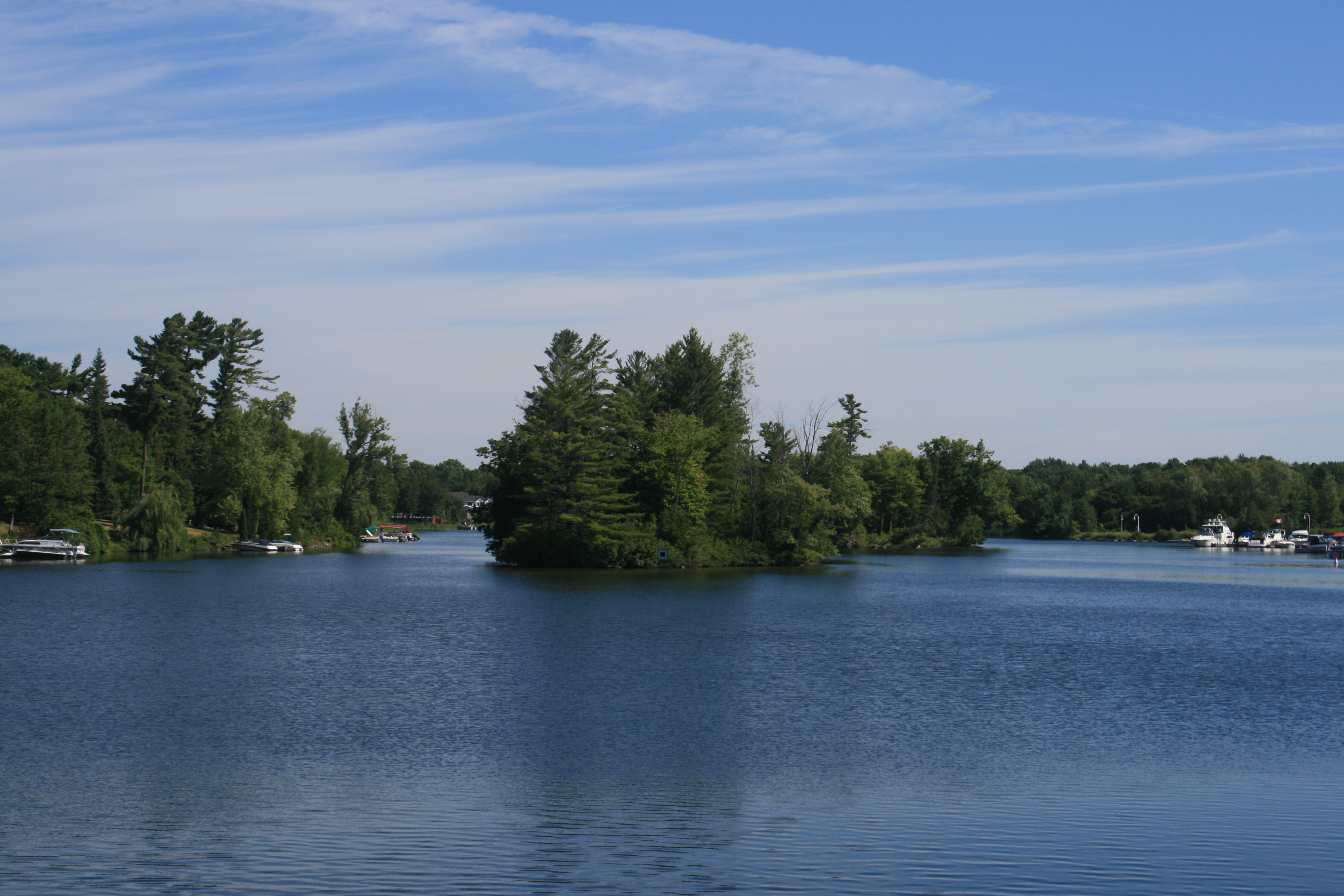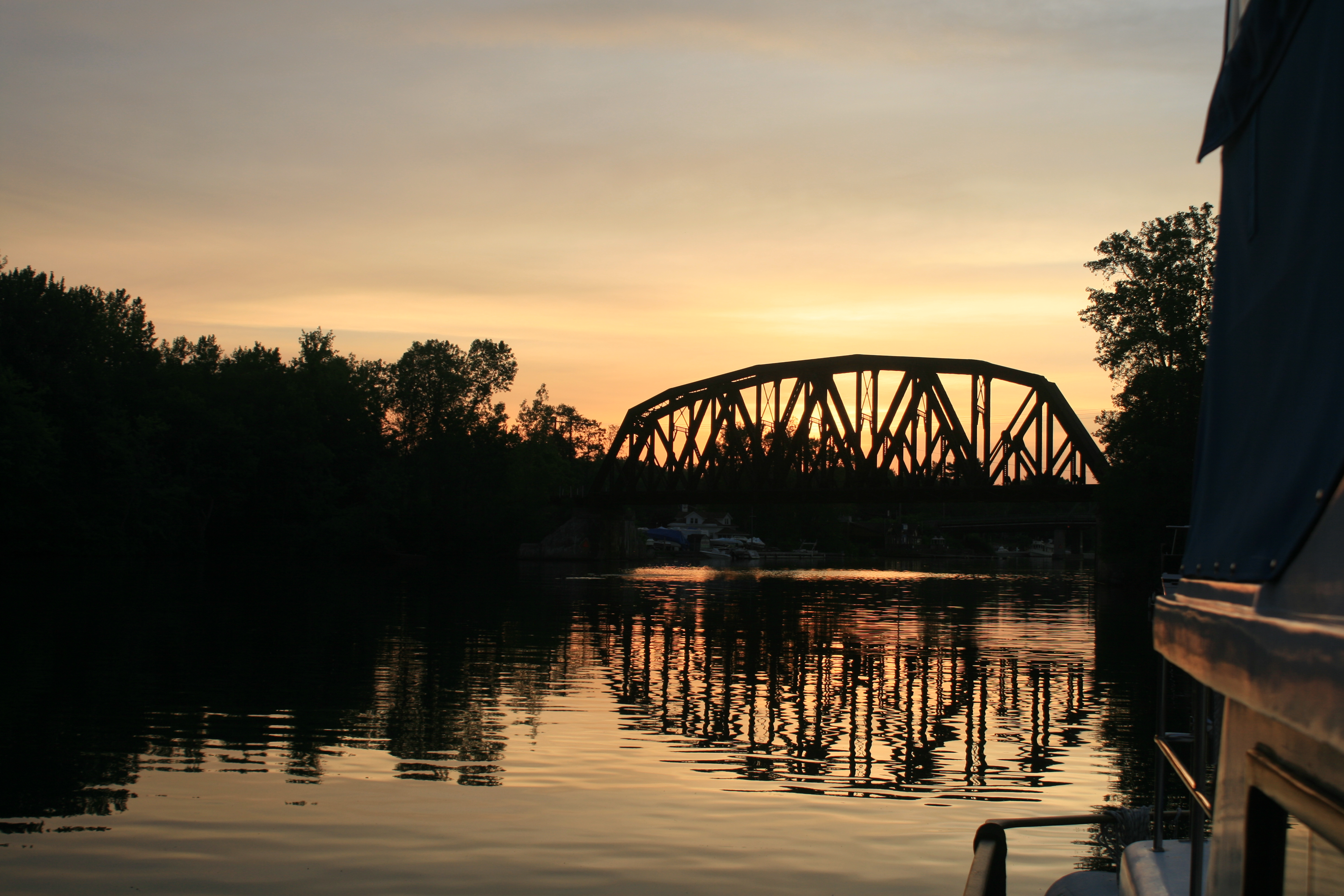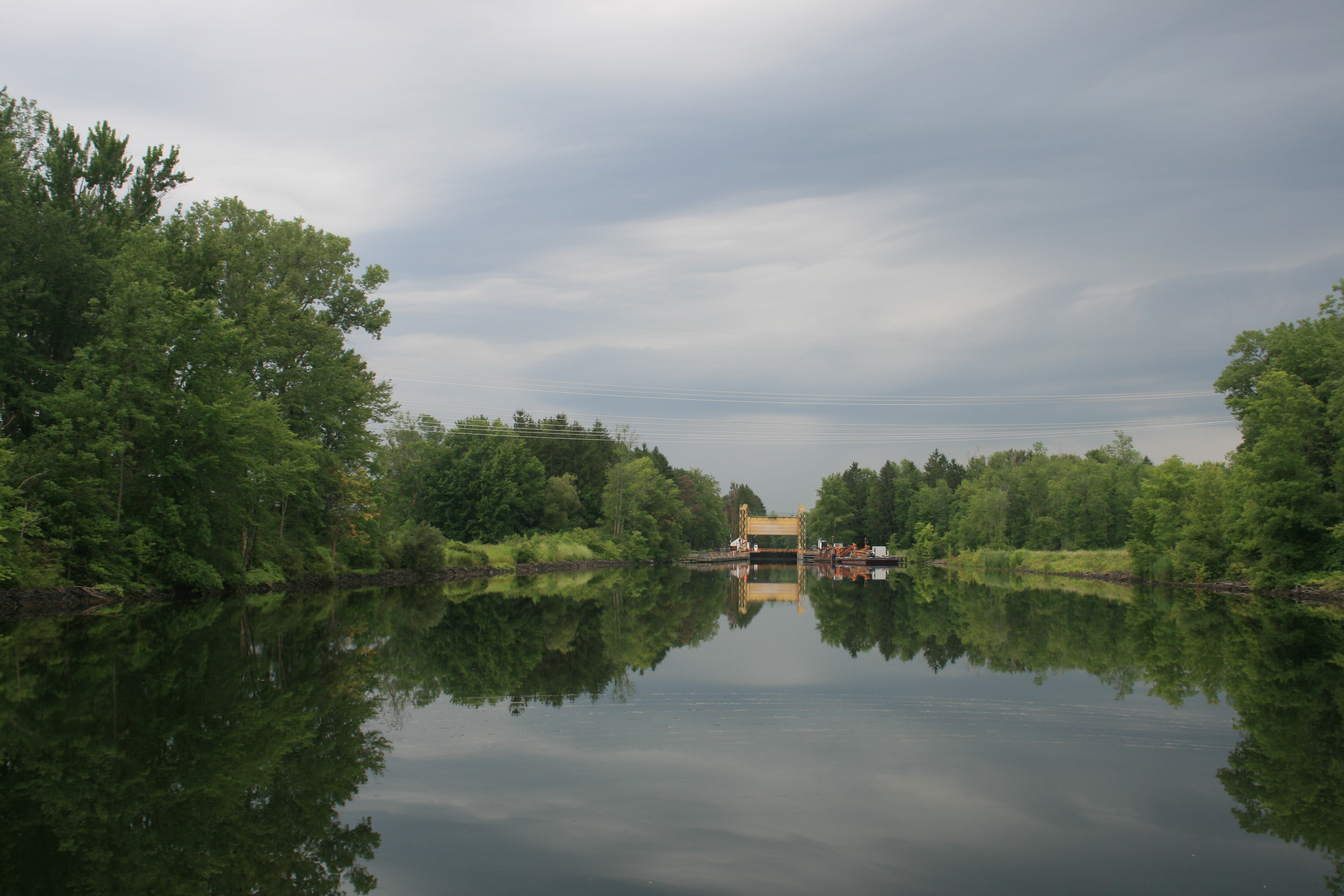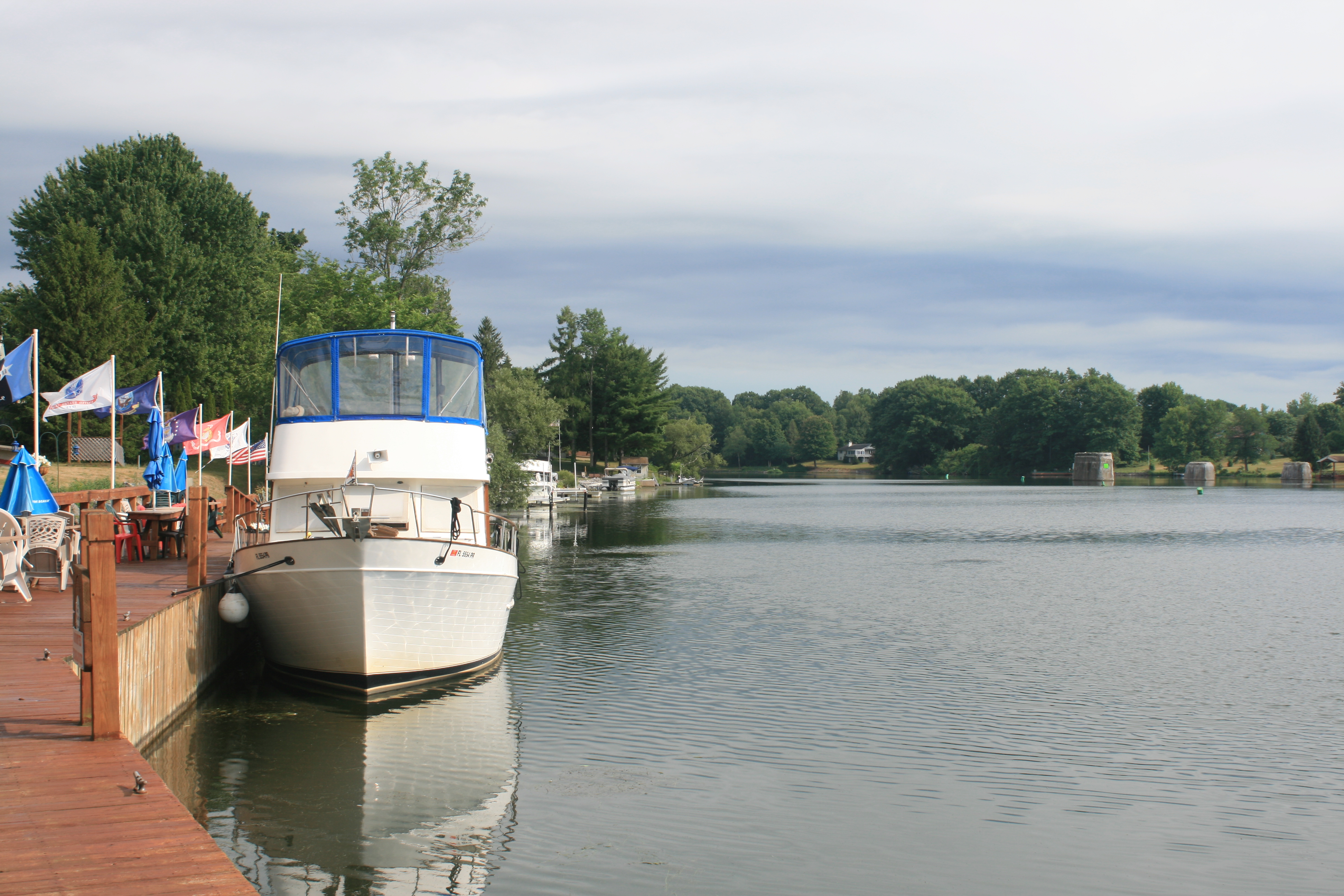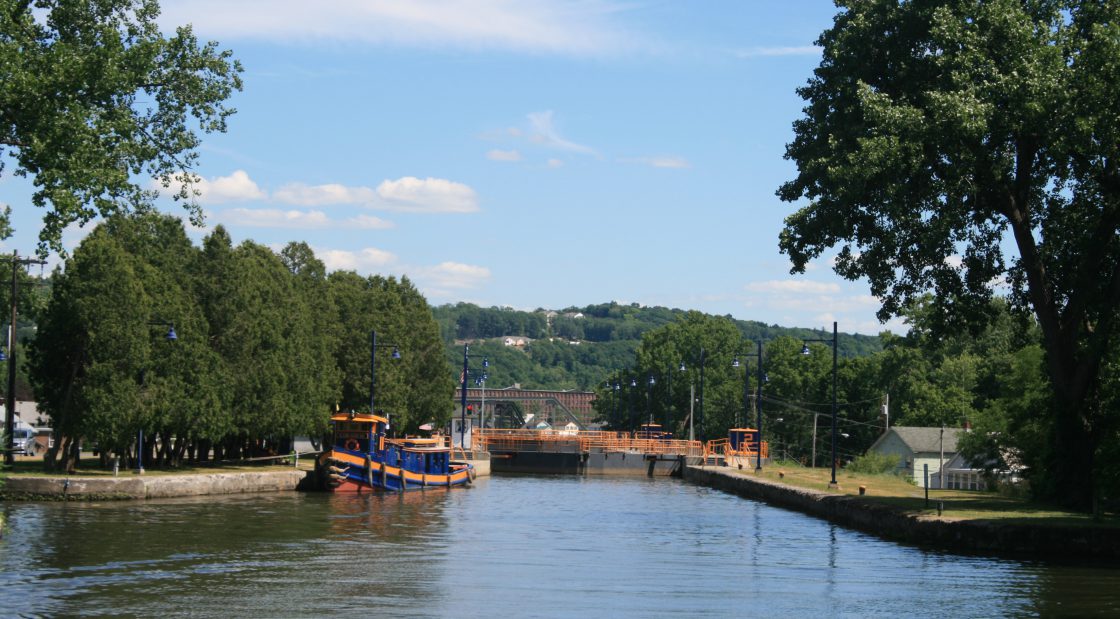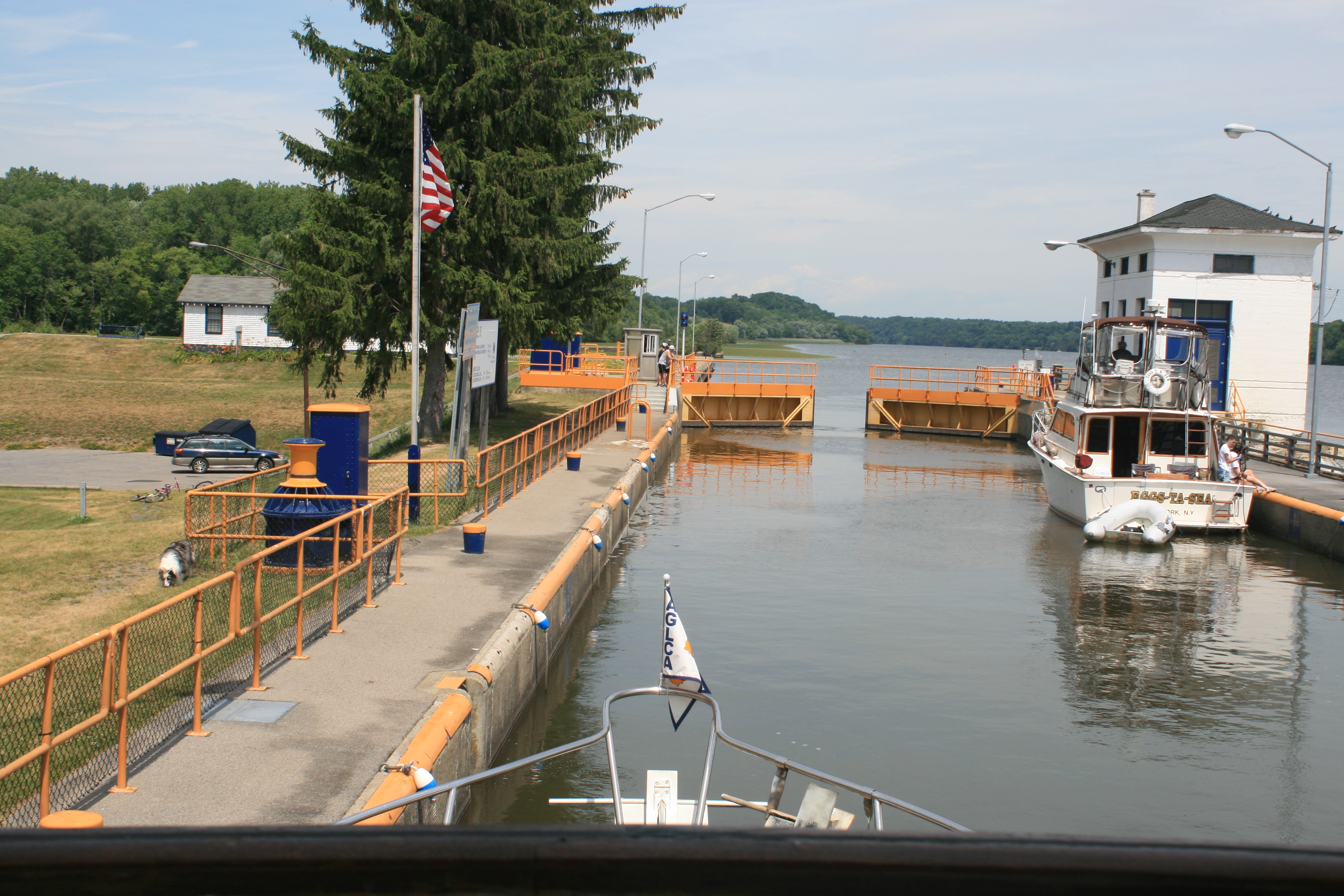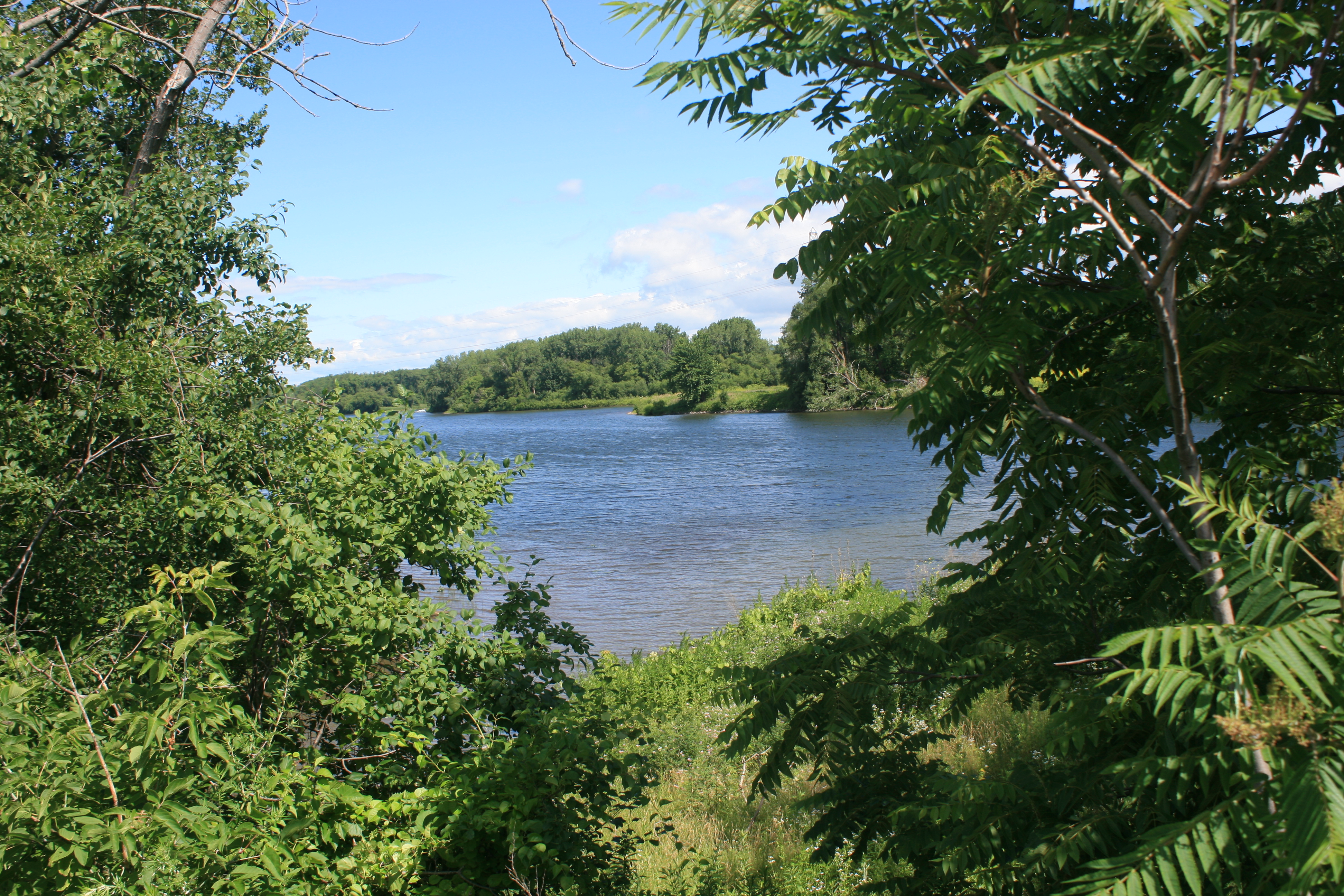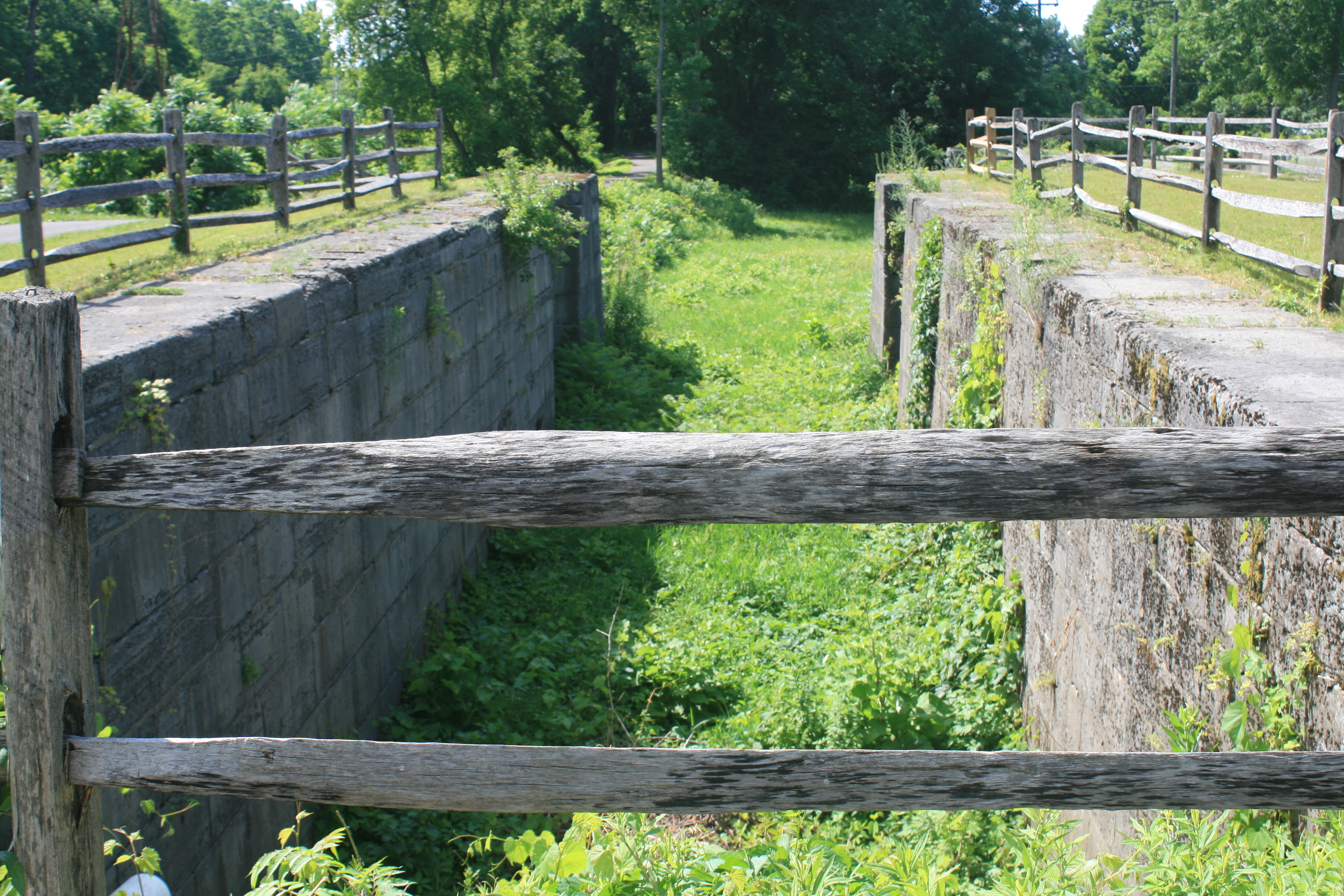
Blood, Sweat and Tears


Tears may be an exaggeration, but the preparations for going away for 3 months at a time don’t seem to get any easier.

Practice should make one a bit better at it, and in some ways it does. By Tuesday night I had everything packed, and all essential tasks ticked off, ready for a Thursday morning departure from Newcastle. This was unprecedented, and my inner auto-pilot was out of range.

A nagging doubt was that I might have forgotten to put some essential task on the list in the first place. There are more jobs in the ‘must-be-done’ category when you’re away for 3 months than for a short break.  Coming home after a week to find old bread still in the pancheon is  mildly unpleasant, but after 3 months there would be significant growth of live organisms. Plants which can be safely left for a week or fortnight have to be regrouped, told to behave themselves and instructions given to one’s friends who very kindly  look after them in your absence.

With a whole day to go, jobs that were desirable, but non-essential, suddenly became imperative. The main one of these was making the second of two new cushions for Carina. But Summer had briefly appeared in north-east England, so the choice between suddenly-urgent gardening (outdoors, in the balmy sunshine) and sewing (indoors) was easy. The cushion could wait till after tea.

But an important boy-job which had been left undone for a while, that of making a bonfire of a large quantity of garden prunings which had accumulated over many months, had been abandoned by Ian, in favour of Wednesday evening sailing at Tynemouth. In short, cushion-making commenced at 10.30pm, after I had done the Girl Guide thing with the bonfire and made dinner.

On the penultimate seam, I contrived to sew through my left thumb, a contributory factor being the use of a zipper foot on my machine. In my rush to the bathroom to staunch the flow of blood, my foot caught in the flex and my 40-year-old Pfaff Tipmatic crashed dramatically to the floor, the removable parts detaching themselves, scattering spools, needles, sewing feet, bobbins and so on all over the carpet. Hearing my cries, Ian pointed out that there were splats of blood not only on the cushion fabric, but on the nearby wallpaper too, but my distress was focussed on the possibility that my trusty machine, which had made most of the curtains in the house, might be irreparably damaged, and that I wouldn’t get Carina’s cushion finished.

Miraculously, Ian reassembled the sewing machine and it still ‘went’. He got the blood off the wallpaper and a combination of Vanish and cold water sorted out the cushion cover.

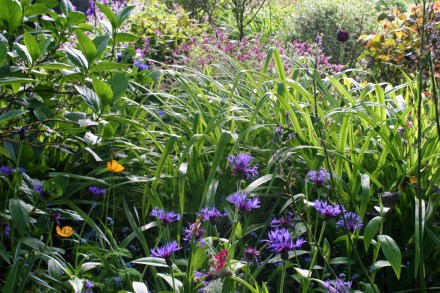
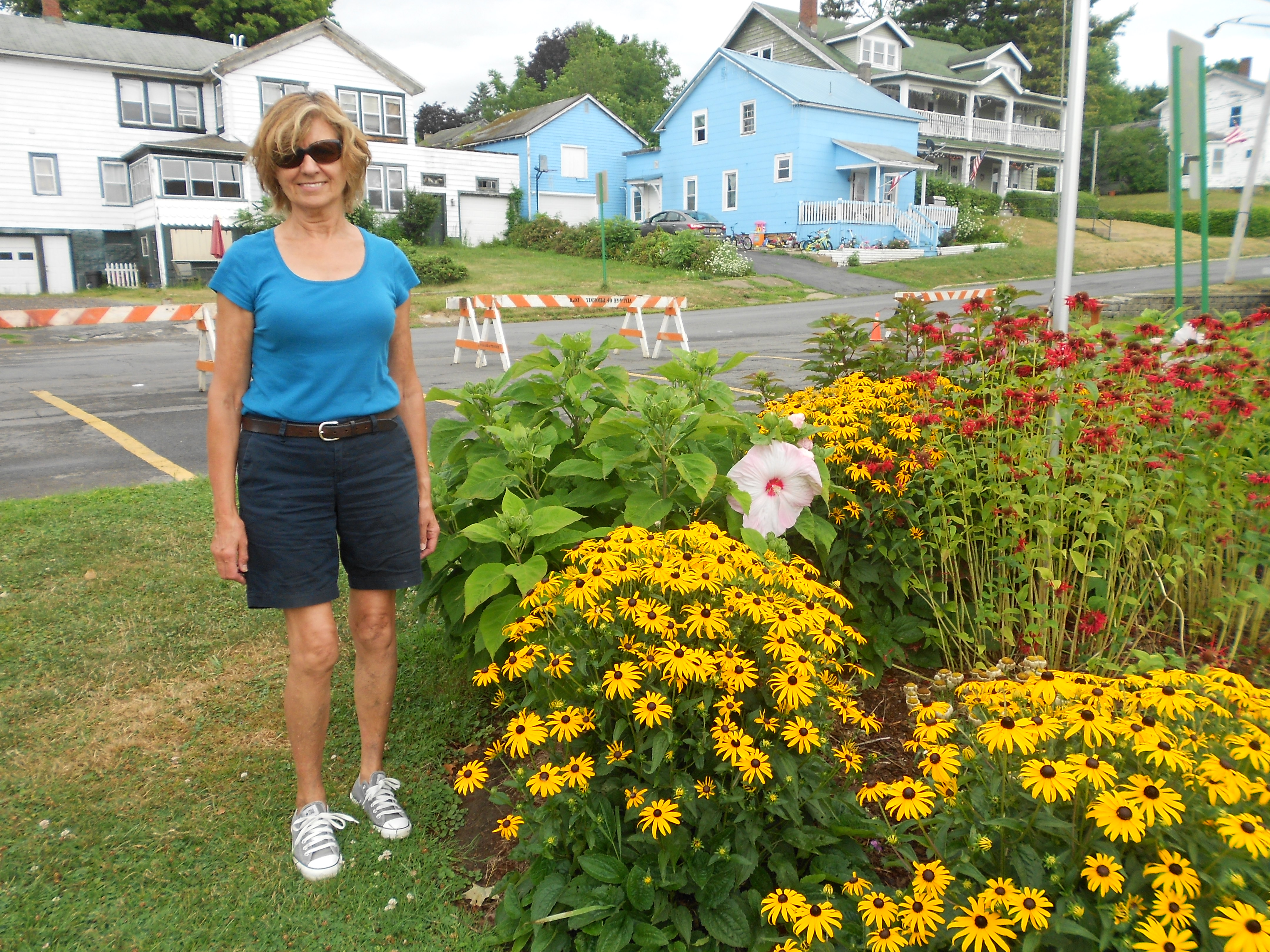
Before the taxi came the next morning, I had time to refresh my mind by a stroll  amidst the flowers in the  back garden.

006

Geums and forget-me-nots

002

Cornflowers, Welsh poppies and hardy geraniums


We missed the Great British Airways Computer Fiasco by a day, and arrived in Toronto uneventfully. But rain and cloudy, cold skies, made a sad contrast to Newcastle.

For the first time, we were going straight to the boat rather than sight-seeing first, and this sharpened our anticipation. This time, we’ll be continuing through Georgian Bay on Lake Huron,  through the North Channel and down Lake Michigan to Chicago.

Britt to Chicago

We stayed the night in Toronto, and the next day  drove 150 miles north-west to Britt, on Byng Inlet, where Carina had been looked after over the winter by Graham and the staff at Wright’s Marina. She was already on the water, but the harsh Canadian winter had been less than kind to her. Several of the plastic windows on the bridge had split and really needed replacing, and a water pipe had fractured which meant that when Ian tried to fill the water tank, the water went straight into the bilges.  There was the usual collection of dead insects (only small ones, thankfully) and the covers on the upholstery, which we had inherited from the previous owners and which are an impractical shade of light blue, looked decidedly grubby and shabby.

Help with the water pipe was fortunately at hand from Dave the mechanic, but having the floor up in both the galley and the cabin rather delayed the unpacking process.

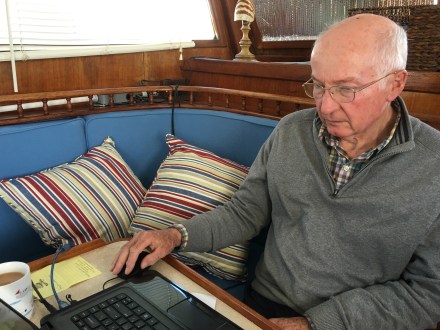
I decided instead to tackle the upholstery. My previous attempts to remove the covers to wash them hadn’t been very successful. The foam inside was unyielding and difficult to remove, and the covers had no washing instructions inside.  I had limited cleaning to spraying with Scotchgard foam and rubbing hard at the soiled areas, which had little effectiveness.

Now though, I no longer cared whether or not the covers survived the hot wash and the tumble drier. We would just sit on uncovered foam, or better still,  get new covers made. But they came out almost pristine, and after some vigorous wrestling we managed to get them back in place. This had an unusually cheering effect.
IMG_2798

The new cushions and the freshly laundered upholstery

The pipe couldn’t be fixed until the next day, so it was just as well that we had booked into the St Amants Hotel at Britt for the first night.

032

Late evening view of Byng Inlet from our hotel room

The next day we had to return the hire car to Parry Sound, the nearest town 45 miles away.  Karrie, Graham’s wife, very kindly  gave us a lift back to Britt. She regaled us with a modern-day, role-reversed Goldilocks story. The owners of one of the cottages just down the road from the marina had come home to find a bear had pulled apart the side of the house, found the padlocked freezer, pulled open the lid, and was helping itself to the contents. It was curbed only by the arrival of a Park Ranger with a tranquilising dart.

The weather forecast wasn’t good. Strong winds in the wrong direction meant that if we ventured out of the inlet onto Lake Huron the journey to our next stop, Killarney, would be less than pleasant, and possibly even hazardous. So we decided to stay at the marina until Saturday, which meant there was time to get the new panels made for the windows upstairs and do a few other jobs on the boat too.

IMG_2795

Carina at Wright’s Marina, Britt

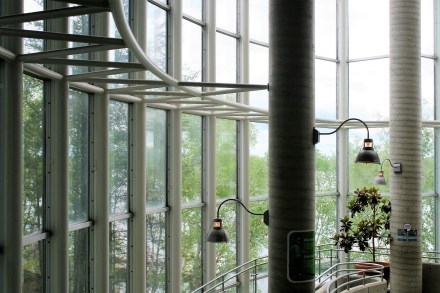
The marina has cars available for boaters to borrow, so on Tuesday we took ourselves off to Sudbury, 50 miles north-west of Britt on the Trans-Canada Highway, to Science North, an interactive science museum just outside the downtown area. It was interesting, but what impressed me  most was the story of  How Sudbury reclaimed the environment from the barren wasteland it had become after decades of mining and smelting had made the soil for miles around so acidic that nothing would grow, and changed it to the green landscape you see today.
005

The spiral staircase provides access to the different levels at Science North

You can actually walk around inside the butterfly house with exotic butterflies everywhere.

008

Succulents in the butterfly house

010

016

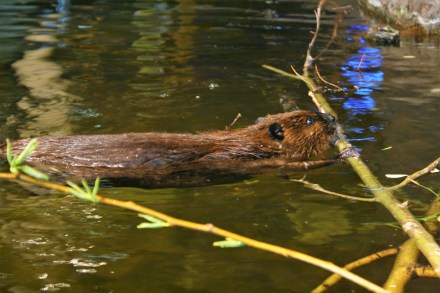
Kash the beaver

019

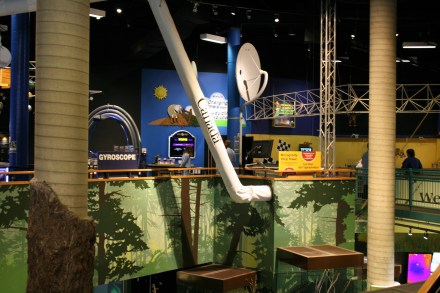
cyber section

The weather continues to alternate between sunshine, wind and rain. Last night we were eating dinner on Carina, with storm clouds gathering. The setting sun suddenly came out and illuminated the inlet, and I dashed out with my camera.

IMG_0001

The setting sun lights up the storm clouds – looking east from our dock at Wright’s Marina
Georgian Bay – Midland to Byng Inlet, and a few days in Toronto

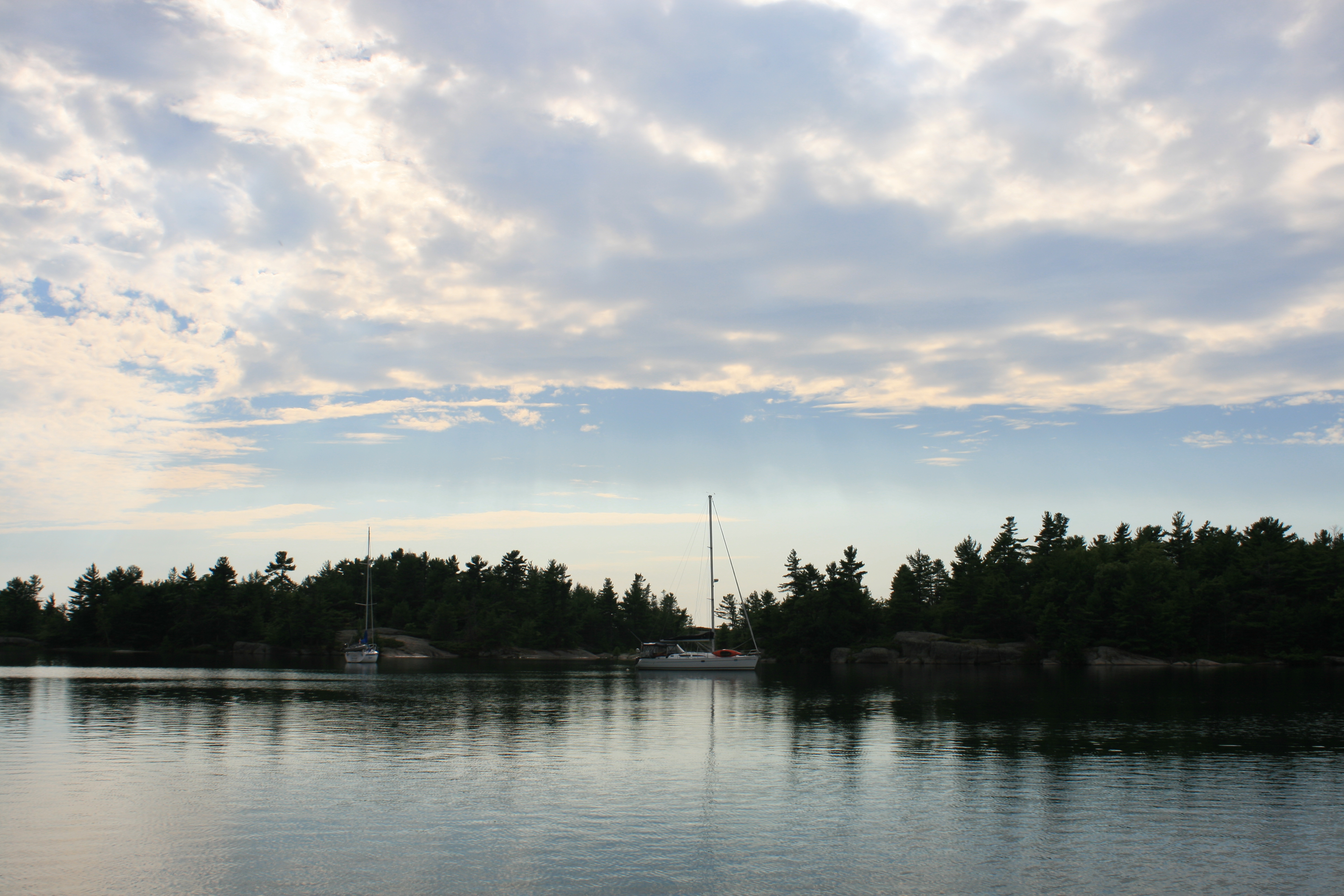
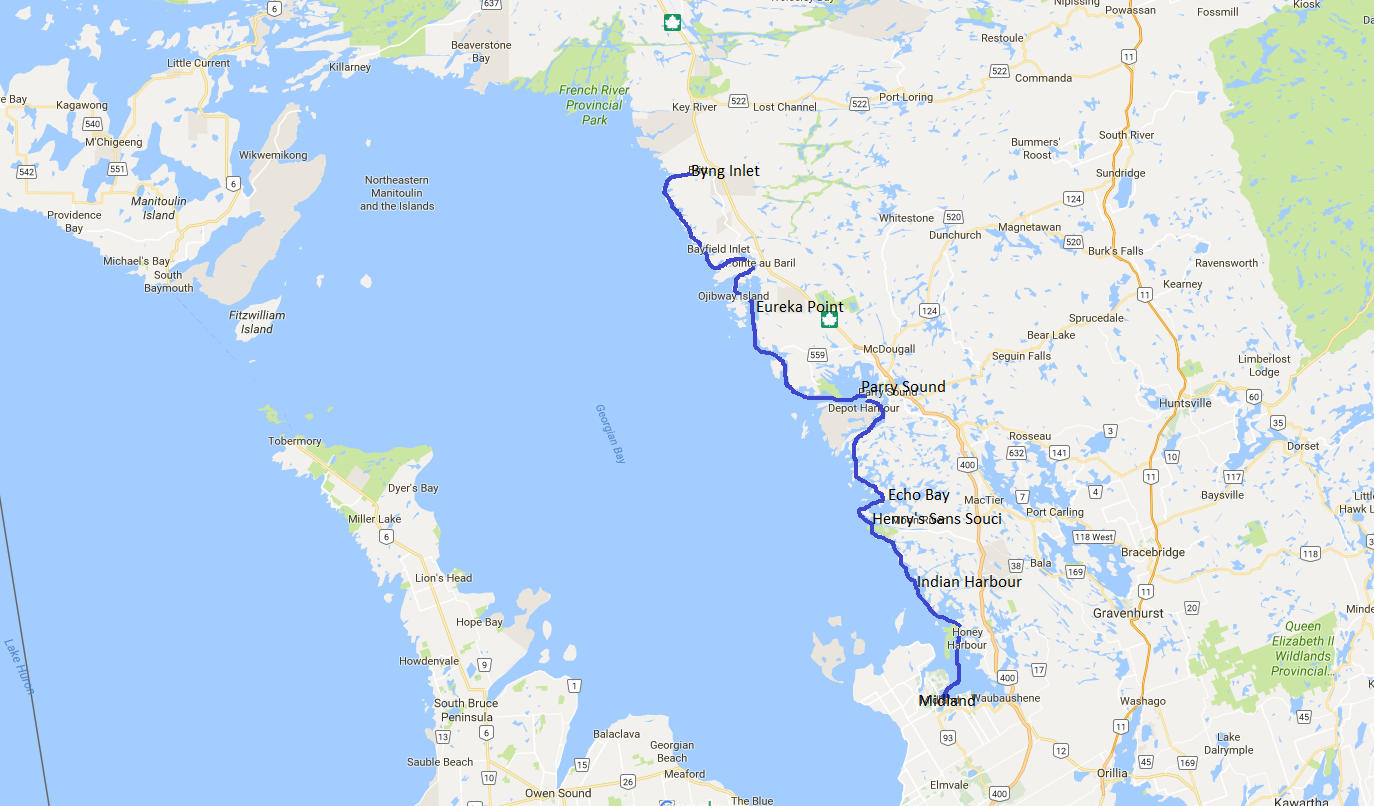
Over the last ten days of the trip we travelled north-west towards Byng Inlet, hugging the shore of Georgian Bay, sometimes  passing through narrow rocky channels between the islands, and sometimes through stretches of the open waters of Lake Huron. The country was becoming wilder and more remote with very few towns or marinas, and  the weather could change quickly, so we had to be careful about planning the route and finding sheltered places to anchor.

Midland to Byng Inlet

Midland to Byng Inlet

Indian Harbour

Indian Harbour

Our first night after leaving Midland was a mooring in Indian Harbour.

McDonnell Channel

McDonnell Channel

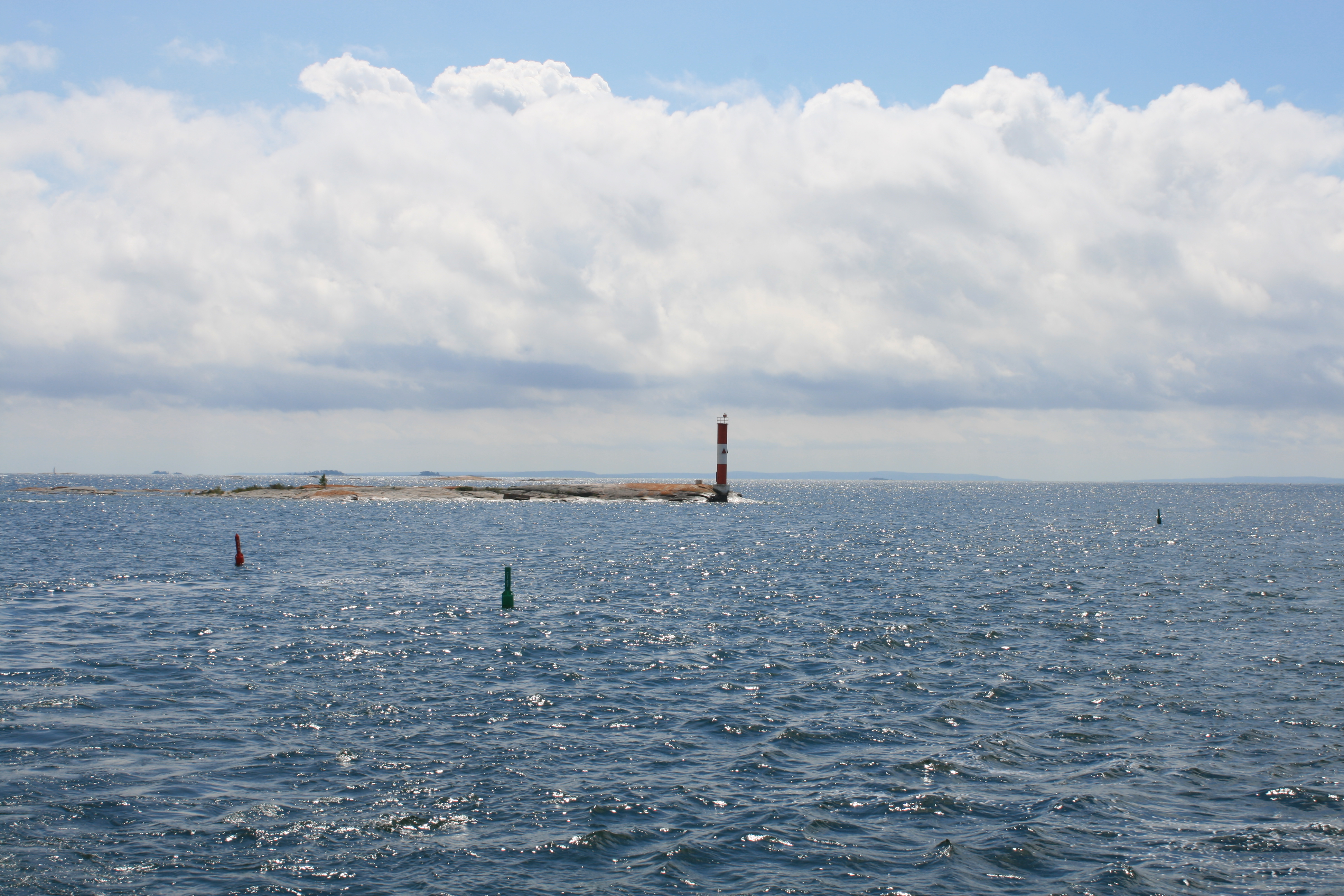
McDonnell Channel, showing the lighthouse and the channel markers.


Starvation Bay

Starvation Bay

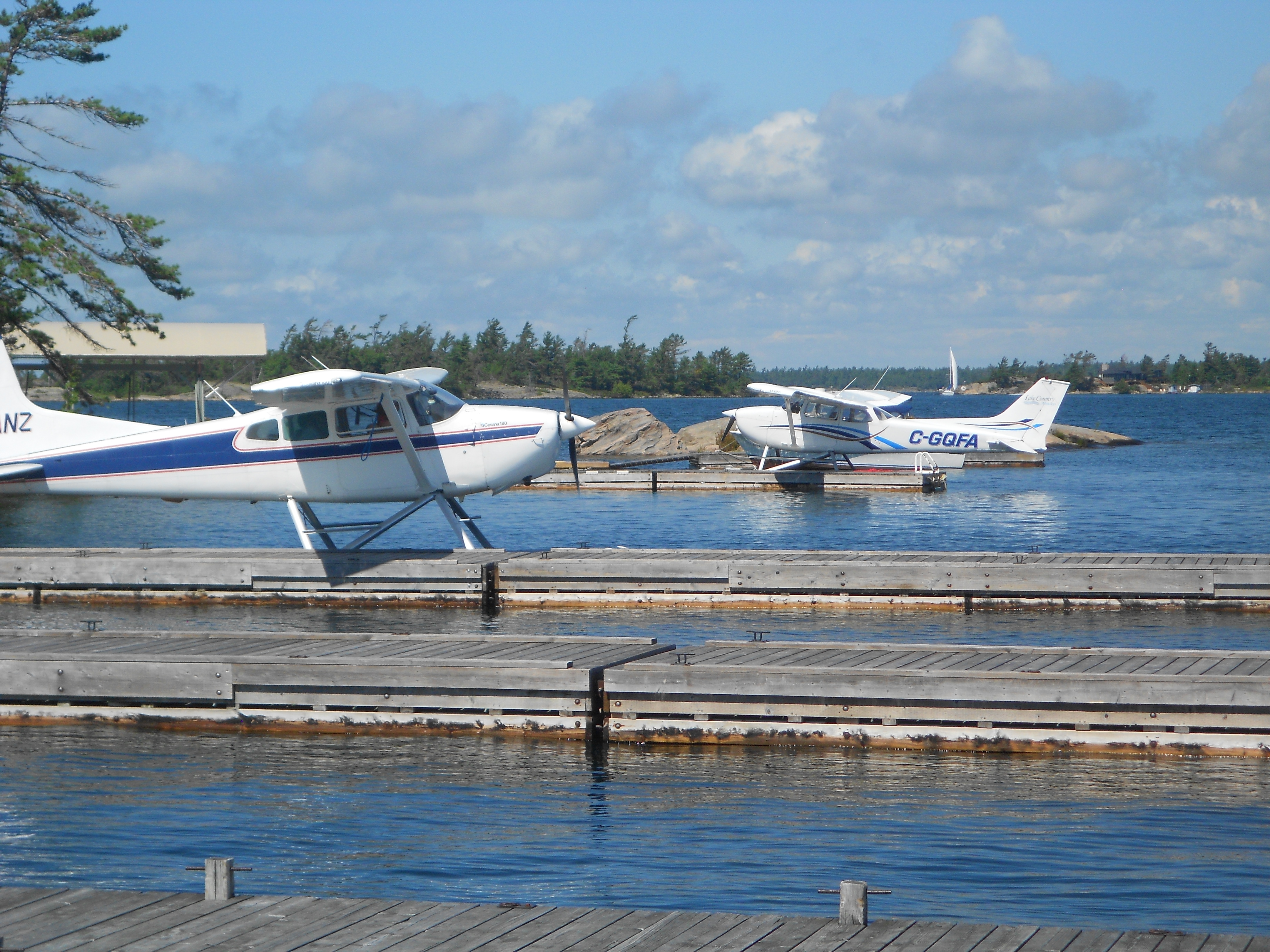
At Sans Souci is the famous Henry’s Restaurant on Fryingpan Island, open since 1925 and catering to transient boats and to the occupants of the many small summer homes known as cottages, which line the islands. It seemed to be one of those things that you couldn’t miss, but the anticipation and the ambience was perhaps a little better than the food itself. There were a few miles of open water which we had to cross just as the wind strength and wave height increased, but it wasn’t enough to spoil our appetites. We were welcomed by marina staff who helped us tie up. Everyone else had come by plane.


Henry's. Sans Souci

Henry’s. Sans Souci

At Henry's , Sans Souci

At Henry’s, Sans Souci

Our destination that night was another anchorage, at Echo Bay. When we got there, several boats had already established themselves and another was turning round, presumably having decided there was no space available. The Captain decided to try North Echo Bay instead, less popular because it involved negotiating an extremely narrow channel, with a rocky platform just under the water at either side. My job was to supplement the depth sounder by standing on the foredeck and alerting the Captain if we seemed to be getting too near the rocks, quite a worrying task as the refraction of light through the water made the rocks appear even closer to us than they really were. But we were rewarded with a night in a beautiful natural harbour, with no other boats or cottages in sight.

Daybreak at Echo Bay

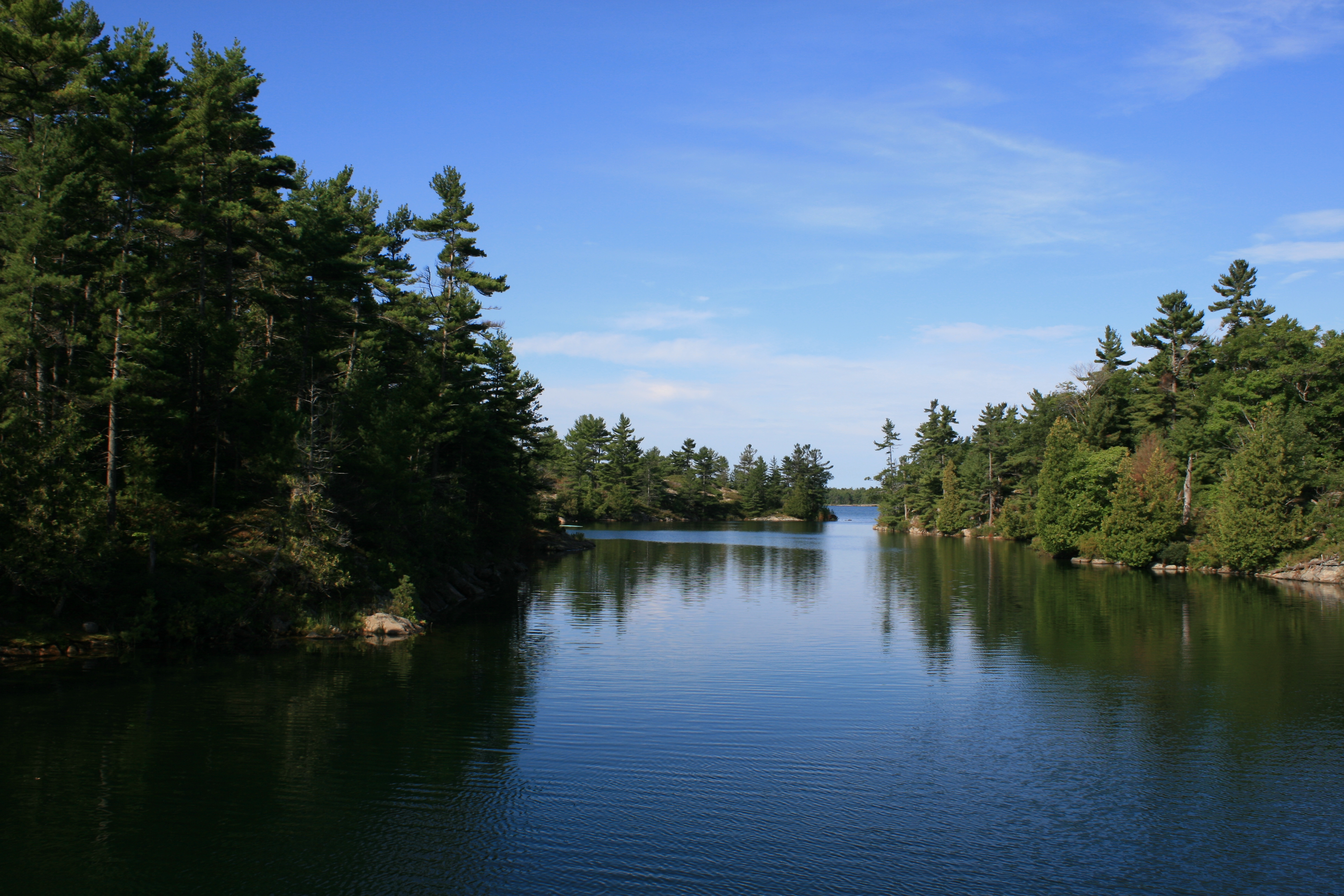
Daybreak at North Echo Bay

North Echo Bay

North Echo Bay

We continued on to Big Sound Marina at Parry Sound, where we stayed for a couple of nights waiting for the weather to settle enough for us to cross the next big stretch of open water. After two days, the sun shone and it was worth waiting for the perfect day to make the trip.

Parry Sound

Parry Sound

Snug Harbour

Snug Harbour

Snug Harbour Lighthouse

Snug Harbour Lighthouse

Snug Harbour

Snug Harbour

Shebeshekong Channel

Shebeshekong Channel

Shebeshekong Channel

Shebeshekong Channel

Shebeshekong Channel

Shebeshekong Channel

The weather changed again after we anchored that night near Eureka Point. The next day the thunderstorms materialized just after breakfast and we sat in the cabin watching brilliant flashes of lightning and hearing thunder and heavy rain crashing round us. On a nearby island was the famous Ojibway Club and we had fancied taking the dinghy there for lunch. The storm seemed to have passed, but by the time we had got organised and lowered the dinghy from the back of the boat, the wind had swung round and threatening clouds were clearly heading our way. We decided to have lunch on the boat and perhaps venture out for afternoon tea instead. As the rain once again poured down, we congratulated ourselves on a sensible decision. The sky had cleared a little by 3 o’clock, so we set off in the dinghy for Ojibway Island. The route involved locating a very narrow channel between the rocks, and our second attempt was successful.

Entrance to the channel

Entrance to the channel

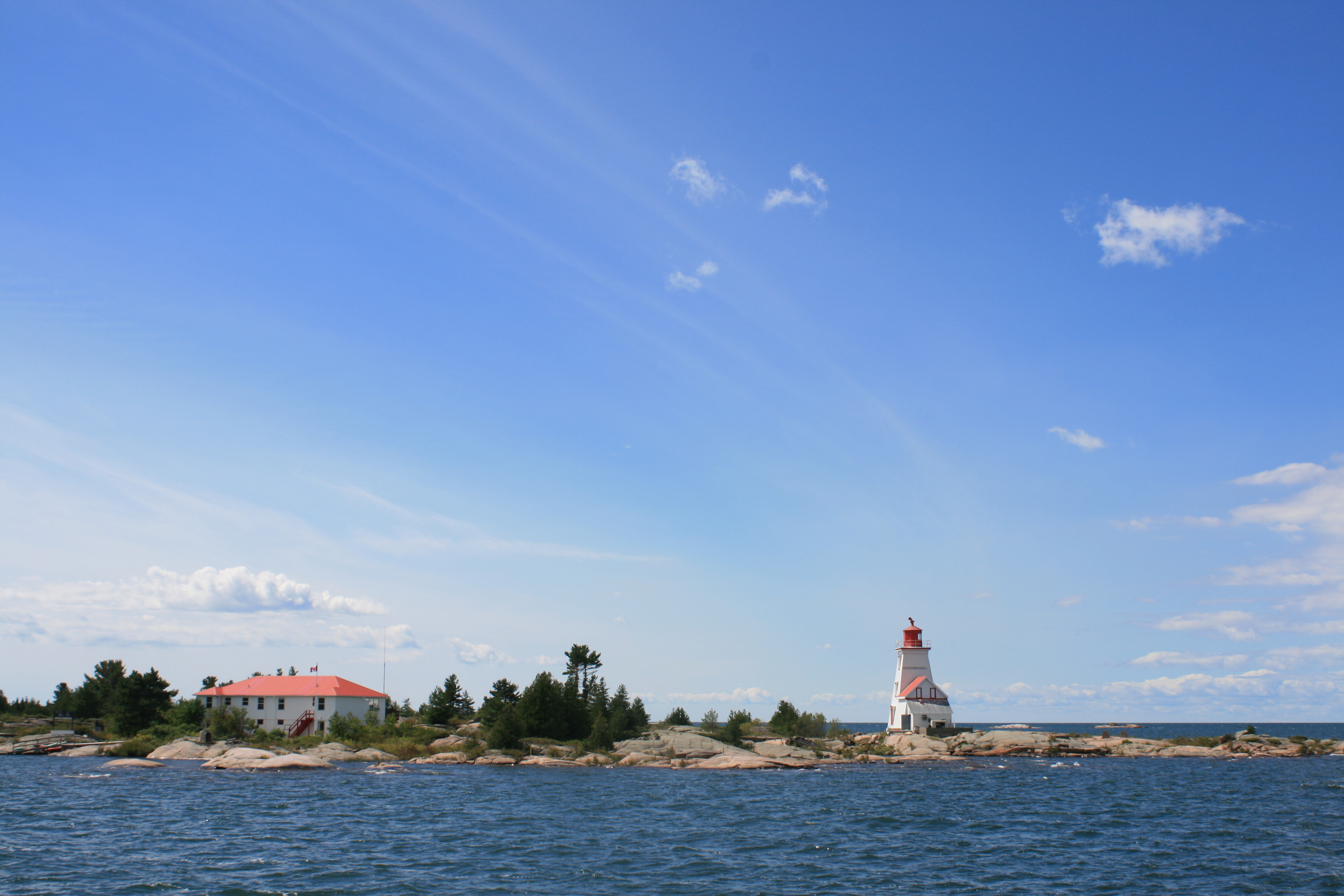
We did eventually find the Ojibway Club though – built as the Ojibway Hotel in 1906,  it catered for American and Canadian city dwellers who wanted to sample the outdoor life of their pioneer antecedents. It was taken over as a co-operative by cottage and boat owners in the Pointe au Baril area, and has a restaurant and grocery store which are open to visitors, organised activities for children and social events too. There was a definite end-of-season feel about the place – it was due to shut for the winter the following weekend – but the young man in the restaurant managed to find us some English Breakfast teabags, after we had declined  the decaffeinated Orange Pekoe, and various  herbal offerings. We also had some Canadian Butter Tarts, which have been described rather unkindly, but accurately, by a fellow blogger  as little pecan pies without the pecans.

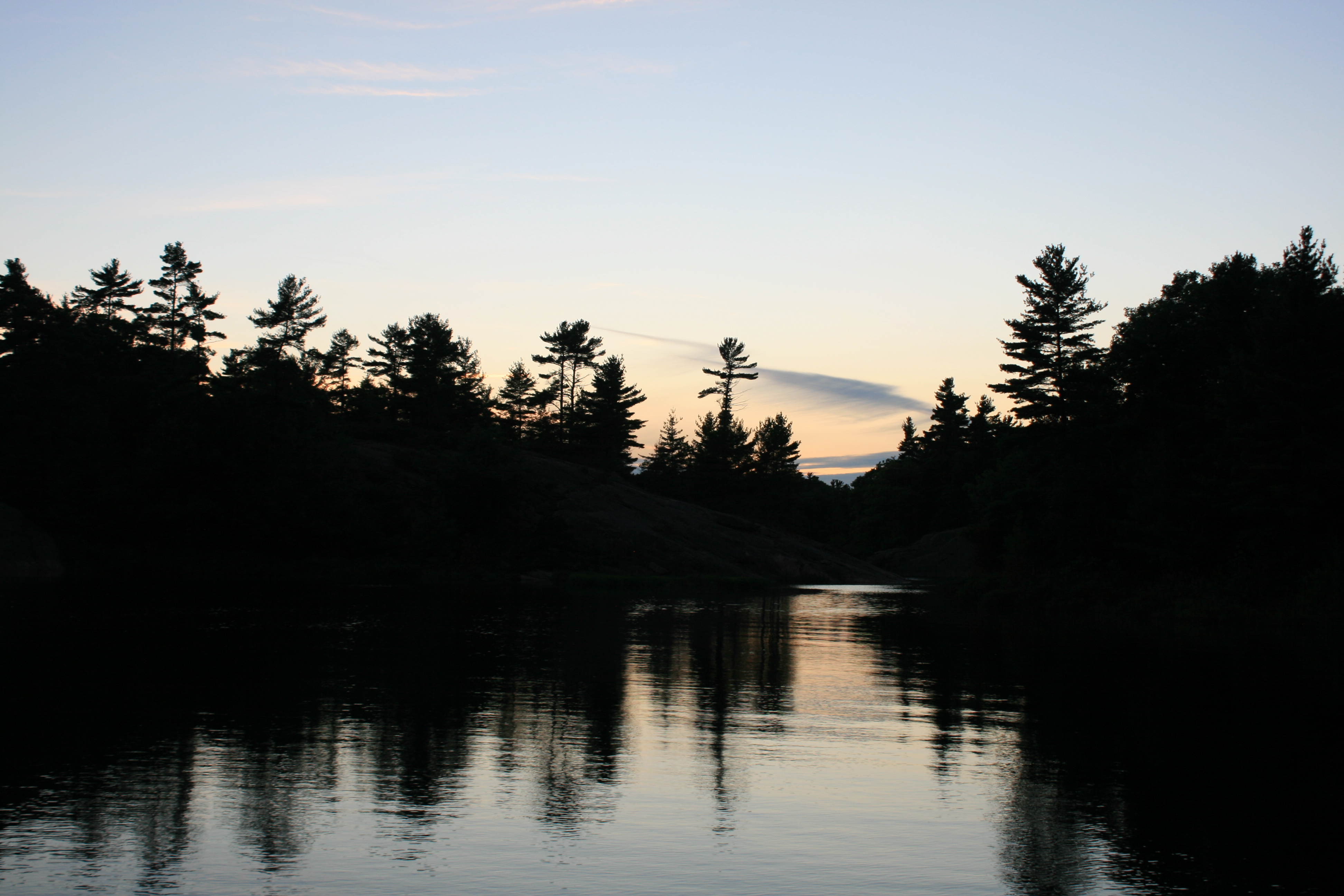
Sunset at Eureka Point

Sunset at Eureka Point

Near the mooring at Eureka Point

Near the mooring at Eureka Point

Ian had settled on Wright’s Marina at Byng Inlet as a suitable place for Carina to stay over the winter. The course between there  and our mooring at Eureka Point involved a short foray  into open water, and then a longer one of about 8 miles, just before Byng Inlet. With the weather becoming increasingly changeable, it was a case of going when the opportunity presented itself. We ended up doing the whole stretch in one go, and arriving at Wright’s with a few days in hand.
Ojibway Club

Ojibway Club

Pointe au Baril Lighthouse

Pointe au Baril Lighthouse

Pointe au Baril refers to the early days of trade and exploration, when a barrel was placed placed on a rock with a light burning on it, as a navigation point. A barrel is still visible behind the lighthouse.

Near Hangdog Reef

Near Hangdog Reef

Near Big Burnt Island

Near Big Burnt Island

Alexander Passage

Alexander Passage

Gereaux Island lighthouse at the entrace to Byng Inlet

Gereaux Island lighthouse at the entrance to Byng Inlet

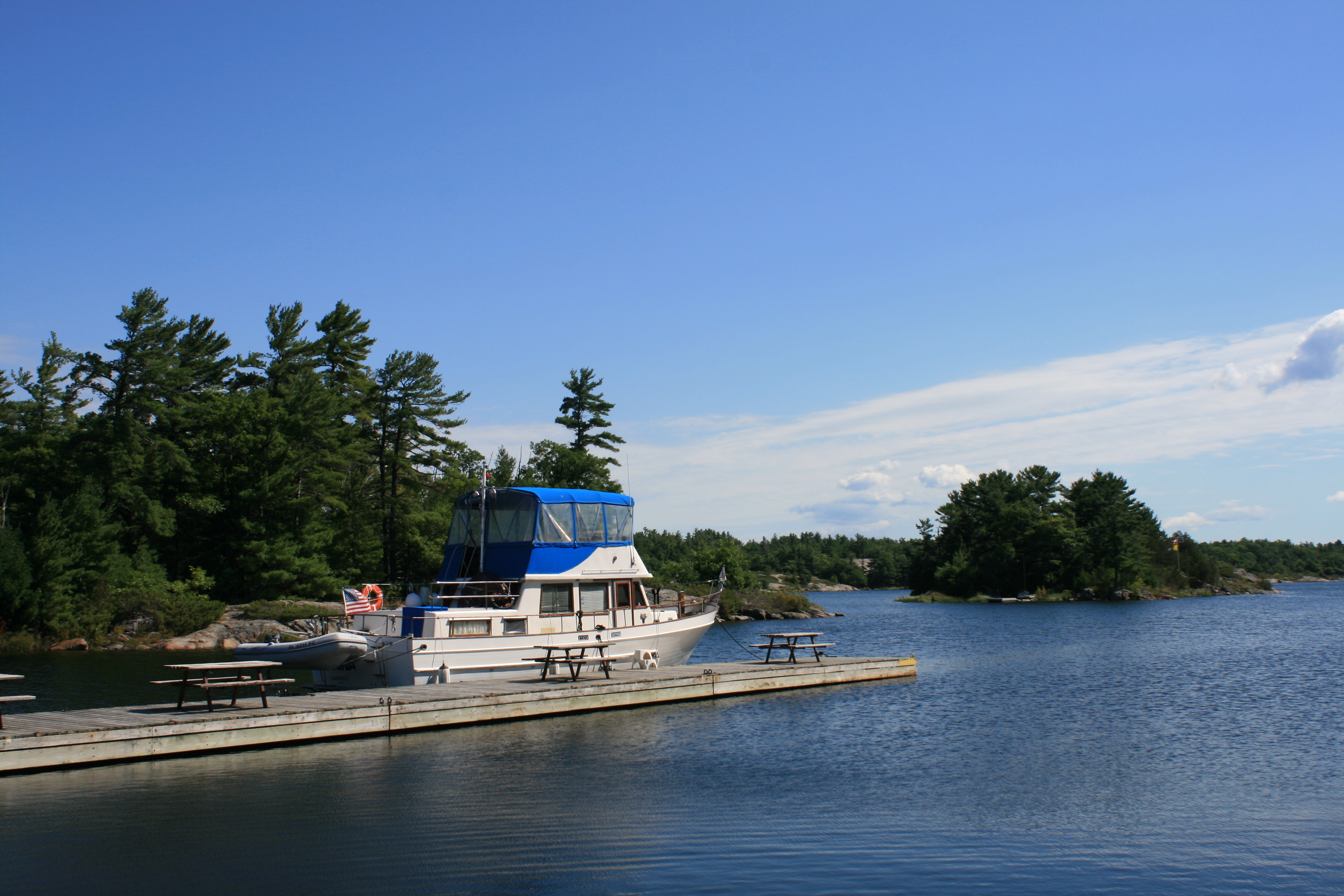
Carina at Wright's Marina, Byng Inlet

Carina at Wright’s Marina, Byng Inlet

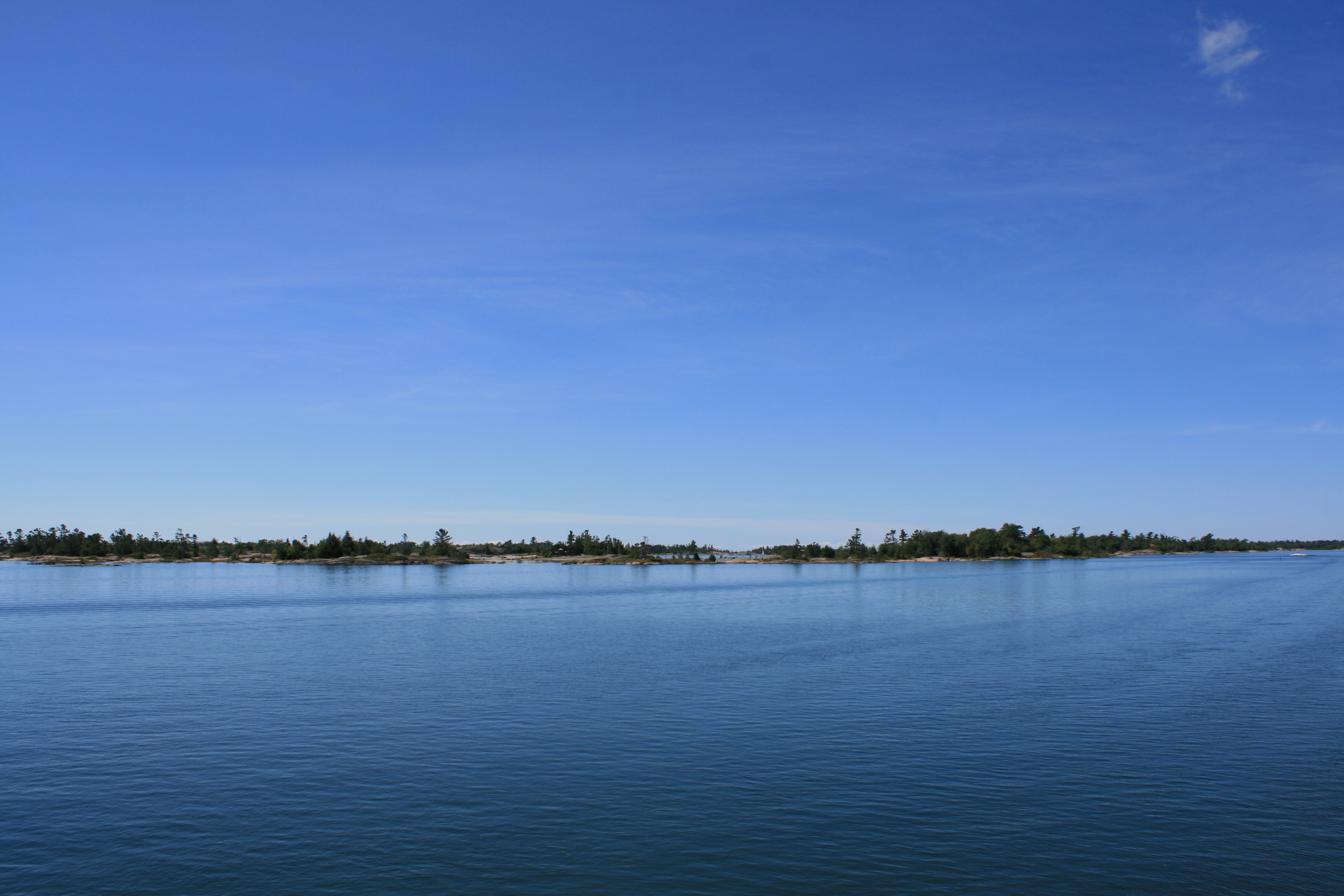
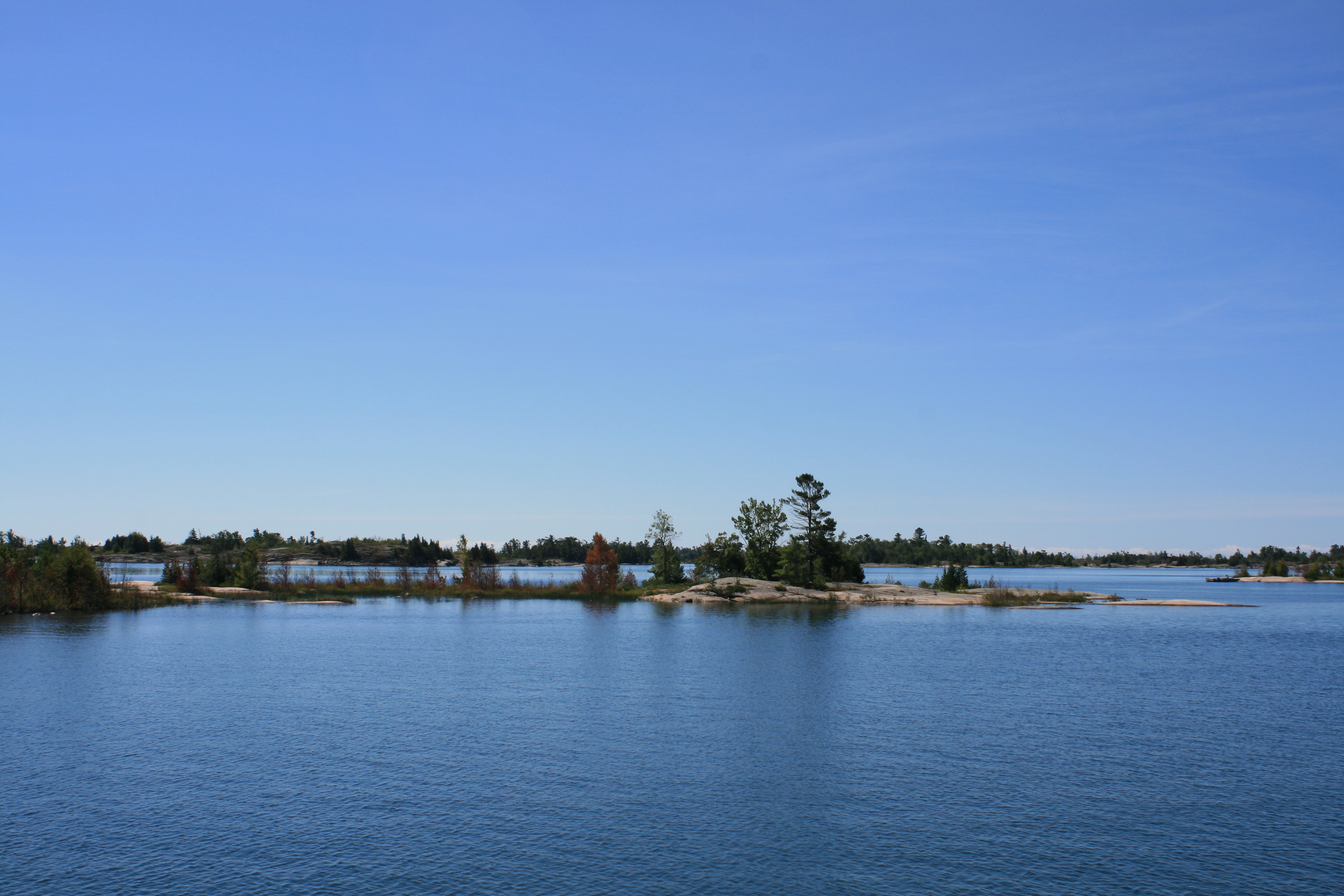
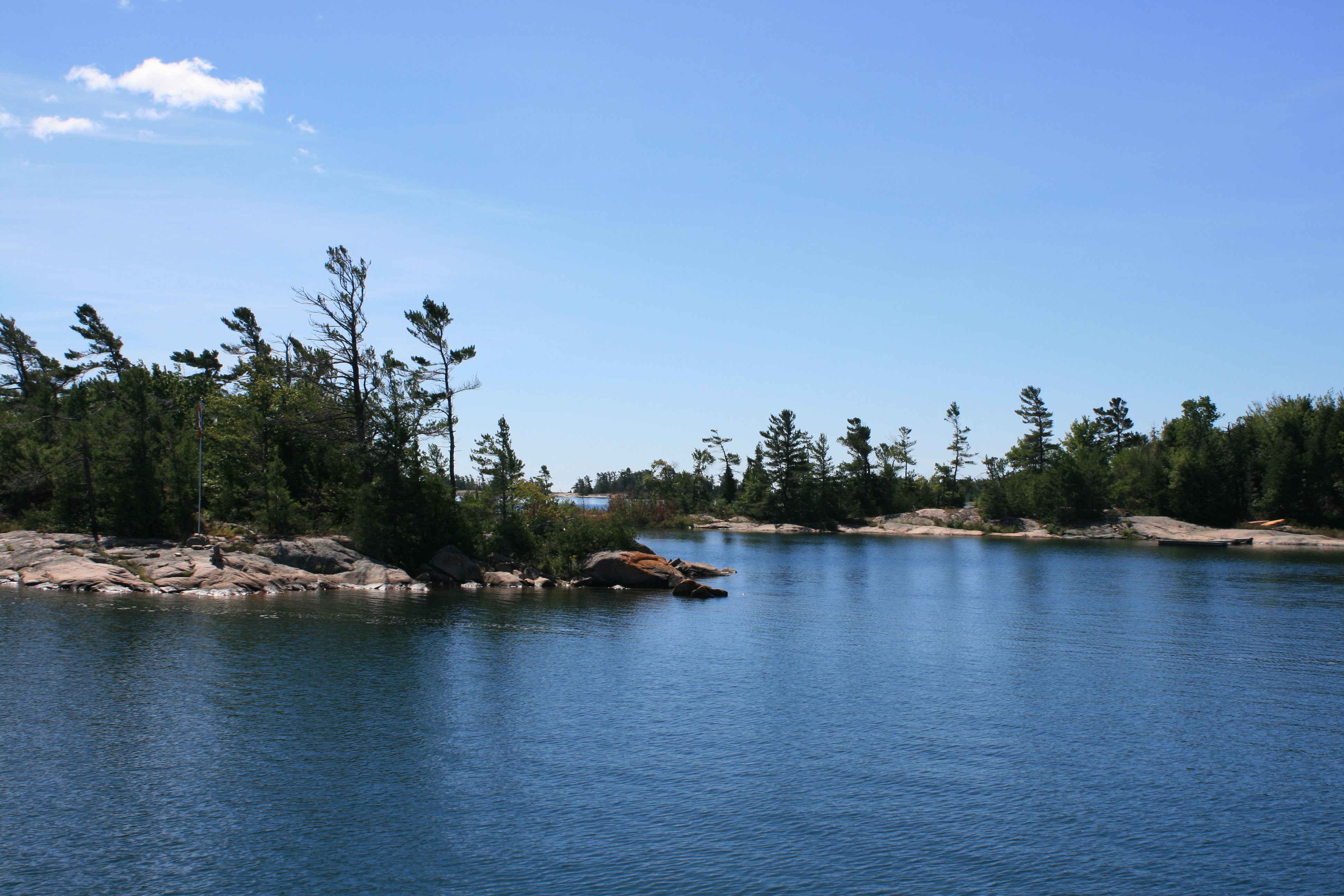
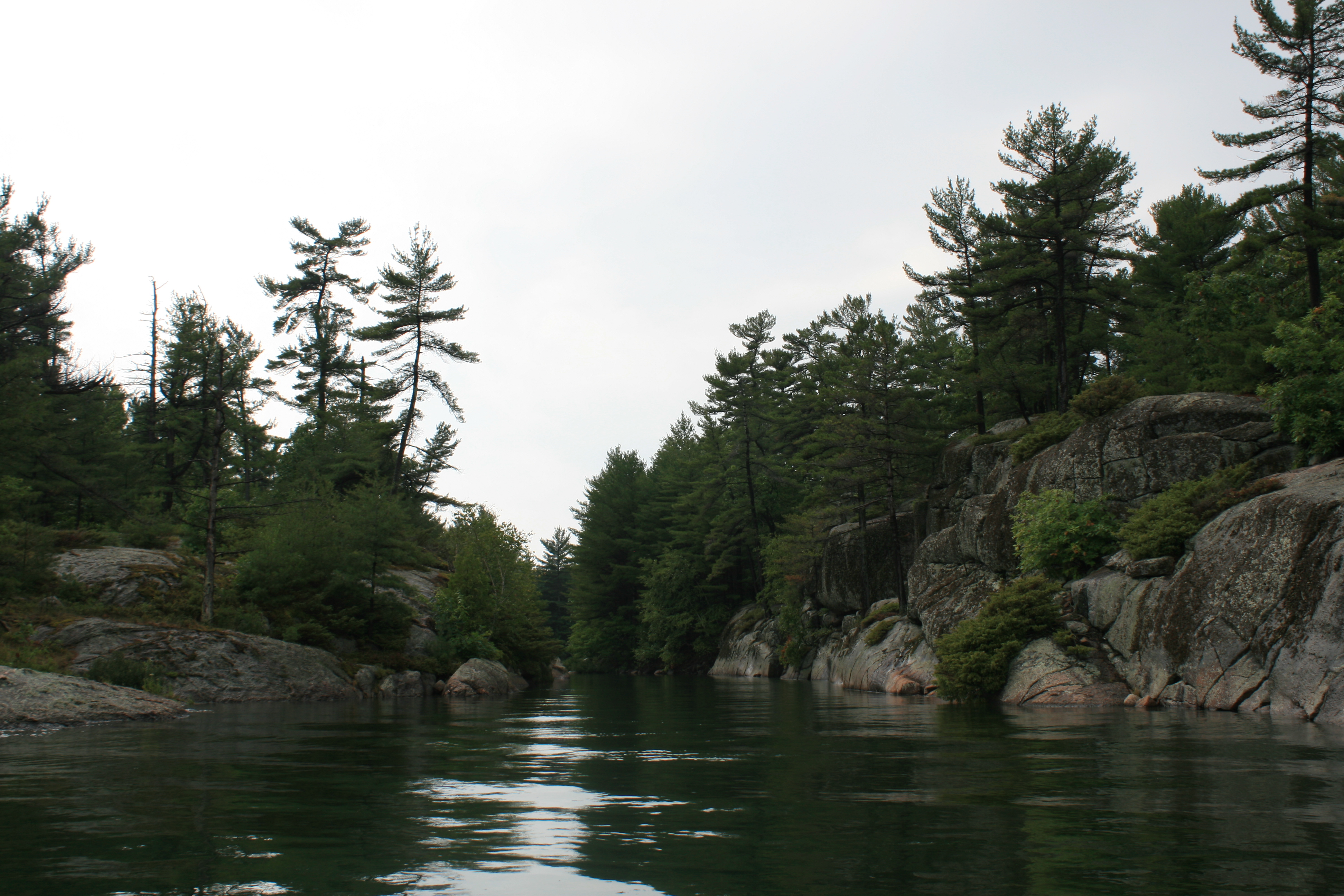
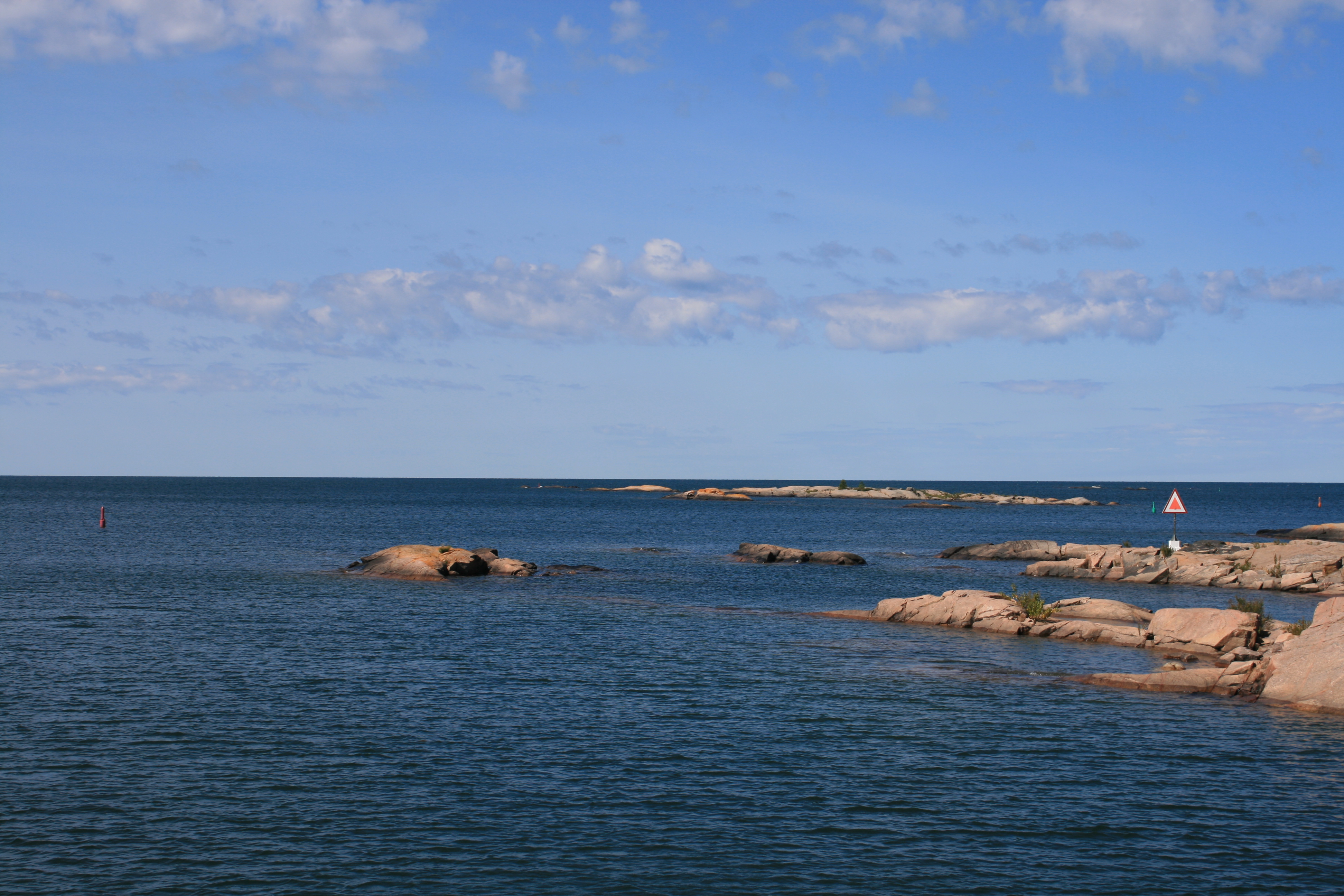
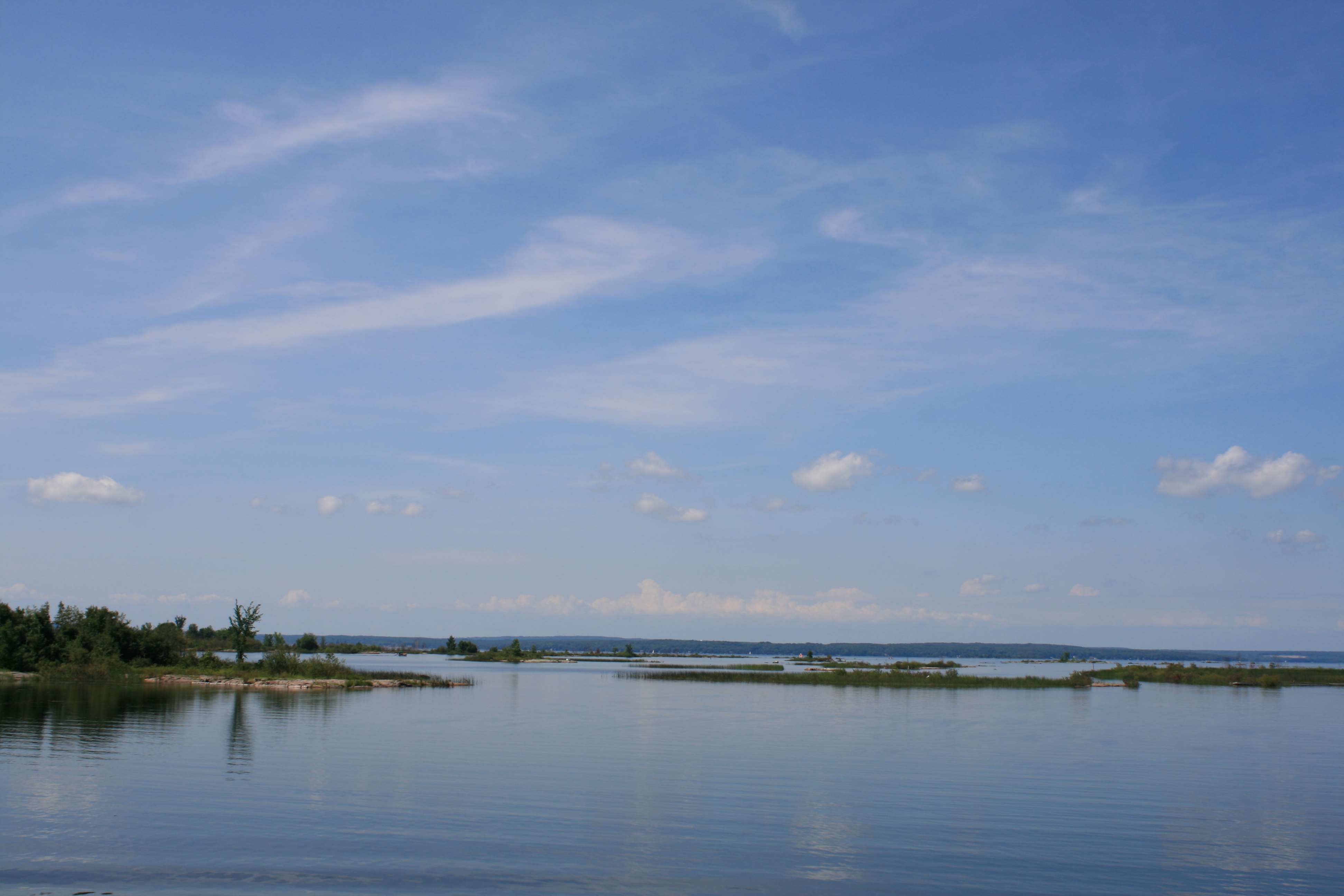
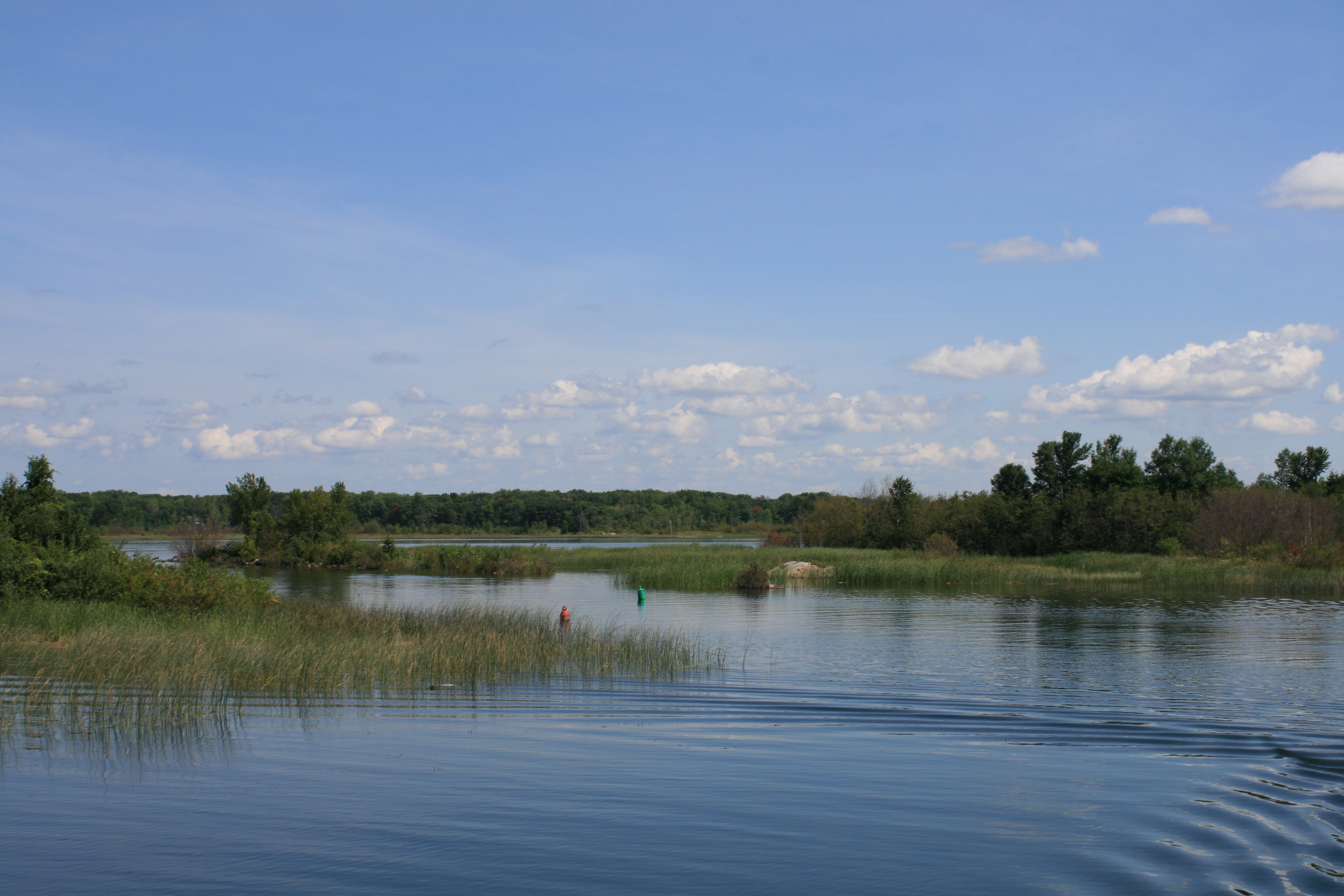
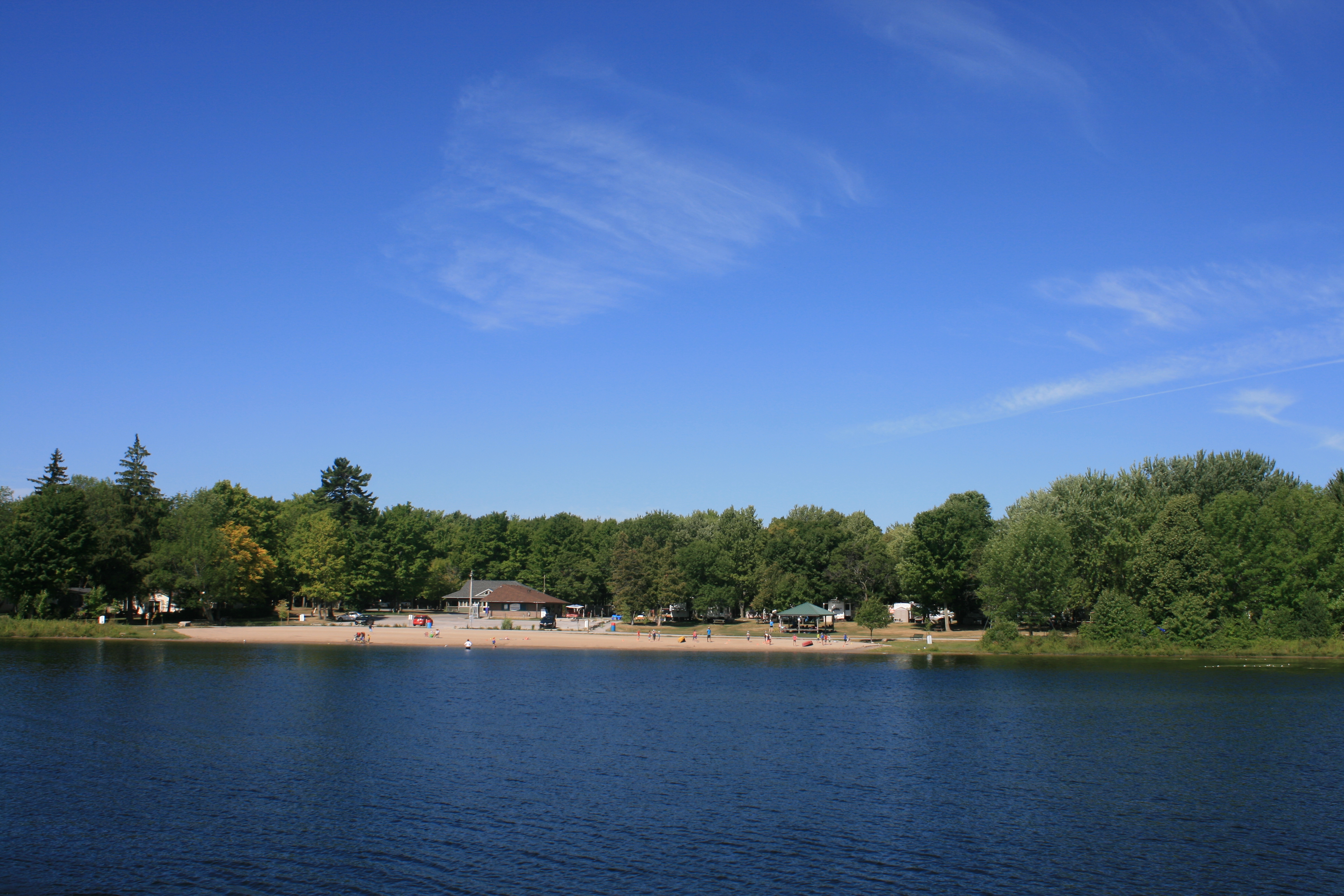
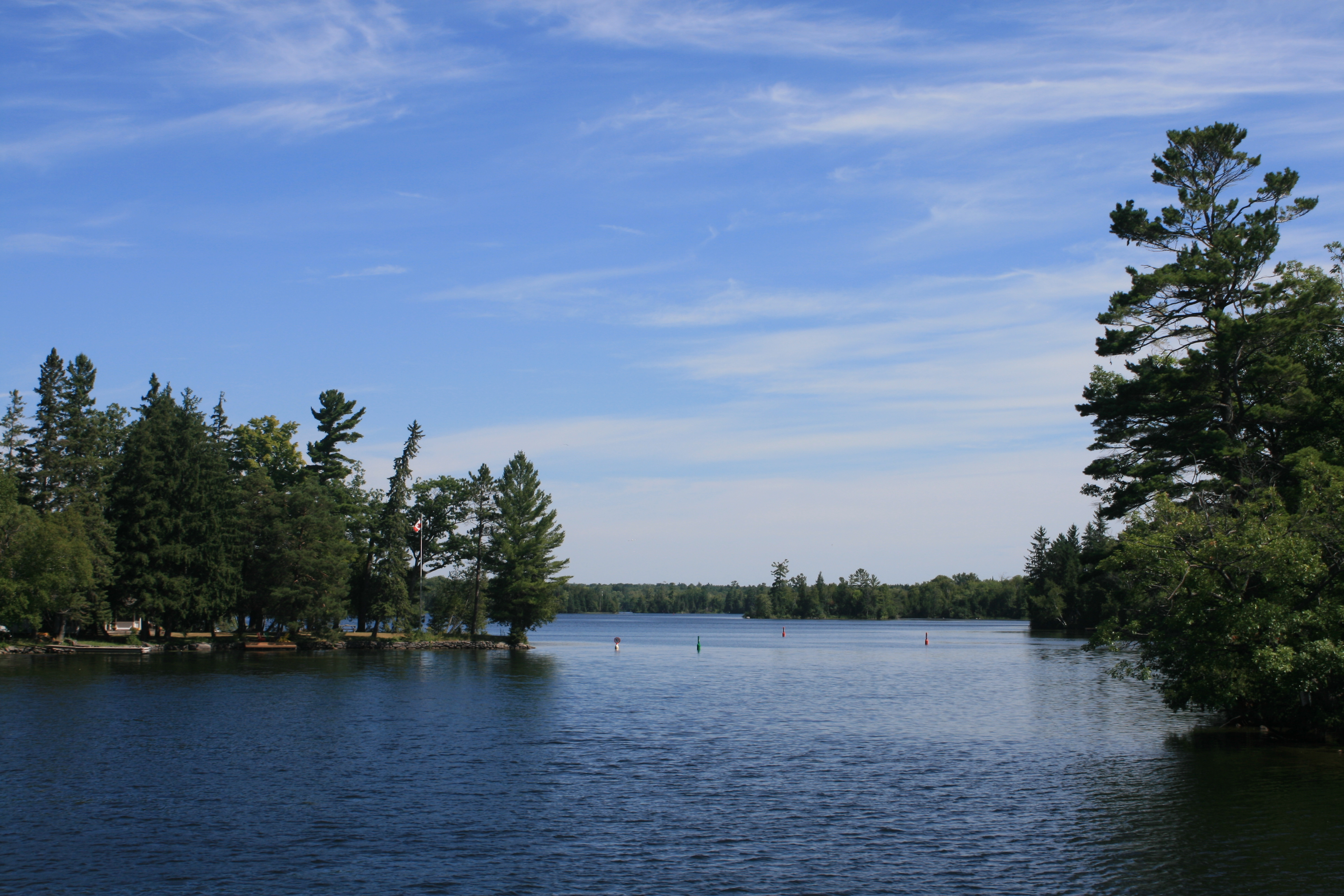
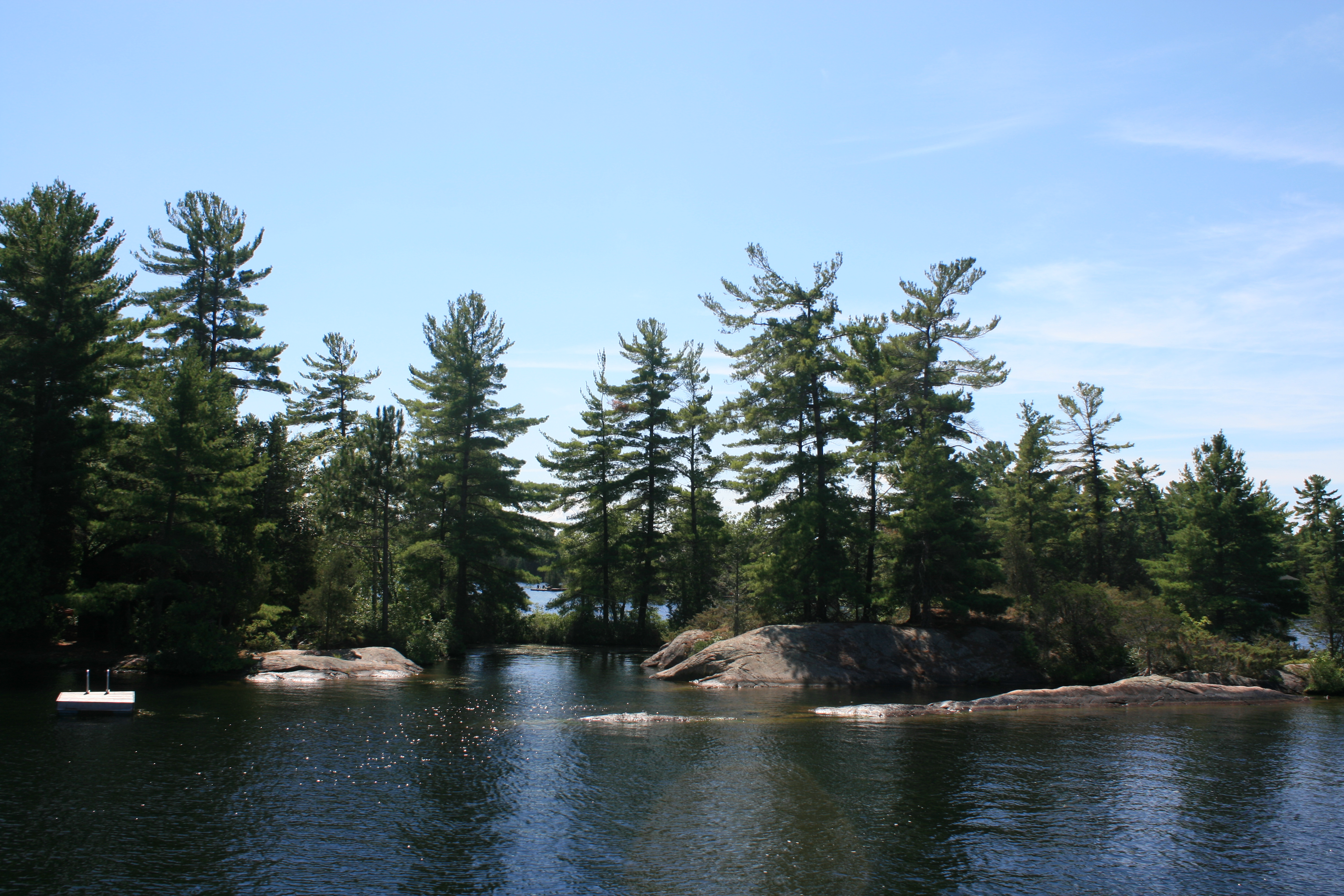
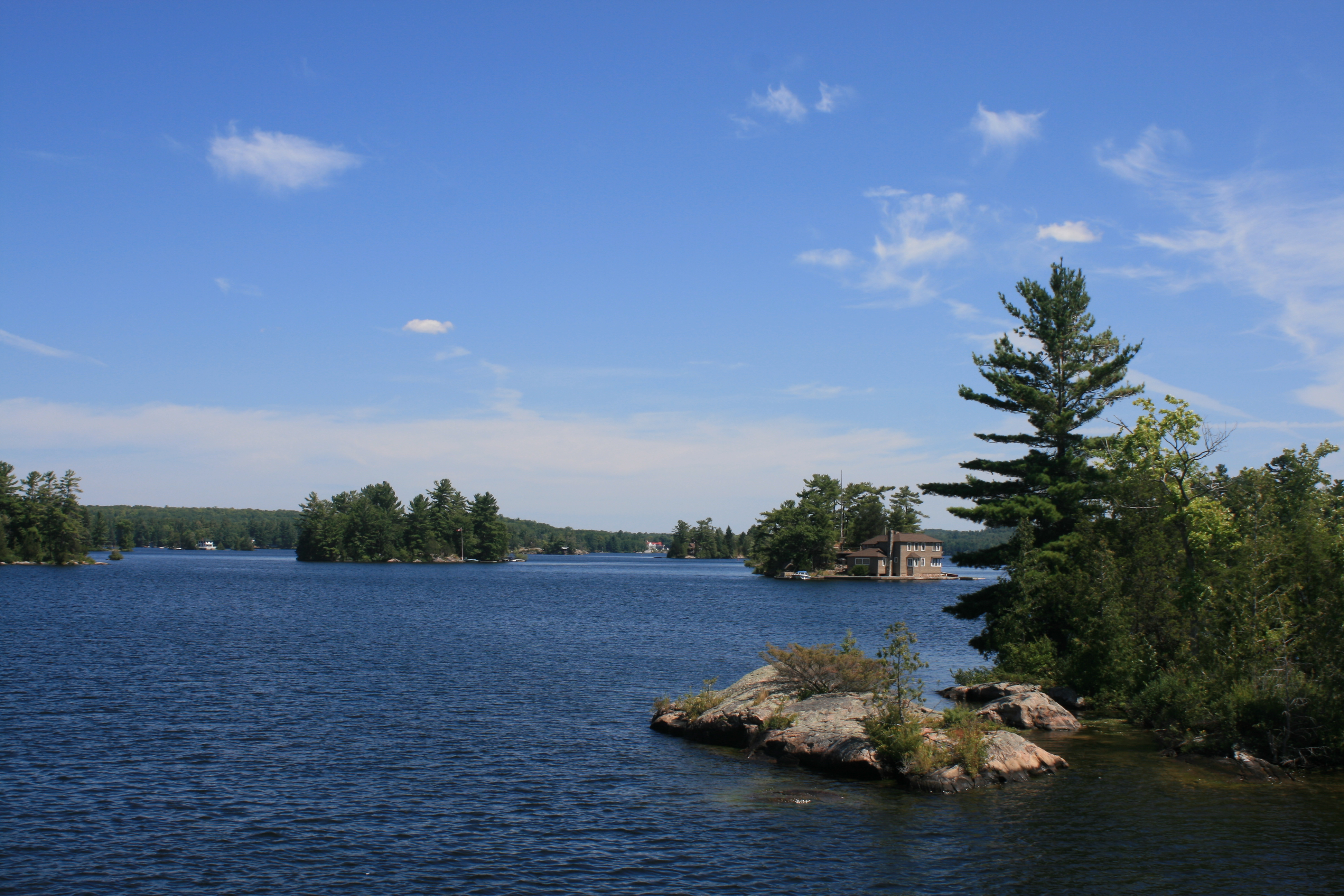
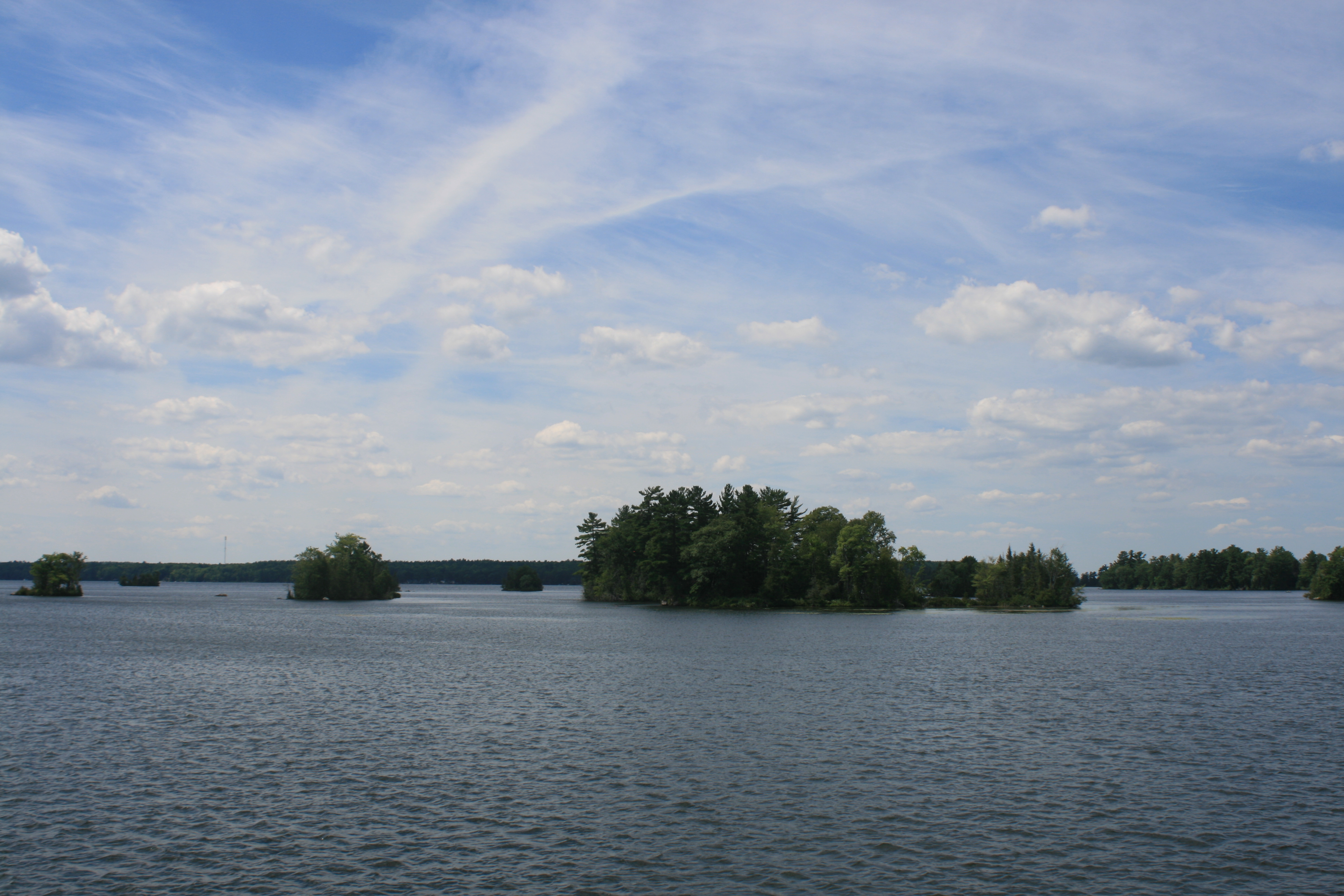
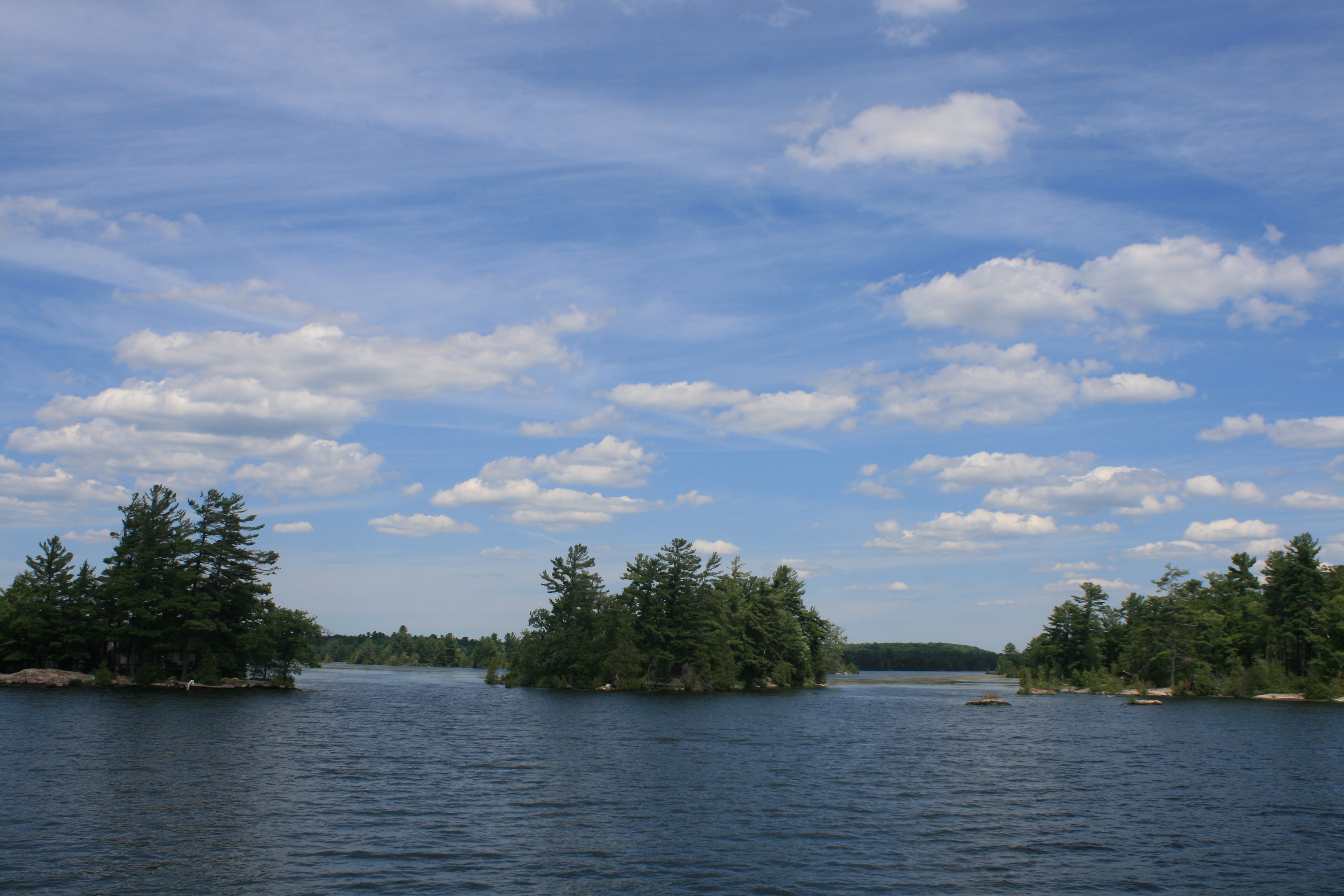
Georgian Bay is unlike anywhere I have ever been. Its 30,000 islands along the north shore seem to go on for ever, set in the deep blue lake studded with pink granite and pine trees. Beyond Byng Inlet, it becomes largely wilderness and even more beautiful. But that will be for next year.

We spent two days at the marina, doing all the laundry and packing the boat up. At one point we went out for a bike ride and an ice-cream and came back to find we had missed some excitement. A bear had ambled through the marina in our absence.

Public transport in this part of Ontario is intermittent. Our only way of getting to Toronto, or anywhere else, was by bus. The bus ran once a day. It passed the Byng Inlet road end at 6pm, and arrived at Toronto 4 hours later.

Graham, the marina manager, very kindly took us to the road end, where we had to wait in the sun on the hard shoulder of the busy 4 -lane highway for the bus to stop. The bus arrived 15 minutes early, so it was just as well that in our anxiety not to miss it, we had insisted on arriving at the pick up point at 5.30.

We had four nights in Toronto and included a trip to Niagara Falls before flying back to Boston and on to Heathrow. Not least among the things that impressed us about Toronto was Billy Bishop Airport, where even economy class passengers can use the free wifi, sit in comfortable armchairs in clean, spacious surroundings, and enjoy complimentary coffee and snacks.


Ismaili Centre, Toronto

Ismaili Centre, Toronto

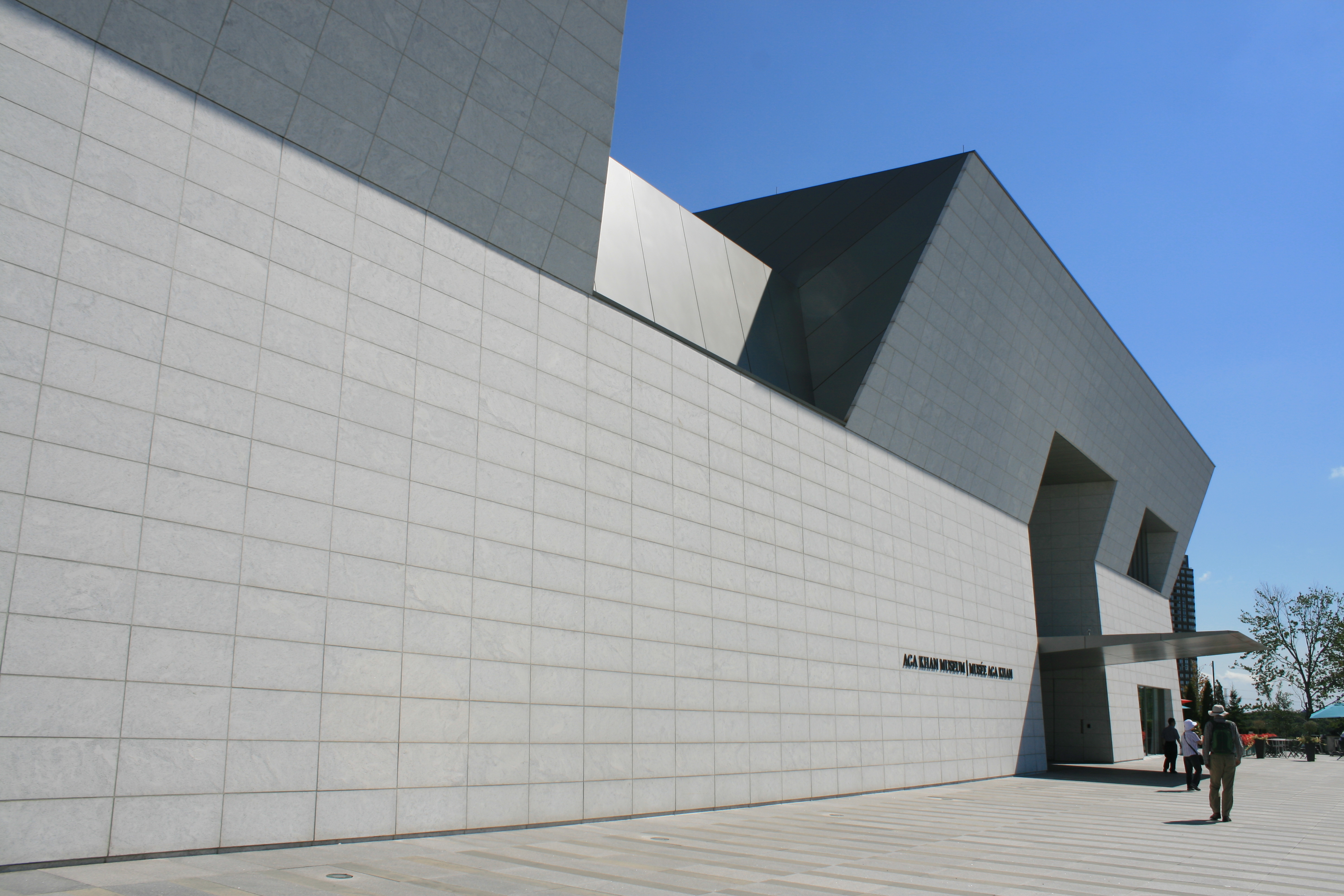
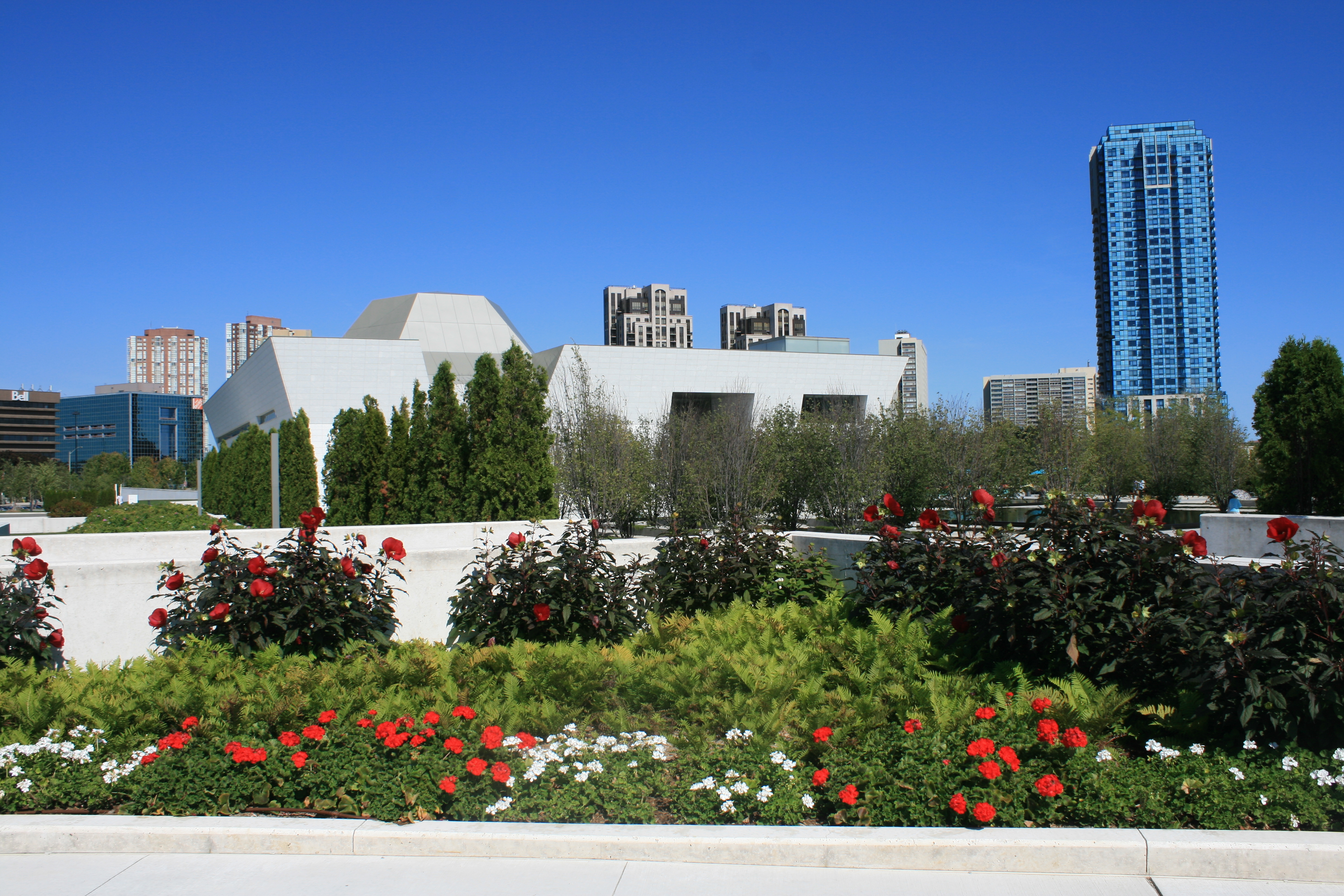
Aga Khan Museum, Toronto

Aga Khan Museum, Toronto

img_0005


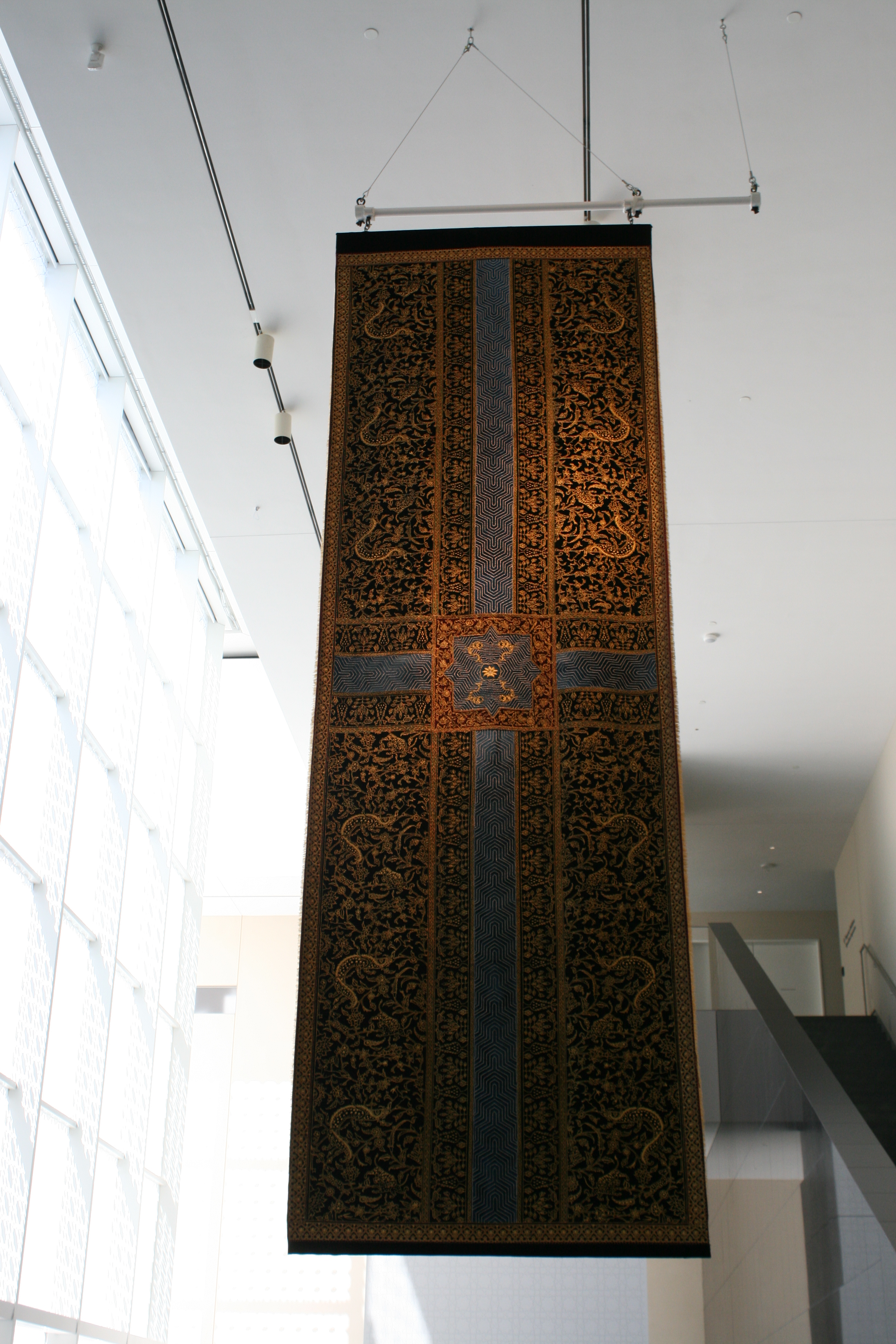
Wall hanging by Aisha Khalid, Aga Khan Museum.

Aga Khan Museum, Toronto

Aga Khan Museum, Toronto

Aga Khan Museum

Aga Khan Museum

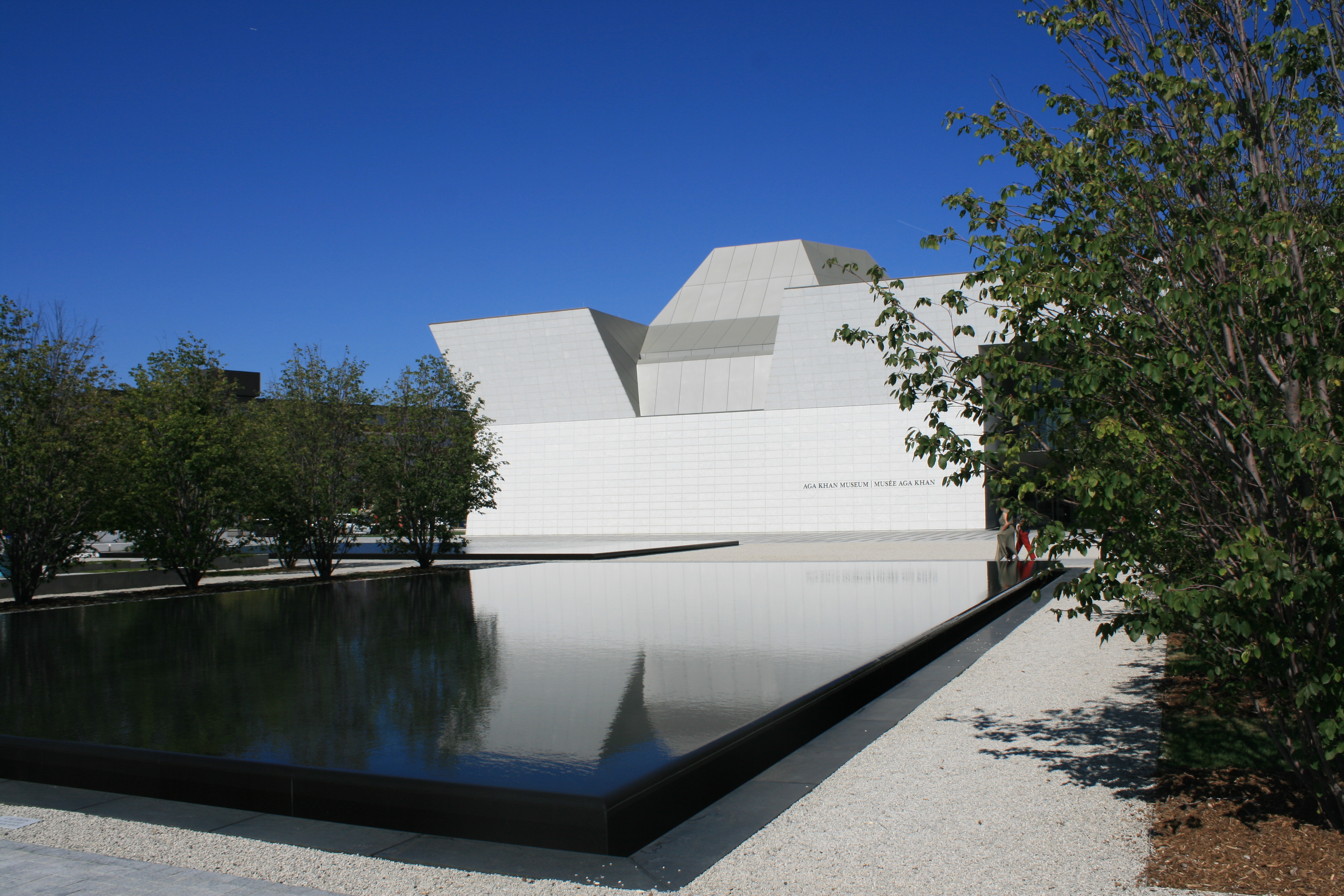
Aga Khan Museum and Gardens

Aga Khan Museum and Gardens

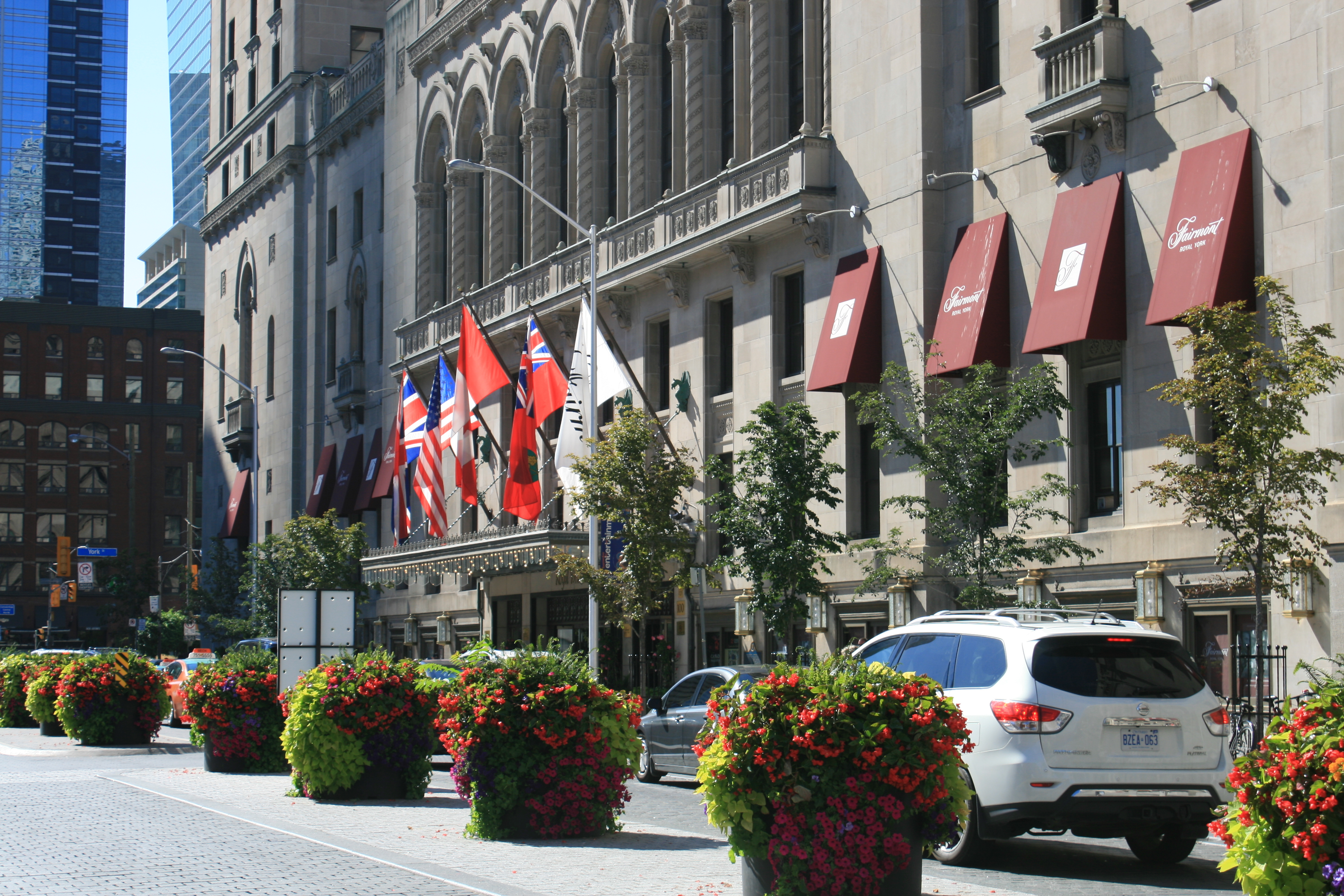
Royal York Hotel, Front St

Royal York Hotel, Front St

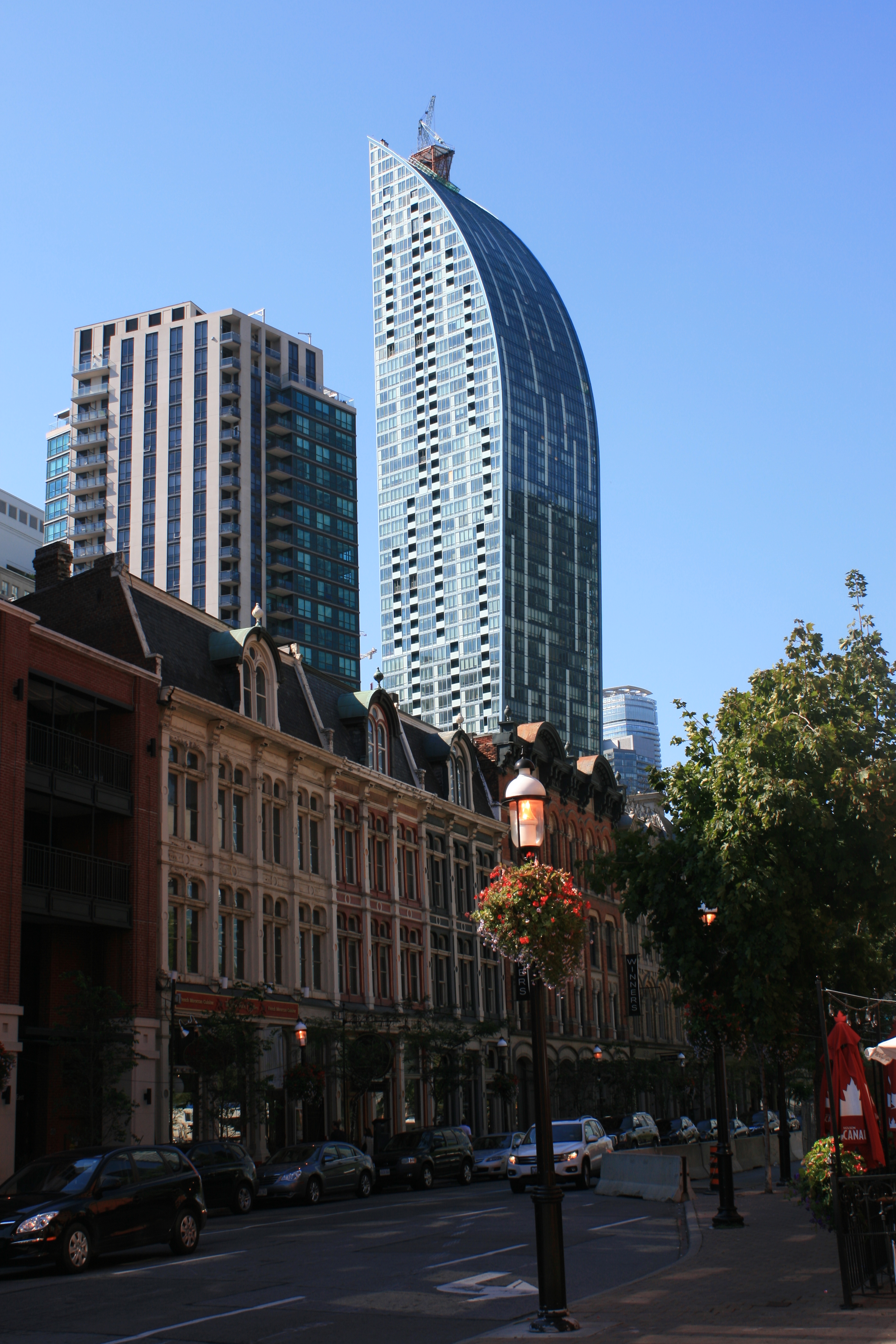
The L-Tower from Front St East

The L-Tower from Front St East

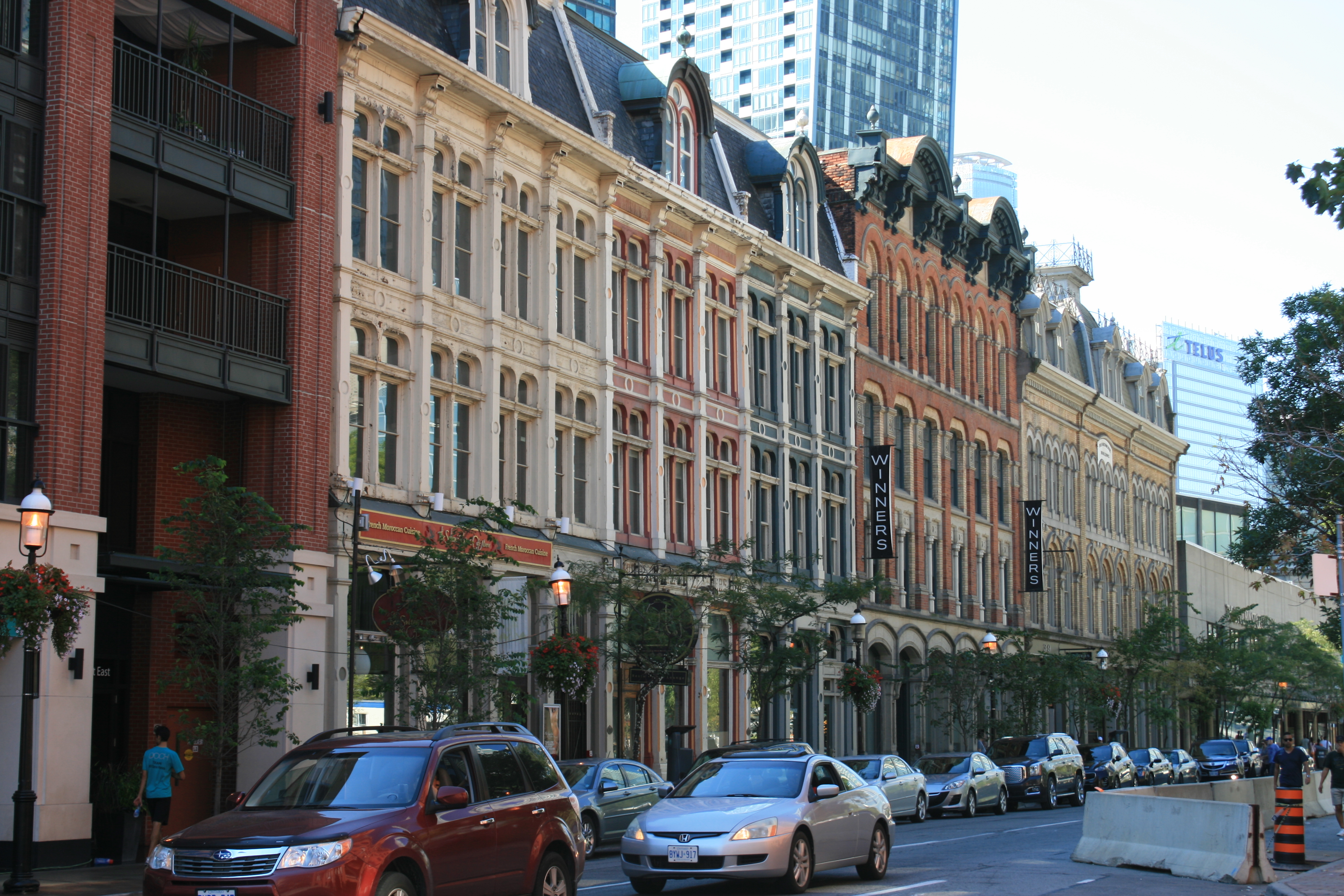
Front St East

Front St East

Flatiron Building from Front St East

Flatiron Building from Front St East

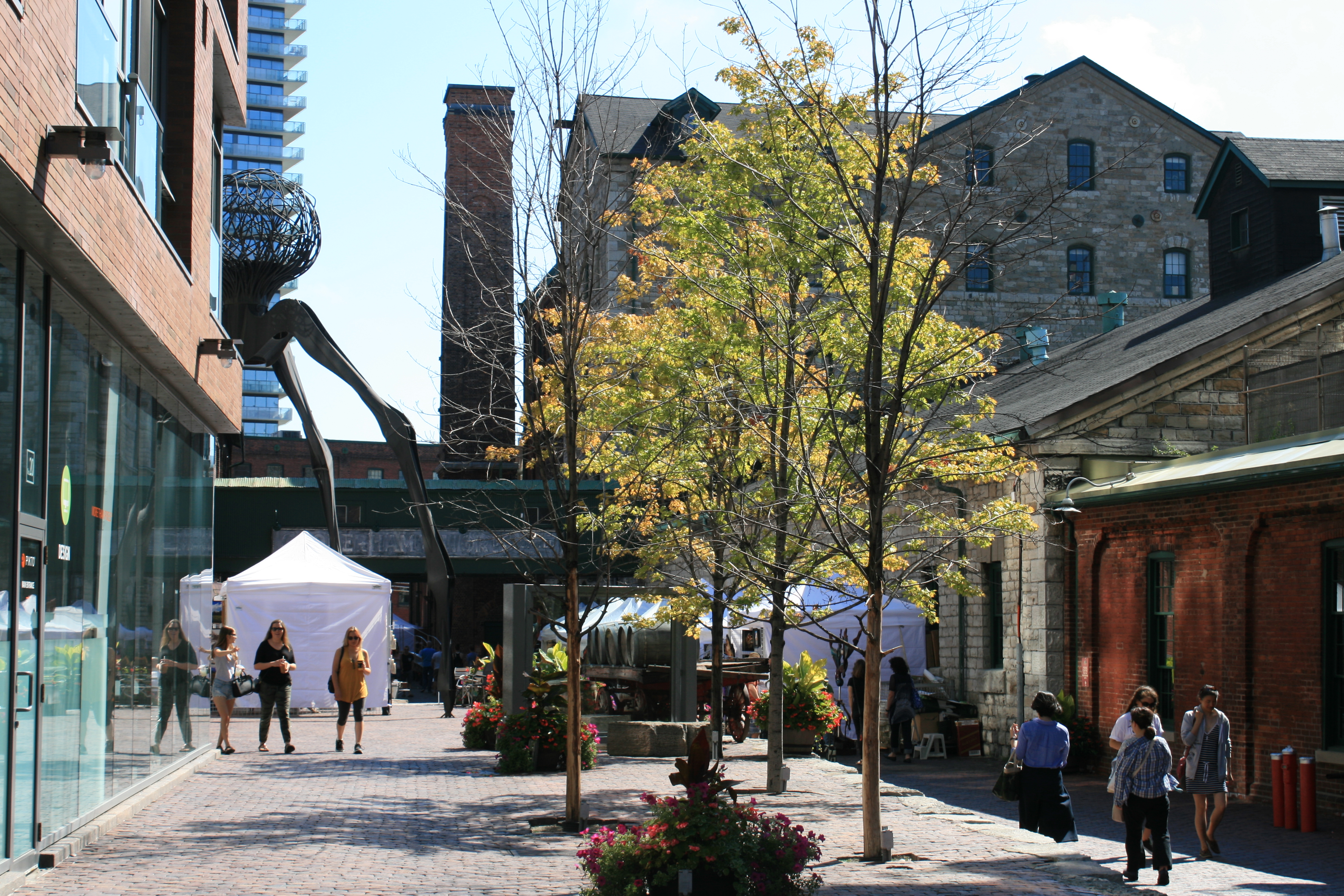
The Distillery District

The Distillery District

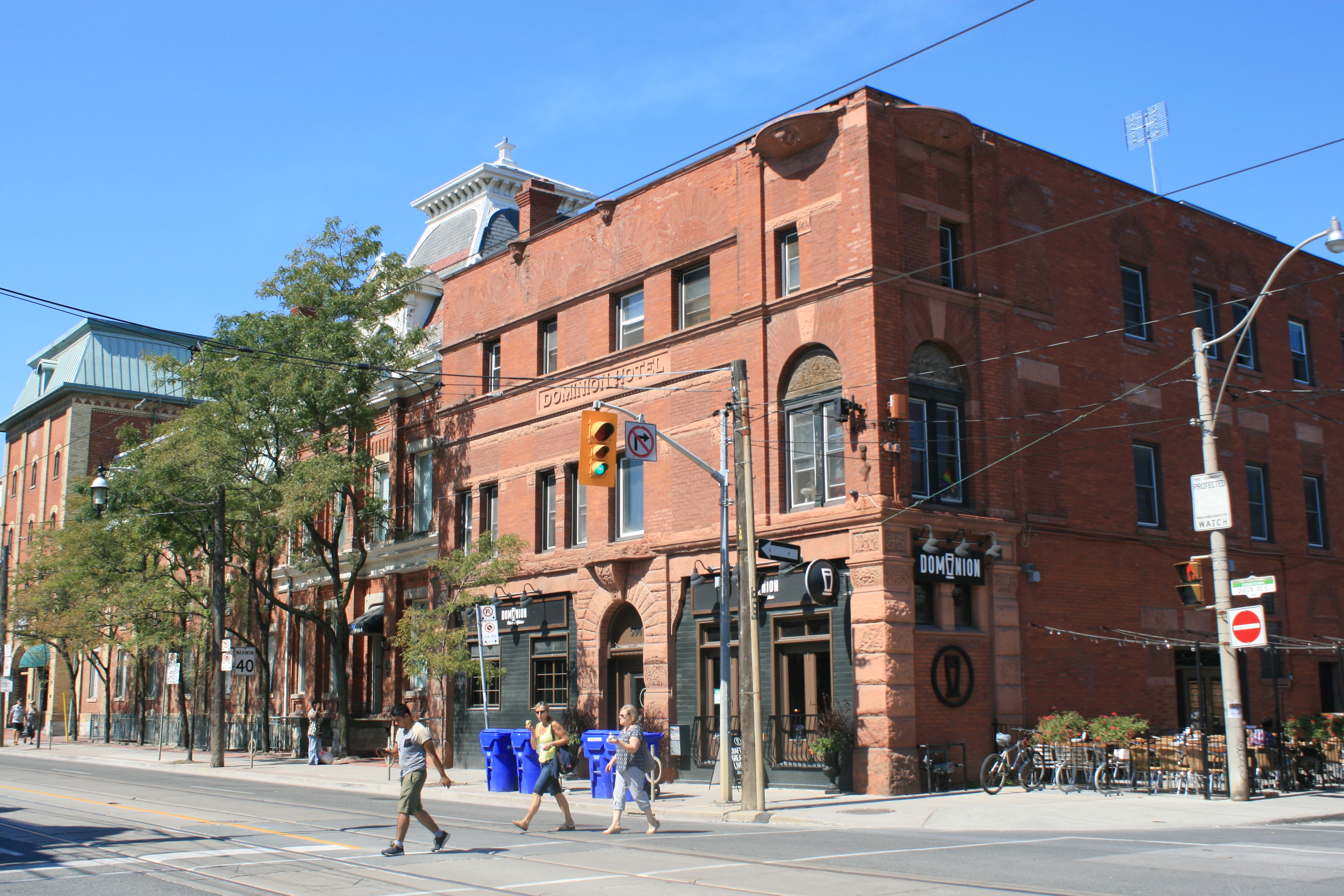
Dominion Hotel

Dominion Hotel

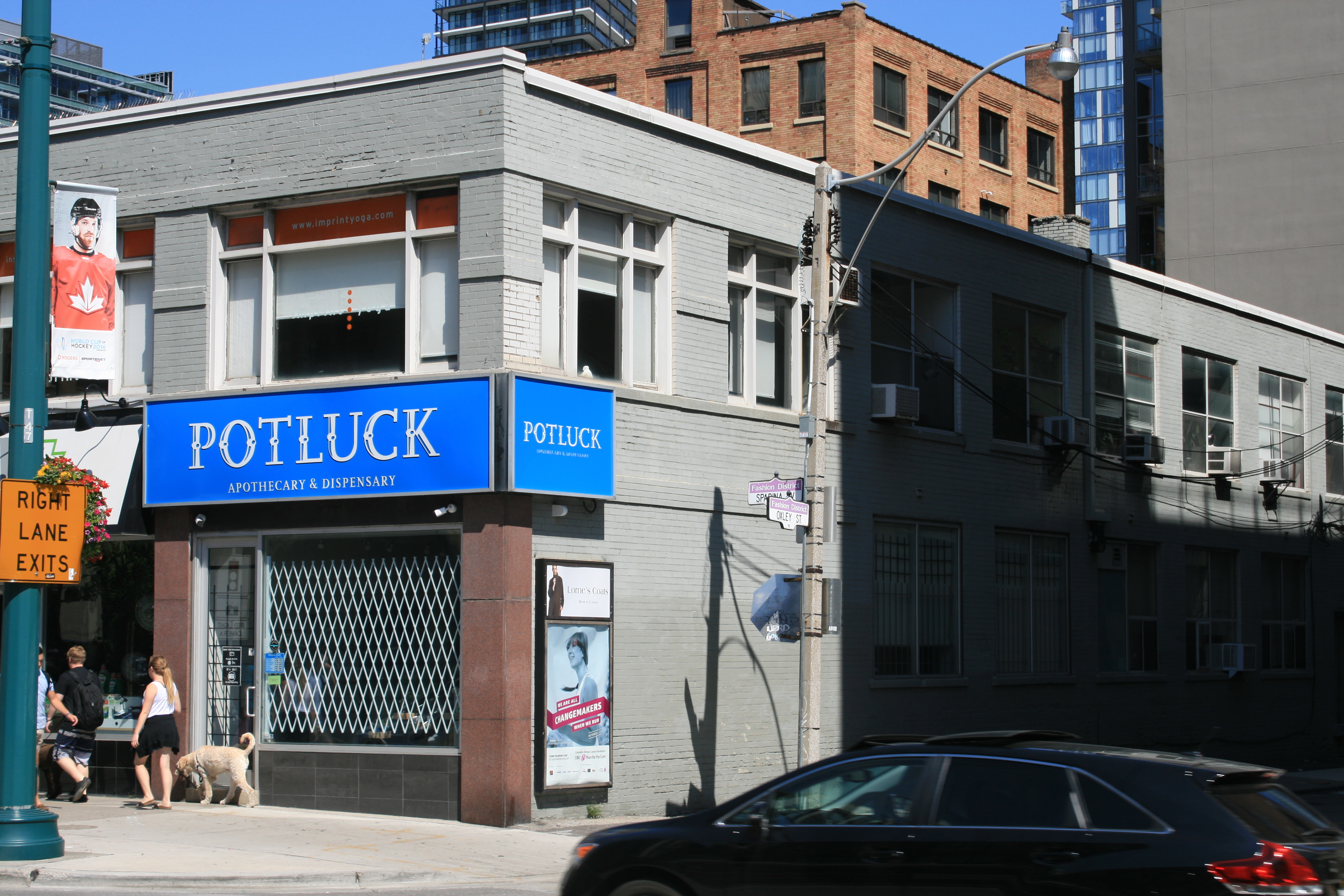
Potluck Dispensary

Potluck Dispensary

Cannabis can be legally purchased in Ontario at registered dispensaries.

8 Elm Street, Toronto

8 Elm Street, Toronto

In downtown Toronto, there aren’t many old buildings left. This lovely building on Elm Street is scheduled to be replaced with an 80-storey tower.

We took the tram out to High Park on the west side of Toronto. The land was bequeathed in 1873 to the city for the use of its citizens by John Howard, who was an architect, engineer and land surveyor to the City of Toronto.

High Park

High Park

High Park

High Park

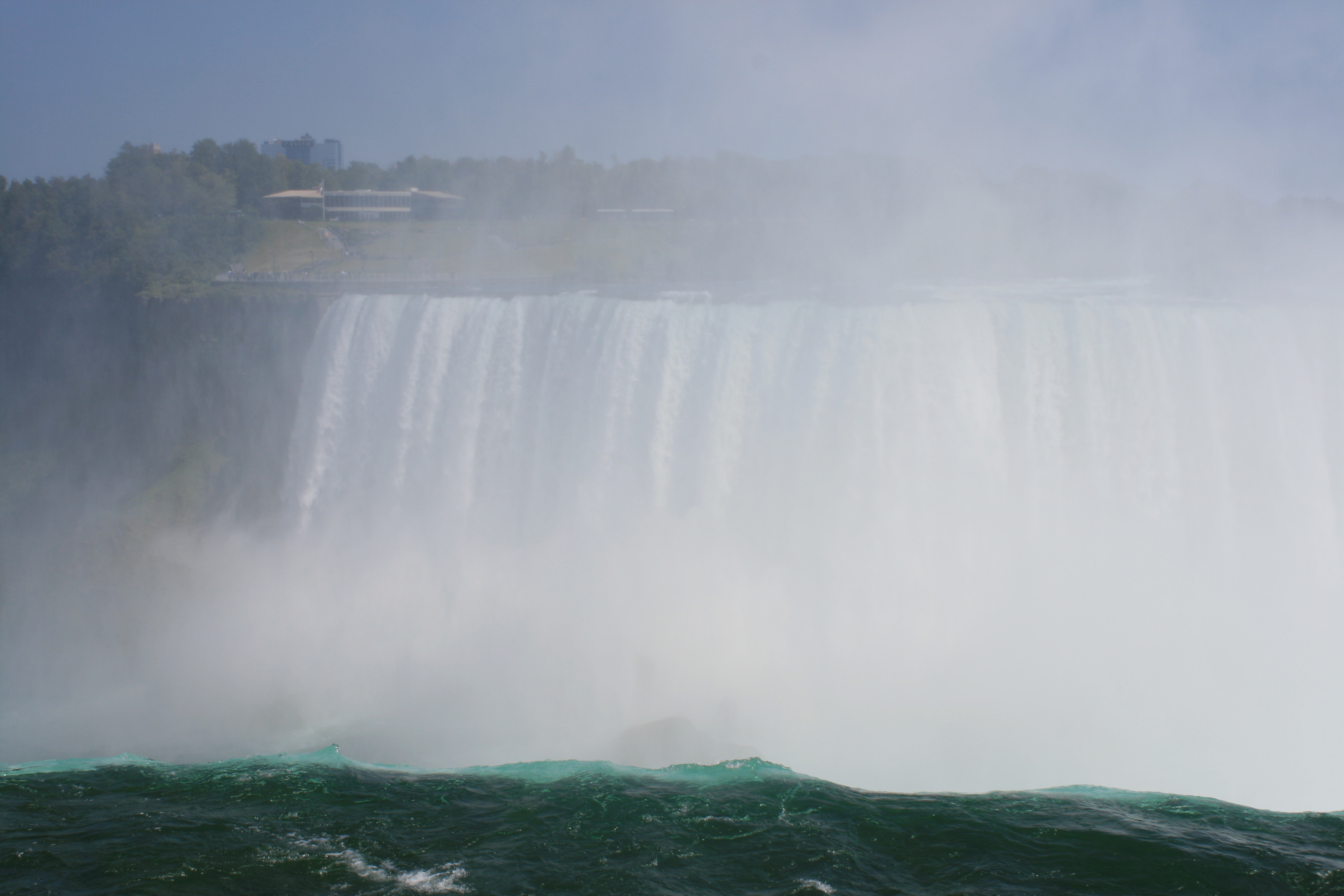
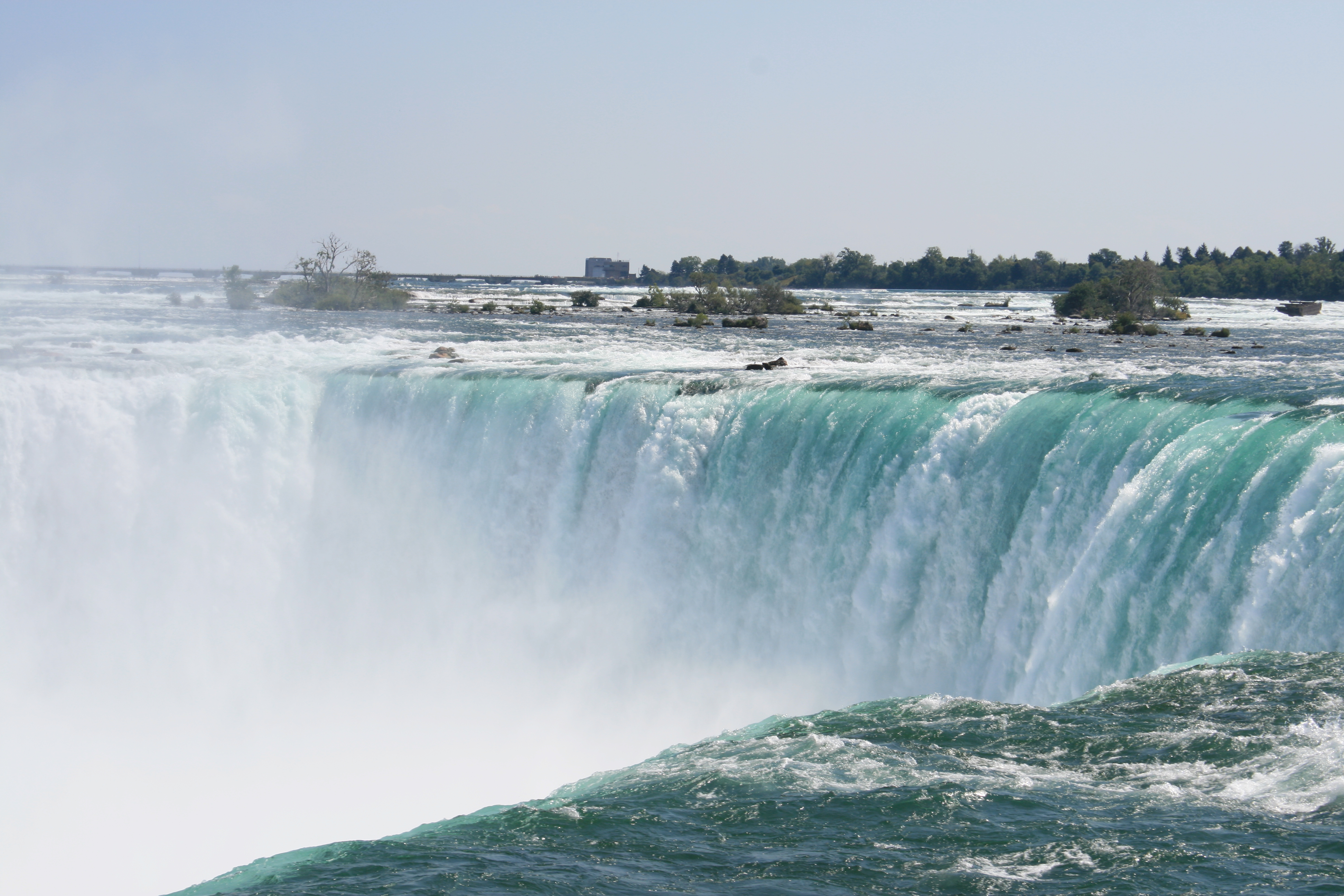
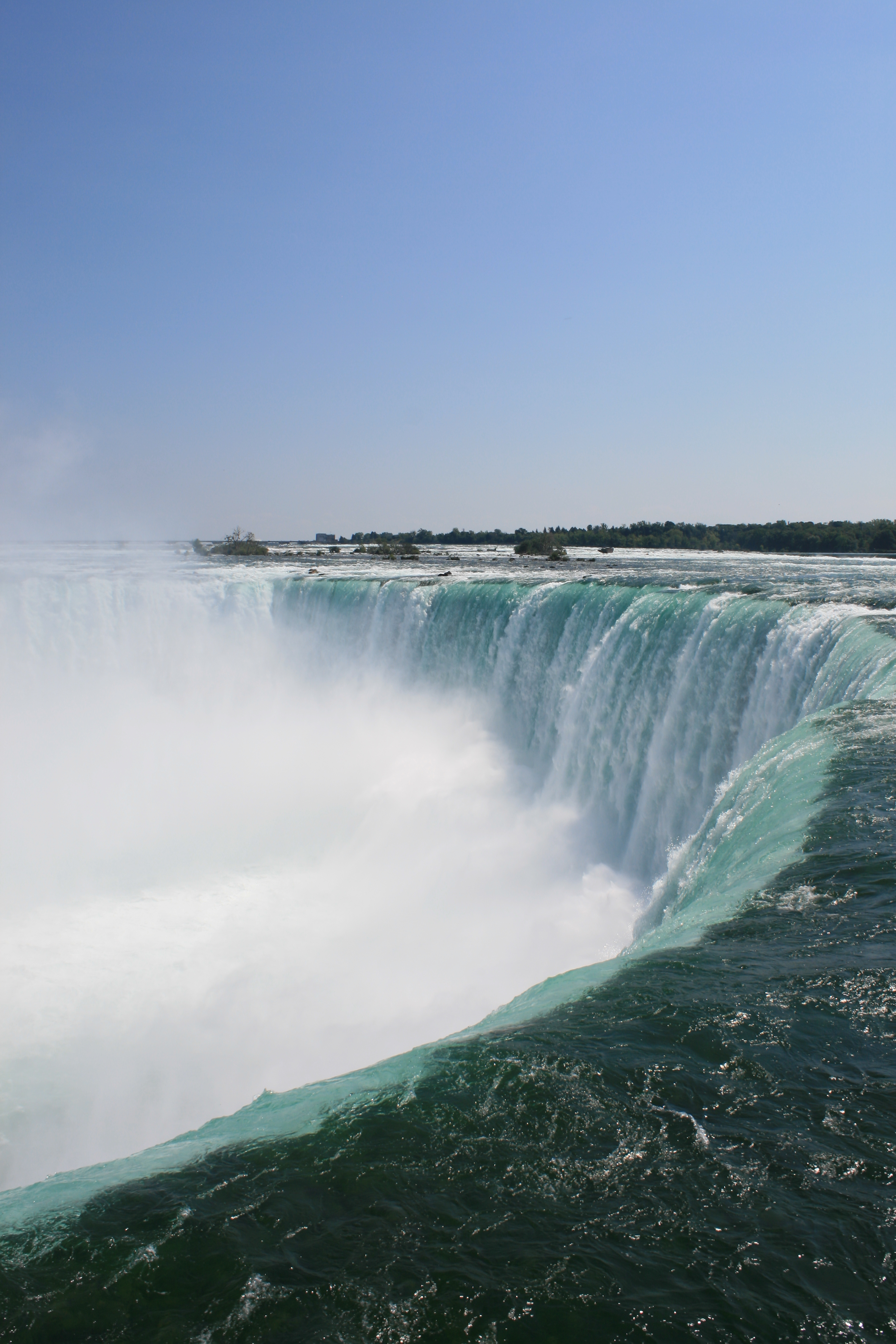
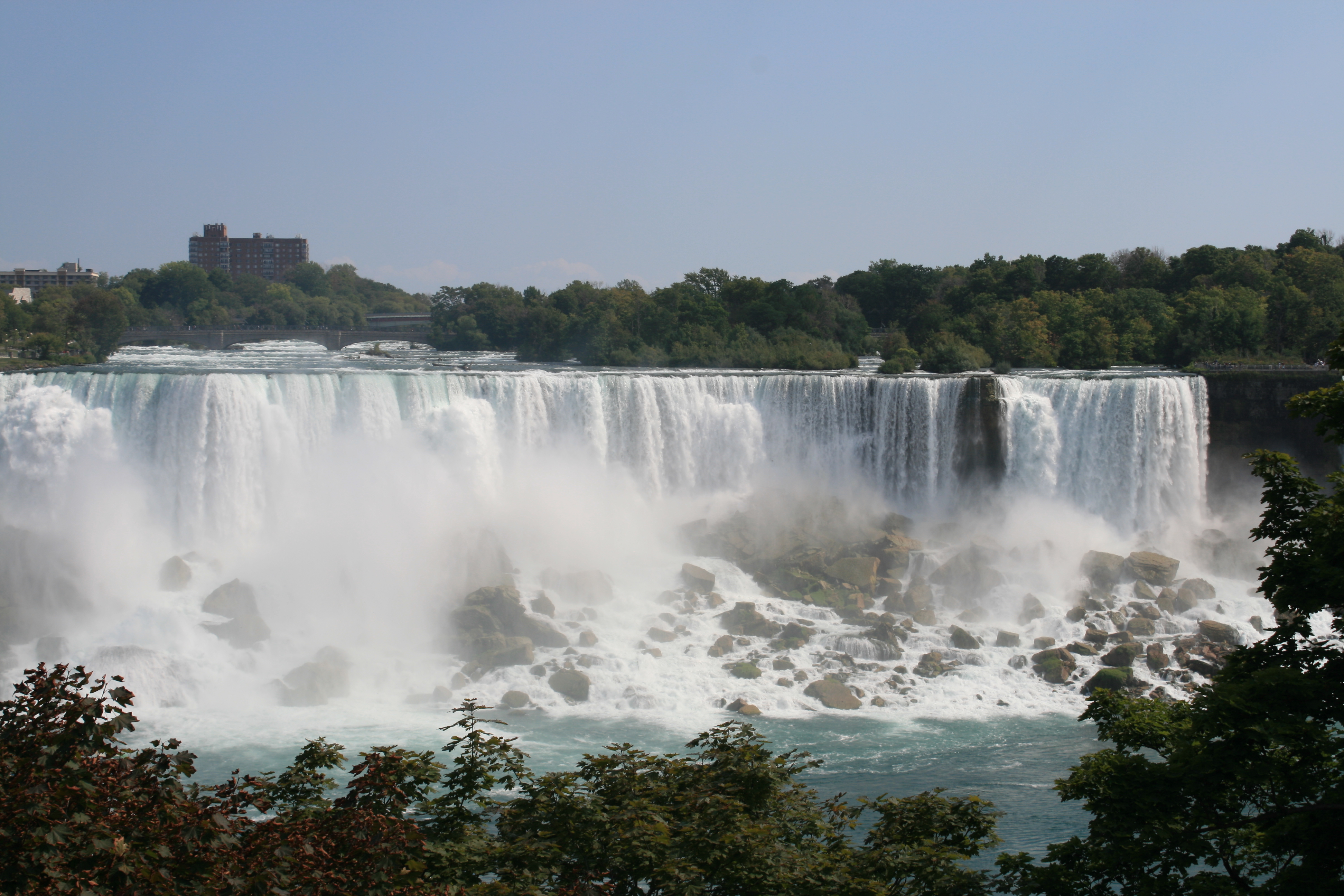
On our last day in Canada we hired a car and drove to Niagara Falls. It was crowded with people, but the souvenir shops and fast food outlets were well contained, the parkland bordering the ravine beautifully maintained, and nothing could take away the breathtaking splendour of the Falls.

Canadian Horseshoe Falls

Canadian Horseshoe Falls

Canadian Horseshoe Falls

Canadian Horseshoe Falls

Canadian Horseshoe Falls

Canadian Horseshoe Falls

Canadian Horseshoe Falls

Canadian Horseshoe Falls

Canna Lilies with the Falls in the background

Canna Lilies with the Falls in the background

The American Falls

The American Falls

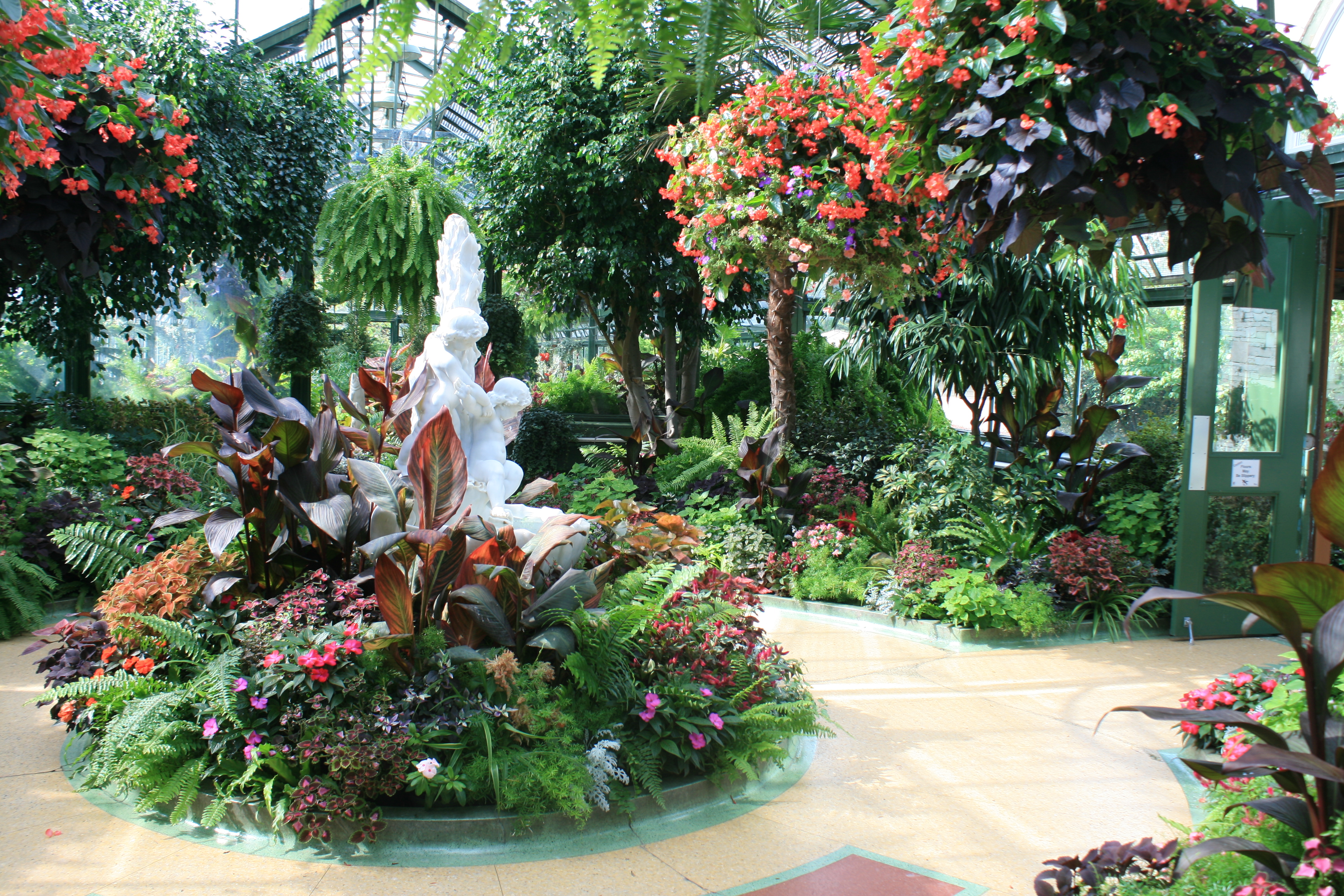
 Floral Showhouse, Niagara Parks

Floral Showhouse, Niagara Parks

Floral Showhouse

Floral Showhouse

Floral Showhouse

Floral Showhouse


Orillia to Midland, Georgian Bay

Despite worries about lurking rocks just below the surface of Couchiching Lake, we arrived unscathed at the Town Dock in Orillia, to find a party in full swing next to our slip. Several boats had got together, put their deck chairs on the dock, and were eating and drinking the afternoon away to various kinds of very loud music. Apparently it was an annual event.

The music started off with Latin/reggae, and progressed to heavy rock. By early evening the boaters were dancing as well, and at some risk of falling into the dock. Their friendliness did not extend to actually inviting us to join in, and we escaped to explore Orillia’s fine dining scene at the Era 67 restaurant.  They were still partying when we got back.

The playlist had now degenerated to ‘Cheesiest Songs of the 1970s’, to which they sang along with enthusiasm. We were sitting in bed reading our kindles, having already had the YMCA song, Sweet Caroline, and Tie a Yellow Ribbon round the Old Oak Tree, when the rude version of Living with Alice came on. There’s a link here for anyone unfamiliar, as we were, with this version and who may be curious. Suddenly, at 10.30, the music stopped and everything went quiet. The silence was almost as disconcerting as the music had been.

Orillia to Midland

Orillia to Penetanguishene & Beausoleil Island to Midland

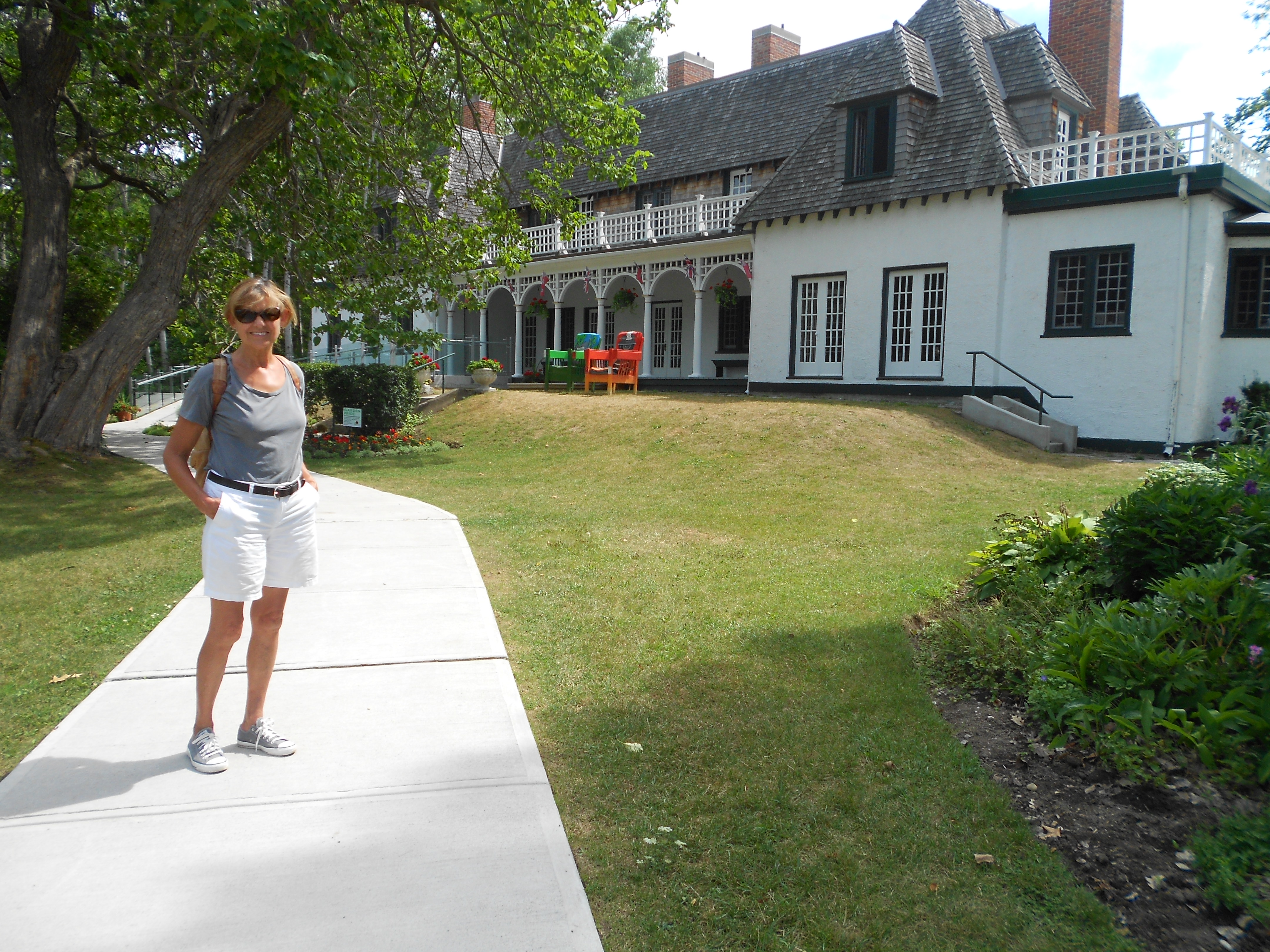
We cycled a couple of miles down the lake shore to Old Brewery Bay to the Stephen Leacock Museum. Stephen Leacock came to Canada from Britain in 1875 at six years of age, and lived near Lake Simcoe. He became Professor of Economics and Political Science at McGill University, but he is best known for his fiction and humorous writings. He built the house at Old Brewery Bay in the style of the Arts and Crafts Movement and it was his summer retreat.

At the Stephen Leacock Museum

At the Stephen Leacock Museum

The day we picked up a hire car to do some shopping and to pick Liz and Nick up from Toronto airport was the wettest we’ve experienced since leaving Florida and reminiscent of the tropical storms in Hongkong. We got soaked just walking from the boat to the marina office, where Enterprise Car Hire were coming to pick us up.

The next day we had the whole gamut. It was cloudy as we left Orillia to travel north through  Couchiching Lake. By lunch time it was sunny, and by the time we anchored in Deep Bay at the north end of Sparrow Lake at about four o’clock, it was raining so heavily that Liz and I were trapped upstairs on the bridge, listening to the downpour and the thunder and watching the spikes of rain bounce off the lake.

IMG_0001On Couchiching lake leaving Orillia

Leaving Orillia with the new crew on board

Couchiching Lake

Couchiching Lake

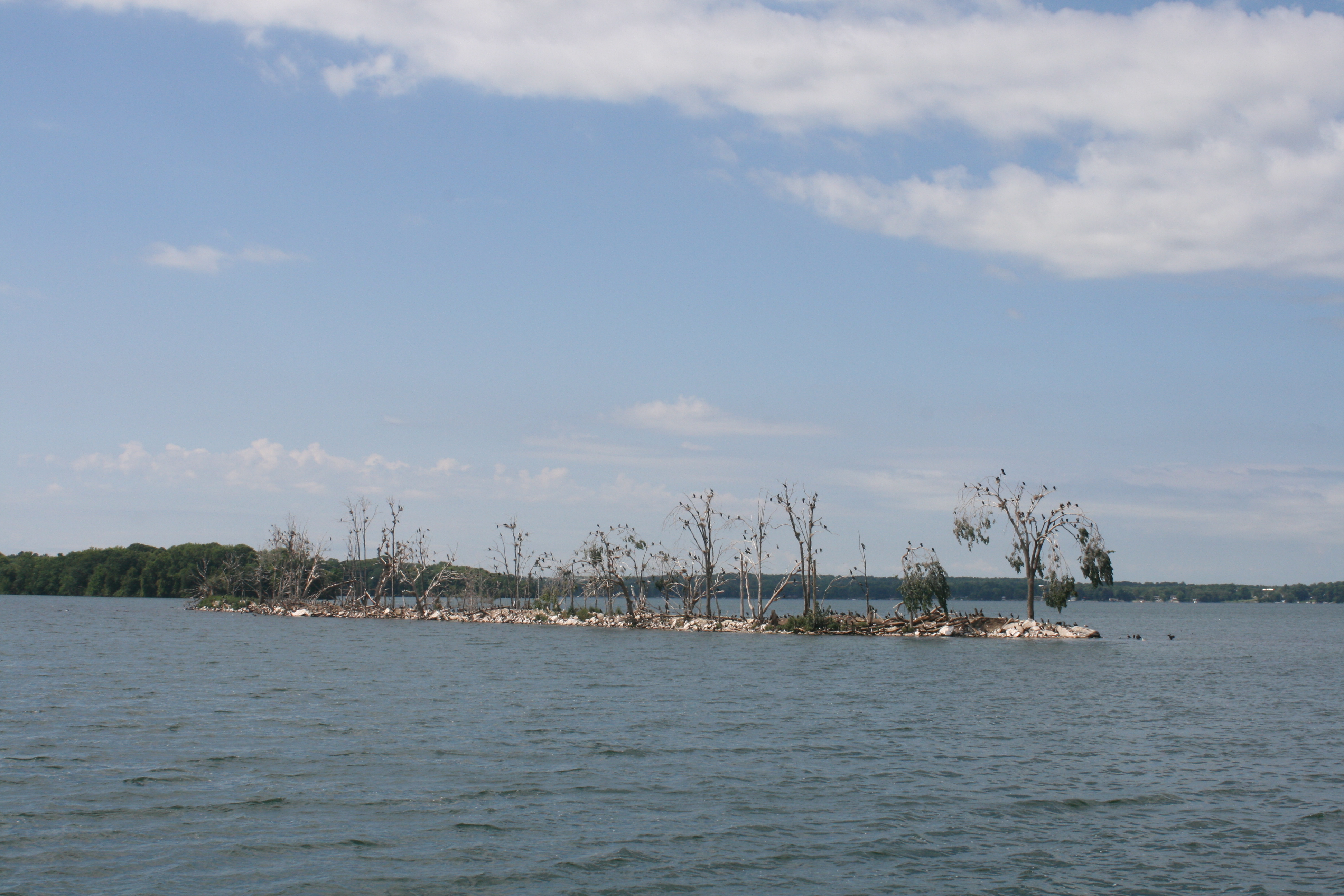
The cormorants had stripped all the vegetation on this island.


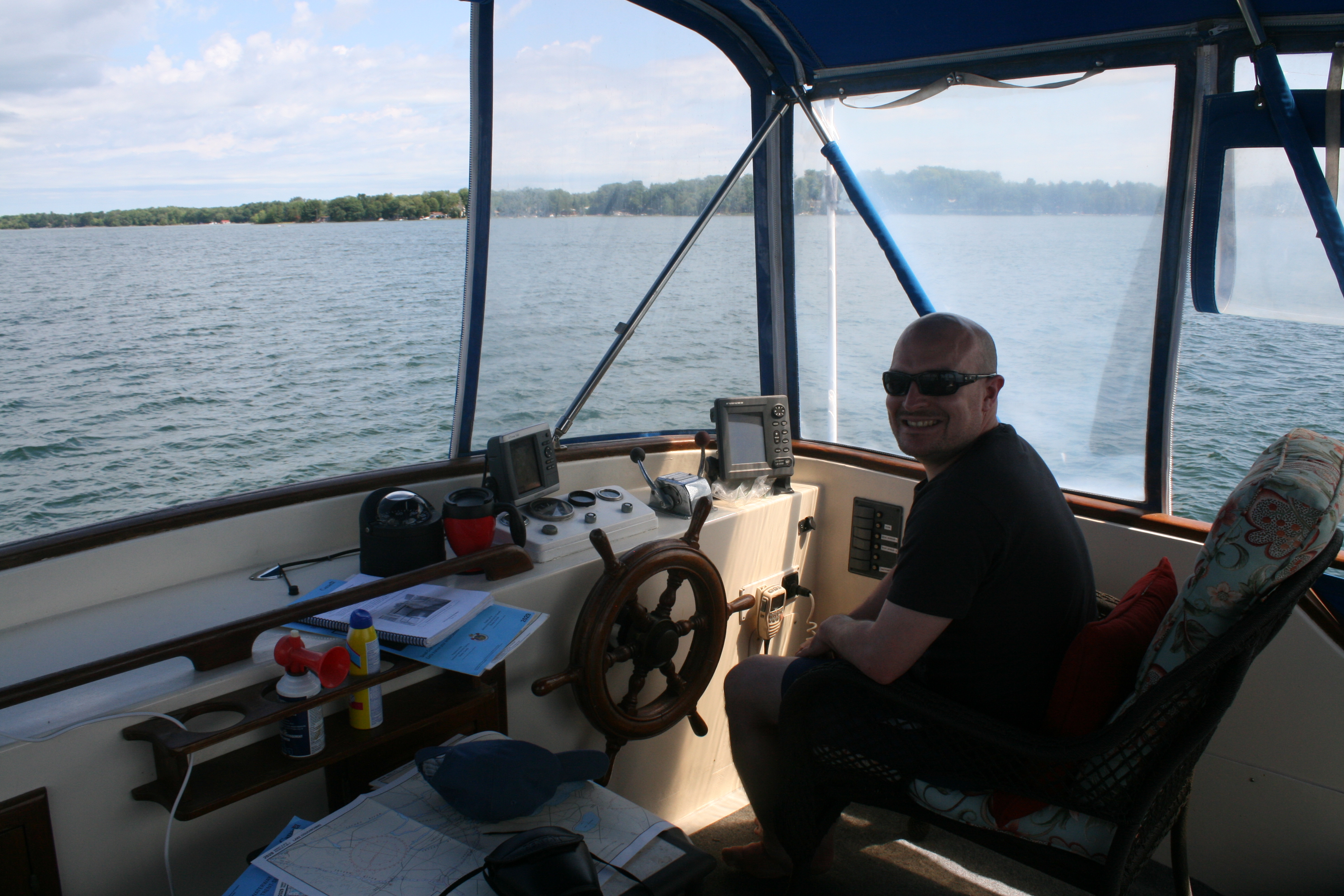
Nick at the helm

Nick at the helm

By 7 o’clock it had cleared enough to use the barbecue – an item of equipment we had inherited from the previous owners and which we had never got round to trying out. Nick’s expertise proved invaluable when after half an hour the charcoal was showing no signs of igniting successfully. Piling it up into a heap did the trick.

Barbecueing on the boat

Barbecueing on the boat

Sunset at Deep Bay, Sparrow lake

Sunset at Deep Bay, Sparrow Lake

The next morning was misty and although it started to clear, the cloud persisted for most of the morning as we made our way to Big Chute, Lock 44.

Morning mist clearing at Deep Bay, Sparrow Lake

Morning mist clearing at Deep Bay, Sparrow Lake

Severn River beyond Sparrow Lake

Severn River beyond Sparrow Lake

Swift Rapids Lock 43

Swift Rapids Lock 43 and the hydroelectric station

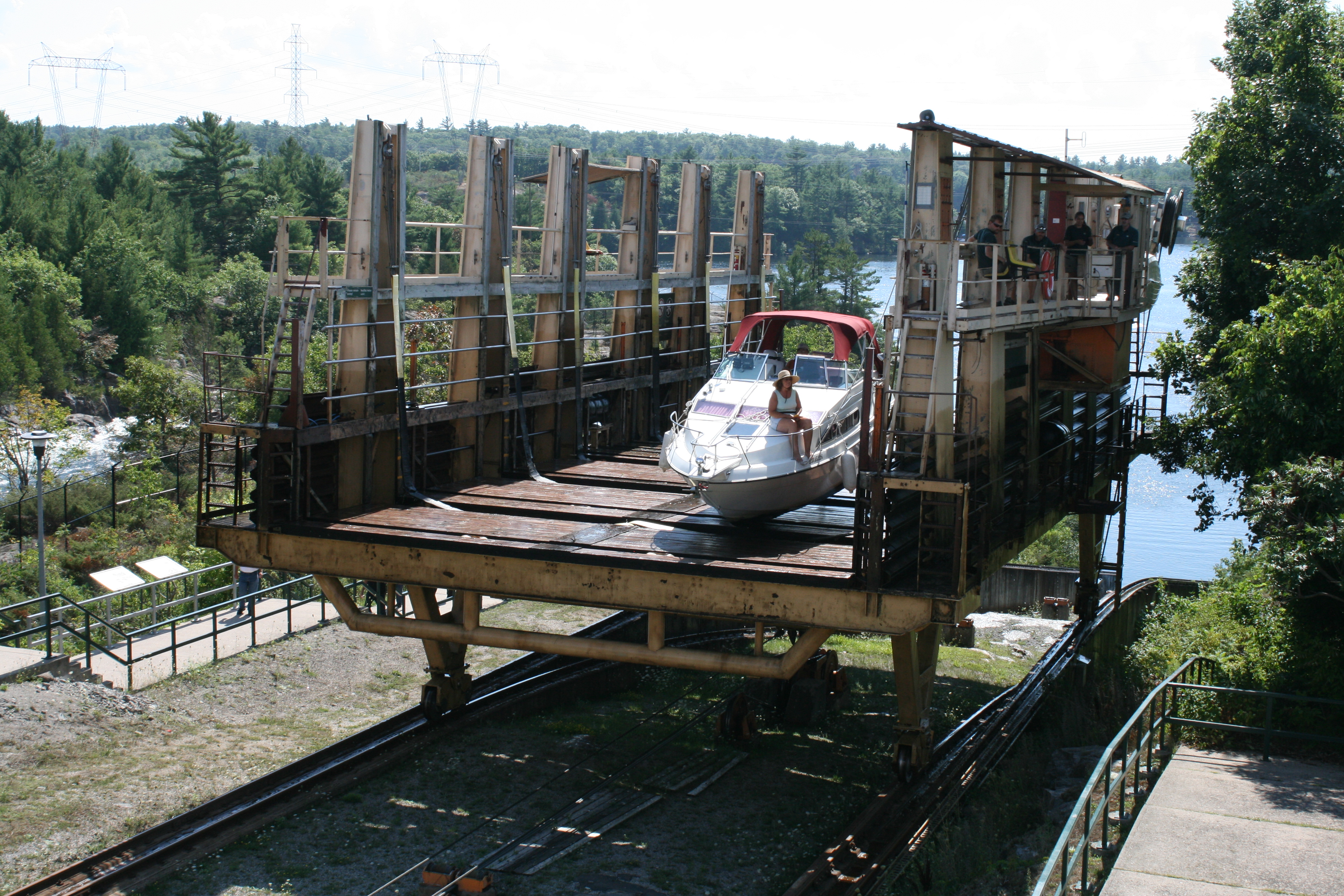
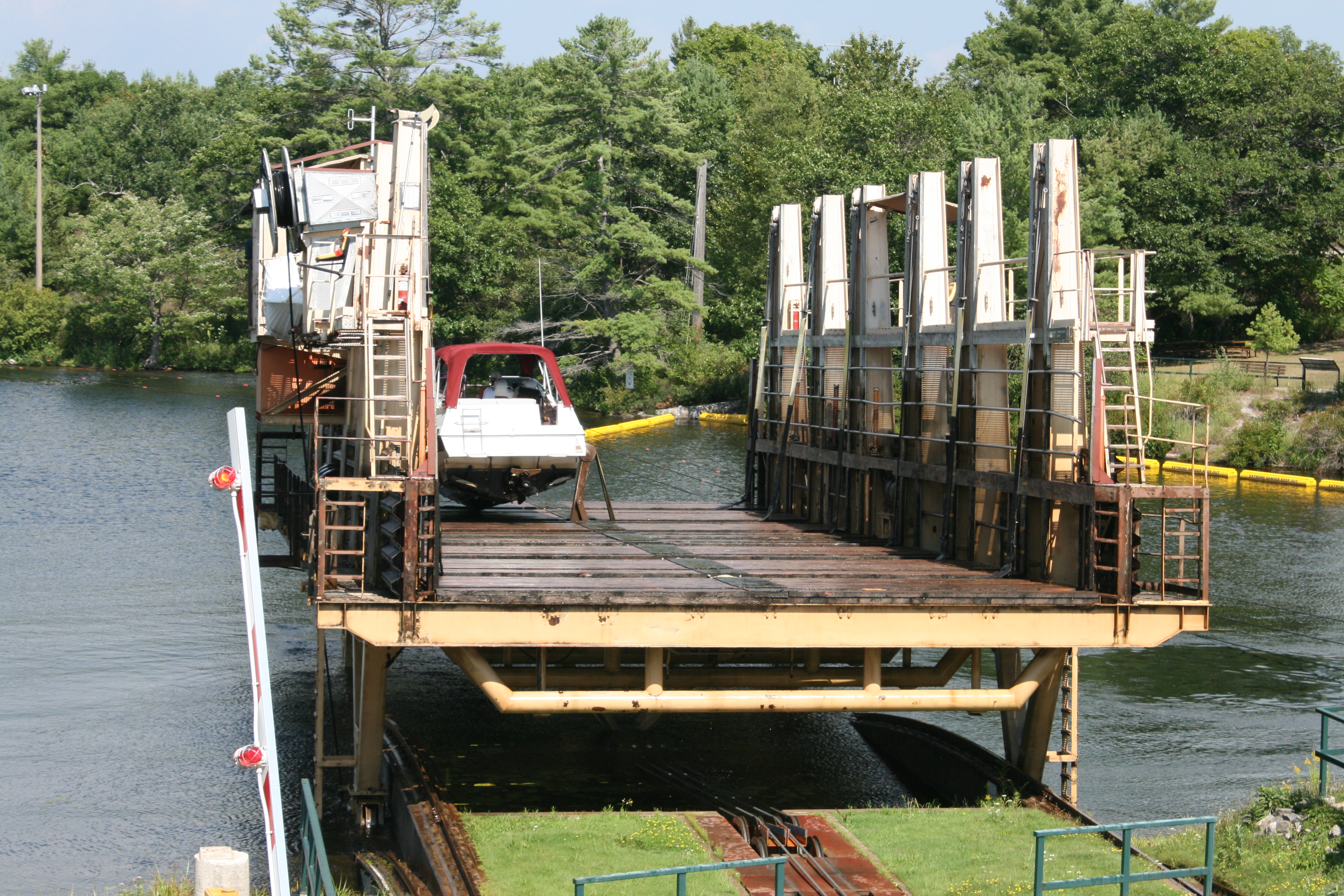
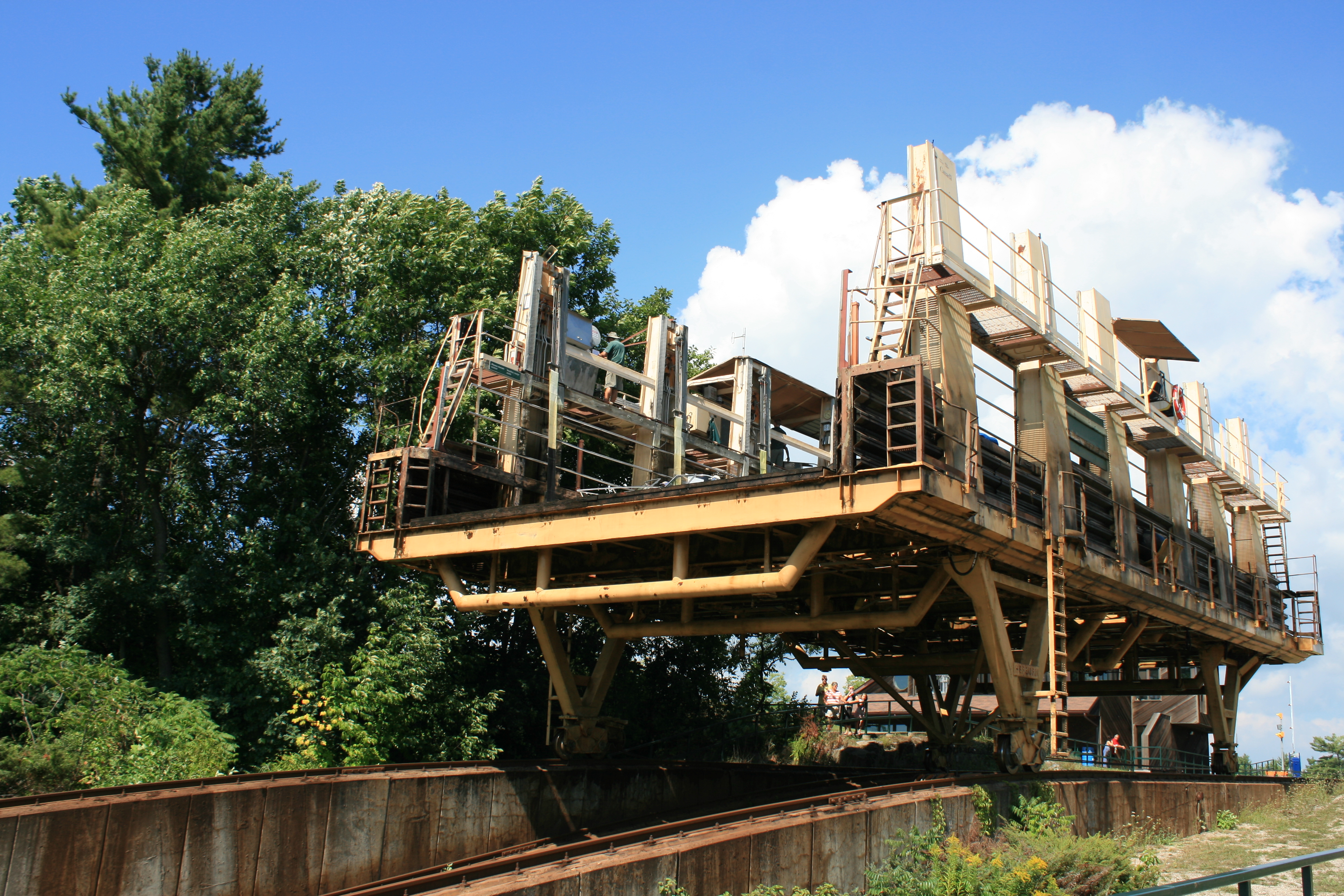
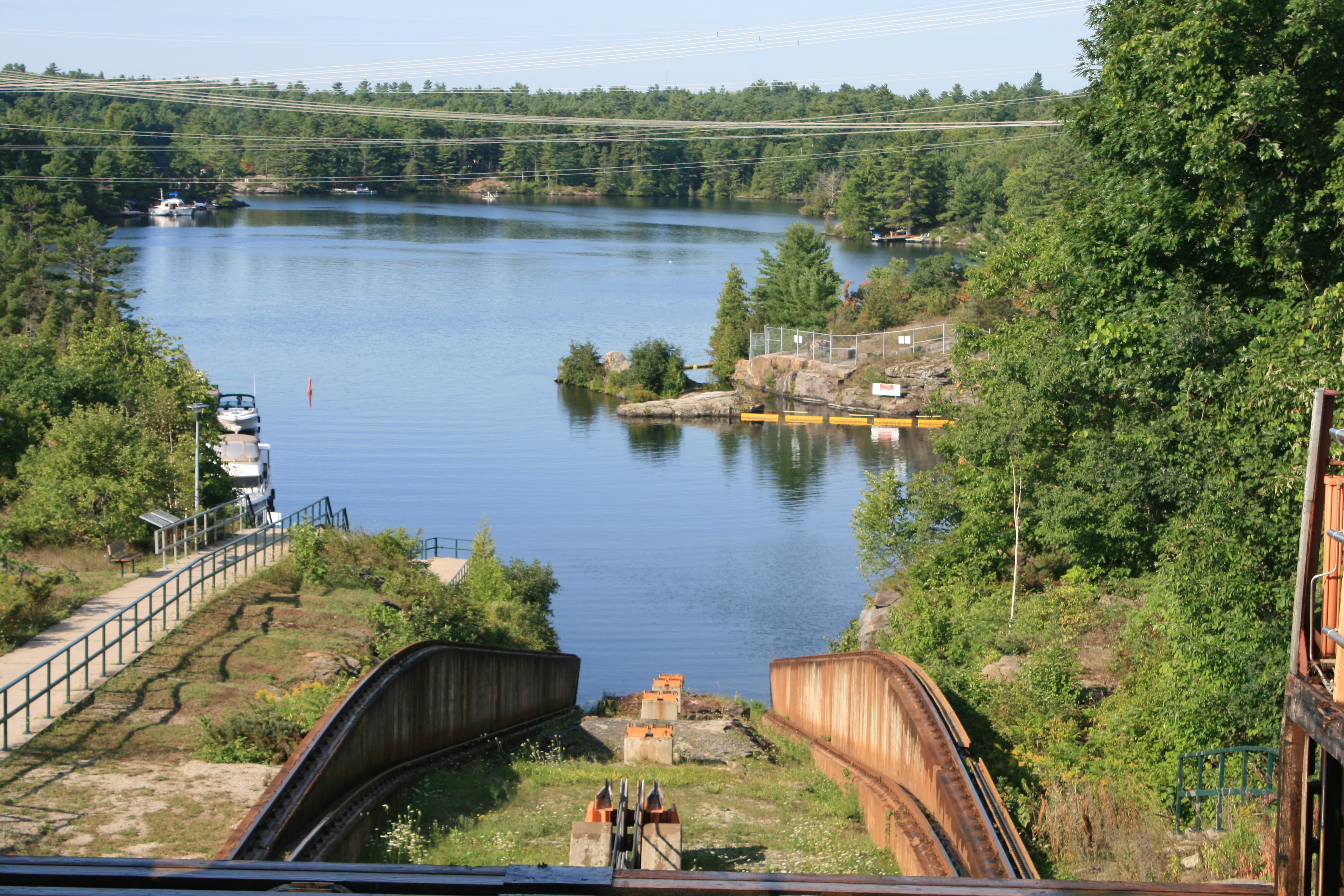
Big Chute is the most awesome thing on the waterway, and eagerly anticipated. It is not technically a lock, but a railway which transports boats up and down the rapids of the Severn River. It was originally constructed as a temporary measure, pending a proper lock being built. Construction of the definitive lock was  abandoned because of cost. Another reason for not progressing the project was that a lock would allow lamprey to move upstream and jeopardise the fisheries of Lake Simcoe.

Despite the steepness of the descent, the boats are maintained in a horizontal position by a cunning two-rail system which means that the front of the boat is supported and moves down independently of the back.

We stayed at Big Chute Marina at the top of the railway the night before we went through, so had time to have a look round and see what we were letting ourselves in for.
This boat has come up and is almost at the top of the lift…..

Coming up Big Chute

Coming up Big Chute

And a few seconds later is released from the cradle and is about to be lowered into the Severn River above Big Chute.

Being lowered into the water at the top

Being lowered into the water at the top

The railway about to go down to pick up more boats.

Big Chute about to descend

Big Chute about to descend

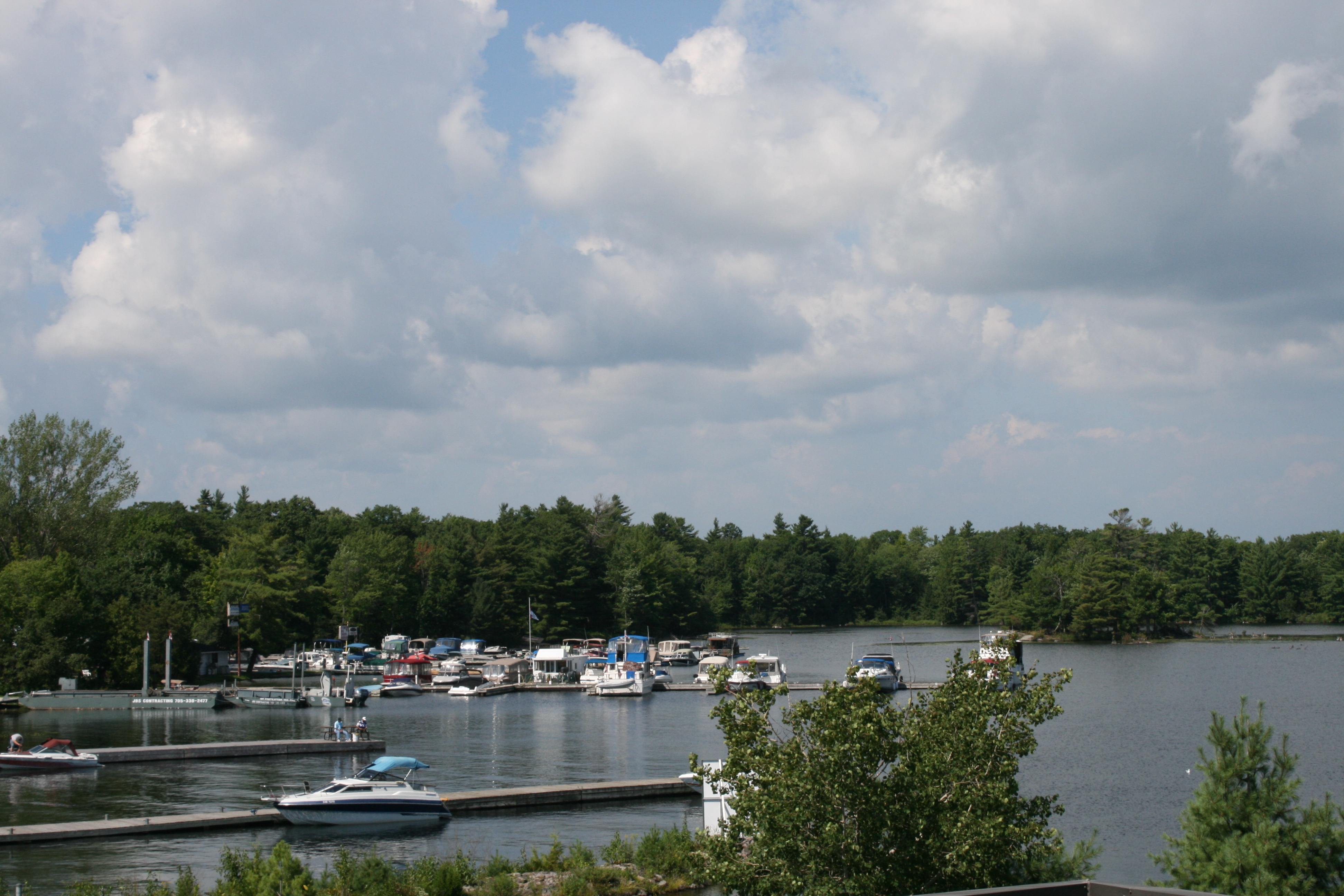
Big Chute Marina
Big Chute Marina

The spillway parallel to the railway

The spillway at Big Chute

The spillway at Big Chute

View from Big Chute Marina
View from Big Chute Marina
The next day it was our turn, and naturally the Captain was mildly anxious. There were prominent notices about Parks Canada not being responsible for damage to boats,  but the experienced park staff told us exactly what to do and Carina was soon settled in the cradle. There were some slightly alarming bumps, whirrings and crunching noises as we descended, but all went well and we were surprisingly quickly out into the pool below the rapids.
Carina in the cradle about to descend Big Chute

Carina in the cradle about to descend Big Chute

About to go down Big Chute

About to go down Big Chute – note dual track

Leaving Big Chute, railway on the left and spillway on the right

Leaving Big Chute, railway on the left and spillway on the right

Immediately below Big Chute, we entered Little Chute Channel, a narrow, rocky pass with a strong current. The Captain had to call ahead on the VHF to advise upbound boats of our presence. Although as a downbound boat we had right of way, as the Waterway Guide put it, ‘Upbound boats may not know this, or act accordingly.’ But there weren’t any upbound boats and after the channel, we entered the lovely Gloucester Pool, with its many islands.

Little Chute Channel

Little Chute Channel

Gloucester Pool

Gloucester Pool

Gloucester Pool

Gloucester Pool

At the last lock, Port Severn, there was a great backlog of boats waiting to lock through. We had to hover about among lots of smaller craft, waiting for our turn to moor up on the lock wall to actually get in the queue. There was a man on the dock helping boaters with their lines.

‘I think you must be Jane.’

I agreed that I was.

‘And that’s Ian upstairs.’

I admitted this too.

‘And your surname is Ainsworth?’

This was beginning to feel spooky, so I decided to give him ‘the Look’.

‘I’m from the Canadian Secret Service,’ he informed me, which prompted me to ask who he really was.

He really was Barry Jones, who with his wife Alice meets and greets all the Looper boats going through Port Severn, and who had seen the blog in the early stages of our journey, and added very helpful comments about where we could store Carina in Canada over the winter. He had not only recognised Carina, but been alerted to our presence by the owners of the boat in front of us, whom we had met earlier. It was good to meet you Barry and Alice, if you are reading this!


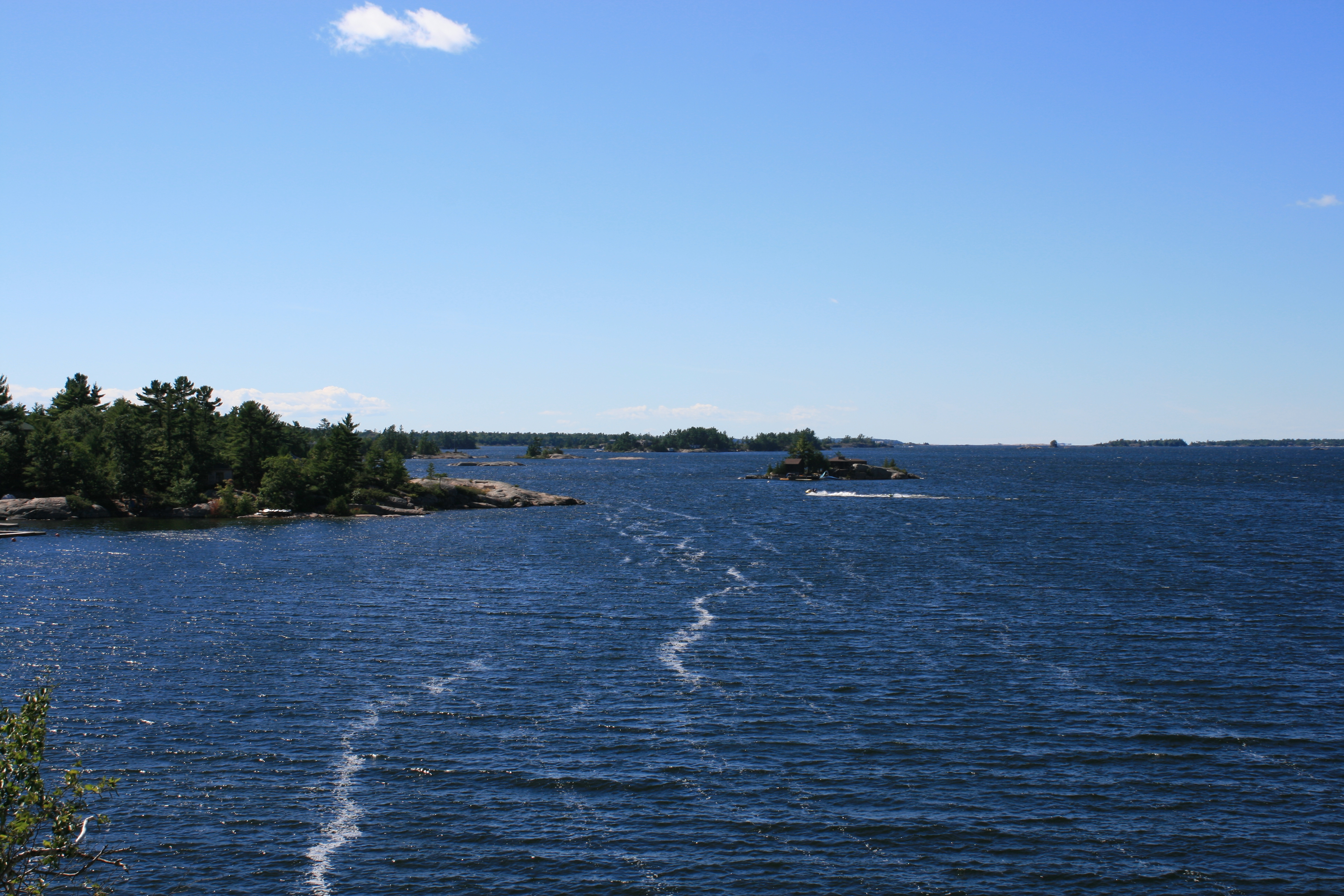
Reaching Georgian Bay was another milestone. Occupying the northeastern part of Lake Huron, the bay is almost as big as Lake Ontario. The Georgian Bay Littoral, containing the 30,000 islands which festoon its northern shore, became a UNESCO Biosphere Reserve in 2004.  As well as its awe-inspiring beauty, the area is recognised as a tricky one to navigate and the weather can change very quickly, so we had to be prepared to accommodate this.

First view of Georgian Bay

First view of Georgian Bay

Georgian Bay

Georgian Bay

At this point the channel twisted and turned through the barely submerged rocks.

Georgian Bay, navigating the channel

Navigating the channel, Georgian Bay

Navigating the channel, Georgian Bay

The forecast for the weekend was for stormy weather so we headed for the safe haven of Penetanguishene Town Dock.

Approaching Penetanguishene

Approaching Penetanguishene

The day after our arrival, the winds were creating large waves in the harbour so we spent a couple of days sight-seeing.

Big waves in Penetanguishene Harbour

Big waves in Penetanguishene Harbour

The area around Penetanguishene was first settled by the Wyandot (Wendat) First Nation around 800AD. The French explorer Samuel de Champlain arrived in 1615 and the area became a base for the fur and timber trades.

In 1793 following the American Revolutionary Wars, John Simcoe, the British Governor of Upper Canada, proposed a naval establishment at Penetanguishene to aid Canada’s defence. During the war of 1812 this became a reality, and even though in 1814 the Treaty of Ghent ended the hostilities between Britain and America, there was still perceived to be a need for a naval base. The British warships HMS Tecumseth and HMS Newash were maintained at the base so they could be deployed if needed. Later, the naval base was closed, but a military base established and maintained  until 1856, when war with America had become far less likely. By this time Penetanguishene had other industries, and a sufficiently large civilian population to survive the loss of the military base.

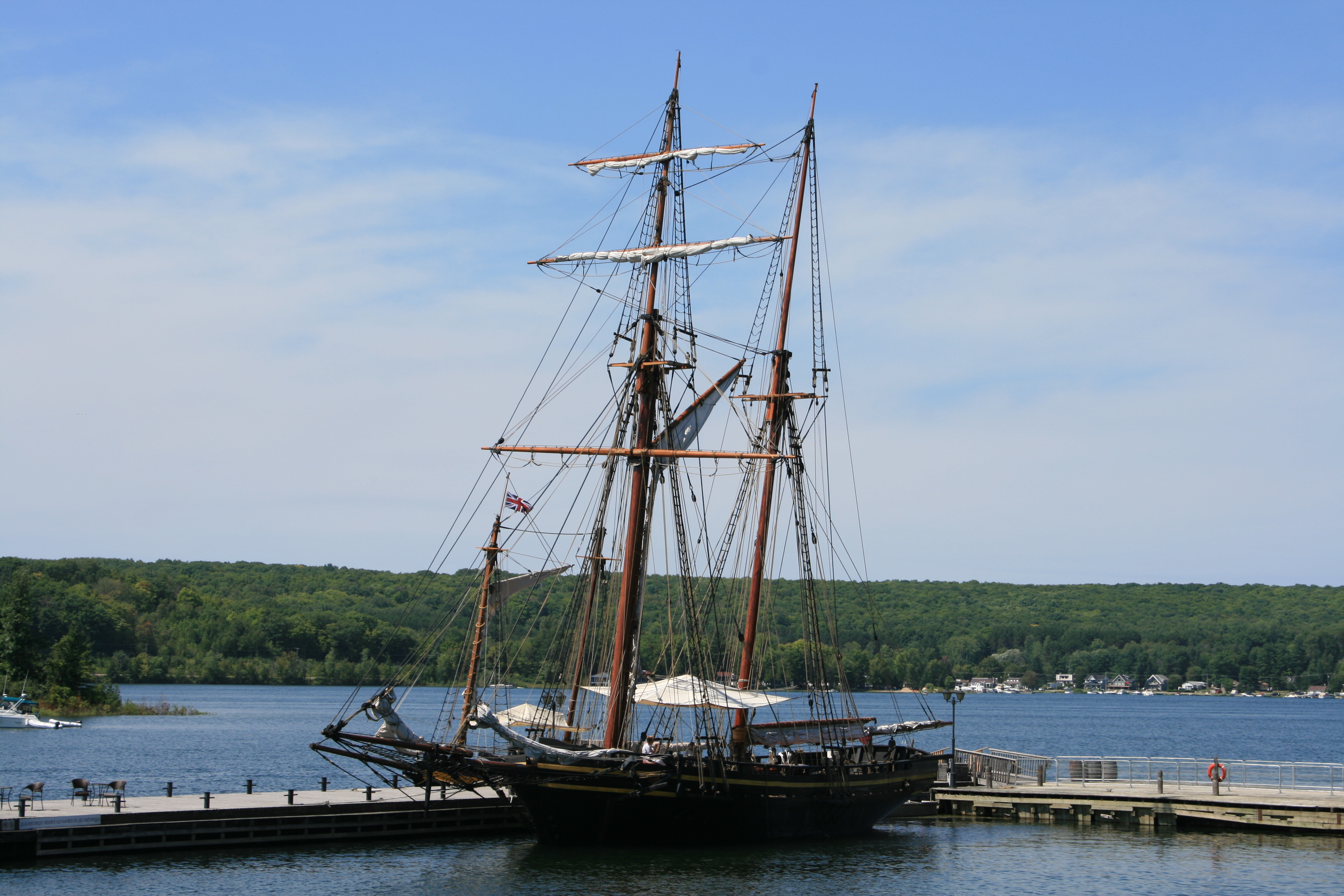
Discovery Harbour is a reconstruction of the base on its actual site and contains a replica of HMS Tecumseth and HMS Bee, as well as the wreck of the original, which was recovered from Penetanguishene Harbour in 1953.

Replica of HMS Tecumseth, Discovery Harbour, Penetanguishene

Replica of HMS Tecumseth, Discovery Harbour, Penetanguishene

The Captain's Cabin, HMS Tecumseth

The Captain’s Cabin, HMS Tecumseth

Bayfield's Point, Discovery Harbour

Bayfield’s Point, Discovery Harbour

Henry Wolsey Bayfield was a British naval officer became Admiralty Surveyor, and surveyed  much of the Great Lakes area.

Wreck of HMS Tecumseth

Wreck of HMS Tecumseth

The Officers' Quarters

The Officers’ Quarters – the only remaining original building

The waterfront area next to the Town Dock was once once the hub of several industries, fur trading, timber and leather tanning. In the early 2000s the river levels receded to reveal lots of timber and other waste, relics of the industrial past. A project was started to remove the waste which was subsequently recycled into compost, and to restore the wetland ecology. The waterfront park, the Champlain-Wendat Rotary Park, aims to have one-third manicured lawn and flower borders, one -third wetland and one third wild flowers and vegetation. Sculptures and statues commemorate and honour the dual First Nation/French heritage of the town.

The Meeting

The Meeting

‘The Meeting’ was unveiled in 2015 to mark the 400th anniversary of Samuel de Champlain’s arrival in Huronia. It shows de Champlain with Aenon, a Huron-Wendat Chief.

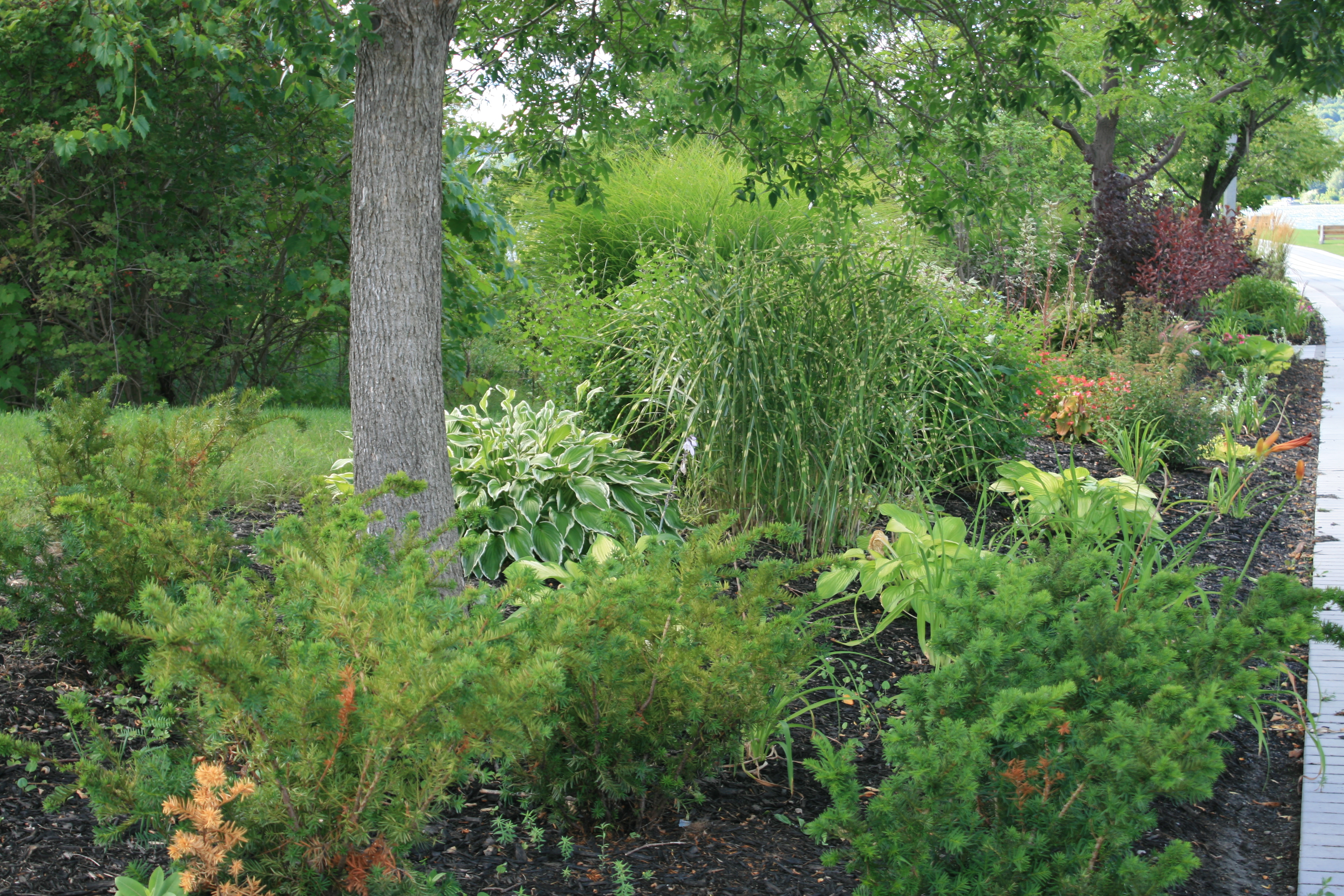
ornamental border, Champlain Wendat Park

ornamental border, Champlain Wendat Park

John Graves Simcoe

John Graves Simcoe

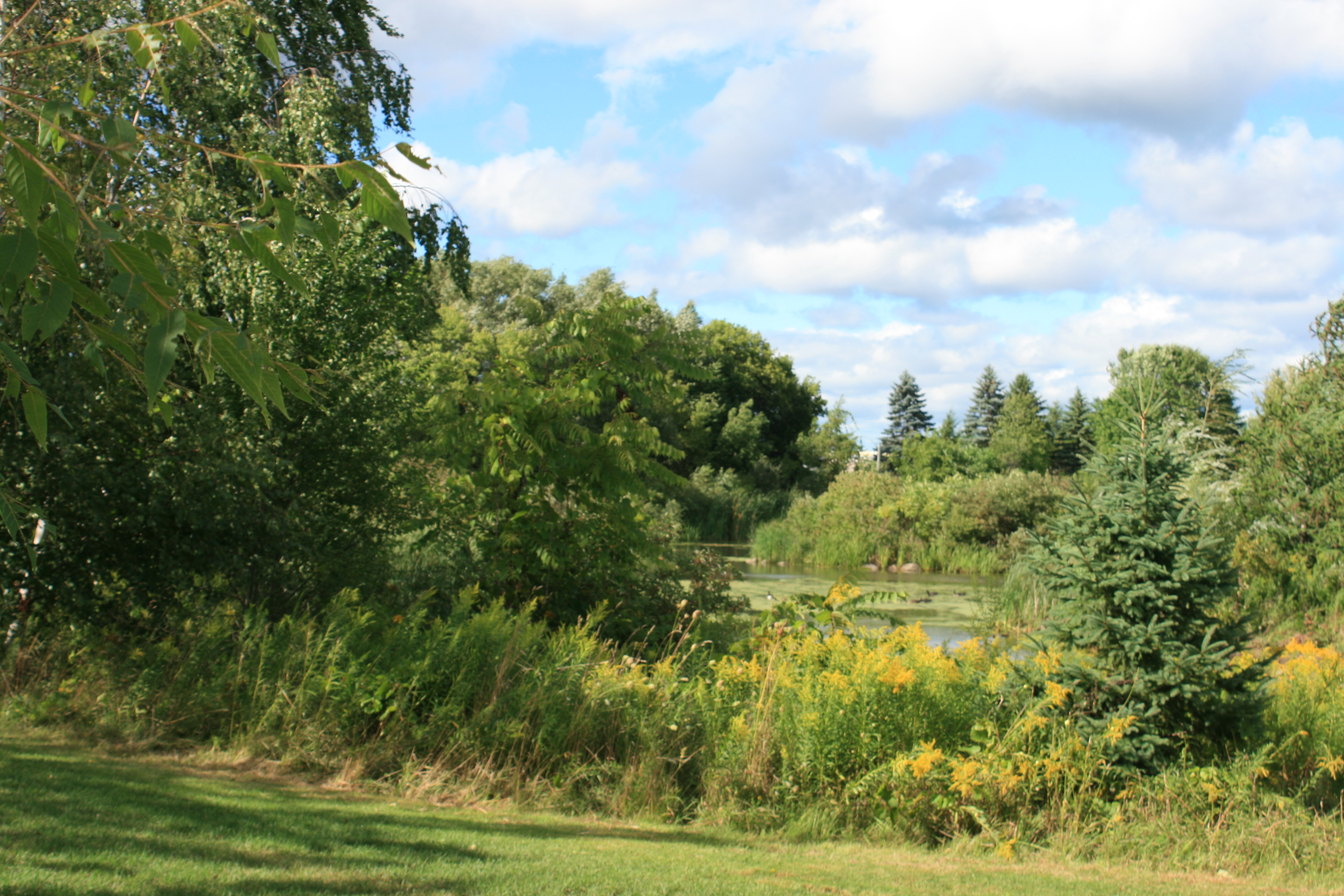
Wetland, Champlain Wendat park

Wetland, Champlain-Wendat Park

The strong winds stopped us leaving Penetanguishene but it gave us an opportunity to sample the local top restaurant, Le Maitre D. The maitre made us welcome in a courtly, French way and the food certainly lived up to the restaurant’s reputation.

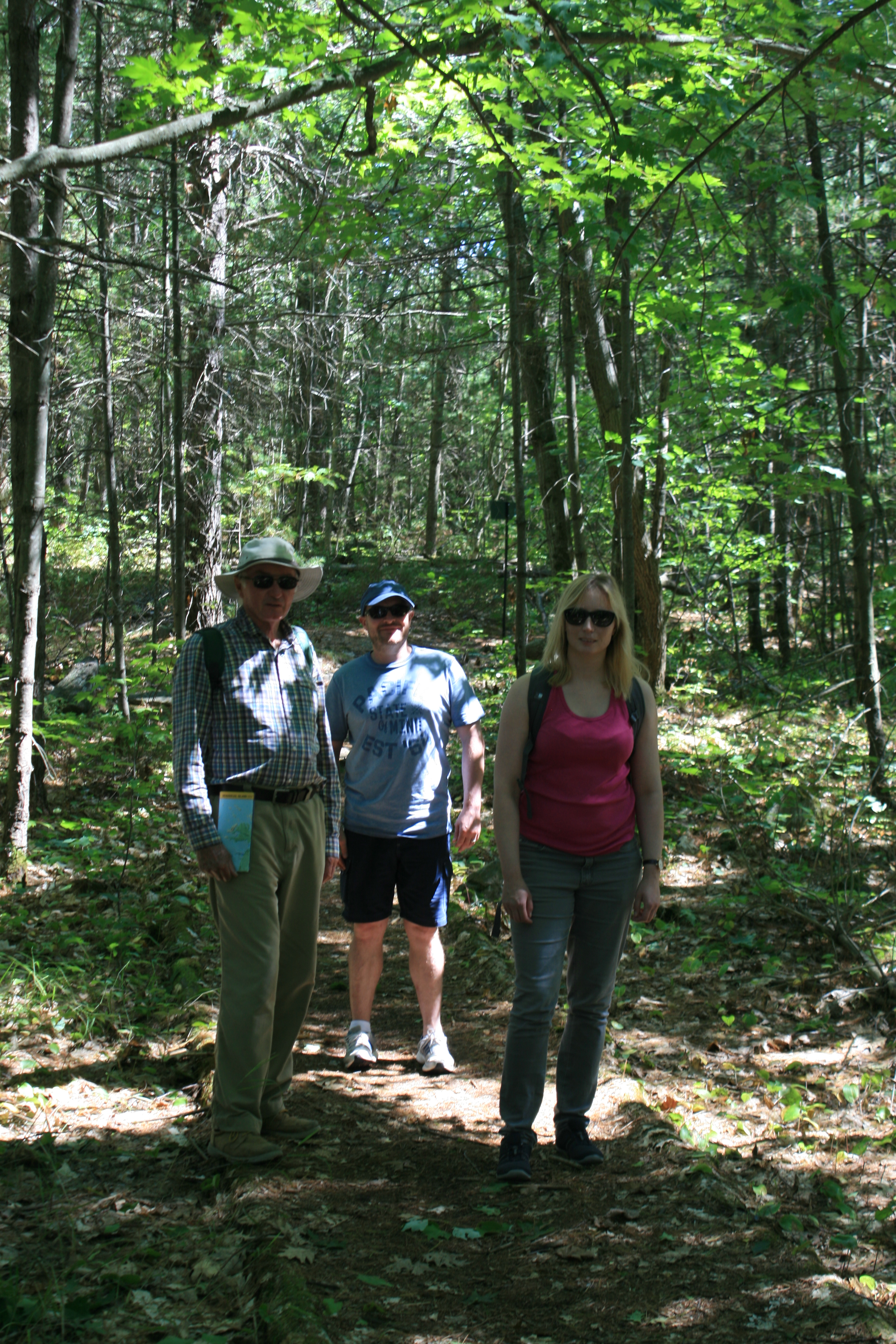
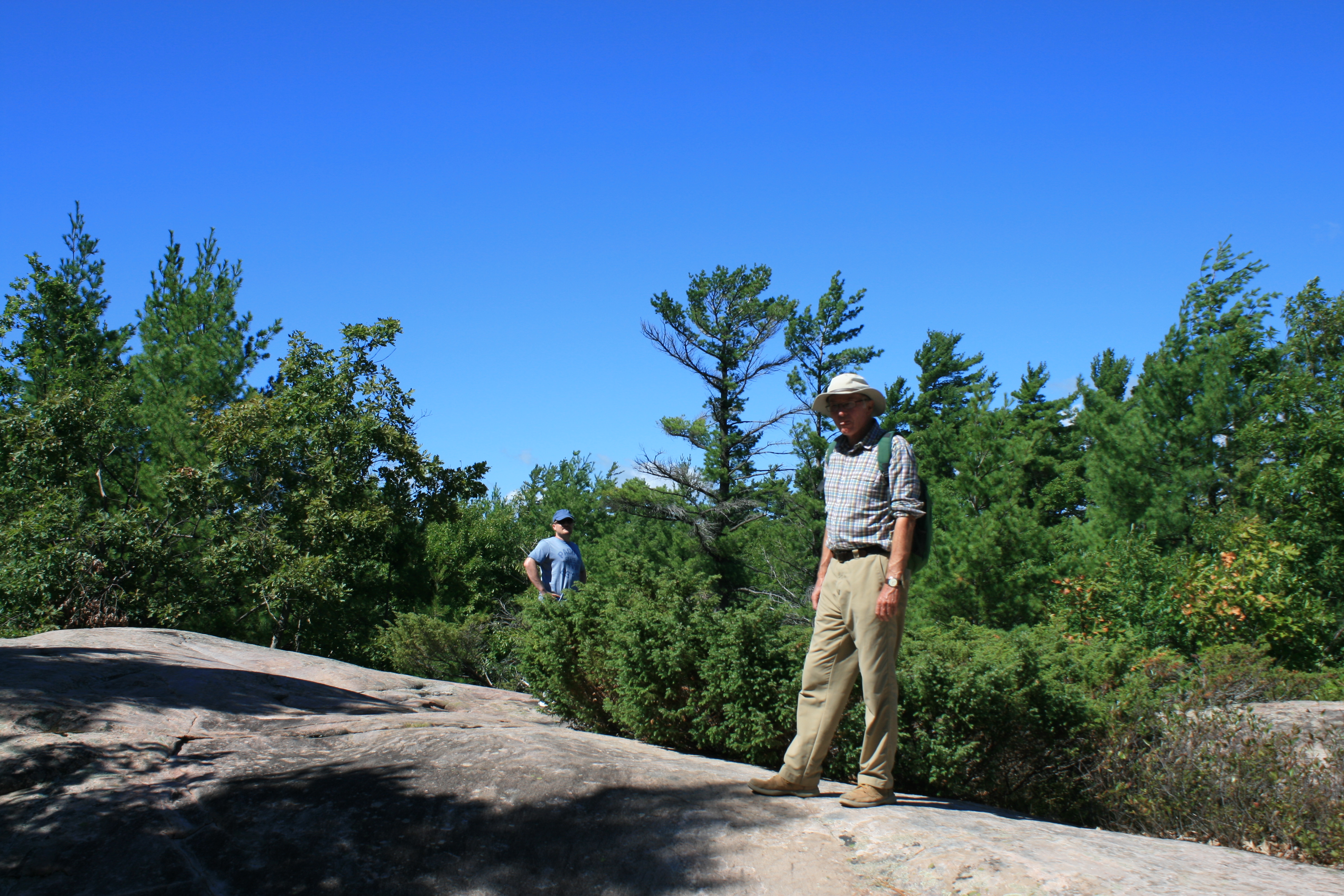
The next day we able to leave for a side trip to Beausoleil Island, a few miles to the north just off the shores of Georgian Bay. Accessible only by boat, the whole island is managed by Parks Canada, with a couple of camping centres, some cabins which can be rented, and several docks where boats can tie up. There are walking trails over the island and walkers are advised not to stray from them because of bears and snakes. There was even a reassurance on the rubbish bins that they were bear-proof. We saw no bears, but the Captain did spot a small bright green snake.

We had time for a walk that afternoon, and another one the following day before we left Beausoleil for Midland, where Liz and Nick were picking up a hire car to to go back to Toronto.

Approaching Beausoleil Island

Approaching Beausoleil Island

Ojibway, Beausoleil Island

Ojibway, Beausoleil Island

On Portage Trail, Beausoleil Island

On Portage Trail, Beausoleil Island

Rockview Trail, Beausoleil Island

Rockview Trail, Beausoleil Island

There were lots of outcrops of pink granite.

Rockview Trail, Beausoleil Island

Rockview Trail, Beausoleil Island

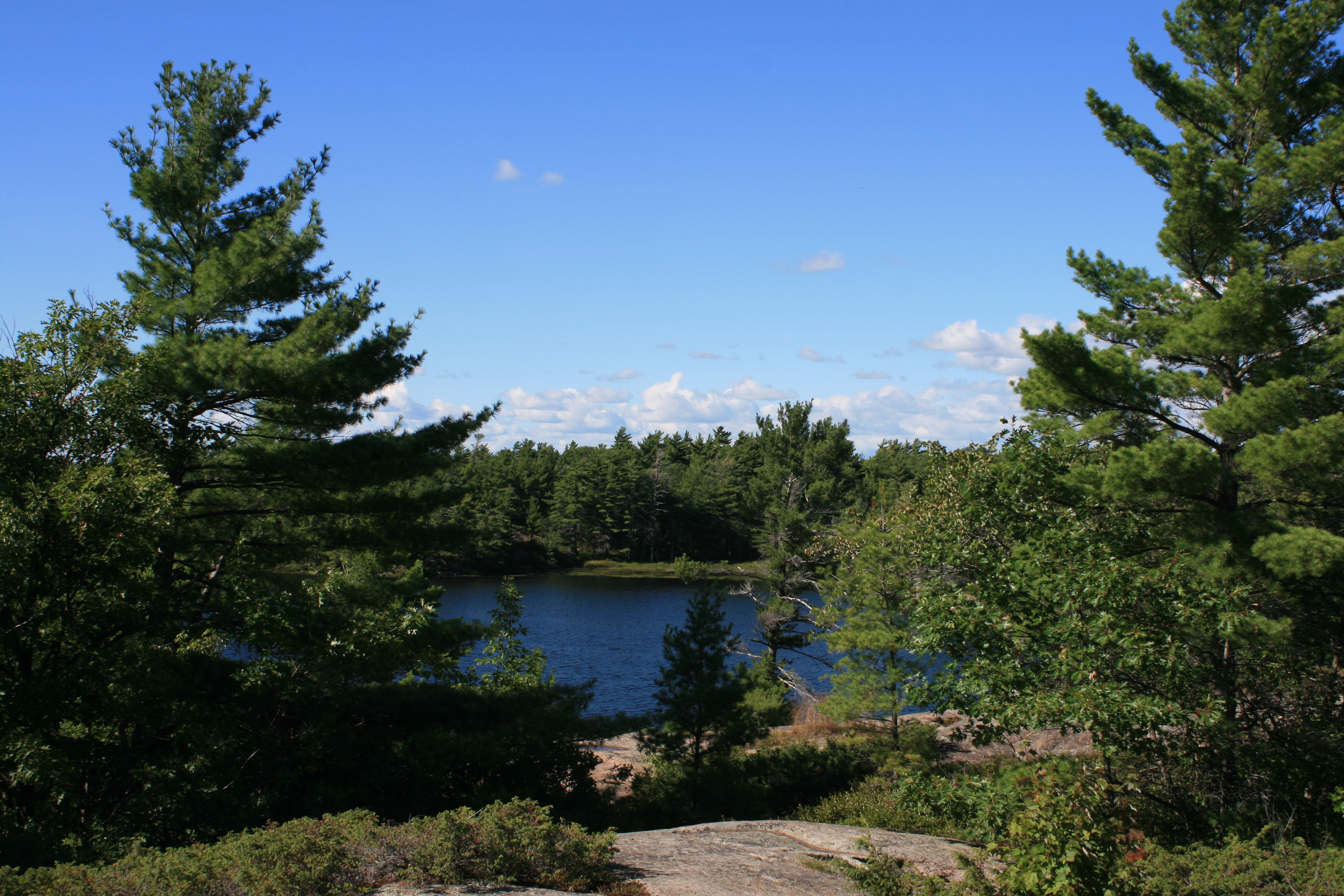
Fairy Lake, Beausoleil Island

Fairy Lake, Beausoleil Island

Goblin Bay, Beausoleil Island

Goblin Bay, Beausoleil Island

Honeymoon bay, Beausoleil Island

Honeymoon bay, Beausoleil Island

Massasauga Trail, Beausoleil Island

Massasauga Trail, Beausoleil Island

Massasauga means rattlesnake!

Massasauga Trail, Beausoleil Island

Massasauga Trail, Beausoleil Island

Massasauga Trail, Beausoleil Island

Massasauga Trail, Beausoleil Island

McCabe Rock, Beausoleil Island

McCabe Rock, Beausoleil Island

Carina at Ojibway

Carina at Ojibway

Ojibway

Ojibway


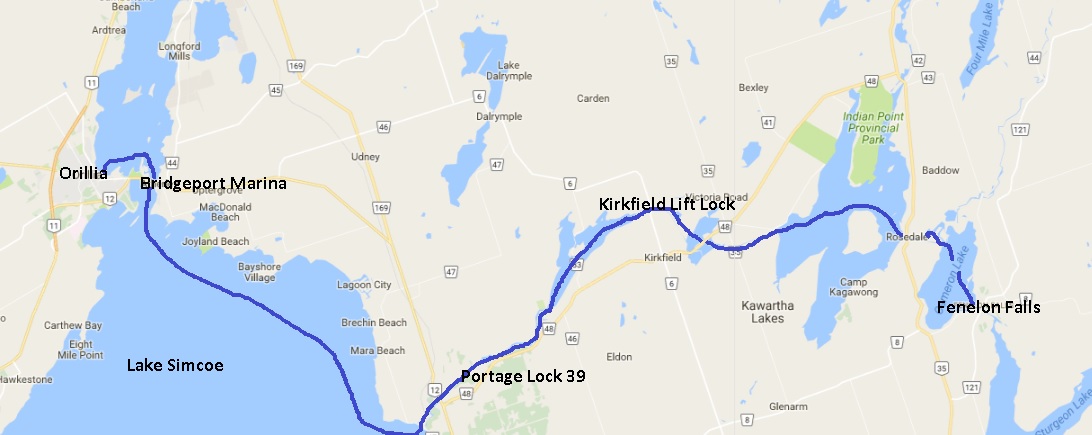
Fenelon Falls to Orillia

Fenelon Falls to Orillia

Something that had puzzled us since we arrived in Canada was the frequent reference to ‘loonies’. We imagined that they were some sort of token, as there would be notices saying ‘loonies only’ in places like laundromats. A lady in the laundromat at Fenelon Falls enlightened us. Loonies are dollar coins, with the Queen on the front and a loon, an aquatic diving bird, on the back.

‘Of course, we have toonies too,’ she told us. ‘The two-dollar coin. They have a bear on the back, so we say they have the Queen on the front, with a bear behind.’

It was our first sample of Canadian humour and it felt just very slightly disloyal, to be laughing at our monarch’s expense.

We had breakfast at a restaurant overlooking the lock, recommended by the woman in the next boat who had saved the crew’s face the previous day. It was a sort of peace-offering, from the Captain.

We had been wondering what peameal, which seems to feature on all breakfast menus in Canada, might be. I had had a best-forgotten experience with grits in Charleston, and suspected that peameal might be something similar. But it turned out to be lean Canadian bacon, thick-cut like gammon, and delicious.

The channel at Fenelon Falls

The channel at Fenelon Falls

The channel which leads away from the lock at Fenelon Falls is very narrow, with rocks lurking just below the surface on either side, and it was a relief to be out into the open waters of Cameron Lake.

Cameron Lake

Cameron Lake

Looking back to the beach at Fenelon Falls

Looking back to the beach at Fenelon Falls

The day alternated between beautiful sparkling lakes and stretches of the Trent Canal, some very narrow. At Rosedale Lock, the lock-keeper warned us that after Balsam Lake, we would have to call on the radio to make sure that there weren’t any boats on the canal coming in the opposite direction, because the channel wasn’t wide enough to allow two boats to pass each other. There was a small incident of potential canal rage when one boater felt he had been unfairly kept waiting to go through, but it didn’t involve us.

The Trent Canal at the top of Balsam Lake

The Trent Canal at the top of Balsam Lake

Trent Canal, top of Balsam Lake

Trent Canal, top of Balsam Lake


Mitchell Lake

Mitchell Lake

The stretch of the Trent Canal beyond Mitchell Lake contained the Kirkfield Lift Lock, and  was the highest point on the waterway. The lock was built to the same design as the Peterborough Lift Lock, but the height is only 49′. It was still quite awe-inspiring though, to see the land, and our westward journey, stretching away from us as we waited for the lock to descend.

At the top of Kirkfield Lift Lock

At the top of Kirkfield Lift Lock

In the lift lock, going down

In the lift lock, going down

The next big thing was Lake Simcoe, a few miles further down the straight stretch of the Trent Canal. Although not as large as Lake Ontario, Simcoe is subject to capricious weather patterns and comes with a serious health warning. So we had to wait for a suitable weather window to present itself, keeping one eye on the fact that we needed to be across the lake and in Orillia in time to pick up a hire car to meet Liz and Nick in Toronto the following Tuesday night.

By now, the weather was sweltering. It was being described on the radio as a ‘heat event’ for the Kawartha Lakes area. Strong winds and thunderstorms were forecast and we tied up at Lock 39 to sit it out. There was no power available on the lock wall, which meant that we couldn’t have the air-con on inside the boat, without running the generator. There were some other boats tied up too and we didn’t like to disturb them. So a hot, sticky night passed rather uncomfortably. The next day the winds and heat persisted but the thunderstorms didn’t materialise until the middle of the night, when we woke to the sound of heavy rain and a welcome drop in temperature.

Although it was grey and raining, the winds weren’t too bad the next day, so we took a calculated risk and set off. The area around Portage Lock was agricultural and the scene not unlike many wet mornings on English canals.

Portage Lock 39 in the rain

Portage Lock 39 in the rain

It was a good move. The 15-mile crossing of Lake Simcoe took only 2 hours as the wind was behind us. We were able to skirt round the northern shore,  passing through the Atherley Narrows before tying up at Bridgeport Marina, feeling rather guilty at the sight of the dockhands getting drenched as they helped us moor the boat.

We celebrated our safe arrival with bacon and pancakes with maple syrup, and were just tucking in when there was a knock on the door, a visit from some fellow Loopers, Susannah and Tim, who had passed us at Fenelon Falls, and who kindly invited us to their boat for a drink later on. It’s always good to meet people and compare experiences.

Evening at Bridgeport Marina

Evening at Bridgeport Marina

We moved round the corner to the town dock in Orillia the next day.

Some other Loopers at Bridgeport were spending the week there, having their props repaired after  a contretemps with some rocks just outside Orillia Harbour. We listened to their cautionary tale and took their advice ‘on board’.


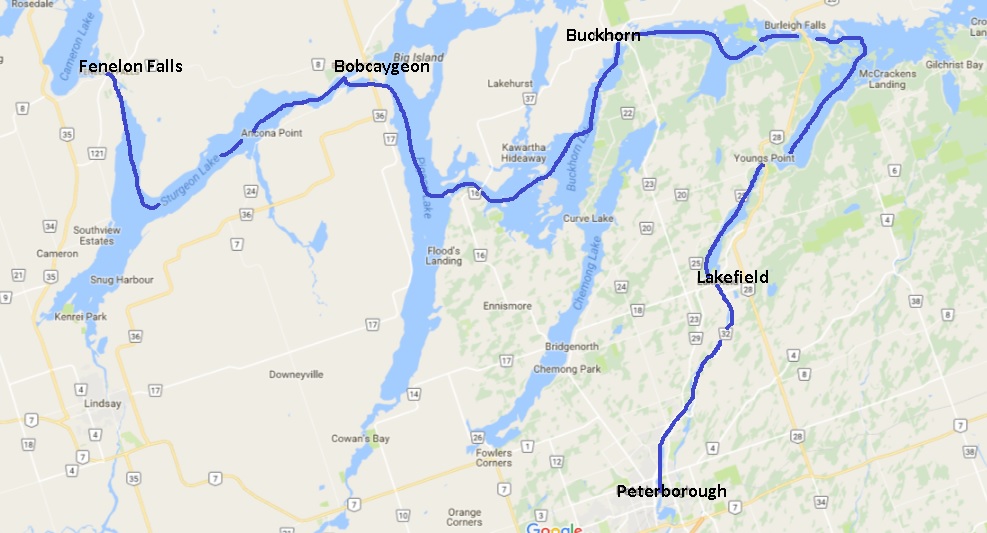
Peterborough to Fenelon Falls

Someone said to us that the Trent-Severn Waterway got even more beautiful, the further up you went. This observation was certainly borne out, as we gained height and the terrain changed from the limestone areas to granite as we moved north and west. The waterway twists and turns through clear, sparkling rivers and lakes, with the locks mainly situated in charming small towns and villages.

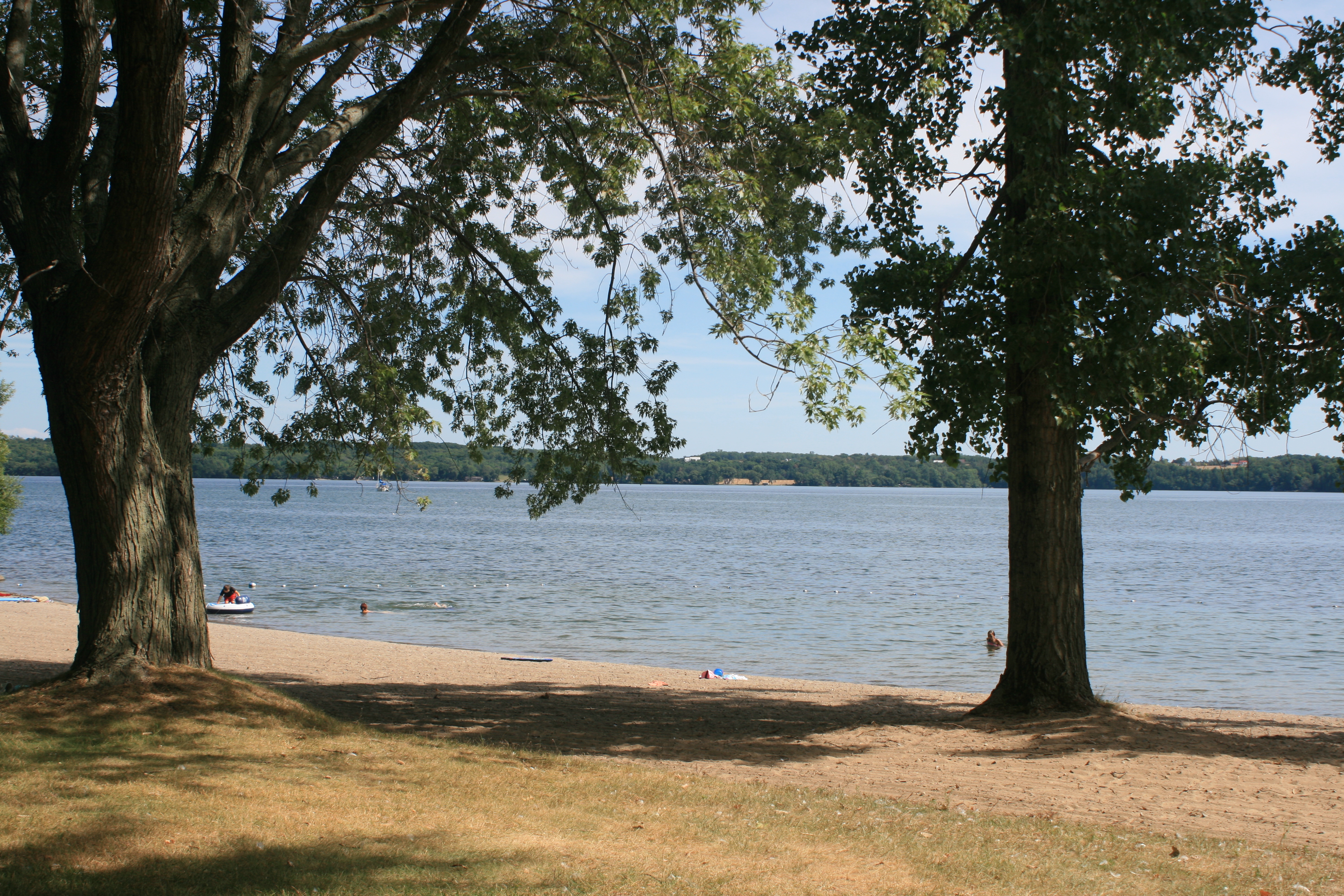
Beach at Beavermead Park, Little Lake, Peterborough

Beach at Beavermead Park, Little Lake, Peterborough

Peterborough Marina and Waterfront
Peterborough Marina and Waterfront

Peterborough to Fenelon Falls

Peterborough to Fenelon Falls

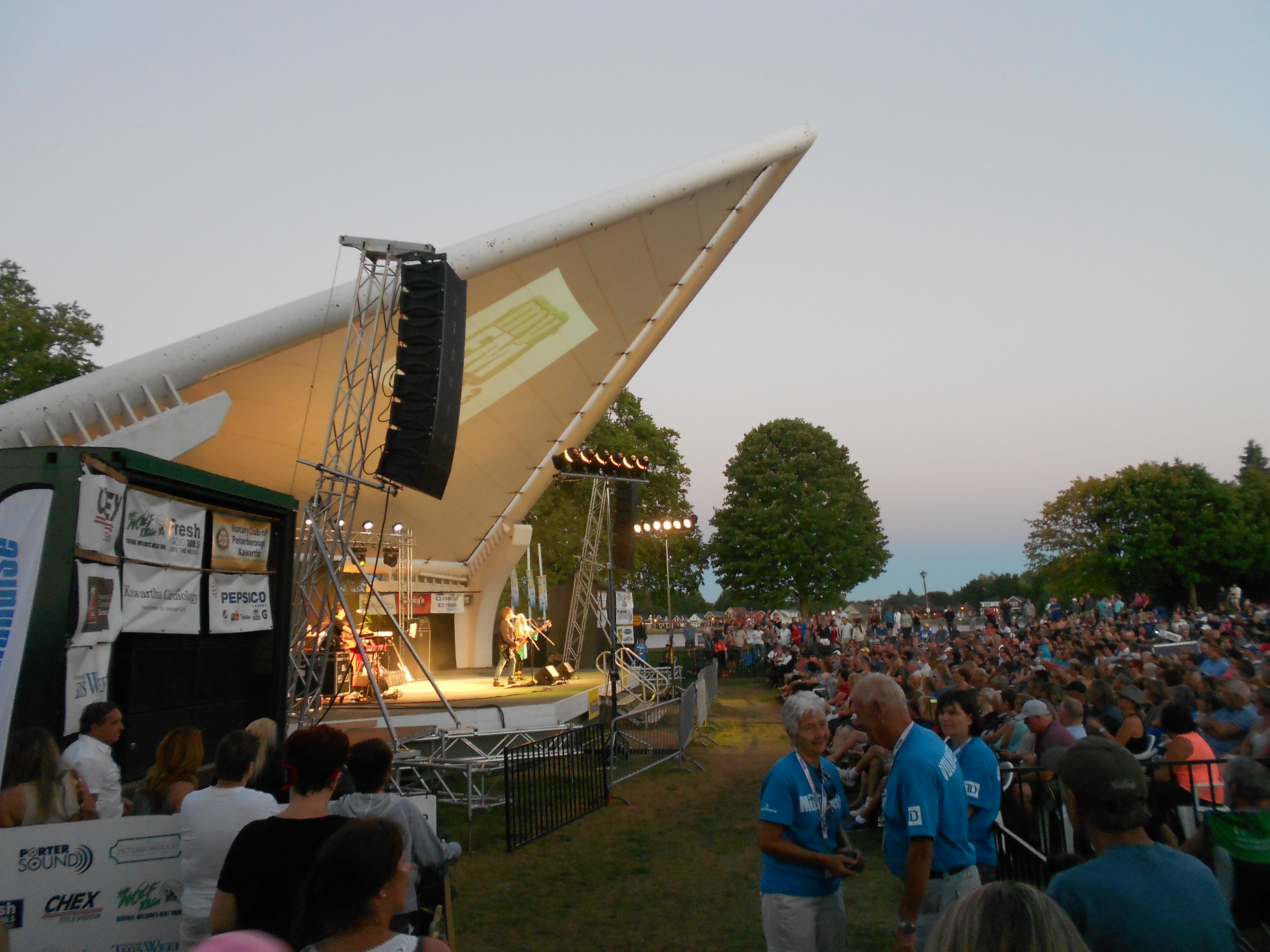
Peterborough is a lively city and as it was a Saturday night, there was a free musicfest concert in the Millennial Park next to the marina. We went along after dinner to find a large crowd of several thousand already enjoying the show. The group, Spoons, had clearly enjoyed the big time in Canada in the 80s, and had a faithful and enthusiastic following, although we had never heard of them and their music, a little disappointingly, wasn’t of our era.

Spoons performing at Peterborough Musicfest

Spoons performing at Peterborough Musicfest

But the next day, on our way back from reconnoitring the famous Peterborough Lift Lock, and a swim at Rogers Cove on Little Lake, we passed the Holiday Inn where a group called Gunslingers were entertaining ageing rockers and dollybirds while they drank their Sunday afternoon beers and cocktails on the patio overlooking the lake. We definitely fitted the demographic and left the bikes outside, had a beer, and even joined in the dancing.

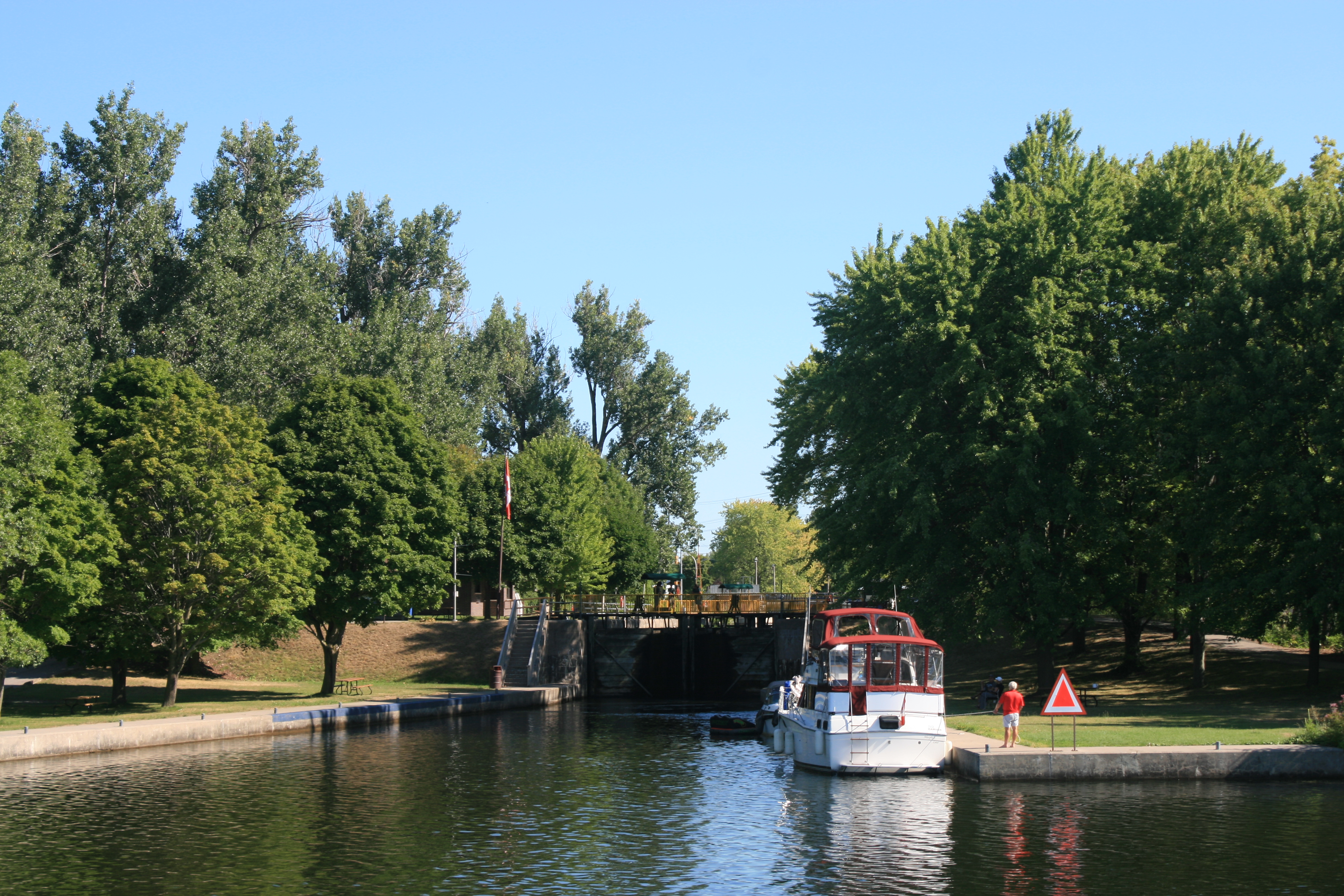
Approaching Lock 20, Peterborough

Approaching Lock 20, Peterborough

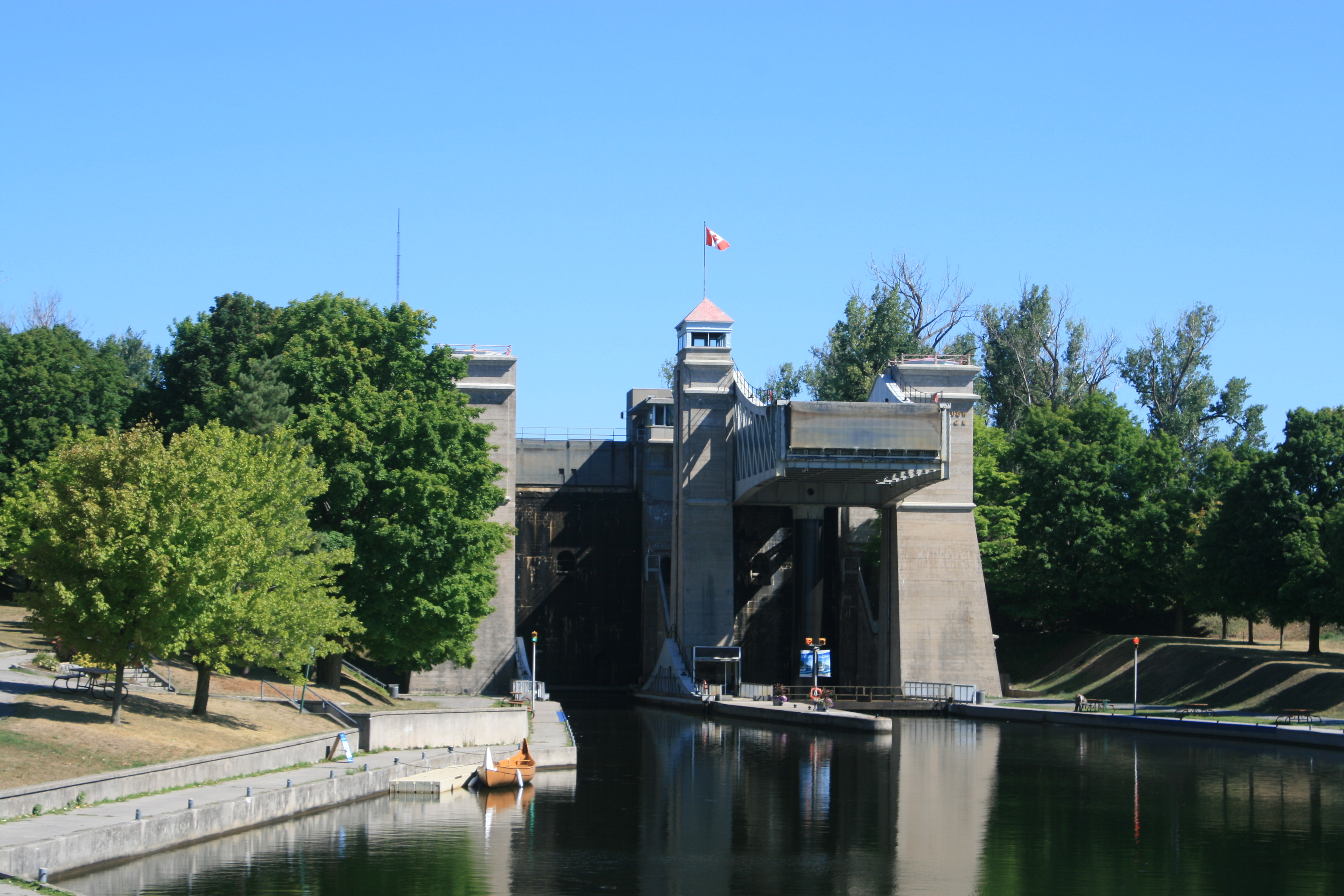
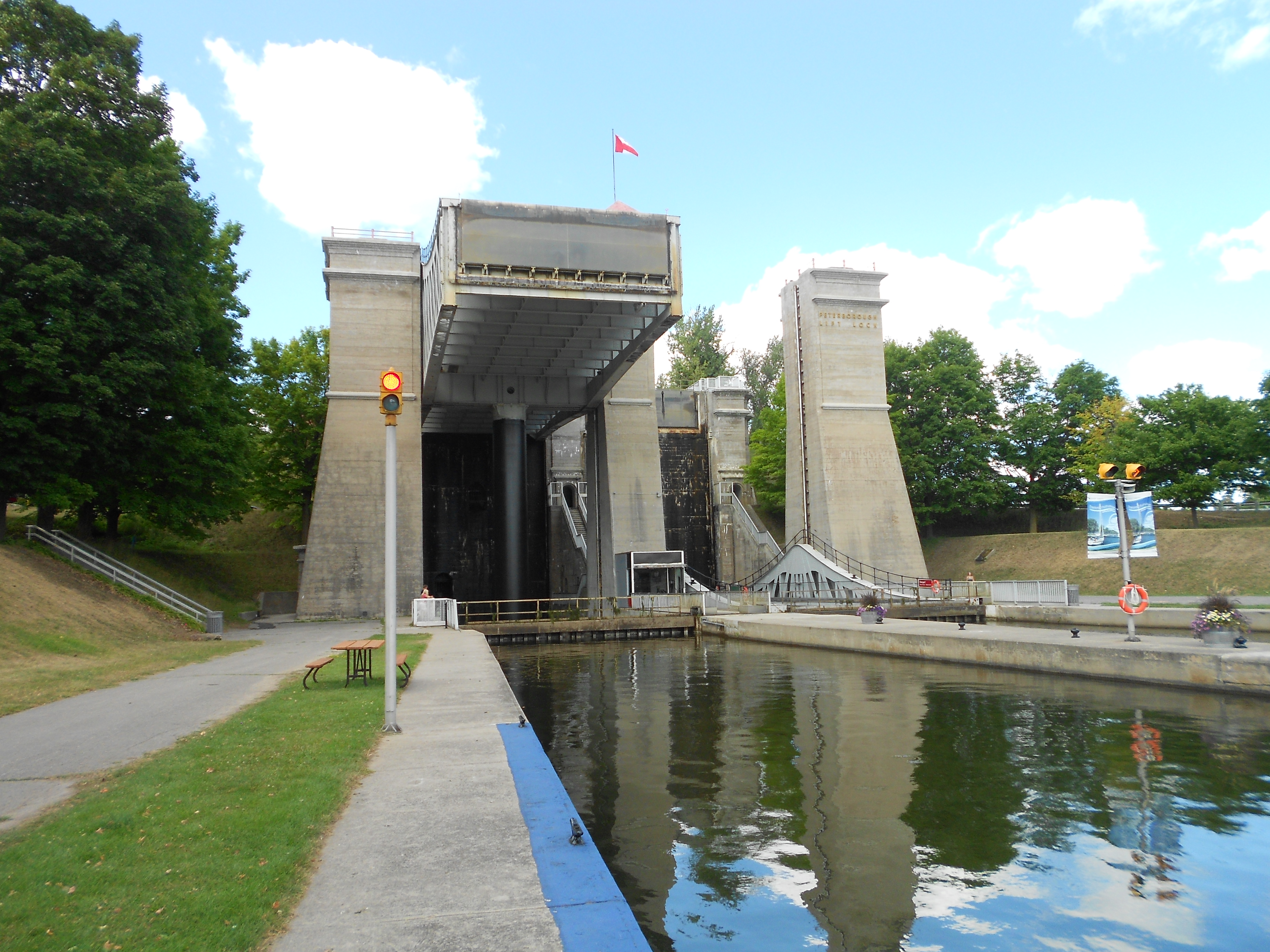
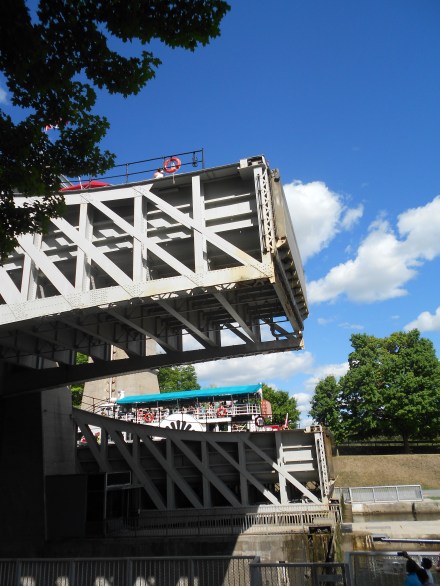
There are two locks at Peterborough, Locks 20 and 21. Lock 21 is the  Peterborough Lift Lock, regarded still as an engineering marvel. Two adjacent holding tanks simultaneously move in opposite directions, to take boats up and down the lock.  No electric power is used and the lock works simply by the weight of water in the upper tank being greater than that of the lower one. The lift is 65 ft – at the time it was built, in 1904, it was the largest structure in the world to be built from unreinforced concrete. It is very quick too – the ascent took only a couple of minutes.

Approaching Peterborough Lift Lock

Approaching Peterborough Lift Lock

DSCN1111

Peterborough Lift lock from the footpath

DSCN1120

Another view from the footpath

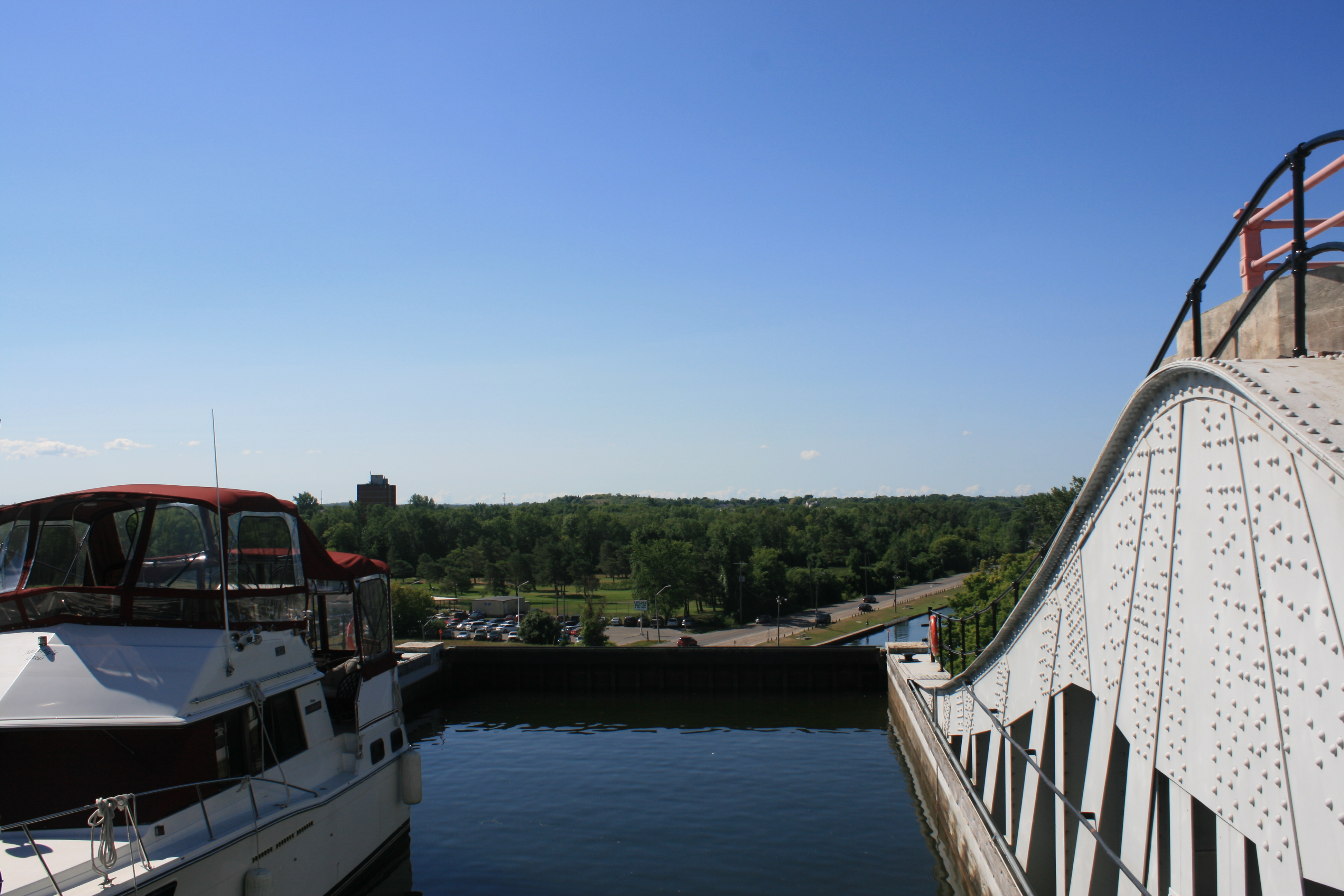
At the top of the Lift Lock

At the top of the Lift Lock


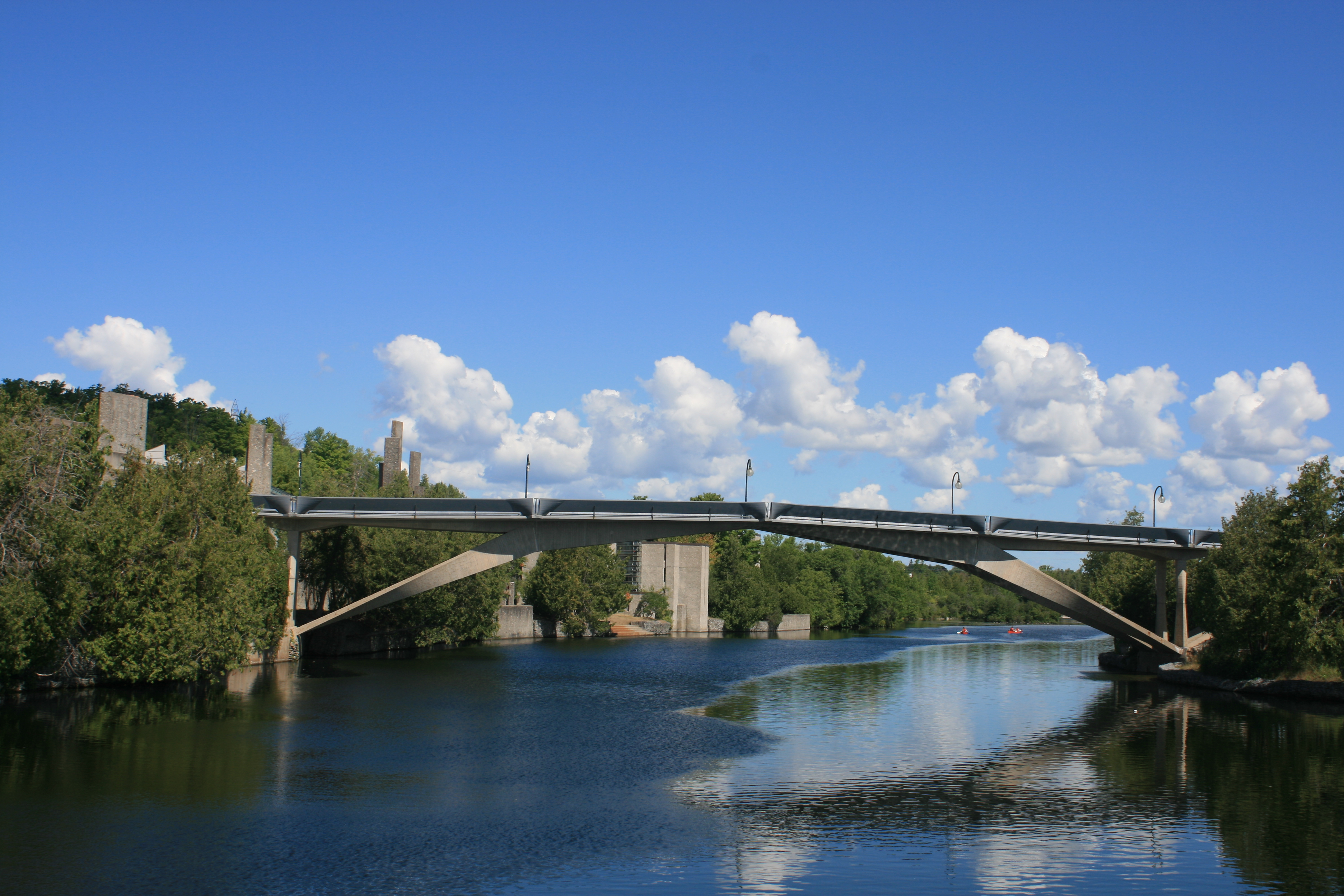
Ian liked this bridge near Trent University.

Bridge at Trent University

Bridge at Trent University

Waterlilies above Lock 22

Waterlilies above Lock 22

Looking back to Lock 25, Sawer Creek

Looking back to Lock 25, Sawer Creek

Above Sawer Creek, Lock 25

Above Sawer Creek, Lock 25

After several more locks, we tied up at Lakefield, and it was so hot we had a swim from the boat in the narrow channel above the lock.

Just above the lock at Lakefield

Just above the lock at Lakefield

Lakefield was a pioneer settlement established in the 1820s by Col Strickland, whose two sisters, Catherine Parr Traill and Susanna Moodie later joined him. They were both writers and their books The Backwoods of Canada (1836) and Roughing it in the Bush (1852) sound like interesting reading. Many old houses remain.

Regent St, Lakefield

Regent St, Lakefield

16 Albert St, Lakefield

16 Albert St, Lakefield

This house was built by JC Sherin and was owned by the family until the 1980s.

We decided to eat at the Canoe and Paddle, a British-owned pub, despite usually avoiding such places when we’re away. The owners had written the menu in a jokey sort of style, presumably to differentiate their clientele from that of their rivals, the Cassis Bistro, which offered ‘gourmet dishes and fine dining’ and which we did not feel quite up to.

We settled on ‘Fingerlickin’ Chicken Curry – England’s national dish!’ and it fell to our charming waitress to regretfully advise us that they had run out of their Madras with coconut sauce, but we could have Red Thai instead. That did not have quite the same appeal, so Ian decided on haddock and chips, and I ordered a Taco Bowl with pulled pork, remembering just in time to pronounce it Tarko and not Tayko, which seems counter-intuitive to a northern British ear. The food, when it came, was very good.

The river at Lakefield in the evening

The river at Lakefield in the evening

Another of Lakefield’s claims to fame is that Prince Andrew attended a private school there, and an island in Lake Katchewanooka, just above Lakefield, bears his name.

Prince Andrew Island, Lakefield

Prince Andrew Island, Lakefield

Lakefield Beach

Lakefield Beach

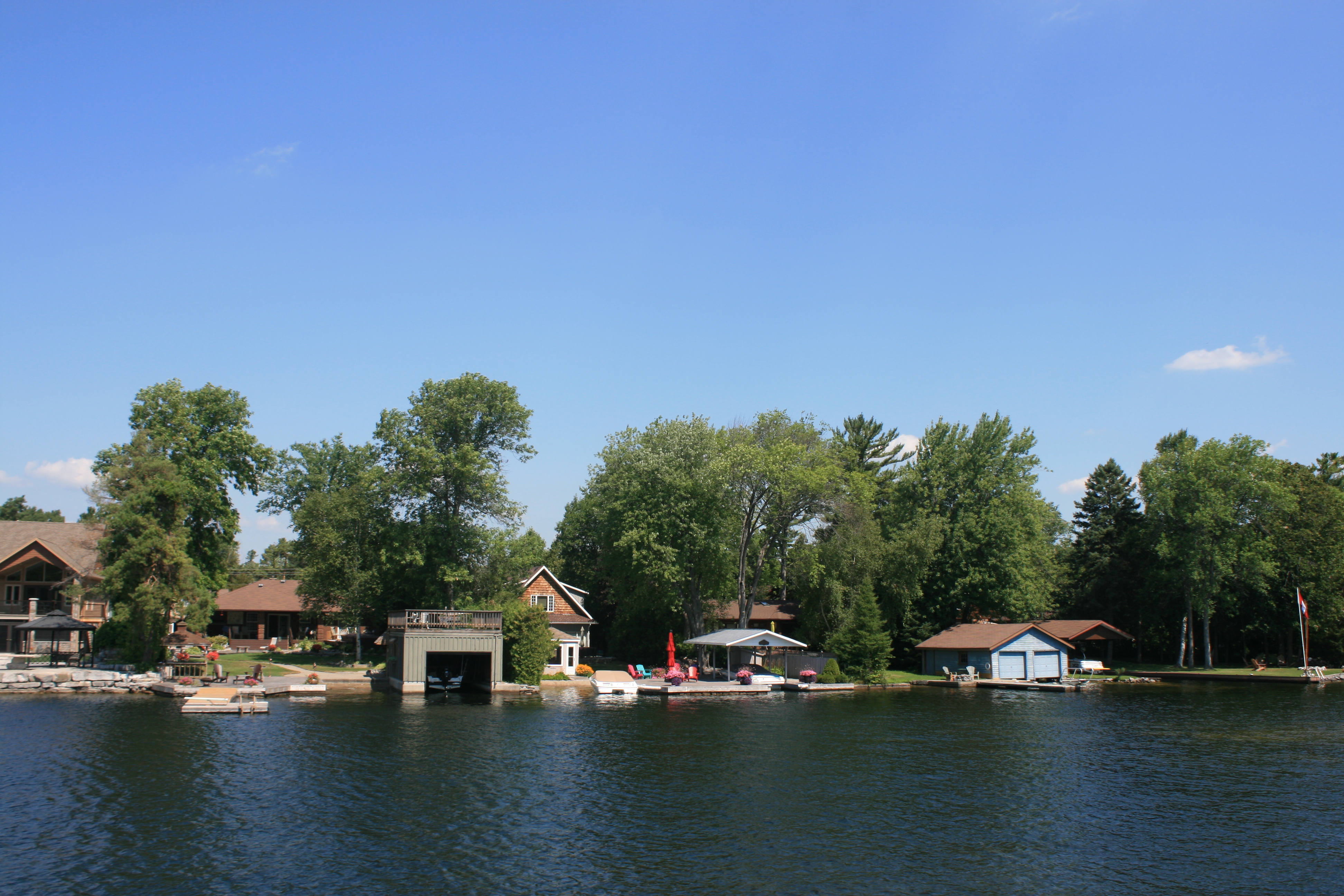
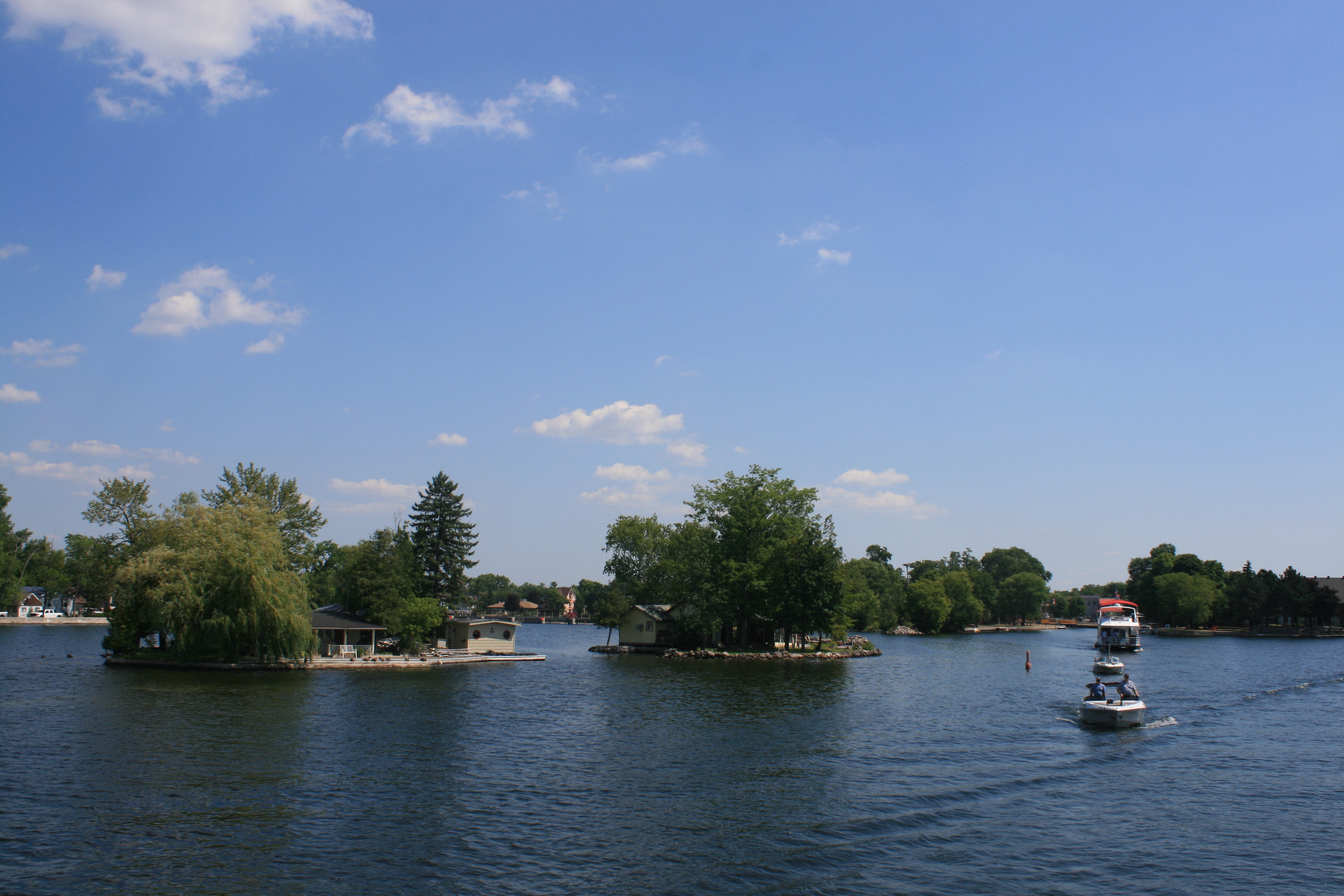
The Kawartha Lakes area is reputedly the most beautiful part of the waterway. Over the next two days we travelled through lakes and rivers of crystal clear water, stopping at Buckhorn Lake and then Fenelon Falls. The area is a popular holiday destination for Canadians, and there are many cottages on the shoreline, but for the most part they are unobtrusive and don’t detract from the loveliness of the scenery.

Katchewanooka Lake, Lakefield

Katchewanooka Lake, Lakefield

Clear Lake

Clear Lake

Clear Lake

Clear Lake

Clear Lake

Clear Lake

Lovesick Lake

Lovesick Lake

Lower Buckhorn Lake

Lower Buckhorn Lake

Buckhorn Lake

Buckhorn Lake in the morning

Bob Channel, Bobcaygeon

Bob Channel, Bobcaygeon

Bobcaygeon is a popular place and we had quite an audience at the lock there.

Leaving Bobcaygeon Lock

Leaving Bobcaygeon Lock

Arriving at Fenelon Falls

Arriving at Fenelon Falls

The Lock Wall, Fenelon Falls

The Lock Wall, Fenelon Falls

We were lucky to get a space on the lock wall at Fenelon Falls, as that too is a popular place for boaters to overnight. Not only did a boat vacate a space just as we emerged from the lock, but a nice woman from the next boat appeared on the dock to take the mooring rope, which was just as well, as the crew had not been having a very good day. At the previous lock, we had to wait some time for the lock to empty, and the Captain had had to turn the boat round three times in a confined area before the crew succeeded in securing a rope round the bollard, and even then only with the help of a passerby.

The Captain was not best pleased with this display of crew rope-throwing incompetence, but Fenelon Falls had an ice-cream shop which sold the famous Kawartha Lakes Dairy Ice-cream, and a cornet went some way to restoring his good humour.


The Trent-Severn Waterway – Trenton to Peterborough

The Trent-Severn Waterway has a quite different feel from the Erie Canal. It has a different history too – whereas the Erie Canal was built for a specific purpose, to improve trade for America’s Mid-West, the Trent-Severn was gradually developed over 90 years and not finally completed till 1920, when its potential for providing  hydro-electric power for Ontario was realised. It’s also a great and well-used recreational resource and holiday destination, promoted and marketed as such by Parks Canada who manage it.

Trenton to Peterborough

Trenton to Peterborough

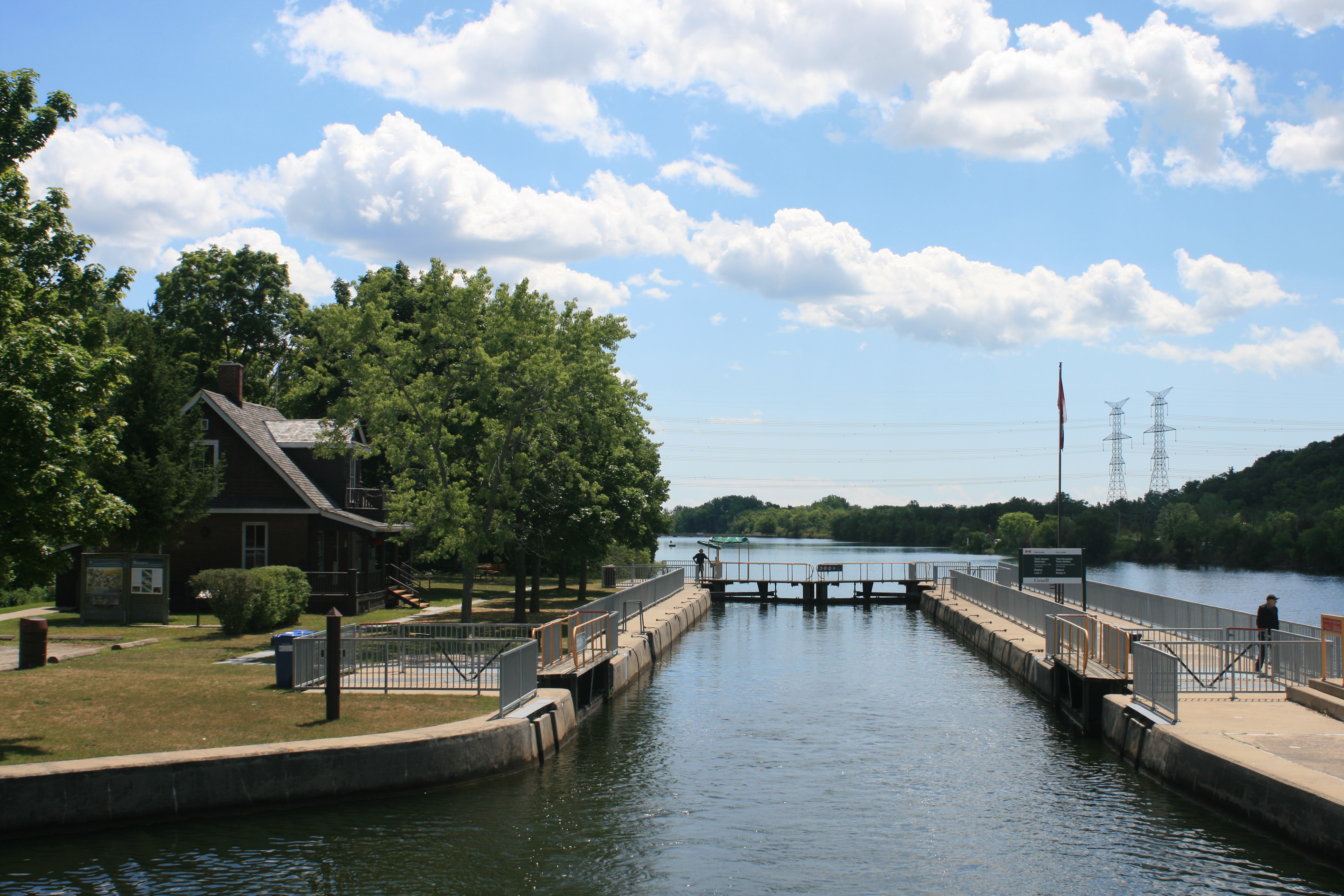
Its 240 miles stretch from Trenton on Lake Ontario, to Port Severn on Georgian Bay in Lake Huron, and pass through man-made canals, rivers and lakes, reaching a height of 870 ft above sea-level at the highest point. Unlike the Erie Canal, the locks are all manually operated, but not, as in England, by the boaters themselves.  Each lock is staffed by two or three people, many of them students doing a summer vacation job, but all friendly and helpful. The lock surroundings are well kept, with little gardens and picnic areas, and facilities for boaters to tie up overnight on the lock walls. The lock-keepers phone ahead to the next lock to let them know boaters are on their way, so that the locks are usually ready when you arrive.

After leaving Trenton, the waterway starts off as a wide river, but narrows into a channel as it rises steeply through a series of six locks that are only about a mile apart, so our first morning was quite a busy one. At the first lock we had to tie up and pay for our seasonal one-way permit and for the lock-keeper to give us various tips and information on good places to stay – which lock walls got busy, which had power and so forth.

start of the channel leading to Lock 1


Approaching Lock1

Approaching Lock 1

The dam at Lock 4

The dam at Lock 4

This dam at Lock 4 was one of the many along the route providing hydro-electric power.

Leaving lock 4

Leaving lock 4

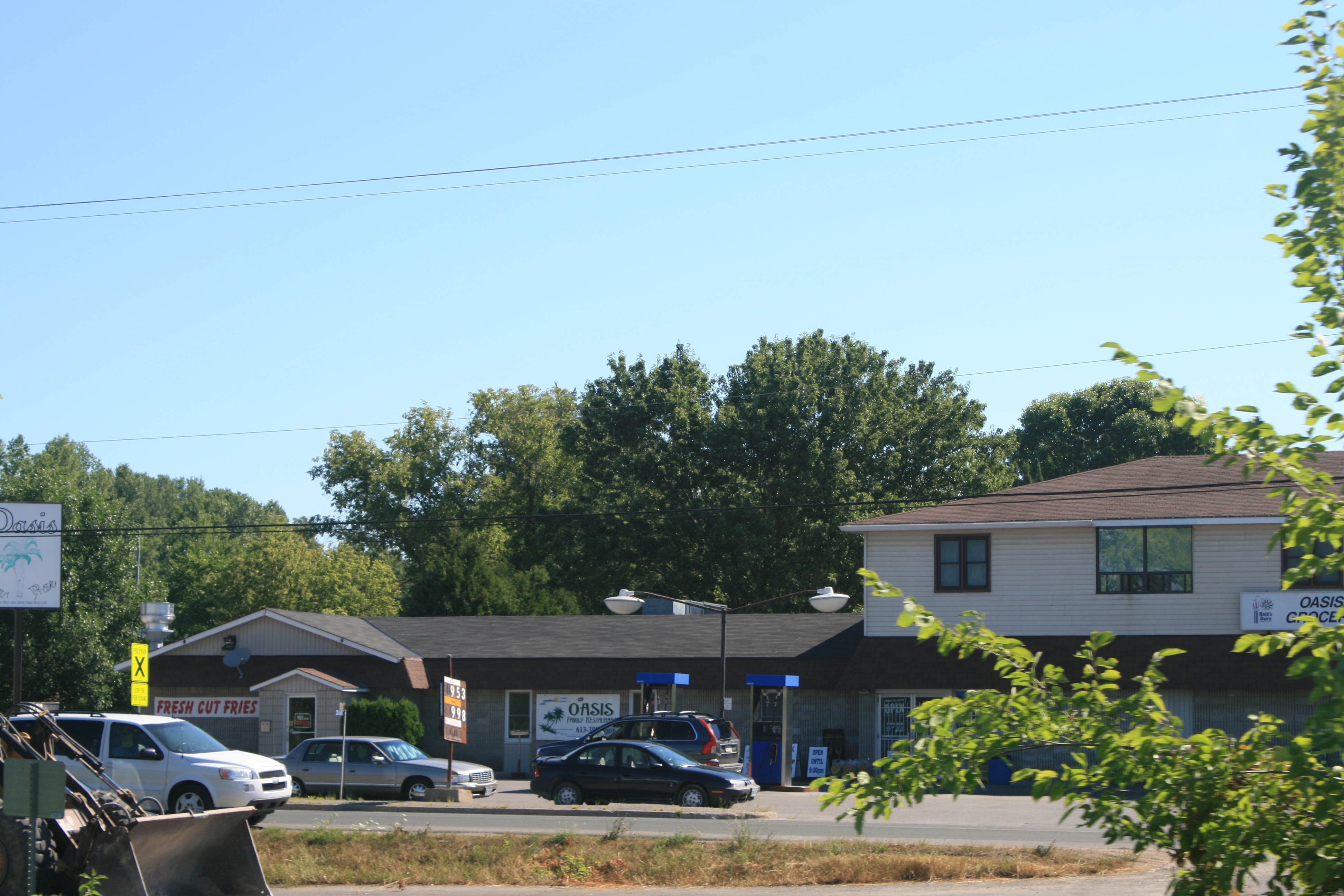
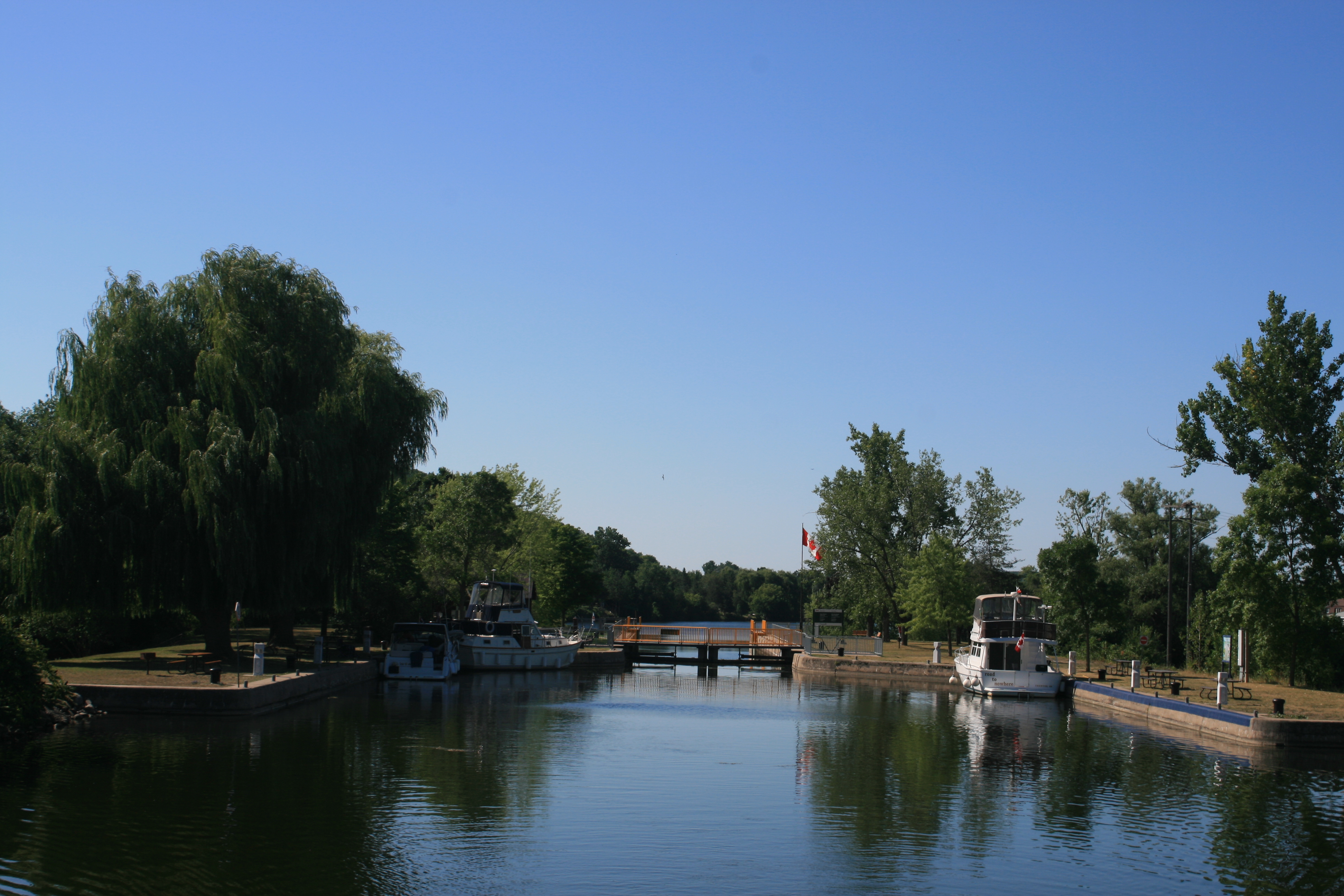
Our first stop was at Frankford at Lock 6, and we had time for a bike ride down an old railway track and a beer at Dimitri’s restaurant, then in the morning had another little treat with breakfast at the Oasis Restaurant. It would never occur to me to go out for breakfast at home, but on the boat it’s pleasant to have an early morning stroll in the sunshine before it gets too hot, and have a sustaining meal before a long cruise.

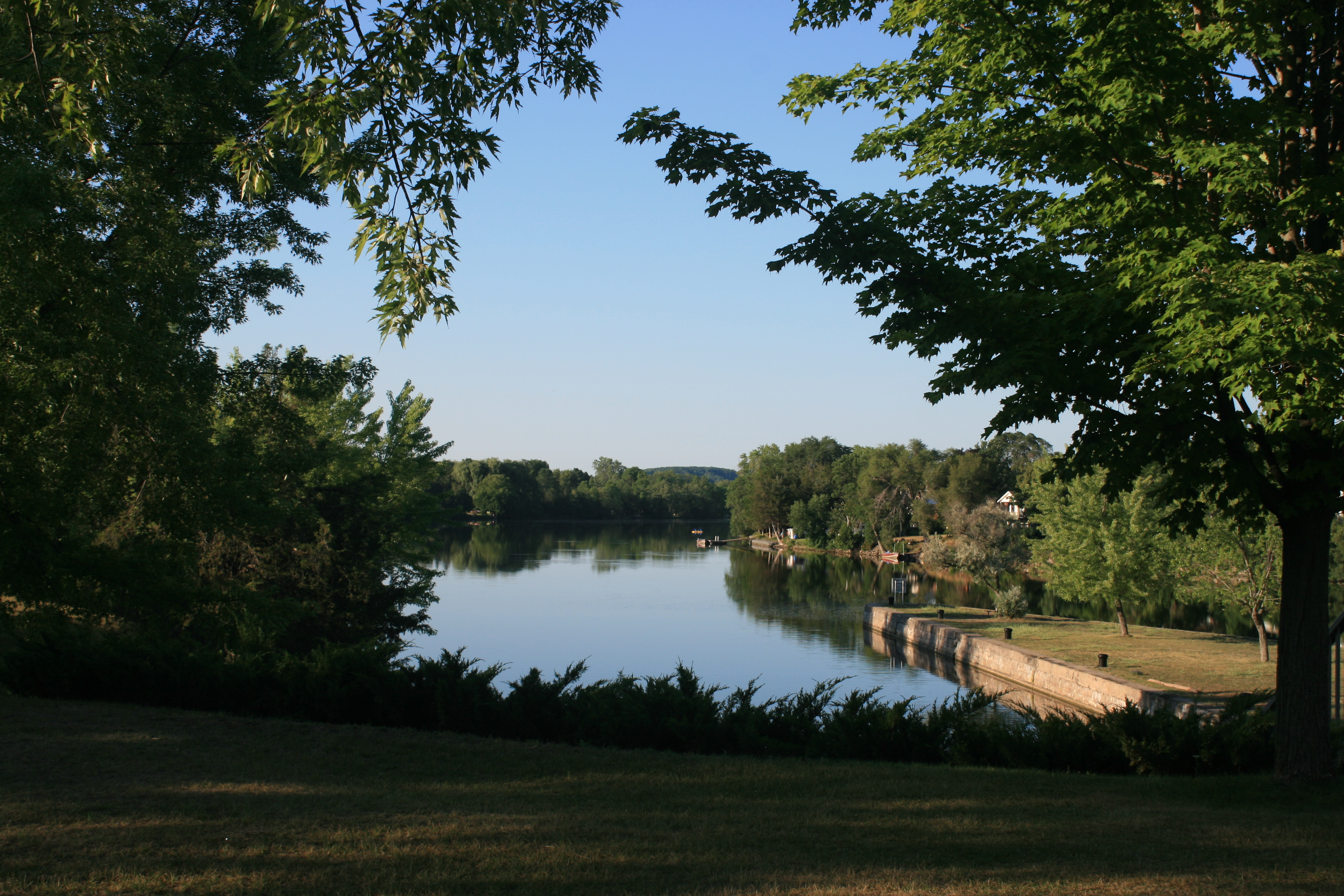
From Frankford Lock, 8 am

From Frankford Lock, 8 am

Oasis Restaurant, Frankford

Oasis Restaurant, Frankford

Above Frankford the canal joins the main Trent River and widens out. Our next stop was at Percy Reach, just above Lock 8.

Leaving Frankford

Leaving Frankford Lock behind us

Above Lock 7

Above Lock 7

Lock 8 in the evening

Lock 8 in the evening

Evening at Lock 8

Evening at Lock 8

Approaching Lock 10

Approaching Lock 10

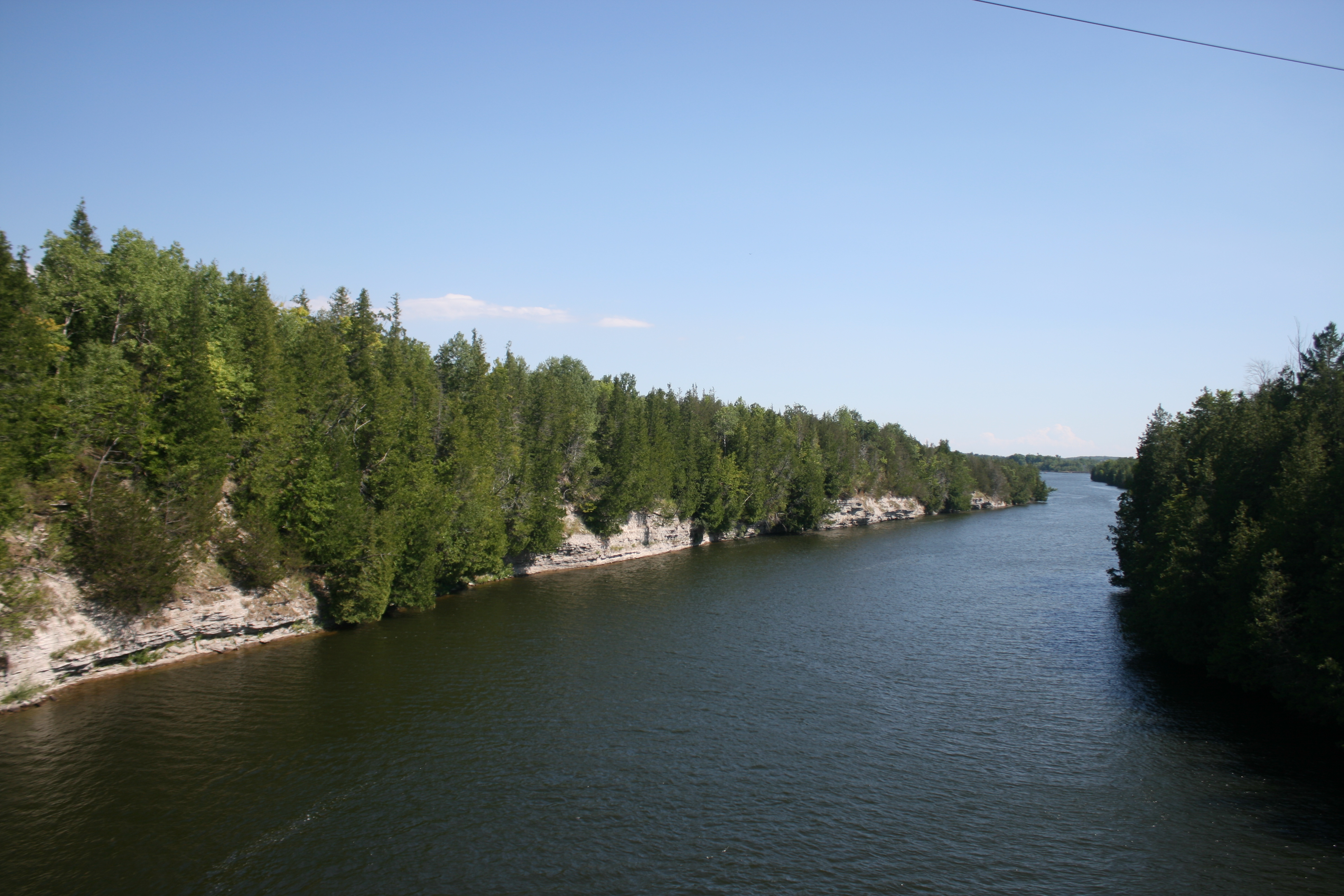
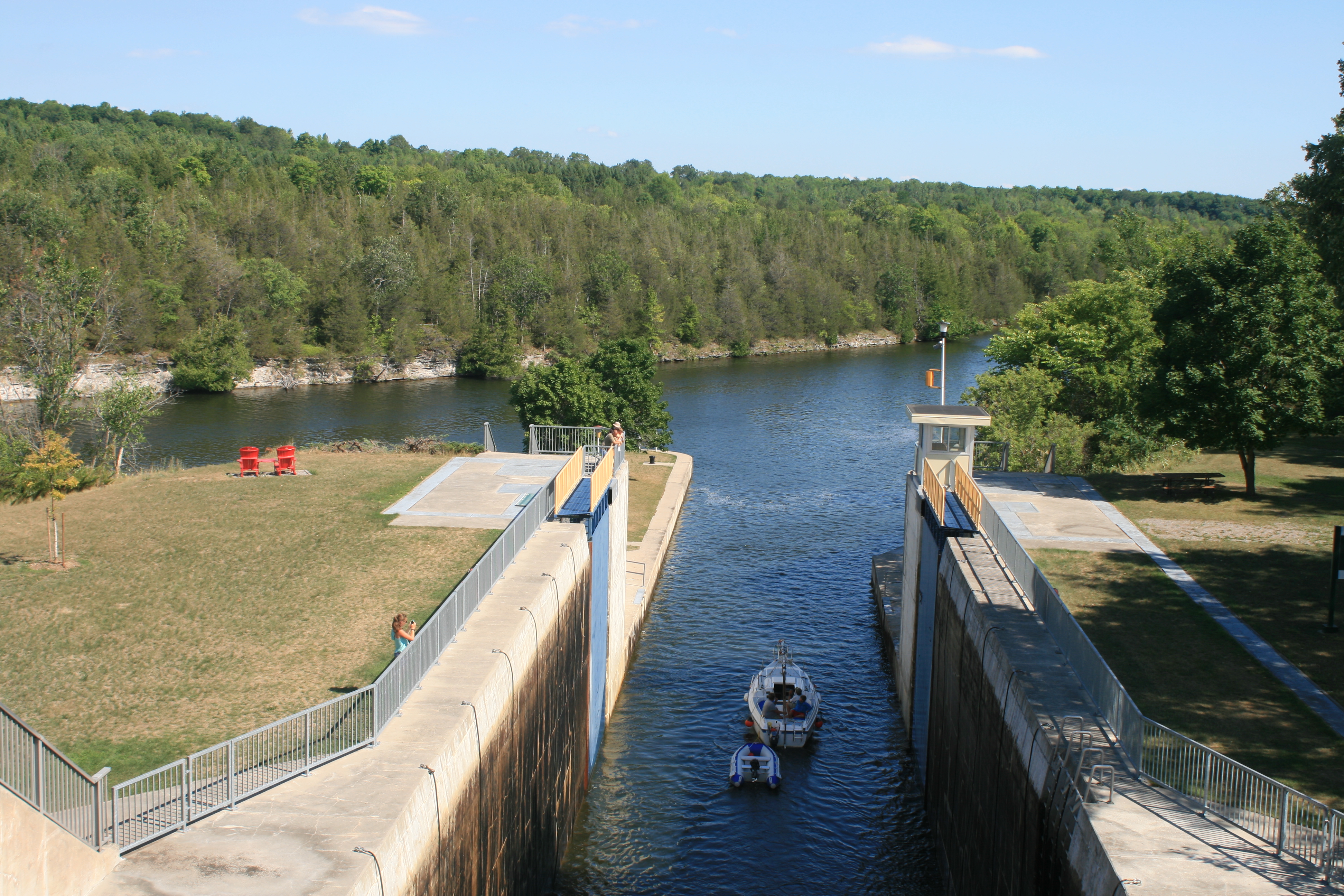
Below Campbellford, there is a deep ravine in the limestone where the Trent River goes into the Ranney Falls. Below the falls, the canal takes a sharp left and goes into locks 11 and 12 – these form a double lock, so that as soon as you emerge from lock 11, you are straight into lock 12 without any intervening ‘pound’. Both the locks are deep, so that from the top there is quite a dramatic view of the surrounding country.

Just above Lock 10

Just above Lock 10

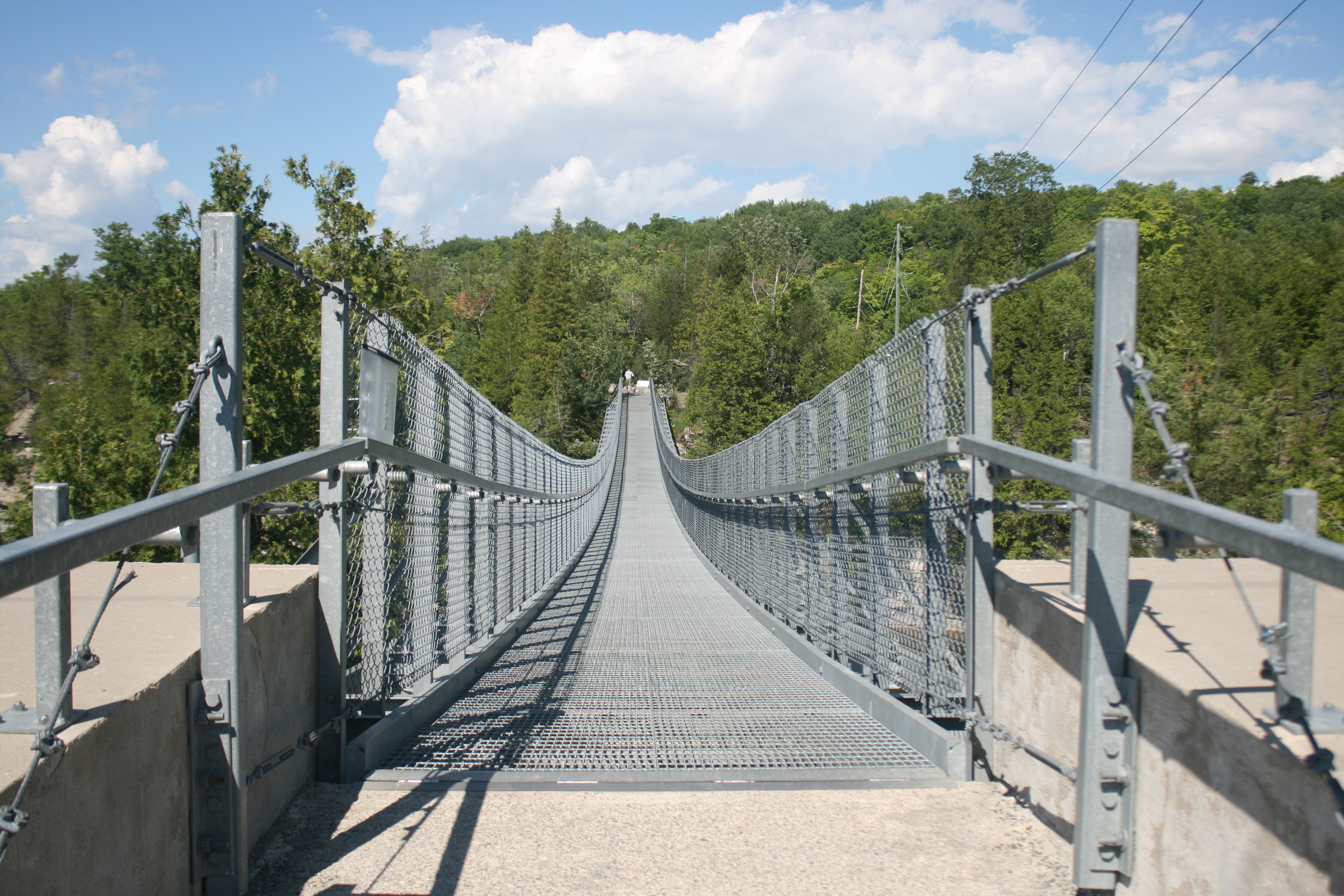
Lock 11 and Ranney Suspension Bridge

Lock 11 and Ranney Suspension Bridge

Lock 11 and 12

Locks 11 and 12

After the lock there was a straight run into Campbellford, where we tied up at the dock wall in Old Mill Park.

The approach to Campbellford above Lock 12

The approach to Campbellford above Lock 12

We  took the bikes back down the trail to get a better view of the ravine and falls, which run parallel to the canal and hadn’t been visible from the confines of the locks. The suspension bridge across the gorge was paid for by public subscription and leads to a preserved park area.

Ranney Suspension Bridge, Campbellford

Ranney Suspension Bridge, Campbellford


Ranney Gorge, Trent River

Ranney Gorge, Trent River

Ranney Falls, Campbellford

Ranney Falls, Campbellford


View from the top of Lock 12

View from the top of Lock 12

The visitor centre next to the dock had a little herb and vegetable garden, and the staff were delighted to share their produce with boaters. So it was omelettes aux fines herbes for dinner, and Greek salad with fresh oregano for lunch the next day.

In the evening, there was another free concert in the park next to the dock – country music this time.

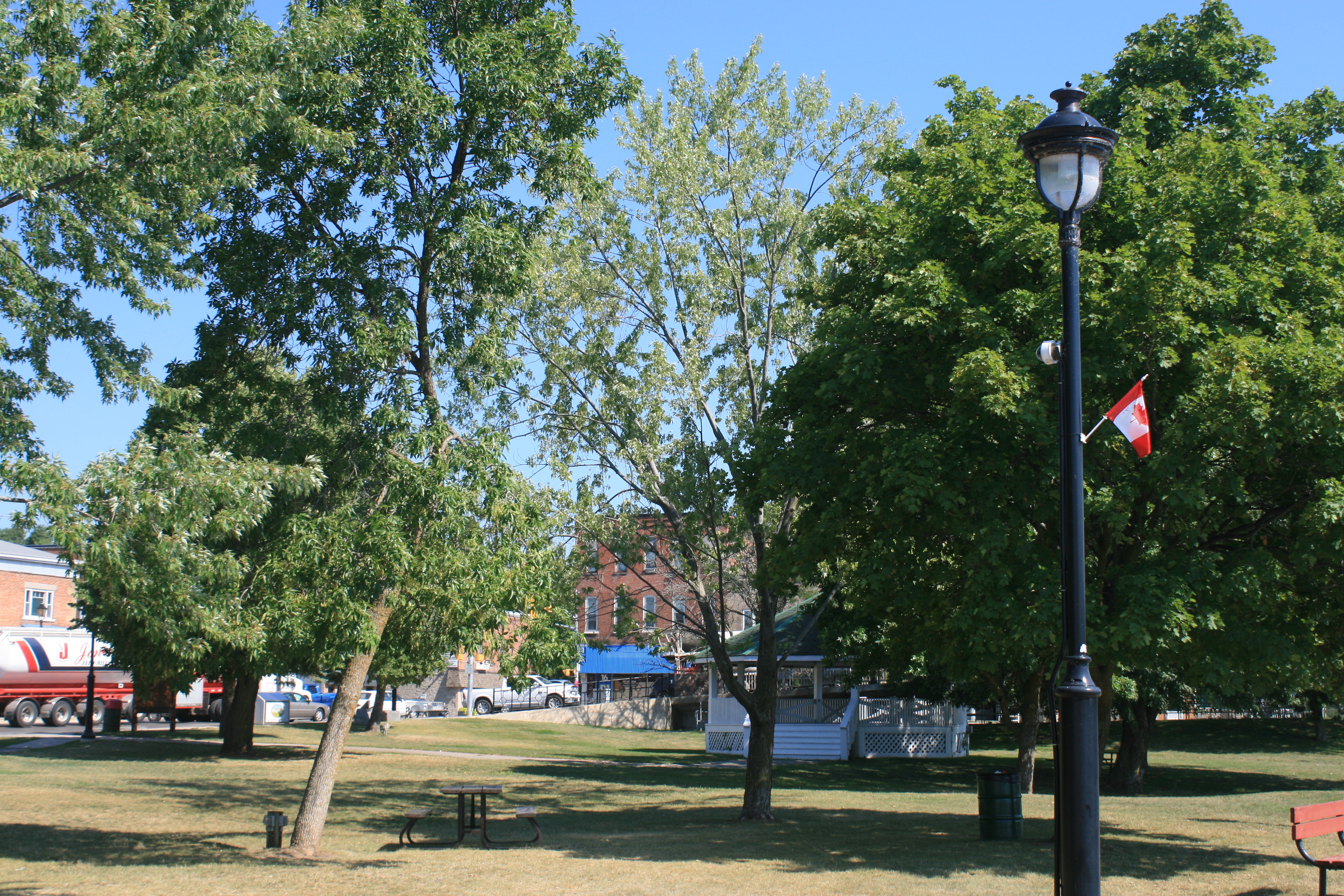
Old Mill Park from the dock, showing the bandstand

Old Mill Park from the dock, showing the bandstand

Campbellford Downtown from the dock

Campbellford Downtown from the dock

The next day we intended to anchor out somewhere quiet and peaceful, but it had become so hot that we decided to go all the way to Hastings, so we could stay in a marina with access to a power supply and  be able to  have the air-con on. Wimpish perhaps, but it’s one thing having temperatures of 35C during the day, when you are cruising along in an open boat,  and another trying to sleep at night in a small cabin. On the way, we anchored in the lovely Seymour Lake and had a swim from the boat.
We followed another boat for part of the way and regrettably, the Captain indulged in a little schadenfreude watching the other captain mess up going into one lock, and not realising the lock gate was actually open, causing significant delay, at another.

Following Changing Latitudes into the lock

Following Changing Latitudes into the lock. One of the many hydro-electric stations en route

Locks 14 and 15 were another double lock.

View from Lock 15

View from Lock 15

 Seymour Lake

Seymour Lake

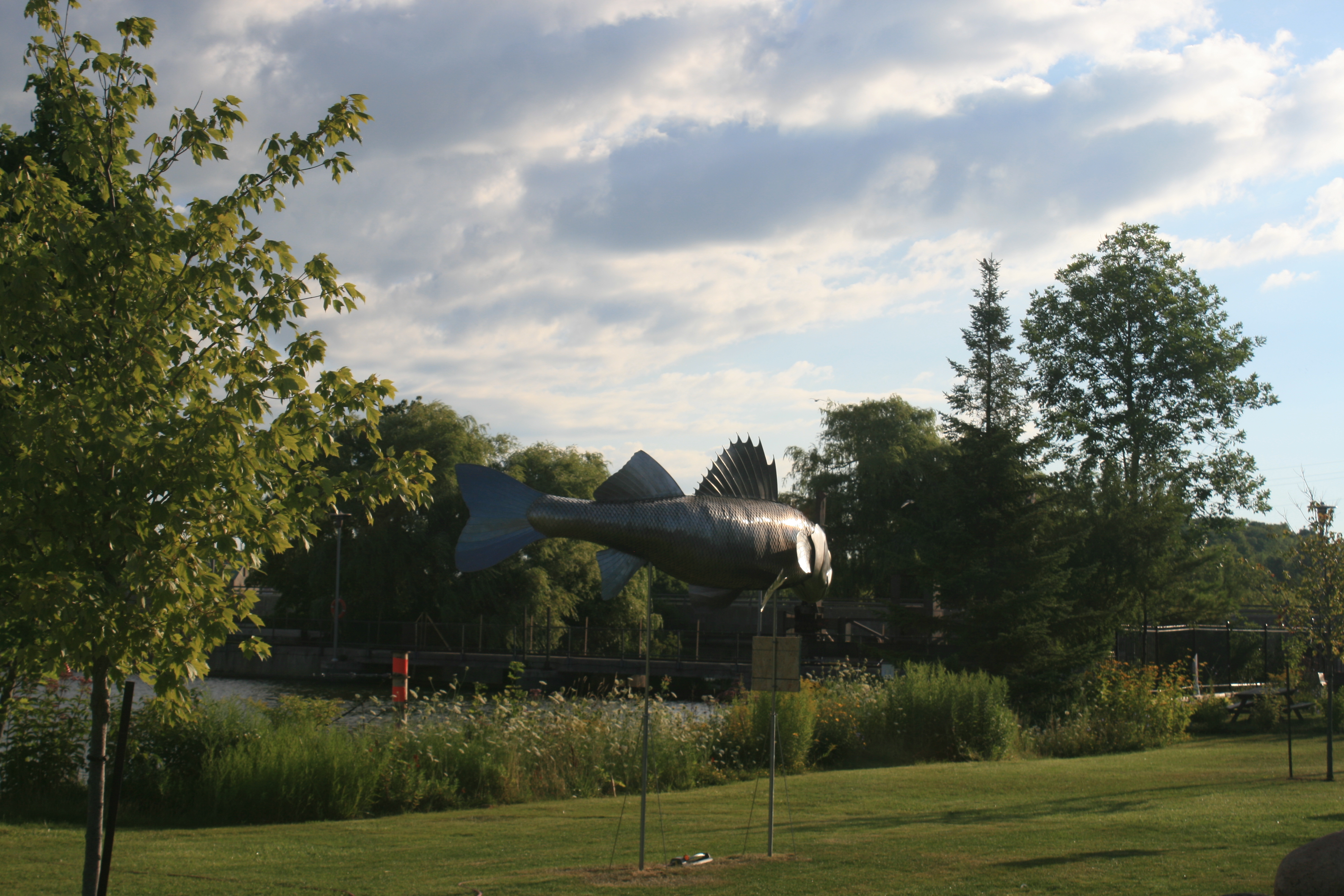
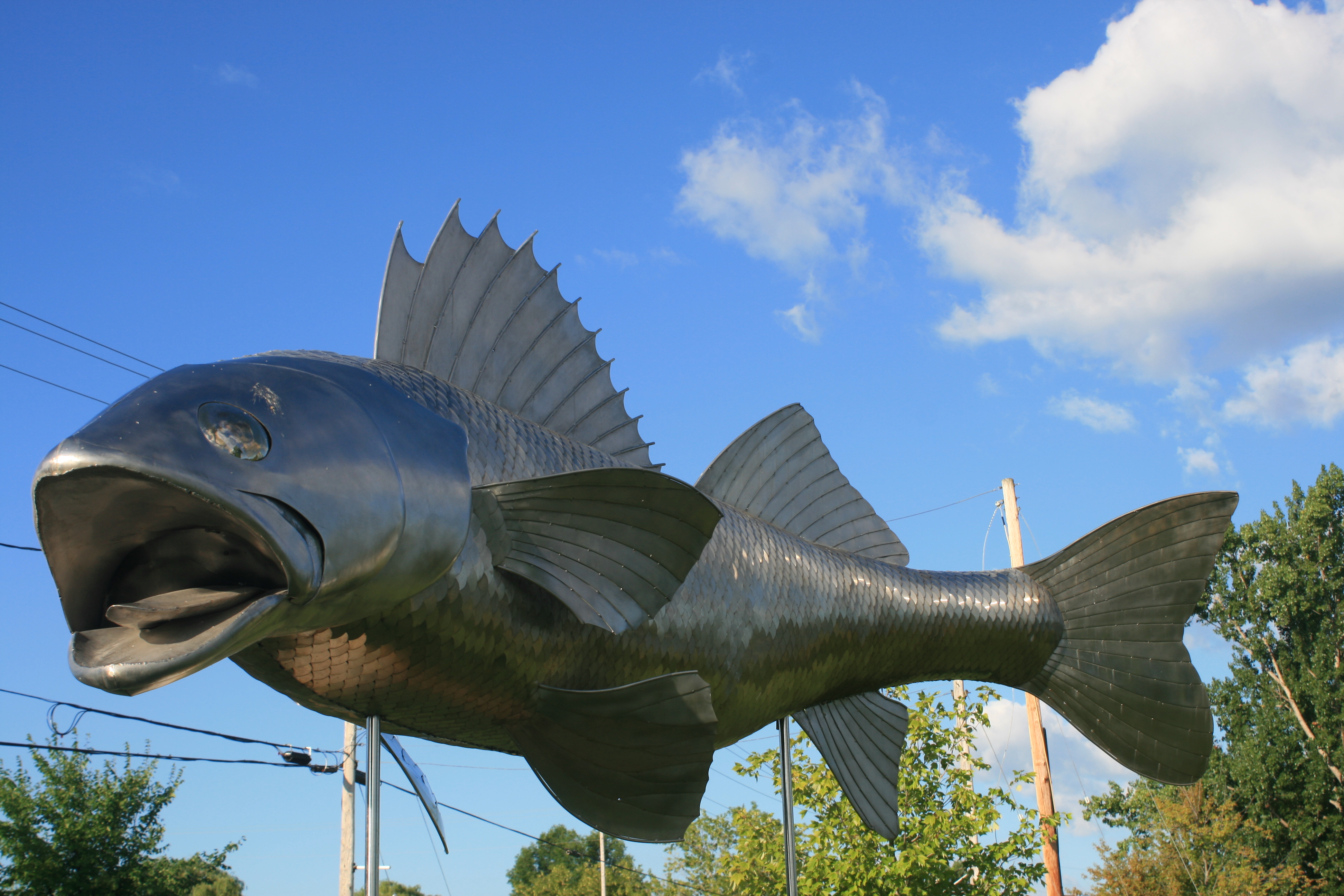
The municipal  marina at Hastings is next to Pisces Park, a community development that was opened only on 30 June, 2016. The vision is ‘to create Pisces Park as a cultural space with a series  of fish sculptures of the types of fish found in the Trent River’ and at present, only the first of these, Pisces Pete, by Canadian artist Bill Lishman,  has been installed. The name was chosen ‘via a community contest’. Shades of Boaty McBoatface, but Pisces Pete certainly has impact.

Pisces Park, Hastings

Pisces Park, Hastings

Pisces Pete

Pisces Pete

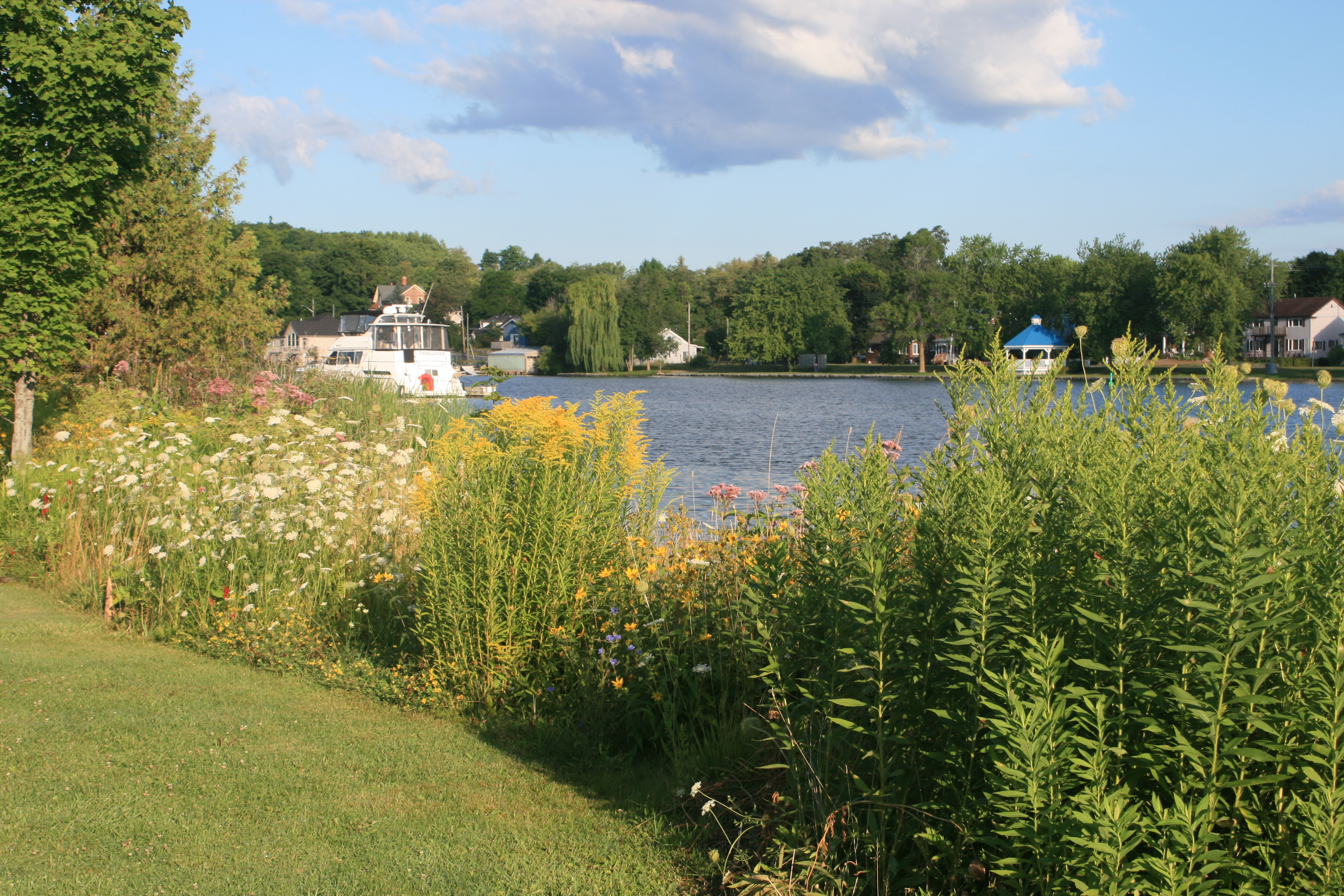
Between the water’s edge and the mown grass areas, native perennial flowering plants have been sown, both to enhance  the view and the help stop erosion of the river bank.

River bank, Pisces Park

River bank, Pisces Park

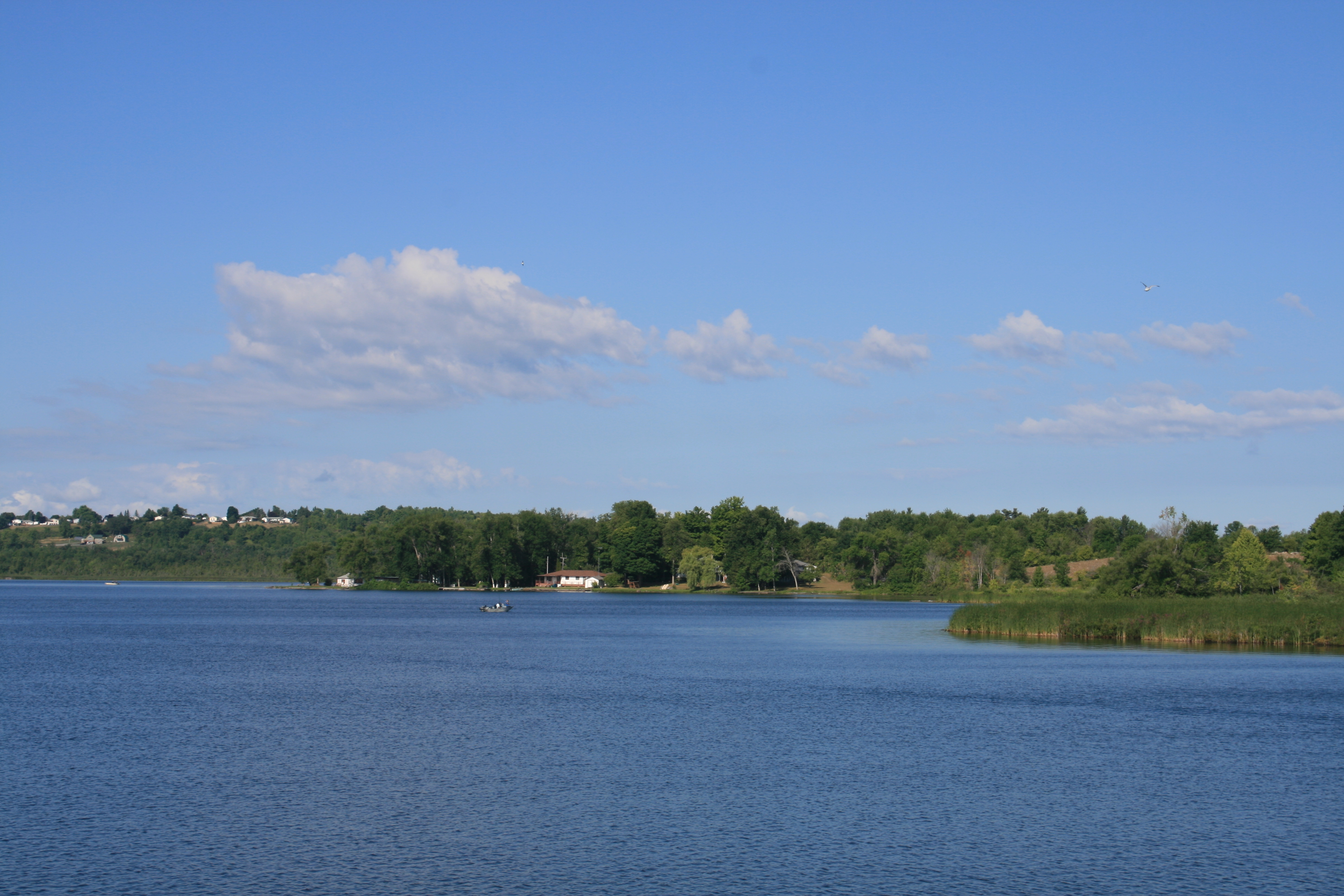
From Hastings, the river widens into Rice Lake, and half-way down the lake the waterway takes a turn right into the Otonabee River, which winds its way to Peterborough. The town is actually on Little Lake, a bulge in the river.

Trent River between Hastings and Rice Lake

Trent River between Hastings and Rice Lake

Entrance to the Otonabee River from Rice Lake

Entrance to the Otonabee River from Rice Lake

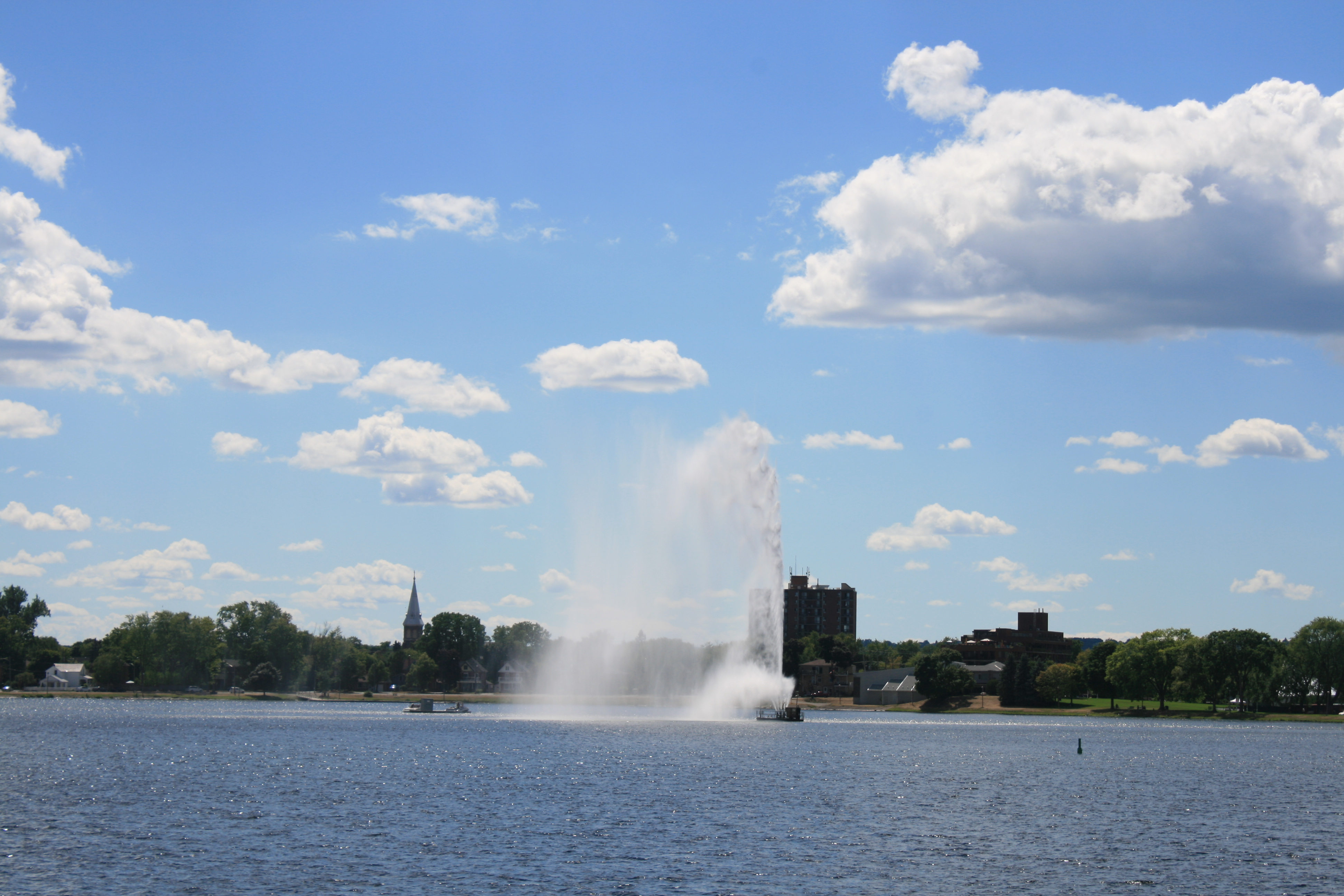
The fountain in Little Lake at Peterborough

The fountain in Little Lake at Peterborough

The Captain got his come-uppance trying to dock at Peterborough, and it was not Carina’s finest hour either. By the time we arrived, there was a strong wind blowing. We were instructed by the marina staff to go to a finger dock, adjacent to another boat, which involved Carina making a sharp 90 degree turn to starboard.

Carina does not do 90 degree turns. She has a single screw engine and no bow thrusters. She stops at 45 degrees and won’t do what she’s told in reverse, either. In strong winds, she goes into toy-throwing mode.

The young marina staff were unfailingly polite, courteous and encouraging, but eventually gave in and let us go on a T-dock, which involved only driving up to somewhere near enough for mooring ropes to be thrown to the waiting dock staff.

Later, morale was restored when we had Rob, Jay and Mary-Jo round for drinks. They are Gold Loopers, which means they’ve done it all before, and we first met them back in Oswego.  They too have a Marine Trader just like Carina. Jay told Ian that he wouldn’t  have even attempted trying to put the boat into a finger dock. Instead, rather than waiting for marina staff to tell him where to dock, he tells them where he wants to go.

We pick up useful snippets all the time.


Canada – Prinyers Cove to Trenton

‘We’re in Canadian waters now,’  said the Captain, as if this would somehow ameliorate the symptoms of acute motion sickness I’d been suffering from ever since we left Oswego Harbour, five hours previously. I said something unsuitable for recording in a blog which one day might be read by my grandchildren.

But after a while, I realised that Carina was not rolling  so violently, and I could see land. And it looked quite pretty.

After we had safely docked, a further olive branch was proffered with the announcement that he would be happy to have salad for tea, to save me the bother of having to cook. By this time I was feeling so much better that I didn’t respond with the barbed retort that in retrospect, might have been deserved.

Oswego to Trenton

Oswego to Trenton

Prinyers Cove, our first stop in Canada, is a small inlet in the Bay of Quinte, which separates the north shore of Lake Ontario from Prince Edward County.

Ian’s first job was to phone the Canadian Customs with details of the boat, how long we were going to be in Canada, our passport numbers, and how much alcohol we had on board. Canada is quite strict about alcohol, which can be purchased only at Beer Stores or LCBOs, outlets of the Liquor Control Board of Ontario, forbidding, windowless places that appear not to invite custom. I couldn’t help wondering whether alcohol-related crime in the UK might not be reduced, if we placed similar restrictions on where alcohol could be bought.

Prinyers Cove was a delightful haven after the horrors of Lake Ontario, and on our first full day in Canada we travelled only a few miles to an anchorage near Adoplhus.

Leaving Prinyers Cove

Leaving Prinyers Cove

Carina at Adolphus

Carina at Adolphus

There was a sandy beach nearby, part of a national park, and we took the dinghy across to the public jetty and had a swim.

The beach at Adolphus

The beach at Adolphus

The area was settled in the 1780s by the United Empire Loyalists who fled the USA after the Revolutionary Wars, and the park contains a batteau(sic) of the type used by the early settlers to travel through the lake. The flag  of the United Empire Loyalists  is shown on the boat.

Loyalist Batteau, Adolphus

Loyalist Batteau, Adolphus

Sunset from the mooring at Adophus

Sunset from the mooring at Adolphus

We passed through the Bay of Quinte, where there appeared to be some sort of power-boat racing going on.

Bay of Quinte

Bay of Quinte

Racing in the Bay of Quinte

Racing in the Bay of Quinte

Bay of Quinte

Bay of Quinte

We had two nights at the well-appointed and very well organised Trent Port Marina.

Trent Port Marina

Trent Port Marina

TrentPort Marina

Trent Port Marina

We dined at Tomasso’s , a family-run restaurant in an old building on the Trenton riverfront. It was our first meal out in Canada and more than met expectations.

A family (new baby, Mama, Daddy, uncle and aunt and two sets of grandparents) came and sat on a table next to us. Shortly afterwards our waitress brought them a tray containing several tall glasses of a murky brown liquid, garnished with what appeared to be sticks of celery.

I couldn’t resist asking our waitress what the drink was.

‘Oh, they’re Bloody Caesars,’ she replied, with a look of faint amusement, ‘that’s vodka, clamato – that’s tomato juice with clams – Worcester sauce, Tabasco sauce, peperoni and celery.’

It wasn’t an I’ll-have-what-they’re-having situation. When we got home, I consulted Mr Google. The drink was invented in Calgary in 1969 by Walter Schell, and quickly became very popular. Apparently, 350 million Caesars are consumed each year in Canada. Oddly, it is almost unknown anywhere else.

The Captain is sometimes not safe to be let out by himself. The next day he went off on his bike in search of a hardware store, to buy an extension for his socket set. He called in at the LCBO too, to replenish our dwindling supplies of beer and wine, and thought a can of Bloody Caesar would be a good idea.

At the time of writing, it’s still in the fridge waiting for someone to be brave enough to try it.

We left Trenton the next day to start the next stage of the loop, the 240-mile passage through the Trent-Severn Waterway, a series of canals, rivers and lakes which link Trenton in the southeast with Georgian Bay in the northwest.

Tomasso's, Trenton Waterfront

Tomasso’s, Trenton Waterfront

The LCBO, Trenton

The LCBO, Trenton


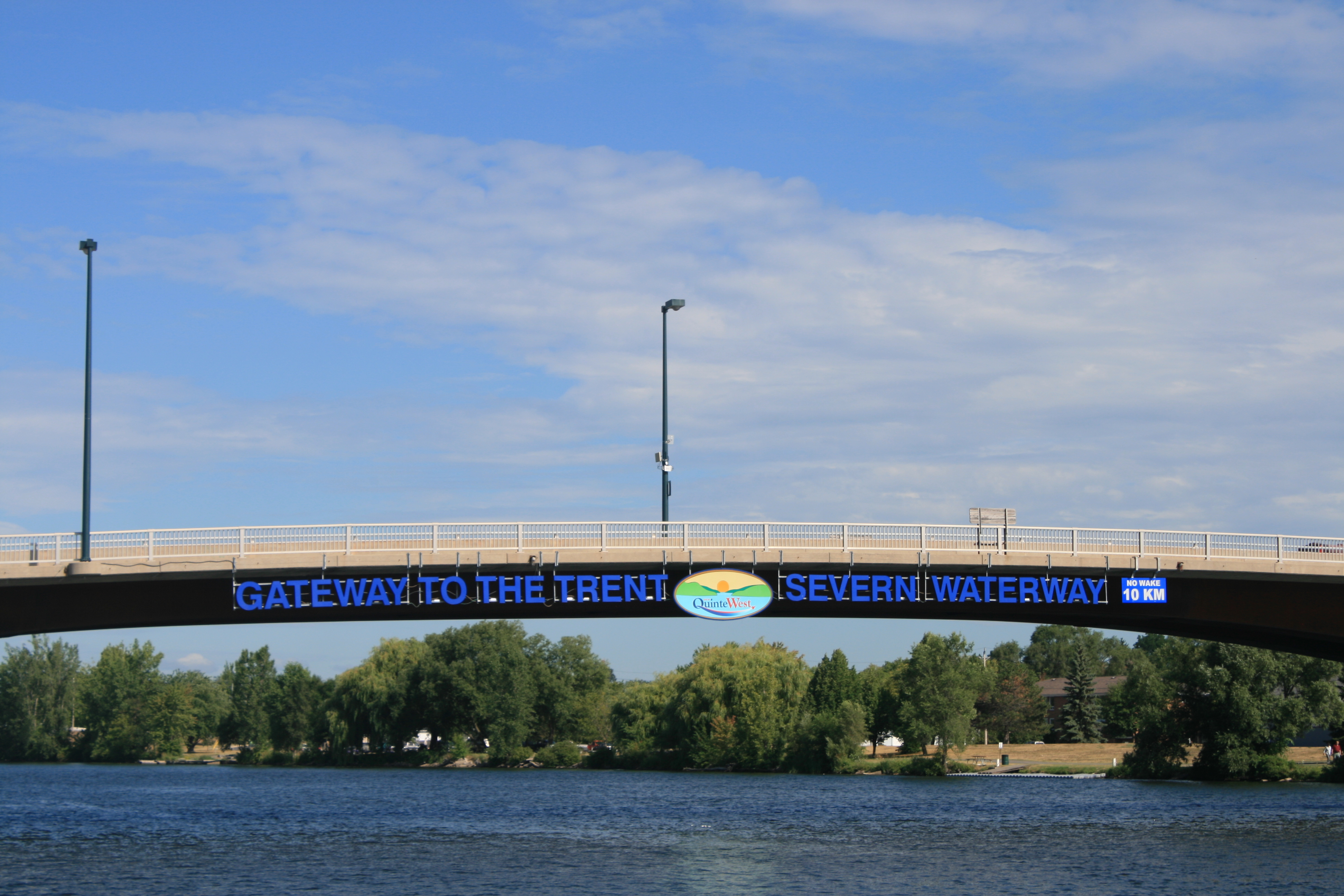
Gateway to Trent-Severn Waterway

Gateway to Trent-Severn Waterway

It promised an interesting journey through the beautiful hills and forests of this part of Ontario.


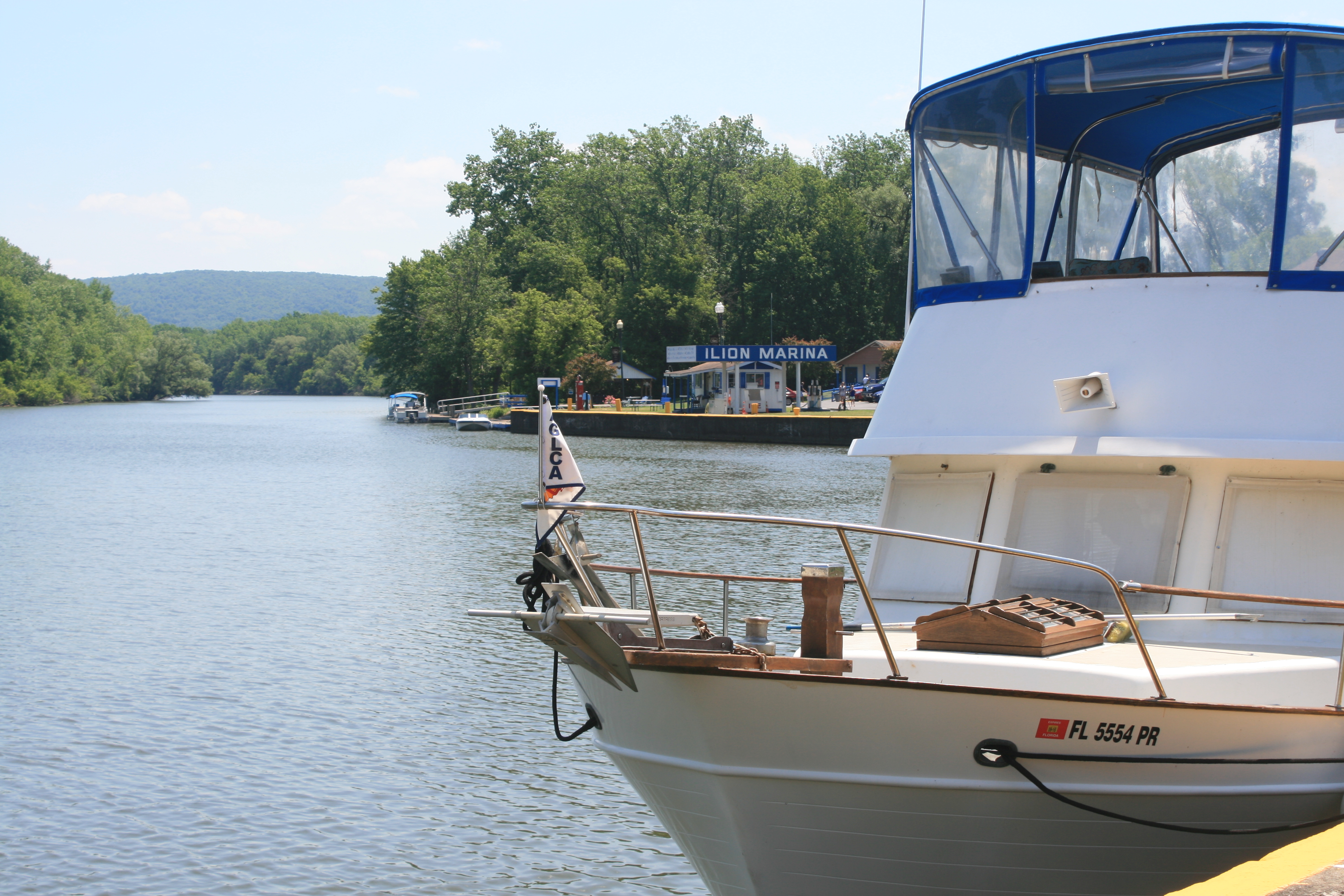
Ilion to Lake Ontario

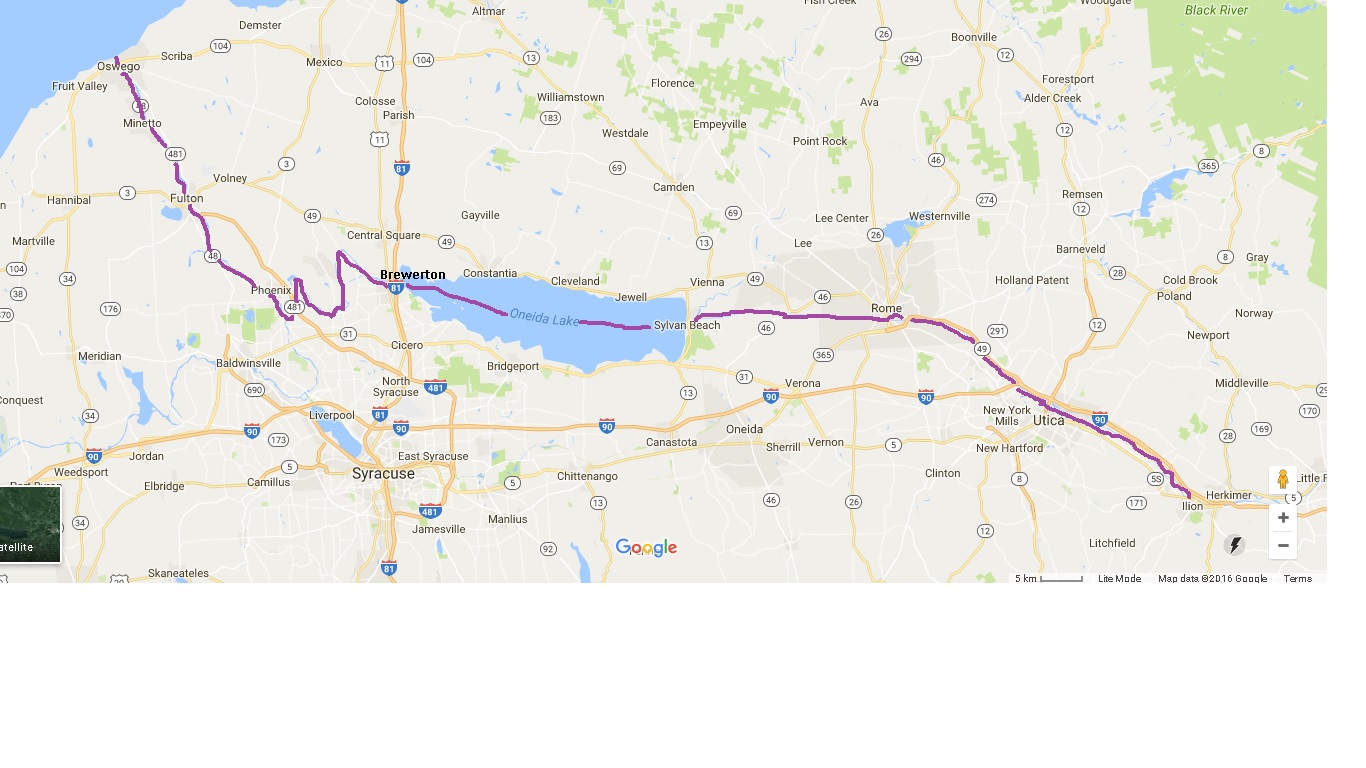
Beyond Ilion, the Erie Canal assumed a more or less straight course westwards to Rome, where we moored on the public dock and enjoyed a violent thunderstorm, during which Carina was pelted with hailstones the size of large marbles. Fortunately we were downstairs in the cabin at the time.

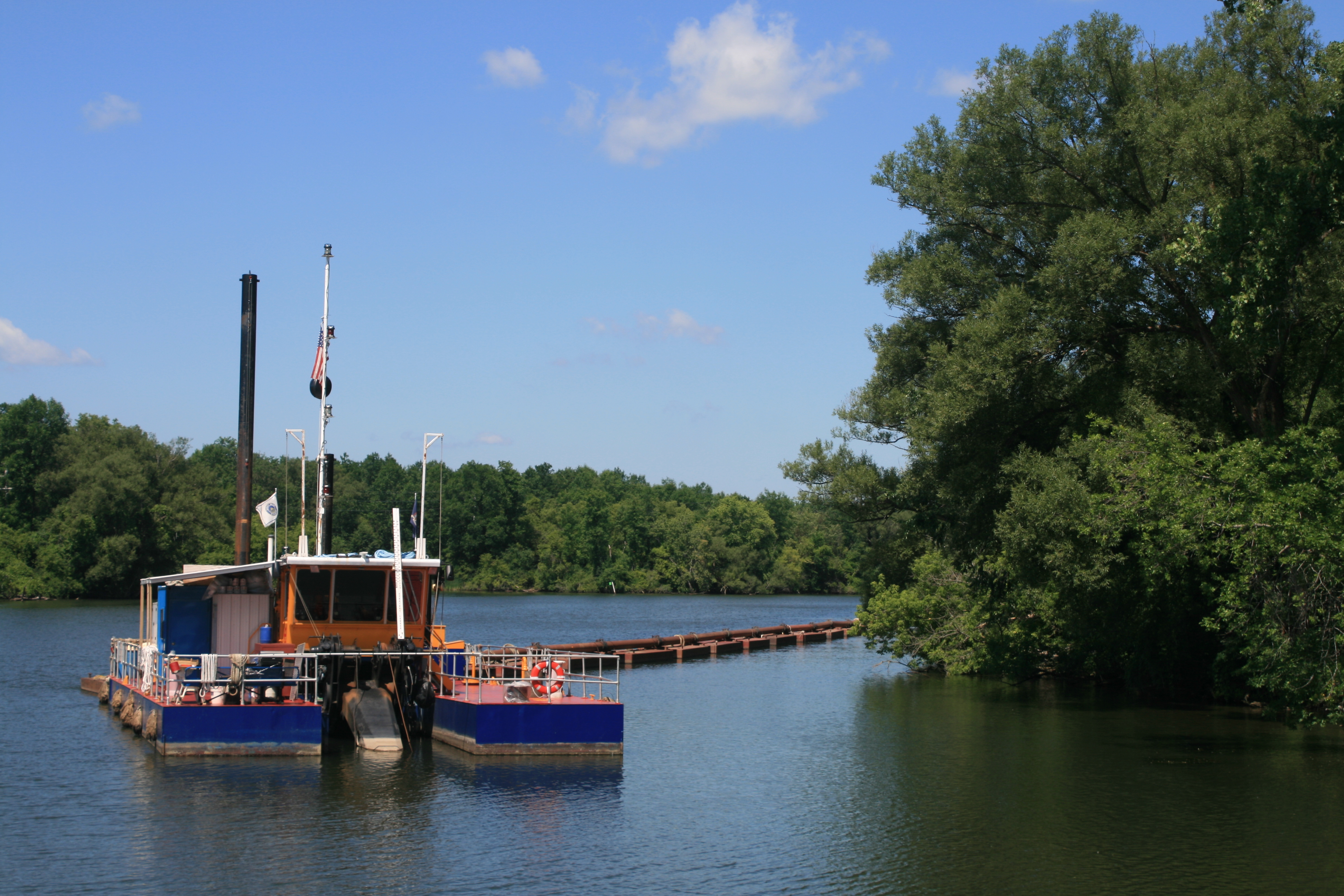
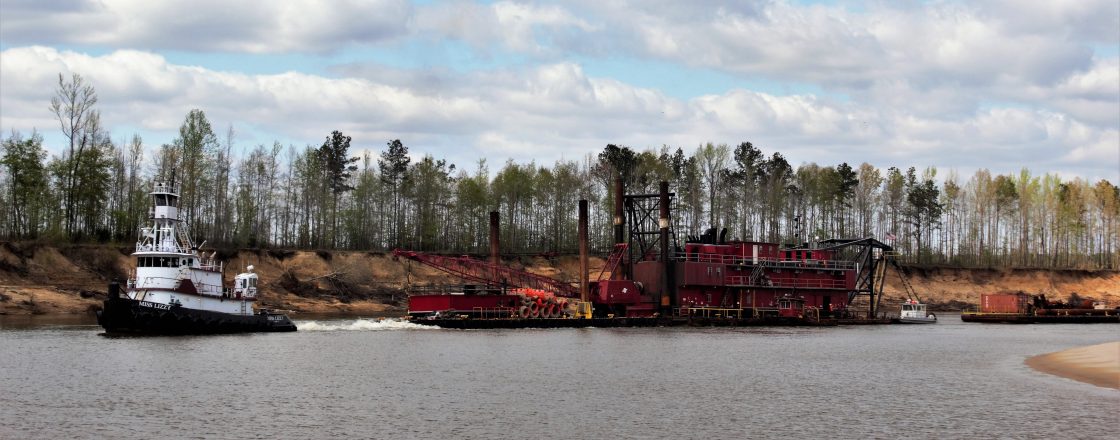
Dredging just above Ilion

Dredging just above Ilion

Waiting for lock 19 to open

Waiting for lock 19 to open

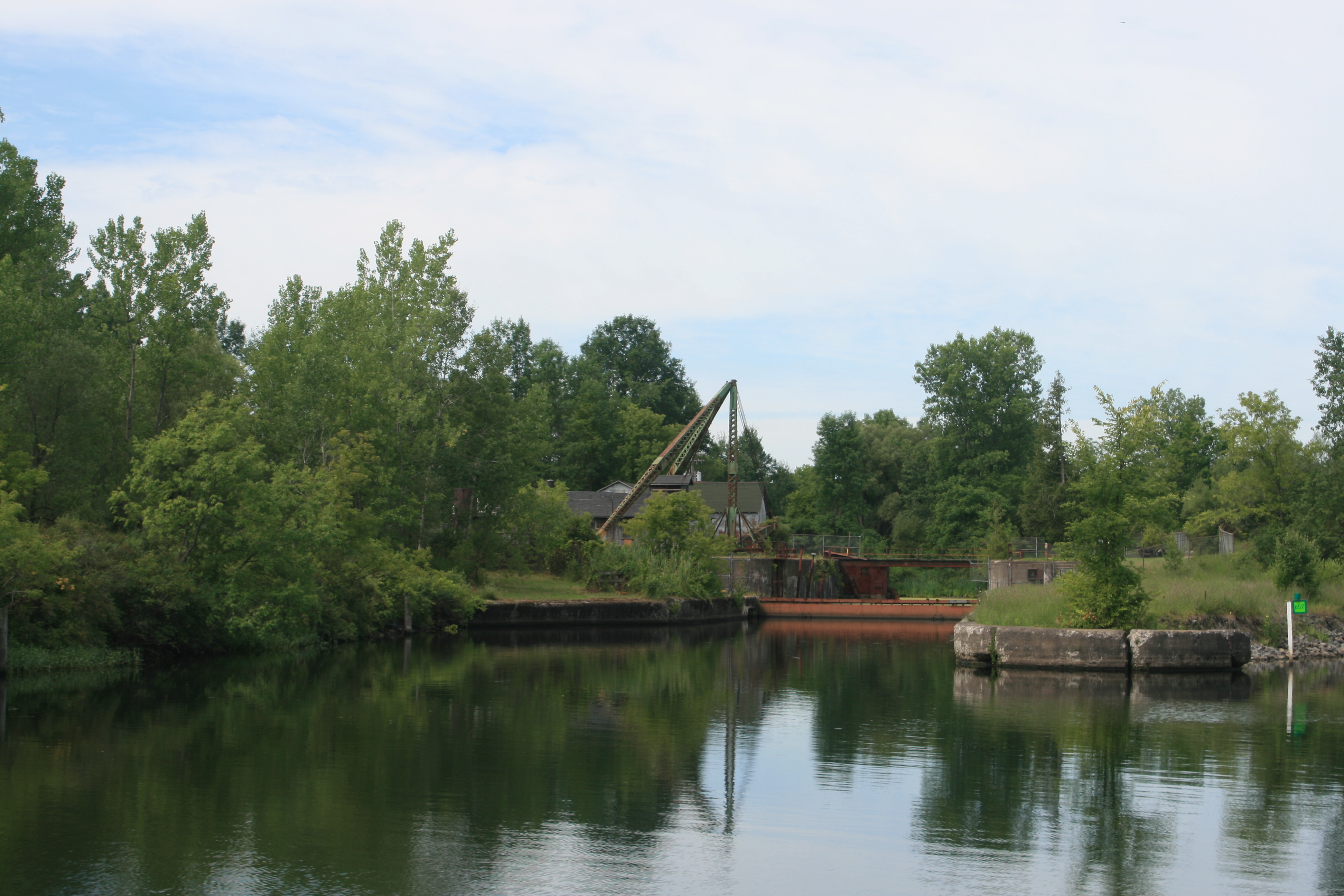
Vestiges of the old canal remain. At one time there was a branch to Old London.

Disused canal branch to Old London

Disused canal branch to Old London

Ilion to Oswego

Ilion to Oswego

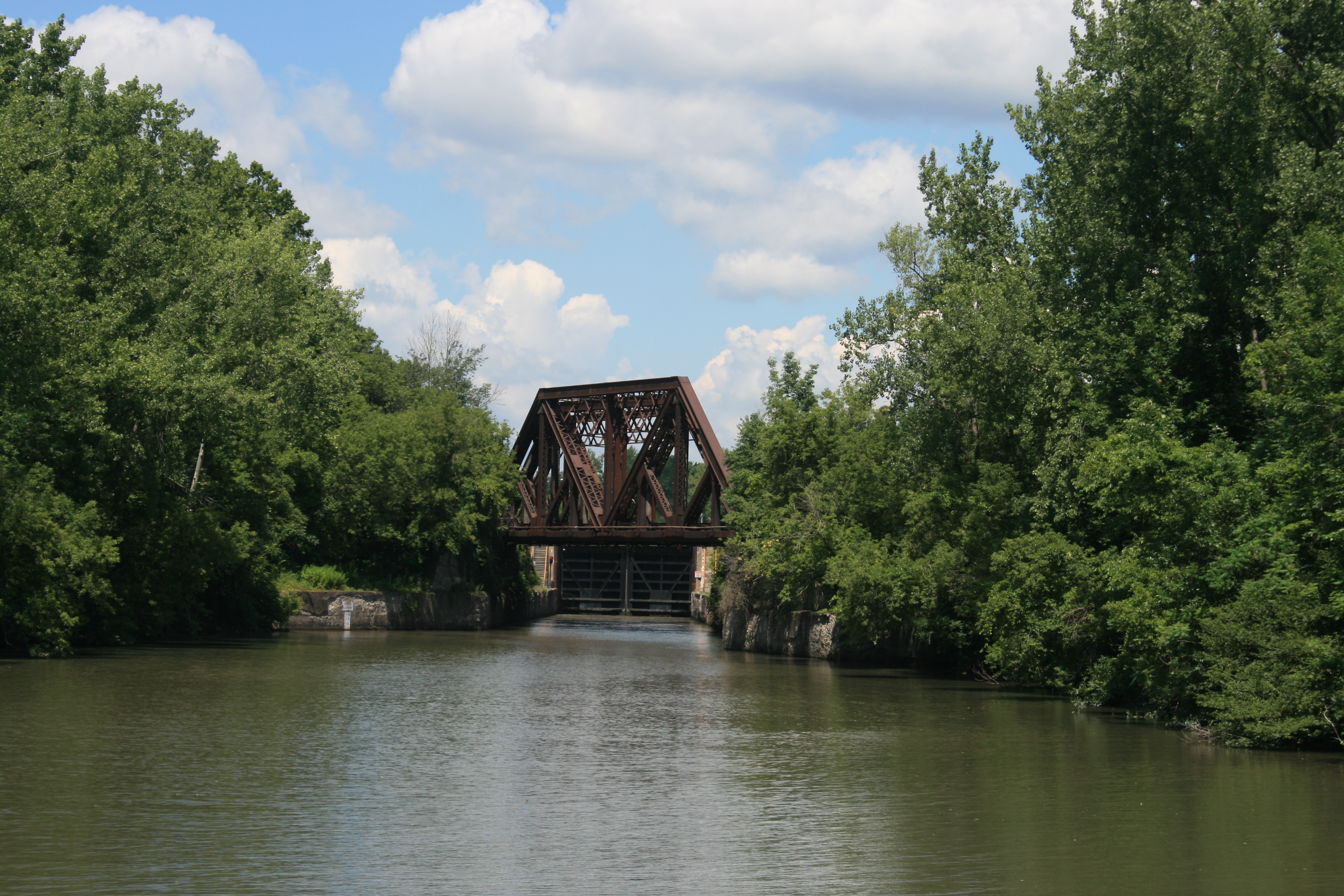
The stretch between Locks 20 and 21 marks the highest point of the Erie Canal, so that at Lock 21 and beyond, we were descending rather than ascending in the locks. It marked a point on our westward progress.

The journey so far had been notable for how few other boats we had seen. That changed as we approached Lake Oneida, where at Sylvan Beach there were several marinas and lots of small craft out on the water.

Bridge E61 between Lock 22 and Lake Oneida

Bridge E61 between Lock 22 and Lake Oneida

Near Sylvan Beach

Near Sylvan Beach

Sylvan Beach

Sylvan Beach

The wide expanse of the lake, which is 20 miles across, was a welcome change after the enclosed feeling of the last miles of the canal.

Lake Oneida

Lake Oneida

We stopped at Brewerton Boatyard, a mile from the end of the lake.

6am, Brewerton

6am, Brewerton

The next day was overcast, with thunderstorms forecast, but with one eye on crossing Lake Ontario on Thursday, the Captain was anxious to make at least some progress.

It was agreed that we would go two miles to the next lock,  tie up at the free dock there and wait for the rain to pass.

Approaching lock 23 with the rain clouds gathering

Approaching lock 23 with the rain clouds gathering

Unfortunately the crew, in a misplaced attempt to seem keen and co-operative, suggested that the rain would hold off for a while longer and that we could go through the lock and tie up on the other side. Two minutes later,  we had passed  into the lock, the gates had irrevocably shut behind us, and the rain poured down, heavy, sharp and penetrating. We hung onto the ropes and got soaked to the skin while the lock emptied. The lock-keeper wished us a nice day.

We carried on after lunch, and left the Erie Canal where it leaves the Oswego River and carries on to Buffalo. It felt like an epic moment, which was not reflected in the bland landscape, the grey weather, and the small blue sign pointing the way. But I took a photo anyway. The small blue sign is just visible in the centre right of the picture.

Leaving the Erie Canal to join the Oswego River

Leaving the Erie Canal to join the Oswego River

Phoenix was a small but pleasant, welcoming place that boasted not only a state of the art laundromat (note my priorities) but a bakery, a Farmers’ market and a martial arts complex too. While our clothes were swishing around at the laundromat, we investigated the other facilities.The bakery proved a disappointment. It didn’t actually bake or even sell bread, though if I had wanted a child’s Mickey Mouse birthday cake, complete with specially fabricated sugar ears that apparently took a week to dry out and then soften again, it would clearly have met every expectation. The farmer’s market was more productive, and although I wasn’t allowed to buy a large pot of growing basil, I did get some locally grown plums and tomatoes, and a small victory in the form of a zucchini cake which, despite the Captain’s deep suspicion, was very palatable.

Moored at Phoenix

Moored at Phoenix

Flowers in the waterside park at Phoenix

Flowers in the waterside park at Phoenix

We had seen the tug Syracuse at various points along the canal. At Phoenix we watched as it pushed an impossibly long barge into the lock.

Syracuse at Phoenix

Syracuse at Phoenix

A couple of shots of the river between Phoenix and Oswego.

Oswego River above Lock 1

Oswego River above Lock 1

Oswego River above Lock 2

Oswego River above Lock 2

Oswego River, the weir at Lock 5

Oswego River, the weir at Lock 5

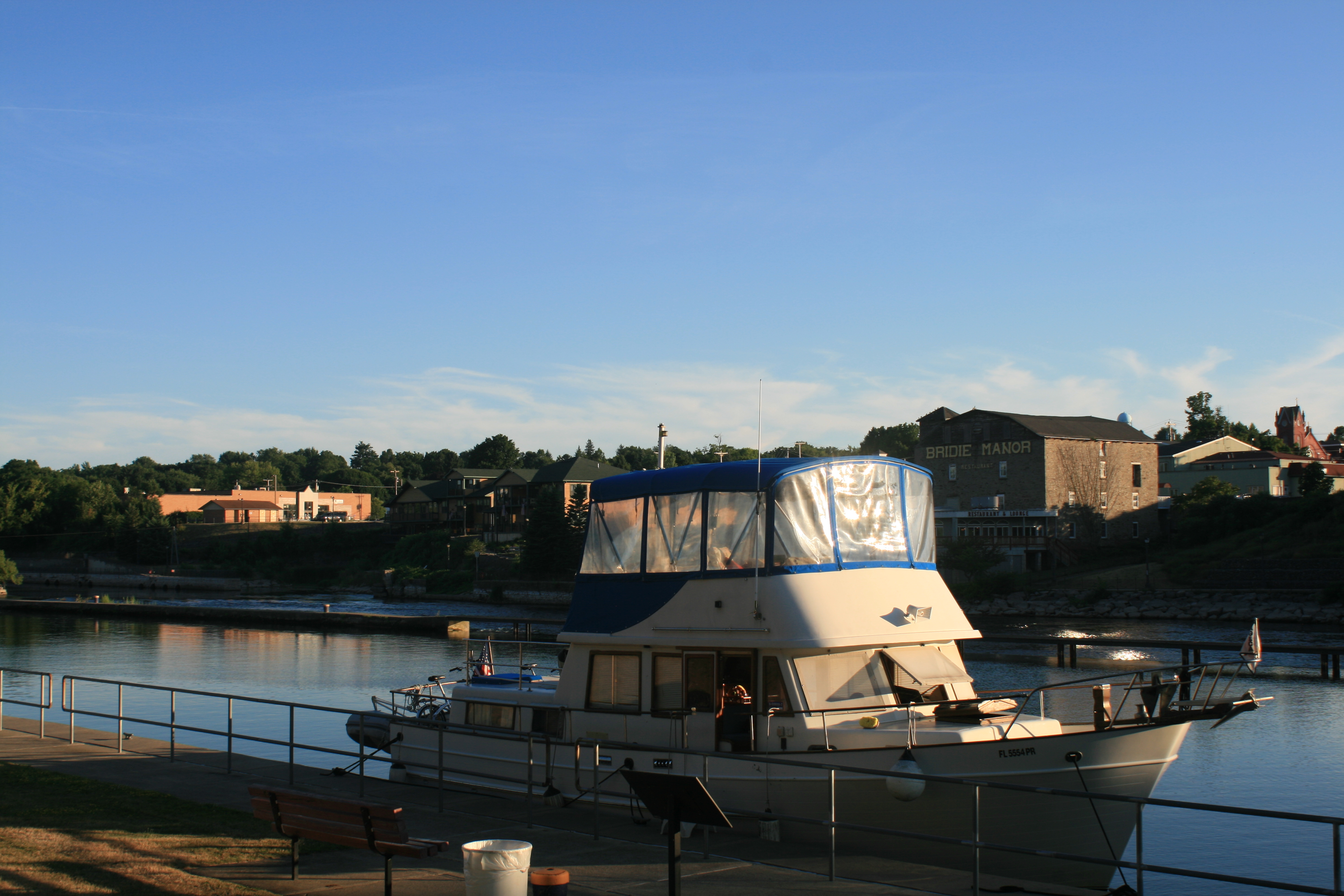
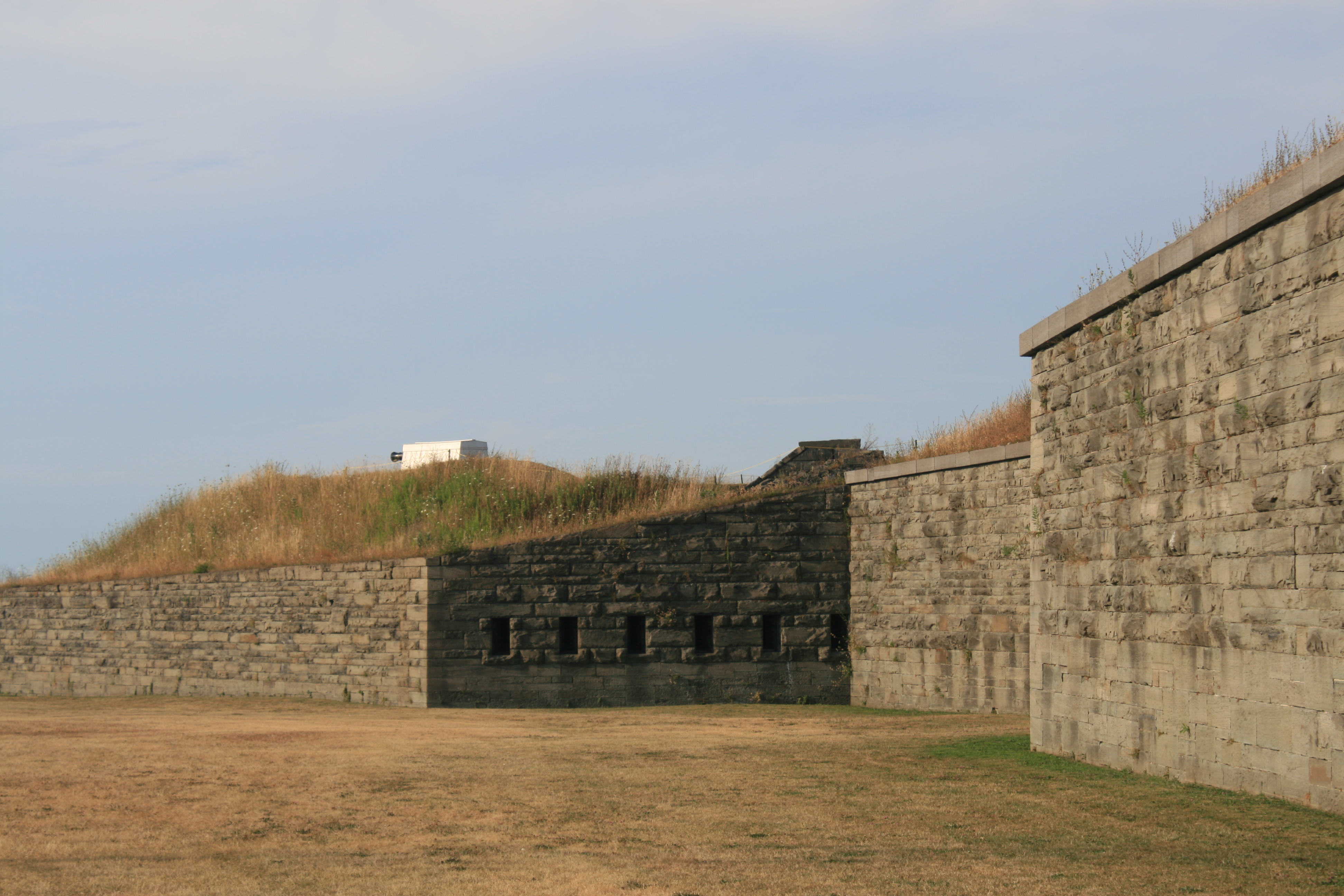
At Oswego we moored on the free dock. The area had once been home to textile mills and other businesses. In the evening, we walked round Fort Ontario, one of the many star-shaped forts constructed throughout America, and the scene in the 1750’s of battles between the British and the French and Indians.

Moored above Lock 8, Oswego

Moored above Lock 8, Oswego

Fort Ontario

Fort Ontario

The next day we got up early to make the seven hour crossing of Lake Ontario. There is no photographic record, because the photographer spent most of the journey lying down with eyes firmly shut, feeling rather ill.

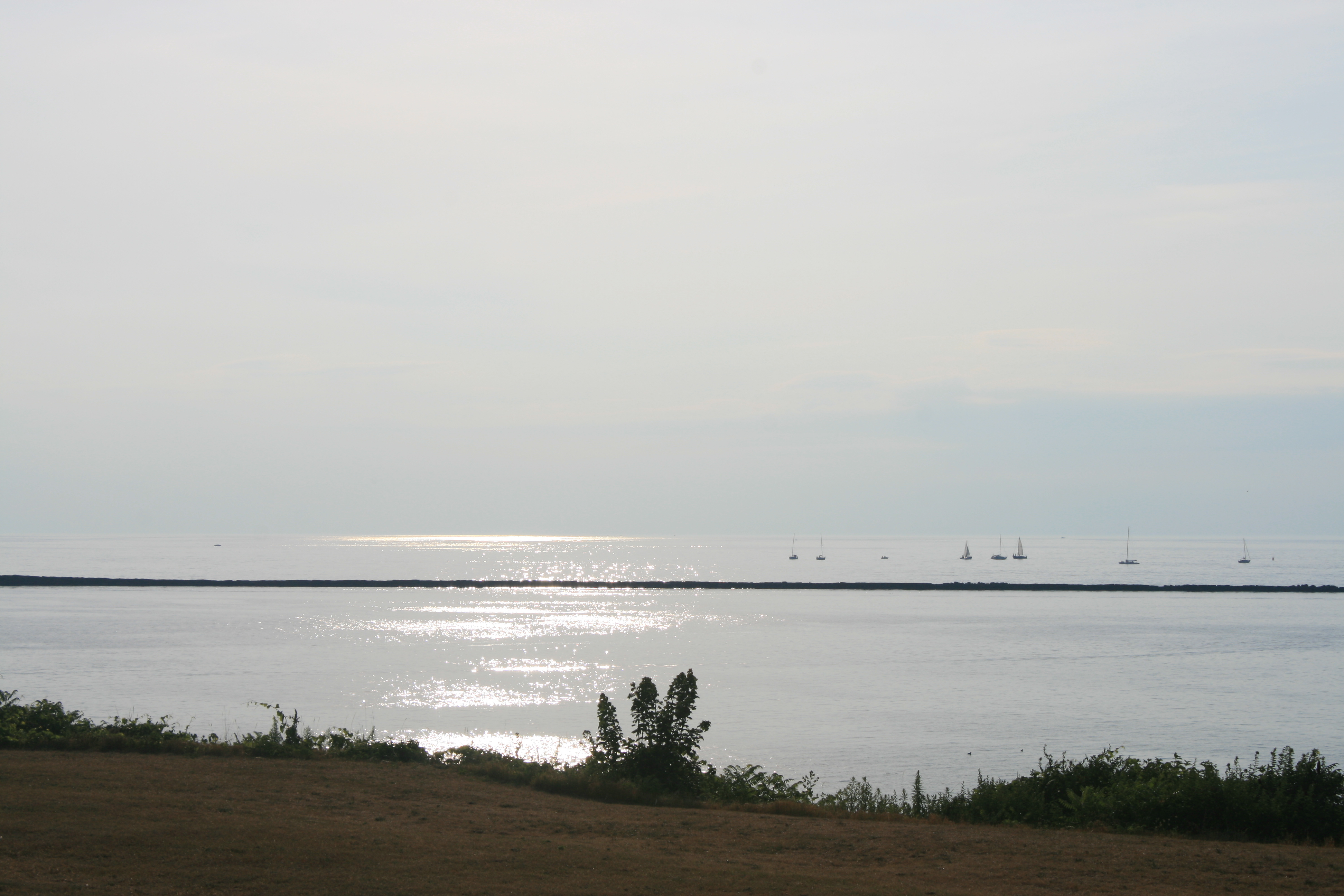
But this is the view the previous evening, from the fort.

Lake Ontario from the Fort

Lake Ontario from the Fort


Return to Ilion – a day in the mountains and a band concert

It’s odd how ingrained one’s eating habits can be. I still can’t face the idea of beef or cheese early in the morning, so we walked past a number of different outlets in the Food Hall of Grand Union Station, Washington DC, looking for somewhere to have breakfast before we caught our train to New York, and then on to Ilion. Chipotle, Subway and Burger King had no chance. We did see a creperie, but that seemed a bit fancy and  by this time I had decided I wanted some bacon with my pancake.

We’d walked the entire length of the Food Hall when we came upon Johnny Rockets. It did do burgers, but their presence wasn’t too obvious, and more importantly, for $4.99, you could have two pancakes, butter, maple syrup, and three slices of bacon. The journey back to the boat had started well.

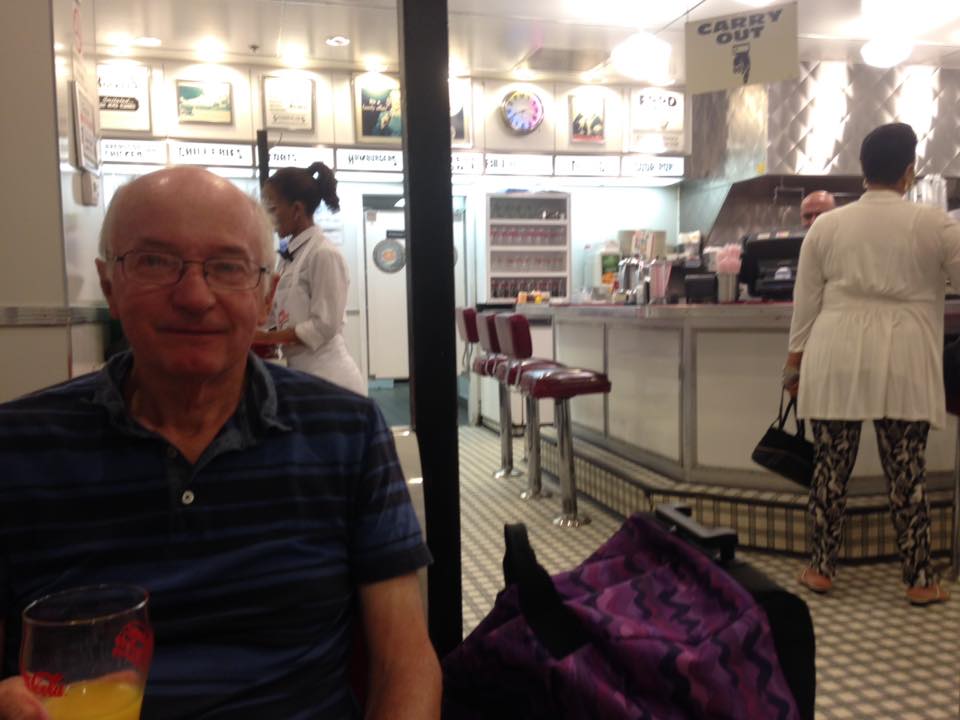
Johnny Rockets was styled like a 50’s diner, and there was even a little juke box on our table. Ian put 5 cents in, and selected Under the Boardwalk. The song resonates more now than it did in the sixties, now that we know what a boardwalk actually is, and have even walked on one. Back then, a boardwalk was part of Americana, like summer camps, cheerleaders, bayous and frosting on cakes, that as a Brit you had heard or read about, but not directly experienced.

But other customers had got there first, as the waiter had explained they might. We sat through Hound Dog, The Hop, La Bamba, Sixteen Candles, and the Locomotion, had our refills of coffee and it was time to find our train. We left the other customers to enjoy the Drifters.

In Johnny Rockets, Grand Union Station, DC

In Johnny Rockets, Grand Union Station, DC

In America, the process of getting on the train is quite regimented. You can’t, as at most stations in England, simply amble along to the appropriate platform and wait for your train to appear. You have to wait in the main hallway, along with everyone else who is waiting for every other train, until a disembodied voice announces the gate for your train. This usually happens ten minutes, or less, before your train is supposed to depart.

If you’re British and unfamiliar with the system, and have  no idea which gate your train is likely to depart from, you find yourself at the end of what seems like a half-mile line to get your ticket checked before you can go down the escalator to the platform and get to the train. The process is further complicated in that while you may have a ‘reservation’, you do not have a particular seat reserved. You only have a reserved seat somewhere on that train.

When this happens, as it did on Penn Station, New York, where we had to change trains for Utica(destination: Niagara Falls), it produces a flurry of despondency in the Captain.

‘We’ll miss the train.’ ‘We won’t get a seat.’ ‘There won’t be any room for our bags.’

The lines may seem long, but the trains themselves are longer still, and there are helpful staff to guide you to where seats are available in the spacious, air-conditioned coaches.

The journey north-west through the lovely Hudson Valley and  the Mohawk Valley mirrored the journey we had done in Carina, and we enjoyed spotting now-familiar landmarks.

Don and his wife Betty from Ilion Marina very kindly met us from the train and drove us back to Ilion from Utica.

We’d intended to leave the following morning and continue up the Erie Canal, but Carina needed to have a new bilge pump fitted, and we’d heard that there was a free open air concert that evening by the Ilion Civic Band, so we decided to stay two more nights and spend a day exploring the Adirondack Mountains by car.

The concert was in Central Plaza, half a mile away from the marina. Don had advised us to take our folding chairs with us, and we popped a couple of cans of Sam Adams Summer Ale in the bag too. We arrived about ten minutes before the concert was due to start, to find the band already tuning up in the bandstand, and quite a large audience already seated in semi-circular rows facing it. We felt slightly conspicuous looking around for somewhere to sit where we would get a good view, but not wanting to obstruct anyone else’s either.  Eventually a woman told us to sit in front of her – her son was playing trumpet, and she had already been to all the previous five concerts in the series.

She also advised us not to have very high expectations, but there’s nothing like live music played outdoors on a warm summer evening, and the concert was very enjoyable.The programme varied from Scheherazade to an Andrew Lloyd Webber medley, but perhaps the most successful pieces were the Big Four March (circus music, by Coral King),  and a Swing Medley of Benny Goodman’s music.

The compere was in his late sixties, and clearly a man of some standing in the community. He introduced each piece with a lengthy preamble about the composer, setting it in its historical context. Oddly it seemed, the first piece was William Walton’s  Crown Imperial March, written in 1937, we were told, at the time when the world was emerging from the Great Depression, Nazi Germany and Soviet Russia were fighting a proxy war in Spain, and King Edward of England (sic) had abdicated the throne to marry “the woman he loved”, and his brother King George of England had reluctantly ascended the throne instead.

Each introduction included an enthusiastic plug for the forthcoming events in Ilion, too numerous to mention here, and a heartfelt endorsement of the sponsors of the concert – the award-winning Medicine Shoppe, and their synchronisation programme ‘where their focus is on you, the customer’, CITGO the local gas station, and a company specialising in building foundations.

Introducing ‘Summer of 69’ , a medley of music played at Woodstock and arranged by Ted Ricketts, he reminded younger members of the audience that ‘some of us remember the Summer of Love, and it’s no business of yours what we were doing.’

The final piece needed no introduction. We all stood in respectful silence as the band played the American National Anthem.

We didn’t get to drink our cans of Sam Adams, either. There was Gatorade, ice-cream and water on sale, mainly it seemed for the consumption of the under-twelves. Somehow, drinking beer seemed inappropriate and possibly even illegal. So we took them back to the boat to drink and reflected on the great community spirit to be found in small-town America.

The next day we hired a car and drove north from Ilion into the Adirondacks, the tree-covered mountains that occupy the northern part of New York State, between the Erie Canal and the St Lawrence River.

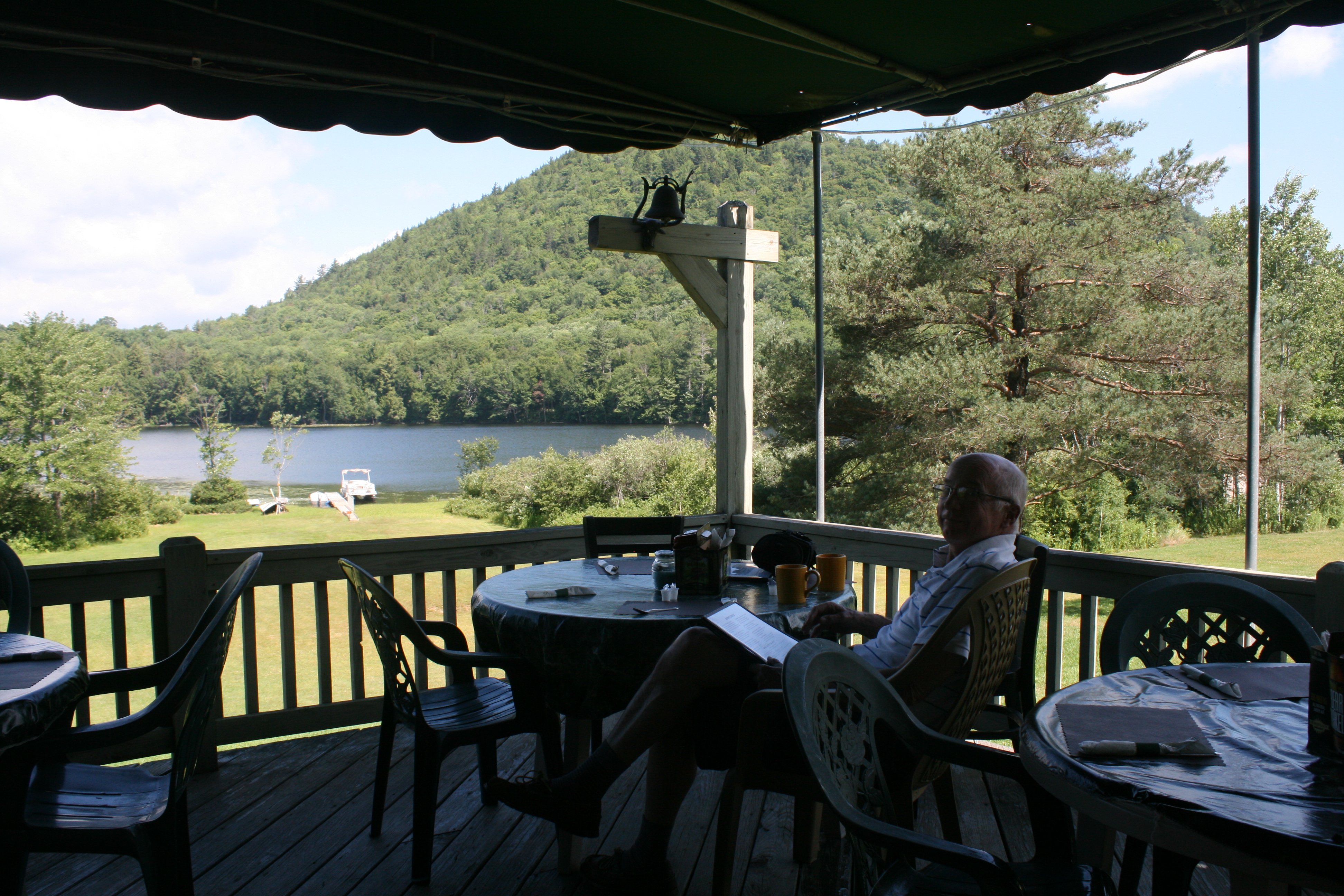
We stopped for coffee at the Oxbow Lake Inn.

Coffee at the Oxbow Lake Inn

Coffee at the Oxbow Lake Inn

Although it was only 11.15, the Captain was already having thoughts of lunch, so that when the waitress arrived with our coffees, and asked if she could get us anything else, whilst simultaneously waving menus at us, he thought a pizza might be quite tempting.

The lady who made the pizzas had not arrived yet, but the waitress assured us she would only be about 10 minutes. The idea that the pizza might actually be made on the premises, by a real person, rather than defrosted from the freezer, increased my interest, and I wasn’t disappointed when the perfectly done pizza, complete with individual basil leaves, was set before us.

View from the Oxbow Lake Inn

View from the Oxbow Lake Inn

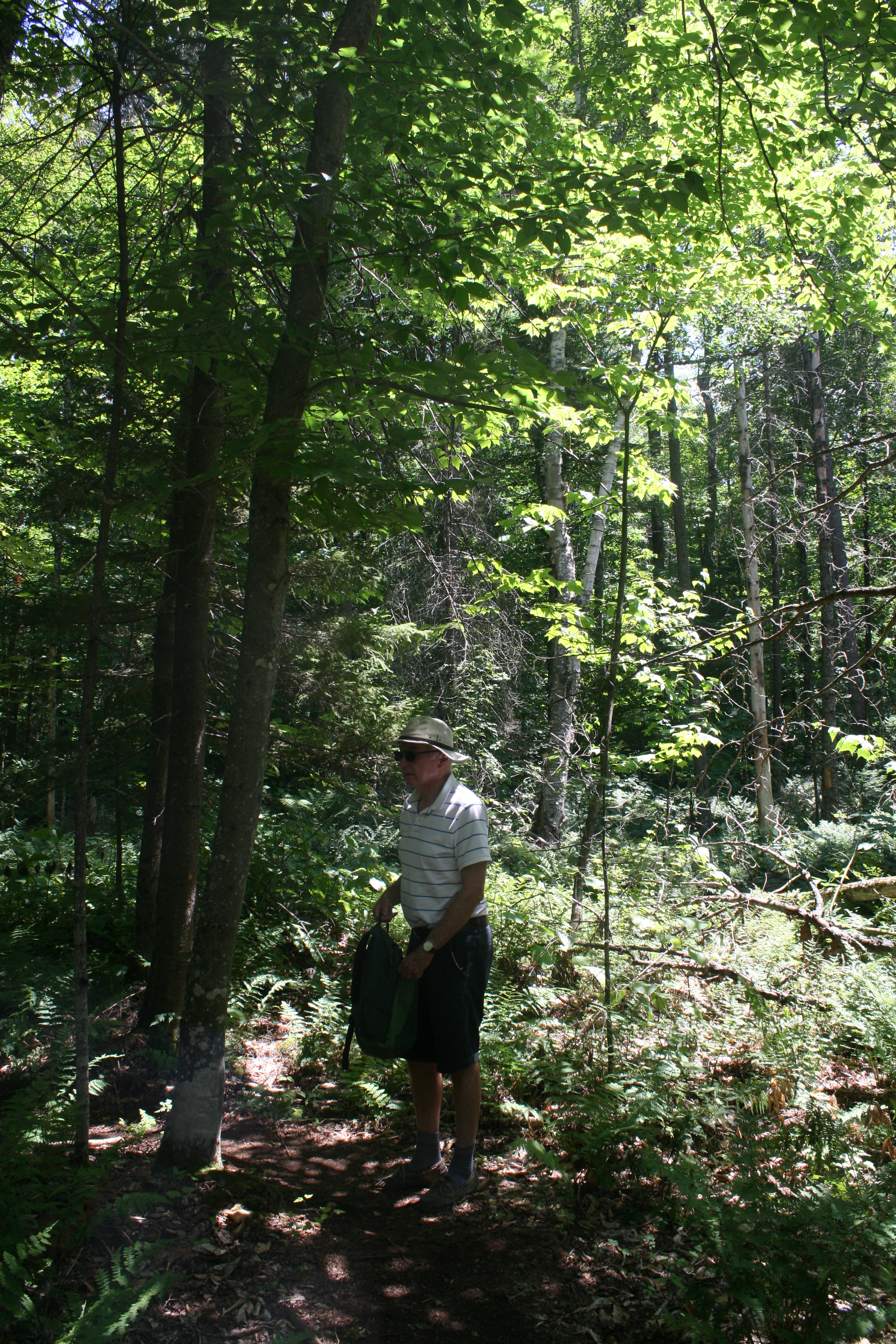
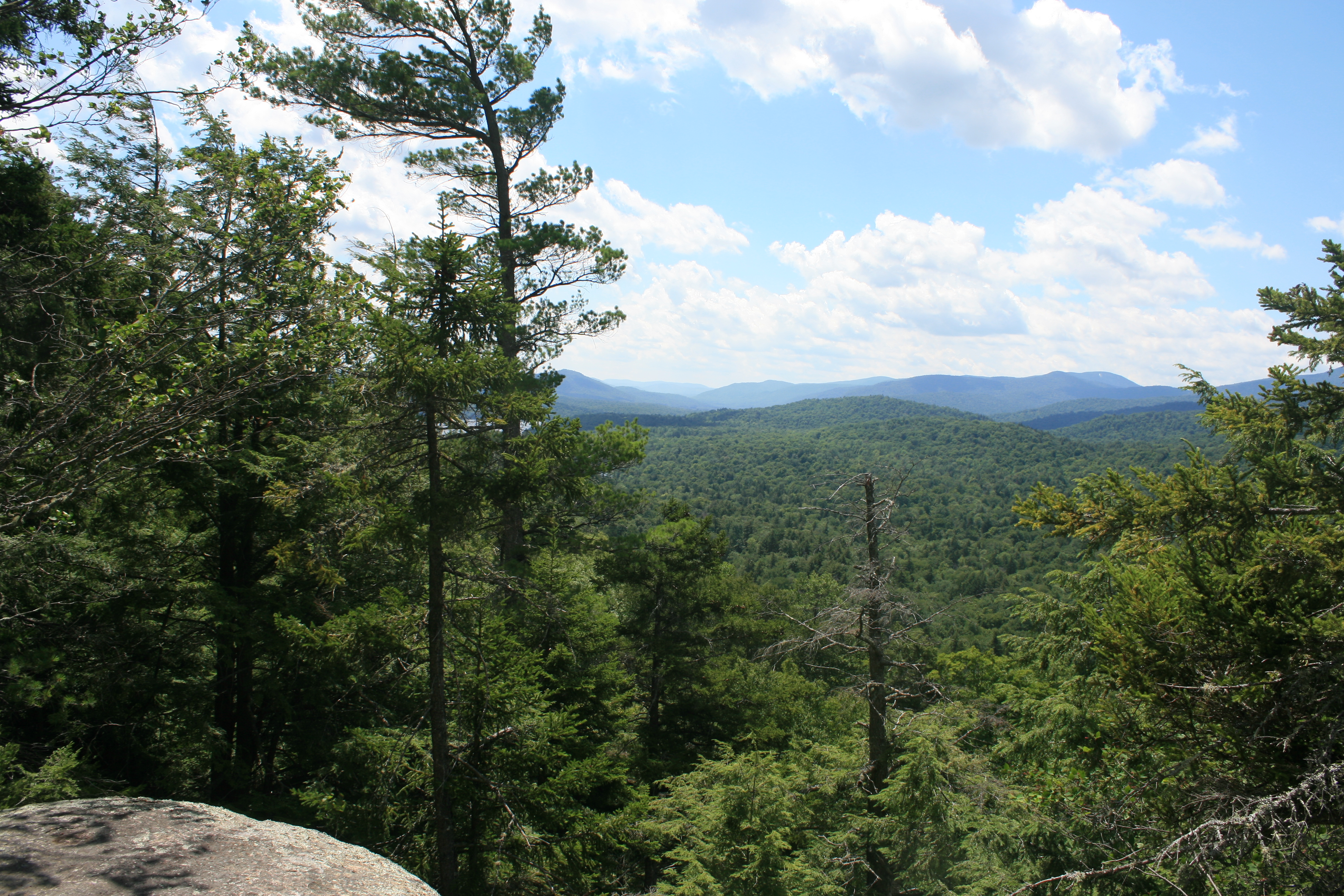
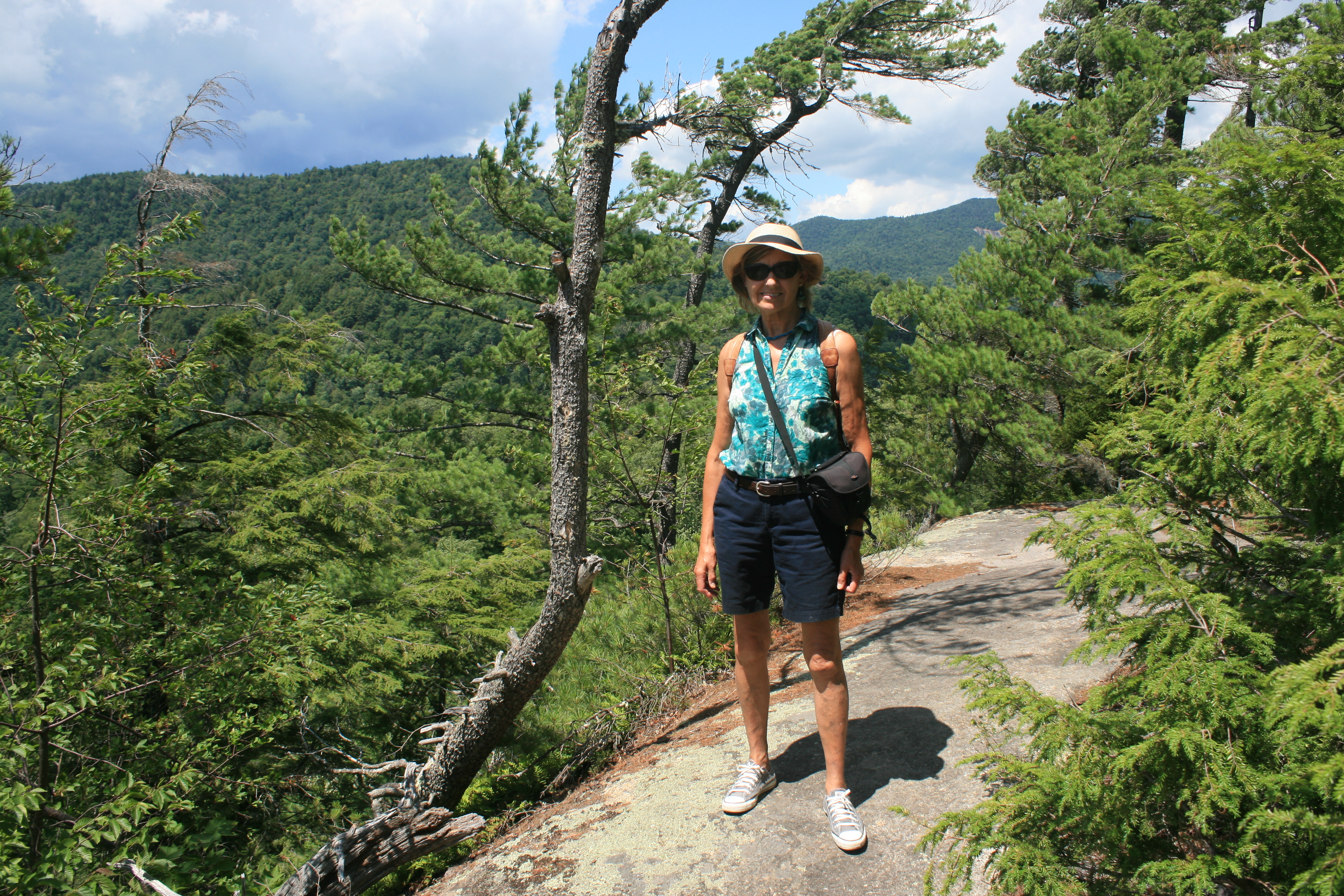
On the advice of the waitress, we acquired a leaflet on local walking trails from the Chamber of Commerce in Speculator, a few miles up the road, and walked two miles to the top of Pinnacle Watch Hill, first through shady woodland and then out onto a rocky outcrop with stunning views of Snowy Mountain and Indian Lake.

Start of the trail

Start of the trail

View from Pinnacle Watch Hill

View from Pinnacle Watch Hill

Looking towards Snowy Mountain from Pinnacle Watch Hill

Looking towards Snowy Mountain from Pinnacle Watch Hill

We took a circular route back to Ilion.

Seventh Lake

Seventh Lake


In the evening, it had just gone dark when there was a loud bang somewhere near the boat. We looked out  and from the deck had an excellent view of Ilion’s Summer Spectacular – a magnificent 30-minute firework display.


The Erie Canal – Coeymans Landing to Ilion


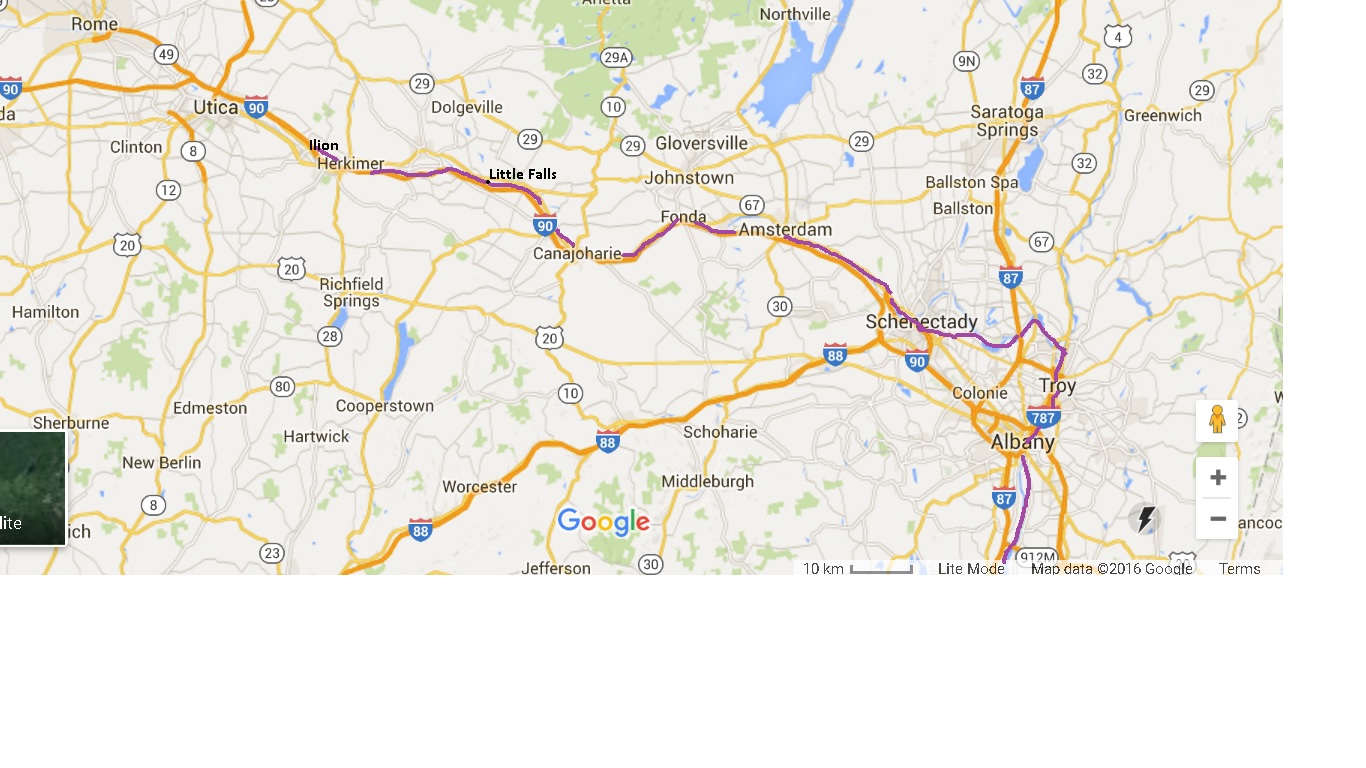
Coeyman's Landing to Ilion

Coeyman’s Landing to Ilion

Iconic may be an over-used word, but a canal about which an iconic song has been written, perhaps assumes iconic status too.

The Erie Canal was first proposed in 1807, and construction began in 1817. At a time when entrepreneurs in England could see how the canal system helped to bring prosperity to the industrial areas of England, the benefits of an East-West waterway linking Buffalo on Lake Erie, with Albany on the Hudson River and thus New York, were obvious. The Mohawk Valley separating the Adirondack Mountains to the north and the Catskills to the south was chosen for the route. Since the original canal opened in 1825, for use by barges driven by horses and mules, there have been many enlargements and improvements. As a result of the canal construction, Buffalo grew from a population of 200 settlers in 1820, to more than 18,000 in 1840, New York City became the Atlantic home port for the Midwest, and New York became known as the Empire State.

So it was with some excitement that we left Coeyman’s Landing, 10 miles south of Albany on the Hudson River, to start our journey through the Erie Canal and on to the Great Lakes and Canada.

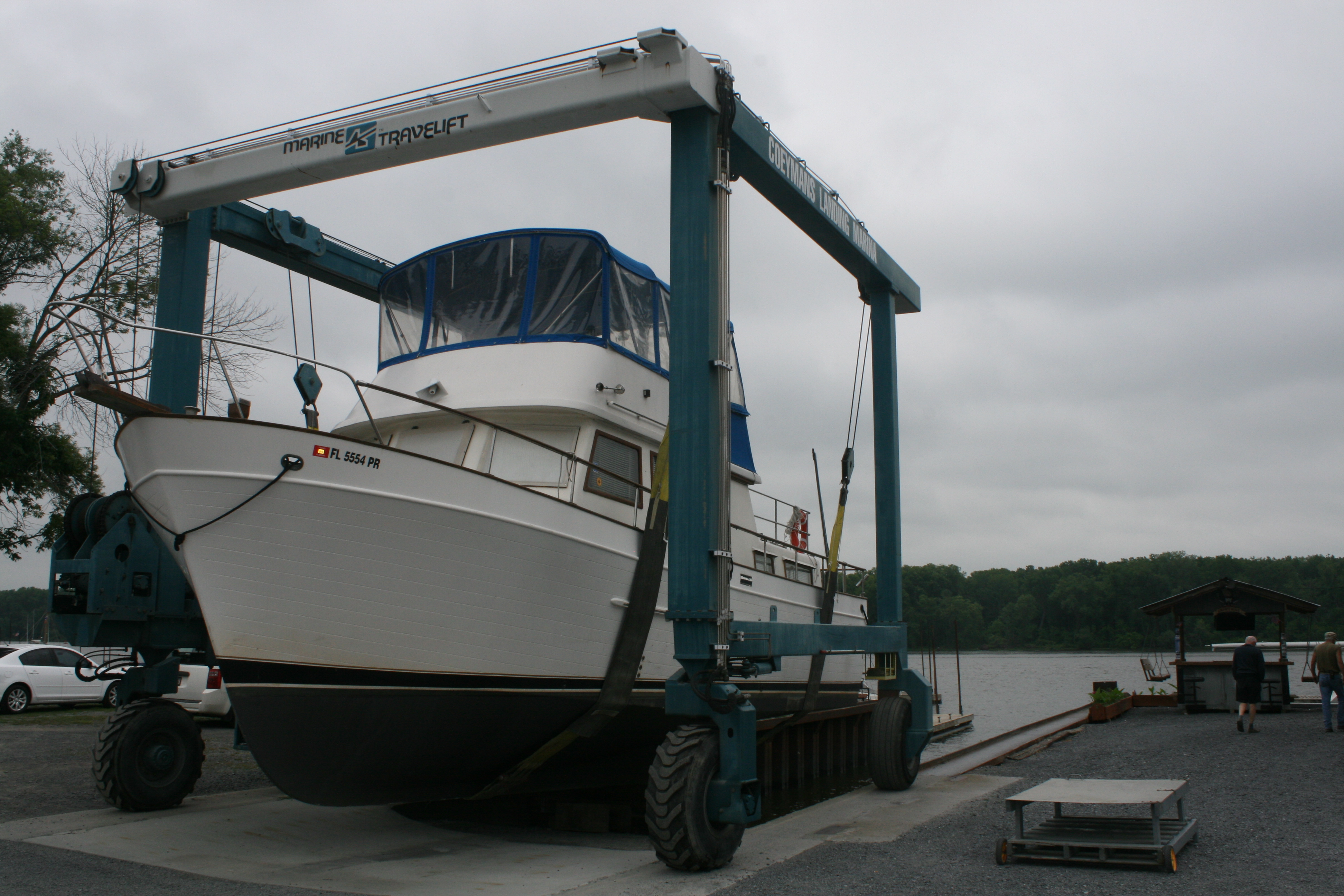
Carina entering the water after her hibernation

Carina entering the water after her hibernation

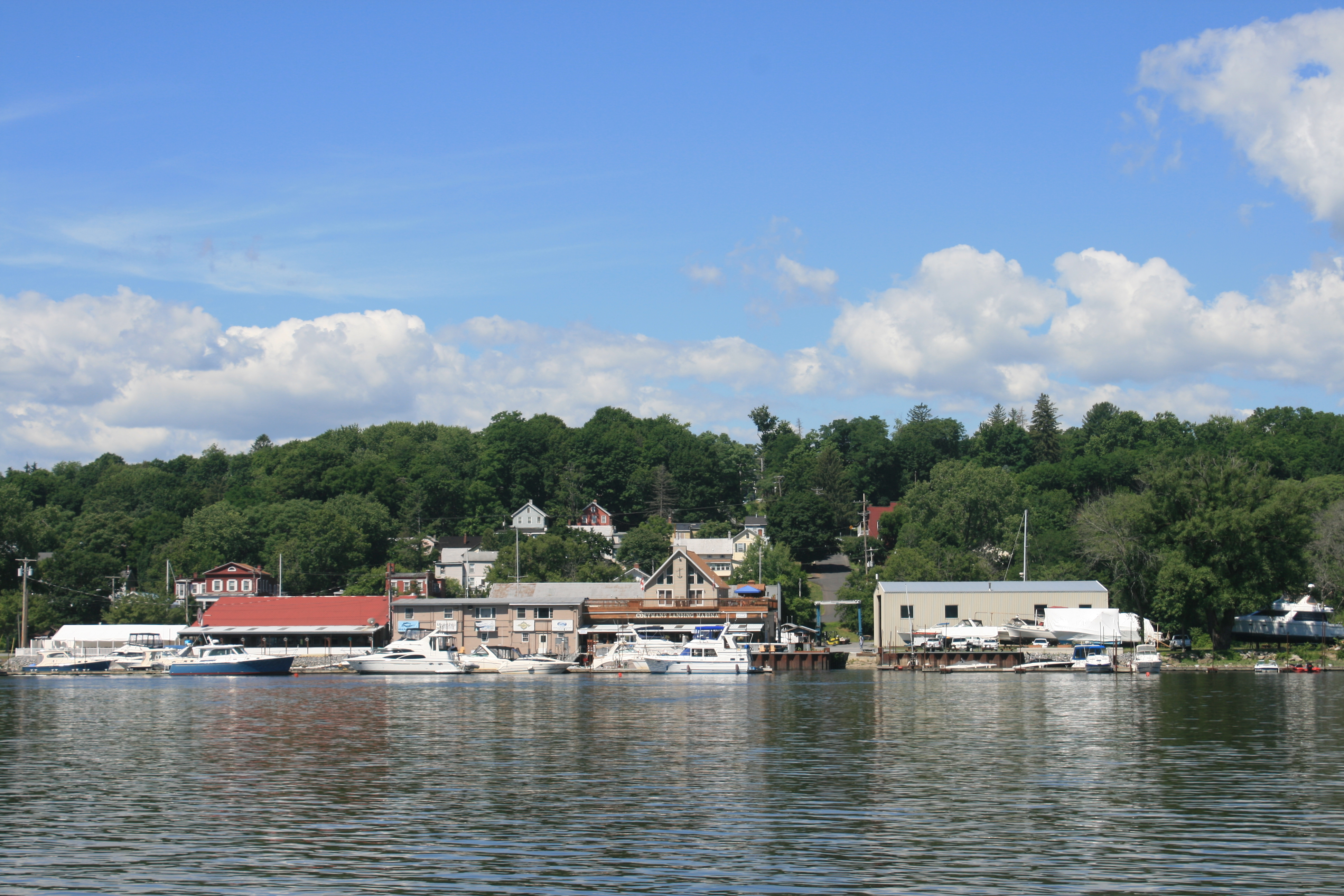
Looking back to Coeymans Landing Marina

Looking back to Coeymans Landing Marina

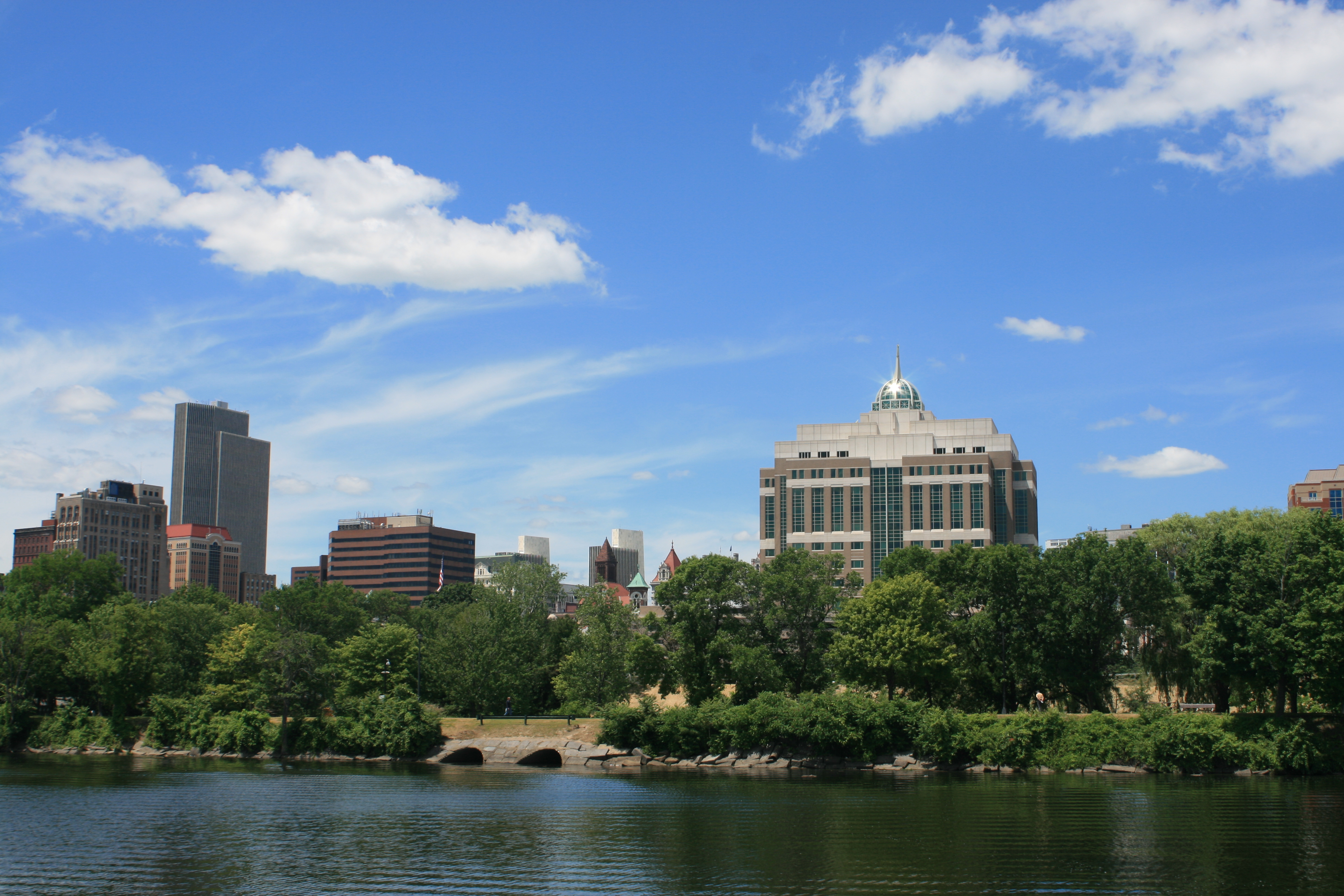
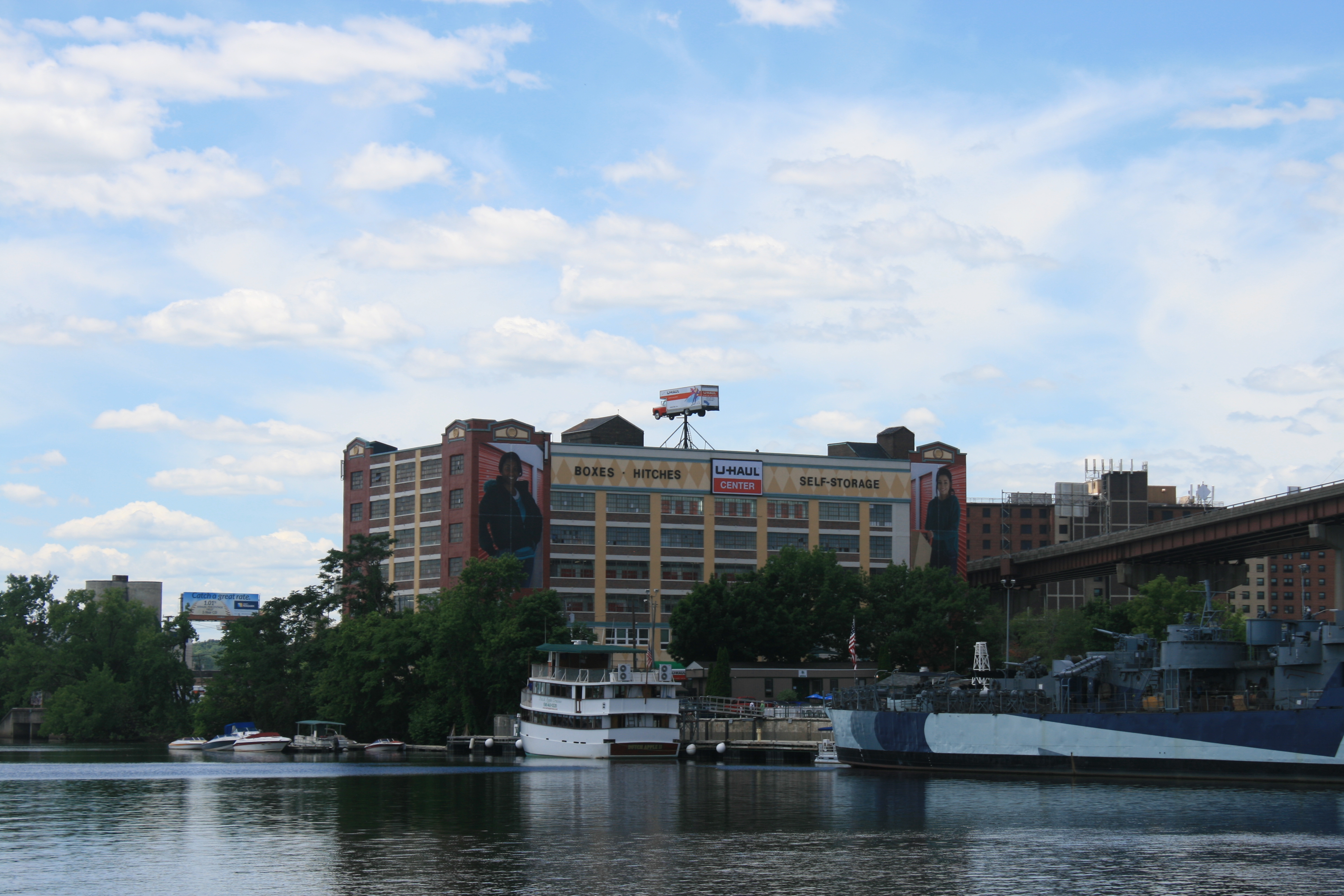
A few pictures of Albany. I particularly liked the U-haul building.

IMG_0012Historic Albany

‘Historic Albany’

IMG_0010 Albany

IMG_0017

U-Haul Building

U-Haul Building

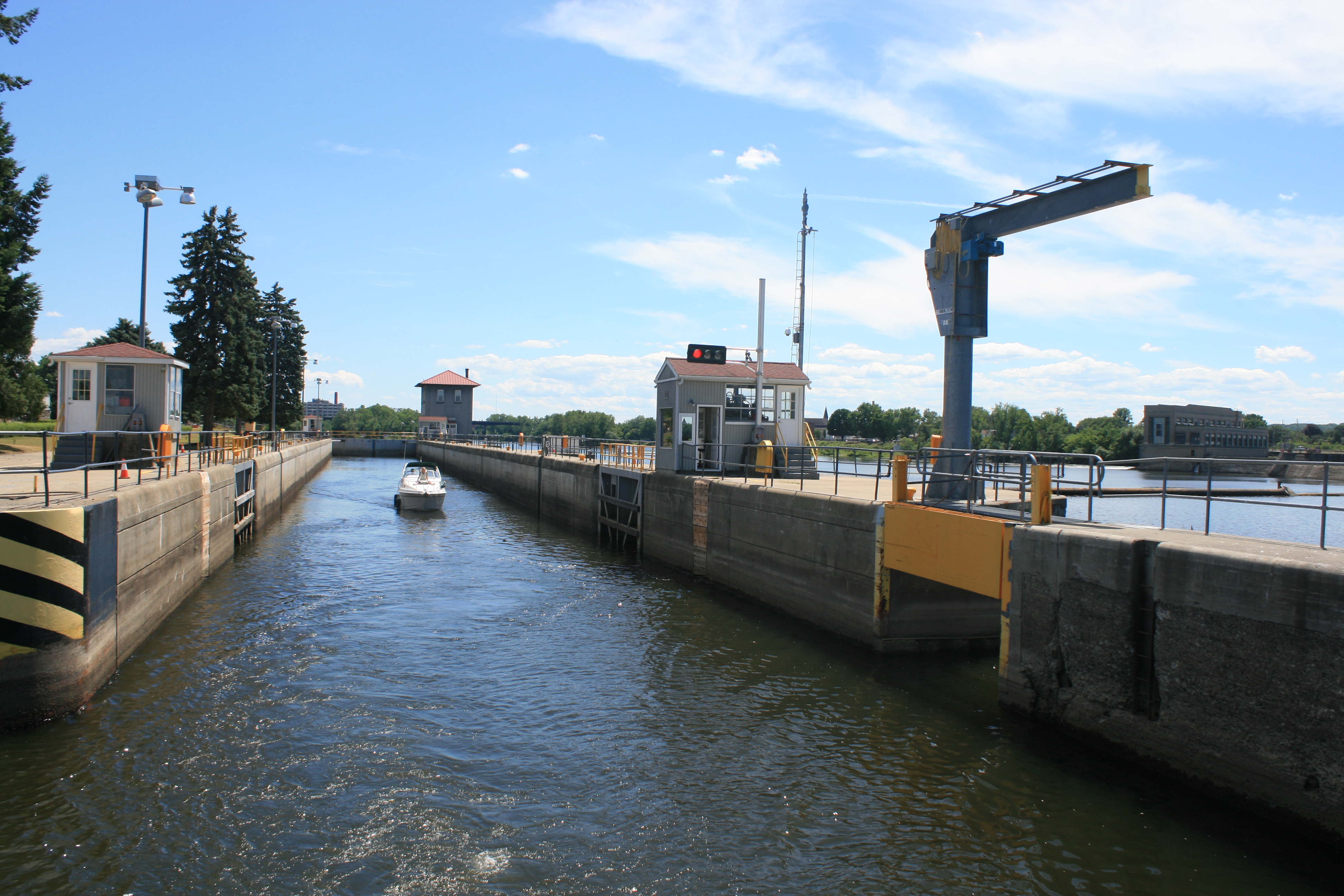
Troy is a few miles upriver from Albany. The Troy Federal Lock, at the junction between the tidal Hudson River and the Mohawk River, was a big one.

IMG_0021

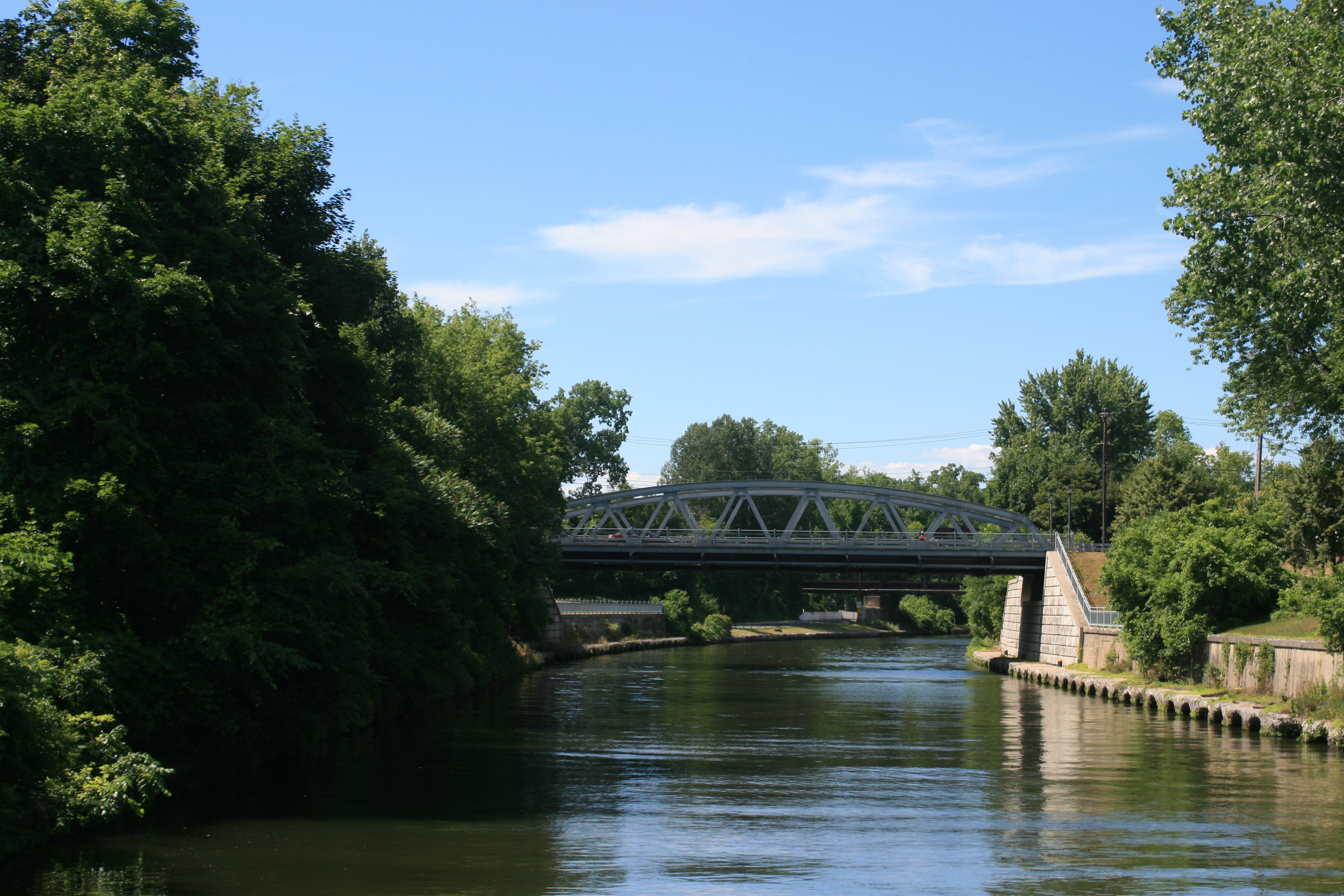
Green Island Bridge, Troy, NY

IMG_0023 Troy

We felt slightly apprehensive about the locks. We were au fait with English locks on English canals, and we had travelled up the Thames from Limehouse Basin to Oxford, but American locks were an unknown quantity. The guide to the New York State Canal System afforded some insight – pictograms showed the crew attached to long ropes which dangled deep down into the bowels of the lock. How hard would it be to hang on to the rope, if the lock filled quickly causing turbulence and strong currents, or there were strongish winds? Then there was the question of etiquette. The guide stated clearly that it was not part of the lock-keeper’s job description to assist boaters. Presumably they would just look on sardonically in the face of boaters’ ineptitude.

It proved not too difficult to grab the dangling rope with the boat hook, but we learned the hard way that the fenders need to be much higher when you’re going into the locks than when you’re docking. And the lock-keepers were unfailingly efficient  and friendly.

Approaching Troy Federal locks

Approaching Troy Federal locks

IMG_0026 Troy federal locks

Leaving Troy Federal Locks

At Waterford, where the Erie Canal starts, following the Mohawk River, sometimes alongside it and sometimes a part of it, there’s a flight of locks in quick succession as the canal rises steeply above the Hudson Valley. The flight is said to be the largest in America. (For the UK Canal cognoscenti: they were nothing compared to Tardebigge or Foxton Flights.) But they were on a much grander scale, and the dark blue and gold livery lent an attractive cohesion to the New York State Canal System perhaps lacking in the UK Canals and River Trust.

Start of the Erie Canal

Start of the Erie Canal

Near Waterford

Near Waterford

Looking back at Lock 2, Erie Canal

Looking back at Lock 2, Erie Canal


Inside Lock 3

Inside Lock 2

IMG_0047

The weir at Lock 7

IMG_0049 Lock 7

Lock gates opening at Lock 7 – view from the bridge

Above lock 8, we were weather-bound by very strong winds. Large parts of the canal are actually broad river, and we didn’t feel confident about negotiating the locks in Force 5 winds.

We got the bikes out instead and set off along the riverside cycle track, with the object of having coffee in Schenectady, 3 miles away. We were thwarted by some large trees that had come down in the winds, and completely blocked our path, so we had to turn round. But we did have a nice view of the Mohawk River.

Mohawk River/Erie Canal near Schenectady

Mohawk River/Erie Canal near Schenectady

We saw the ruins of the old Lock 23, once an important unloading point for Schenectady, and abandoned when the canal was enlarged in 1903.

Ruins of Lock 23

Ruins of Lock 23


IMG_0019

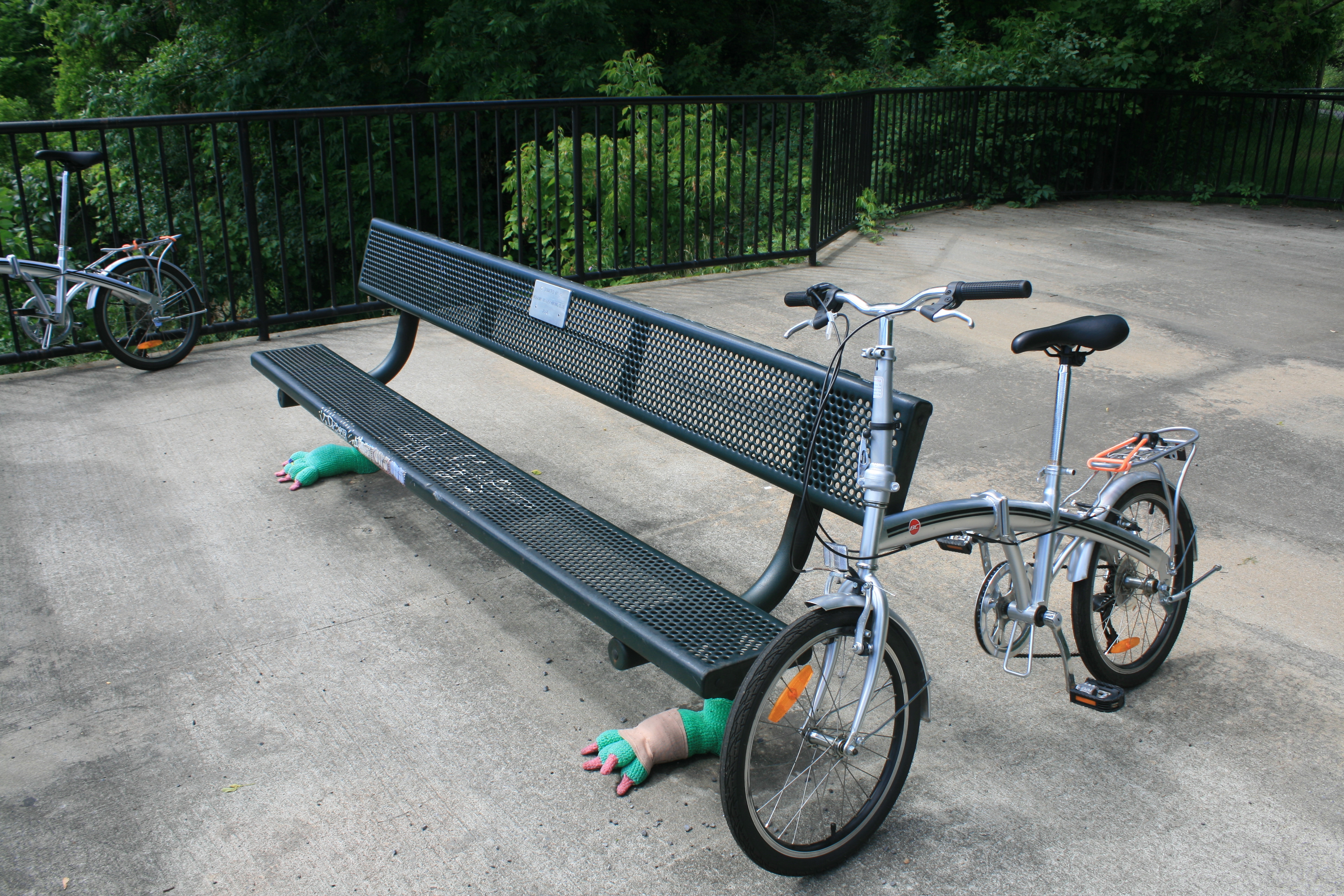
At the viewing point over the river, we noticed that the feet of the bench were covered with knitted, gruffalo-like feet.

Bench with knitted feet

Bench with knitted feet

The Captain made a deprecating, non-pc remark. ‘The mothers of Schenectady obviously haven’t got enough to do.’

IMG_0022 )verlooking Erie Canal near lock 8

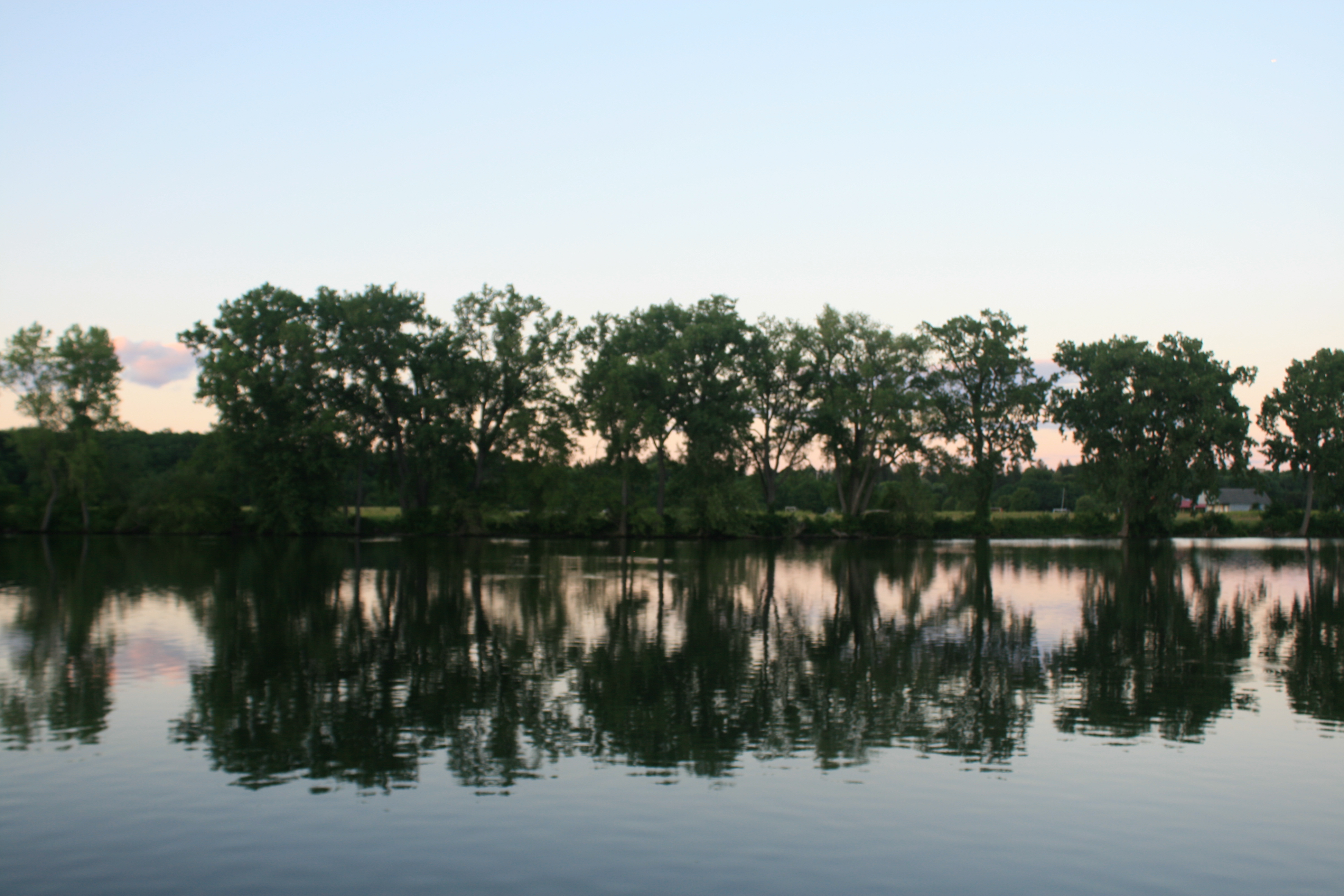
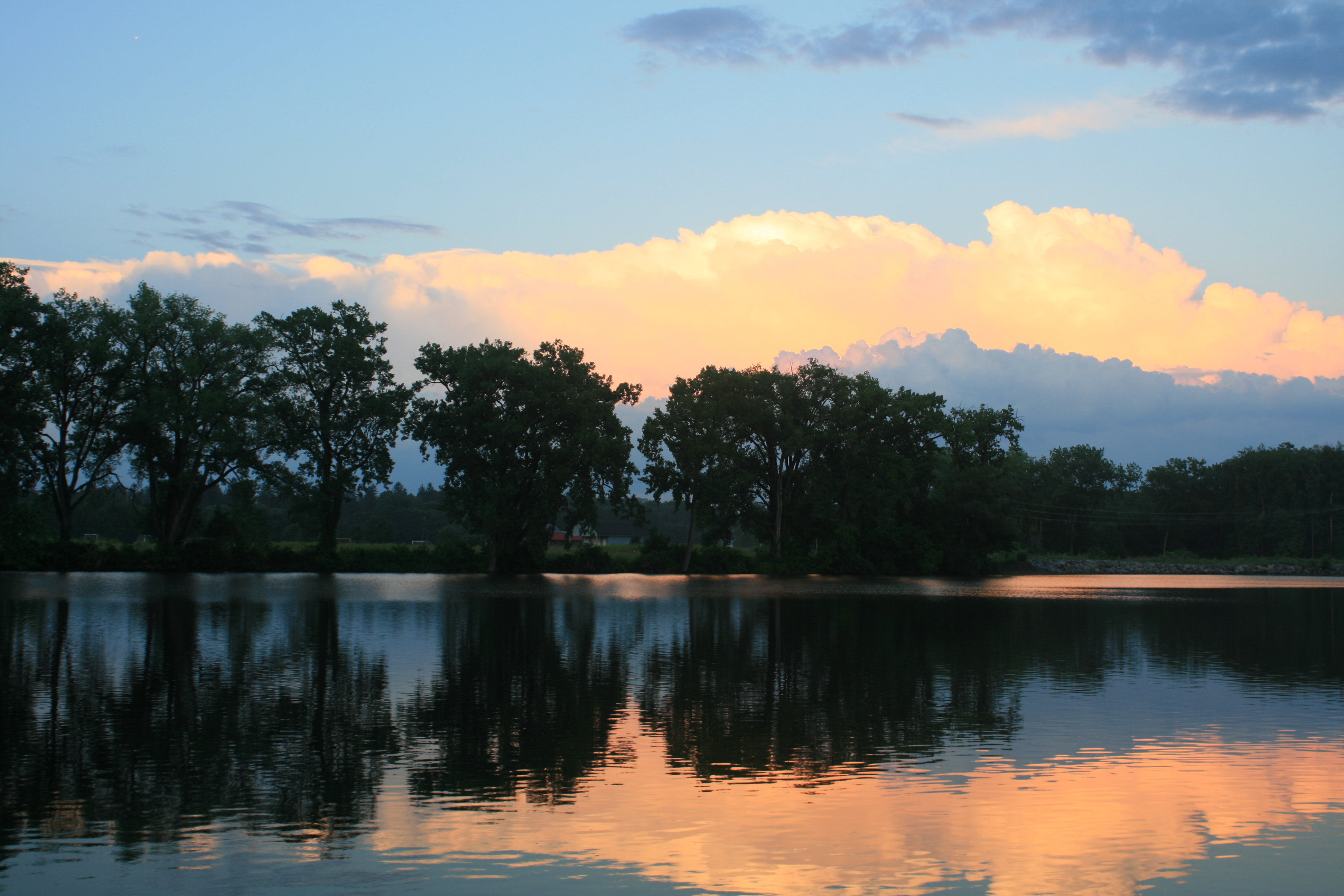
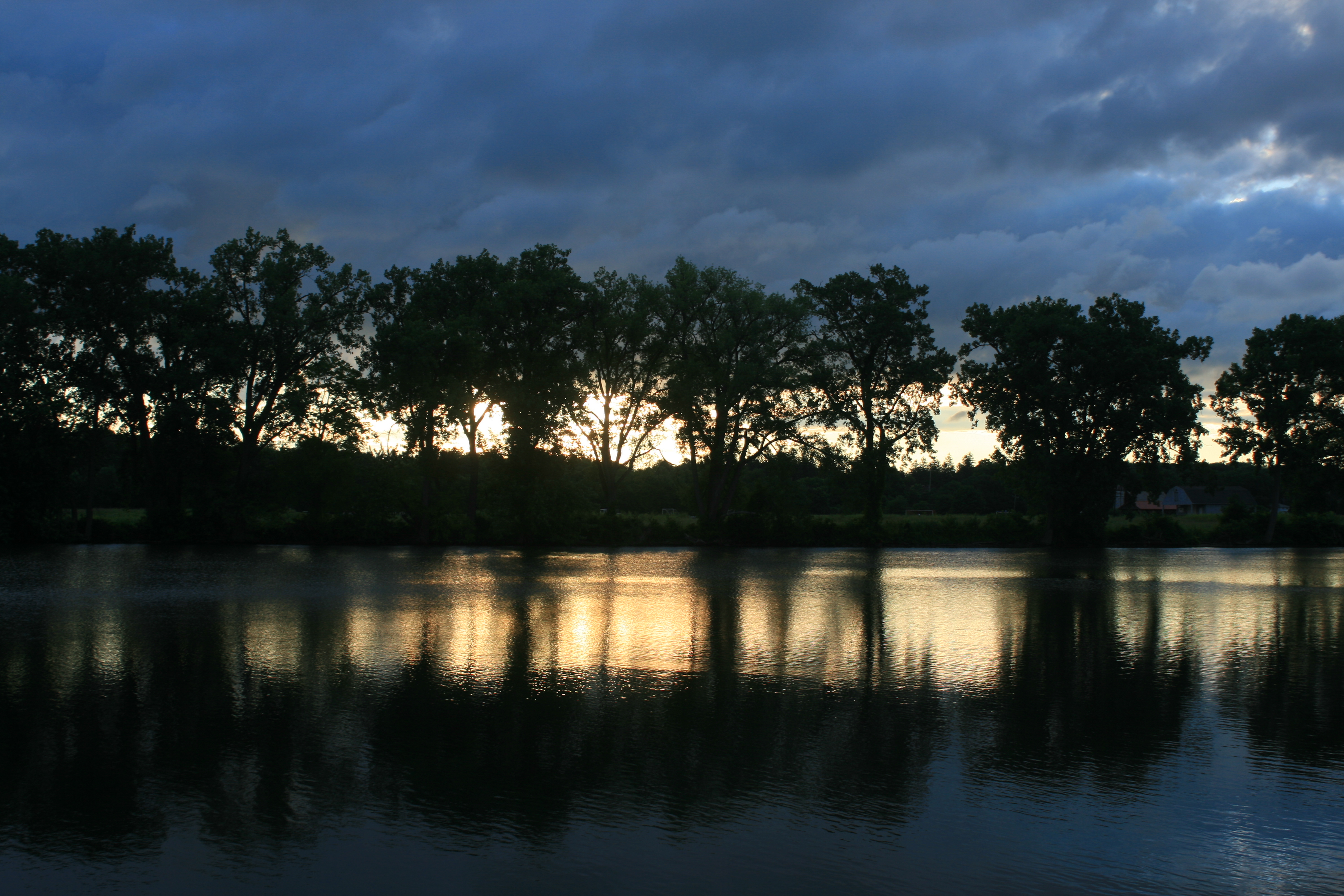
We had plenty of time at Lock 8 to observe the changing light conditions. These four photos were taken from the deck of the boat at different times.

10 am

10 am

6 pm

6 pm

9 pm

9 pm

6 am

6 am

A mass of indigo on the river bank

A mass of indigo on the river bank

Carina at Lock 8

Carina at Lock 8

The movable dam at Lock 8

The movable dam at Lock 8

Our next stop was Amsterdam, and on the way we passed the Adirondack Power and Light  Station.

Adirondack Power and Light Station

Adirondack Power and Light Station

Amsterdam had good facilities, but also the rather sad and depressed air of a town which has lost its main source of employment – in Amsterdam’s case, carpet manufacturing, according to the taxi driver who took us to the grocery store.

Carina at Amsterdam

Carina at Amsterdam

The river park at Amsterdam

The river park at Amsterdam

Flying the flag of the American Great Loop Cruisers' Association

Flying the flag of the American Great Loop Cruisers’ Association

Mohawk River near Canajoharie

Mohawk River near Canajoharie

We arrived in Canajoharie on 4th July and moored on the public dock next to Aurora B, whose owners Wayne and Alyce  and their canine crew we had met further back on the canal, and who had just started doing the Loop. They kindly invited us onto their boat for drinks, and after a while, Alyce said, ‘Could I ask, um, a delicate question?’ I wondered what could be coming, but she only wanted to know what we thought about Brexit. I asked one right back at her, and it turned out  we were on the same wavelength about Mr Trump, too.

Canajoharie Main Street, flying the flag for 4 July

Canajoharie Main Street, flying the flag for 4 July

Canajoharie Main St

Canajoharie Main St

Evening on the Mohawk River at Canajoharie

Evening on the Mohawk River at Canajoharie

Canajoharie is little more than a village, but it has an impressive public library and Art Gallery, the gift of a local industrialist, Bartlett Arkell. The gallery was built to house his collection of copies of European masterpieces, and original American art, including works by Winslow Homer, Childe Hassam and John Singer Sargent.

Mr Arkell was a marketing visionary – he founded the Imperial Packing Company in the 1890’s but thought that a healthy-sounding name would appeal more to his customers and renamed it Beech-nut, as it expanded into the packing of meat and other produce. He was fascinated by circuses, and he marketed his products by having model circuses touring the country, with Beech-nut girls in fancy dresses and aprons handing out samples of his products to awe-struck children. The gallery includes a display of the model circuses and photographs of Beech-nut marketing events.

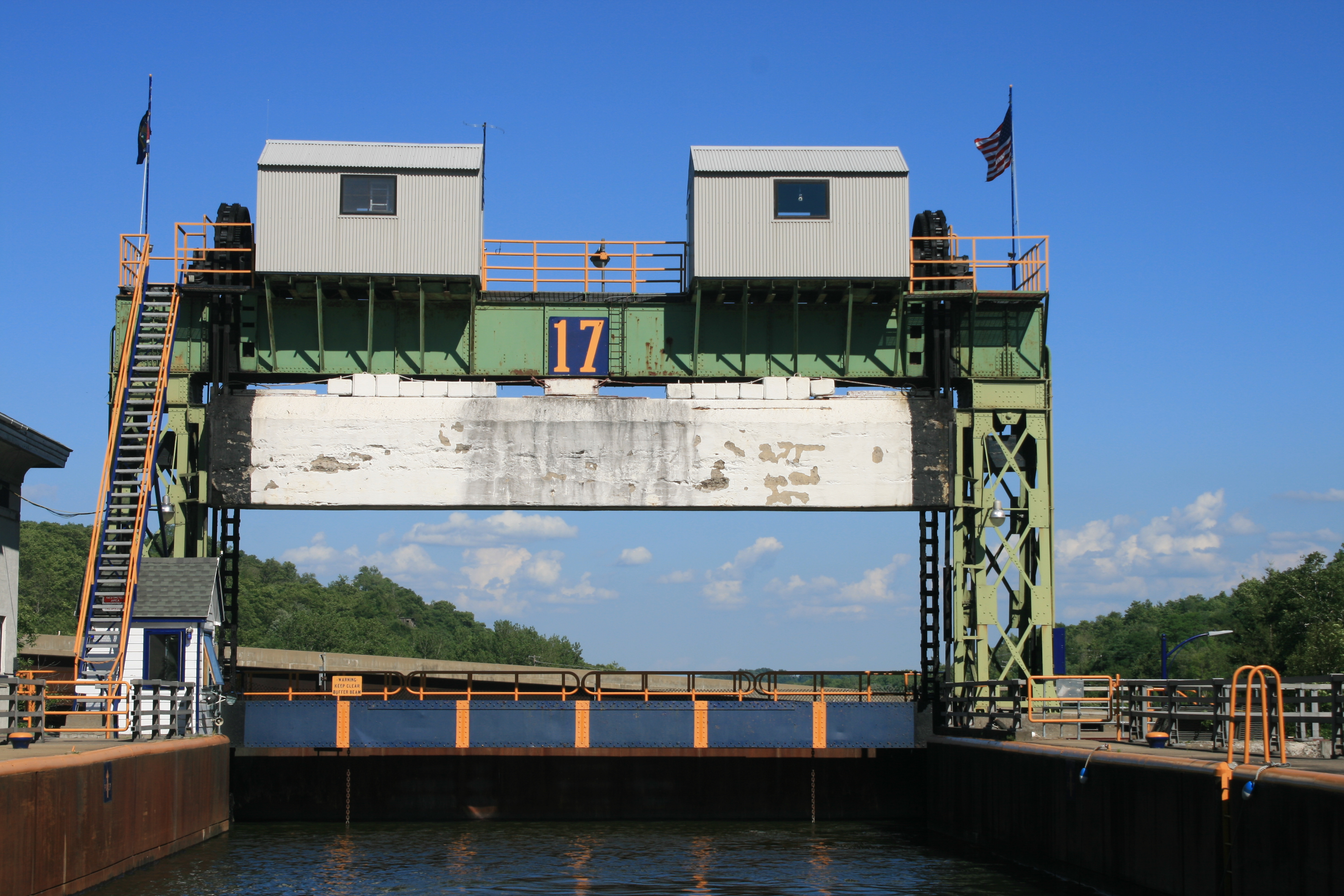
Our next stop was Little Falls, but between there and Canajoharie was the biggest lock on the Erie Canal – Lock 17, with a lift of 40 feet.

Approaching Lock 17

Approaching Lock 17

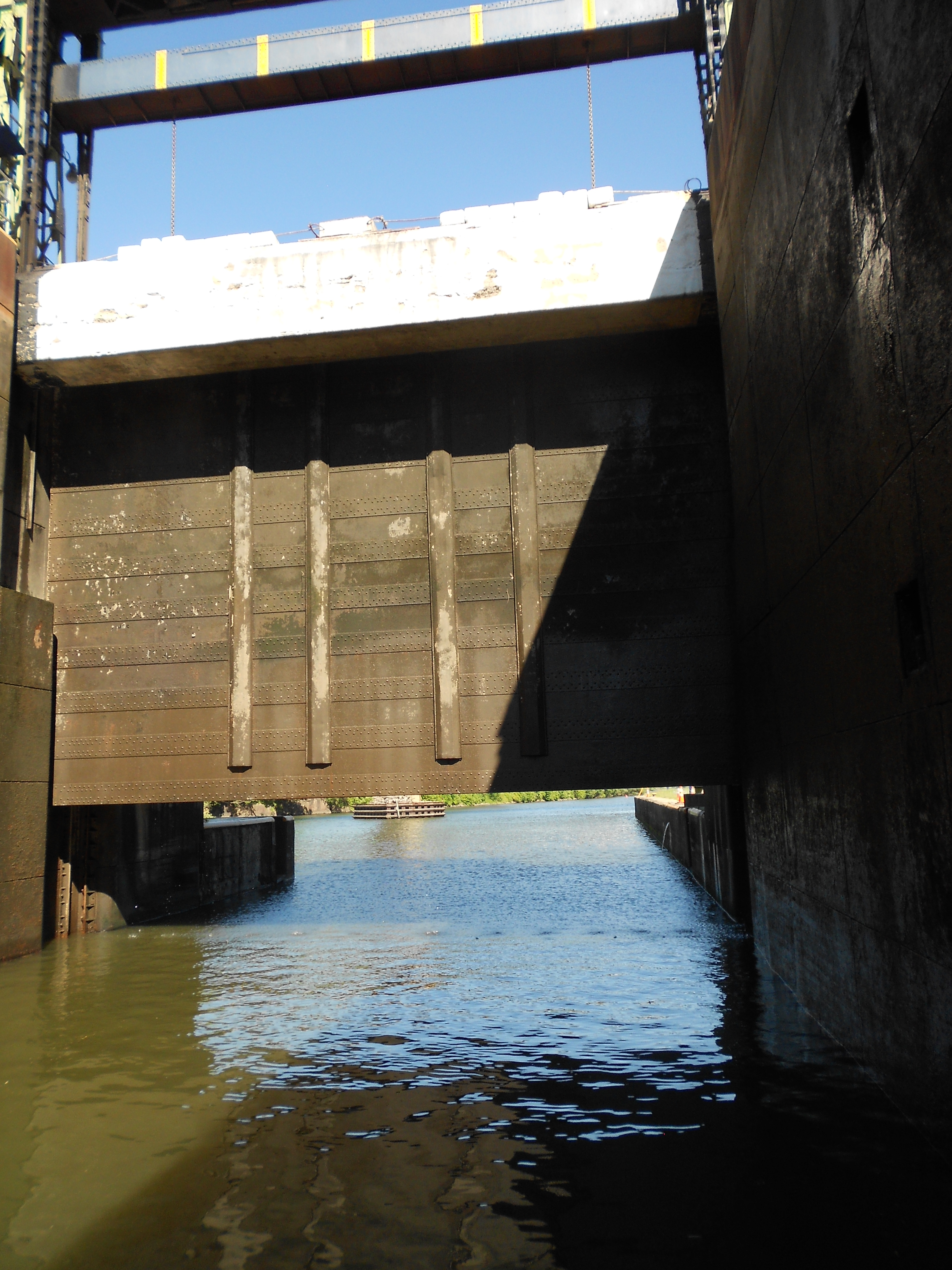
The size of the boat inside the lock gives an idea of scale. It was a US$3 million job, being transported to Lake Michigan for its new owner. To say that poor Carina felt like a bag-lady in comparison would be an understatement.

The Lock gate coming down

The Lock gate coming down

Leaving the lock

Leaving the lock

The lock receding into the ditance

The lock receding into the distance

At Little Falls we ventured out into the evening sun, crossed the river into the town, and had a good meal at the Copper Moose restaurant, nicely full of people and with a good vibe too.

Little Falls in the evening sun

Little Falls in the evening sun

The landscape became more hilly as we approached Ilion, where we had arranged to leave the boat for a fortnight while we visited Ted and Danielle and the children.

Lock 18 emptying for us

Waiting for Lock 18 to empty

Carina at Ilion marina

Carina at Ilion marina

Don Sterling, the dockmaster at Ilion, very kindly took us to the station at Utica to get our train at 6.30 in the morning. We were in plenty of time,  so were able to admire the splendid architecure.

Utica Station

Utica Station

Oh and here’s a link to the Boss and that iconic song