Be My Valentine

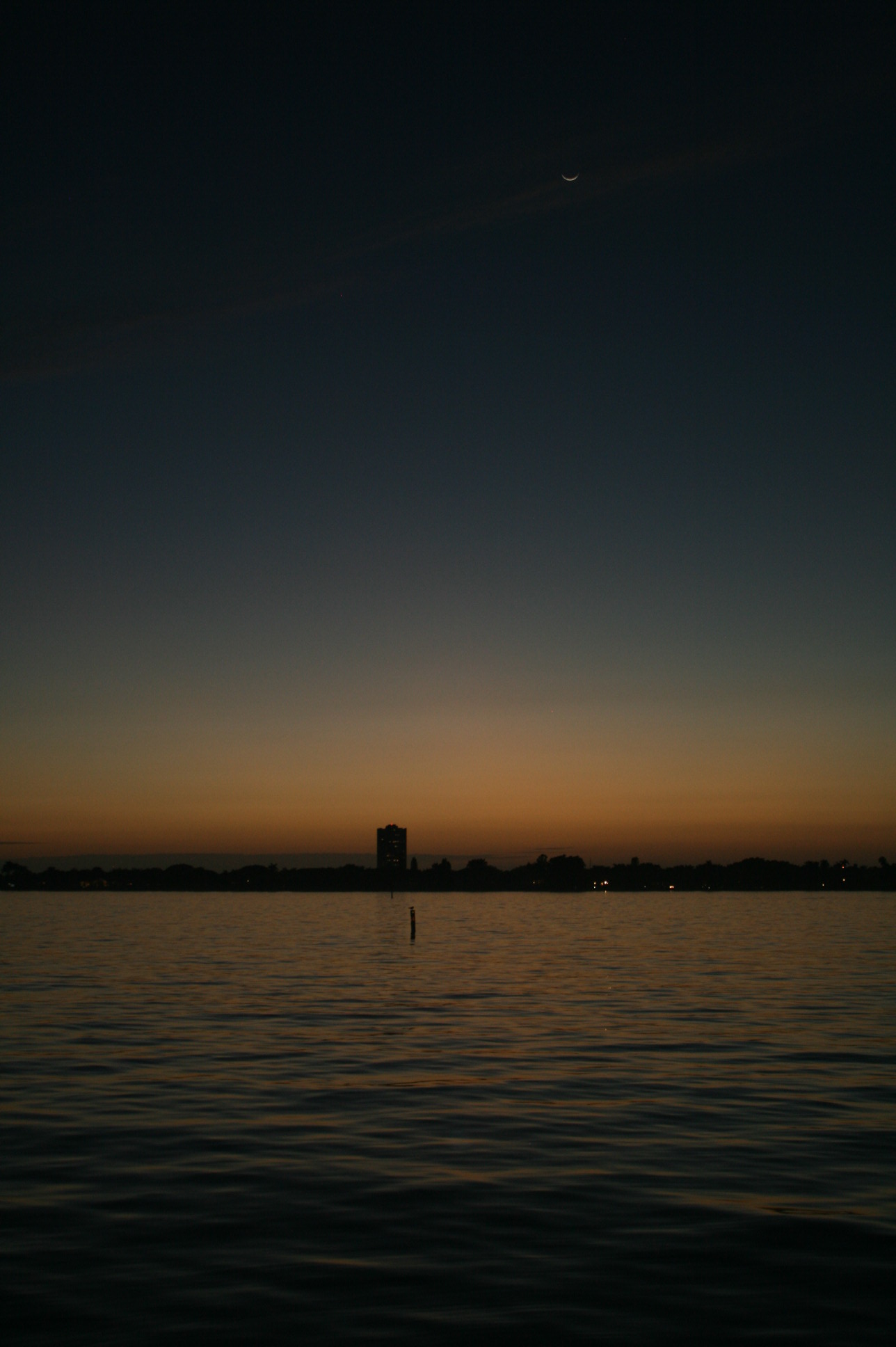
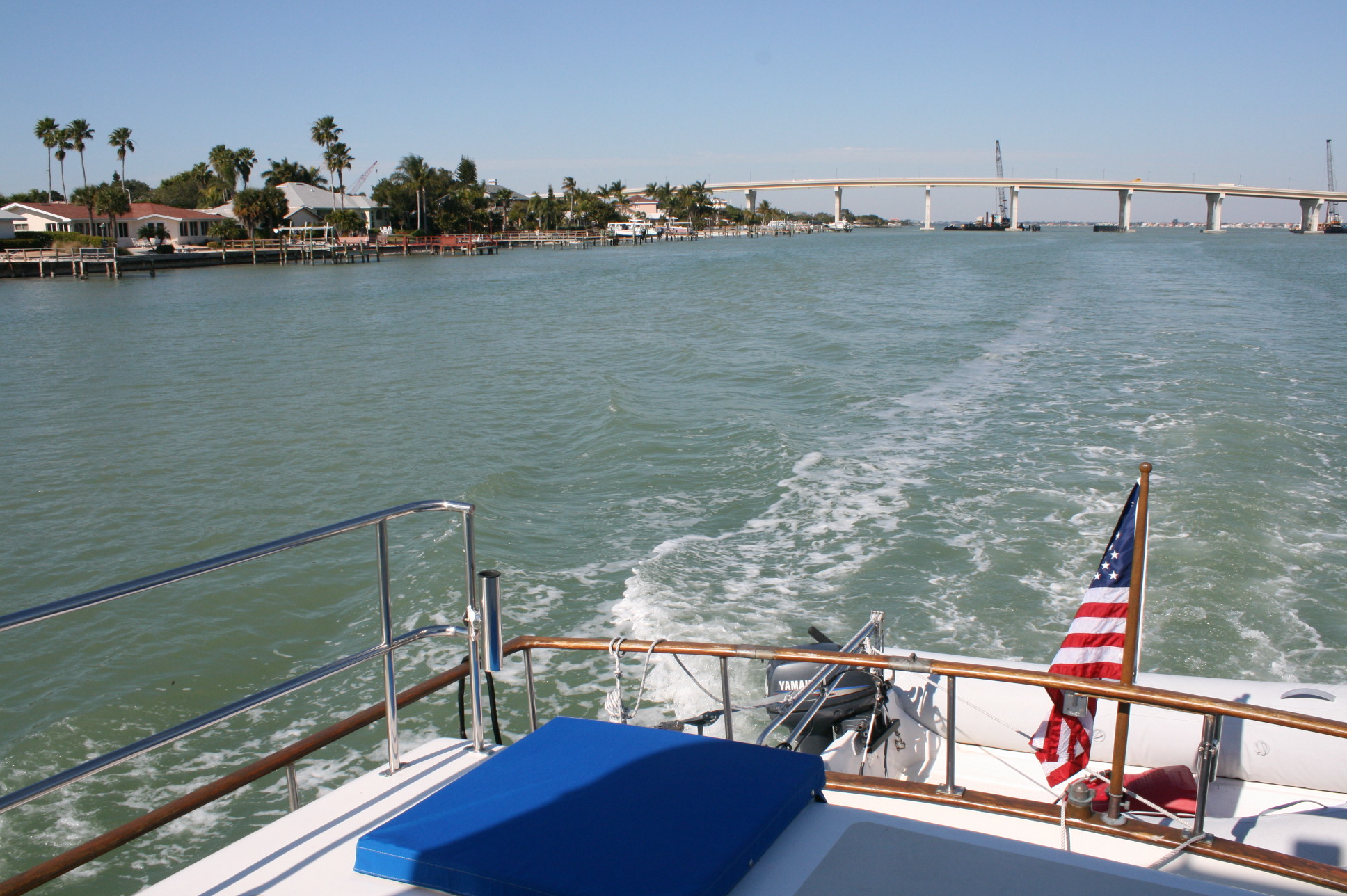
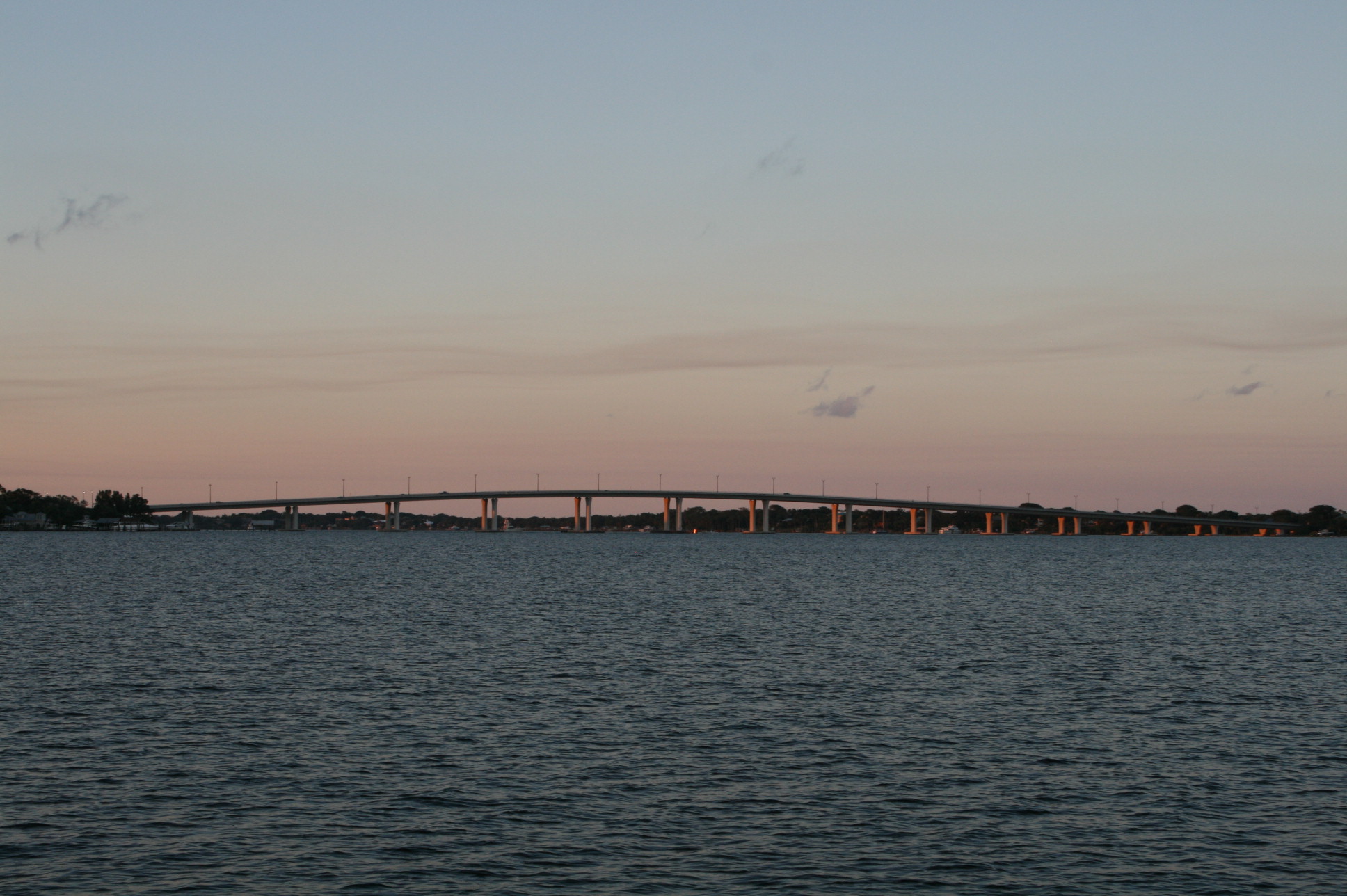
View from Carina  at dusk - Indian Street Bridge

View from Carina at dusk – Indian Street Bridge


In spite of the slightly romantic, moonlit setting, dinner on Carina on the Eve of St Valentine was not one of my better efforts. I think I’ve gone off brown rice, and I really must remember that when you use yoghurt as the basis of a sauce, given half the chance it will irreversibly curdle, ruining the aesthetics, if not the flavour, of your creation. But then I never was very good at Cooking With Gas.
I’ve come to the conclusion that the weather in Florida in the winter is at least as capricious as in England.
We had to stay in the marina yesterday, because to venture out would have been foolhardy, in the gale force winds.
This morning I awoke shivering, and not just because I’d had nightmares about intruders on the boat and swimming with manatees. It was 7C. That’s about 45F, for my American family. There was condensation running down Carina’s windows, and outside, mist was gently rising from the water.
Early morning mist at Indiantown Marina

Early morning mist at Indiantown Marina


We continued our journey along the Okeechobee Waterway, travelling east along the St Lucie Canal towards Stuart.
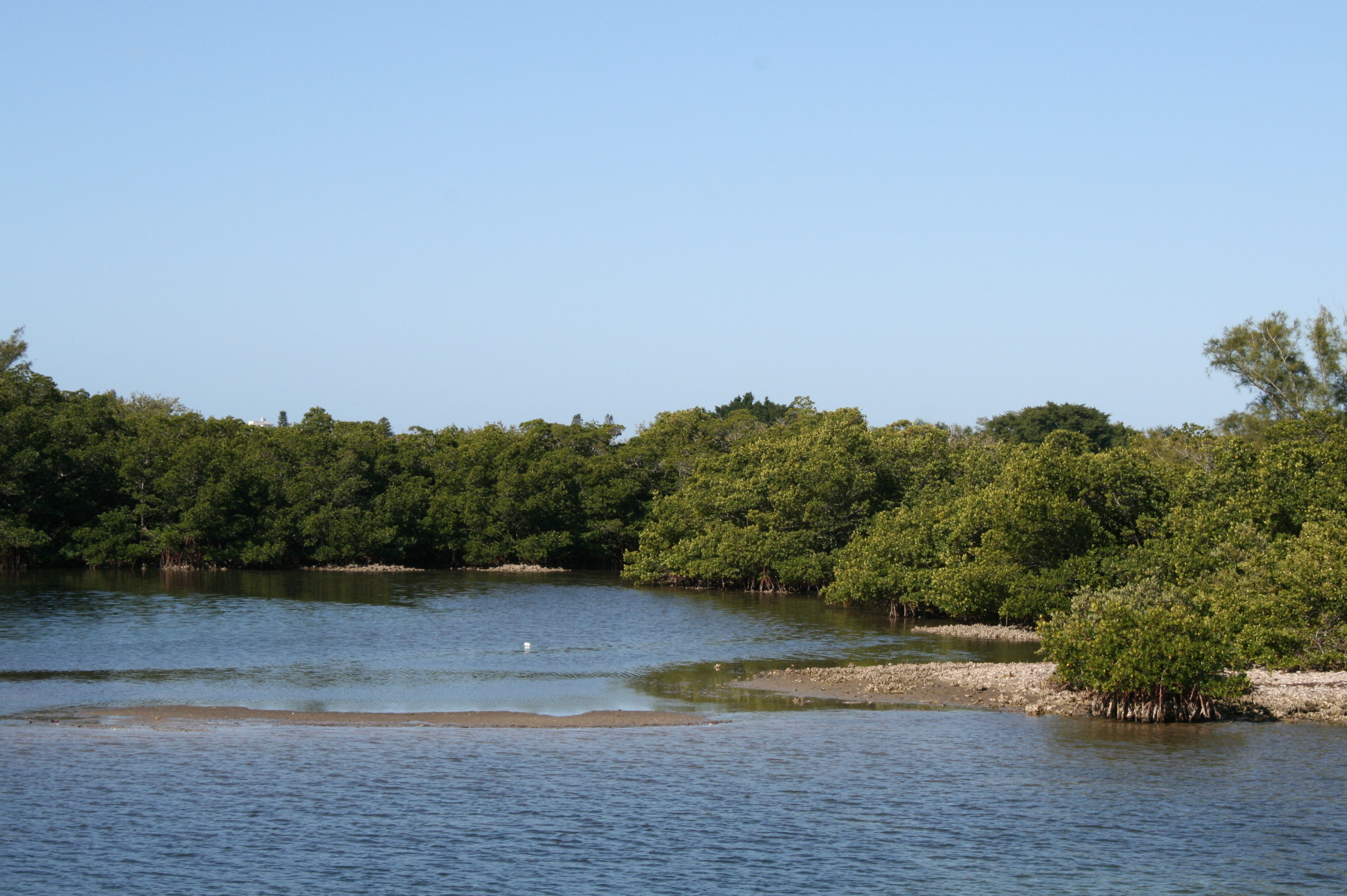
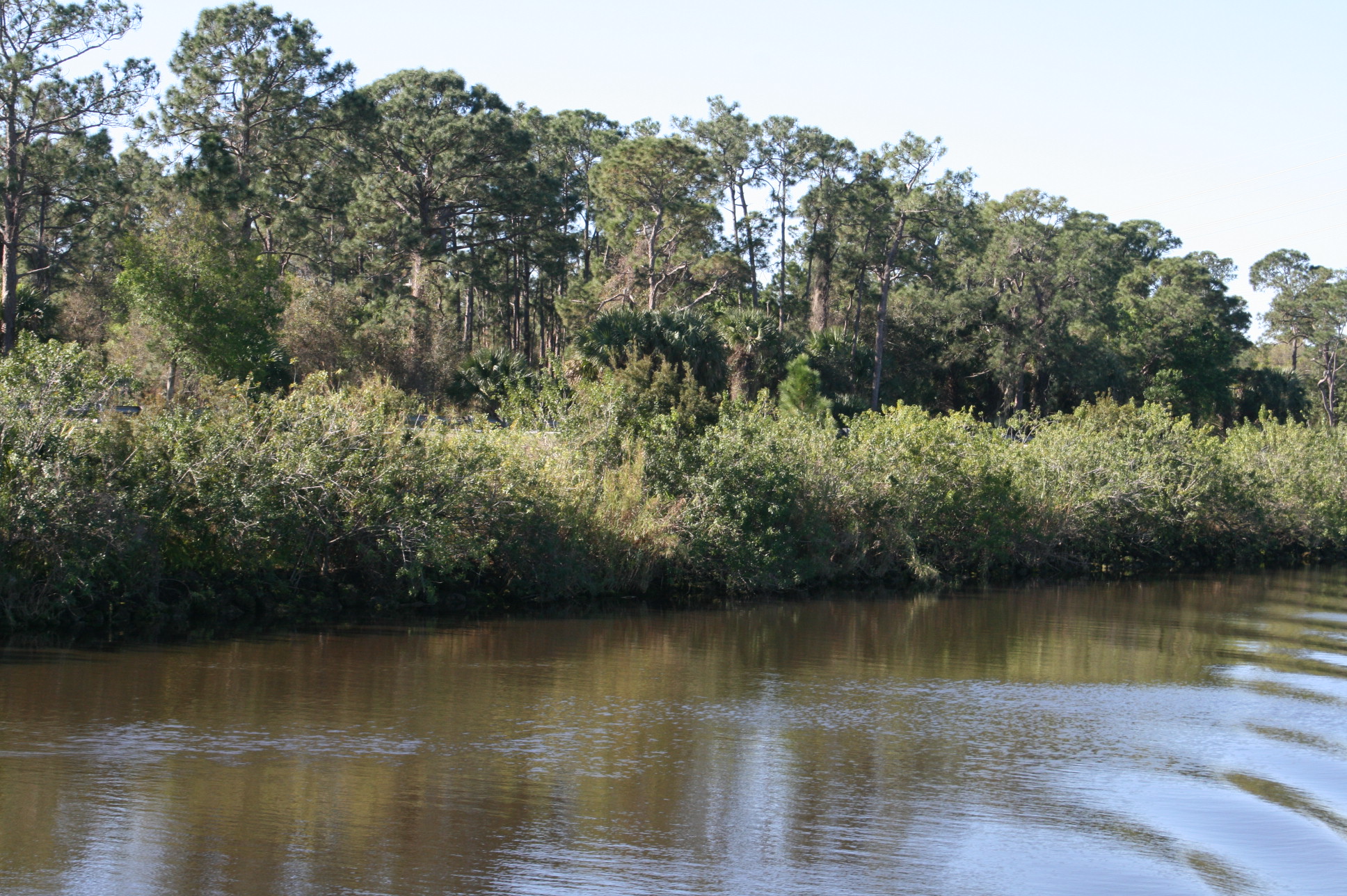
The trees were different – the pines lending some height to the panorama.
near Indiantown

near Indiantown

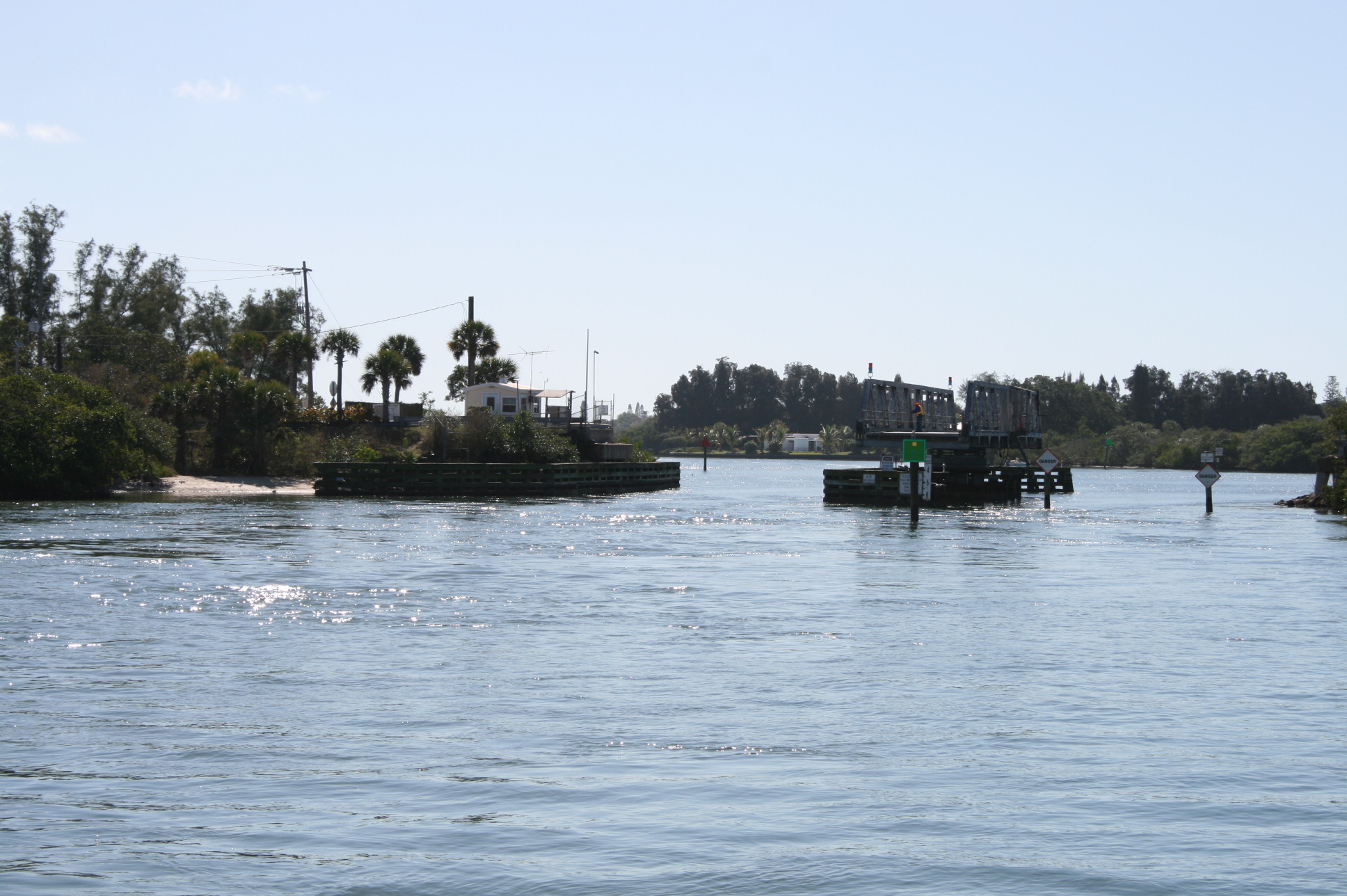
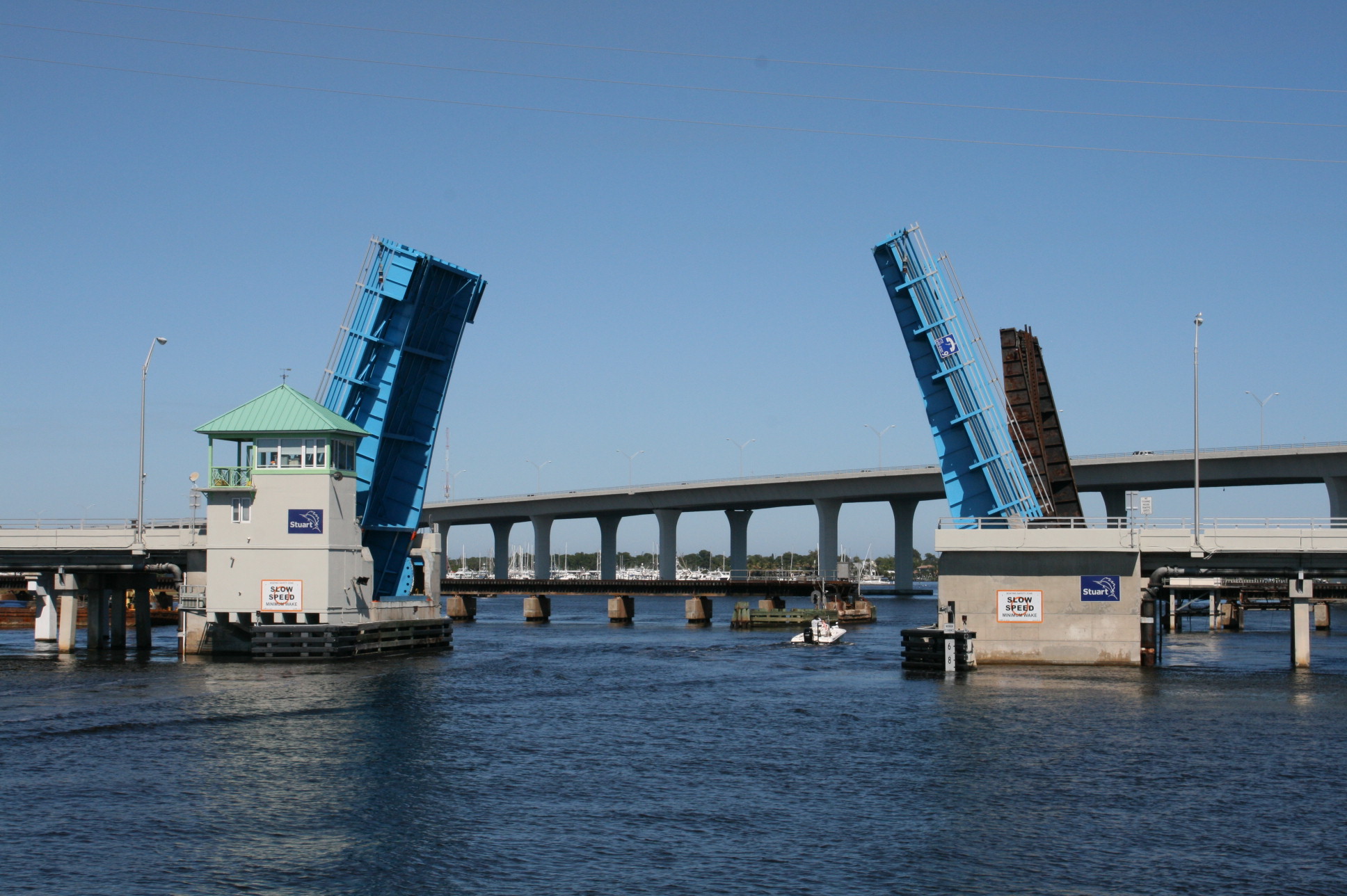
Ian is usually meticulous about planning the day’s route, but for some reason it had escaped him that just before arriving at the St Lucie River, there would be a double bascule bridge that had only 9′ headroom, and this would need to be opened before Carina could pass through. This necessitated a hurried call to the bridgemaster on the VHF radio.
Roosevelt Bridge opened for Carina to pass through

Roosevelt Bridge opened for Carina to pass through

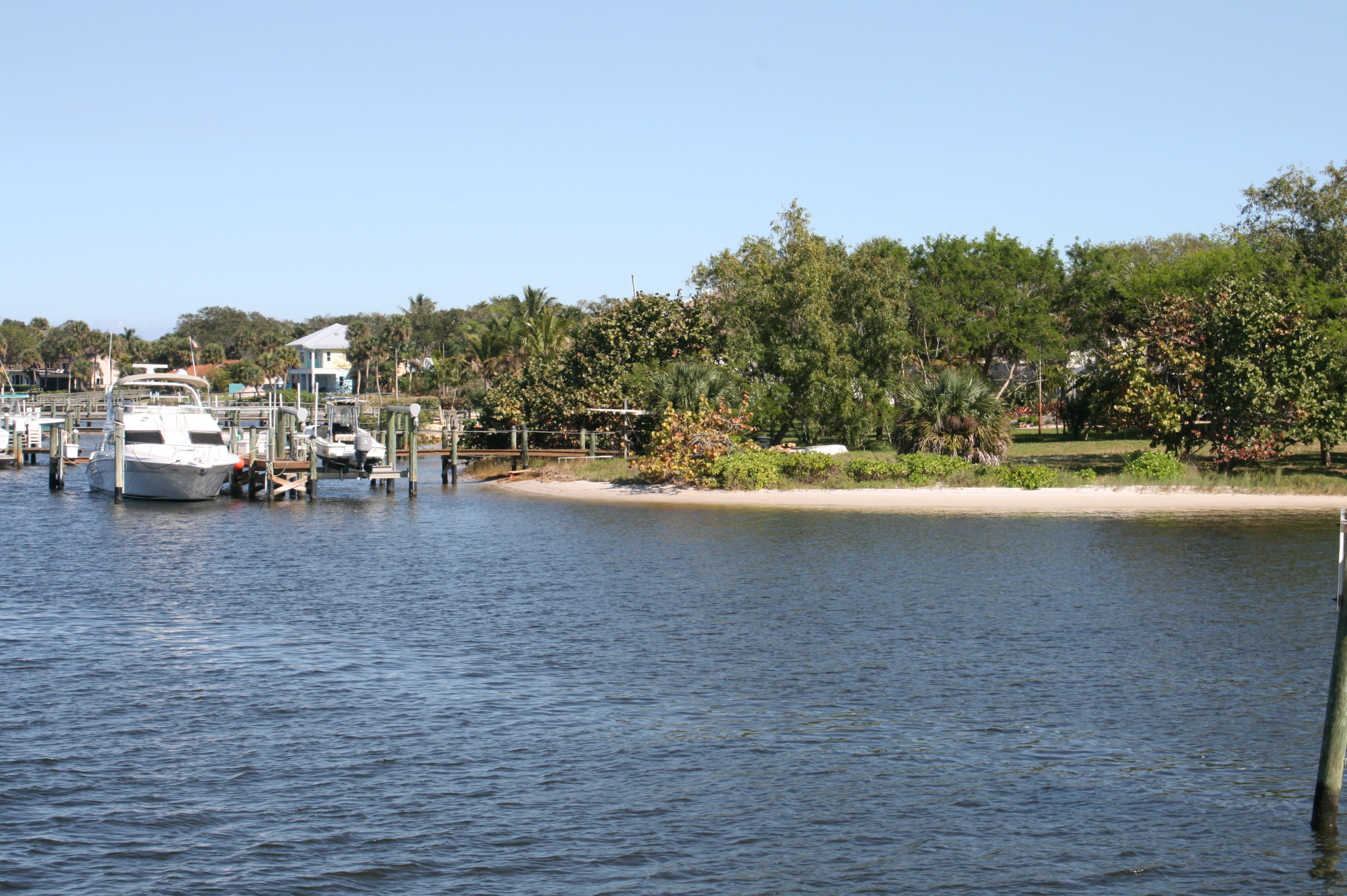
Our plan had been to anchor at a place called Manatee Pocket, which sounded pleasant and picturesque.
Manatee Pocket

Manatee Pocket


But when we got there, it seemed rather crowded with boats, so we went back and anchored in the quieter Hookers Cove.
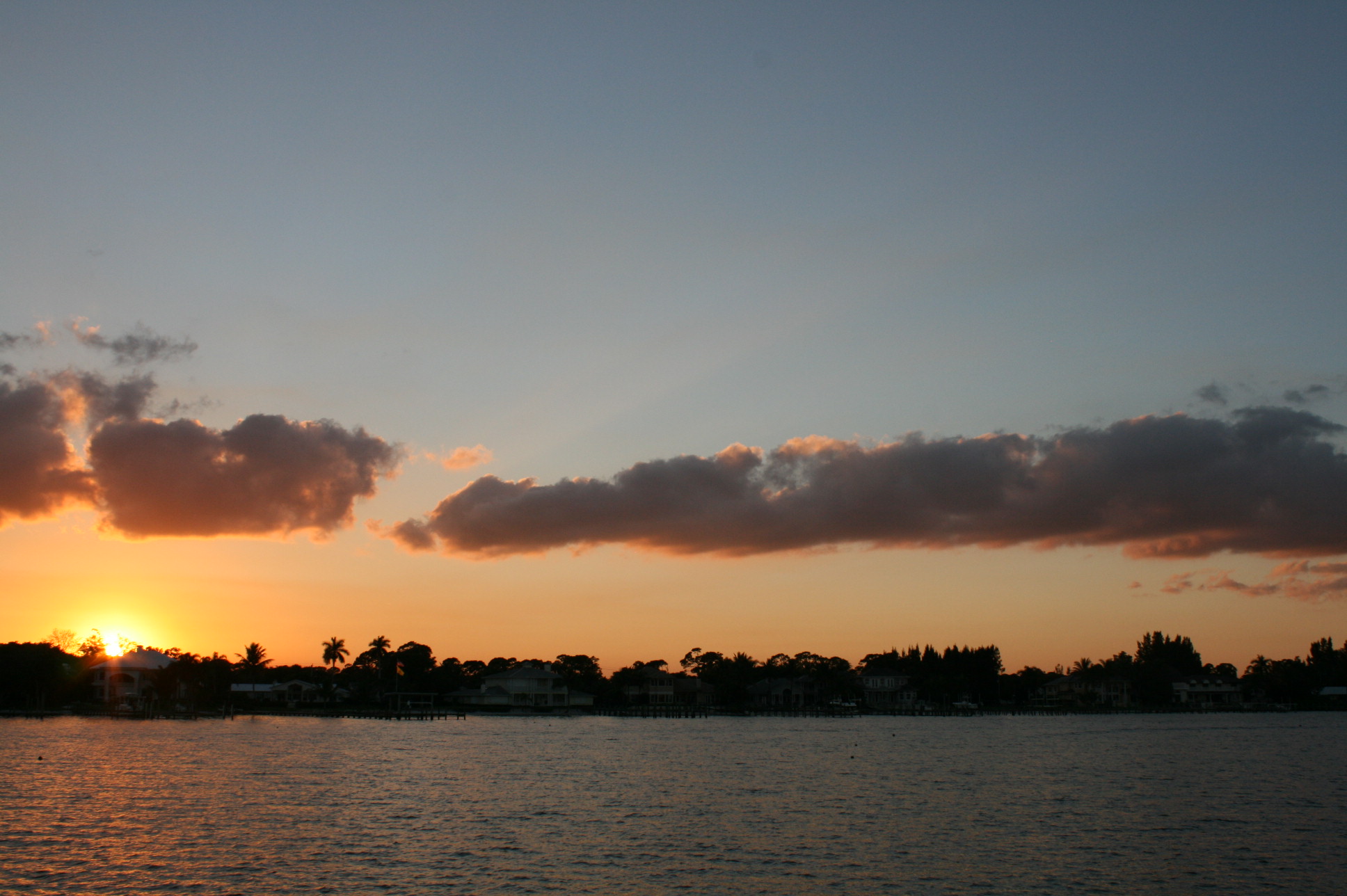
The sun setting at Hookers Cove

The sun setting at Hookers Cove


And a few minutes later, the moon rose.
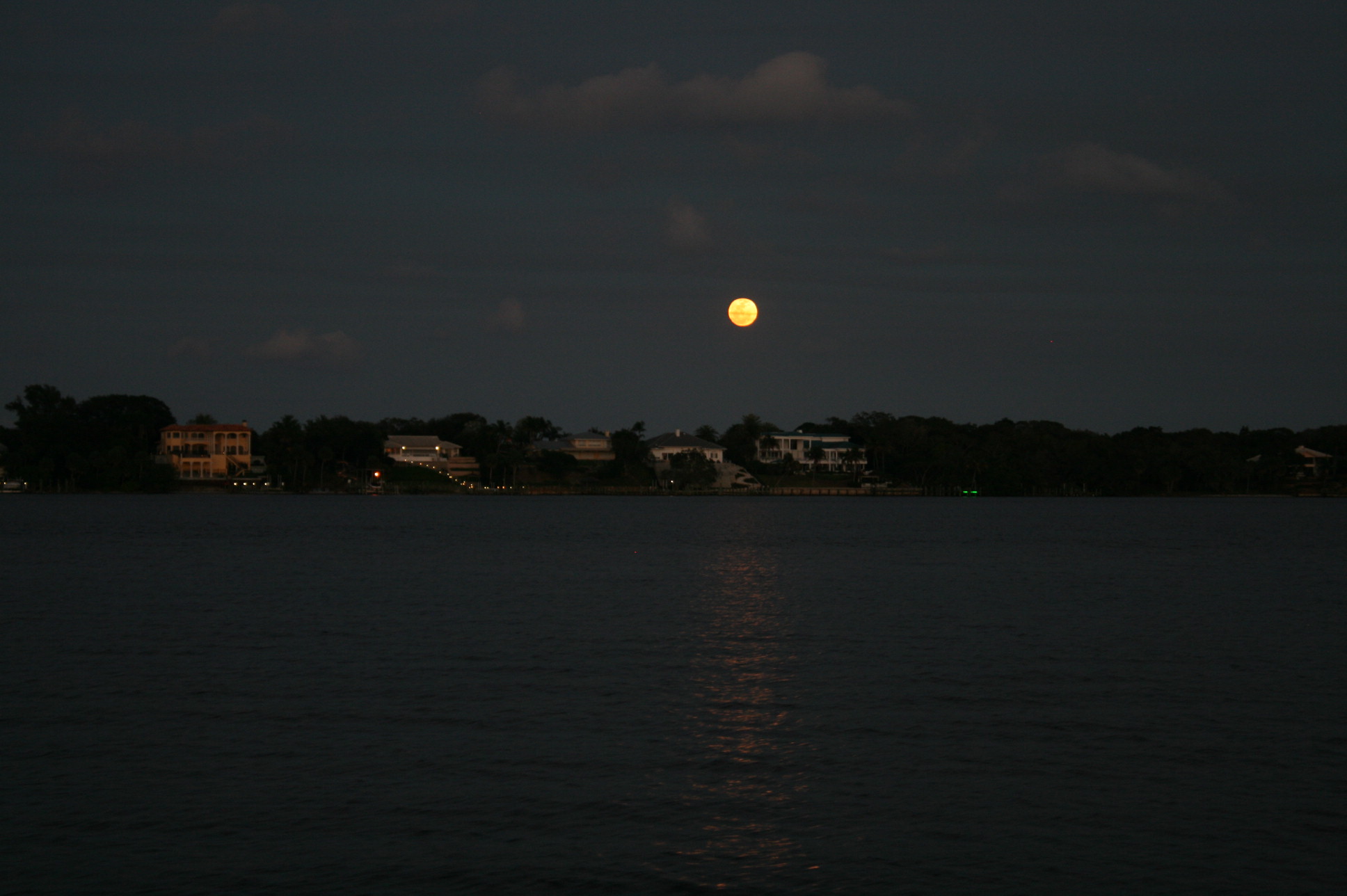
Moon rising
Moon rising
Some like it hot…..

….but you can have too much of a good thing, and the for the last two days the temperature has been up to 30C and a following wind has meant it’s been quite uncomfortable up on the flybridge. Fortunately the nights have been cooler, as the airconditioner on Carina’s pretty noisy. When we bought Carina, Tom and Tracy were plugging the benefits of the ice-making machine, something which it would never have occurred to us to think of buying for ourselves. We’re just beginning to appreciate it.

We left Ft Myers two days ago, heading east up the Caloosahatchee River to LaBelle. We’re not in uncharted waters – perish the thought – but it feels like unknown territory, since nothing between Fort Myers on the west coast, and Port St Lucie on the east, features in that bible for travellers, the Lonely Planet Guide.

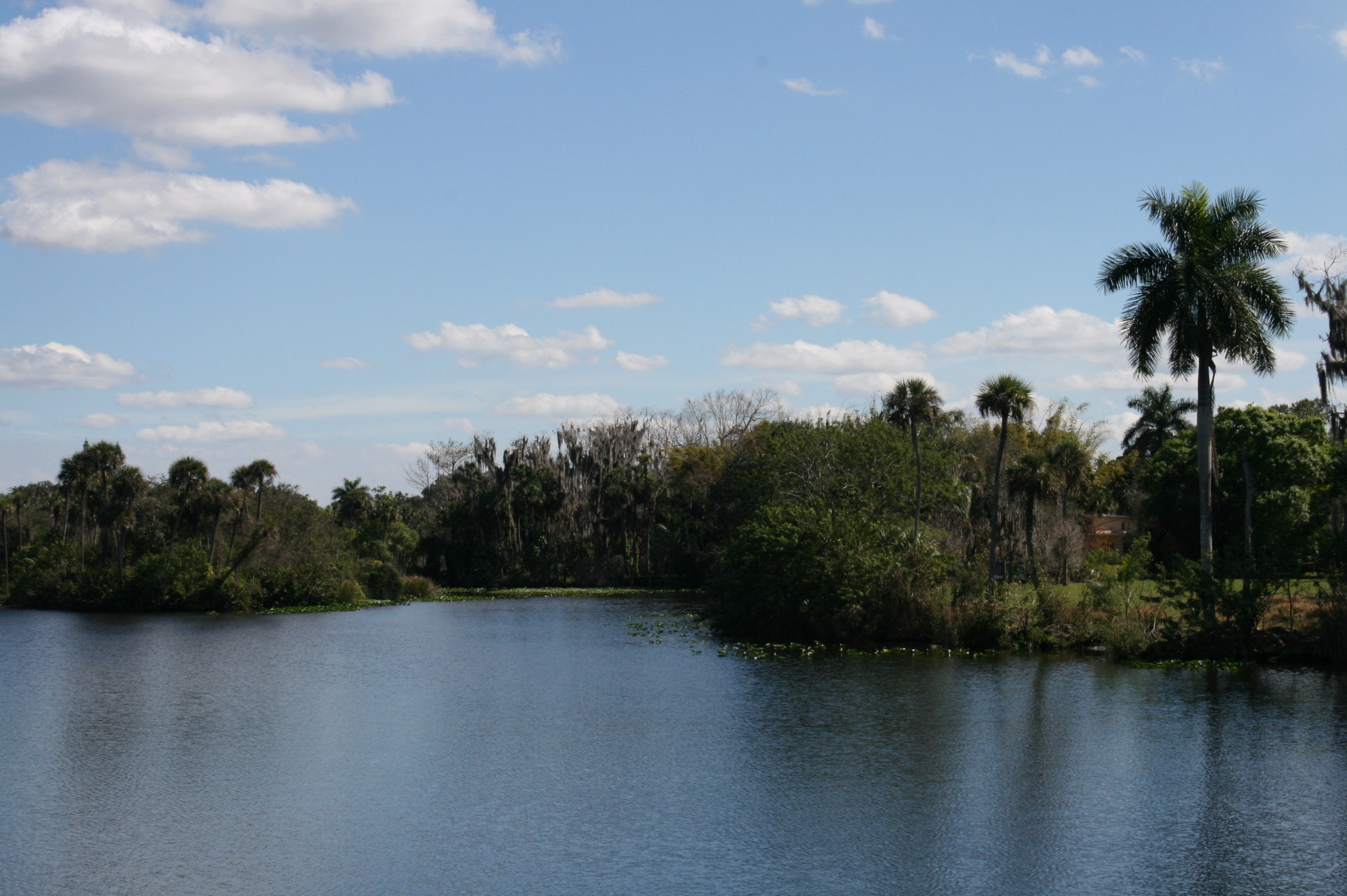
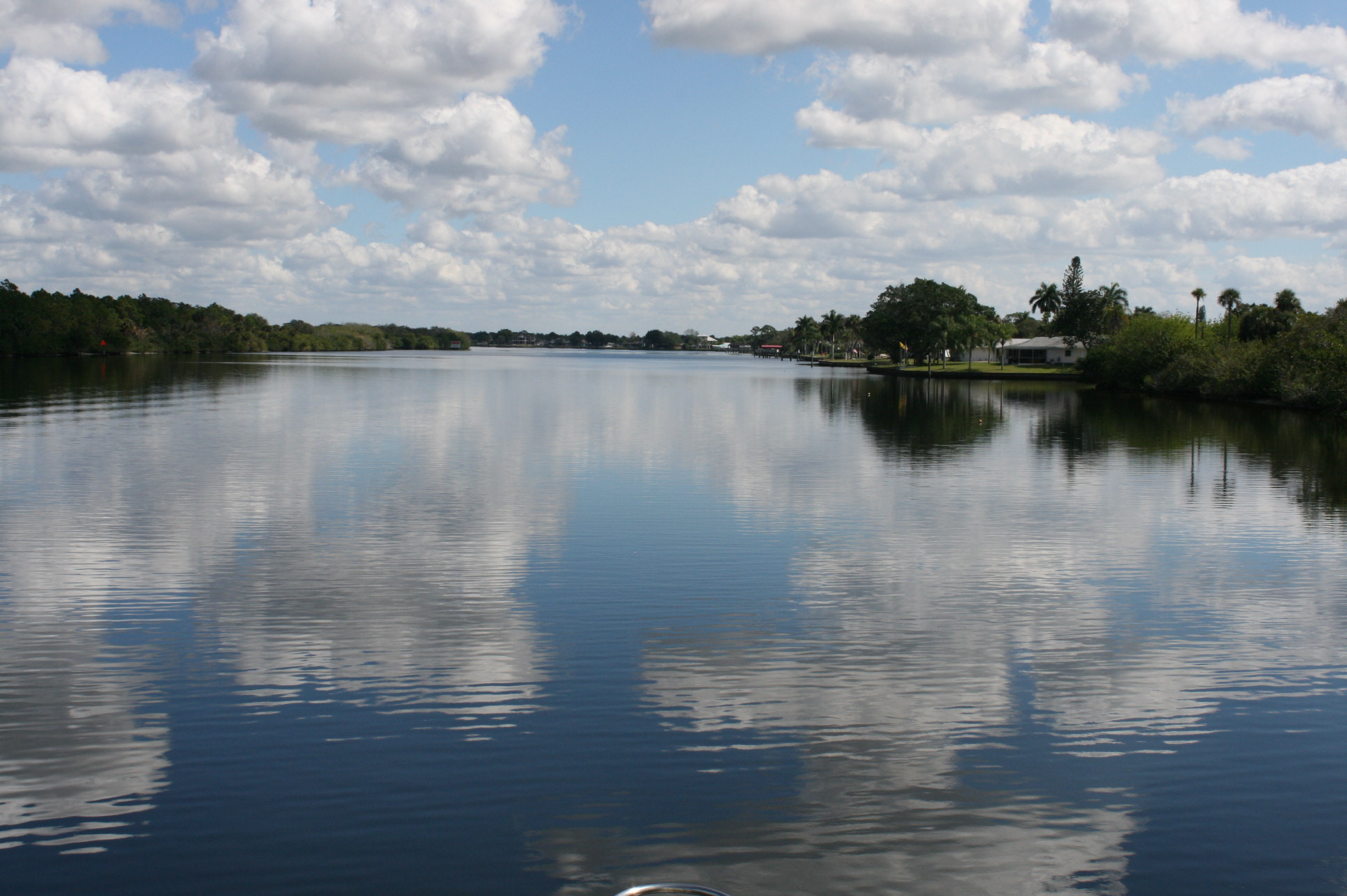
Clouds reflected in the water just east of Fort Myers

Clouds reflected in the water just east of Fort Myers

The landscape began to change, but there was still plenty of birdlife around.

Great egrets near Fort Myers

Great egrets near Fort Myers

Some interesting engineering too. This is a bascule bridge.

Cape Coral railway bridge

Cape Coral railway bridge

The vegetation still quite tropical here.
IMG_7882

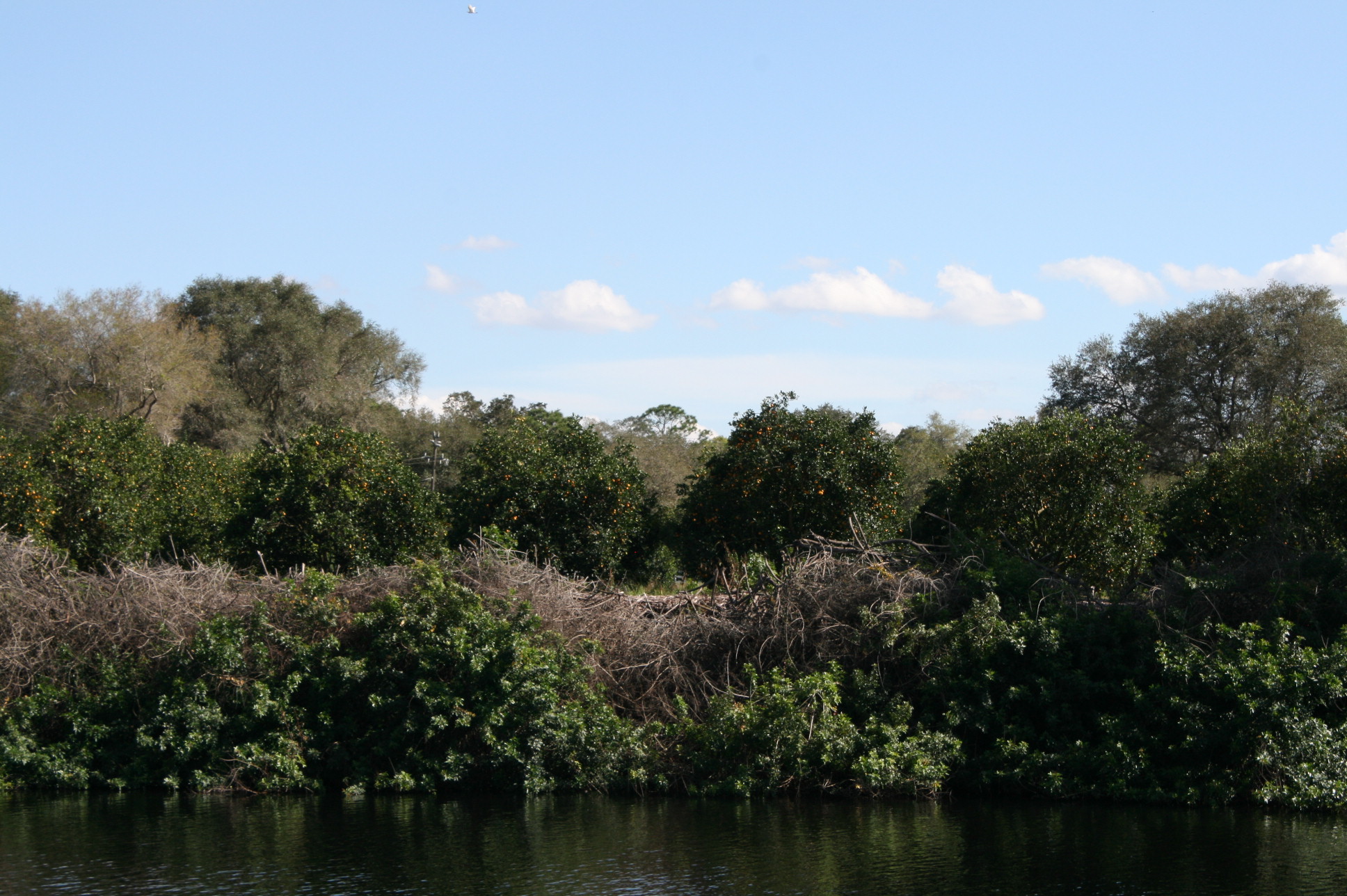
We saw some orange groves too.

Orange groves near LaBelle

Orange groves near LaBelle

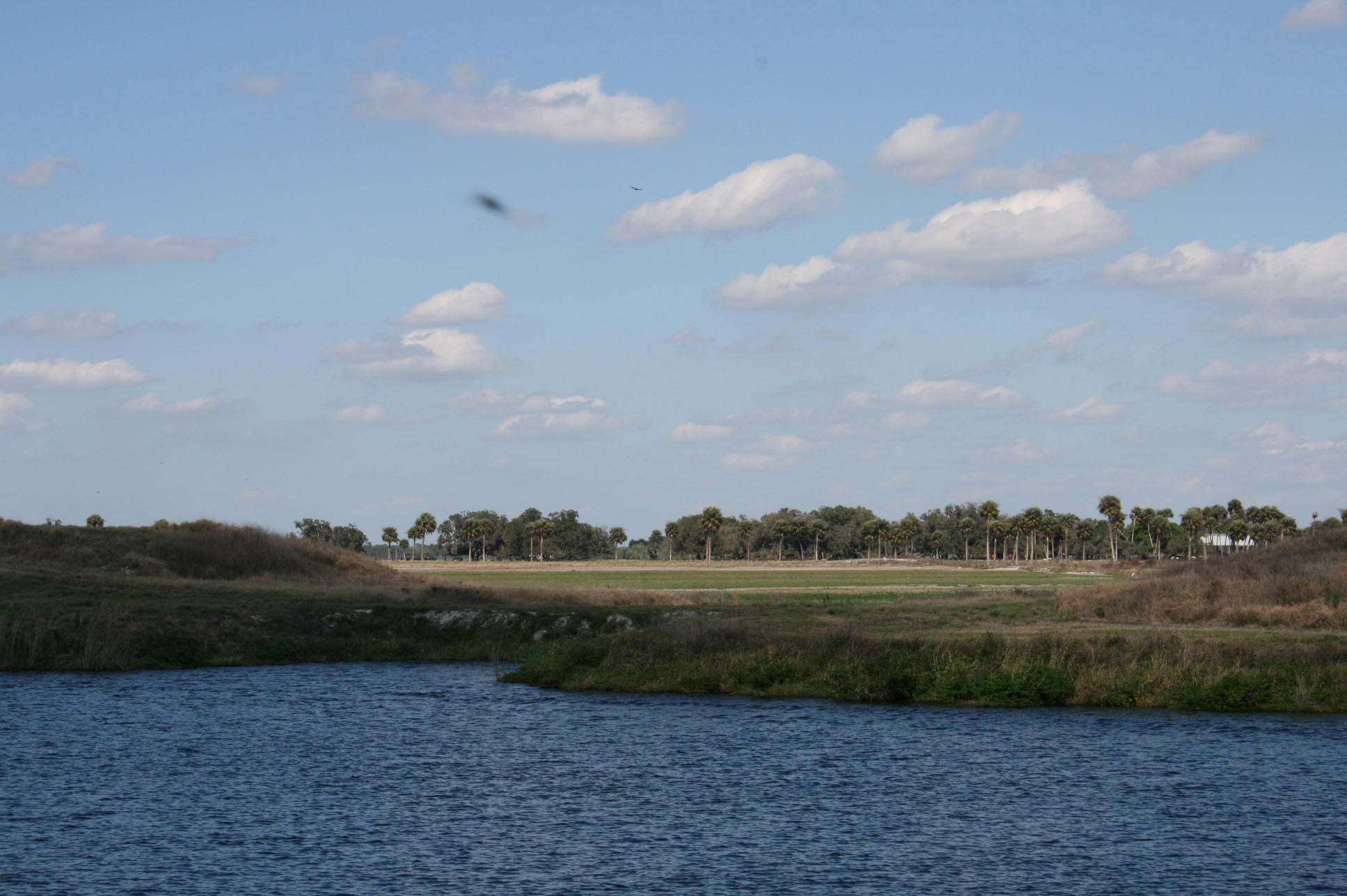
Yesterday we covered LaBelle to Clewiston. The scenery and vegetation became more open grassland and we occasionally saw cows at the water’s edge. Presumably the alligators hold no fears for them.

Countryside east of LaBelle

Countryside east of LaBelle

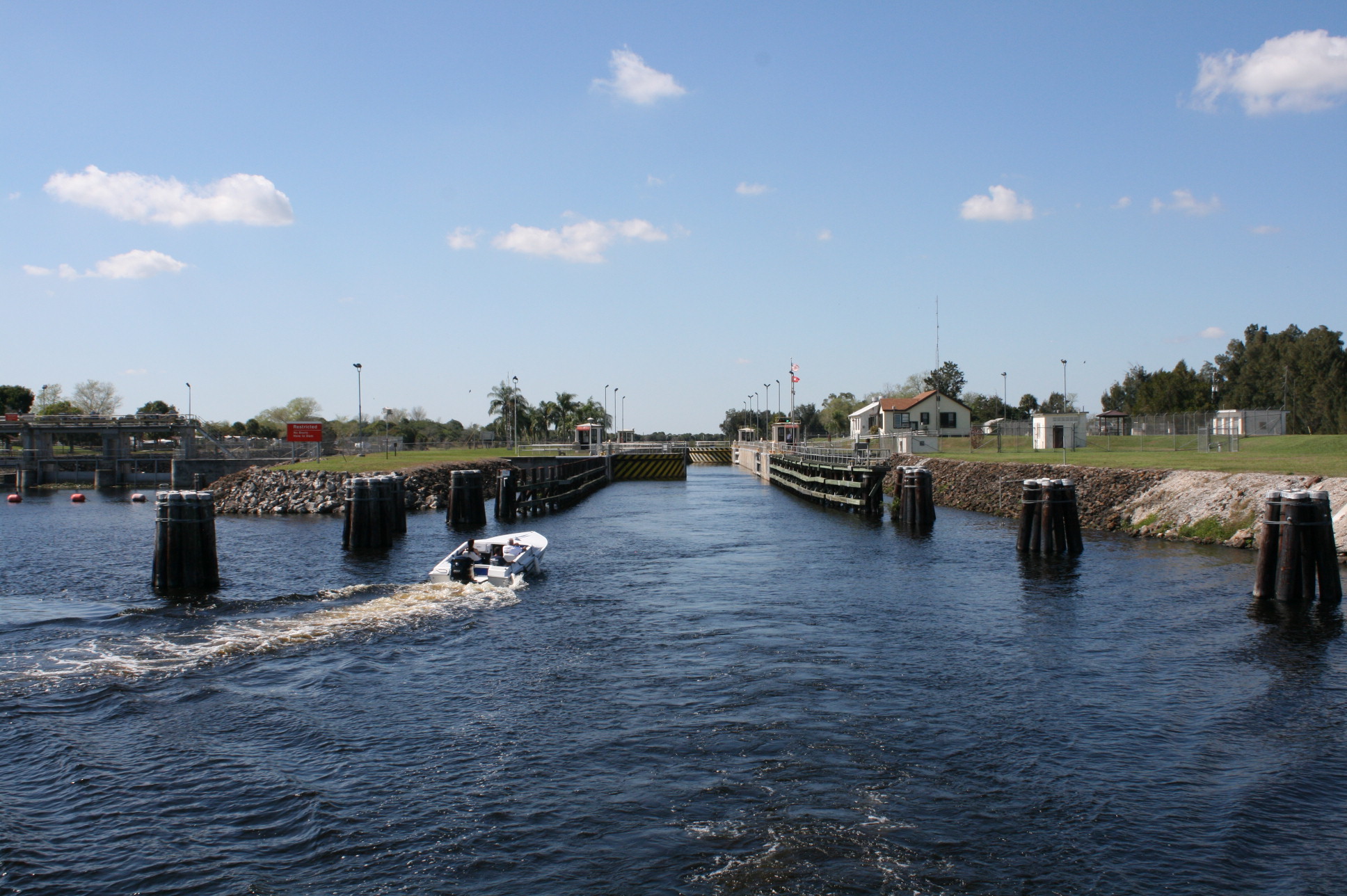
There were locks to contend with, something we are used to on the canals, but these were rather different, being a great deal larger, and manned. There was some anxiety that we wouldn’t know the local code of practice, and also that there might be a lot of surging when the lock filled, but we acquitted ourselves quite well.

Leaving Ortona Lock

Leaving Ortona Lock


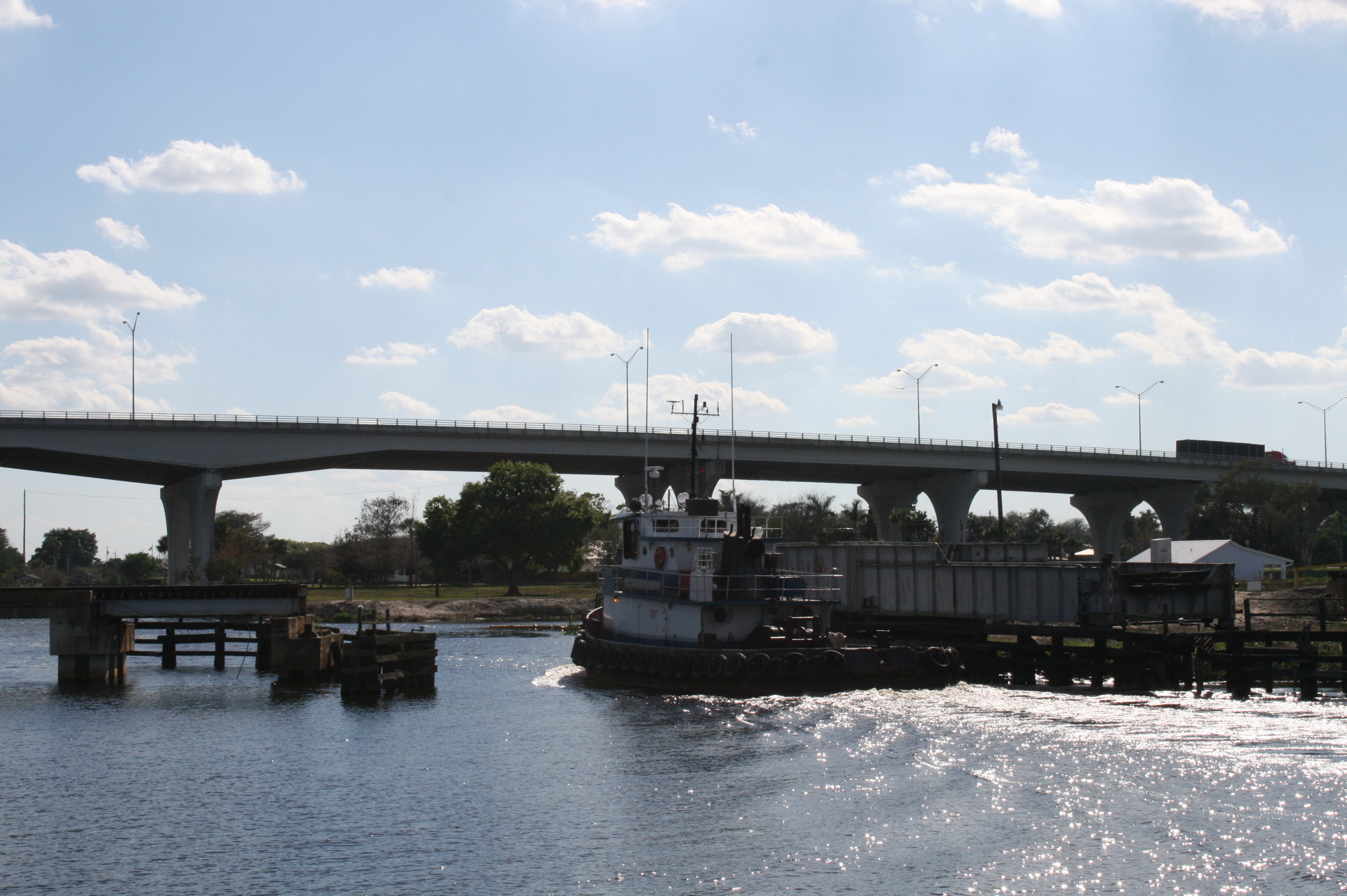
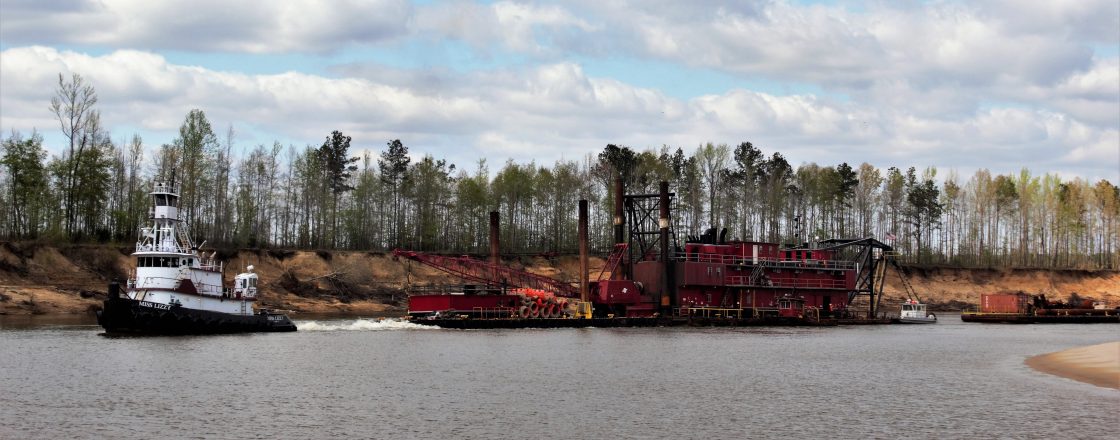
We saw a working boat leaving the next lock.
Working boat leaving Moore Haven Lock

Working boat leaving Moore Haven Lock

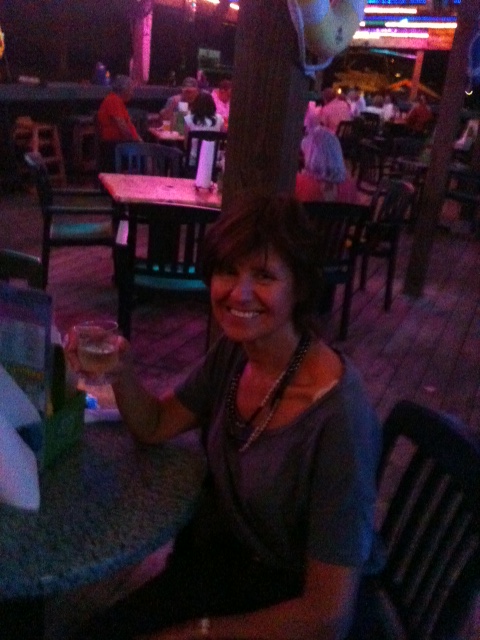
Last night we stayed at Roland Martin Marina, Clewiston. After a few nights moored out, well away from other boats, it was a pleasure to eat at the restaurant there – good food, busy with people and funky music too.

Enjoying a glass of Pinot Grigio at Roland Martin's

Enjoying a glass of Pinot Grigio at Roland Martin’s

This morning, my usual routine of lying in bed for some time with a cup of tea, checking my emails and Facebooking on my phone had to be sacrificed in the interests of crossing Lake Okeechobee before the wind got too strong. We had, of course, read all about the lake and the vagaries of the weather in Terry Darlington‘s book Narrow Dog to Indian River, which was the inspiration for this trip, and it had assumed totemic significance. It’s an enormous lake – 35 miles across – so crossing it is rather different from meandering up the river. or hugging the coastline between the Keys. How to strike a balance between safety but not wimping out? The forecast was not that good for today – winds of up to 15 knots, moderately choppy, and deteriorating later in the afternoon.But the forecast for the following two days was worse. While time isn’t an issue, we don’t want it to become one, and we have to be in Jacksonville by March 7th, give or take a day or two. So we really didn’t want to hang about in Clewiston, and I had to get out of bed at 7.15 to be away by 8.
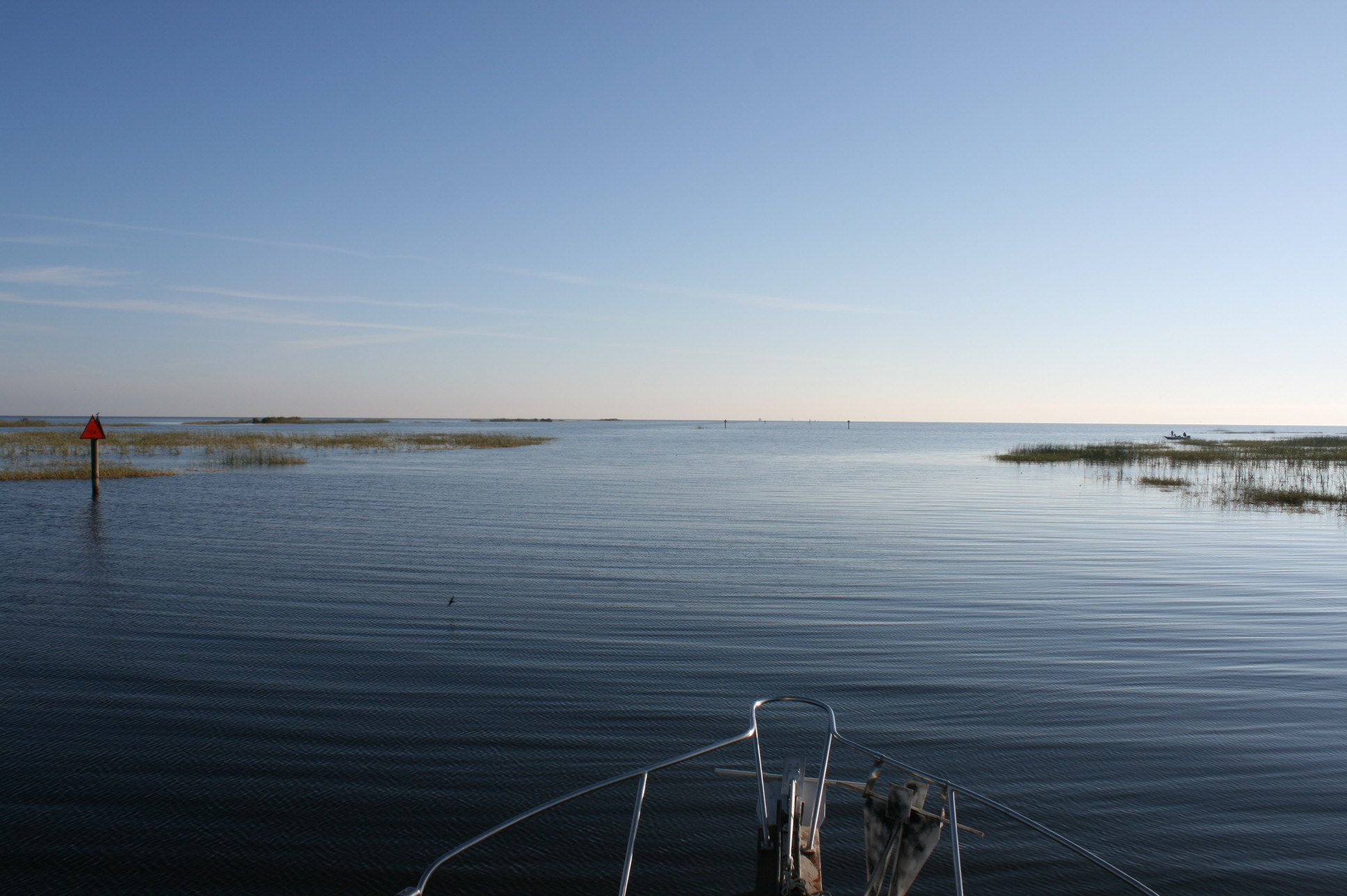
It was a beautiful morning, and almost straight away after leaving the marina we found ourselves in the wide expanse of the lake.

Entering Lake Okeechobee at Clewiston

Entering Lake Okeechobee at Clewiston


Early morning fishermen on Lake Okeechobee

Early morning fishermen on Lake Okeechobee


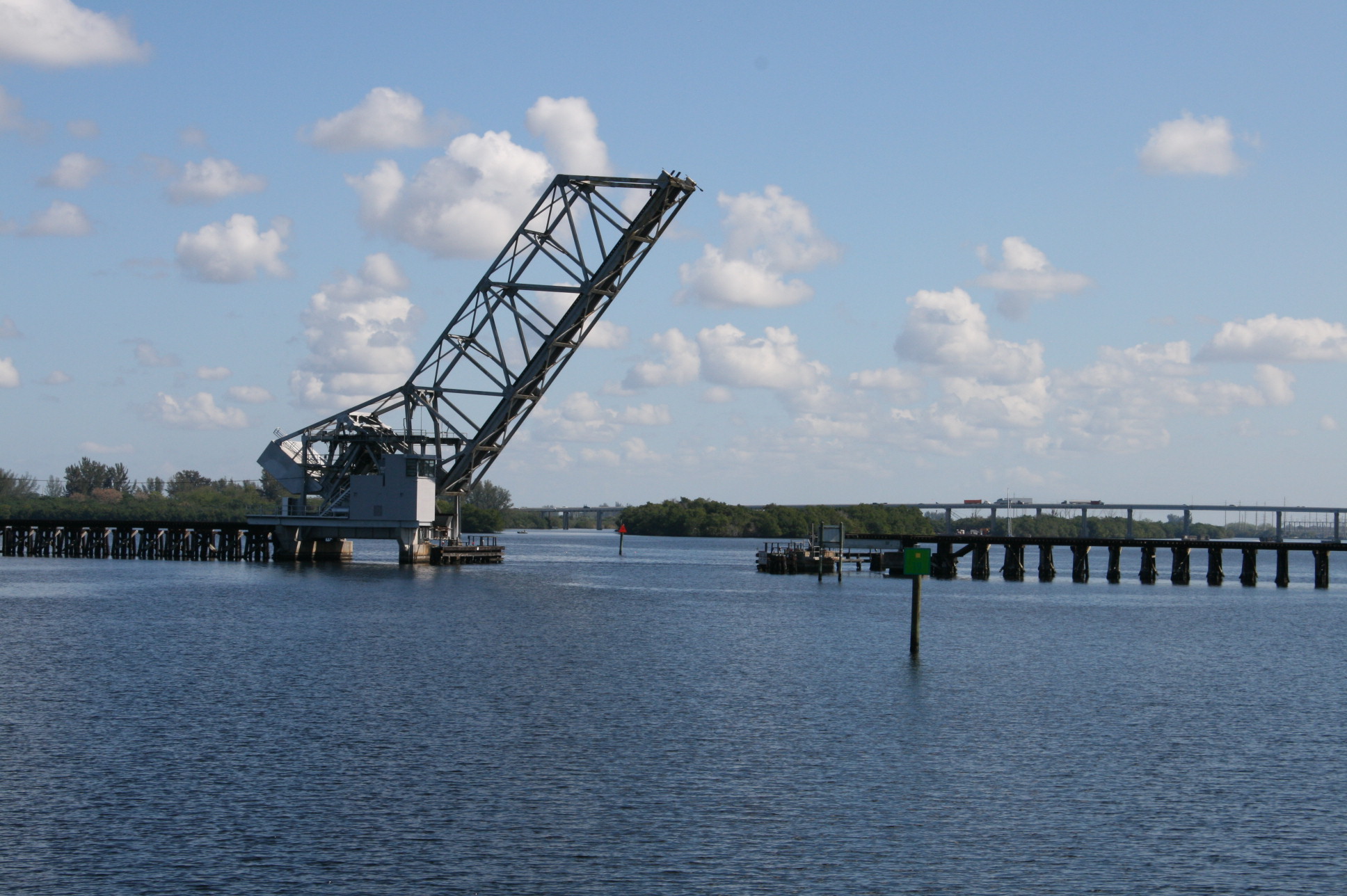
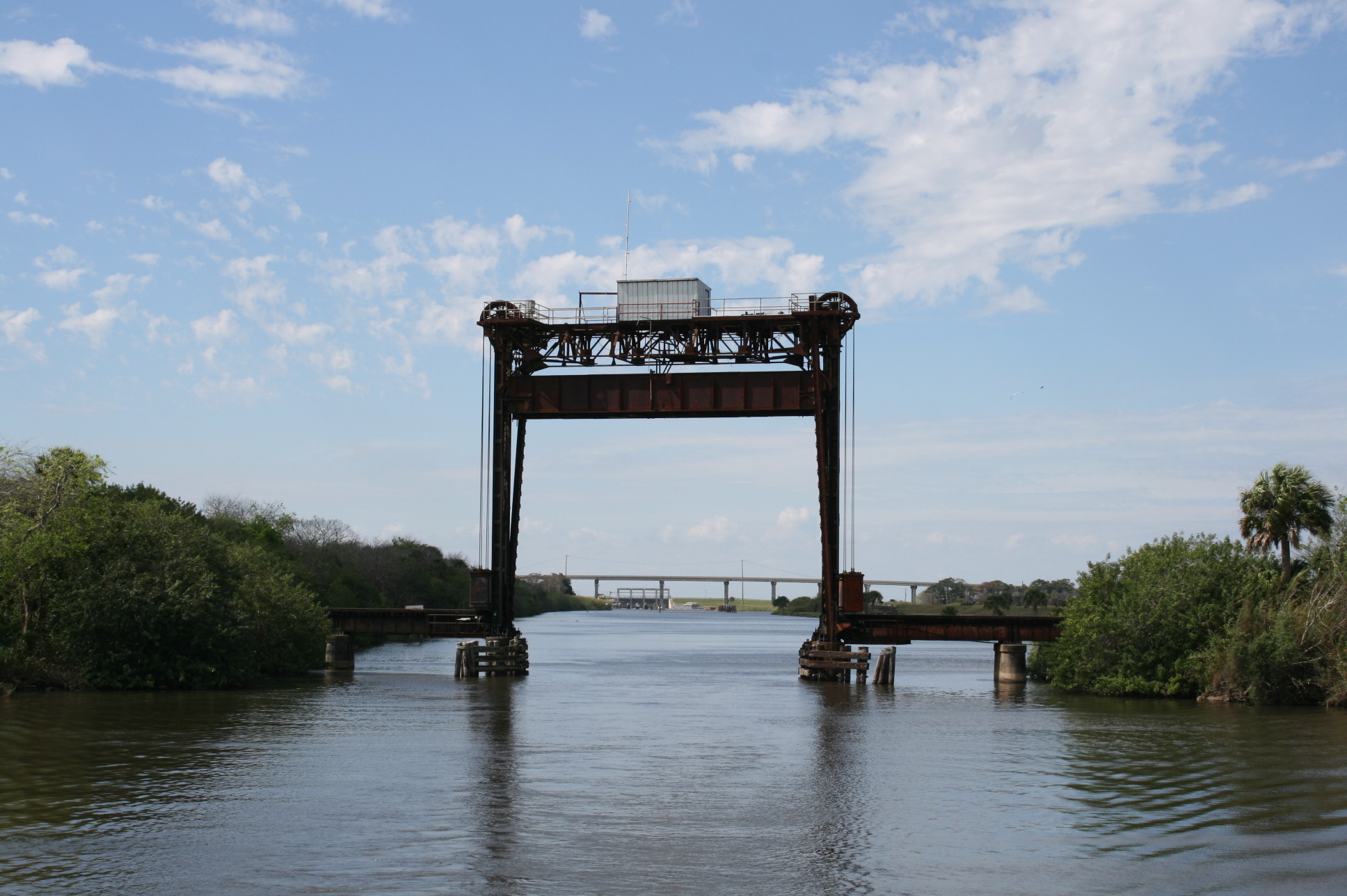
It took us just under four hours to cross the lake, and for the last hour there was appreciable swell. We carried on along the St Lucie Canal for 10 miles to Indiantown. Here’s another one for the engineers.
Railroad lift bridge near Indiantown

Railroad lift bridge near Indiantown

We made the right decision. At four o’clock the rain started, with thunder and lightning too. Tomorrow gale force winds are expected, so it looks as though I might get a lie-in tomorrow, and Carina might get some deep cleaning.

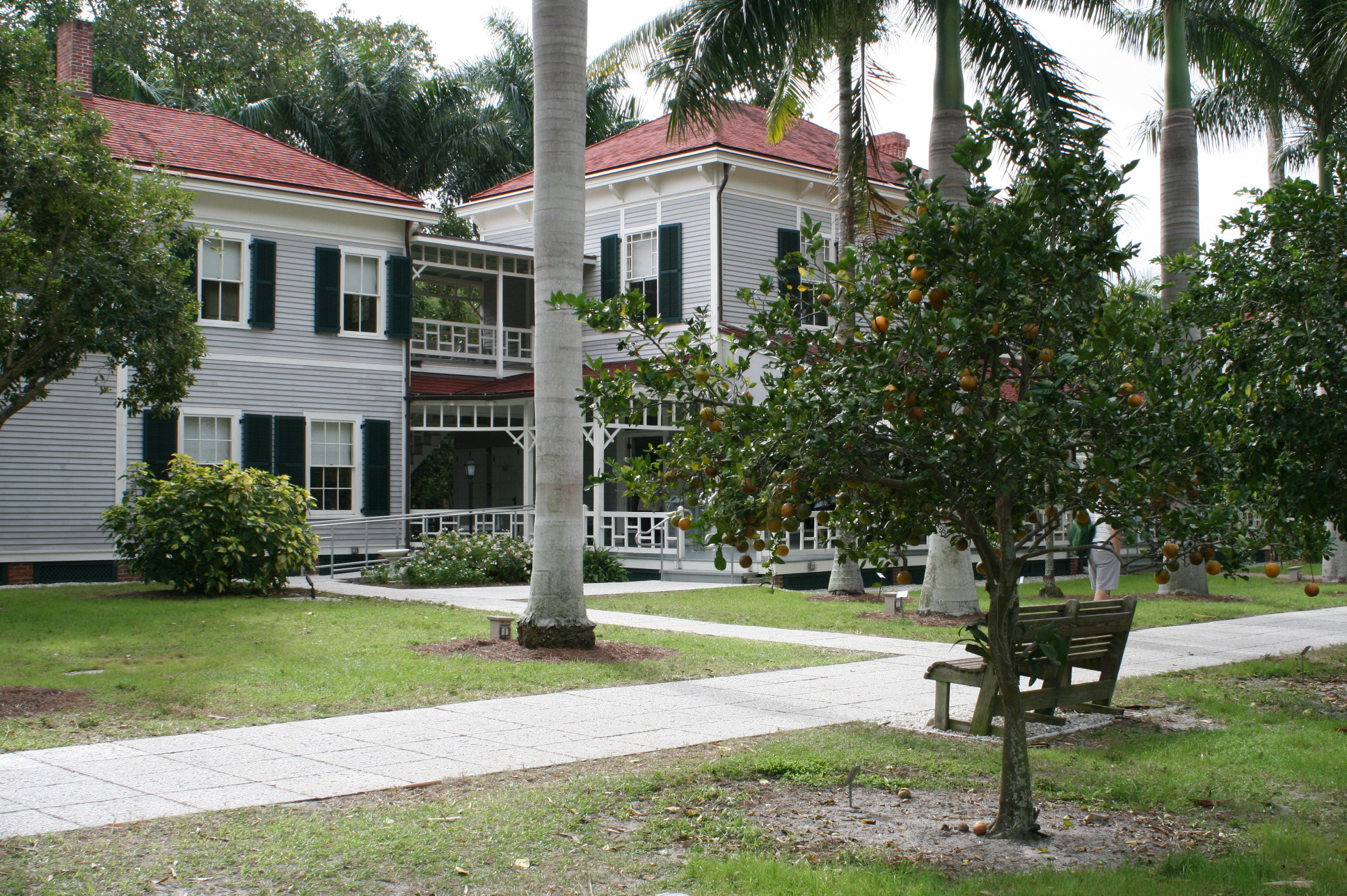
Seeing the sights at the Edison-Ford Winter Estates

Thomas A. Edison's house on the banks of the Caloosahatchee River, Fort Myers,FL

Thomas A. Edison’s house on the banks of the Caloosahatchee River, Fort Myers,FL

The Edison-Ford Winter Estates may sound a bit dry, but it is a gem.

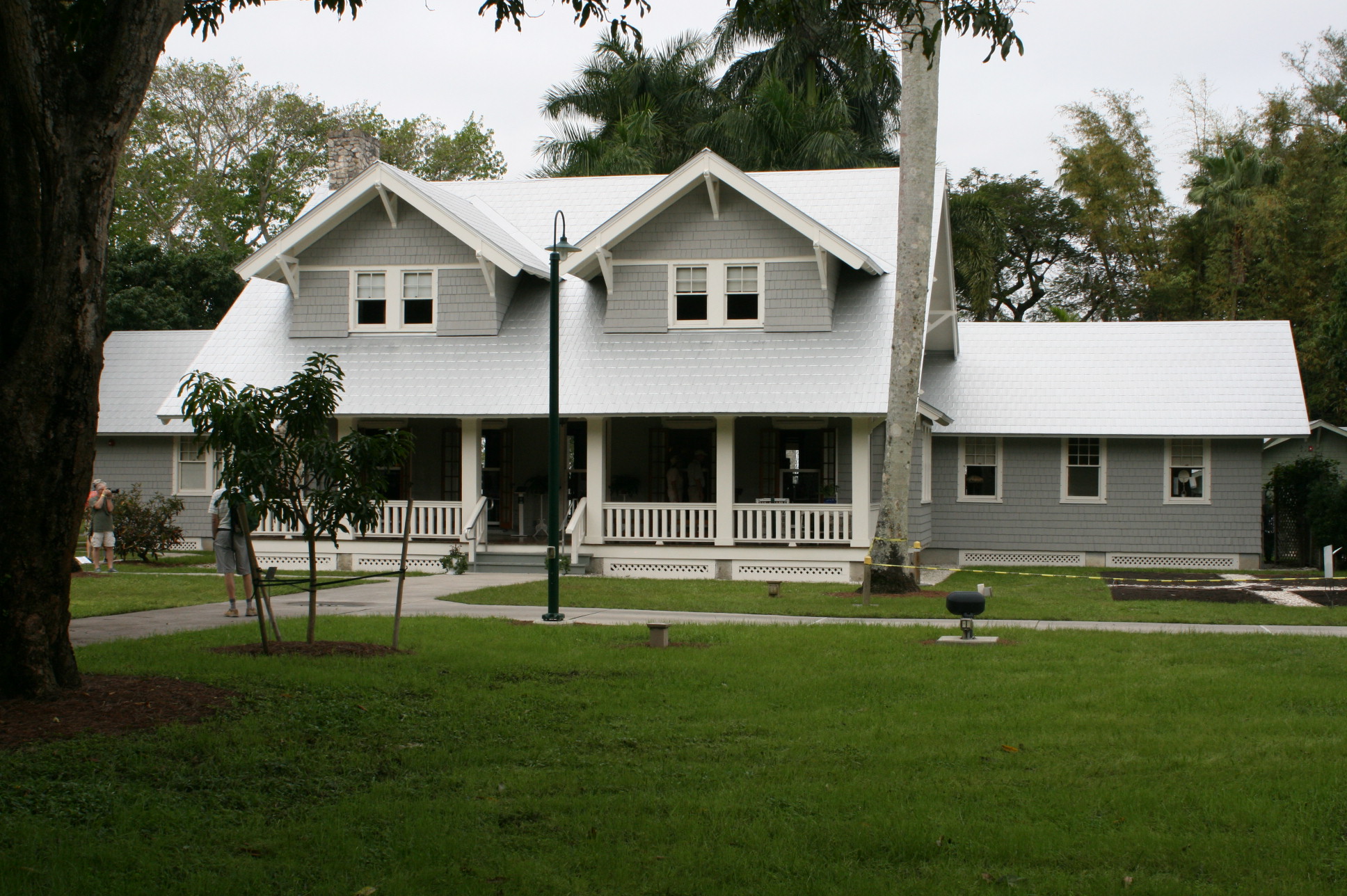
Thomas Edison came to Florida in the 1880s with his second wife Mina and bought the property, Seminole Lodge, as a winter home and spent the next 20 years developing the house and garden. He became friendly with Henry Ford through their shared interest in many enterprises, and in 1916 Ford bought the next-door house, The Mangoes.

We had an audio tour which covered the two houses, the Botanical and Ornamental Gardens, the Ford Automobile exhibit, the museum and Edison’s laboratory, all for $20 each.

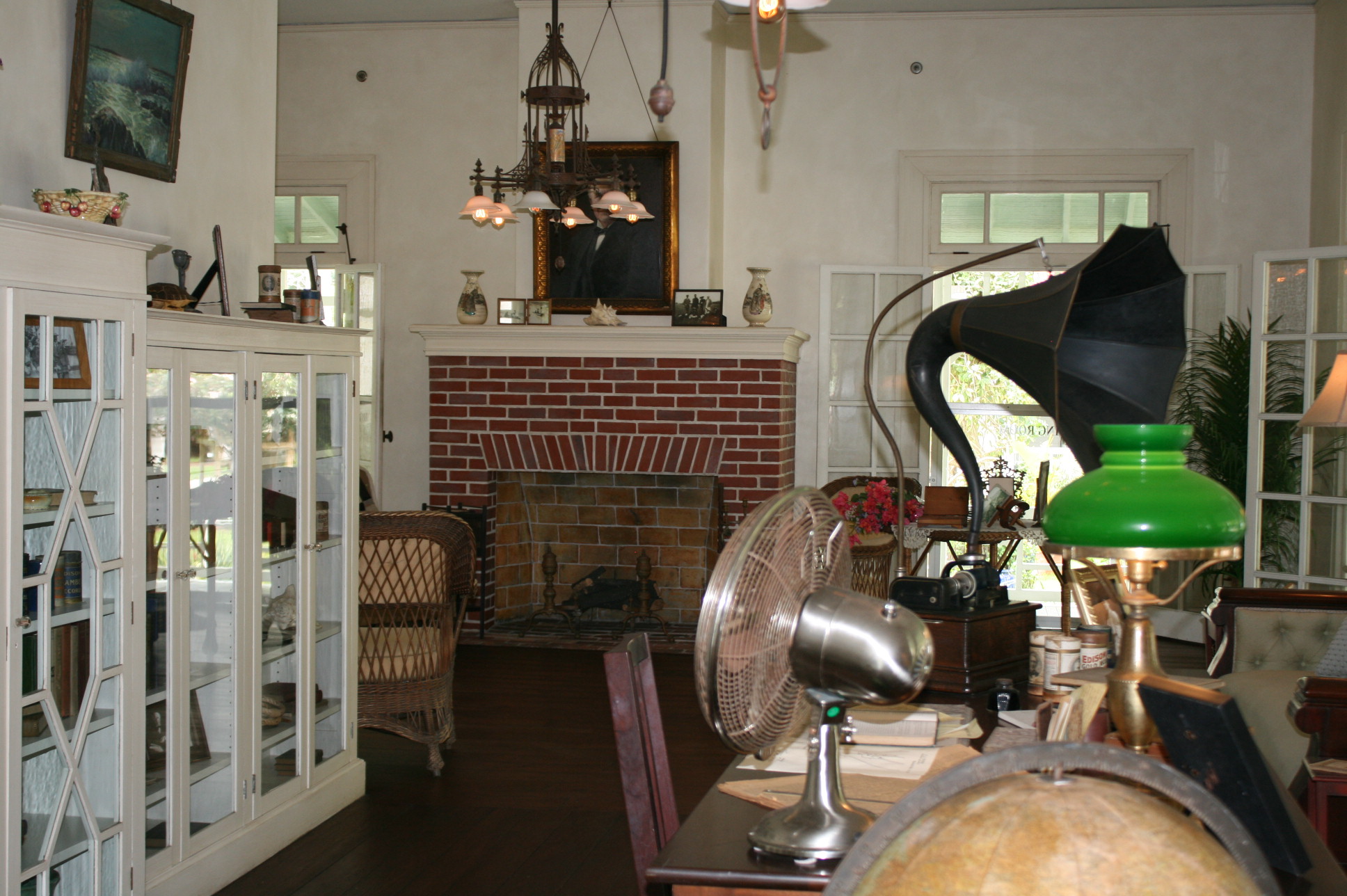
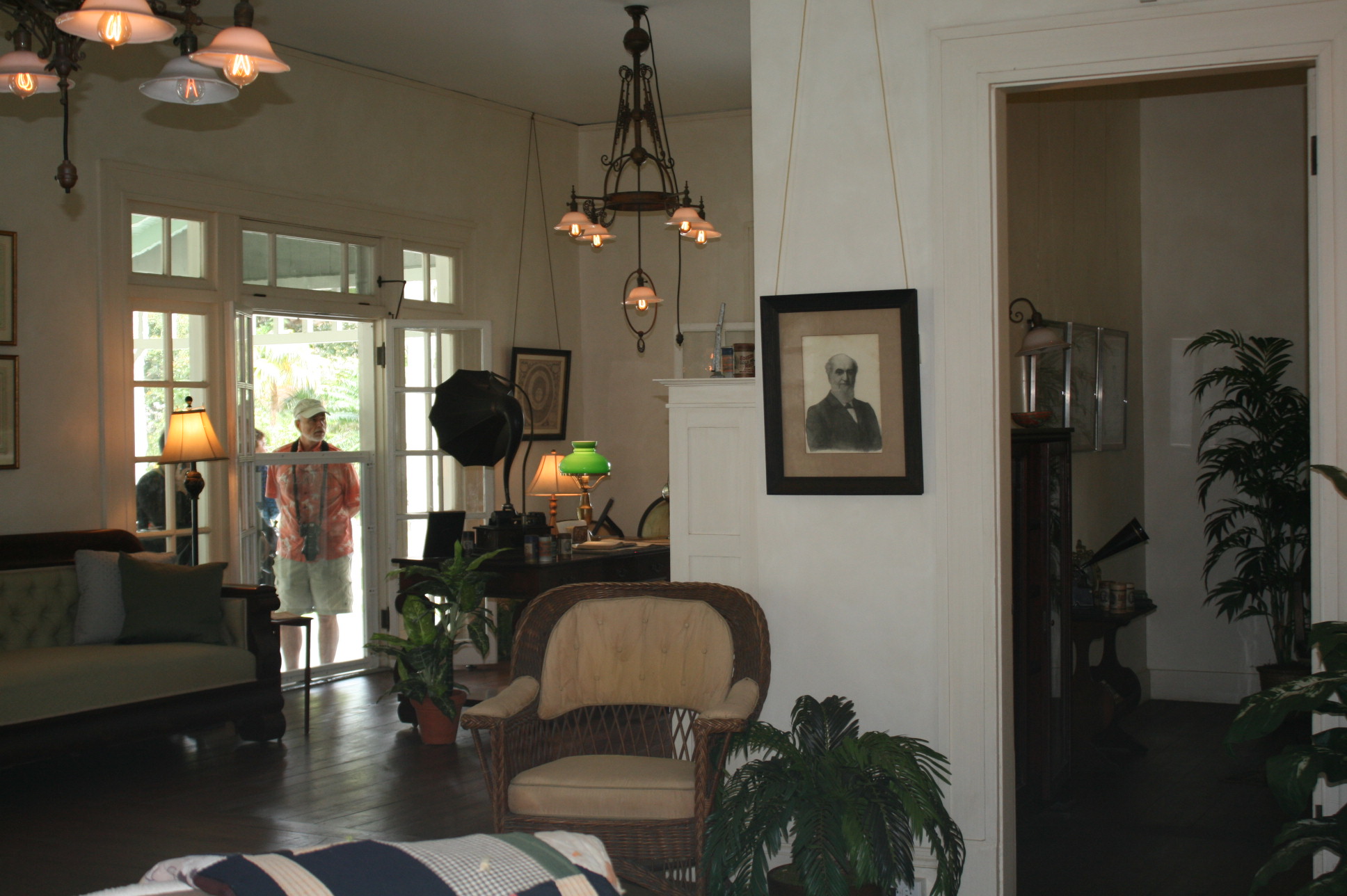
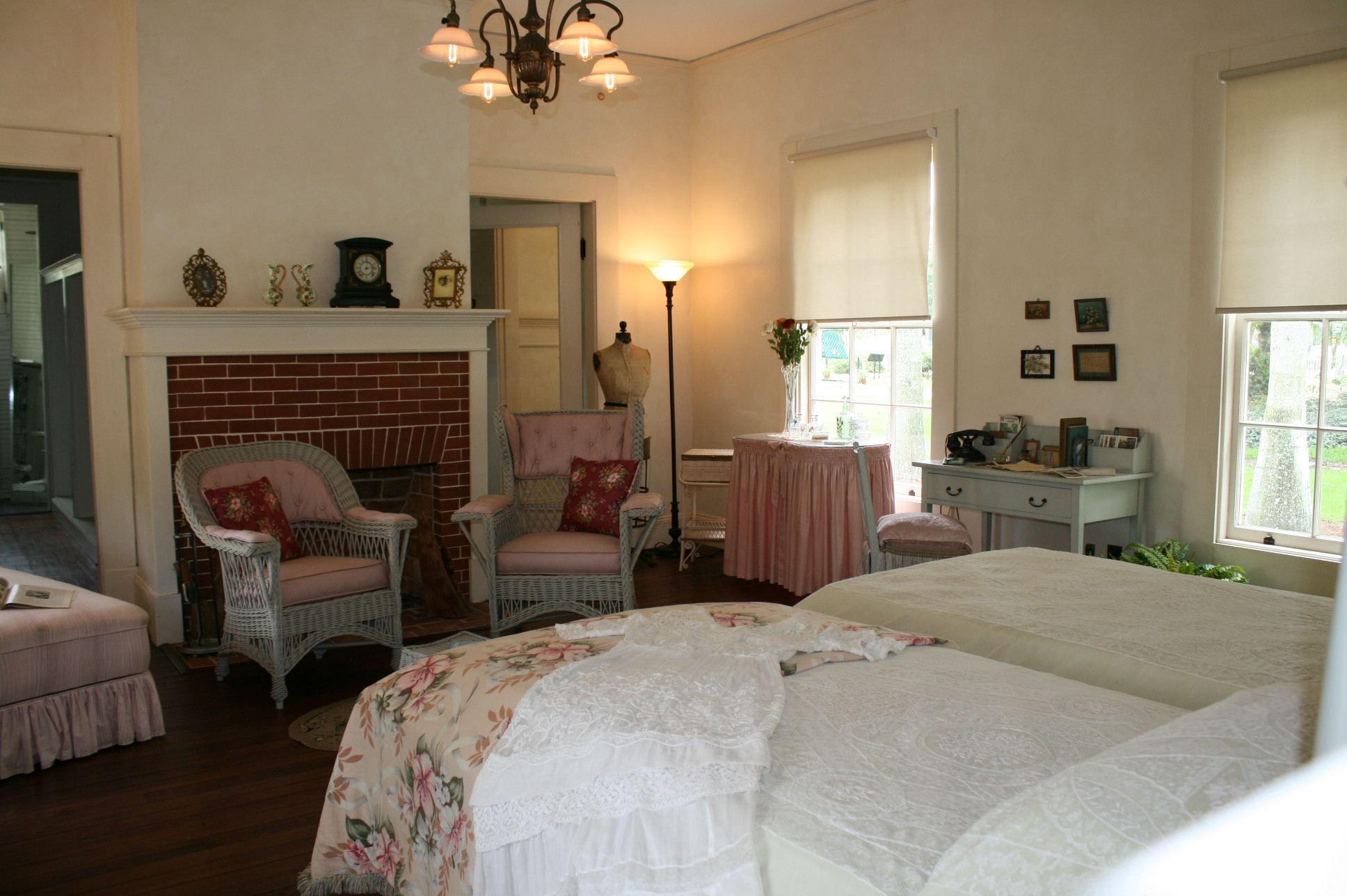
Both the houses were charming in their simplicity and good taste, and Edison’s in particular reflected his various inventions.

The library, Edison house

The library, Edison house


The sitting room, Edison house

The sitting room, Edison house


The master bedroom, Edison house

The master bedroom, Edison house


The Mangoes, Henry Ford's house

The Mangoes, Henry Ford’s house


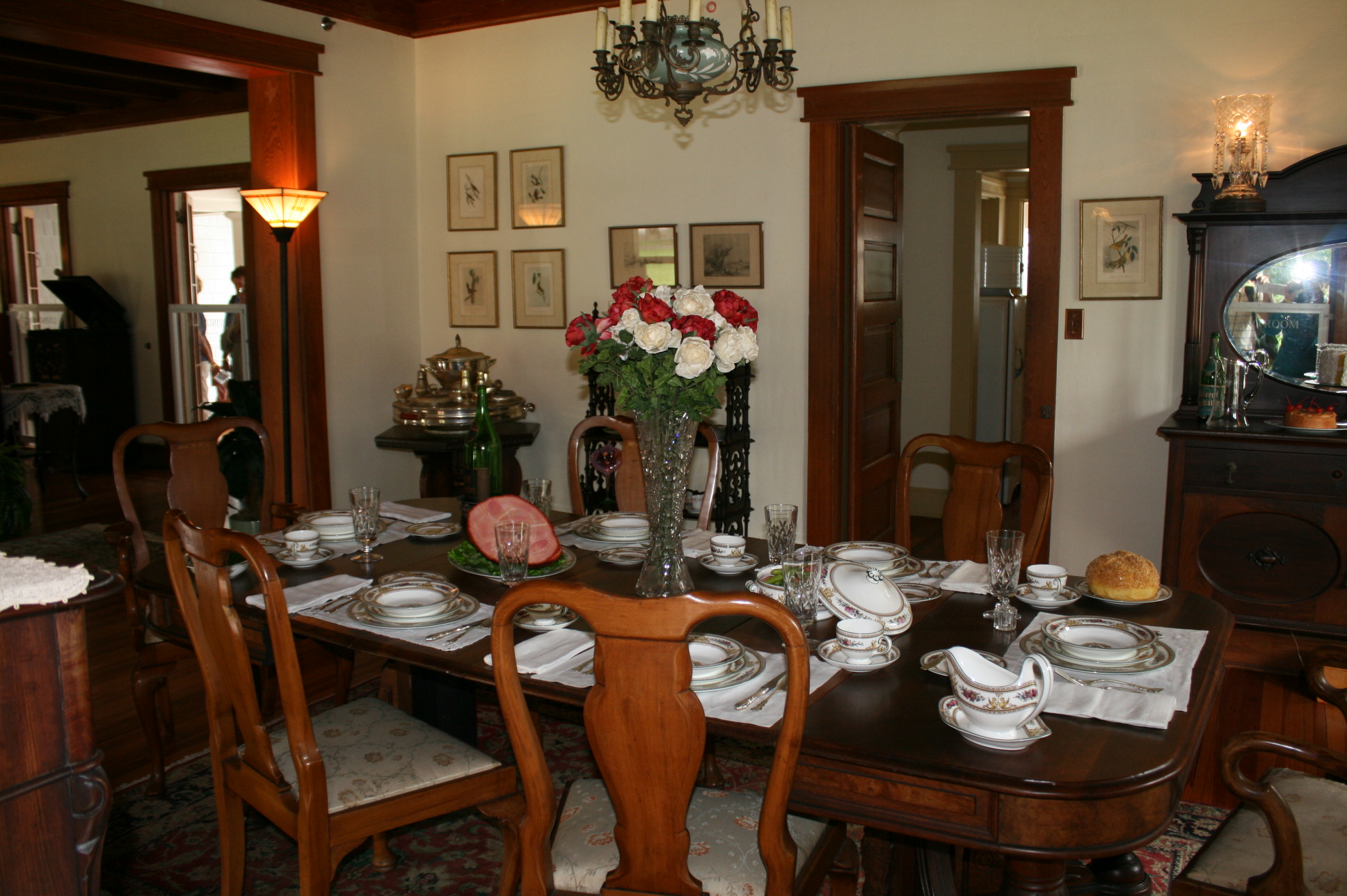
Clara Ford's dining room with her Wedgwood dinner service

Clara Ford’s dining room with her Wedgwood dinner service

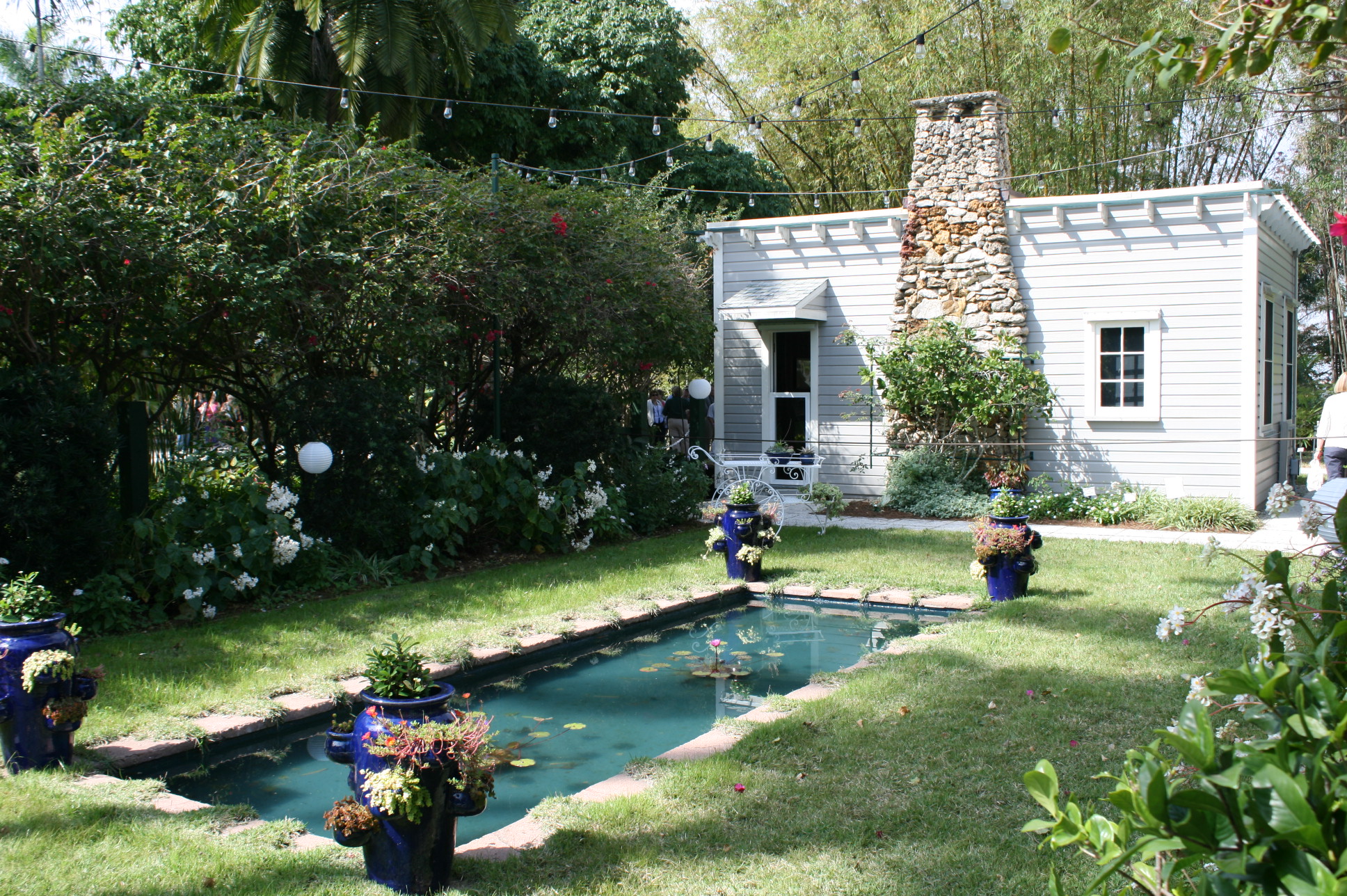
Mina Edison developed the ornamental gardens, while Thomas Edison and Henry Ford were interested in botanical research and in particular, with Harvey Firestone, in finding a plant which would thrive in the Florida climate and from which latex could be harvested.

Mina Edison's Moonlight Garden

Mina Edison’s Moonlight Garden


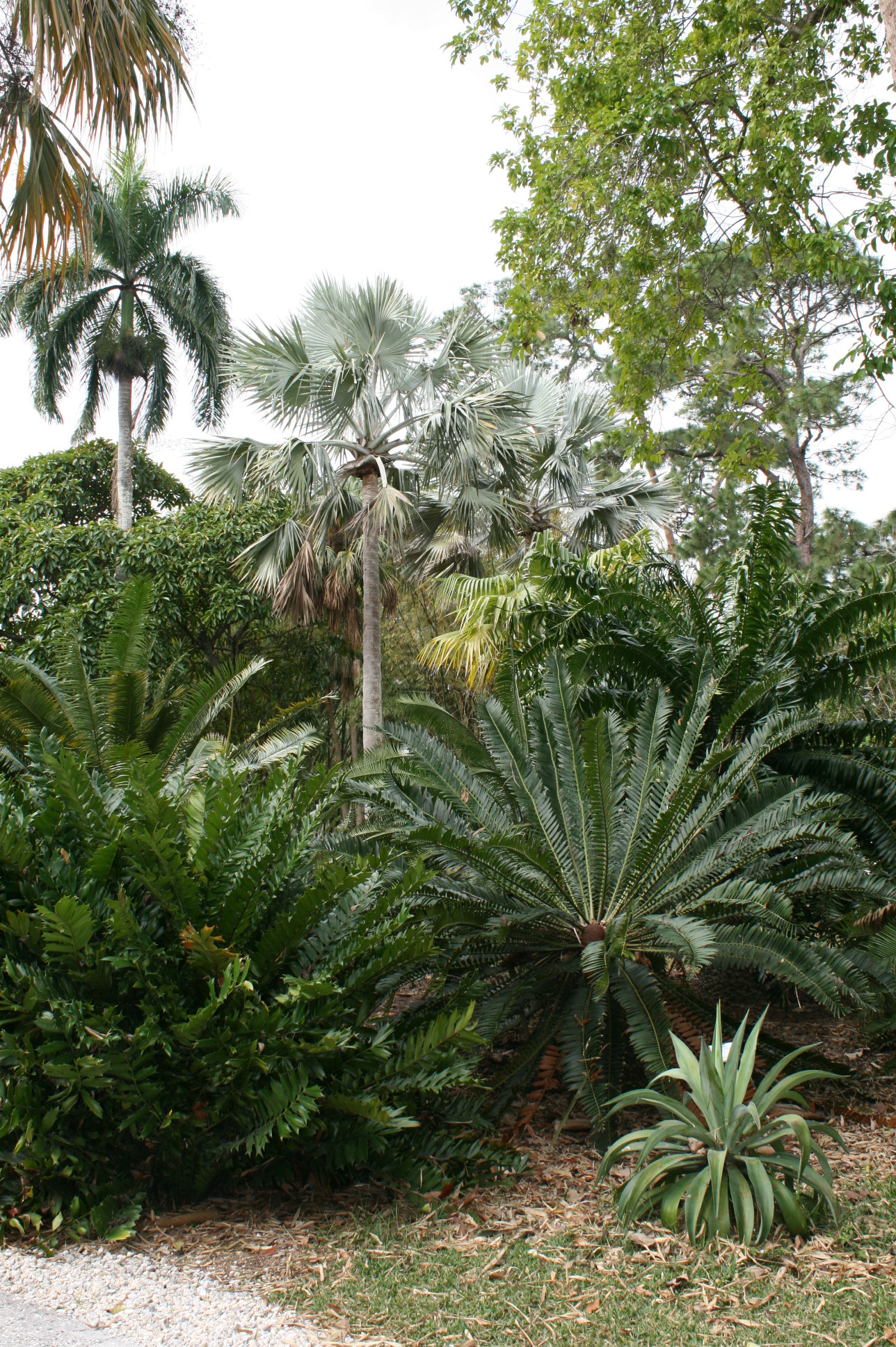
Tropical plants making striking contrasts of form and texture

Tropical plants making striking contrasts of form and texture


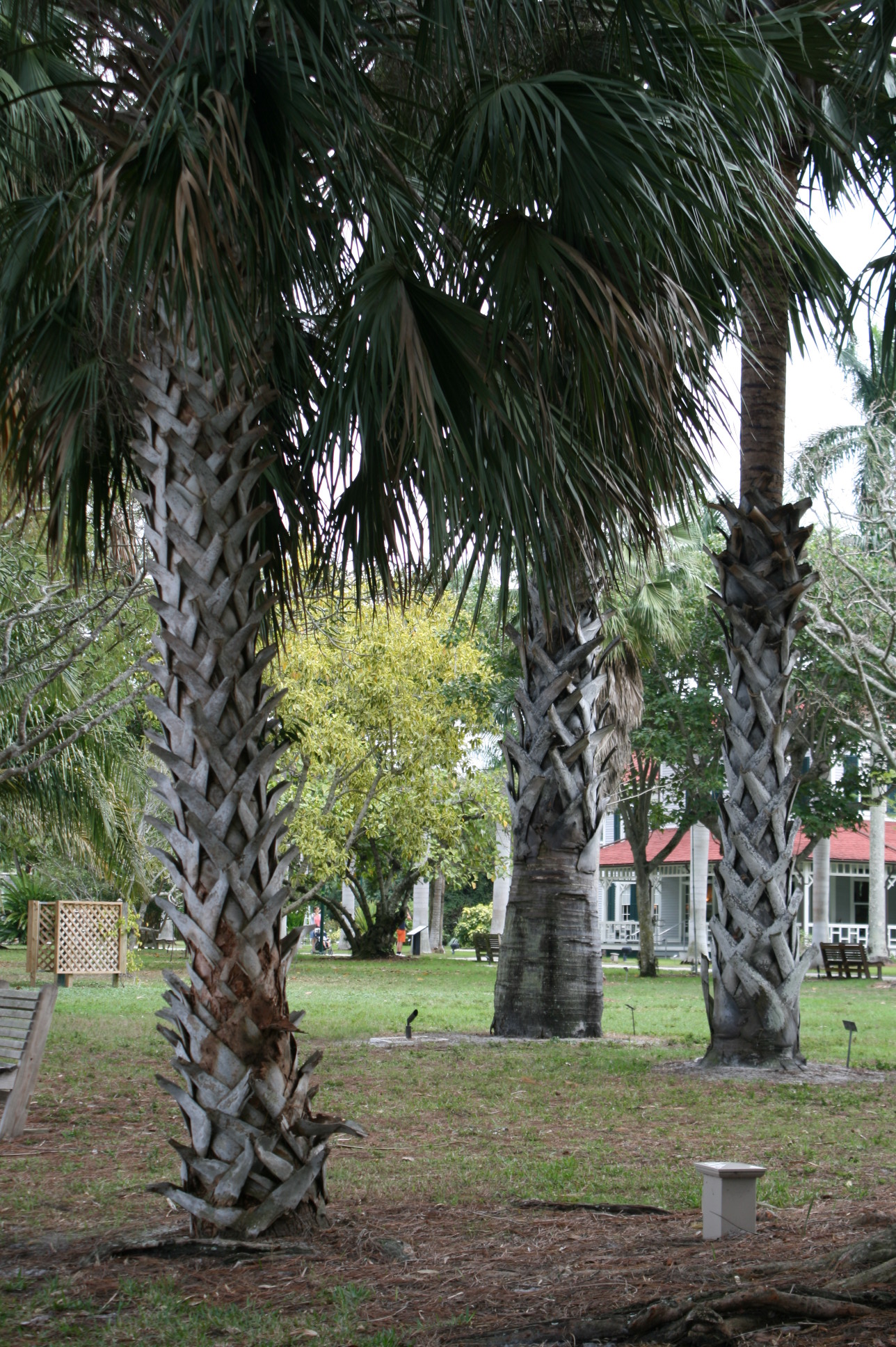
Palmyra Palms

Palmyra Palms


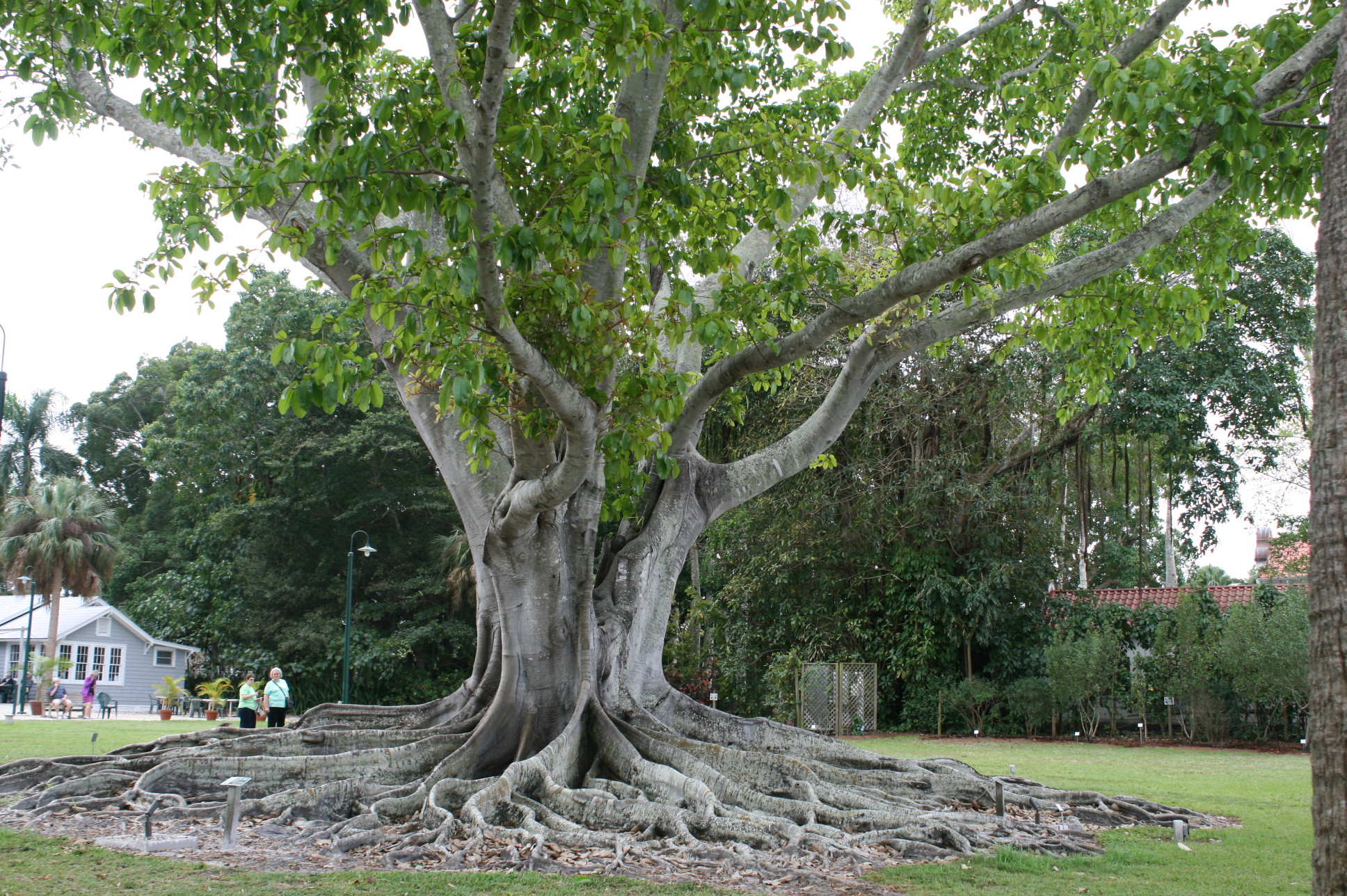
The Mysore Banyan tree

The Mysore Banyan tree


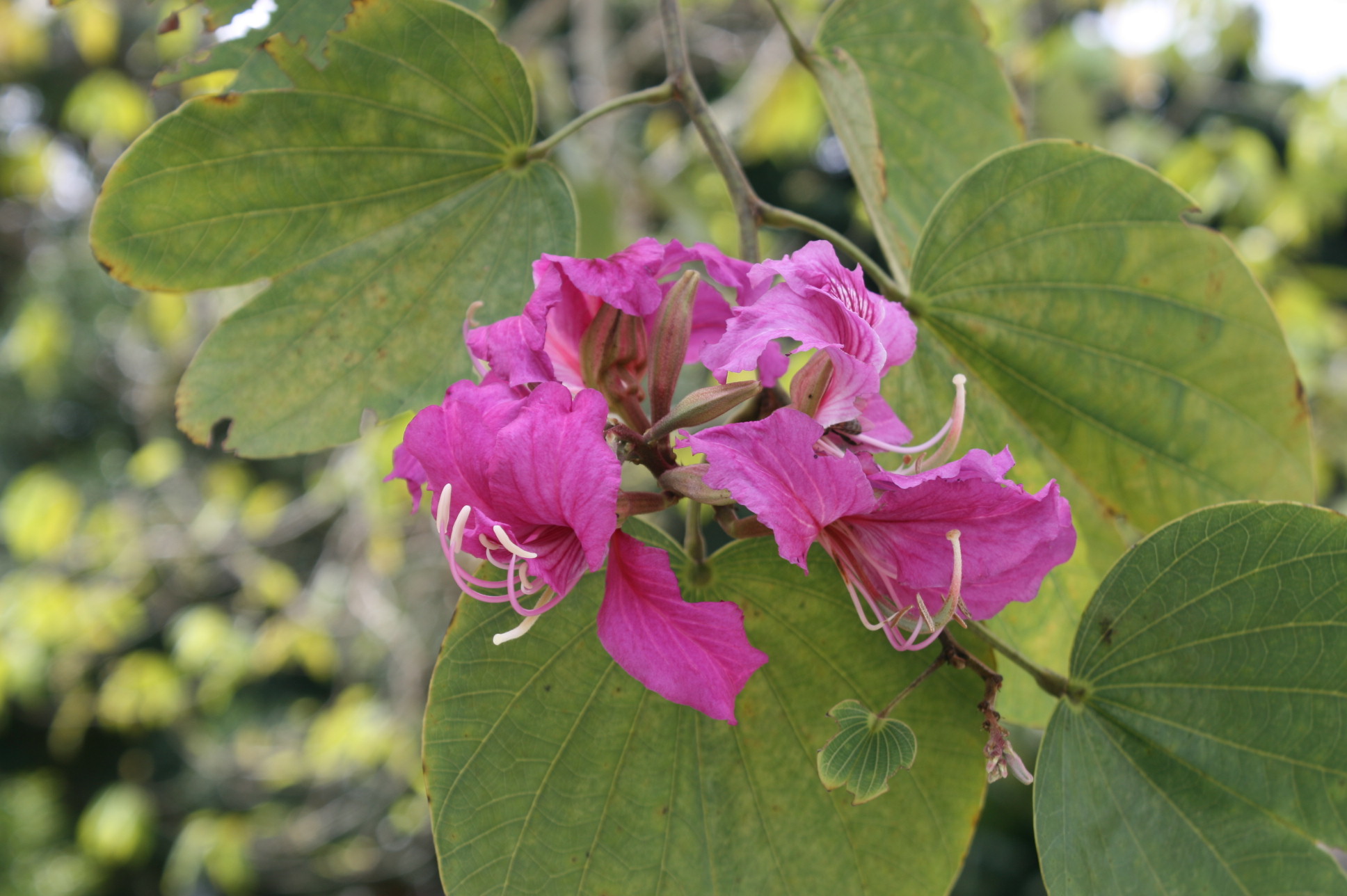
Bauhinia

Bauhinia

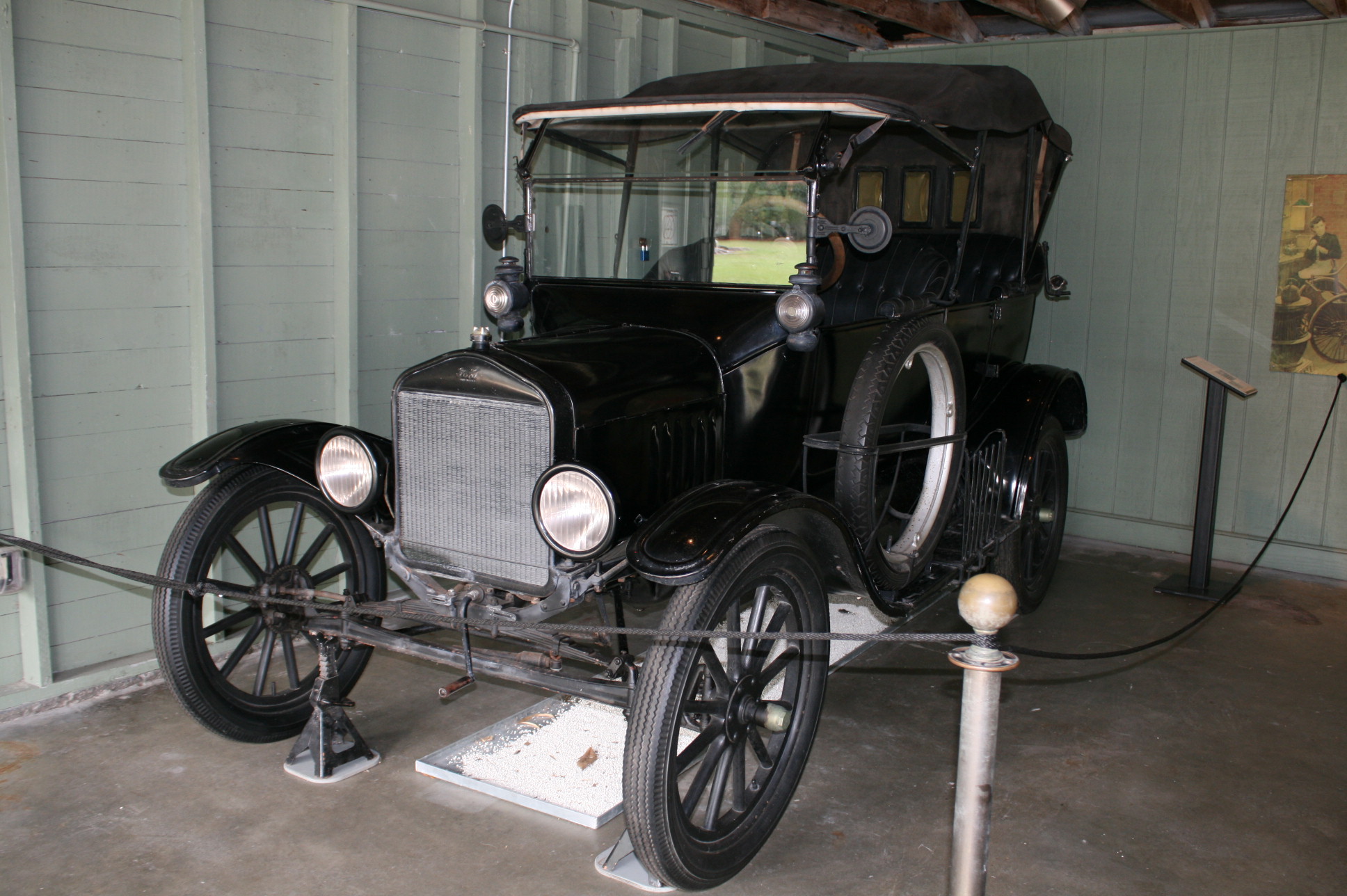
The Automobile exhibition included the Tin Lizzie, the Model T Ford.

Model T Ford

Model T Ford


It’s quite frightening to think that it could actually go at 45mph.

Edison and Ford both had very little formal schooling and their achievements, dedication and enterprise were all brought out in the exhibition. But so too were their interest and enjoyment of family life.
They were both sociable, and Henry Ford loved dancing, to the extent that he formed his own dance band and employed his own dance teacher to learn and revive old dances. In the 1920s, he said: “The younger people do not know old-fashioned dancing, and the older people – those who really need it – have grown rusty. They thought they were too old, but one never gets too old to dance!”. Indeed.

There was an interesting view of the energy crisis, as seen 100 years ago. In 1913, Scientific American said that ‘the question of the possible exhaustion of the world’s oil supply deserves the gravest consideration. There is every indication we are now face to face with this possibility.’
And in 1931, Edison presciently told Ford and Firestone : “I’ll put my money on the sun and solar energy. What a source of power! I hope we don’t have to wait until oil and coal run out before we tackle this.”
He was 83 years old, and still working every day in his laboratory.

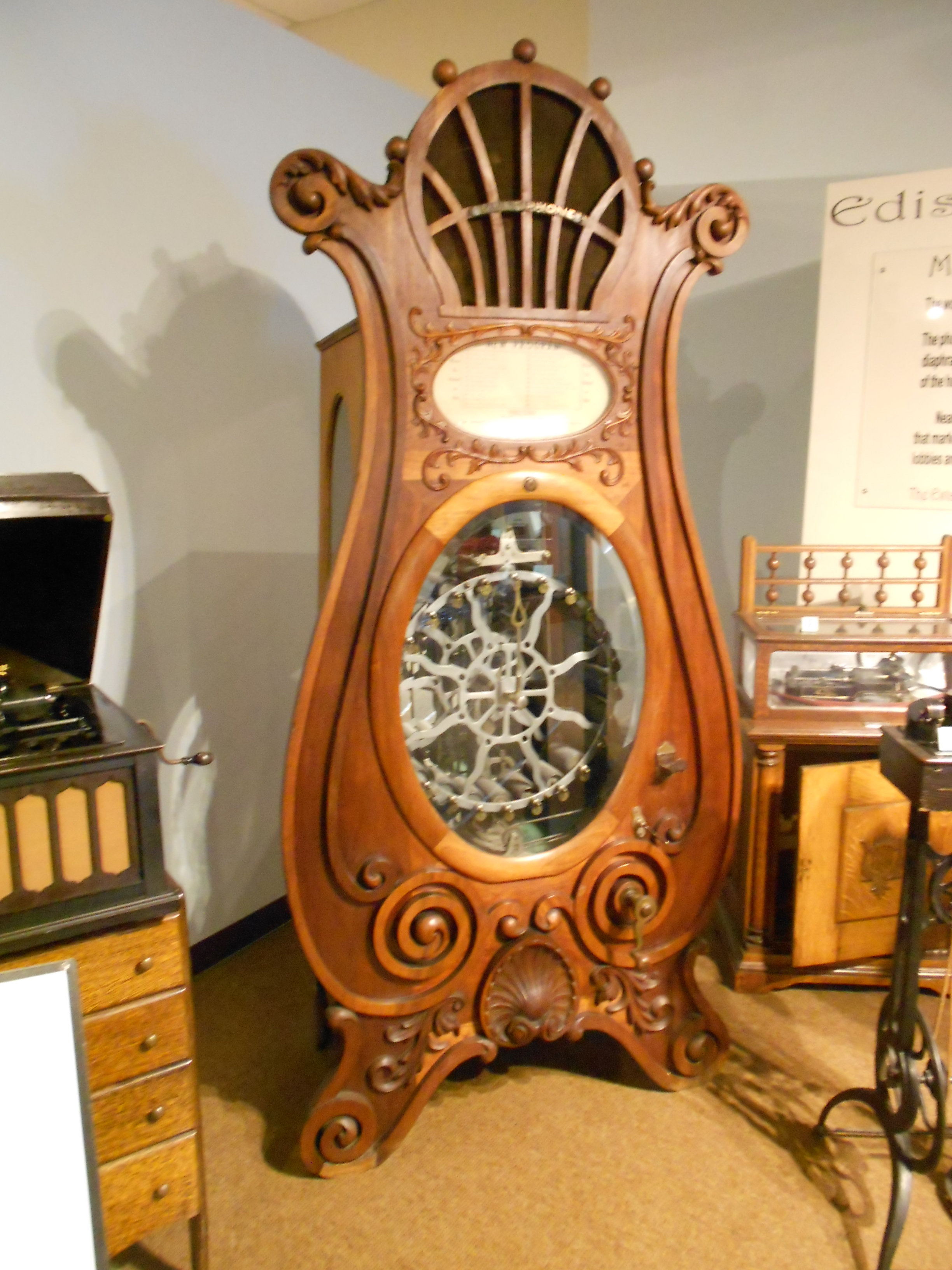
A precursor to the juke box

A precursor to the juke box

We decided we had enough time, after visiting the Edison-Ford estates, to go to Lee County Manatee Park . Manatees are aquatic mammals, about the size of a large sheep, and are an endangered species. They are most closely related to elephants, and are a must-see for visitors to Florida.
Owing to human inputting error, our first two efforts at driving there, courtesy of the Tom-Tom and then Google maps on my iPhone, were not successful, and it was only after driving about 12 miles round in circles that we established the right address for the park.
A certain irritability crept into the conversation.
‘The bl**dy manatees had better be sitting up doing tricks after this.’
But only one of them deigned to expose six inches of his back.

Sanibel

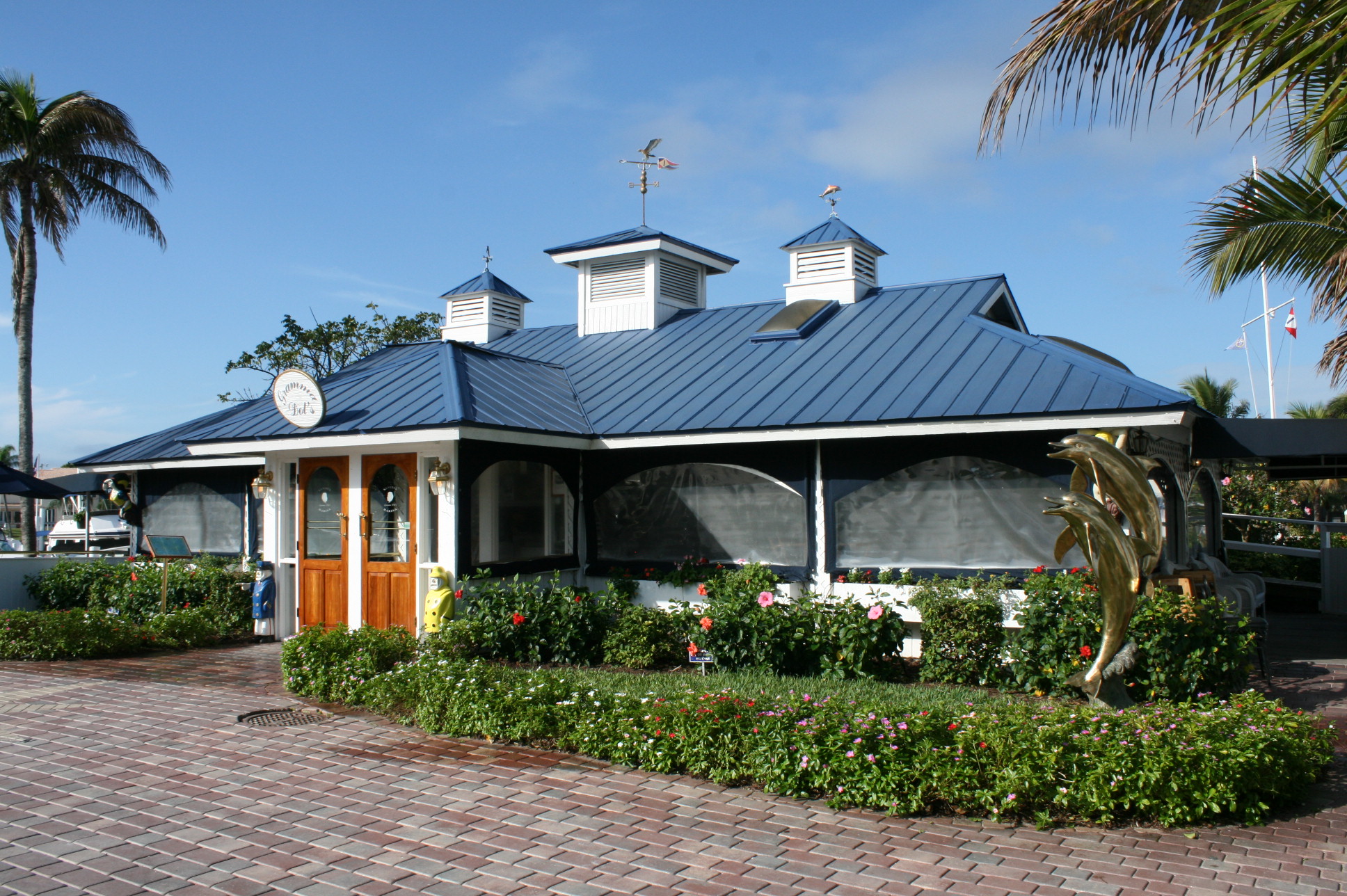
Gramma Dot's at Sanibel Marina

Gramma Dot’s at Sanibel Marina

Things improved after we left Captiva. We became afloat again at about 2.30 in the afternoon on the high tide, and had a good passage in smooth waters with the sun shining, all the way to Sanibel. We were met by the marina owner, Tom, and he and Robert, the chap whose boat we were berthed next to, couldn’t have been more friendly and helpful. The marina is very nicely landscaped with lots of flowering hibiscus, and it has a good restaurant, Gramma Dot’s, where we had a very good fish dinner. In the morning, we got up to find a complimentary newspaper and two blueberry muffins outside the door of the boat. I just love American customer service.

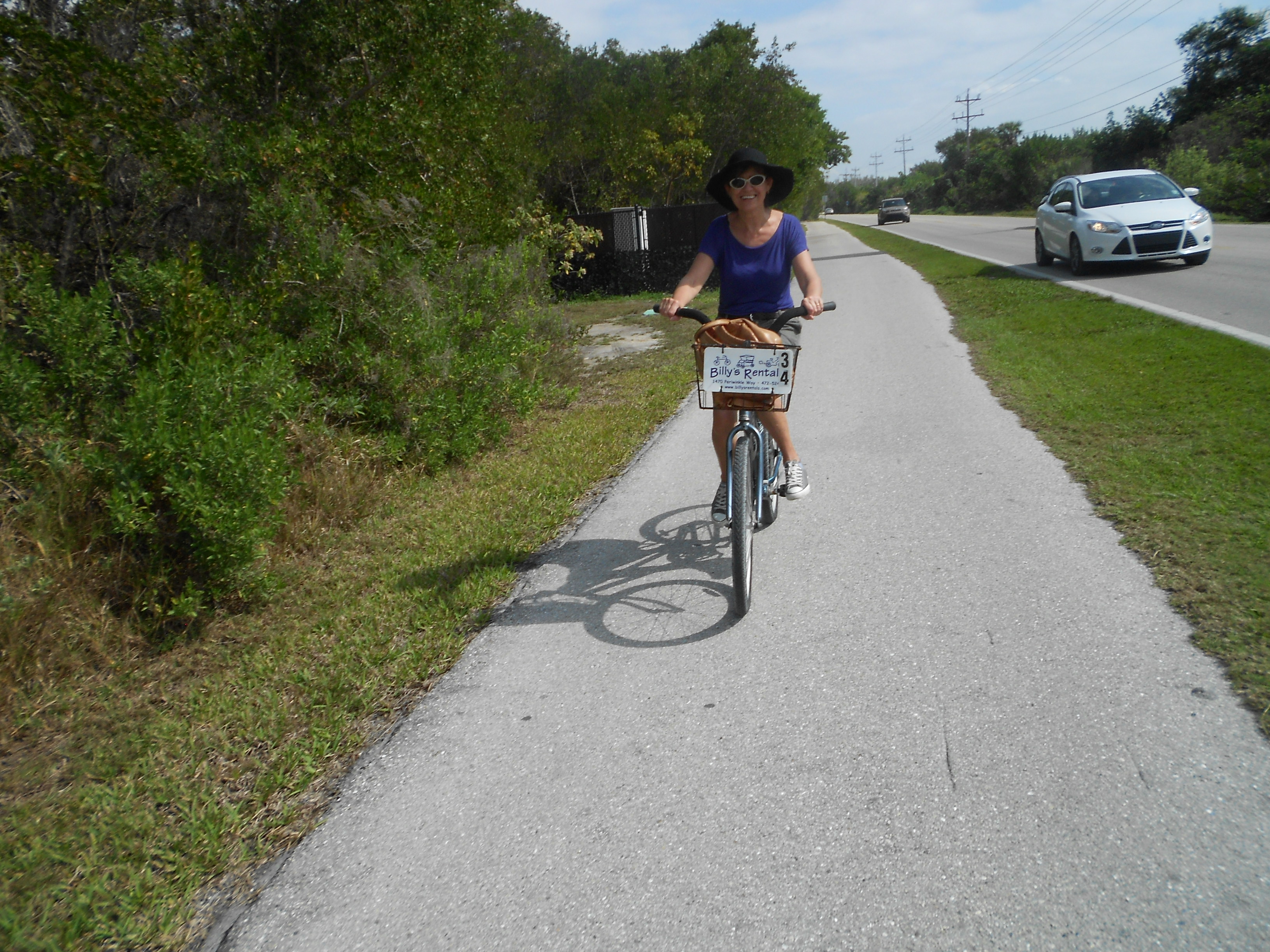
The guide book says that the best way to get round Sanibel is by bike, so despite the fact that I don’t have a very good track record with two-wheeled vehicles, and I hadn’t been on a bicycle for about twenty years, we set off in search of Billy’s Rentals. I normally don’t go anywhere without the appropriate one-inch Ordnance Survey map, but clearly that isn’t possible in the US, and we had only a vague tourist leaflet as an indication of where Billy’s might be, relative to the marina. A helpful fellow boater told us it was ‘about a mile down the road’ but I’m coming to the conclusion that some Americans aren’t very good at judging walking distances, possibly because they don’t walk anywhere very often. (Only joking, American readers!) We walked on for some considerable time, and at least a good two miles, before we found Billy’s.
We needn’t have worried that by the time we got there, the bikes might have all been taken. There were thousands of them, with many different kinds of varying complexity to choose from. As Florida is flat, Ian decided that the simple, no gears, brake-by-pedalling-backwards type would be appropriate for someone of my cycling capabilities.

Proof

Proof


Our objective was JN ‘Ding’ Darling National Wildlife Refuge, where you can follow a 5-mile trail through the sanctuary.
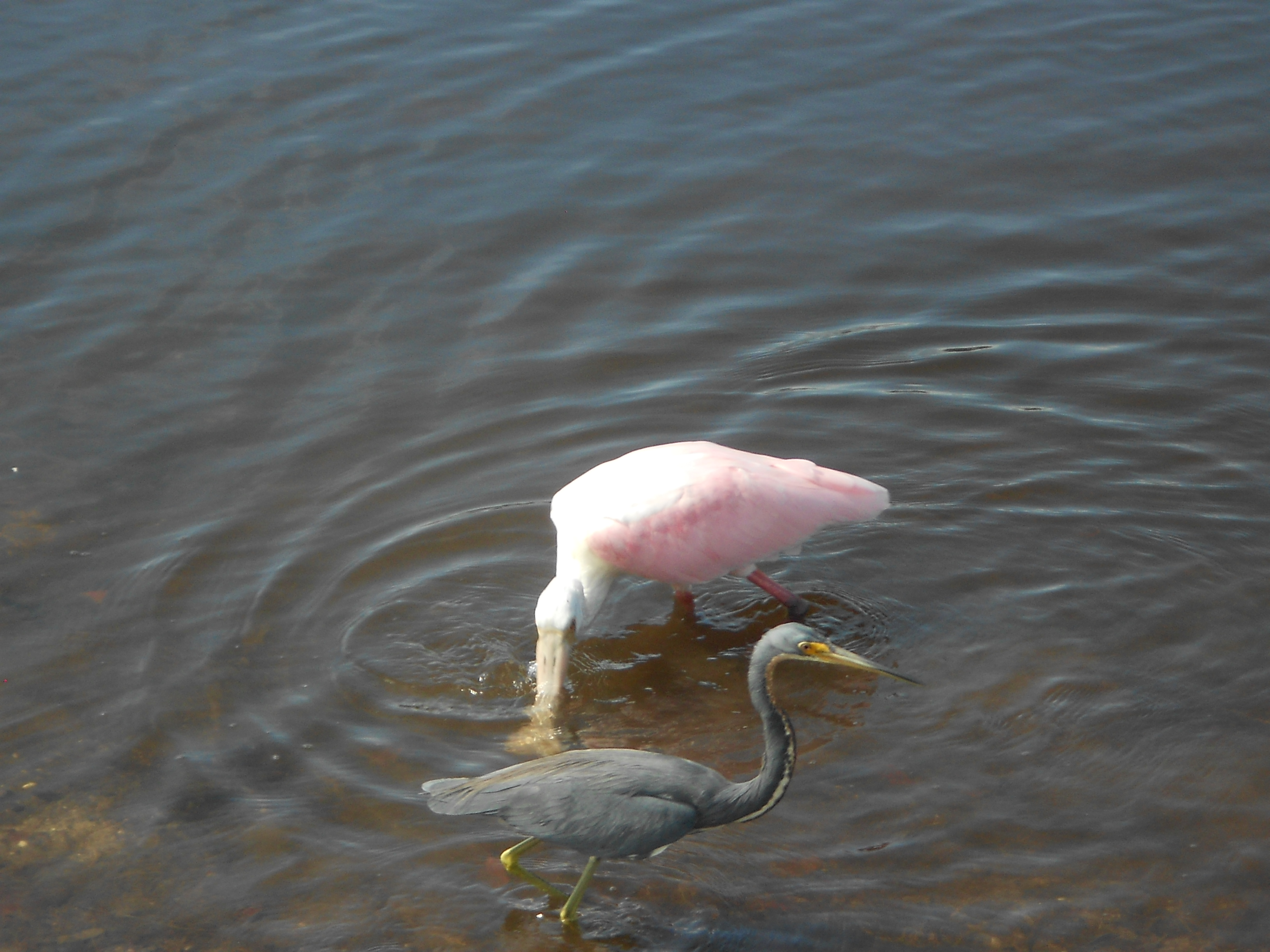
Roseate spoonbill and Tri-coloured heron

Roseate spoonbill and Tri-coloured heron


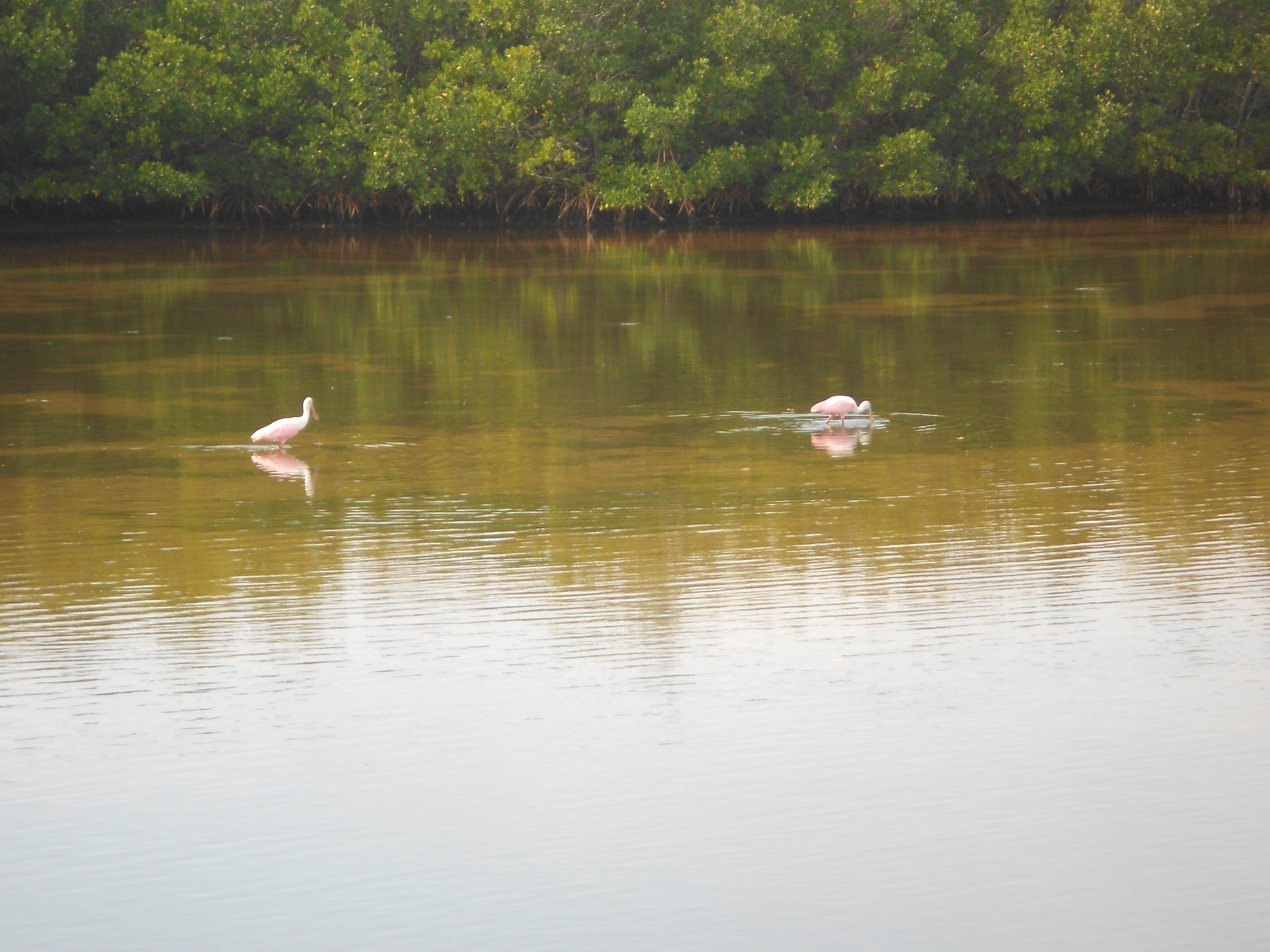
Roseate spoonbills

Roseate spoonbills


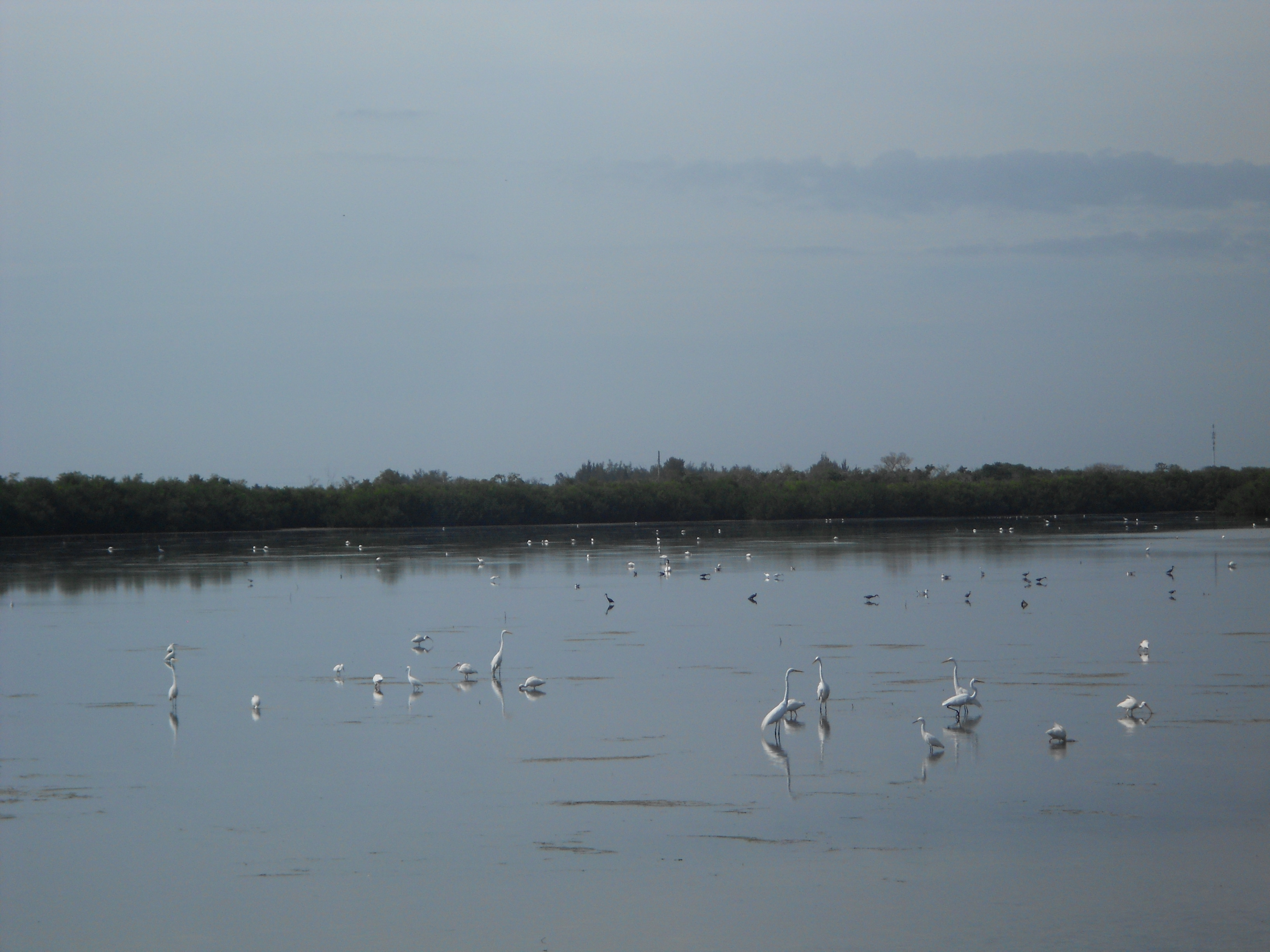
Egrets

Egrets


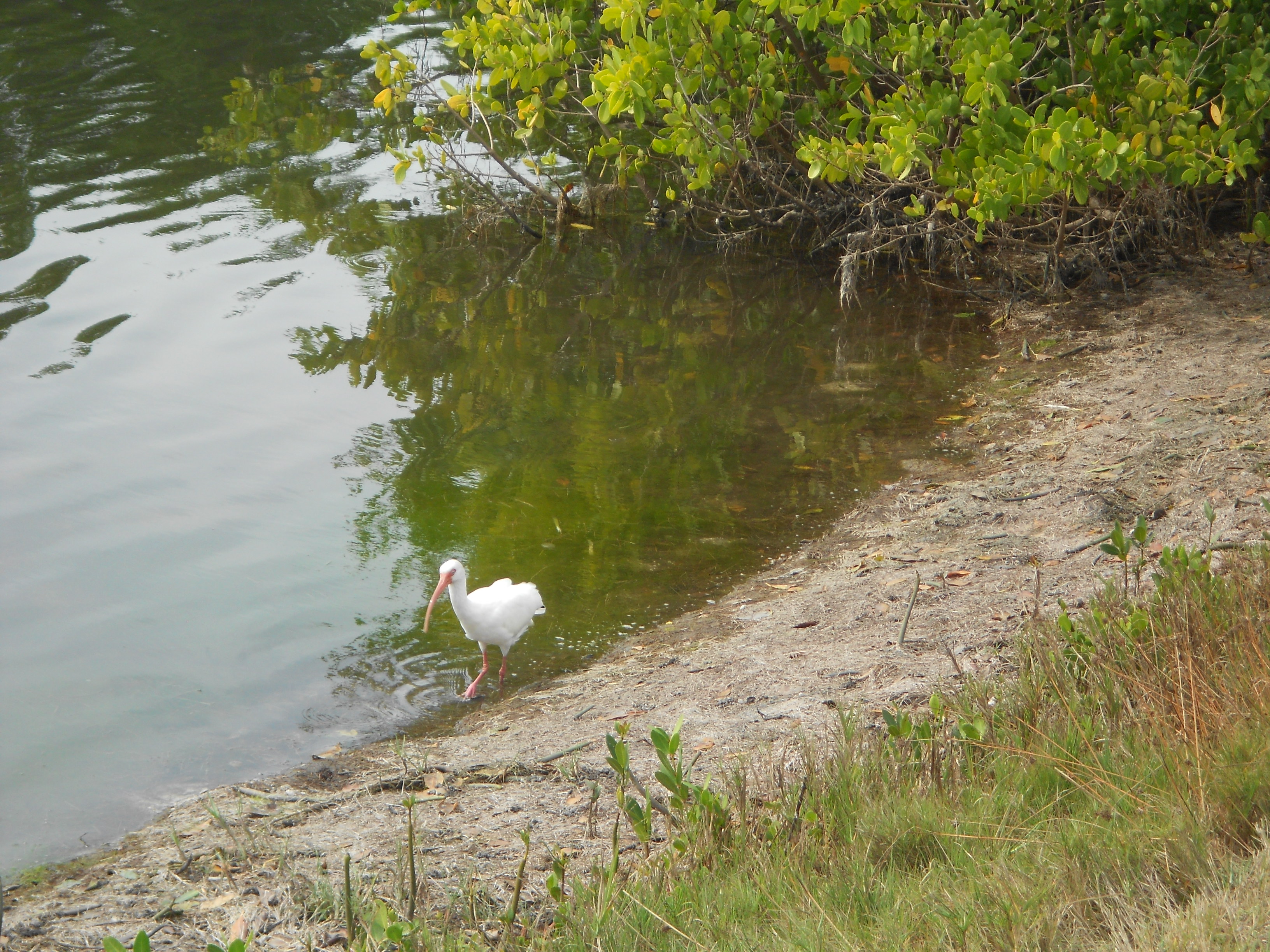
Ibis

Ibis


The trail also took us round a midden – debris of shells left by The Calusa Indians who inhabited south-western Florida for thousands of years before the arrival of Europeans in the 16th century.

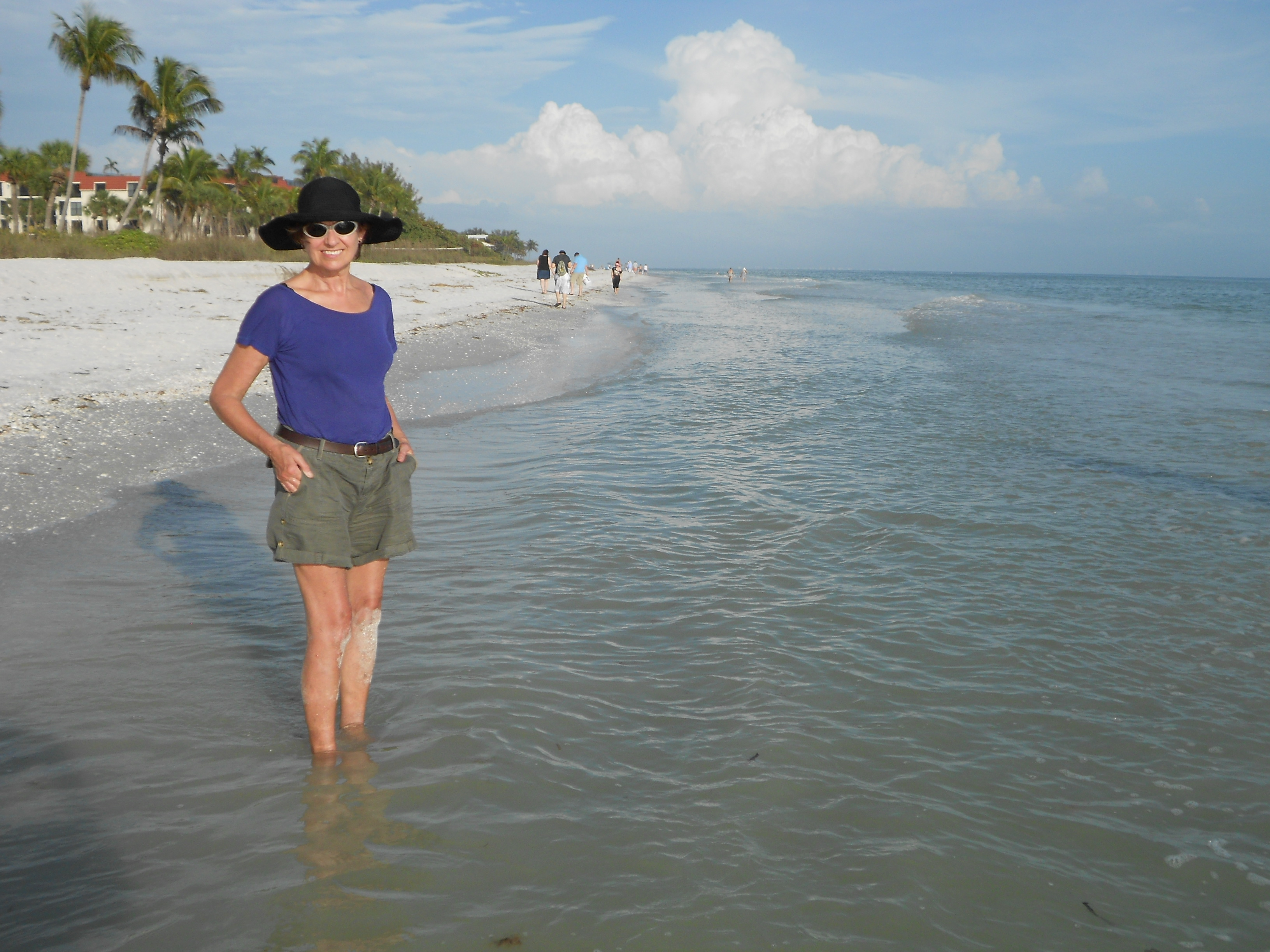
We had a look at the beach too.

Tarpon Bay Beach, Sanibel

Tarpon Bay Beach, Sanibel

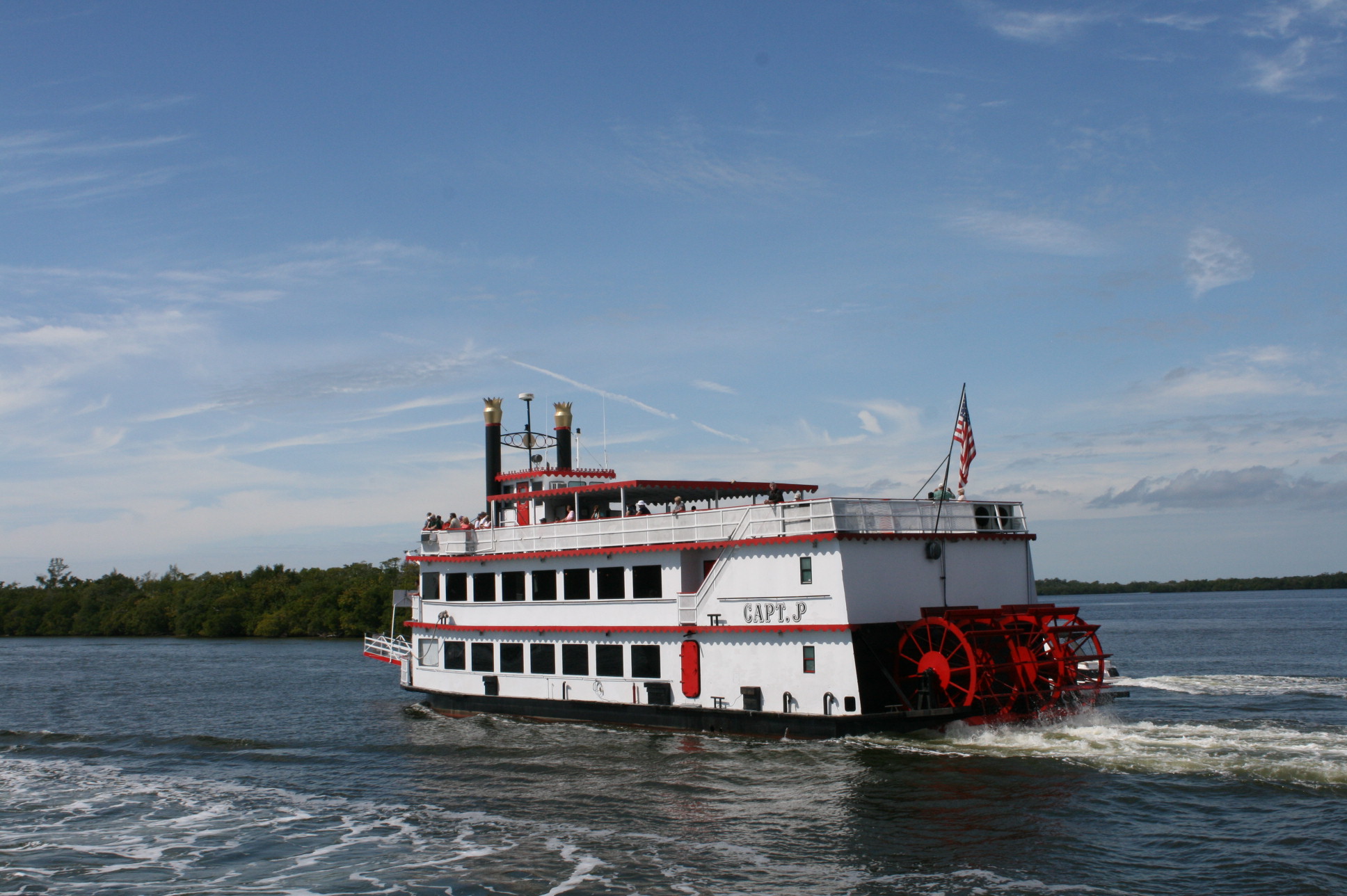
Yesterday we left Sanibel for Fort Myers, on the estuary of the Caloosahatchee River, and saw this trip boat along the way.
IMG_7850
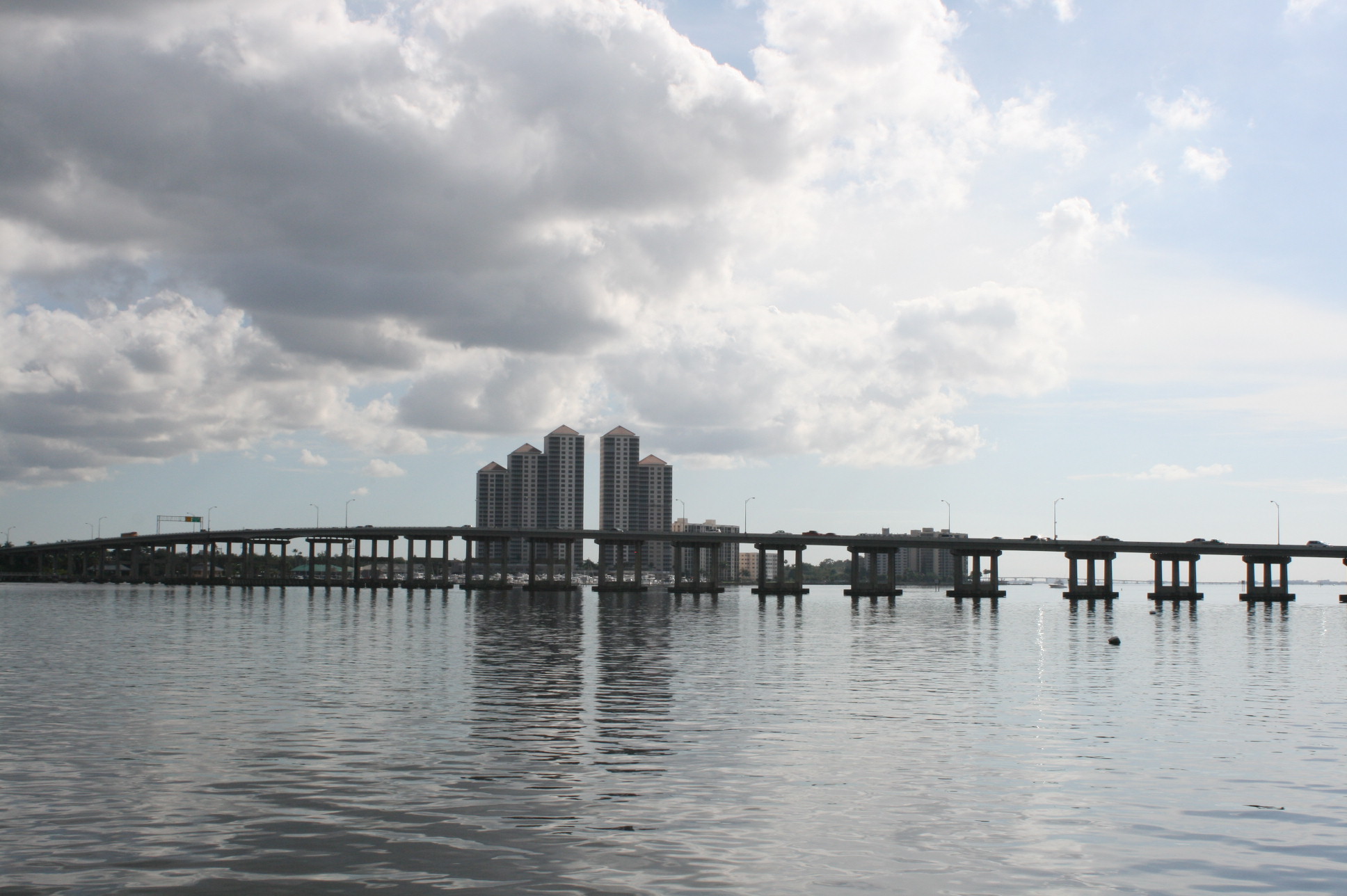
Here’s the view from our mooring at Fort Myers City Marina.

Fort Myers from our mooring

Fort Myers from our mooring

Stuck in the middle with you

View from the mooring - Captiva Island and Buck Key

View from the mooring – Captiva Island and Buck Key


Last night we anchored in very shallow water between Captiva Island and Buck Key. The whole of this area is very low-lying and all the water between the mainland and the numerous keys is shallow. You have to keep to the marked channel, and even then, we’d been warned that there were two types of boat in these waters – those that were already aground, and those that were about to go aground.
Captiva and its neighbouring island, Sanibel, are famous for wildlife, beautiful beaches and generally being unspoilt and you can hire bikes to get around. The plan was to anchor for a night, then move on to the marina at Sanibel for a couple of nights and do some land-based sight-seeing.
The first bad news was that the marina where we wanted to stay was full, but we could ring in the morning to see if there were any vacancies. Then the bike place wouldn’t deliver bikes to a nearby jetty for us for a one-day hire. Then at 9pm, Ian suspected we were aground. We weren’t, but he decided that we needed to get up at 6 in the morning, when the tide would be right, to move into deeper water.
We got up at six and moved the boat, and got stuck.
So we now have to wait here till this afternoon, when we can float off on the high tide.
‘I’ll make a cup of tea,’ Ian said, and there was no further conversation for the next two hours.
But things are improving, as they usually do. He rang the marina again, and someone has left, so we can stay there for the next two nights after all. And I got out the tin of Brasso that I’d bought in Walmart and had a go at the decorative brass hooks in the galley (one in the shape of an anchor, and one a ship bearing two pineapples) which were badly tarnished and worked off my annoyance on them. The hooks don’t gleam quite as much as my Brownie badge used to, but they look much better and I’m having my second cup of tea.

The previous night we had stayed at Gasparilla Marina, an enormous place, but with very friendly and helpful staff and shower rooms and laundry facilities that wouldn’t have been out of place in a five star hotel.

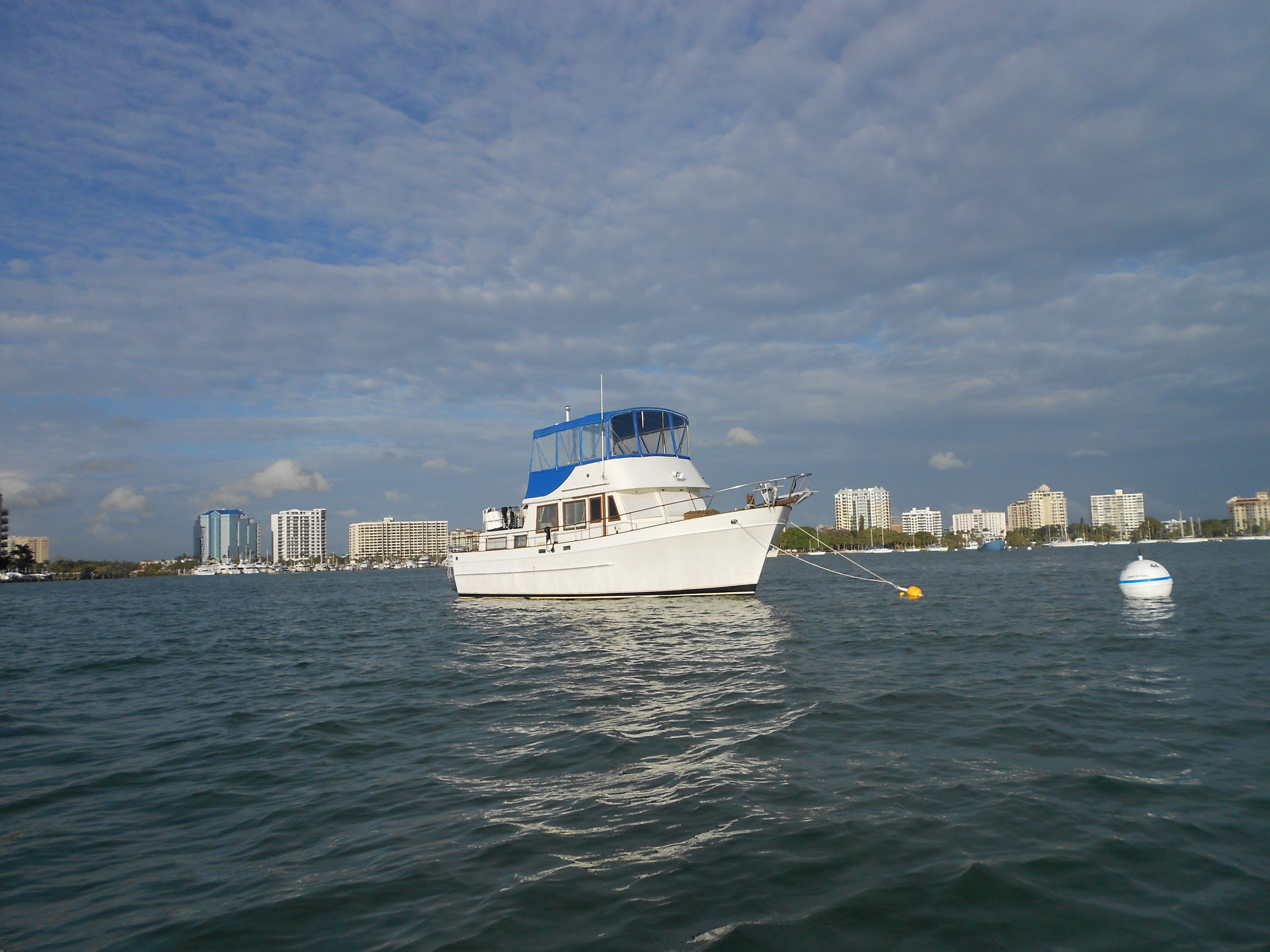
Carina at Gasparilla Marina

Carina at Gasparilla Marina

The trip from Gasparilla was interesting, not only because of the dolpins and birds we saw, but the conversations between boaters that we overheard on the VHF radio. It turns out that we are not the only ones to be mildly annoyed by the large wakes created by some boatowners with an excess of engine fitted to their craft, but Americans are rather more polite and subtle with their insults than British narrowboaters.
‘Calling Moonwind……apparently your mother didn’t teach you courtesy.’
‘Calling Snowdrift……you sure know how to make a boat roll.’
‘Calling Bunnikins……I guess that’s your first boat.’

So far, we have neither been the recipient of such banter, nor dared to deliver any.

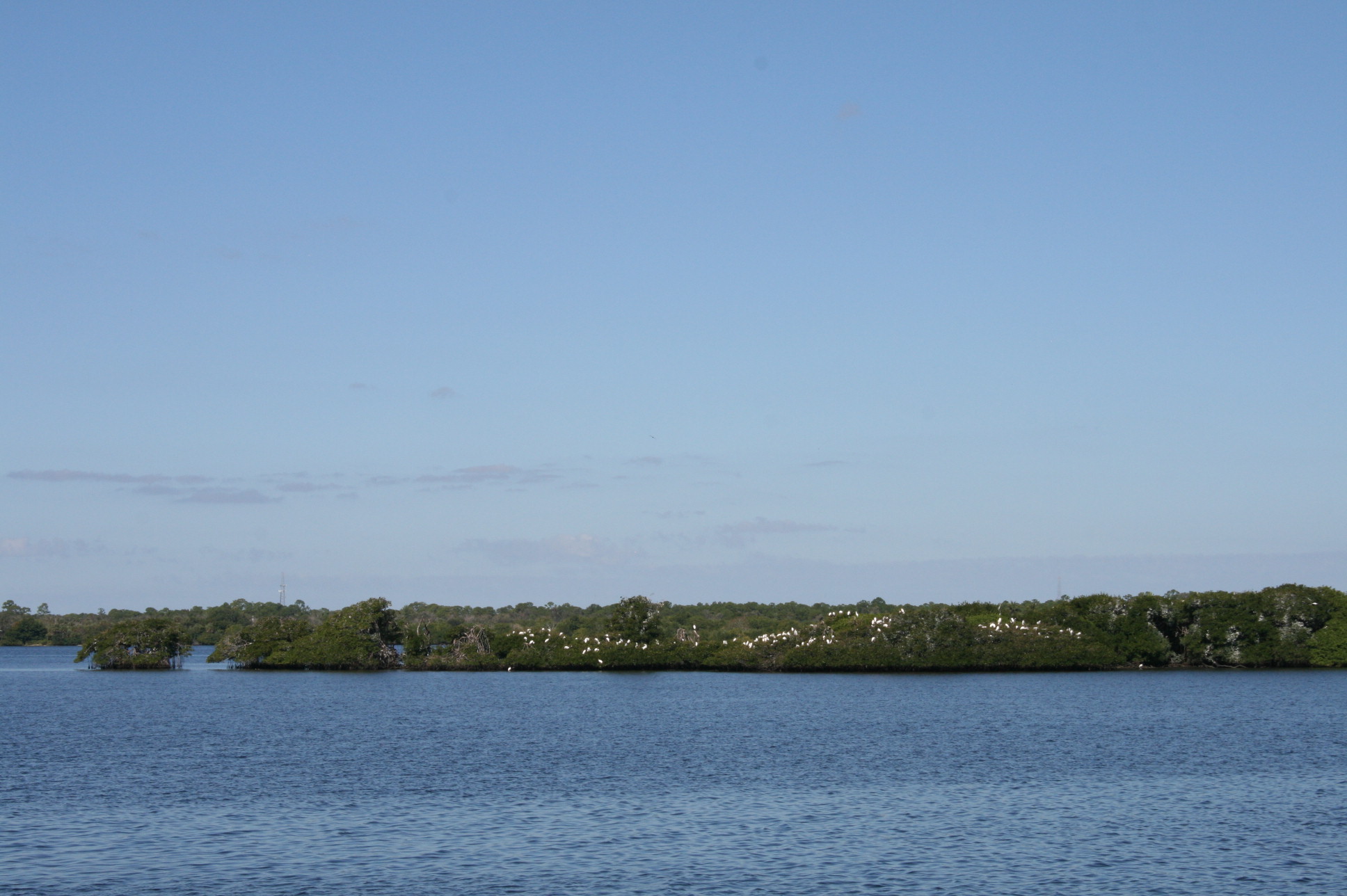
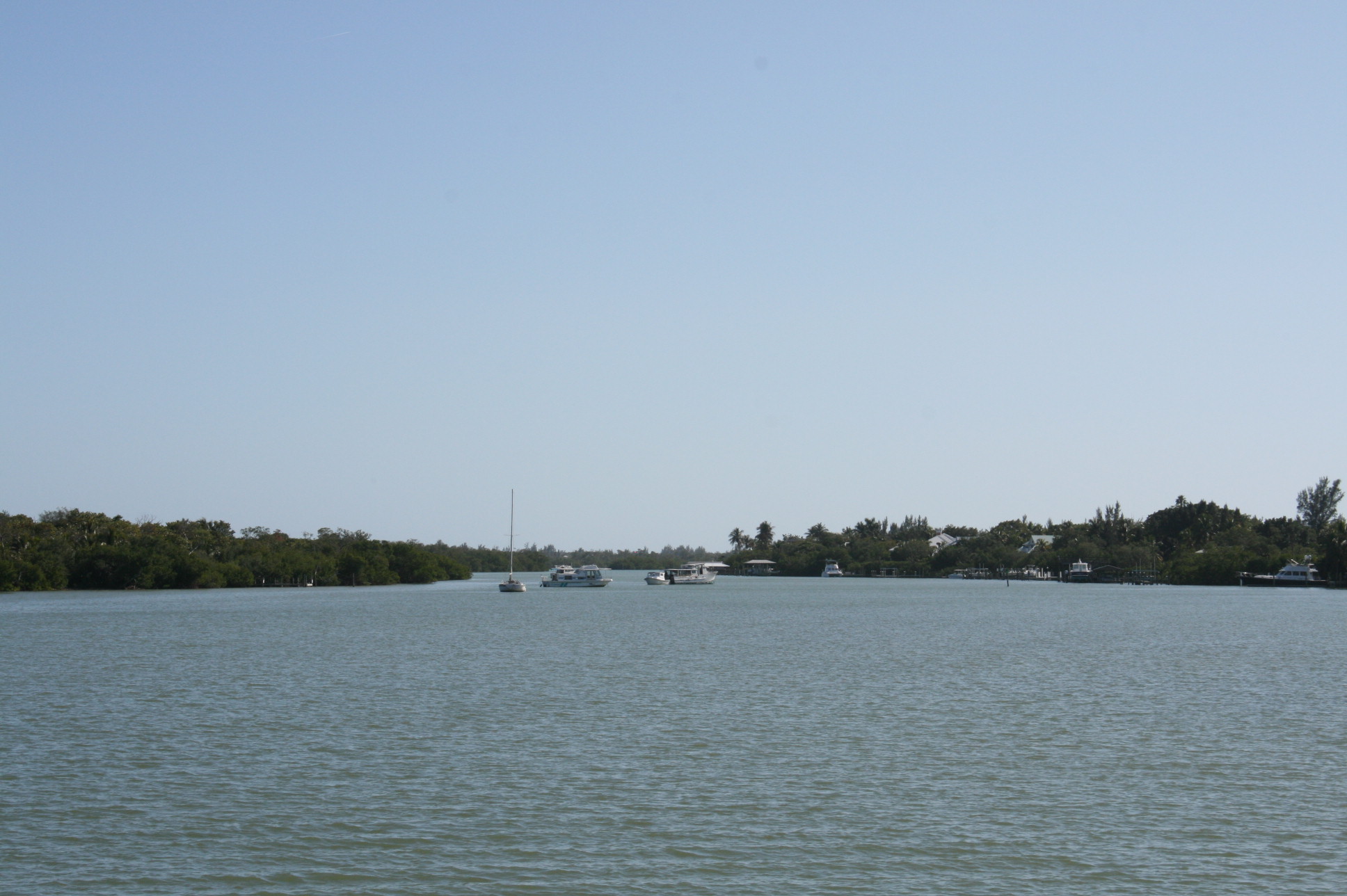
Cayo Costa from Charlotte Harbor

Cayo Costa from Charlotte Harbor