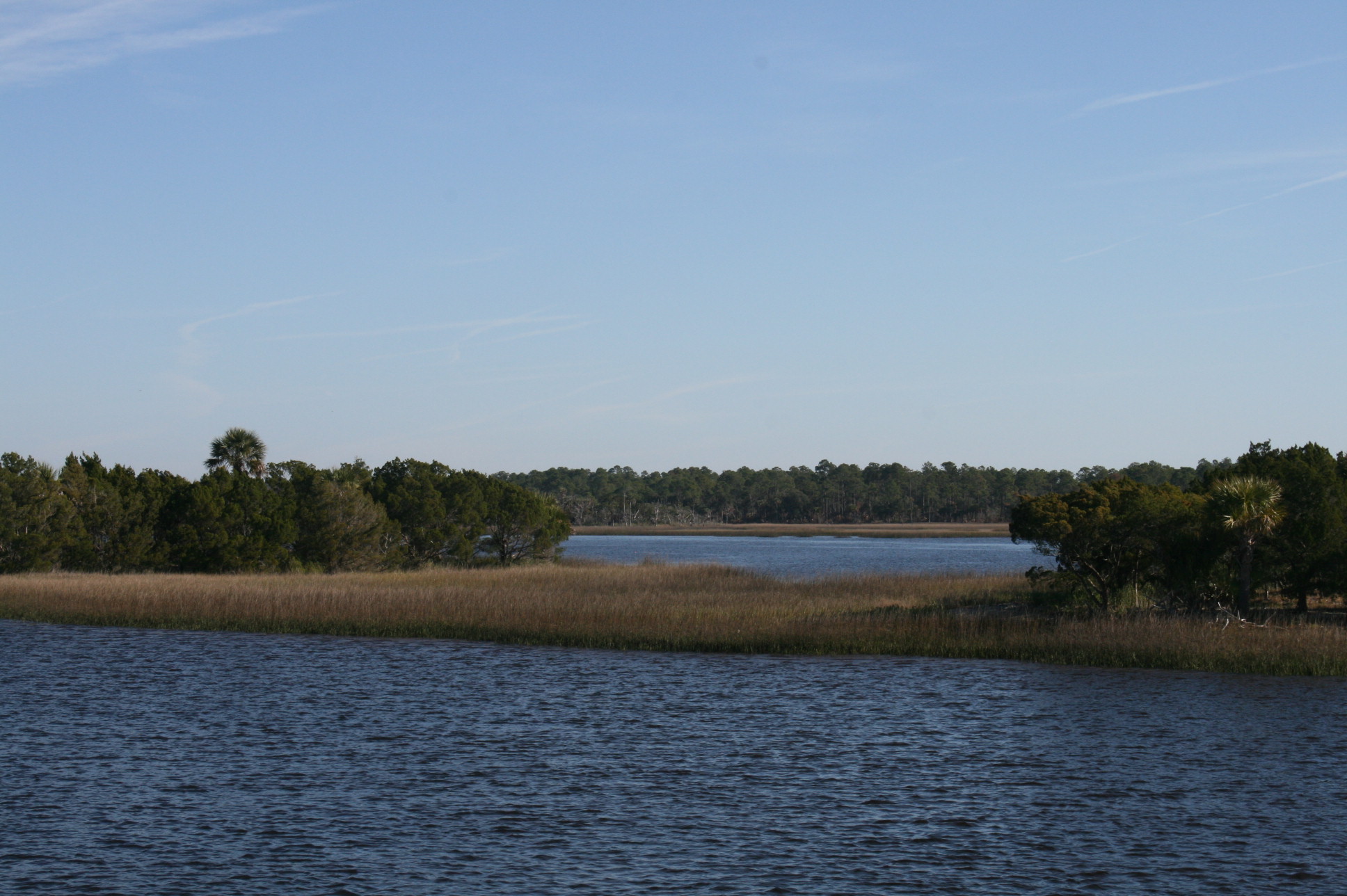
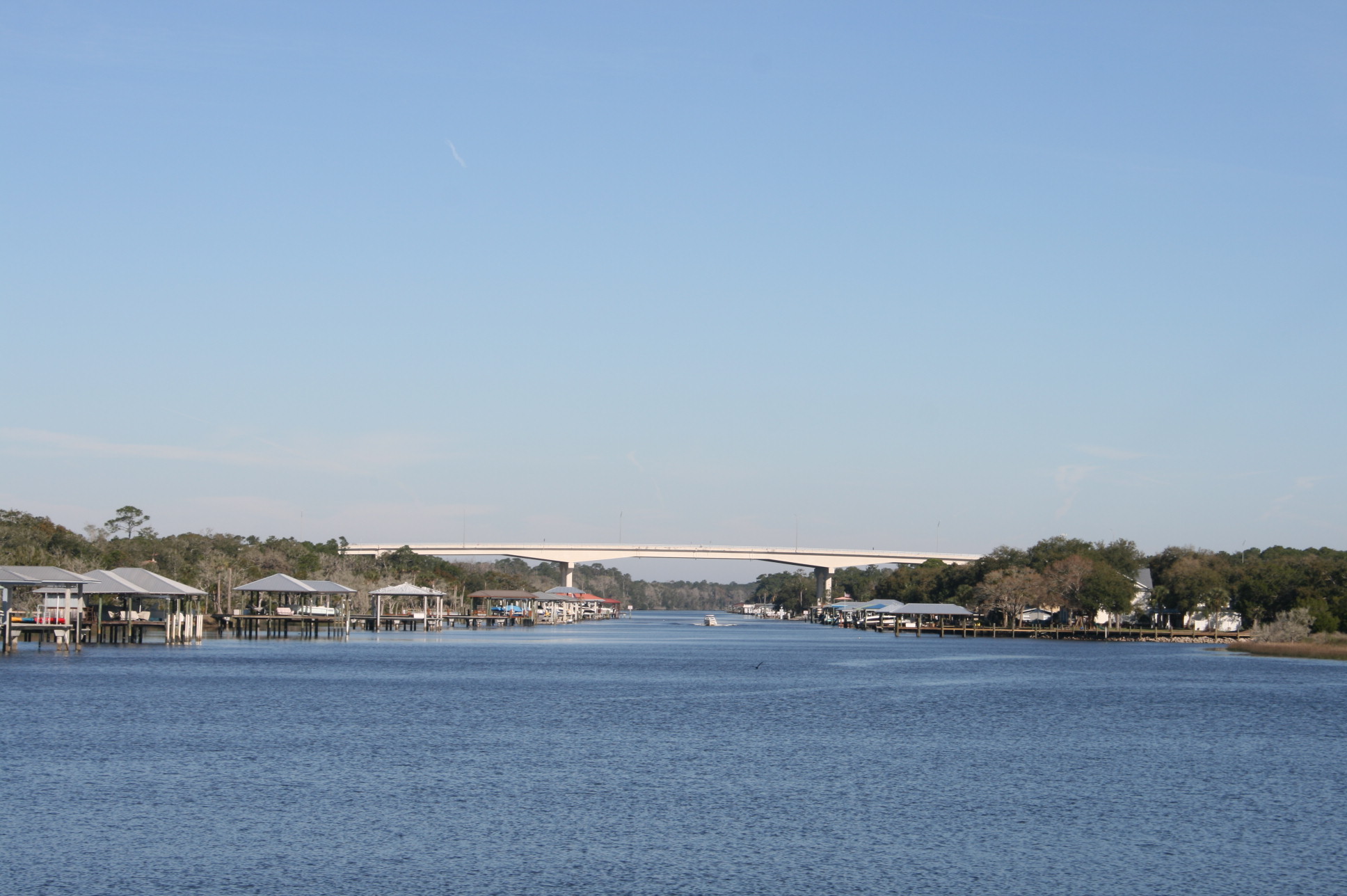
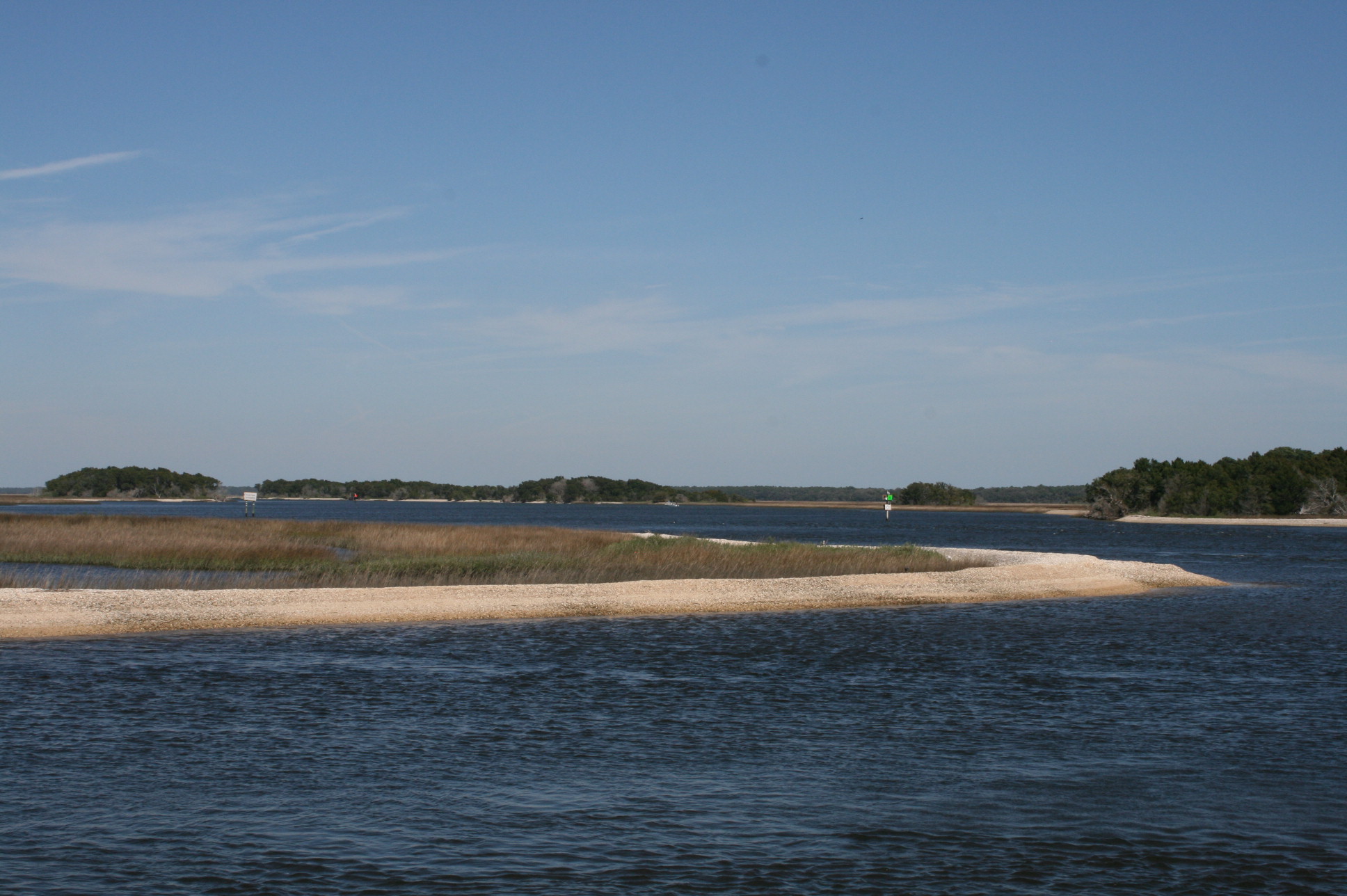
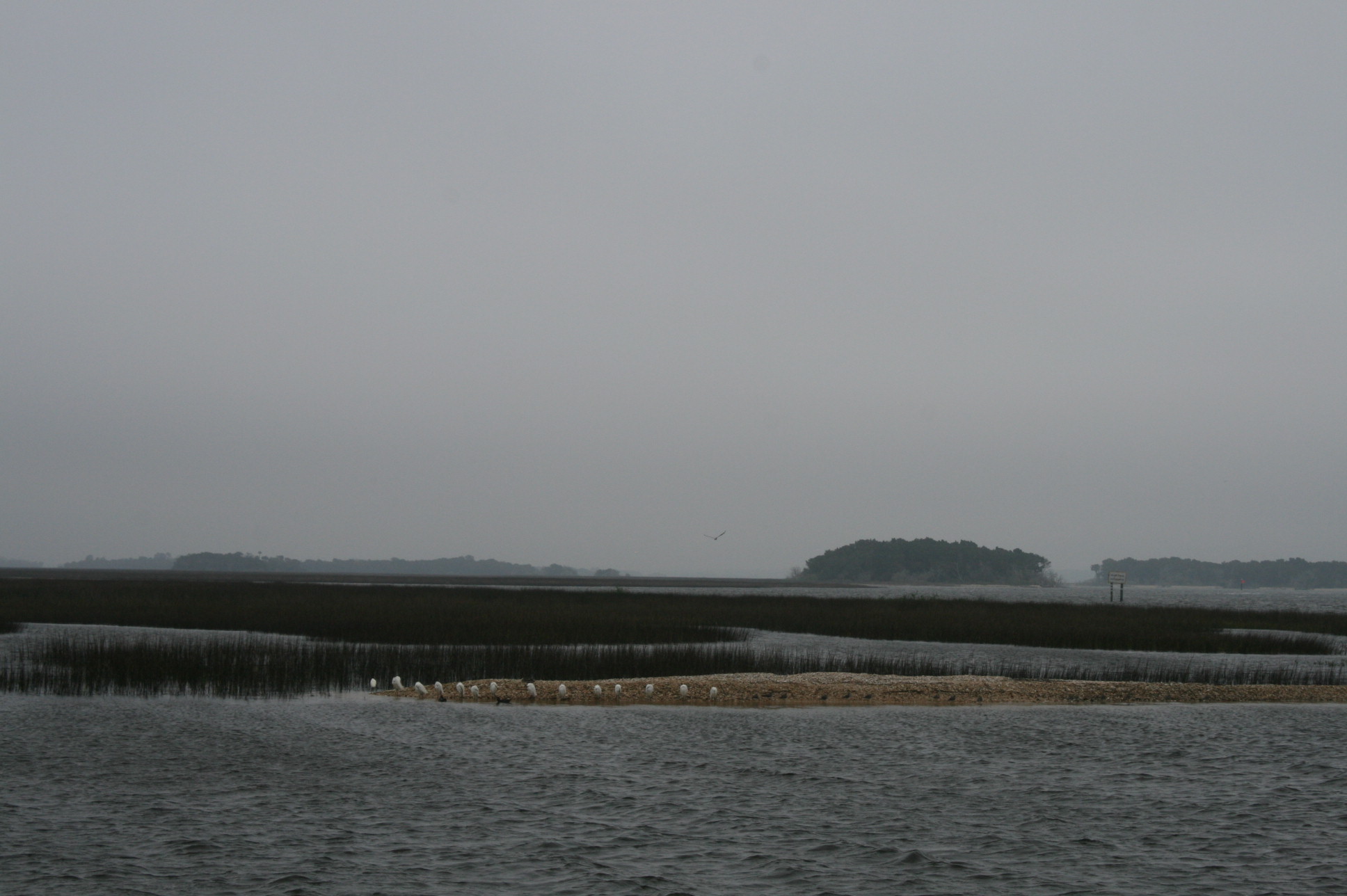
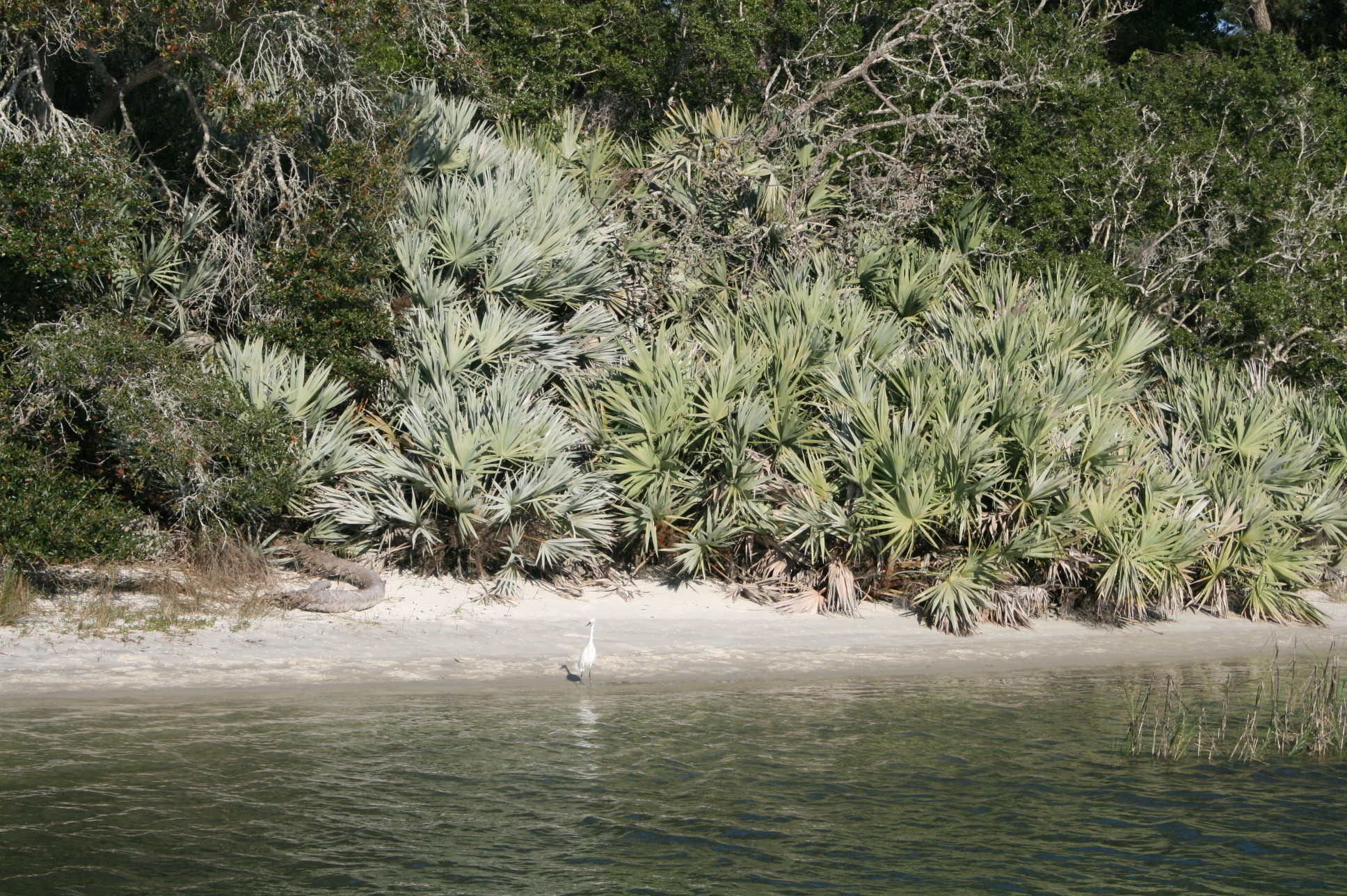
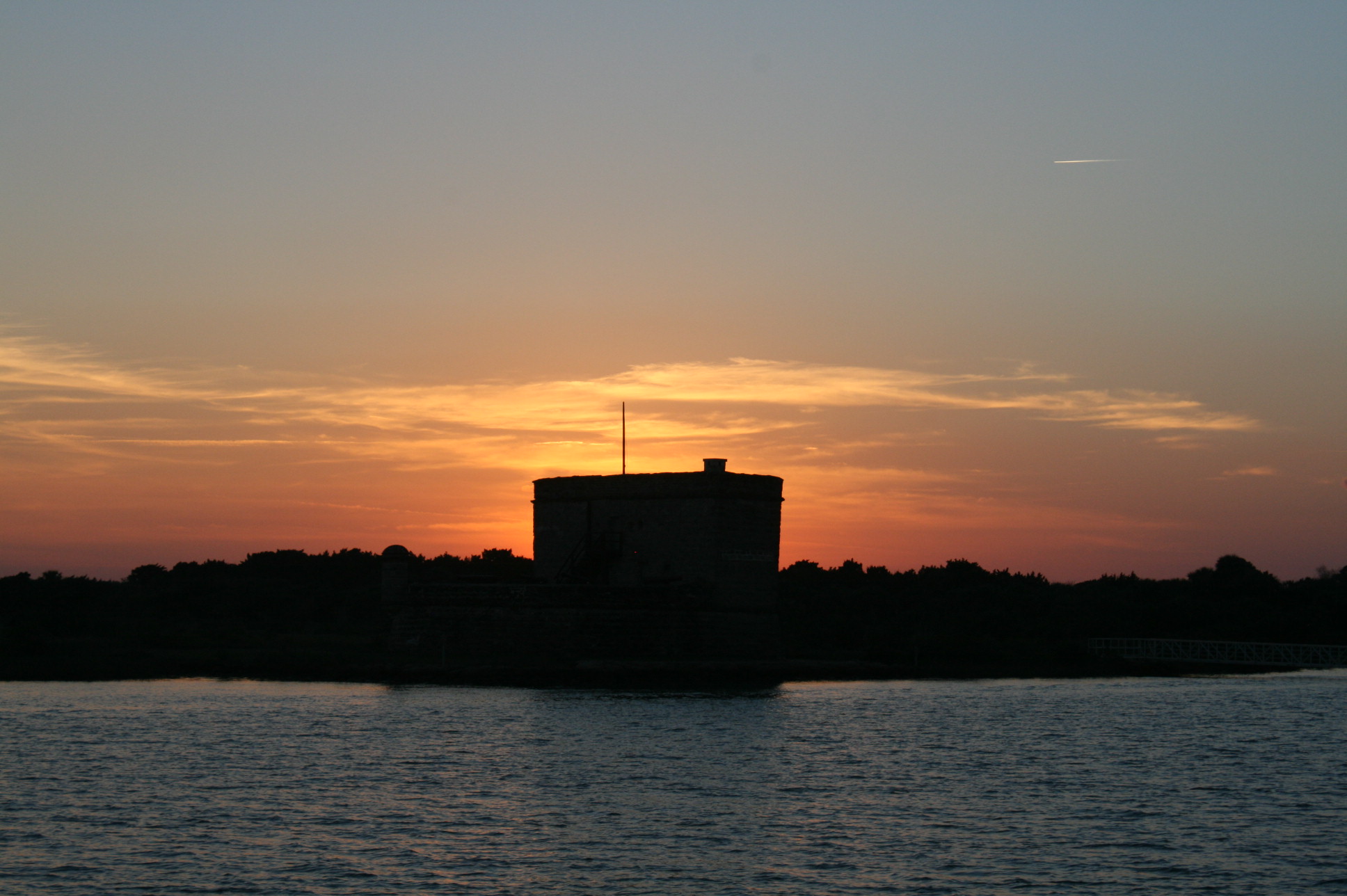
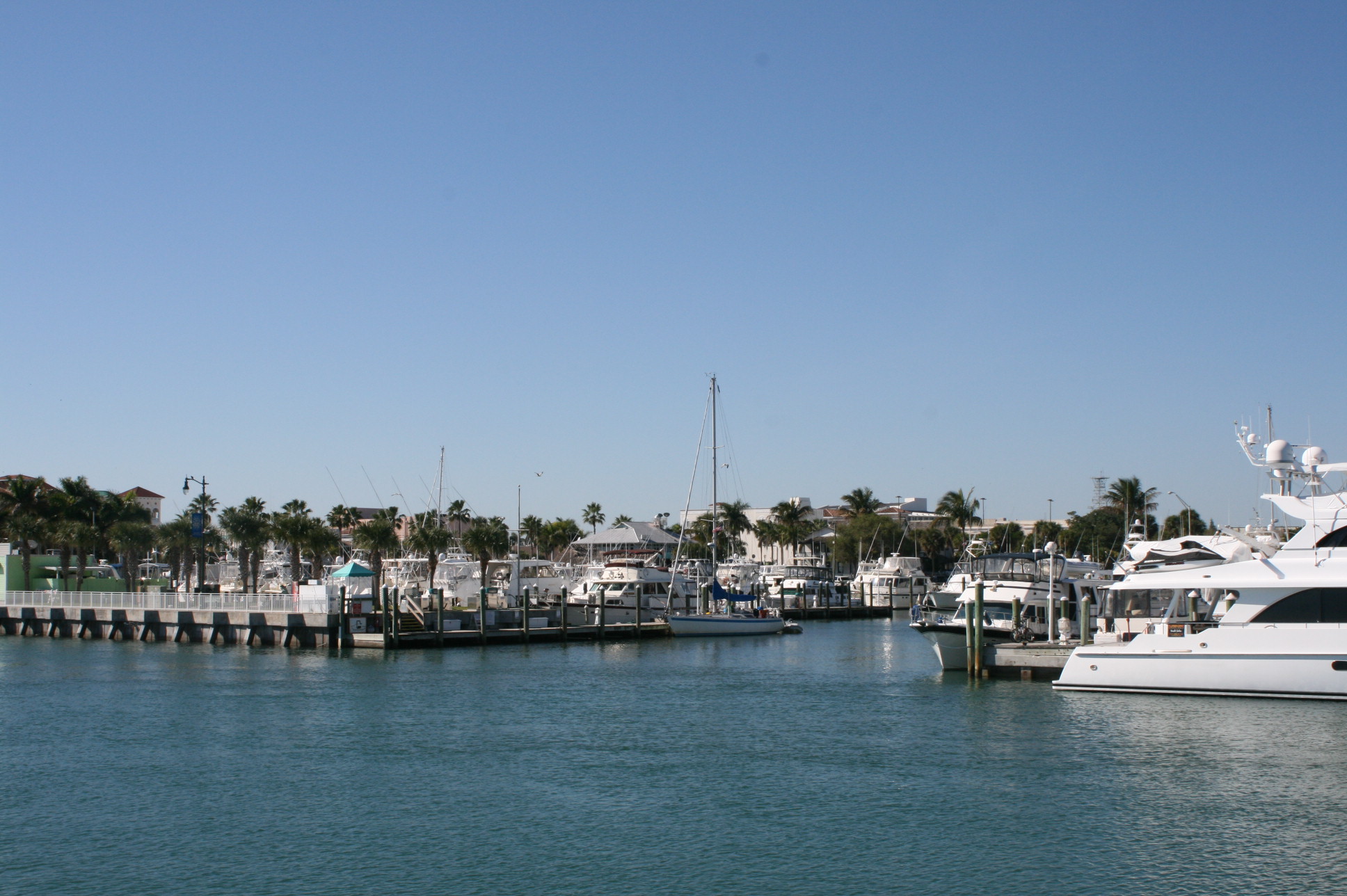
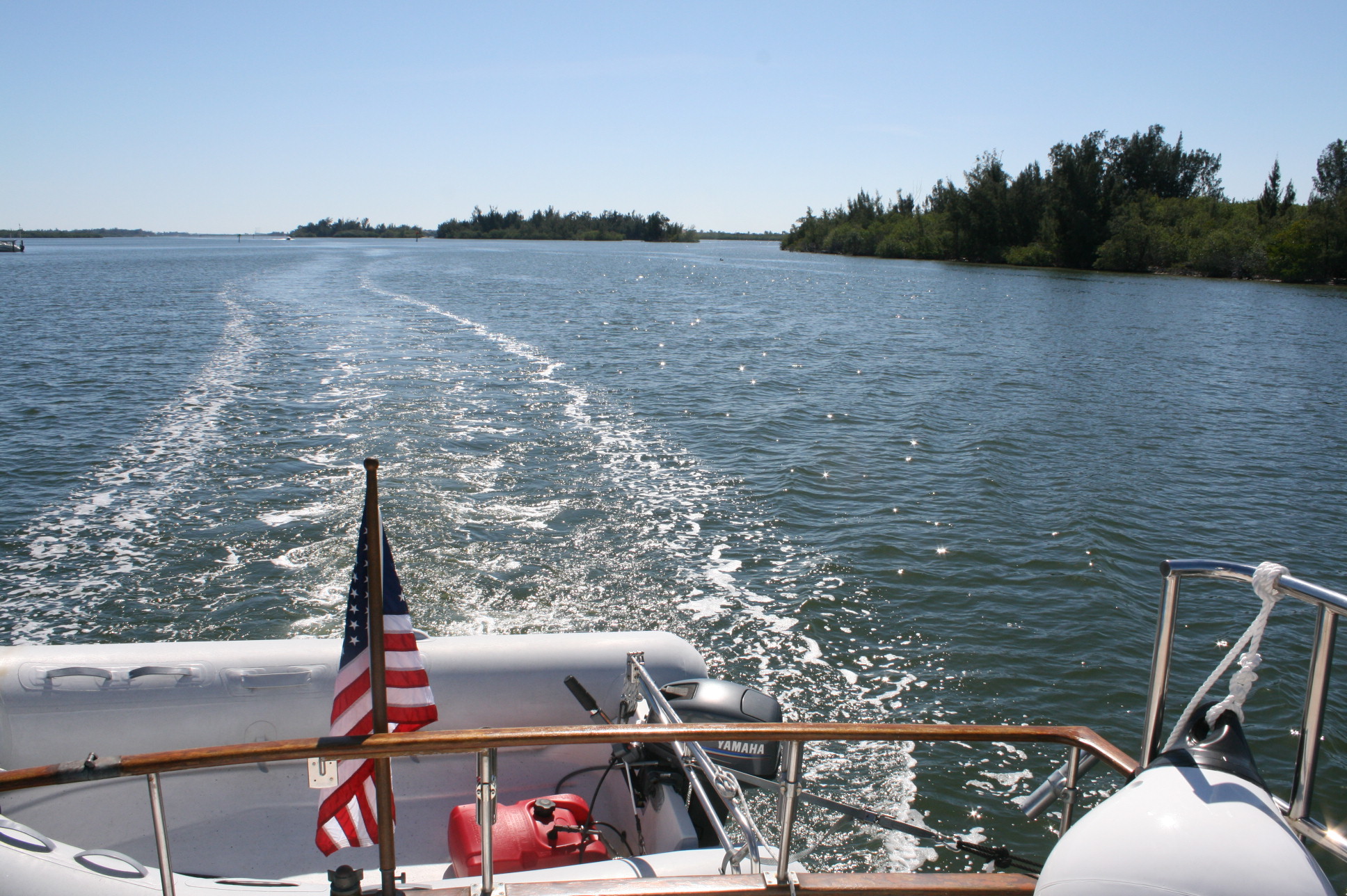
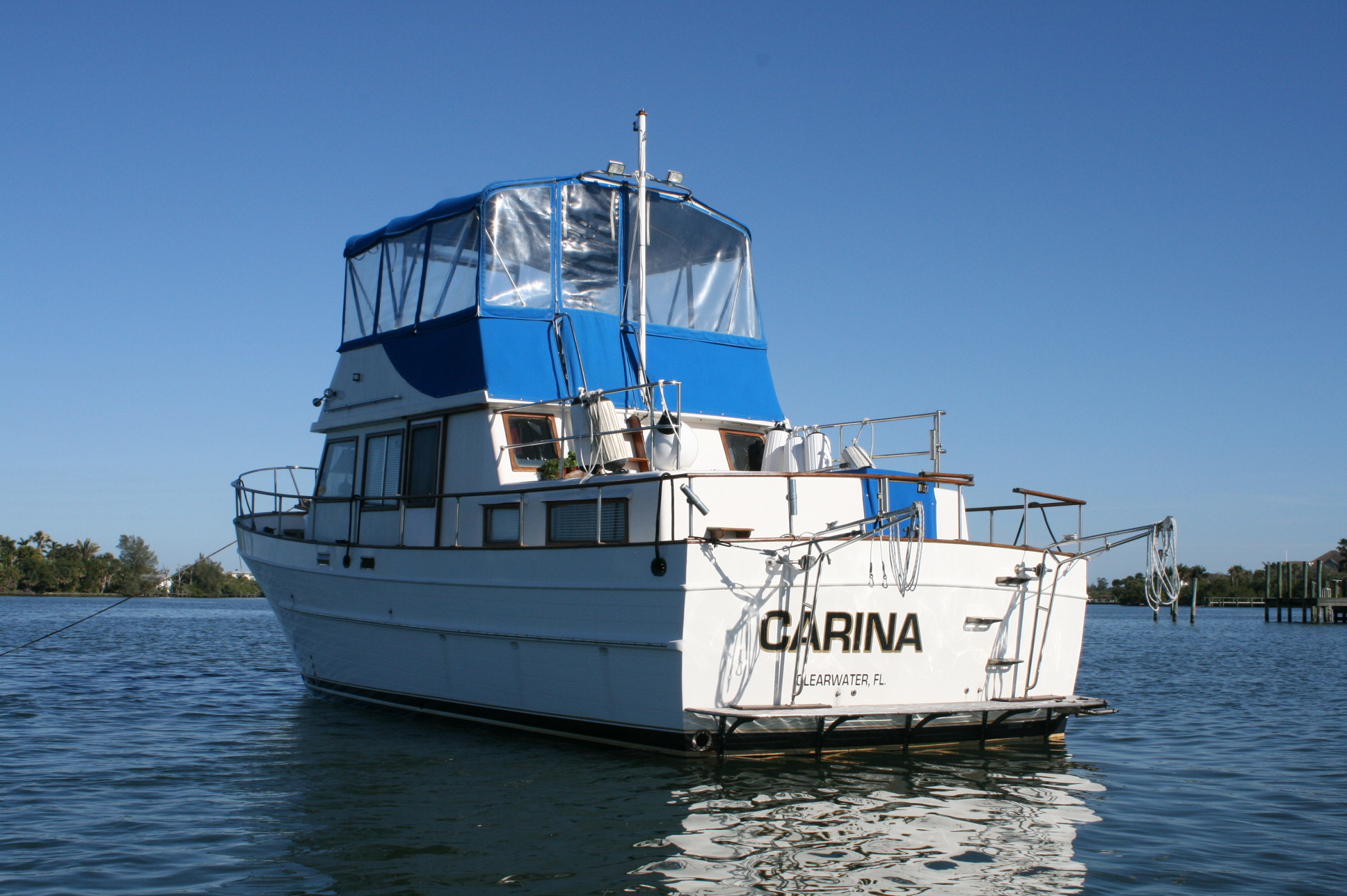
Ortega Landing to Fernandina Beach

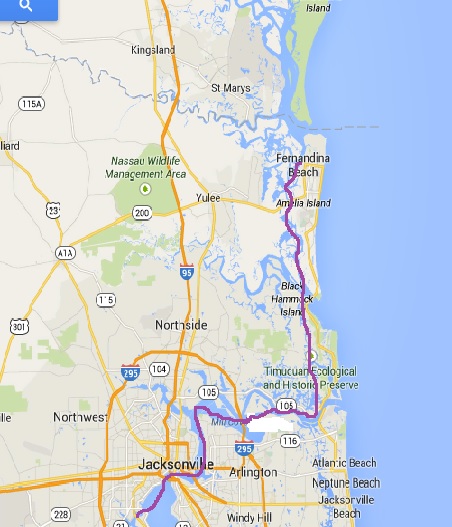
We left Ortega Landing at the appointed hour on Friday morning, despite the weather forecast, thinking that if it proved correct, we could cut the journey short, but although we could see the thunderstorms in the distance, they kept away and we managed 40 miles to Fernandina Beach, on Amelia Island.

Ortega Landing to Fernandina Beach

Ortega Landing to Fernandina Beach

We’d actually enjoyed the stay at Ortega Landing, and were rather sorry to go, after all.

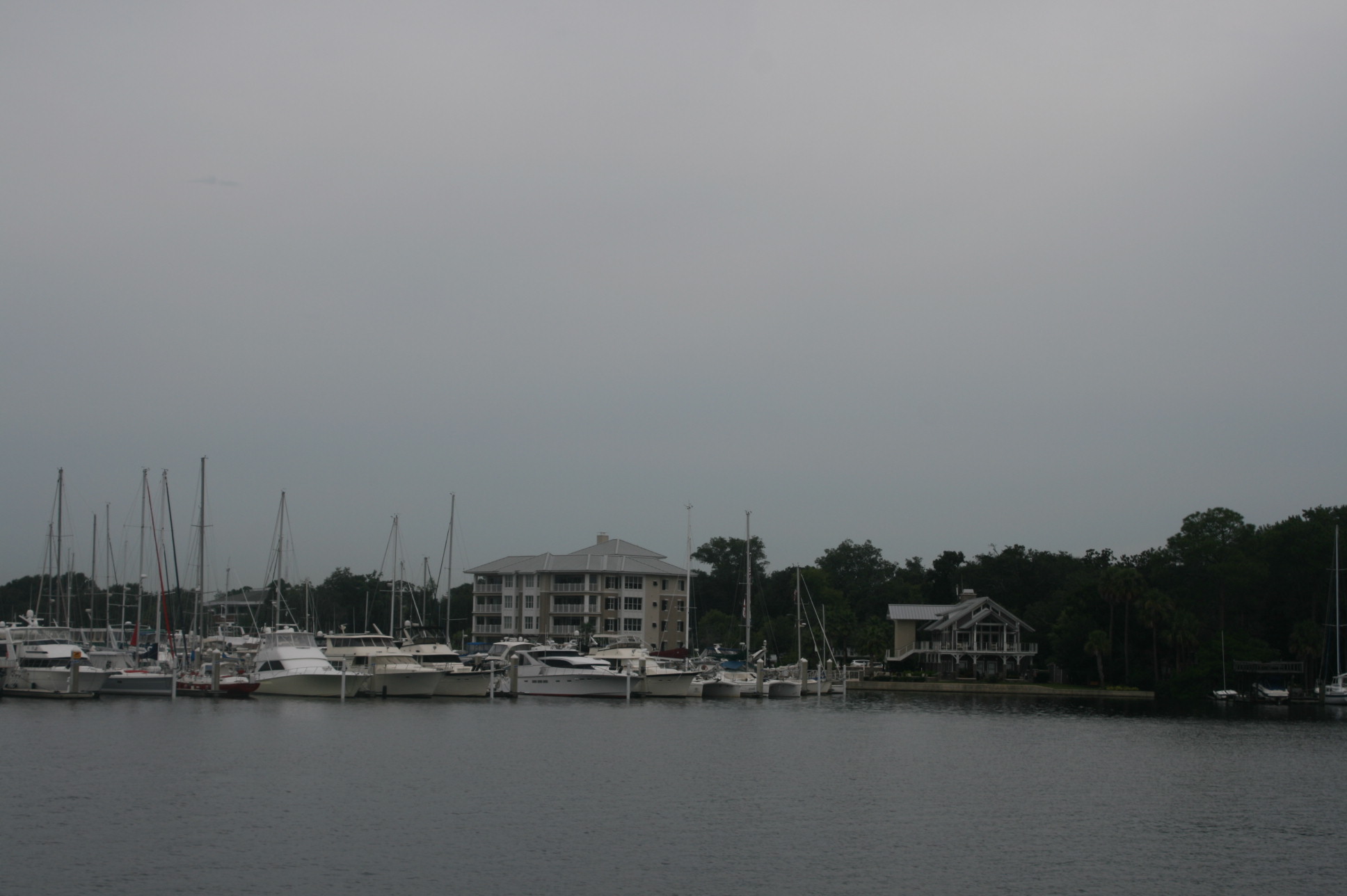
Leaving Ortega Landing

Leaving Ortega Landing

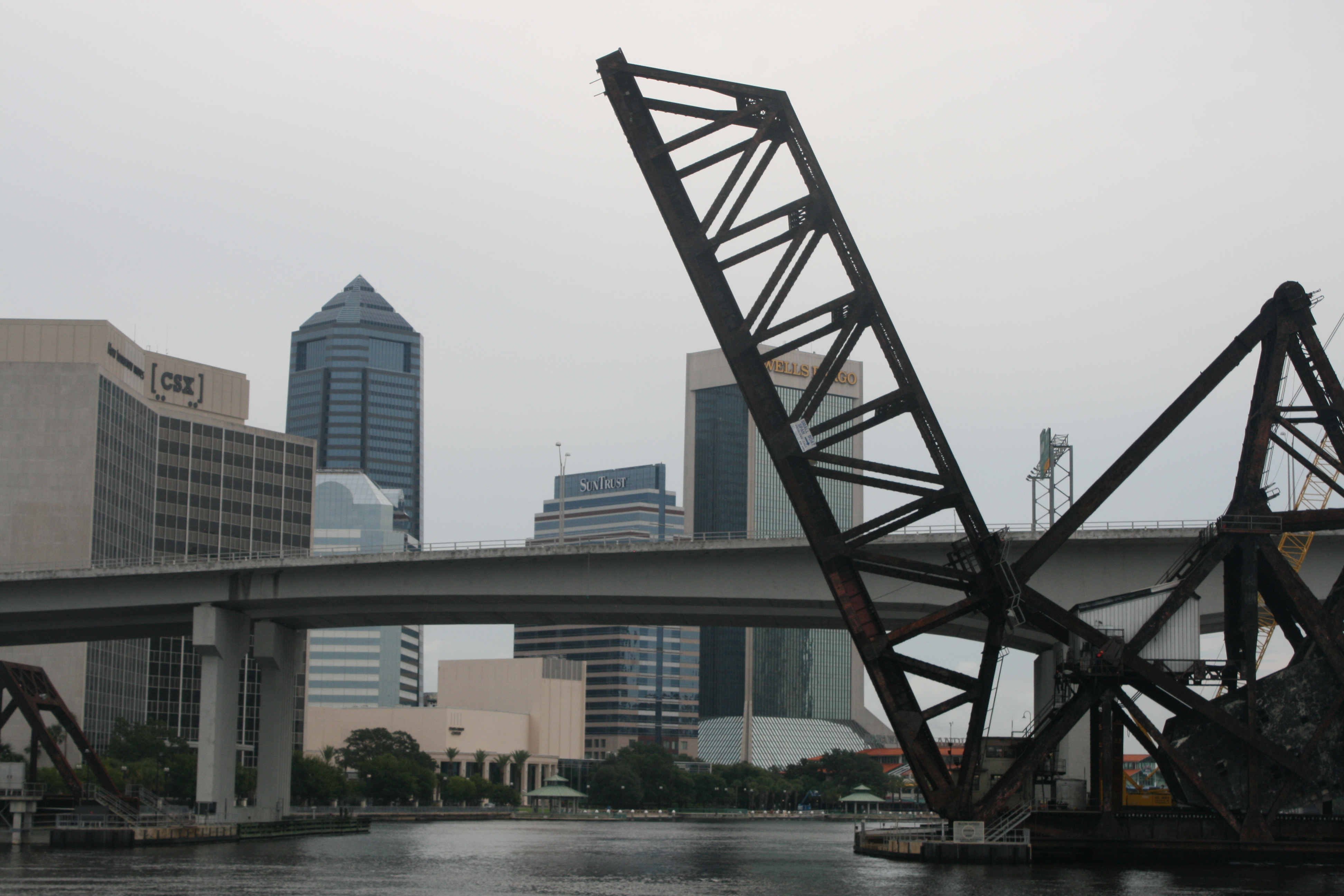
We were relieved to see that the FEC Railroad Bridge was indeed lifted, as promised.

The  FEC Railroad Bridge finally open

The FEC Railroad Bridge finally open

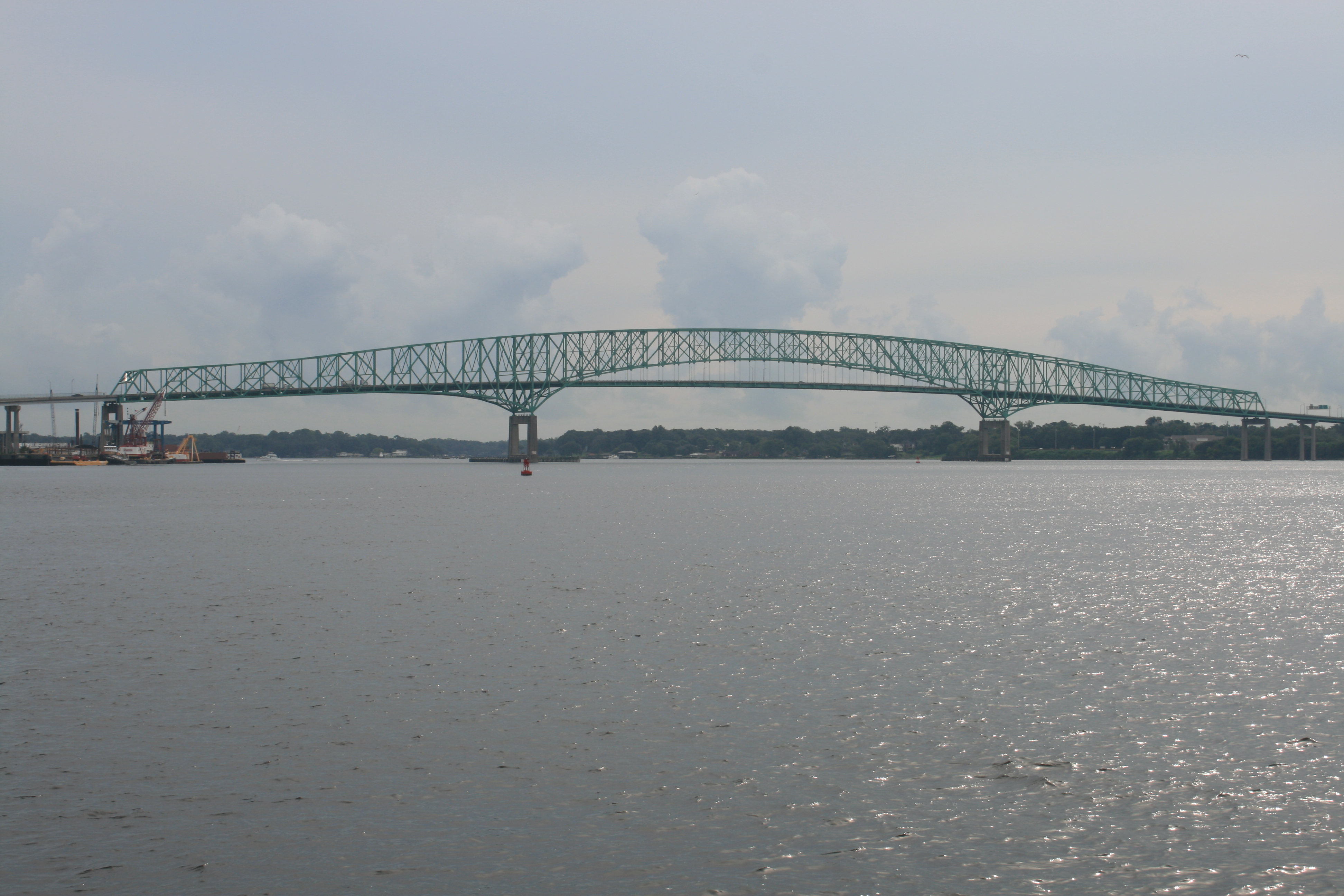
Another one for the Bridge Engineers

Another one for the Bridge Engineers

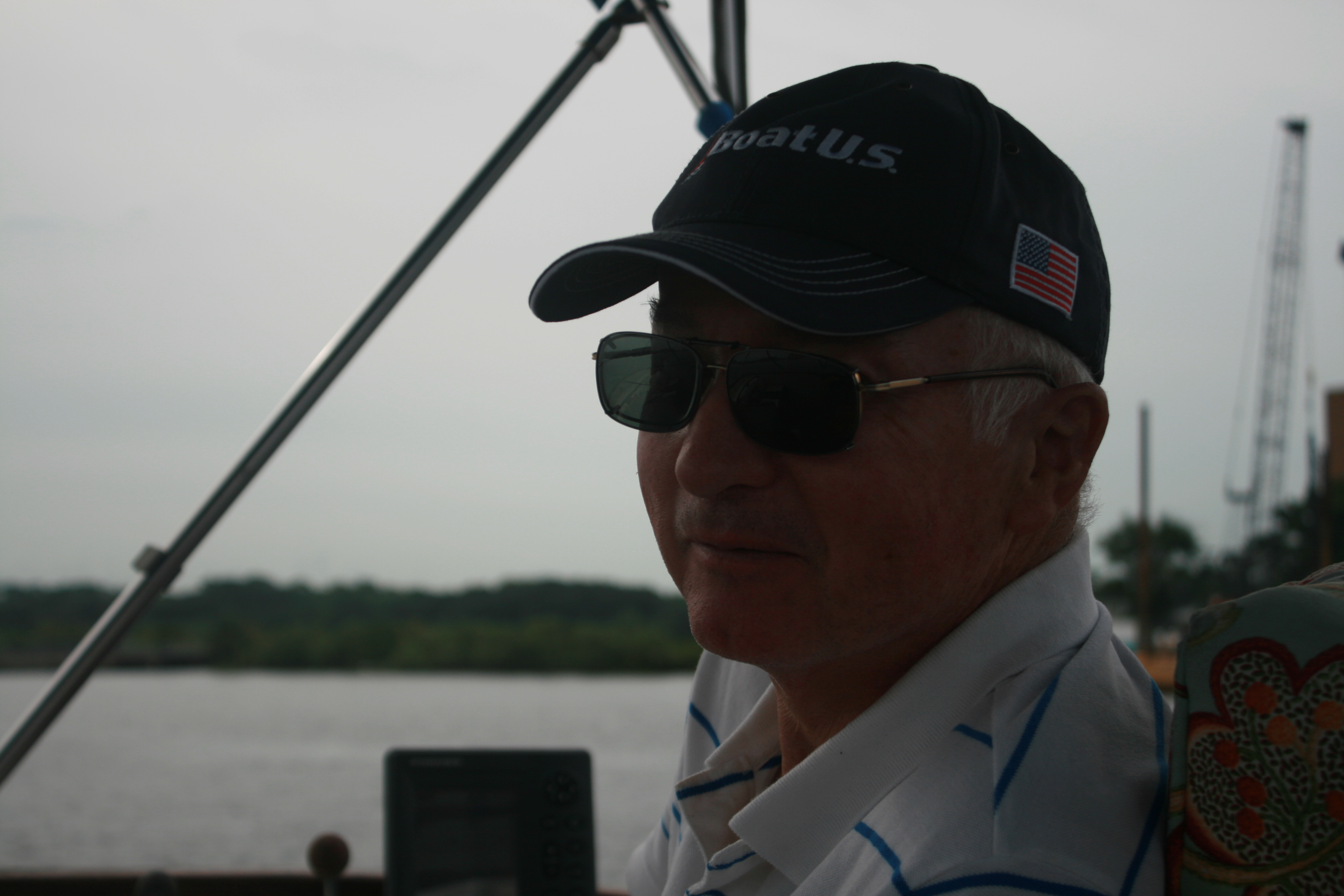
The Captain

The Captain

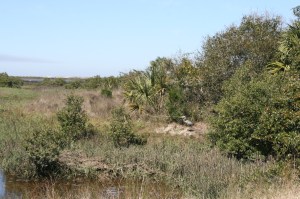
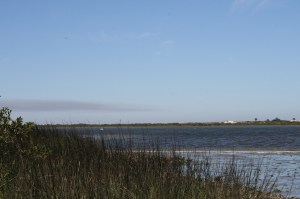
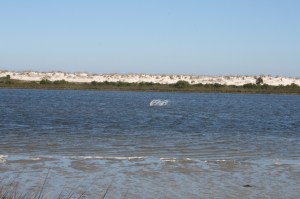
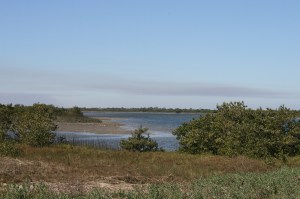
We had to cross Nassau Sound before heading up the Amelia River. We saw lots of wild life – several pods of dolphins, a flock of ibis, and best of all, a beautiful roseate spoonbill in flight, but I wasn’t quick enough with the camera.

Nassau Sound

Nassau Sound

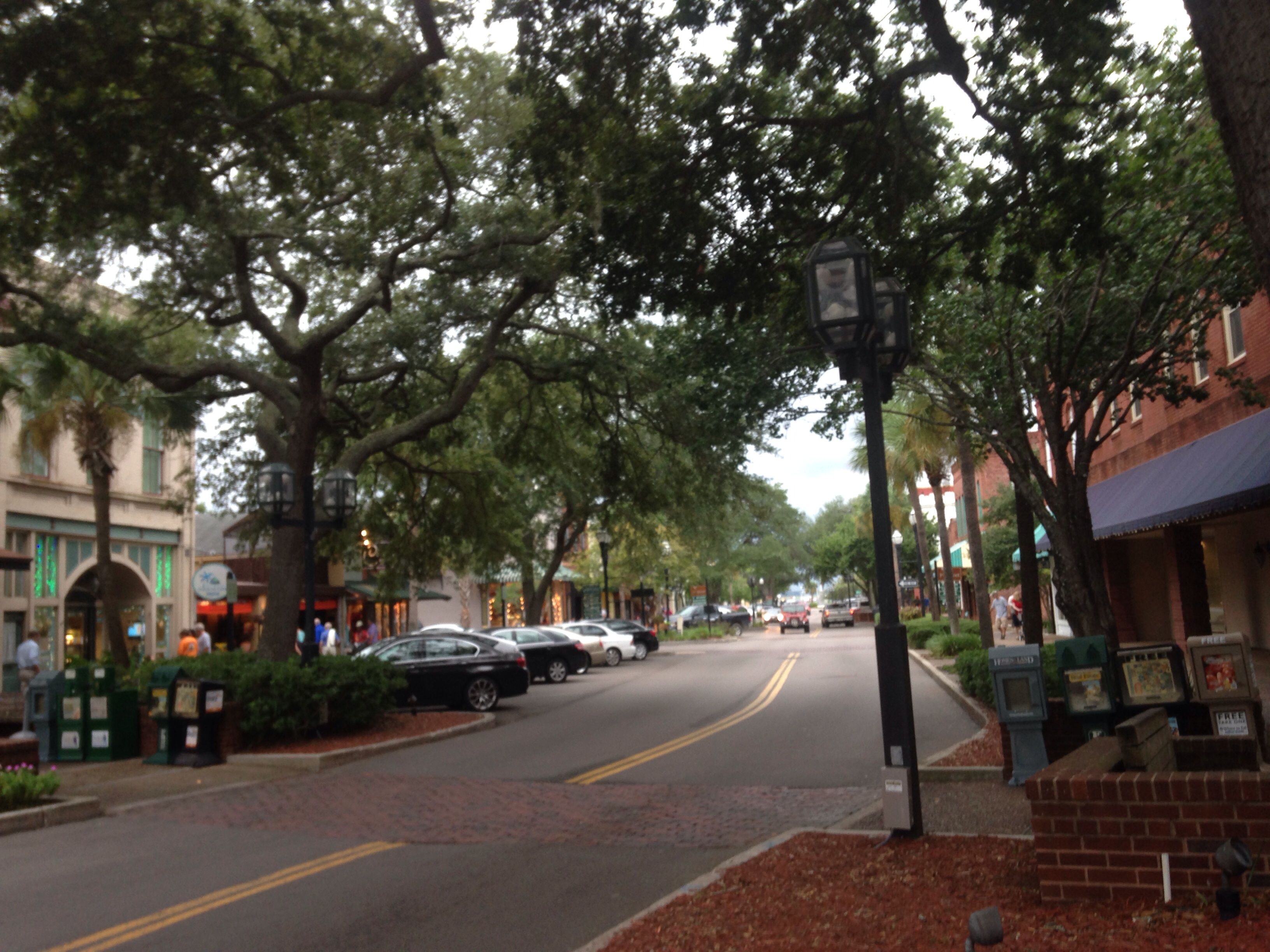
Amelia Island has a long history and the old streets of Fernandina Beach are interesting and pleasant. We had time for a short stroll and indulged ourselves with cocktails.

Centre St, Fernandina Beach

Centre St, Fernandina Beach


Lesesne House, thought to be the oldest in Fernandina Beach

Lesesne House, thought to be the oldest in Fernandina Beach

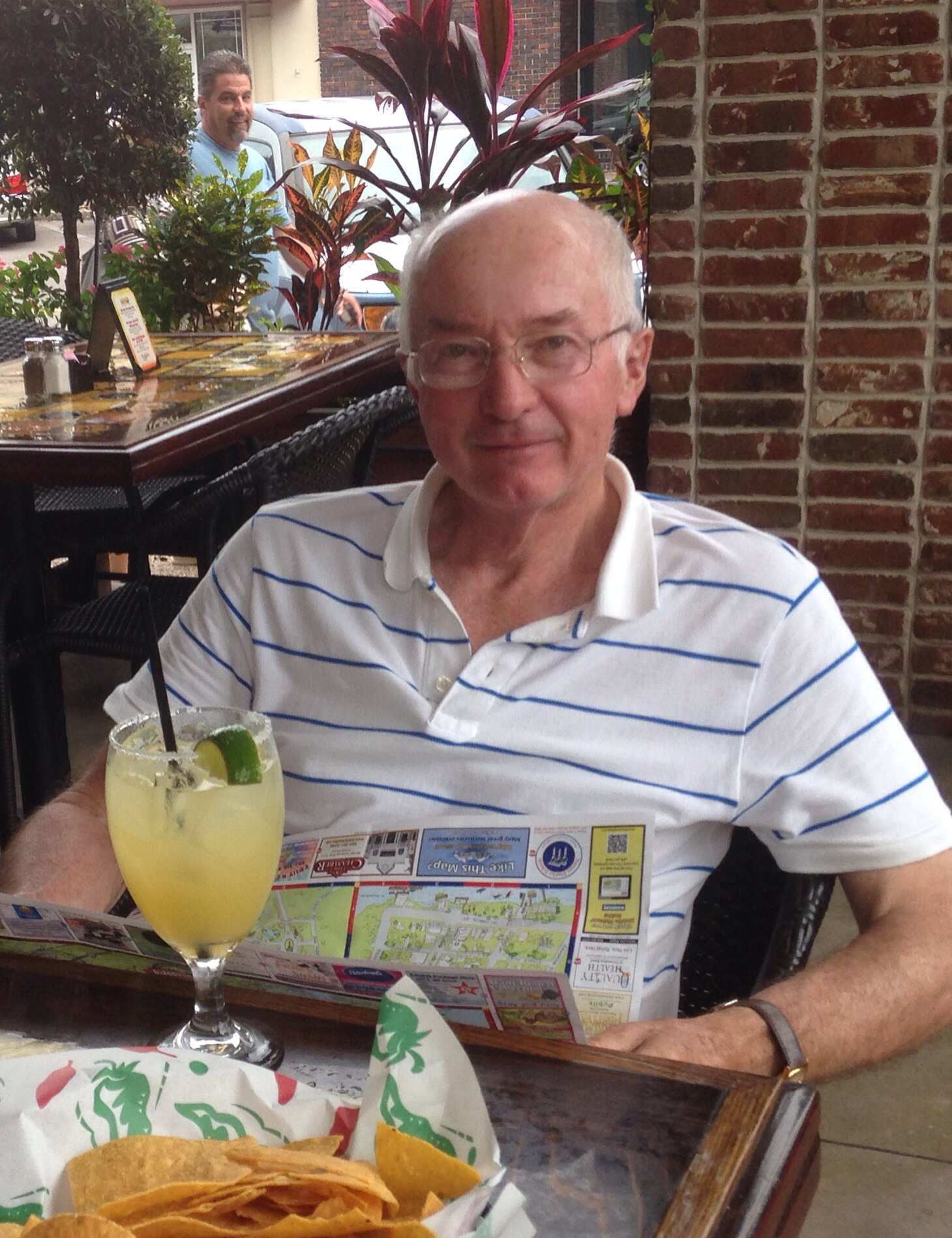
Ian enjoying a Jefe ('a margarita for the big boss') at Pepper's Cantina

Ian enjoying a Jefe (‘a margarita for the big boss’) at Pepper’s Cantina

Ian is feeling rather pleased with himself today. When we arrived at the dock yesterday, he was congratulated enthusiastically on his deft handling of the boat in fairly windy conditions, by the two marina staff who were waiting to help us tie up. Thank you Melvyn, if you’re reading this!
Then this morning, as I was peering into a shop window, I heard a woman of a certain age exclaiming about the cuteness of his socks (subtle, grey and beige striped Marks & Spencer jobs), and had to adopt a proprietary air before moving the conversation to safer topics.
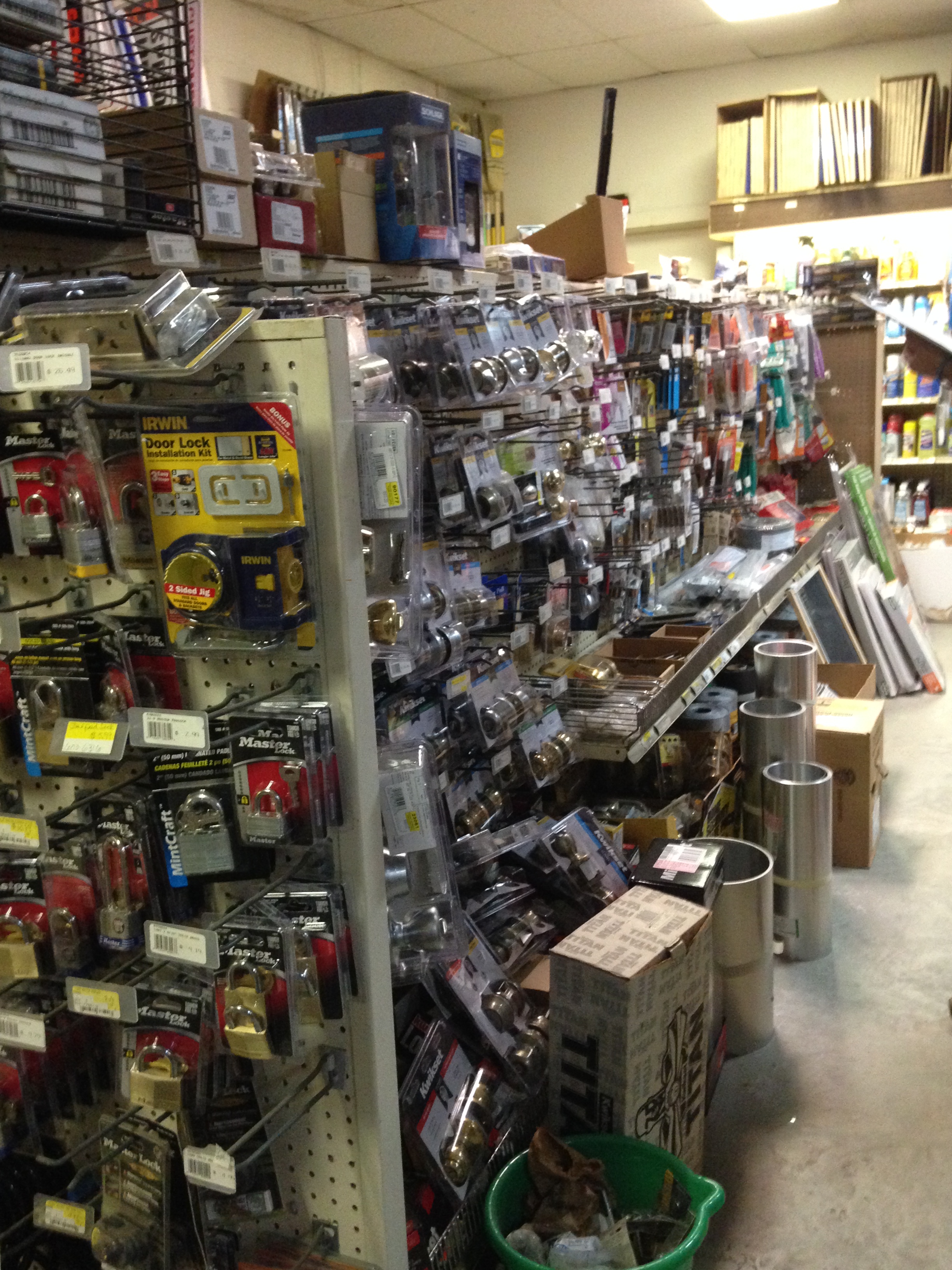
The real purpose of this morning’s trip to the shops was for Ian to visit the Amelia Island Paint and Hardware, Inc., such places having a magnetic pull as well as that smell, common to hardware shops everywhere.

Man shopping heaven, the Amelia Island and Hardware Inc

Man shopping heaven, the Amelia Island and Hardware Inc

I fancied a trip to the Pecan Roll Bakery too, just a couple of blocks away, and managed to spend $16 on a multi-grained loaf, a pecan roll (a bit like a danish pastry rolled up, but nicer), an oatmeal and date slice, and two corn-bread type cakes with cheese and egg and bacon inside them, to have for lunch with salad.

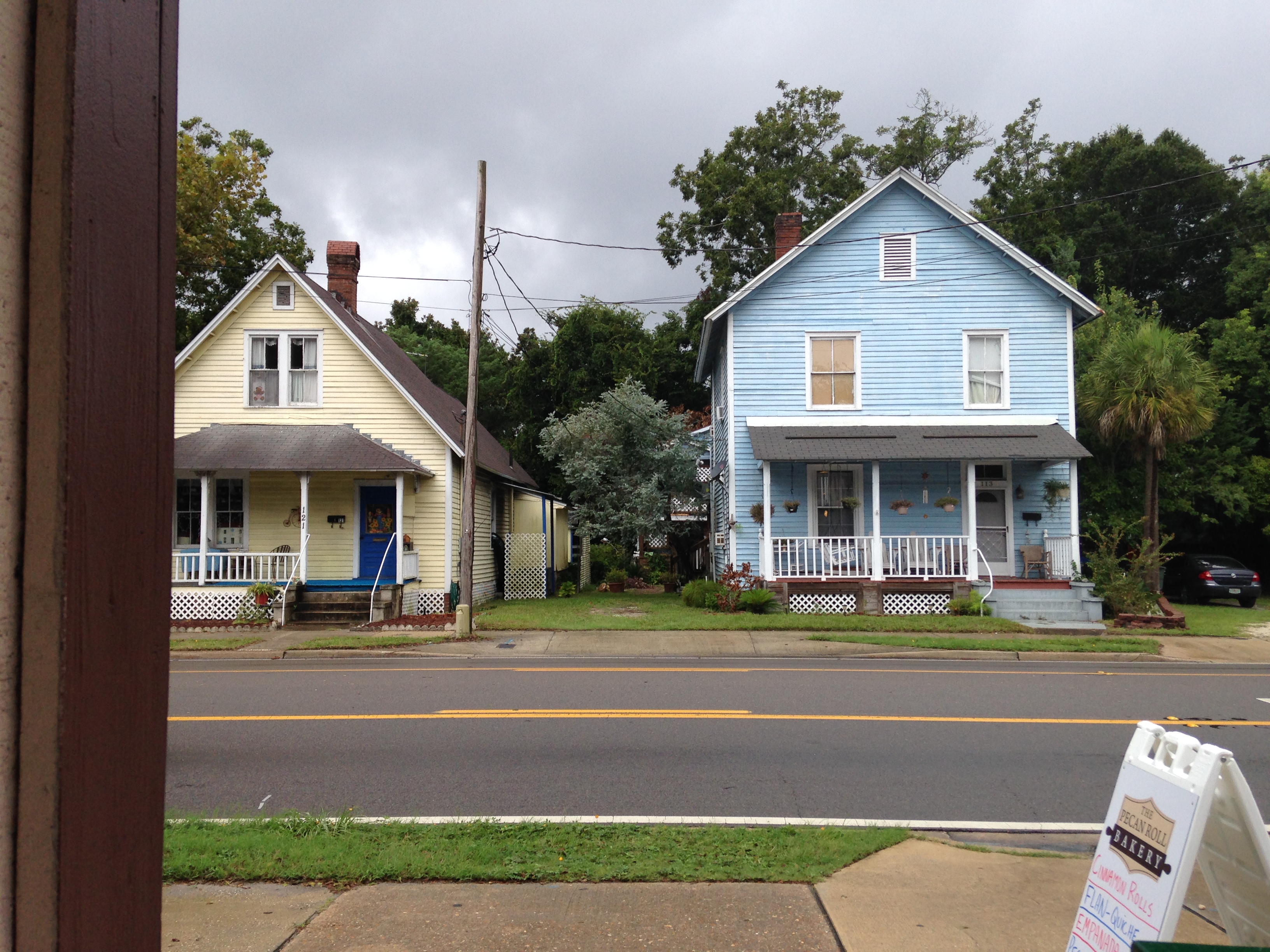
Old houses opposite the Pecan Roll Bakery, Fernandina Beach

Old houses opposite the Pecan Roll Bakery, Fernandina Beach


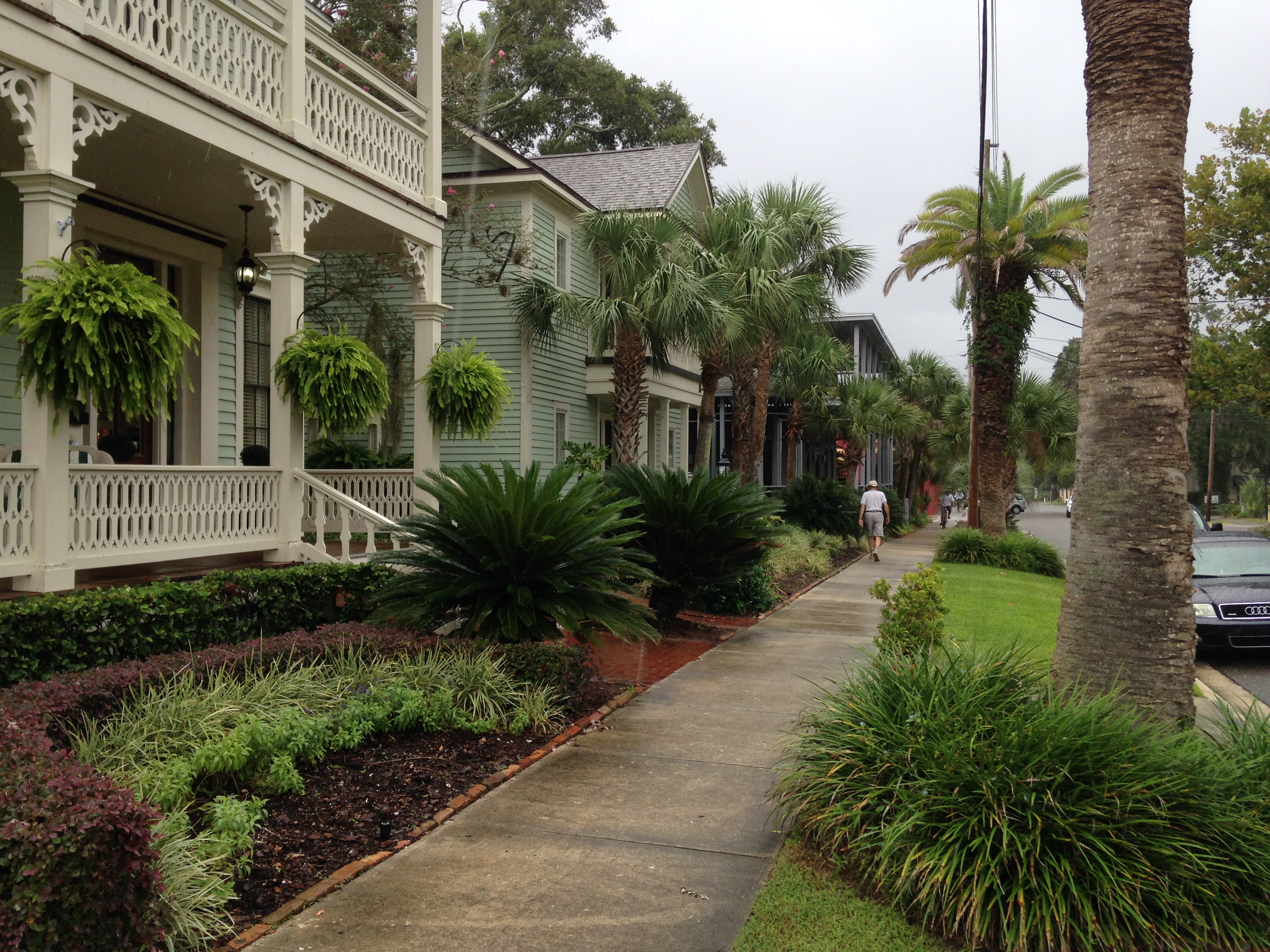
Ash St, Fernandina Beach

Ash St, Fernandina Beach


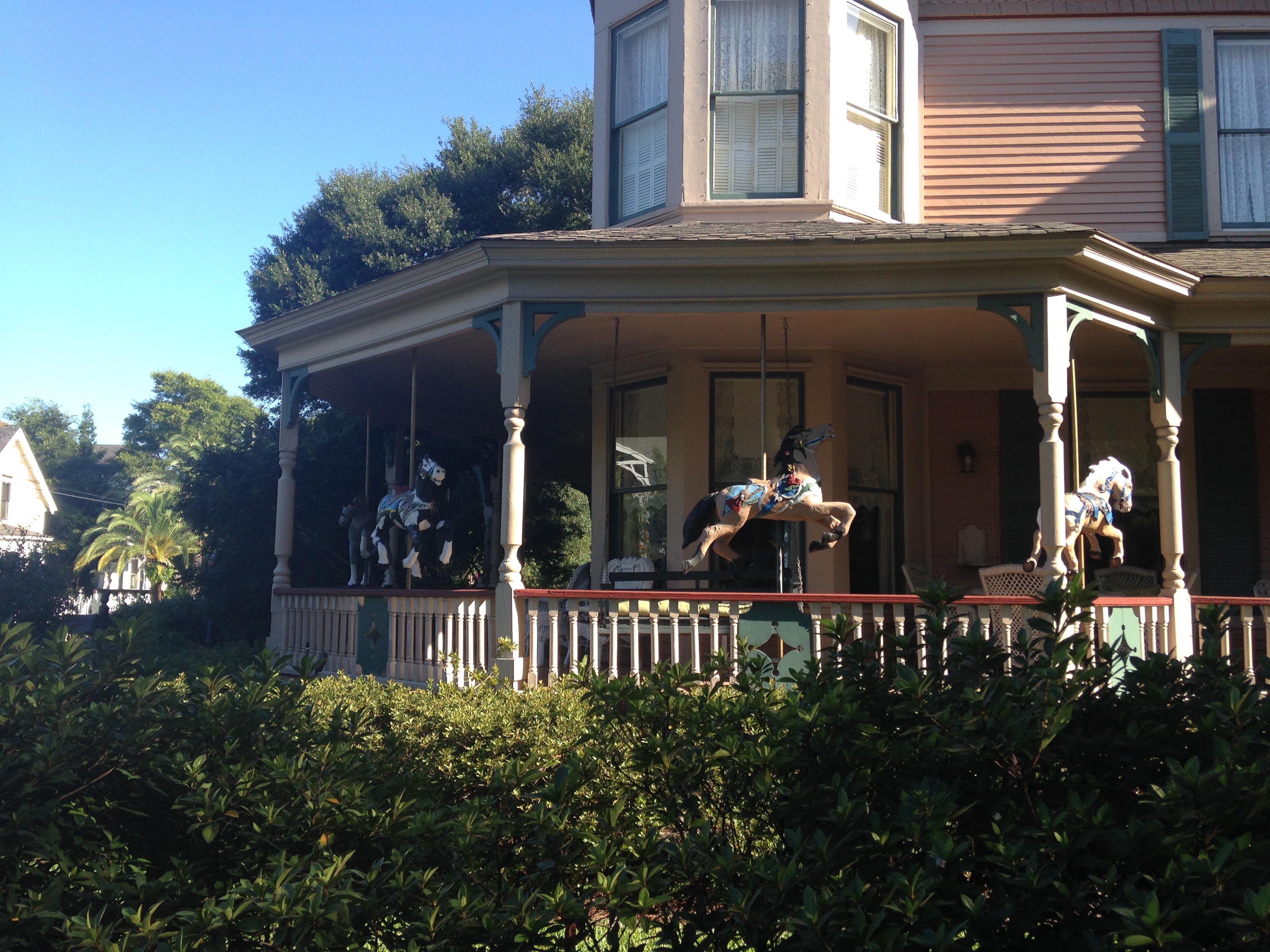
Carousel horses on a verandah

Carousel horses on a verandah

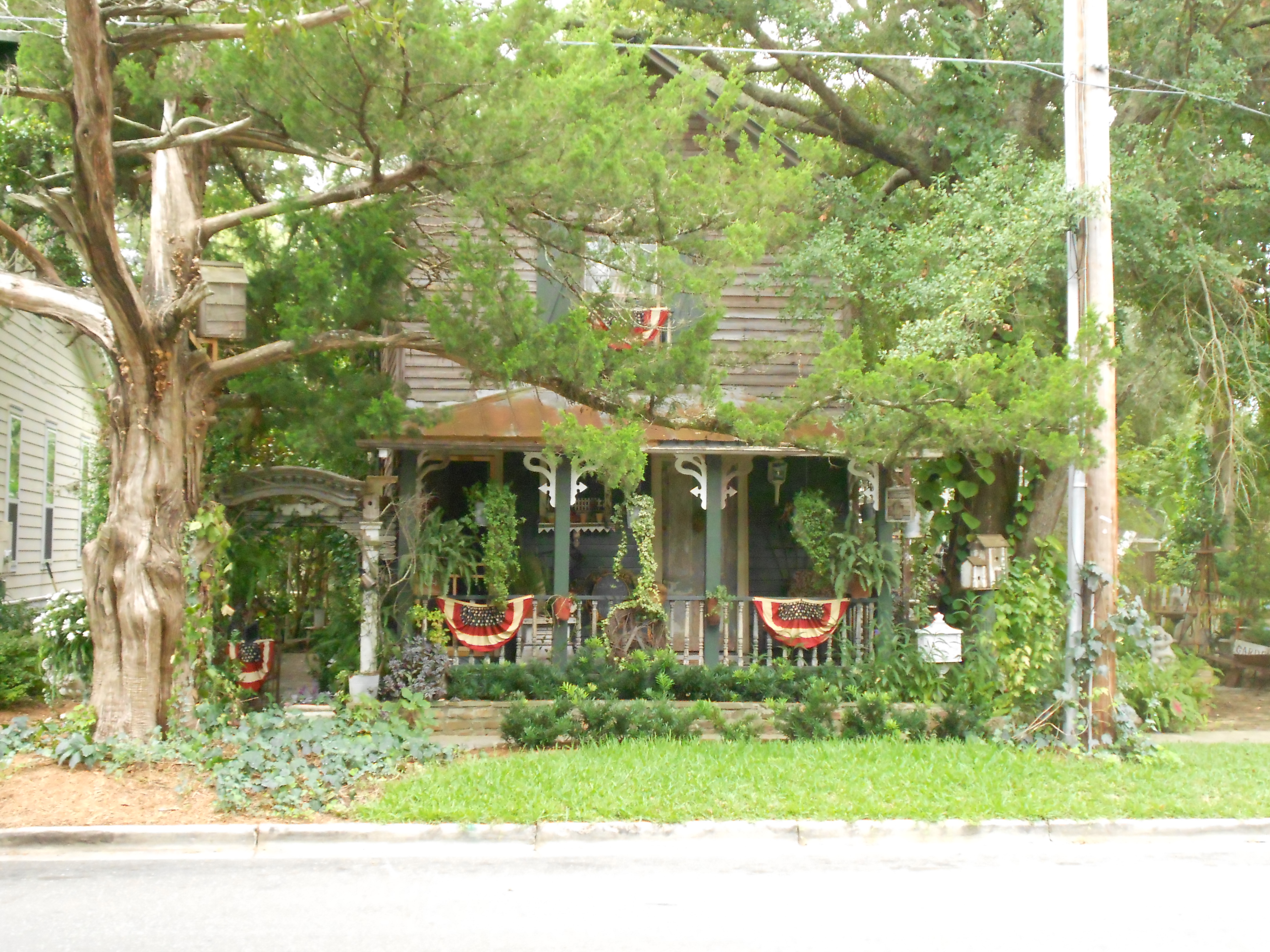
DSCN0297

It started to rain while we were in the town, and we decided change our plan, which had been to leave this afternoon for St Mary’s, Georgia. Although there have been spells of semi-brightness when it felt as though we might have been wimping out, the wind became quite strong and the rain is now very heavy, so it was the right call.

And Ian has put the ice-making machine on, so tonight it will be cocktails on Carina.

Going Nowhere Fast – Green Cove Springs to Ortega Landing

Green Cove Springs to Ortega Landing

Our journey back down the St John River, north towards Jacksonville, couldn’t have been more different from the journey we’d done in the opposite direction last March. Then, Carina had tossed frighteningly in the waves and driving rain, and we had been unable to see the river banks in the thick mist.
On Sunday, the sun shone, the water was calm, and Carina made a smooth exit from the dock.

Leaving Green Cove Springs

Leaving Green Cove Springs

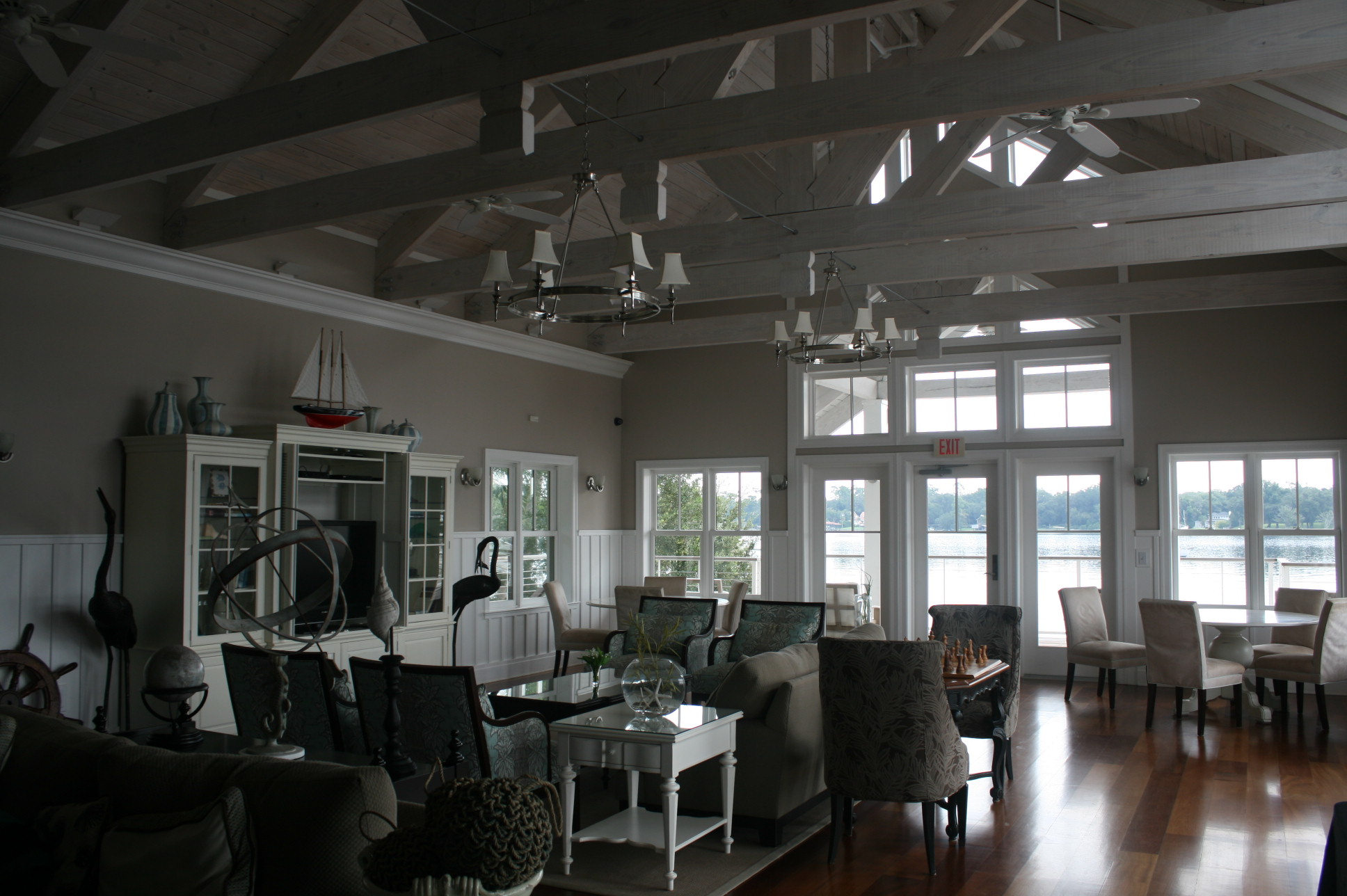
Ian had decided that after a few days hard work in the heat and humidity getting the boat sorted out, we deserved a night in a good marina, and the upscale Marina at Ortega Landing would be just the thing, ‘upscale’ being the American word for posh, but without the divisive class connotations of the English word. Shaun, the dockhand who welcomed us, said that when the marina had opened 3 years ago, they had wanted to make it feel more like a resort than a marina, and in this they’ve succeeded. The marina fee included all electricity, water, wifi, use of laundry(free), use of rest-rooms that wouldn’t be out of place in a 5-star hotel(free), use of bicycles(free), use of swimming pool(free), and use of a beautifully furnished and decorated air-conditioned lounge, with a verandah overlooking the Ortega River (free).

 Clubhouse Lounge, Marina at Ortega Landing

Clubhouse Lounge, Marina at Ortega Landing


And of course, friendly and helpful staff around, to sort out any problems and answer such questions as ‘What does that notice mean, exactly, the one dated 9th September saying that the FEC (Florida East Coast) railway bridge lifting mechanism is broken and might not be fixed for 2 weeks?’
It turned out that the notice meant exactly what it said – that the FEC railroad bridge, which we would need to be lifted for us to pass through on our way through Jacksonville, was probably going to be closed for another ten days. There were several other boats also stranded.

Hell really hath no fury like that of a Bridge Engineer whose plans are thwarted by the apparent incompetence of other Bridge Engineers, and it was hard to imagine that had it been the trains which were inconvenienced, rather than a few boaters, the repairs would have taken so long. The prospect of kicking our heels in Jacksonville for 10 days wasn’t an inviting one.
Ian adopted a two-pronged attack. He posted on FEC’s Facebook page, and got an email from the Communications and Marketing Director. He sent an email to the Senior Vice-President, Engineering and Mechanical, and got an email from him, too. The essence was the same. They were sorry for any inconvenience, and the bridge would be open (probably) at close of business, Friday. Result!

It could have been worse. The Marina is really a very pleasant place to be holed up, and they gave us a generous discount on the daily rate when it turned out we would have to stay for 6 nights instead of one.

I’d like to say we made good use of our time in Jacksonville, but we didn’t, really. The weather was oppressively hot and humid, and that, combined with the disappointment of not being able to get on with the journey, induced a certain lethargy and led to lazing about inside the air-conditioned boat, reading books and looking at social media websites, instead of going out and making the most of things.
Ian has done some maintenance work and we did manage (of course) a trip to the local branch of West Marine, where we bought two new chairs for the bridge, and we also commissioned some mattresses for the aft cabin, so we are now officially able to receive visitors!

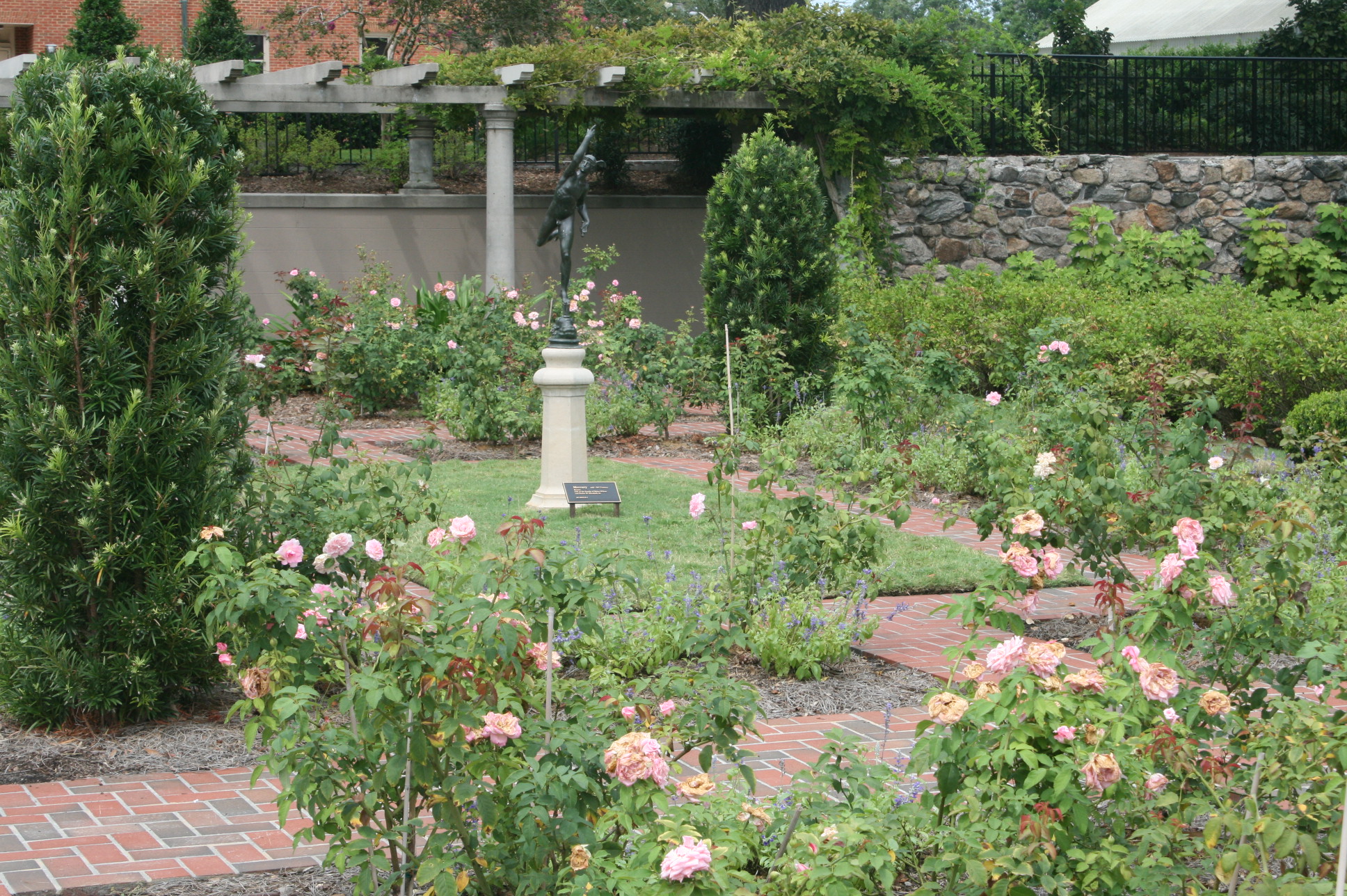
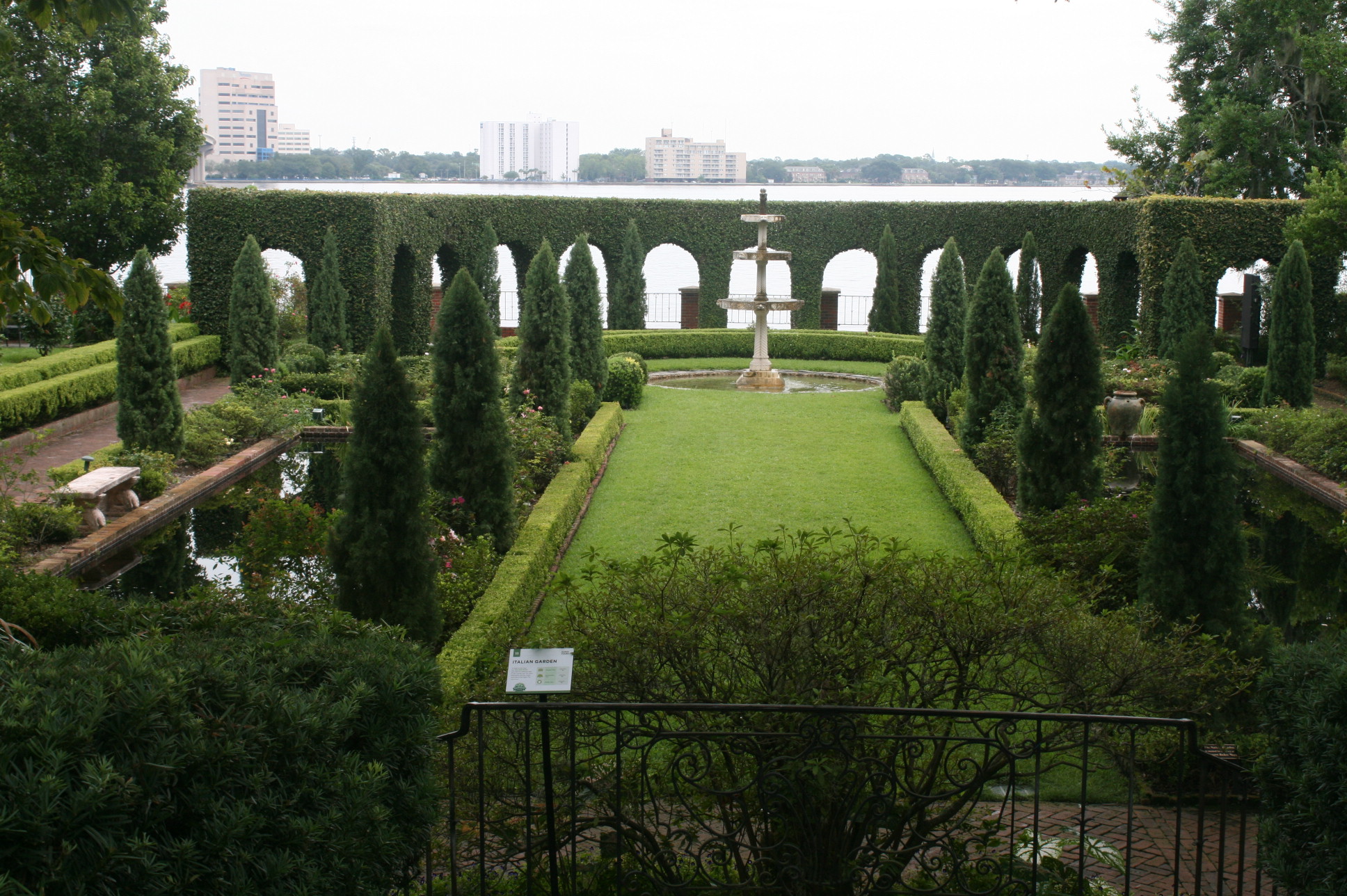
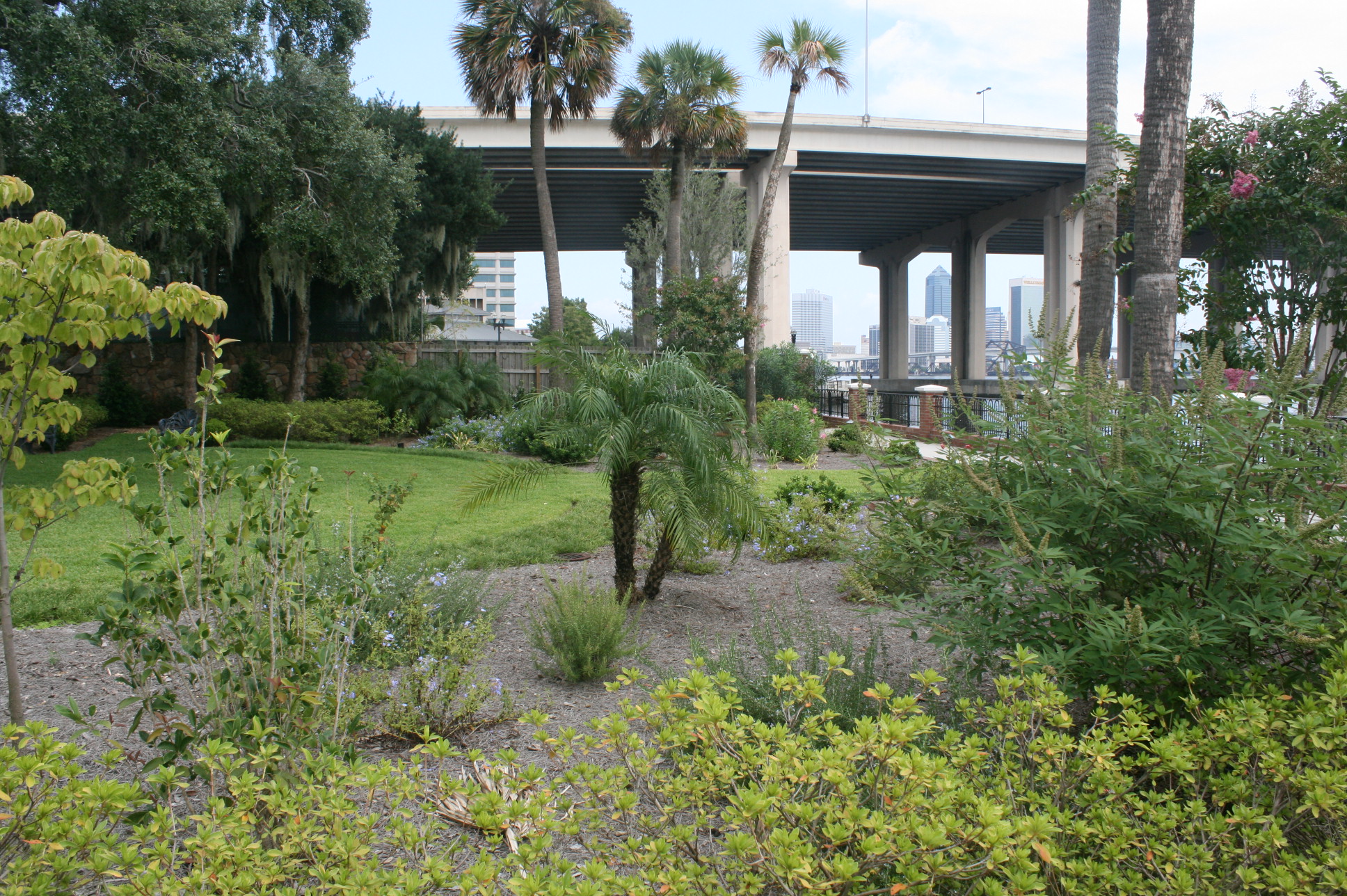
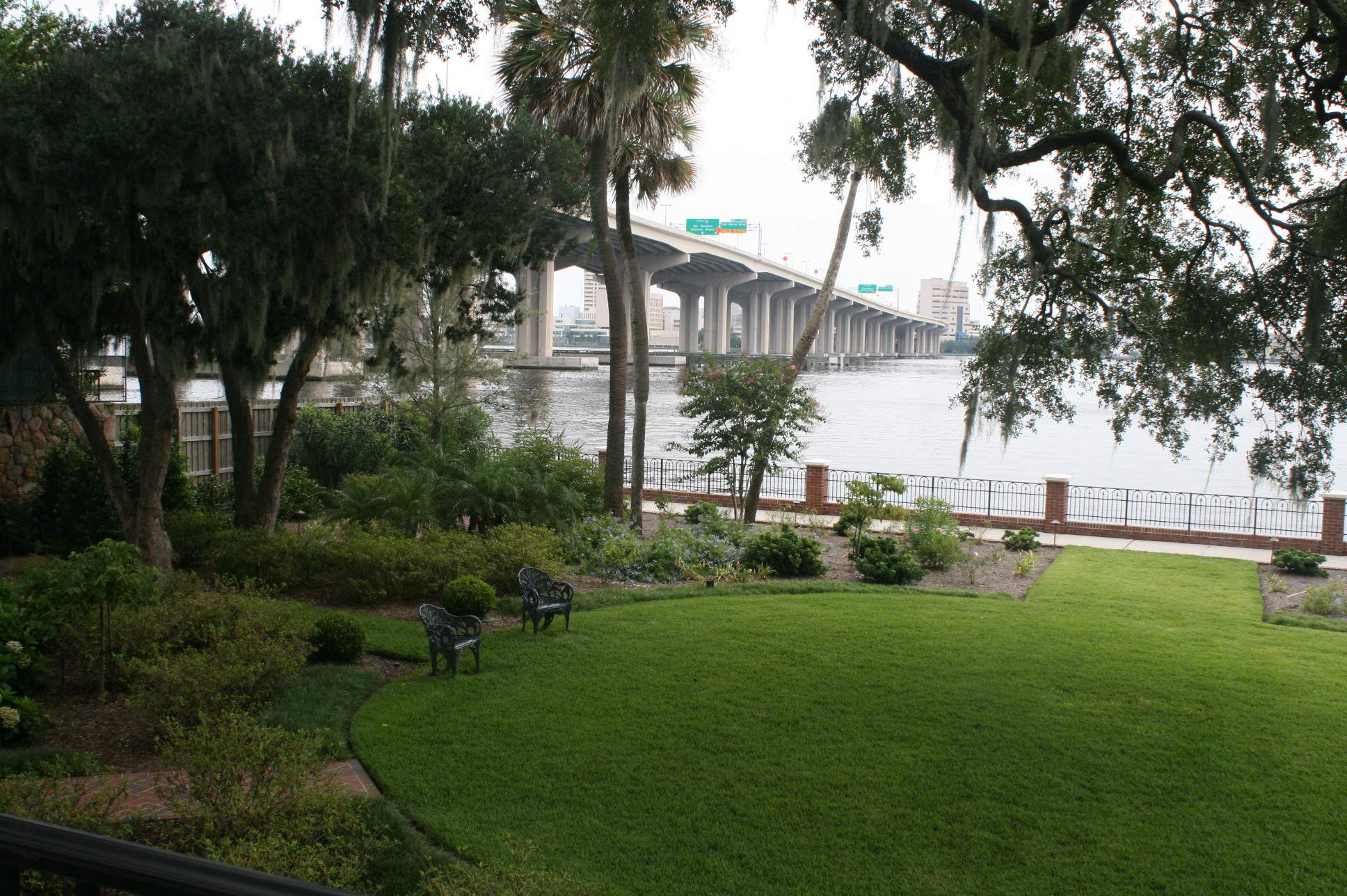
Yesterday we stirred ourselves and took a taxi through the historic Avondale district to the Cummer Museum of Art and Gardens , which has grown from a bequest in 1958 into an impressive gallery and beautiful gardens on the banks of the St John River.

The English Garden, Cummer Art Museum, Jacksonville

The English Garden, Cummer Art Museum, Jacksonville


The Italian Garden, Cummer Art Museum, Jacksonville

The Italian Garden, Cummer Art Museum, Jacksonville


The Italian Garden, Cummer Art Museum

The Italian Garden, Cummer Art Museum


Lower Olmsted Garden contrasts with the urban landscape

Lower Olmsted Garden contrasts with the urban landscape


Upper Olmsted Garden

Upper Olmsted Garden

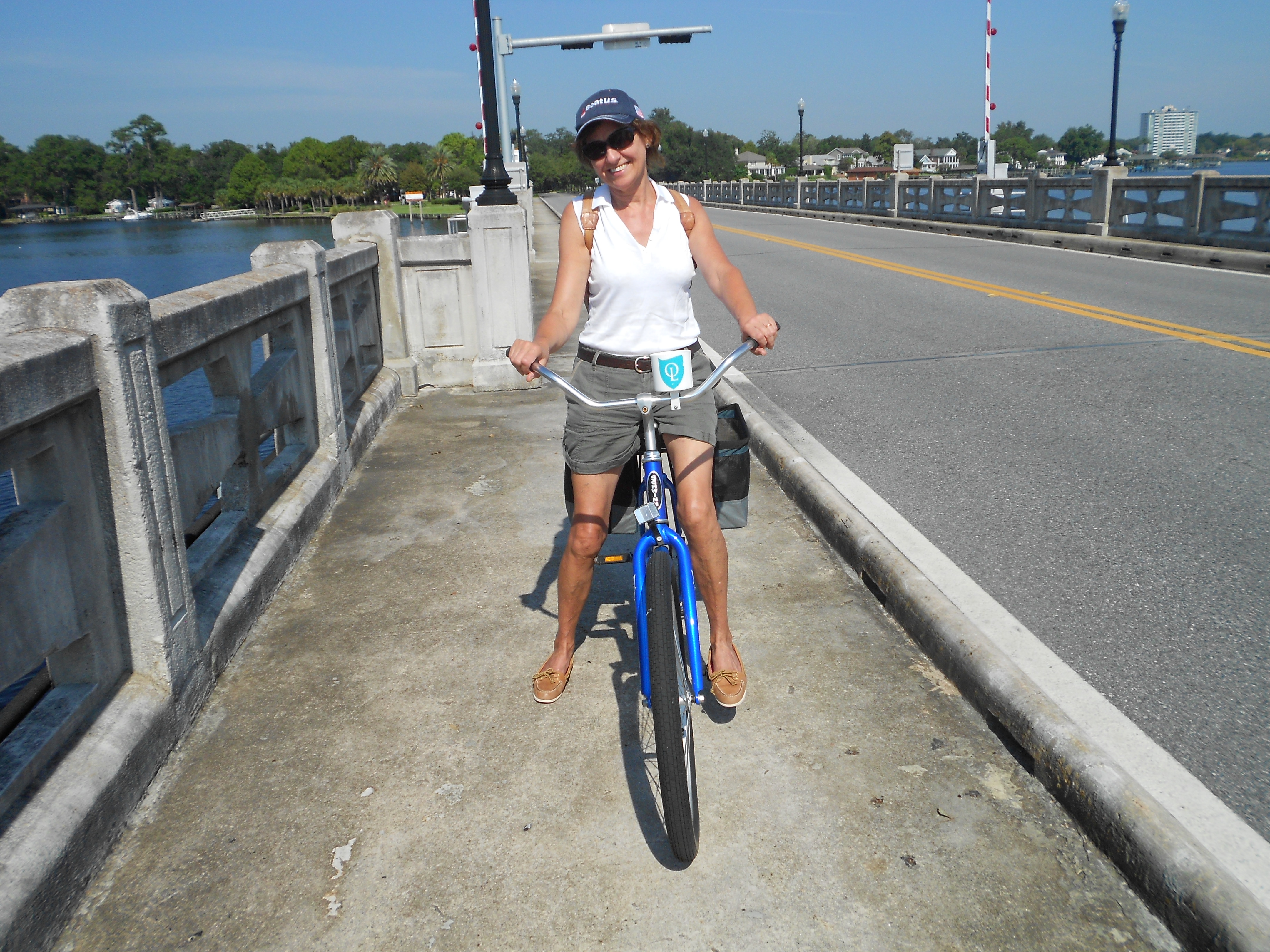
Today we managed a bike ride over the bridge to Ortega Island.

Crossing the Ortega Bridge

Crossing the Ortega Bridge


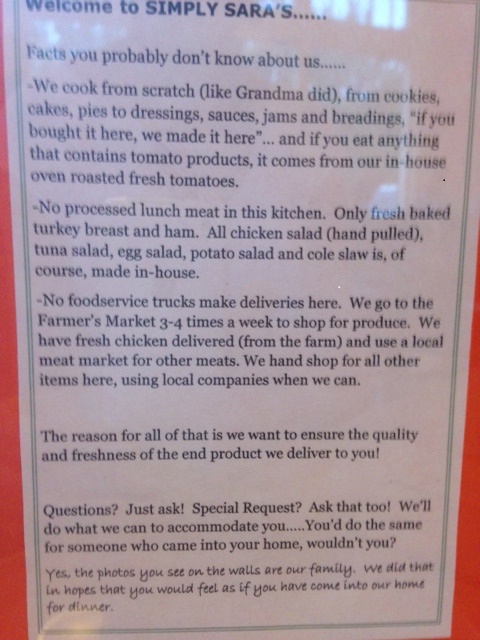
Elegant houses sit surrounded by shady trees and lawns, and we found a small restaurant called Simply Sara’s, and went in for coffee, and were so impressed we went back (again by bike) for dinner – Southern home cooking, smothered steak with rice and vegetables, followed by peach cobbler.
Mission Statement from Simply Sara's

Mission Statement from Simply Sara’s

It was almost dark by the time we got back to the boat. The hot days are a trial, but the warm evenings are magical.

The good news is that the bridge is going to be open sooner than expected, between 9 and 10 am tomorrow, so we have to be up early to get through. The bad news is that it’s probably going to be raining.

Midnight Train to Jacksonville

After a few days with the family in Centreville, we headed to Jacksonville to pick up the boat.

One of my favourite books as a child was ‘What Katy Did at School’ by Susan Coolidge, in which the eponymous heroine and her sister Clover undertake a 3-day journey from their home in the American Midwest to boarding school in Connecticut. The account of this journey had made a vivid impression, so I felt quite excited 55 years later, when Ian announced that rather than flying from DC to Jacksonville, we would take the overnight train.

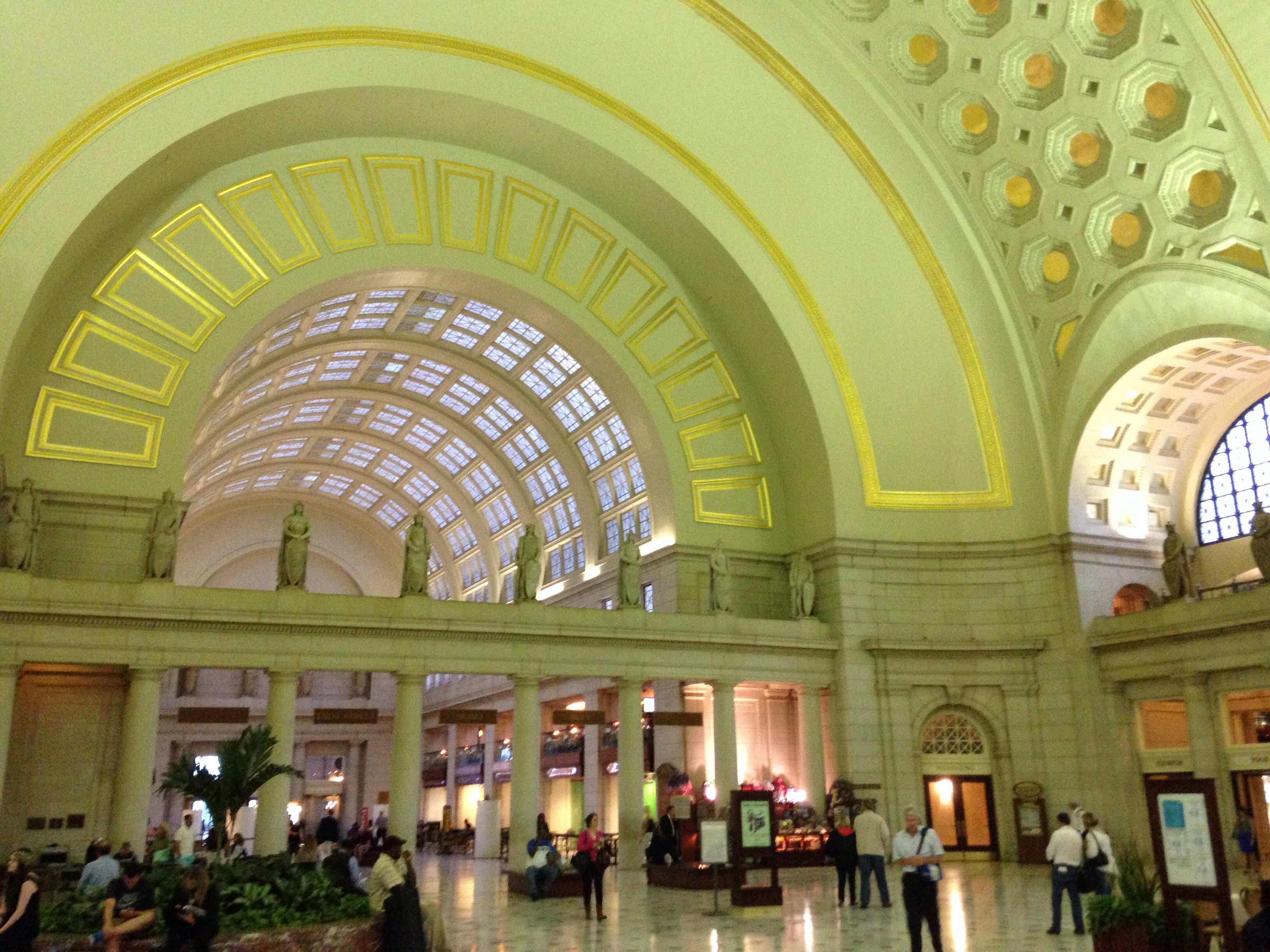
Union Station in Washington DC is a monument to the Beaux Arts architecture of the late 19th century, and was opened in 1907. After falling into disrepair, it was beautifully restored in the 1980s.

Union Station, Washington DC

Union Station, Washington DC


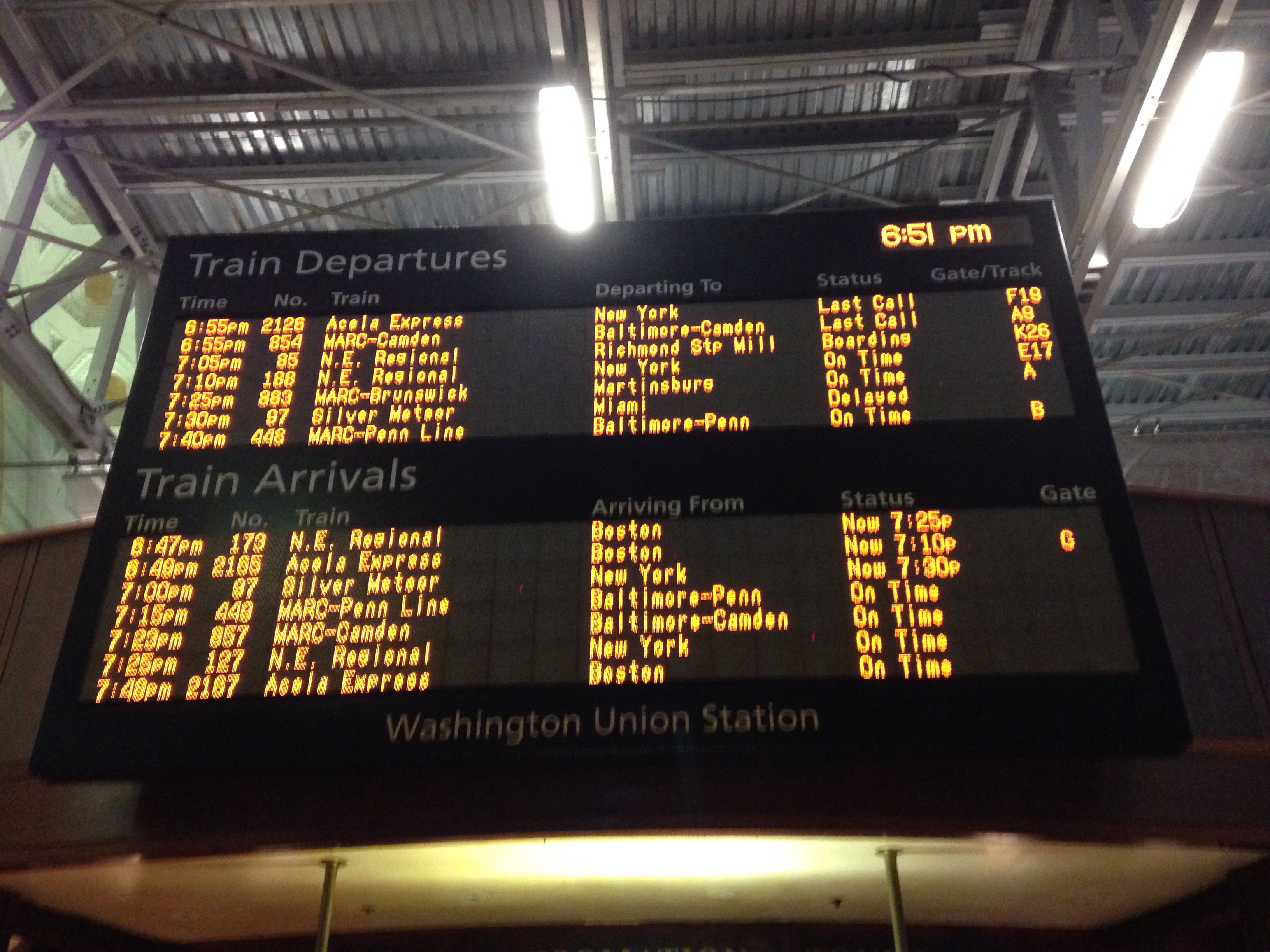
Our pleasure in our surroundings was tempered by an announcement that our train was delayed (length of time unspecified), and a series of graphic public information videos on the themes of What to Do in the Event of a Terrorist Attack and What to Do if You are Confronted by a Lone Gunman (try to send a text to the given number, without the gunman noticing you are using your cell-phone). Maybe there is evidence that in some way these videos help to prevent such atrocities, and help the public to deal with them, but personally I think they serve only to heighten anxiety, out of proportion to the actual risk involved. Or one hopes so, anyway.
The Silver Meteor to Miami is delayed

The Silver Meteor to Miami is delayed


Eventually we were called to board. Like most American trains, the Silver Meteor was very long indeed and we walked at least a quarter of a mile along the platform before finding our coach. Unlike most British stations, there were numerous people to help us, and we were introduced to James, our attendant, who would look after us throughout the journey.
Getting on the train required the ascent of at least five steep steps, quite a challenge with 23 kilos of luggage in your hand.
‘Don’t worry Ma’am, I’ll throw it up to you,’ James assured me, and he did.

Financial prudence had apparently dictated that a room on the train would be an extravagance too far at this stage of the trip, and a ‘roomette’ would suffice, though we did have some misgivings about how we, and all our baggage, could fit into such a small space. The roomette seemed to consist of two seats facing each other, and not much else.
All was soon revealed, when James came along to show us where the light switches were and how the air-conditioning worked. While we were at dinner, he would magically convert the seats into bunks, and make them up for us. Eventually we were enlightened on the burning question of toilet facilities. The little shelf next to my seat, on which I had carelessly dumped my bag, was actually the lid of the toilet seat. Above it was an ingenious fold-down sink. The nearest toilet offering any seclusion was several carriages further down the train.
It soon became obvious that the roomette would not accommodate us and our 46 kg of luggage, but James had the answer to this too, and checked them into the guard’s van for us. We would see them next on the platform of Jacksonville Station.

Ian trying to turn round in the roomette.

Ian trying to turn round in the roomette.


Another of my pre-departure worries had concerned the quantity and quality of dinner, but this proved an unnecessary concern. The dining car had a pleasant ambience, dinner was ample and satisfying,the service very good, and conversation was enlivened by the presence on our table of two young sisters from New Zealand who were travelling round the US. Discussion ranged from places of mutual interest that we had all either visited, or intended to visit (New Orleans, Charleston, New York, Boston), to the problems facing small independent countries, like New Zealand and possibly Scotland.
Sleeping in the roomette was quite challenging, but once I had remembered how to turn off the fierce air-conditioning, and managed to ignore the diverse rattlings and rumblings of the train, I must have dropped off, as suddenly Ian was telling me that it was 7.30 and we had already left Savannah. I looked out of the window at the flat marshland and tall trees of Georgia that in a few weeks’ time we would be travelling through on the boat.

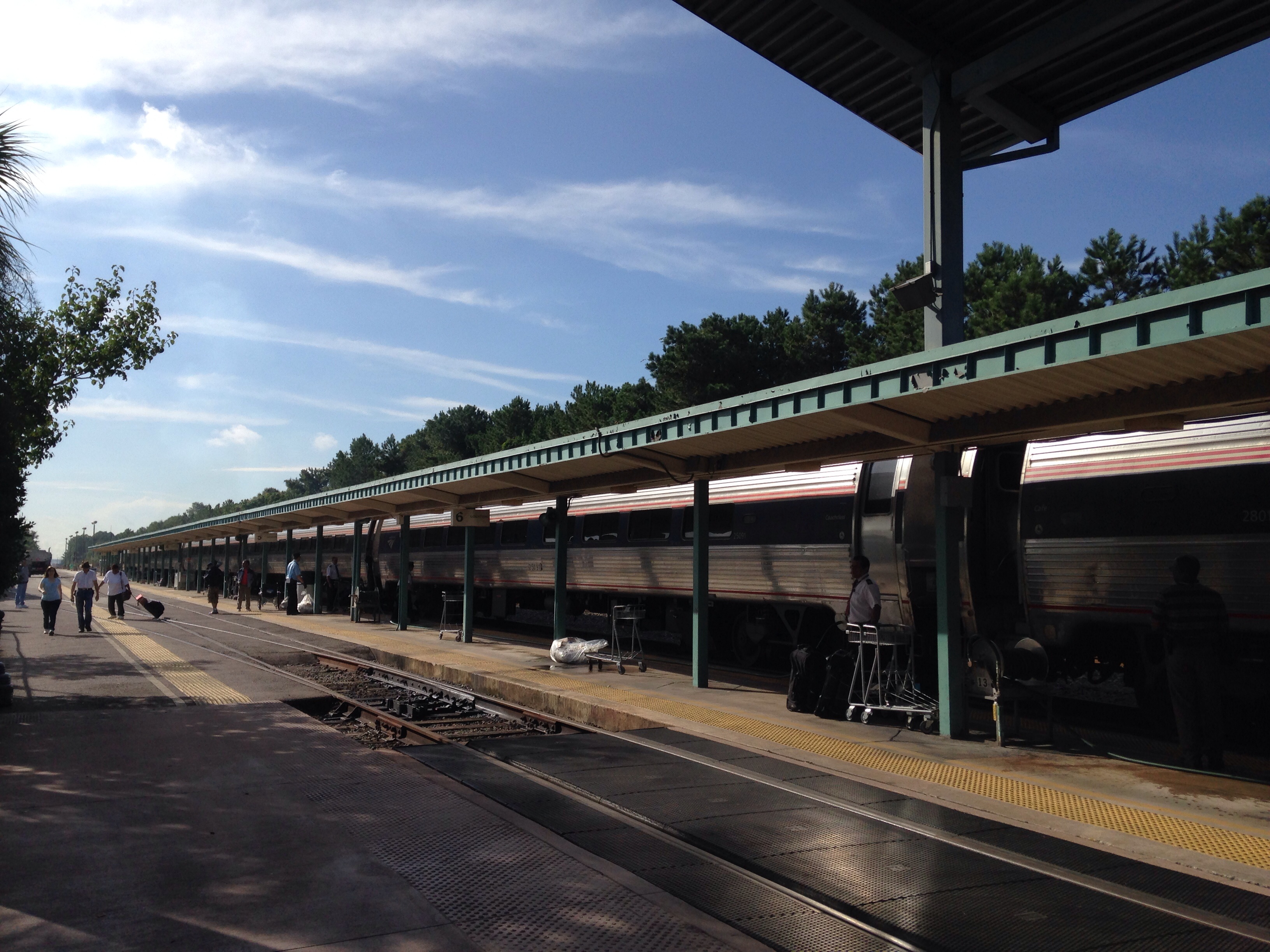
Soon the wild scenery changed to the more cultured and semi-tropical Florida landscape. In contrast to the grandeur of Union Station, the Amtrak Station at Jacksonville was more like a country halt, just two platforms and a waiting room, but like most places here, well-kept, and the palm trees and sudden humid warmth gave a slightly exotic feel.

The Silver Meteor at Jacksonville Amtrak Station

The Silver Meteor at Jacksonville Amtrak Station

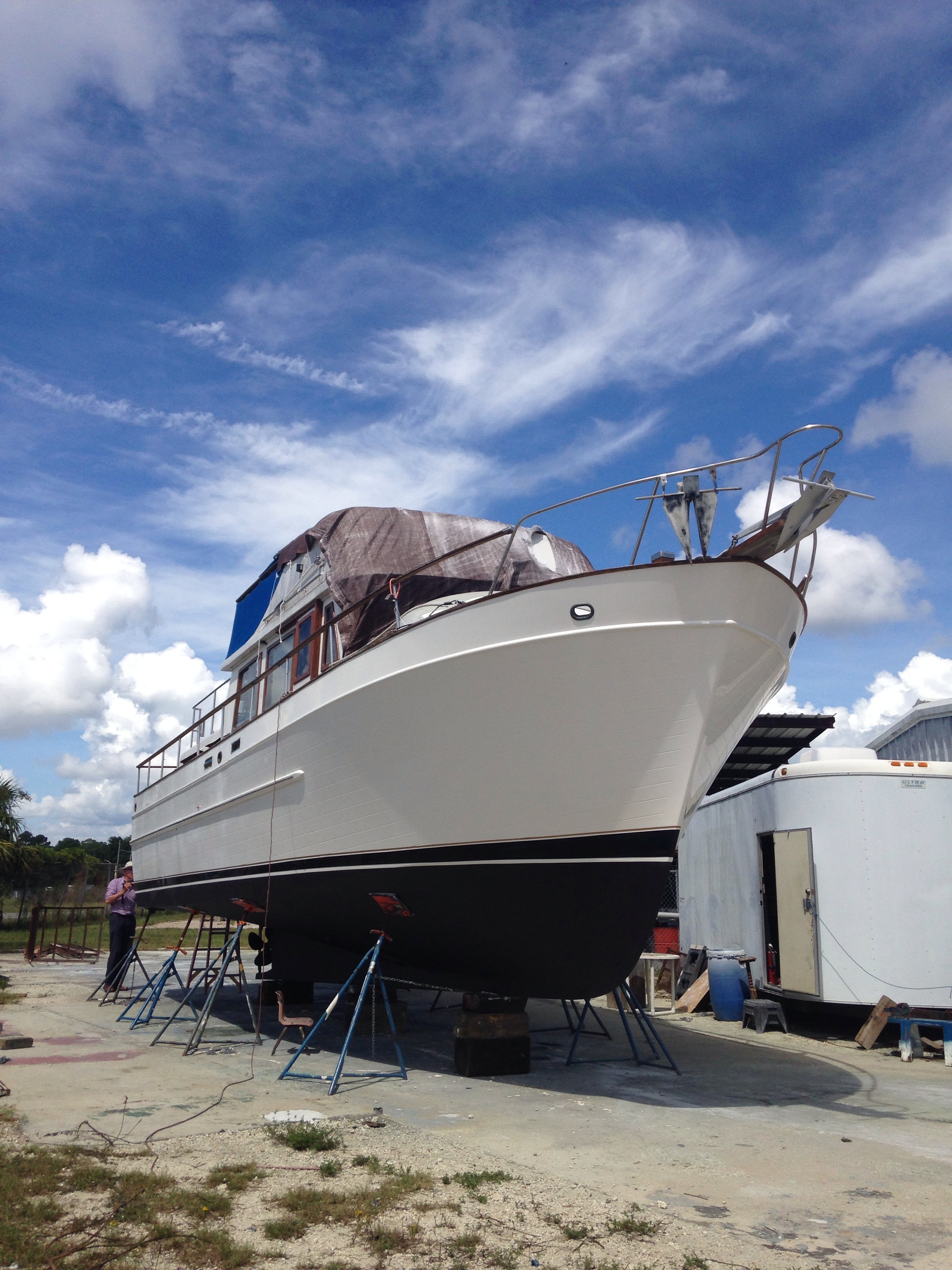
Carina had been having her bottom re-surfaced while we were at home, so as soon as we had checked into the hotel we were off to see her. I had been worried that in the heat and humidity of the Florida summer, large quantities of mould might have accumulated, not to mention a possible proliferation of insect life.
But Ian was pleased with the work that had been done, and apart from a few dead ants, the inside of the boat was more or less as we’d left it. After a couple of days’cleaning, re-stocking and doing various mechanical jobs, we were ready to roll.

Ian inspecting the work on Carina's bottom

Ian inspecting the work on Carina’s bottom

Postscript – Juniper Springs

Our breakfast at IHOP didn’t materialise, mainly because we didn’t pass an IHOP en route to Ocala National Forest, and we had to content ourselves with sausage sandwiches from the grocery/deli at Salt Springs, eaten in the car. At $1.99 it was value for money, at least.

Juniper Springs, within the forest, was magical. There was a swimming pool cut into the rock. It maintains a constant temperature of 70degrees throughout the year, and only the fact that my bathers were at the bottom of my suitcase stopped me going in.

The swimming pool at Juniper Springs

The swimming pool at Juniper Springs

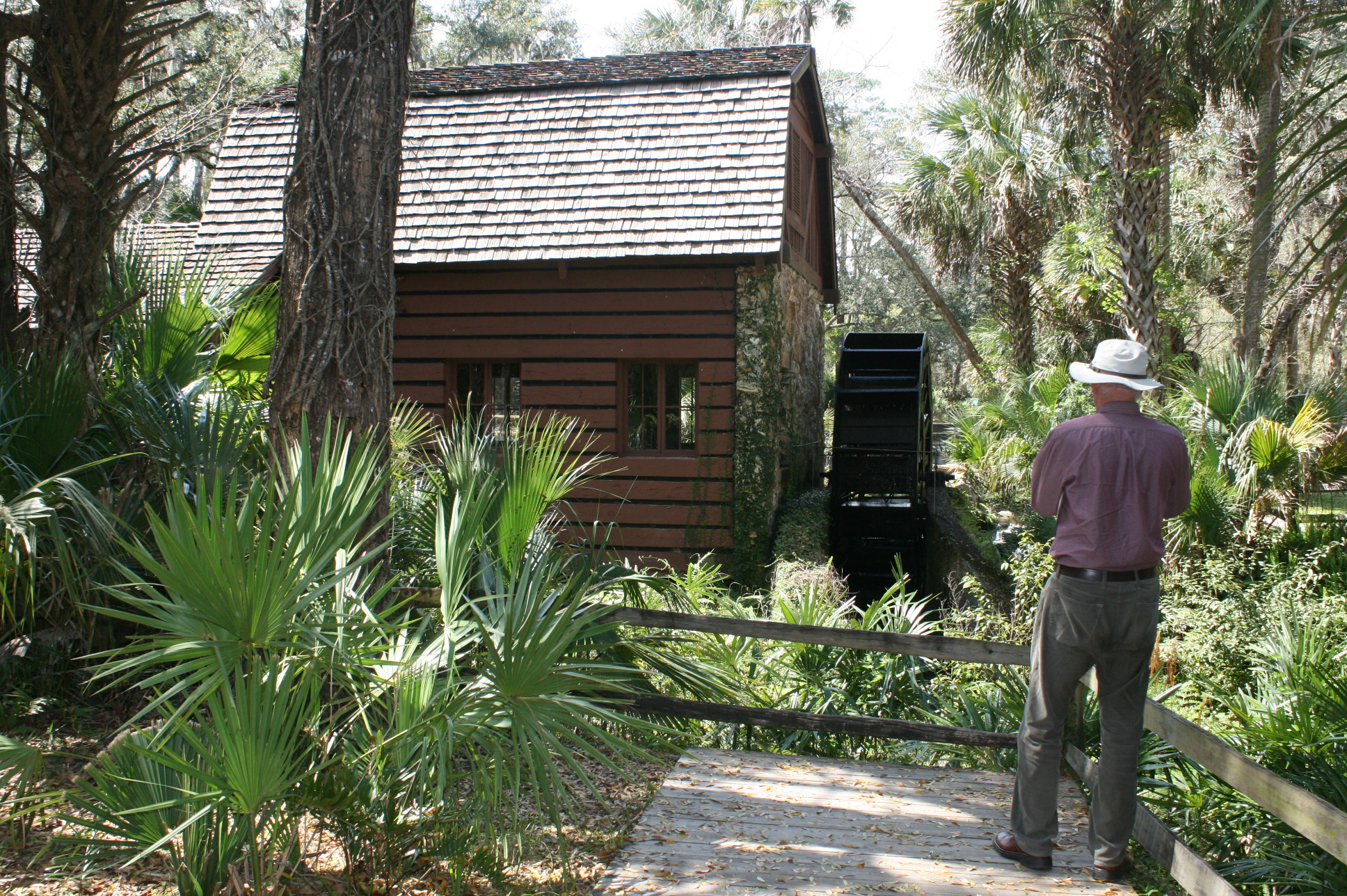
The pool and the trails had been built in the 1930s by the Civilian Conservation Corps, part of Roosevelt’s New Deal programme. There was millwheel which regulated water in the pool and provided power.

The millwheel

The millwheel

Carolina jasmine growing through the trees

Carolina jasmine growing through the trees


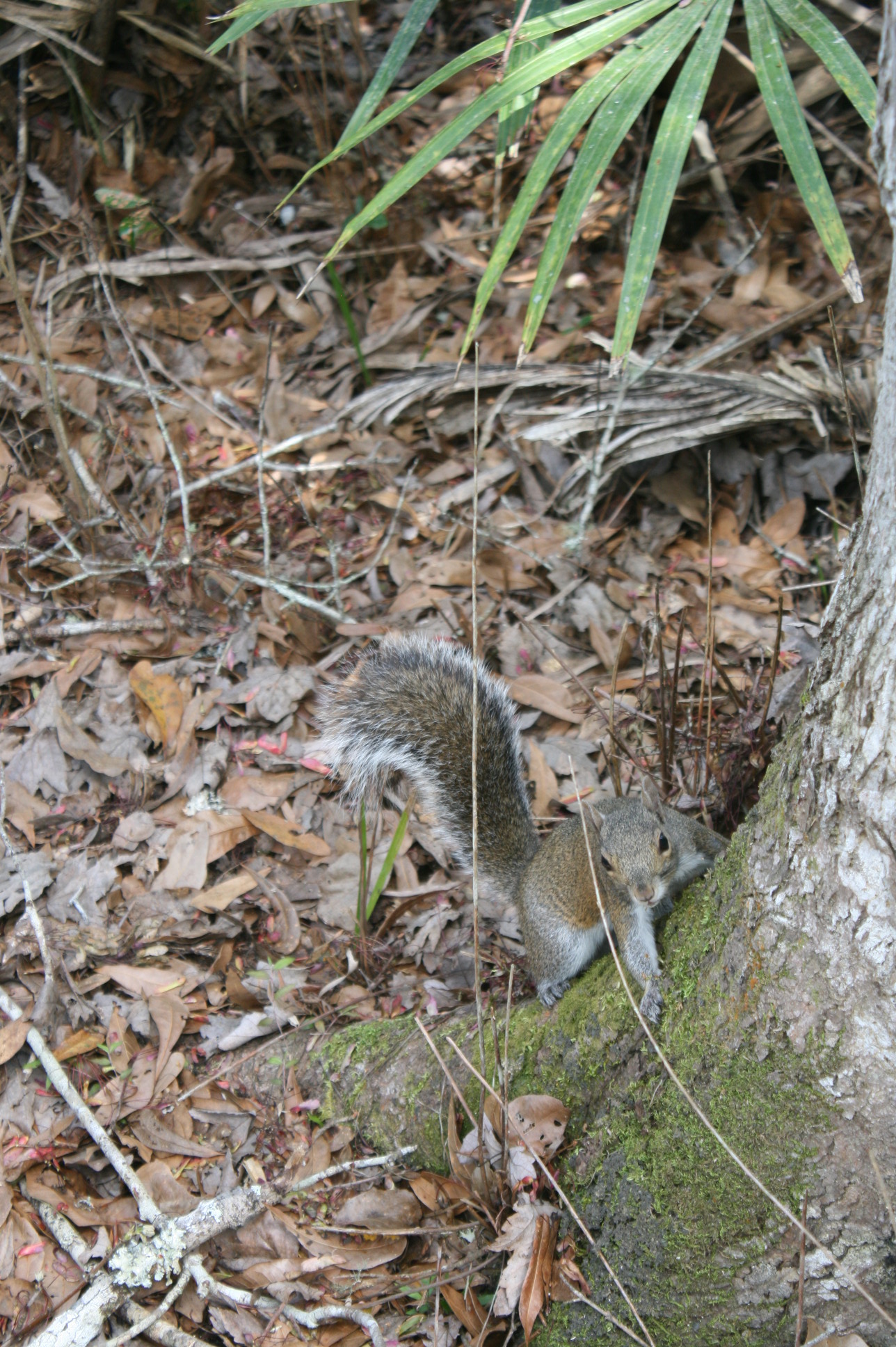
Squirrel

Squirrel

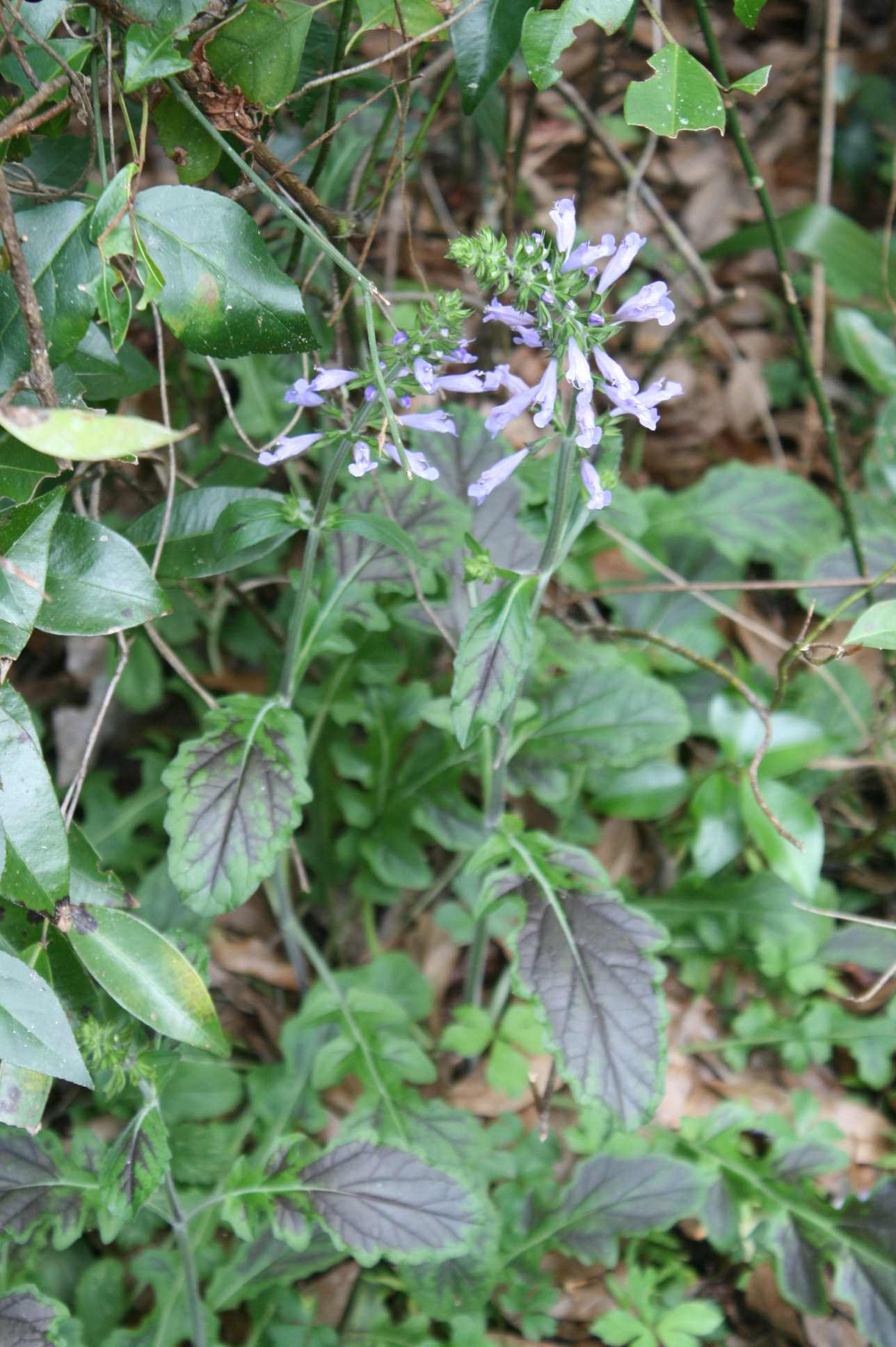
? Indigo

? Indigo


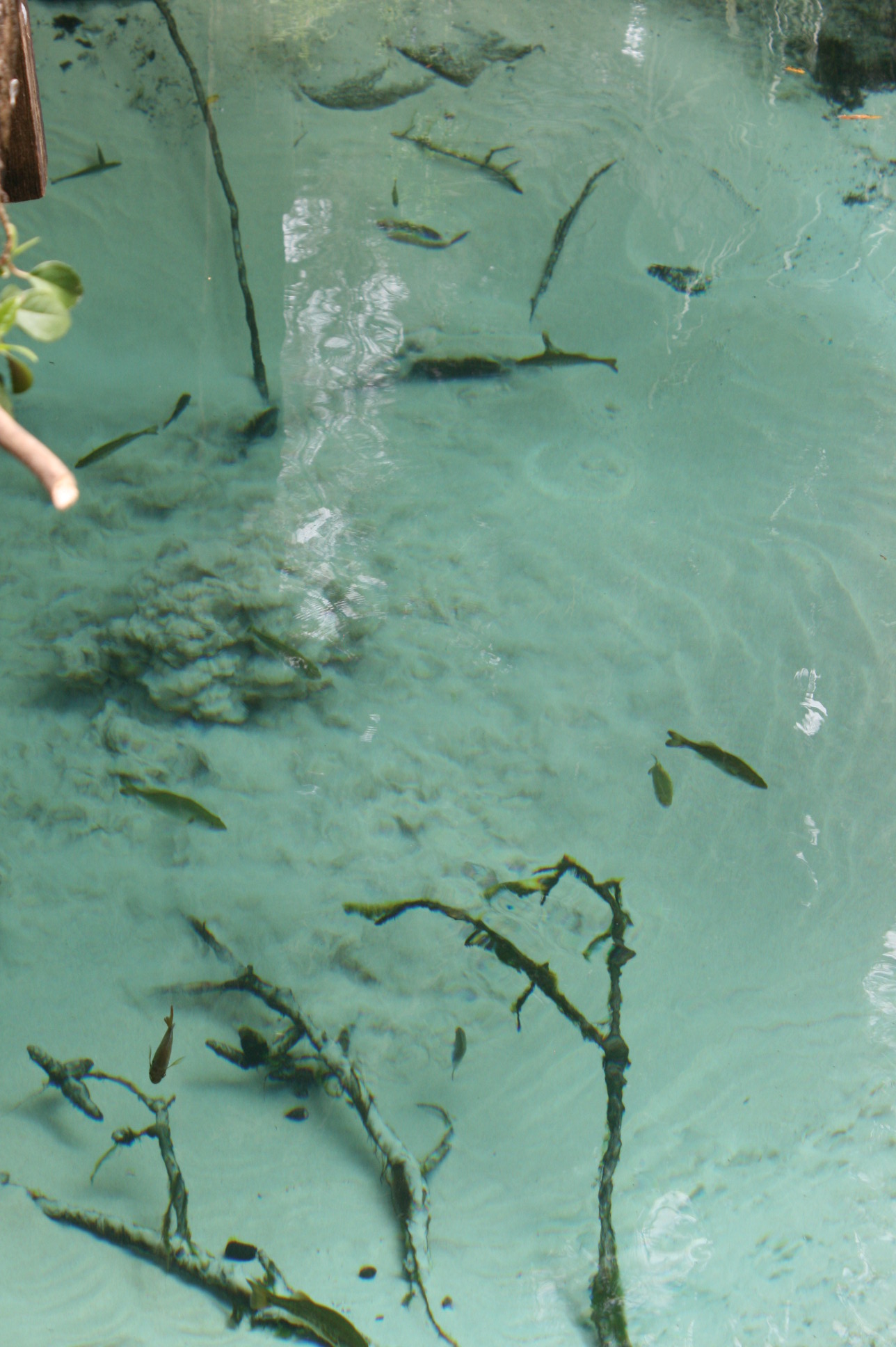
Small fishes and one of the springs

Small fishes and one of the springs


And finally…..
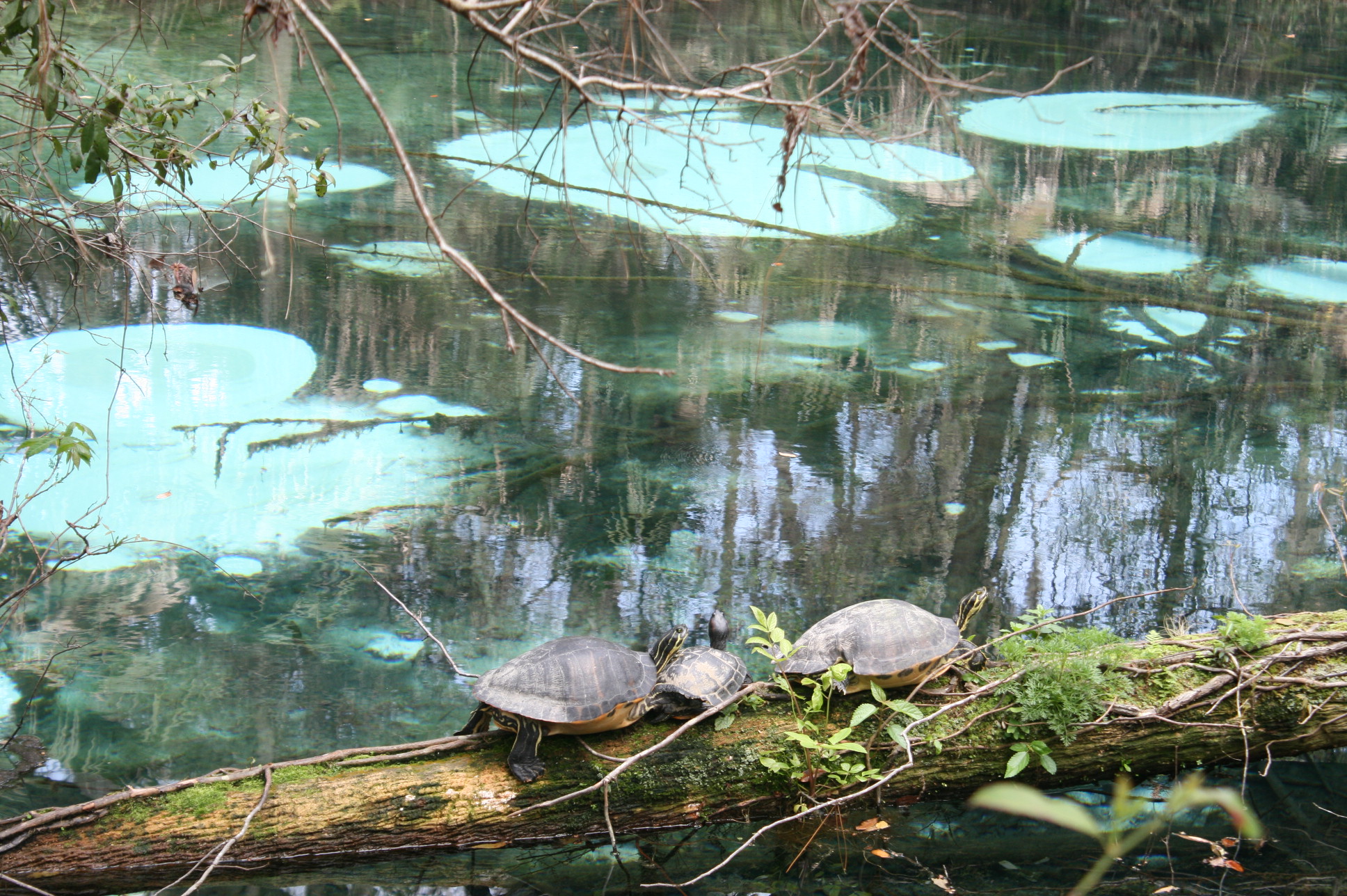
Turtles

Turtles

Turtles!

Homeward Bound

Almost as soon as we had left St Augustine, it felt as though we were on the way home.
Our first anchorage was at Pine Island, a beautiful, remote spot. The clouds looked as though they had been painted onto the sky.

Pine Island

Pine Island


Sunset at Pine Island

Sunset at Pine Island


Morning light, Pine Island

Morning light, Pine Island

We had a few days to get to Green Cove Springs on the St John River, 30 miles south of Jacksonville, where Carina is going to be stored over the summer. But first we passed north along the Tolomato River, and then through a narrower canal, before docking at Sisters Creek, at the mouth of the river.

Tolomato River

Tolomato River


The canal stretch north of the Tolomato River

The canal stretch north of the Tolomato River

.
View from the dock at Sisters Creek

View from the dock at Sisters Creek

But the next few days were a bit grim. We woke up on Tuesday morning to find the temperature had dropped, it was misty, cold and windy, and we decided to stay put for the day, even though there were no shops within walking distance and it meant scraping round the cupboards for something for dinner. Even the egrets weren’t very happy.

Egrets huddling in the wind, Sisters Creek

Egrets huddling in the wind, Sisters Creek

The weather failed to improve, and after a cold wet journey on Wednesday, we had no choice on Thursday but to move 20 miles up the St John River from Ortega Landing to Green Cove Springs, as we had booked an engine service there on Friday. The river is about 4 miles wide on this stretch, and we couldn’t see the opposite bank, so we were navigating on instruments in 25 knot winds, heavy rain and heavy chop. Fortunately everyone else appeared to have had more sense, so there weren’t any other boats about. Emergency doses of stugeron were needed to counteract the effects of Carina’s violent rolling, and I found Ian’s ‘Of couse it’s not going to bloody capsize. It’s got a bloody great iron keel on it!’ quickly followed by ‘Even if it tipped over by 90 degrees, it’d still pop up again!’ less than reassuring.

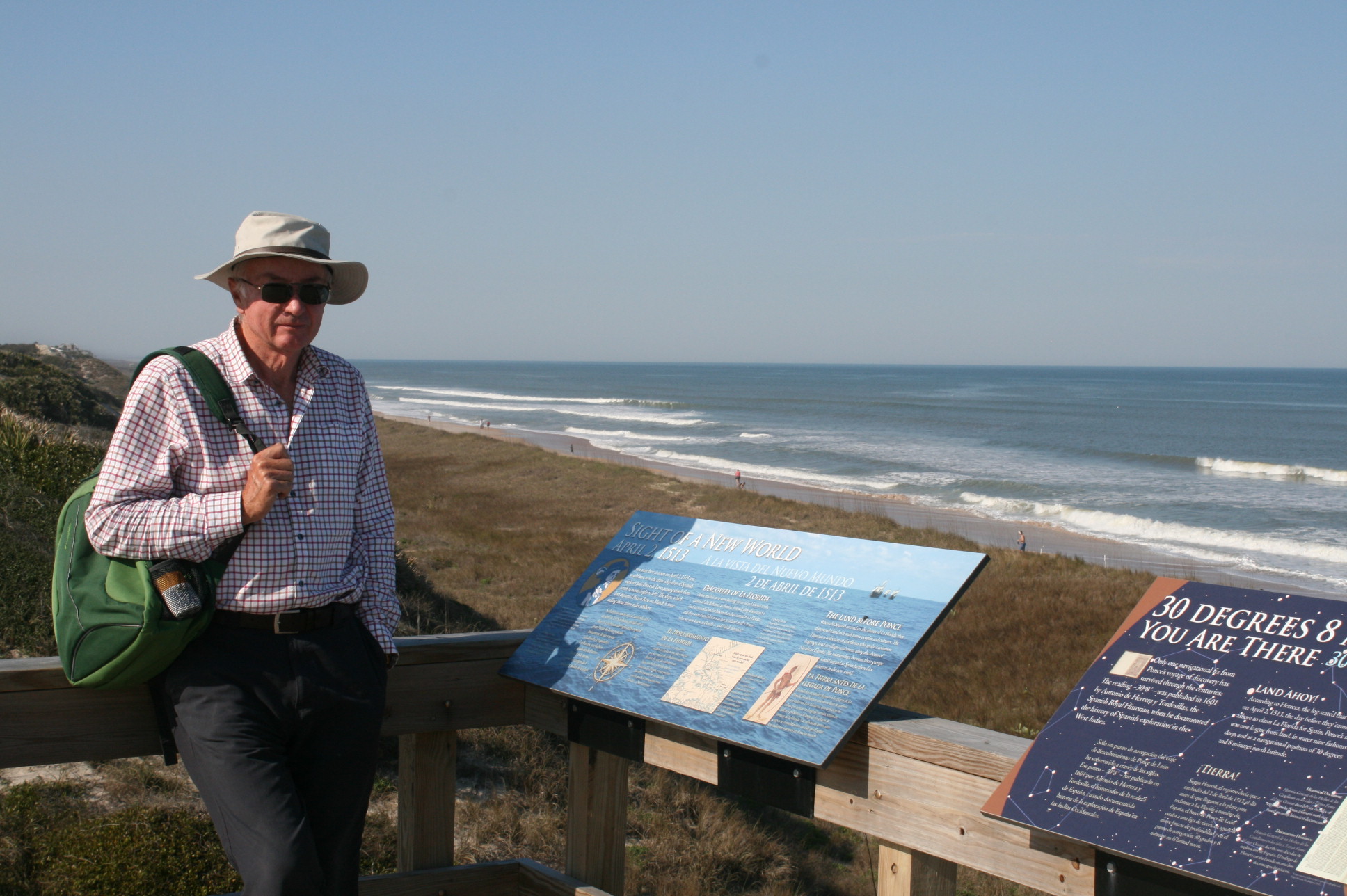
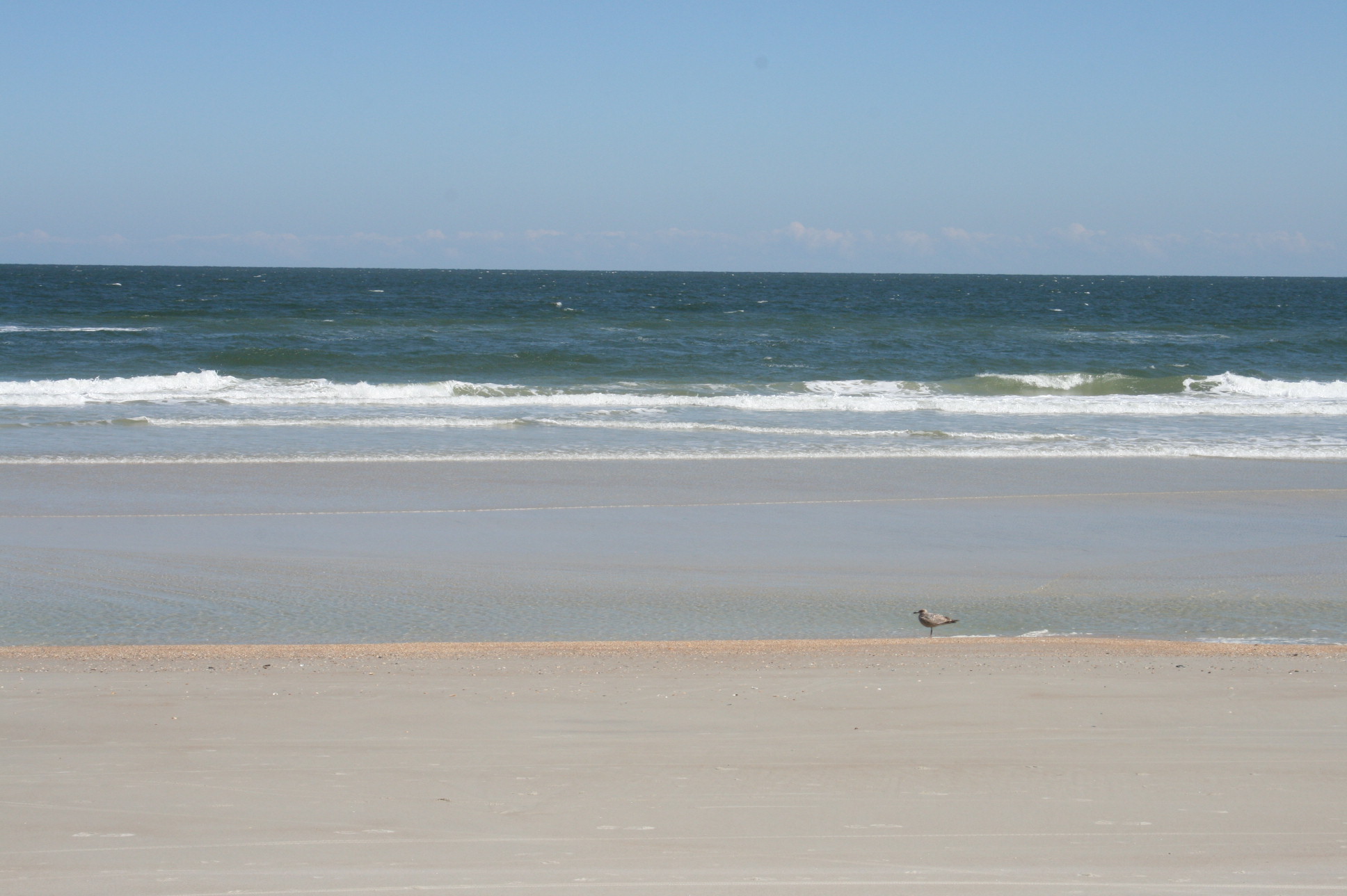
But we got there, and on Saturday the sun came out, so by the time we had packed everything away it was all nicely dried out, and we’ve even had some time to do a little sight-seeing. We couldn’t resist a last look at the ocean, so we drove over to the beach at Guana River State Park. We’ve now seen several places on Florida’s east coast which claim an association with Juan Ponce de Leon, and in the park the spot is marked where, at 30degrees 8’N, he sighted La Florida for the first time.

The spot where Juan Ponce de Leon sighted Florida in 1513

The spot where Juan Ponce de Leon sighted Florida in 1513


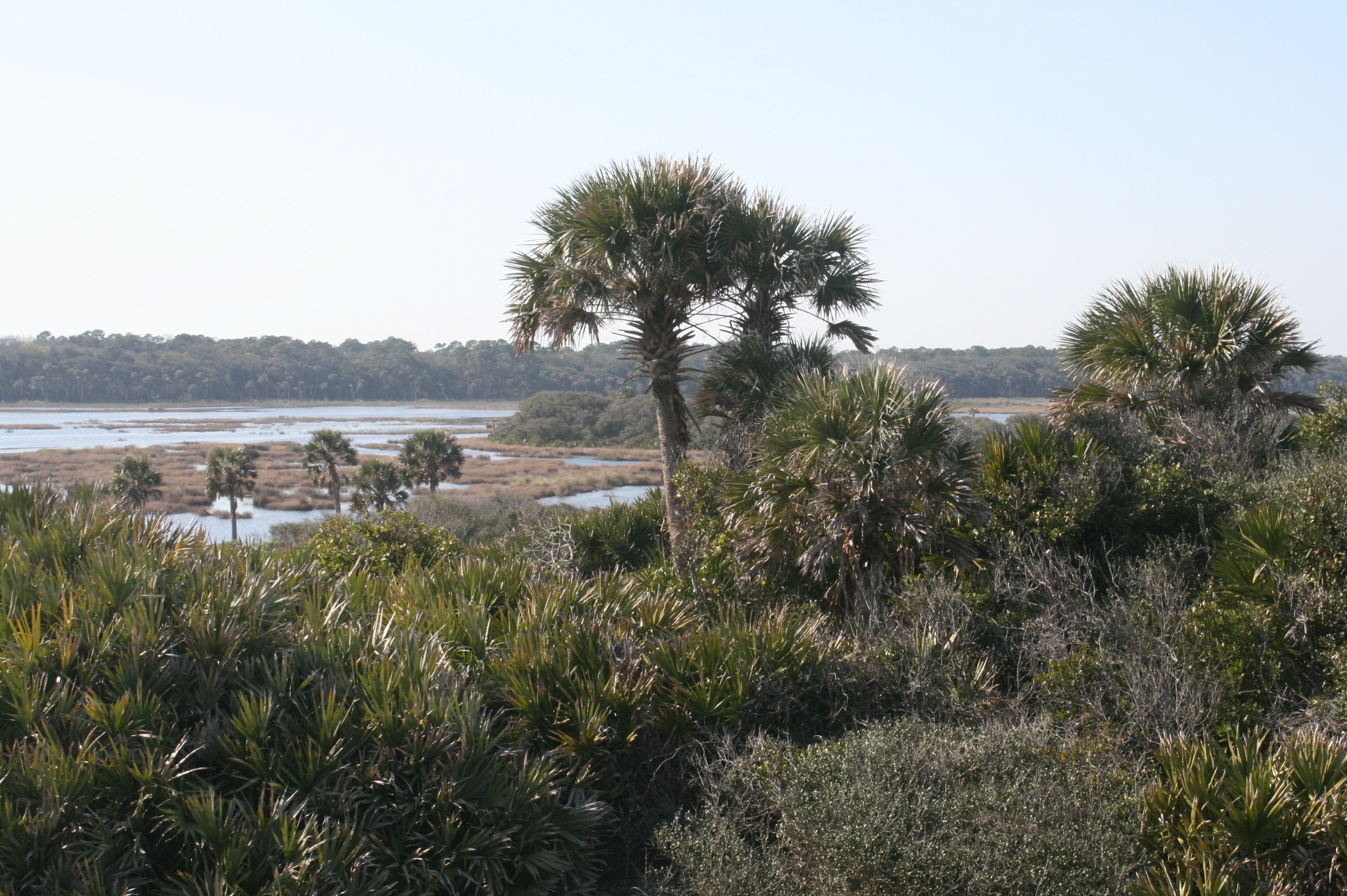
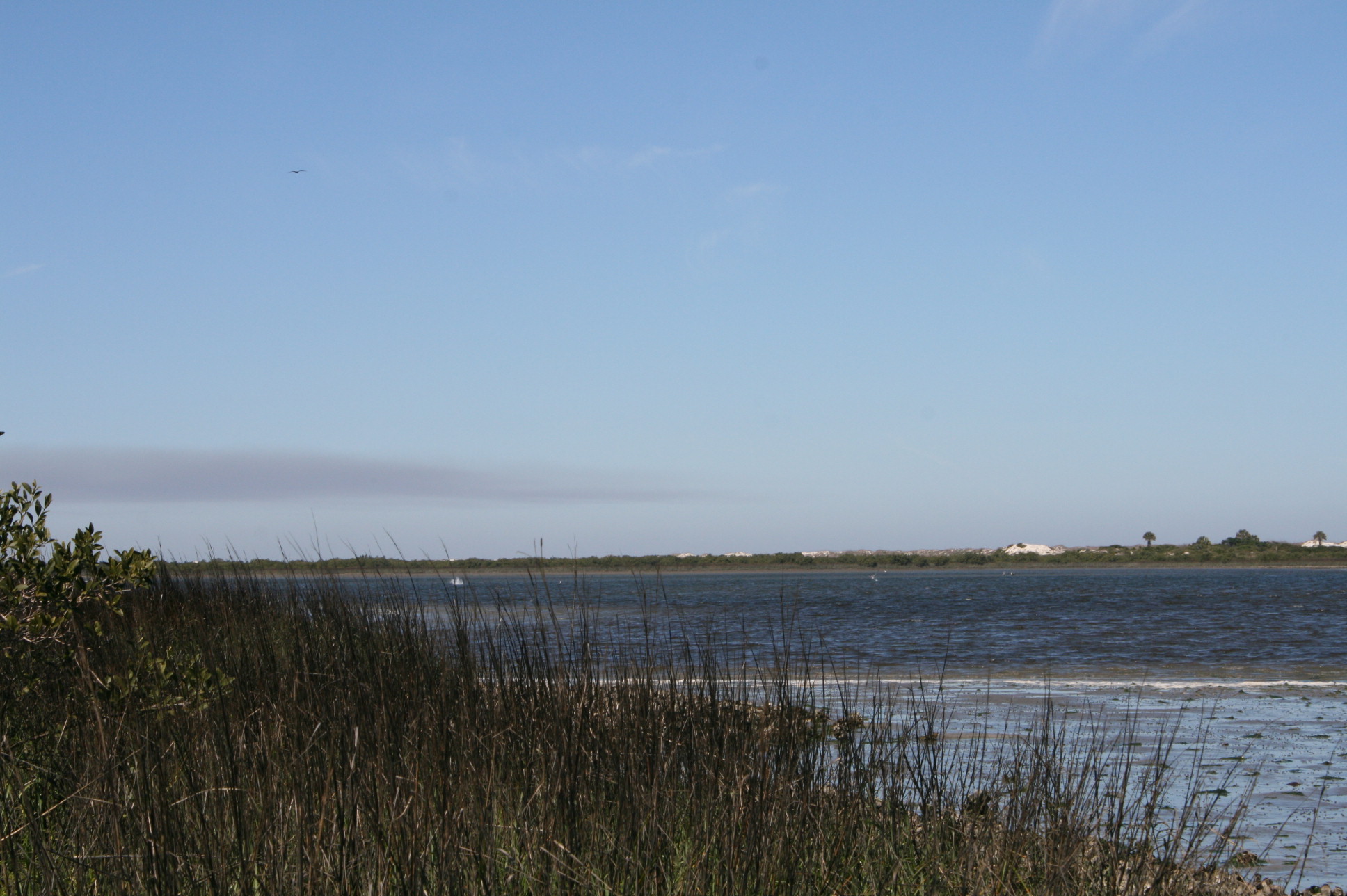
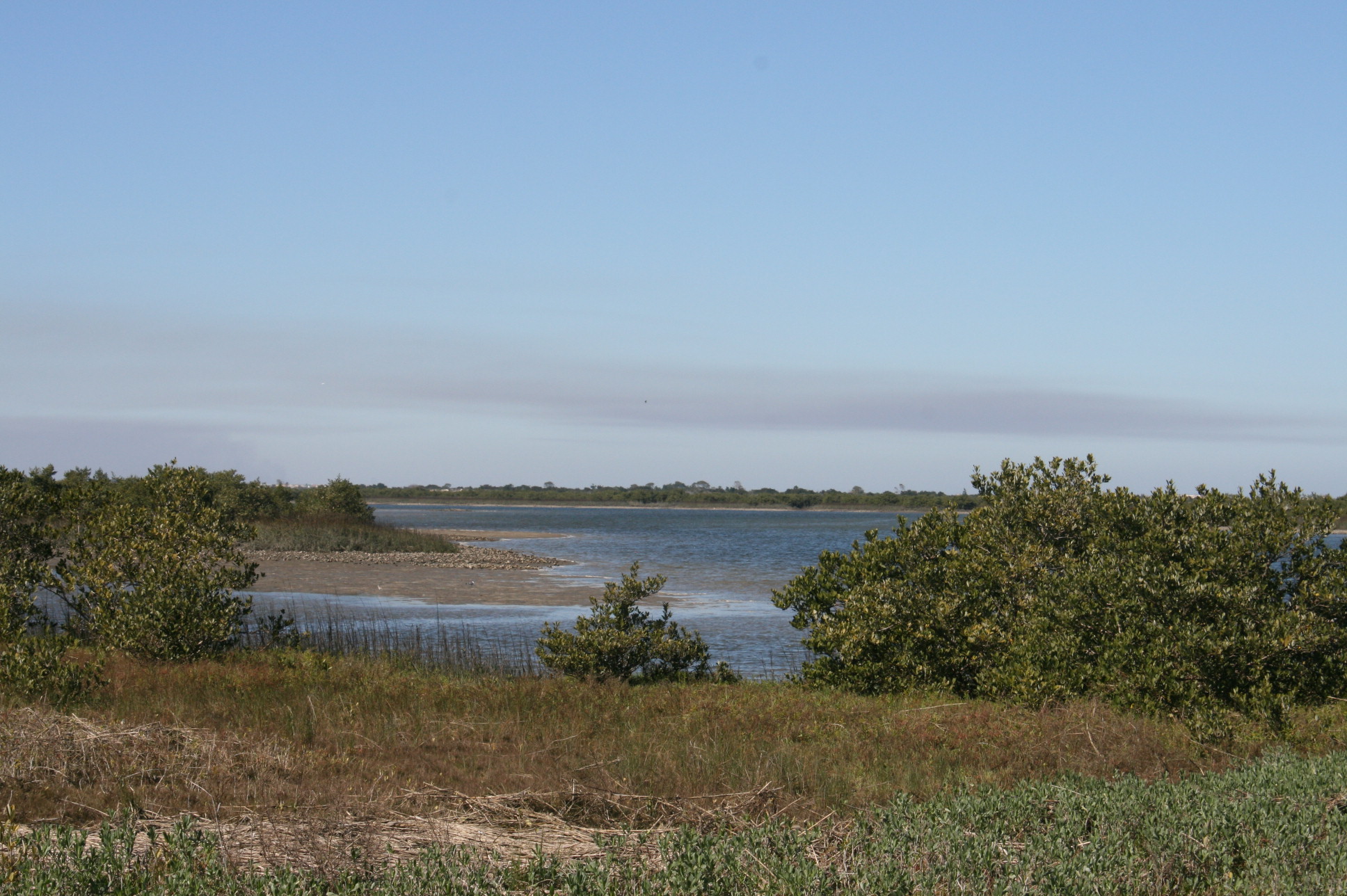
We had another view of the Tolomato River.
Tolomato River, from the Atlantic shore

Tolomato River, from the Atlantic shore


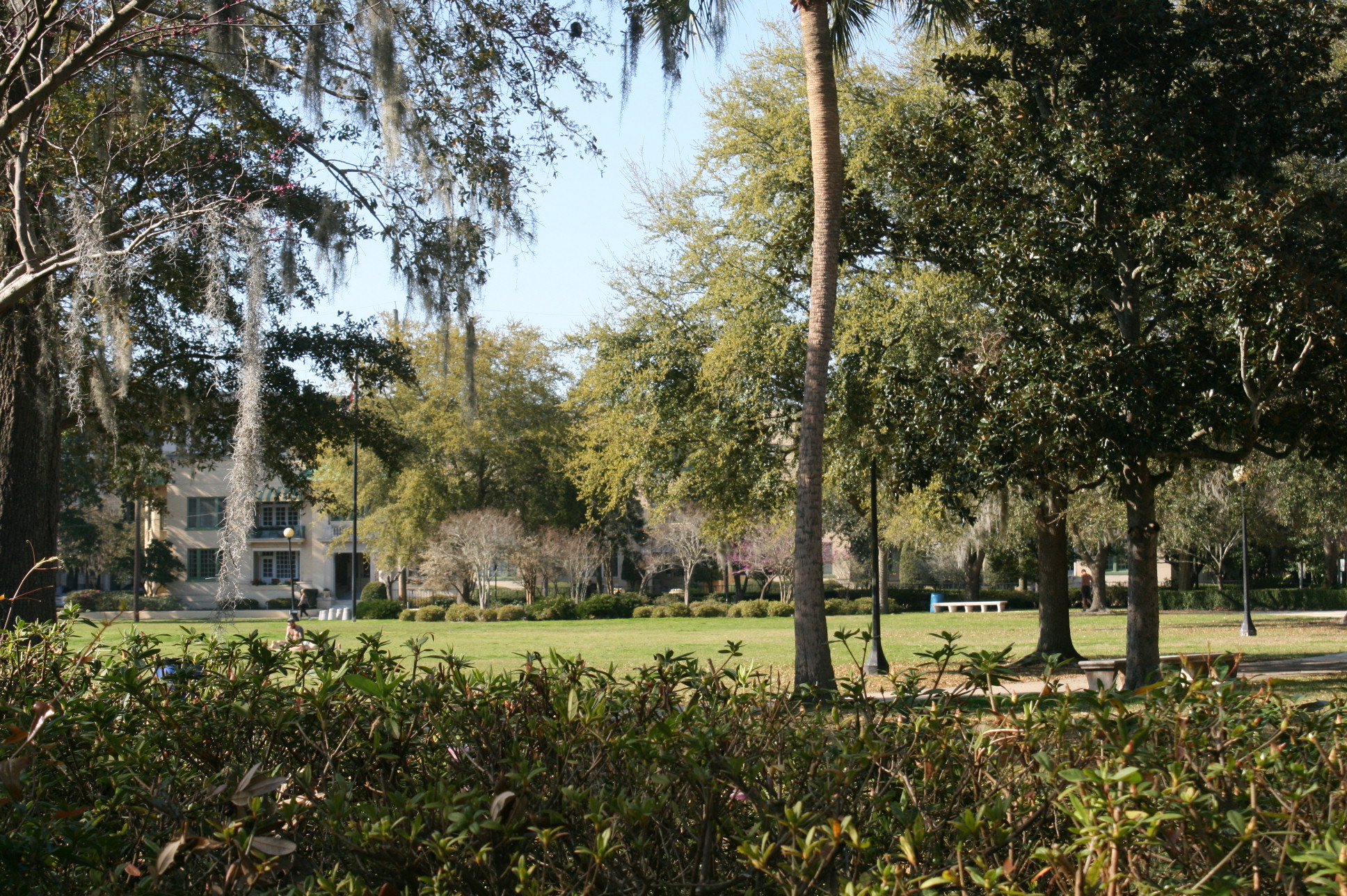
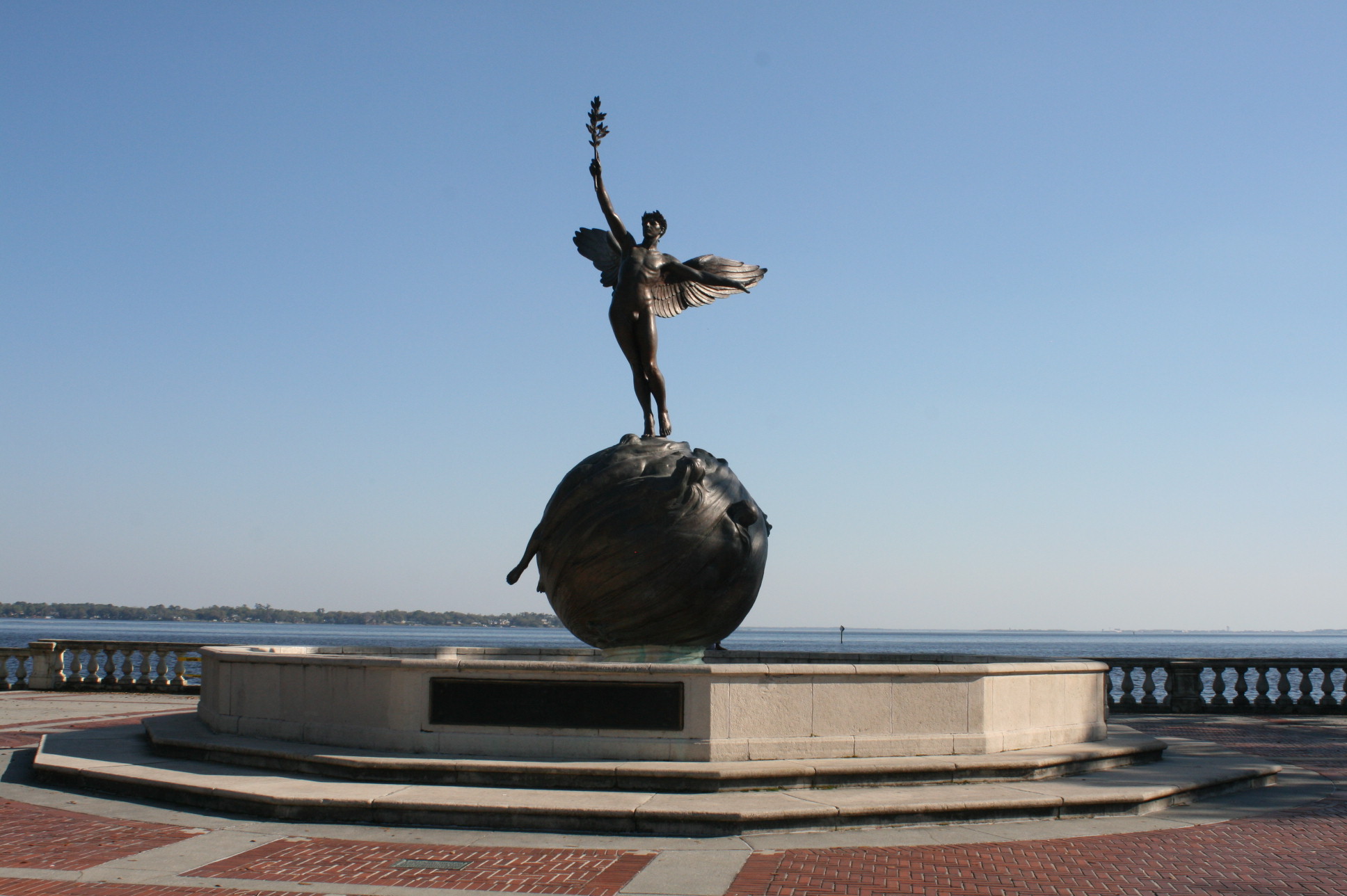
This afternoon, with Carina safely out of the water and covered with tarpaulins, we had a quick look at downtown Jacksonville.
Memorial Park, Jacksonville

Memorial Park, Jacksonville


Great War Memorial, Memorial Park, Jacksonville

Great War Memorial, Memorial Park, Jacksonville


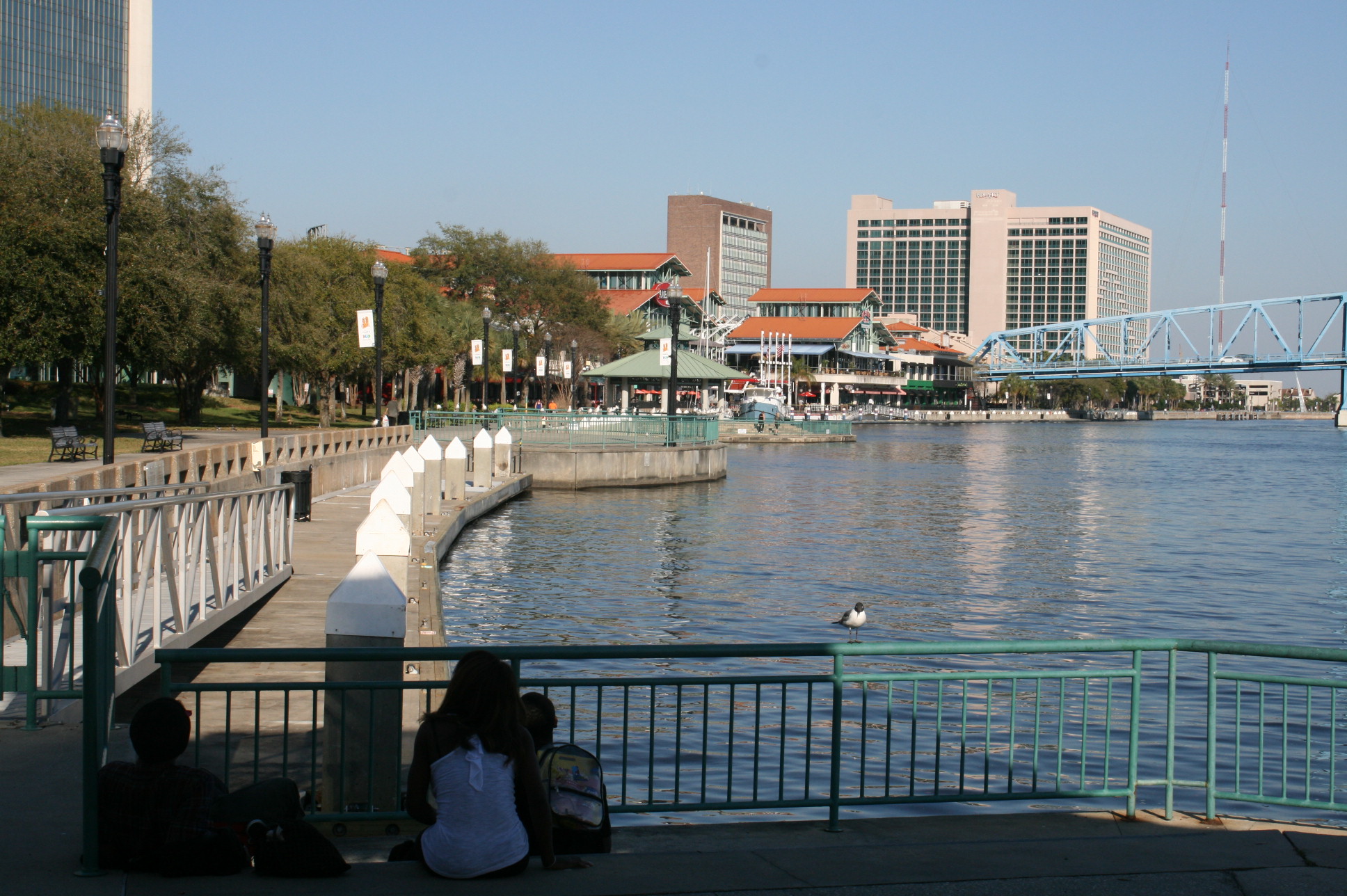
The waterfront, downtown Jacksonville

The waterfront, downtown Jacksonville


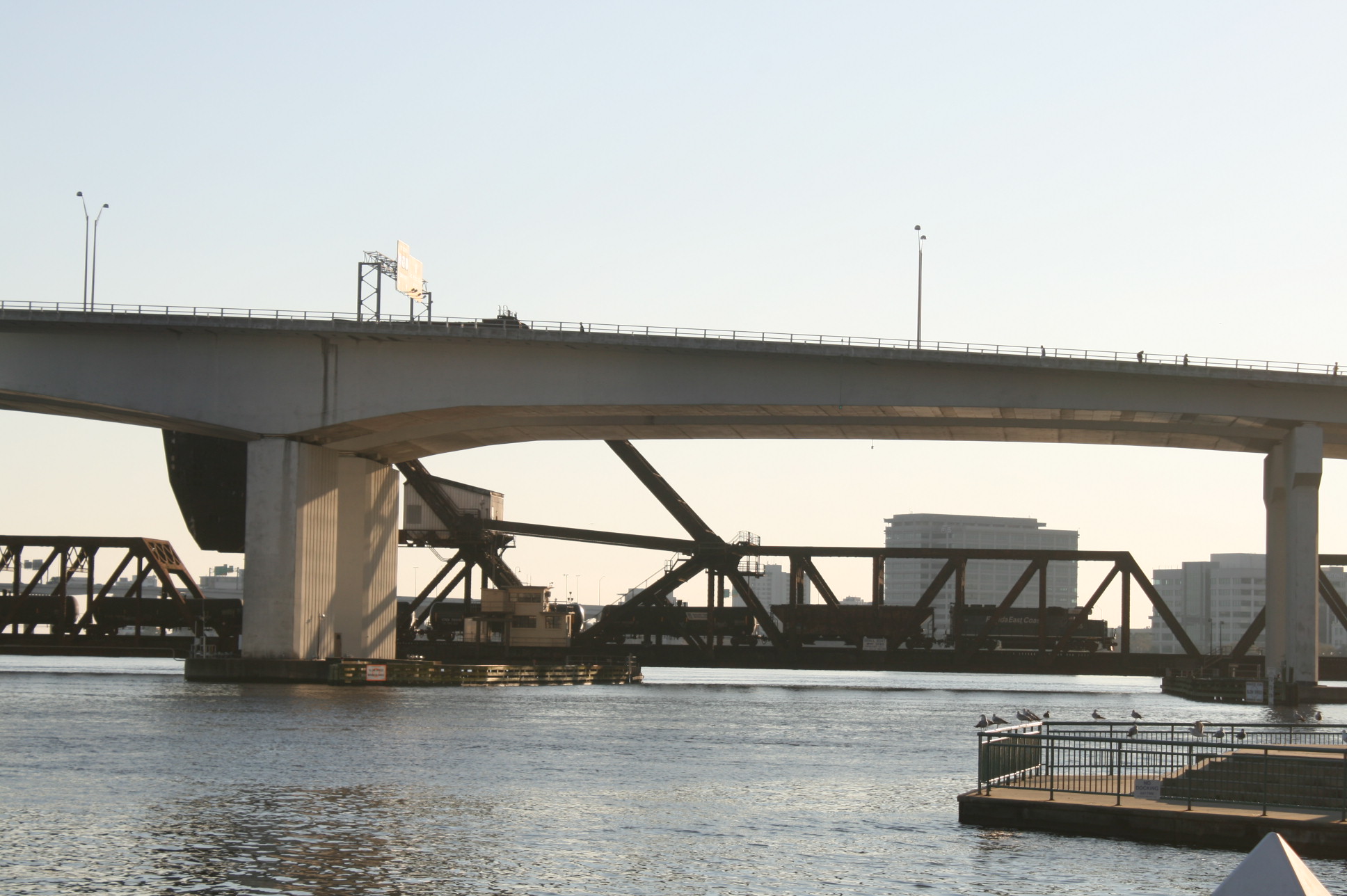
A freight train passes over FEC railroad bridge, Jacksonville

A freight train passes over FEC railroad bridge, Jacksonville

We have met with universal courtesy, kindness and friendliness while we have been in Florida, but even though I now remember to ask if there is a restroom, and to specify that I would like milk with my hot tea, it’s probably inevitable that I still feel like a foreigner, and sometimes acutely so.
Last night we went for dinner at Joey Mozzarella’s (‘We let our food do the talkin’), Tripadvisor’s number one recommendation for Orange Park, where we’re staying. It’s a diner rather than a restaurant, and we discovered too late that if you want wine, it’s BYO.
But it’s sufficiently authentic to assume that the customers don’t need explanations of the various dishes on the menu, so when Joey himself, a small, thin, Italian-looking chap came over to check us out, I had no hesitation in asking him what Fettuccine Alfreddo consisted of.
He looked at me in stupefied amazement for several seconds.
‘You don’t know what alfreddo is?’
He walked off round the room, looking up at the ceiling, before returning to our table.
‘Are you serious? You’re really asking me what alfreddo is? What state you from?’
‘Er…..Britain,’ I replied uncertainly, feeling by this time that I had chanced upon Orange Park’s answer to Basil Fawlty.
‘Britain? Britain?’ He was momentarily mollified, but then looked at me with renewed suspicion.
‘But you must have alfreddo, even in Britain!’
I pleaded advancing years, and a failing memory.

But it was just Joey’s way, and when the Chicken Alfreddo came, it was very good indeed.

Tomorrow we have to be in Orlando at 5 o’clock to check in for our flight home, and the plan is to indulge ourselves with breakfast at IHOP, then go by the scenic route via Ocala National Forest to Orlando.
We’ll be returning in September to take Carina up to Chesapeake Bay, and it will be good to come back, knowing Carina, and perhaps feeling a little less foreign.

On a Roll in St Augustine

We decided to have 4 nights at St Augustine (pronounced with the accent on the first syllable), partly because we were a little ahead of schedule, and partly because St Augustine is the oldest European settlement in the United States, predating Jamestown in Virginia by 42 years.

The city is proud of its Spanish heritage, and was under Spanish rule for nearly 200 years, except for a short period of Brtish control between 1763 and 1783. Florida was ceded to the US in 1821 and became a state in 1845, but St Augustine’s Old Town has a very continental feel and there is a lot of Spanish influence in the architecture of the churches and civic buildings.
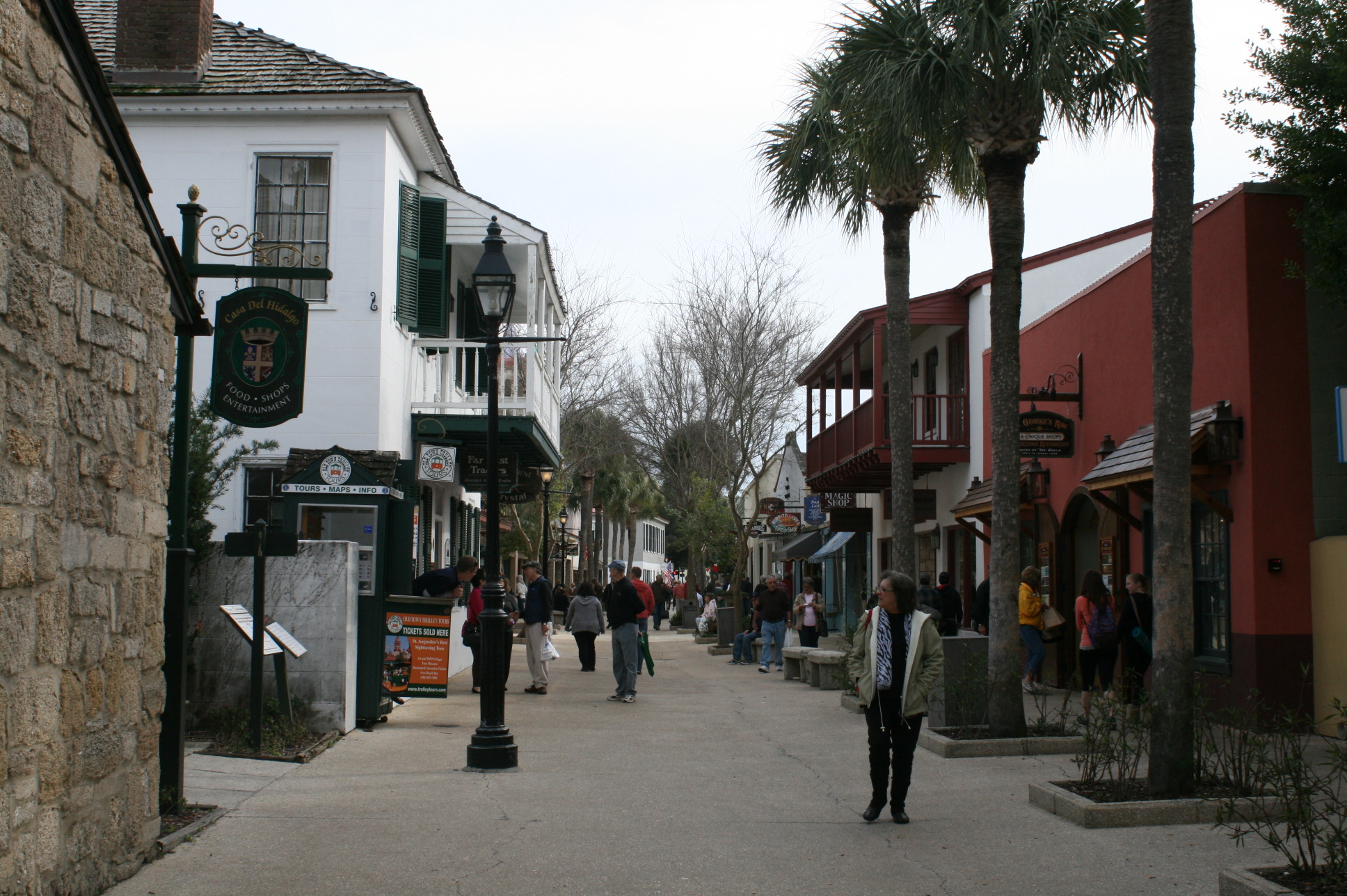
The Old Town, St Augustine
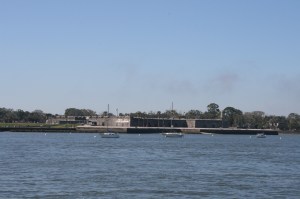
The Old Town, St Augustine

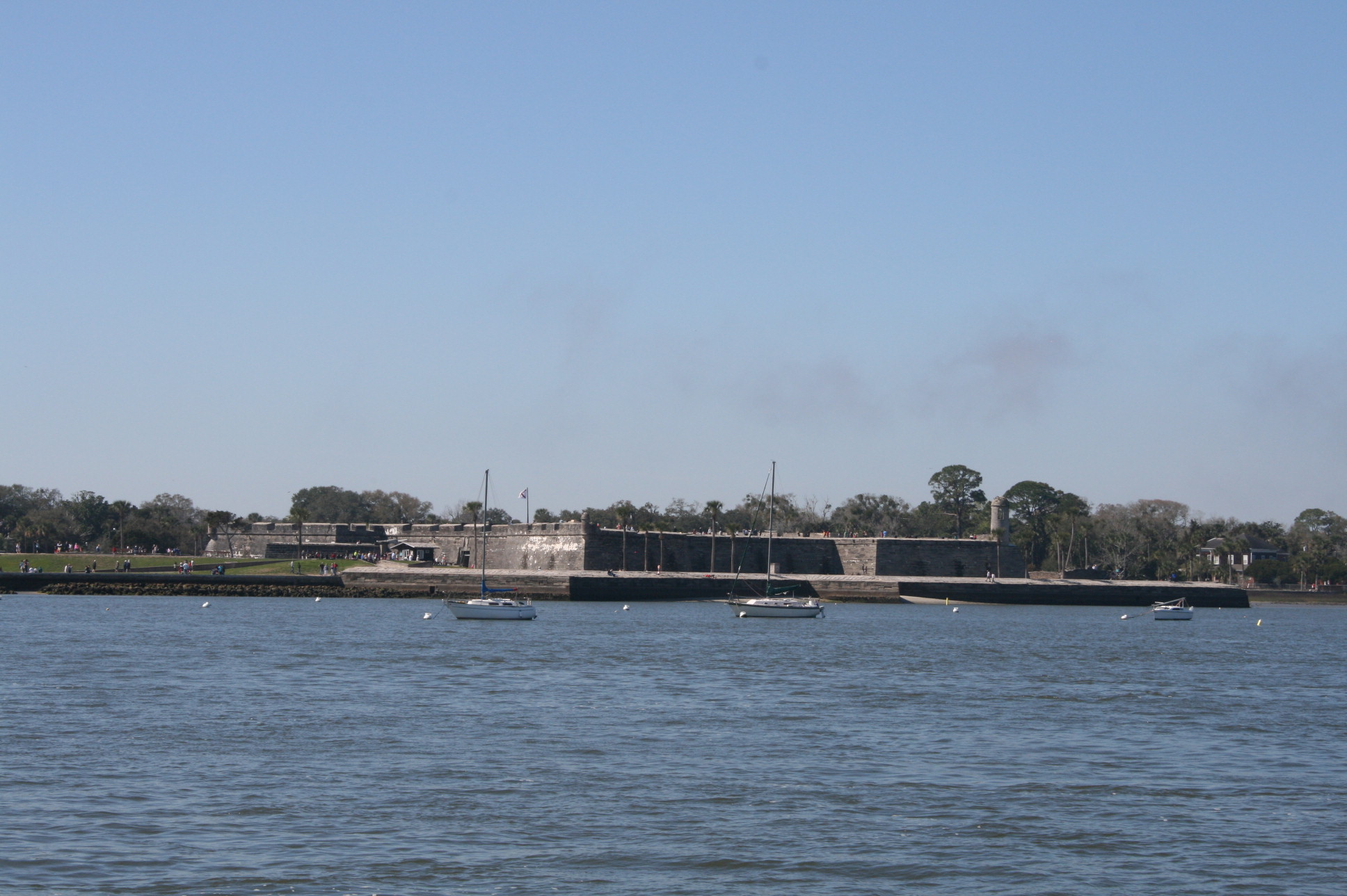
Castillo San Marco
Castillo San Marco

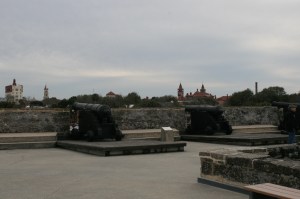
The roof of the Castillo San Marco
The roof of the Castillo San Marco

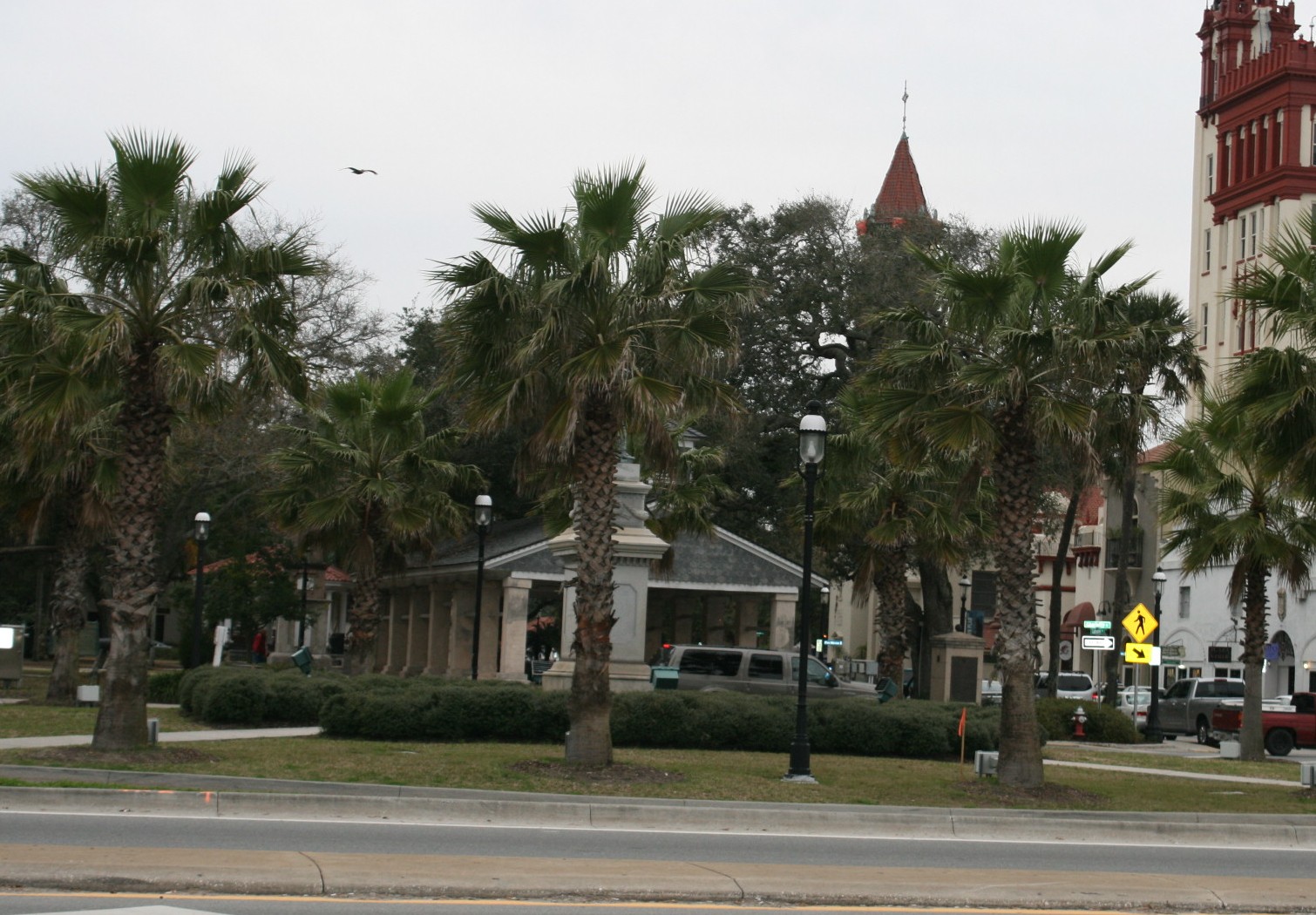
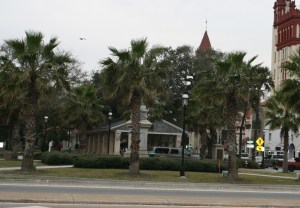
Plaza de la Constitucion
Plaza de la Constitucion

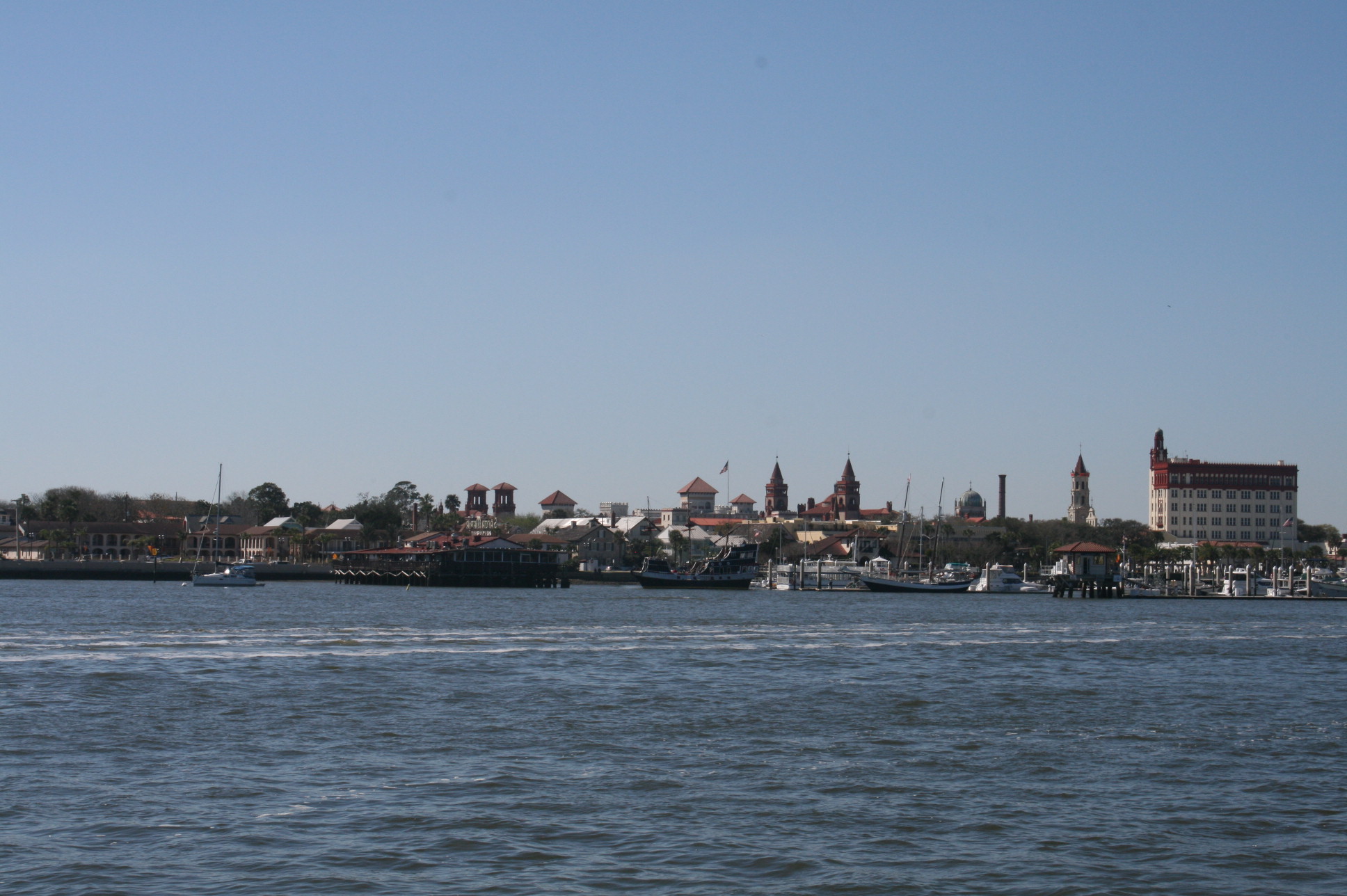
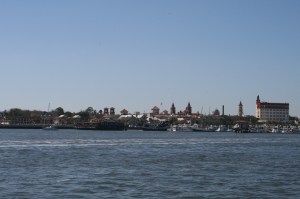
St Augustine from the Matanzas River

St Augustine from the Matanzas River

Florida divides into temperate and tropical zones, and this difference has been apparent since moving from Port St Lucie in the south, where the Atlantic Intracoastal Waterway starts, and St Augustine, 200 miles north. On Wednesday the overnight temperature dropped to 7C(44F) and on Thursday it was forecast to be even lower. Carina has no heating system, and on some mornings has felt cold and a bit damp. We had tried various places in St Petersburg when we took over the boat, Macy’s, Walmart, Home Depot, Lowes, and looked online too, but the concept of a small electric fan heater seemed completely alien to everyone we asked. But on Thursday, in Bed Bath and Beyond, a treasure trove of a store which has everything you might possibly ever want or need for your home, there was an array of them. We acquired one for $24.99 and Carina now feels as cosy as she looks.

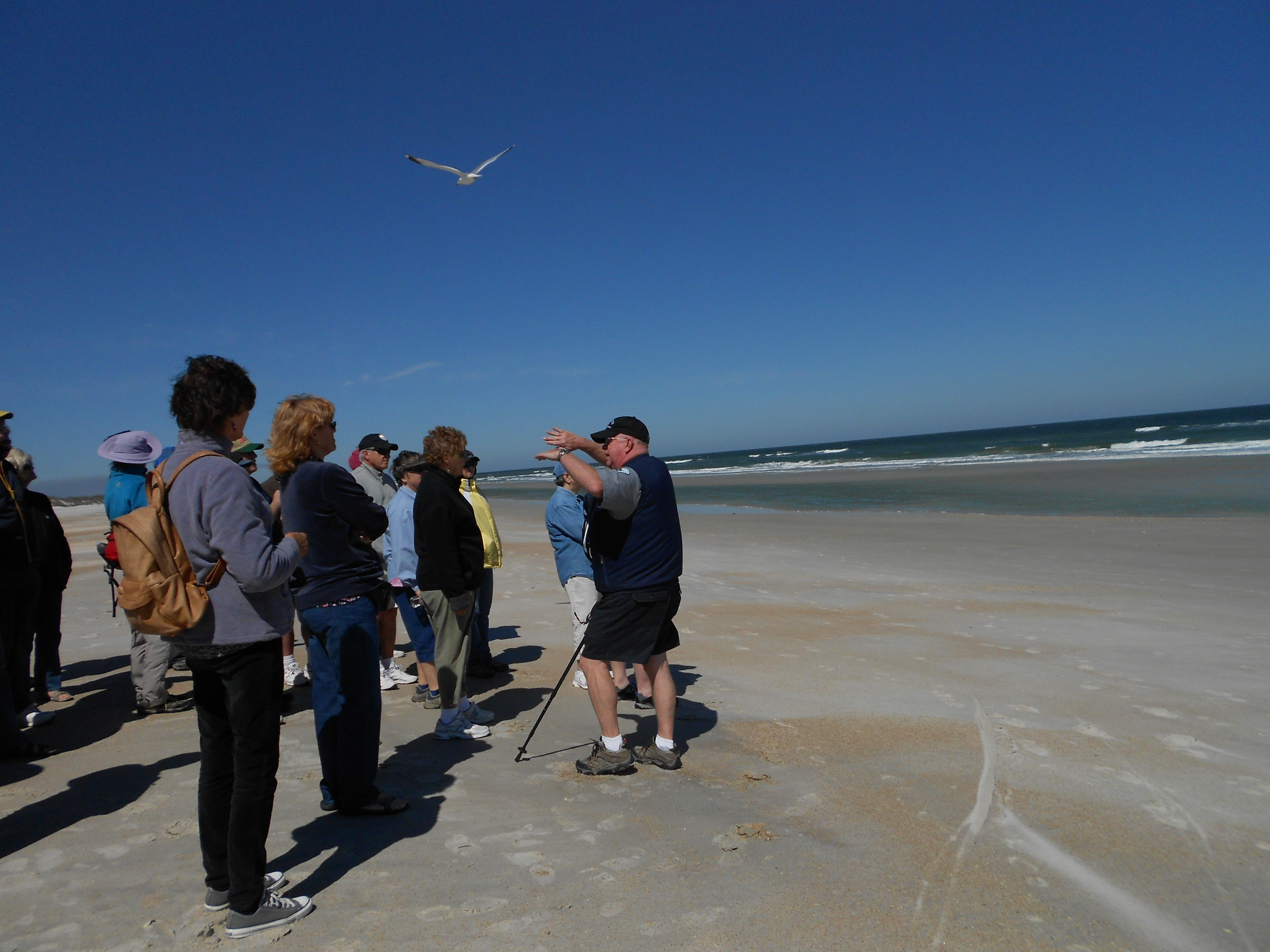
We hired bikes again, to explore Anastasia State Park, the northernmost part of Anastasia Island, the barrier island to the east of St Augustine. We were just in time to join a walk led by a volunteer ranger with an impressive knowledge of the ecology of the area.
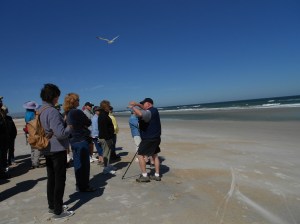
Walk on the Wild Side with Jim, Anastasia State Park

Walk on the Wild Side with Jim, Anastasia State Park

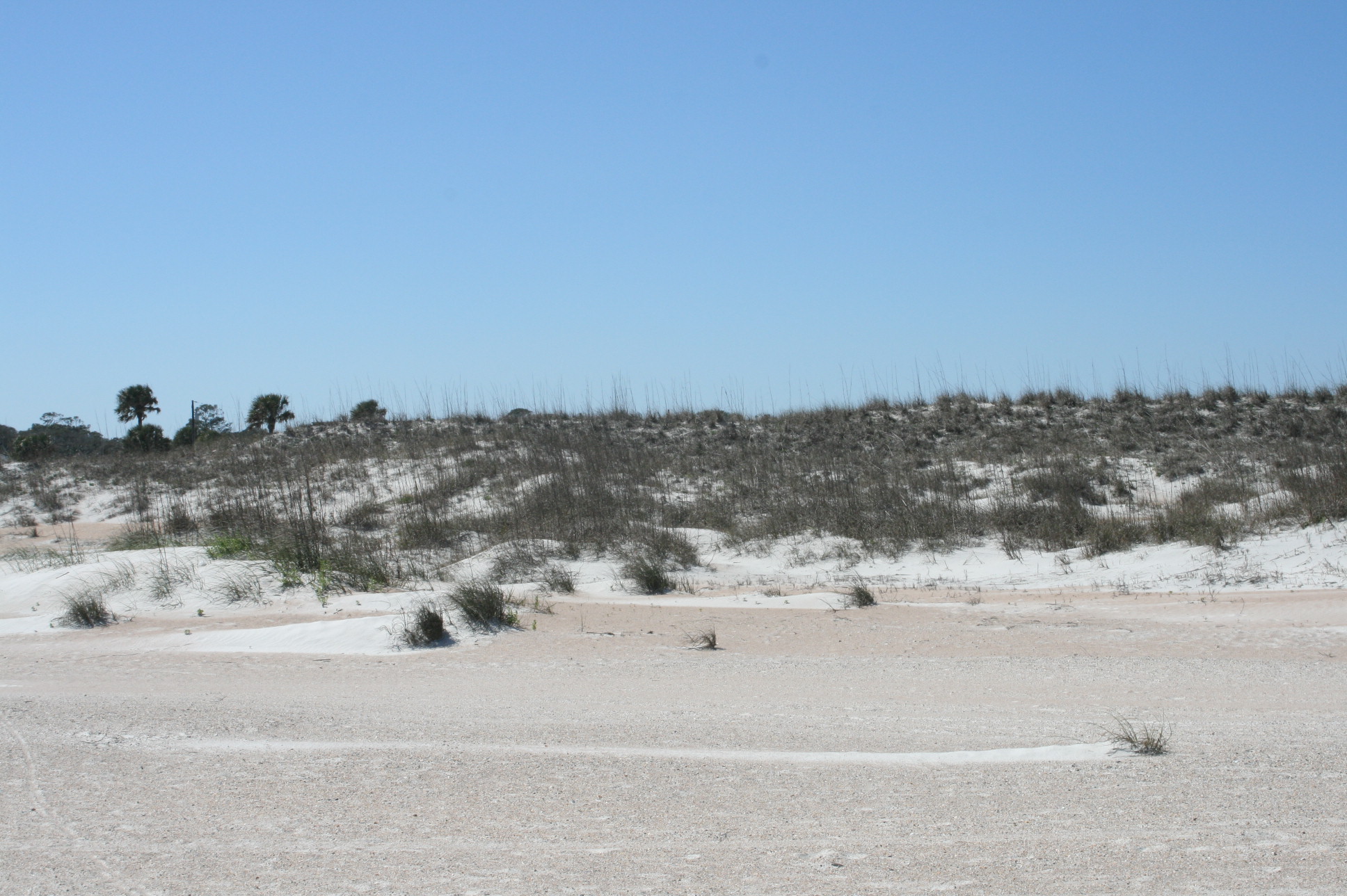
He explained that the beach is constantly changing, with new dunes being formed as sand is deposited and pioneer plants take hold.
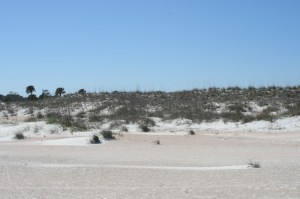
Sea oats and pioneer plants on the dunes

Sea oats and pioneer plants on the dunes

A blue-green sea
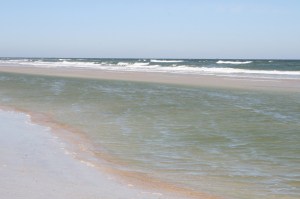
A blue-green sea

IMG_8080

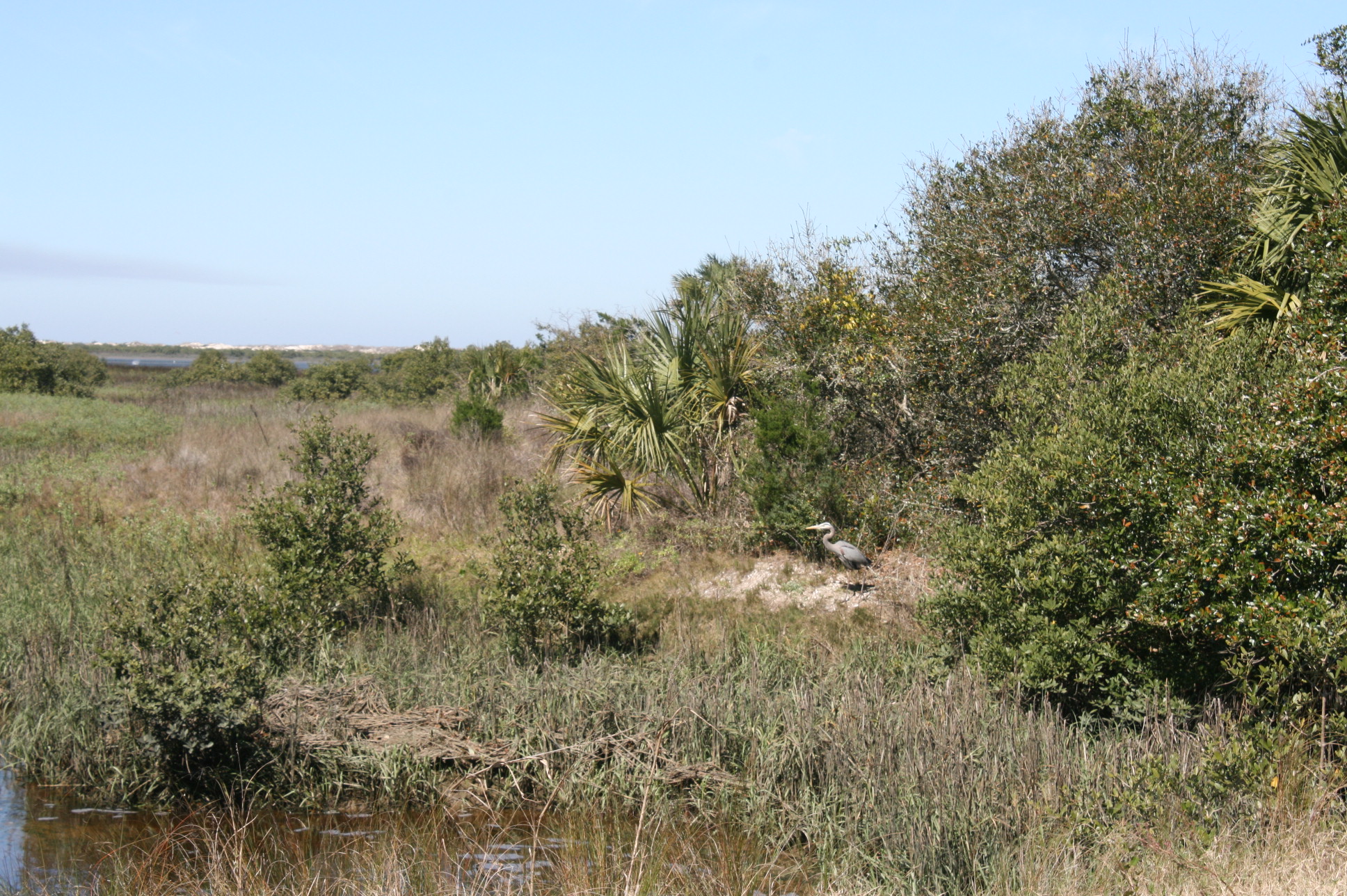
Heron in the salt marsh

Heron in the salt marsh


Salt run

Salt run


Pelicans diving for fish

Pelicans diving for fish


Another view of Salt Run
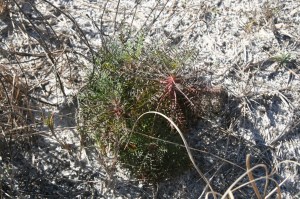
Another view of Salt Run


A young Red Cypress
A young Red Cypress


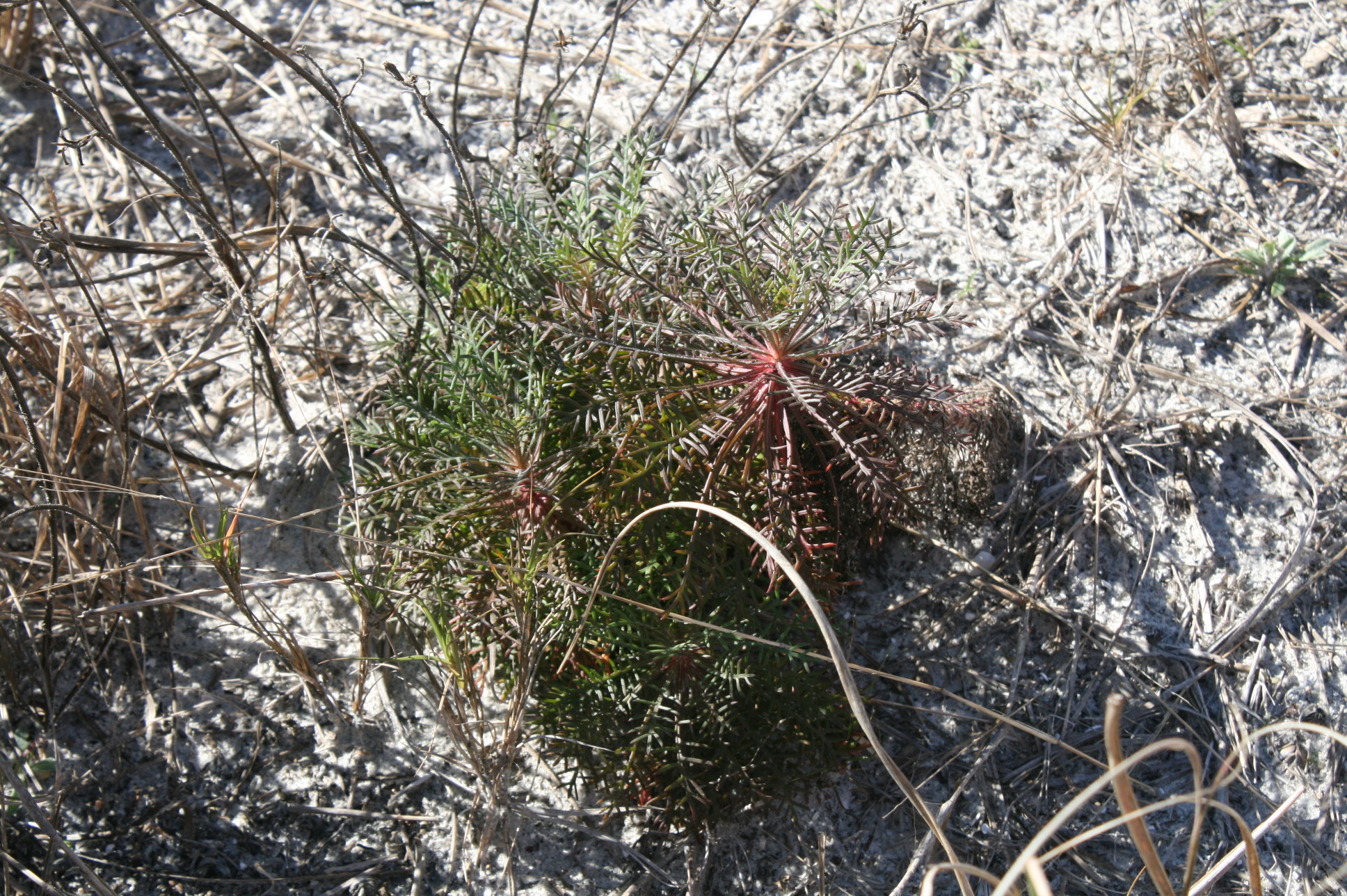
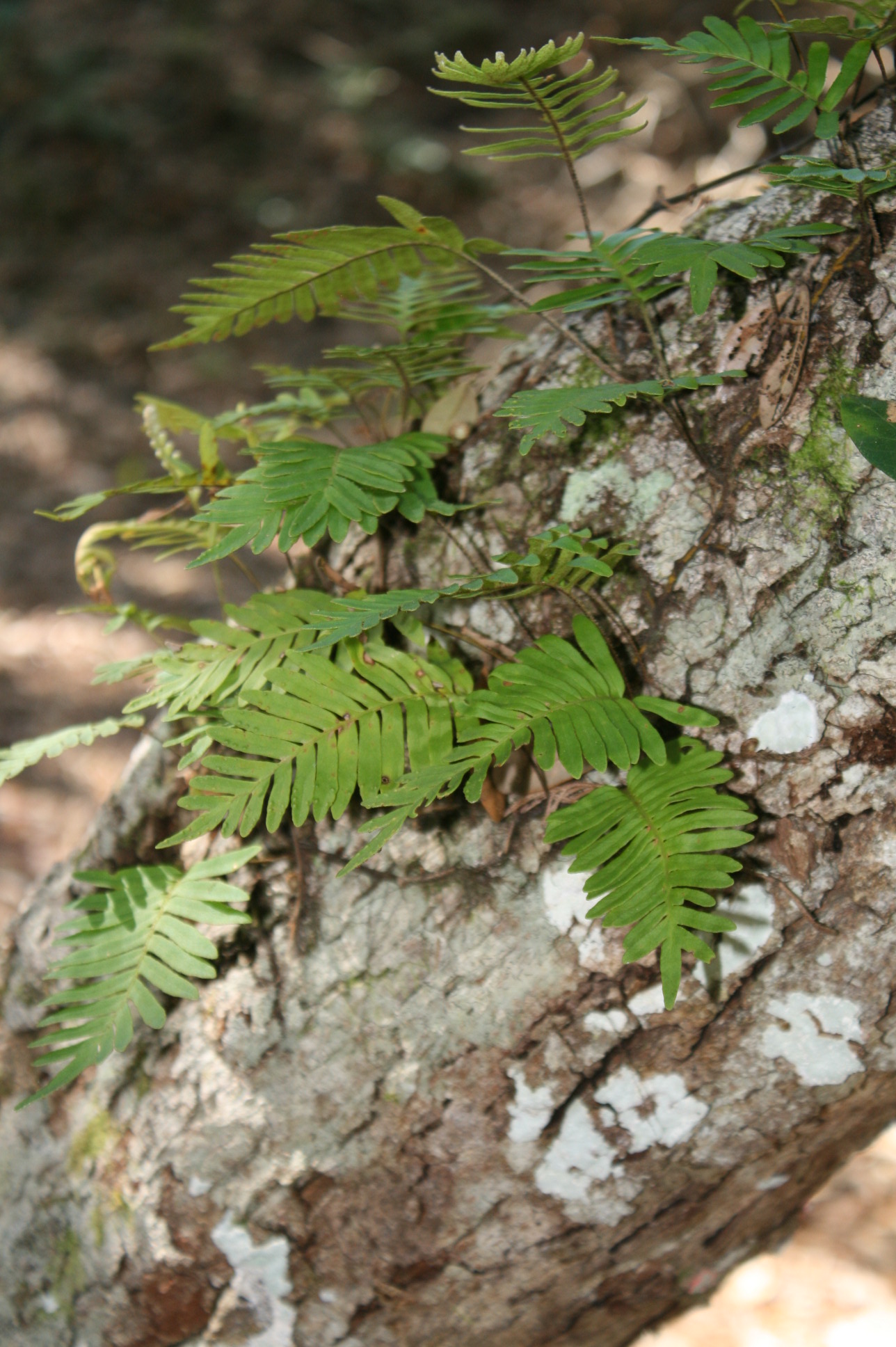
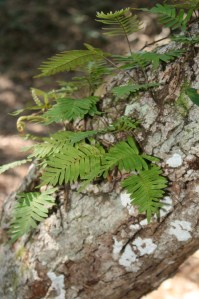
Resurrection fern and lichen on a Live Oak in the hammock

Resurrection fern and lichen on a Live Oak in the hammock

After our bike ride we had walked back into the town to have a drink and a meal at A1A AleWorks. As I sat in the crowded bar, sipping my marguerita, for which I had developed a sudden fancy, I thought I vaguely recognised someone. It was the bike man. He was with his family, but he came over and greeted us like old friends.
‘Say, you guys look a whole lot better without those helmets! You all had a good day?’
I was able to assure him that indeed we had.

St Augustine owes its prominence as a visitor centre not only to its Spanish heritage, but also to the endeavours of Henry Flagler, who was already a successful businessman when he came to Florida in the 1880s with his second wife, and was dismayed by the lack of accommodation in St Augustine. So he built the opulent 450-bed Ponce de Leon Hotel, which was quickly followed by the purchase of the Jacksonville-St Augustine-Halifax Railroad, which he developed to enable his guests to travel comfortably to his hotel. Then, perceiving his guests’ need for leisure facilities, he built the Alcazar Hotel, complete with the largest indoor swimming pool in the world, a Turkish bath, sauna, massage rooms and gymnasium, just across the road. The Alcazar had the additional function of fighting off competition from another hotel, the Casa Monica, on the next block.
But the Casa Monica is the only one to have stood the test of time as an hotel. The Ponce de Leon closed in 1931, and the Alcazar in 1932, casualties of the Great Depression.

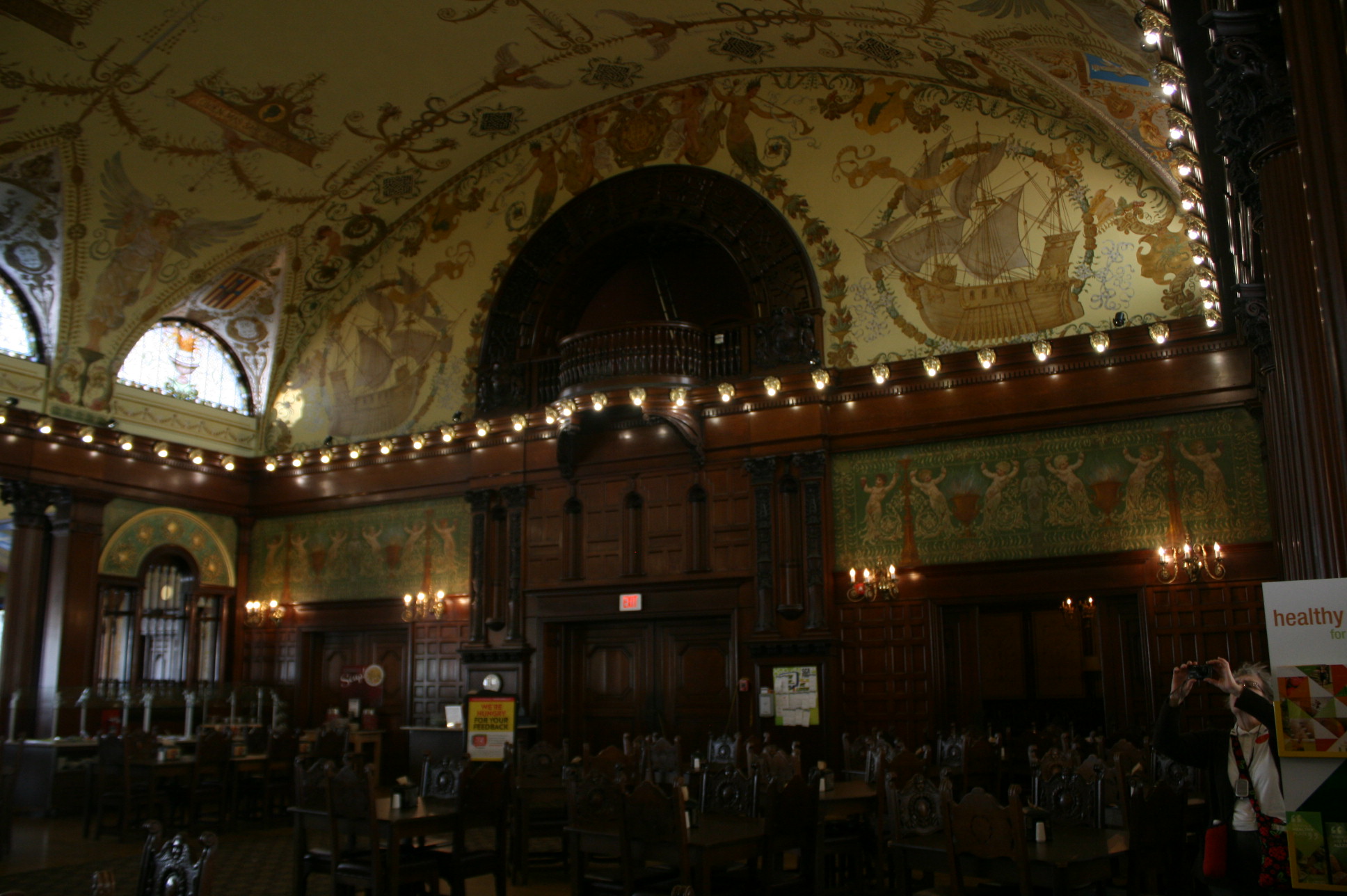
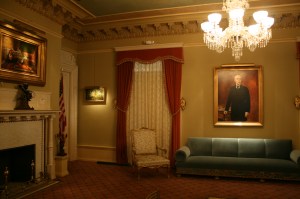
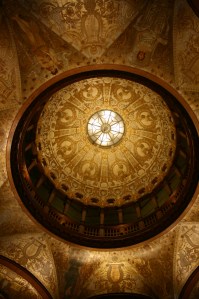
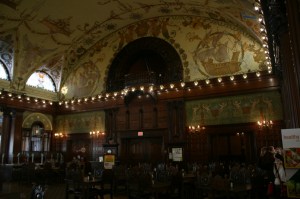
The Ponce de Leon became Flagler College in 1968, and some of the rooms are open to the public. We joined a tour led by John, a senior year student. I hope he takes up a career in teaching, because he would be wasted doing anything else. We were a large group, but he managed to engage everyone with numerous anecdotes about the building, Flagler, and the ‘Gilded Age’ to which he belonged. As well as the stunning rception hall, we saw the Ladies’ Parlour, where 19th C wives networked on behalf of their husbands, and the dining room, where the college students now eat all their meals.
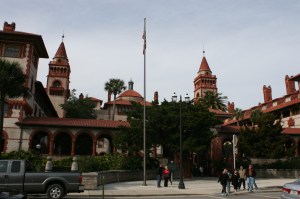
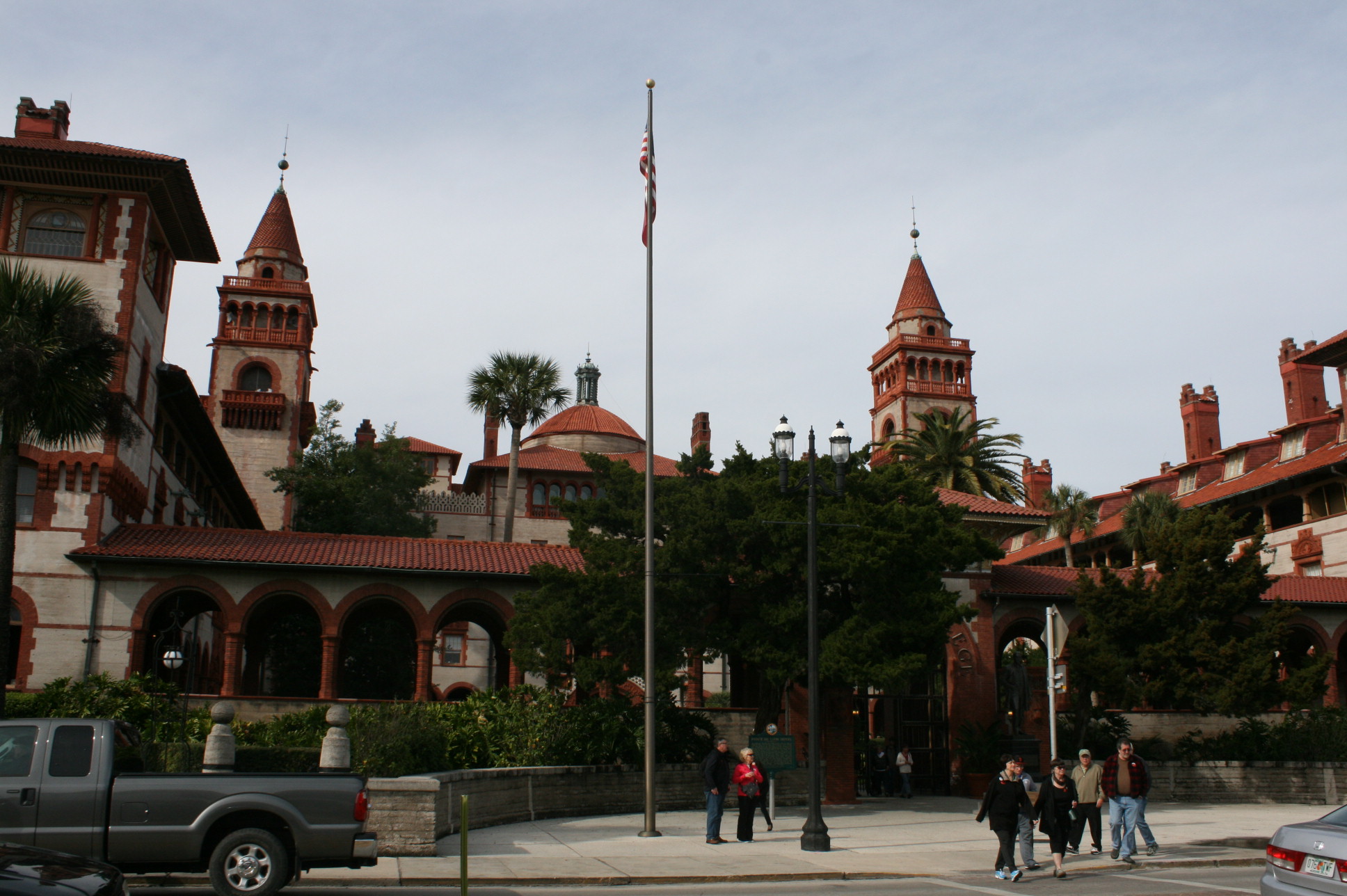
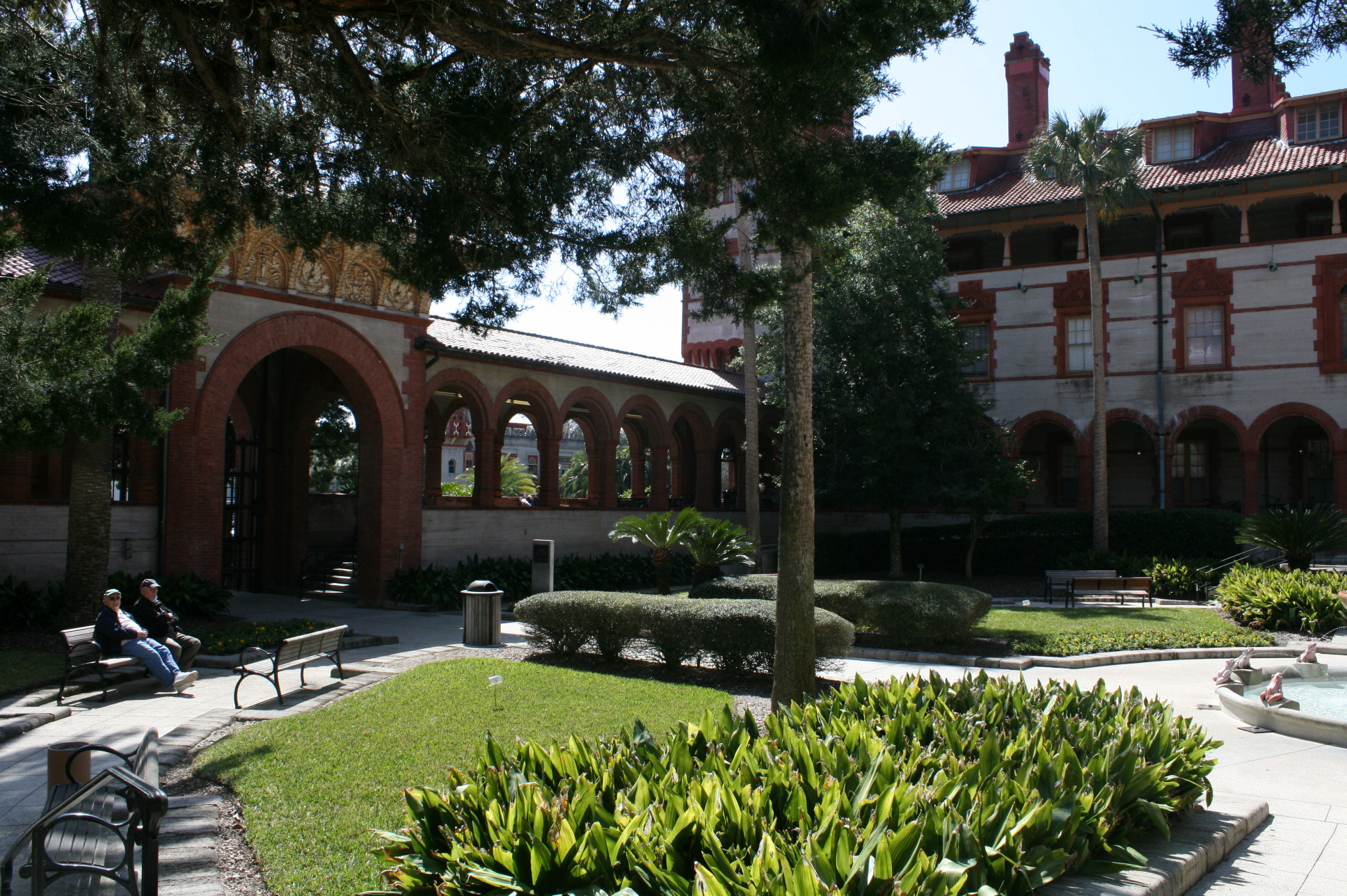
Ponce de Leon Hotel/Flagler College from King Street
Ponce de Leon Hotel/Flagler College from King Street

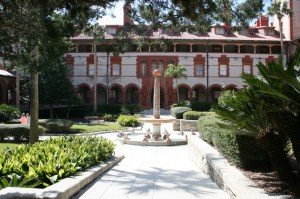
Sundial in the courtyard, Ponce de Leon Hotel

Sundial in the courtyard, Ponce de Leon Hotel

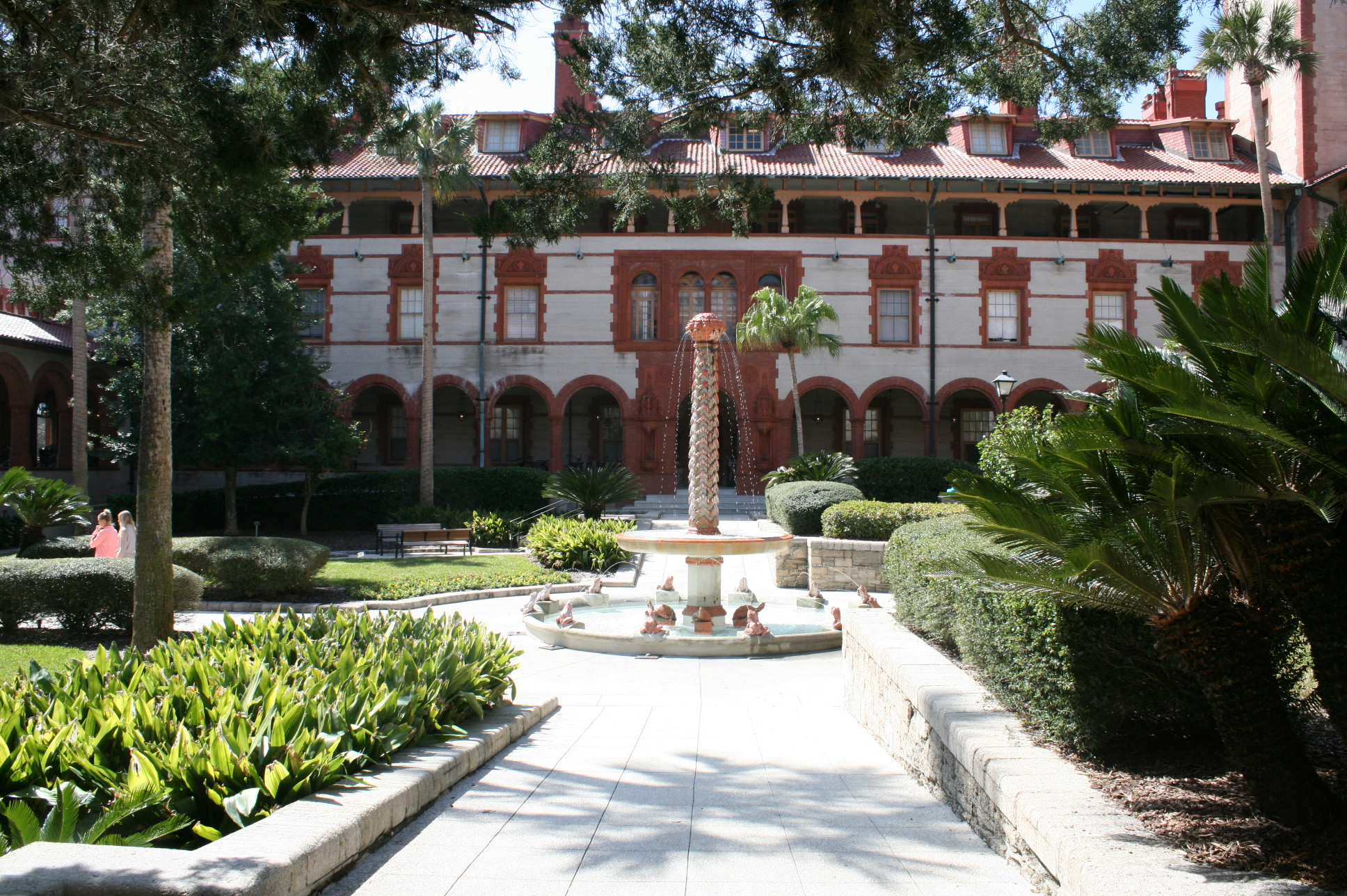
The courtyard was laid out as a Celtic Cross – Flagler wanted to commemorate his Irish roots.
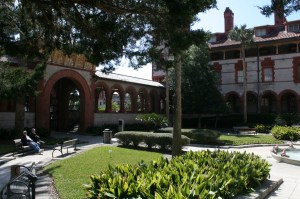
Another view of the courtyard
Another view of the courtyard

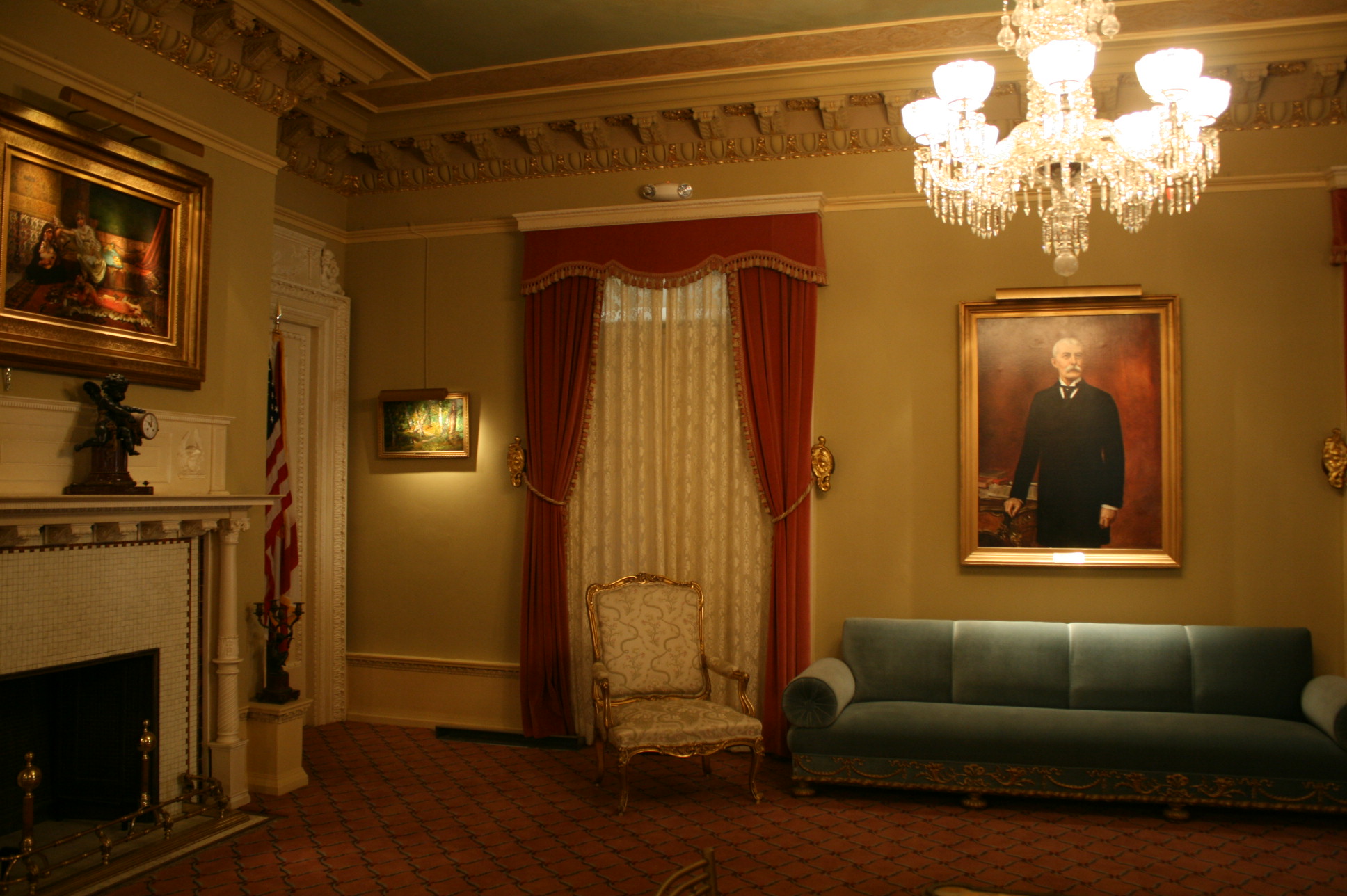
The Ladies' Parlour, with Flagler's portrait

The Ladies’ Parlour, with Flagler’s portrait
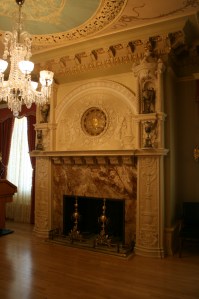
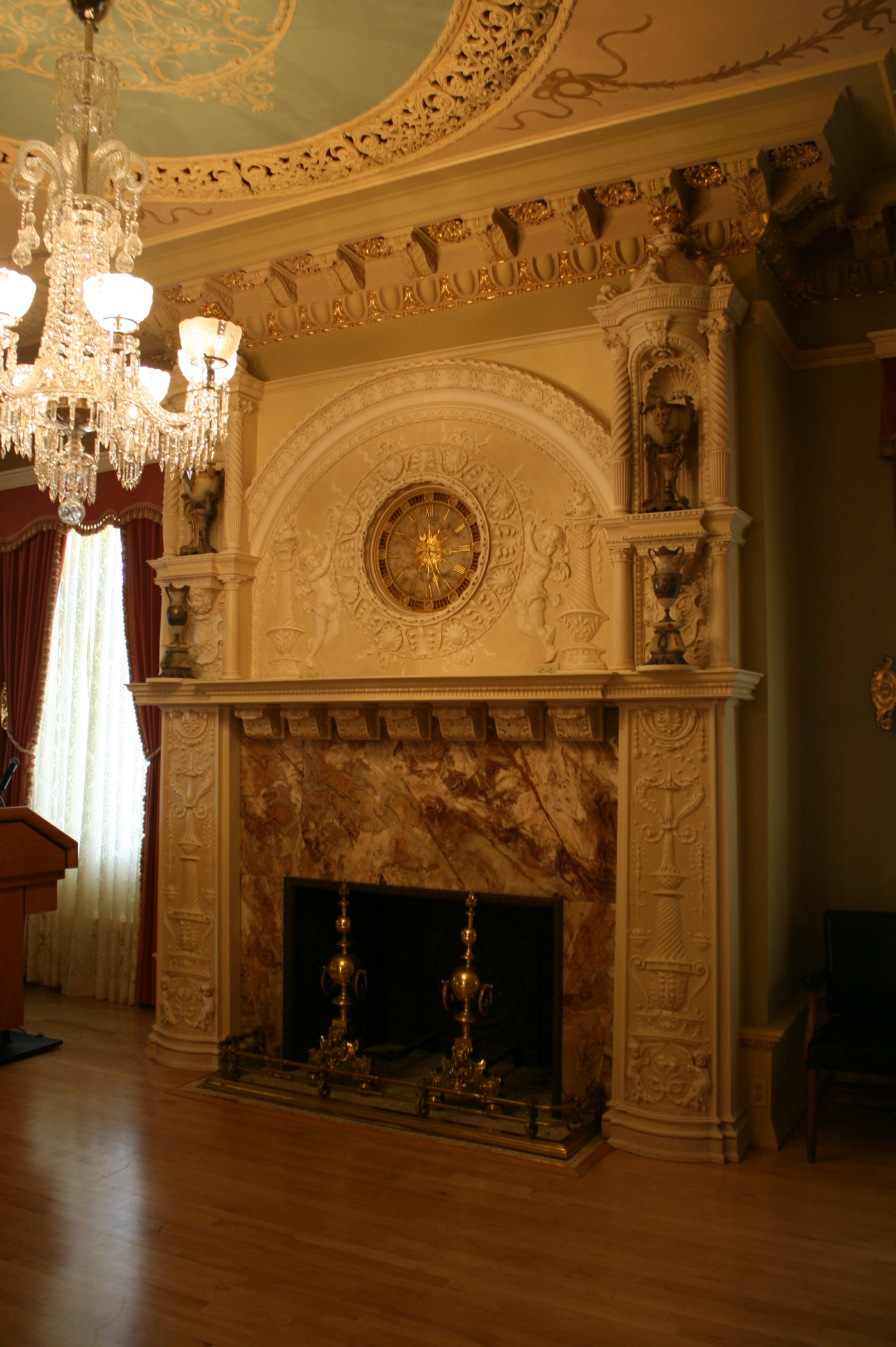
Fireplace in the Ladies' parlour. The clock was a gift from Edison
Fireplace in the Ladies’ parlour. The clock was a gift from Edison

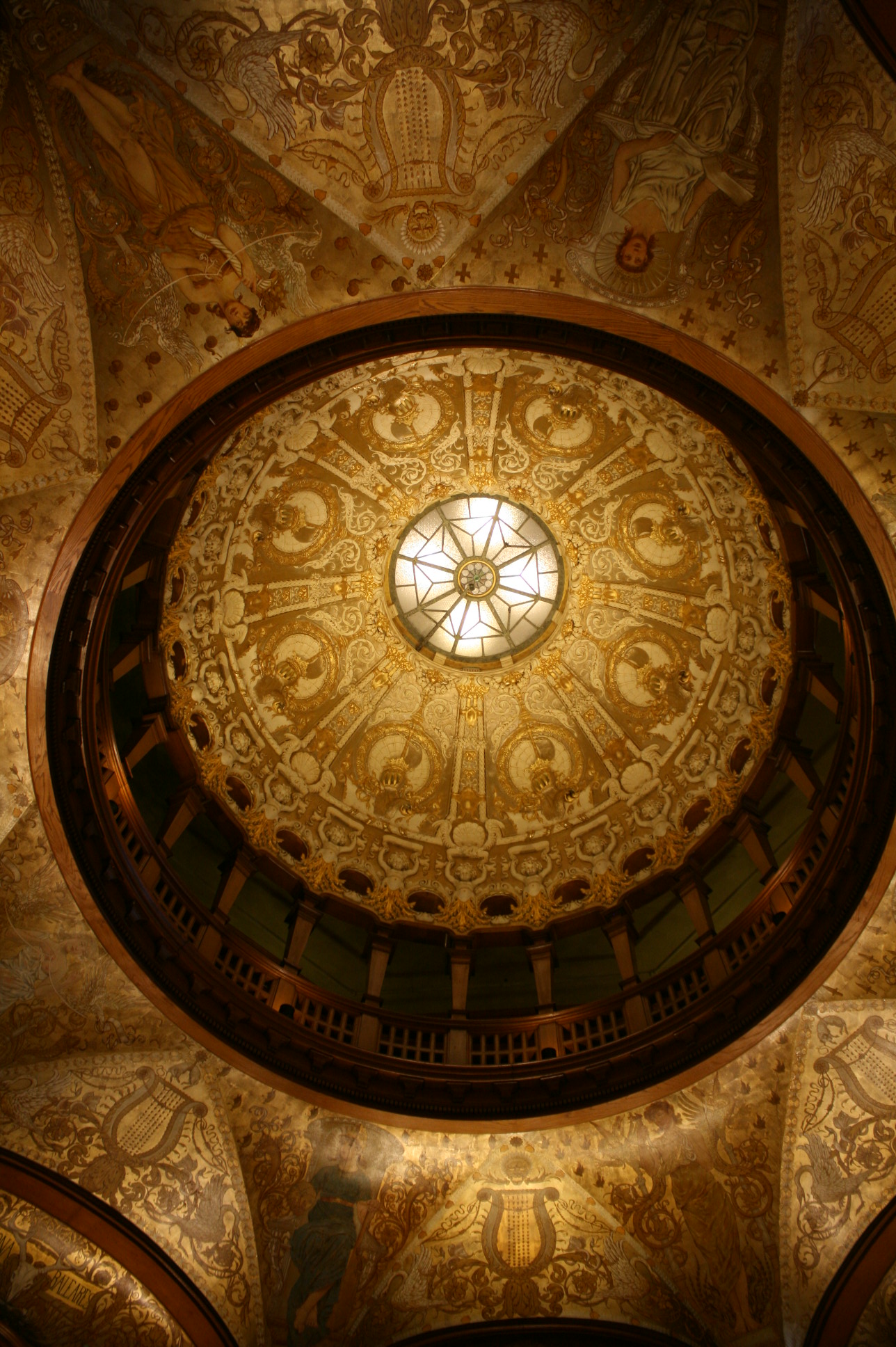
Dome in the dining hall
Dome in the dining hall

The dining hall

The dining hall

St Augustine’s place in the Civil Rights Movement receives barely a mention in the visitor guides. The Lonely Planet doesn’t refer to it at all, although one of the streets is named for Dr Martin Luther King, who came to the city in 1964, and in the Plaza de la Constitucion,there is a plaque to mark the place where Andrew Young, a friend of Martin Luther King, was beaten up.
But when we went to the The Lightner Museum,housed in the old Alcazar Hotel, we found it was closing early, because of a concert by the local St Augustine Orchestra in the evening to commemorate the 50th Anniversary of the passing of the Civil Rights Act. The programe included Grieg’s Piano Concerto in A, and the premiere of Someday, an oratorio commissioned by the orchestra.
We asked about tickets, and the museum lady looked at us a little dubiously. The tickets were $50 each, and included a VIP reception both before and after the concert, as it was a ‘fundraiser’, the lady explained.
Ian cut to the chase.
‘We just want to go to the concert. Is that possible?’ More dubious looks, but she did go off and find another lady who was associated with the concert, and who assured us that if we presented ourselves at the Granada St entrance at 7.30, we’d be able to buy tickets at the door.
We came back at the appointed hour, walked up and down the street, and there was no sign of anything resembling the entrance to a concert venue. Ian, who had not really wanted to go to the concert in the first place, was showing signs of early impatience. In something just a little short of desperation, we walked back into the museum, where through the window of the grand lobby, we could see the VIPs quaffing champagne and nibbling things. Eventually an elderly man dressed in a dinner jacket came out, drawing heavily on his cigarette. Ian asked him where the concert was. He studied us for a moment, swayed slightly and said ‘I.have.no.idea.’
We were rescued by two pleasant young men who had seen us, and not only knew where the concert was, but personally escorted us to the right door.

The concert was in what had been the swimming pool of the Alcazar Hotel, quite magnificent, with columns, balustrades, a high vaulted glass roof, and adorned with palms and flowers. The VIPs sat in the pool area, but we had perhaps a better view from the balcony, facing the pianist. It was moving to hear the theme of We Shall Overcome in Someday, 50 years after singing it at Folk Club in the 60s.
After the intermission the mood lightened as the orchestra played Duke Ellington and excerpts from Porgy and Bess. But the best part for me was the pianist’s encore. He played Martin Luther King’s favourite hymn, Precious Lord Take My Hand, and segued into Maple Leaf Rag. I had never heard Scott Joplin’s music played live before, and from my birdseye view, I could appreciate the phenomenal energy the pianist, Thomas Pandolfi, put into his playing.

Over the bridge from Hidden Harbor marina, where we were staying, was the San Sebastian Winery, and as we passed it on our way to the concert, we noticed that loud funky music was emanating from the top floor. As we passed it on the way back from the concert, the music was still playing, and the urge to investigate, irresistible.
There was no obvious entrance, which was slightly off-putting, but when we ventured furtively round the back, two People Like Us appeared. Ian asked them if it was a private party, or if it was open to the public.
‘Sure it’s open! No cover charge, you just get your drinks at the bar. Go on up, you guys’ll have a great time!’
And we did. Up on the roof, the lead singer looked like Elton John with frizzy hair. The clientele was mostly baby-boomers, but there was also a group of girls wearing satin sashes, celebrating someone’s birthday. We did feel they were a bit tame, compared with their Newcastle equivalents on a hen night in the Bigg market, though.
Elton John played Time is on My Side, possibly my least favourite Stones track, but then the Ginger Baker lookalike took over, with It’s All Over Now. Everyone was on their feet, so I got some dancing after all.
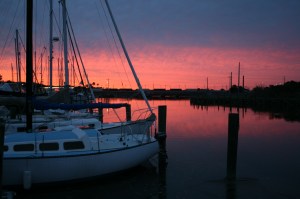
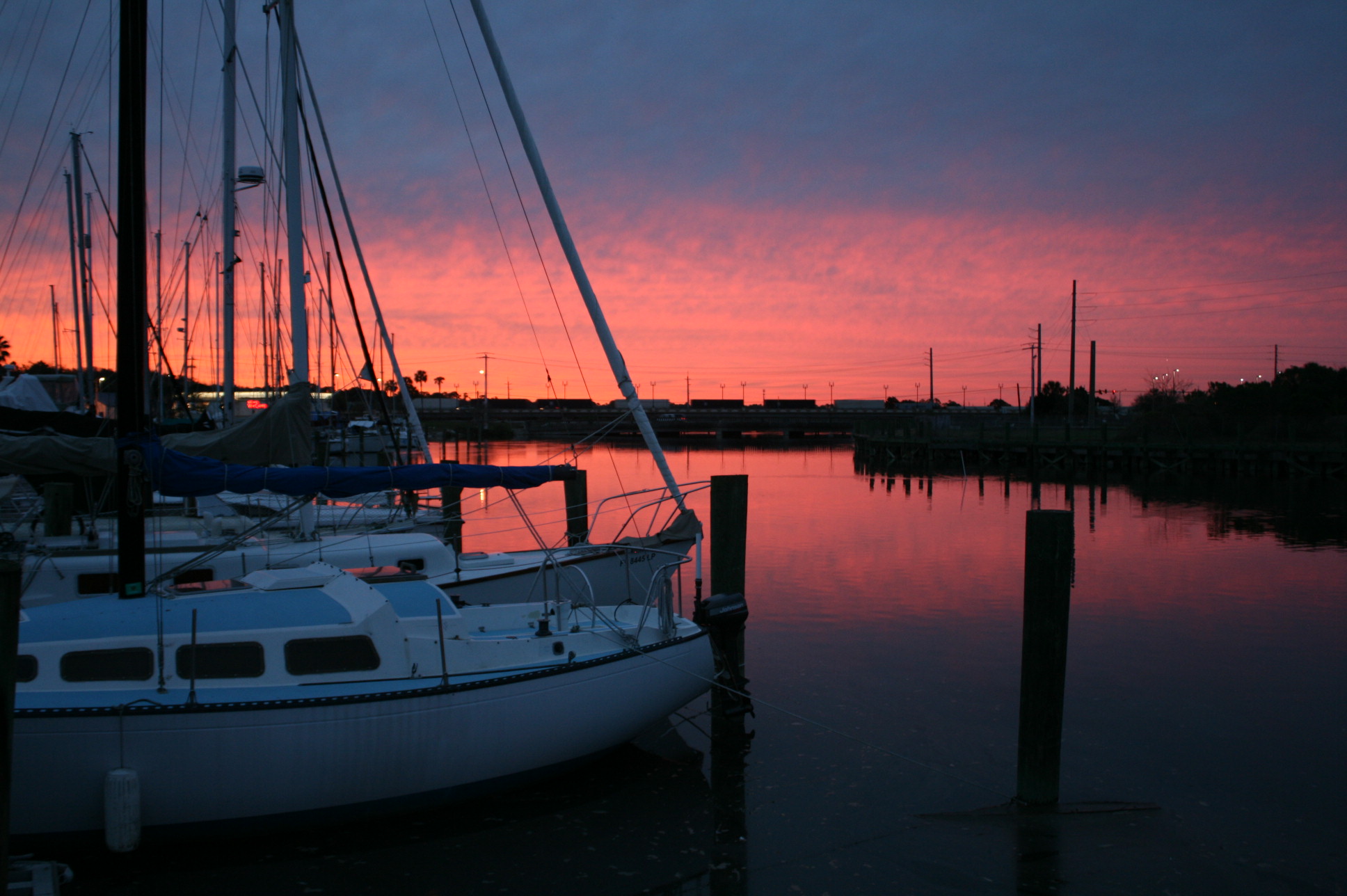
Sunset at Hidden Harbor marina

Sunset at Hidden Harbor marina

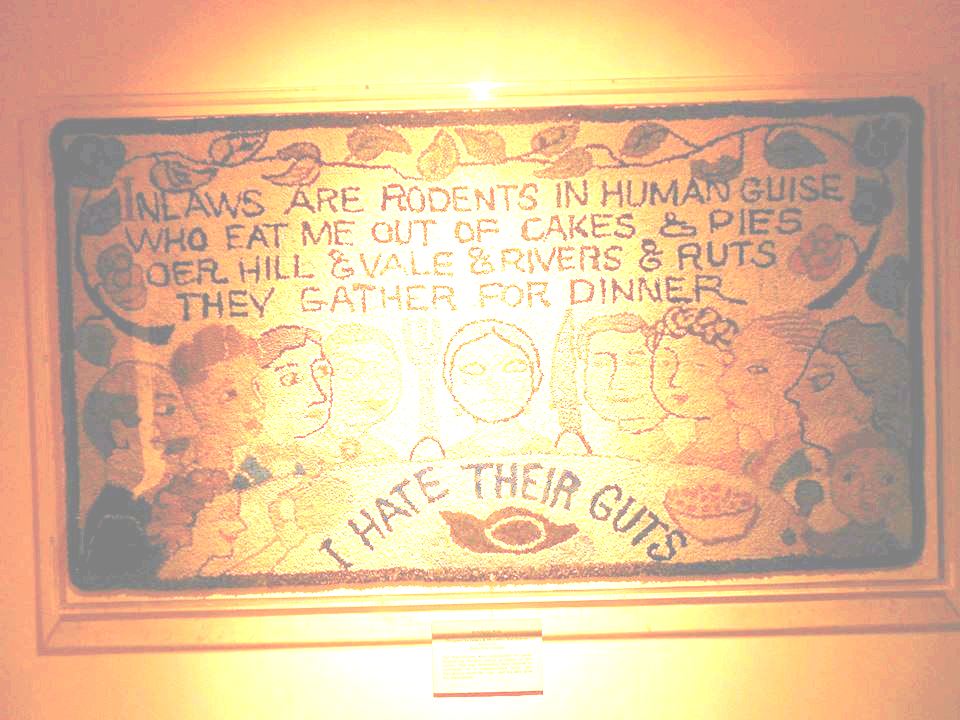
The tides are a lot bigger here on the east coast, so we had to time our departure from St Augustine to take advantage of the favourable tide. There was time on Sunday morning to go back to the Lightner Museum, where this proggy mat was certainly not the most exquisite exhibit, but perhaps one of the more memorable.
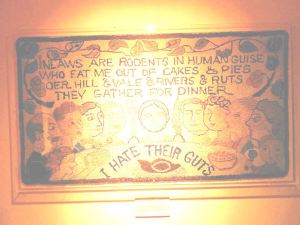
Proggy mat in the lightner Museum

Proggy mat in the Lightner Museum

After all, it never does any harm to remember your place.
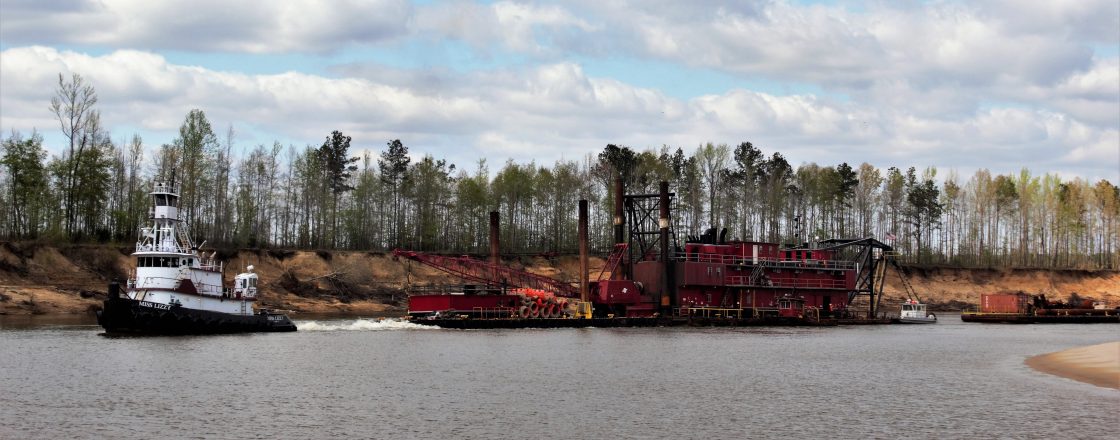
Daytona Beach and an 18th Century Fort

Daytona Beach had not really sounded like our kind of place when we consulted the Lonely Planet Guide, but it was a convenient place to stop, so we anchored just off the channel in the waterway, away from the beach itself. It wasn’t really as I had imagined – very few high-rise buildings, and no evidence of the Daytona 500 2014, which had been cancelled the day before, because of heavy rain.

We’re gradually getting used to doing things at the American times of day – starting early, and eating early in the evenings in particular. I’ve noticed that if we arrive at a restaurant at 8 o’clock or later, we’ll usually have missed the busy time, and just occasionally the staff will be sending out subliminal messages that it will soon be their going-home time.
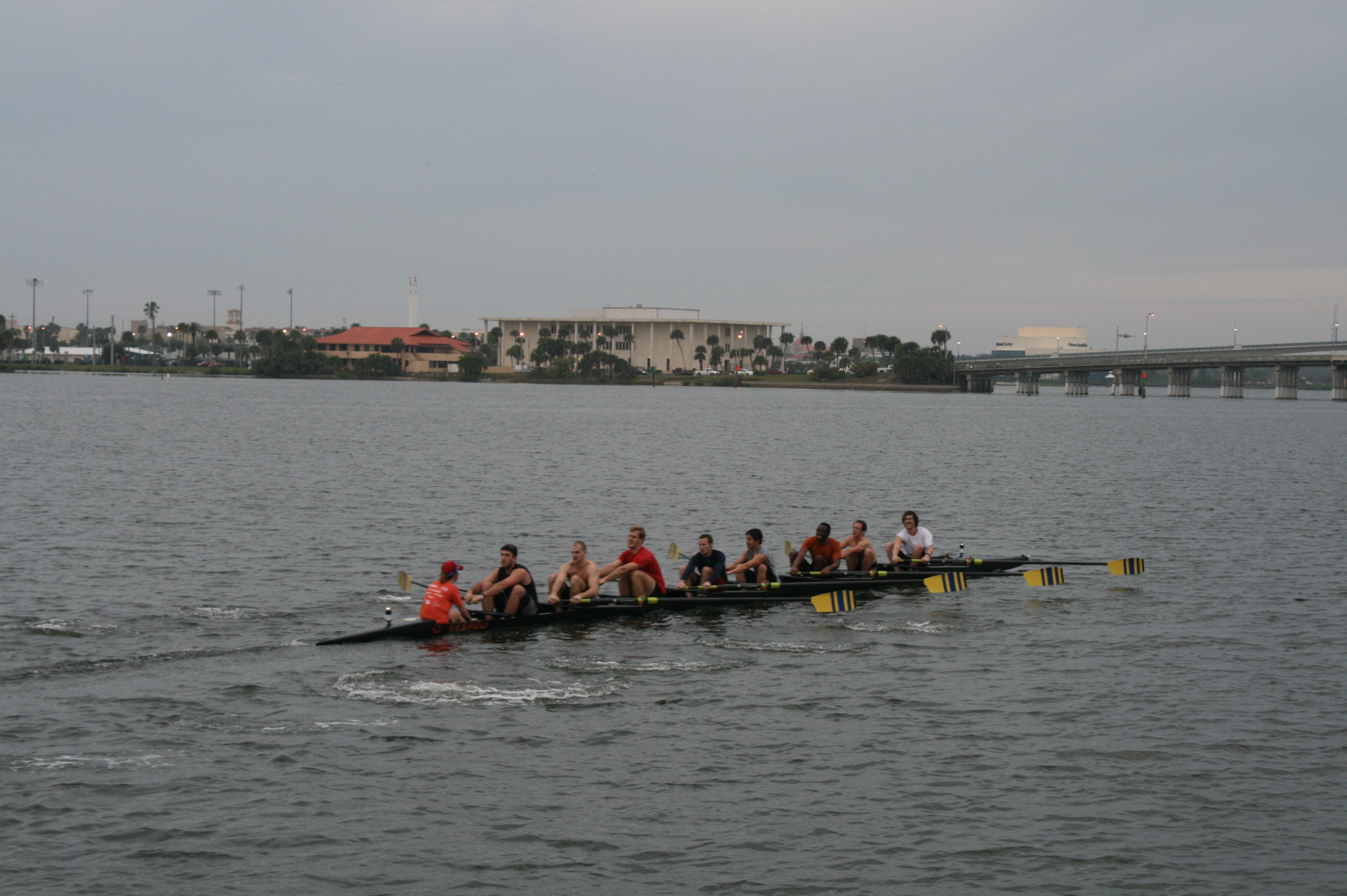
So it wasn’t too much of a hardship to be woken at 6.30am by the noisy cries of some passing rowers.

The rowers coming back at 7.30

The rowers coming back at 7.30

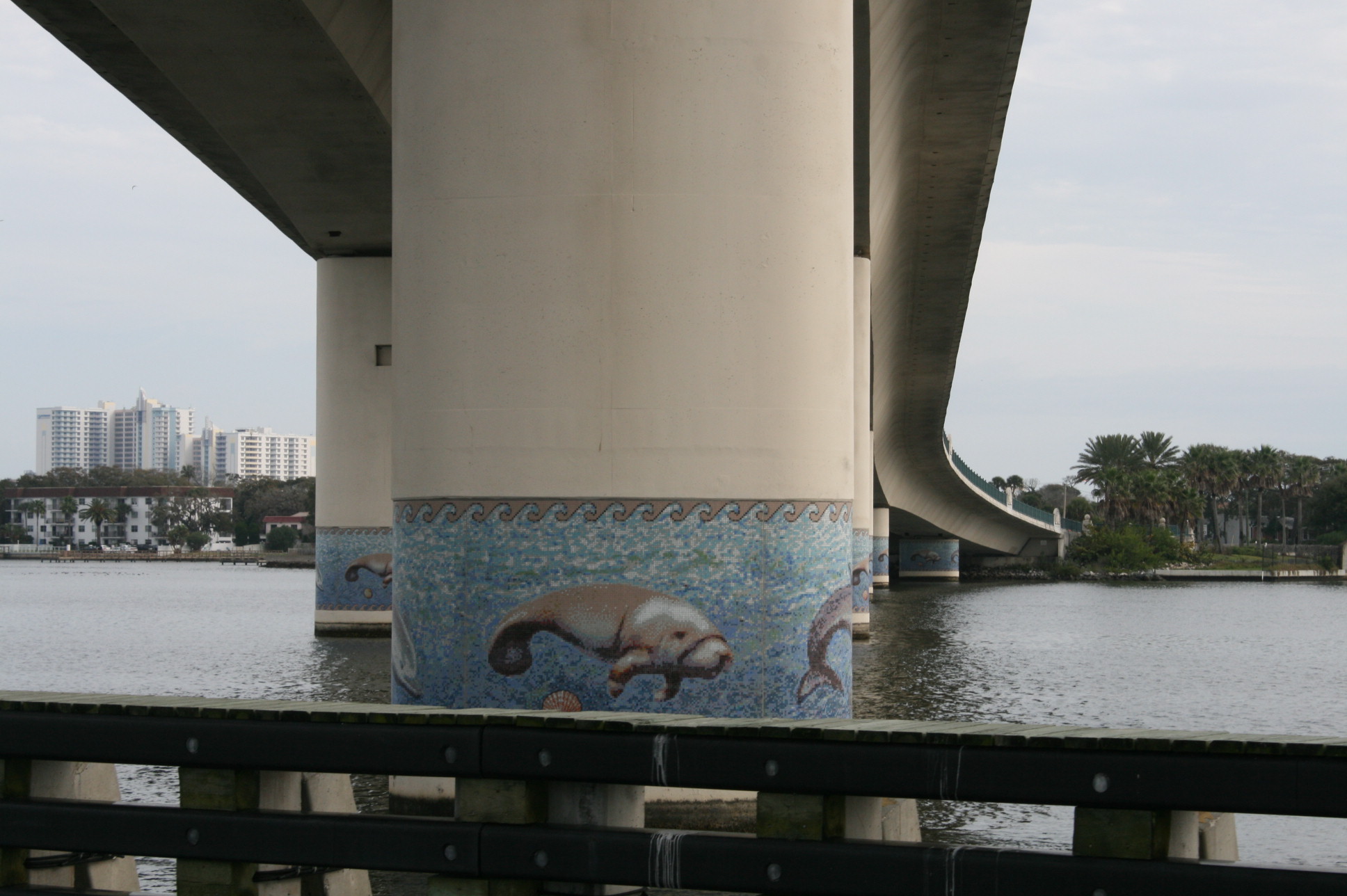
The other notable thing about Daytona was this bridge, decorated with manatees and dolphins in mosaic.

Bridge over the ICW at Daytona Beach

Bridge over the ICW at Daytona Beach

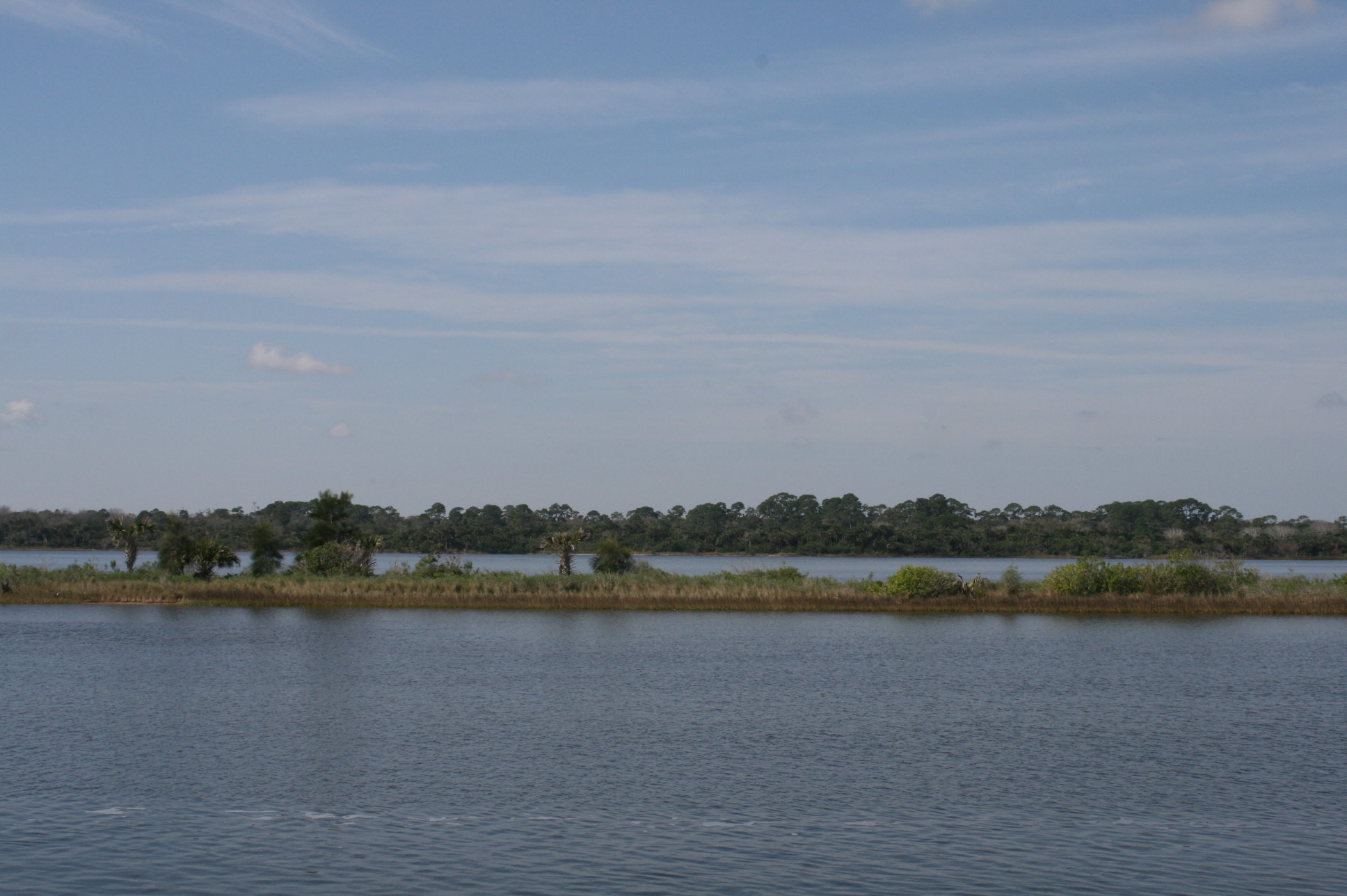
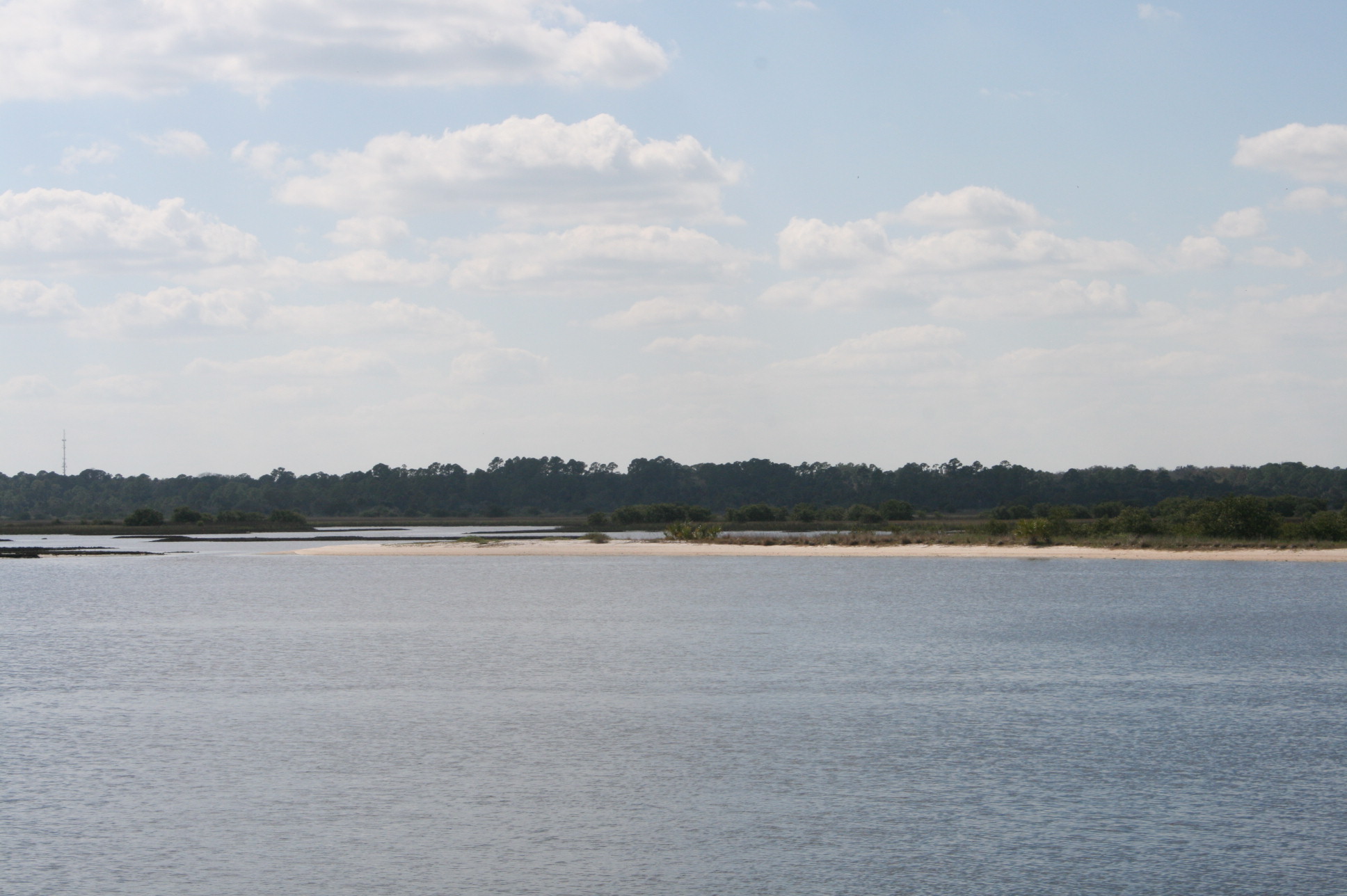
After Daytona, we passed a large lagoon, the Tomoka Basin, to our left.

Tomoka Basin

Tomoka Basin

There are several State Parks north of Daytona, and the whole area is beautiful and unspoiled. This is Washington Oaks, north of Palm Coast.

Washington Oaks State Park

Washington Oaks State Park

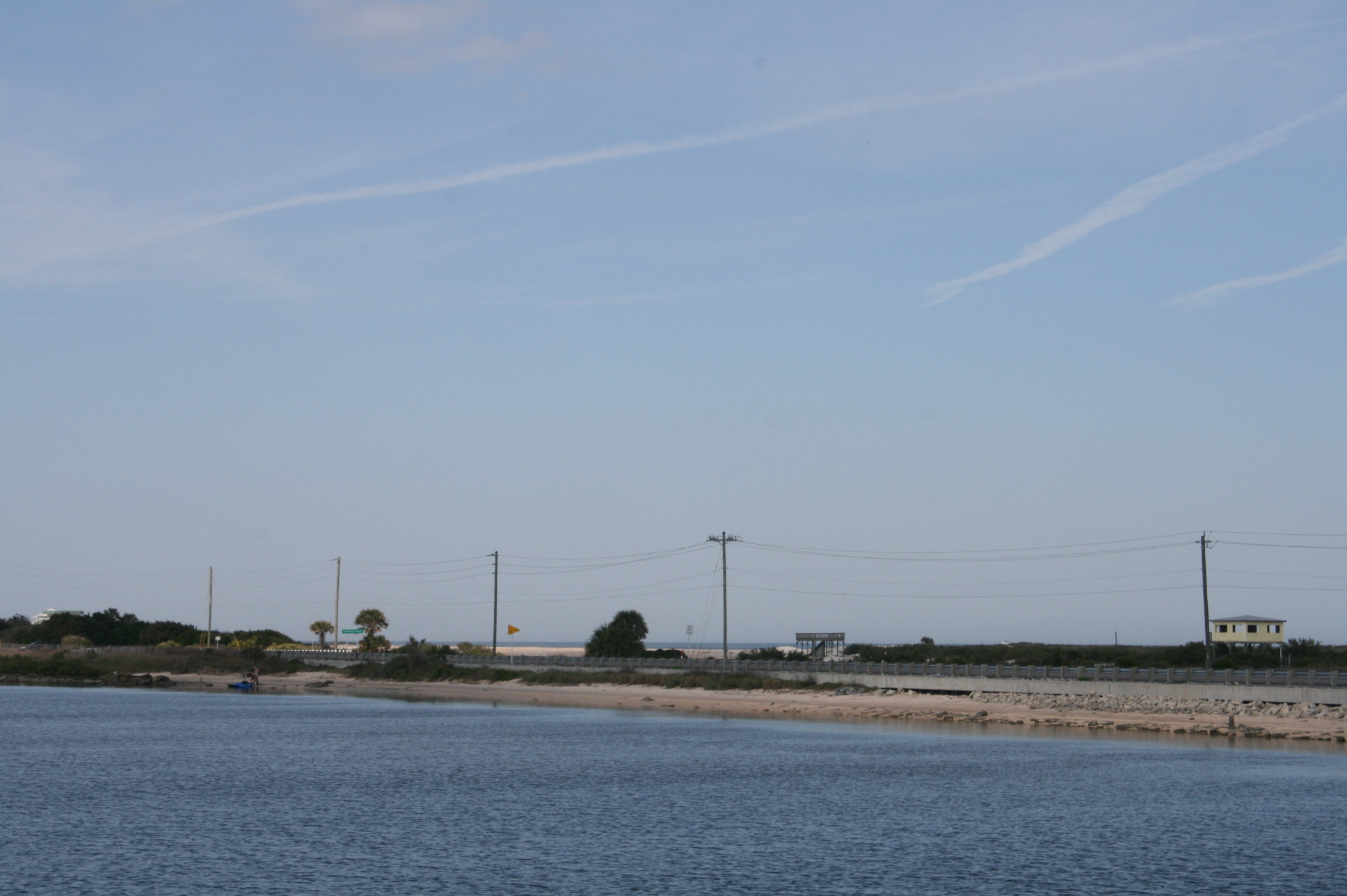
At Summer Haven, there is only a narrow strip of land separating the waterway from the ocean.

A glimpse of the Atlantic at Summer Haven

A glimpse of the Atlantic at Summer Haven

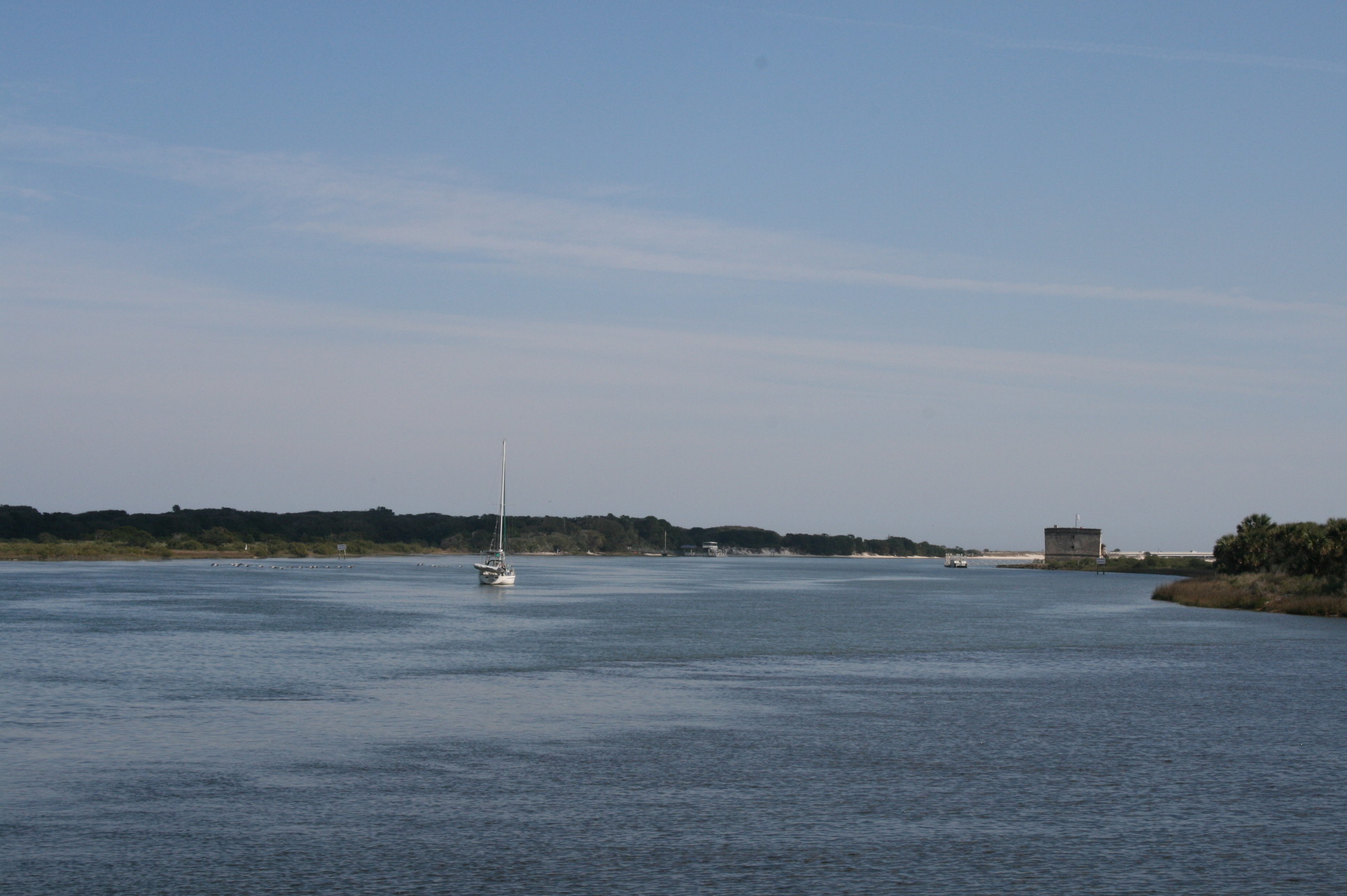
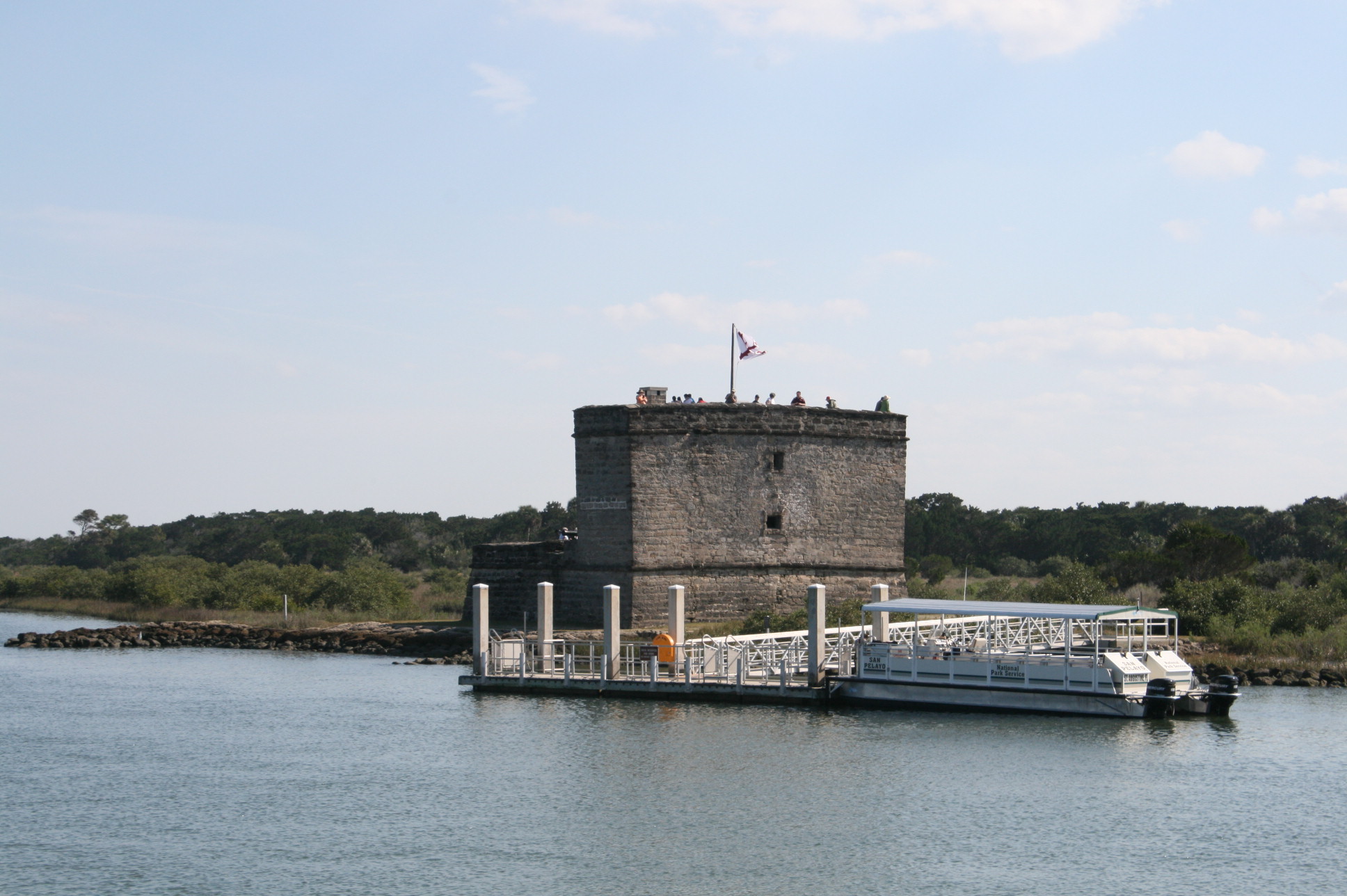
We had decided to anchor in Matanzas Inlet, so we could visit Fort Matanzas, a National Historic Monument. We had to make a sharp right turn from the waterway into the Matanzas River, which links with St Augustine. The fort was built in 1742 by the Spanish, to protect their settlement there.

Turning into the Matanzas River from the ICW

Turning into the Matanzas River from the ICW


Fort Matanzas

Fort Matanzas


The fort is on Rattlesnake Island, and you can only get there by taking the free ferry srvice provided by the State Parks Service. So we took the dinghy and parked on the little beach nearby.
Parking the dinghy, Fort Matanzas and Carina in the background

Parking the dinghy, Fort Matanzas and Carina in the background


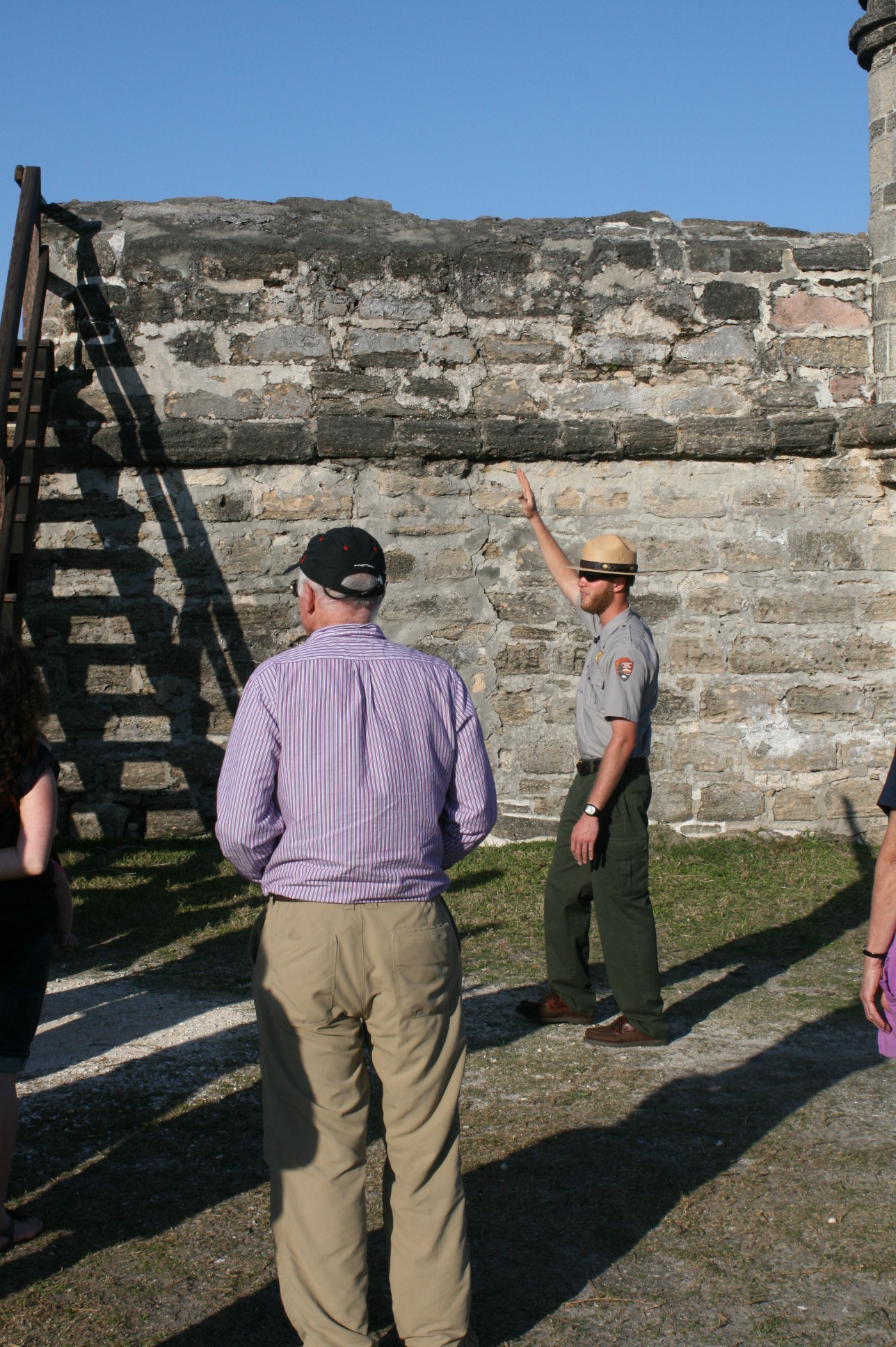
The State Park also provided a ranger, in addition to the one who drove the boat, to inform the passengers about the history of the fort, which he did with an engaging mixture of slight boredom and enthusiasm, and a laconic humour.
Park Ranger declaiming the history of Fort Matanza

Park Ranger declaiming the history of Fort Matanzas


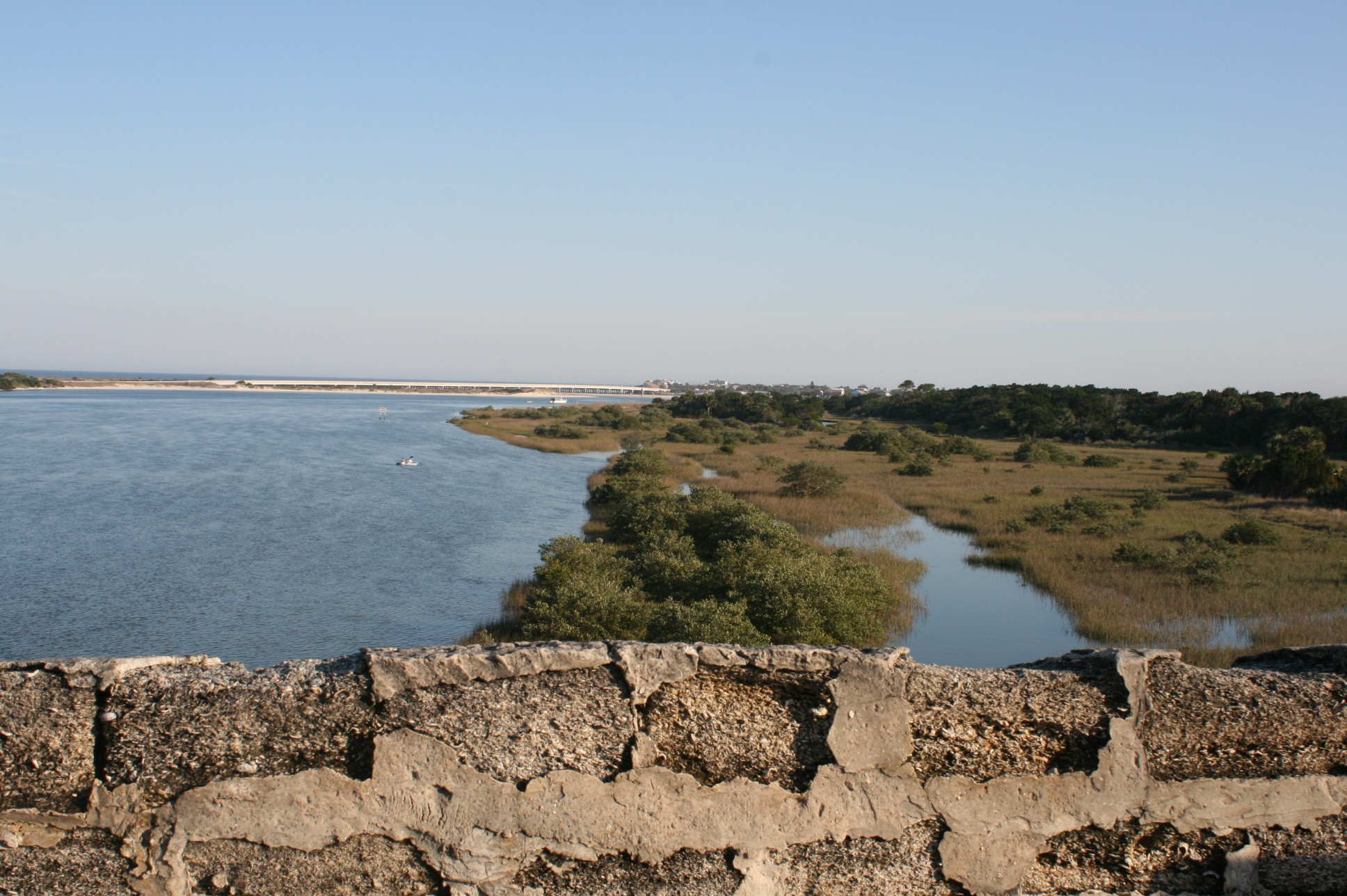
As Florida is flat, there are very few places where you can get anything approaching an aerial view, so it was quite rewarding to climb the steep steps, and then a narrow, almost vertical ladder, to get to the top of the tower.
Looking south towards the Atlantic from Fort Matanzas

Looking south towards the Atlantic from Fort Matanzas


Looking west

Looking west

There were plenty of egrets around.

Egret

Egret

Afterwards, we sat upstairs in Carina, enjoying a beer and watching the sun go down behind the old fort.

Sunset at Fort Matanzas

Sunset at Fort Matanzas

And Carina had another little surprise in store for us. In the middle of the night, we woke to a strange noise emanating from underneath the boat. Investigating mechanical problems does not fall within my scope of duties, so I stayed in bed while Ian got up to have a look. The diagnosis was that the tide was running so fast that the prop was being turned round, but apparently it was one of those situations where there is nothing you can do, so it’s best to do nothing.

A rocket launch and the vagaries of the weather

We had discovered from the Space Coast Launches website that a rocket was going to be launched from Cape Canaveral on Thursday evening, so Ian identified a suitable place to anchor from where we would be able to get a good view. A few other boats had the same idea, and after dinner we sat up at the front of the boat in almost total darkness, except for a few lights and a faint orange glow from the direction of the launch pad.
The appointed hour came and went, and we began to wonder if we’d missed it, or were looking in the wrong direction. We checked the website again, and found it had been postponed by 15 minutes, to 8.59pm. As we watched, a globe of fire suddenly rose slowly and silently towards the sky. It was some time before we heard any sound, and even then it was surprisingly muted. We saw a couple of small balls of fire fall away, and then, suddenly, it was gone.
Even though we were 4 miles away, the immediacy made it compelling.
This image is from floridatoday.com

Rocket launch, 20th February 2014

Rocket launch, 20th February 2014

On Friday, the weather forecast was for thunderstorms later in the day, so we made an early start for Titusville, about 10 miles north of Cape Canaveral, and moored on one of the buoys at the City Marina. In the afternoon we took the dinghy for the half-mile trip to the marina.
Titusville had a rather depressed air about it and has apparently suffered economically since the termination of the Space Shuttle in 2012. It has a downtown, but as someone in the marina said to us, if we blinked we would miss it. However, we ventured to the Save-a-lot Grocery Store a few blocks from the marina, which, as might be expected, didn’t afford quite the same shopping experience as a visit to Publix or Wholefoods.
But the afternoon was brightened by the Sunrise Bakery, on the next block. From the outside it didn’t even look open, and inside was an unprepossessing collection of tables and chairs that reminded me of various student flats in the 1960s. But on sale was an array of artisan breads – I chose wild rice and sweet onion bread, and a bread and butter pudding to take back to the boat. The cakes and cookies looked appetising and free from any sinister ingredients, so we had hot tea and a cranberry scone before going back to the marina.
We were just in time. No sooner had we got back to Carina than the rain started, and all through the evening there were spectacular flashes of lightning, fortunately some distance away.

The next day we woke up to thick fog, and more thunderstorms forecast. There was no question of going anywhere, except possibly a quick trip to the marina if the fog cleared sufficiently.

Saturday morning at 9 o'clock

Saturday morning at 9 o’clock

Eventually at 10.30 we ventured out. Marinas vary in what they offer, and Titusville had very friendly staff and a free minibus service to the out-of-town stores a few miles away. So with another couple, John and Sue, who are also doing the Great Loop this year, we had yet another shopping trip, this time to a hardware store, always a source of fascination, and a Publix.
By the time we got back to the marina, the thunderstorms were well underway. We sat under the veranda by the dockside, sharing a bottle of Sam Adams and a packet of crisps, watching a manatee enjoying the downpour. After about an hour the rain stopped, Ian bailed about four inches of water out of the dinghy and we returned to Carina. The wind had got up though, and the water was so choppy that the waves crashed against the side and we got soaked anyway.

This morning the weather had cleared, though areas to the south of us were still fog-bound. and we set off for New Smyrna Beach, 30 miles to the north.

From the mooring at Titusville City Marina

From the mooring at Titusville City Marina


It’s odd how, after a few days on the boat, especially if we’ve been anchored or moored at a buoy, I can’t wait to walk about on dry land. But after a couple of days stuck in the same place, it’s a great feeling to be off, on the waterway again.
Indian River near Titusville

Indian River near Titusville


For the first ten miles we were still in the wide reach of Indian River, before passing through the short Haulover Canal, which leads to Mosquito Lagoon.
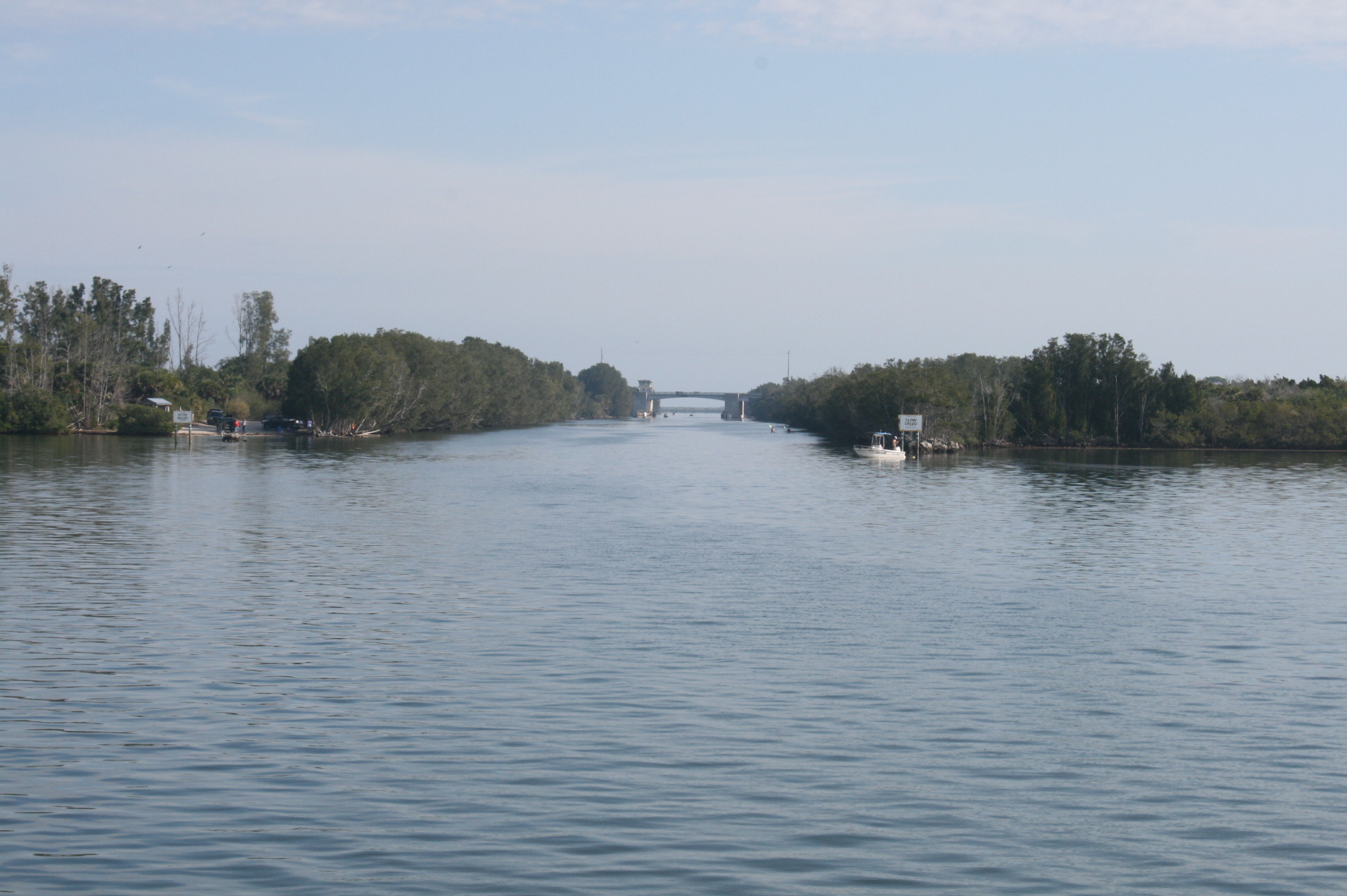
Entrance to the Haulover Canal

Entrance to the Haulover Canal


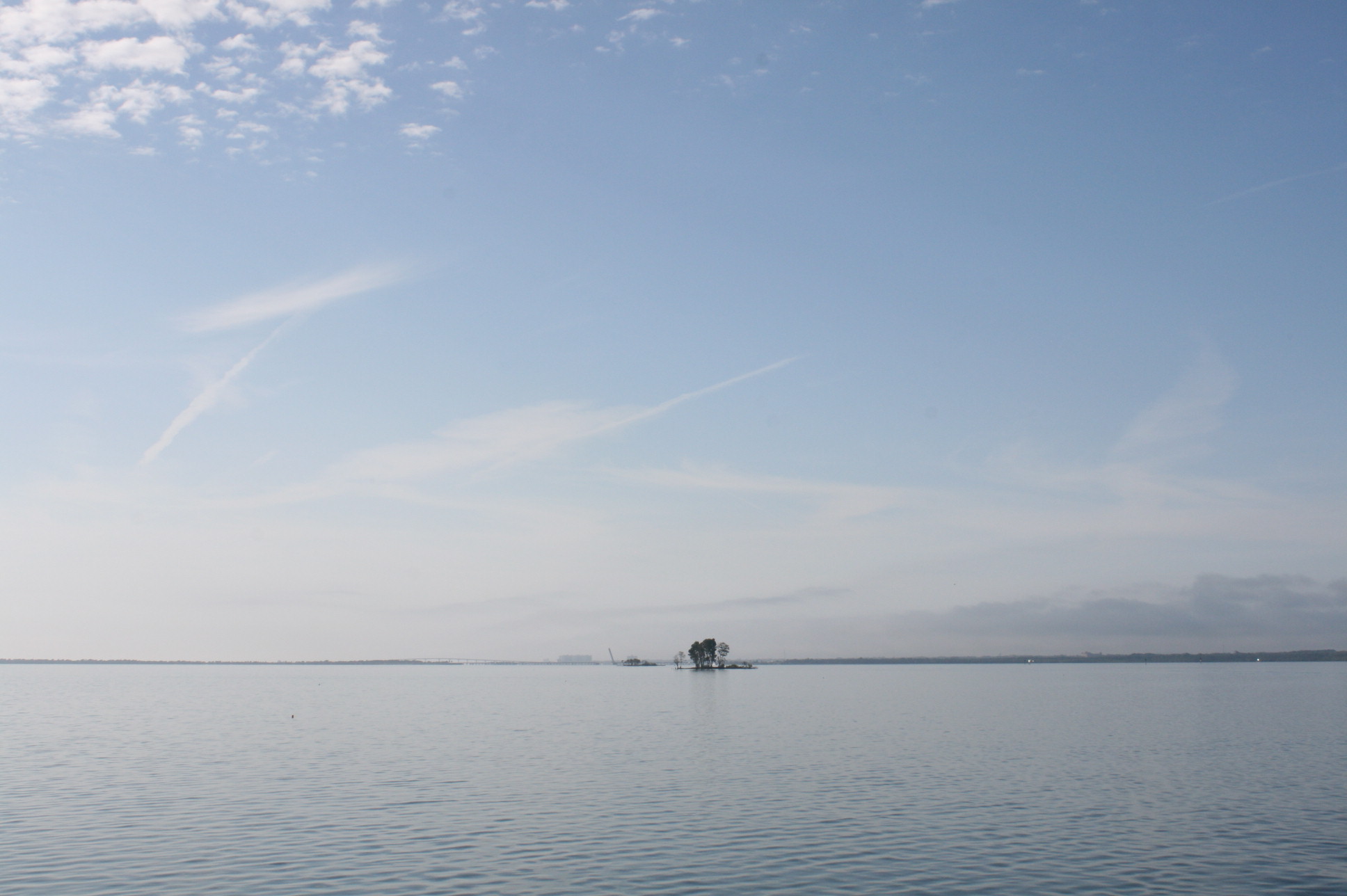
Island in Mosquito Lagoon

Island in Mosquito Lagoon

Our arrival at New Smyrna Beach wasn’t without drama. As Ian turned the boat to get into the dock, apparently without warning the wind caught Carina’s stern, and she swung alarmingly towards the other boats that were already tied up. There followed several minutes of frantic manoeuvreing, with the dockmaster pulling on various lines, and me fending off the adjacent boats, assisted by the owners of the next door boat, who turned out to be John and Sue whom we had met at Titusville and who had passed us along the way. Eventually all was safely sorted, with the only dent being to the Captain’s dignity.
‘Nice to run into you guys again,’ said John, with only the slightest hint of irony.

New Smyrna Beach Marina, with a manatee swimming in the dock

New Smyrna Beach Marina, with a manatee swimming in the dock

Sebastian Inlet

North of Wabasso, the waterway is very pretty, with numerous small islands as well as the longer barrier islands to the east.

The Intracoastal Waterway near Sebastian Inlet

The Intracoastal Waterway near Sebastian Inlet

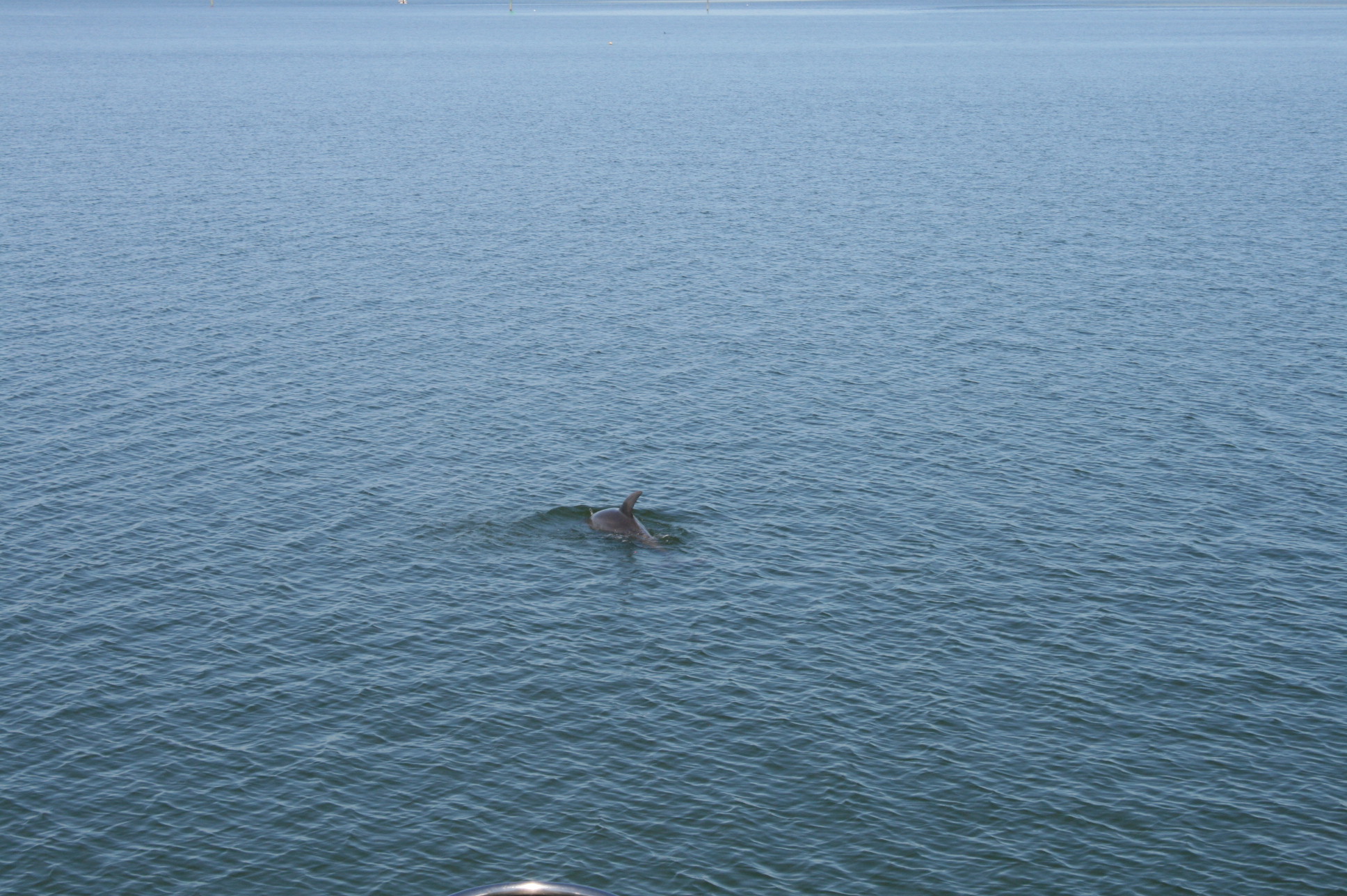
We’ve seen a number of dolphins, but this is the first photo I’ve managed.
IMG_7965

But attractive though it was, I wanted to see the ocean on the other side of the islands. There was a possibility of mooring at Sebastian Inlet marina, from where we could have walked to the beach, but we had inconveniently used up all our wifi and the only way to get some more was to take a trip to the dreaded Walmart.
This in turn meant a marina from where we could at least get a taxi, so we carried on 10 miles north of the inlet to Melbourne and stayed at the marina there.

Perhaps it’s because I’ve lived in Northumberland for nearly 30 years, or maybe all the holidays in Cornwall, but I still really wanted to see the proper sea, as opposed to the river inlet which we’ll be on for the next 200 miles.
You can’t really wander at will in the US, it seems, and probably you wouldn’t want to, given some of the wildlife. You have to see the wild places through the State Parks, and after a protracted discussion, it was agreed to suspend fiscal caution, stay another night in the marina, and hire a car for a day which would not only facilitate the shopping in the afternoon, but would allow us to drive 10 miles back down the island to Sebastian Inlet State Park

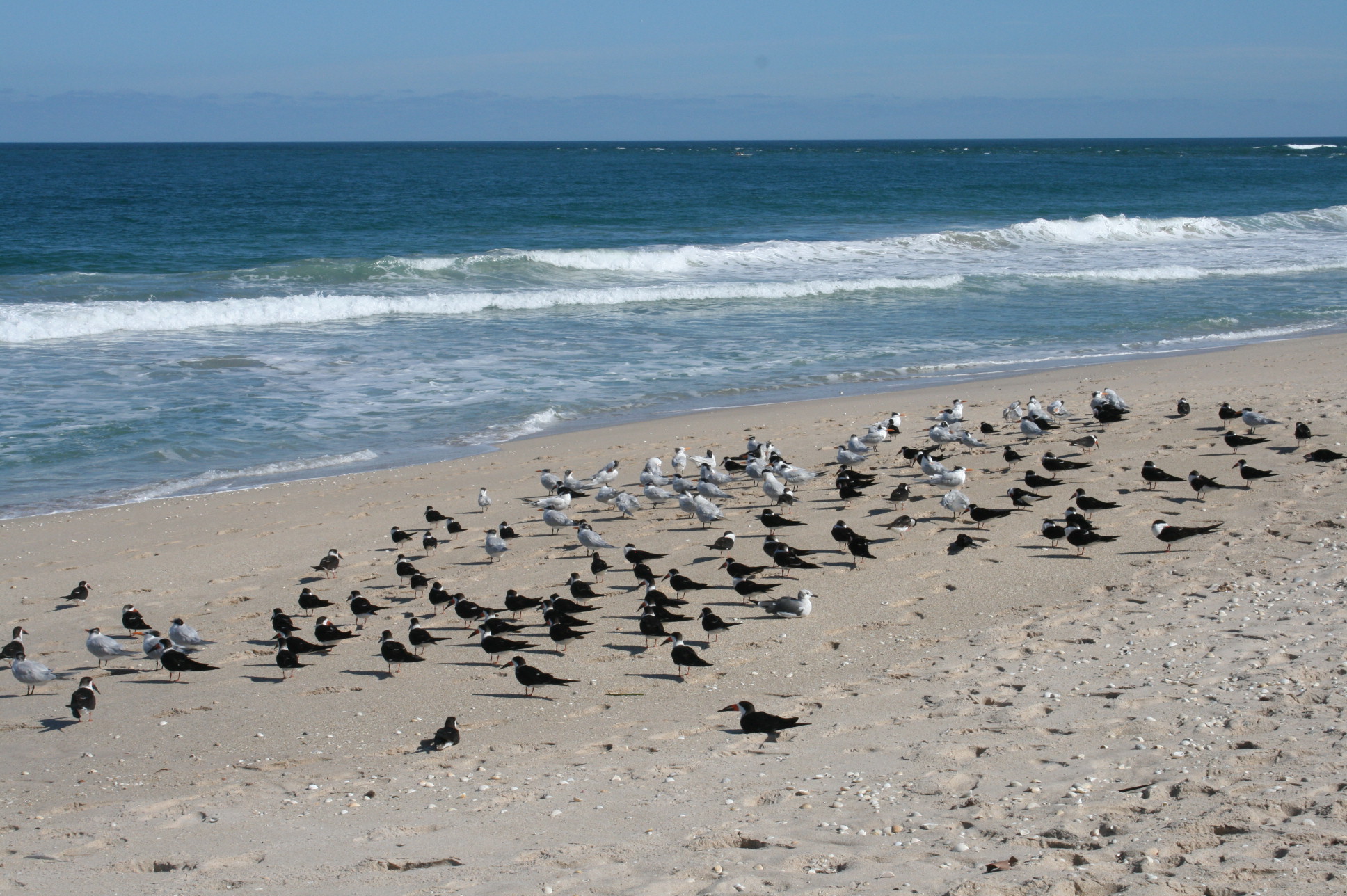
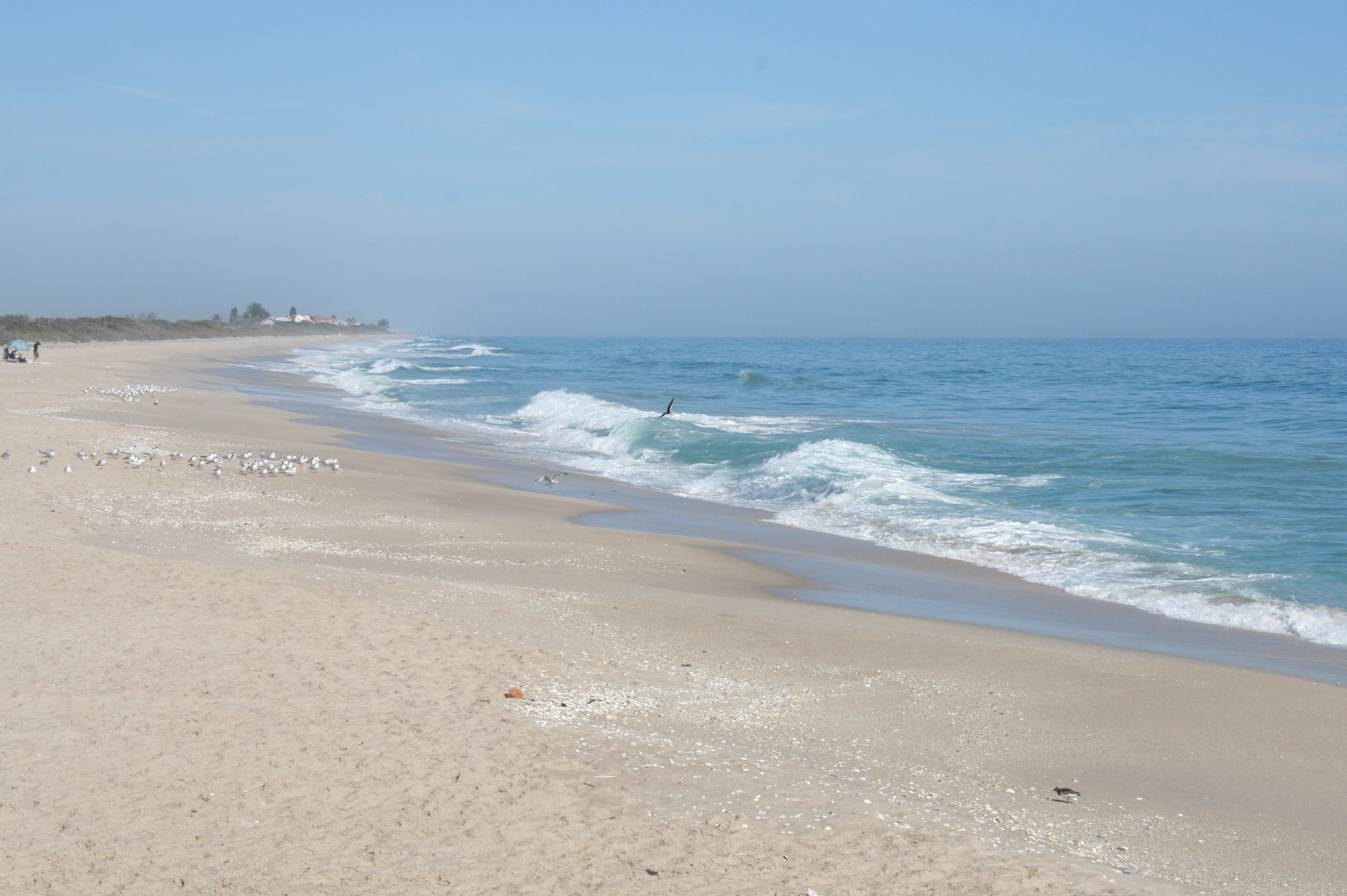
It was the right call. The ocean was awesome. We looked at the beach, and the birds, and Ian had a chat with some people who were fishing on the pier.

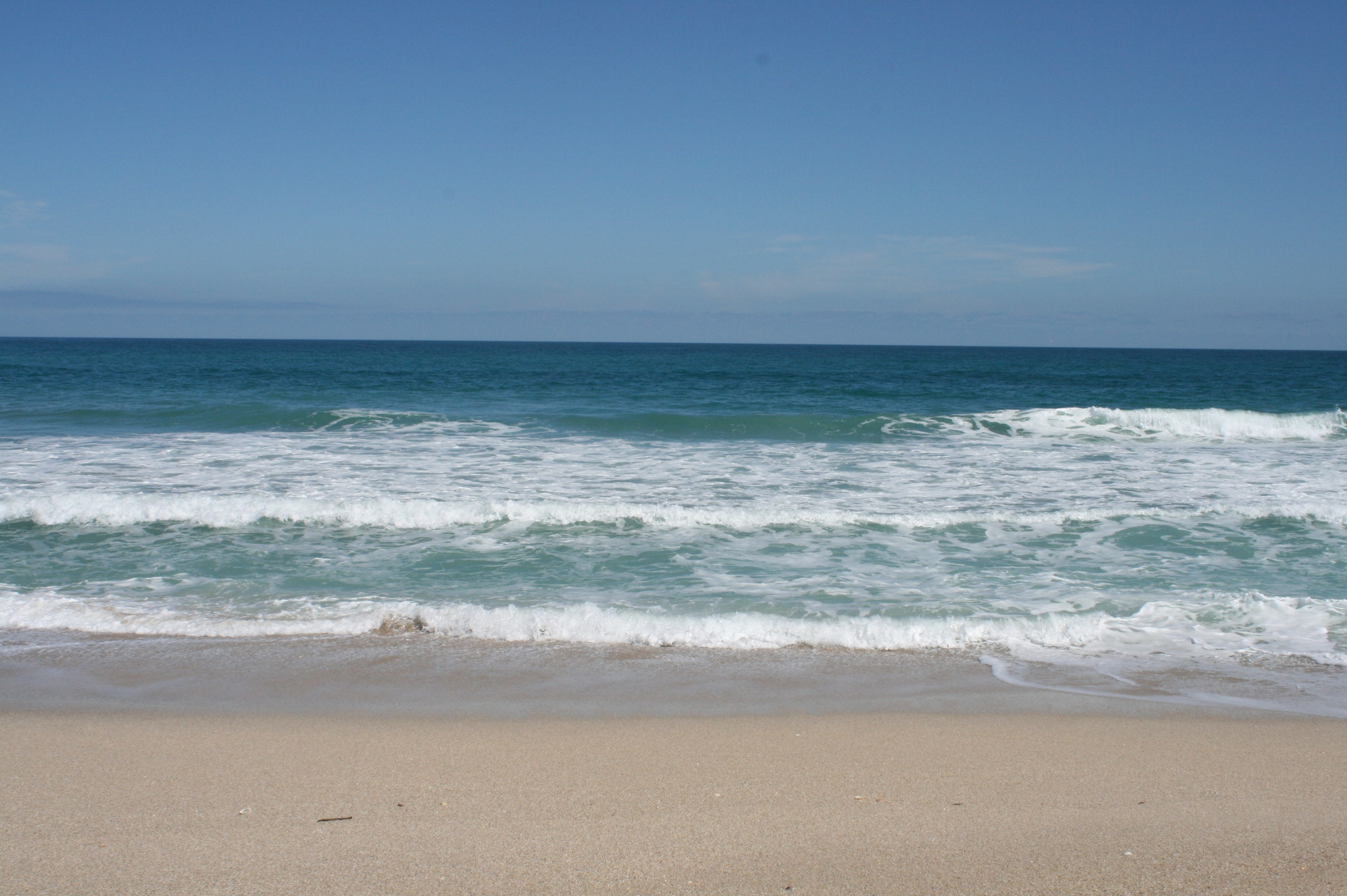
First view of the Atlantic at Sebastian inlet

First view of the Atlantic at Sebastian inlet

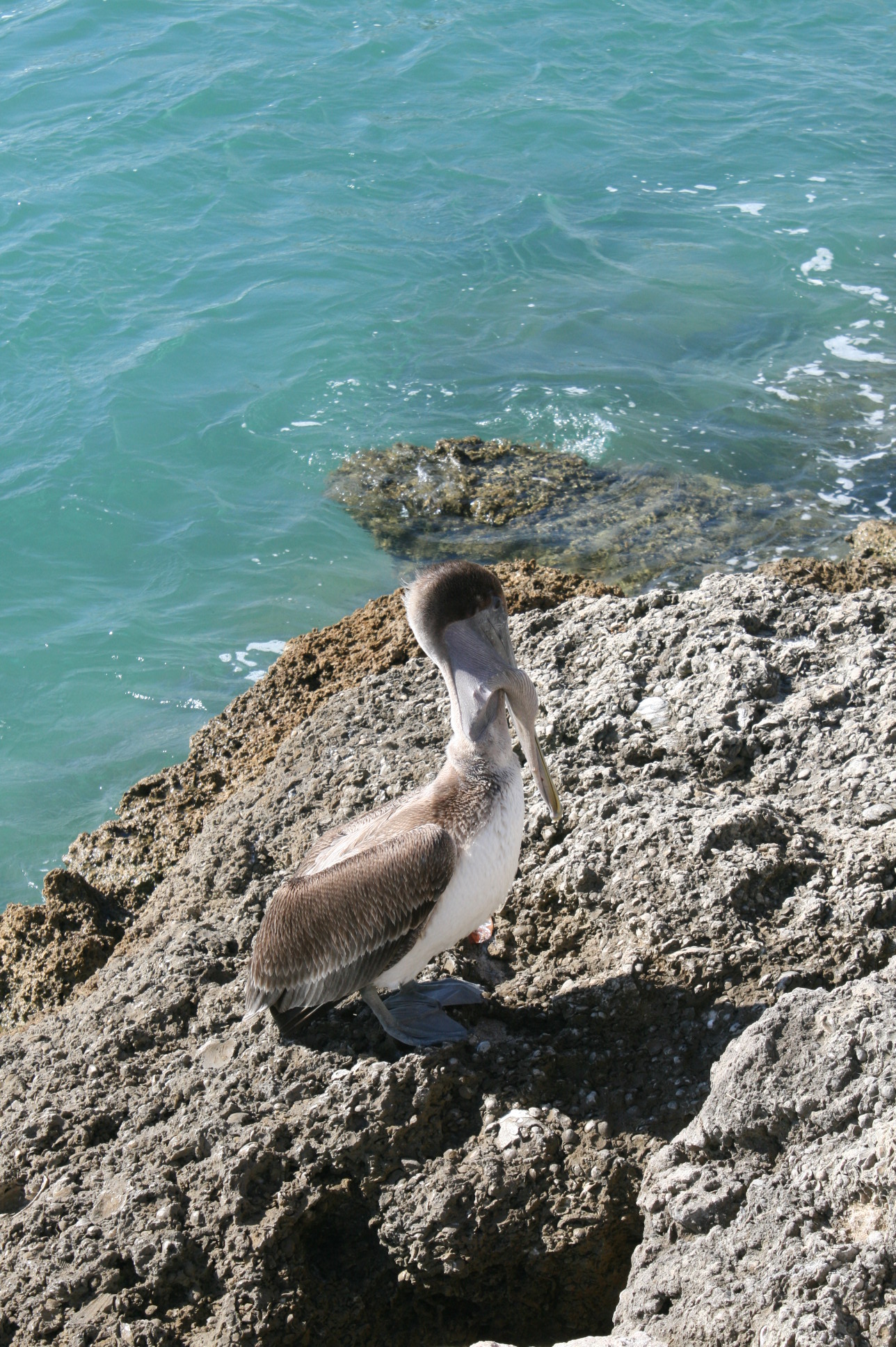
Pelican

Pelican


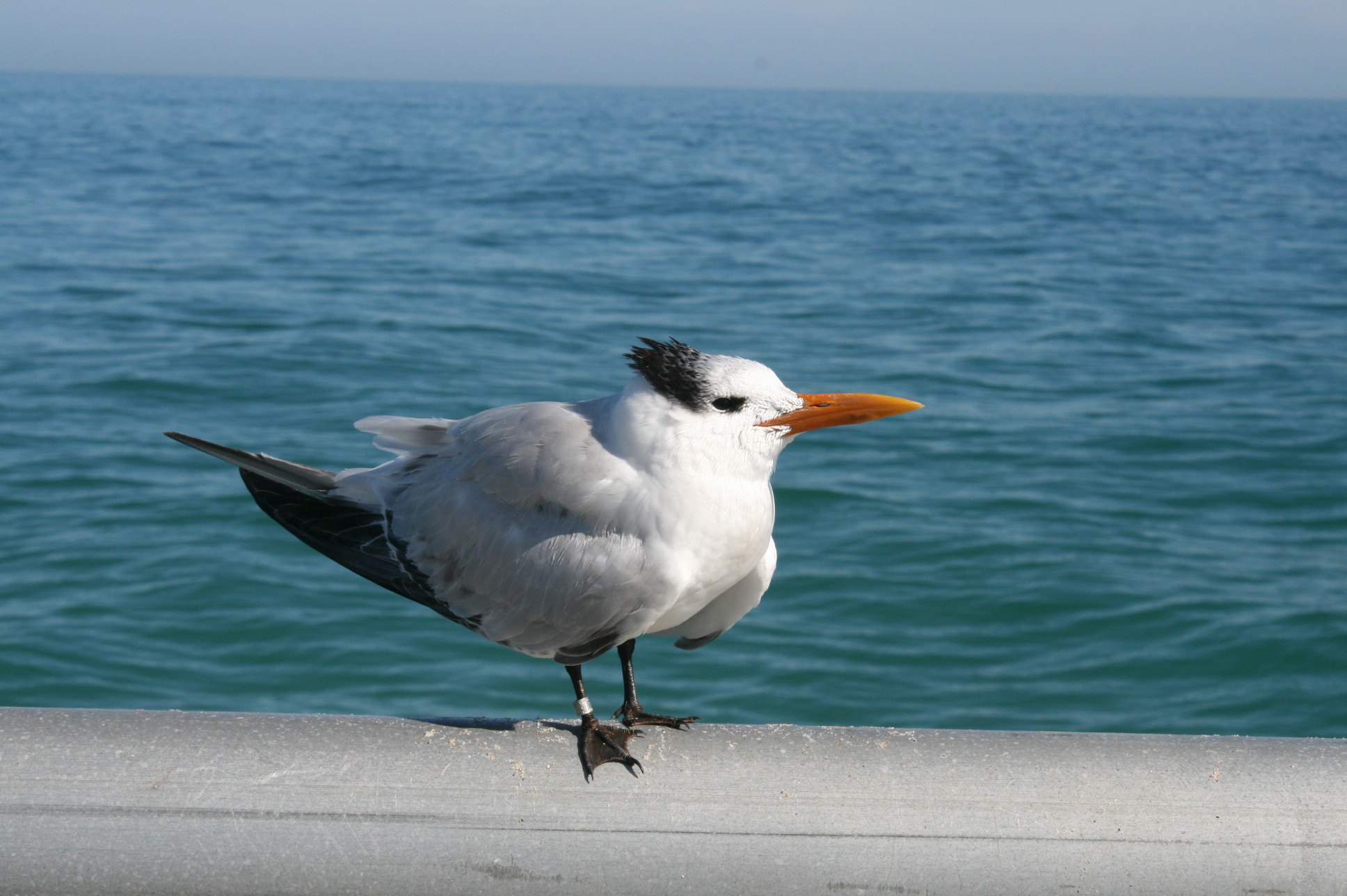
I think this is a Caspian Tern. He certainly didn’t mind having his photo taken.
Caspian tern

Caspian tern

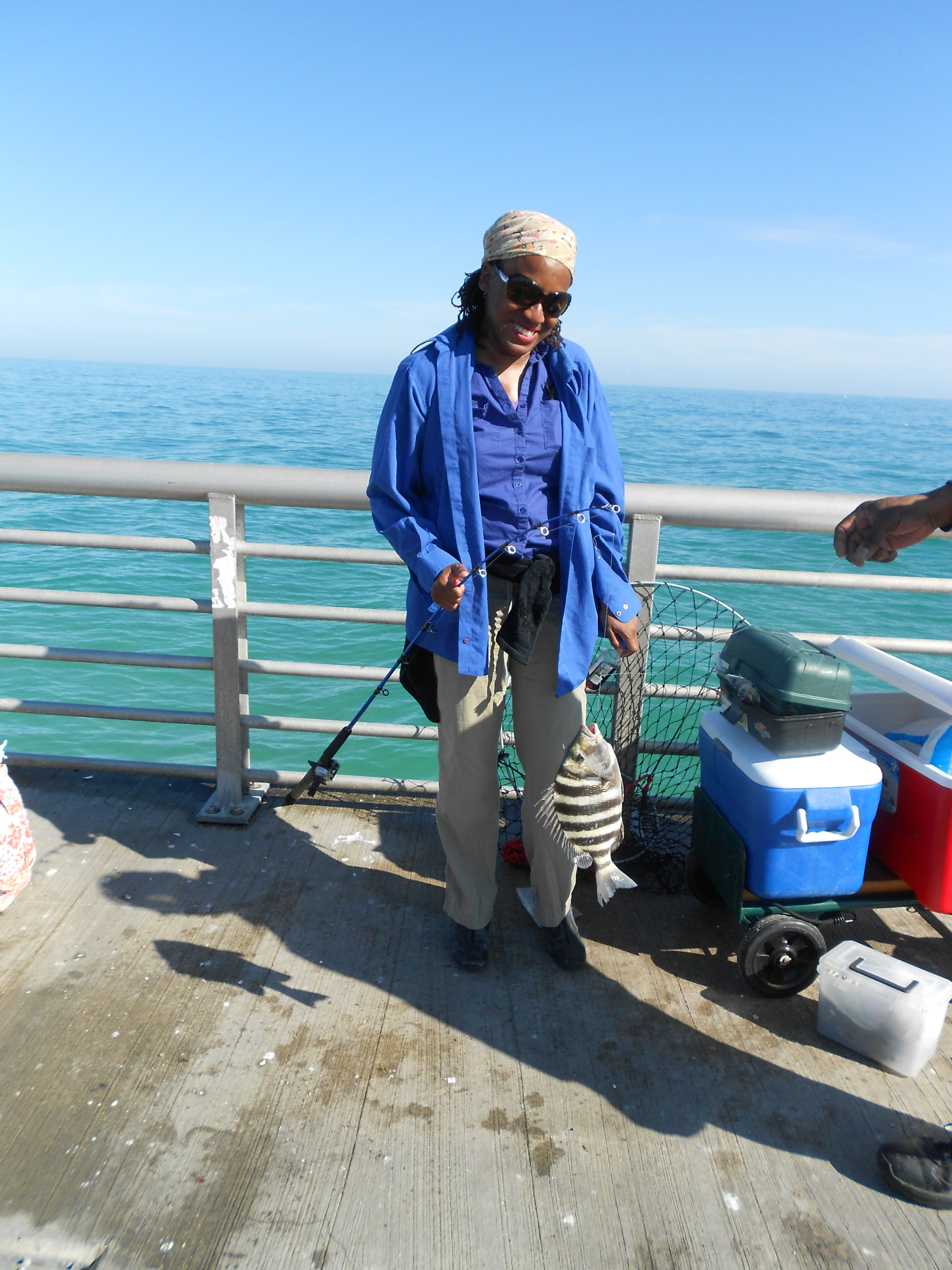
This one’s for any Newcastle supporters who may be reading this.

Sheepshead Porgy

Sheepshead Porgy

We decided to walk along a 5km trail that would take us round the river shore and back across the island to the ocean shore. A nice Park Ranger advised us that we couldn’t possibly get lost, and insisted on giving us his insect repellent when we said we hadn’t got any.
He added a note of caution. ‘If you see an alligator on the path, don’t try to go past him. Just turn around and go a different way.’ You bet.
But apart from a few tantalising rustles and splashes, the wildlife were having a quiet day.

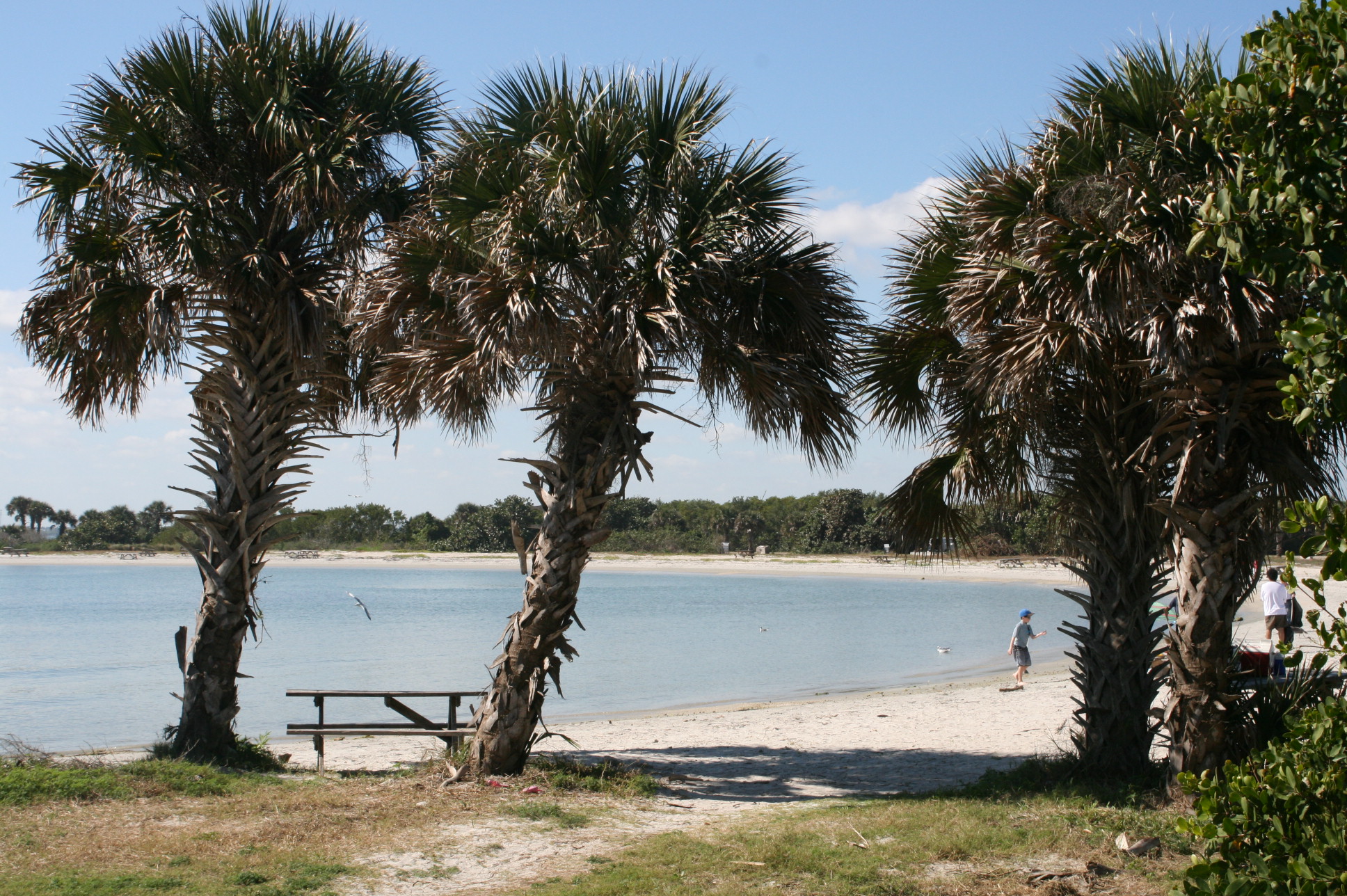
This is the river shore at the start of the walk.

The cove on the river shore, Sebastian Inlet

The cove on the river shore, Sebastian Inlet


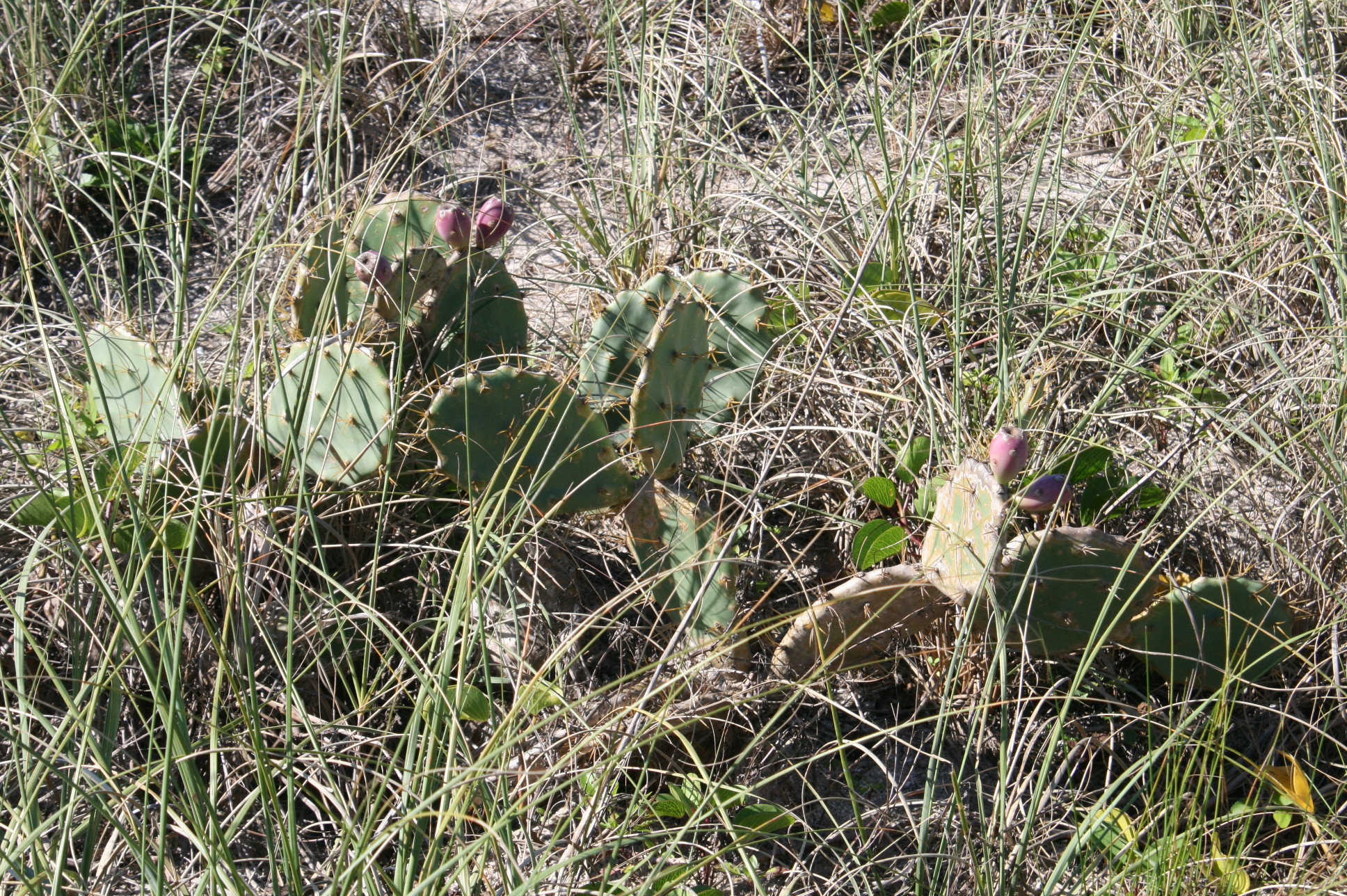
Prickly pear cactus

Prickly pear cactus

The trail went along the top of a man-made dyke which had been put in to help prevent hurricane damage, but even so, the views were very limited because of the dense mangrove.

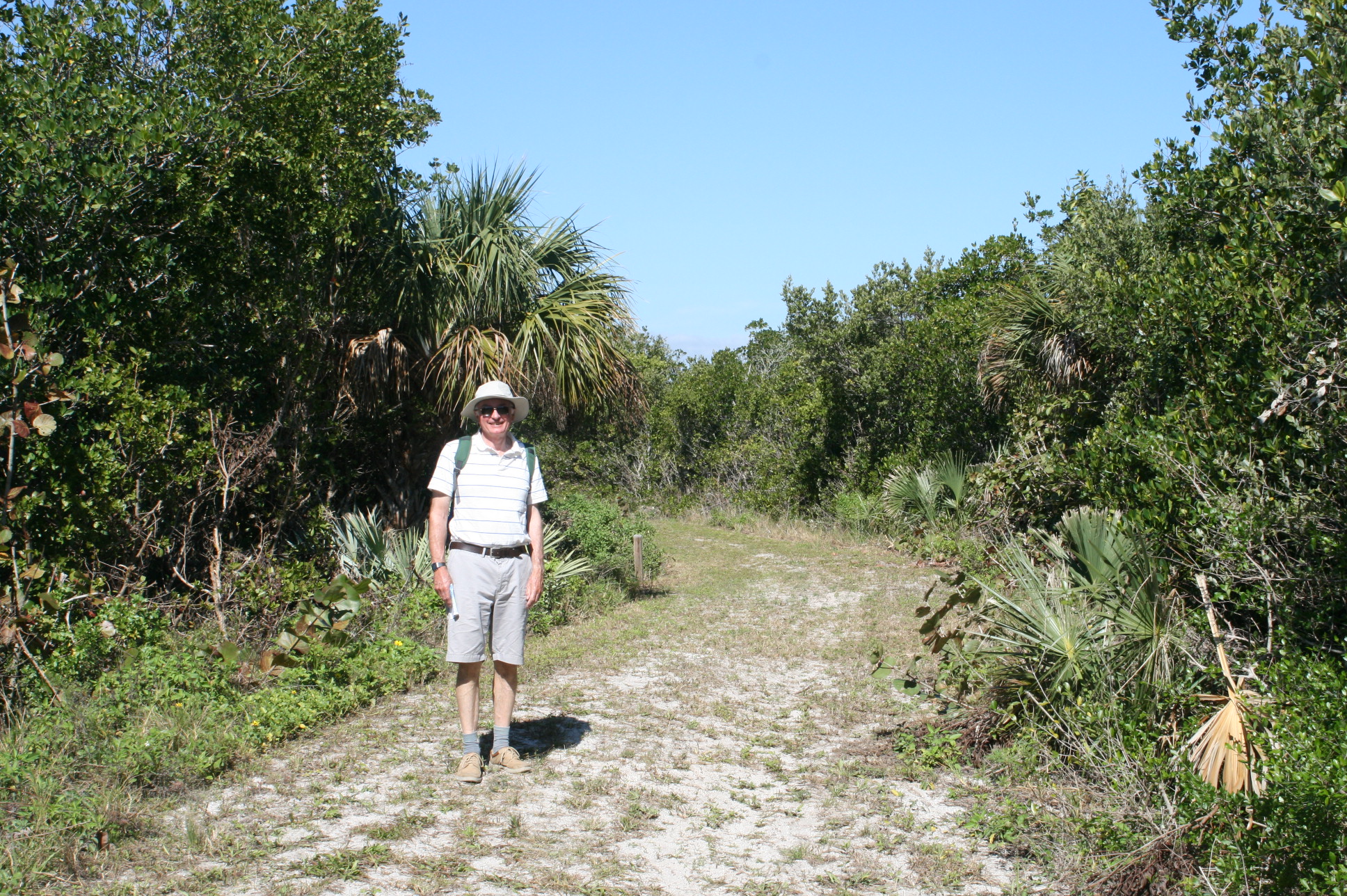
walking along the trail near the river shore

walking along the trail near the river shore

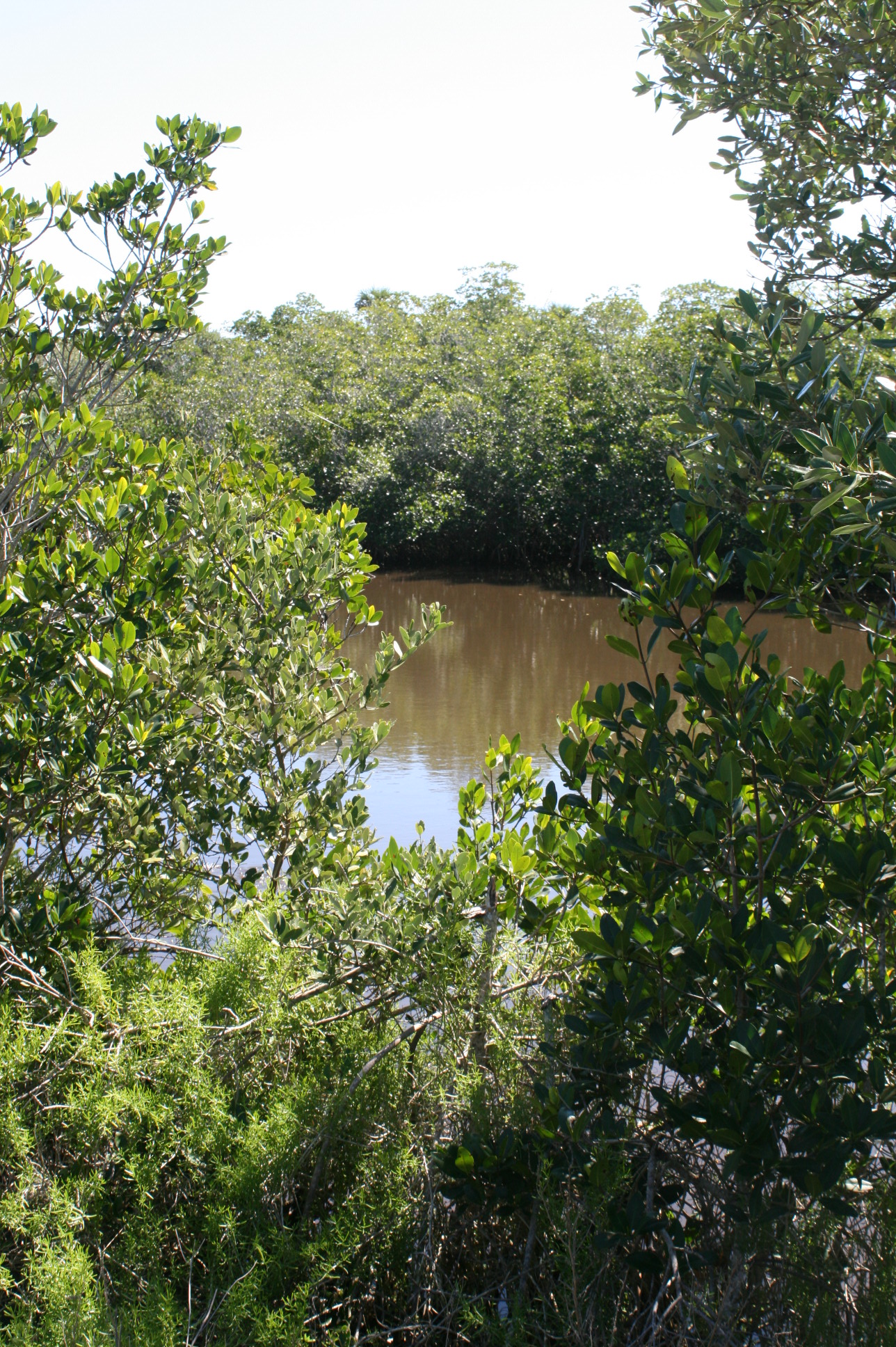
There was a very occasional break in the vegetation.

A brief glimpse of the river shore through the mangrove

A brief glimpse of the river shore through the mangrove


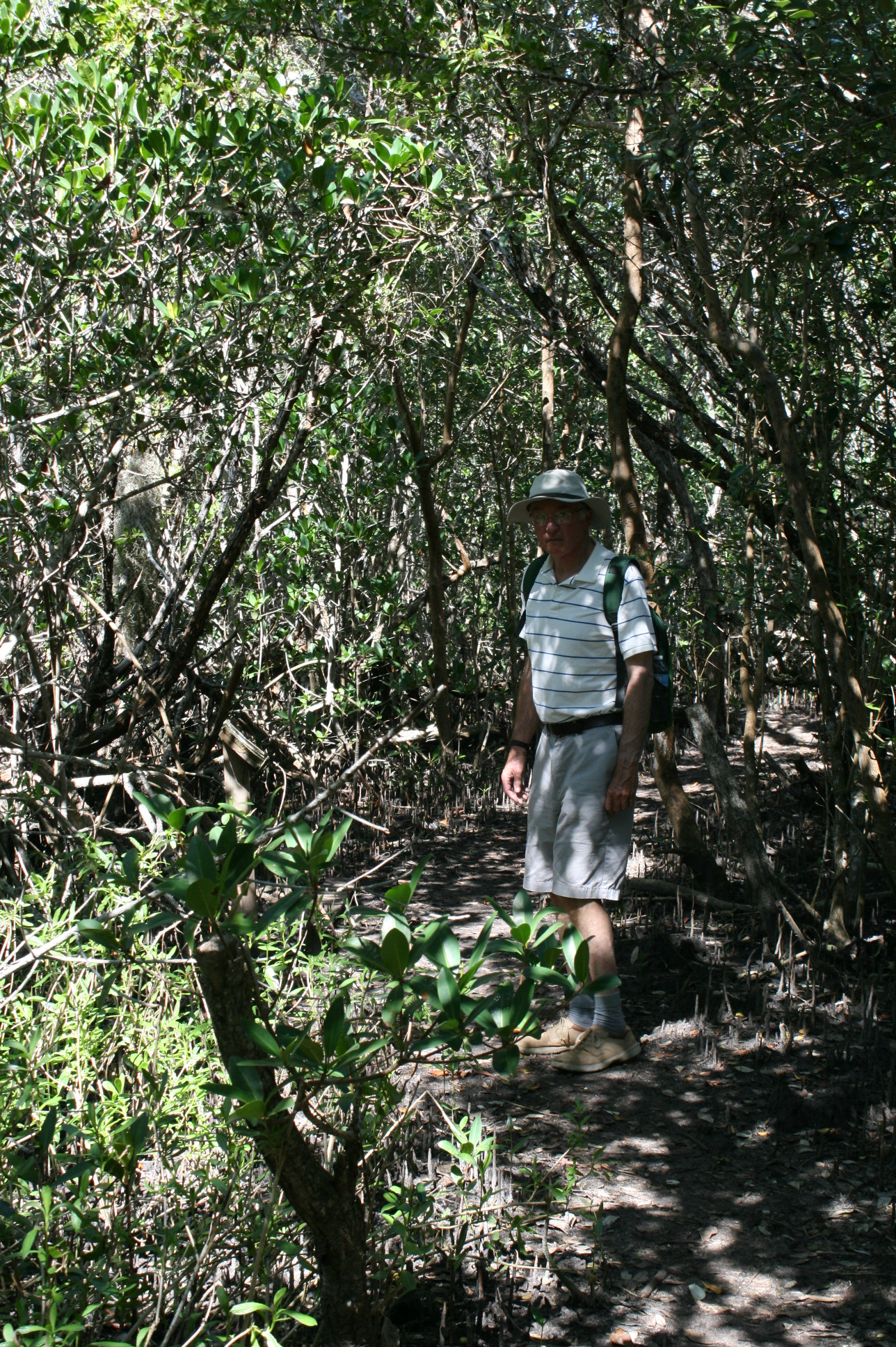
As we turned back away from the river, taller trees on the slightly higher ground formed a hammock.
Under the hammock

Under the hammock

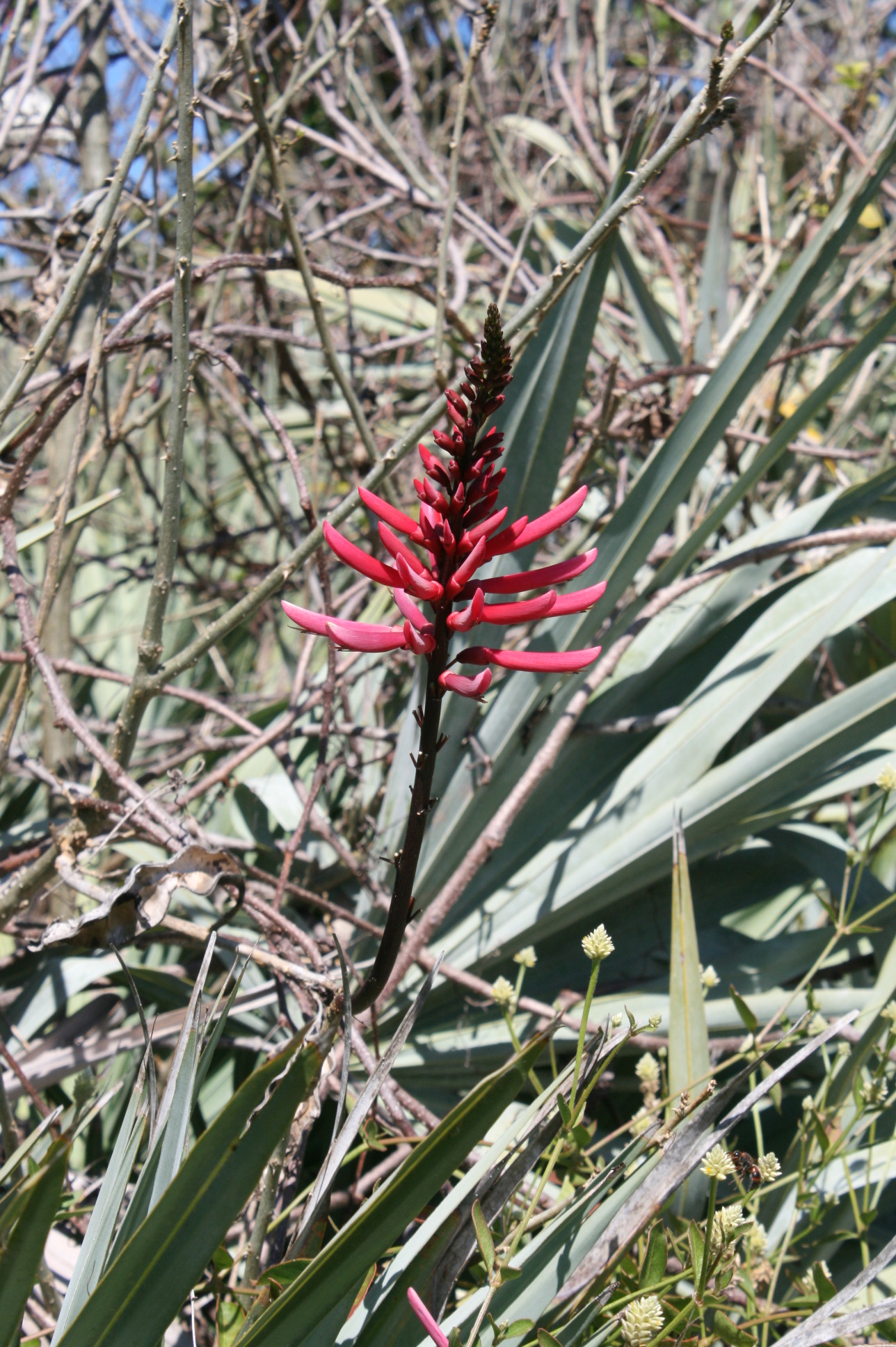
We had another 2 km to walk back along the ocean shore. I think this is an agave, but I’m not sure. It seemed to be an escapee from the garden of one of the very few houses in the vicinity.

? Agave

? Agave

Back on the Atlantic shore

Back on the Atlantic shore


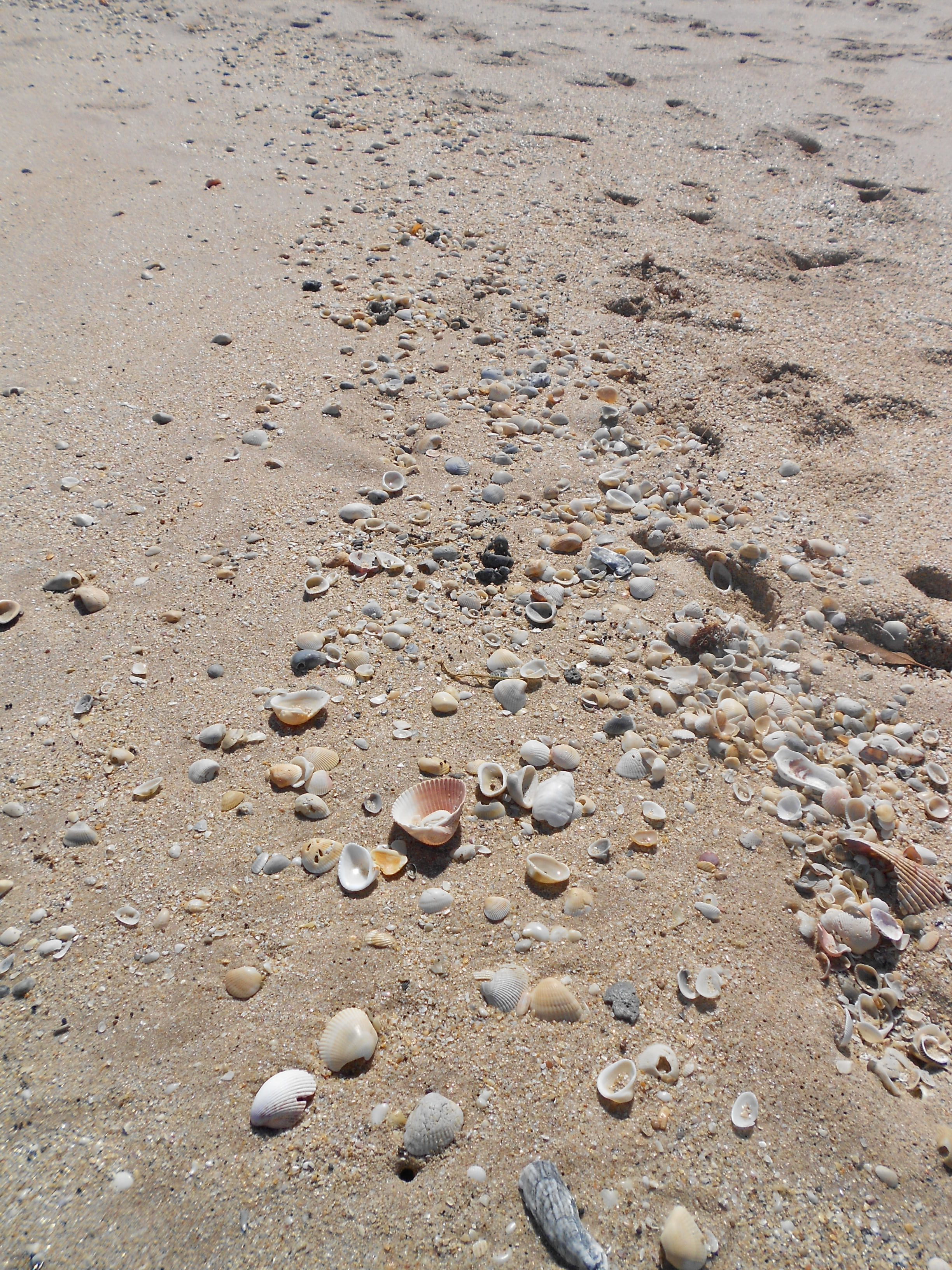
shells on the beach

shells on the beach


IMG_7990

Today we’ve travelled another 30 miles north and are moored close to Cape Canaveral, where a rocket is due to be launched in just under two hours’ time. There’s a fair bit of chop, so we are rocking and rolling a little, but we’re looking forward to seeing the action.


Moving North

The thing about anchoring out, apart from the solitude and of course the avoidance of the tricky business of negotiating one’s way around other boats in the marina, is that it is free of charge. This is a considerable advantage after a few nights at an expensive marina, eating out, going shopping and catching up with the laundry.
There’s always a price though, and in this case it is the anxiety that the anchor might work loose, and the boat drift away in the middle of the night, taking the sleeping occupants with it.

On Friday night when we were anchored at Hookers Cove, Wind Guru, the weather forecasting app, had not been entirely truthful with us. The winds that were supposed to moderate during the afternoon actually increased in strength, reaching a level that could almost be described as ‘blowing a hooley’. Ian dropped the second anchor, for reassurance. Tom and Tracy, Carina’s previous owners, had apparently not bothered with such minutiae as an anchor alarm, Tom preferring instead to rely on cries of ‘Holy shit, Tom!’ to alert him to imminent disaster.
But Ian prefers science, and we had not one anchor alarm, but two, one on the laptop and the other on my phone. They use the GPS signal, and sound off if the boat has moved more than a pre-set distance from the anchor.
We’re on a learning curve. The alarm went off, loudly and disconcertingly, twice in the middle of the night. The tolerance had been set too narrowly, and the boat had swung round out of the GPS range.
But the anchors held fast.

The next day we had our first glimpse of the Atlantic. We left the St Lucie River, and took a sharp left turn to head north up Indian River and begin the journey up the Atlantic Intra-coastal Waterway.

The start of the Atlantic ICW, looking north up Indian River

The start of the Atlantic ICW, looking north up Indian River

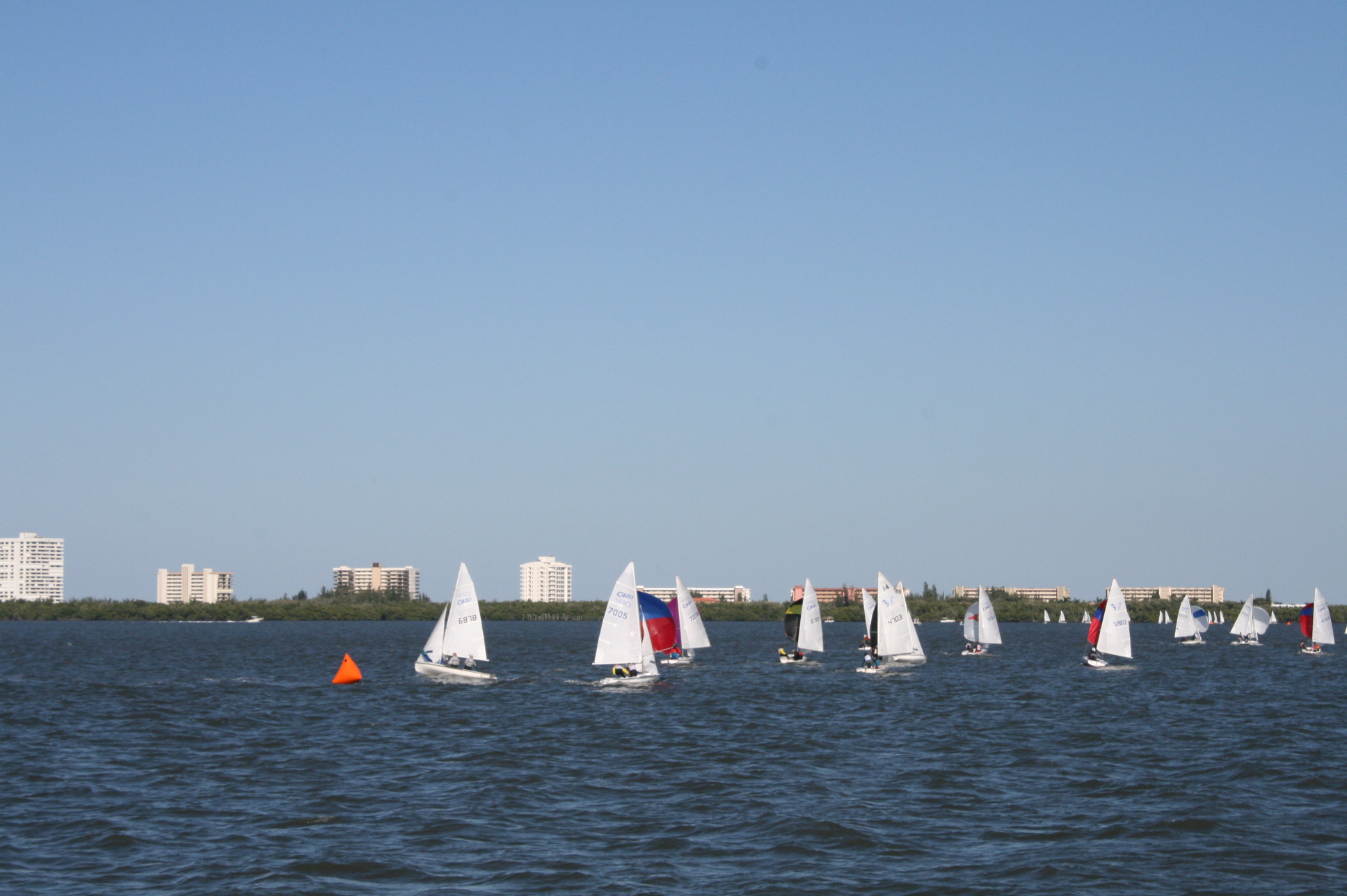
A little later, we passed a large fleet of 420 dinghies racing in the sound. The conditions were perfect, and Ian not a little envious, I think.

420s racing in Indian River

420s racing in Indian River


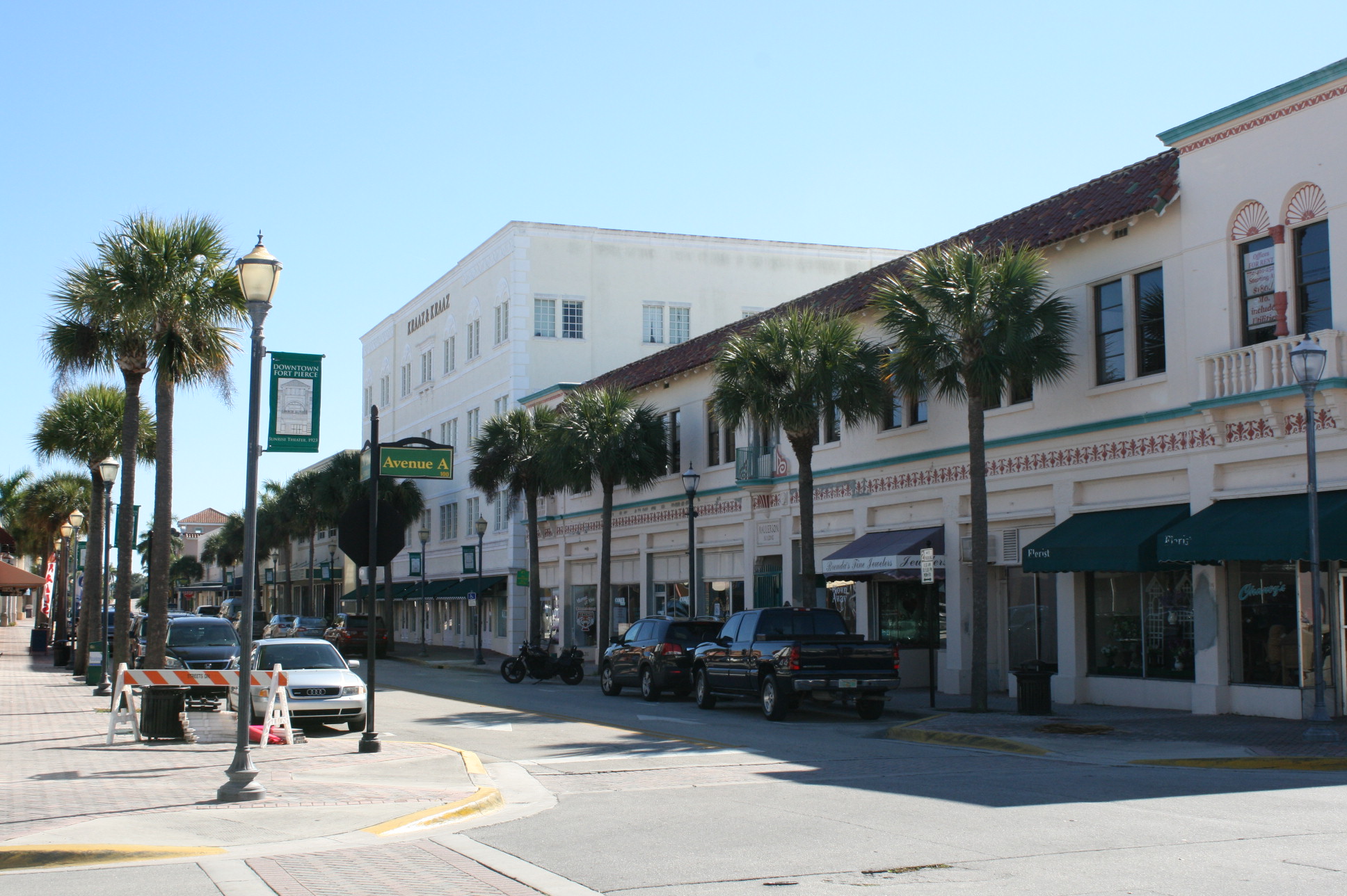
Indian River is a broad sound between the mainland and a string of long islands a few miles to the east, with a wider, more open feel than the Gulf Coast. We moored at Fort Pierce, FL in the city marina, and enjoyed the live music and good food at Cobbs Landing, next to the marina.
Downtown Ft Pierce,FL

Downtown Ft Pierce,FL

One of the reasons for stopping at a marina is to replenish the food stocks, but this is sometimes more easily said than done. Ian can sometimes be reluctant to recognise the correlation between going to the supermarket and having anything to eat, regarding all forms of shopping, with the exception of buying bits for cars and boats, as a female indulgence that at best has to be tolerated, and at worst borne with a grudging ill-humour.
So Sunday morning didn’t go well. The nearest Publix was 3 miles away, and taxis are tricky in the US. Everyone has a car, so demand for taxis is limited. It follows that supply is also limited, and although we got a taxi to take us to the supermarket, we had to wait over an hour for it to take us back to the marina.

But undaunted, in the afternoon we visited Heathcote Botanical Gardens, this time using the other Fort Pierce taxi firm, a one-man band who was apologetic about our morning experience, and who explained the economics of running a taxi business to us.
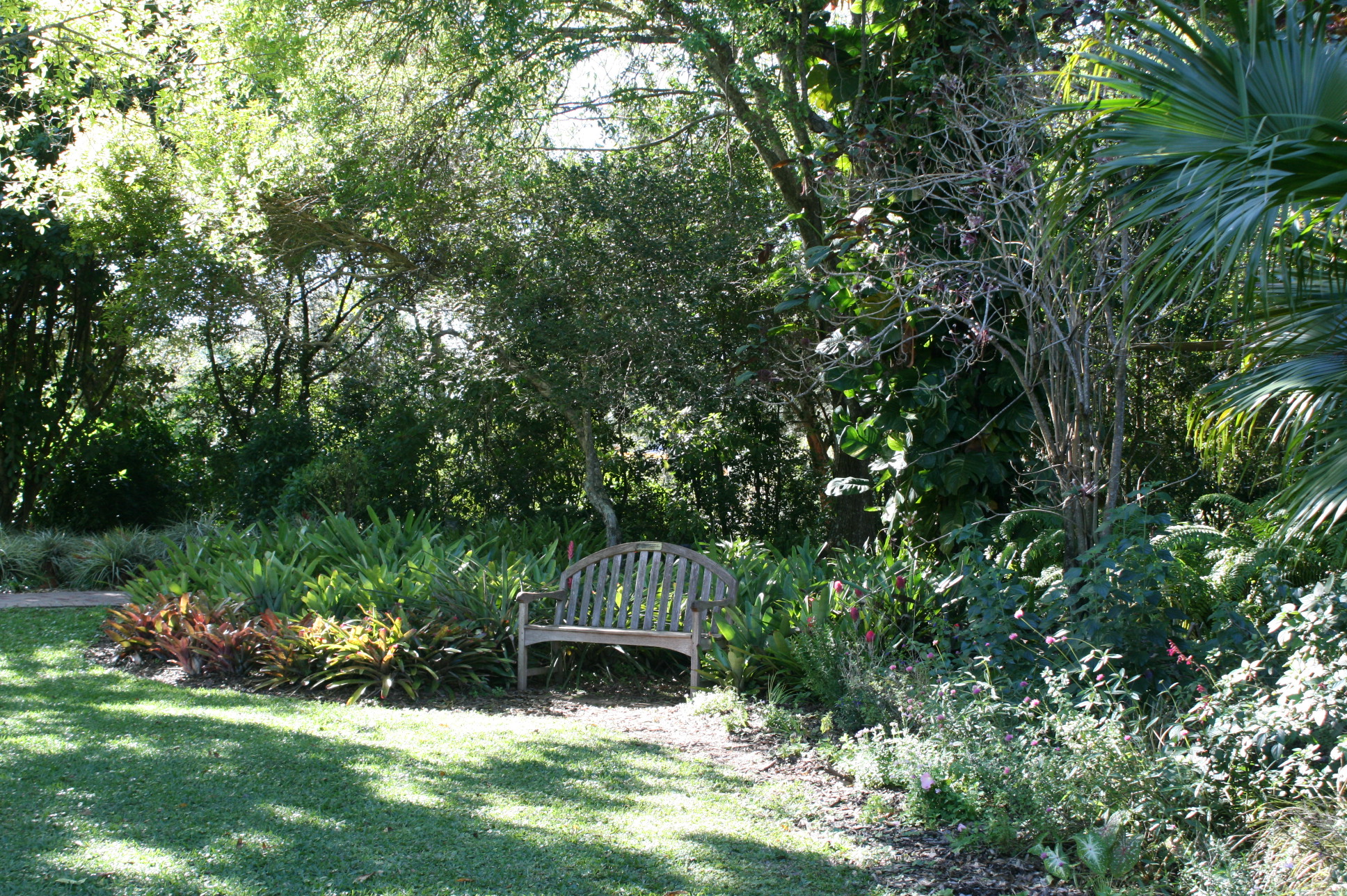
The garden was a delight, and so was the volunteer staff member who enthusiastically welcomed us, and explained the garden’s history and layout. It had originally been a nursery, and in 1985 the City of Ft Pierce had bought the house and land, to be developed and maintained by volunteers as a community resource. It has a large bonsai collection and there is a series of garden ‘rooms’, and a children’s garden and community vegetable garden.

The main lawn

The main lawn


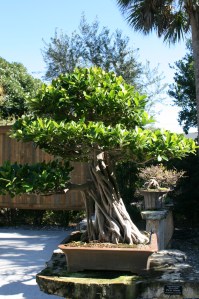
Bonsai Ficus, 25 years old

Bonsai Ficus, 25 years old


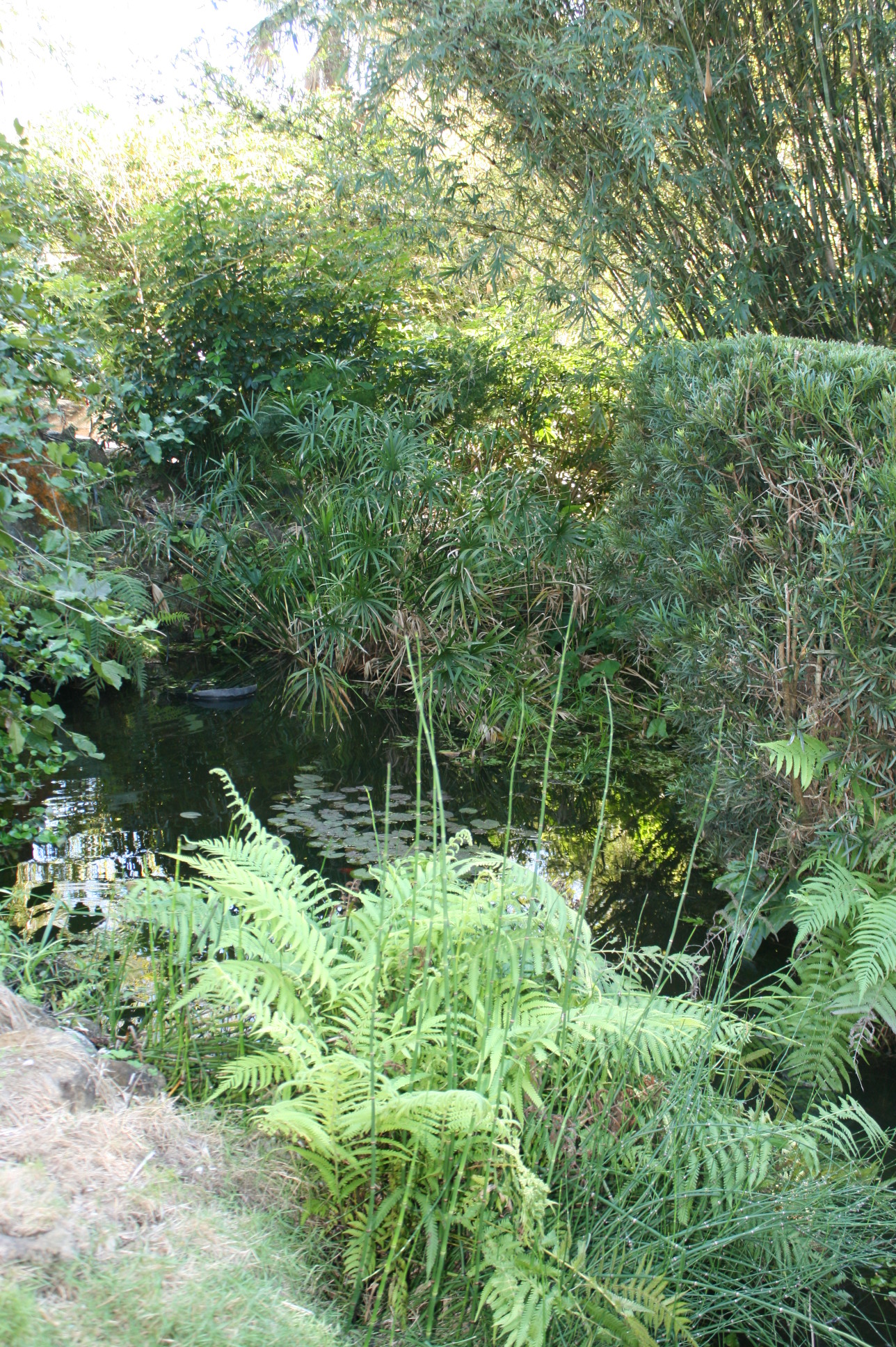
The Japanese Garden

The Japanese Garden


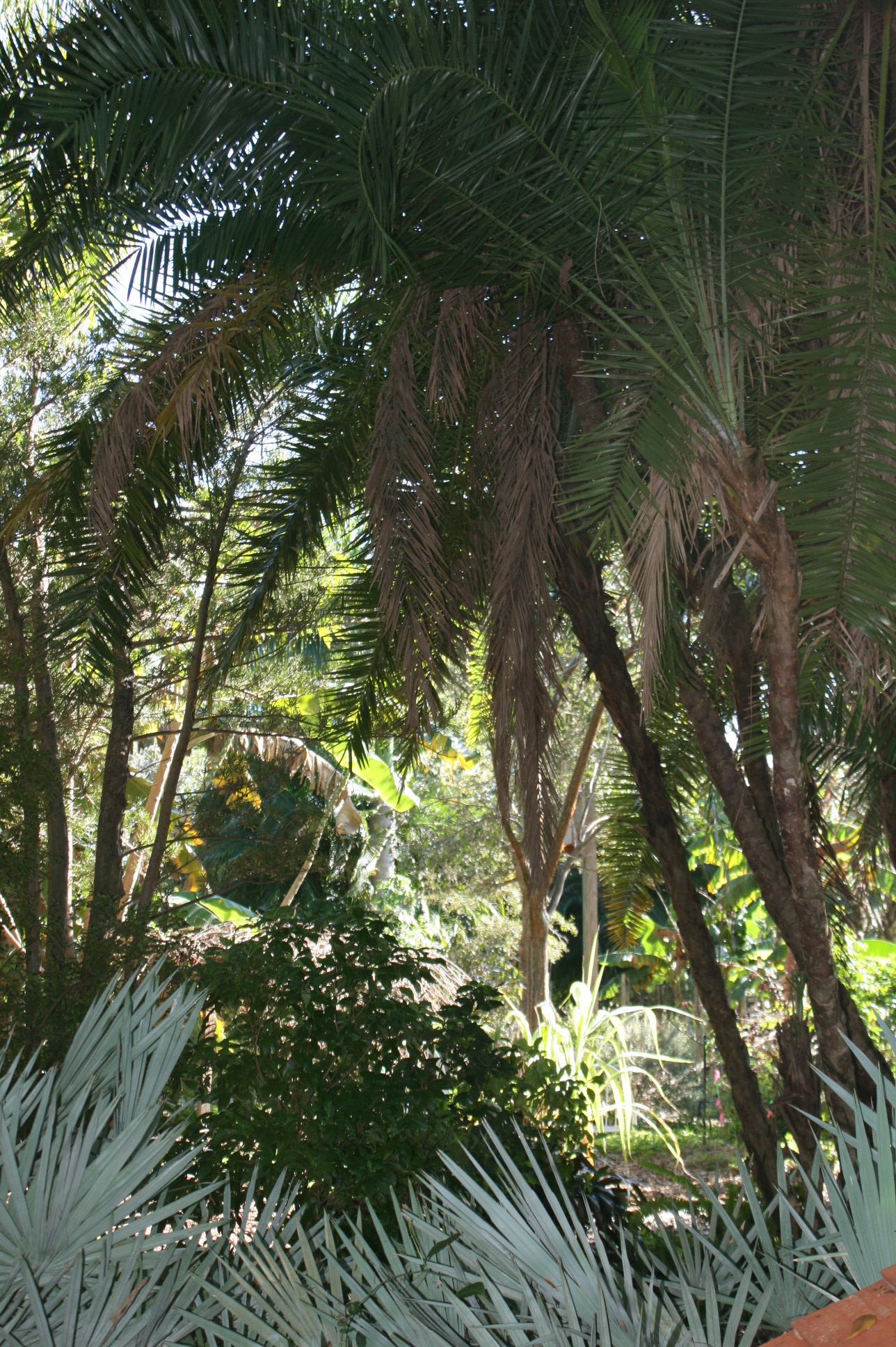
The Palm and Cycad walk

The Palm and Cycad walk


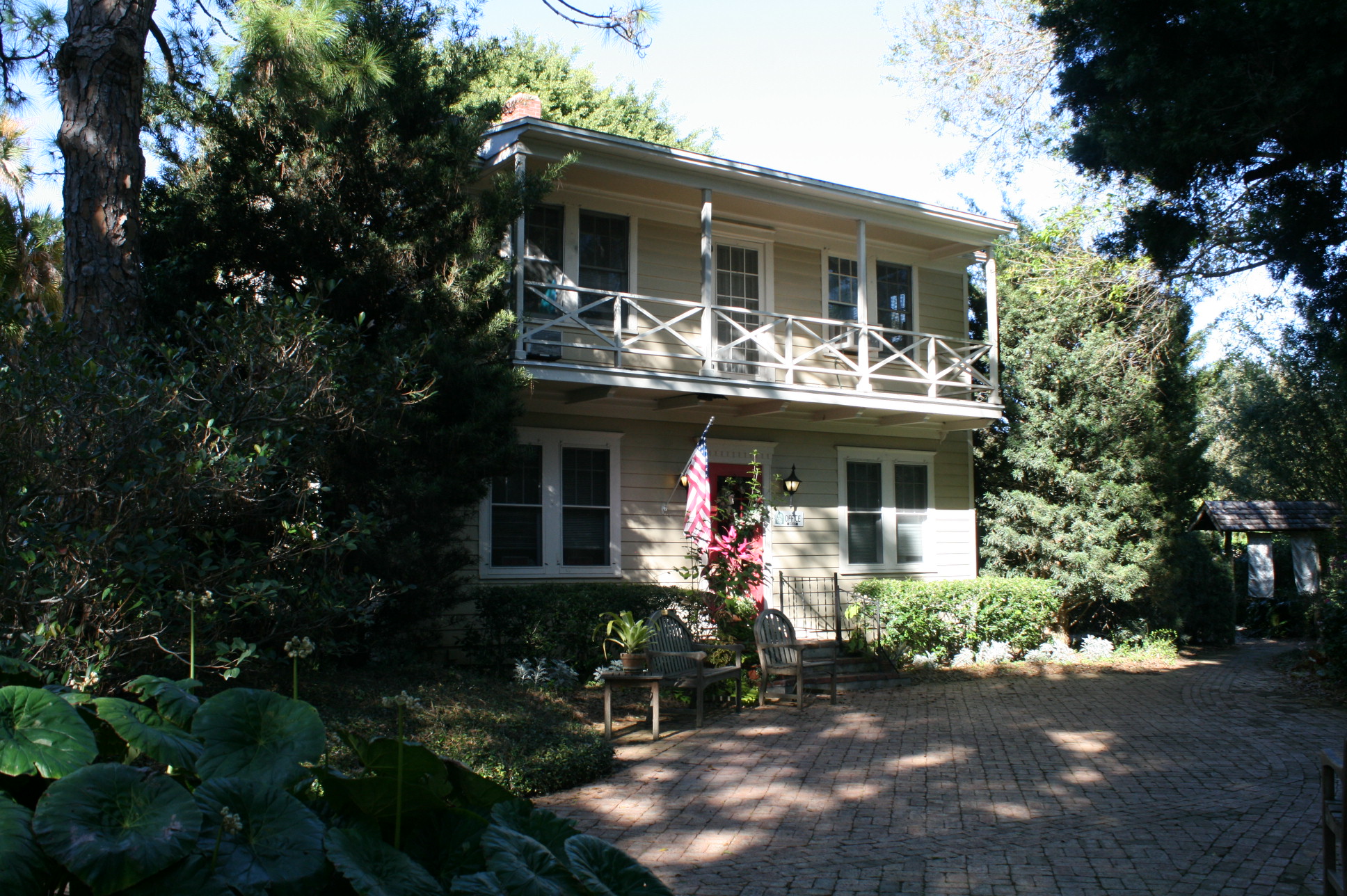
Heathcote House

Heathcote House


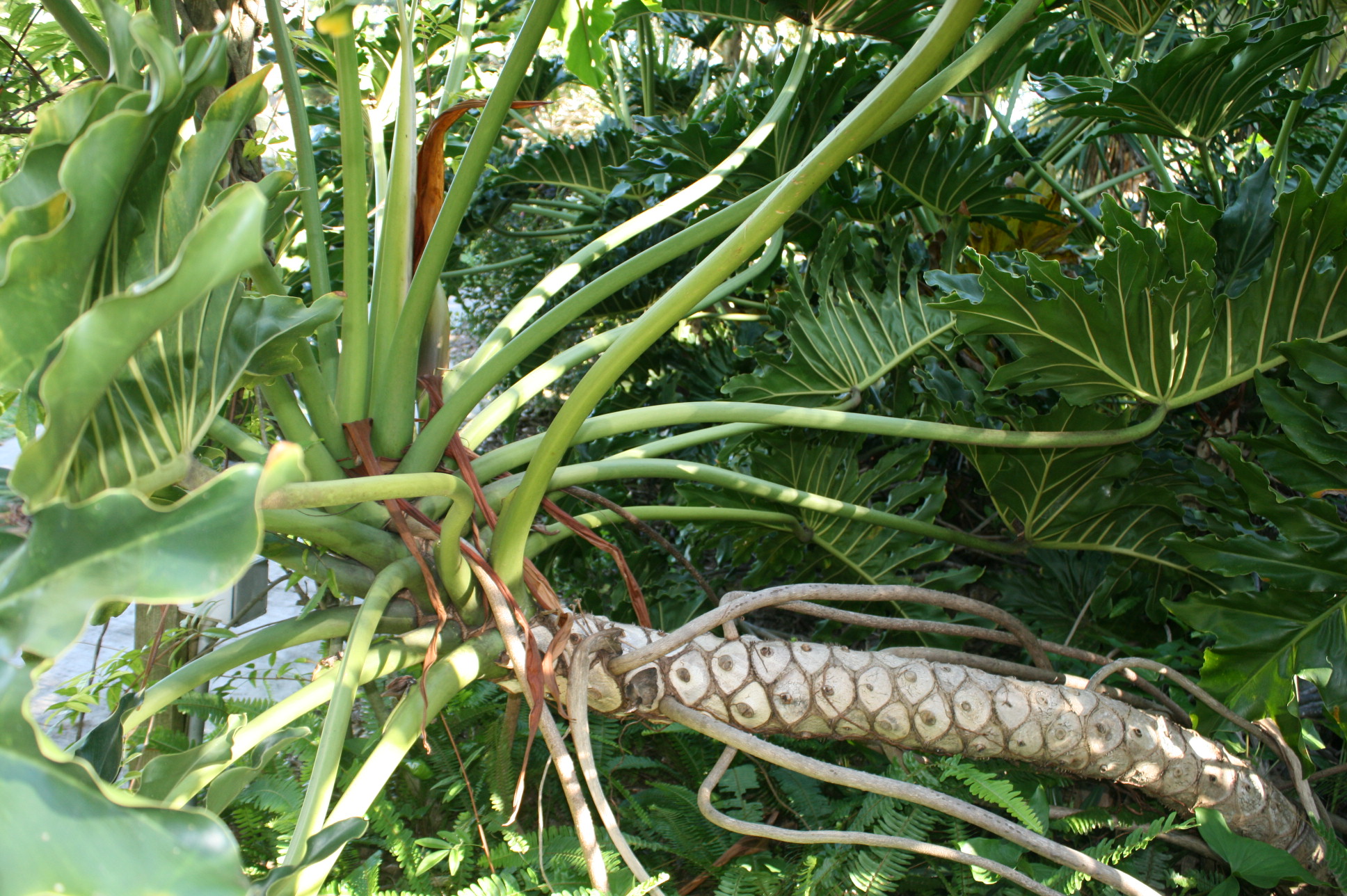
Tree Philodendron

Tree Philodendron


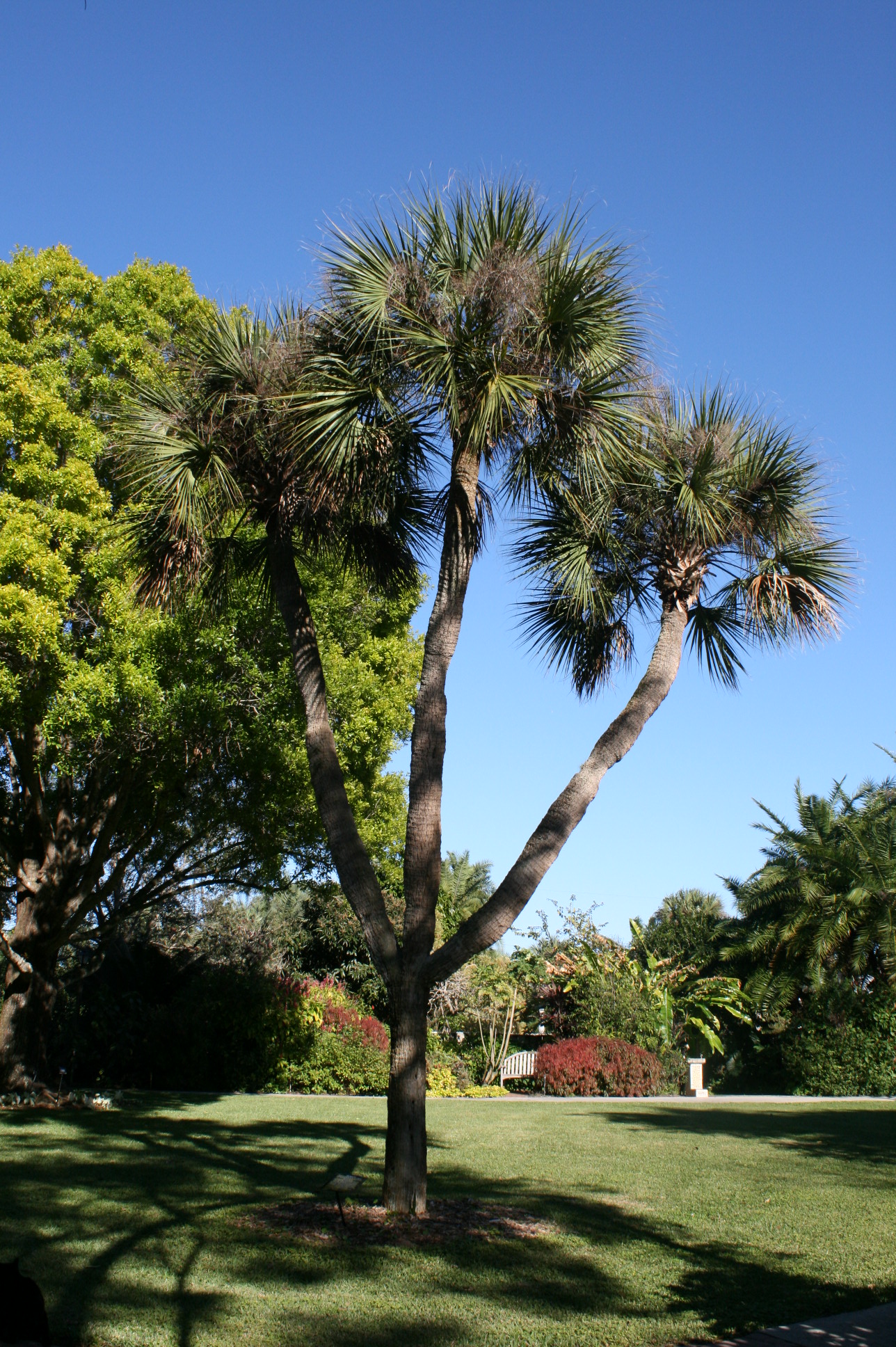
Triple-crowned sable palm

Triple-crowned sable palm

As we left Fort Pierce this morning, a manatee surfaced about two feet from the boat and popped his head out and looked round, but I didn’t have the camera with me, and perhaps it would have spoiled the moment anyway.

Leaving Fort Pierce City Marina

Leaving Fort Pierce City Marina


We travelled 25 miles north, passing lots of lovely small islands, and we’re now peacefully anchored off Wabasso.
Sparkling water and opalescent skies near Vero Beach,FL

Sparkling water and opalescent skies near Vero Beach,FL


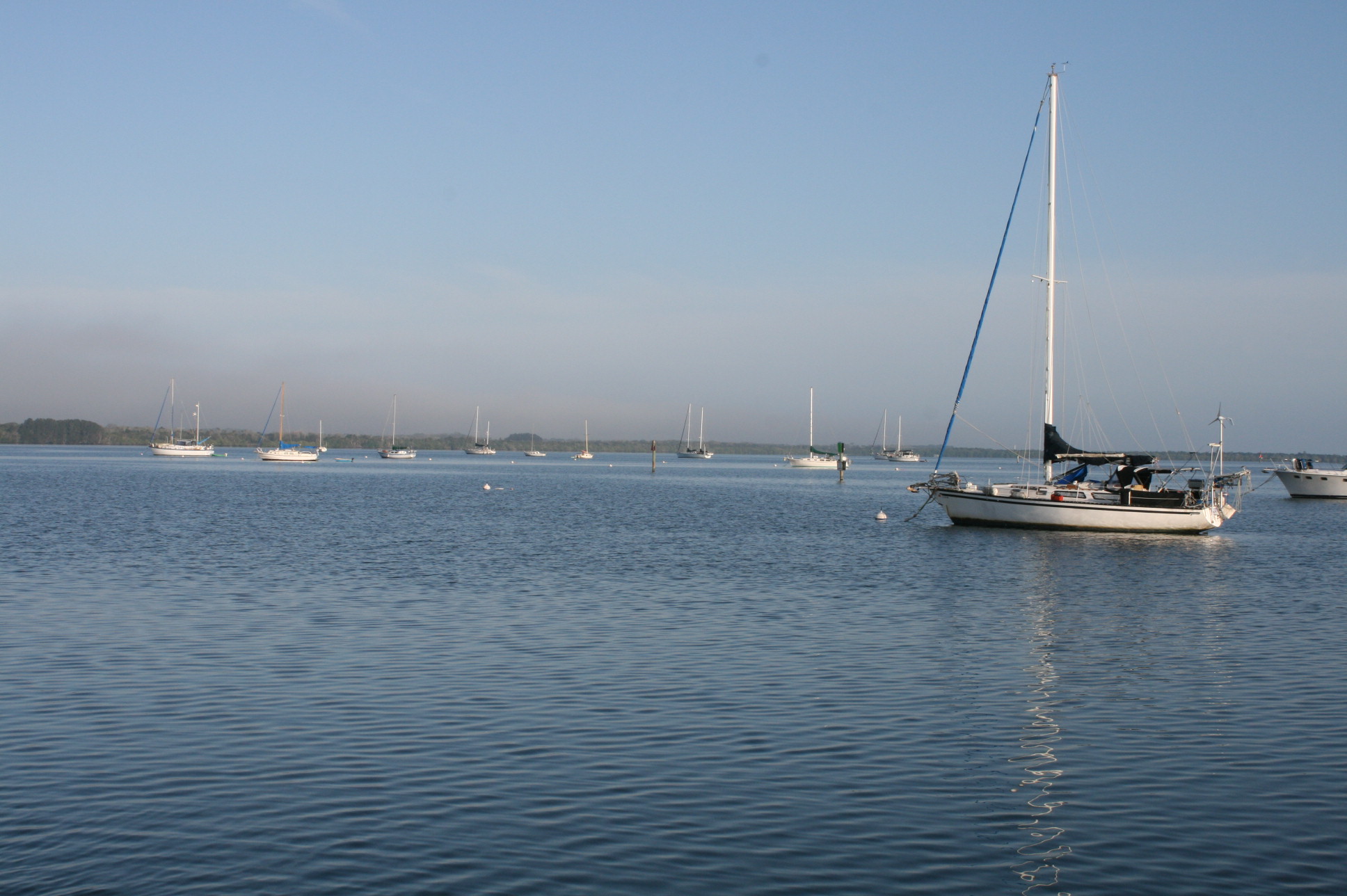
Carina anchored at Wabasso

Carina anchored at Wabasso