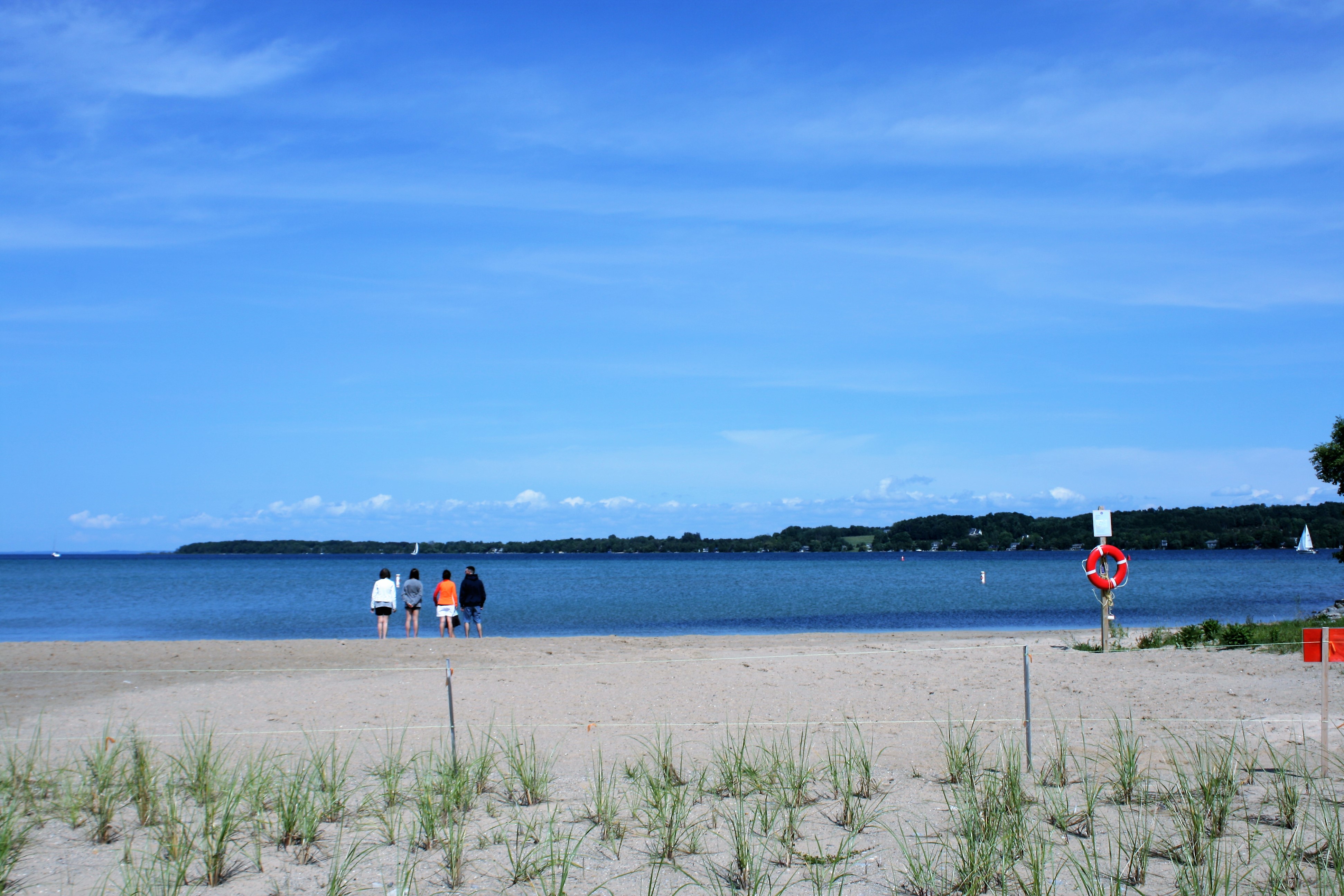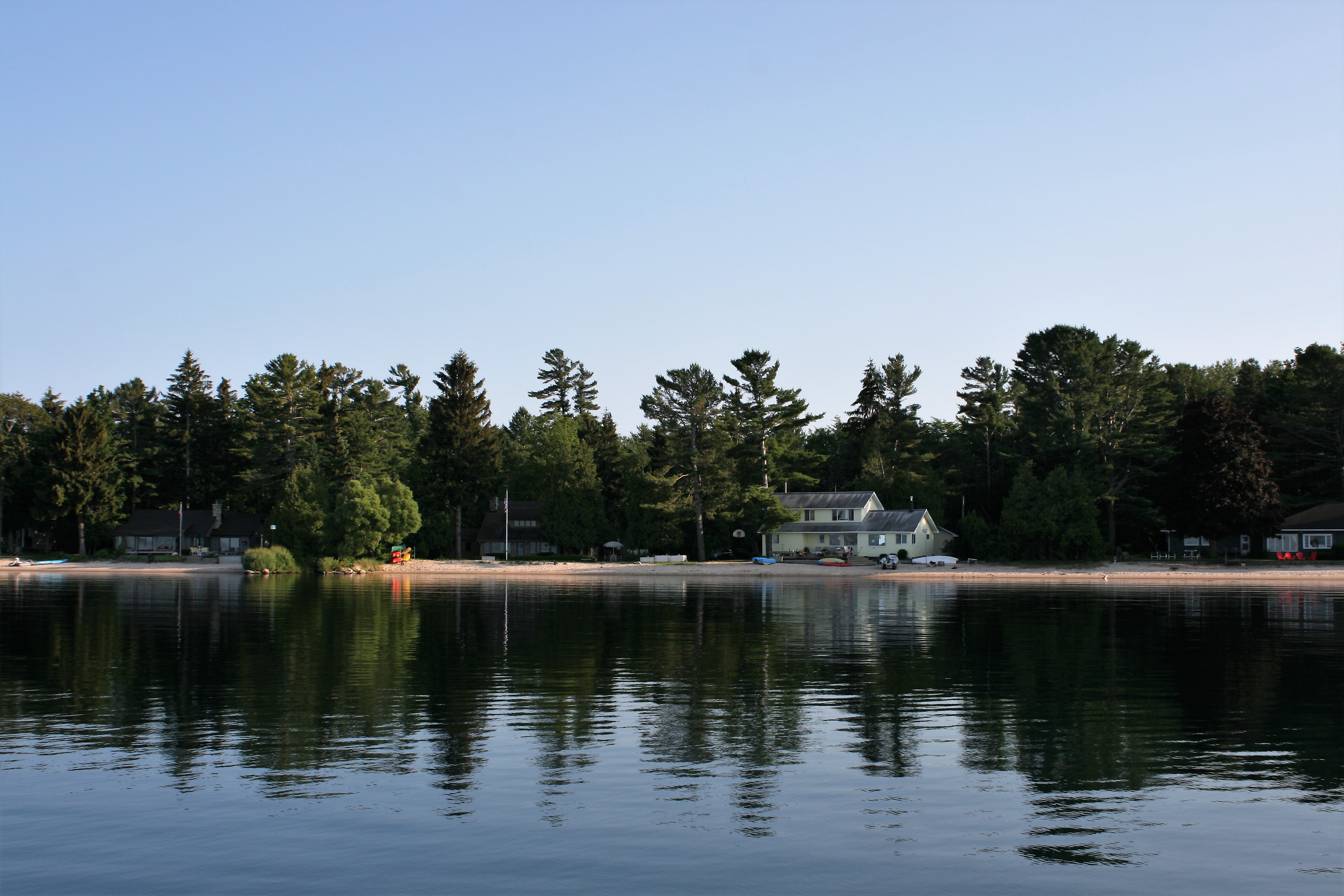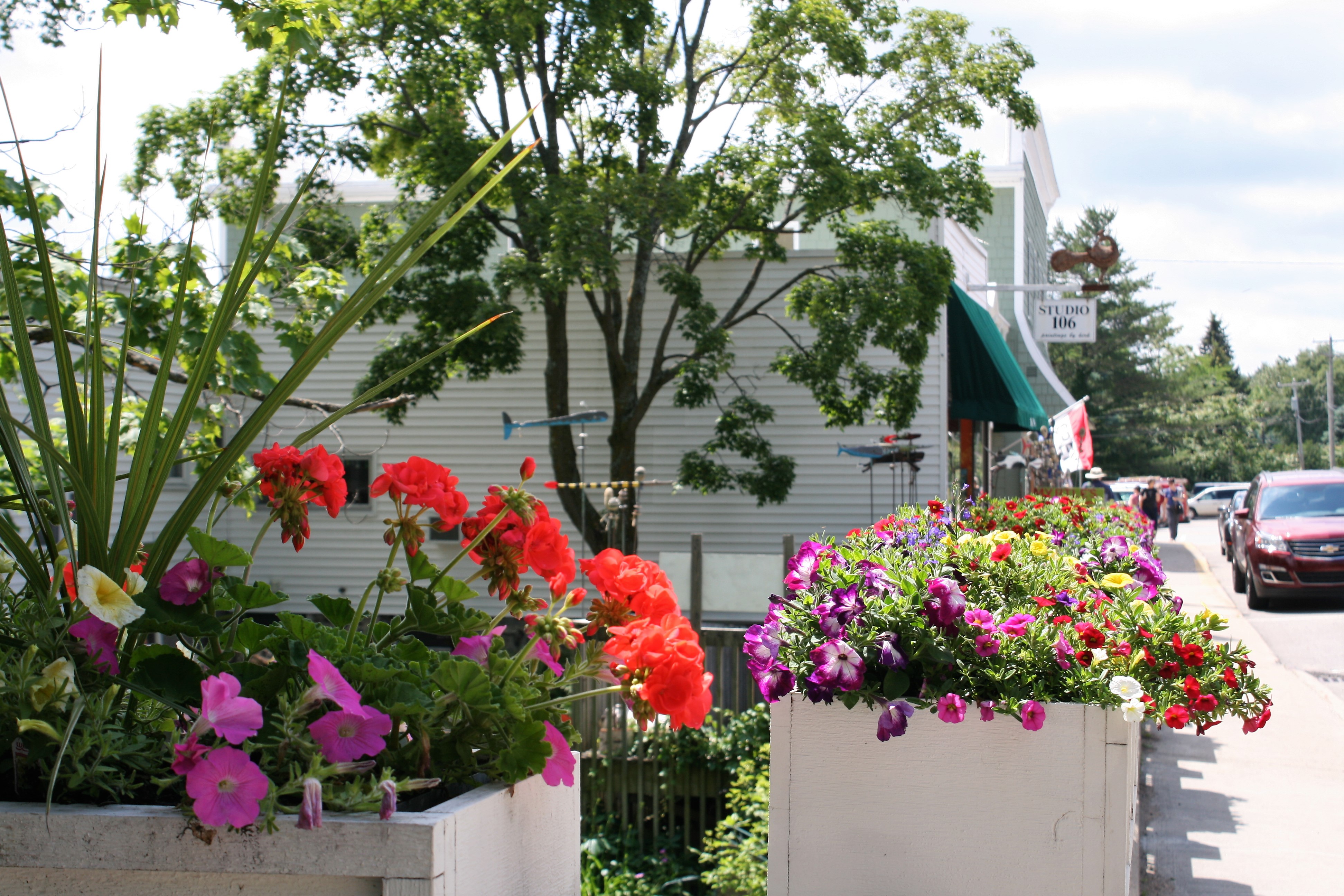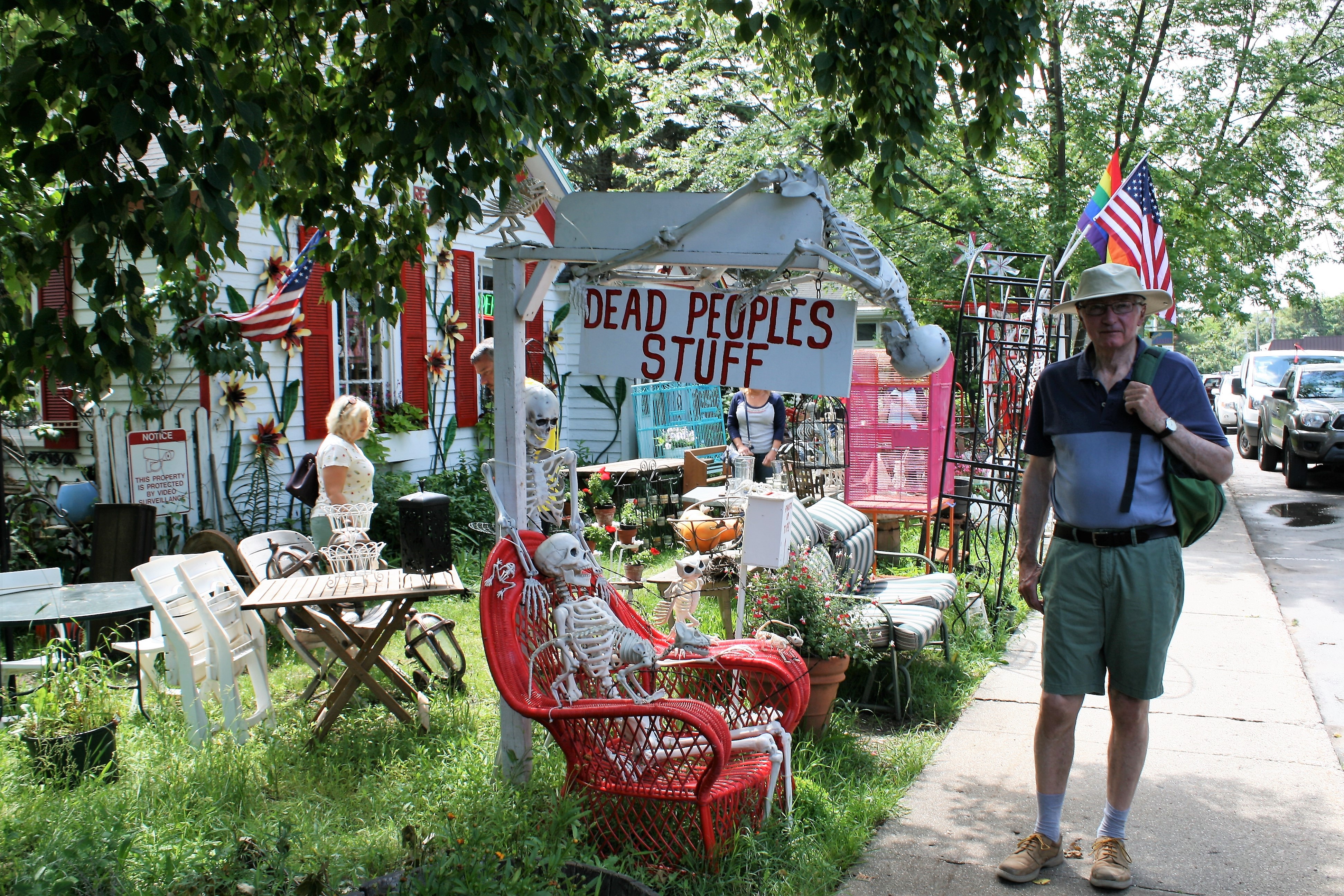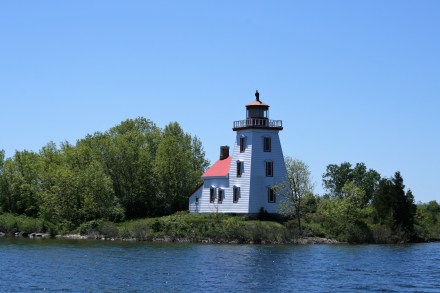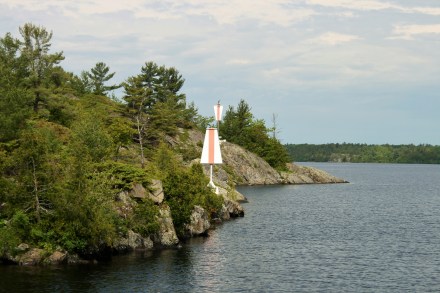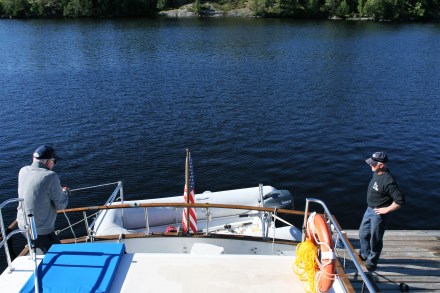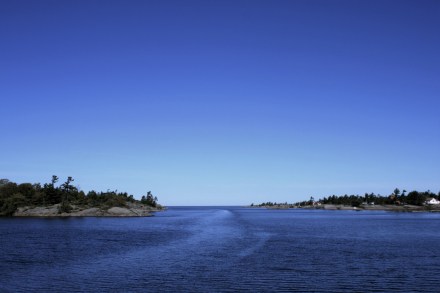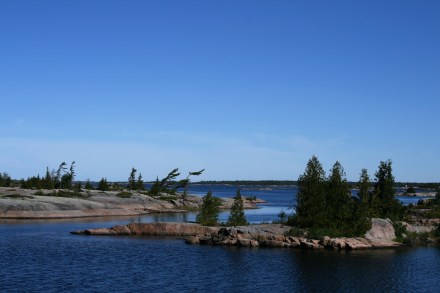
Michigan City to Chicago and on to Peoria


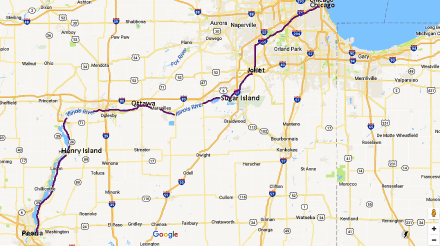
Chicago to Peoria

Chicago to Peoria

Just when you imagine that you’ve got the knack of this boating business, and that nothing could possibly go wrong, events prove otherwise.
IMG_0008Approaching Chicago

Approaching Chicago

IMG_0017Approaching Chicago


IMG_0019Monroe Harbor, Chicago

Monroe Harbor, Chicago

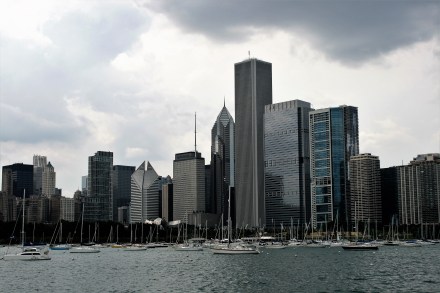
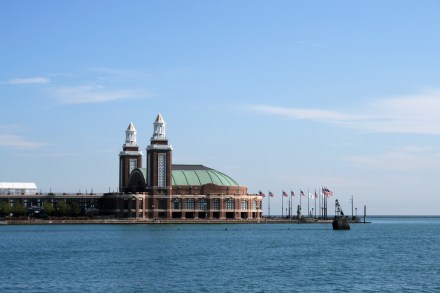
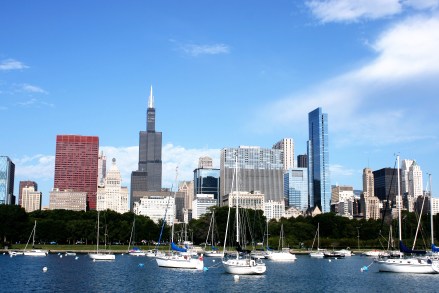
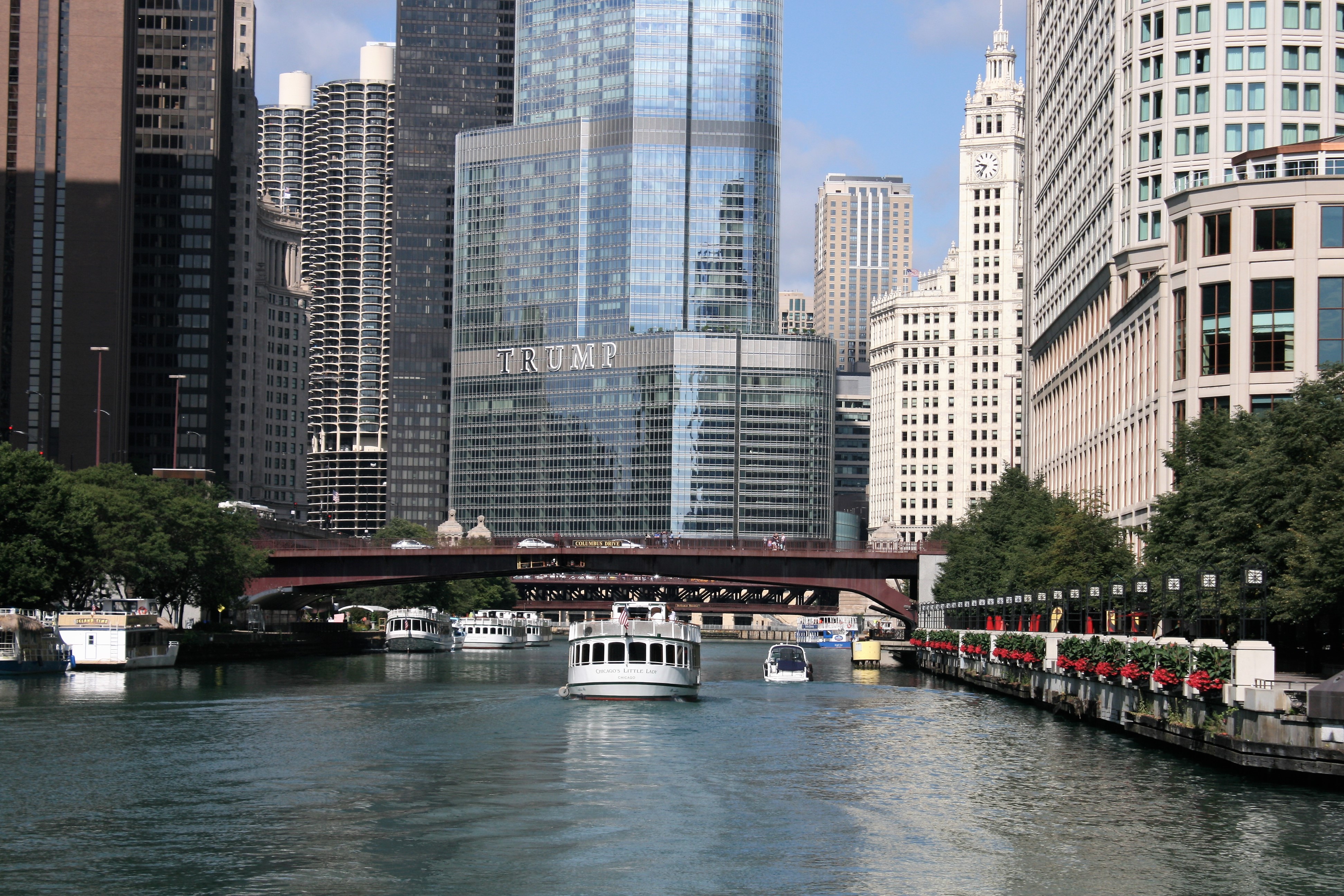
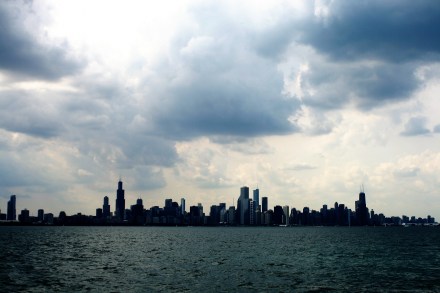
As we got closer to Chicago and the skyline loomed stark against the grey clouds that were building up, I thought about all the wild, beautiful places we had seen on this part of the trip – the wilderness of the North Channel, the beauty of Grand Traverse Bay, the dunes and the attractive towns and villages we had visited along Lake Michigan’s Eastern shore.

But approaching a great city from the water moved me in a quite different way, as I thought of all the history, the struggles and endeavours of past and present generations that any big city represents.

These lofty thoughts quickly dispersed when we had to address the practicality of mooring Carina in Monroe Harbor. I was already feeling queasy from taking photographs with Carina rocking about in the increasing swell. We had pre-booked a mooring – H19. It wasn’t easy to read the small numbers on the balls, but we found it. Ian brought Carina round into the wind and I grabbed the eye of the ball with the boat hook, expecting the ball to lift out of the water so I could attach a line. But nothing happened and with Carina being blown backwards, it took all my strength to keep my grip on the boat hook. Ian came down but there was no way we could reach down 8 feet to get a line attached. To add to the drama, Ian sustained a deep 2-inch gash to his thumb from something sharp on the boat hook, and this had to be quickly dressed before he could radio  for help. The harbourmaster very obligingly came out straight away, took a line off us and attached it to the ball. He reassured us that it wasn’t our fault – our foredeck was simply too high above the water to reach down. We later learned that there are little ‘hats’ which fit over the mooring balls and which make the operation easier, but you have to reserve them in advance. And also that we could have done it from the swim platform at the back of the boat, if the dinghy hadn’t been restricting our access.

The plan for the evening had been to get a water taxi and go for dinner at the Chicago Yacht Club. But Monroe Harbour is quite open to the lake, and the harbourmaster had told us there was a storm coming. The waves had been steadily increasing as we approached Chicago, but I had hardly noticed, amid the stress over the mooring ball and the lacerated thumb.

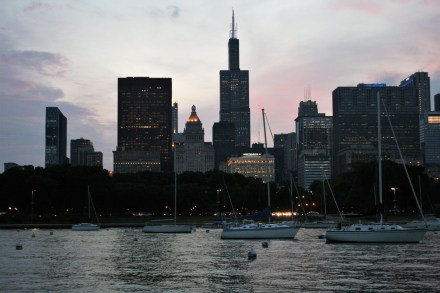
But as soon as we were safe, and the engine turned off, I realised that I really felt quite ill and spent the rest of the evening lying in my darkened cabin, while Ian got his own dinner. I  was able though to emerge at nightfall for a few minutes to take some more photographs.
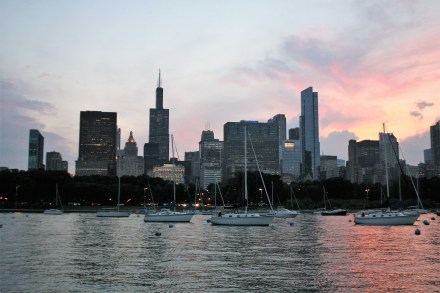
IMG_0022Evening, Monroe Harbor

Monroe Harbor, Chicago

IMG_0026nighttime

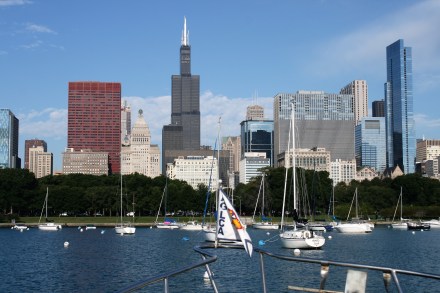
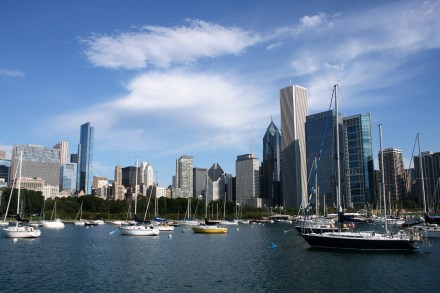
The next morning, the wind had changed direction, all was calm, and the sun came out.

We had already decided that we would press on to Peoria where we were going to leave the boat till next year, and save the Chicago sight- seeing till we come back next Spring. It was only a short distance to the Chicago Lock and the start of the Sanitary and Ship Canal.
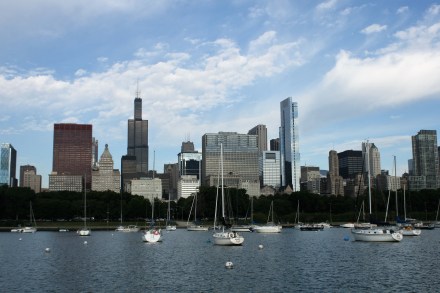
IMG_0029Monroe Harbour

Monroe Harbor, Chicago

IMG_0031Monroe Harbour

Monroe Harbor, Chicago


IMG_0032Monroe Harbor

IMG_0034Near the lock

IMG_0033Monroe Harbour

Chicago Lock

Start of the Sanitary and Ship Canal
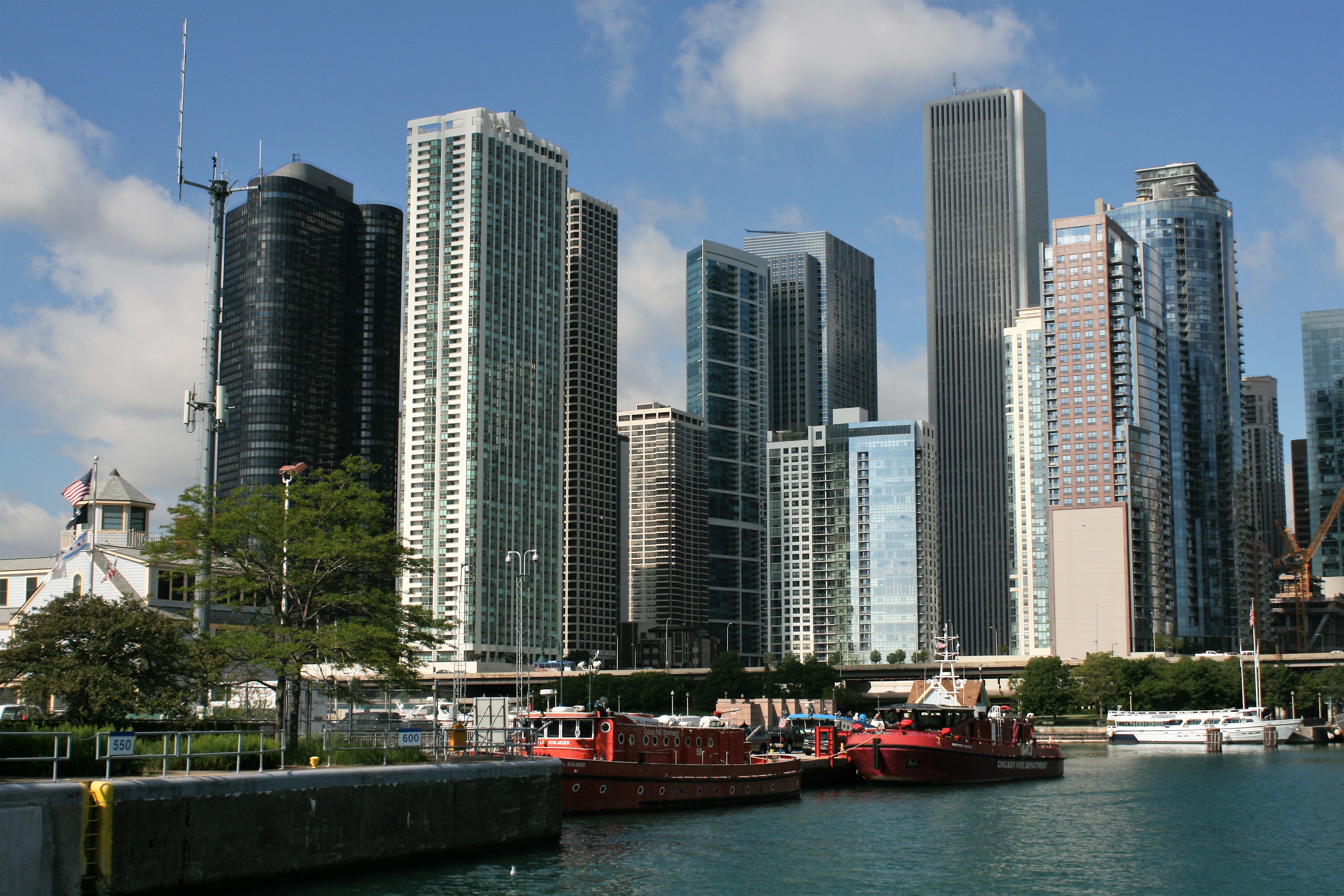
Leaving Chicago Lock
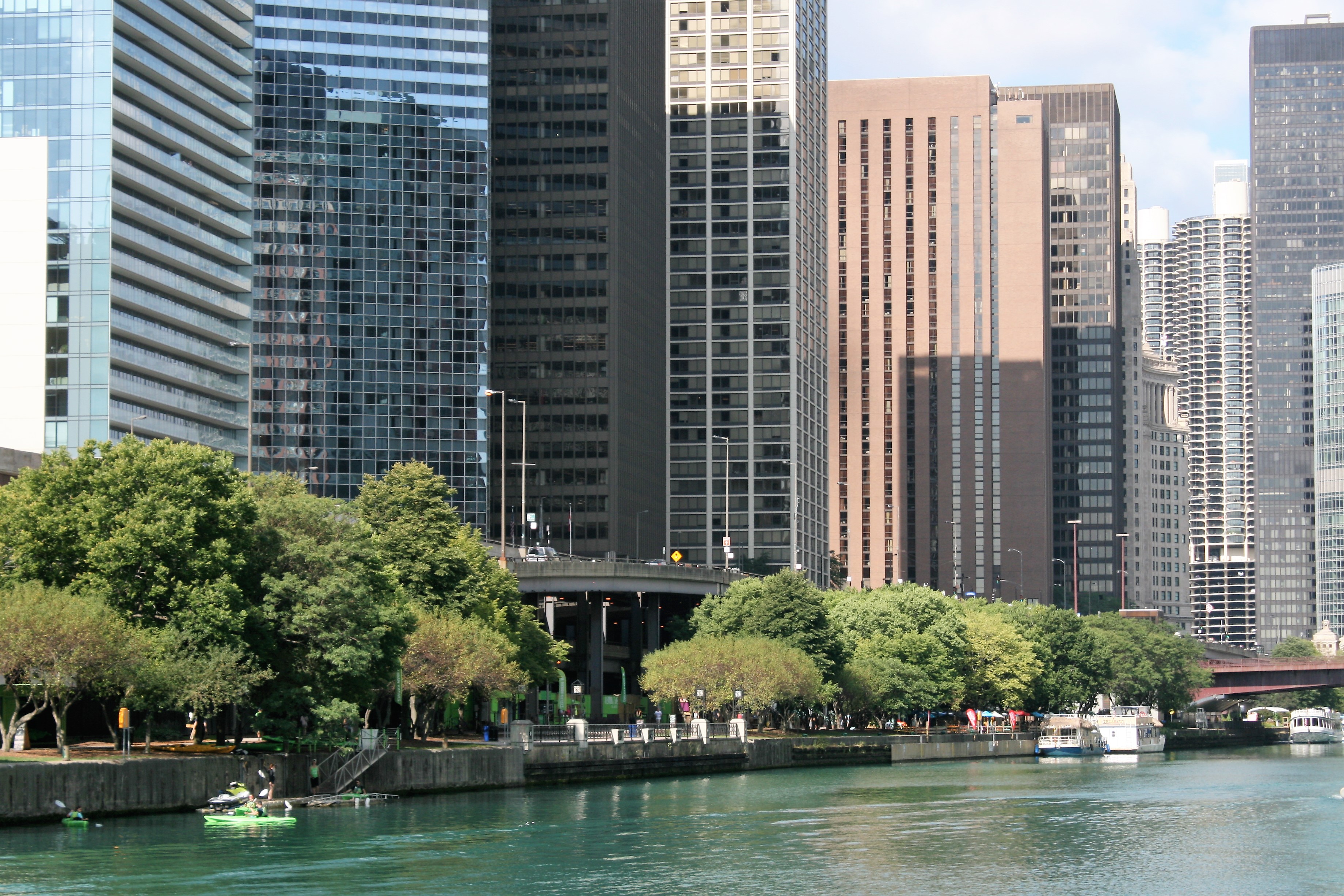
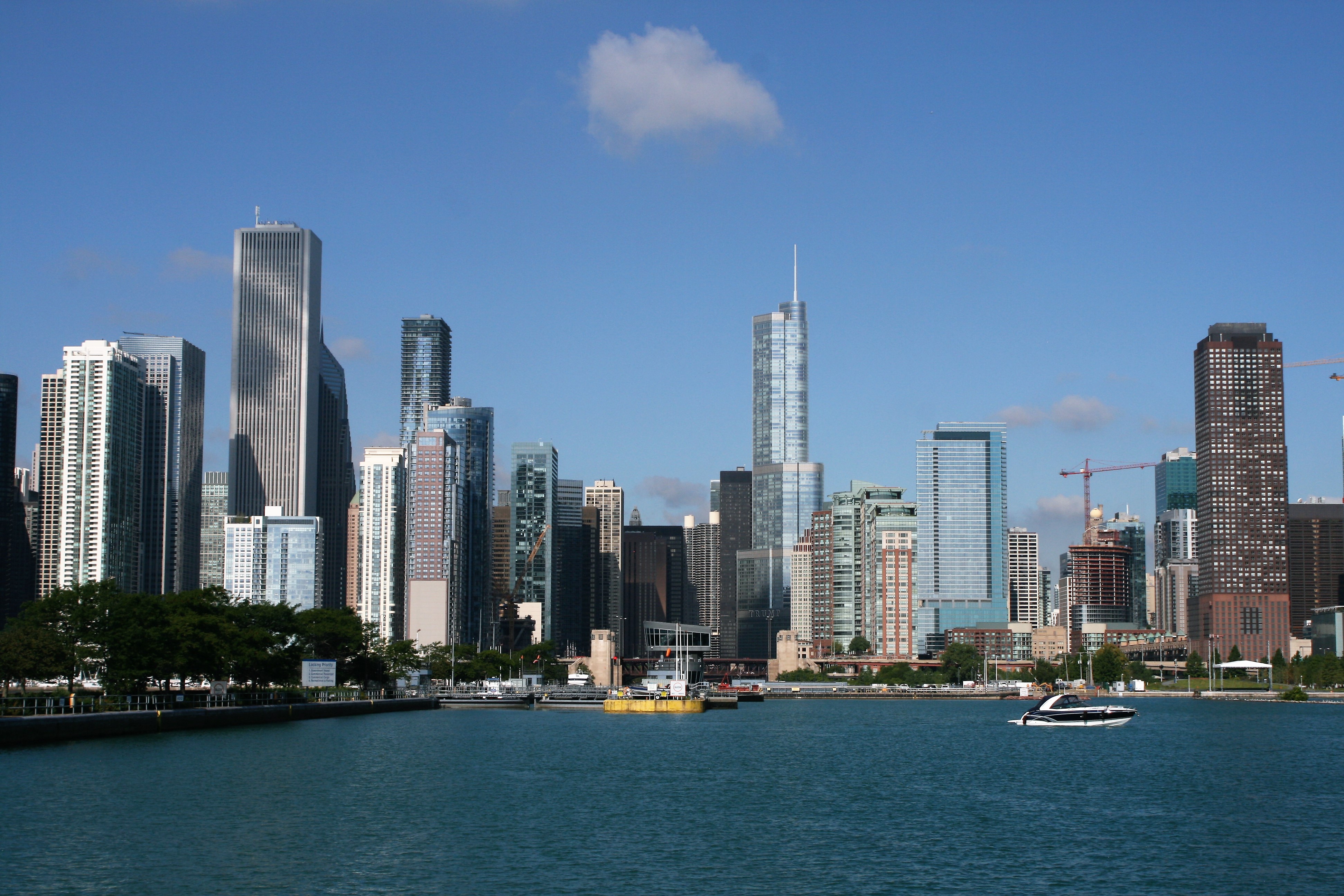
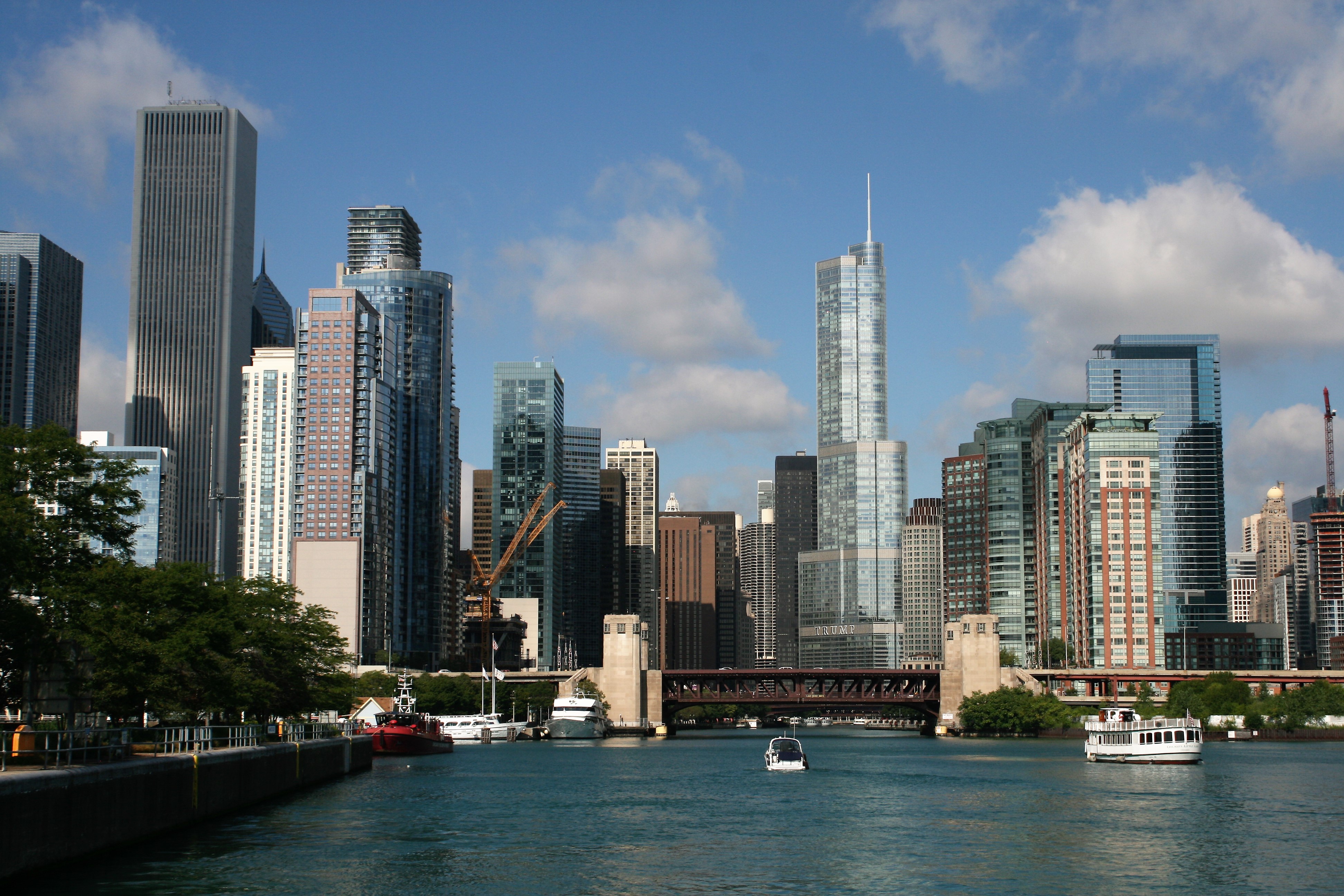
It wasn’t long before we left the glitzy high-rise and passed through the outer industrial areas.
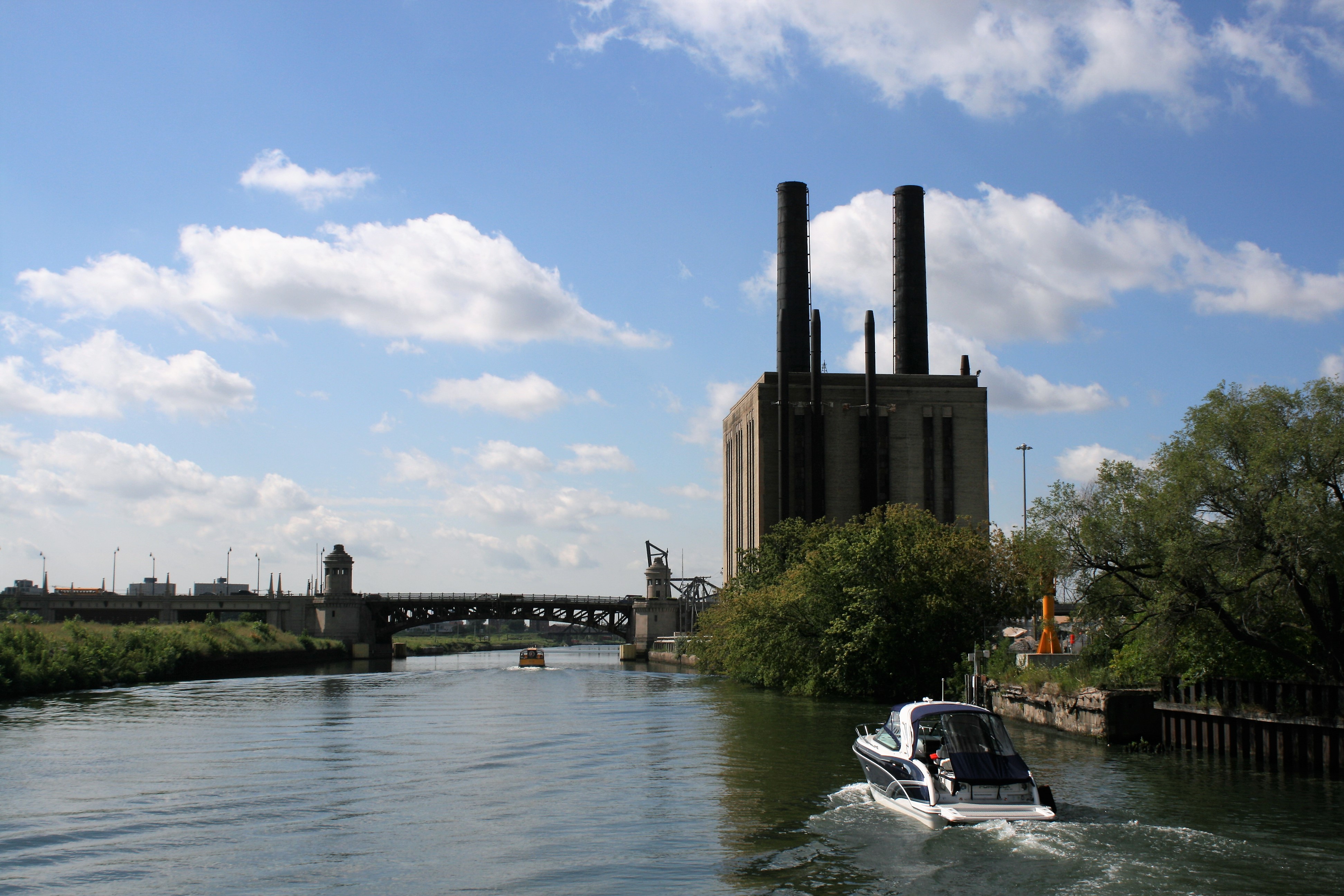
Amtrak Railroad Lift Bridge
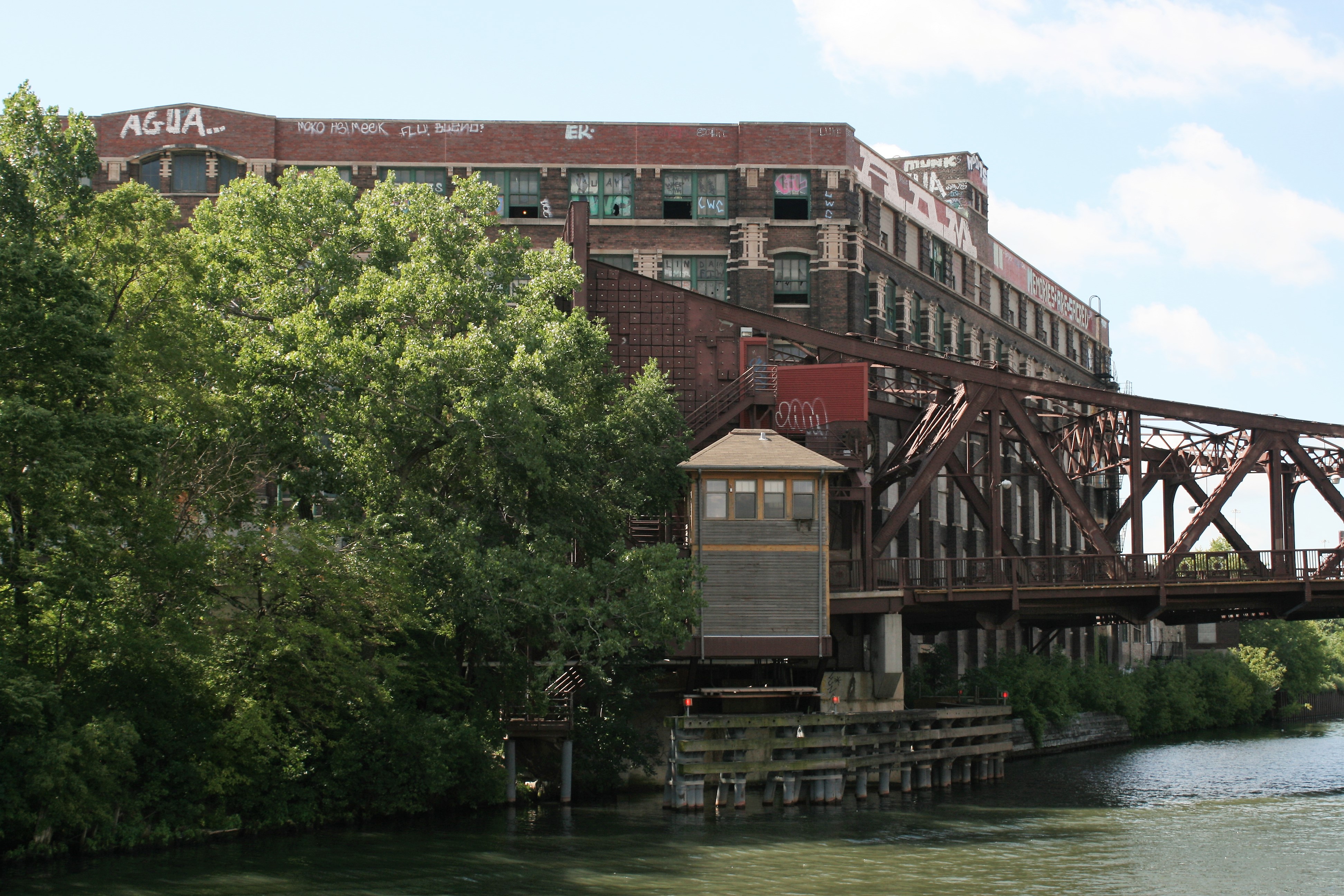
Graffiti
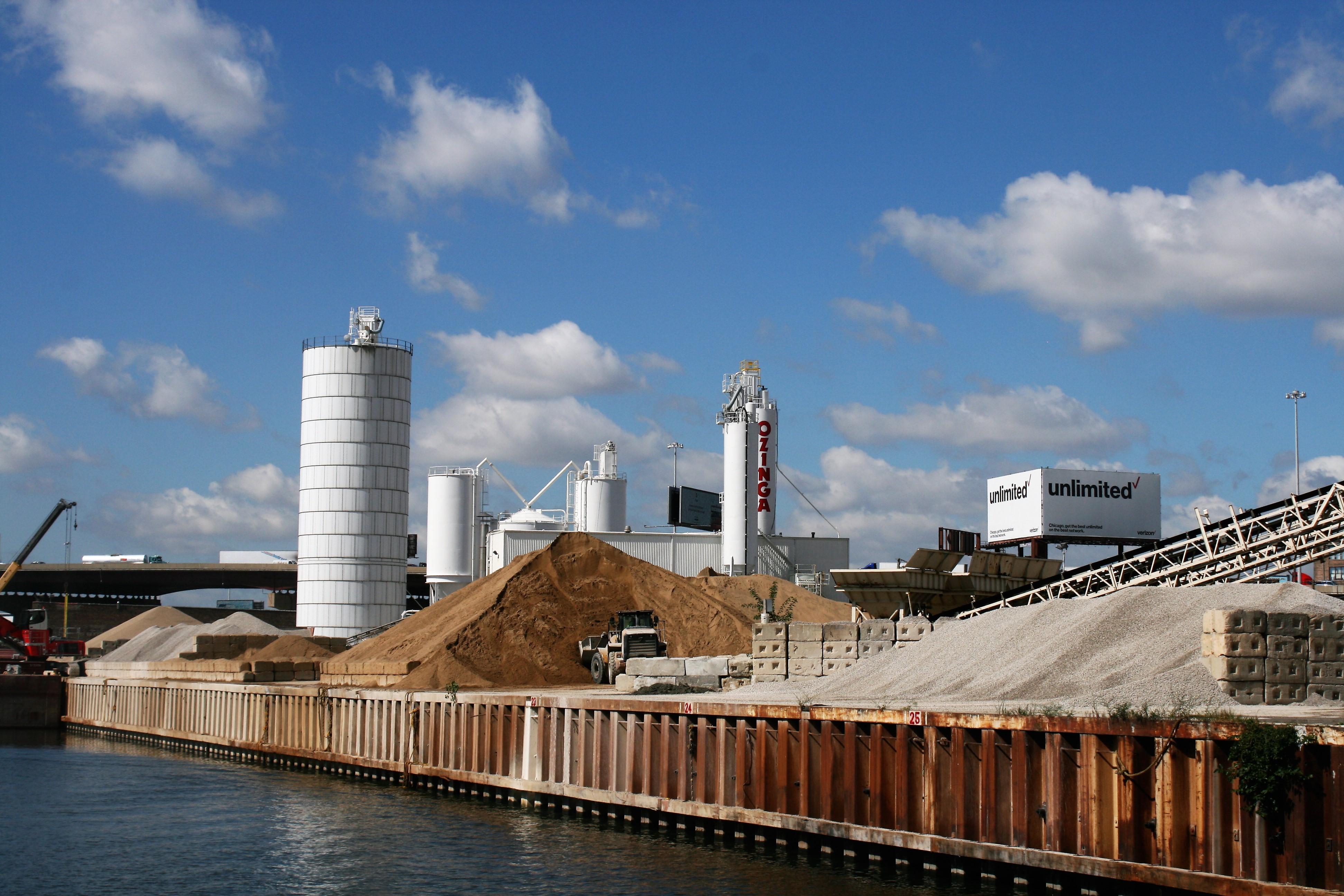
Sand and gravel

We were completely unprepared for the size of the industrial barges, which are a frequent sight. There was no doubt about who had right of way. How the captains actually steer the things remained a mystery.Barge
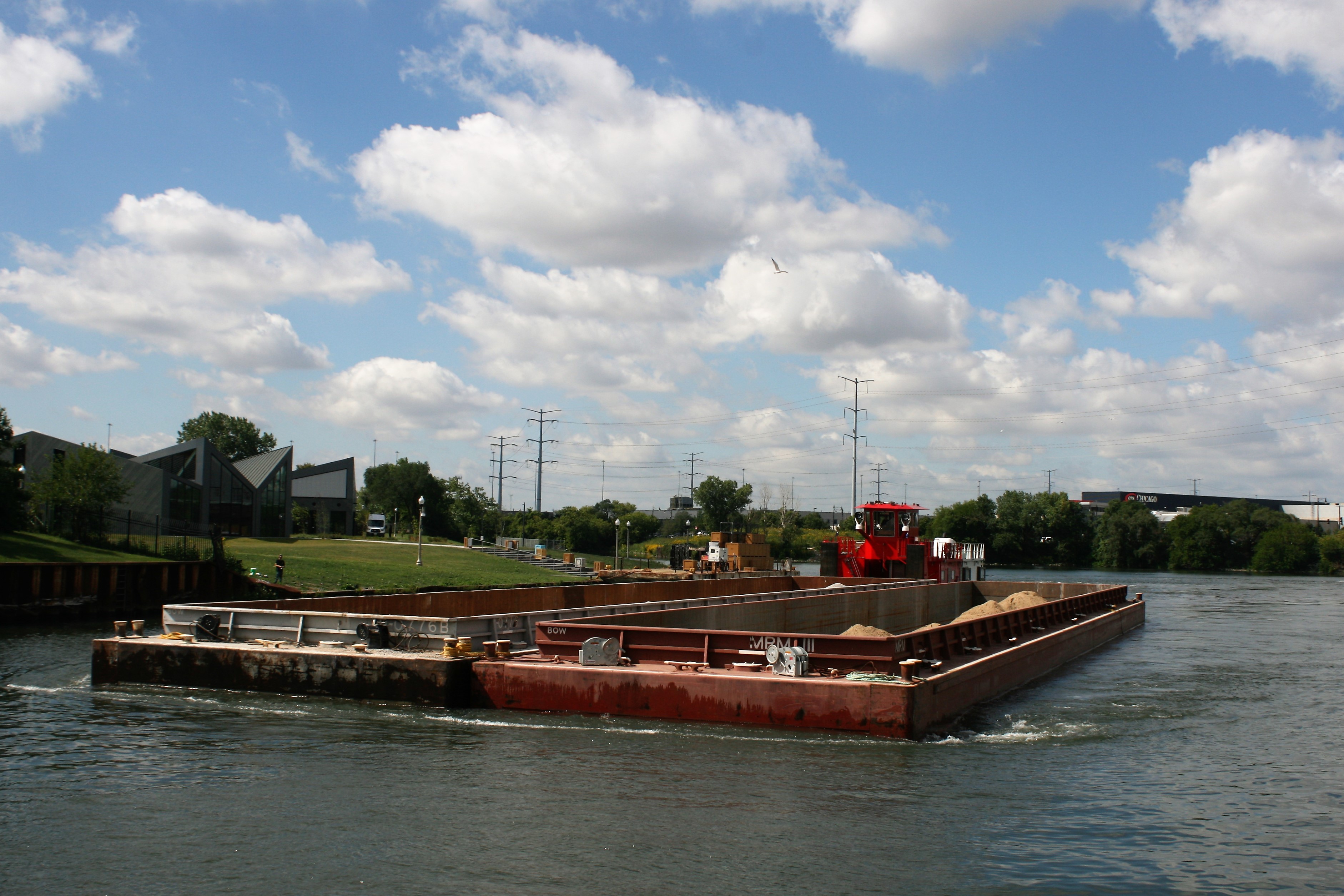
Handling the boat in the locks wasn’t a problem. There are large bollards which move down as the boat goes down, and it was easy to just place the midline around it. But pleasure craft play second fiddle to all the commercial boats and we had lengthy waits in places.

Lockport Lock

Lockport Lock was built in 1910 to control the flow of water from Lake Michigan and the Sanitary & Ship Canal into the Des Plaines River.

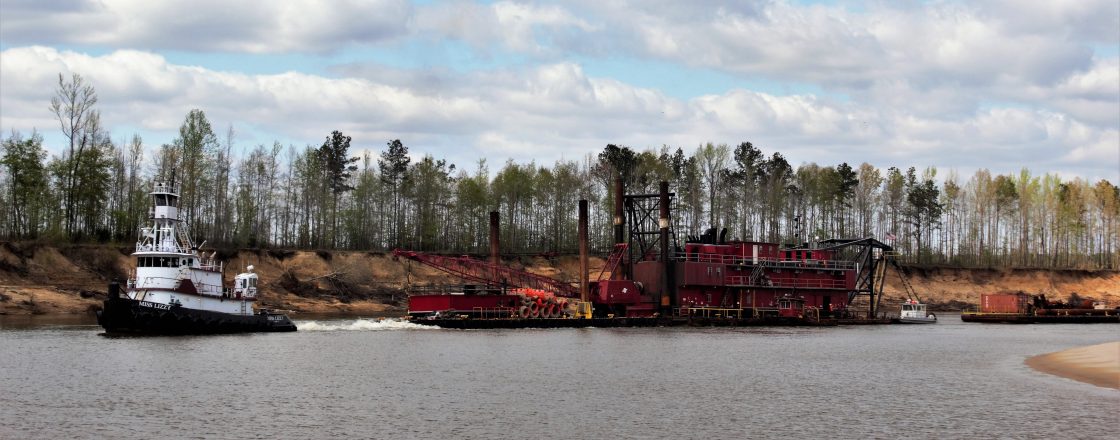
At one point, not far from Joliet where we planned to tie up, we heard a coastguard announcement over the radio to the effect that a fish barrier was in operation, and the river would be closed for three hours, until 6 o’clock. The fish barrier passes electric current through the water and repels the fish, and prevents Asian Carp from getting into Lake Michigan. We had no choice but to tie up against a high, rough concrete wall, and lassoing the cleat was certainly more of a challenge than managing the bollards in the locks.

In the event, we didn’t have to wait till 6 o’clock before they let us go through, and got to Joliet well before dark. A fellow-boater called Don helped us tie up on the town dock wall, where there was even free electricity.
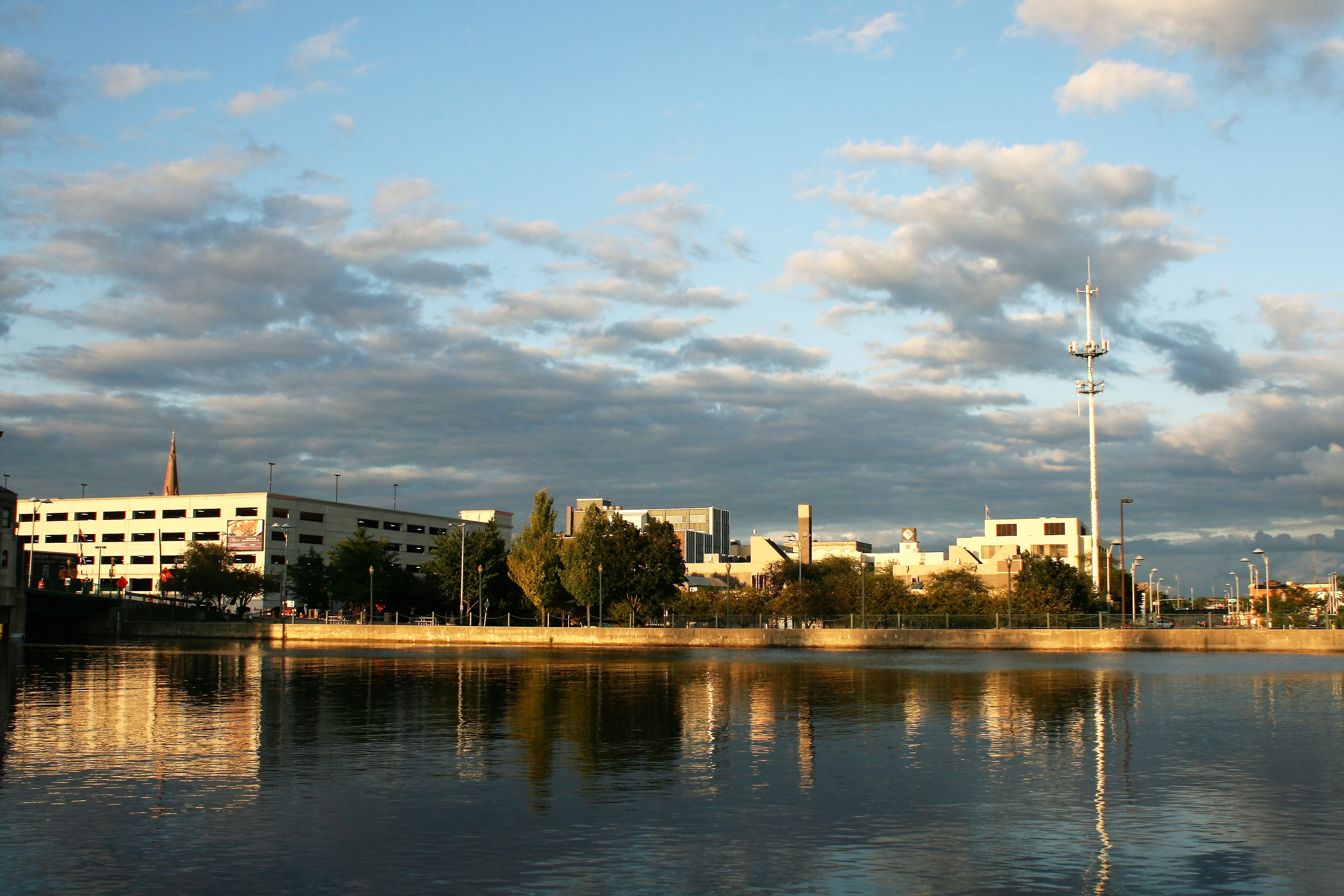
Evening sun, Joliet

Don said we should stay another day, because the next night there was going to be a concert in the park, followed by a firework display. We ‘d had three hard days of travel since leaving St Joseph, so we didn’t need a lot of persuading to have a break. The following afternoon, we thought we would have a look at Joliet downtown, across the bridge from the mooring. Although there were lots of people driving round in cars, there was no-one actually walking on the streets. The absence of other people was slightly unnerving, and as there was an absence of coffee shops as well, we turned round and had a cup of tea and a cookie on the boat instead.

People did come out for the fireworks though, setting out chairs in the riverside park next to the dock. We had a great view from the boat.

IMG_0005Joliet

Fireworks at Joliet

IMG_0020Firework

IMG_0021Firework

IMG_0039Firework

IMG_0045Firework

South of Joliet, the Des Plaines River meets the Kankakee River to form the Illinois River, widening out and running alongside a series of lakes. There were still locks to contend with.
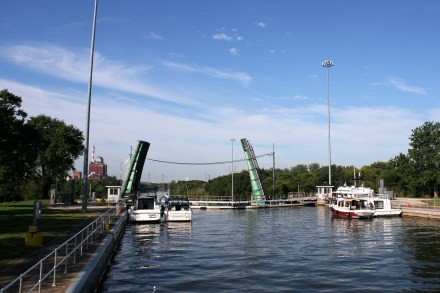
IMG_0047Brandon Lock

Brandon Lock

IMG_0051McKinley IslandDEs Plaines River

McKinley Island Des Plaines River

After a few nights in marinas and on the town wall at Joliet, it was time for a quiet anchorage at Sugar Island.

IMG_0053Mooring at Sugar Island

Evening at the anchorage at Sugar Island

The next morning I woke up very early and took a few more photographs.

IMG_0004SugarIsland

Early morning Sugar Island

IMG_0007Sugar Island

A few minutes later

Looking north, a fine shaft of sunlight gradually lit up the water.
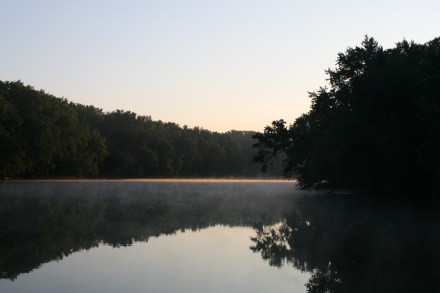
IMG_0008Sugar Island

Early Morning Sugar Island

Our next stop was Ottawa, but a few miles before we got there we had to negotiate Marseilles Lock. This was not difficult in itself, but a very large barge travelling north had got there before us. There were so many barges linked together that it couldn’t all fit into the lock at the same time. So half of it came up  first, and waited at the top of the lock. The sensible thing would have been for the lockmaster to tell the barges to move forward enough to let the pleasure craft get into the lock and go down, while it was being emptied. But he didn’t, and left us, and several other boats, waiting in the pound while the lock emptied and the rest of the barge came up. Having initially been told our wait would be 20 minutes, we actually waited over two hours.
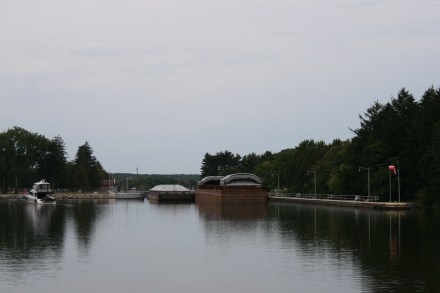
IMG_0022Marseille Lock

Waiting at Marseilles Lock with the barges blocking our access

But Heritage Harbor Marina at Ottawa was very nice. Jeremy, the harbor master, was helpful and friendly, we used the courtesy car to go to the laundromat and do the shopping, and then we had a swim in the pool. Then we had a nice meal at the Red Dog Grille, in the marina grounds. On the way back to the boat we chatted to Frank, one of the local boat owners. He commiserated over our experience with Marseilles Lock, which is apparently notorious.

IMG_0025Leaving Heritage Harbor Ottawa

Leaving Heritage Harbor Ottawa

IMG_0026Illinois River nezr Ottawa

Illinois River near Ottawa

IMG_0028Abraham Lincoln MemorialBridge JonesvilleIL

Abraham Lincoln Memorial Bridge, Jonesville

There was still some industry here and there.

IMG_0029Barge being unloaded at Hennepin Power Station

Barge being unloaded at Hennepin Power Station

Our last night before reaching Peoria was at Henry Island. We had decided by this time we would fly to Virginia from Chicago to see the family again, and needed good wifi to book the tickets. We had to find a cafe where we could avail ourselves. The only place that seemed suitable was Hennepin, where apparently there was a wall where you could tie up. The only snag was that having tied up, it was quite a step up to the top of the wall, and then you had to scale a two-bar metal fence with very unfavourable curvature, to access the town.  Spratt’s Tap was the first establishment we came to, and I felt after my fence-climbing efforts I needed and deserved a beer, though Ian stuck to lemonade. For some reason the laptop wouldn’t connect to the guest wifi, and after a very frustrating and stressful hour spent trying to book the tickets on my phone, Ian had to ask the owner if we could possibly use the private wifi. No problem, he said, another of the many kindnesses we have been shown on this trip.
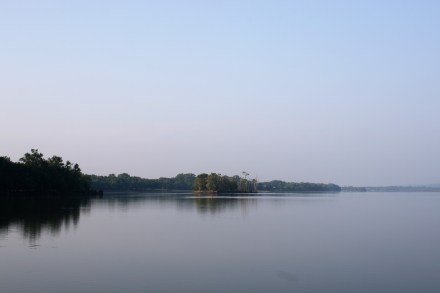
IMG_0032Leaving Henry Island

Leaving Henry Island

Henry Island was a beautiful place for our last anchorage. The next day we reached National Marine at Peoria and spent a day packing everything up before leaving for Chicago. We’ll be back in the spring of 2018 to continue our journey south on the rivers.


Saugatuck, St Joseph and Michigan City

Saugatuck to Michigan City

Saugatuck to Michigan City

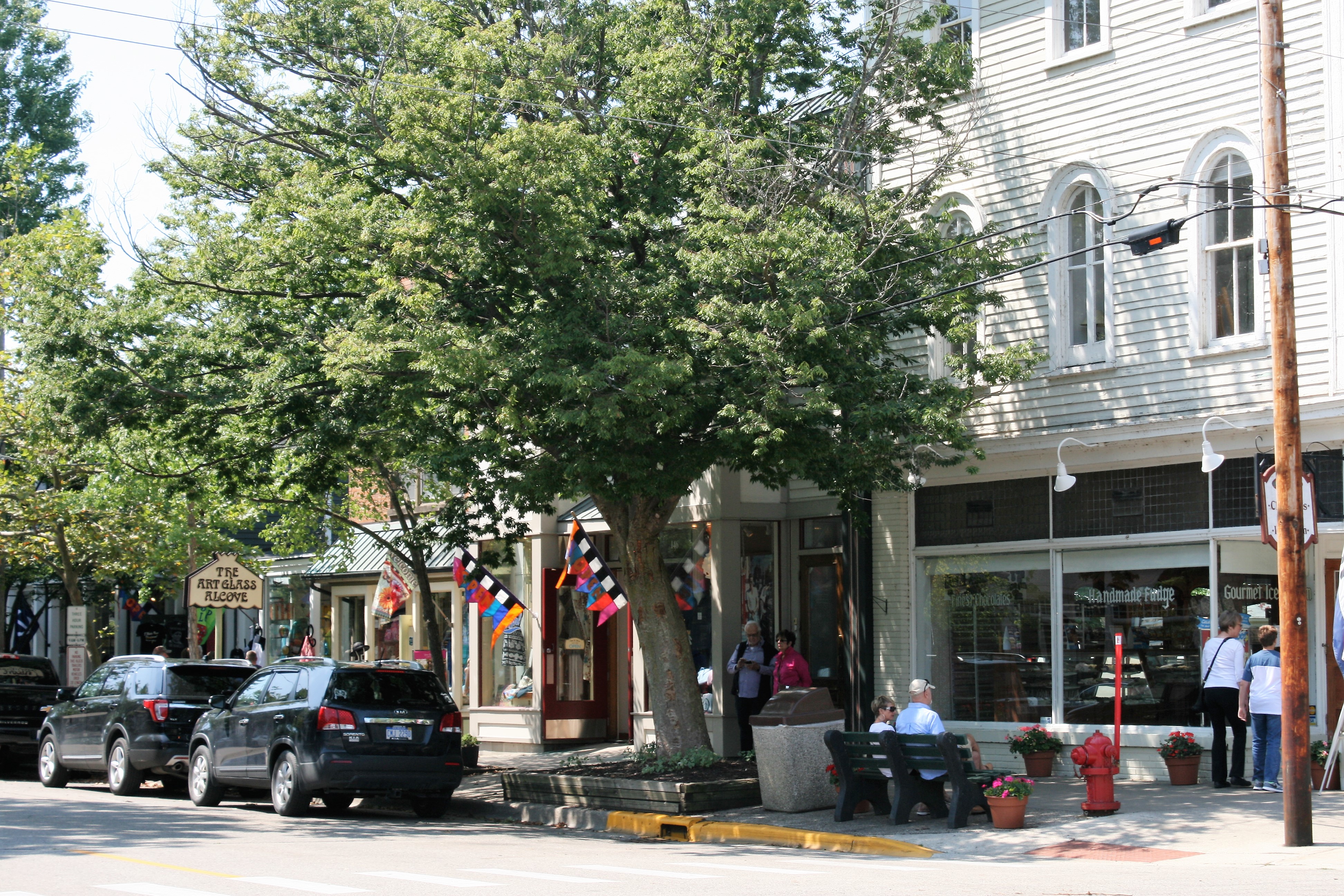
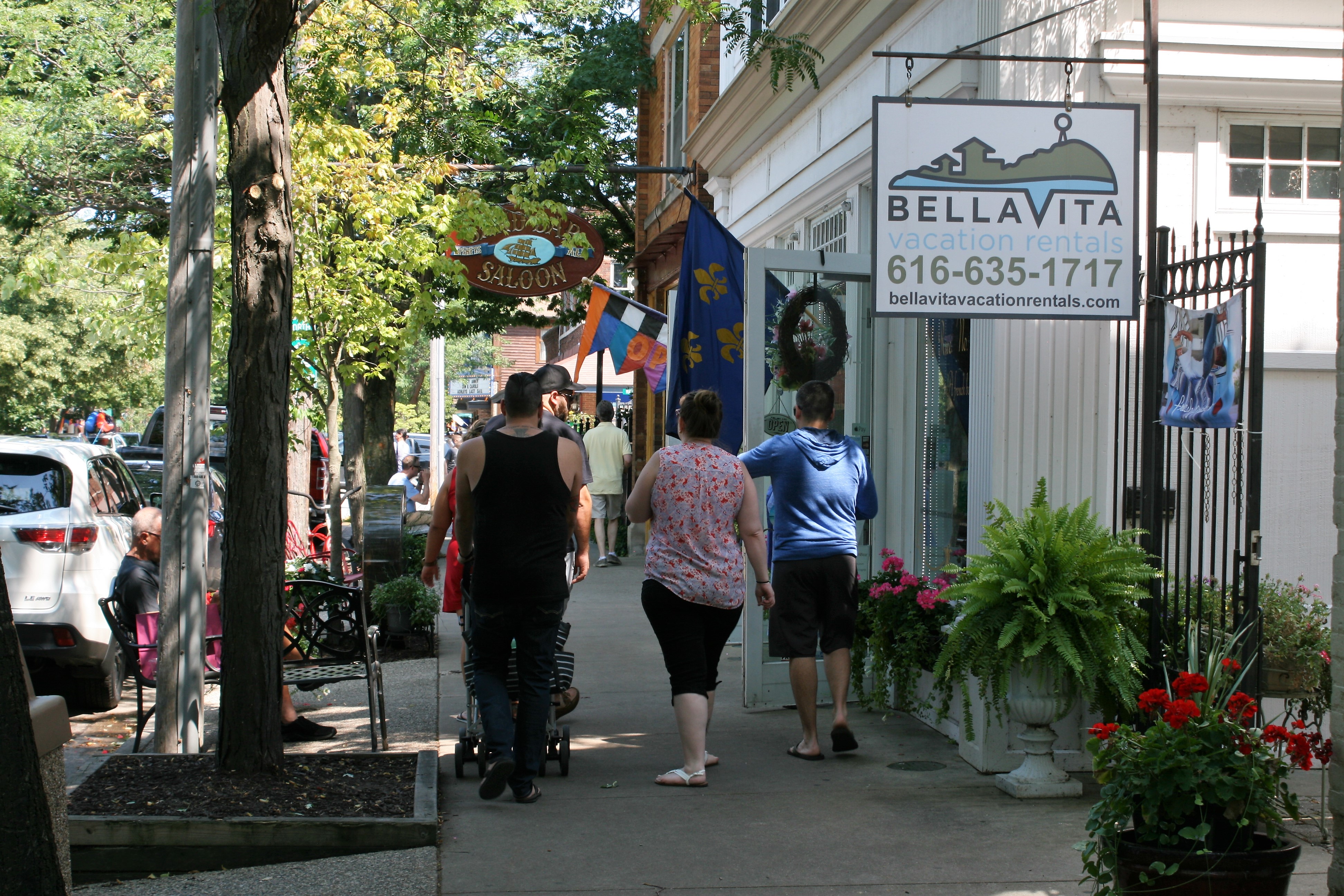
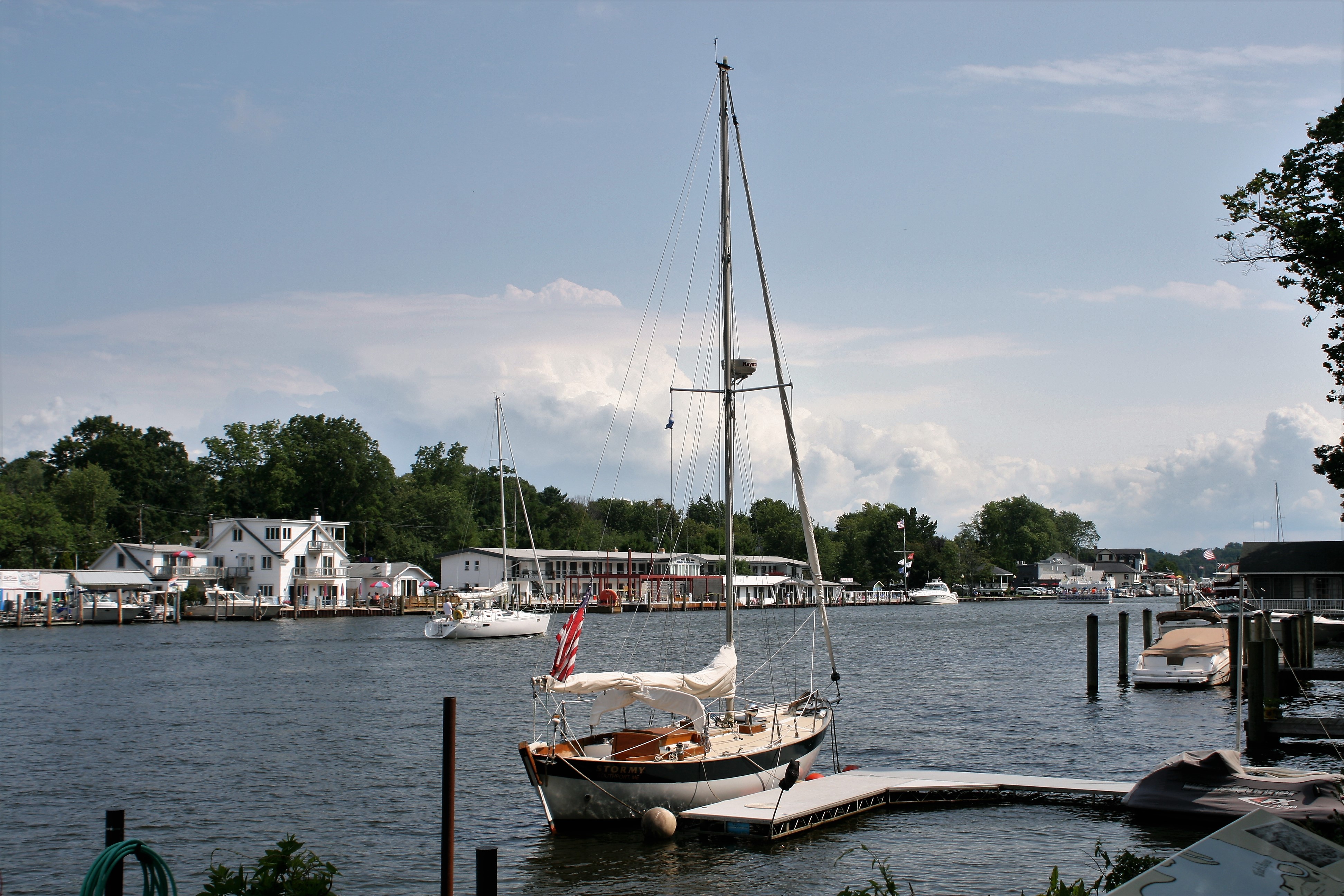
Saugatuck was not quite like the other harbours we had stayed in. Rather than the approach being along a short, straight channel, the village is a mile from Lake Michigan, and you pass along the gently curving Kalamazoo River, surrounded by wooded hills before you reach Saugatuck itself, and then the river opens out into the expanse of Kalamazoo Lake. Originally a lumber town, Saugatuck re-invented itself as an artists’ colony and tourist destination. One of the restaurants boasts of being one of Hemingway’s favourite hang-outs.

We chose to stay at Tower Marine, which is on the opposite side of the lake from Saugatuck itself, in Douglas, mainly because of the swimming pool, which we even got to use, despite some stormy weather. The marina was well-run and attractively landscaped.

IMG_0027swimming pool and garden, tower marine

Swimming pool and rock garden, Tower Marine

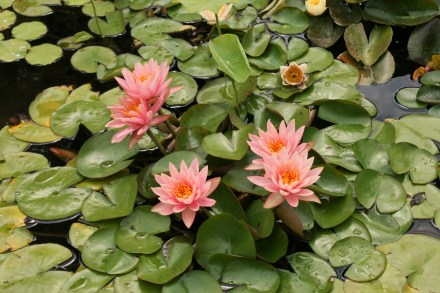
IMG_0026water lilies

Water Lilies

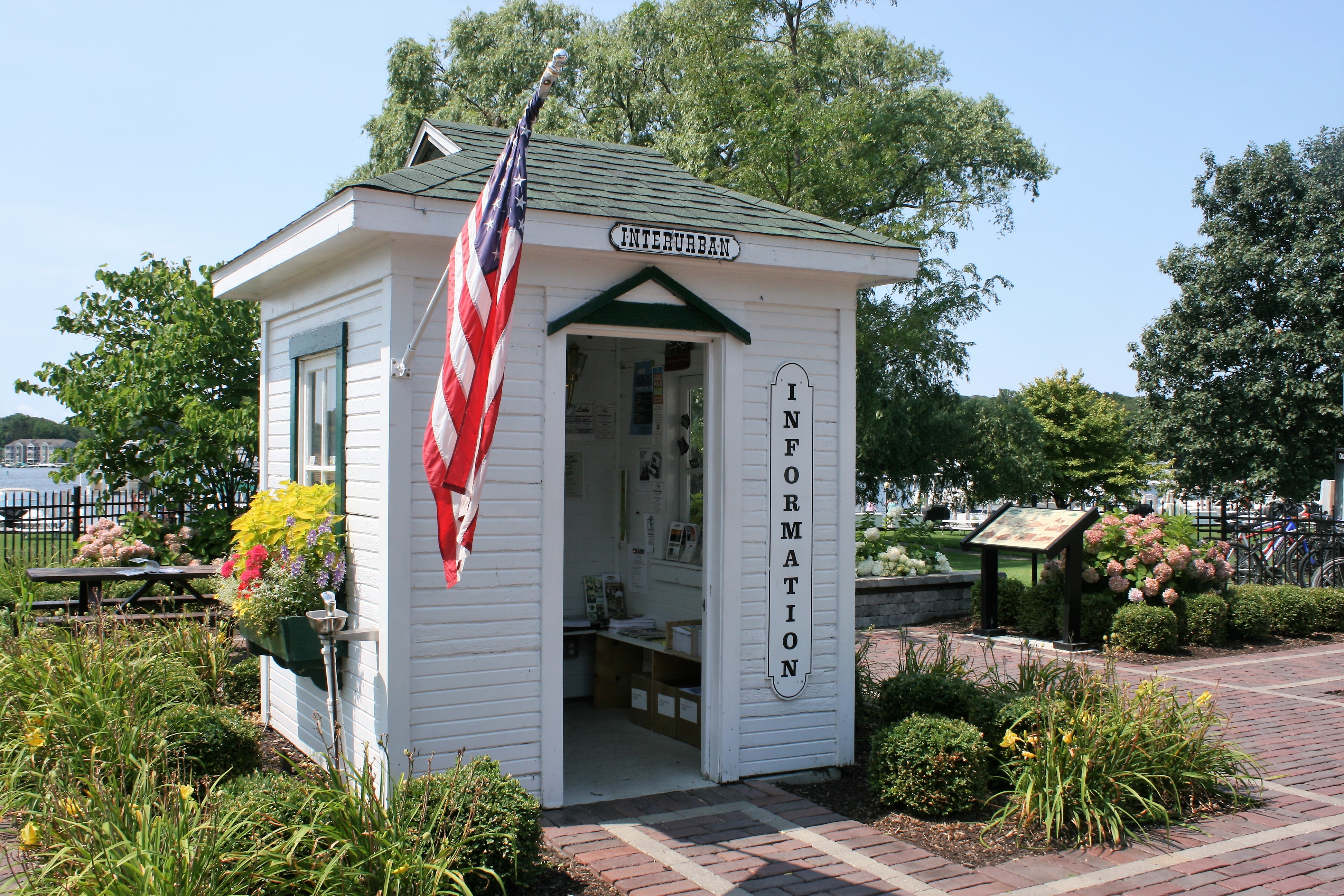
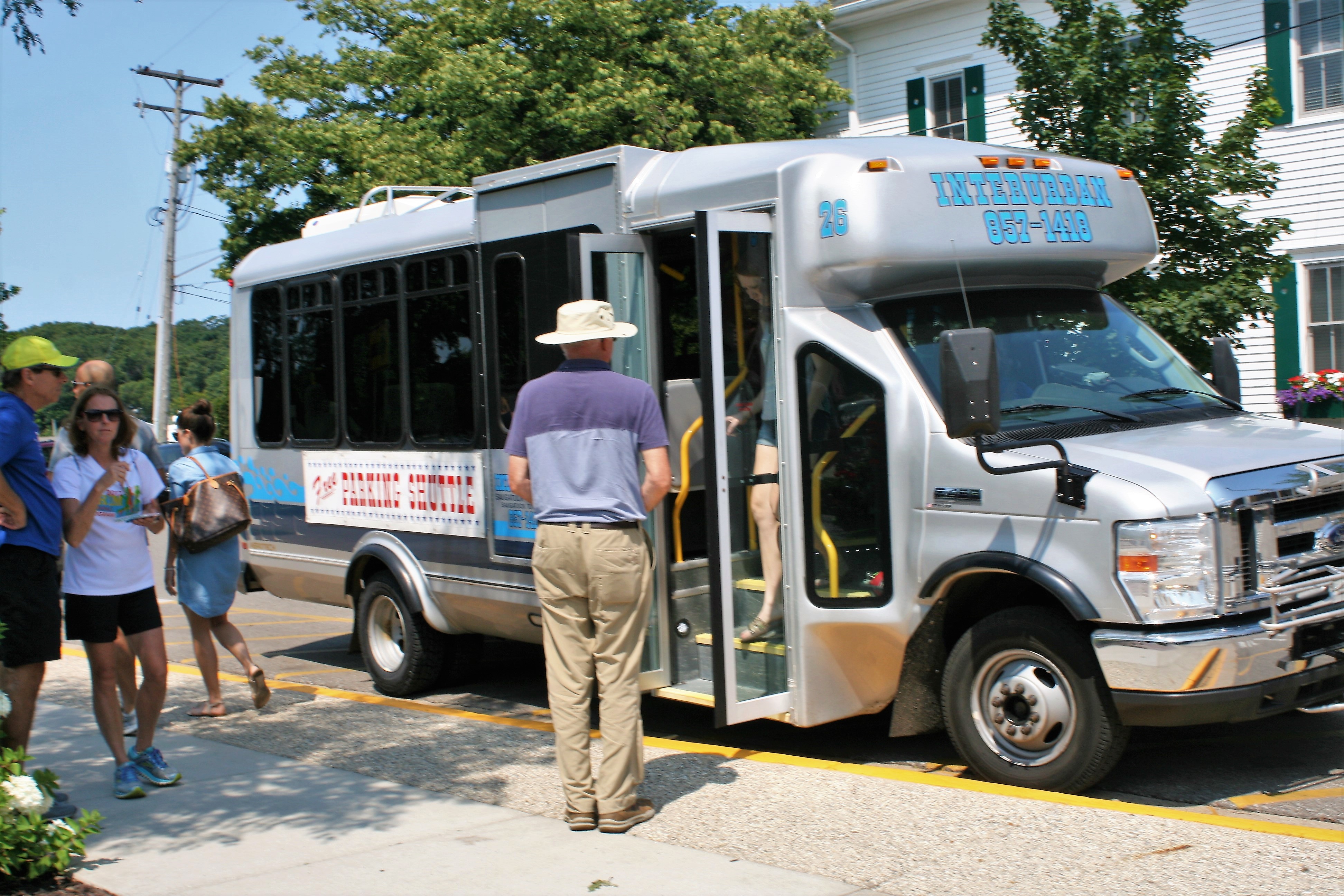
Saugatuck/Douglas has two excellent public transport facilities. One is the famous Saugatuck Chain Ferry, which crosses the river, and the other is the Inter-urban Bus. You ring up the bus and tell it where you want to go, and in no time it appears. We used it a couple of times to get back from the supermarket, and from Saugatuck back to the marina.

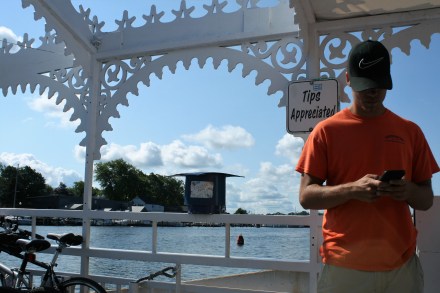
We walked from the marina down to the ferry to go across to Saugatuck.

IMG_0001On the Chain Ferry

On the Chain Ferry

IMG_0006Chain Ferry

Chain Ferry

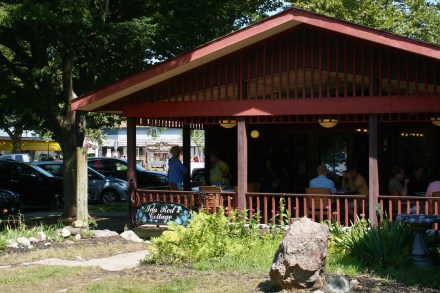
The walk turned out to be rather longer than we had anticipated, and we were in need of coffee. The nearest place was Ida Red’s Cottage, which Kim had recommended, but it was full and there was a long queue of people waiting for tables. Then Ian noticed a sign saying that there was no queue for seats at the bar – it was first come first served. There were two seats, so we took them. We had already eaten breakfast on the boat, but when we saw what everyone else was having, we thought we would have some too – waffle and eggs for Ian, and amazing blueberry pancakes for me.

IMG_0004Ida Red's

Ida Red’s Cottage


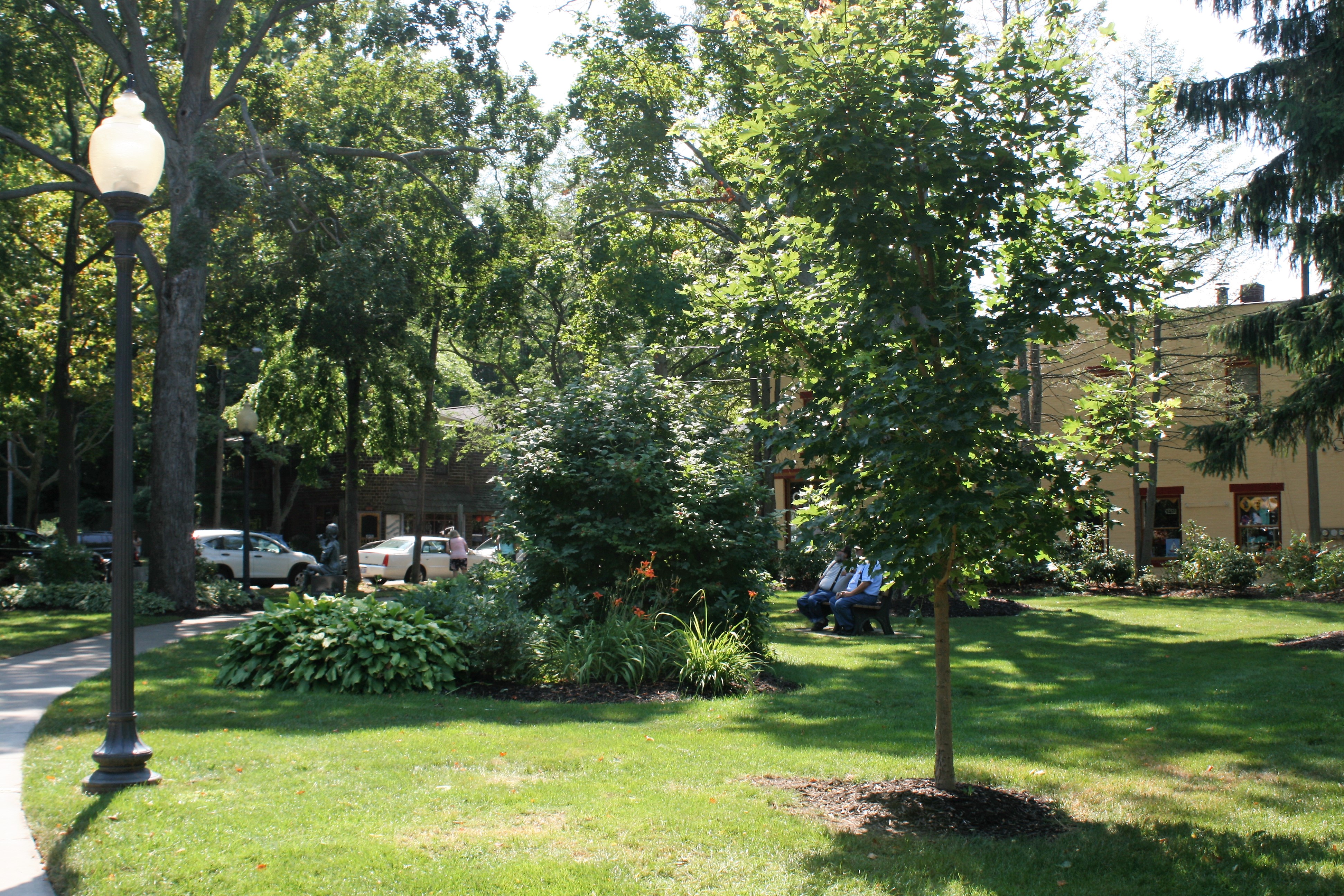
A small park in Saugatuck

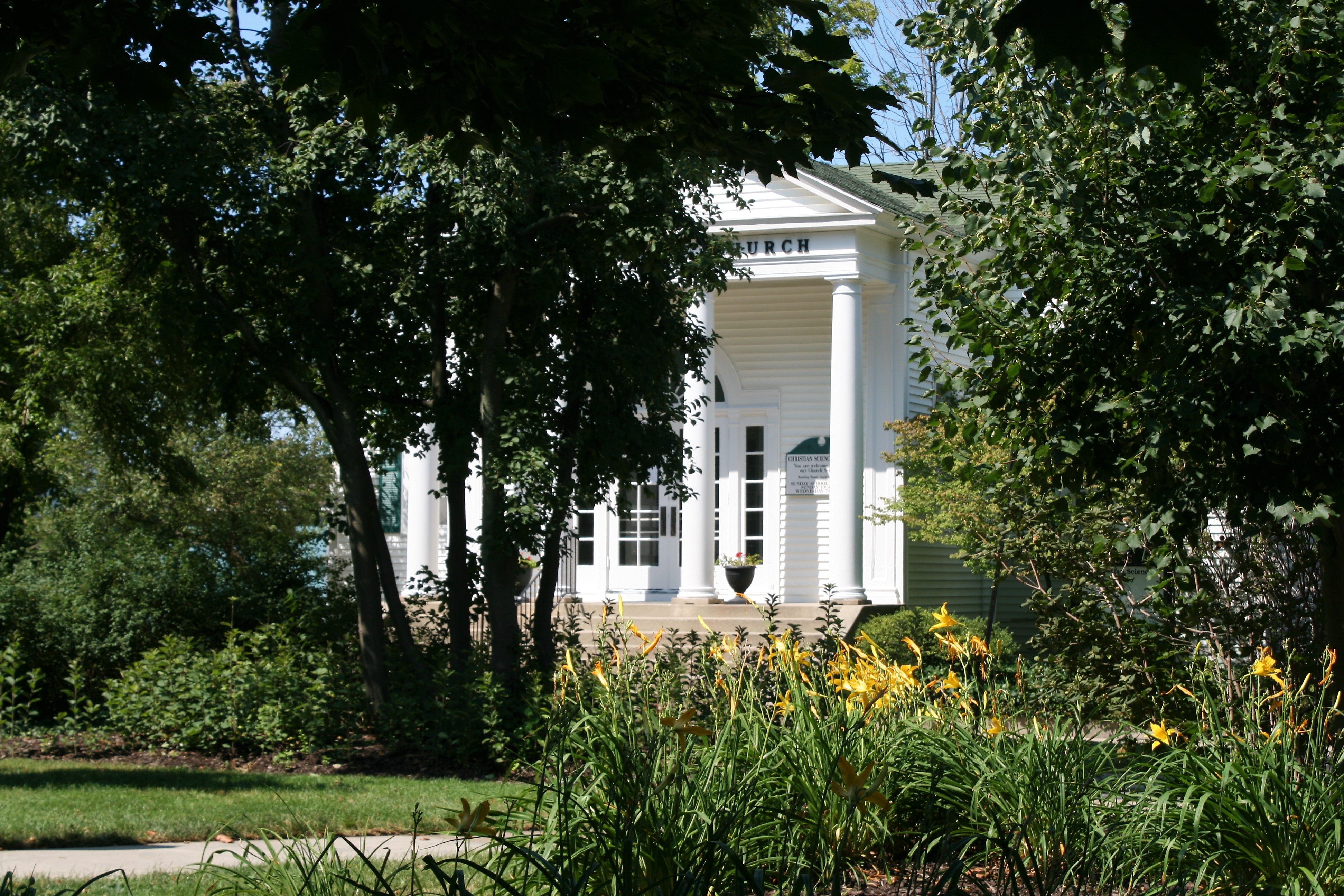
The Christian Science Church, Saugatuck

Butler St

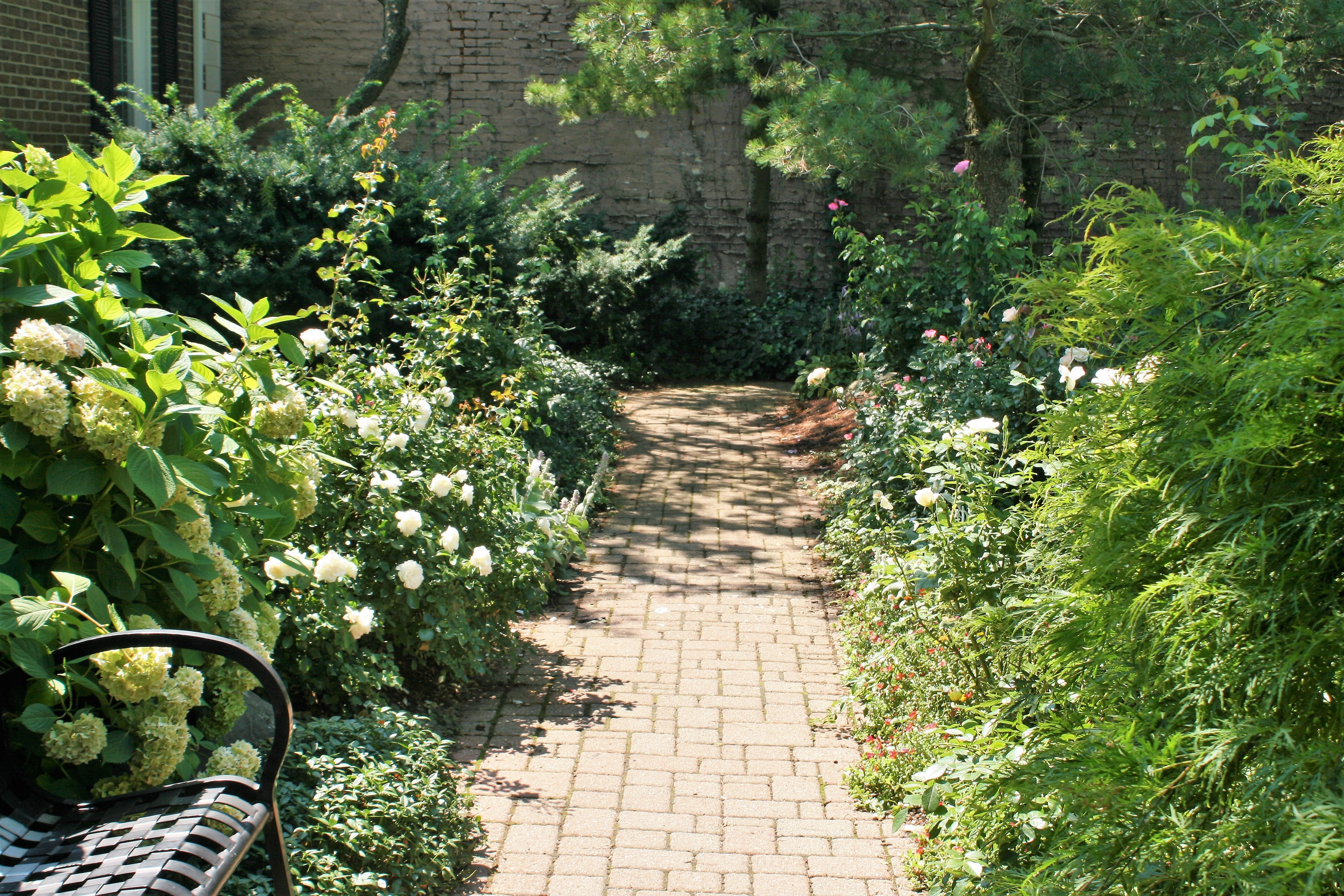
A small memorial garden on Butler St

Butler St

Inter-urban bus stop and Information Centre

The bus

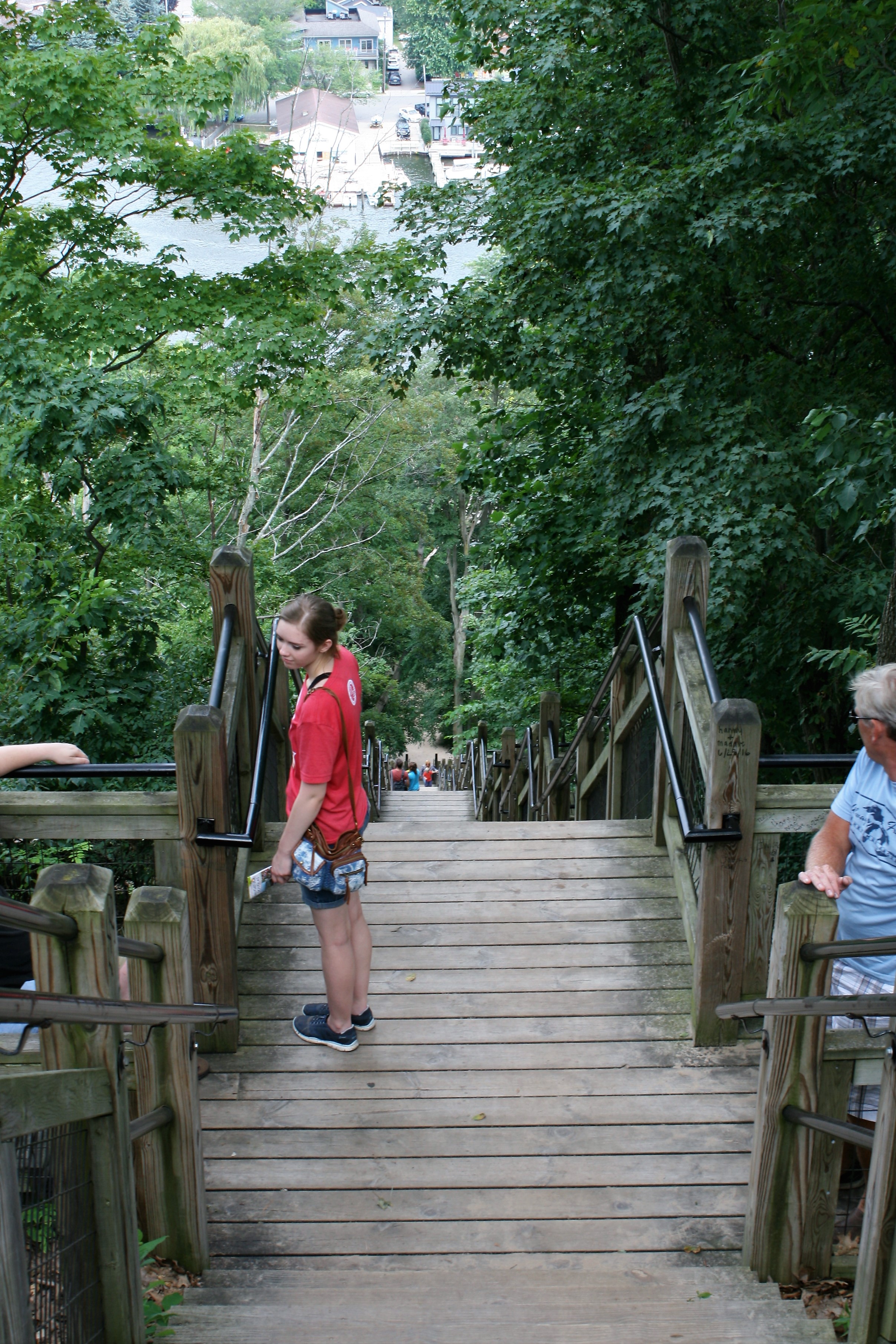
Baldhead Mountain sounded like an irresistible challenge, even if in reality it was only a big sand dune. But you do have to climb 282 steps to get to the top of it. We cycled to the steps and toiled to the top, where there was a good view of Saugatuck and Kalamazoo Lake, but surprisingly not of Lake Michigan, which was obscured by trees.

The stairs to Baldhead Mountain

Saugatuck from Baldhead Mountain

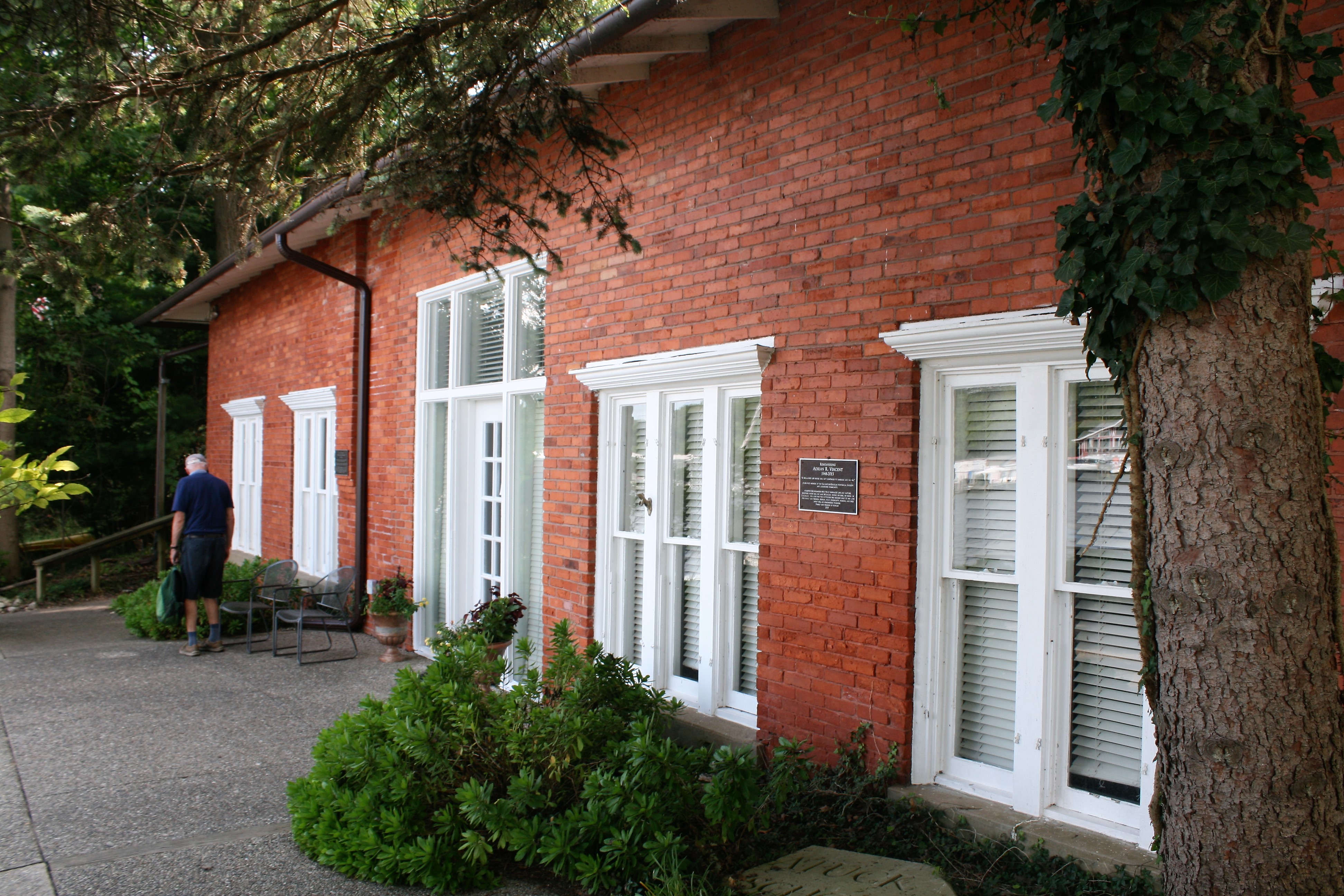
Opposite the steps is the old Saugatuck Pump House, now a museum.

Saugatuck Pump House

Saugatuck from the Pump House

Riverside Garden at the Pump House

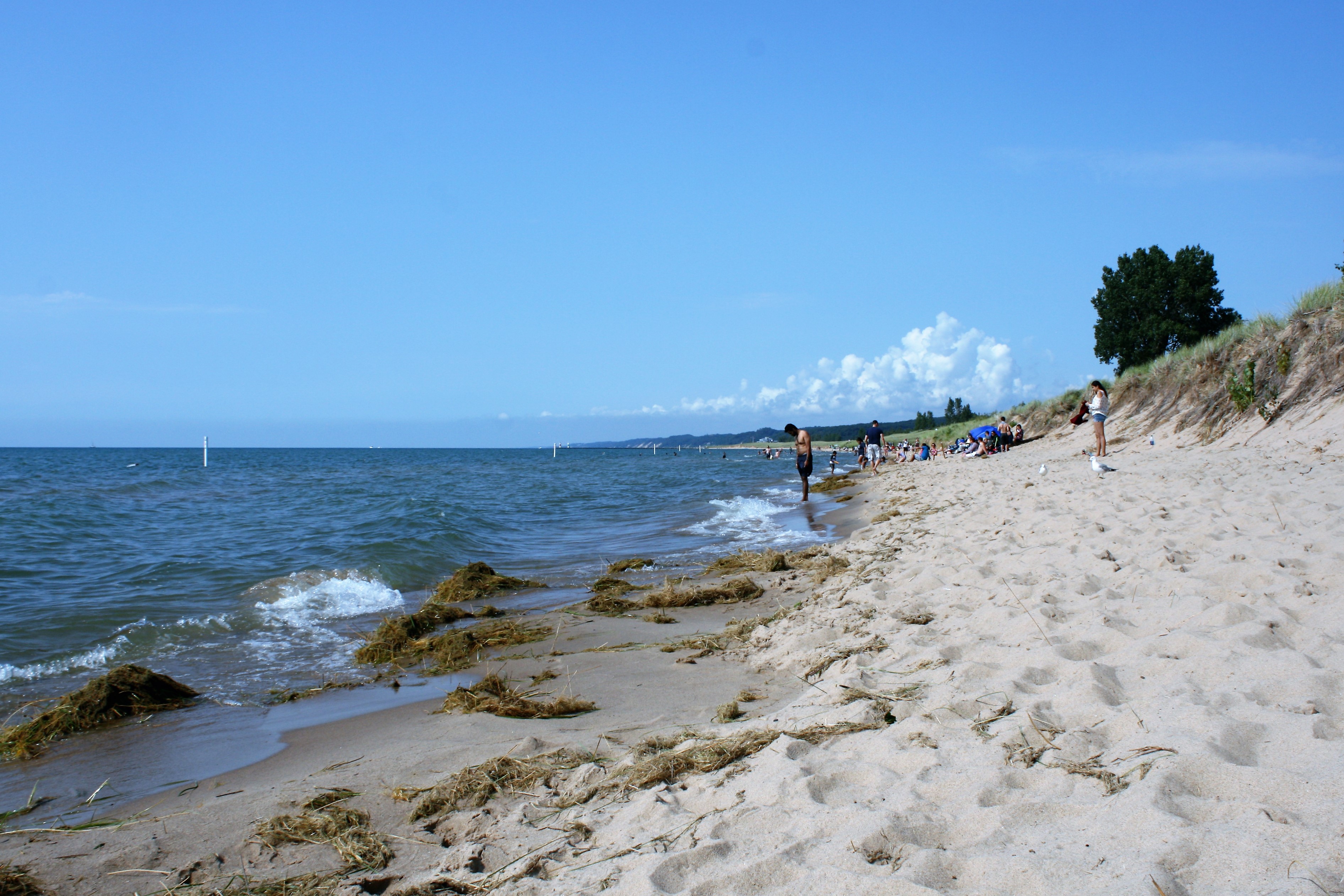
We cycled half a mile over the peninsula to Oval Beach.

Oval Beach, Lake Michigan

We left very early the next morning, with heavy, threatening thunder clouds to the north of us. But I was assured that they weren’t coming our way, and we got to St Joseph in bright sunshine.

Leaving Saugatuck

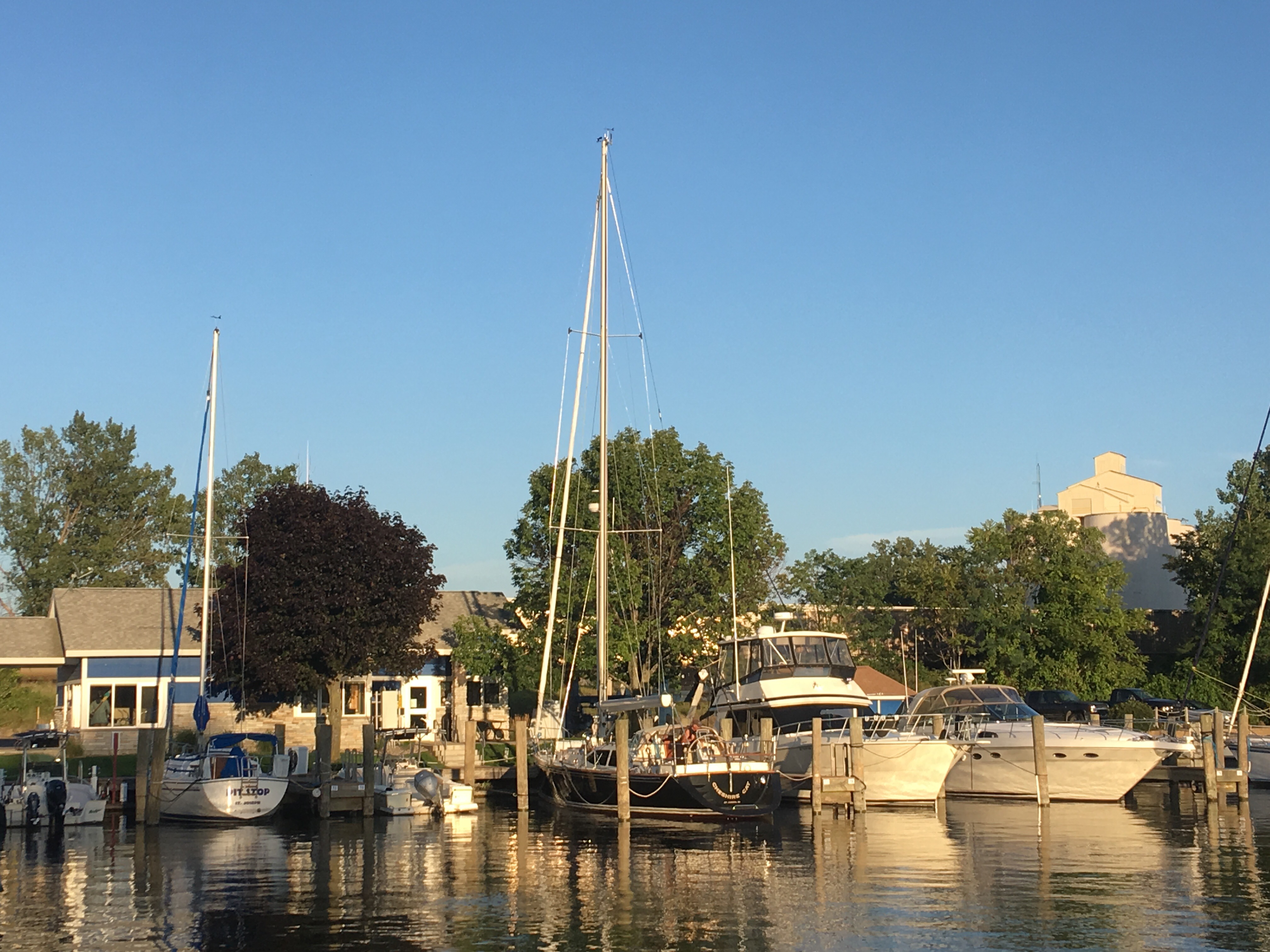
West Basin Marina, St Joseph

We don’t often have days when we do nothing boat -related, or  that doesn’t involve chores like grocery shopping or laundry. But we took a day off in St Joseph, and it felt like being on holiday. The marina was a couple of miles from downtown St Joseph, and Justin, one of the dockhands, would take us there and bring us back when we summoned him.

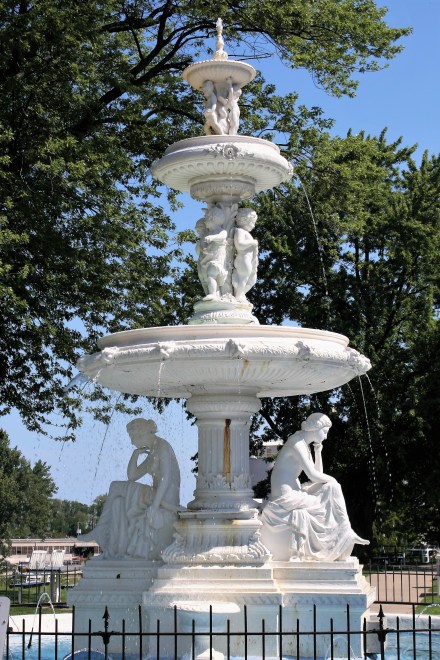
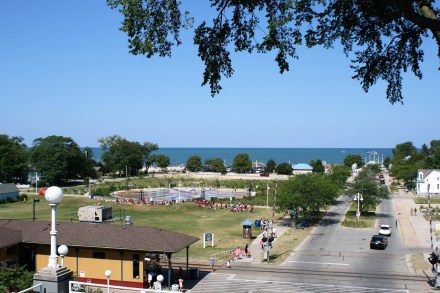
He dropped us off at the Maids of the Mist Fountain, at the end of Bluff Park, which is a half-mile long linear park which overlooks Lake Michigan and the site of the Silver Beach Amusement Park, which operated between 1891 and 1971 and was one of Michigan’s biggest tourist attractions, with rollercoasters, carousels and a dance hall.

IMG_0002Maid of the Mist

Maids of the Mist

Maids of the Mist was made for the World’s Fair in Chicago in 1873, and brought to St Joseph in 1892 after being purchased by a St Joseph businessman.

IMG_0003View from Bluff Park

View from Bluff Park, overlooking the site of Silver Beach Amusement Park

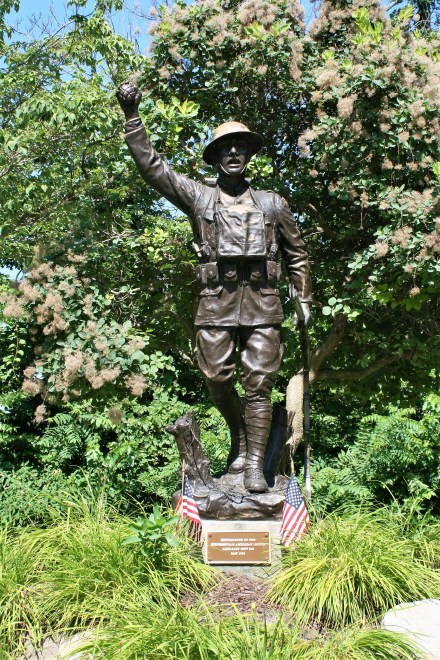
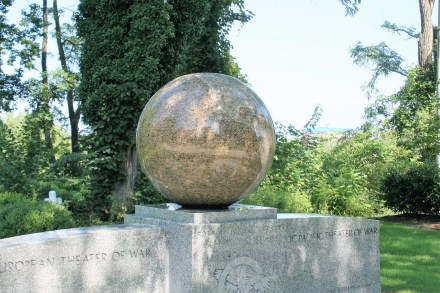
We walked to the end of Bluff Park, past a series of War Memorials dedicated to the memory of all those American citizens who lost their lives in  20th century conflicts.

IMG_0008 1st World War Memorial

First World War Memorial

.

IMG_0007

Second World War

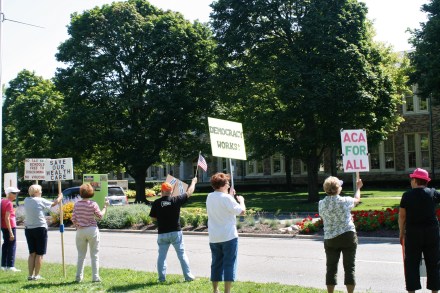
At the end of Bluff Park we turned towards the town and a couple of blocks later, came upon some seniors demonstrating outside the office of Fred Upton, their Republican Senator.

IMG_0011Seniors protesting

Seniors protesting

IMG_0013Charles Porter

It was Election Day in St Joseph. A few blocks further up the street, we talked to Al DiBrito, who was hoping to be elected to one of the 3 posts of City Commissioner.

IMG_0014Election

Al DiBrito

It later transpired that he didn’t get in, which seemed a shame. He had appeared like a nice guy.

IMG_0017State St

State Street

We wandered round the tree-lined streets and decided to have lunch at  Caffe Tosi, where we also found some rather good pear and almond tarts to take back to the boat.

IMG_0018Caffe Tosi

Caffe Tosi

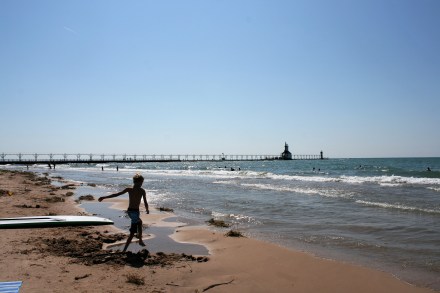
The marina was only 5 minutes’ walk from the lake shore, so after Justin had picked us up and brought us back, we sat on Tiscornia Beach for a couple of hours.

IMG_0024Tiscornia Beach

Tiscornia Beach

IMG_0025Tiscornia Beach

Tiscornia Beach

We were only two days away from Chicago. We stopped at Michigan City, Indiana, and I was surprised to see that the clock said it was 6.30 and my phone said it was 5.30.  At some unspecified point on Lake Michigan, we had unknowingly crossed into Central Time, and it felt strange, like stepping into another country.

We needed groceries and the nearest store was over 3 miles away, too far to bike. There were no Uber cars available. A taxi would take 20 minutes to arrive. After three-quarters of an hour we were still waiting in the marina forecourt, and a very kind fellow-boater gave us a lift to the store in her car. Fortunately, by the time we’d finished the shopping, the run on the taxis had eased and one came straight away to take us back to the boat.

IMG_0030St Joseph Light house

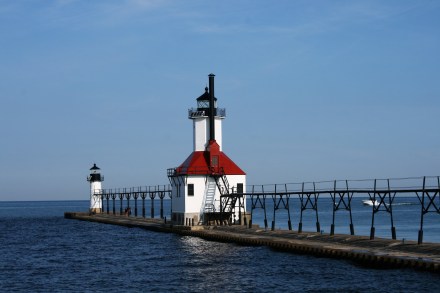
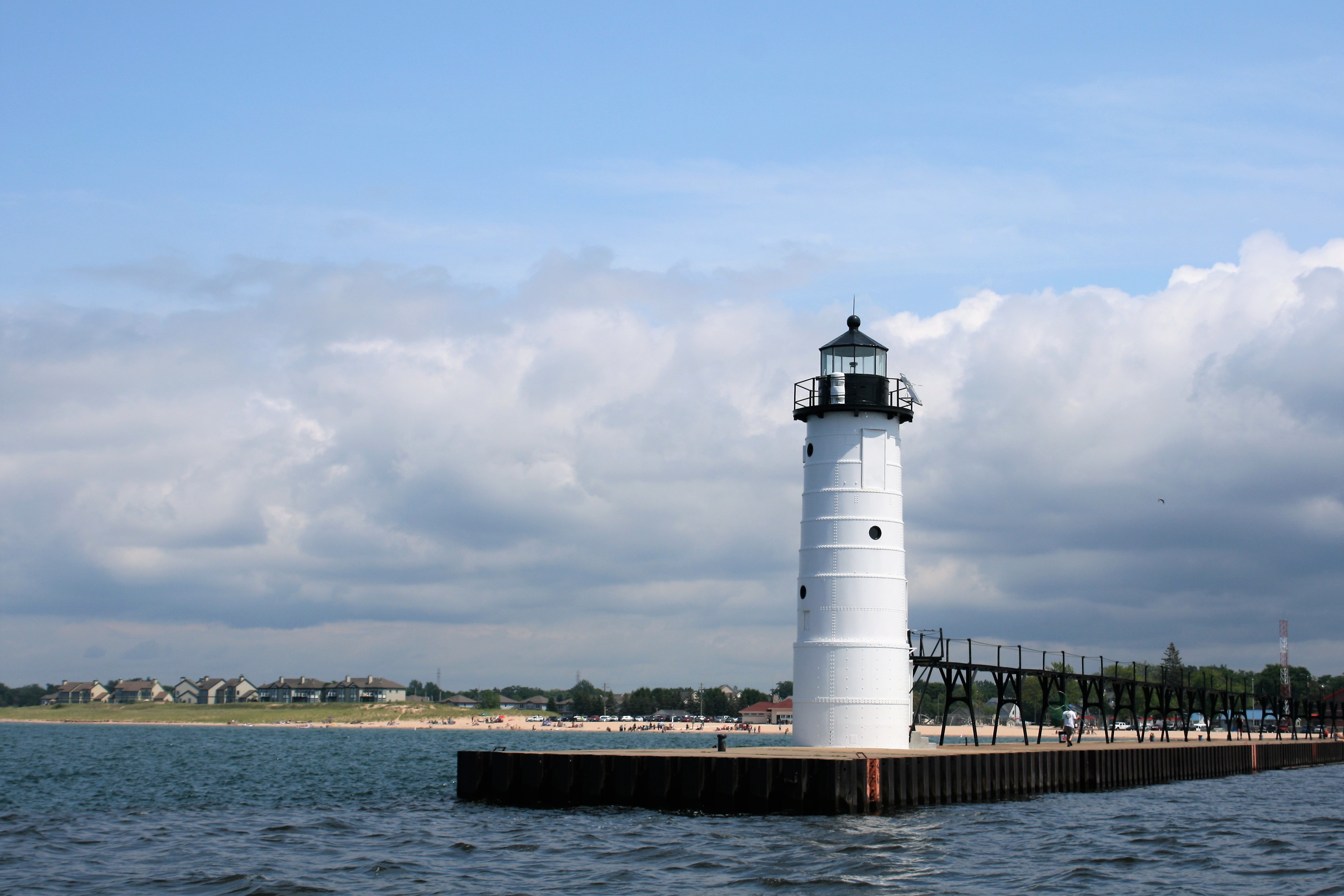
St Joseph Lighthouse

The following day, we left for Chicago.


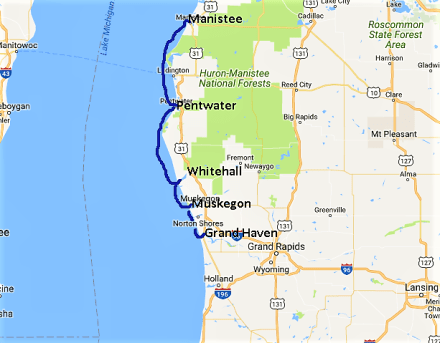
Lake Michigan’s Eastern Shore: Manistee to Grand Haven

There was a small window of fine weather which allowed us to move on before the next storm hit us, so we left Manistee and travelled down to Pentwater, where we arrived just as the heavy clouds were gathering.

Big Sable Point 

The next day, we were able to nip out to the local supermarket a couple of blocks from the marina,  in between the downpours. By evening, the sky had started to clear a little with the promise of a better day ahead.

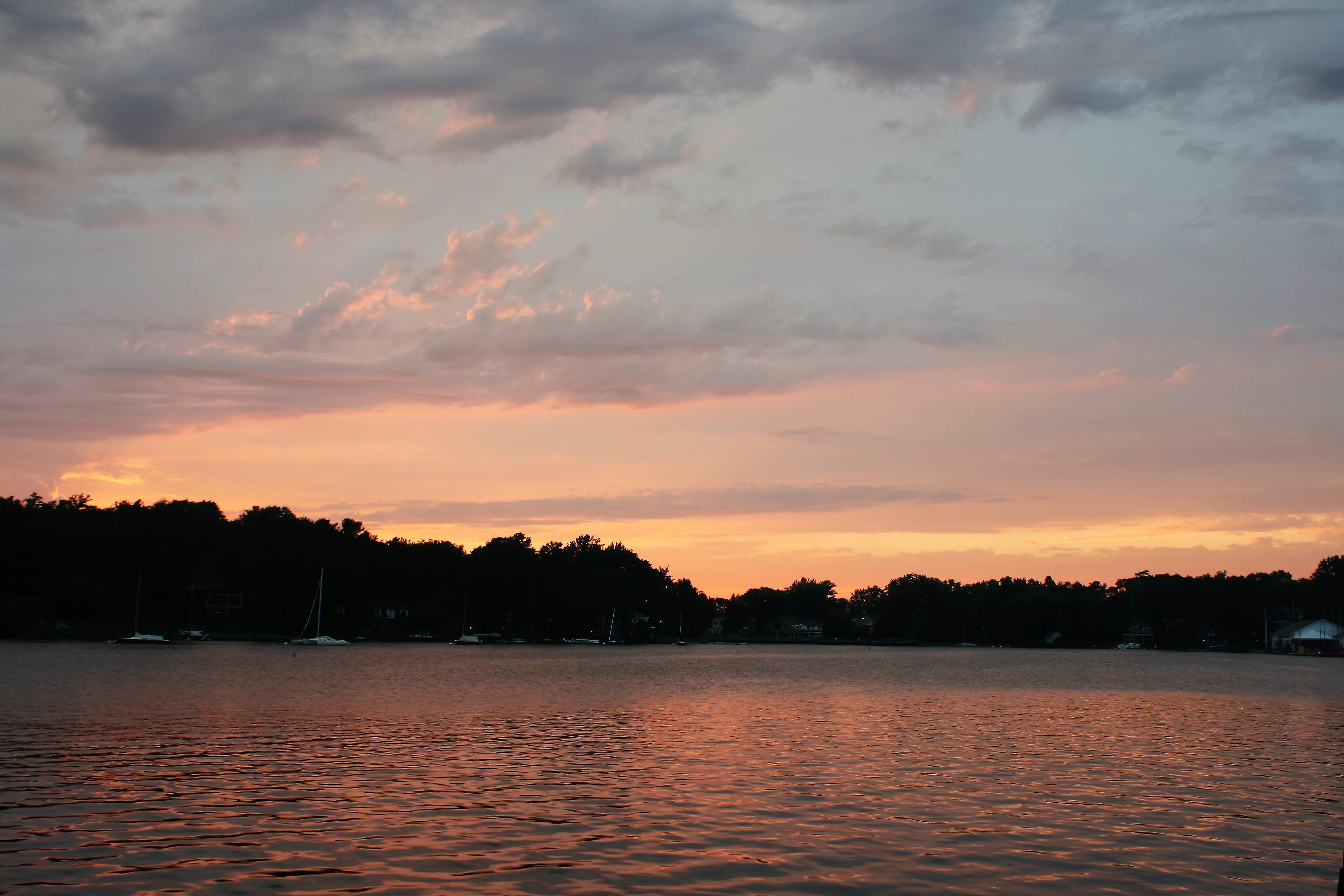
Sunset at Pentwater


Morning at Pentwater

Manistee to Grand Haven

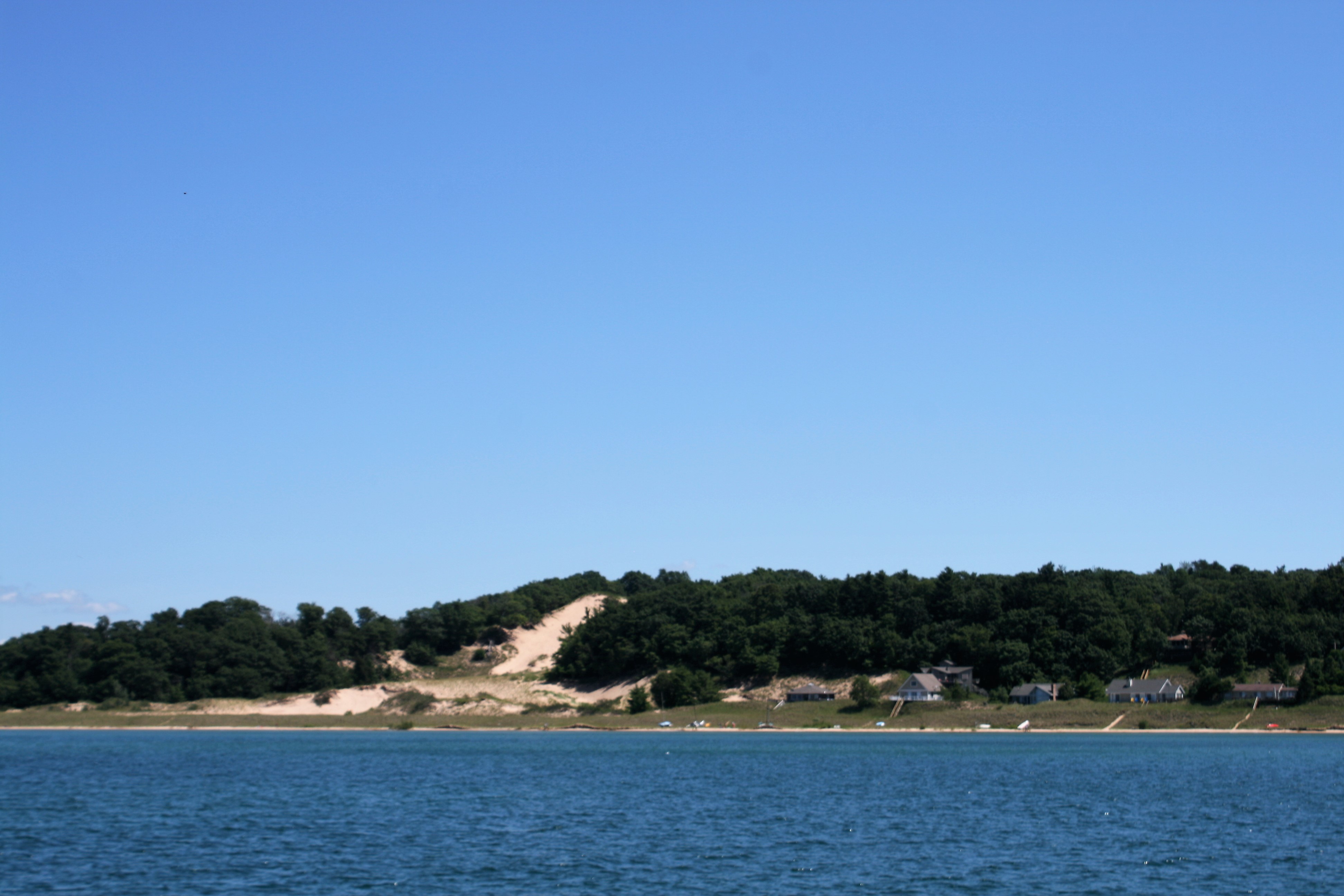
Dunes near White River

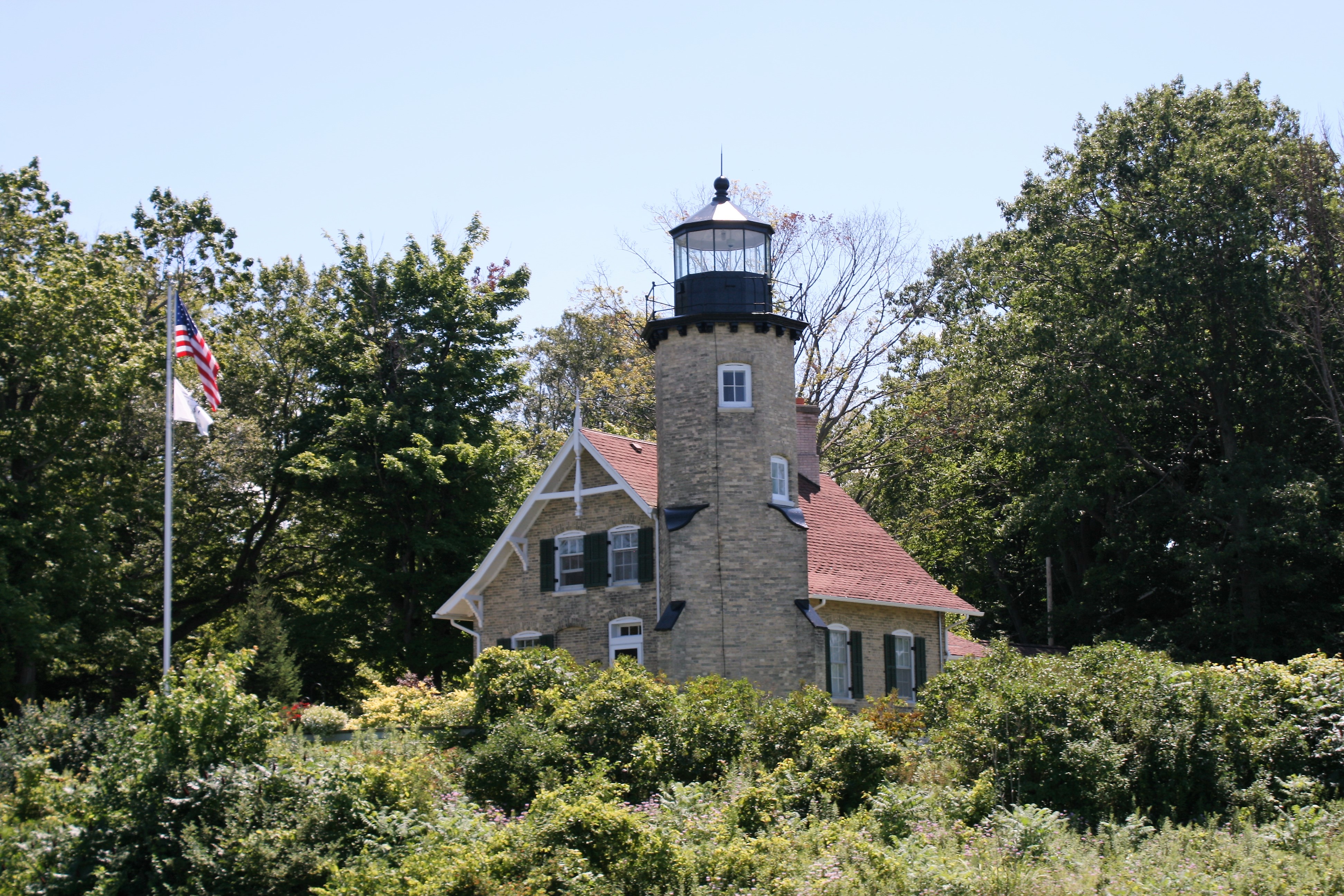
White River Light Station

We turned into White River which leads into White  Lake, and stayed at Crosswinds Marina at Whitehall.

We’ve found that after bad weather, the next most common cause of delay on the trip is mechanical breakdown. It had been a particularly hot day, so it was doubly annoying that it should be at this moment that Carina’s air-conditioning system stopped functioning. However, Paul from Crosswinds was able to sort this out for us the next day.

But things got worse. Ian noticed while checking the engine that the fresh-water pump wasn’t working. A new one was fedexed up from Virginia and arrived the next day, a Saturday,  but couldn’t be fitted by Paul till Monday.

The new one turned out to be faulty, so another one had to be sent. This time Ian fitted it himself, having watched Paul do it the previous day.

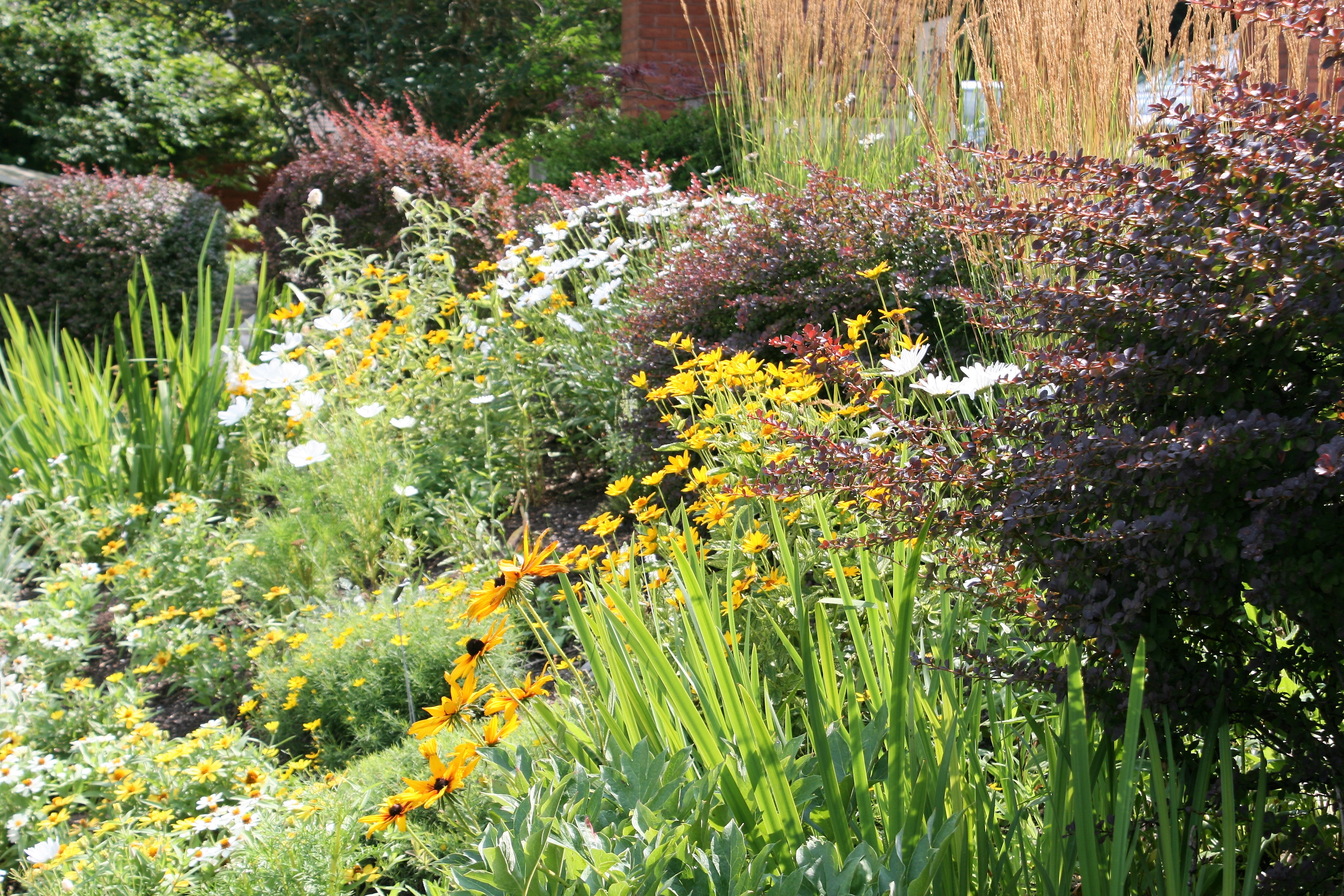
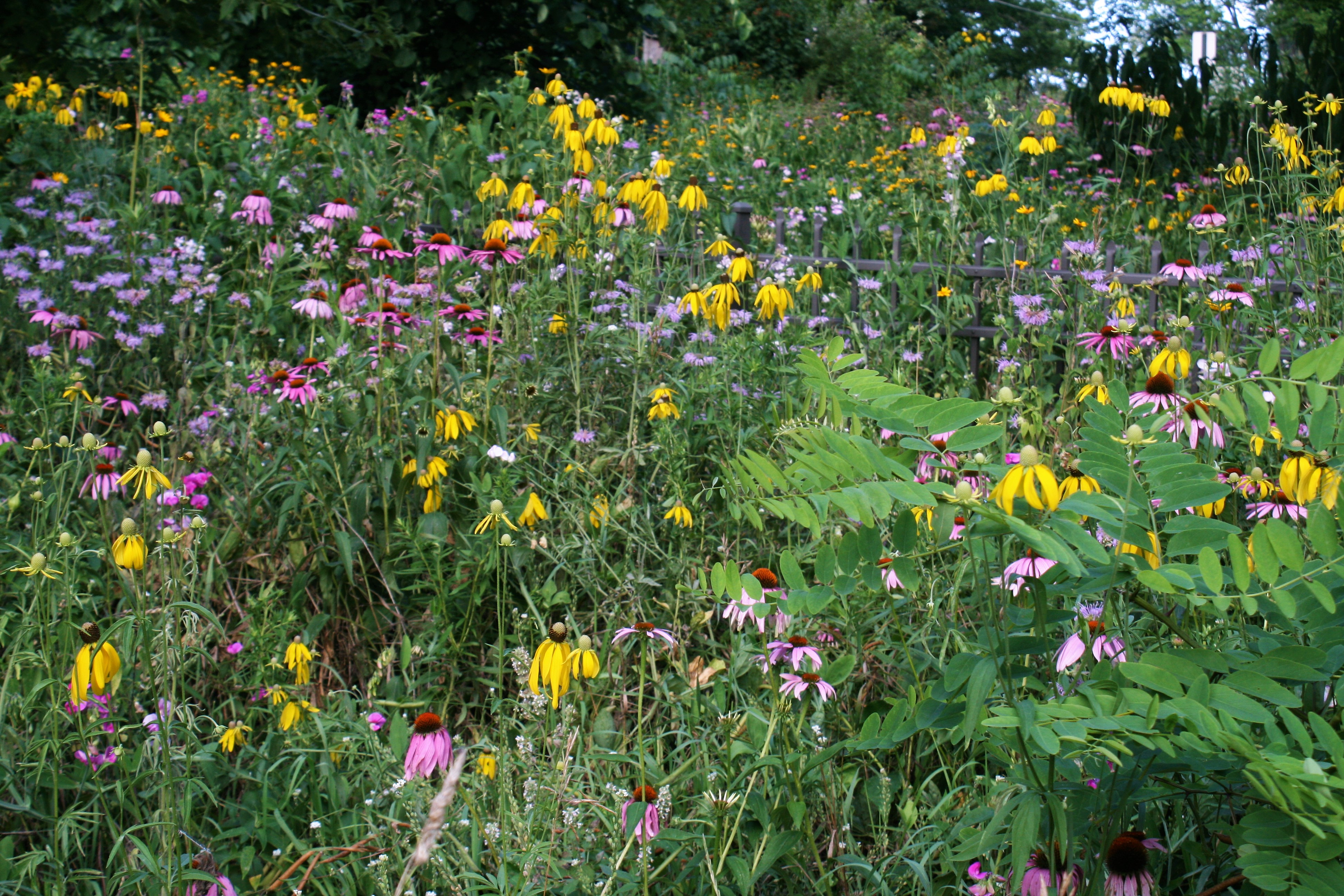
But Whitehall wasn’t a bad place to be held up. There was a cycle track which followed the route of an old railway line, and which led to the supermarket, a mile away  in adjacent Montague, so shopping was quite pleasant. Across the road from the marina, a footpath had been laid which wound up the slope to Whitehall downtown amid a sea of wild flowers.

The wild flower path, Whitehall

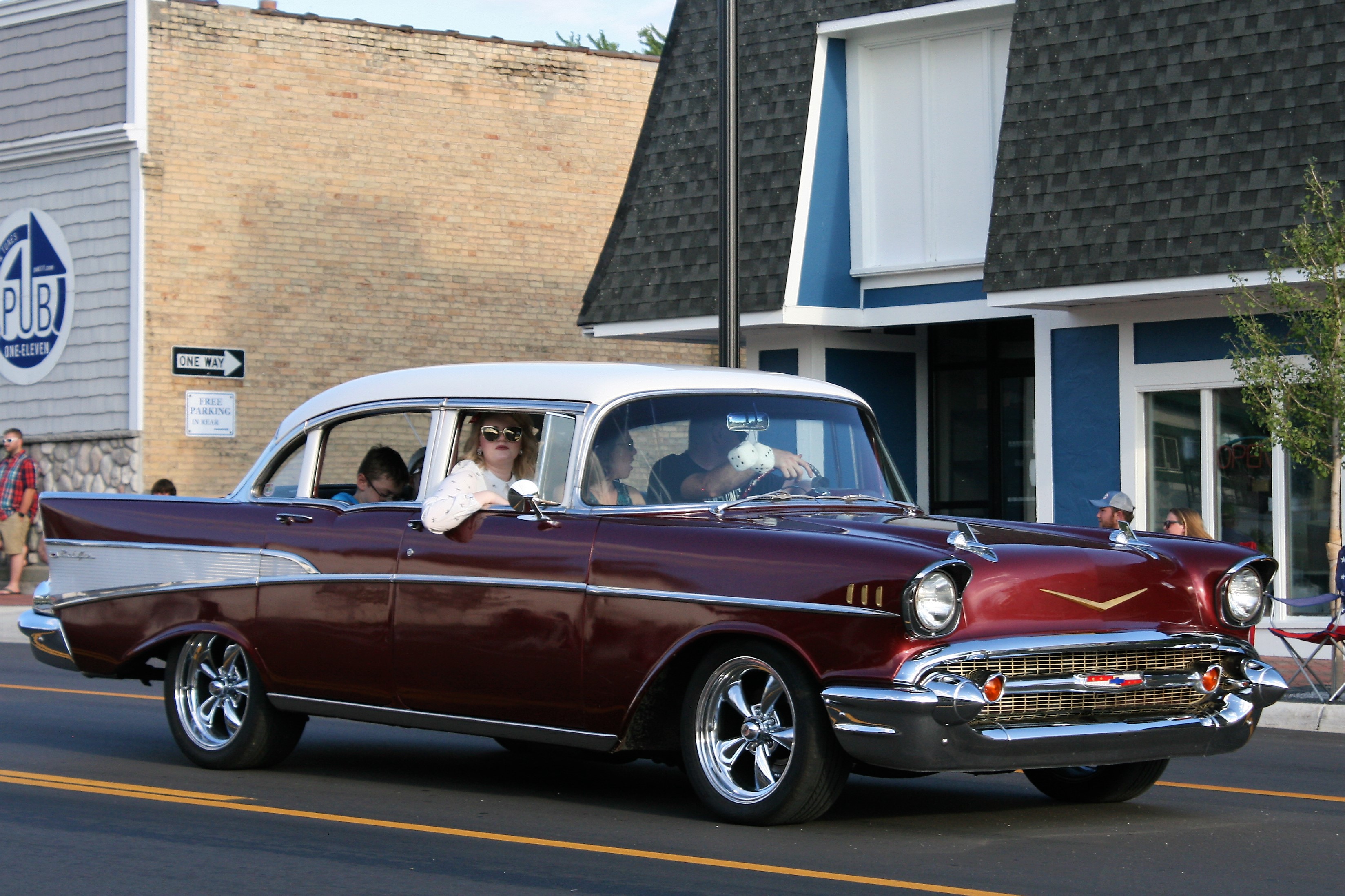
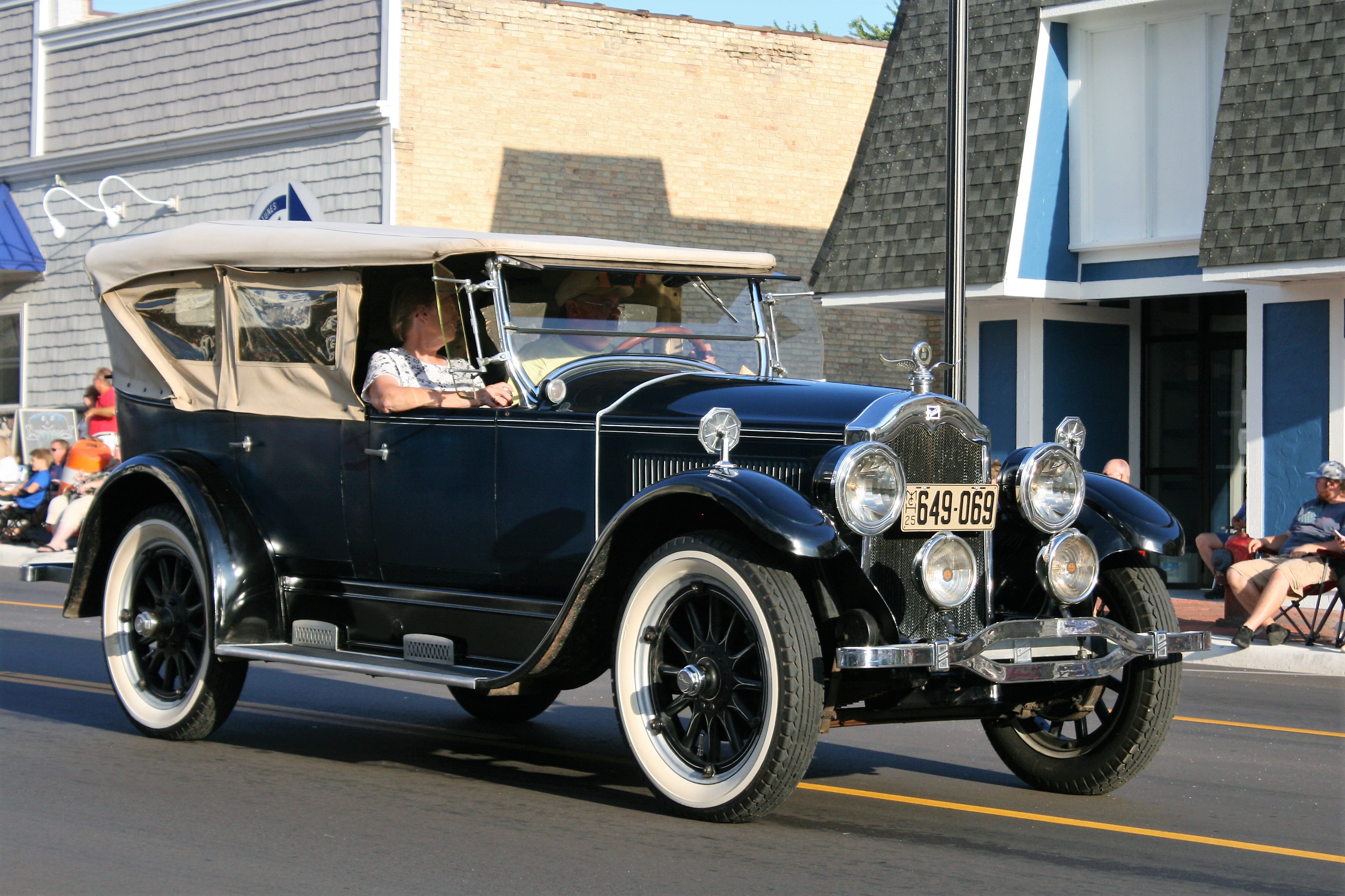
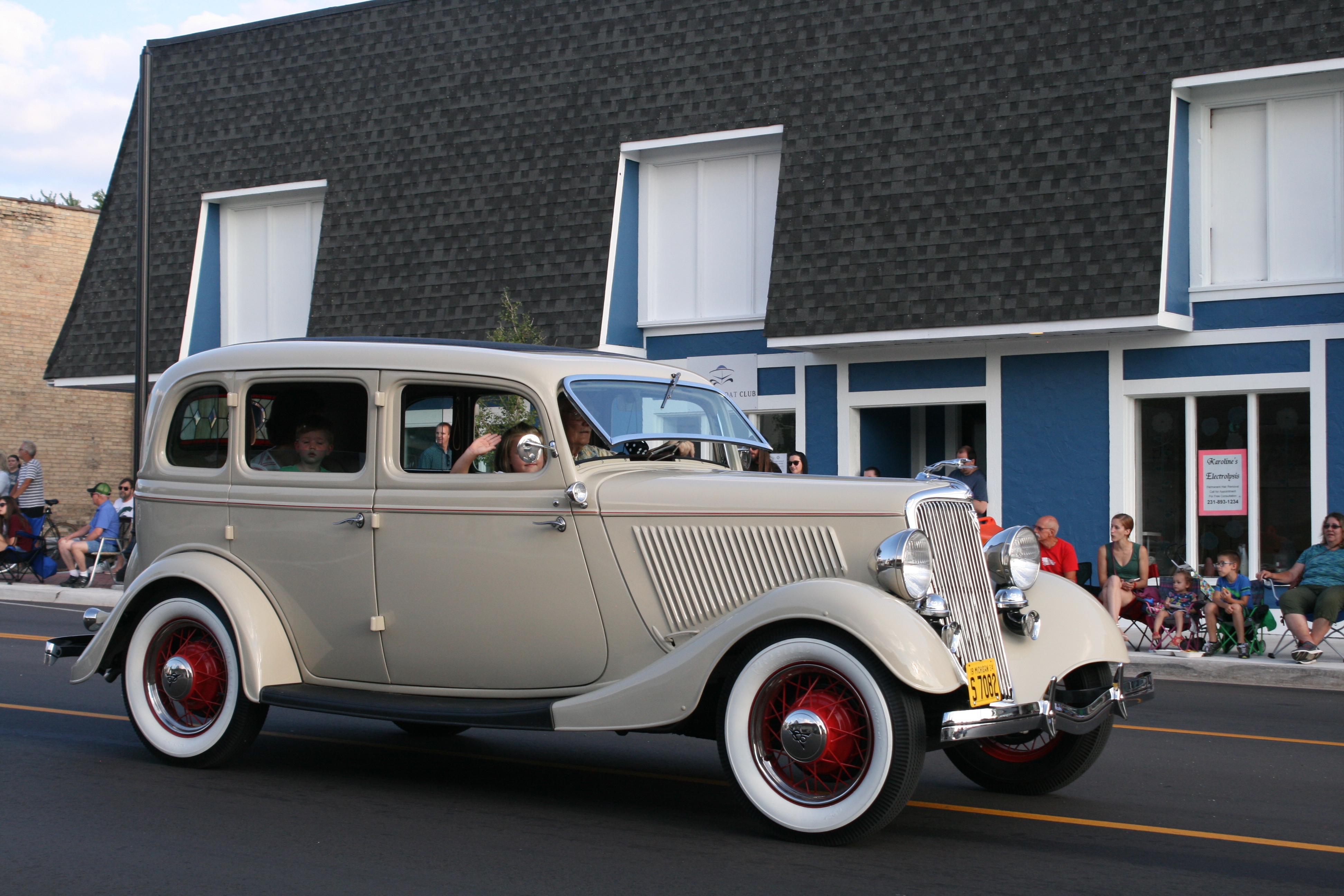
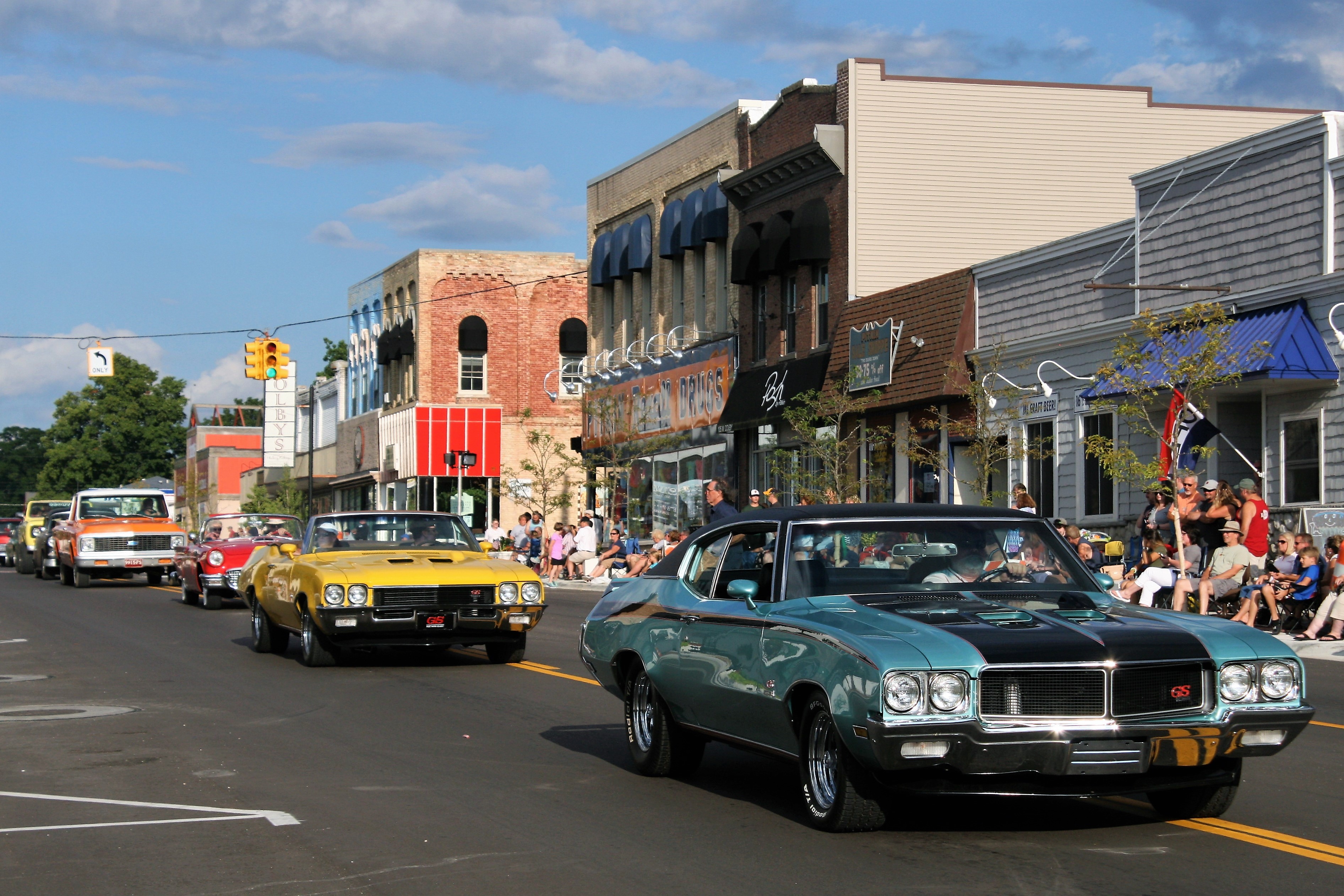
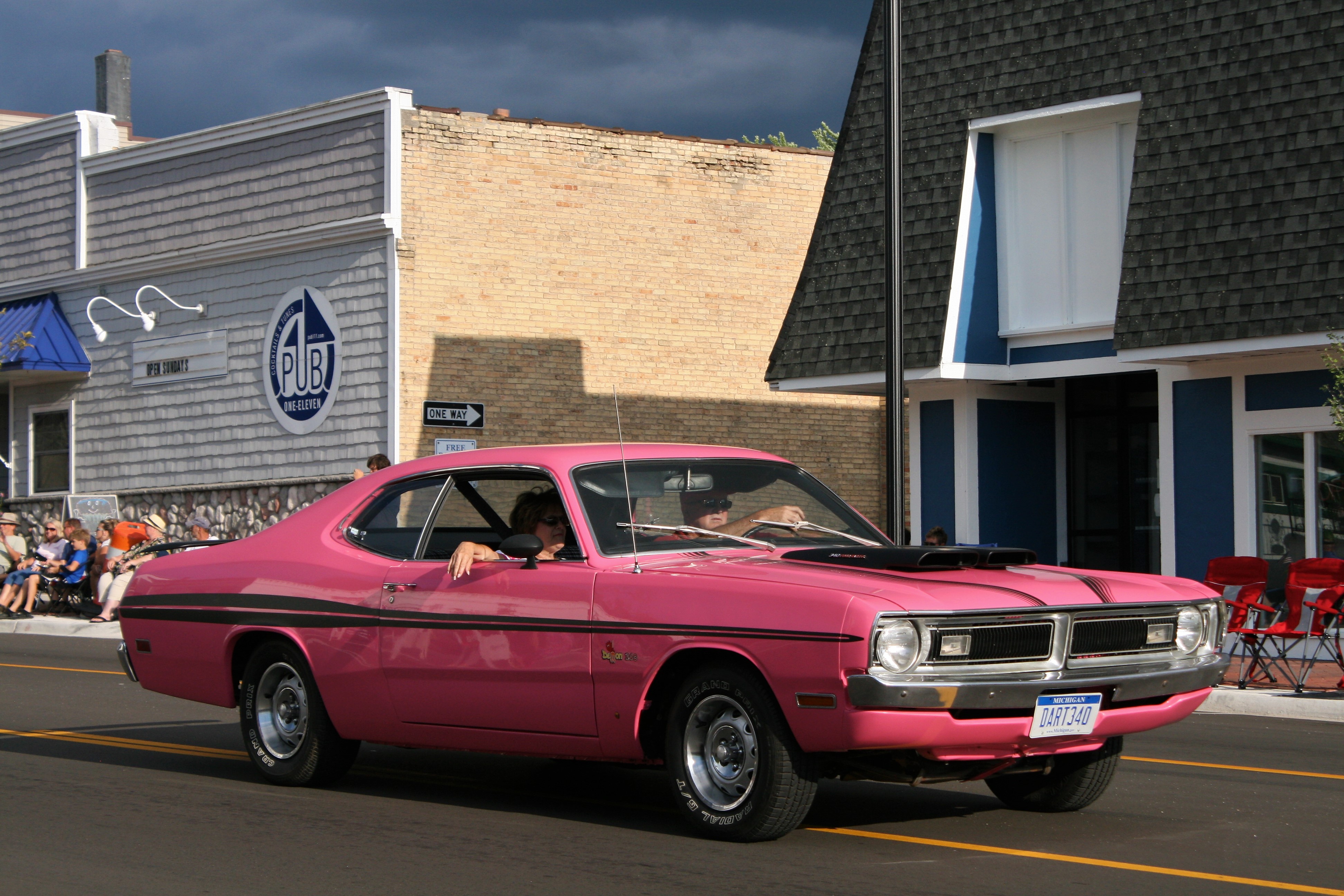
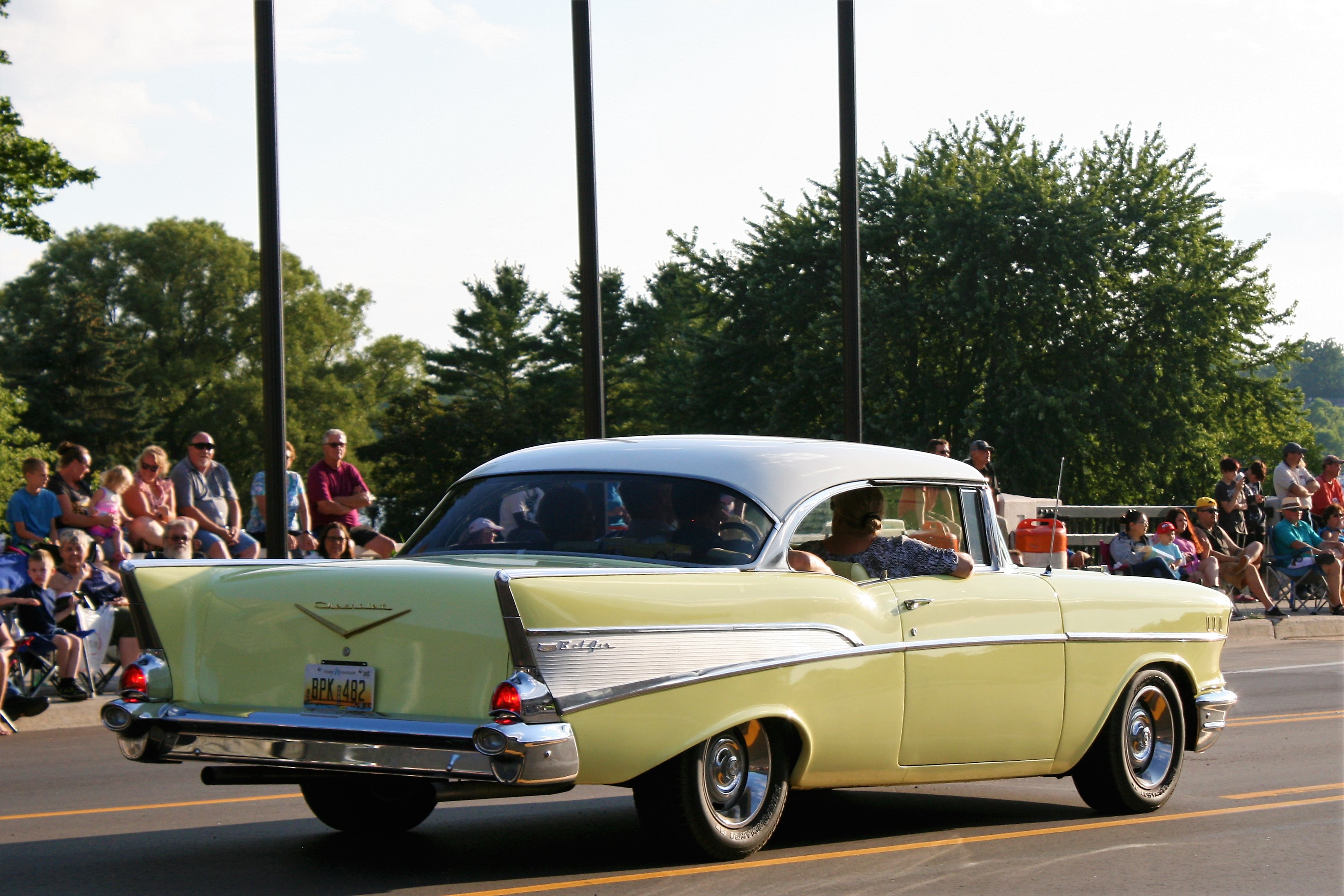
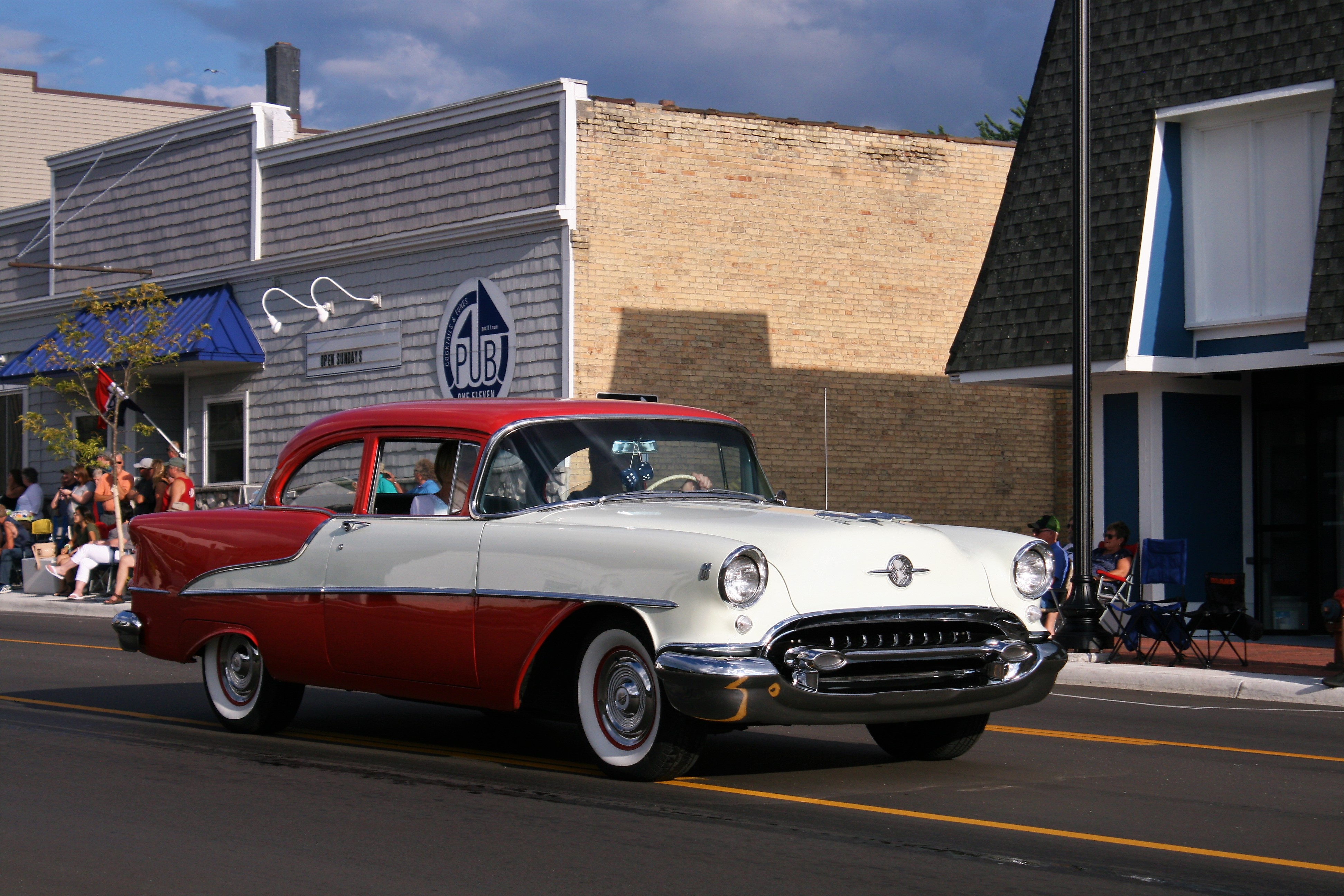
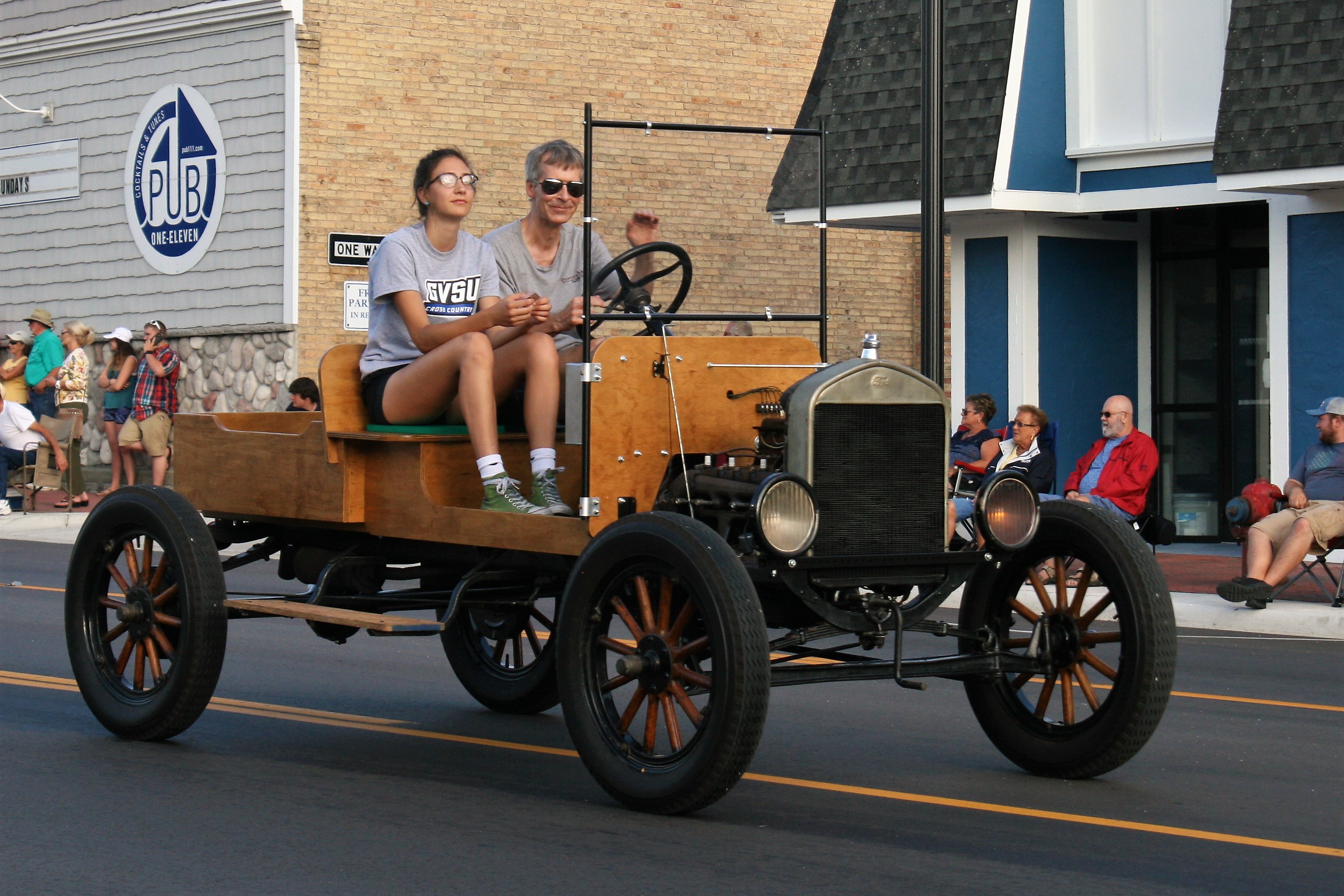
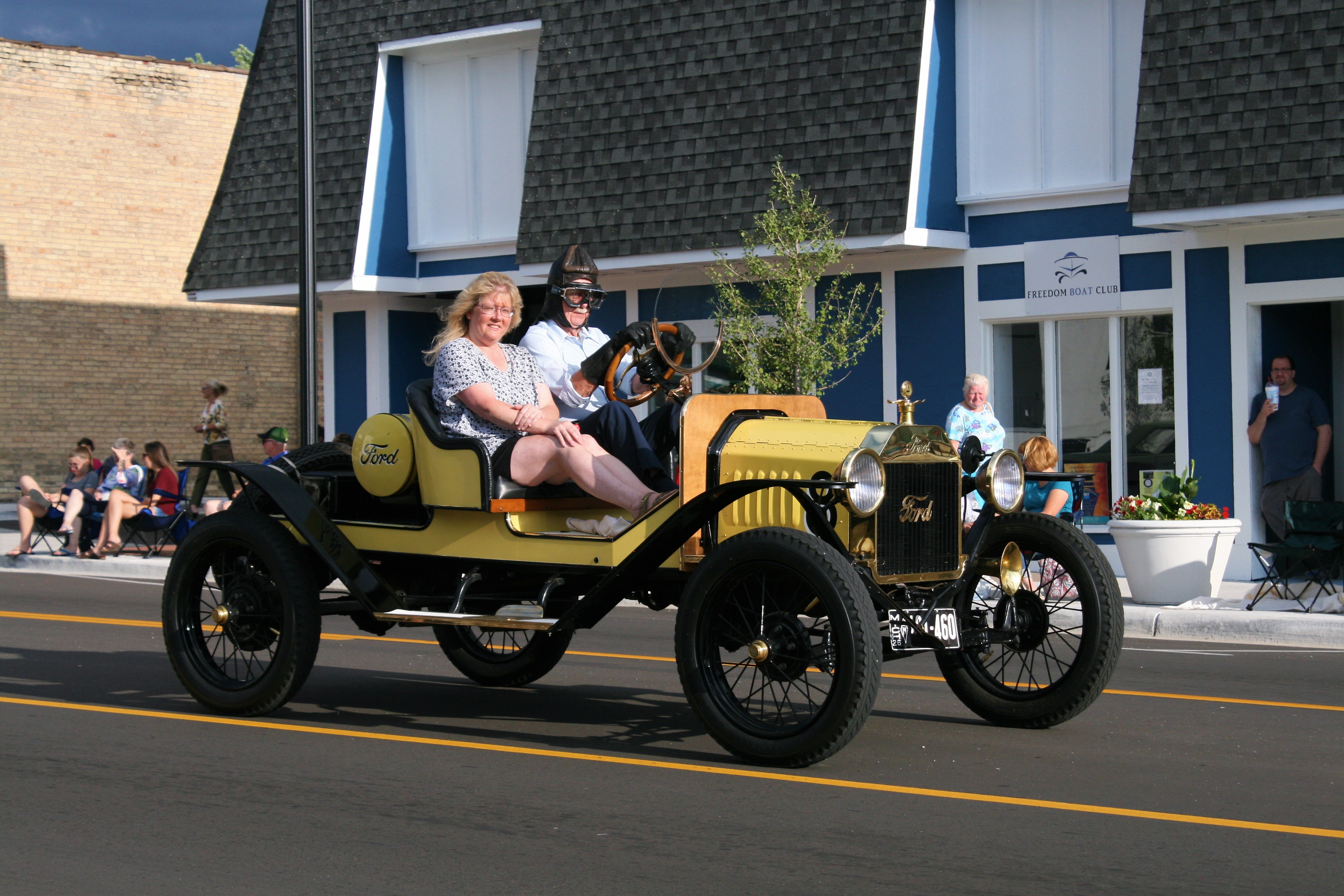
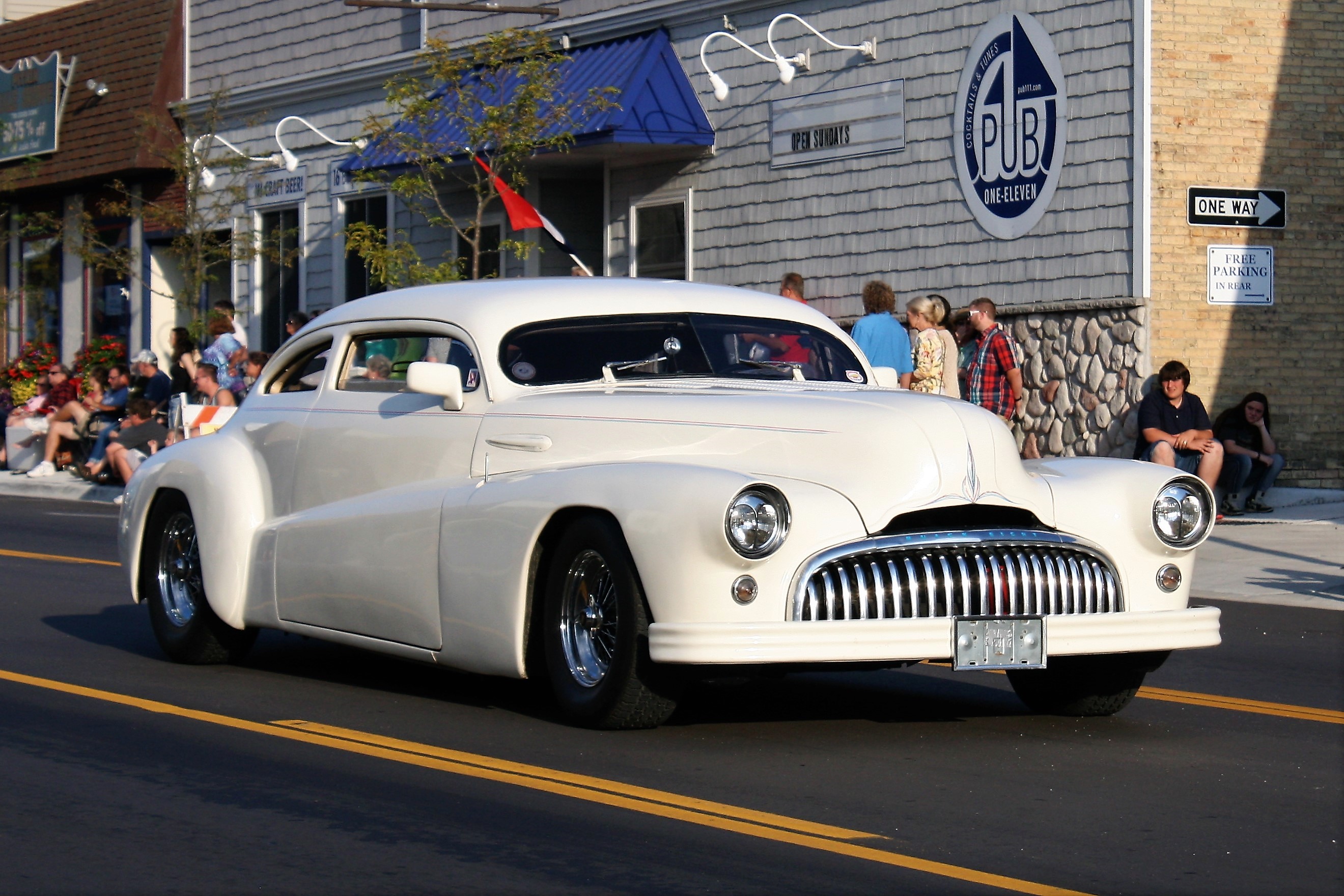
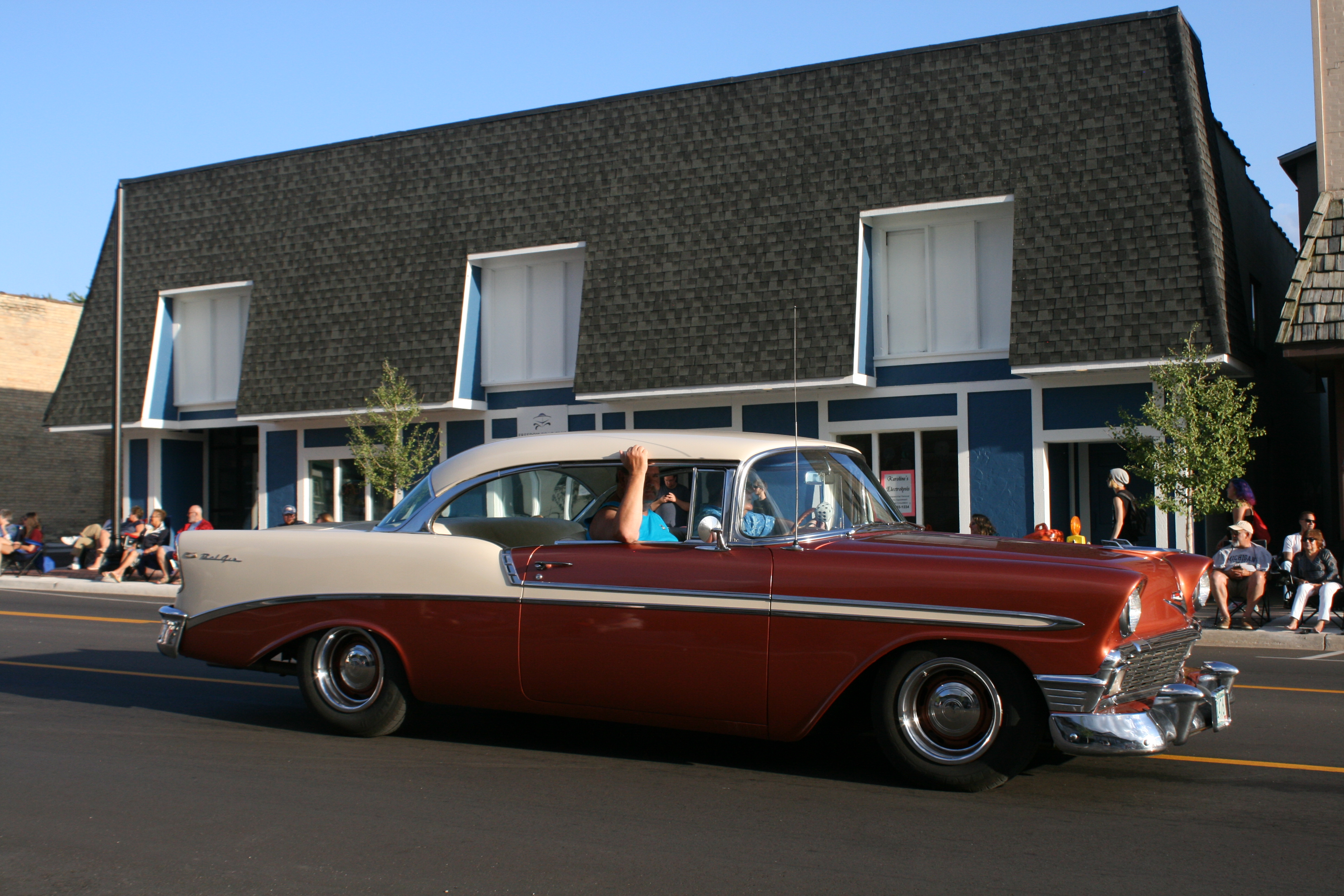
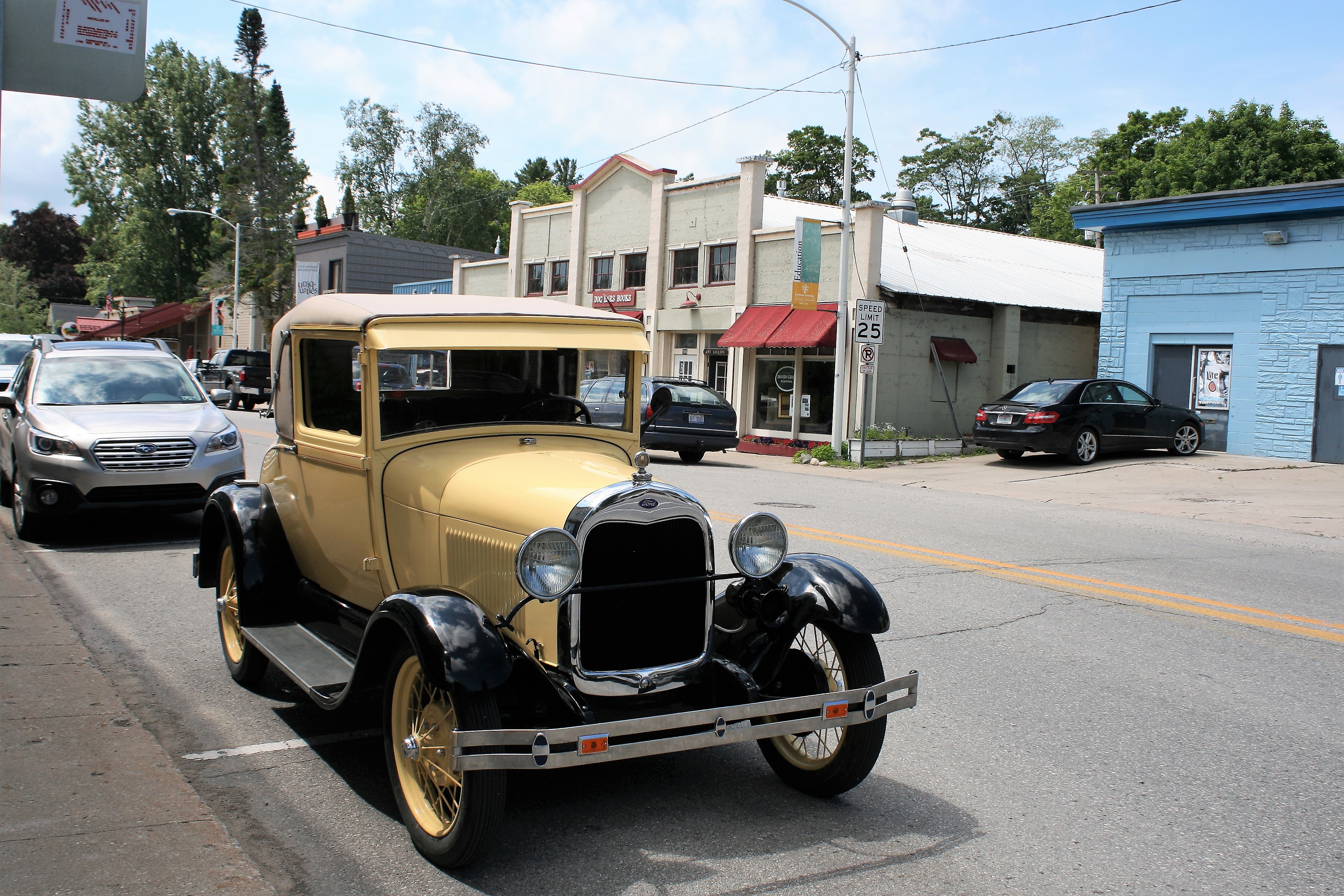
Montague was celebrating its 150th anniversary and on the Friday evening we went to watch the Cruz-in vintage car parade, when about 400 old cars slowly drove from Whitehall downtown along the lake shore to Montague. The town had thoughtfully provided folding chairs for spectators. Anyone who doesn’t like old cars, scroll down now.


After 400 cars, I was beginning to feel a little overwhelmed with gasoline exhaust fumes, but it was still quite an occasion.

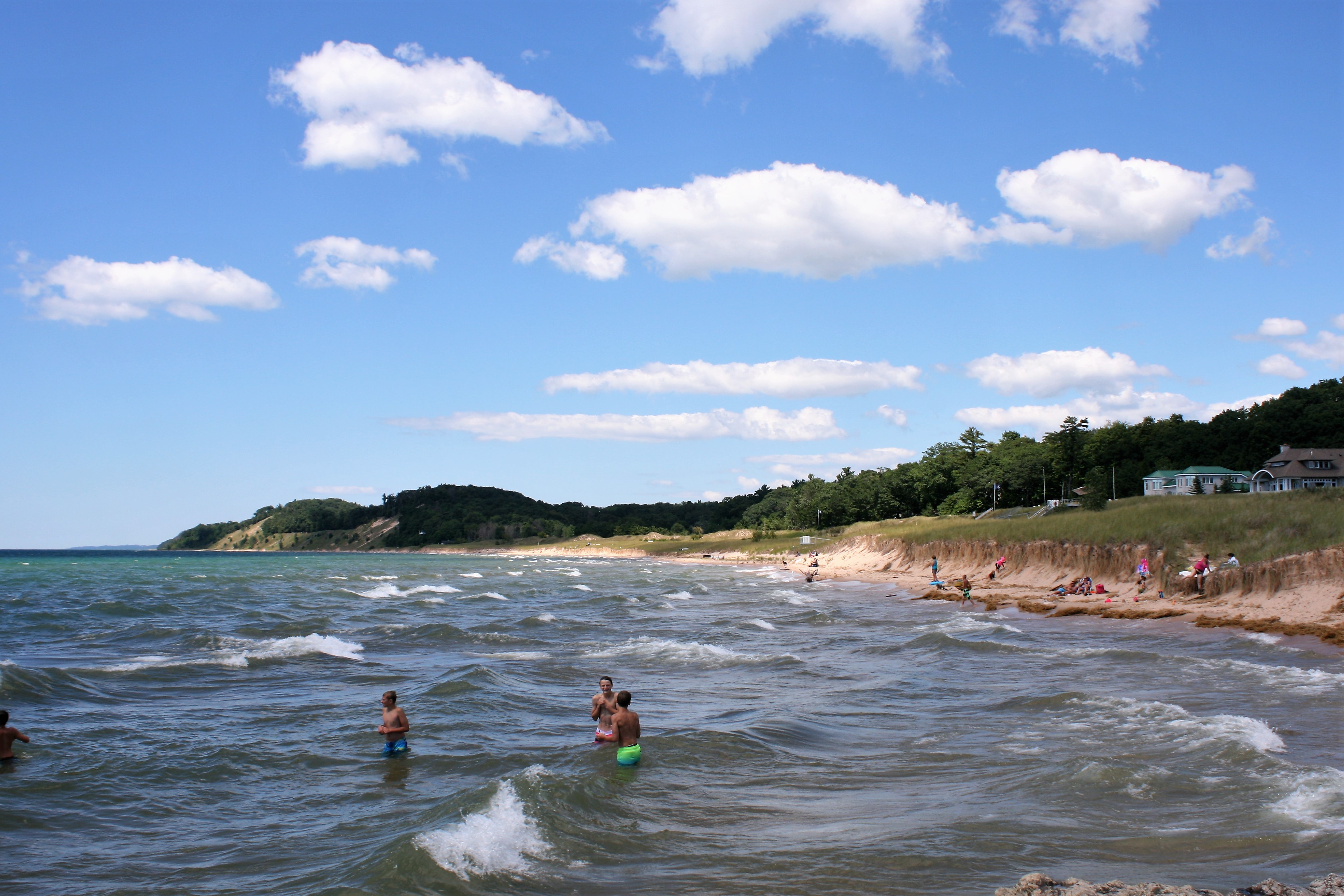
The next day I persuaded Ian that cycling 7 miles to Montague beach, and 7 miles back, was a good idea. About half the distance was on a cycle track through woodland, and more pleasant than the other half, which was a fairly busy road. When we got to the beach, and saw the lake, we were quite glad we weren’t boating. We watched with interest as several boats had a rocky experience passing through the channel.

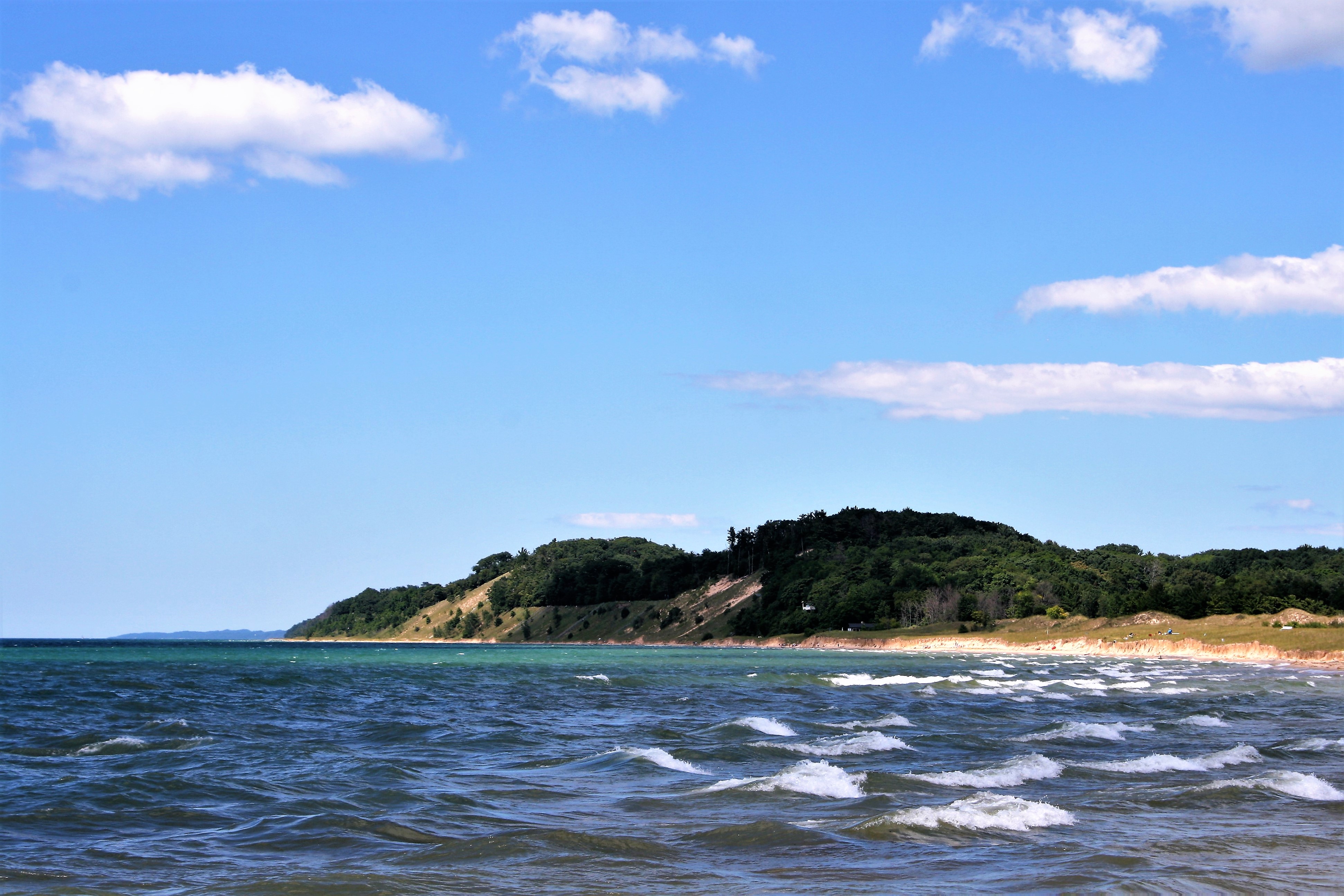
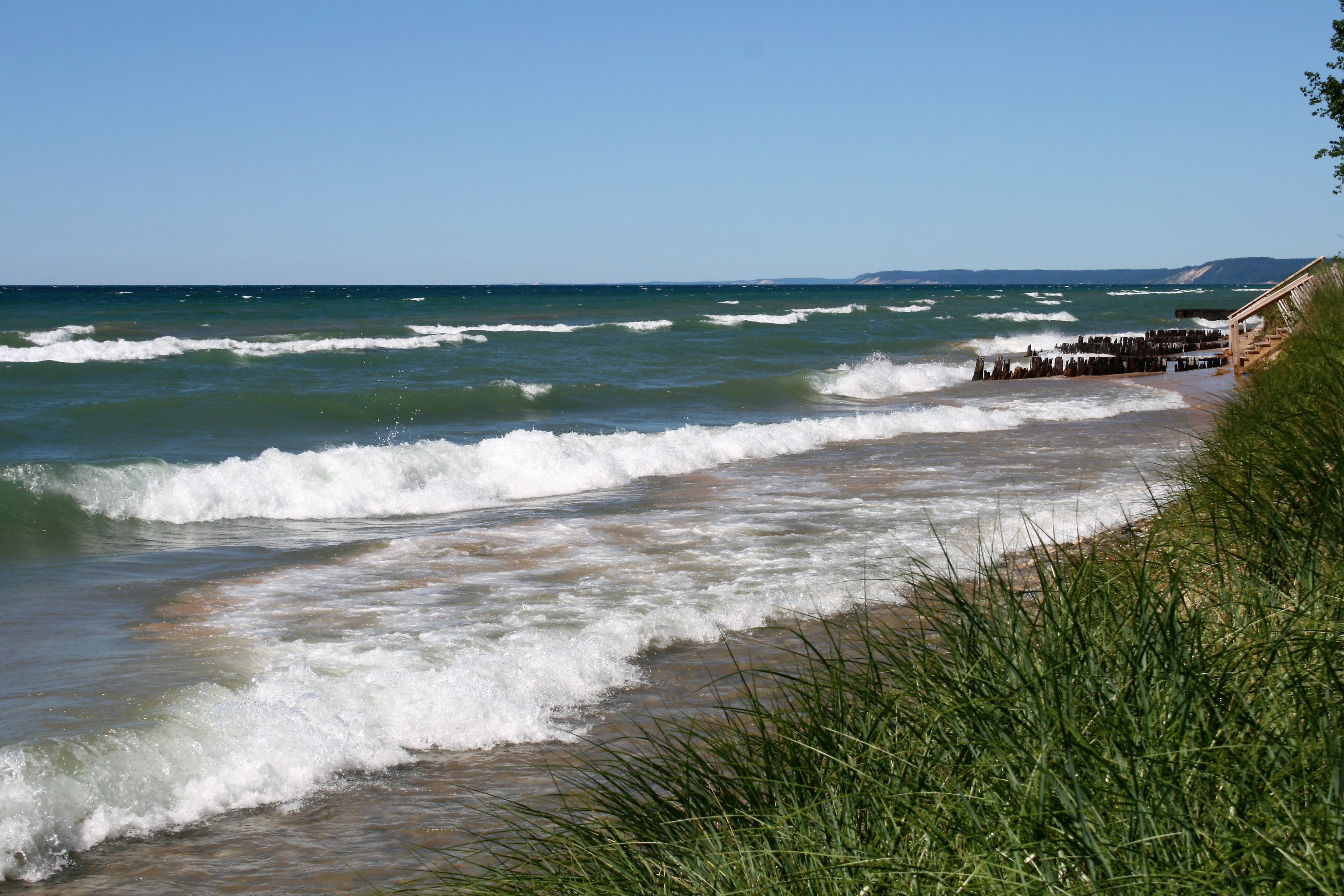
Big waves at Montague beach

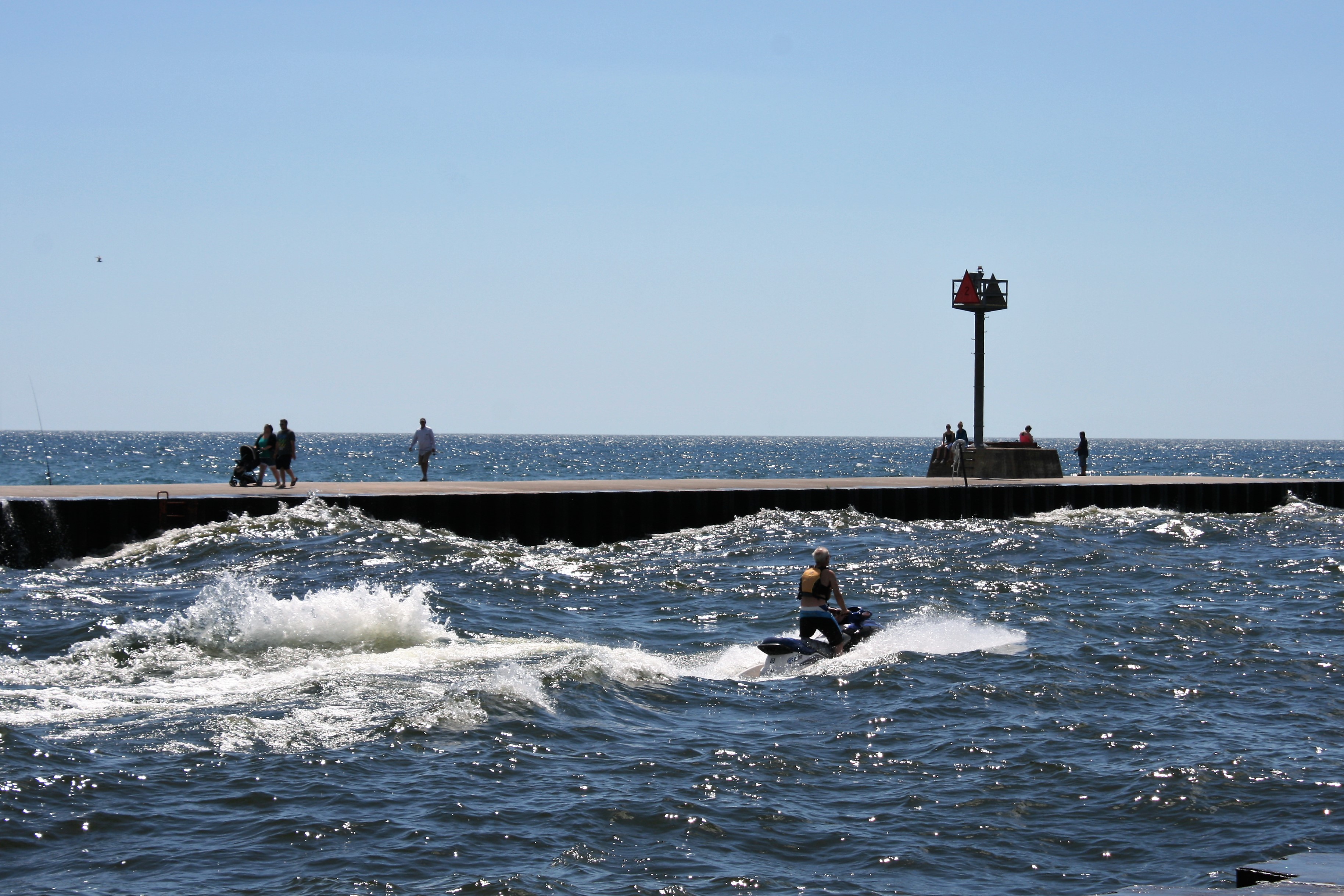
Big waves in the channel, White River

Our departure was planned for late afternoon, and the idea was to anchor a few miles away in White Lake, near the channel, ready for an early start onto Lake Michigan the next morning.  I was slightly surprised when we seemed to be heading out of White Lake, and into the channel. It seemed there had been a unilateral change of plan. The waves on Lake Michigan apparently weren’t too bad after all, and we were going to Muskegon, 13 miles down the coast. Was that alright? As long as you’re not expecting dinner any time before 9.30, I said.

On the way to Muskegon

From the mooring at Muskegon

IMG_0013Muskegon Light tower

Muskegon Light tower

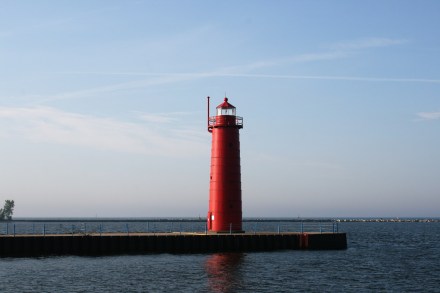
IMG_0015Grand Haven Lighthouse

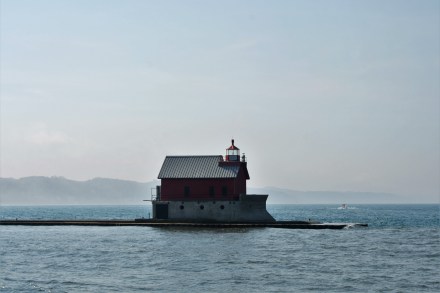
Grand Haven Lighthouse

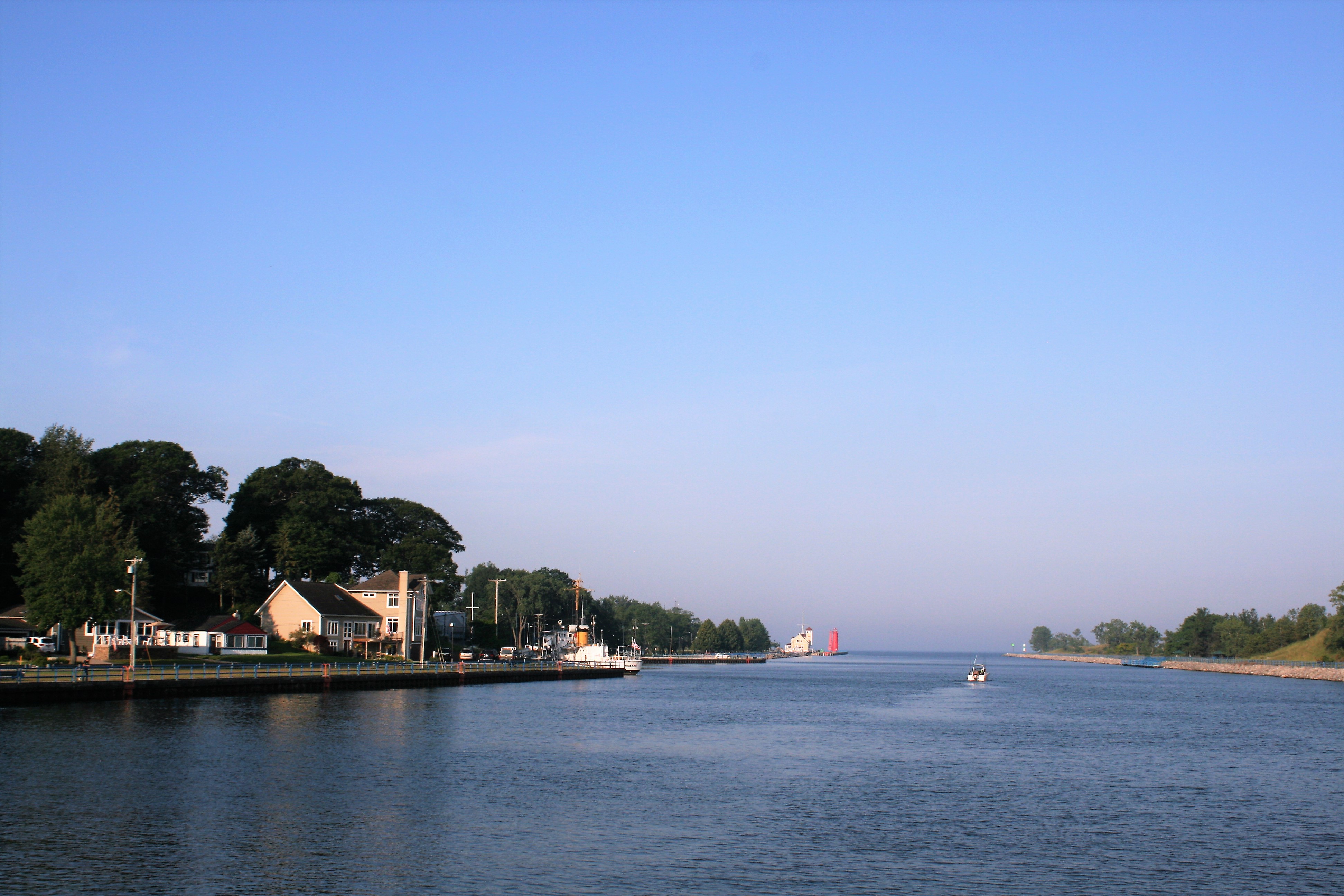
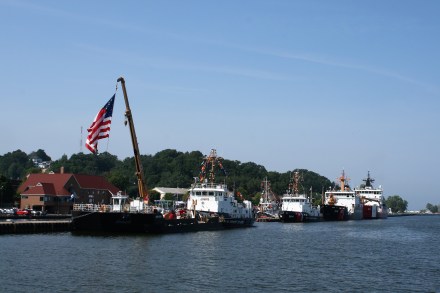
At Grand Haven we stopped on the dock wall on the Grand River for a couple of hours, before going through to Spring Lake, where John and Kim had very kindly invited us to stay on their dock for the night. The town dock was very busy and we were lucky to be able to tie up there – the town was preparing for the annual  Coastguard Festival the following weekend.

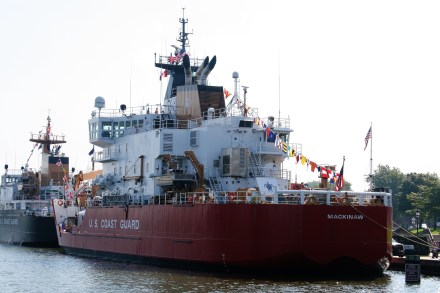
IMG_0019USCG Mackinaw eady for the festival

USCG Mackinaw ready for the festival

IMG_0022Ready for the Festival

Ready for the festival

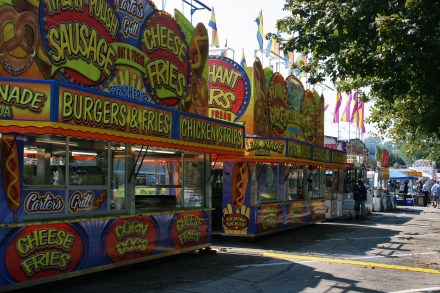
IMG_0004Fast food

Fast food

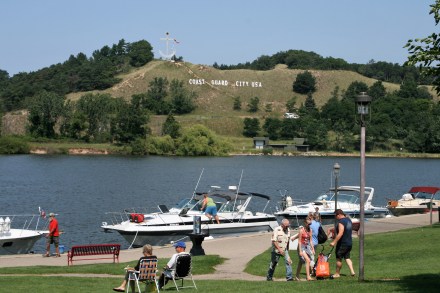
IMG_0005Coastguard City

Coastguard City

Later, we went out for dinner with John and Kim and their neighbours Rick and Sue – it was lovely to have some company and we had a great time with them.

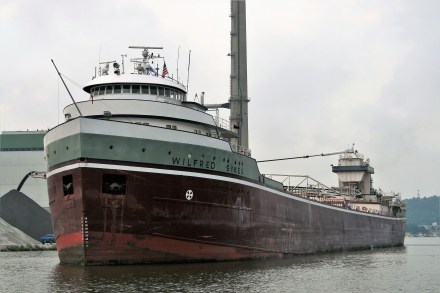
The next day we set off in light rain for Saugatuck. There was a large vessel, the Wilfred Sykes, occupying the channel, but fortunately she was busy unloading something at the wharf and was stationary, so the problem of not getting in her way didn’t arise. According to Duluth Shipping News, “The Wilfred Sykes was built by Inland Steel in 1949 in Lorain, Ohio. At 678 feet long, she was, when launched, the longest boat on the Great Lakes, setting many cargo records in her first year of operation. She received a new paint job just before the 2016 season, hopefully a good sign for her continued work on the Great Lakes.”

IMG_0014Wilfred Sykes

Wilfred Sykes

The sky had a pink glow, perhaps a portent of the bad weather to come, but we got to Saugatuck and safely docked in the marina before the storm.

IMG_0015Pink cloud on the way to Saugatuck

Pink Cloud on the way to Saugatuck

Lake Michigan’s Eastern Shore: Northport to Manistee

Lake Michigan has toughened us up. The criteria for whether we venture out or not have shifted to the right. The terms and conditions have changed from ‘we will venture out only when wave heights are two feet or less’ to ‘we will venture out as long as the furniture upstairs isn’t actively moving of its own volition across the boat’. I’ve reframed Carina’s pitchings and lurchings by imagining I’m on some marine fairground ride, which clearly I’m supposed to enjoy. Otherwise, it would probably have taken us a year to get down to Chicago.

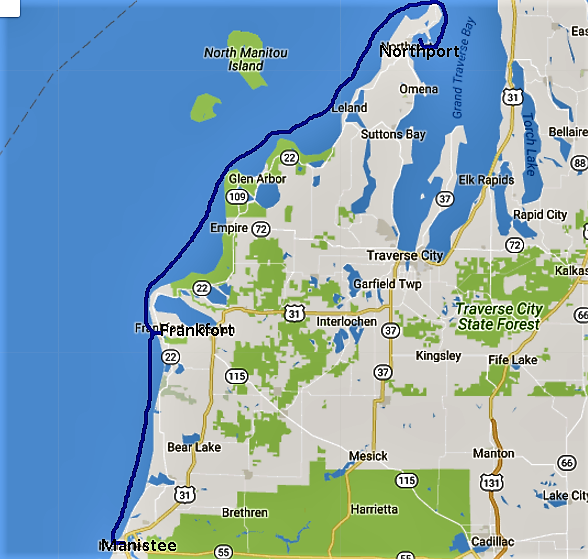
Ian was anxious to make some progress in that direction, so when the weather improved we made a very early start from Northport, to travel 60 miles down the coast to Frankfort.

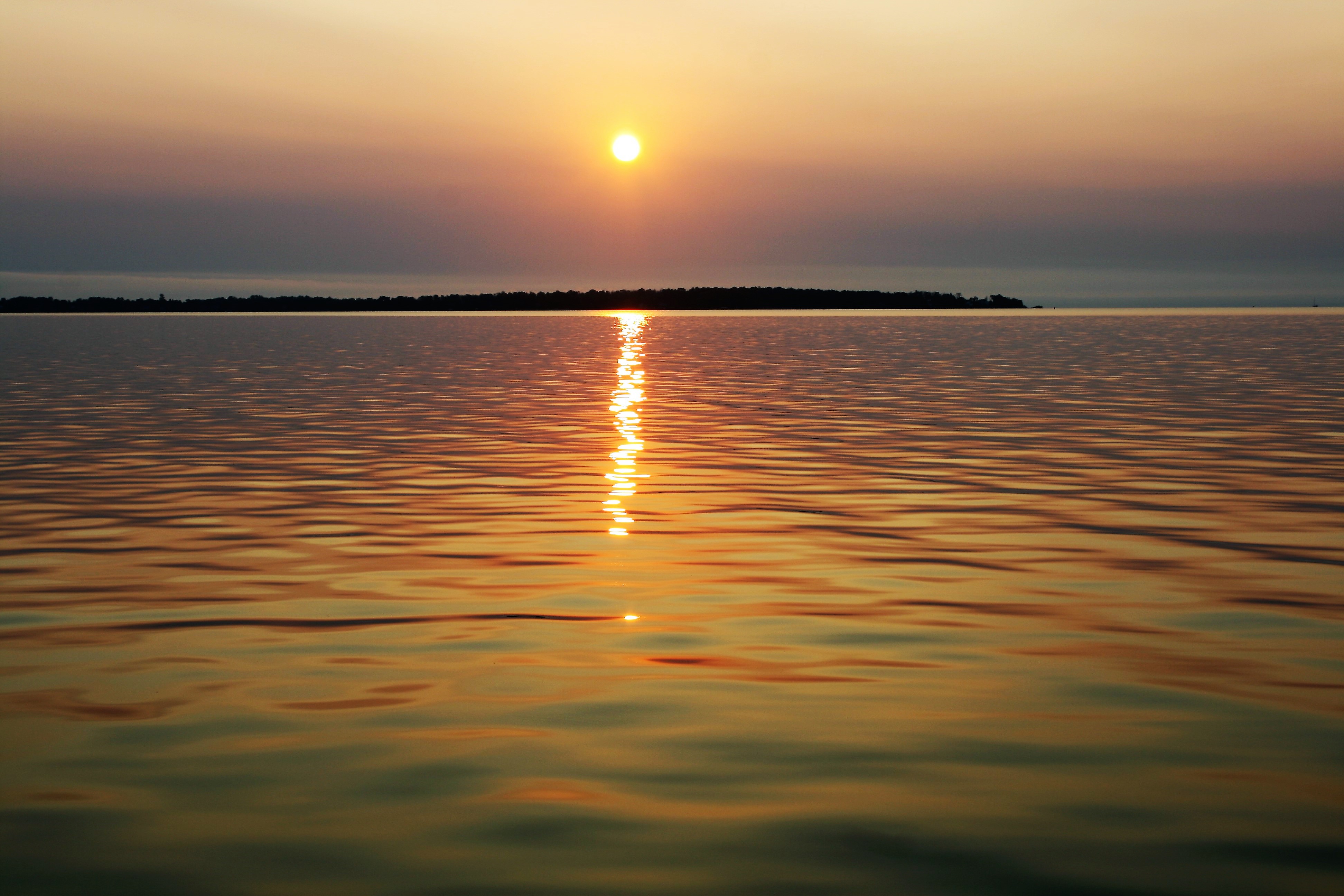
Sunrise at Northport

Northport to Manistee

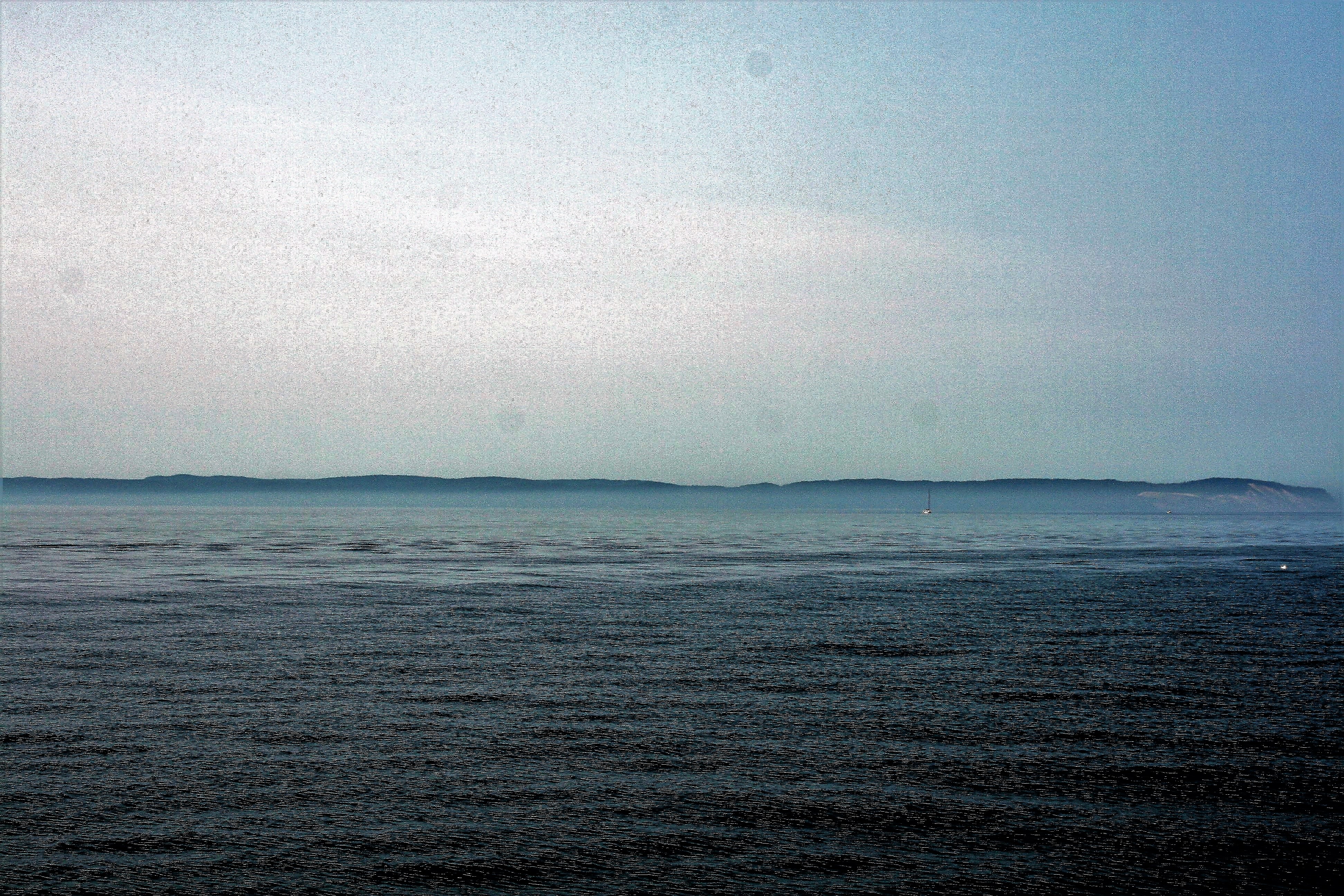
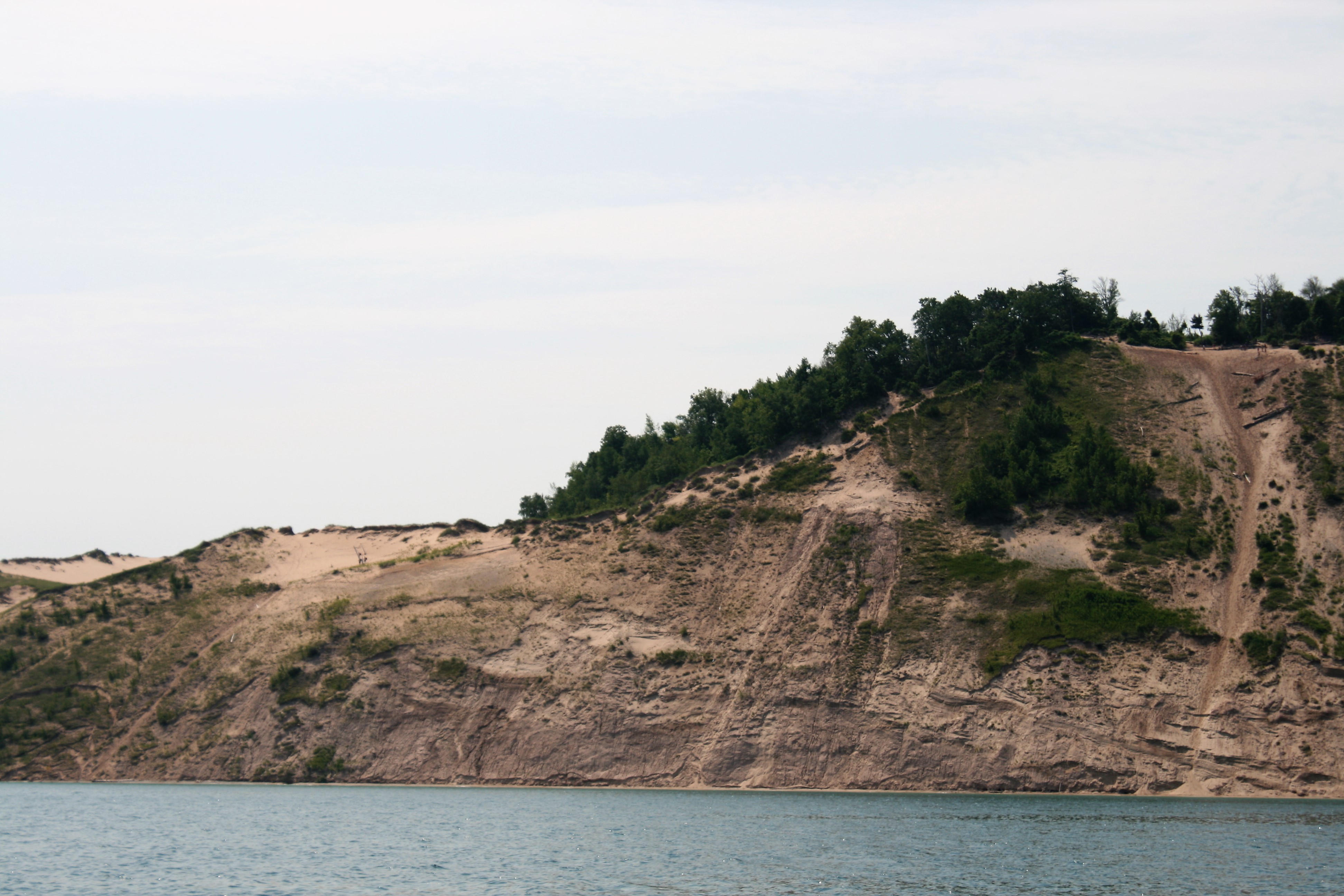
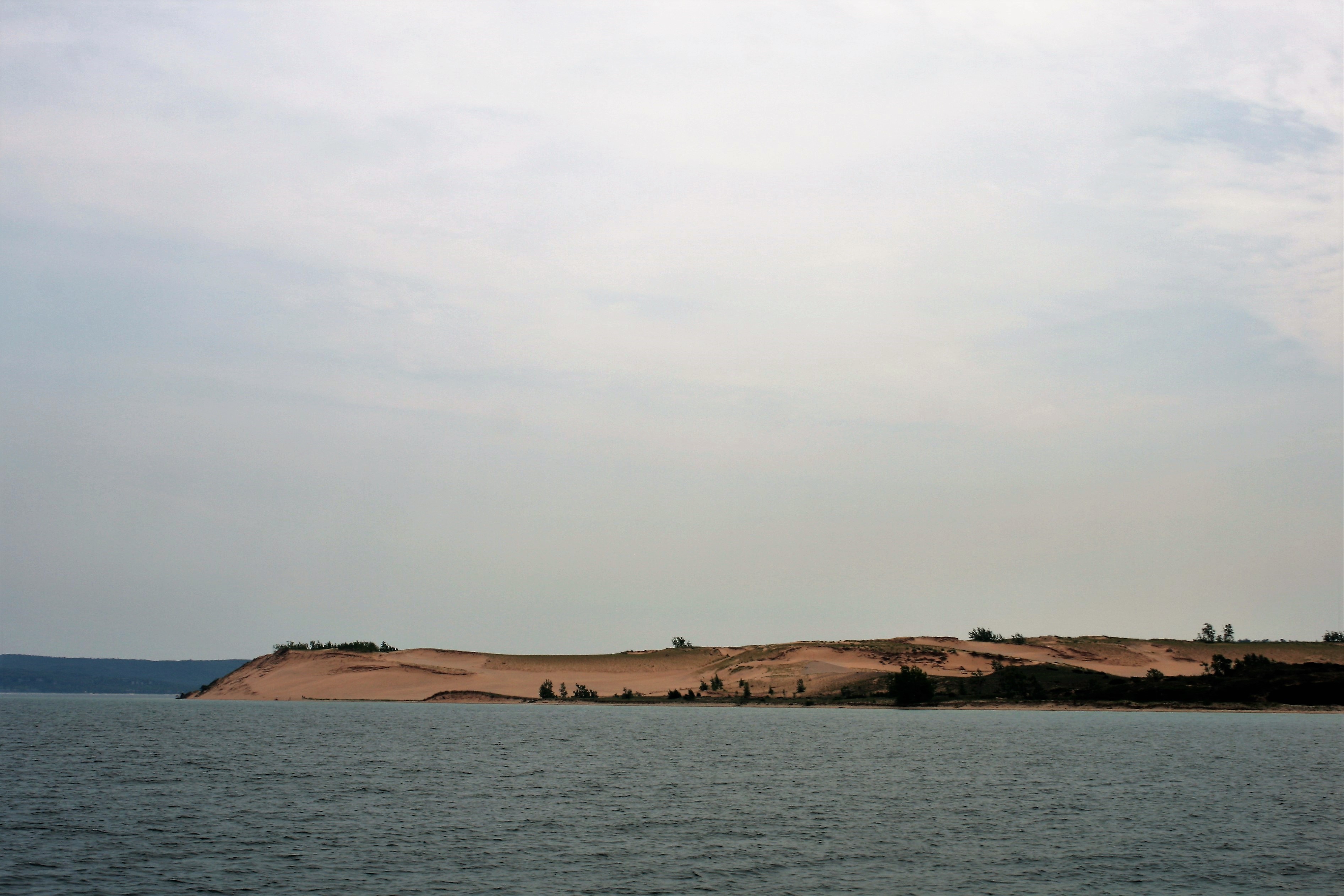
Michigan’s coastline has spectacular sand dunes, the largest fresh water dunes in the world, formed from glacial activity 16,000 years ago. In parts they are covered with trees and grass, and elsewhere the golden sand is exposed. After we rounded the tip of the Leelanau Peninsula after leaving Northport, we got our first views of the Sleeping Bear Dunes, and later, North and South Manitou Islands, which are part of the Sleeping Bear State Park. A low haze hung over the water, so we didn’t see the dunes quite at their best.

I was sorry we didn’t have time to visit the Manitous. John had lent us a book about the history of  North Manitou, by Rita Hadra Rusco, who had gone to live there in 1942. Her book, North Manitou: Between sunrise and sunset, tells the story of the pioneers who lived on the island during the 19th and 20th centuries, the harsh conditions they endured, and the small community that grew up there, only to eventually leave the island for ever in the late 70s, when the island was taken over by the National Parks Service. Houses and land were compulsorily purchased, and most of the buildings demolished. Rita’s plangent sentence “It is as reprehensible to ignore the island’s human history as it would be to desecrate a prime wilderness” seemed to summarise her sadness that a unique way of life had vanished, and her frustration that this had not been recognised by the Parks Service in its zeal to establish a wilderness area.

Low mist on Lake Michigan

Near Frankfort

The sky began to lighten as we neared Frankfort

The harbours on Lake Michigan’s eastern shore are situated around inlets and rivers which feed the main lake. The State has a programme of harbour development and supports the local communities by providing facilities for boaters at the municipal marinas.

At Frankfort, the marina was full but we were able to anchor in the channel and take the dinghy to go ashore for a meal and have a look round the busy town. Like many places, the waterfront was attractive with a pretty garden area overlooking the channel.

Waterfront gardens at Frankfort

.

We left the next day for Manistee, where the lighthouse heralds the entrance to Big River and Manistee Lake beyond it. In Dozier’s Guide to the Waterways, it advises that ‘….if a crew change is necessary, airlines and buses serve Manistee.’ But Ian obviously felt I would do, for the time being.

The dunes near Manistee

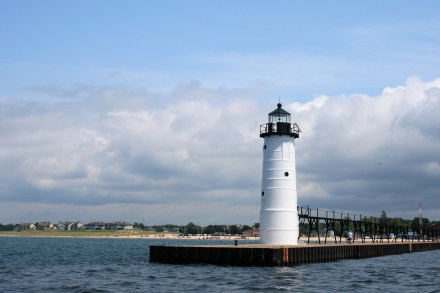
Manistee Lighthouse


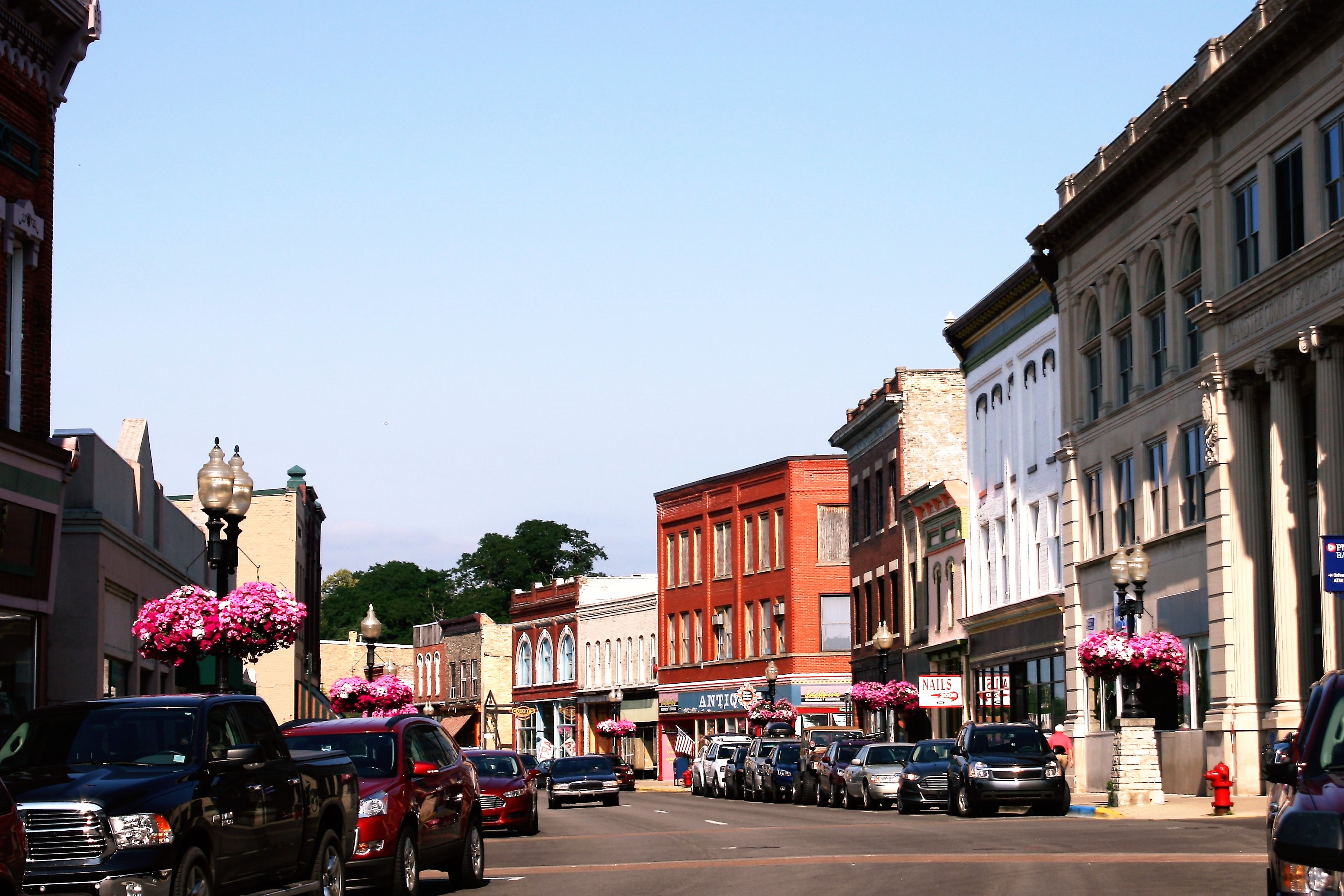
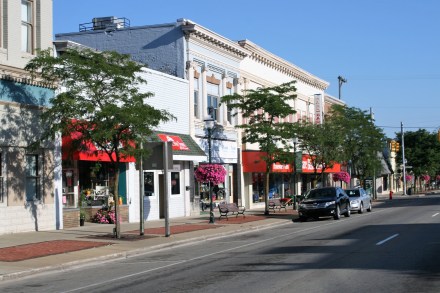
100 years ago, Manistee was an industrial centre with saltworks, an iron works and lumber factories, and large ships would come up Big River to transport goods. It had the largest number of millionaires per capita in the world. Some fine houses and other buildings are their legacy, and although the downtown has a number of boarded up premises, and Oleson’s the only decent supermarket has recently closed, the main street, overlooking the river, is attractive. The old shop fronts have been retained and there are hanging baskets and small gardens everywhere. The south bank of the river, where the municipal marina is, has a boardwalk leading to the beach and that too is attractively landscaped.

River St. Manistee, showing the former drugstore, now the museum

River St Manistee

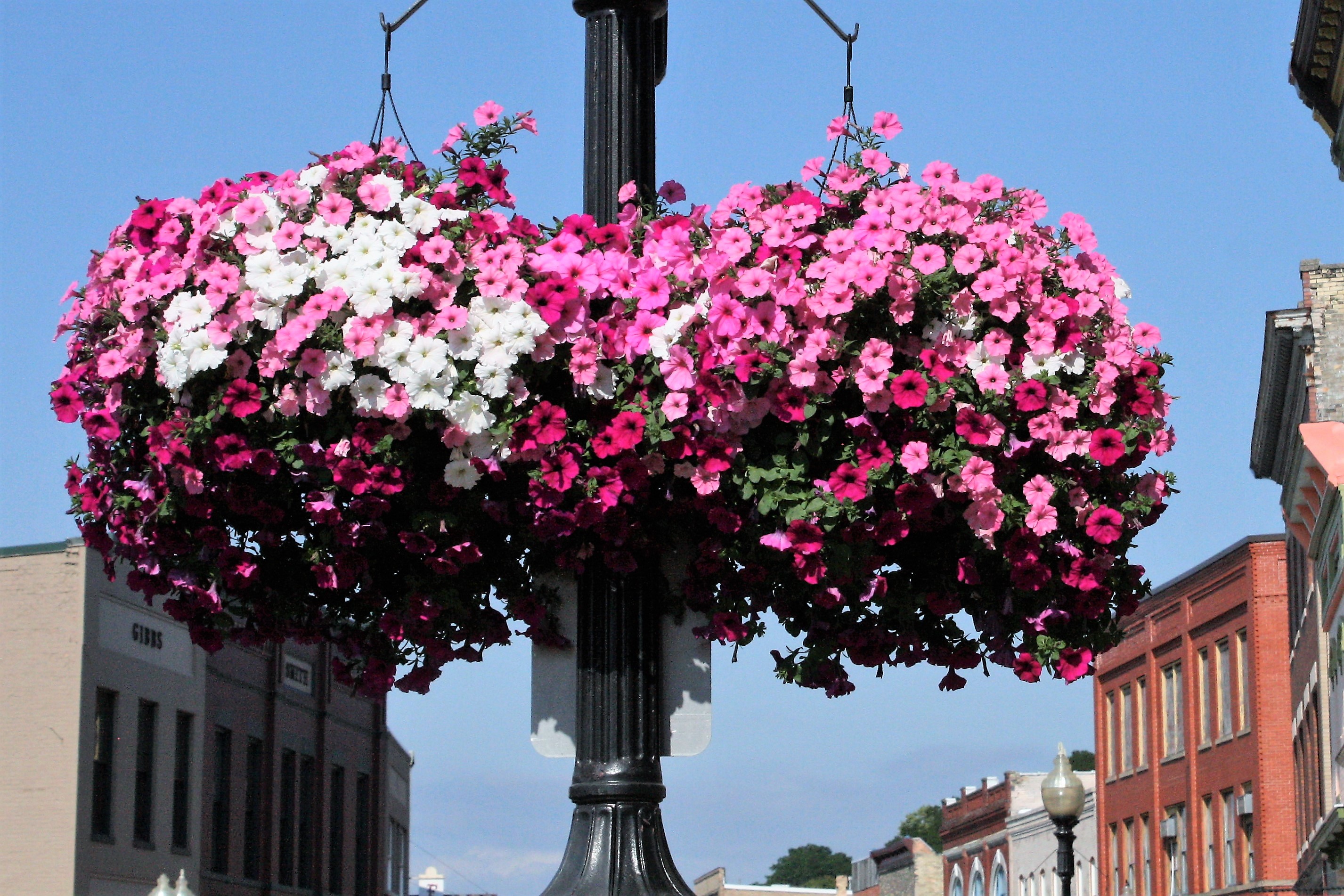
Hanging baskets


In the morning, I went in search of groceries. Family Dollar, on the opposite bank of the river, did have milk and orange juice but perhaps unsurprisingly,  no fresh fruit, vegetables or meat. Miller’s produce store and another shop selling ‘organics real food’ were both closed at 9.45 on a Sunday morning. Feeling a little frustrated, I walked back along River Street, and a young woman said hello to me as she turned to open Glenwood Market, a shop which I had noticed the previous day, but which I had assumed sold only jams, cookies and other gift items. But it turned out they sold freshly made bread too, of various types. The one I chose was a potato/rosemary sourdough and after weeks of packaged supermarket bread, it was a luxury. And that was not all. They had fruit pies too. It took me a few minutes to decide that a large, 3-berry pie (cherry, raspberry and blueberry) would not take up too much space in our small refrigerator, that spending $13.50 on a pie was not wildly extravagant, and that we would manage to eat it all. We did, and it was worth every cent.

We had hoped to leave later in the day and make some progress. We left the dock, cruised down the river past the lighthouse, and out into the lake. Two minutes later we turned back. The dockmaster said she wasn’t surprised we had returned. We went out and walked along River Street and consoled ourselves with some wine-tasting at Gardner’s, the outlet for the Douglas winery and invested in some very good Michigan Pinot Grigio.

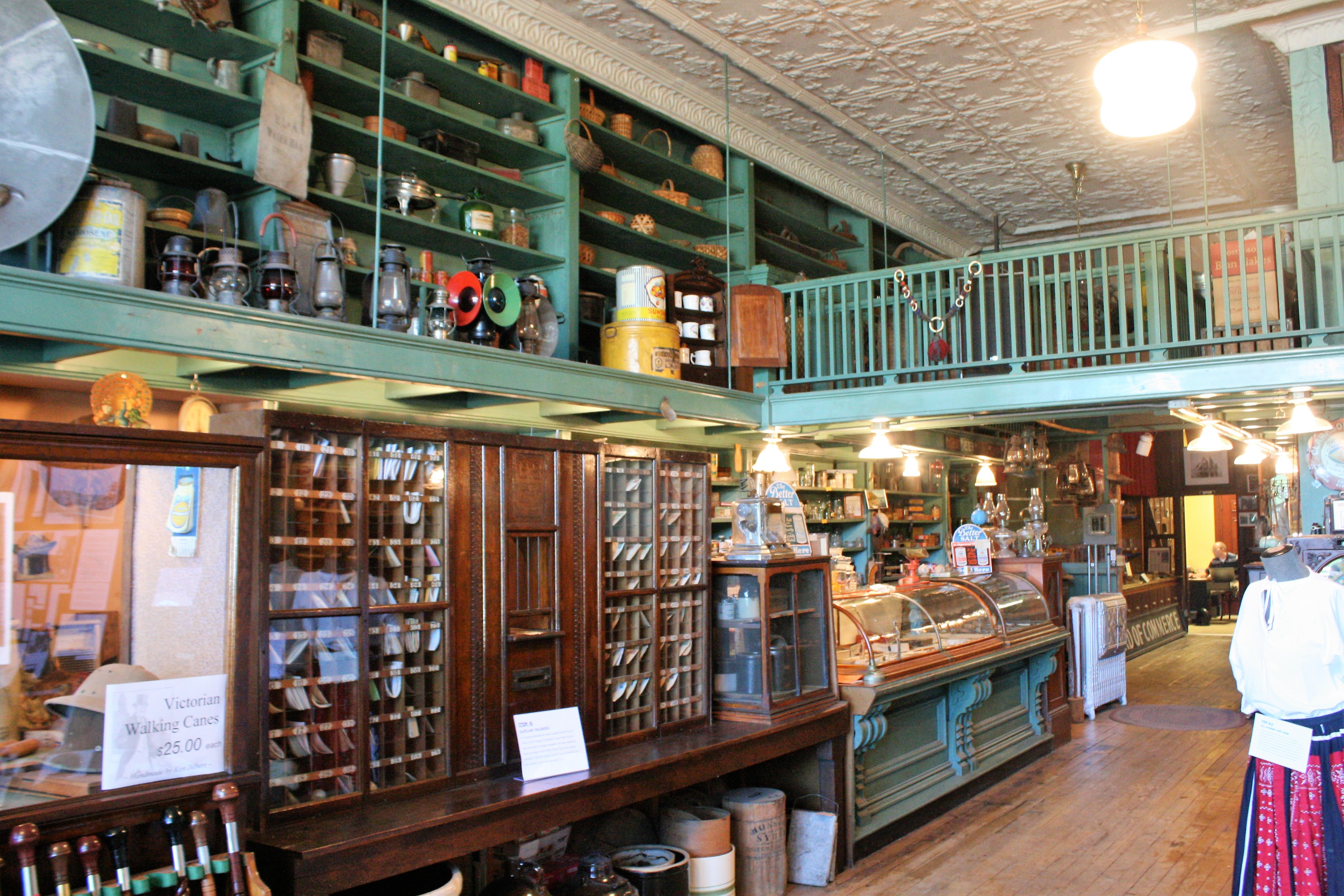
The strong winds continued so we had another day to explore Manistee. We went to the Manistee County Museum, and were given a conducted tour by Ray, who not only told us what everything was, but demonstrated how many of them actually worked. Most of the exhibits had been donated by local residents and gave a fascinating insight into the history of the area and how people lived. The building was originally Lyman’s Drugstore, and when the business closed in the 1950’s, the family donated the building and contents to the town.

Inside the museum

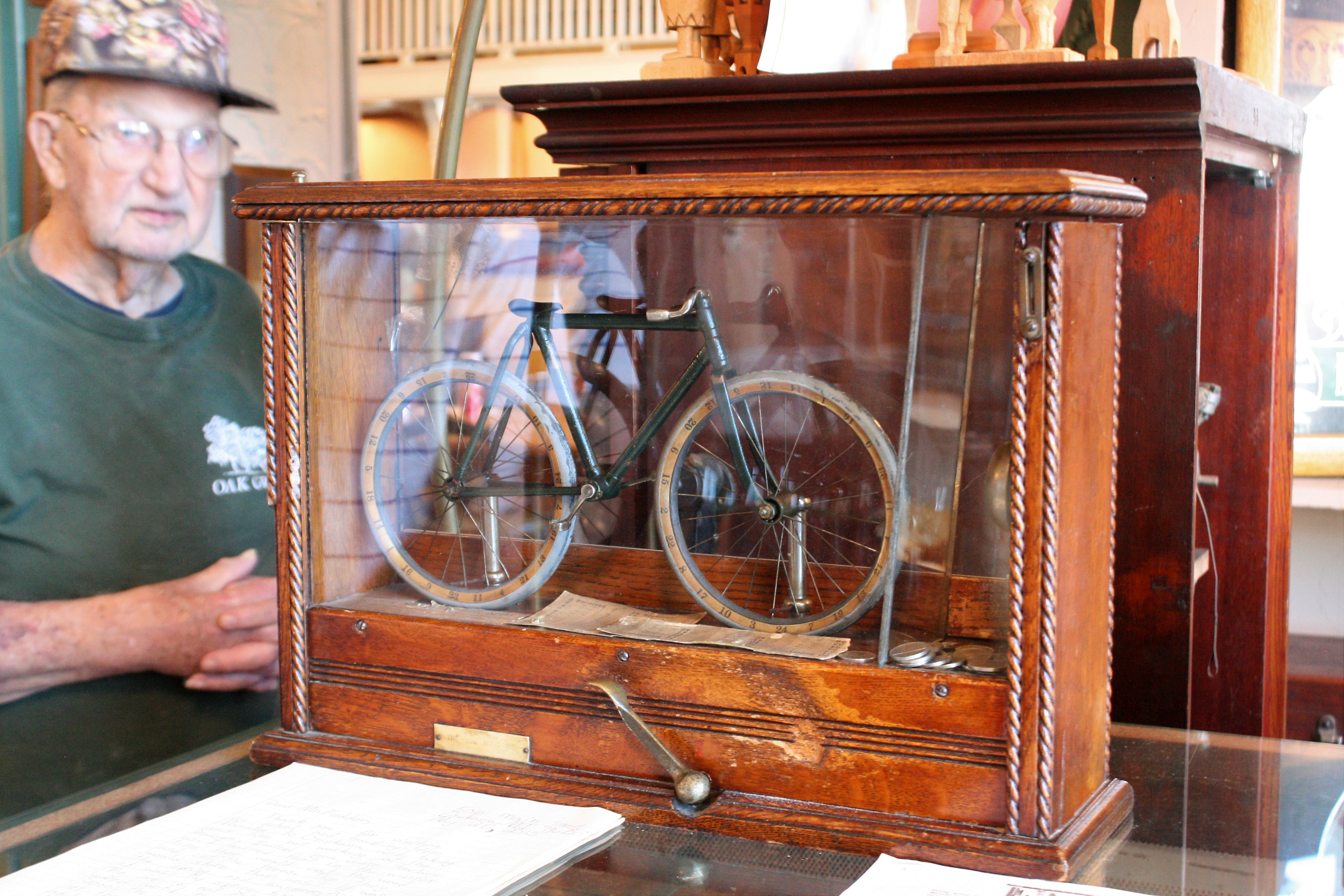
Ray and the chocolate-dispensing bicycle

The bicycle originally dispensed cigars. Coins would be put in at the top, causing the wheels to turn round and a number would randomly come up. This would determine the number of cigars dispensed. Later, when it became an attraction for children, it was altered to dispense chocolates.

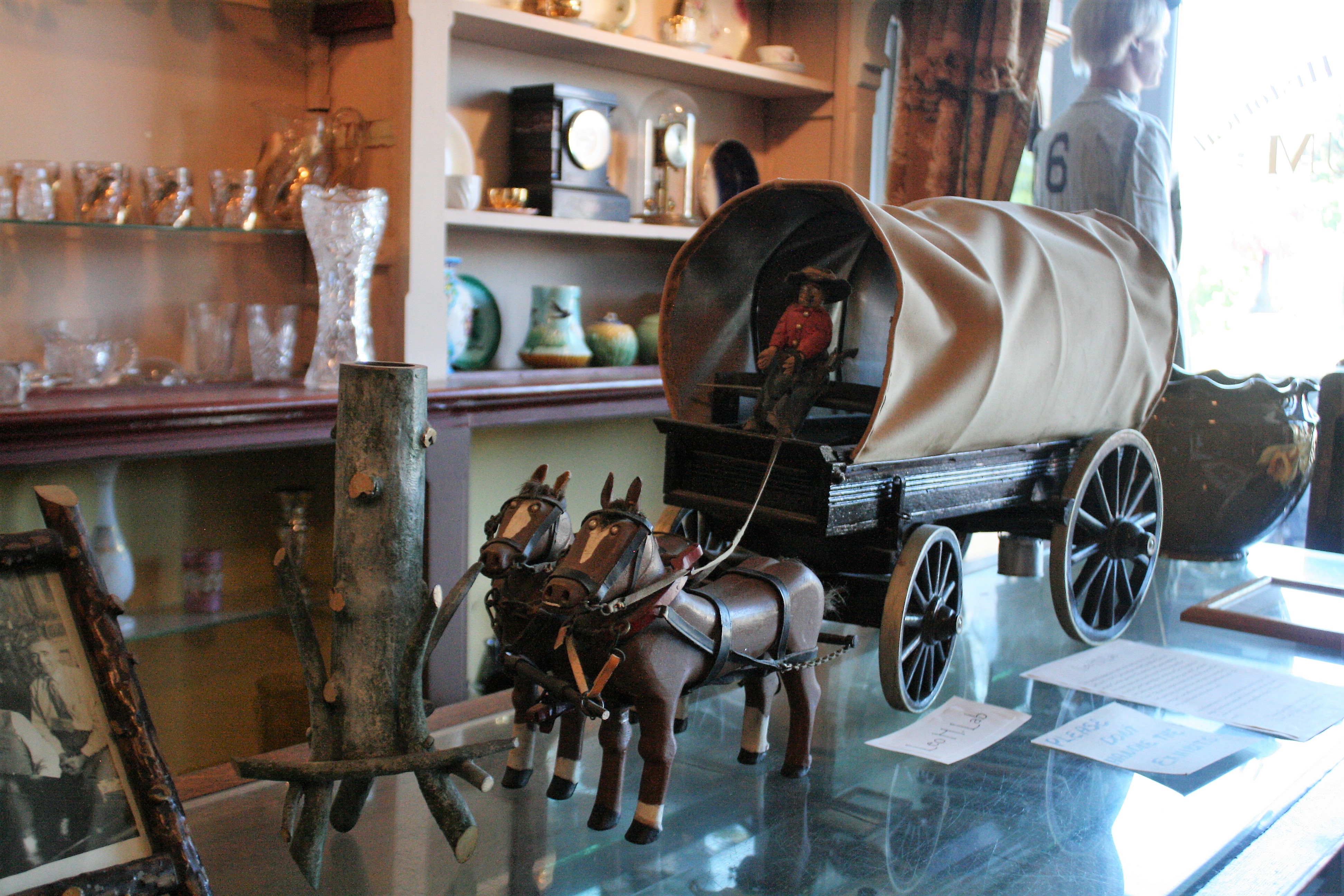
model covered wagon

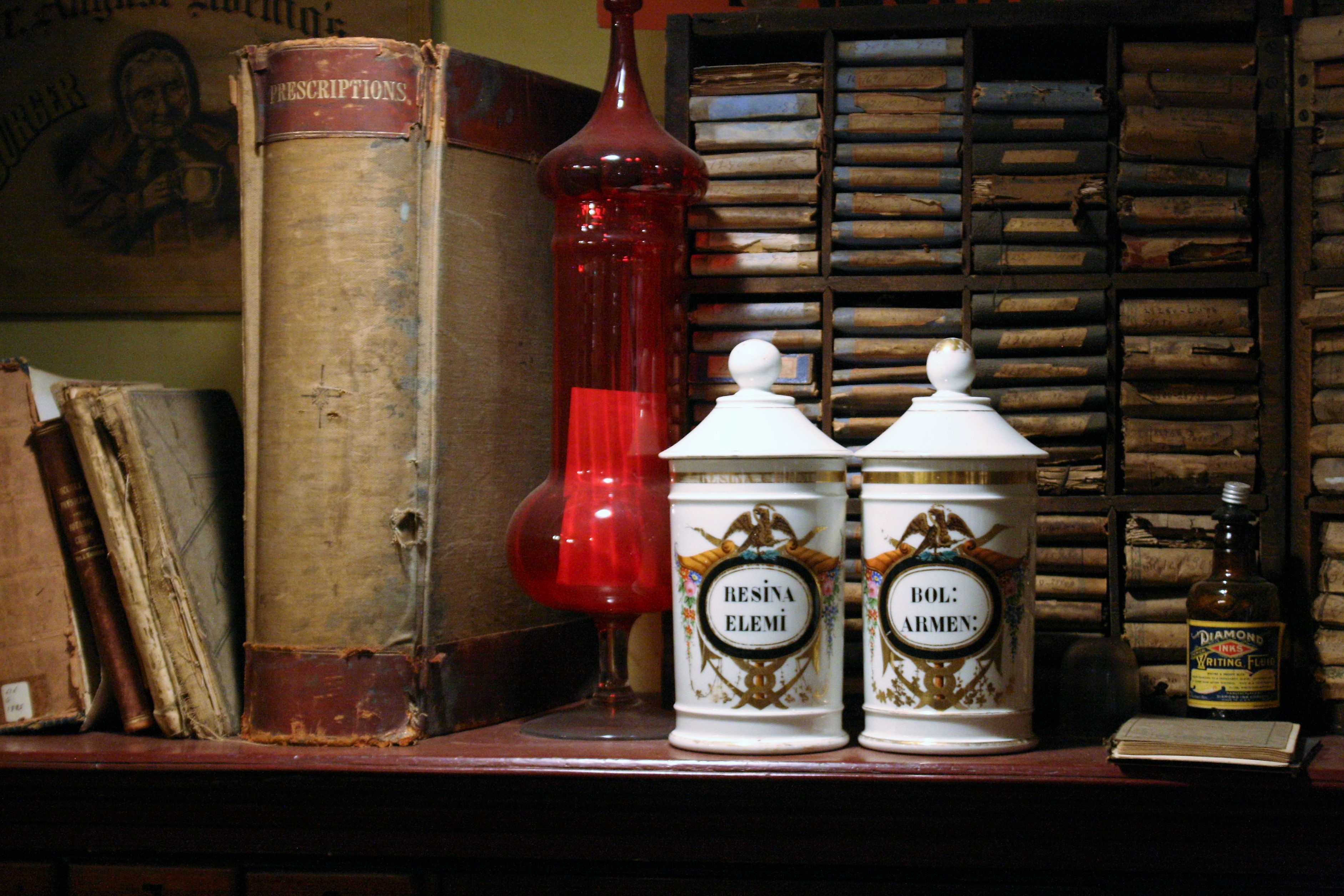
Old pharmacy relics

Upstairs, rooms were given over to displays of local businesses which had thrived in the past.

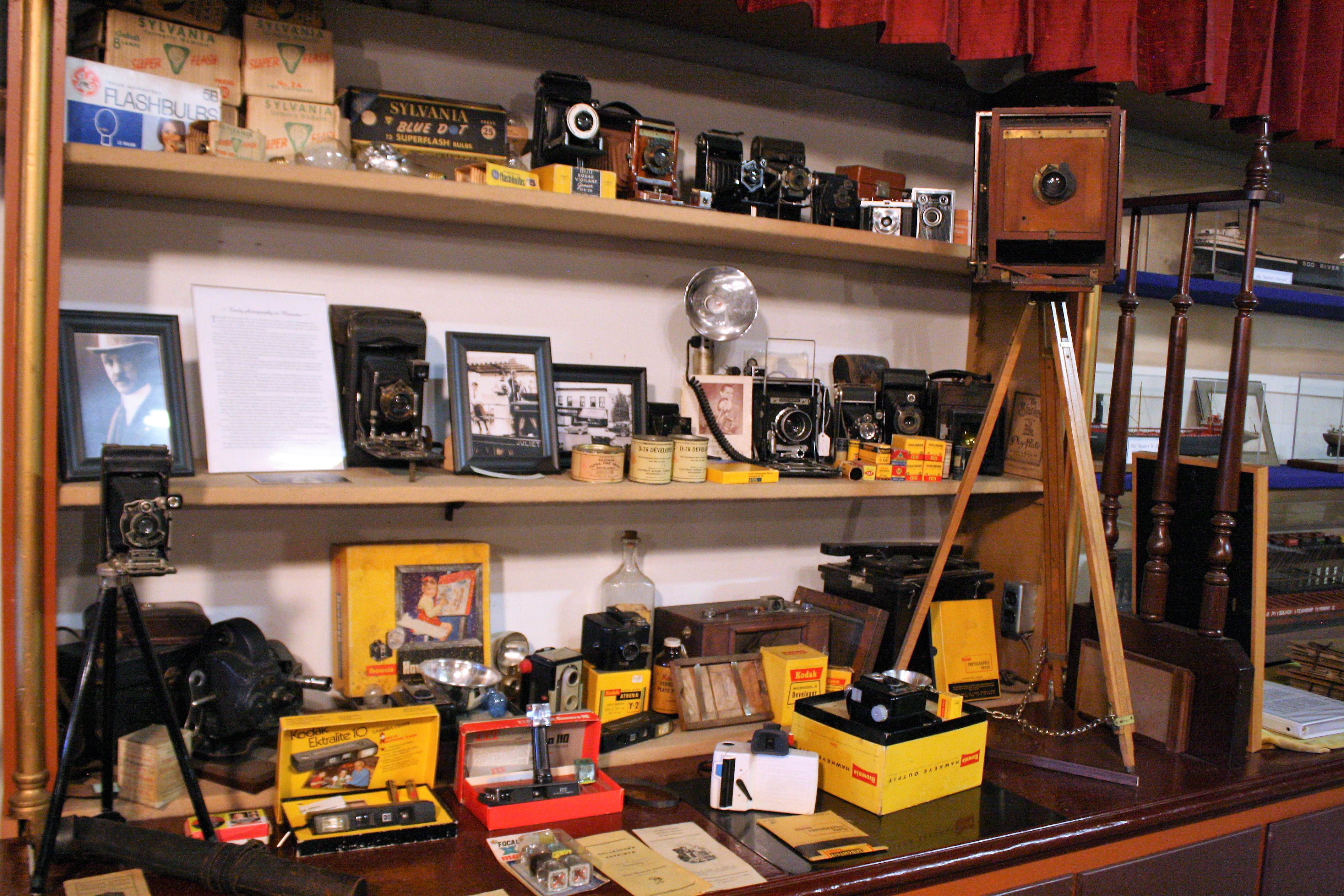
photography exhibit

In the afternoon we cycled a few miles north to the Audubon bird sanctuary at Bluff Lake. We didn’t see any birds, but the lake looked spectacular and the waves reminded us why we weren’t actually boating.

Lake Michigan at Bluff Lake Bird Sanctuary

Lake Michigan at Bluff Lake Bird Sanctuary

Wedding Anniversary!

It was our 47th wedding anniversary and in the evening we had  good meal at the Bluefish Bar and Grille, overlooking Big River.

Side trip to Virginia – an iconic house and beautiful countryside

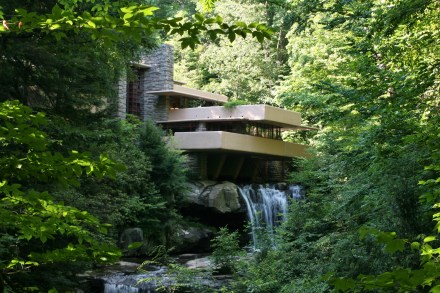
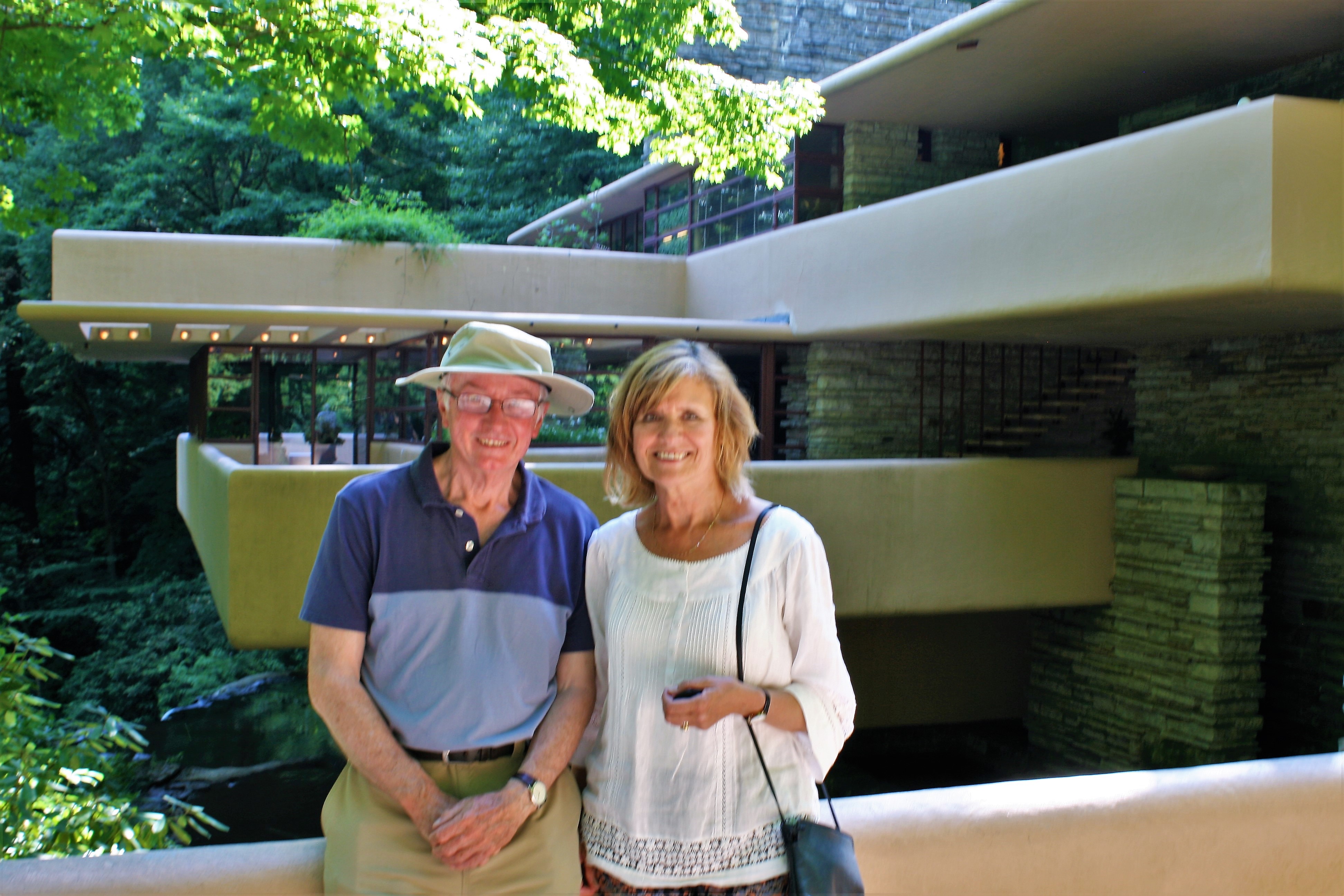
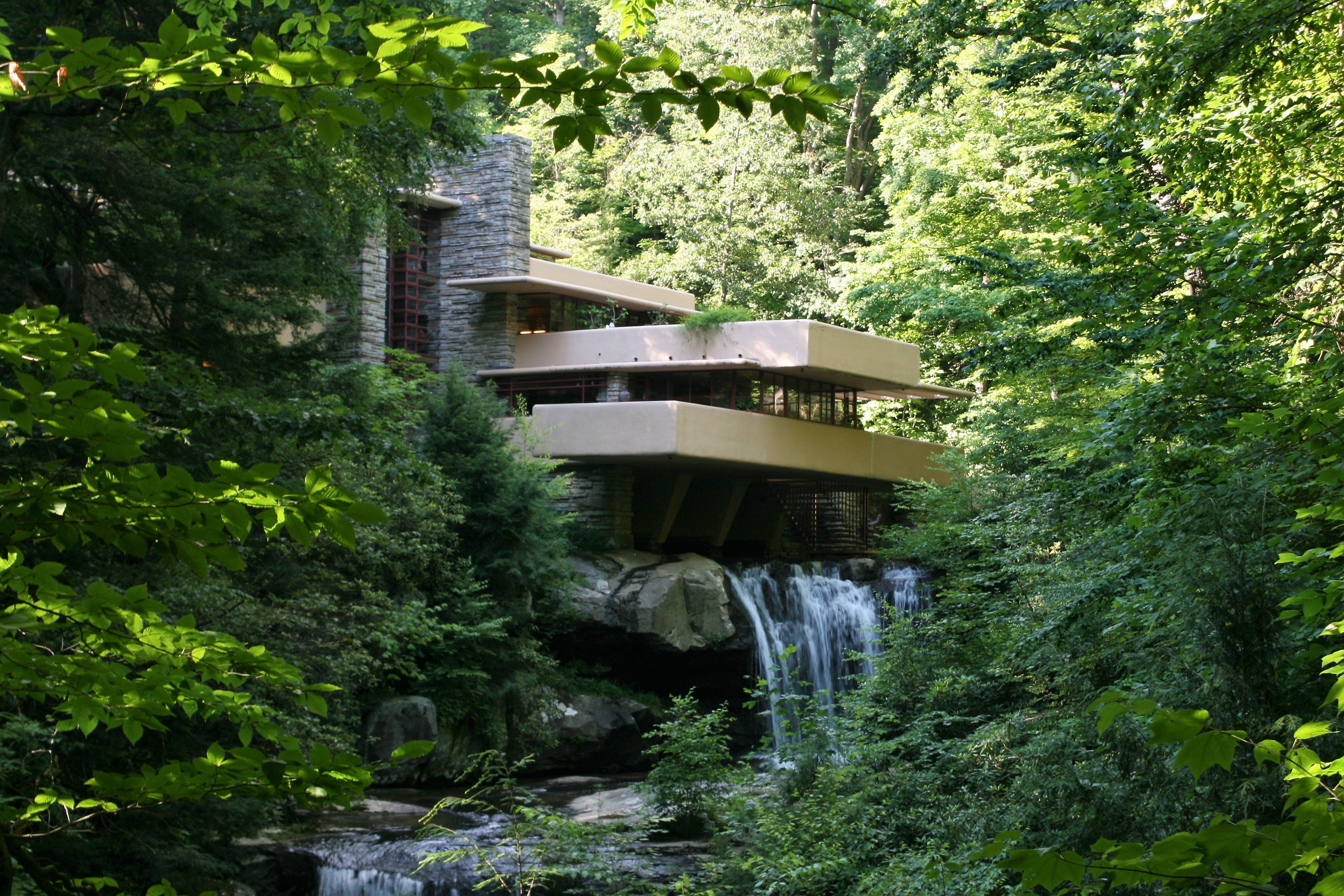
I had long wanted to visit Fallingwater, the house in rural south-west Pennsylvania which Frank Lloyd Wright designed for Mr and Mrs Edgar J. Kaufmann in 1935. Our decision to drive from Michigan to Virginia, rather than fly, provided the perfect opportunity.

The house is built into the rocks overlooking Bear Run and overhangs two waterfalls. It embodies Wright’s philosophy that buildings should be in harmony with their natural surroundings and his belief in nature’s power to renew the human spirit.

Terraces extend from the living areas to provide areas for relaxing outside


The house attracts many visitors and was certainly very busy the day we went there, so that something of a feat of imagination was needed to experience quite the calming effect that Wright intended.

Steps lead down from the terrace to the swimming pool

Wright adopted a dictatorial attitude to both his clients and his contractors. The colours used had to conform to his preferred palette, based on Cherokee Red for the window frames and ochre for the concrete cantilevers. The furniture was all designed by Wright, and Mrs Kaufmann’s soft furnishings had to be chosen from a limited range authorised by him. She did rebel in one small way, though. The Kaufmans owned a large department store in Pittsburgh, and Liliane would travel to Europe to buy stock. Our guide pointed out the dining chairs in a slightly disapproving manner. Liliane had bought them in Italy and installed them in her home, contrary to Wright’s wishes. While I didn’t really like the chairs, and could see that they weren’t in keeping with the rest of the house, I couldn’t help feeling sympathetic to Liliane and admiring her stab at independence.
But I did like the kitchen.  I could hardly think that the streamlined, muted pale green units had been there for over 80 years.

Being an engineer, Ian could not help remarking that architecture was all very well, but somewhere there would have been a structural engineer doing all the calculations and making sure the house didn’t fall down. The stories of how FLW dismissed advice, and how the contractors secretly doubled the amount of concrete reinforcement, make interesting reading. The estimated cost of the house, $40K, turned into an actual cost of $155K.


Fallingwater is in the Laurel Highlands area of the Allegheny Mountains, and we stayed at Stepping Stones Farm B&B near Confluence. Kim and Jeff  have a working farm, rearing horses and goats and also rescue cats and dogs.

Our room was prettily furnished and breakfast delicious, though rather daunting in quantity, but Kim reassured us that if we didn’t eat it, the pigs would, so there was no need to feel bad if we didn’t leave clean plates.

Our room at Stepping Stones

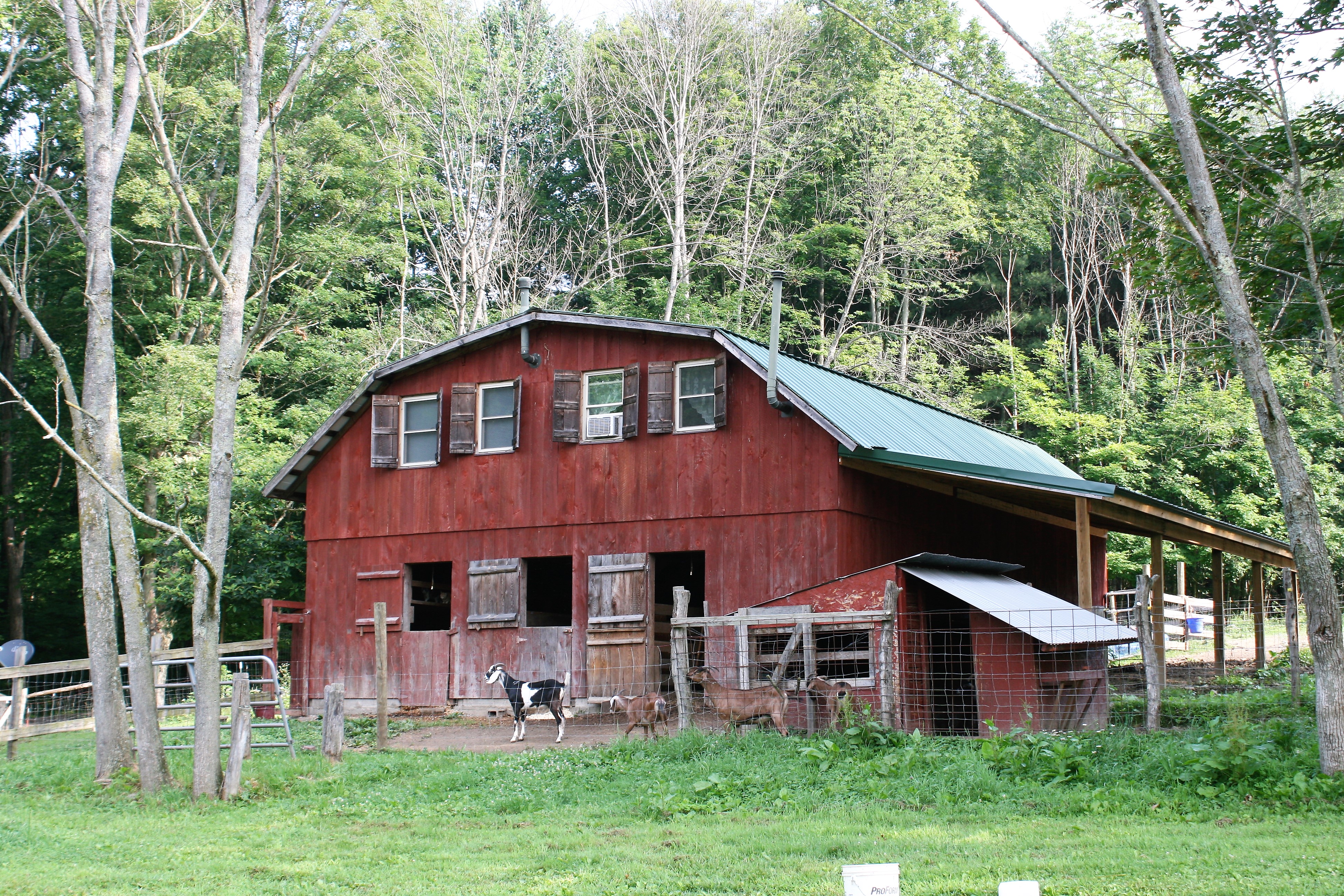
The barn


Goats

IMG_0038.JPG

Extra-friendly goat

Ancient tree

IMG_0035Stepping Stones Farm

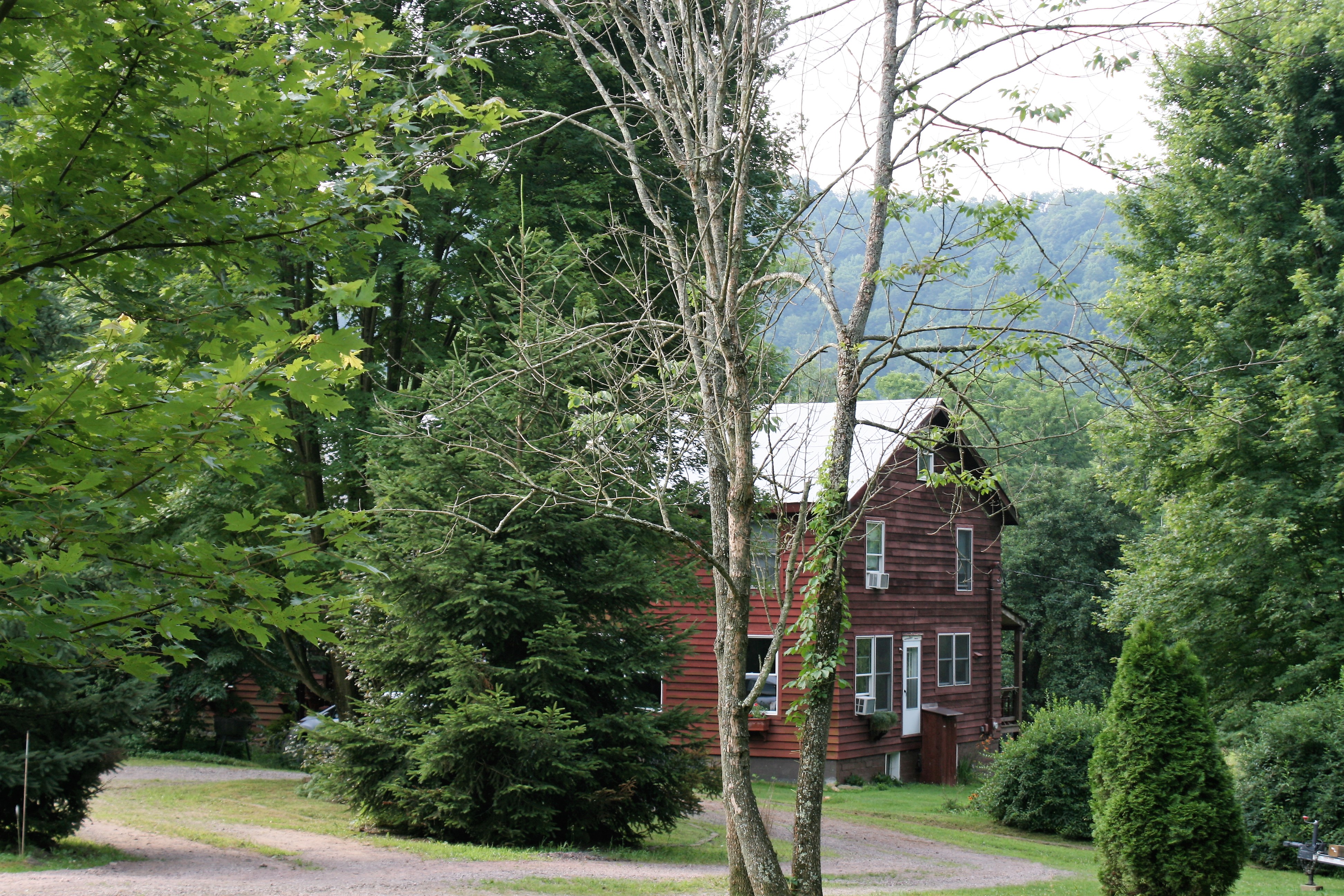
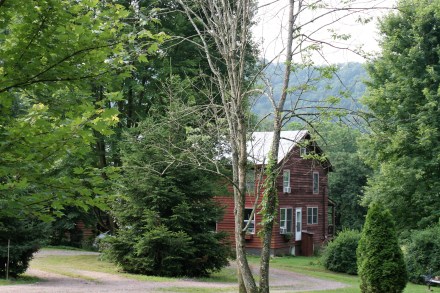
The farmhouse

IMG_0041Porch on the old shed

Porch on the old shed

The highlight of our visit to Virginia was Ted’s 40th birthday party.

IMG_0026

Happy Birthday Ted!

We took the scenic route through Michigan on the way back and stayed with Barb and Bill Courtwright at their B&B, the Sweetfern Inn near Clare. Barb’s family had lived in the area for generations and they had bought their land from Barb’s uncle. The house was full of antique furniture and the beautiful quilts on the beds had been made  by local Amish women. Bill is a professional photographer and Barb a craftswoman and they run courses at their B&B in various subjects.

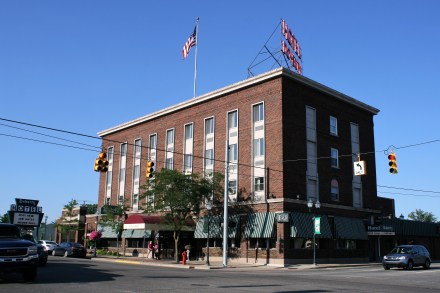
They recommended the bar of the Doherty Hotel for dinner – somewhere that wouldn’t have immediately appealed to us, but which turned out to have a great atmosphere and good food. Clare’s Irish heritage was evident everywhere.

IMG_0016Main st Clare

North McEwan St, Clare MI

IMG_0017Doherty Hotel

Doherty Hotel

IMG_0020Doherty Hotel

The bar, Doherty Hotel


When we got back to Sweetfern, we had a long chat with Barb and Bill about the dire states of our respective governments, and they mentioned that the frieze in the bar of the Doherty Hotel, depicting leprechauns going about their business, had been painted as part of FDR’s  Public Works Administration in the 1930’s.

Breakfast the next day was memorable. Oatmeal with fresh fruit and nuts for me, and freshly-made waffles with maple syrup and bacon for Ian.

IMG_0022Back garden, Sweetfern Inn

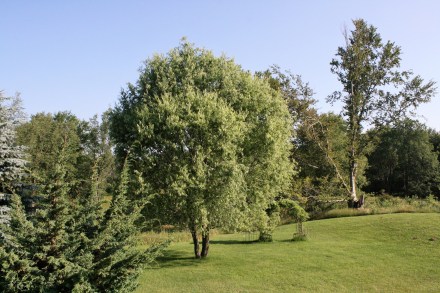
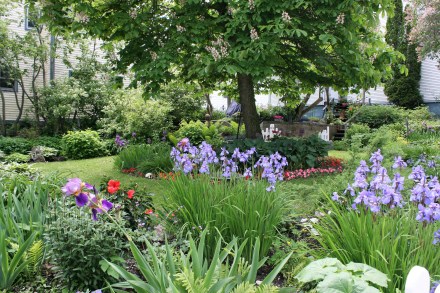
Back garden, Sweetfern Inn

IMG_0015Hollyhocks

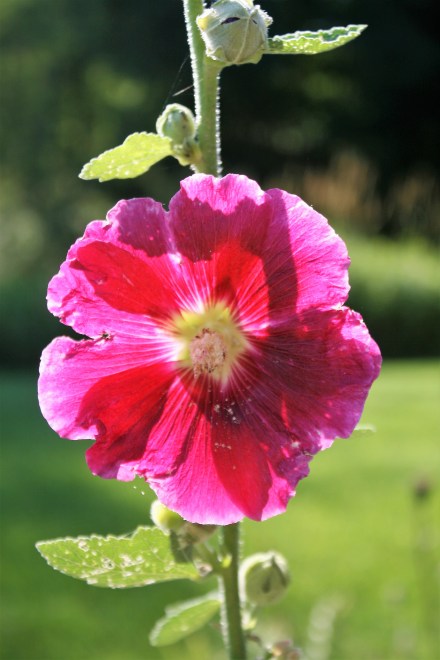
Hollyhocks

Sweetfern Inn

Sweetfern Inn

IMG_0026Barb and Bill

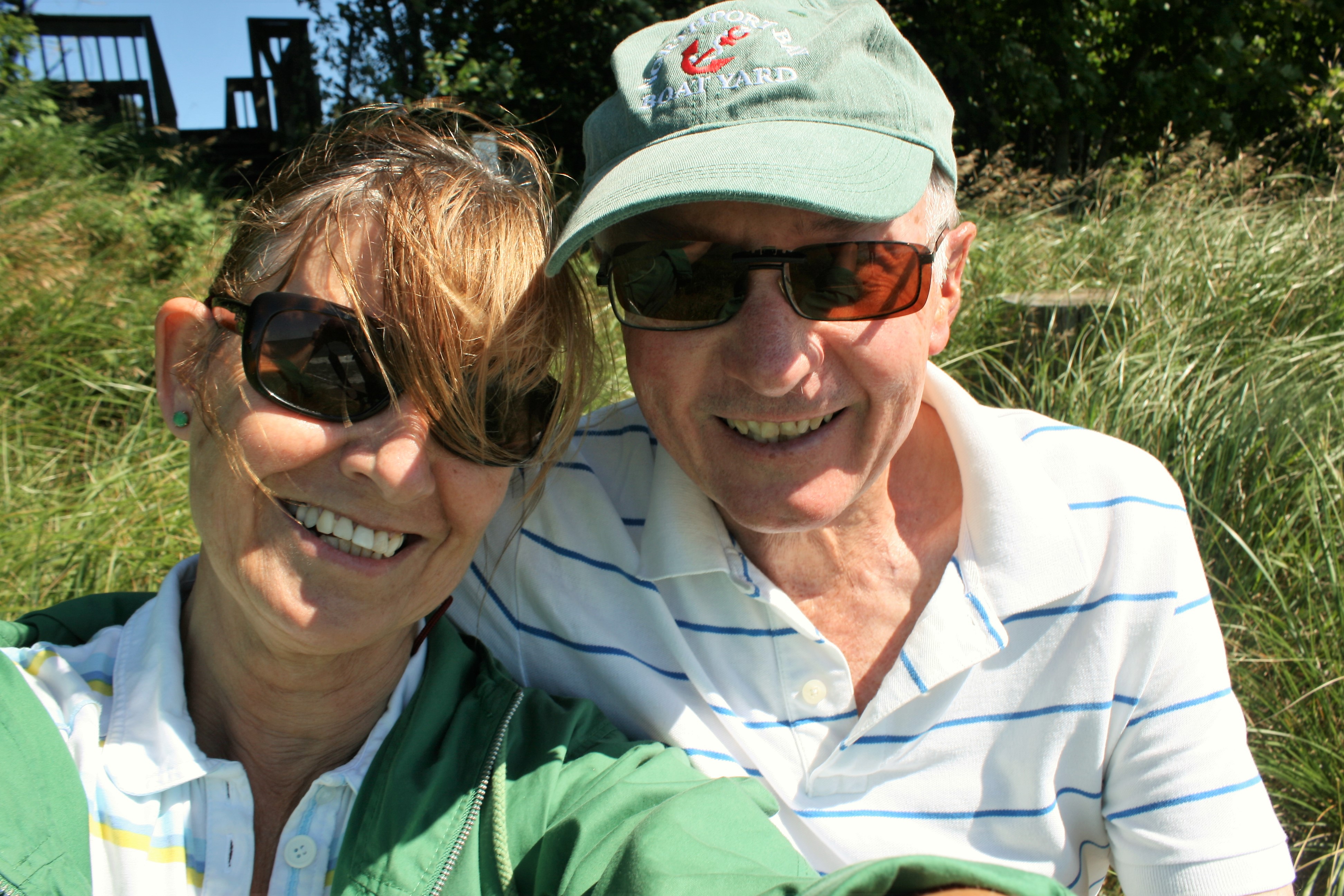
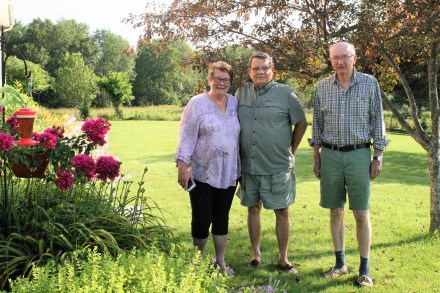
Ian with Barb and Bill

Back in Northport, it turned out that the boatyard were none the wiser about the cause of the knocking noise Carina was making, and could only suggest dismantling the whole prop shaft. As this would be expensive and take some time, we decided to soldier on, given the reassurances that there was nothing potentially catastrophic going on.

Later on Ian helped Jim put the mast on his Etchells, and the next day he came out with us on Carina, and concurred with the original diagnosis which we had had at Drummond Island, of a worn cutlass bearing.

IMG_0028storm

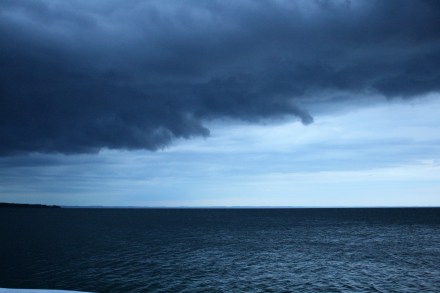
Stormy weather at Northport

023Taking the Etchells back

Ian and Jim taking the Etchells back to the mooring

The night we arrived back there was quite a storm and we had to stay put another day. But it did give us the opportunity for a last night out with Jim and Laura before leaving Northport and heading south down Lake Michigan’s eastern shore.


Grand Traverse Bay and Northport 

Charlevoix to Traverse City and Northport

Charlevoix to Traverse City and Northport

Grand Traverse Bay is a 30-mile inlet on the north-west coast of Michigan’s Lower Peninsula, enclosed on the west side by the Leelanau Peninsula, and containing several other small bays.

We had taken the opportunity offered by a short spell of fine weather to travel from Charlevoix to Northport, on the west side of Grand Traverse Bay, where we had arranged for Carina’s noise problem to be further investigated at Northport Boatyard, while we headed to Virginia for 10 days to visit the family.

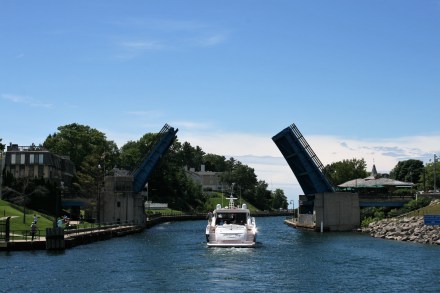
IMG_0069Charlevoix Bridge

Charlevoix Bridge

IMG_0071Leaving Charlevoix

Leaving Charlevoix

We had a few days in hand, so after anchoring at Northport overnight, cruised up the bay to Traverse City.

IMG_0078Morning sun at Northport

Morning Sun at Northport

IMG_0080on the way to Traverse City

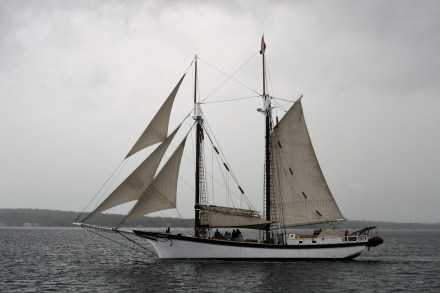
svManitou near Traverse City

Traverse City was bustling. On the park behind the marina, people were busy clearing up after the Pride Festival and the main street was full of shoppers at its upmarket shops. Unlike Britain, America’s towns don’t seem to have been taken over by ubiquitous chains and every high street has its own specialties to offer. We ventured into Cherry Republic, a large emporium devoted to everything that could be possibly made from cherries, which grow in abundance in this part of Michigan. There was a bar where you could taste the various cherry wines and we now have a bottle of  Cherry Republic Balaton in the cupboard, waiting for a suitable occasion to be consumed.

We had two nights in Traverse City, but didn’t really use our time well. We could have gone to a historic house, or the Botanic Gardens, or Jenny’s restaurant where Michigan’s version of Cornish pasties are sold. Michigan was one of the places where Cornish miners immigrated when tin mining ended in Cornwall, and they brought their recipes with them.

But we decided instead to go for a bike ride, following the TART trail eastward out of the town. Unfortunately, once again we misinterpreted the word ‘trail’ and failed to read the small print in the information , which was that the TART Trail is a ‘paved urban transportation and recreation corridor’ and not, as we had fondly imagined, a route through leafy glades into unspoiled countryside. Traverse City, like any large town, has its less scenic parts and after passing through some pleasant suburbs, we found ourselves sandwiched between a four-lane highway and a railroad. Then we passed through industrial estates and an empire of car dealerships and auto repair shops. There wasn’t a coffee shop in sight.
Eventually we reached the shore and got some lunch at RedMesa, so the mood improved. We decided to head back towards the city and take the Boardman Lake trail instead, at which point a suggestion was made  that we could cut a corner by taking the airport road instead of following the TART trail back to where it joined the Boardman Lake trail.  Unfortunately the cycle track along the highway petered out after a few hundred yards and we ended up pushing the bikes a couple of miles along a dusty, busy road before finally reaching Boardman Lake.

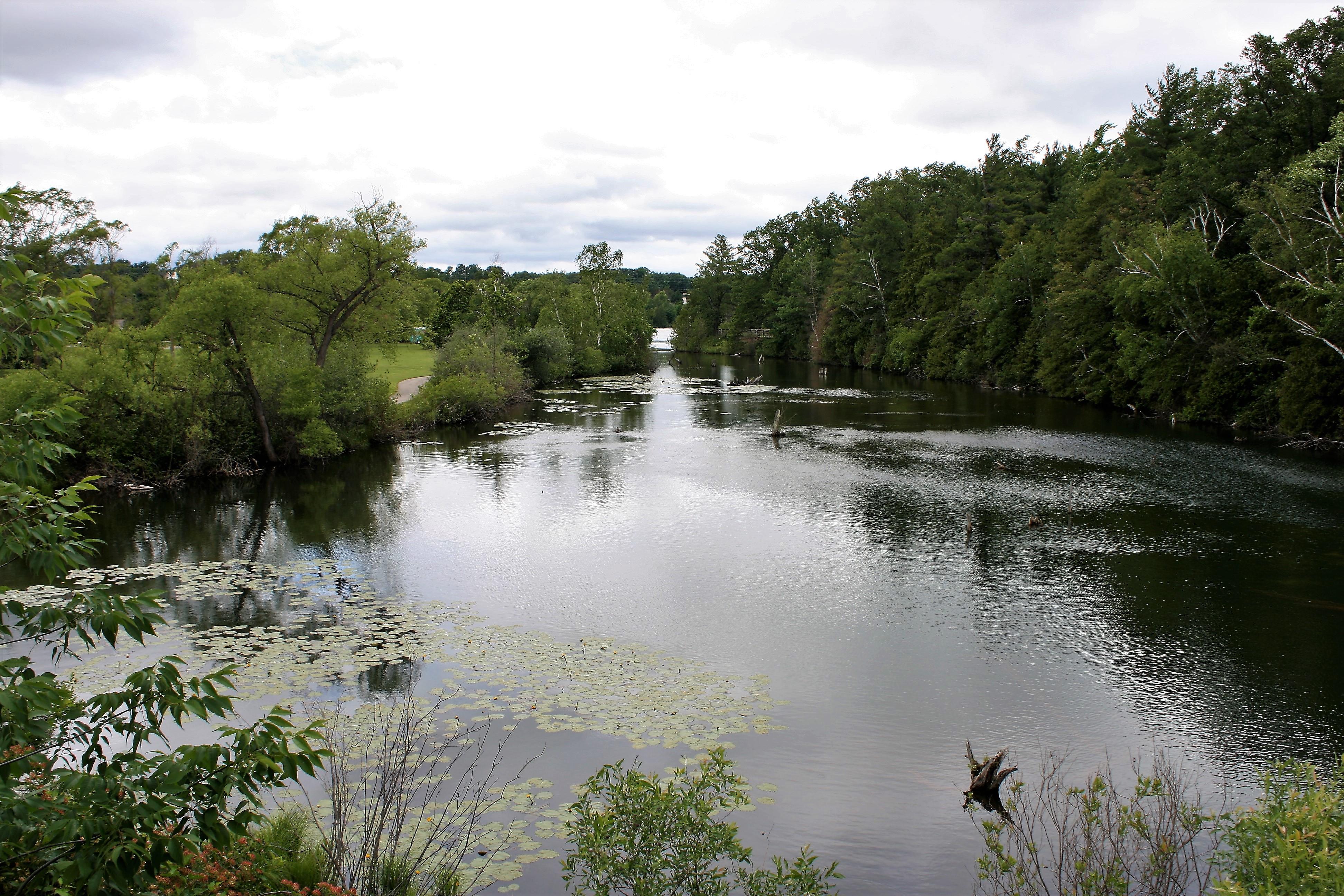
Peace at last – Boardman Lake

The next day was brilliantly sunny and before we left I was allowed out to take some pictures.

Warehouse quarter, Traverse City

Carina in the slips at Traverse City

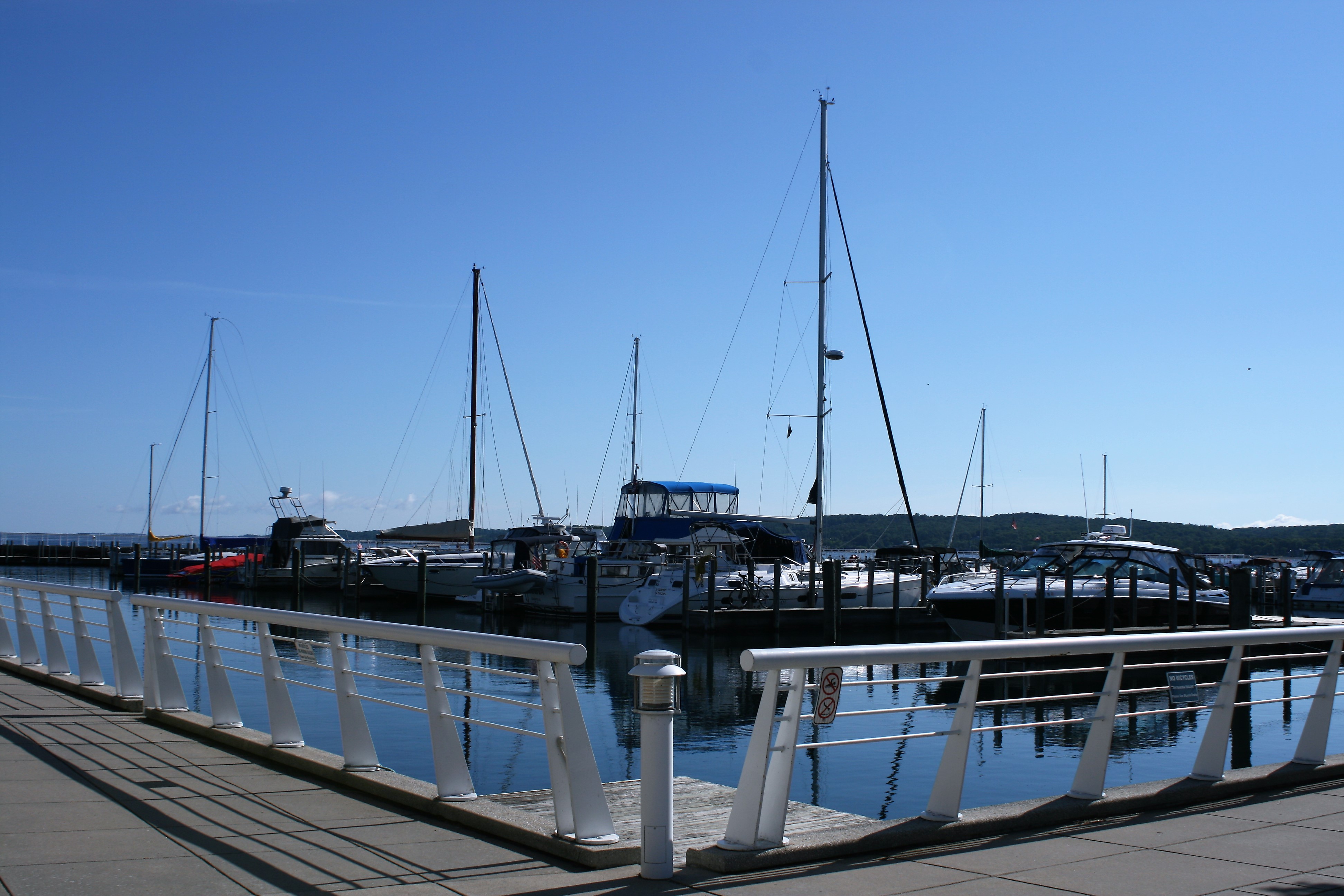
Boats at Traverse City Marina

Preparing for the Cherry Festival

West Bay Traverse City

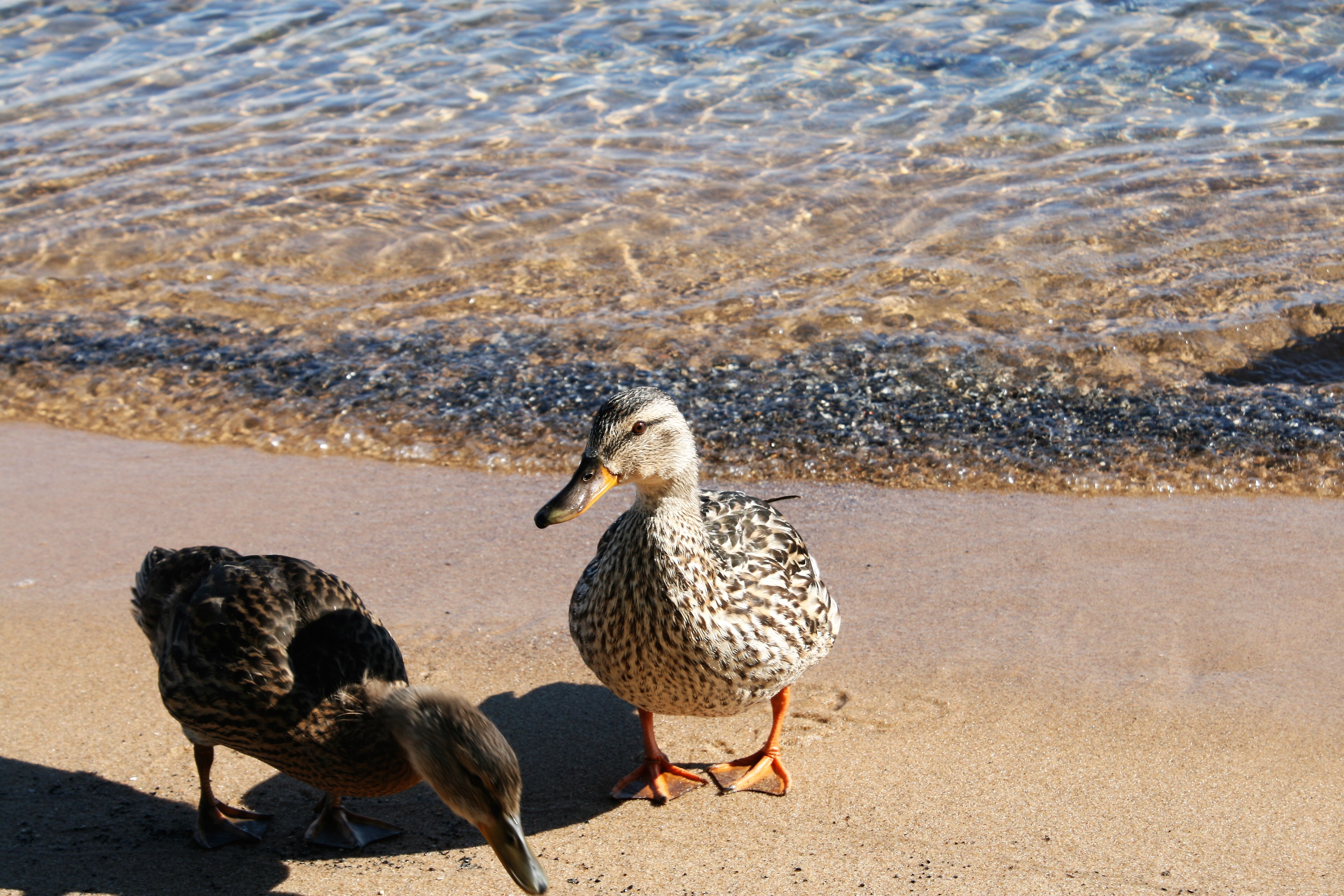
Ducklings by the water

West Bay Traverse City


As we left, I earned some crew’s points. I had put the lines away tidily, and turned my attention to the fenders, only to notice that one of the big ball fenders had detached itself from its rope and was floating away some yards behind us. Ian turned Carina around and I then retrieved the ball fender with the boat hook at the first attempt. For someone of my general boating ability, this was impressive.

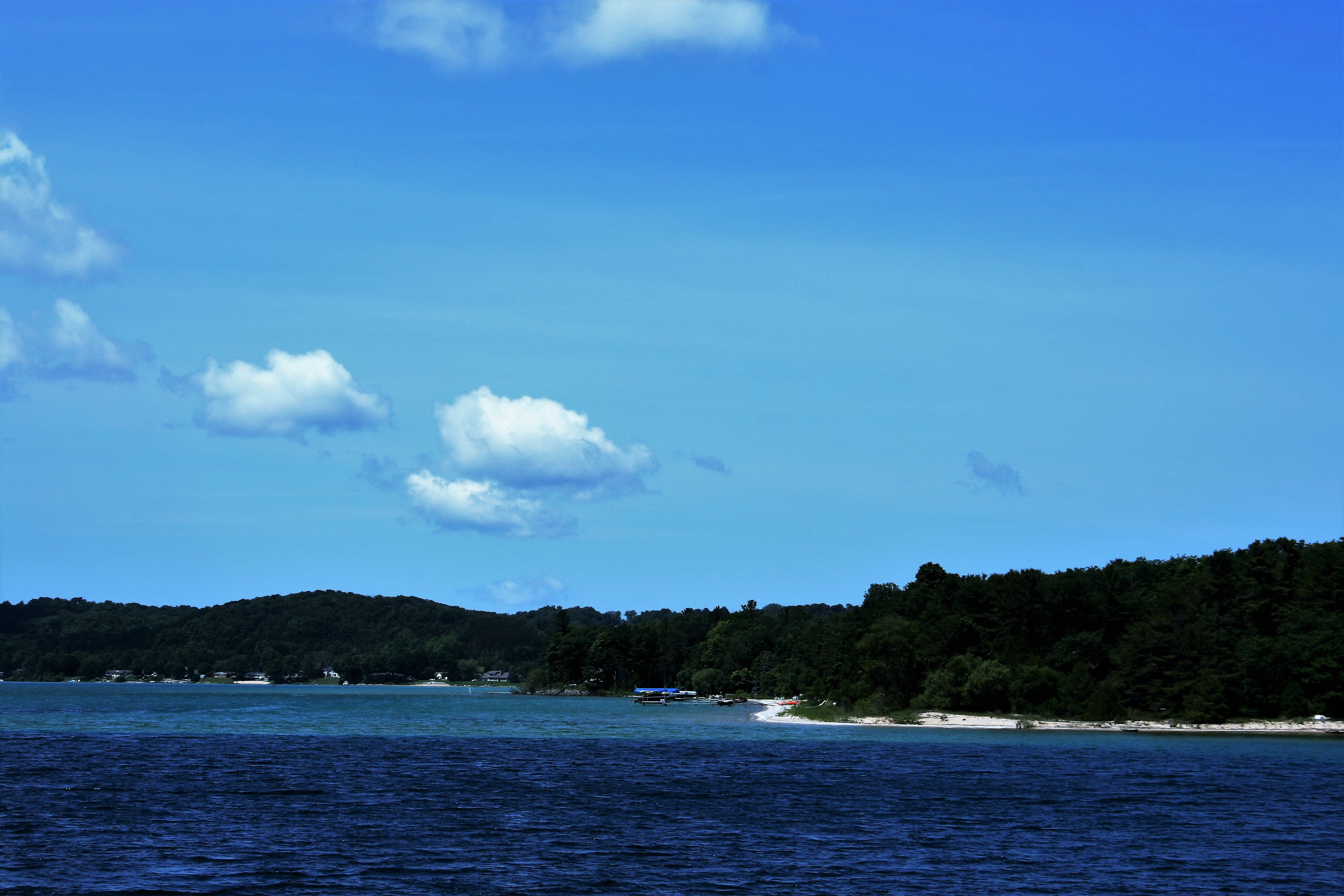
This part of Lake Michigan is very shallow near the sandy shoreline, then drops suddenly in depth. This produces a sharp contrast between the pale turquoise water of the shallows and the dark azure of the deeper waters.
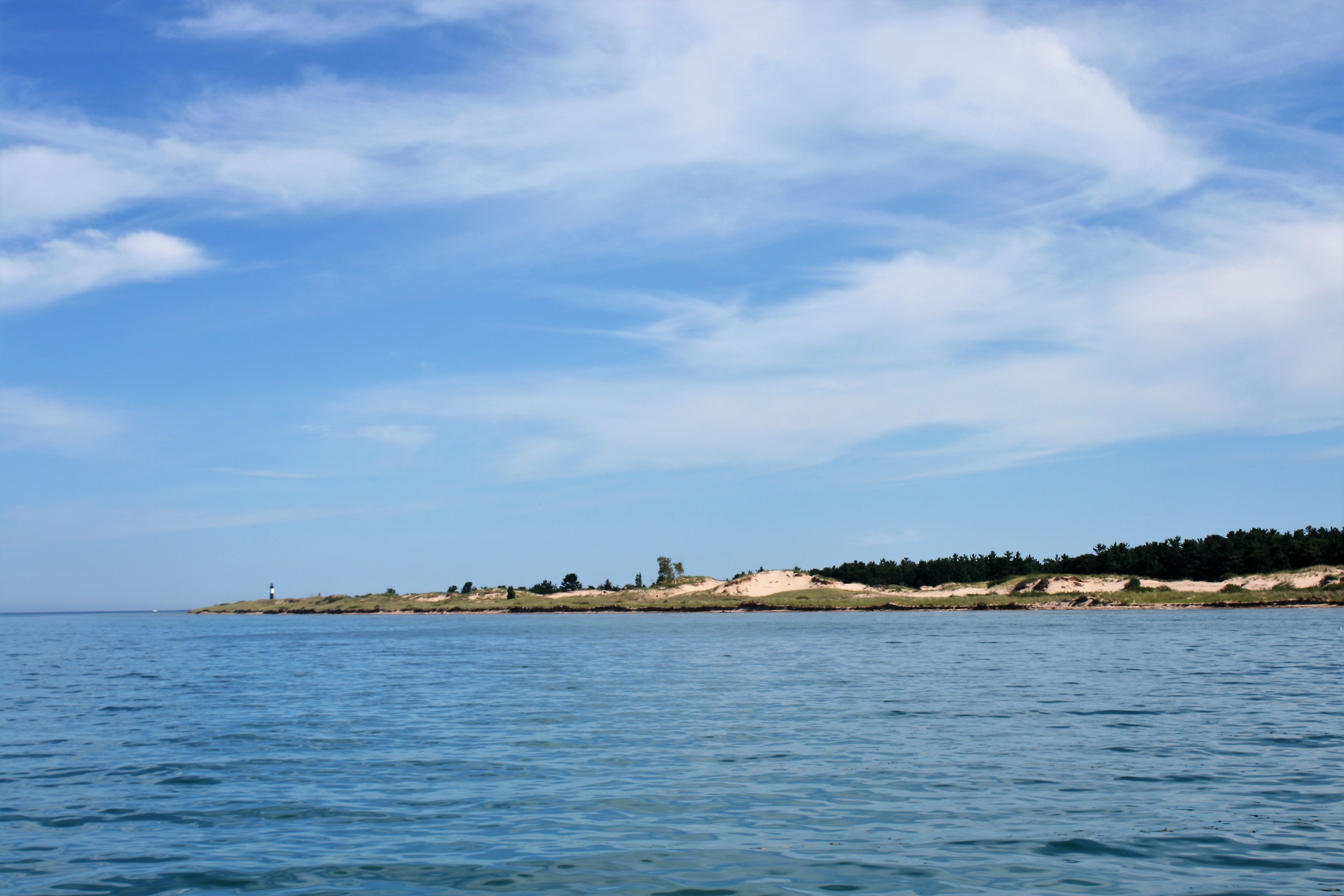
Grand Traverse Bay near Suttons Bay

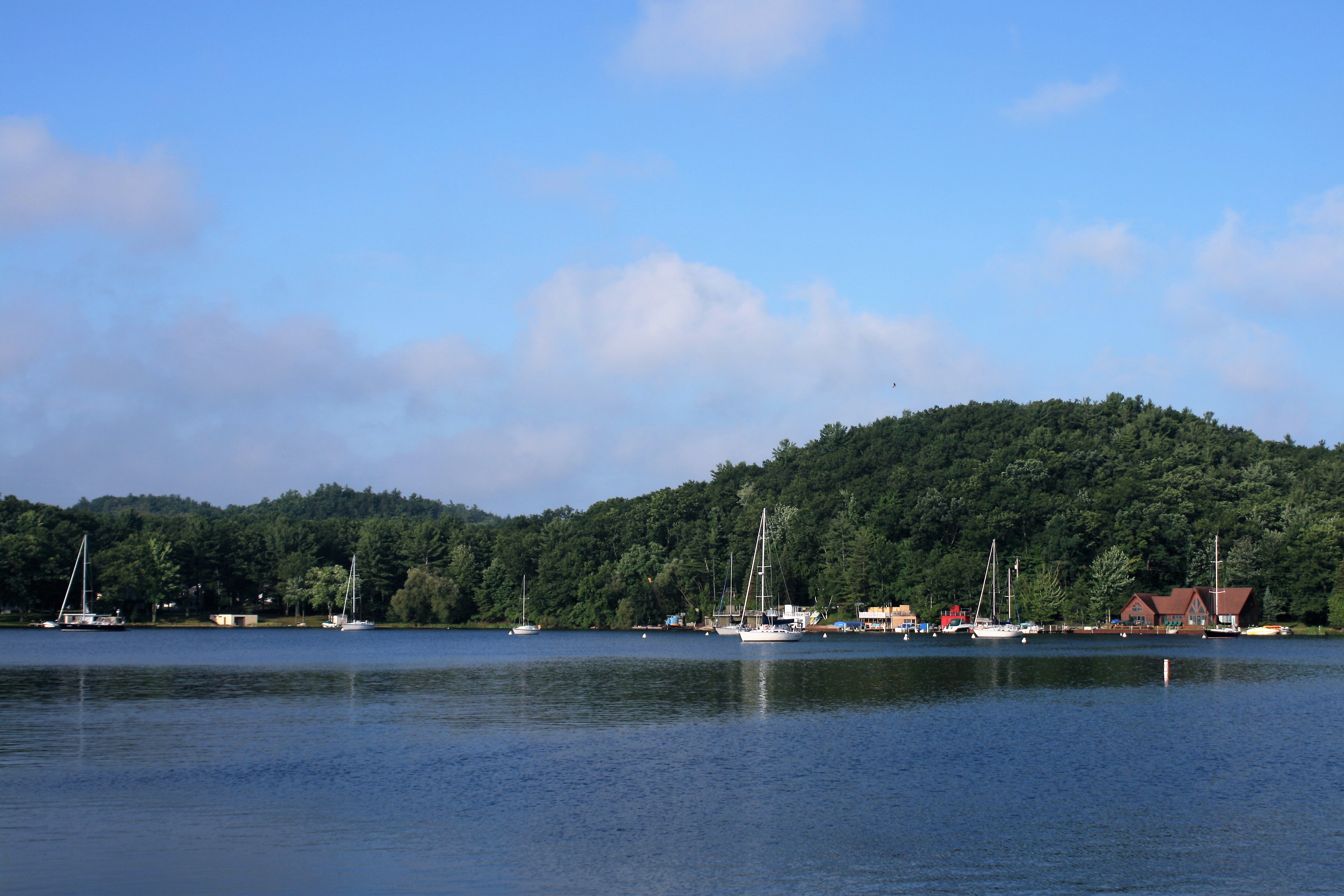
We had an overnight mooring near Suttons Bay, and took the dinghy to the shopping dock at the marina there, to have a look round the shops and satisfy Ian’s curiosity as to whether the local Moomer’s ice-cream lived up to its reputation (it did).

Main Street, Suttons Bay

Where to buy garden stuff in Suttons Bay

The beach at Suttons Bay

From the mooring at Suttons Bay

Suttons Bay had a lovely shop called Enerdyne which sold educational and scientific toys for children, and camera stuff for grown-ups, so I took the opportunity to get a tripod for use on the boat. It’s vastly superior to the one I have at home so I’m hoping to have enough baggage allowance to do a swap.

We had a contact in Northport. We had met Jim’s daughter Jessie in Newcastle, and anyone who has ever wondered what it’s like to cross the Atlantic via the northern route in a 32′ sailboat, getting up close and personal with whales and icebergs, might like to look at  Jessie’s blog which contains amazing writing and photographs.

We had a great time in Northport. After we docked at the marina, Ian rang Jim and he said he would come to the boat in 10 minutes to say hello and discuss where we would go for dinner. Dismissing my plan for the afternoon to do my laundry in the marina, he took us to his house to use Jessie’s washing machine, look at his projects in his workshop, and then we had a guided tour of the Leelanau peninsula, including a house perched precariously on top of the dunes overlooking Lake Michigan, and a drive round an exclusive gated community, where our bona fides were checked by a neatly dressed, severe-looking older lady with coiffured hair who emerged from her sentry box and clearly entertained some doubts about Jim and his fellow-travellers. In the evening, we met Jim’s girlfriend Laura, his brother John and sister-in-law Kim who very generously took us out for a very good meal at the Bluebird Restaurant in Leland.
Mill St Northport

In America, junk shops are called consignment stores, or, if they’re a little more upscale, consignment boutiques. Less euphemistically, Northport tells it like it is.
Consignment store, Northport

Waukazoo St, Northport

Carina at Northport Marina

The next day we took the boat half a mile across Northport Bay from the marina to the Boatyard, where we hoped to have Carina’s knocking noise definitively diagnosed. Carina was lifted out of the water at this point and supported in a cradle and for the next 3 nights, before we left for Virginia, getting on and off the boat involved a precarious ascent or descent of a 15′ ladder.

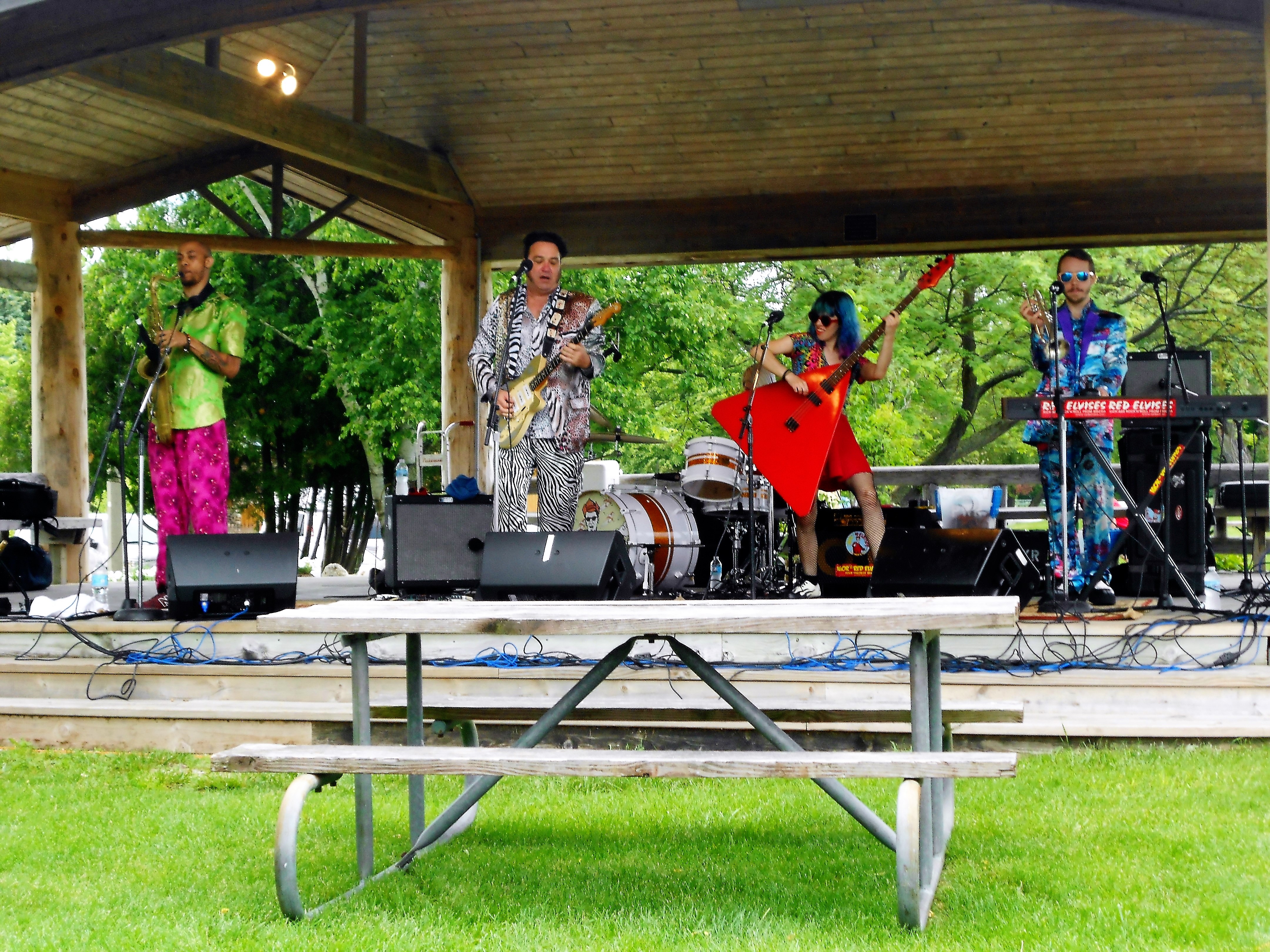
In the evening, we cycled back up to Northport village for the first of their summer concerts in the park area behind the marina. The artistes on this occasion were Igor and the Red Elvises. Igor was a large man with a commanding presence and a guttural accent, and the music a fusion of rock with Eastern European rhythms and cadences. Their lyrics too reflected the group’s dual heritage – ‘she worked for KGB, I worked at Taco Bell………’

Igor and the Red Elvises

On the Saturday we travelled back to Traverse City for the first day of the National Cherry Festival. Laura had kindly offered to take us in her car, but we went on the bus which runs twice a day up and down the peninsula. Laura and Jim obviously thought this a manifestation of British oddness, but we do actually like using public transport and in any case didn’t want to trouble her.

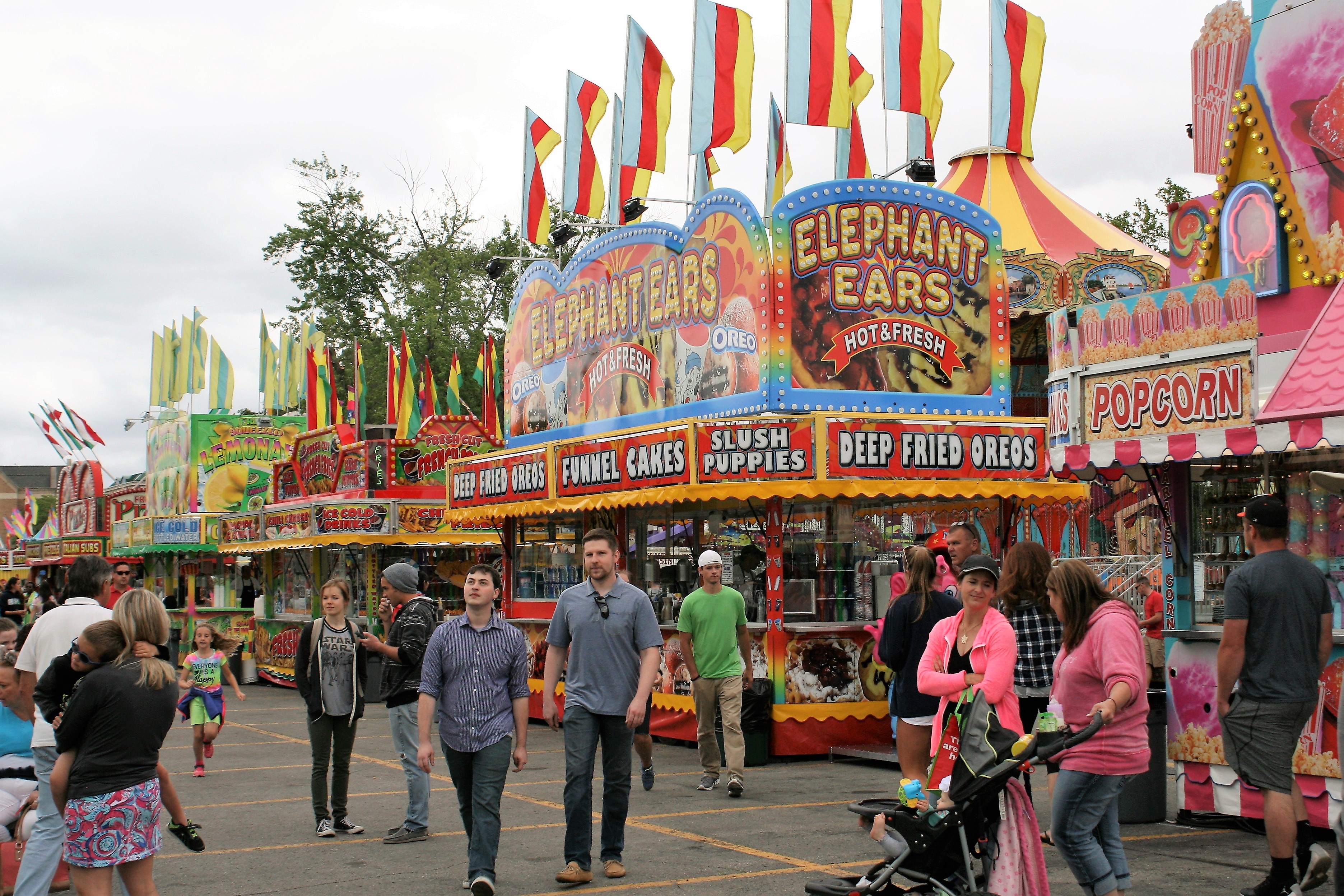
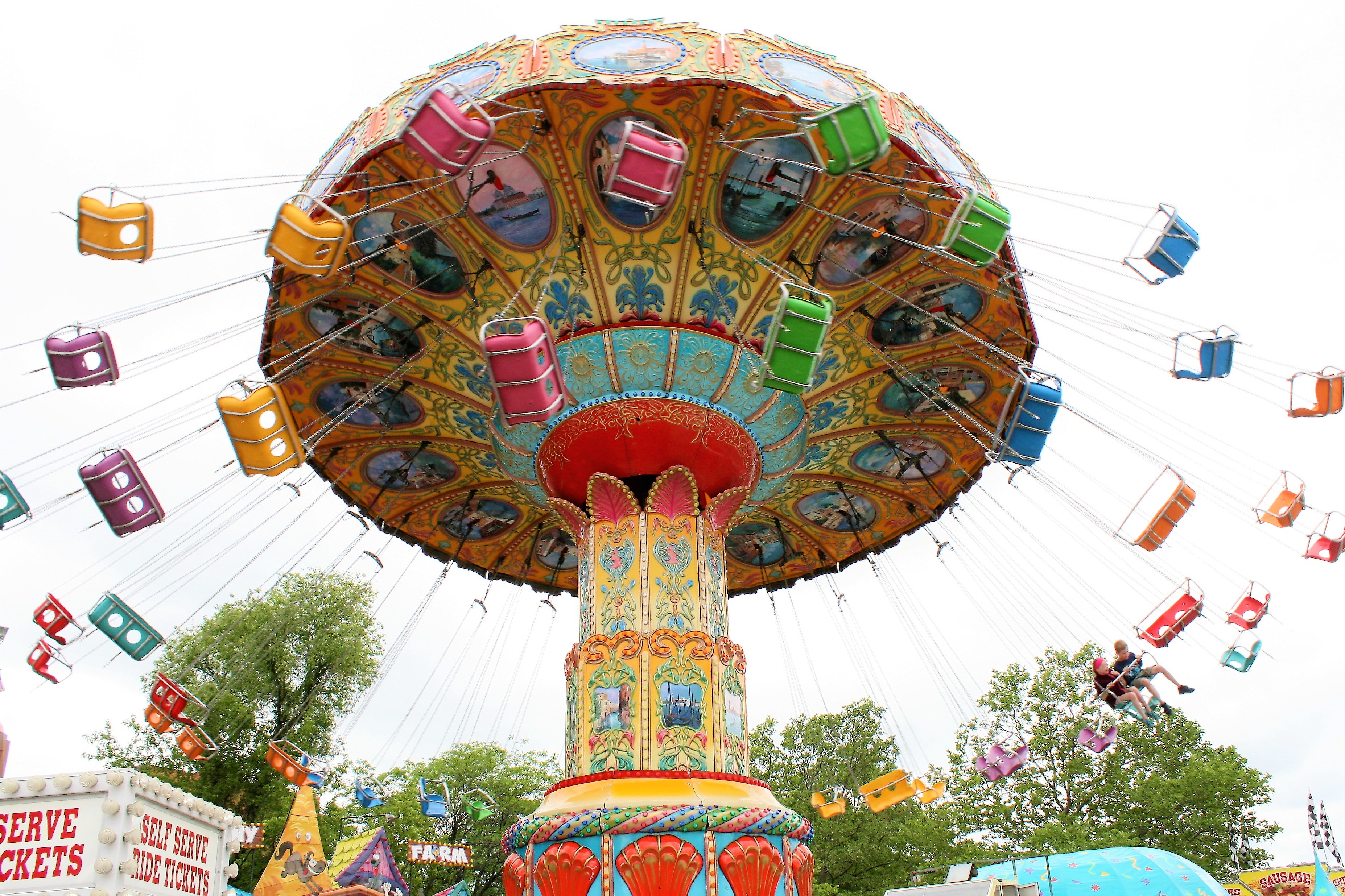
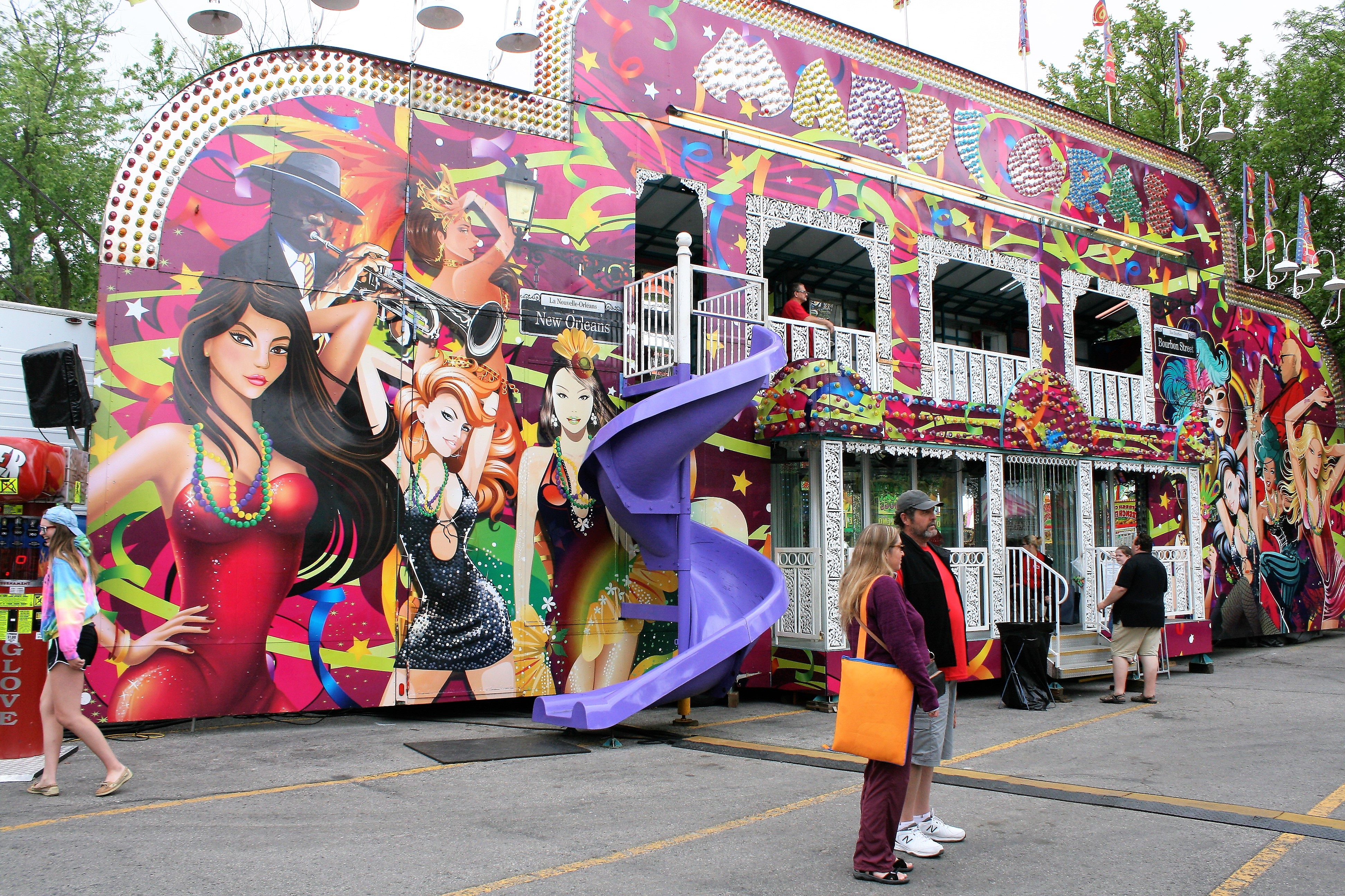
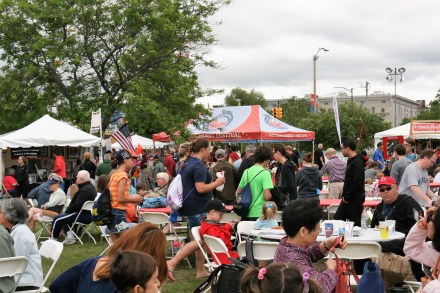
There was a big fair on the waterfront, live music, a large area selling food, and an air display.

IMG_0008Fairground

Fairground

IMG_0012Flying elephants

The flying elephants

IMG_0021Fairground

Bungee

IMG_0027Cherry stall

The cherry stall 

IMG_0029Dining area

Dining area

IMG_0030Lunch stall

Sausage stall

There was a wide variety of food on offer, but Cherry Brats appealed the most.

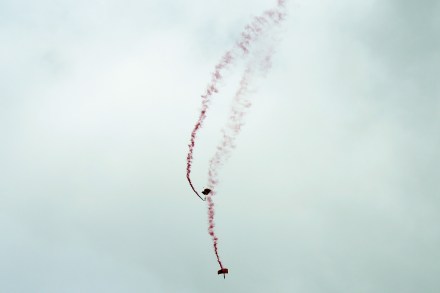
IMG_0032Parachutes

Parachutes

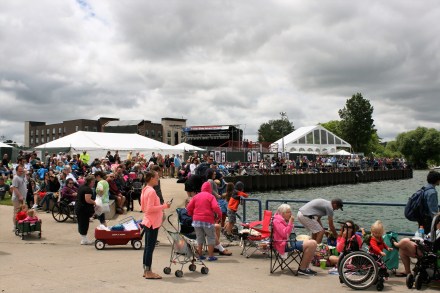
IMG_0037Waiting for the air show

Waiting for the Air Show

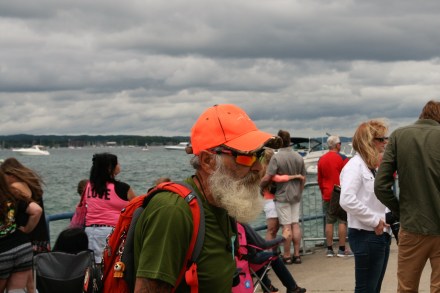
IMG_0038Cool dude

Orange man

IMG_0040Nike

Nike man

The Air Show was delayed because of the low cloud, but eventually the sky cleared.

IMG_0045planes

Planes

In the evening we took Laura and Jim out for dinner, and to round off the evening we drove a few miles south to a beach where Jim had an Etchells yacht which he had been working on, and which required launching. This appeared to be a complicated, manly operation involving multiple reversings of Jim’s truck, to which the Etchells was attached, but fortunately there were several other people around who assisted, while Laura and I merely photographed the proceedings. Eventually the boat was safely on the  water and tied up on the dock.

img_2884

Preparing to launch the Etchells

IMG_0051Evening at Omena

Evening near Omena

The following evening John and Kim invited us to their lakeside cottage for a barbecue dinner with the  younger members of their family who had all gathered for the July 4 celebrations.

Jim, Laura, John and Kim – if you’ve read this far  – thank you so much for your generous hospitality and making us feel so welcome. Meeting you all has been the highlight of this trip.

The next morning Laura took us to Traverse City to pick up our rental car to start our journey through Michigan, Ohio, Pennsylvania and West Virginia to see our family in Virginia.

IMG_0004Morning at Northport Boatyard

Early morning from Northport Boatyard

Northern Michigan – Mackinac Island to Mackinaw City and Charlevoix

One has to accept that occasionally, someone might misinterpret the weather forecast, and decide on a course of action that in retrospect, might have been better left for another day.

The hop from Mackinac Island to Mackinaw City only took 90 minutes, but it was deeply unpleasant. The wind whipped up 2 ft waves and combined with the wake from the numerous ferries, caused Carina to pitch and roll very uncomfortably. Logic and reason told me that having survived Lake Ontario, we would probably survive the Straits of Mackinac too, but it was not much comfort and the Captain knew that he was seriously out of favour.

We did some grocery shopping and then, as an indication of true penitence, he suggested that I might like him to accompany me round the shopping mall, which contained the sort of shops that he normally regards with disdain.

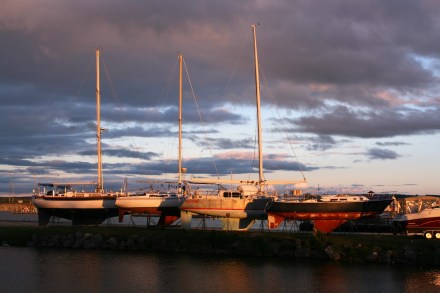
In the evening, after a cold grey day, the sun came out and shone on the boats in the marina.

IMG_0001Evening sun on the boats, Mackinaw City

Evening sun on the boats at Mackinaw City

IMG_0003Evening sun on the boats, Mackinaw City

Evening sun on the boats at Mackinaw City

Several people had recommended Charlevoix, 40 miles away, and as the next day was much calmer we decided to press on.

Mackinac Island to Charlevoix

Mackinac Island to Charlevoix

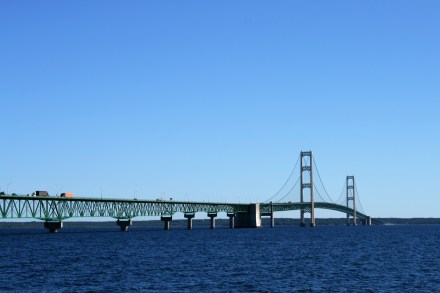
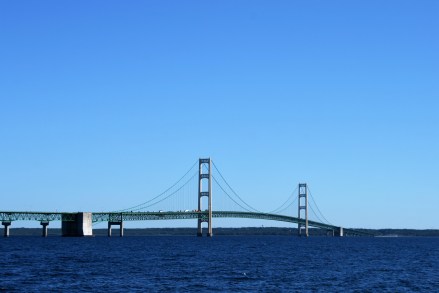
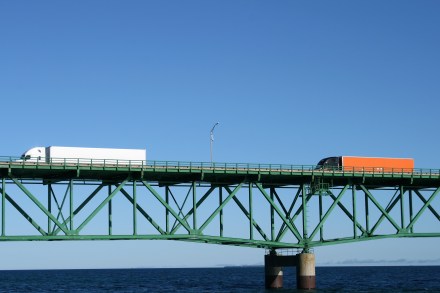
The Mackinac Bridge , just outside Mackinaw City, links the Upper and Lower peninsulas of the State of Michigan, and is known locally as Big Mac. Built in 1957, the bridge is 5 miles long and separates Lake Huron and Lake Michigan.

IMG_0011Mackinaw Bridge

Approaching Big Mac

IMG_0013

Mackinac Bridge

IMG_0014Mackinaw Bridge

Mackinac Bridge

The marina at Charlevoix, and the downtown, actually face Round Lake and to get there you have to pass from Lake Michigan through a narrow channel and a bascule bridge which opens every half-hour.

The community at Charlevoix have gone to a lot of trouble to make the downtown  and the area surrounding the marina very attractive, with landscaped parkland separating the marina and the main street.

IMG_0028Charlevoix City Marina

Charlevoix City Marina

The good weather didn’t last and we woke at 5am to a bright flash and a resounding clap of thunder, followed by torrential rain. In those circumstances, all you can do is get up and make a cup of tea. The rain continued for most of the day, so it was a good day to get the laundry done and catch up with other jobs.

Although we’ve had some beautiful days, overall the weather hasn’t been good this trip. Shorts and sleeveless tops haven’t yet ventured out of the wardrobe, and other things like thermal leggings and fleeces, brought along ‘just in case’ have been in almost constant use. The prize for this year’s Most Useful Garment goes to my Uniqlo Heattech trousers which are comfortable, warm, and cost less than £20.

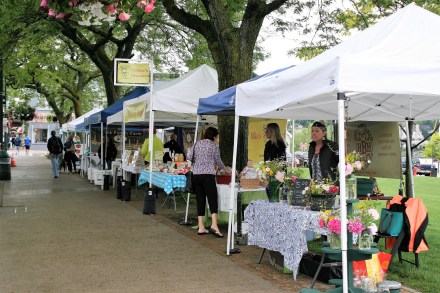
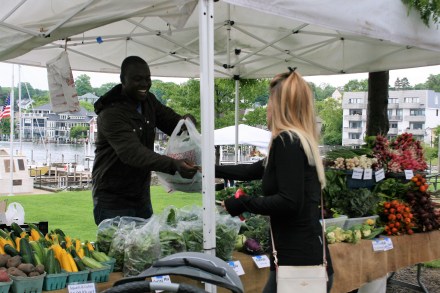
The next day it was still cloudy, but there was a Farmers’ Market on the waterfront, and the stallholders who sold me things were kind enough to let me practise photography on them.

IMG_0029

Mike’s Mustard

IMG_0032

IMG_0034

Michigan strawberries

IMG_0035

Vegetable stall

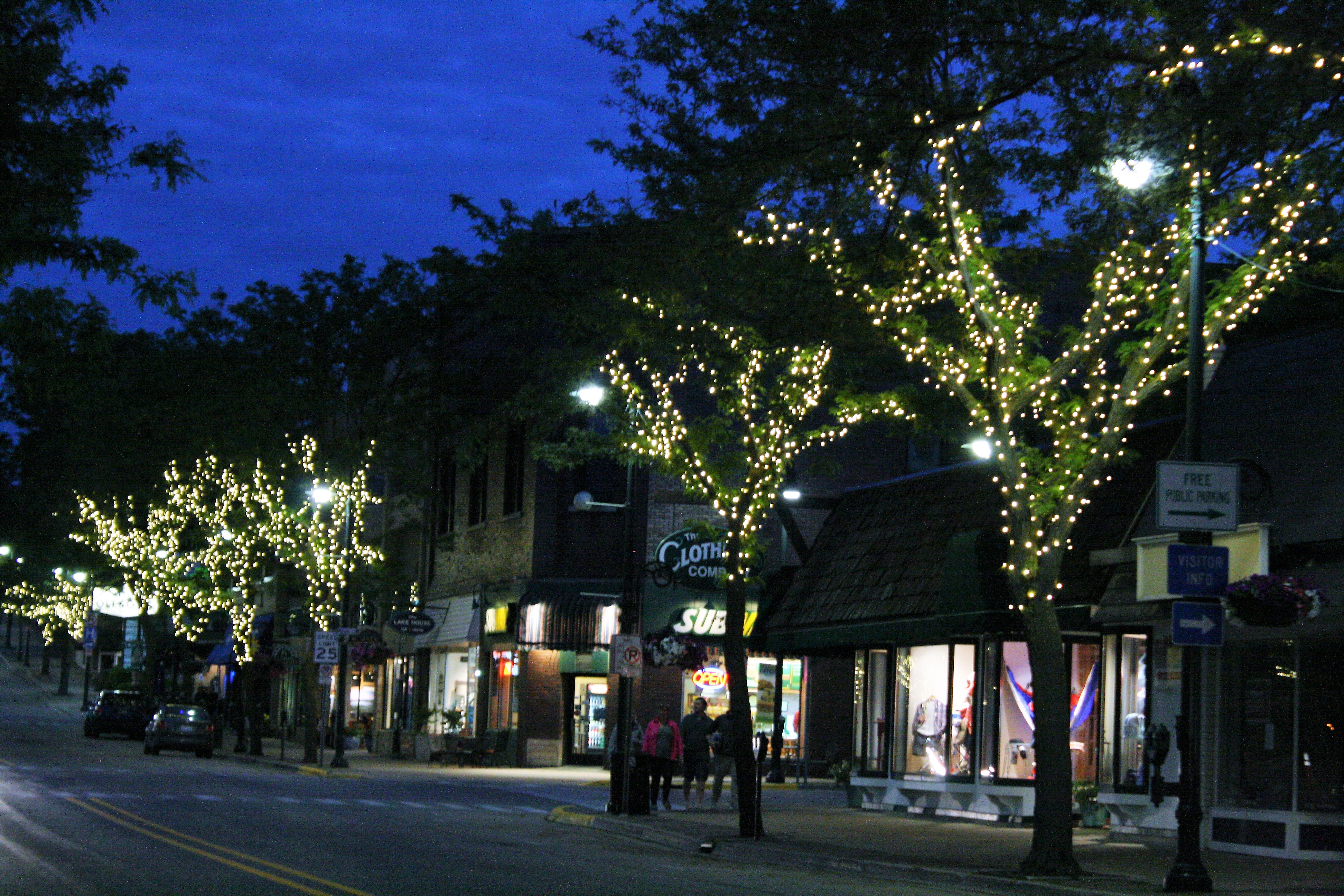
Charlevoix was lively and lit up at night.


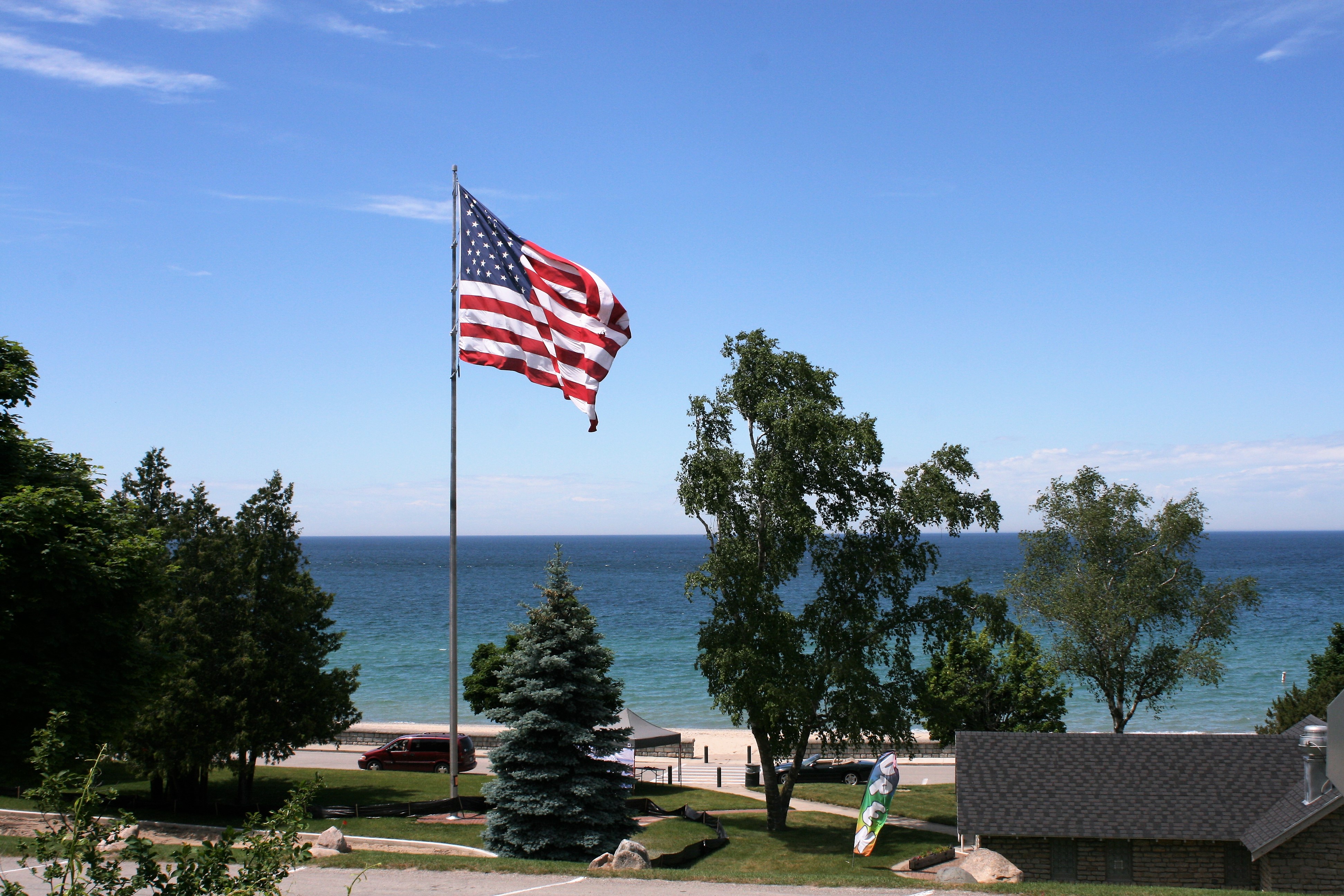
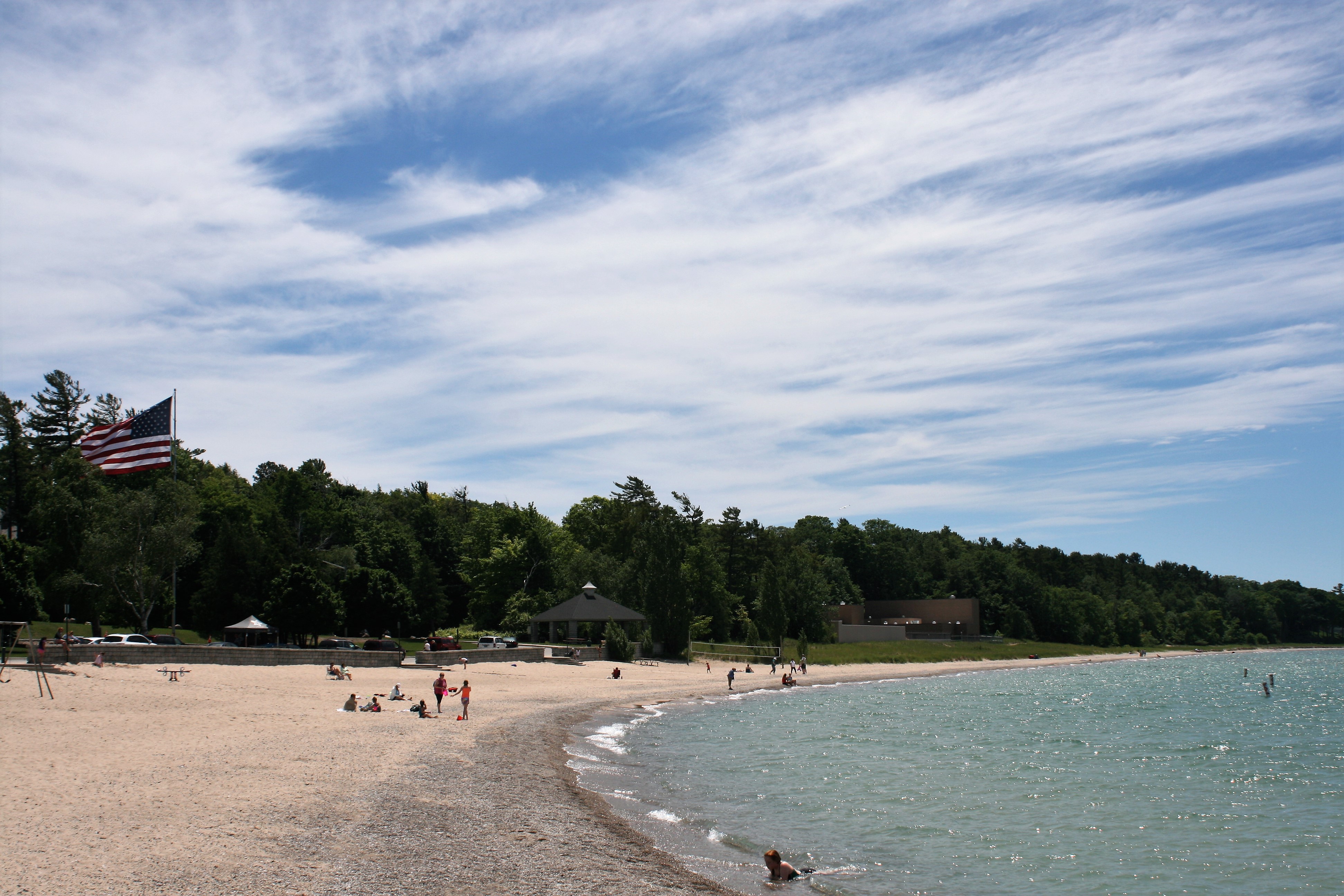
On Saturday afternoon, the winds dropped enough for us to move on, but before that we walked through the town to the beach on the shores of Lake Michigan.

Charlevoix Beach

Charlevoix South Pier Light Tower

Charlevoix Beach


Northern Michigan: Drummond Island to Mackinac Island

Ian had become increasingly concerned that whenever we went above 5 knots, Carina would make an unwelcome knocking noise. He sought advice on the various online fora that he frequents and the consensus of advice was that there could be a serious problem with the propeller shaft, and the only way to avert disaster was to get it looked at as soon as possible.

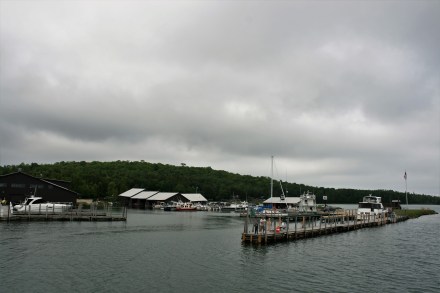
The staff at the boatyard at Drummond Island Yacht Haven were clearly very busy getting boats ready for the start of the season, but they kindly made time for us, and after an investigative trip round the bay, they advised lifting Carina out of the water so that a proper diagnosis could be made.  To our relief, there were no serious deficiencies in the prop shaft and the probable cause of the noise a worn cutlass bearing, which could safely be left until we leave Carina for 2 weeks to go to Virginia.

For any fellow  pedants who may be wondering,  there is controversy about the spelling of  ‘propeller’, explained nicely here.

We had to wait for the weather to settle. Unfortunately we woke to dense fog on the day we planned to leave Drummond Island, and had to wait for it to lift.

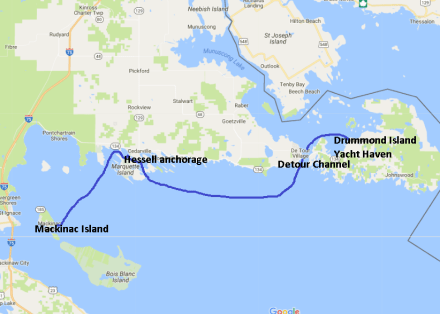
D Island to Mackinac

Drummond Island to Mackinac Island

IMG_0258Leaving Drummond Island

Leaving Drummond Island

The sky  gradually brightened, but a layer of mist remained. This was a concern, because the Detour Channel forms part of the main shipping route between Lake Michigan, Lake Superior, Lake Huron and Lake Erie. We could hear the foghorns of the big ships without being able to see them, but eventually it cleared enough for us to proceed safely.

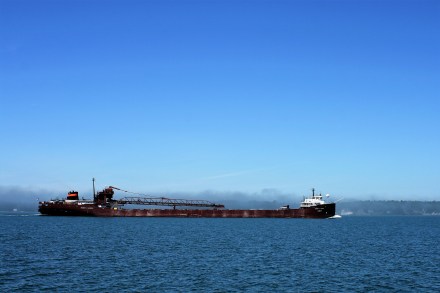
IMG_0268Big beast

SS James R. Barker near Detour Passage

We saw  SS James R. Barker several times going back and forth through the lake.

IMG_0270Detour Reef Lighthouse

Detour Reef Lighthouse in the haze


We decided to anchor out on the way to Mackinac Island and encountered another difficulty. My patience is sometimes tested when we are looking for somewhere to park the car, and we have to try out several spaces before a suitable one is found. A similar scenario occasionally manifests itself when we are trying to anchor. Apparently, we have the wrong sort of anchor for weedy bottoms, and  on this occasion had five attempts in different locations before the Captain was satisfied that we wouldn’t drift off in the middle of the night. Nice scenery, though.

IMG_0278Cedarville

Cedarville

IMG_0281Dollar Island

Dollar Island

IMG_0283Les Cheneaux Islands

Les Cheneaux Islands

IMG_0291Sunset at Hessell

Sunset at Hessell

We crossed to Mackinac Island the next day.  Steeped in history, it has a fort which overlooks the harbour area, and which was built by the British during the Revolutionary War. The  island is both a State Park and a National Historic Landmark.

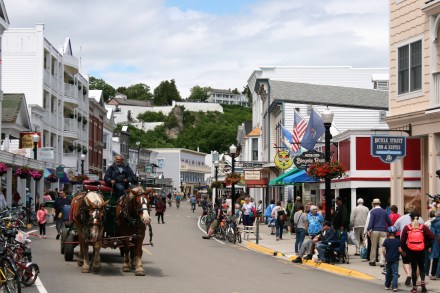
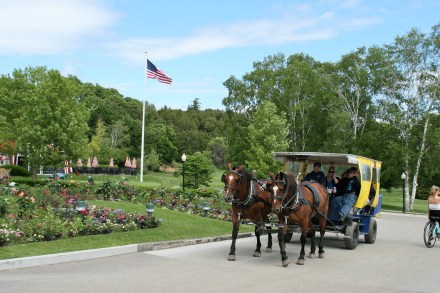
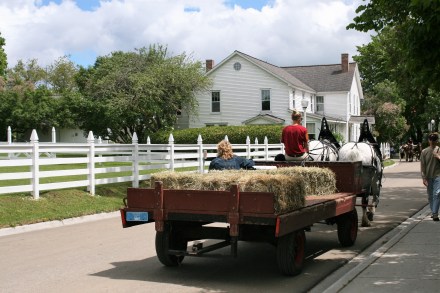
In 1898 the town took the decision to ban the newly-emergent automobile. The only forms of transport around the island are horse-drawn coaches and bicycles. There’s a small airstrip, but most visitors arrive by boat, either their own, or one of the many ferries that ply the waters between Mackinac and Mackinaw City and St. Ignace. The main street was always busy with people and horses, and if most of the shops, apart from the impressive Doud’s Grocery Store, seemed to sell mainly t-shirts with Mackinac Island emblazoned on them, or several varieties of fudge, it still wasn’t difficult to imagine that the streets and the atmosphere wouldn’t have been very different 100 years ago.

IMG_0321Bicycle Street nd Fort Mackinac

Bicycle St with Fort Mackinac in the background

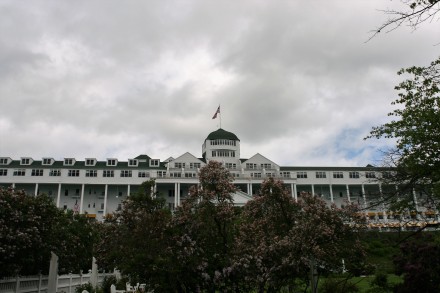
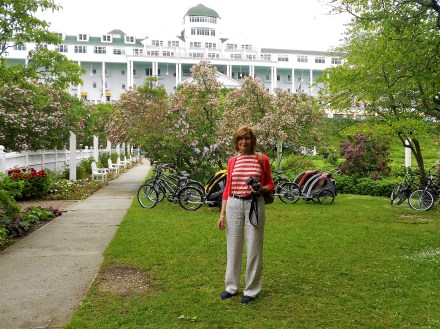
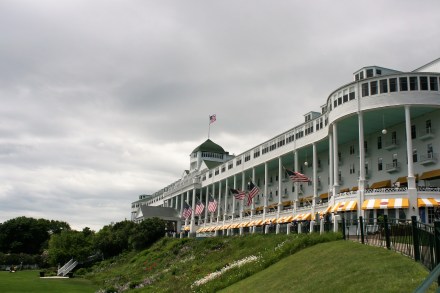
There hadn’t been much opportunity for gastronomic treats so far, but now we could restore the balance. The Grand Hotel, built in 1887 from Michigan white pine,  claims that its colonial porch is the longest in the world.  Its after-6pm dress code (jacket and tie for men, no ‘slacks’ for women) precluded going there for dinner, but they are more relaxed about their buffet lunch, served every day in the Grand Dining Room.

So we put on our Sunday best and walked the half-mile up the hill for lunch.

IMG_0293Trash collection, Mackinac Island

Trash collection, Mackinac Island

IMG_0294Marquette Park

Marquette Park, Mackinac Island

IMG_0295From Spring St

View from Spring St


The ticket price included a self-guided tour of the gardens and the hotel (including a small display of American paintings), and lemonade, iced tea and coffee. Alcohol was extra, but we were intoxicated with the grandeur of the surroundings and didn’t need any.  Besides,  we were in America, where it’s quite the thing to have iced tea with your lunch.

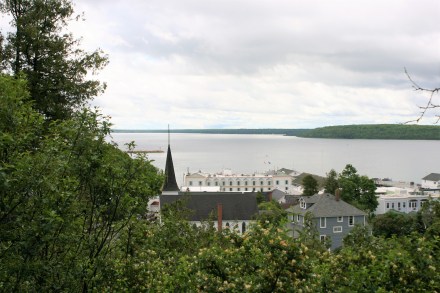
IMG_0300Grand Hotel

Grand Hotel, Mackinac Island

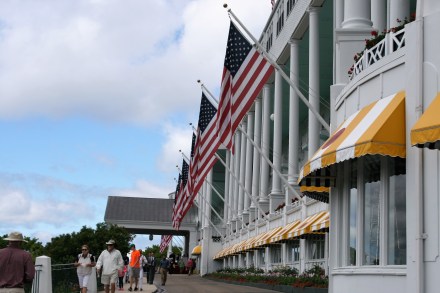
IMG_0301Grand Hotel

Grand Hotel, Mackinac Island

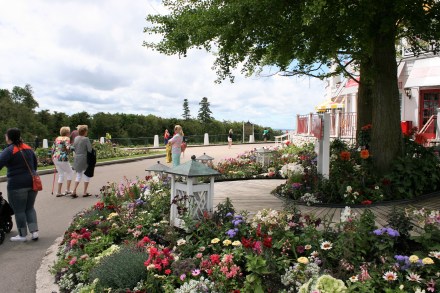
IMG_0302Grand Hotel

Gardens, Grand Hotel

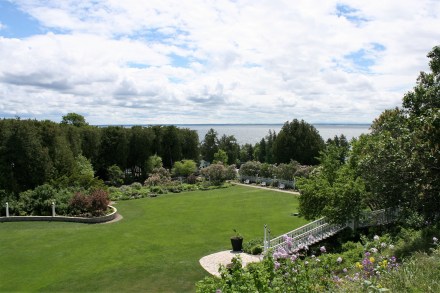
IMG_0315gardens and croquet lawn

Gardens and Croquet Lawn

IMG_0304grand hotel

Grand Hotel

IMG_0308grand hotel from the garden

The Grand Hotel from the garden

DSCN1424

Ian had phoned to book a table, and was informed that the dining room seated 700 people, so they didn’t take reservations. When we got there the room looked full, but we were seated at a window table overlooking the gardens and the lake. Our server, Michael, told us he was from Jamaica, but had lived in London for several years. He gave us a short discourse on Alan Shearer and other scions of English football. And the food was excellent.

IMG_0311view from our table

View from our table

IMG_0314the Parlor, Grand Hotel

The Parlor, the Grand Hotel

Some views as we walked back after lunch.

IMG_0317grand hotel and wildflower bank

Grand Hotel and wildflower bank

IMG_0316guests arriving by horse and carriage

Guests arriving by carriage

IMG_0318transporting the hay

Transporting the hay

IMG_0319dual allegiance

Dual Allegiance

IMG_0320a secret garden

A secret garden

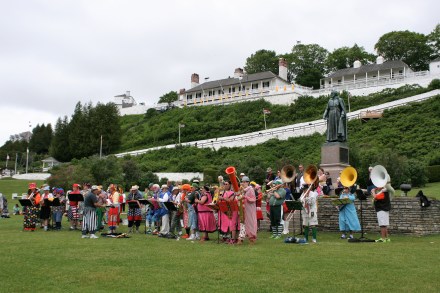
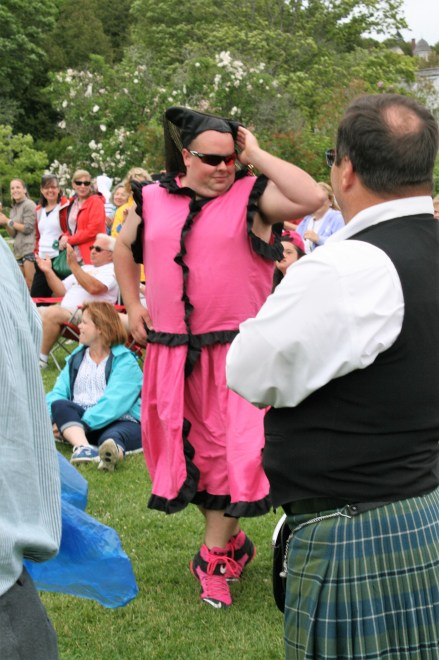
On the way back to the marina we caught the last half-hour of a charity concert being given by the Scottville Clown Community Band in Marquette Park, just below the fort and overlooking the harbour. Their repertoire included the Battle Hymn of the Republic, Basin St Blues and The Stripper, during which two of the band cavorted suggestively amongst the audience, but didn’t actually remove any of their attire.

IMG_0322Scottville clown Band

Scottville Clown Community Band

IMG_0325Scottville Clown Community Band

Scottville Clown Community Band

IMG_0326Burlesque

Burlesque

IMG_0328Basin St Blues

Basin St Blues

Since its formation in 1903, the band has raised over $300K to provide music scholarships for young people.

The main highway on Mackinac Island is 8 miles long and follows the shore all round the island. Half-way round, there is a small beach called British Landing. Our neighbour in the marina, Dean, was a very experienced boater , having crossed the Atlantic twice, and was a mine of information on both boating and American History. He told us that after the Treaty of Paris in 1783, the Americans had taken control of Fort Mackinac. But during the 1812-14 War, the British, Canadians and Native Americans had combined forces and devised a cunning plan to invade Mackinac Island by landing on the opposite side of the island to the fort, stealing up over the hill, and ambushing the Americans from behind.

As we cycled round the island, there were numerous information boards about the geology, wildlife and history, and we couldn’t help noticing that Dean’s version had been slightly reframed, to the effect that the Americans hadn’t been told the war had started, so just gave in gracefully to the invading forces to avoid bloodshed on both sides.

IMG_0005British Landing

British Landing

There was a small cafe at British Landing, so we stopped for morning coffee, but passed on their speciality of deep-fried pickles, which sounded only slightly less unappetising than deep-fried Mars bars.

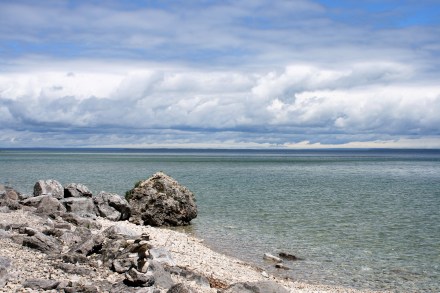
After we left British Landing, the sky gradually cleared and Lake Huron became a deep sapphire blue.

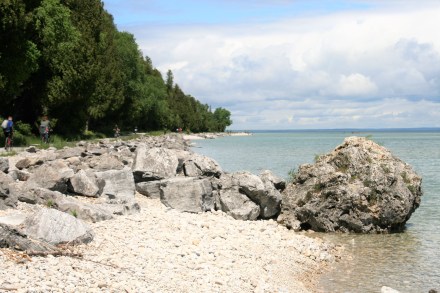
IMG_0007pebbly beach

Lake Huron shoreline

IMG_0010phlox

phlox

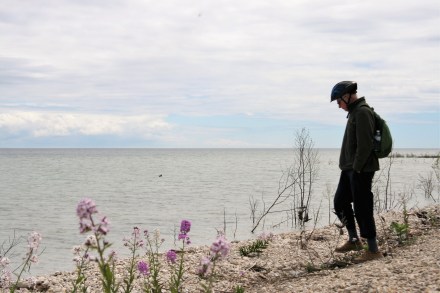
IMG_0011flowers on the beach

flowers on the beach

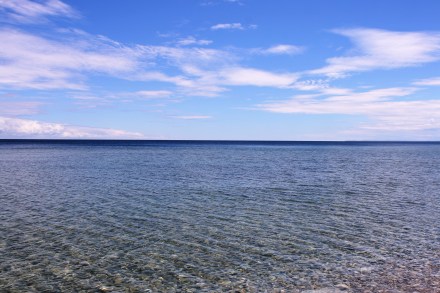
IMG_0016Lake Huron

Lake Huron

IMG_0017Lake Huron

Lake Huron

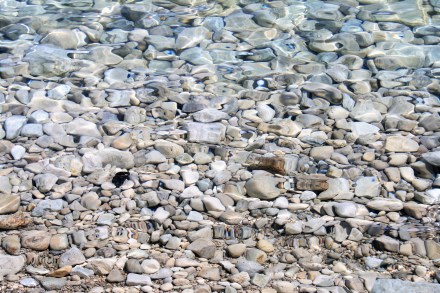
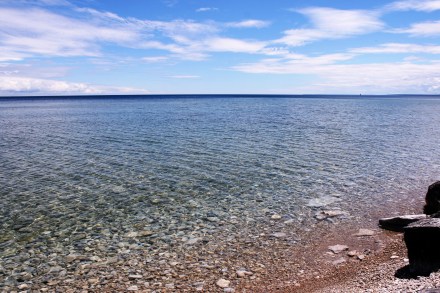
IMG_0018pebbles under water

pebbles under water

IMG_0021Lake Huron

Lake Huron

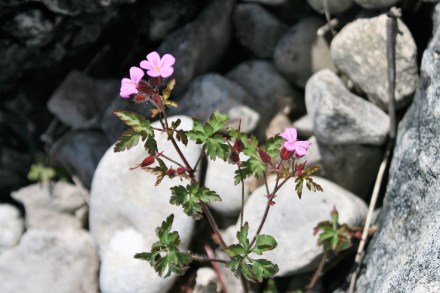
IMG_0022Herb Robert

Herb Robert

IMG_0023Lake Huron

Lake Huron

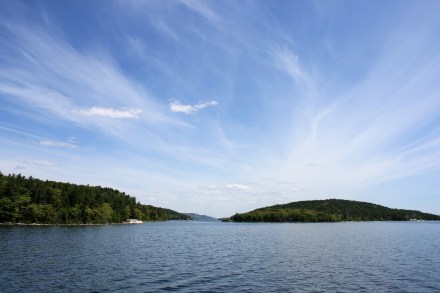
IMG_0025Lake Huron

Lake Huron

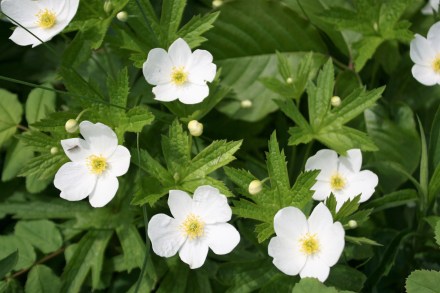
IMG_0026Anenome

Anenome

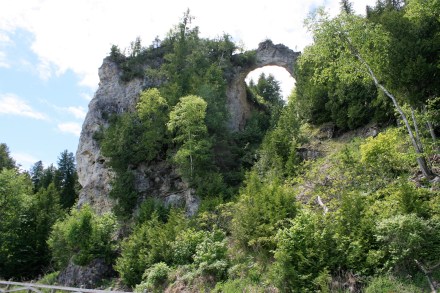
IMG_0028Breccia Limestone arch

Breccia Limestone arch


The North Channel: into the wilderness: Killarney to Drummond Island

From Killarney the small craft route goes west through the North Channel, between the Manitoulin Islands and the mainland, through a wild, rocky, isolated  area with islands dotted in the water, and with only a very few small settlements. It offers a relatively protected passage along the northern shore of Lake Huron, between the Manitoulin Islands and the mainland.

It took us 8 nights to travel the North Channel, staying sometimes in marinas, and sometimes anchored out, depending on the weather and our need for provisions, before we landed back in the USA at Drummond Island. It is still the ‘off’ season, and we’ve seen very few other boats, either on the water or in the marinas.

UntitledKillarney to Drummond Island

Killarney to Drummond Island

After Killarney the land forms long,  finger-like projections into Lake Huron, and we travelled up one of these ‘fjords’ to Baie Fine for our next mooring.

IMG_0115 (3)Georgian Bay from Killarney

Georgian Bay from Killarney

IMG_0118La Cloche from Lansdowne Channel

La Cloche from Lansdowne Channel

IMG_0119Entrance to Baie Fine

Entrance to Baie Fine

We got there early enough to take the dinghy out and explore the narrow channel leading up to the Pool, an area of calm water enclosed by trees and white granite rocks. From there, a marked trail leads up the hill through the woods and over the ridge to Topaz Lake, reputed for its beauty.

IMG_0128The Pool

The Pool, Baie Fine

IMG_0129The Pool

The Pool, Baie Fine

IMG_0132The Pool

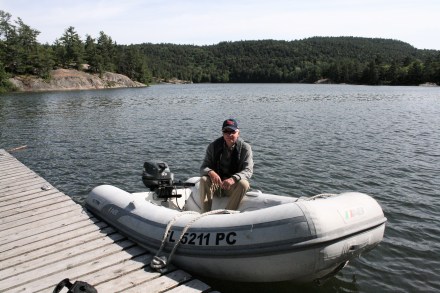
Ian in the dinghy at the Pool, Baie Fine

The trail wasn’t so difficult as the Chikanishing Trail had been, but it was still quite arduous and took rather longer than the guide had suggested. We got to the top of the ridge and decided that as it wasn’t warm enough to swim, we would content ourselves with just climbing to the top of the ridge and taking the view. Even so, it was 7o’clock before we got back to the boat.

IMG_0138Topaz Lake

Overlooking Topaz Lake

IMG_0139The Pool

The Pool

IMG_0142

Carina at Baie Fine

IMG_0147

Evening at Baie Fine

The next day was clear, bright, and calm. We travelled to Little Current to stock up at Valu-Mart, which turned out to be a rather nicer supermarket than it had sounded to the British ears of a habitual Waitrose shopper, with an ample selection of fresh, good quality meat and produce.

IMG_0149

Early morning at Baie Fine

IMG_0150

Early morning at Baie Fine

IMG_0158

Strawberry Island Lighthouse

Strawberry Island Lighthouse, near Little Current, is said to be the finest of the Georgian Bay lighthouses.

Our next stop was an anchorage at Croker Island, and then on to the small town of Spanish.

IMG_0164Evenin at Croker Island

Evening at Croker Island

IMG_0174Evening at Croker Island

Evening at Croker Island

In most parts of the route, the channel is marked by red and green markers, but sometimes there are markers on the shore which you have to line up to ensure that you don’t stray into dangerous areas. This one was at Detroit Channel.

IMG_0181Entrance to Detroit Channel

Entrance to Detroit Channel

A boat, even one as spacious and comfortable as Carina, isn’t really the place to be when you’ve strained your back. Ordinary tasks like putting clean clothes away or getting the breakfast cereals out, or putting things into the microwave, or re-organising the fridge because you’ve just bought several days’ supply of food and there isn’t room for it all, involve much more stooping and bending  than they do at home. And don’t get me started on the gymnastic feat that is putting clean sheets on a double bed when one side of it is permanently attached to the wall.

I’d done quite a lot of deep cleaning on the boat during our first week at Britt, and by the end of the week couldn’t stand up straight or walk properly. Going on the Chikanishing Trail and walking up to Topaz Lake probably wasn’t the cleverest idea, either.  A week later I wasn’t any better, had consumed Carina’s entire supplies of ibuprofen and had started on the paracetamol. I resorted to emailing Jane, our lovely Pilates teacher and physiotherapist, and her almost instant helpful advice (to do lots of back extensions) was very effective and within a couple of days I was back to normal.

But it did rather cramp our style in Spanish. Ian cycled off alone to replenish our food stocks at the supermarket. Rather than eat out, we decided to avail ourselves of the services of the local pizza restaurant, Pizza 17, which claimed never to use frozen dough and would deliver to the door of your boat. It was an unaccustomed luxury to sit drinking beer, waiting for dinner to arrive, but after about an hour we were beginning to wonder where dinner actually was. Ian rang the lady at PIzza 17 and politely enquired. We were glad he had been polite, because it turned out that they thought that the first pizza they had made for us had been overcooked, and they had made another one. And it was excellent.

Sunday began as another brilliant day, and we made an early start, to get to Blind River before the forecast strong winds and thunderstorms materialised.

IMG_0186Leaving Spanish, approaching Norquay Island

Leaving Spanish, approaching Norquay Island

IMG_0199Looking back towards Spanish

Looking back towards Spanish

IMG_0203Near Daly Islands

Near Daly Islands

IMG_0210Whalesback Island

Whalesback Island

It was still bright sunshine when we got there at 4pm, but by 5pm the sky was black and we had every single fender out, and every line secured, to protect Carina against the storm.

IMG_0218

Storm at Blind River

IMG_0223

Storm at Blind River

IMG_0229

Storm at Blind River

Blind River was our last stop in Canada, but before we crossed into US waters we finally saw a pair of loons, sitting in the water a few yards ahead of us.

IMG_0234Leaving Blind River

Leaving Blind River

IMG_0241En route to Harbor Island

En route to Harbor Island

Oddly, it wasn’t until we were almost there that it occurred to me that the US Customs and Immigration officers might be interested in the contents of our fridge. I had once tried to import some bacon for Ted, top-quality, vacuum-packed, Richard Woodall Waberthwaite bacon, and it had been seized and tossed unceremoniously into a bin with other proscribed articles. I wondered whether Canadian bacon would attract the same censure.

But we had a night at anchor at Harbor Island, a small horseshoe-shaped island containing a lovely natural harbour, before we had to face them. It was at last warm enough to shed a layer of clothing and roll our trousers up, though that didn’t last.

IMG_0247Afternoon tea at Harbor Island

Afternoon tea at Harbor Island

IMG_0253Harbor Island

Harbor Island

IMG_0254Harbor Island, looking towards Drummond Island

Harbor Island, looking towards Drummond Island

We arrived at Drummond Island Yacht Haven in the late morning, and Mackenzie, the dockhand, told us that as it was still the low season, the Customs and Immigration Officers were not actually in situ, but ensconced some distance away in Sault Ste-Marie. She very kindly rang them up for us, and returned with the news that they wanted photographs of our passports and visas, which she would supply with her smartphone. They then rang back and spoke to Ian, to say that we would have to go to Sault Ste Marie to be dealt with. Ian very politely pointed out that Carina only does 6 knots and it would take us a whole day to get there, so they said they would come to us, by car and ferry.

We had about an hour to eat anything incriminating, and decided on steak and salad for lunch.

The two officers were very nice. We were allowed to keep the bacon, and the Canadian Merlot. There was some puzzlement about the numerous stamps in our passports, especially when Ian seemed unable to remember for some minutes that we had visited Virginia last January.

Then they spied the fruit bowl. The oranges, lemon and limes had to go, but we could keep the apples and bananas. I opened the fridge.

‘Is that a tomato?’ Indeed it was, and the tomatoes, a green pepper, lettuce, and anything from the onion family which sprouted leaves went too.

After they had gone, we borrowed the marina’s ancient jeep and went to the grocery store to make good our supplies.


Georgian Bay: Britt to Killarney, and hiking the Canada way

The Captain’s keenness to get going with the next part of the trip was counterbalanced by a reluctance to repeat the Lake Ontario Experience, and risk further mutiny from the crew. The route to Killarney included a 15 mile stretch of open water, so he thought it wise to wait for the perfect day to leave Britt.

IMG_0004

Evening at Britt

We were sad in a way to leave. Graham and the staff at Wright’s Marina had looked after Carina for us over the winter, kept us well-informed and been very helpful with all the things we needed to do when we came back.

IMG_0008

Ian and Pauline

IMG_0011

Ian and Graham hoisting the dinghy

But Saturday was that perfect day and we cruised from Britt down Byng Inlet and out into Georgian Bay  in the bright sunshine and sparkling water.

IMG_0007

Morning at Britt

IMG_0013Georgian Bay ahead

Georgian Bay ahead at the mouth of Byng Inlet

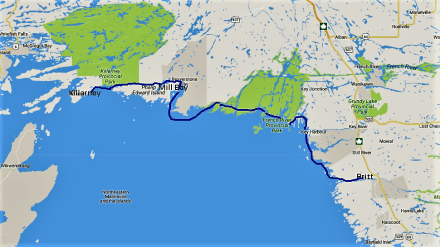
We followed the small craft route, hugging the coastline and following the clearly marked channel between the many small islands.

Britt to Killarney

Britt to Killarney

IMG_0024near Golden Sword Island

near Golden Sword Island

IMG_0027

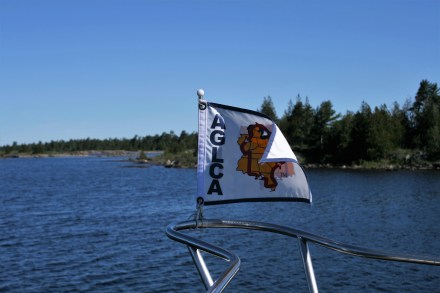
Flying the flag of the American Great Loop Cruisers’ Association near Golden Sword Island

IMG_0054Near vFrench River Provincial Park

Near French River Provincial Park

IMG_0058approaching Obstacle Island

Approaching the channel leading to Obstacle Island

The season hasn’t really started here. We saw only two other boats on the water all day, and had to wait while one of them exited this narrow channel before we could go on.

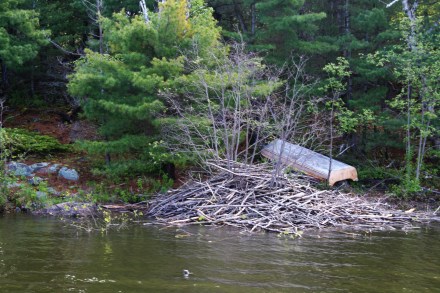
We anchored for the night in Mill Bay, 15 miles east of Killarney, and had the anchorage to ourselves except for a beaver who obligingly came out at dusk and entertained us by gliding around and occasionally diving down, resurfacing with something tasty for his supper. Too far away for any photos, but this is his lodge.

IMG_0073

Beaver’s lodge near our mooring

It was hard to believe that Sunday would bring relentless rain, as forecast, but it did. So we stayed put and delayed our departure till Monday morning.

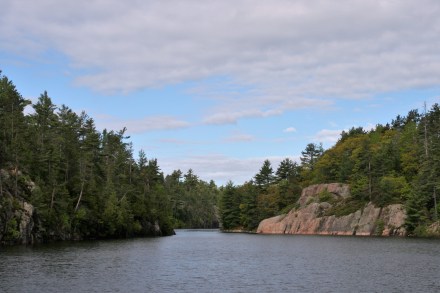
We passed along the narrow gorge of Collins Inlet, between the mainland and Phillip Edward Island, and then another stretch of open water before reaching Killarney.

IMG_0082

Collins Inlet

IMG_0093

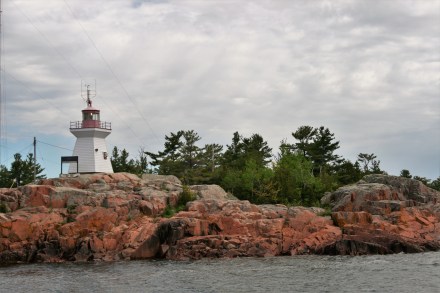
Killarney East Lighthouse

Until the mid-50s, the small town of Killarney was a centre for the lumber trade as well as a fishing village, and the surrounding area would been de-forested and have looked very different. Now, it’s a very popular venue for boaters, and the Killarney Provincial Park attracts hikers and campers. Until 1962 there was no road access, but it now has a road link with Sudbury.

We moored at the Sportsmans Inn Marina and had a warm welcome from Ryan and Dee, the dockhands. The next day Debbie, the receptionist, not only kindly gave us a lift to the start of the Chikanishing Trail, but insisted on lending us bug-hats, without which we would have been prey to the many biting insects. She also made sure we knew what to do, should we arouse a bear’s curiosity.
IMG_0111

Crocodile Dundee in his bug-hat at the start of the Chikanishing Trail

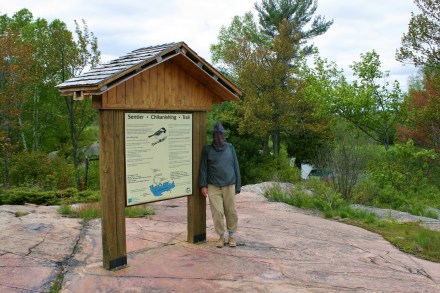
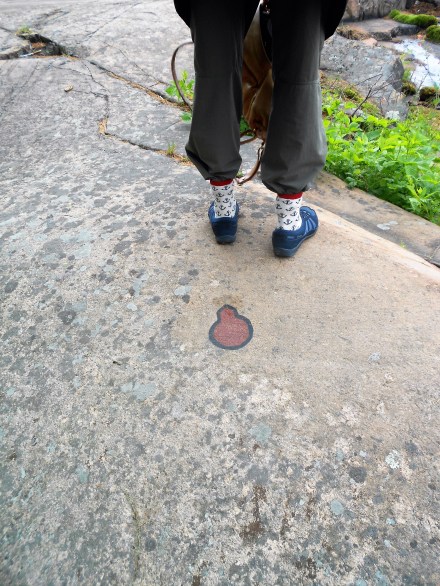
By this time we had realised that hiking in Canada is not quite like hiking in Britain. ‘Trail’ does not mean ‘path’. It simply means a straight line joining a series of waymarks, some of which are attached to trees and some painted onto slabs of rock.

DSCN1390

Trail marker on the pink granite. We decided to comply with the Park advice to tuck your trousers into your socks, to minimise the ingress of biting insects

The straight line might just mean traversing a slab of rock, or it might involve picking your way up a rock face, or sliding down one. The Chikanishing Trail was 3.6 km long, and the information board suggested it might take 2 hours or more to complete. It took us nearly 3, owing only in part to frequent photography stops. It was quite a challenge for someone in their 7th, or even 8th, decade.

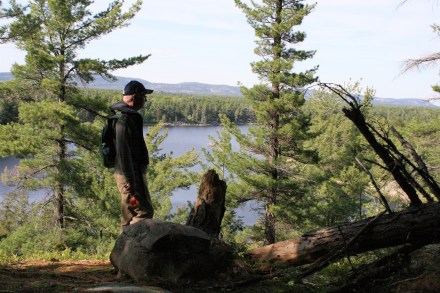
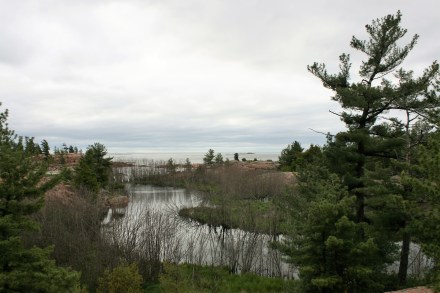
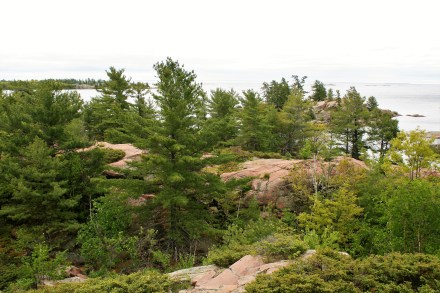
But it was worth it, with stunning views out over Georgian Bay and towards the hills behind us.

IMG_0101

Killarney Provincial Park

IMG_0104

Killarney Provincial Park

IMG_0106

Killarney Provincial Park

IMG_0109

Killarney Provincial Park

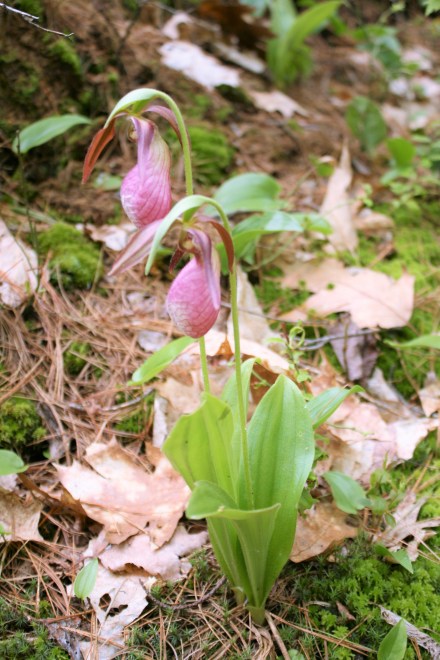
We didn’t see any bears, but we did see some lovely wildflowers, including the rare Showy Lady’s Slipper orchid.

IMG_0107

Showy Lady’s Slipper

IMG_0110

Clintonia Borealis

DSCN1395

Starflower, Lysimachia borealis

DSCN1399

Bunchberry, cornus canadensis

We had no map. Debbie had assured us that the way was so well-marked that we couldn’t possibly get lost, or need one. But I realised after some time that the value of a map is not simply that it helps to identify where you are, but perhaps more importantly, gives an indication of how much further you have to go. We had been scrambling over the rocks, apparently getting further and further away from the starting point, for what seemed a worrying length of time, before the trail suddenly took a sharp left and led us for the last half-mile along a wooded path through the trees.